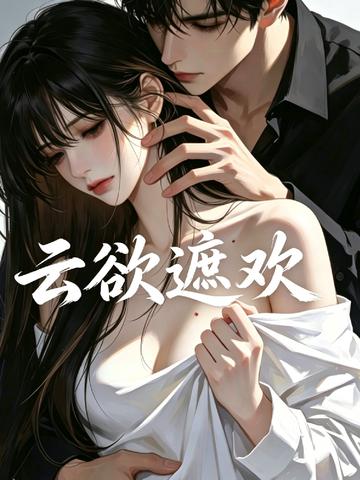
Ten out of ten Republican-era romances end in tragedy.
He said, “Xie Chunzhi, do you know what I regret most in this life?”
She said, “What?”
He said, “Speaking up for you that day at the Rong residence. If I’d kept quiet, you might have died, but my heart wouldn’t hurt like it does now, as if it were being twisted by a knife.”
She lowered her head, for a long, long time.
Then she said, “Rong Qimin, do you know what I’m embroidering with this stitch?”
“What?”
“A lifetime.”
“Whose?”
“Yours.”
He froze.
She raised her head. There were no tears in her eyes, only light. “I’ve never asked anyone for anything in my life. Today, I’m asking you for one thing.”
“Tell me.”
“Please don’t be too good to me. I’m afraid that if I get used to it, I won’t be able to leave you.”
He fell silent for a long time.
Outside the window, Shanghai’s night fog was so thick it seemed impossible to disperse. The distant whistles of ships on the Huangpu River sounded like someone crying.
“Xie Chunzhi,” he said, “do you know why I came back from Japan?”
“Why?”
“The day I left, I saw a Chinese flag on a ship in Tokyo Bay. It was torn and old, flapping in the sea wind. But it was still flying.”
He paused.
“I thought then that there were still people who cared about this country. So I came back for no other reason than to find someone who cared, too.”
“Did you find them?”
“I did.”
“Who?”
He said nothing. He only looked at her.
His gaze made her heart burn, as if she’d been pricked by a needle.
That needle was her own.