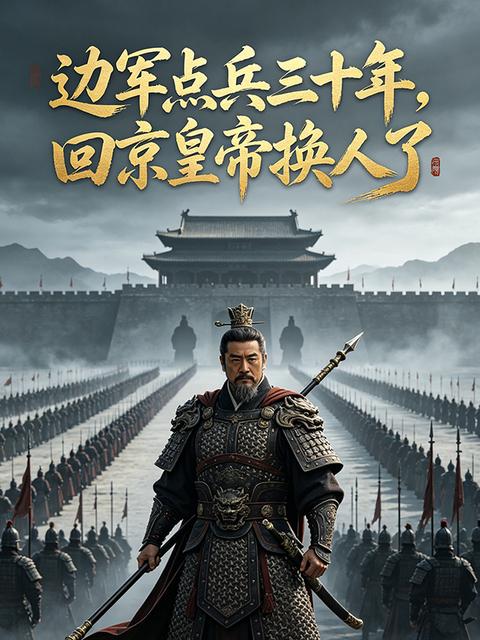
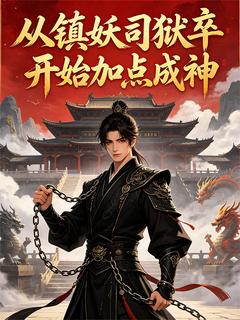
The story takes place in the fictional dynasty of Dayong.
Dayong has stood for over 170 years. Once at the height of its power, it is now in the late stages of its golden age, peaceful on the surface but hollow within:
- To the north lies the Shuo Yuan royal court, whose fierce cavalry regularly rides south to probe the frontier.
- To the west are the tribes of Hehuang, who alternately submit and rebel, providing recruits and opportunities for glory to the frontier armies.
- **The southeast is the lifeline of salt, iron, and grain transport**. It is immensely wealthy, and particularly prone to collusion between officials and merchants.
- The capital, Shendu, concentrates power. The inner court, aristocratic clans, imperial family, and censorate keep one another in check, and everyone uses “imperial authority” to advance their own interests.
On the surface, Dayong is still ruled by the long-reigning Emperor Chengning. He rarely appears in public, however, and has been gravely ill for years. The court has grown accustomed to “seeing edicts but not the emperor, hearing decrees but not his voice.”
The real problem is this: **the throne still exists, but the person sitting on it may not always be the same one.**
This is no simple “change of dynasty,” but a decades-long “replacement of imperial authority,” sustained by countless people:
- The imperial seals are real;
- The era name is real;
- The Secretariat and Department of State Affairs are genuinely at work;
- The ancestral rites and ceremonies are all real;
- But the “Son of Heaven himself” may not be.
This leaves the entire realm in a perilous state:
**The court continues to function, so most people have no desire to question the truth. But if that truth is ever exposed, the legitimacy of all Dayong will be shaken.**