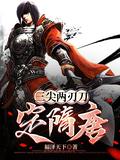
In the seventh year of Tianxing in Nanliang, millions of cavalry from the Northern Dynasties invaded the south, Jiangbei was completely trapped, and the capital was in danger.
Xiao Chen is a refugee who escaped from Jiangbei. His parents and brothers were killed by Zhao Jun.
He was coerced by the defeated soldiers to join the army and became the lowest auxiliary soldier. He was not even qualified to go into battle to kill the enemy. He could only carry luggage, transport food and grass, and collect corpses for the soldiers.
Everyone thought Nanliang was going to die.
Until the night when Zhao Jun crossed the river, Xiao Chen, with seventeen auxiliary soldiers, sailed a fishing boat and scuttled three Zhao Jun's main warships.
It was the first time that the civil and military officials of the Manchu Dynasty remembered this name.
From the Battle of the Yangtze River to the Northern Expedition, he led a motley army composed of refugees, defeated troops, and surrendered soldiers. After ten years of bloody battles, he regained the sixteen states in the north of the Yangtze River, marched to the capital of Zhao, and forced the Northern Dynasty to cede territory and become vassals.
He started out as an auxiliary soldier, and eventually became the marshal of the world's soldiers and horses, was granted the title of Duke of the country, and was worshiped as the Prime Minister and entered the court.
On his deathbed, the emperor entrusted him with an orphan and respected him as his father-in-law. When the young master was first established, he suspected that his great achievements would overwhelm the master, and he cut his power everywhere. Until Zhao Jun tore up the alliance and invaded south again, the Manchu Dynasty was helpless
Xiao Chen put on his armor and mounted his horse, fighting to decide the outcome.
On the day when the commander returned to the DPRK, he surrendered all military power in front of the civil and military officials of the DPRK and disbanded the Iron Army.
That night, the young emperor visited Duke Dingguo's mansion in person and bowed in salute.
This is a story of daring loyalty between a military god who was an auxiliary soldier and a king in troubled times.

 Biography of Jing Yan: Zuo Yingzheng Supported Su and Opened Kyushu
 Exiled to the Borderlands from the Start, with Emperor Wu of Han as My Father
 The First Remonstrator of Zhenguan: My Duke Is So Stubborn
 Great Tang: I, Li Chengqian, Keep Powerful Ministers in Line
 Great Tang: I Stole the Imperial Seal and Declared Myself County Magistrate from the Start
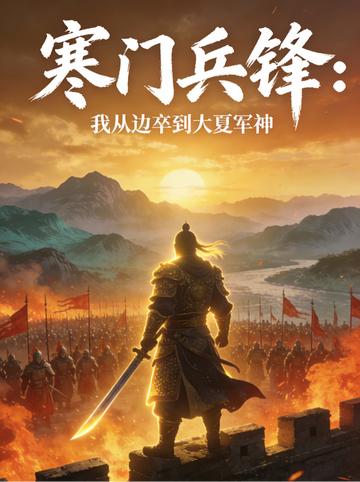 The Poor Soldier’s Edge: From Border Recruit to Great Xia’s God of War