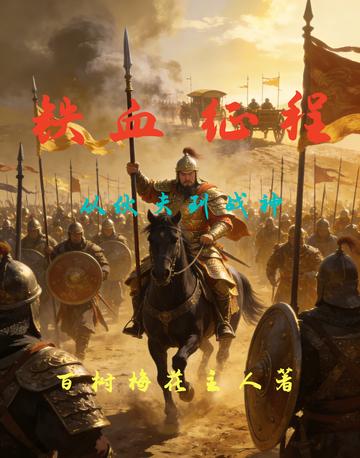
In the first year of the Jingkang era, the Jin army’s iron hooves crossed the Yellow River. Eighteen-year-old cook Lu Xiaozheng fought in a bloody battle at the supply camp, killing enemies with a kitchen knife. The famed general Zong Ze, who fought against the Jin, promoted him beyond all expectations. From then on, a lowly cook began his path to becoming a god of war.
From his first battle at Heishui Slope, where blood stained his armor, to crossing the Yellow River by night to burn the enemy’s siege engines; from holding a ferry with just fifty men to leading three thousand isolated troops in the “Miracle of Juancheng,” he faced one hundred thousand enemies and held out for seven days and nights before launching a night raid to capture their commander and force the enemy to retreat. Amid the flames of war, he met and fell in love with Shen Yunshu, a military physician. They married on the battlefield, but just three days after their wedding, he left for the front. The couple made a promise: “The day the Jin are defeated will be the day we retire in seclusion.”
But fate had other plans. He disobeyed orders and marched north, capturing three cities in a row, only to be called to account by the court. He risked his life to rescue Yue Fei, who had been framed, and was banished to Lingnan. When the Jin invaded south again and no one at court dared to fight, Lu Xiaozheng, now over forty, donned his armor once more. He routed the Jin at Caishi and then led an army of eighty thousand north, vowing to retake the lost lands.
He reclaimed Xiangyang, crushed the Iron Pagoda Army, liberated Bianjing, and watered his horses in the Yellow River. Using the Thirty-Six Stratagems to his advantage, he routed three hundred thousand Jin troops with a fire ox formation and blasted open Youzhou’s walls with tunnel warfare. At last, he struck straight at Huanglong Prefecture. The Jin emperor took his own life, and the shame of Jingkang was avenged. On the day of his triumphant return, his achievements made the emperor wary, and he was given an honorary promotion while being quietly stripped of real power.
Ten years later, the Mongols rose, and the border was in danger. The white-haired general took command once more, campaigning in the northern deserts alongside his eldest son. After returning victorious, he wisely retired before he could be brought down. At seventy-three, old wounds he had carried for years reopened, and he passed away peacefully in the fading light of the setting sun over the Yellow River.
The emperor suspended court for three days, the entire army wore white mourning clothes, and the people wept as they saw him off. One generation’s god of war returned to the Yellow River, leaving behind an immortal legend: from kitchen hand to marquis.
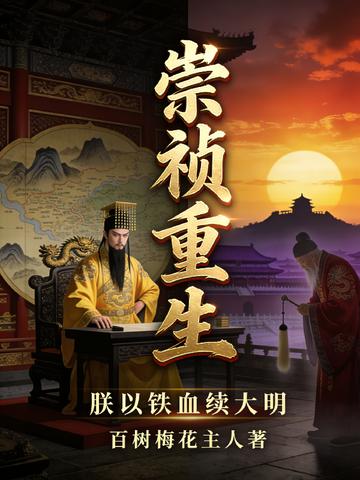 The Reborn Chongzhen: I Will Preserve the Ming Dynasty with Blood and Iron
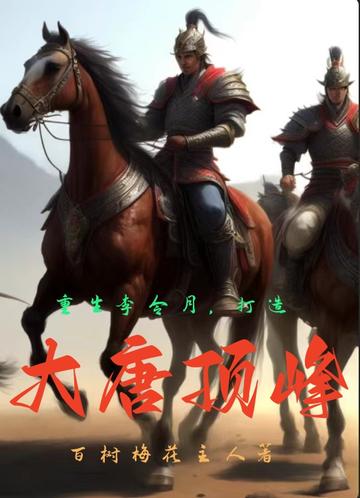 Reborn as Li Lingyue, I Build the Tang Dynasty to Its Peak
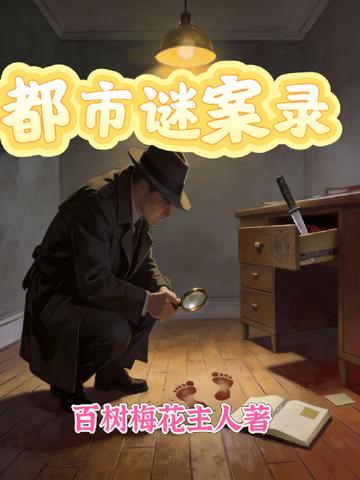 Chronicles of Urban Mysteries
 The Blade of the Hound
 Public Service: Responsibility and Commitment
 Sequence: F-Rank from the Start, He Slaughters an S-Rank Beast
 The Showdown
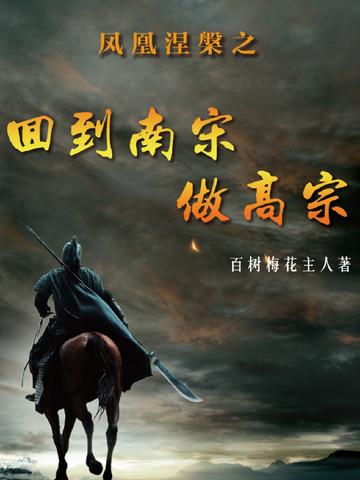 Phoenix Reborn: Returning to the Southern Song to Become Emperor Gaozong
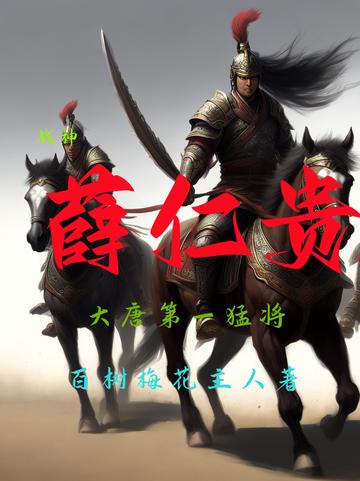 Xue Rengui, Great Tang’s God of War and Number One General