As I write these words, I can no longer tell whether this is a novel or a letter that has arrived far too late.
The person in this story was once at the center of my universe for the latter half of my sixteenth and eighteenth years, and most of my nineteenth. Now I feel more like an archaeologist, trying to piece together the shape we once shared from the ruins of memory. Some stones have weathered away; others have grown too smooth from my repeated touch. So let me be honest: what you are about to read is a version revised by memory, time, and regret.
I wrote it to lay a ghost to rest: the girl who lived in summers past, and the awkward boy who loved her.
I also wrote it to finish a conversation, even though the other end may have fallen silent long ago.
If you, too, have left a part of yourself with someone from the past or in some bygone chapter of your life, then perhaps this book was written for you as well. We are all learning how to live peacefully alongside the people and events that shaped us, then eventually left us.
Every memoir is a novel, and every novel is also a memoir.
This book does not try to record “what happened.” That has already evaporated into time with the cicadas’ summer song. It records how events have refracted and settled in one person’s heart over the years. I cannot promise that every detail is perfectly accurate, only that the emotions are true.
Now, come with me as I push open that rusty iron gate. Beyond it lies the summer of 2021. The breeze in Xibei Town carries the heat of the bluestone paving and rushes toward us. You’ll have to decide for yourself how to understand the character Lin Jia, because she can be anyone to anyone.
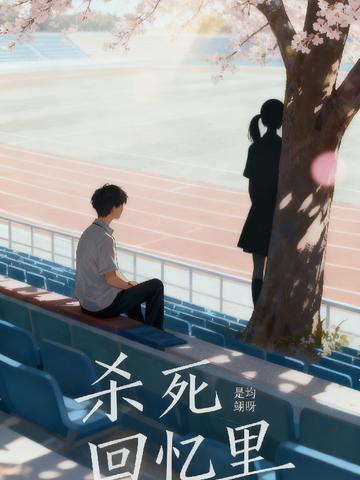


"This book is not for those looking for sweet comfort. It's for those of you who have spent late nights chewing on the scraps of relationships, looking at your own dark side, and wondering, 'Why do we love each other but destroy each other?' With astonishing courage and literary precision, the author puts a youthful love on the anatomy table. What we see is not only the crimson of heartbeat, but also the bruise of vanity, the pale white of lies, and the dark yellow of guilt. This is not just a love story. This is an archaeological excavation through the fog of memory, and what is finally unearthed is the imperfect but extremely real 'remains of love' that all of us have carried. It takes courage to read it. But when you close the book, you will have a solemn respect for love and the complexity of human nature. "