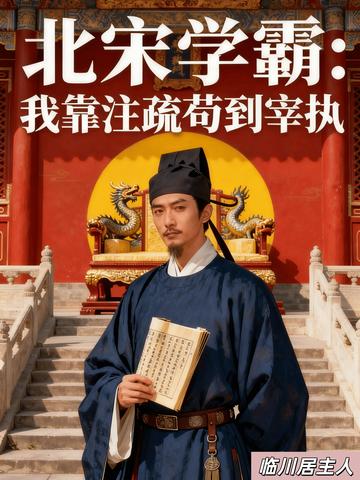
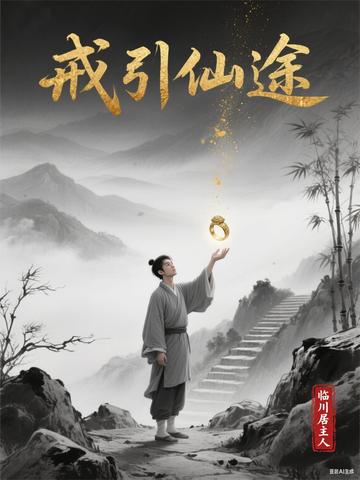
In the late spring of the second year of Qingli, Su Mingyuan, a scholar of classical literature, transmigrates to Xuan’de Gate in Bianjing with nothing but his profound knowledge of classics and textual research. He astonishes the book merchants at Xiangguo Temple with his “red-and-black parallel collation method” for a fragmentary copy of the Book of Han, then earns the Imperial College’s recognition by using the Shuowen Jiezi character “mang” to investigate a variant reading of the phrase describing Emperor Gaozu’s prominent nose. Thus begins a struggle to survive through pure scholarship.
Caught in the vortex of the Northern Song’s mid-period factional strife, Su Mingyuan wields the “Doctrine of the Mean” as a spear and textual collation as a shield. He collates military records from the third year of Zhidao to expose a dispute over the interpretation of the word “family” in the Xining baojia system; examines traces of tampering in the “This is called the Way” passage of the Kaicheng Stone Classics, sparking a debate between Luoxue and the New Learning over doctrine; and investigates differing readings of “the interest on state levies” in the Rites of Zhou, searching for room to maneuver amid the debate between Wang Anshi and Sima Guang. From proofreader at the Institute for the Veneration of Literature to chief editor of the Three Libraries and Secret Pavilion, he must deal with tests from seasoned officials such as “Ink-Obsessed” Wang Yan, while guarding against frame-ups by hardline New Party officials like Li Ding. He even uses variant readings in the Book of Songs to detect counterfeit coins, and applies his knowledge of river mapping from Commentary on the Water Classic to resolve a dispute over dredging the Bian River.