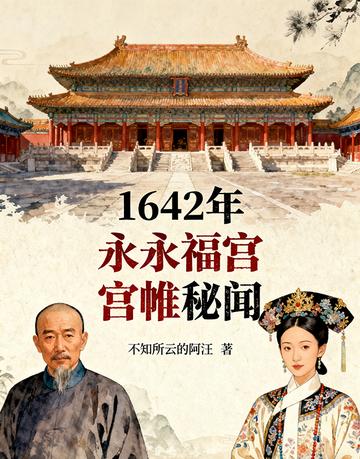
[Late Ming, early Qing] [Unofficial Manchu history: Hong Xue] [Hong Chengchou and Xiaozhuang] [The mystery of the early Qing bloodlines] [The mystery of the bloodlines of Hong Taiji, Shunzhi, and Kangxi]
In the late autumn of 1642, a hidden undercurrent was brewing within the palace at Shengjing, concealed from the pages of history.
Hong Chengchou was captured. Hong Taiji spared no effort to persuade him to surrender, even tacitly allowing his favorite consort, Xiaozhuang, to visit the prison alone at night.
Sixteen-year-old maid Liu Ruoyi, whose family had been slaughtered in Liaodong, was forced to serve as the interpreter in this power struggle. Fluent in Chinese, Manchu, and Mongolian, she witnessed a secret passion between consort and captive that went beyond any attempt at persuasion, and sensed something ominous in their late-night sighs and sobs.
Beneath the palace walls, six pairs of eyes watched in secret:
An old eunuch glimpsed a bloodstained handkerchief while sweeping. A guard noticed that the prison was under unusually tight security. An Imperial Household Department clerk found it suspicious that the accounts recorded pregnancy precautions for someone who could not conceive. The imperial chef was ordered to prepare Fujianese dishes. The imperial physician felt a pulse that clearly indicated pregnancy, yet could only write “stomach and spleen disharmony” in his notes...
Rumors spread like wildfire, pointing to the “imperial fetus” that should not exist in Yongfu Palace.
When the character “Hong” carved inside a jade bracelet came to light, when herbs to promote blood circulation and dispel stasis were added to the bathwater late at night, when Prince Rui's spies slipped into the palace, all the clues wove together into a net, pointing to a shocking truth.
There are no secrets in the inner palace. Every lie waits to be exposed.
And those who pry into its secrets have long since become pieces on the board.
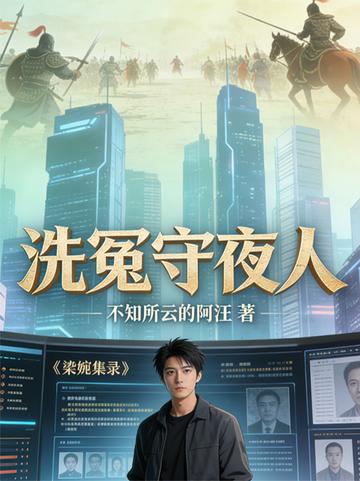 The Night Watchman Who Clears the Wronged
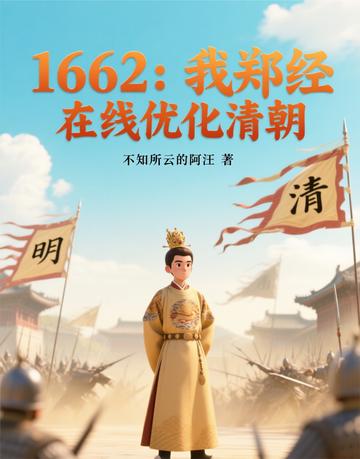 1662: I, Zheng Jing, Am Optimizing the Qing Dynasty Online
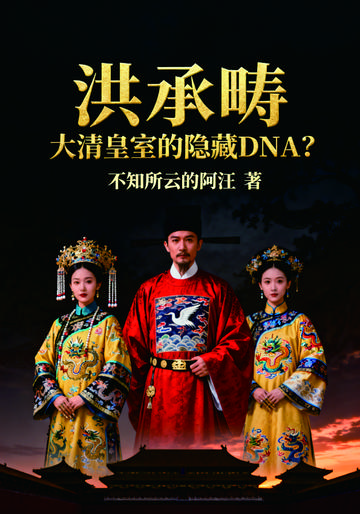 Hong Chengchou: Hidden DNA in the Qing Imperial Family?
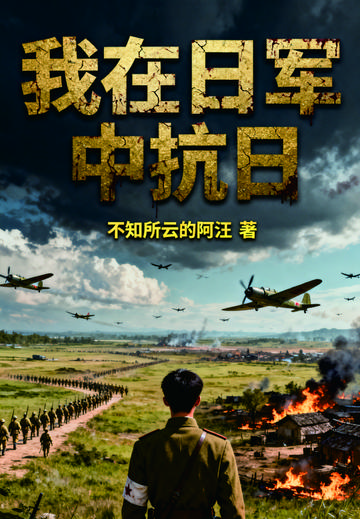 Tales from Central Hebei: Fighting the Japanese from Within Their Ranks
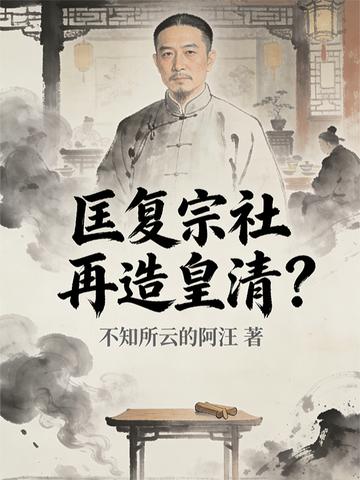 Restore the Ancestral Realm and Revive the Qing Dynasty
 Bloodshed in Hunan, 1939–1945