Friends! First, let me ask you three questions that might hit a nerve. Do you know that the goji berries you steep every day were a royal tribute reserved for the imperial court during the Ming and Qing dynasties? You add angelica root to your soup because you know it nourishes the blood, but did you know it can also help ease menstrual cramps? You drink patchouli tea in summer thinking it only treats heatstroke, but did you know it can also settle an upset stomach from eating cold food?
Don’t scroll away! I’m not here to bury you in dry theories about Chinese medicine or make up mysterious tales of miraculous cures. I just want to chat about the 100 most common medicinal herbs around us. Each one comes with real history and practical uses. No filler, just useful information!
Take Ningxia goji berries, for example. Not every red berry is fit to be called a “tribute fruit.” During the Ming and Qing dynasties, only goji berries from Zhongning, Ningxia, were sent to the imperial palace. Why? Because the sandy soil and Yellow River water there produce berries with just the right sugar content. They stay afloat in water and aren’t cloyingly sweet when chewed. If you’re a night owl, steeping a handful in hot water every day works better than an energy drink, and you don’t have to worry about additives. Then there’s angelica root from Min County, Gansu. Local farmers follow strict rules when harvesting it: they dig it up only after the Frost’s Descent solar term and dry it with the soil still attached. Why? Because this helps preserve the root’s essential oils. If menstrual cramps leave you in a cold sweat, try boiling an egg with angelica root. It’s gentler than painkillers, and even my mom used it to help regulate her health.
There’s also licorice, which you may not have noticed. Eight out of every ten herbal prescriptions from a pharmacy include it. Old Chinese doctors call it the “Grandfather of the Nation.” Like salt in a dish, it helps balance the effects of other herbs. If your throat feels parched, suck on a piece of licorice root. It works better than throat lozenges. And then there’s poria from southern China.
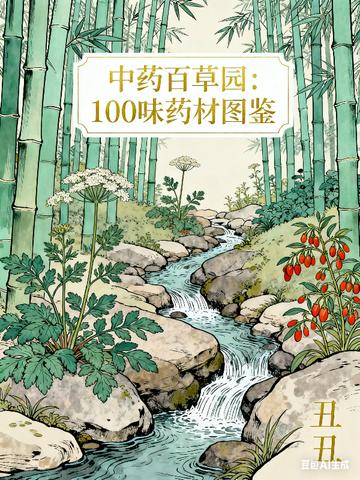
 The Wonders of Traditional Chinese Medicine
 The Hong Kong Island Warrior's Guide to Slaying Ghosts
 Hands-On Traditional Chinese Medicine
 I’m a Magician. Why Are You Immortal Cultivators Afraid of Me?
 The Power Game: A Breakdown of the Emperor's Madness
 The Secrets of Obscure Gods Revealed
 Historical Anecdotes
A good book worth studying
A rare good book, especially suitable for people in the Chinese medicine industry
If there is any pain, just check it out.
This book is really good for us
The book introduces many traditional Chinese herbal medicines that have the same origin as medicine and food, their main medicinal properties, authentic production areas and purchase methods, which I feel is quite practical.