Using "silence" as its central thread, the story connects childhood trauma with intergenerational relationships. Through two episodes in which Yanyan is struck mute for different reasons, it portrays fear, defiance, and growth from a child's perspective, as well as the complex emotional bonds between domineering elders and vulnerable children.
Yanyan's silence has always come in two kinds.
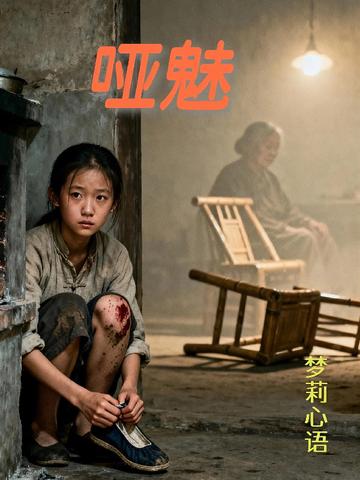
When Great-Grandma orders her, "Come with me to my family home in Xihe Mountain," Yanyan lowers her head and picks at the hem of her clothes. Even when Great-Grandma says, "When I was team leader, everyone did as I said," Yanyan doesn't utter a word. This is how she resists control, like a quiet little blade of grass, guarding her small thoughts by staying silent. But one night, she touches Great-Grandma's cold face and hears that terrifying "huh-huh" sound. She wants to scream but can't. Barefoot, she crawls out the door, scraping her knees bloody, but doesn't dare stop. This time, fear has seized her throat, locking it in a way even she can't undo.
Her mother always calls her "unsociable," never noticing how loudly she laughs while playing hide-and-seek with her friends. Great-Grandma always calls her "dull," yet after her death leaves behind a pair of new cloth shoes she never got to give Yanyan. Only after Great-Grandma is buried, when Yanyan picks up the shoes in front of her portrait and softly says, "They're so pretty," do the adults suddenly realize: so much unspoken fear and unseen love had been hidden in the child's silence.





Don't open this story about "silence" easily. It knows how to poke a certain moment in your memory - it may be the words you swallow when you are misunderstood by an adult; it may be the shoulders that quietly shrink when you look at the strong appearance of your elders. Yanyan uses "muteness" twice to unfold her childhood trauma and intergenerational bonds in front of you: the first silence is a shield, blocking her grandma's anger and her own grievance; the second silence is a weapon, to get back her own justice. But in the end, you will find that what is hidden in the silence is never hatred, but the warmth in grandma's rough palms, and Yanyan's unspoken "I understand you." This is not a story about "healing", but about the unspoken words and ununderstood feelings between us and our elders. Eventually, at some moment, tears will flow into our hearts and slowly cover up the heat.