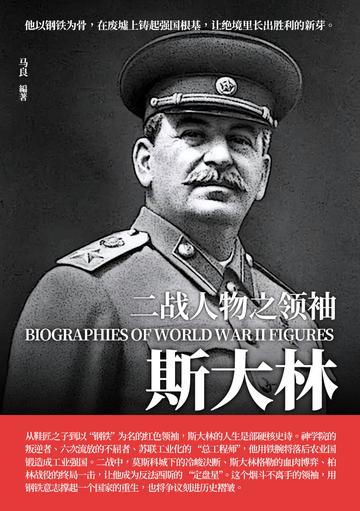
Joseph Stalin was the core leader who shaped the fate of the Soviet Union and the pattern of World War II in the 20th century. His life was intertwined with revolutionary passion and iron will. Born into a poor shoemaker's family in Georgia, he went through many hardships at an early age, growing from a rebel in a missionary school to a staunch Marxist. He was repeatedly arrested and exiled for organizing labor movements in his early years, but he never changed his will to fight.
During the October Revolution, he participated in the leadership of the armed uprising. Later, he displayed outstanding military talents in the civil war, defended Tsaritsyn, commanded multi-front operations, and made great contributions to the consolidation of Soviet power. After the outbreak of World War II, faced with Hitler's sudden invasion, he responded calmly and led the defense of Moscow with iron will to break the myth of German invincibility. The victory in the Battle of Stalingrad became a turning point in World War II. The Battle of Kursk, the Battle of the Dnieper River, and the capture of Berlin pushed fascism step by step.
After the war, he promoted the Fourth Five-Year Plan to quickly rebuild the devastated Soviet Union and make it one of the world's great powers. From a revolutionary youth to the supreme commander of the Soviet Union, he interpreted the weight of the name "steel" with his tenacity and vision. The Soviet Union's contribution to the anti-fascist war under his leadership profoundly affected the course of world history and became a complex and great leader engraved on the monument of the times.

Georgian Butcher.