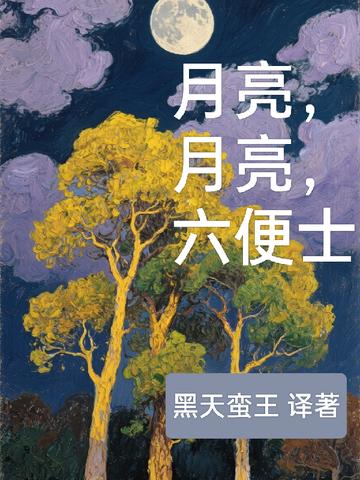
A classical Chinese version of The Moon and Sixpence.
In the firmament of literature, The Moon and Sixpence has always been a solitary star edged with thorns, both searing and captivating. Its importance lies not in the intricacy of its plot, but in the way it cuts through the ambiguous veil between convention and idealism like a sharp scalpel, forcing every soul adrift in life to face an eternal question: when the petty concerns of sixpence fill our days, is the moon's clear radiance still worth leaping for?
With a coolness bordering on cruelty, Maugham portrays Charles Strickland, a character who seems almost mad. He abandons his comfortable family and respectable career, then turns away from them in middle age to seek the shabby streets of Paris and the jungles of Tahiti, all for the blazing fire of art within him. His selfishness, obsession, and utter indifference to the warmth of ordinary life have appalled and even repelled countless readers. Yet they also tear open our fixed ideas of “success” and “happiness.” This is no hymn to a hero, but a naked declaration of the self: when a person places the full weight of their soul on the scales of an ideal, even if the world collapses, they will eventually find their own stars among the ashes.
The book's power lies in its refusal to offer easy answers. It neither praises Strickland's coldness nor condemns the mediocrity of ordinary life. It simply lays bare two possible choices: one is the security of bending down to pick up sixpence, the other the lonely courage of lifting one's eyes to the moon.