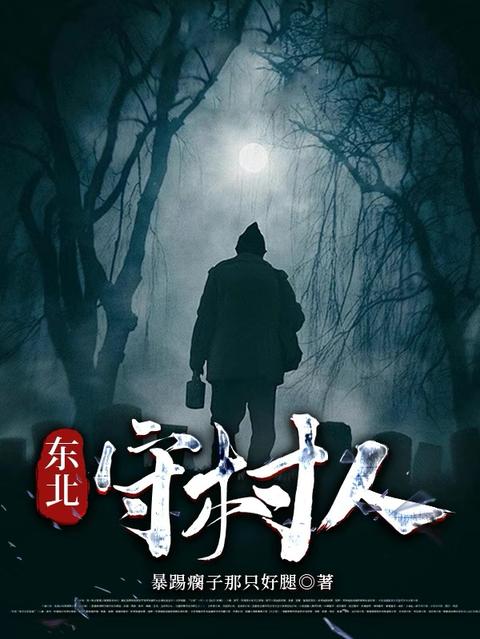
In the rural Northeast of China in 2005, Zhang Tiegen is known for miles around as the “crazy kid.” When he was three, he fell into the old well at the west end of the village. After they hauled him out, he went completely bonkers. He spends his days squatting on woodpiles, chatting with thin air, and feels closer to graves than to his own father.
No one expected him to slap his thigh on his eighteenth birthday and say, “Huh? What am I doing squatting here?”
His madness is cured, but strange things start happening.
He sees a weepy old man with a white beard hanging beneath Wang Laowu’s eaves. The old bachelor froze to death there. He discovers a girl in a red padded jacket who’s always wrapped around the crooked tree at the village entrance, just trying to steal the children’s candied hawthorns. Even when Er Zhuzi’s family loses a chicken, Tiegen can point at the pigsty and say, “There. The yellow weasel borrowed it as a betrothal gift. It’ll definitely bring it back tomorrow.”
From then on, people wear a path to the Zhang family’s doorstep.
“Tiegen, something keeps making me walk in circles in my cornfield!”
“That’s Old Liu’s late great-grandpa. He got lost, so I showed him the way. Told him to head toward the smell of fertilizer.”
“Tiegen, I keep hearing someone knock on my window in the middle of the night!”
“Don’t panic. It’s your late grandma. You forgot to burn her a smartphone, so now she wants you to top up her data plan.”
After fifteen years of madness, Zhang Tiegen becomes the village’s “yin-yang mediator.” Whether it’s a ghost who hanged himself and says the rope is too tight, or a fox spirit who wants to borrow a TV to watch Liu Laogen, he can pour out some erguotou and talk things through with them.
After all, even ghosts and monsters have to follow Northeast rules on this black soil: talk things out, and don’t delay spring planting.