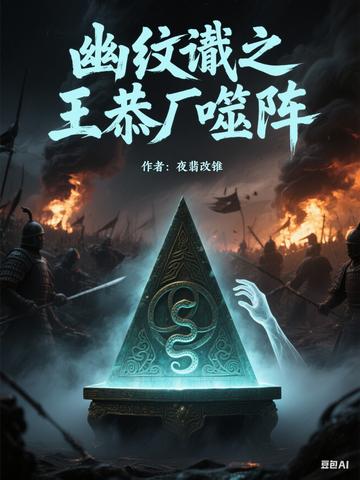
In the sixth year of the Tianqi era, while cannon fire from the Battle of Ningyuan thundered across Liaodong, a bizarre ceremony blending Chinese and Western elements was unfolding deep inside the Wang Gongchang Arsenal in Beijing. A black-robed figure chanted incantations and offered sacrifices. Patterns on a bronze altar intertwined with talismans; the sky split open, and a gear-shaped totem appeared. This mysterious event, buried beneath the dust of history, quietly planted the seeds of a curse that would endure for four centuries.
Centuries later, in modern Hangzhou’s Canal Smart Innovation Park, programmer Chen Mo is under pressure from a Double Eleven project when he discovers that his code is automatically generating bizarre passages identical to mysterious patterns from the Ming dynasty. Terrifying visions appear one after another at his desk, in the bathroom, and in the elevator: the printer spits out a bloody totem, bloody writing appears on a mirror, and the malfunctioning elevator displays the impossible floor “-1.” After a conflict with a female coworker and an episode during a meeting, he is even more shocked to discover that the tattoo on his colleague Lin Xiaotang is identical to the design on the Ming dynasty altar. Time and space fall out of joint among the park’s bridges and streams: a retired man transforms into a fisherman in Hanfu and tosses out a bronze pendant, while the ghostly image of a Ming dynasty altar appears on the water.
From the Ming dynasty’s battlefields and mysterious ceremonies, to strange happenings in a Republican-era tomb, to the bizarre collision of modern technology and arcane arts, a bloody invitation pointing to the former site of the Wang Gongchang Arsenal at the third quarter of the Hour of the Rat conceals deadly intent. What earth-shattering secret lies behind the smoke of the Battle of Ningyuan and the mysterious patterns spanning time? Can Chen Mo decipher the prophecy of the ghostly patterns and escape the deadly vortex of history repeating itself?
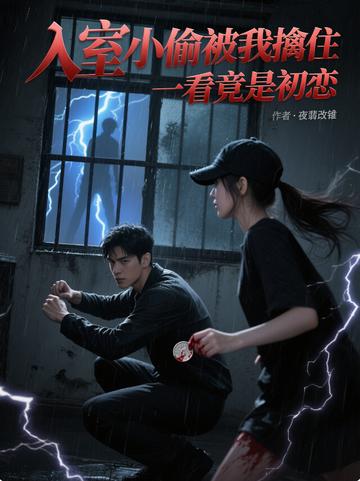 I Caught a Burglary Suspect, Only to Find Out It Was My First Love
 Five Years Later, She Returns with Their Child, and the CEO Kneels to Sign the Divorce Papers
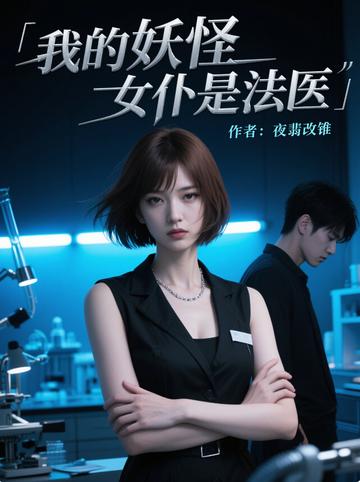 My Monster Maid Is a Forensic Pathologist
 CEO, Your Son Hit Your Illegitimate Child at Kindergarten
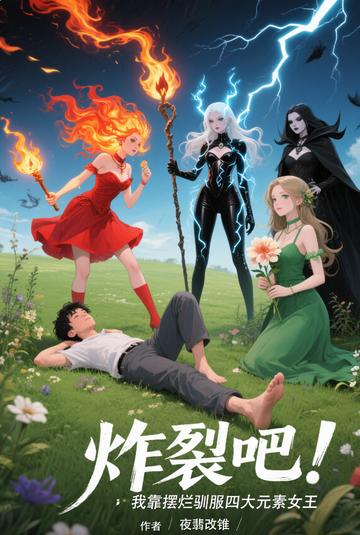 Explosive! I Tamed the Four Elemental Queens by Doing Absolutely Nothing
 Reborn: I Fired My Director Mother-in-Law