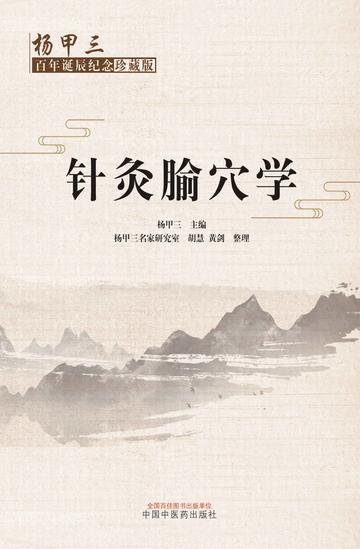
The book is divided into three parts. The first part is a general introduction, mainly discussing the origin, formation, development, classification, naming, functions, and rules of action and indications of acupoints. The middle part is a monograph, detailing the origin, aliases, explanations, categories, locations, extraction methods, acupuncture and moxibustion methods, hierarchical anatomy, functions, indications, examples of prescriptions, modern research, etc. Of the points on the fourteen meridians. It also compiles 121 odd points, scalp acupuncture and ear acupuncture points. There are also additional notes for reference such as anecdotes of doctors from past dynasties, clinical cases, and anecdotes from the acupuncture forum. The next part is an appendix, which contains annotations on some ancient documents on acupoints, explanations of the names of ancient human body parts, and the index of this book, etc. The characteristics of this book focus on tracing back to the origin, quoting from other sources, respecting the past but not ignoring the past, and expressing my own simple opinions. It can be used as an important reference material for acupuncture teaching, medical treatment, and scientific research workers, and it can also be an excellent reading for self-study.
Reader comments
This book is very good! I especially like the content about acupuncture acupoint selection in the book. Professor Yang Jiasan's "three sides and three rooms acupoint selection method" and "filimentary needle single-handed acupuncture method" are really practical. However, I don't really like the ancient literature annotation part in the book. I find it a bit difficult to understand. But overall, this book is still very valuable. For those who like traditional Chinese medicine and acupuncture, it is a good book worth collecting.
This book is very good! I especially like the content about acupuncture acupoint selection in the book. Professor Yang Jiasan's "three sides and three rooms acupoint selection method" and "filimentary needle single-handed acupuncture method" are really practical. However, I don't really like the ancient literature annotation part in the book. I find it a bit difficult to understand. But overall, this book is still very valuable. For those who like traditional Chinese medicine and acupuncture, it is a good book worth collecting.
Rich content and detailed explanations