The Great Song dynasty was militarily weak and in decline, yet its economy prospered and its culture flourished. Politics and military affairs stood in stark contrast to economic and cultural life, seemingly incompatible yet coexisting within a single whole. This has led readers of history through the ages to reach sharply differing judgments, with praise, criticism, condemnation, and admiration all in abundance.
The Song dynasty, which existed a thousand years ago, is now history. Yet its famous figures and worthy sages, gifted poets and scholars, everyday street life, and exquisite crafts and treasures remain vividly present in the cultural memory of Chinese people today. The Song was one of the most economically and culturally prosperous dynasties in Chinese history. Yet the Northern and Southern Song regimes gradually declined and fell under attacks by northern peoples. The causes were highly complex, and scholars through the ages have offered many different explanations. Folk legends, novels, and plays also abound with stories of the people of Song.
Centered on the Great Song, this series introduces major events and developments, including the end of the Five Dynasties' wars, the strengthening of central authority, the court's tradition of promoting civil affairs and restraining military power, its strategy of strengthening the center while leaving the frontier weak, reforms undertaken in times of crisis, and the follies of emperors and rivalries among officials. It also reexamines the Northern and Southern Song from the perspectives of economics, culture, and science and technology, seeking to give readers a comprehensive account of the dynasty's history from beginning to end. The Great Song dynasty was militarily weak and in decline, yet its economy prospered and its culture flourished. Politics and military affairs stood in stark contrast to economic and cultural life, seemingly incompatible yet coexisting within a single whole. This has led readers of history through the ages to reach sharply differing judgments, with praise, criticism, condemnation, and admiration all in abundance. The Song dynasty, which existed a thousand years ago, is now history. Yet its famous figures and worthy sages, gifted poets and scholars, everyday street life, and exquisite crafts and treasures remain vividly present in the cultural memory of Chinese people today. The Song was one of the most economically and culturally prosperous dynasties in Chinese history. Yet the Northern and Southern Song regimes gradually declined and fell under attacks by northern peoples. The causes were highly complex, and scholars through the ages have offered many different explanations. Folk legends, novels, and plays also abound with stories of the people of Song.
The Song Dynasty was an economically and culturally prosperous dynasty in Chinese history. However, the two Song Dynasty regimes gradually declined under the attack of northern ethnic groups. The reasons are quite complicated, and scholars in the past dynasties have different opinions. There are also many stories about Song people in folklore, novels, and operas. This book is based on historical facts, based on the Song Dynasty, systematically and comprehensively combs the history of the Song Dynasty, re-examines the two Song Dynasties from different levels such as economy, culture, science and technology, and shows us the rise and fall of the Song Dynasty in an all-round way.
Zhao Kuangyin was born as a general. When he was 22 years old, he joined the army of Guo Wei, the privy envoy of the Later Han Dynasty. Due to his outstanding military exploits, he was promoted to the commander of the capital in front of the palace at the age of 30. In the way of worshiping his brothers, he reunited a group of senior generals who shared life and death, known as the "Ten Brothers of the Righteous Society", and began to develop his own power. In the Song Dynasty, the military power of the country was weak, but the economy and culture were prosperous. The politics and military and the economy and culture formed an extremely sharp contrast, seemingly disharmony coexisting in one, which led to very different evaluations from readers of history in the past, including praise and blame. Based on the Song Dynasty, this series introduces major events or phenomena such as the end of the Five Dynasties wars, the strengthening of centralization of power, the family law of being right and restraining the military, the strategy of being at the forefront but not external, the reform of wanting to change when the situation is poor, the absurdity of the emperor, and the struggle between bureaucrats. At the same time, it re-examines the two Song Dynasties from different levels such as economy, culture, science and technology, and attempts to show readers the beginning and end of the history of the Song Dynasty in an all-round way.
This book gave me a more comprehensive understanding of the Song Dynasty! It not only tells the story of the prosperous economy and splendid culture of the Song Dynasty, but also analyzes its political and military weaknesses. The stories and characters in the book are very vivid, making me feel like I have traveled to that era. Although the Song Dynasty eventually declined, the precious legacy it left behind still affects us. Recommended to friends who are interested in history!
This is a historical novel that completely records this dynasty in Chinese history that has the most developed economy, the happiest people, the most open social atmosphere, and the most rapid social progress, but it is also very cowardly, poor and weak, and has been troubled by various foreign invasions all year round. He is like every ordinary person in our lives, with his own shining advantages and indelible shortcomings. The author writes them down one by one with delicate writing skills and presents them in front of readers, so that those of us who are late thousands of years later can have a glimpse of the true face of the great Song Dynasty.
This book made me understand: By the time of Emperor Huizong of the Northern Song Dynasty, the Jurchen tribe on the border of the Liao Kingdom gradually became stronger. The Jurchen tribe had been bullied and oppressed by the Liao Kingdom in the early years, so the powerful Jurchen tribe established the Jin Kingdom in 1115 AD and began to attack the Liao Kingdom. At this time, the Liao Kingdom's national power had declined, and it could not withstand the Jurchen attack. It was about to collapse. Under such circumstances, Song Huizong decided to take advantage of the situation, unite with the Jin Kingdom to attack the Liao Kingdom, and then recover the Sixteen Prefectures of Yanyun.
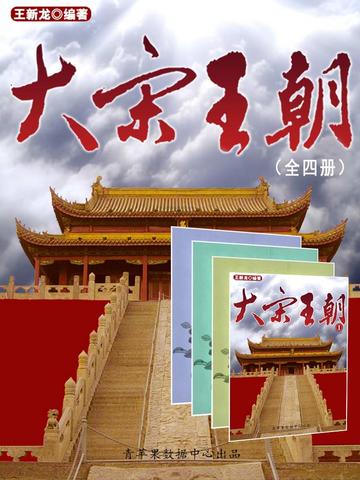
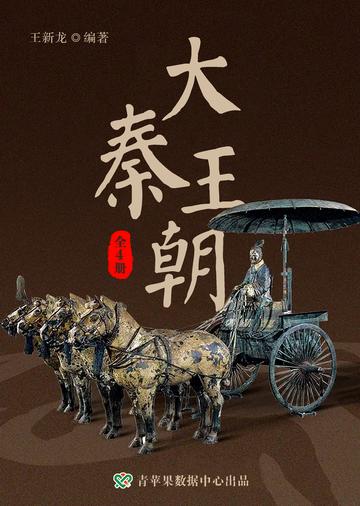
The Song Dynasty was an economically and culturally prosperous dynasty in Chinese history. However, the two Song Dynasty regimes gradually declined under the attack of northern ethnic groups. The reasons are quite complicated, and scholars in the past dynasties have different opinions. There are also many stories about Song people in folklore, novels, and operas. This book is based on historical facts, based on the Song Dynasty, systematically and comprehensively combs the history of the Song Dynasty, re-examines the two Song Dynasties from different levels such as economy, culture, science and technology, and shows us the rise and fall of the Song Dynasty in an all-round way.
Zhao Kuangyin was born as a general. When he was 22 years old, he joined the army of Guo Wei, the privy envoy of the Later Han Dynasty. Due to his outstanding military exploits, he was promoted to the commander of the capital in front of the palace at the age of 30. In the way of worshiping his brothers, he reunited a group of senior generals who shared life and death, known as the "Ten Brothers of the Righteous Society", and began to develop his own power. In the Song Dynasty, the military power of the country was weak, but the economy and culture were prosperous. The politics and military and the economy and culture formed an extremely sharp contrast, seemingly disharmony coexisting in one, which led to very different evaluations from readers of history in the past, including praise and blame. Based on the Song Dynasty, this series introduces major events or phenomena such as the end of the Five Dynasties wars, the strengthening of centralization of power, the family law of being right and restraining the military, the strategy of being at the forefront but not external, the reform of wanting to change when the situation is poor, the absurdity of the emperor, and the struggle between bureaucrats. At the same time, it re-examines the two Song Dynasties from different levels such as economy, culture, science and technology, and attempts to show readers the beginning and end of the history of the Song Dynasty in an all-round way.
This book gave me a more comprehensive understanding of the Song Dynasty! It not only tells the story of the prosperous economy and splendid culture of the Song Dynasty, but also analyzes its political and military weaknesses. The stories and characters in the book are very vivid, making me feel like I have traveled to that era. Although the Song Dynasty eventually declined, the precious legacy it left behind still affects us. Recommended to friends who are interested in history!
This is a historical novel that completely records this dynasty in Chinese history that has the most developed economy, the happiest people, the most open social atmosphere, and the most rapid social progress, but it is also very cowardly, poor and weak, and has been troubled by various foreign invasions all year round. He is like every ordinary person in our lives, with his own shining advantages and indelible shortcomings. The author writes them down one by one with delicate writing skills and presents them in front of readers, so that those of us who are late thousands of years later can have a glimpse of the true face of the great Song Dynasty.
This book made me understand: By the time of Emperor Huizong of the Northern Song Dynasty, the Jurchen tribe on the border of the Liao Kingdom gradually became stronger. The Jurchen tribe had been bullied and oppressed by the Liao Kingdom in the early years, so the powerful Jurchen tribe established the Jin Kingdom in 1115 AD and began to attack the Liao Kingdom. At this time, the Liao Kingdom's national power had declined, and it could not withstand the Jurchen attack. It was about to collapse. Under such circumstances, Song Huizong decided to take advantage of the situation, unite with the Jin Kingdom to attack the Liao Kingdom, and then recover the Sixteen Prefectures of Yanyun.
Not bad, you can take a look