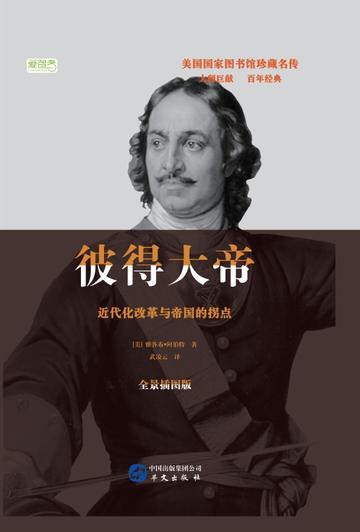
Peter the Great (1672–1725) was an important figure in Russian history, a major statesman, military leader, and reformer of the feudal aristocracy from the late seventeenth to the early eighteenth century.
After taking power, Peter the Great launched sweeping reforms. He established a powerful standing army and navy, then waged the Great Northern War against Sweden for 21 years. By defeating Sweden, then a major Western European power, he seized access to the Baltic Sea and vast stretches of its southeastern coast, transforming Russia from a landlocked country into a maritime power and one of Europe's leading military states.
Through political reforms, he replaced the old government offices with a Senate and committees overseeing various departments, enacted laws, established oversight agencies, and brought the Church under state control, strengthening centralized autocratic rule. His economic reforms helped Russia overcome its severe backwardness compared with Western Europe, developing modern industry and domestic and foreign trade. In education and culture, he founded an academy of sciences and many schools, established Russia's first museums, public libraries, printing presses, and theaters, and launched the country's first nationwide newspaper. These measures greatly advanced culture, education, science, and technology. However, Peter's reforms were achieved by intensifying the exploitation and oppression of the masses, provoking popular resistance.
His reforms raised the status of the feudal aristocracy, consolidated its rule, and served the interests of the emerging merchant class. Since they left serfdom untouched and further intensified the landlords' exploitation and oppression of serfs, his reforms were incomplete. He could not fundamentally overcome Russia's backwardness.








Peter the Great deserves to be the first Czar