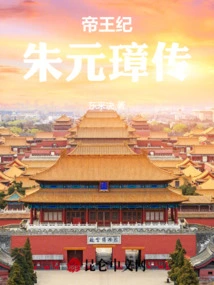
Chronicles of the Emperors: the Biography of Zhu Yuanzhang
by Dongnaejue
About This Novel
Ming Taizu Zhu Yuanzhang (October 21, 1328 - June 24, 1398), named Guorui, formerly known as Zhu Chongba, was a native of Zhongli, Haozhou (now Fengyang, Anhui), and the founding emperor of the Ming Dynasty. He was born into a poor peasant family. There was a severe drought in Haozhou in the third year of the Zheng Dynasty. His parents and elder brother died of hunger and disease. He later became a monk in Huangjue Temple and wandered around begging due to the famine. At the age of 25, he joined the Red Scarf Army led by Guo Zixing to rebel against the Yuan Dynasty, and later changed his name to Zhu Yuanzhang. He recruited talents and adopted the strategy of "building walls high, accumulating grain widely, and becoming king slowly", and gradually eliminated separatist forces such as Chen Youliang and Zhang Shicheng. In the twenty-seventh year of Zhizheng (1367), he called for the Northern Expedition to "drive out the Huru and restore China" and overthrew the rule of the Yuan Dynasty. In the first month of the first year of Hongwu (1368), he proclaimed himself emperor in Yingtian Mansion, and his country was named Daming. During his reign, he strengthened the centralization of power politically, abolished the prime minister and established three divisions; militarily established a guard system; economically, he promoted immigration to farmland and exempted and exempted taxes; culturally, he emphasized education and selected eight-legged writing to recruit scholars. At the same time, officials were governed with heavy codes and corruption was severely punished. Due to suspicion in his later years, the Hu Weiyong case and the Lan Yu case were launched, which were widely implicated. In the 31st year of Hongwu (1398), Zhu Yuanzhang died of illness at the age of seventy-one. His posthumous title was Kaitian Xingdao Zhaoji Li, the great sage, the supreme god, Wenyi, Wujunde and Chenggong Gao. His temple name was Taizu. He was buried in the Xiaoling Tomb of the Ming Dynasty and was passed down to his grandson Zhu Yunwen. His reign was known as the "Hongwu rule" in history. It had a profound impact on the political, economic and cultural development of the Ming Dynasty and even later generations.
Official Sources
What Readers Think
Rating
Community(0)
Rating
Community(0)
You Might Also Like
Overthrow the Han Dynasty
Grenades Are Afraid Of Water

Reborn Female General
Qianshan Tea Guest

I'm Not a Savage
Jie And 2
Da Qin, Rebelled and Had His Heart Eavesdropped by Zulong
Just Forget It
Daming: Recognize Zhu Yuanzhang as His Grandfather at the Beginning!
Anti-travel Cat
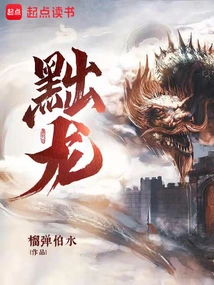
Depose the Dragon
Grenades Are Afraid Of Water
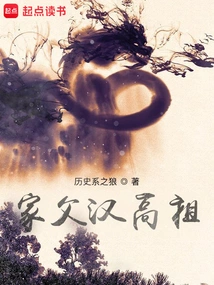
My Father, Emperor Gaozu of the Han Dynasty
History Wolf
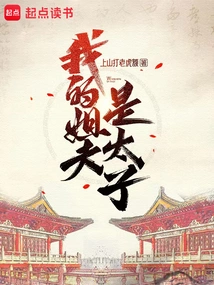
My Brother-in-law is the Prince
Go Up The Mountain And Hit The Tiger On The Forehead
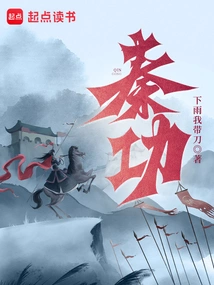
Qin Gong
When It Rains, I Bring A Knife
My Father-in-law is Li Shimin
Zhangwei