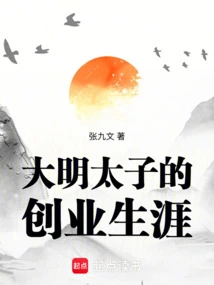
The Entrepreneurial Career of the Ming Prince
by Zhang Jiuwen
About This Novel
(Healing + Warmth + Daily + Innovation + Court + Hegemony + Strategy) This book is also called "Father Zhu Yuanzhang" and "The Emperor is a Job" My father went from being a beggar and a wandering monk to an emperor. After a rough life, he became an emperor. When Zhu Biao recalls his entrepreneurial days again, he will always remember that his father at that time always felt that some things should be done as early as possible and done well. Zhu Biao wrote down his memories on the road to starting a business and lamented that I didn't understand it until the second half of my life. The reason why my father is often worried is because he never believes in the wisdom of future generations. Thinking of his father's arrogance, Zhu Biao felt very proud in his heart. There are previous works such as "The Leisurely Life of the Prince of the Tang Dynasty" and "The Leisurely Life of the People of Qin", which are excellent works and the credibility of the old author is guaranteed.
Official Sources
What Readers Think
Rating
Community(0)
Official(1)Scraped 12d ago
I have read all three of the author's books. They are indeed very beautiful and have a unique style in history.
Rating
Community(0)
Official(1)Scraped 12d ago
I have read all three of the author's books. They are indeed very beautiful and have a unique style in history.
Featured in 8 Booklists
Official(8)
Historical literature, food and grass. A different history of the founding of the Ming Dynasty: the exclusive memories of Prince Zhu Biao. Others write about Zhu Yuanzhang, it is the emperor's mind; this book writes about Zhu Yuanzhang, he is the father in the eyes of his son. From beggar to emperor, Zhu Biao accompanied his father through the most difficult and dangerous entrepreneurial road. He remembered that his father always said "some things must be done as soon as possible", but it was not until the rest of his life that he understood that the father who never believed in the wisdom of future generations had exhausted all his worries before he dared to hand over the country to his son. When a violent king meets a kind-hearted prince, when "killing them all" meets "compassionate", this entrepreneurial memoir from the prince's perspective hides the deep love and competition between father and son.
When talking about the Ming Dynasty, one cannot avoid mentioning the reckless start and iron-blooded tactics. However, this book does not take the usual path and gives us an unexpected perspective to explain the history of the Ming Dynasty. The best thing about this book is that it puts the word "entrepreneurship" into practice. Through the memories of Prince Zhu Biao, what we see is no longer the imperial spirit of scolding Fang Qiu, but the almost paranoid hands-on approach of a father: he never believes in the wisdom of future generations, and everything must be done in this generation. This kind of "uneasiness" hides the unique anxiety and practicality of the founding generation. As a result, the rise of the Ming Dynasty is no longer just a grand narrative of war and iron horses, but is hidden in trivial and pragmatic "getting done", which is a little helpless, but also particularly touching. This unique perspective is worth reading.
Recommended: quality resources The main character Zhu Biao, the historical novel written by the old author is still very good, the three rivers are guaranteed, the bottom line is a high-quality one, and it may be average.

My father went from being a beggar and a wandering monk to an emperor. After a rough life, he became an emperor. When Zhu Biao recalls his entrepreneurial days again, he will always remember that his father at that time always felt that some things should be done as early as possible and done well. Zhu Biao wrote down his memories on the road to starting a business and lamented that I didn't understand it until the second half of my life. The reason why my father is often worried is because he never believes in the wisdom of future generations. Thinking of his father's arrogance, Zhu Biao felt very proud in his heart.
You Might Also Like
Reborn Female General
Qianshan Tea Guest
Three Kingdoms: Ji Hanshu
Listening To The Rain At Night
Ming Dynasty 1627
A Stick Of Firewood
The Great Zhou Dynasty: from the Forbidden Army to the Founding Prince
Sailing Boat Layman
Shengtang: What Will Liu Jianjun Do Today?
Shangguan Mazi
Ji Han
Dongjun Taking Off
How Can You Be Chongzhen If You Don't Have Money?
Daluoluo
He Can Replace It
Yuyan
Datang: How to Become the Chief Planner of Xuanwu Sect
See The Moonlight
Liu Bei: May Taizu Emperor Gao Bless Me!
Qingyanmu