The Great Name!
大名!
- Status
- Completed
- Length
- 1.0M Words
- Genre
- Historical
- Subgenre
- Historical Transmigration
- Updated
- 8mo ago
- Source
- Qimao
Stats
All-time: Popularity.
313Chapters
2.7kPopularity
1kReaders
8.0Score
1Ratings
Tags
Synopsis
Readers also read
 The Dictatorial Ming Dynasty
 The First-Class Consort of the Song Dynasty
 The First Prince Consort of Daxia
 The Carefree Prince of Zhenguan
 Fake Eunuch: the Prince Is Actually a Daughter
 Daming: I Am a Rebellious Person, but You Praise Me as a Great Saint
 I Just Won the Top Prize, You Told Me There Is a Lanruo Temple?
 Commoner Chief Assistant
 Three Kingdoms: Sign in and Get the Best Gift Package
 The Opening of Da Qin Shocked All Schools of Thought
 Great Ming: I Have an Arms Depot
 The Ming Dynasty Reborn: At Three Years Old, I Ascend the Throne and Become Emperor
 The Days When I Was in Charge of Searching Homes in Jinyiwei
 Jumping Around the World
 The Legend of the Rise of Another World
 The Ruffian in the Prosperous Times
 Return to the Song Dynasty and Become a Prince
 The Peerless Prince: I Decide My Country
 The Ultimate Romantic Prince
 The Fake Eunuch Who Hangs Around the Empress
Reader comments 1
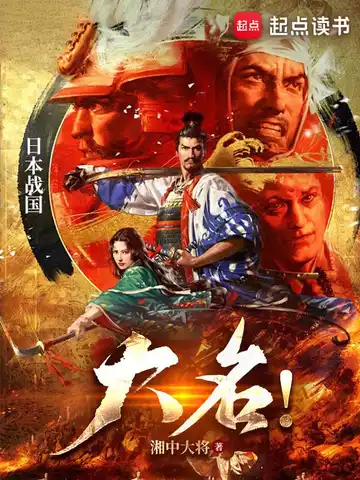
Google Translate
The protagonist of this book, Tatora, travels back to Tsuda Nobutora during the Warring States Period in Japan. Faced with the death of his mother at the beginning, he inherits the family, supports Oda Nobunaga, and starts from Ashigaru Kotou. Because he was good at using iron cannons, he was named the iron cannon general by Nobunaga and trained the iron cannon team. Later, due to several military exploits and more than 20 years of fighting, he became a daimyo and was known as the wisest general in the Oda family. The draw with Takeda Shingen was the only draw in his more than 20 years of military career. He had never been defeated in more than a hundred battles, and was known as the best general in the world. Later, he obeyed Nobunaga and abdicated to his son Naganobu, who followed Nobunaga. However, the Incident at Honnoji Temple still occurred. Mitsuhide Akechi launched a rebellion and Oda Nobunaga committed suicide in Honnoji Temple. However, Nobutora turned the tide and finally put down the rebellion and supported Nobunaga's son Nobutada. Nobutada was the first shogun of the Oda shogunate (also known as the Azuchi shogunate). Because of the death of Oda Nobunaga, Hashiba Hideyoshi (ie Toyotomi Hideyoshi) joined forces with Shibata Katsuie, Oda Nobuo and other people who were dissatisfied with Nobutora, but Nobutora used a trick to crack down. Hashiba Hideyoshi could only lead an army of 200,000 to attack North Korea, but was later defeated by the Ming Dynasty. Tsuda Nobutora personally went to North Korea to arrest Hashiba Hideyoshi and others, and negotiated peace with the Ming Dynasty. Hashiba Hideyoshi, Shibata Katsuie, Niwa Nagahide and Ikeda Tsuneki were escorted to Beijing City of the Ming Dynasty for execution. In the end, he assisted the second generation general Xinyuan, and then officially abdicated and lived in seclusion. He died of illness on the 13th day of the first lunar month in 1598 and was buried with his wife. Its large tomb has been passed down to modern times and has become a famous attraction. The author of this book is a veteran player of games such as "Taiko Ritsushiden" and has a very good understanding of the history of Japan's Warring States Period. As one of the few novels with Japanese Warring States themes, it is a book worth reading.