Qidian library
Browse
- Titles
- 139
Every book we index, searchable by title, author or tag.
-
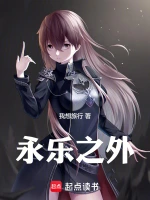 Beyond Yongle
In his previous life, he was a military engineer and a history enthusiast. After time travel, he became the son of an ordinary guard in Prince Yan's palace, and he was about the same age as Zhu Di. At first, he just wanted to save his life. After discovering his abilities, he decided to change history in small ways.
0Votes2Recs0Fans
Beyond Yongle
In his previous life, he was a military engineer and a history enthusiast. After time travel, he became the son of an ordinary guard in Prince Yan's palace, and he was about the same age as Zhu Di. At first, he just wanted to save his life. After discovering his abilities, he decided to change history in small ways.
0Votes2Recs0Fans
-
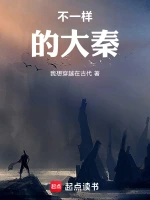 A Different Daqin
Fusu, the eldest son of the First Emperor, awakens the golden finger of blood: the jade seal passed down to the country, which can absorb the luck of the dynasty and turn it into materials for cultivating immortality. When the Xiongnu cultivators came to the world with the destiny of immortality and subverted all the countries, Only the Great Qin Iron Cavalry and the Immortal Cultivation Army united to fight to end the war and reshape the world. Thousands of immortal sects have returned to Ch
0Votes11Recs0Fans
A Different Daqin
Fusu, the eldest son of the First Emperor, awakens the golden finger of blood: the jade seal passed down to the country, which can absorb the luck of the dynasty and turn it into materials for cultivating immortality. When the Xiongnu cultivators came to the world with the destiny of immortality and subverted all the countries, Only the Great Qin Iron Cavalry and the Immortal Cultivation Army united to fight to end the war and reshape the world. Thousands of immortal sects have returned to Ch
0Votes11Recs0Fans
-
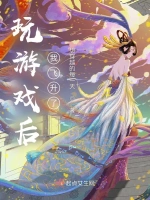 After Playing the Game, I Soared
After Jiang Ci was reborn, she held the heroine script in hand. Say goodbye to the miserable past~ Say hihi to the wonderful future~ A little expert with all spiritual roots, work hard to build a career! Group number: 653013614 (Can you please come and chat with me?) _____ The introduction is incompetent. Friends who like the integration of the local planet and the game world can jump into it without thinking. Unorthodox immortality writing! ! A story about a growing heroine. (Light farming) No
0Votes447Recs12Fans
After Playing the Game, I Soared
After Jiang Ci was reborn, she held the heroine script in hand. Say goodbye to the miserable past~ Say hihi to the wonderful future~ A little expert with all spiritual roots, work hard to build a career! Group number: 653013614 (Can you please come and chat with me?) _____ The introduction is incompetent. Friends who like the integration of the local planet and the game world can jump into it without thinking. Unorthodox immortality writing! ! A story about a growing heroine. (Light farming) No
0Votes447Recs12Fans
-
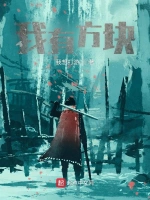 I Have Cubes
This is a world with chaotic "rules". When you are in the cemetery, you must speak loudly... When you are in the karaoke hall, you must speak softly... When you are in the king's palace, you must call the king a fool... Either follow the rules or meet the end of your life. Ze•Certified Patient•Disorderly Land Lover•Making Food Machine•The Virgin Holding a Butcher Knife•Yu raised the cube with one hand: "It's a hangup!"
0Votes20Recs0Fans
I Have Cubes
This is a world with chaotic "rules". When you are in the cemetery, you must speak loudly... When you are in the karaoke hall, you must speak softly... When you are in the king's palace, you must call the king a fool... Either follow the rules or meet the end of your life. Ze•Certified Patient•Disorderly Land Lover•Making Food Machine•The Virgin Holding a Butcher Knife•Yu raised the cube with one hand: "It's a hangup!"
0Votes20Recs0Fans
-
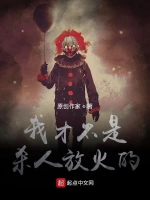 I'm Not a Murderer or an Arsonist.
As a member of the common people, Zeyu is different from most people. Because there are still scary existences like "ghosts" in this world... He smiled when he found out. Just smiled.
0Votes15Recs0Fans
I'm Not a Murderer or an Arsonist.
As a member of the common people, Zeyu is different from most people. Because there are still scary existences like "ghosts" in this world... He smiled when he found out. Just smiled.
0Votes15Recs0Fans
-
 War in Another World
In another world, wars are raging and heroes stand side by side. Bai Fan, a young man who accidentally stumbles into this place, is captured as a young man. By chance, he embarks on a road to struggle for hegemony.
0Votes1Recs0Fans
War in Another World
In another world, wars are raging and heroes stand side by side. Bai Fan, a young man who accidentally stumbles into this place, is captured as a young man. By chance, he embarks on a road to struggle for hegemony.
0Votes1Recs0Fans
-
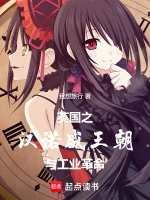 The Hanoverian Dynasty and the Industrial Revolution in England
After the death of Queen Anne, the last monarch of the Stuart dynasty, in 1714, according to the Act of Succession of the Throne of 1701, George I, the Elector of Hanover from Germany, entered the United Kingdom, and the Hanoverian Dynasty began.
0Votes3Recs0Fans
The Hanoverian Dynasty and the Industrial Revolution in England
After the death of Queen Anne, the last monarch of the Stuart dynasty, in 1714, according to the Act of Succession of the Throne of 1701, George I, the Elector of Hanover from Germany, entered the United Kingdom, and the Hanoverian Dynasty began.
0Votes3Recs0Fans
-
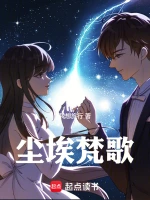 Dust Gita
The Harappan civilization has flourished for thousands of years and reached the ultimate level of material civilization. The city is in a perfect grid shape, and the underground drainage system is like a silent beast, sucking up the filth of the city. However, rigid urban renovation, excessive consumption of resources, and an increasingly arid climate have quietly sown the seeds of crisis.
0Votes1Recs0Fans
Dust Gita
The Harappan civilization has flourished for thousands of years and reached the ultimate level of material civilization. The city is in a perfect grid shape, and the underground drainage system is like a silent beast, sucking up the filth of the city. However, rigid urban renovation, excessive consumption of resources, and an increasingly arid climate have quietly sown the seeds of crisis.
0Votes1Recs0Fans
-
 Shadow of the Wise Emperor
Strictly follows the historical facts of the Roman Empire from AD 96-192. All major historical events, results, and public words and deeds of well-known historical figures must be consistent with historical records.
0Votes4Recs0Fans
Shadow of the Wise Emperor
Strictly follows the historical facts of the Roman Empire from AD 96-192. All major historical events, results, and public words and deeds of well-known historical figures must be consistent with historical records.
0Votes4Recs0Fans
-
 Twilight and Dawn of Empire
In the alternation between the old gods and the only true god, in the throes of the empire going from unification to division, how individual loyalty, ambition, faith and love are crushed or sublimated in the torrent of the times.
0Votes3Recs0Fans
Twilight and Dawn of Empire
In the alternation between the old gods and the only true god, in the throes of the empire going from unification to division, how individual loyalty, ambition, faith and love are crushed or sublimated in the torrent of the times.
0Votes3Recs0Fans
-
 Anglo-Saxon Seven Kingdoms
The time span is about AD 850 to 1154, that is, from the invasion of the Viking army and the rise of Alfred the Great to the end of the Norman dynasty and the beginning of the Plantagenet dynasty. This is a three-hundred-year period of great changes in England from the broken Seven Kingdoms to unity, and then completely reshaped by the Norman Conquest.
0Votes7Recs0Fans
Anglo-Saxon Seven Kingdoms
The time span is about AD 850 to 1154, that is, from the invasion of the Viking army and the rise of Alfred the Great to the end of the Norman dynasty and the beginning of the Plantagenet dynasty. This is a three-hundred-year period of great changes in England from the broken Seven Kingdoms to unity, and then completely reshaped by the Norman Conquest.
0Votes7Recs0Fans
-
 England: the Plantagenets
Henry II (reigned 1154-1189) inherited the throne of England from his mother, inherited a large territory in France from his father, the Count of Anjou, and acquired almost the entire southwestern France through his marriage to Eleanor of Aquitaine, establishing an "Angevin Empire" across the English Channel.
0Votes4Recs0Fans
England: the Plantagenets
Henry II (reigned 1154-1189) inherited the throne of England from his mother, inherited a large territory in France from his father, the Count of Anjou, and acquired almost the entire southwestern France through his marriage to Eleanor of Aquitaine, establishing an "Angevin Empire" across the English Channel.
0Votes4Recs0Fans
-
 The Stuart Revolution in England
James I came to England in 1603, and Queen Anne died in 1714, ending the Stuart dynasty.
0Votes5Recs0Fans
The Stuart Revolution in England
James I came to England in 1603, and Queen Anne died in 1714, ending the Stuart dynasty.
0Votes5Recs0Fans
-
 The Journey of Sifang Company
Wei Chenggong was entrusted by the king of a country in the Western Regions to deliver a "mysterious national gift" to celebrate his birthday. This national gift was wrapped in layers, and no one knew what it was. Wei Chenggong ordered that no one was allowed to open it. Around this "forbidden cargo", all the accidents that happen along the way become more absurd and bizarre.
0Votes1Recs0Fans
The Journey of Sifang Company
Wei Chenggong was entrusted by the king of a country in the Western Regions to deliver a "mysterious national gift" to celebrate his birthday. This national gift was wrapped in layers, and no one knew what it was. Wei Chenggong ordered that no one was allowed to open it. Around this "forbidden cargo", all the accidents that happen along the way become more absurd and bizarre.
0Votes1Recs0Fans
-
 The Tudor Dynasty of England
The royal ceremony of the Palace of Westminster, the bustling commercial port on the Thames, and the applause and cheers of the Globe Theater are the dazzling representation of the Elizabethan Golden Age.
0Votes4Recs0Fans
The Tudor Dynasty of England
The royal ceremony of the Palace of Westminster, the bustling commercial port on the Thames, and the applause and cheers of the Globe Theater are the dazzling representation of the Elizabethan Golden Age.
0Votes4Recs0Fans
-
 Twilight of the Empire: Crisis of the Third Century
From AD 235 to 284 AD, the Roman Empire entered the most chaotic fifty years in history.
0Votes1Recs0Fans
Twilight of the Empire: Crisis of the Third Century
From AD 235 to 284 AD, the Roman Empire entered the most chaotic fifty years in history.
0Votes1Recs0Fans
-
 India: Tears of the Taj
In this story, which begins with the collapse of the Timurid Empire and the turmoil in the Central Asian steppes, the historical span spans from the late 15th century to the early 18th century. The geographical space is centered on the Mughal Empire and radiates to the Red Fort in Delhi, the Taj Mahal in Agra, Fatehpur Sikri, Lahore, Kashmir, Kabul, Samarkand, and even the warm sea breeze of the South Asian subcontinent.
0Votes3Recs0Fans
India: Tears of the Taj
In this story, which begins with the collapse of the Timurid Empire and the turmoil in the Central Asian steppes, the historical span spans from the late 15th century to the early 18th century. The geographical space is centered on the Mughal Empire and radiates to the Red Fort in Delhi, the Taj Mahal in Agra, Fatehpur Sikri, Lahore, Kashmir, Kabul, Samarkand, and even the warm sea breeze of the South Asian subcontinent.
0Votes3Recs0Fans
-
 Abbasids: Crescent Moon and Ink
The main stage of the story is Baghdad, the capital of the Abbasid dynasty, a circular center of the world known as the "City of Peace". Baghdad in the book is not only a city, but also a living organism - it is the whirlpool of politics, the artery of commerce, and the temple of culture. The Palace of Wisdom is its beating intellectual heart.
0Votes2Recs0Fans
Abbasids: Crescent Moon and Ink
The main stage of the story is Baghdad, the capital of the Abbasid dynasty, a circular center of the world known as the "City of Peace". Baghdad in the book is not only a city, but also a living organism - it is the whirlpool of politics, the artery of commerce, and the temple of culture. The Palace of Wisdom is its beating intellectual heart.
0Votes2Recs0Fans
-
 Domain Library
It is not a single myth system, but a "stitched world" in which the barriers of time and space were broken due to a "myth war" in ancient times, and many originally independent mythological realms were forcibly spliced together. In this world, the forces of different mythological systems collide, merge, and suppress each other, forming a fantasy universe with strict levels of hierarchy and dangers.
0Votes1Recs0Fans
Domain Library
It is not a single myth system, but a "stitched world" in which the barriers of time and space were broken due to a "myth war" in ancient times, and many originally independent mythological realms were forcibly spliced together. In this world, the forces of different mythological systems collide, merge, and suppress each other, forming a fantasy universe with strict levels of hierarchy and dangers.
0Votes1Recs0Fans
-
 Paris Underground
Era coordinates: 1878-1914 (Third Republic period)
0Votes2Recs0Fans
Paris Underground
Era coordinates: 1878-1914 (Third Republic period)
0Votes2Recs0Fans
-
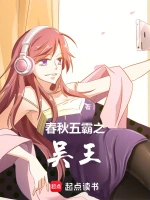 King Wu of the Five Hegemons of the Spring and Autumn Period
At the end of the Spring and Autumn Period, rituals collapsed and music collapsed, and hegemony changed. The Zhou royal family was in name only, and the princes were in power. The two hegemons of Jin and Chu had been fighting for hegemony for a long time, and the Central Plains was exhausted. The land of Wuyue in the southeast rose up and became a new force that determined the pattern of the world.
0Votes2Recs0Fans
King Wu of the Five Hegemons of the Spring and Autumn Period
At the end of the Spring and Autumn Period, rituals collapsed and music collapsed, and hegemony changed. The Zhou royal family was in name only, and the princes were in power. The two hegemons of Jin and Chu had been fighting for hegemony for a long time, and the Central Plains was exhausted. The land of Wuyue in the southeast rose up and became a new force that determined the pattern of the world.
0Votes2Recs0Fans
-
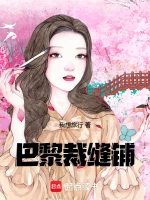 Paris Tailor Shop
A novel about scissors, lies and dignity
0Votes0Recs0Fans
Paris Tailor Shop
A novel about scissors, lies and dignity
0Votes0Recs0Fans
-
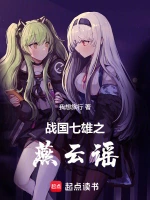 The Ballad of Yan Yun from the Seven Heroes of the Warring States Period
"The wind is rustling and the water is cold. A strong man will never return once he is gone." A tragic song of Yishui has been sung for eight hundred years and has never been heard in the Yan Kingdom. This is an epic about revenge and redemption, ambition and destiny. In the last days of the Warring States period of iron and blood, how a group of people, swept away by the torrent of the times, crashed into the iron wall of fate with their flesh and blood.
0Votes3Recs0Fans
The Ballad of Yan Yun from the Seven Heroes of the Warring States Period
"The wind is rustling and the water is cold. A strong man will never return once he is gone." A tragic song of Yishui has been sung for eight hundred years and has never been heard in the Yan Kingdom. This is an epic about revenge and redemption, ambition and destiny. In the last days of the Warring States period of iron and blood, how a group of people, swept away by the torrent of the times, crashed into the iron wall of fate with their flesh and blood.
0Votes3Recs0Fans
-
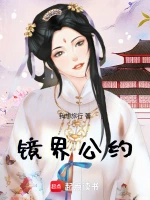 Mirror Pact
The story takes place in a fictional second-tier coastal city called "Wujin". This city is shrouded in fog all year round, and the air is humid and gloomy. Western buildings from the old concession period are intertwined with modern high-rise buildings, giving it a strange beauty of time and space.
0Votes1Recs0Fans
Mirror Pact
The story takes place in a fictional second-tier coastal city called "Wujin". This city is shrouded in fog all year round, and the air is humid and gloomy. Western buildings from the old concession period are intertwined with modern high-rise buildings, giving it a strange beauty of time and space.
0Votes1Recs0Fans
-
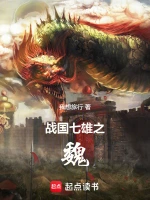 The Seven Heroes of the Warring States Period: Wei
From the end of the 5th century BC to the middle of the 4th century BC, China was moving from the Spring and Autumn Period to the Warring States Period. The "collapse of rituals and the collapse of music" has become a foregone conclusion, and the form of warfare has fundamentally changed, from chariot duels of nobles to large-scale annihilation battles dominated by infantry. This is an era when the old order completely disintegrates and a new order is born in blood and fire.
0Votes2Recs0Fans
The Seven Heroes of the Warring States Period: Wei
From the end of the 5th century BC to the middle of the 4th century BC, China was moving from the Spring and Autumn Period to the Warring States Period. The "collapse of rituals and the collapse of music" has become a foregone conclusion, and the form of warfare has fundamentally changed, from chariot duels of nobles to large-scale annihilation battles dominated by infantry. This is an era when the old order completely disintegrates and a new order is born in blood and fire.
0Votes2Recs0Fans
-
 Mirror Master's Aura
Mirror Master's limitations and costs: Each deep "seeing" will consume the mirror master's own mental power. If you forcibly spy on the aura that the other party does not want to face, you will suffer "aura backlash" (which can range from dizziness to mental trauma). The mirror master cannot see his own aura - this is a professional fate and he needs another mirror master to be his mirror.
0Votes2Recs0Fans
Mirror Master's Aura
Mirror Master's limitations and costs: Each deep "seeing" will consume the mirror master's own mental power. If you forcibly spy on the aura that the other party does not want to face, you will suffer "aura backlash" (which can range from dizziness to mental trauma). The mirror master cannot see his own aura - this is a professional fate and he needs another mirror master to be his mirror.
0Votes2Recs0Fans
-
 Blood and Sand: the Rise of the Flavian Dynasty
There were great changes in the twenty-eight years between the "Year of the Four Emperors" (68-69) and the assassination of Domitian (96). This is an era when the old order collapses and a new order is reforged in blood and fire.
0Votes1Recs0Fans
Blood and Sand: the Rise of the Flavian Dynasty
There were great changes in the twenty-eight years between the "Year of the Four Emperors" (68-69) and the assassination of Domitian (96). This is an era when the old order collapses and a new order is reforged in blood and fire.
0Votes1Recs0Fans
-
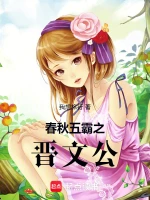 The Five Hegemons of the Spring and Autumn Period: Duke Wen of Jin
"Respecting the king and rejecting the barbarians" is the only legal cloak for hegemony. Whoever can be the leader in the alliance, whoever can be named "Hou Bo" by the emperor, and whoever can defeat the most threatening "barbarians" on the battlefield will be the overlord of the world.
0Votes1Recs0Fans
The Five Hegemons of the Spring and Autumn Period: Duke Wen of Jin
"Respecting the king and rejecting the barbarians" is the only legal cloak for hegemony. Whoever can be the leader in the alliance, whoever can be named "Hou Bo" by the emperor, and whoever can defeat the most threatening "barbarians" on the battlefield will be the overlord of the world.
0Votes1Recs0Fans
-
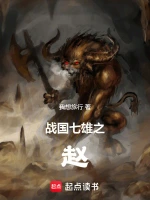 Zhao of the Seven Heroes of the Warring States Period
In the middle and late Warring States Period (326 BC - 257 BC), there was a period of radical change when rituals collapsed and music collapsed. Reform to strengthen the country, alliances between verticals and horizontals, and a hundred schools of thought contending are the main themes of the times, and the competition for survival among the vassal states has reached a fever pitch.
0Votes3Recs0Fans
Zhao of the Seven Heroes of the Warring States Period
In the middle and late Warring States Period (326 BC - 257 BC), there was a period of radical change when rituals collapsed and music collapsed. Reform to strengthen the country, alliances between verticals and horizontals, and a hundred schools of thought contending are the main themes of the times, and the competition for survival among the vassal states has reached a fever pitch.
0Votes3Recs0Fans
-
 The Napoleonic Era: Cans and Codes
From the period of Napoleon's administration (1799) to his death (1821), it covers the Battle of Marengo, the Battle of Austerlitz, the Battle of Trafalgar, the expedition to Moscow, the Battle of Leipzig, the Exile on Elba, the Hundred Days, the Battle of Waterloo, the Exile on St. Helena and other major historical nodes.
0Votes4Recs0Fans
The Napoleonic Era: Cans and Codes
From the period of Napoleon's administration (1799) to his death (1821), it covers the Battle of Marengo, the Battle of Austerlitz, the Battle of Trafalgar, the expedition to Moscow, the Battle of Leipzig, the Exile on Elba, the Hundred Days, the Battle of Waterloo, the Exile on St. Helena and other major historical nodes.
0Votes4Recs0Fans
-
 Qi Henggong, the Five Hegemons of the Spring and Autumn Period
The Zhou royal family declined and lost the ability to command the world. The world was on the verge of "anarchy". The Di people moved south, the Rong people came west, and the Chu people moved north. Each vassal state is in charge of its own affairs and is in urgent need of a new "maintenance of order" to step forward.
0Votes5Recs0Fans
Qi Henggong, the Five Hegemons of the Spring and Autumn Period
The Zhou royal family declined and lost the ability to command the world. The world was on the verge of "anarchy". The Di people moved south, the Rong people came west, and the Chu people moved north. Each vassal state is in charge of its own affairs and is in urgent need of a new "maintenance of order" to step forward.
0Votes5Recs0Fans
-
 The Seven Heroes of the Warring States Period
Over the past eight hundred years, Chu has gone from a small barbarian state to tearing apart the earth and becoming king, to conquering the Central Plains and conquering half of the world, to Wu Qi's reform, King Huai being deceived, Lantian bloodshed, and the fall of Yingdu - an empire that was cursed to be "big but not strong", how did it move towards inevitable destruction in the gears of fate, and in the midst of destruction, the soul of Chu would never be destroyed.
0Votes1Recs0Fans
The Seven Heroes of the Warring States Period
Over the past eight hundred years, Chu has gone from a small barbarian state to tearing apart the earth and becoming king, to conquering the Central Plains and conquering half of the world, to Wu Qi's reform, King Huai being deceived, Lantian bloodshed, and the fall of Yingdu - an empire that was cursed to be "big but not strong", how did it move towards inevitable destruction in the gears of fate, and in the midst of destruction, the soul of Chu would never be destroyed.
0Votes1Recs0Fans
-
 Zhou Zhili Collapsed
Centered on Zheng's "Four Battles" (today's Xinzheng area in Henan Province), it was bordered by Song Wei in the east, Jin in the north, Jingchu in the south, and the royal family in the west, forming the core stage.
0Votes2Recs0Fans
Zhou Zhili Collapsed
Centered on Zheng's "Four Battles" (today's Xinzheng area in Henan Province), it was bordered by Song Wei in the east, Jin in the north, Jingchu in the south, and the royal family in the west, forming the core stage.
0Votes2Recs0Fans
-
 The Five Hegemons of the Spring and Autumn Period: the King of Yue
The Spring and Autumn Period is coming to an end, and the Zhou royal family has declined to the extreme, with only a hundred miles of land around Luoyang remaining. It has become the norm that "ritual and music conquests come from the princes". The politics of hegemony came to an end, and the power of ministers and officials rose - the six ministers of Jin State were in conflict, the Tian family of Qi State became powerful, and the three Huan of Lu State were in power. This is a turbulent era in
0Votes5Recs0Fans
The Five Hegemons of the Spring and Autumn Period: the King of Yue
The Spring and Autumn Period is coming to an end, and the Zhou royal family has declined to the extreme, with only a hundred miles of land around Luoyang remaining. It has become the norm that "ritual and music conquests come from the princes". The politics of hegemony came to an end, and the power of ministers and officials rose - the six ministers of Jin State were in conflict, the Tian family of Qi State became powerful, and the three Huan of Lu State were in power. This is a turbulent era in
0Votes5Recs0Fans
-
 The Seven Heroes of the Warring States Period
Taking Qi State as the core, it depicts the prosperous scene of Linzi City in detail - the Jixia Academy is home to celebrities, there are many shops, and the fish and salt are the most prosperous in the world. At the same time, the powerful Qin in the west, the bitter and cold Yan land, the disputes between the three Jins, and the strangeness of Jingchu spread to the west.
0Votes3Recs0Fans
The Seven Heroes of the Warring States Period
Taking Qi State as the core, it depicts the prosperous scene of Linzi City in detail - the Jixia Academy is home to celebrities, there are many shops, and the fish and salt are the most prosperous in the world. At the same time, the powerful Qin in the west, the bitter and cold Yan land, the disputes between the three Jins, and the strangeness of Jingchu spread to the west.
0Votes3Recs0Fans
-
 Double Venice
All major historical events (1606 excommunication crisis, 1797 destruction, 1848 revolution, 1966 flood, Moses Plan controversy, etc.) Are realistically presented Landmarks such as St. Mark's Square, the Grand Canal, the Bridge of Sighs, the Armory, and Lido Island are the core scenes.
0Votes3Recs0Fans
Double Venice
All major historical events (1606 excommunication crisis, 1797 destruction, 1848 revolution, 1966 flood, Moses Plan controversy, etc.) Are realistically presented Landmarks such as St. Mark's Square, the Grand Canal, the Bridge of Sighs, the Armory, and Lido Island are the core scenes.
0Votes3Recs0Fans
-
 Imperial Waltz: the Rise and Fall of the Austro-Hungarian Empire
Era: Austro-Hungarian Compromise of 1867 - Disintegration of the Empire in 1918 (51-year span)
0Votes6Recs0Fans
Imperial Waltz: the Rise and Fall of the Austro-Hungarian Empire
Era: Austro-Hungarian Compromise of 1867 - Disintegration of the Empire in 1918 (51-year span)
0Votes6Recs0Fans
-
 Prophet1979
China's turning point: The Chinese Republic, which has experienced turmoil, is at a crossroads in history, and the spring thunder of "reform and opening up" is about to explode. Dawn of Technology: Disruptive technologies such as personal computers, mobile communications, and the Internet are all in their infancy. Financial desert: China does not yet have a real capital market, and its futures, securities, and modern banking systems are completely blank. Secret war of espionage: Eastern and W
0Votes4Recs0Fans
Prophet1979
China's turning point: The Chinese Republic, which has experienced turmoil, is at a crossroads in history, and the spring thunder of "reform and opening up" is about to explode. Dawn of Technology: Disruptive technologies such as personal computers, mobile communications, and the Internet are all in their infancy. Financial desert: China does not yet have a real capital market, and its futures, securities, and modern banking systems are completely blank. Secret war of espionage: Eastern and W
0Votes4Recs0Fans
-
 The Seven Heroes of Qin in the Warring States Period: from Frontier to Dynasty
It started in 362 BC (Qin Xiaogong succeeded to the throne) and ended in 221 BC (Qin unified the world), which spanned about 140 years.
0Votes2Recs0Fans
The Seven Heroes of Qin in the Warring States Period: from Frontier to Dynasty
It started in 362 BC (Qin Xiaogong succeeded to the throne) and ended in 221 BC (Qin unified the world), which spanned about 140 years.
0Votes2Recs0Fans
-
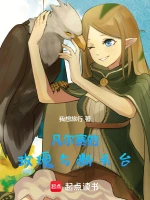 The Rose of Versailles and the Guillotine
In 18th-century France, the Palace of Versailles was a giant cage made of marble, gold and lies. On the surface, this is a beacon of European civilization—candlelight illuminates silk skirts, perfume masks body odor, and minuets drown out wails of hunger. But in fact, this is a precision-designed "reality show stage" in which the king is the producer, the nobles are the actors, and the 30 million French people are the audience who are forced to pay but cannot enter.
0Votes2Recs0Fans
The Rose of Versailles and the Guillotine
In 18th-century France, the Palace of Versailles was a giant cage made of marble, gold and lies. On the surface, this is a beacon of European civilization—candlelight illuminates silk skirts, perfume masks body odor, and minuets drown out wails of hunger. But in fact, this is a precision-designed "reality show stage" in which the king is the producer, the nobles are the actors, and the 30 million French people are the audience who are forced to pay but cannot enter.
0Votes2Recs0Fans
-
 The Seven Heroes of the Warring States Period
"Han, the throat of the world." ——"Historical Records" The throat is the most critical and the most vulnerable.
0Votes4Recs0Fans
The Seven Heroes of the Warring States Period
"Han, the throat of the world." ——"Historical Records" The throat is the most critical and the most vulnerable.
0Votes4Recs0Fans
-
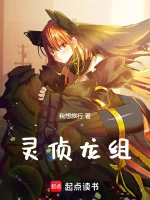 Spirit Detection Dragon Group
Thirty years ago, underground spiritual veins began to move around the world. As one of the birthplaces of ancient civilization, Dragon Kingdom has the highest density of spiritual veins in the world. Resurrection of spiritual veins brings two consequences: Supernatural events have surged: the frequency of ghosts, demons, and evil spirits has increased hundreds of times. The emergence of awakened people: a very small number of people are born or acquire the ability to see, touch, and fight super
0Votes3Recs0Fans
Spirit Detection Dragon Group
Thirty years ago, underground spiritual veins began to move around the world. As one of the birthplaces of ancient civilization, Dragon Kingdom has the highest density of spiritual veins in the world. Resurrection of spiritual veins brings two consequences: Supernatural events have surged: the frequency of ghosts, demons, and evil spirits has increased hundreds of times. The emergence of awakened people: a very small number of people are born or acquire the ability to see, touch, and fight super
0Votes3Recs0Fans
-
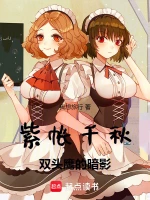 The Purple Tent: Shadow of the Double-Headed Eagle
This is the peak moment of the Byzantine Empire - Bulgaria has been crushed, the military district system is still strong, and the "Macedonian Renaissance" is bringing the glory of classical civilization to bloom again. However, this is also the beginning of the abyss. Basil II left no heirs, and his mediocre brother Constantine VIII was about to succeed him, and subsequent successors would push the empire into a crisis that would last for decades.
0Votes3Recs0Fans
The Purple Tent: Shadow of the Double-Headed Eagle
This is the peak moment of the Byzantine Empire - Bulgaria has been crushed, the military district system is still strong, and the "Macedonian Renaissance" is bringing the glory of classical civilization to bloom again. However, this is also the beginning of the abyss. Basil II left no heirs, and his mediocre brother Constantine VIII was about to succeed him, and subsequent successors would push the empire into a crisis that would last for decades.
0Votes3Recs0Fans
-
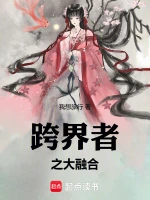 The Great Fusion of Boundary-Crossers
Great Fusion (Time Travel Event): A global energy fluctuation of unknown origin occurred on Earth B. This fluctuation tore apart time and space, randomly "projecting" 18 people from Earth A into their corresponding bodies on Earth B, and "resonated" with Earth B's newly awakened superpower, thus gaining unique abilities. At the same time, some native humans on Earth B also began to awaken.
0Votes4Recs0Fans
The Great Fusion of Boundary-Crossers
Great Fusion (Time Travel Event): A global energy fluctuation of unknown origin occurred on Earth B. This fluctuation tore apart time and space, randomly "projecting" 18 people from Earth A into their corresponding bodies on Earth B, and "resonated" with Earth B's newly awakened superpower, thus gaining unique abilities. At the same time, some native humans on Earth B also began to awaken.
0Votes4Recs0Fans
-
 King Chuzhuang of the Five Hegemons of the Spring and Autumn Period
In the middle of the Spring and Autumn Period (about 613 BC - 591 BC), the Zhou royal family declined, rituals collapsed, music collapsed, and princes competed for hegemony. This is an era of drastic changes in which the old order is about to collapse and a new order is about to be established. The rising power in the south, Da Chu: claims to be a "barbarian" but is determined to forge ahead. It has strong national power and an enterprising culture. The emperor and his ministers work together to
0Votes1Recs0Fans
King Chuzhuang of the Five Hegemons of the Spring and Autumn Period
In the middle of the Spring and Autumn Period (about 613 BC - 591 BC), the Zhou royal family declined, rituals collapsed, music collapsed, and princes competed for hegemony. This is an era of drastic changes in which the old order is about to collapse and a new order is about to be established. The rising power in the south, Da Chu: claims to be a "barbarian" but is determined to forge ahead. It has strong national power and an enterprising culture. The emperor and his ministers work together to
0Votes1Recs0Fans
-
 Bronze Age - Western Zhou Dynasty
The period from the 11th century BC to the 8th century BC corresponds to the collapse of the Yin Shang Dynasty and the end of the Western Zhou Dynasty. At this time, Chinese civilization was transforming from the Shang Dynasty witchcraft civilization dominated by ghosts and gods to the Zhou Dynasty ritual and music civilization "human ethics". This is a critical period for a fundamental turning point in the temperament of Chinese civilization.
0Votes2Recs0Fans
Bronze Age - Western Zhou Dynasty
The period from the 11th century BC to the 8th century BC corresponds to the collapse of the Yin Shang Dynasty and the end of the Western Zhou Dynasty. At this time, Chinese civilization was transforming from the Shang Dynasty witchcraft civilization dominated by ghosts and gods to the Zhou Dynasty ritual and music civilization "human ethics". This is a critical period for a fundamental turning point in the temperament of Chinese civilization.
0Votes2Recs0Fans
-
 Mongolia: Song of the Sky
"Eternal Life" is the highest belief of the Mongolians, symbolizing destiny and eternity. "Song" means the joys and sorrows of conquest, construction, love, hate and betrayal composed by the children of the grassland with their lives.
0Votes3Recs0Fans
Mongolia: Song of the Sky
"Eternal Life" is the highest belief of the Mongolians, symbolizing destiny and eternity. "Song" means the joys and sorrows of conquest, construction, love, hate and betrayal composed by the children of the grassland with their lives.
0Votes3Recs0Fans
-
 Poland's Ashes and Roses
In 1768, on the eve of resisting the Russian invasion, the family ancestors made a contract with a mysterious old nobleman: "As long as at least one person in each generation of the family remembers to fight for Poland's freedom, Poland will not disappear from the map."
0Votes8Recs0Fans
Poland's Ashes and Roses
In 1768, on the eve of resisting the Russian invasion, the family ancestors made a contract with a mysterious old nobleman: "As long as at least one person in each generation of the family remembers to fight for Poland's freedom, Poland will not disappear from the map."
0Votes8Recs0Fans
-
 America: to the West
A train that is always extending westward but never reaches the end; a group of people who are always looking for gold but always dig in the wrong place; a missionary who is always spreading civilization but is never understood; and the silent and mocking land, quietly watching these ant-like humans crawling around on her body.
0Votes2Recs0Fans
America: to the West
A train that is always extending westward but never reaches the end; a group of people who are always looking for gold but always dig in the wrong place; a missionary who is always spreading civilization but is never understood; and the silent and mocking land, quietly watching these ant-like humans crawling around on her body.
0Votes2Recs0Fans
-
 Joseon Dynasty 1650-1850
Middle and late Joseon Dynasty (about 1650-1850) This period is known as the "Magical Reality of Little China" era - a dynasty struggling between the doctrines of Neo-Confucianism and reality.
0Votes16Recs0Fans
Joseon Dynasty 1650-1850
Middle and late Joseon Dynasty (about 1650-1850) This period is known as the "Magical Reality of Little China" era - a dynasty struggling between the doctrines of Neo-Confucianism and reality.
0Votes16Recs0Fans