Three Kingdoms: Light of Dust
三国:尘埃之光
- Status
- Ongoing
- Length
- 113k Words
- Genre
- Historical
- Audience
- Male
- Subgenre
- Qin-Han & Three Kingdoms
- Updated
- 1mo ago
- Source
- Qidian
Stats
0Monthly votes
15Recommends
0Fans
15Chapters
Synopsis
Reader comments
Readers also read
 Northern Qi, Sage Khan
 Red Mansion: Start Escaping and Farming from the Equipment Bar
 Fu Ming 1627
 After Lying in Bed for Three Years, He Was Forced to Help the Han Dynasty
 Criminal Investigation Notes 2: Buried Corpse in Songhu
 Destroy the Qing Dynasty
 How Can You Become an Immortal If You Don't Have Money?
 Leader
 The Black Witch's Journey to Another World
 Green Hills
 Alien Hotel
 Become a God from Water Monkey
When the Three Kingdoms Encountered the Sea of Stars: The Ambition and Challenges of "Three Kingdoms: Light of Dust"
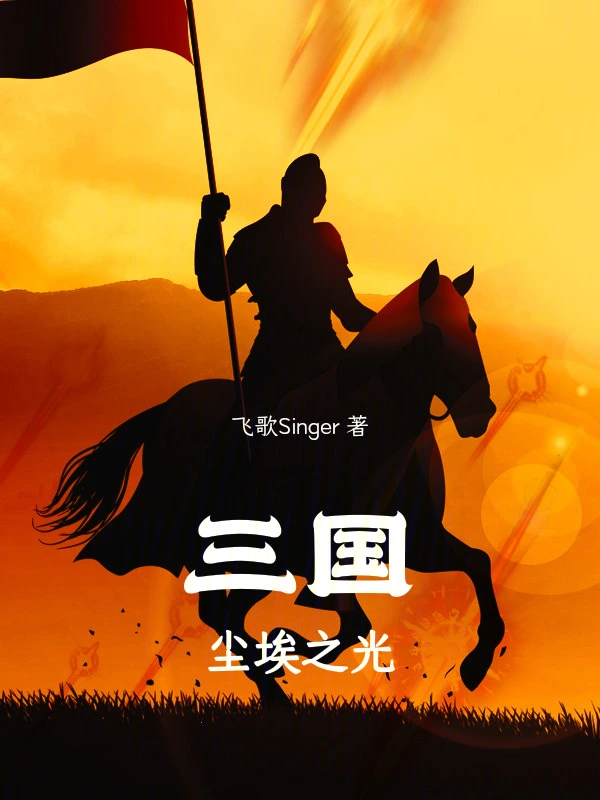
"The Light of Dust of the Three Kingdoms" is a science fiction novel focusing on the Three Kingdoms that is being serialized by Qidian. It currently only has 14,000 words, but it has already shown its unique ambition. The following is a book review based on the available information: --- When the Three Kingdoms Encountered the Sea of Stars: The Ambition and Challenge of "The Light of Dust of the Three Kingdoms" When I opened the introduction to "The Light of Dust of the Three Kingdoms", my first reaction was doubt, followed by curiosity. It says that it is a story of the "Three Kingdoms", but it also claims to be about "all mankind"; it retains the historical structure, but uses the "butterfly effect" to change the ending. This new work, which has just been released and has only 14,000 words, seems to be trying to walk a road less traveled on the boundary between "history" and "science fiction". Historical Science Fiction: A Bold Proposition In the field of online literature, the themes of the Three Kingdoms have long been written about - intrigues, hegemony, time travel, systems, and the routines are endless. But the special thing about "Three Kingdoms: Light of Dust" is that it chooses a grander perspective: expanding the stage of the Three Kingdoms from the land of China to the scale of the universe. The sentence "not just Wei, Shu and Wu, but all mankind" in the introduction hints at a possible core setting - maybe the struggle of the Three Kingdoms is just a microcosm of the larger universe picture, or maybe some kind of "high-dimensional existence" is watching this period of history. This mashup of "history + science fiction" is reminiscent of the discussion of the fate of civilization in "The Legend of the Galactic Heroes" or "Foundation", which is indeed rare in domestic online articles. "Dust" and "Light": Small changes shake big history The "dust" and "light" in the title of the book also seem to hint at the core method of the book - "Without changing the historical structure of the Three Kingdoms, a little bit of detail changes, and ultimately the butterfly effect changes the ending of history." This means that the author may not let the protagonist directly tamper with the historical process, but use some kind of tiny "variable" to quietly change the course of the historical river at a certain node. This kind of writing requires extremely high demands on the author's historical data base and logical deduction ability: a change in a small detail needs to accurately deduce a series of subsequent chain reactions. If it is handled well, it will be a subtle historical science fiction fable; if it is not handled well, it will easily become a blunt "plot revision". Challenges and hidden worries: practical issues in the new book period At present, this book has only 14,000 words, which is still in a very early stage. For this grand narrative of "subverting cognition", the beginning of the foreshadowing is crucial. Whether readers can quickly understand the worldview of this "sci-fi version of the Three Kingdoms" in the early stage and create a sense of immersion is the first challenge this book faces. In addition, judging from the feedback in the comment area of similar themes, "historical science fiction" works are often prone to controversies such as "telling old stories in the guise of science fiction" or "subversion for the sake of subversion". Whether this book can avoid these traps and truly develop a narrative at the level of "philosophical fable" remains to be seen. Conclusion: "New species" worthy of attention The ambition of "Three Kingdoms Dust Light" deserves recognition. In the "Red Sea" theme of the Three Kingdoms, it attempts to use the telescope of science fiction to re-examine that magnificent history. For readers who are tired of reading traditional Three Kingdoms novels, this may be a new dish worth trying. Of course, whether it can ultimately refine "dust" into "light" requires more space to verify. You might as well collect them first and then kill them after they are fattened.
--- 🌱 Follow-up and update outlook in the seedling stage: Can "Three Kingdoms of Dust" "see the big from the small"? At present, this novel is still in a very early stage, but it has shown some signs worthy of attention: · The pace is fast and not procrastinating: the first three chapters quickly cut from the end of the Yellow Turban to the center of power in Luoyang, without being too obsessed with the historical background, and the speed of advancement is friendly to readers who pursue "amount of information". · Science fiction foreshadowing emerges: Zhang Jiao's "network of consciousness" before his death and the metaphor of tortoise shell prophecy have already laid a hidden thread for the "history + science fiction" setting. This method of reinterpreting "the destiny" with science fiction elements is indeed rare in traditional Three Kingdoms literature. · The biggest suspense remains to be solved: What do the "dust" and "light" in the title of the book refer to? The current world view is still relatively vague. If the follow-up can find a more stable balance between historical details and science fiction imagination, it is expected to become a work with unique temperament. For this type of narrative that pursues "subversion of cognition", early preparation is crucial. If the fourth chapter can further develop the core settings of the "sci-fi version of the Three Kingdoms" while maintaining the rhythm, the direction of the story will be clearer.