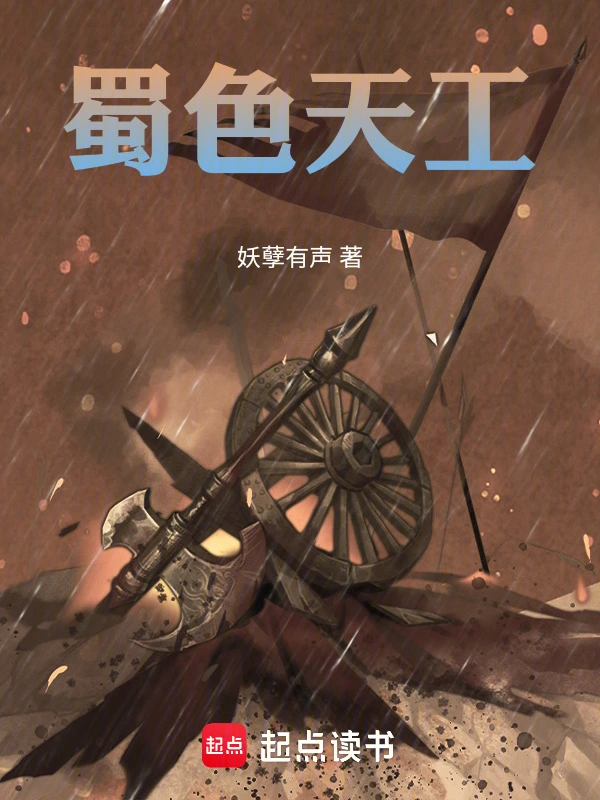
Shu Color Tiangong
蜀色天工
- Status
- Ongoing
- Length
- 1.2M Words
- Genre
- Historical
- Audience
- Male
- Subgenre
- Alternate History
- Updated
- 1d ago
- Source
- Qidian
Stats
0Monthly votes
4Recommends
0Fans
189Chapters
Synopsis
Reader comments
Readers also read
 After Lying in Bed for Three Years, He Was Forced to Help the Han Dynasty
 Northern Qi, Sage Khan
 Fu Ming 1627
 Red Mansion: Start Escaping and Farming from the Equipment Bar
 Criminal Investigation Notes 2: Buried Corpse in Songhu
 How Can You Become an Immortal If You Don't Have Money?
 Green Hills
 Leader
 The Black Witch's Journey to Another World
 Alien Hotel
 Become a God from Water Monkey
 In the Name of Supernatural Power
 My Broken Computer Connects All Worlds
 Sealing Demons Against Heaven
 Shi Gan Dang Agreement
 I Tore Apart the Actor's Ex-Husband's Mask with My Own Hands
 Border Army: Starting from Burning Fire Soldiers to Build Iron Kites
 Echoes of the Abyss
 Qin Fire: Not Burned Out
 Dragon Backbone: Chinese Mecha Hunting Record
Monster's new audio book is on the shelves. I hope you guys like it and support it!
1. Basic information of the work - Title: Shu Se Tiangong - Pen name: Monster Yousheng - Type of work: alternate history / suspense investigation / intangible cultural heritage skills / technical flow / conspiracy - Estimated word count: 5.6 Million words (five volumes) - Work tags: Ancient Shu, intangible cultural heritage, Shu embroidery, silver filigree, detective work, intrigue, technological flow, ingenuity, time travel, empress - One sentence introduction: Intangible cultural heritage craftsmen travel through the golden sands of ancient Shu, use Shu embroidery silver thread to solve the murder of gods, use ingenuity and skills to break the mystery of theocracy, and rewrite the fate of ancient Shu civilization. 2. Core setting 1. World view - Era: The fictional Jinsha Kingdom of ancient Shu (corresponding to the Shang and Zhou dynasties, Sanxingdui-Jinsha Civilization) - Pattern: Theocratic power (priest group) and royal power (empress) are in binary opposition. The theocratic power controls ideas and craftsmen with the "sun bird" and "divine rule", while the royal power implements the "New Deal for Craftsmanship" in an attempt to regain power. - Core rules: - Craftsmen are divided into levels, with the criminal craftsman (such as the protagonist's initial identity) having the lowest status and being strictly controlled by the priests - Bronze, goldware, Sichuan embroidery, and lacquerware are the core skills of the country, and are in the hands of the priests and the royal family - "Divine judgement" is the highest judicial power of the priests, who use "miracles" to eliminate dissidents and control government 2. Technology flow·Intangible cultural heritage Tiangong system - Shu embroidery: color identification (72 kinds of red silk color difference), fiber tracking, physical evidence fixation, wound suturing - Silver filigree: microscopic magnifying glass, precision probe, surgical instruments, locks/organ cracking - Chengdu lacquerware: acoustic resonance (infrasound weapons, interception), moisture-proof sealing, physical evidence preservation - Sichuan Opera Face Changing: mechanical disguise, identity disguise, intelligence transmission - Bronze/gold items: murder weapon reproduction, trace identification, ritual code cracking 3. Core golden finger -Dual identity ability: modern reporter (logical investigation, clue sorting, forensic-level observation) + double inheritor of intangible cultural heritage (Sichuan embroidery + silver filigree, color discrimination, microscopy, precision craftsmanship) - Core advantage: not supernatural power, but empirical thinking that transcends the times + intangible cultural heritage micro-techniques, using "science" to break "theocratic superstition". 4. Core Conflict - Surface level: Solving the "God's Blood Case" and uncovering the real culprit, Si Jin Jiujiu - Middle level: Royal power vs. Divine authority, using "God's evidence" to fight against "theocratic superstition" and establishing a new order of craftsmen - Deep level: The protagonist explores the mystery of the disappearance of the ancient Shu civilization, and uses ingenuity to rewrite the fate of civilization's destruction - Emotions: the restrained bond between the protagonist and the empress, "the emperor and his subjects cherish each other", the mission and loneliness inherited by the craftsmen 3. Character setting 1. Protagonist: Lin Qingwu (first person "I") - Identity: 28 years old, Chengdu TV reporter, Shu embroidery (mother) + silver filament (father) double descendant of intangible cultural heritage → Jinsha sinner after time travel → Chief Tiangong Division - Personality: Calm and rational, highly observant, emphasizing friendship, adhering to craftsmanship, not believing in theocracy, only believing in evidence - Goals: - Short-term: solve the murder case, get rid of the identity of the criminal craftsman - Medium-term: help the empress suppress theocratic power, build the heaven and earth industry, and protect the craftsmen - Long-term: solve the mystery of the disappearance of ancient Shu, and use skills to change the direction of civilization - Weaknesses: Powerless in the early stage, hostile to the divine authority, unfamiliar with the rules of ancient Shu, emotional restraint 2. Female protagonist: Jiang Xuanyi (Empress of Jinsha) - Identity: 27 years old, the ninth generation monarch of Jinsha, witnessed his father being murdered by the priest "divine judge" when he was young - Personality: decisive and perseverant, tolerant of burdens, cold on the outside and hot on the inside, extremely lonely, believing that "man can conquer nature" - Goal: Eradicate the theocratic group, implement the New Deal, stabilize the royal power, and protect the people of Jinsha - Relationship with the protagonist: Appreciate the protagonist's "breaking the sky with skills", regard the protagonist as a confidant and spiritual confidant, cherish each other, and have secret feelings but restraint 3. Villain (layered) -Villain in the first volume: Si Jin Jijiu (the core of theocratic power), proficient in bronze casting, forges divine murder cases, and protects theocratic interests - Mid-stage villain: High Priest (theocratic leader), who controls witchcraft and bronze beast soldiers, and regards the protagonist as a thorn in his side - Ultimate villain: the forces behind the destruction of the ancient Shu Kingdom (enemy country + theocratic die-hards), attempting to destroy Jinsha and destroy the craftsman civilization 4. Important supporting role - Zhao Ada: an old silver filigree craftsman, the protagonist's guide and inheritor, who has endured humiliation and hid the truth for twenty years - Qinghe: The empress's personal attendant, smart and capable, the bridge between the protagonist and the empress - Zi Heng: Wangcheng Weiwei, the empress' confidant, loyal, brave and upright, later became the guard commander of the Tiangong Division - Workshop Craftsman Group: The protagonist's team, each with their own unique skills, became the core force of the Tiangong Division 4. Volume plot outline (complete version of five volumes) Volume 1: The Blood Shadow of the God (Chapter 1-100) - The Sinner breaks the situation - Beginning: Sanxingdui live broadcast touches the Bronze Sacred Tree and travels through time, becomes the Sinner of the Sands, meets Zhao Ada, shows off the silver filigree silk/Shu embroidery skills - Development: The God's serial murder case breaks out, the protagonist is summoned to the royal city by the empress, uses Shu embroidery to distinguish colors, and silver wire to microscopically detect forged traces of wounds - Climax: An autopsy in the ice cellar found iron evidence of azure silk, locking in Si Jin Jiu; a confrontation in court, revealing the scam of the divine judge - Ending: Si Jin Jiu was executed, and the protagonist got rid of his identity as a criminal craftsman. The empress set up the Tiangong Department and ordered it to be its commander to establish the first trace laboratory in ancient Shu Volume 2: Tiangong Kaiwu (Chapter 101-300) - Ingenuity establishes prestige - Main line: The protagonist Jiantiangongsi, improves Sichuan embroidery/silver wire/lacquer craftsmanship, researches and develops investigative tools, medical equipment, and acoustic weapons - Detective line: Theft of ritual utensils from ancestral temples, serial disappearances of craftsmen, witchcraft curse cases, and uses skills to solve "miracles" time after time - Machiavellian line: Theocratic counterattacks, assassinations, frame-ups, and rumors; the protagonist runs "Gongmenzhao" to guide public opinion and win people's support - Emotional line: Overcoming difficulties with the empress, the bond deepens; Zhao A's sacrifice leaves behind clues to the destruction of the ancient Shu country - Climax: The coup in the theocratic ancestral temple is thwarted, the protagonist defeats the enemy with silver wire mechanisms and lacquer acoustic weapons, shocking the government and the public Volume 3: Bronze Blade (Chapter 301-500) - Defending the enemy with work - Main line: The enemy invades and drives the "bronze beast soldiers" (witchcraft control + bronze armor), and Jinsha retreats steadily - Technical line: The protagonist improves the principle of hot pot base to make "burning pots", uses lacquerware + Qiang flute to make "infrasound horns", develops strong bows and crossbows, and protective armor - War line: trains craftsman engineering teams, uses heavenly craftsmanship to deploy defenses, break formations, and treat the wounded - Climax: The decisive battle on the bank of the Jinsha River, burning pots destroy the bronze beast soldiers, infrasound horns disintegrate the enemy's mind, and the victory of Jinsha - Turning point: After the war, it is discovered that there is support from mysterious forces behind the enemy country, which is related to the secrets of the "Sun Sacrifice" of ancient Shu Volume 4: The Secrets of Jinsha (Chapter 501-800) - The Search for Civilization - Main line: The protagonist traces the mystery of the disappearance of ancient Shu, and explores the Sanxingdui/Jinsha ruins, the bronze sacred tree, and the truth about the golden mask - Detective line: Uncovering the old case of the death of the previous king, the shady story of theocratic sacrifices, and the secret history of the blood inheritance of craftsmen - Power plot line: The empress fully implements the New Deal, and the remnants of the theocracy collude with enemy countries and royal opposition to launch a full-scale rebellion - Emotional line: The relationship between the protagonist and the empress faces the test of royal power, mission, and life and death; the protagonist discovers that his time travel may be related to the secret treasure of ancient Shu - Climax: The battle to defend the royal city, the protagonist uses the entire Tiangong system (detection, defense, attack, and medicine) to counter the rebellion, and the high priest executes him Volume 5: The Color of Shu (801-Ending) - Ingenuity changes fate - Main line: The ultimate force appears, attempting to overthrow Jinsha, destroy all craftsman skills and civilization records - Decisive battle: The protagonist gathers craftsmen from all over the country, using Shu embroidery as the flag, silver thread as the blade, lacquerware as the shield, and bronze as the soldiers, to launch a battle to defend civilization - Secret: Uncover the true purpose of the bronze sacred tree, golden mask, and sun bird (ancient astronomy/communication/defense device) - Ending: Defeat the ultimate force, completely eradicate theocracy, and establish a new order of "co-governance by craftsmen and kings"; the protagonist solves the mystery of the collapse of ancient Shu and uses skills to rewrite the destiny of civilization -Epilogue: The protagonist stands under the bronze sacred tree, looking at the prosperous golden sands, with silver thread intertwined with Shu embroidery in his hands, and the millennium of craftsmanship has been passed down 5. Highlights & Cool Points 1. A strong fusion of intangible cultural heritage + detective work + power planning: Sichuan embroidery silk identification, silver wire microscopy, lacquerware acoustics and other intangible cultural heritage details are hard-core, and skills are used to solve crimes, fight wars, and govern the country, with strong differentiation 2. Technological flow counters superstition: Using modern empirical thinking + intangible cultural heritage micro-techniques to break the theocratic scam, it feels satisfying to "break superstition with science" 3. Contrast of characters: the counterattack of the criminal craftsman, the powerful empress, the confidant of the monarch and his ministers, There is tension in restraining the emotional line 4. The restoration of the ancient Shu civilization: Sanxingdui, Jinsha, bronze sacred trees, golden masks and other elements are deeply integrated, and the cultural heritage is rich 5. The rhythm is tight: there are major cases in the volumes, the chapters have reversals, and the investigation, conspiracy, war, and emotion advance alternately 6. The core of the craftsmanship: with the spirit of craftsmanship and the inheritance of skills as the core, there is passion, warmth, and feelings 6. References for creation: Archaeological results of the ancient Shu civilization The Jinsha site covers an area of over 5 square kilometers, and tons of ivory were unearthed - the largest number of ivory unearthed from a single site in the world. There are also thousands of jade, gold, bronze and other precious cultural relics, all of which were ritual remains of the highest ruling class in Shu at that time. The accumulation of ruins shows a clear civilization curve: layers of ivory pits were buried in the Shang Dynasty, huge amounts of jade and gold objects were buried in the Western Zhou Dynasty, and thousands of antlers and wild boar tusks were buried in the early Spring and Autumn Period. The inheritance relationship between Jinsha and Sanxingdui is a core issue in the archaeological community - the ancient Shu civilization experienced migration and evolution from Sanxingdui to Jinsha. The sun bird gold ornaments, with the image of 12 rotating sun rays and four sacred birds, represent the pinnacle of the gold art of the ancient Shu ancestors and the core spirit of sun worship. Key points of Chengdu's "Five Golden Flowers" intangible cultural heritage Chengdu's "Five Golden Flowers" intangible cultural heritage - Sichuan brocade, Sichuan embroidery, lacquerware, silver filigree, porcelain-bodied bamboo weaving, are the carriers of Tianfu culture. Silver filigree: A national intangible cultural heritage, it can be traced back to the Yin and Shang Dynasties and is famous for its "flat-filled filigree". The silver bars are drawn through more than a hundred processes into silver wires that are thinner than hair, with a diameter of only 0.2 Mm at the thinnest point. The main processes include dozens of smelting, rolling, wire drawing, filigree, engraving, polishing, calendering, and electroplating. Techniques such as wire filling, wire base, wire threading, and wire rolling are alternately used. Shu embroidery: Twelve categories and more than 130 kinds of stitches, emphasizing "neat stitches, bright threads, tight and soft, and perfect twisting". Color recognition is the core quality of Shu embroidery craftsmen. Chengdu lacquerware: It originated in the Shang and Zhou dynasties, with three carvings and one quarter, and eight methods of painting. The lacquerware fragments unearthed from the Jinsha site have survived for more than 3,000 years, and their patterns are still colorful. 7. Update plan 1-2 sessions per day