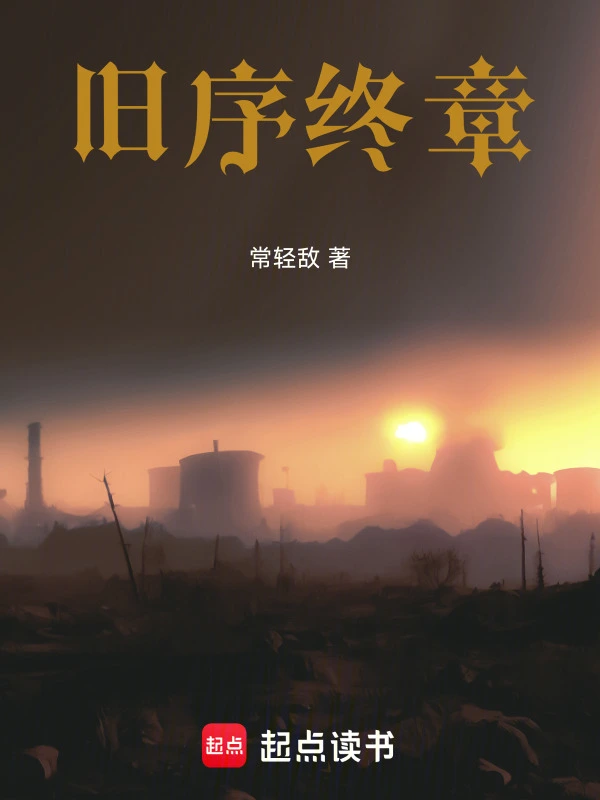
Final Chapter of the Old Prologue
旧序终章
- Status
- Ongoing
- Length
- 17k Words
- Genre
- Western Fantasy
- Audience
- Male
- Subgenre
- Mystic Fantasy
- Updated
- 4mo ago
- Source
- Qidian
Stats
0Monthly votes
8Recommends
0Fans
6Chapters
Synopsis
Reader comments
Readers also read
 Open Your Adventure Log
 Kobold Wizard: What the Hell Is Your Attainment Status?
 I Won the Favor of Ms. Quiet
 The Alchemist Girl Is Becoming a God
 Criminal Investigation Notes 2: Buried Corpse in Songhu
 Night Without Borders
 How Can You Become an Immortal If You Don't Have Money?
 Leader
 The Black Witch's Journey to Another World
 Green Hills
 Xuanjian Immortal Clan
 Become a God from Water Monkey
This book is sure to be a hit
Turning to the first page of "Old Prologue and Final Chapter" is like stepping into the ruins of the old world shrouded in fog - Chang Qingdi uses restrained and sharp brushstrokes, leaving no room for buffering for the reader, and directly hits the core proposition of "disorder" in front of his eyes. The opening chapter does not have a lengthy world view, but uses very graphic details to materialize an era in which "the gods no longer protect and the order is on the verge of collapse". Whether it is the blasphemous rumors circulating in the streets or the panic of ordinary people in the shadows, they are all silently telling: the old rules of this world are rotten. The best thing about the author is that he does not forcefully instill the setting from God's perspective, but uses what the protagonist sees, hears, thinks and feels, allowing readers to immerse themselves in the suffocating feeling of "everyone is in danger" - just like you clearly know that there is something terrifying lurking in the dark, but you don't even have the courage to look up. This Cthulhu-style unknown fear has firmly gripped people from the first chapter. What's even more rare is that while the story is full of suspense, it also has a foreshadowing of human nature. In an era where blasphemy is a crime and gods are disqualified, the choice of ordinary people has never been as simple as "fighting the gods", but a repeated pull between survival and conscience. The fleeting supporting characters and the hesitant dialogue in the first chapter all hint that the collapse of the old order is never a one-man show of gods, but a vortex of fate that every ordinary person is involved in. The appearance of the protagonist is like a faint spark in the darkness. Although it has not started a prairie fire yet, people can't help but look forward to it: How will he write his own final chapter in this blasphemous era? As the opening chapter, the first chapter has perfectly completed the task of "establishing the world view, evoking suspense, and shaping the atmosphere". There is no redundant nonsense, every plot paves the way for the subsequent story, and every detail strengthens the sense of fate that "the old sequence will end". When I closed the page, my mind was full of curiosity about the subsequent plot: What secrets are hidden behind those blasphemous crimes? What is the great horror in the shadows of the past? How will the protagonist gain a foothold in this troubled world? It can only be said that this new book, which has just been published, has completely fascinated people from the first chapter, and I can't wait to follow the follow-up.
Hello, I'm here. I'm neither the protagonist nor the heroine. I'm just a passerby. I can come whenever I want.
When order collapses, the old gods whisper. This work will take you deep into the core of the Cthulhu mythos and experience the fragility of reason in the face of cosmic horror. Distorted reality, crazy prophets, forgotten rituals... All the classic elements of Cthulhu come together here to weave a suffocating world of despair. It is not only the end of an era, but also a cruel revelation of mankind's insignificance in the vast universe. Recommended to all readers who desire to experience the ultimate fear and unknown in words.
What the hell
There are already three chapters and there are still not one million words. Will the author control the pace?