Liu Wei (1558-1619), courtesy name Shengwu, was born in Nanchang, Jiangxi Province. He was a famous general in the middle and late Ming Dynasty. He was known as "Liu Dadao" in the world. He was a general. His father was Liu Xian, the governor of the Ming Dynasty. He was influenced by the military since childhood and was very brave. He has been on the battlefield for decades with his martial arts and strategy. He has gone through hundreds of battles, big and small, and is famous throughout the country. He is the backbone of the military with outstanding military exploits during the Wanli period.
Liu Wei was famous for his bravery. The iron sword in his palm weighed one hundred and twenty kilograms, and it immediately spun like flying. He also made good use of Zhangba snake spears and firearm formations, creating the first "Sichuan Army Firearms Triple Formation", which was full of power. The core military exploits of his life were concentrated in the "Three Major Expeditions of Wanli": in the Battle of Ningxia, he climbed a cliff to attack his hometown at night and killed the rebel leader with his own hands; in the Battle of Korea, he twice led troops to aid North Korea, and in the Battle of Pyongyang, he killed seven people in a row Japanese swordsman, he rode alone to capture and kill the rebel generals in the Battle of Shuntian, which made Toyotomi Hideyoshi extremely jealous; in the Battle of Bozhou, he climbed over the cliff of Loushan Pass, stormed Hailongdun, and captured the rebel leader Yang Yinglong alive, which was his greatest military achievement. In addition, he also put down the rebellion in Burma and the Luoxiong Rebellion in Yunnan. When he was stationed in the miasmatic land in the southwest, he built garrison and farmland to stabilize the border defense.
Due to the Ming Dynasty's "emphasis on civility and suppression of military power" system, this fierce general with great military exploits was repeatedly marginalized, and his military exploits were often buried. In the Battle of Sarhu in the forty-seventh year of Wanli (1619), he led the Eastern Route Army on an expedition. Due to the military supervisor's order to march according to the plan, he mistakenly fell into an ambush and was alone without support. He finally died in the battle at the age of 62. His adopted son Liu Zhaosun also died in the battle. Nurhachi felt his loyalty and bravery, and ordered a grand burial and enshrined his sword. During the Guangxu period of the Qing Dynasty, he was given the posthumous title "Zhongzhuang".

 I Traveled Through Liangjian and Copied Equipment at Changjin Lake
 War of Resistance: the Roar of the King of War
 Bright Sword: Play the Entire Game Starting from Northwest Shanxi
 What the Hell Is a Bloody Battle at Hacksaw Ridge When Someone Is in the Special Forces?
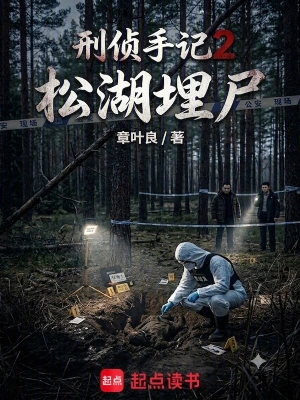 Criminal Investigation Notes 2: Buried Corpse in Songhu
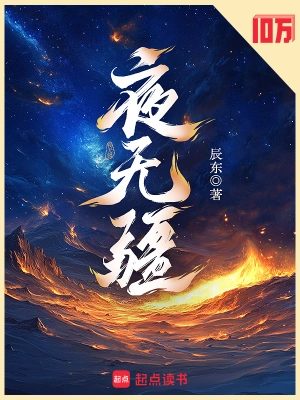 Night Without Borders
 How Can You Become an Immortal If You Don't Have Money?
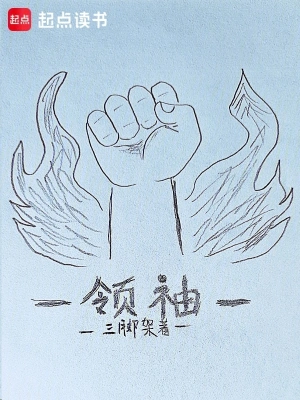 Leader
 The Black Witch's Journey to Another World
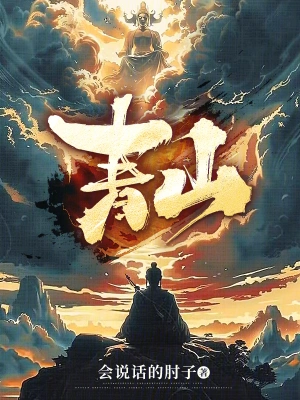 Green Hills
 Xuanjian Immortal Clan
 Become a God from Water Monkey