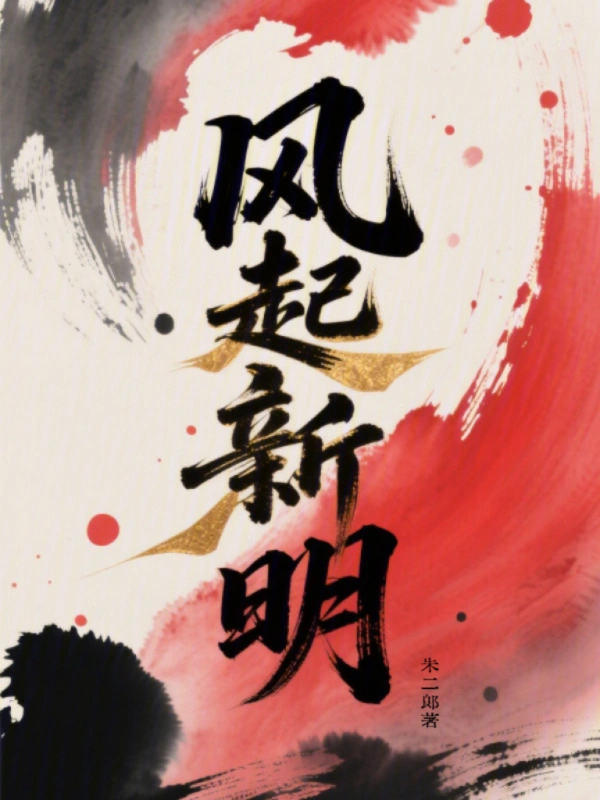
The Wind Rises and the New Light Rises
风起新明
- Status
- Ongoing
- Length
- 144k Words
- Genre
- Historical
- Audience
- Male
- Subgenre
- Song-Yuan-Ming Dynasties
- Updated
- 10mo ago
- Source
- Qidian
Stats
0Monthly votes
352Recommends
7Fans
60Chapters
Tags
Synopsis
Reader comments
Readers also read
 Northern Qi, Sage Khan
 Republic of China 1922: Start with Pan-Fried Buns
 Gou Served as Sima Under Dong Zhuo
 Red Mansion: Start Escaping and Farming from the Equipment Bar
 Siheyuan: Start by Picking up Attributes
 I Am a Tyrant in Nanming
 Rebel
Rebel
 Immortal Who Seizes the Body
 Devouring the Starry Sky: Infinite Opportunities to Hoard Treasures at the Beginning
 At the Beginning, Please Ask Chongzhen to Abdicate!
 Gongtang
 The New Tang Dynasty Began with the Anshi Rebellion
We should change it to forged cannons and blast them assholes
I read the latest chapter and was shocked by the author Hongda's narrative technique. It's like a real name popping up on the page. The logic is rigorous and there are no cheats. The only shortcoming is that the group portraits are also very good, and the characters have a strong three-dimensional sense. Come on
Regarding the protagonist calling himself Lao Tzu.
In ancient times, the most common self-proclaimed use of "Lao Tzu" was actually a humble and even self-deprecating statement, especially when an older person spoke to a younger person. Literal meaning: "Laozi" literally means "old man", "old man". An old man calls himself "Laozi", which means "I am such an old man." It is a very colloquial way of addressing oneself, not treating oneself as an outsider, and appearing friendly and without pretensions. Context: Usually used in informal situations, such as between elders and younger generations in the family, or between very close friends. It expresses a sense of intimacy that says, "I'm older than you and have more experience than you, but I don't put on airs with you." Historical records: This usage is very common in notebook novels and scripts of the Song Dynasty and later. For example, Lu You, the famous poet of the Southern Song Dynasty, recorded an incident in his "Notes of Laoxue'an": A minister was demoted and felt unhappy. When Song Huizong found out, he said: "I heard the wrong person, right? He was not the one who was supposed to be demoted." The "Laozi" here is the emperor's slightly self-deprecating and colloquial self-proclaimed name, which means "I am an old man." In Ming and Qing novels such as "Water Margin" and "Jin Ping Mei", older or high-status characters (such as Song Jiang and Ximen Qing) often call themselves "Laozi" to their subordinates or close people, which means "eldest brother" or "elder". It is a way to establish intimacy and authority, but it is by no means a pure scolding. Therefore, in ancient times, people with status and cultivation would never call themselves "Lao Tzu" in formal occasions. But in private, informal contexts that express intimacy, older people or those with higher status will indeed use it to refer to themselves. Its core is to "bring closer relations" rather than "provoke".
The writing style is quite good, and the atmosphere of the city life makes people feel more immersed in it. It's just that it's not a rebellion article, is it? I don't know why they all like the rebels in the late Ming Dynasty!
Two chapters a day are not enough to read at the speed of updating.
Speed update, 😍😍😍😍😍😍😍
Some readers always question the prices in books. In fact, the Xuanfang documents and official histories of the Ming Dynasty, such as "Records of the Ming Dynasty" and "Huidian of the Ming Dynasty", have very comprehensive records of the prices at that time. Local prices, especially the prices of daily necessities such as rice, wheat, cloth, and salt, are also recorded in detail in the prefecture and county annals of various places. If you are interested, you can check the "Food and Goods Records" and "Disaster and Strange Records" in various local chronicles. These classics will record in detail the specific reasons for the rise or fall of prices in a certain year and month. In addition, a large number of personal notes and collections will also inadvertently record the prices at that time, which is very credible. I recommend a few books: -Tian Rucheng. It records the urban life of Hangzhou city, including some consumer prices. - Shen Defu. It records a large number of anecdotes about social life in the Ming Dynasty, including prices in the capital, prices of antique calligraphy and paintings, and even the wages of hired workers. - Liu Ruoyu. This should be a famous one, and everyone who studies literature and history should know it. It was written by a eunuch of the Ming Dynasty and recorded in detail the life in the palace, including the purchase prices of various foods and items in the palace. -Fan Chu. It records in detail the social and economic situation of Songjiang Prefecture (today's Shanghai area) in the late Ming Dynasty, including land prices, cotton prices, slave prices, and inflation after the influx of silver in the late Ming Dynasty. In addition, there are also records such as "Lang Qian's Chronicles" and many other literati's collections and letters. So you can question me, but you can't question just because you question. Before questioning, ask yourself whether you have consulted historical data.
I just saw two. Can I change what I said? How can anyone in the officialdom of the Ming Dynasty call himself Lao Tzu? Military attache is impossible. Civil servants are even less likely. Bandits and hooligans will become me if they have nothing to do