In Yongxing, misfortune arose, and the Jin Dynasty collapsed. There was a war in Hejian, and Luodu became Shura. Sanqi often served Zhang Gong Shiyan, who wrote a letter of disobedience to the powerful, and was relegated to Liangzhou as a deserted man. The country is in ruins, jackals and wolves are on the way; Peng Jia is in power, and Hu Qi is knocking at the pass. The rails held the frost blade to kill the powerful chiefs, and hung their heads on the camp gates to expose the treacherous traitors; they built new springs to open up trade routes, and cultivated crops, horses, and elite soldiers in the fields. Xuanzhen astrology indicates heavenly calamity, and the altar prays for rain and peace of mind for the common people.
Yongjia is difficult to do, and Emperor Huai is covered in dust. Hu dust covers Luoque, and the mainstay stands in Xiliang. Song Dynasty's Pei Qingzhao galloped through the Three Qin Dynasties, and formed a formation to defeat Liu Yao; riding alone on a snowy night, he rode alone in the company camp, and the lion's roar cut off the bald hair. Gai Fen was cheating to surrender to Cun Sheji, and he endured humiliation and served Shuo to keep his loyalty. He carried out his father's ambition to sweep across Hexi, the eagle and the harrier's mouth fell down and killed Qu Ni; the dragon and bird spear suppressed the chaos of demons, and destroyed the frontier and halberd to secure the territory of the five counties. The mysterious secrets of Xuanzhen are left in Beidou, and the tragic death brings tears to my eyes.
Duke Liang, the Si Si, is an iron-blooded Jingbian. The thunderbolt shattered the golden city, and the divine machine burned Ma Qiu. The spread of demons and heresy brought disaster to Dunhuang, and Suo Shi wept with blood; the shadows of the enemy invaded the palace gates and executed Zhao Yang, and Mao Zu left his sword behind. Yu was the young master of Shangfu Kuang, and Xie Aiqi planned to retreat from Jiehu. Jun Gong shoots the tiger to show his majesty, and the Tianshan Mountain pulls the stone to frighten Qiuci. In the Taiqing Dynasty, the bells and drums rang out the Buddha's teachings, and the jade gate beacons and beacons garrisoned the quicksand.
Alas! Qilian died in mourning for his father, and Yumen died in mourning for the country. The nine palaces built in a rapid manner are disgraceful to the king's rituals, and the walls are erected to quench the stars. The dragon bird gun breaks and dominates the sky, and the regret lingers on the white snow peak. However, Xiliang has nurtured the people for fifty years, preserved Han rituals in the absolute domain, and protected the Rong and Qiang in clothing and clothing. Isn't it true that the merits are eternal?
 Northern Qi, Sage Khan
 Red Mansion: Start Escaping and Farming from the Equipment Bar
 Gou Served as Sima Under Dong Zhuo
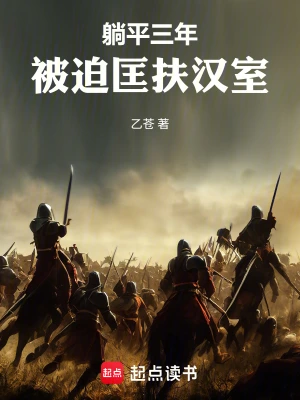 After Lying in Bed for Three Years, He Was Forced to Help the Han Dynasty
 Siheyuan: Start by Picking up Attributes
 Night Without Borders
 How Can You Become an Immortal If You Don't Have Money?
 Beastmaster: I Can See the Evolutionary Path
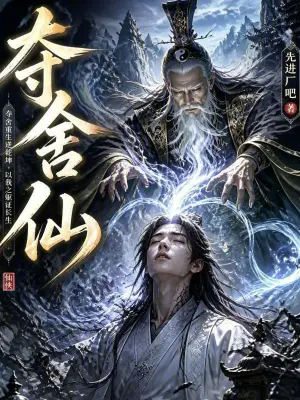 Immortal Who Seizes the Body
 Green Hills
 Xuanjian Immortal Clan
 Become a God from Water Monkey
 Feng Shui Taoist