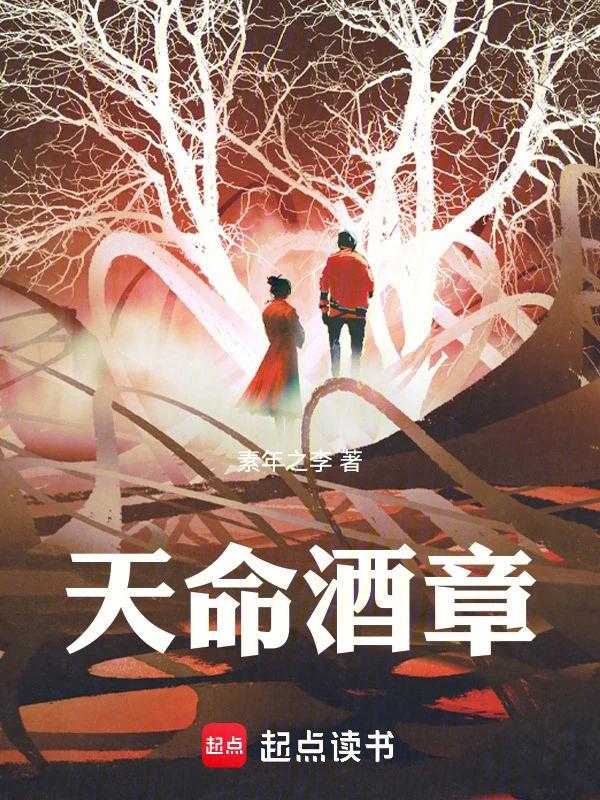
Destiny Wine Medal
天命酒章
- Status
- Ongoing
- Length
- 452k Words
- Genre
- Western Fantasy
- Audience
- Male
- Subgenre
- Epic Fantasy
- Updated
- 10mo ago
- Source
- Qidian
Stats
0Monthly votes
262Recommends
0Fans
192Chapters
Synopsis
Reader comments
Readers also read
 I Won the Favor of Ms. Quiet
 Kobold Wizard: What the Hell Is Your Attainment Status?
 The Alchemist Girl Is Becoming a God
 Open Your Adventure Log
 Siheyuan: Start by Picking up Attributes
 Gou Cultivates Immortality and Attains Fruition in Two Realms
 Nanming Swordsman
 Beastmaster: I Can See the Evolutionary Path
 Immortal Who Seizes the Body
 Rebirth in 94, Dreaming of Returning to Daxia to Be a Lonely Master
 Be Domineering and Domineering, Starting from the Peninsula
 Sign in the Nine Sun Magic Skill at the Beginning, I Will Kill All over the World
 Tianmen Behind the Moon
It's very good, it attracted me deeply, especially the close-up of Lu Jiuzhang's granddaughter Lu Qingping 😁, come on
Chishui River is brewing wine, and it is also boiling people - Comment on "Destiny Liquor Chapter": the code of civilization heated by wine lees
Chishui River is brewing wine, and it is also brewing people - Comment on "Destiny Liquor Chapter": the code of civilization heated by distiller's lees The waves of Chishui River beat the bluestone slabs of 1988, and the faded wine flag of Zuixianfang drooped in the rain, like the nine-pound rickets of the old brewer Wei Wei. The river described by Li Su Nian is not a scenery, but a living and breathing creature - the ocher-red waves carry the sweet fragrance of red-tasseled sorghum, and are also wrapped in ten years of nostalgia crushed under the soles of Du Shaokang's shoes. When this returnee in a polyester tunic suit pushed open the creaking wooden door, he crushed not only the mud, but also the tiny sound of the collision between tradition and the times. 1. The living fossil in the cellar: the time sequence code in the palm prints of the old burner The suspended matter in the turbid wine scooped up by Wei Jiujin is the soul of century-old distiller's yeast. When writing wine recipes, Li never used big words like "inherited" and only hid the secrets in the details: the distiller's koji requires the old brewer to use his body temperature to heat the koji three times a day, and the seasonal understanding of "the koji is stepped on during the Dragon Boat Festival and the sand falls on the Double Ninth Festival". When Du Shaokang discovered that his father's frozen hand was holding half a piece of moldy distiller's yeast, the old guys in the cellar were sleeping collectively - this was not sensationalism, but a silent sigh of the retreat of farming civilization. The most unique thing about the novel is that it embeds the traces of the times into the wood grain. Du Shaokang touched the cracks in the gatehouse and felt the burn marks left by the years; Wei Jiujin's rosacea was engraved with the marks of damaged utensils. These "old scars" make "Legend of Ghost Brewing" and "Yelang Wine Talisman" no longer a curiosity, but a test of skill inheritance. When speculators stare at the "Dionysian Curse", they don't understand the real secret, which is "Frost opens the cellar, Jingzhe seals the altar" engraved in the palm prints of Wei Jiujin and others - this is a code that coincides with the season of the Chishui River, and is a "living inheritance" that is more vivid than any classics. 2. Ukiyo-e on the river beach: the grainy time of 1988 Li's pen-like image of an old film machine in 1988 photographed the wrinkles of Chishui in 1988. Du Shaokang's Chinese tunic suit was patched with the printing factory's layoff seal, and the jingle of Miao village silverware mixed with the clatter of liquor ticket transactions. The supporting characters are all breathing local chronicles: the Panama Gold Medal certificate hidden by the director of the supply and marketing cooperative, the truck driver humming "If the Wine Is Sold Without", even the stones on the river beach are soaked in the warmth of planning and market. The best thing is the ancient stele from the Ming Dynasty - when Du Shaokang deciphered the epitaph of "Dragon Boat Festival Making" in Chapter 79, the winemaker six hundred years ago suddenly "came alive": it turns out that the inheritance of skills has long been engraved in the bones and blood of Chishui people. 3. The smoke in the lees: clumsy persistence tempered by the times The most touching thing in the novel is the "untimely" persistence. The oligarchs in the wine industry use centrifuges to separate the lees, but the old brewers stubbornly "respect the head of the wine to the sky and the tail to the ground"; young people drink blended wine, but Wei Jiujin still uses bamboo baskets to pack new wine to let the pottery altar "breathe" time. These "stupid methods" are the ignition of civilization. The scene of Du Shaokang repairing the cellar in the heavy rain - mud soaked into his nails and distiller's yeast filled his sleeves - is not a drama of bitterness, but the most primitive ritual passed down: just like the distiller's yeast that his father held before freezing, and like the bowl of turbid wine that Wei Jiujin drank, clumsy but hot. 4. A bowl of old wine for every drifter The Chishui River is still flowing, carrying five thousand years of sediment. "The Destiny Wine Chapter" is not a treasure hunt story, but a bowl of old wine for those who have drifted in time. The figures bending over to make koji, the fingers stained yellow by the wine lees, and the wine-making formulas silently recited late at night are all the toughest living fossils of civilization. When Du Shaokang stood up straight in the mud of Chapter 103, we suddenly understood: inheritance is not in ancient books, in the eyes of every winemaker who refuses to bow his head, in the stubbornness of every grain of red-tasseled sorghum, and in the eternal roar of the Chishui River. This novel should be popular because it allows us to see that in an era of quick blending, there are always people who are willing to wait ten years for a jar of wine to mature and spend their lives guarding a period of clumsiness. There is no story about Li in her prime, but what she endures is the eternally warm nostalgia in the hearts of every Chinese.
Thoughts on "Destiny Wine Chapter"
Thirty years of wind and frost accompanied by a night light, sitting alone in the cold window with the moon melting. A string of brocade seduces Zhuang Die, and half of the temples are transformed into dust and frost. The falling catkins on the steps make your hair turn white, and the passing years turn to new winter. Writing all the notes on the heart, leaving gaps, where is the trace of Yancun?
When Chishui River Sauce Fragrance Meets Millennium Heritage: A Winemaker and the Guardian Journey of Intangible Cultural Heritage
Have you tasted the Maotai-flavored wine by the Chishui River, but have you ever listened to the pulse of this river that has been passed down for thousands of years? The 30-year-old Du Shaokang stood in front of the Zuixianfang in 1988, carrying a faded military satchel. The rainwater on the green tiles is mixed with the mellow aroma of three hundred years of wine lees. This winemaker who returned from the city would not have thought that when he opened the mottled wooden door, he would encounter a heritage that was deeper than the morning fog in Maotai Town - not only the old wine koji stored in the cellar, but also the three thousand years of winemaking civilization in the mountains of Yunnan, Guizhou, and Sichuan. [Chapter 1: Intangible Heritage Wisdom Precipitated by Time] In the novel, every grain of red-tasseled sorghum falling into the sand follows the rhythm of nature: the rhythm of the songs made by female workers during the Dragon Boat Festival, the changing color of the Chishui River when the sand falls during the Double Ninth Festival, and the dense water vapor rising between the nine cooking times. These are all living skills passed down orally by the old workers in Maotai Town. When Du Shaokang discovers the Ming Dynasty wine charms collected by his father in an abandoned wine cellar, you will have an epiphany: those wine-making formulas listed as intangible cultural heritage carry wisdom that is older than "Tiangong Kaiwu" - "Qu is wine" The bones of the wine, the tillers are the soul of the wine" is not only a proverb, but also the true meaning of brewing passed down by the ancestors of the Miao people in the hometown of Yelang for thousands of years; the process of "getting wine seven times" coincides with the movement of celestial phenomena and echoes the natural ecology of the Chishui River Valley. The author Su Nian Zhi Li went deep into the Tianbao Cave of Langjiu Manor and turned the traces of time on the pottery altar into "the breath of the wine veins", making every reader suddenly realize: what we taste is not only the fine wine, but also the essence of the mountains and rivers by the Chishui River. [Chapter 2: Winemaking Codes Deep in History] The winemaking classics found in the ancient tombs of the Ming Dynasty in Wumeng Mountain are not fictional legends. When the archaeological team discovered a set of carefully preserved bronze wine vessels among the funerary objects, the complete wine-making process engraved on the inner walls of the vessels was actually the most touching idea of the novel: What the ancients left behind were not cold artifacts, but wine-making wisdom that spanned time and space. The ecological wonders of fish swimming upstream in the Chishui River, the echoes of Miao village silver ornaments and ancient wine charms, the natural philosophy in traditional wine-making processes... These seemingly fantastic descriptions are actually rooted in the profound folk soil of Yunnan-Guizhou Sichuan: the Miao people's "sucking wine" tradition, the work chants of Chishui boatmen, and the legend of the "wine lady" in Maotai Town are all integrated into this "wine-hunting journey". When reading, you will follow the protagonist on the ancient post road and inadvertently encounter the real "Langjiu Manor". It is difficult to tell whether the artistic conception in the book has diffused into reality, or whether reality already contains such a secret realm. [Chapter 3: Cultural inheritance in the changing times] In the pocket of Du Shaokang's Zhongshan suit, there was a pen brought back from the provincial capital, but in the wine cellar of his old master Wei Jiujin, he learned to use his fingers to feel the activity of koji. This tension between the old and the new is the most touching part of the novel: the changes of the times in the state-owned winery coexist with the ancient inheritance of the Miao village; modern technology and traditional skills are in dialogue here. When the modern equipment of the brewing company passes by Tianbao Cave, the aged base wine in the cave still maintains its original quality - this is not only a plot setting, but also the author's thinking on ecological protection: every drop of fine wine in Chishui River shares weal and woe with the natural environment here. Are those descriptions of river ecology a revelation to the present? Today, when the Maotai-flavor wine industry is booming, the novel allows us to see that what is more precious than commercial value is the brewing wisdom passed down in the river valley for thousands of years. Reading suggestions to readers This is not just a novel. You can regard it as a "Culture Quest" about brewing, following Du Shaokang to decipher the inheritance code in history and reality; you can also regard it as an "Intangible Cultural Heritage Reader", comparing the brewing process in the book to understand the essence of traditional craftsmanship; or it can be viewed as an in-depth cultural experience - visiting along the Chishui River, in the Tianbao Cave of Langjiu Manor, looking for the brewing wisdom described in the novel. Now, turn the pages. You will hear the sound of rain in 1988, accompanied by the aroma of wine in 2025, creating a cultural dialogue across time and space in the text. You might as well pour a glass of Langjiu while reading, and let the charm of Chishui River Valley slowly flow through your heart along with the stories in the book - this is the unique reading experience of "Destiny Wine Chapter". When the fragrance of Chishui sauce meets the thousand-year destiny, a winemaker is rewriting the code of the mountains and rivers in the southwest - let us follow Du Shaokang and open the wooden door of Zuixianfang. What do you expect to meet? Is it an old wine jar or a millennium of wisdom?
The title of the book was originally "Chishui Lingjiao·Destiny Wine Chapter". It is an online novel that integrates historical adventure, fantasy realism and cultural inheritance. The core theme is to promote the excellent traditional Chinese culture (wine culture, intangible cultural heritage skills, southwestern folk customs, Taoist thought) and show the spirit of the people of Yunnan, Guizhou and Sichuan in protecting their homeland, inheriting culture, perseverance and courage! 🤝
Chapter 2 "Wumeng's Shadow"
The content of this chapter so far is very exciting. The scene description is very graphic and oppressive. The plot has ups and downs and suspense. It perfectly blends suspense, thriller, fantasy and folklore elements. Highlights: 1. The scene descriptions are shocking: Du Shaokang struggles for his life for hundreds of miles, is in danger in the mass grave, the fierce battle in the Huichun Hall, the abyss of the cave, the abyss of bones and other scene descriptions are very visually impactful and psychologically oppressive, and the atmosphere creation is top-notch. 2. Intense action scenes: The battle scenes are described heartily and vividly. Whether it is Du Shaokang's fight with wild dogs and floods, or Lu Jiuzhang and Lu Qingping's spell showdown with evil spirits and Yin Zai, as well as the melee in the Skeleton Abyss in the later period, they are all written with excitement and full of power. 3. The suspense is cleverly set up: the source of evil (the cicada seal), the secret of the soul-locking urn, the function of the Hades token, the truth about the foul sea pearl, the birth of the ultimate creator, the sudden change of Lin Wei's broken arm, the strangeness of Qingfeng Town... A lot of suspense is layered on, firmly grasping the readers. 4. Distinctive character creation: Du Shaokang's tenacity to survive, Lu Jiuzhang's benevolence and determination as a doctor, Lu Qingping's calmness and precision, Lin Wei's determination and greed, Professor Zhang's erudition and adaptability, Li Chuang's loyalty and bravery, and the ultimate creator's sense of terror and oppression were all successfully created. 5. The setting is exquisitely integrated: organically integrating elements such as traditional Chinese medicine (acupuncture, medicine cauldron), Taoism (talismans, edicts), folk customs (sloughing cicadas, ghost brewing), fantasy (animal spirits, contracts), Cthulhu-style horror (return to ruins, indescribable), etc., To build a unique and self-consistent world view.
Spoilers: The core setting, narrative features and main suspense of Chapter 2 "Wumeng's Shadow" in "Destiny Wine Chapter"
"The Wine Chapter of Destiny" is extremely rich in content and grand in structure. It is a wonderful novel full of oriental fantasy and Cthulhu-style horror. A summary and explanation of the core settings, narrative features and main suspense of Chapter 2 "Wumeng Shadows" (especially the connection with Chapter 3: Miao Village Talisman): 1. Core settings and world view 1. Core conflict: pollution vs purification · Gui Yuan/Gui Xu/Dirty God: represents the cosmic-level power of pollution, annihilation and chaos, trying to devour and assimilate everything. · Purification power: · The "golden inscriptions halo" Lin Wei glimpsed (Taoist orthodoxy) · Du Shaokang's awakened "Wine Vein Spiritual Source" (ancient bloodline) · The Miao Village's "Wine Sacrifice Rune" and "Ancestral Witch Brand" · The Lin family's "Zhenhai Stone" (the power of the seal) 2. Core items and power system · Fragments of dirty sea beads: pollute the core and can erode life and will. · The Shell of Guiji: It is both a pollution container and a sealing shackle, originating from the origin of Guixu. · "The Sutra of Drunken Immortal Wine" ("Hundred Ribbons of Spiritual Wine"): records the evil method of refining "All Souls Blood Wine", but also implies the way of confrontation, which leads to the subsequent "Salt Road Departure" and the middle volume "The Lost Trail of the Ancient Road·The Battle of Destiny", and the second volume "The Destiny Wine Chapter·The Passion of the Fire". · Wine Vein: A type of earth vein energy, which can be contaminated into "blood wine" or purified into "spiritual source". · Miao Village Talisman Array: An ancient guardian system driven by witch blood, related to the "Wine Sacrifice" ceremony. 3. Division of forces · Protagonist group: Lin Wei (frozen seal), Professor Zhang, Li Chuang (coma), Du Shaokang, Lu Qingping, Lu Jiuzhang · Miao Village: Grandma Yisang, Shi Aduo, Shi Xiaomei, Shi Yangong (both good and evil), etc., Guard the ancient secrets. · Bureau 749: Official supernatural response agency (Chen Feng, Leng Yue, etc.). · Blackstone Organization: Foreign forces, trying to control or release the power of Guixu. · Will to Return to Ruins/Coffin of Mourning/Lord of the Blood Cup: The ultimate villain, representing destruction. 2. Narrative Features 1. Multiple lines run in parallel to increase tension · Lin Wei Line: Struggle in the Abyss → Sacrifice in Shen Yuechi (temporarily freeze the seal) · Du Shaokang Line: Awakening in the Skeleton Space → Falling off a cliff and being rescued · Lu Qingping Line: Surviving the disaster in Qingfeng Town → Joining the 749 Bureau · Miao Village Line: Protection and Sacrifice → Confronting Black Stone and Guixu · Bureau 749: Investigation and Rescue → Strategic Counterattack 2. The description should be as detailed as possible to show the sense of picture and oppression · Use sensory description (smell, sound, touch) and metaphors (such as "black butterfly with broken wings", "burning buildings" like pale torches) to create an immersive atmosphere of horror and tragedy. · The battle scenes are diverse and rich in levels, including physical confrontations, as well as mental and energy collisions. 3. The suspense setting is clever · Fragmented information: The world view is gradually revealed through character memories, residual pictures, symbols, gibberish, etc. · Intertwined destinies: There are secret connections between the bloodlines, inheritances, and items of different characters (such as the Lin family Zhenhai stone and the Miao village seal). · The villain's motives are deep: "Black Stone" not only wants power, but also may want to use the "Coffin of Mourning" to achieve some ultimate goal (suspense). 3. Main suspense and mysteries to be solved 1. Lin Wei's final fate: She turned into a crystal wall seal, but did her consciousness completely dissipate? Are there any variables in Guiji's Shell? 2. Du Shaokang's transformation: After the wine spirit source in his body is fully awakened, can it become the key to fight against Guixu? 3. Lu Jiuzhang and the "Key": What is the secret he guards? Is the "key" related to Lu Qingping? 4. Blackstone's "Shadow" plan: Do they have any backup plans? What's the real purpose? 5. Eye of Wine: What is hidden in the location pointed to by the fragmentary picture? Is it the key to purifying or controlling the power of Guixu? 6. The inheritance of Miao Village: Can Shi Aduo and Shi Xiaomei inherit and innovate the ancient power of witchcraft? 7. Bureau 749's strategy: How do they integrate information, mobilize resources, and conduct the final battle? 4. Follow-up · Rhythm control: In the subsequent chapters, between tense battles, paragraphs of intelligence integration, character interaction and emotional precipitation will be appropriately added, so that parents will not be too depressed😄. ·Character Arc: Focus on the growth and choices of Du Shaokang, Lu Qingping, Shi Aduo, Professor Zhang and others. · Setting deepening: The origins and connections of systems such as "Jiu Pulse", "Guixu Origin", and "Taomen Lu Wen" will be further explained in the follow-up. · Foreshadowing recycling: Details buried in the early stage (such as the "micro-crystals" of the Qingfeng townspeople, hints of the puppet shop, etc.) Are used to ensure a logical closed loop in subsequent chapters. This novel that combines historical adventure/fantasy realism/cultural inheritance has a huge space. It is currently planned to have three volumes, namely the first, middle and second volumes, with a total of nine chapters. I work during the day, and I only have time at night to write and polish it. I look forward to your careful comments.
Awesome
One hundred thousand words have not been signed yet, but I have already cut them.
Bamboo grows for three years and Chen grows for seven years. The growth, potential and waiting between heaven and earth are originally wonderful gifts from heaven. Zhuangzi said that the great beauty of heaven and earth is not explained, that there is a clear method but it is not easy, and that everything has its own reason without explaining it. Nature says nothing, but uses endless cycles to tell us that waiting before the time comes is virtue, and taking root is practice. As the old saying goes, things will fall into place when they are ripe. This is not to tell people to lie down, but to let us understand that impatience will only increase and damage the weather. Even a grass can break through a stubborn rock. Opportunities will come, and good luck will also ripen cucumbers. Waiting for the world's virtues to cultivate is meritorious. Follow the rhythm of heaven and naturally reap the harvest.
Being sober and intoxicated, seeing the mountains and rivers with six tastes
Dear friends, I am very happy to talk to you about the work "Destiny Wine Chapter". When writing this novel, I wanted to create a unique epic world of wine so that everyone can immerse themselves in it, feel the charm of wine culture, and have something to think about at the same time. Chishui River, it is the soul of this work. This real river itself carries a rich history of winemaking. Making koji during the Dragon Boat Festival, putting sand in the sand during the Double Ninth Festival, nine times of cooking, eight times of fermentation, and seven times of taking wine. These details of the winemaking process passed down from generation to generation are the essence of Chishui River's winemaking culture. In the novel, I not only described these processes in detail, but also gave them a fantasy color. For example, when describing the Dragon Boat Festival music making, I mentioned that the music makers followed ancient rituals at a specific time and place, as if they had a mysterious connection with the nature of heaven and earth, and the music pieces seemed to be infused with spirituality in this atmosphere. The Double Ninth Festival is not just a step in making wine. In the novel, on the day of the Chishui River, the Chishui River will glow with a strange light, as if echoing the work of the winemakers, adding a sense of sacredness to the entire winemaking process. To make the story more fascinating, I incorporated magnificent folklore into it. Legends such as the Chishui River God, the Wumeng Mandrill, and the Yelang Bacchus God have been circulating in the local area for a long time. Based on these legends, I spread the wings of my imagination. The Chishui River God is the god who protects winemaking in the novel. Whenever the Chishui River faces a crisis or the winemakers encounter difficulties, he will appear in a mysterious way to provide guidance or help. Wumeng mandrills are mysterious spirits living in the mountains and forests. They are inextricably linked to the winery. Some mandrills will secretly taste the newly brewed wine, while others will help the protagonist resolve the crisis at critical moments. The legend of Yelang Bacchus runs through the entire story. The "Yelang Wine Talisman" he left behind has become the focus of competition among all parties. It is said that possessing the wine talisman can master the supreme secret of wine making. This legend promotes the development of the story and makes the plot ups and downs. Taoist secrets are also a highlight of the novel. Elements such as talismans, spells, and inner elixir concepts add mystery to the story. In the novel, the protagonist Du Shaokang accidentally discovered the lost Taoist "Bacchus Curse" while exploring the inheritance of wine. Reciting this mantra will not only make the fermentation process of wine smoother, but also stimulate the spiritual energy in the wine. The talisman is used to seal the wine cellar to prevent the spiritual energy of the wine from leaking out, or to drive away evil forces who covet the inheritance of the winery. The concept of inner elixir is integrated with the process of wine-making, implying that making wine is like cultivating inner elixir. It requires patience, concentration, and multiple "cooking" and "fermentation" processes to obtain the best wine. It also implies the growth and transformation of the protagonist in this process. During the creative process, I also cleverly incorporated fantasy elements. The wine aura is a fictional setting created by me. It is a mysterious force generated during the brewing process of Chishui River, which gathers around the winery. People with special physiques can sense and utilize this spiritual energy to brew otherworldly wines. The spirits of utensils are also a major fantasy attraction. For example, the ancient wine steamers and wine jars in the winery gradually gained their own consciousness and soul after absorbing the smell of wine and the aura of heaven and earth for many years. They can communicate with the winemaker and provide help to the protagonist. They also make the whole story full of fantasy, as if leading the readers into a mysterious wine wonderland.
When the fragrance of Chishui sauce hits the aesthetics of tomb robbing: Comment on the breakthrough and breakthrough of "The Destiny Wine Seal" The turbid waves of the Chishui River slapped the broken door panels of Zuixianfang, and the corners of Du Shaokang's Chinese tunic suit were still stained with the dust of the provincial capital - Li's "Destiny Wine Seal" entered the game with a sense of nostalgia mixed with the smell of wine lees, trying to open up a new track at the intersection of tomb robbing, suspense, and regional culture. Compared with the underground maze of "Tomb Robbers Notes", this novel with the "Secrets of the Wine Road" as its core has shown an eye-catching "sauce-flavored aesthetics", but it also exposed the greenness of the novice author in the narrative rhythm and suspense design. 1. The regional soul fermented by distiller's yeast: a cultural code that is rarer than tomb robbers While the bronze sacred tree in "Tomb Robbers' Notes" is rooted in the myth of the Qinling Mountains, "Destiny Wine Chapter" chose to let the "Secret Treasure of the Jiu Ancestor" grow in the folds of the Chishui River. The bowl of "dark yellow wine" scooped up by Wei Jiujin, an old brewer, is not only a representation of the taste, but also a metaphor of the times - the sour lees contains the remains of the planned economy, and the damp musty smell oozes the pain of intangible inheritance. This kind of creativity that transforms the brewing process (wine steamer, cellar, distiller's yeast) into suspenseful symbols is more culturally identifiable than a simple ancient tomb exploration: for example, if the "ghost brewing curse" can be combined with the ancient method of "making koji during the Dragon Boat Festival and going to the sand on the Double Ninth Festival" in Chishui River, so that each curse corresponds to a taboo in the brewing process, a unique "wine world" will be formed. The description of the environment in the first chapter is amazing: the lead-gray clouds are "like wine jars about to collapse at any time", and the faded wine flags are "soft and drooping, like an old drunkard whose soul has been sucked away". This writing method that personifies the regional landscape has a more life-like texture than the "Blood Corpse Tomb" at the beginning of "Tomb Robbers Notes". When Du Shaokang returned home, "the military satchel was incompatible with the wine shop", which coincides with the arc of Li Cu's growth from an ordinary student to a mystery in "Sea of Sand". Unfortunately, it only stays on the surface of the conflict and does not deeply explore the spiritual hedging between urban scars and wine heritage. 2. A narrative trapped in an old wine jar: When suspense becomes a footnote in local chronicles The biggest problem with the published chapters is that the suspense of the "secret" is diluted by the local customs. Comparing the "Zongzi out of the coffin" and "undercurrent of the mechanism" that must appear in every three chapters of "Tomb Robbers Notes", the first 121 chapters of "Destiny Wine Chapter" are still focusing on the decline of Zuixianfang. The core puzzles such as "Yelang Wine Talisman" and "Dionysus Curse" are like old wine in the cellar that has not been opened for a long time. The "Blood Cauldron Bone-Boiling Curse" in Chapter 119 could have been designed to be a visual spectacle similar to the "Qinling Sacred Tree", but due to too many explanations of brewing terminology, it was reduced to a process manual. The flatness of the portraits is another pain point. Wei Jiujin's "wine madman" label is limited to physical description (thatched hair, sandpaper voice), and lacks the functionality of Fatty Wang in "Tomb Robber Notes": he can not only make jokes to adjust the rhythm, but also is the key to solving puzzles. It is recommended to design an exclusive "drinking code" for the veteran brewers, such as using drinking orders to pass clues, so that every drunken word becomes a password to solve the puzzle. Du Shaokang's "urban scars" are currently only hinted at by the "faded Mao suit", which can add flashback clips: a jar of old wine he was forced to destroy when the provincial capital winery was restructured was the introduction to the "Secret Collection of Wine Ancestors" buried by his father. 3. Three recipes for the suspense of Jiangxiang: learn rhythm magic from "Tomb Raider Notes" 1. Countdown in the cellar: Referring to the "Thunder to Predict the Day of Death" in "Listening to Thunder in the Extreme Sea", set a "Countdown to the Decline of Distillery Song" for Du Shaokang - at the beginning of each chapter, the color change of the distiller's yeast (from golden to gray-black) is used to hint at the time limit for the secret to be opened, allowing regional elements to become the engine that drives the plot. 2. The drunkard's thousand-layer routine: Design the "Five Poisons of Wine" villain camp (corresponding to the sour, sweet, bitter, spicy, and astringent qualities of Maotai-flavor wine). For example, "Spicy Hands" specializes in destroying cellars, and "Astringent Eyes" are good at creating hallucinations. This embodied villain setting has more cultural depth than a simple cultural relic dealer. 3. The code book in drunken talk: Let every drunken talk of Wei Jiujin become a clue to solve the puzzle. For example, "My father froze to death in the twelfth lunar month" actually implies that "the Fengtan wine brewed in the twelfth lunar month contains a map", transforming dialects and wine proverbs into cultural symbols similar to "Tomb Robbery Notes" and "Warring States Silk Books". 4. Let the flowers of suspense bloom from the wine lees The most touching thing about "The Wine Chapter of Destiny" is that it makes suspense novels smell the smoke of human beings - the moldy wine flag, the frozen father, the dying wine song. These details with body temperature are more touching than any ancient tomb mechanism. It is recommended that the author further combines the exploration of the "Wine Road Secrets" with the "Human Dilemma" in subsequent chapters: when Du Shaokang opened the coffin on the night of the blood moon, the coffin was not filled with gold and silver treasures, but his father's unfinished wine-making notes. Every page was soaked in the sand of red water and the tears of the times. After all, the ultimate secret of "Tomb Robbers Notes" has never been the immortality behind the bronze door, but the human friendship of "ten years in exchange for your innocence."
Vaguely Bailuyuan in the dream If God helps you, he will first grind you, grind you until you look down on life and death, grind you until you are ruthless and meaningless, grind you until you are penniless, grind you until your body and mind collapse, grind you until you are cut off from your seven emotions and six desires, grind until you are enlightened and reborn, then you can be reborn in nirvana. If the body is not suffering, the blessings will not be great; if the mind is not suffering, the wisdom will not be enlightened. For you who are struggling with self-doubt, I hope you can get through the trough and see the stars.
Comment on "The Wine Chapter of Destiny" by Lin Wei: The character blends modern and ancient times, and the chivalrous spirit combines hardness and softness.
Judging from his character, he has the courage and determination of a man, and the beauty and wisdom of a woman; in terms of his ambition, he has inherited the family's mission for thousands of years and has the ambition to open up thousands of miles. Sacrificing his life for righteousness for Wumeng Village, regardless of personal gains and losses; working hard for the sake of his heart, and using clever strategies and extraordinary plans. The traditional character is condensed into his body, showing the rich cultural heritage of thousands of years; the modern spirit is integrated into his soul, showing the enterprising edge of the times. This is the most difficult and touching character in "The Wine Chapter of Destiny" - a combination of strength and softness, a blend of ancient and modern times, all in her.
Let's talk about your favorite characters and looks in "Destiny Wine Chapter"
Hello, all Jiuzhang book friends~ Book friends often ask me, what should the characters in the book look like in my mind? In fact, the appearance of each character hides their "core" - it is both a mark of identity and a foreshadowing of the story. Today, I will talk to you about the "best looks" of Shaokang, Shi Aduo, and Leng Yue. Let's discuss and select their best makeup photos together, so that every detail is consistent with the "chishui atmosphere" and "jianghu flavor" in the story. Du Shaokang: Contradictions hide the root of "returning to others" For Shaokang's modeling, I always want to hide the "sense of contradiction" in the details. - Clothing: In the original article, he appeared in a "washed white gray polyester tunic suit", with light white rough edges on the cuffs (made by working in the provincial capital), and the hem of the clothes was light and unorganized; he wore a half-worn white shirt underneath, with two pleats rolled up at the collar (travelling). (I had no time to flatten myself due to the hasty journey), the legs of my khaki overalls were stained with ocher mud from the Chishui River (I had just stepped on the wet mud outside the winery), and my feet were wearing canvas rubber shoes with white edges - I neither looked like a pure "city dweller" nor did I immediately blend into the countryside. - Expression and props: The short hair is naturally messy, with a little curly hair (not deliberately groomed); the eyes are deep but not stagnant. When looking at the plaque of Zuixianfang, there is a hidden guilt for his father and a confusion about the winery. When he glances at the wine jar in the corridor, there is a flash of the winemaker's unique focus. The side pocket of a semi-old military satchel slung across the body reveals half of an old, rolled-up photo (a photo of him and his father when he was young), and on his wrist is an old mechanical watch left by his father. The dial is scratched and the time is slightly slow - these old things are his unspoken "concerns." Shi A'duo: The "guardian" of the Miao village should have a "wild spirit" A'duo is from the Wuyin Miao village in Guanling, and the shape should reveal the "soul of the mountain" and the "mystery of the wine talisman". - Clothing: Wearing an indigo-dyed Miao pleated skirt, with dark wine spikes embroidered on the skirt (echoing the origin of the Yelang wine charm), a light green coarse cloth short coat on the upper body, and small silver pieces on the cuffs and skirt (which make a soft sound when walking, unobtrusive but eye-catching); a red rope is tied around the waist, and two or three polished animal teeth (which are the guardian tokens of the Miao village) are tied on the waist. - Appearance and props: Long hair is tied into a loose bun with wooden hairpins, leaving two strands of hair close to the cheeks (showing flexibility, not rigidity); skin color is the honey color of the sun in the mountains, eyes are bright and sharp - usually looking at people with "sizing", when holding the pavilion wine charm, the eyes will be softer (that is her responsibility to protect). He often holds a small bamboo basket in his hand, which is either filled with fresh mugwort (just picked during the Dragon Boat Festival, echoing the opening season), or padded with soft cloth and wrapped with the "Yelang Wine Talisman". Leng Yue: The "coldness" of Jianghu people should be hidden in the "prime" Leng Yue is a member of a secretive sect. Her "coldness" is not something to show off, but a deep alienation in her bones. - Clothing: Wearing black Chinese-style clothing (appeared in the article as the black combat uniform of the 749th Special Team), the fabric is stiff thick cotton (convenient for movement), and the collar and cuffs are embroidered with very light silver-gray wine patterns (almost invisible unless you look closely, which coincides with the identity of the "Bacchus"); wear a wide black belt around the waist, and a short-handled scimitar (the scabbard is made of old wood and has been polished smooth). - Demeanor and props: The hair is tied very tightly and tied into neat braids with black cloth ribbons; the skin color is white, but not pale, it is a cold white that is seldom exposed to the sun; the eyes have no excess emotion, and he looks directly at people when speaking, without any waves. The only "soft detail" is a small piece of sheepskin sewn on the inside of the belt, with a simplified Dionysian curse symbol drawn in ink on it - that is the mark of her sect and her "root". Lin Wei: The "ambition" of modern oligarchs is hidden in "exquisiteness" Lin Wei is a person in the modern wine industry. Her style must be "professional", but she cannot lack a "sense of calculation". - Clothing: Wear a champagne-colored slim-fitting suit with crisp fabrics (to show your identity), and an off-white silk shirt (the collar is tied very neatly); the bottoms are suit trousers of the same color, with neatly cut legs, and black stiletto heels (even on the banks of the Chishui River, you still maintain "respectability"). - Demeanor and props: Short hair permed into slightly curled hair, meticulously groomed; makeup light but delicate, lip color a darker bean paste color (unobtrusive but showing aura); eyes always have a bit of "scrutiny", as if he is evaluating the value when looking at the winery, and when someone talks about "the secret treasure of the wine ancestor", a trace of ambition will flash in his eyes. She often carries a black leather handbag in her hand. The metal buckle on the bag is shaped like a wine bottle - even the accessories are not out of the "wine" business. Professor Zhang: The "idiosyncrasy" of scholars must fall on the "old" Professor Zhang came after the "Secret Collection of Wine Ancestors", and his style should reveal "bookishness" and "obsession". - Clothing: Wearing a dark gray corduroy suit with some ink stains on the cuffs (from often reading ancient books), a light gray sweater (the collar is stained, showing that it is not well-dressed); khaki casual pants, and brown leather shoes (the toes are a little worn, but they are clean). - Demeanor and props: Wearing a pair of black-framed reading glasses, the temples were wrapped with tape (they were broken, so I couldn't bear to replace them); most of my hair is gray, and it is not neatly combed, but not messy; my eyes are focused, and I will unconsciously get closer when reading ancient books, and my eyes will shine when I talk about the "Legend of Wine Chapters". He always holds an old magnifying glass in his hand (the wooden handle is polished until it shines), and a yellowed notebook in his pocket, with the title "Chishui Wine Pulse Test" written on the title page - that is his obsession. Li Chuang: The "roughness" of the villain should be exposed in the "bones" Li Chuang is a rough man who comes for the secrets, and his appearance should be "hard" with a bit of "predatory feeling". - Clothing: Wearing military green camouflage overalls, with the top unbuttoned, exposing the black vest underneath (showing strength); pants with patches on the knees, and a wide belt tied around the waistband, with a crowbar and flashlight attached to them (all tools for tomb robberies or secret treasures); black Martin boots with mud and dust on the edges (just came out of the mountains or ancient tombs). - Demeanor and props: The short hair is shaved extremely short, and there is a shallow scar on the forehead (from a fight or a tomb robbery); the complexion is dark, with stubble on the face; the eyes are fierce, looking at things as if staring at "prey", and the voice is loud and impatient when speaking. There was a copper pendant hanging around his neck, in the shape of a crude wine bottle (he didn't understand wine, he only knew that this thing could be exchanged for money) - there was greed hidden in the roughness. What style is the best NO.1! Let's talk about your favorite character in "Destiny Liquor Chapter". What kind of image should he look like?
Only after six thousand years of tempering grains can one know what it means to be a benevolent person
——Reply to "Chishui River is brewing wine, and it is also brewing people" - Comment on "Destiny Wine Chapter": The code of civilization heated by wine lees" Literary friends and die-hard fans In "Destiny Wine Chapter", in addition to building a fantasy wine world, I also buried an important hidden line - environmental protection. At present, the concept of "green mountains and clear waters are not as good as gold and silver" is deeply rooted in the hearts of the people, and in the world of novels, this is also a key theme. The Chishui River in the story is not only the source of fine wine, but also the cradle of life. It has given birth to countless wine-making techniques and cultures, but as various forces compete for the "Secret Collection of Wine Ancestors" and the "Destiny Wine Seal", this river is also facing an unprecedented crisis. The intervention of overseas cultural relic plundering groups, secretive martial arts sects and modern wine oligarchs has caused damage to the ecological environment around Chishui River. The theft of an ancient tomb from the Ming Dynasty deep in Wumeng Mountain triggered a series of chain reactions, which not only disturbed the local ecological balance, but also made some mysterious curse legends seem to be coming true, casting a shadow over the Chishui River. The protagonist Du Shaokang gradually realizes the importance of environmental protection in the process of pursuing the inheritance of wine tasting. He found that when the ecology of the Chishui River was damaged, the quality of the wine would also be affected. The wine veins that originally contained spiritual energy became weak, and the taste and aroma of the wine were not as good as before. This made Du Shaokang understand that only by protecting the Chishui River and protecting the surrounding natural environment can the wine-making culture continue and truly fine wine be brewed. From a folk custom perspective, local people have always been in awe of nature. They have traditional sacrificial rituals. During important wine-making seasons such as the Dragon Boat Festival and Double Ninth Festival, they will pray to the Chishui River God and the heaven and earth to thank nature for its gifts. These folk activities are not only a tradition, but also a manifestation of the harmonious coexistence between people and nature. However, with the disputes between various forces in the story, these folk traditions have also been impacted, some ancient rituals have been destroyed, and people's reverence for nature has gradually weakened. After experiencing various hardships, Du Shaokang was determined to reawaken people's respect for nature, restore those forgotten folk traditions, and rejuvenate the Chishui River. In the novel, I showed the importance of environmental protection through the combination of fantasy elements and real issues. For example, when the aura of the wine vein weakens due to environmental damage, the spirits of the artifacts that rely on the aura also become sluggish. This is just like in the real world, when the ecological environment deteriorates, everything that relies on nature for survival will be affected. I hope that through such a plot setting, readers can have a deeper understanding of environmental protection while being immersed in the fantasy story, and realize that each of us has the responsibility to protect our green waters and green mountains. Throughout the novel, I strive to integrate real geography, history, folklore, winemaking technology and fantasy elements to make readers feel like they are in the mysterious world of wine. At the same time, I also hope that everyone can understand the principles of life and the importance of environmental protection from the story. Thank you for your attention to "Destiny Wine Chapter". I hope you can find your own insights in this story.
Understand the "fantasy realism" of "Destiny Wine Chapter" in one sentence: In down-to-earth days, adventures smell like wine!
Don't let the words "fantasy realism" fool you! In fact, it is a wonderful mashup played by "Destiny Wine Chapter" - combining "the reality rooted in the soil" and the "mystery floating in the aroma of the wine" into a powerful drink! Look at the background of reality: Chishui River in 1988, heavy rains made the river red; Zuixianfang was so broken that the wine flags drooped, and the wooden buildings were cracked like the wrinkles of an old man; Du Shaokang returned to his hometown in a white Mao suit, his father was gone, the winery was broken up, and even Laojiuqu was about to "starve to death", full of rough energy that he couldn't live with. Look at the fantastic additions: the theft of ancient tombs led to the curse of "Ghost Brewing", the thousand-year-old "Yelang Wine Talisman" hidden in Miao Village, even the wine brewing can pull out the lost "Bacchus Curse", various forces are rushing to find the "Destiny Wine Seal" that can "connect the world", it is so mysterious that it makes people clench their fists. Together, these two are the most vivid fantasy realism - one second, I was watching Du Shaokang wiping the rain and tears on his face, and the next second, I followed him into the secrets of Wumeng Mountain; I just sighed at the dilapidation of the wine shop, and turned around to be fascinated by the bizarre "secret method of the wine road". It's so real that it hurts your heart, but it's also so fantastic that it's just like the wine from Chishui River, strong and smoky!
1. Deepening of the motivations of Lin Wei's team: Although Professor Zhang mentioned the search for "dirty sea pearls", Lin Wei's almost paranoid greed for the fragments. The underlying reasons behind it (the specific content of the family's mission? Her personal obsession?) Can be slightly foreshadowed through her psychological activities or just a few words before falling into the cave or in the abyss, making her behavior more convincing, rather than a pure tool for "treasure grabbing". In Abyss of Bones, her change of attitude towards the fragments after losing her arm (from greed to fear/dependence?) Can also be portrayed in more detail. 2. Lu Qingping's ending: Lu Qingping showed superb acupuncture skills after the evil evil first attacked the Huichun Hall (when Du Shaokang burst into the door), but completely disappeared in the subsequent final battle (the arrival of the evil, the explosion of the soul-locking urn, and the birth of the Final Creator). Where was she last seen? Was he knocked unconscious in the back hall by the air wave? Or was Lu Jiuzhang sent away to protect him at a critical moment? A clear explanation is needed, even a brief description. She is an important character and carries a secret (coolness far beyond her years, extraordinary needle skills) and cannot be completely missing. She can be knocked into a coma in a relatively safe corner by the shock wave before the Hall of Rejuvenation completely collapses, laying the groundwork for the subsequent plot (such as being discovered by the townspeople of Qingfeng). 3. The weird embodiment of Qingfeng Town: Chapter 26 (section 2) of the novel mentions that the residents and streets of Qingfeng Town are "weird everywhere", but the second chapter mainly takes place inside the Huichun Hall and the underground cave. The strange description of the townspeople is concentrated in the sentence at the beginning, "Several townspeople holding oil-paper umbrellas turned their heads like puppets to watch this strange scene, which seems to be commonplace." This foreshadowing needs to be recycled in the next volume (Chapter 3 or later). One can imagine: When a huge battle breaks out in Huichun Hall or even collapses, will the reaction of these townspeople still be numb? Do they know the secret of the underground seal? Are they themselves part of the seal or keepers of the secret? Is their "puppet" state affected by evil spirits/occult magic all year round, or is it some kind of self-protection mechanism? 4. Strengthening of escape logic: · Lin Wei, Professor Zhang, Li Chuang, Lu Jiuzhang: Their escape path after falling into the cave fissure/Styx River needs a clearer logical chain. · Lu Jiuzhang: He fell into the crack of the cave (Chapter 37, Section 13), was seriously injured, and was dying. His escape can be designed as follows: the bottom of the fissure is not a dead end, but is connected to the cave water system (underground river tributaries or underground pools). Relying on his profound cultivation and will to survive, he forced himself to float along the current to a relatively safe area (such as a cave on a tributary connected to the "Hujiu Spring"), fell into a deep coma, and was later discovered and rescued by a subsequent team looking for clues (such as Shi A'duo, 749 Bureau) or a specific person (such as a Miao village ghost master). His last words with the word "shou" became an important clue. · Lin Wei, Professor Zhang, and Li Chuang: After they jumped into the River Styx (where the dead return to their ruins), they faced the pursuit of the Final Creator and the attacks of living runes and water plants. The key to escape lies in: · The mutation of Lin Wei's broken arm: The "purer darkness" oozing out of her fracture and the power of the fragments of her right arm form a delicate balance. At critical moments (such as when the giant claws of the Final Creator grab it), a small defense or interference field may spontaneously form (similar to the previous interference with Yinshi's summons), temporarily disrupting the lock. · Utilization of the skeleton nest: The skeleton nest they hid in may itself contain ancient power (the inscription discovered by Mr. Lu), or the skeleton itself has some kind of restraint/interference with the pure dark/filthy power of the Final Creator (the skeleton represents the end of death, while the Final Creator represents twisted "rebirth" or "devourment"). · Characteristics of the River Styx: As the ultimate destination of the "dead", its power may exert repelling or assimilation pressure on the "reborn" Ultimate Creator, making it unable to stay for a long time or exert full force. · Tributaries or outlets: There may be fissures/channels deep within the Bone Lair that lead to other underground river tributaries or to the surface. The three of them took advantage of the interference from Lin Wei's power and the moment when the Ultimate Creator was restrained by Guixu's power. They desperately found and drilled into this exit. They were washed away by the water and were eventually found in a stream or deep pool somewhere in Wumeng Mountain (such as near the "Jiuhu Spring"). 5. Fine-tuning of the combat power system (optional): The power level of the Final Creator (the fusion of the token weapon spirit, the origin of the beast spirit, the evil spirit, and the absorption of the power of Guixu) is extremely high. Lin Wei and others can escape from its lock several times (even if they are seriously injured). A more reasonable explanation of "luck" or "environmental factors" is needed (such as the rejection of Guixu itself, the protection of the skeleton nest, the interference of Lin Wei's broken arm mutation, the short-term resonance interference of the fragmentary power, etc.) To avoid the protagonist's halo being too heavy.
A cup of thousand-year-old wine, half of the history of mountains and rivers - the cultural roots, natural soul and the pain of the times in "The Destiny Wine Chapter"
When Su Nianzhi spread the Chishui River Valley in 1988 on paper, the glass of wine mixed with the sour aroma of lees and the aging flavor was no longer a simple drink - it became a thread connecting culture, nature and the times, with one end tied to the wisdom of the ancestors and the other to the confusion of modern people. Under the fantasy shell of "Destiny Liquor Chapter", there are hidden things that each of us should understand. Different readers can get different tastes from it: those who love stories will see the fantasy and weirdness, those who understand culture will see the ups and downs of roots, those who cherish nature will see the pain of symbiosis, and those who cherish the times can see their own shadow. Section 1: Jiuqu as the soul: the "living code" of cultural inheritance Some people say that this is a "drinking fantasy novel", but if you read it carefully, you will know that those "ghost brewing" curses and "Yelang wine charms" are never for showing off skills - they are "containers" of cultural memory, containing the legacy of inheritance that has been half buried by time. The "Zui Xian Fang" that Du Shaokang saw when he returned home is a microcosm of the entire cultural epoch: the faded wine flag cannot read the handwriting, the gilt plaque is cracked like an old man's wrinkles, and the old wine koji in the cellar is "almost dead." Wei Jiujin, an old burner, said, "They can't survive without anyone to take care of them." There is an overlooked truth hidden in these words: intangible cultural heritage is not a cold object in a museum, it is "living" - the wine must be raised, the skills must be passed down, and the stories must be listened to, in order to truly be alive. Just like his father who froze to death in search of the "Jiu Ancestor's Secret Treasure", what he was looking for was not just a treasure, but also the confidence to "resurrect" Zuixianfang, and the certificate that would allow his son to recognize his ancestor and return to the clan. The difficulty in inheriting it is never "whether there is a secret", but "whether people are willing to accept it". Du Shaokang came back with scars from the city. He faced not only a dilapidated winery, but also the choice of "whether to be a tombkeeper": on one side there was the hustle and bustle of the provincial capital and "modern life", on the other side there was the mud of the river valley and "outdated skills." This kind of pull is very similar to the plight of many intangible cultural heritage inheritors today - young people think that "old craftsmanship is not profitable", and the older generation is afraid of "carrying craftsmanship to the grave". The overseas cultural relics groups grabbing the "Destiny Wine Seal" and the modern wine industry oligarchs eyeing the resources of the river valley are essentially "competitions for cultural discourse rights": if you don't protect your roots, others will snatch them as "antiques" and sell them as "resources". Some people read this section and only see the "treasure-hunting drama"; others can read the anxiety behind it: When we say "cultural self-confidence", what exactly do we believe in? Perhaps "Destiny Liquor Medal" gives the answer - believe in the rules soaked in the bowl of turbid wine, believe in the ingenuity hidden in the dying wine koji, and believe in the "reluctance" in Du Shaokang's heart when he clenched his fists. Section 2 Chishui is the vein: the "thousand-year contract" of natural symbiosis The Chishui River is never a "background" in the book, it is a tempered and spiritual "protagonist": wrapped in red sandstone and rushing after a heavy rain, and the turbid waves crashing against the shore like thunder. The "red" color is "the color of the earth's blood vessels" and is also the most magical background color of fine wine. The author writes about the unusual movements of fish and the roar of flood peaks, not to exaggerate the atmosphere, but to talk about something that has been almost forgotten by modern people: we and nature have never been in a relationship of "use and be used", but are partners who have "signed a thousand-year contract." Our ancestors paid attention to "according to the weather and the seasons" when making wine: during the Dragon Boat Festival, we used the humidity and heat of the river valley to nourish the bacterial flora; during the Double Ninth Festival, we took advantage of the dryness of the cool autumn to control fermentation. They understand that without the water from the Chishui River, without the climate of the river valley, and without the microorganisms in the cellars, no matter how good the craftsmanship is, it will be impossible to make good wine. Just like Wei Jijin said, "Old distiller's yeast in the cellar cannot survive." The death of distiller's yeast is actually an "early warning" given by nature - when the river water is no longer clear, when the climate is no longer stable, and when people only think about "producing more wine and making more money," those "living inheritances" nourished by nature will sooner or later cease. Modern wine industry oligarchs stare at the Chishui River and think, "The water here is good, and we can make good wine and sell it for a lot of money." But traditional wineries guard the Chishui River, thinking, "We must protect this water, otherwise future generations will have no wine to drink." The difference between these two attitudes is the difference between "symbiosis" and "predation". The "ghost brew" curse in the book is not so much the revenge of the ancient tomb as the "backlash" of nature - if you take what you shouldn't take and destroy what you should protect, you will pay the price. Some people read this section and see a "fantasy curse"; some people can read the warning for the present: Now we say that "lucid waters and green mountains are gold and silver mountains". In fact, our ancestors have long practiced the rules of wine making - protect the mountains and rivers, and the mountains and rivers will protect you. The "red" of Chishui River is not only the color of the sandstone, but also reminds us: Don't let the "blood" of mountains and rivers turn into "tears" shed due to plunder. Section 3 Questions about Returning to Humanity: The "Choice of Roots" in the Crack of the Times The Chishui River Valley in 1988 was like a "fork in the road of the times": on one side was the residual warmth of traditional society (winehouses, old brewers, thousand-year-old wine trails), on the other side was the impact of modern civilization (cities, capital, predatory development). Du Shaokang stood at this fork in the road. His "return to his hometown" was not simply "going home", but the epitome of a generation's "finding their roots". He left in rebellion because he felt that "Chishui River was too small to contain his vision"; when he came back ten years later with scars, he found that "the city is too big and there is no place for him." The gray polyester tunic suit that had been washed white was his "embarrassing evidence" - it was not "fashionable" enough in the city; it was not "rustic" enough in the river valley. This kind of embarrassment is very similar to that of many people who come from the countryside to the city: they want to integrate into modern times, but they carry the imprint of tradition; they want to return to their hometown, but they find that their hometown is no longer what they remembered. The various forces in the book are actually the "three mirrors" of the times: overseas groups are "cultural plunderers" who want to use other people's roots as "trophies"; Jianghu sects are "traditional conservatives" who want to cover their roots and prevent others from touching them; modern oligarchs are "capital profit seekers" who want to squeeze the roots into "tools for making money". And Du Shaokang is the "middle man" - he understands the advantages of the city and the value of tradition; he knows that he must stick to his roots, but he also knows that he cannot stick to his roots. His choice is actually a question for each of us: Faced with the things left by our ancestors, should we "keep" them intact, or should we "live" with modern wisdom? Some people read this section and see "personal growth"; others can read the pain of the times: our generation, while shouting "never forget the original intention", loses the original intention in "running forward". The moment Du Shaokang clenched his fists, what he clenched was not only the guilt for his father, but also the determination of "where to go" - perhaps, the meaning of "returning" is not to return to the past, but to carry the roots of the past into the future. Tianbao Cave Hidden: Before the wine cools, the questions have not stopped Close the book, as if you can still hear the waves of Chishui River and smell the aroma of wine lees in Zuixianfang. "The Wine Chapter of Destiny" tells not a "finished story", but a series of "unfinished questions": How should we protect those "living inheritances"? How to sign a "contract for the next millennium" with nature? How can we run forward without losing our roots? This cup of "thousand-year-old wine" is given to us by Li Niong in the prime year, not to let us recall the good times of the past, but to keep us awake: the Chishui River is still flowing, the distiller's yeast is still waiting, and the wisdom of the ancestors is still waiting for someone to take over and pass it on. Perhaps, everyone has a "Chishui River" and a "Drunk Immortal Square" in their hearts - what matters is not how dilapidated it is, but whether we are willing to stop, brush off the dust for it, and breathe for it. After all, the stories of mountains and rivers must be written by someone; the roots of culture must be protected by someone; and the questions of the times must be answered by someone. [Content comes from the Internet]
When I first read "Destiny Wine Chapter", just the collision of "wine" and "Zhang" in the title of the book revealed the ambition to write the ordinary things in the cup into the depth of time. After reading it, I discovered that the author did not just write about wine, but used a jar of thousand-year-old wine to brew the soul of the entire mountain and river. The most striking thing is the "cultural roots" between the lines. Rather than copying historical data, wine has become a thread connecting the past and the present: the lines on the bronze wine vessels of the Shang and Zhou dynasties hide ritual codes, the singing and singing in wine shops of the Tang and Song dynasties reflect the style of literati, and even the old recipes for folk wine making are wrapped in the wisdom of life passed down from generation to generation. It seems that if you follow the aroma of the wine, you can touch the warmest part of the roots of Chinese civilization. It is not obscure, but full of stamina. When you taste it again, you will see the "natural soul". When the author writes about the water, grain and koji used in brewing, it feels like he is writing about a group of "old guys" with temperaments: the spring water in the south of the Yangtze River is soft, so the brewed wine is light and sweet; the sorghum in the north of Saibei is strong, so the distilled wine is mellow. Even the wind in the mountains and the frost under the eaves have become the "invisible masters" of wine making - it turns out that a good glass of wine is never made by human effort alone, but is a gift fermented by the heaven, earth, vegetation and people's thoughts. The most heart-breaking thing is the "pain of the times" hidden behind the aroma of wine. The story includes the struggle of craftsmen guarding old workshops against the assembly line, the decline of traditional wine culture in the fast-paced life, and even the helplessness of ecological changes making it difficult to find good water in old wine-making areas. These "pains" are not sharp, but like the astringency in wine, which makes the whole book go beyond a simple cultural hymn to a question about the present - how should we keep those "old things" with warmth? How long can I write with a glass of wine? The answer given in "Destiny Wine Chapter" is a thousand years; what can be contained in one book? It contains the past of mountains and rivers, the gifts of nature, and the propositions of the times that each of us is facing. Recommended to those who are willing to slow down in writing, you will find that the more you taste this "wine", the more delicious it becomes.
Chishui River brews a thousand-year charm, and a pot of mellow wine shows its craftsmanship - a brief discussion on the narrative features and cultural heritage of "The Destiny Wine Chapter"
When traditional winemaking techniques and historical inheritance meet in the Chishui River Valley, when the ordinary life of winemakers blends with the millennium wine culture, "Destiny Wine Chapter" constructs a masterpiece with both cultural heritage and the flavor of the times from a unique oriental perspective. The author Su Nian Zhi Li uses delicate brushstrokes to depict a vivid animation full of fireworks and cultural connotations in the collision of reality and inheritance. From the perspective of narrative structure, the author skillfully uses the "interweaving of time and space" technique. The story begins with Du Shaokang's return to his hometown in 1988, and unfolds the themes of the inheritance of the wine-making family, the protection of traditional skills, and the value of cultural heritage, like the wine-making process. The description of the natural landscape of Chishui River in the opening chapter and the depiction of the traces of time in Zuixianfang not only create strong regional characteristics, but also imply the profound meaning of cultural inheritance. This creative perspective based on local culture allows the works to show a unique oriental aesthetic charm. In terms of plot advancement, the work shows the current status of traditional skills in modern society. From Du Shaokang's return to his hometown to inherit the family business, to exploring the true meaning of wine-making skills, to facing the different attitudes of various parties towards traditional craftsmanship, the main line is clearly visible. The work's detailed description of the brewing process and the portrayal of the old brewers' adherence to tradition all reflect the author's in-depth understanding of intangible cultural heritage. Especially the attempt to combine traditional brewing techniques with the changes of the times, making the work go beyond the entertainment function of ordinary novels and have practical significance for cultural inheritance. The most commendable thing about the work is the in-depth exploration of the connotation of "wine culture". Through the rise and fall of Zuixianfang, it reflects the situation of traditional handicrafts in the tide of the times; through different characters' understanding of the "wine path", it shows the reshaping of the value of traditional culture in the contemporary era. These reflections not only enrich the connotation of the work, but also arouse readers' deep concern for the inheritance of cultural heritage. Of course, there is still room for improvement in the work in terms of narrative rhythm and characterization. The interweaving of multiple clues may make some readers feel that they need more patience to taste, but this exactly reflects the author's in-depth thinking on the theme of cultural inheritance. If the growth trajectory of the characters and the inheritance process of skills can be more closely integrated, the overall appeal of the work will be more prominent. Looking at the current field of literary creation, the most valuable thing about "Destiny Wine Chapter" is the in-depth exploration and innovative expression of Chinese wine culture. The works are like aged wine, with profound cultural heritage and continuous exploration in narrative art. I believe that as the story unfolds, this work will leave a deep mark on readers with its unique cultural charm.
The secret of Chishui River brewing for thousands of years, a pot of turbid wine reveals destiny ——Comments on the narrative ambition and spiritual core of "The Destiny Wine Chapter"
When the grand structure of the fantasy epic fell in the Chishui River Valley in 1988, when the business life of a winemaker collided with the millennium dispute over the "Secret Treasure of the Wine Ancestor", "The Destiny Wine Chapter" used the Chishui River as ink and the secrets of the wine road as the pen. In the gap between history and reality, a narrative work with both Jianghu atmosphere and cultural richness was written. However, the ingenuity of its plot layout and the gaps in the storyline, the ambition to deepen the theme and the weakness of expression are just like new wine and aging wine in the wine jar. The blend is both amazing and defective. From the perspective of the layout of the article, the author Su Nian Zhili's "time and space nesting" technique is exquisite. The story takes Du Shaokang's return to his hometown in 1988 as the realistic anchor, and slowly integrates historical secrets such as the "ghost brew" curse in the ancient tombs of the Ming Dynasty, the protection of the "wine talisman" of the ancient Yelang country, and the inheritance of the Taoist "Bacchus Curse" into the main line like a wine song in a cellar. The ocher-red peak of the Chishui River in the opening chapter, the peeling gilt plaque of Zuixianfang, and the turbid wine in the hands of old brewer Wei Jiujin are not only scene descriptions, but also hidden metaphors of "blood inheritance" - the river is the blood of the earth, the winery is the blood of the family, and the "Destiny Wine Seal" is the cultural blood of "wine is the way of heaven" in Chinese civilization. This kind of small-scale layout makes the fantasy elements no longer a suspended gimmick, but a "localized creation" rooted in the wine-making culture of the Chishui River Valley. It has more oriental charm than the "Western magic transplant" commonly seen in similar epic fantasy. But the connection of the storyline reveals the imbalance of narrative rhythm. From "Du Shaokang returns home" to "the cause of his father's death is a mystery" to "multiple forces competing for the secret treasure", the opening chapter is filled with three forces: overseas plundering groups, Jianghu sects, and modern wine oligarchs, and the clues are as complicated as a tangle. The connection between the theft of ancient tombs in the Ming Dynasty and the unusual movement of fish in the Chishui River lacks foreshadowing. The opportunity for the appearance of the "Yelang Wine Talisman" is hasty, like a forcibly inserted "plot prop", causing the plot to advance like unfermented wine - the first taste is spicy and pungent, but lacks the layers and sweetness that aging should have. In particular, Du Shaokang's identity transformation between "urban scar" and "wine master" was too sloppy. The psychological gap left by ten years of city life was easily resolved by the grief of his father's death. The character's growth arc was like a fast-forwarded film, losing its due delicate texture. If the layout is the wine jar and the plot is the wine, then the theme is the character of the wine - the core ambition of "Destiny Wine Chapter" is to explore "how tradition survives the impact of modernity" through the competition for "the secret treasure of the wine road". The decline of Zuixianfang is the epitome of the traditional handicraft industry: "Food is expensive, wine cannot be sold for a price, and management is strict" in the words of the old brewer, which illustrates the survival dilemma faced by traditional skills during the transition from a planned economy to a market economy; and the modern wine industry oligarchs' coveting of the "Destiny Liquor Seal" is essentially the alienation of cultural heritage by capital - what they want is not the "magic brew that connects the world", but a "commercial gimmick" that can monopolize the market. This insight into the pain points of the times allows the novel to transcend the entertainment attributes of ordinary fantasy stories and gain the edge to criticize reality. Unfortunately, the theme deepening always remains at the "click to end" level. The author criticizes the erosion of tradition by capital, but does not delve deeply into the "dilemma of tradition itself" - Du Shaokang's father died looking for "secrets". Isn't this the obsession of the traditional guardians to "emphasize secrets rather than reality"? The old brewer is guarding the dying liquor but does not know how to innovate. Doesn't this also expose the closed nature of traditional skills that "are not passed on to the outside world"? These details that could have made the theme more speculative were overshadowed by the exciting plot of "fighting for the secret treasure". In the end, the theme of "protecting tradition" was reduced to a slogan-like lyricism, like the gorgeous carvings on the wine jar, which are beautiful but cannot make the wine more mellow. Looking at the epic fantasy creations on the Internet, the advantage of "Destiny Wine Chapter" lies in "the persistence of cultural roots", while its shortcoming is "the lack of narrative skills". It's like Chishui River wine - it has the most authentic raw materials (Oriental wine culture), but lacks some patience and ingenuity in the brewing process (plot and theme polishing). If the author can slow down the pace, delete redundant clues, synchronize Du Shaokang's growth with the rebirth of tradition, and make the "Destiny Wine Seal" not only the target of competition, but also the key to "reconciliation between tradition and modernity", this work may truly be able to produce a wine that can be passed down from generation to generation "with one pot seeing the world." After all, a good epic never depends on the number of forces or the strength of the secrets, but is like the wine of Chishui River - it takes time to settle the details, impress people with sincerity, and ultimately allows readers to taste the taste of civilization in the story. [Comments from the Internet Author: Revealing the Truth]