Library
Browse and search books
753 novels found
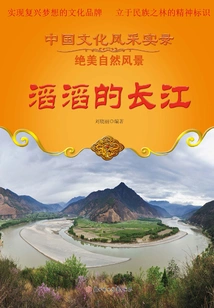
The Roaring Yangtze River
History滔滔的长江
Liu Xiaoli
Under the guidance of relevant departments and experts, we have collected and compiled a large number of ancient and modern materials and the latest research results, and specially compiled this set of books. It mainly includes traditional architectural art, wonders of the Qianqiu Temple, ancient scenery, ancient historical heritage, treasure craftsmanship of the past, beautiful natural scenery, rich folk culture, good quality of life, the charm of Chinese quintessence calligraphy and painting, a treasure trove of classics, etc. It fully demonstrates the profound cultural heritage and strong national cohesion of the Chinese nation, and is extremely systematic, extensive and large-scale. This set of works displays a panoramic view, vertically and horizontally, tells stories, has popular language, pictures and texts, intuitive images, ancient elegance, and warm style. It has strong readability, appreciation and knowledge. It can allow readers to fully touch and feel the connotation and charm of Chinese culture, and enhance the national Self-esteem and cultural pride, and the ability to well inherit and carry forward Chinese culture, create an advanced national culture with Chinese characteristics in the future, and lead the Chinese nation towards a great rejuvenation. On the stage of the future world, in the gorgeous dreamland of Chinese rejuvenation, it will show its unique charm of flying dragons and phoenixes. \
Under the guidance of relevant departments and experts, we have collected and compiled a large number of ancient and modern materials and the latest research results, and specially compiled this set of books. It mainly includes traditional architectural art, wonders of the Qianqiu Temple, ancient scenery, ancient historical heritage, treasure craftsmanship of the past, beautiful natural scenery, rich folk culture, good quality of life, the charm of Chinese quintessence calligraphy and painting, a treasure trove of classics, etc. It fully demonstrates the profound cultural heritage and strong national cohesion of the Chinese nation, and is extremely systematic, extensive and large-scale. This set of works displays a panoramic view, vertically and horizontally, tells stories, has popular language, pictures and texts, intuitive images, ancient elegance, and warm style. It has strong readability, appreciation and knowledge. It can allow readers to fully touch and feel the connotation and charm of Chinese culture, and enhance the national Self-esteem and cultural pride, and the ability to well inherit and carry forward Chinese culture, create an advanced national culture with Chinese characteristics in the future, and lead the Chinese nation towards a great rejuvenation. On the stage of the future world, in the gorgeous dreamland of Chinese rejuvenation, it will show its unique charm of flying dragons and phoenixes. \
四川藏区史·政治卷
Ren Xinjian Li Mingquan
The Tibetan area in Sichuan is the largest Tibetan-inhabited area in my country after Tibet. It is also the main body of the original Xikang Province and the core area of the "Kangba Tibetan Area". It has a vast territory, a long history, rich resources, rich cultural heritage, and diverse ethnic composition. The Tibetan areas of Sichuan are geographically located at the junction of the five major Tibetan areas in my country and the "bridge" zone for Sino-Tibetan transportation. They have a very important strategic position in maintaining the stability of Tibetan areas in my country, promoting ethnic unity, and ensuring the ecological security of the upper reaches of the Yangtze and Yellow Rivers. In order to fight against the Dalai Lama clique and consolidate ethnic unity, build a harmonious Tibetan area with long-term peace and stability, strengthen the theoretical and cultural foundation construction of "Tibet-related stability maintenance", especially the urgent need to oppose the fallacy of "Greater Tibet" and promote ethnic unity, build a harmonious Sichuan, and build a province with great culture and ethnic unity, the Sichuan Provincial Social Sciences Group Experts and scholars in the field of Zhikang Tibet have carefully compiled a multi-volume monograph "History of Tibetan Areas in Sichuan" that is comprehensive, systematic, deeply researched, complete in data, and highly academic and theoretical. It serves as a basic construction project for "Tibetan-related stability maintenance" in Sichuan Province and an important cultural project for promoting the national culture of our province and promoting the construction of a province with ethnic unity.
The Tibetan area in Sichuan is the largest Tibetan-inhabited area in my country after Tibet. It is also the main body of the original Xikang Province and the core area of the "Kangba Tibetan Area". It has a vast territory, a long history, rich resources, rich cultural heritage, and diverse ethnic composition. The Tibetan areas of Sichuan are geographically located at the junction of the five major Tibetan areas in my country and the "bridge" zone for Sino-Tibetan transportation. They have a very important strategic position in maintaining the stability of Tibetan areas in my country, promoting ethnic unity, and ensuring the ecological security of the upper reaches of the Yangtze and Yellow Rivers. In order to fight against the Dalai Lama clique and consolidate ethnic unity, build a harmonious Tibetan area with long-term peace and stability, strengthen the theoretical and cultural foundation construction of "Tibet-related stability maintenance", especially the urgent need to oppose the fallacy of "Greater Tibet" and promote ethnic unity, build a harmonious Sichuan, and build a province with great culture and ethnic unity, the Sichuan Provincial Social Sciences Group Experts and scholars in the field of Zhikang Tibet have carefully compiled a multi-volume monograph "History of Tibetan Areas in Sichuan" that is comprehensive, systematic, deeply researched, complete in data, and highly academic and theoretical. It serves as a basic construction project for "Tibetan-related stability maintenance" in Sichuan Province and an important cultural project for promoting the national culture of our province and promoting the construction of a province with ethnic unity.
明清江南史丛稿
Wang Jiafan
"Ming and Qing Jiangnan History Series" contains the author's research results of more than 30 years in governing the history of Jiangnan in the Ming and Qing Dynasties. The articles are divided into four parts according to type: "Monograph" contains several papers that are foundational works in the field of social and economic history research in the Ming and Qing Dynasties in Jiangnan; "Pranches" focus on individual cases, talking about officials, gentry, and people in Jiangnan, both emotionally and rationally; "Talk" and "Preface and Postscript" focus on methodology and historical experience, retaining the original flavor of talks and people's comments on books. The appendix is part of the author's memoirs, allowing readers to understand the author's early growth. If readers are really interested in reading what I have written, they must not regard it as a true academic work. At best, they are just a person who has experienced it and talks about his past "experiences" with a pen, a random and impromptu experience of "experiences". The background is "big history" in which everyone participates. If you meet someone who knows me and can read my thoughts and confusions in this kind of "big history", it doesn't matter if it's my fault or not. If you can give me a knowing smile, you will be very lucky. --Wang Jiafan
"Ming and Qing Jiangnan History Series" contains the author's research results of more than 30 years in governing the history of Jiangnan in the Ming and Qing Dynasties. The articles are divided into four parts according to type: "Monograph" contains several papers that are foundational works in the field of social and economic history research in the Ming and Qing Dynasties in Jiangnan; "Pranches" focus on individual cases, talking about officials, gentry, and people in Jiangnan, both emotionally and rationally; "Talk" and "Preface and Postscript" focus on methodology and historical experience, retaining the original flavor of talks and people's comments on books. The appendix is part of the author's memoirs, allowing readers to understand the author's early growth. If readers are really interested in reading what I have written, they must not regard it as a true academic work. At best, they are just a person who has experienced it and talks about his past "experiences" with a pen, a random and impromptu experience of "experiences". The background is "big history" in which everyone participates. If you meet someone who knows me and can read my thoughts and confusions in this kind of "big history", it doesn't matter if it's my fault or not. If you can give me a knowing smile, you will be very lucky. --Wang Jiafan
历史文化名城名镇名村系列:锦溪镇
Xu Yaoxin
General Secretary Xi Jinping once pointed out that people should be able to "see the mountains, see the water, and remember the nostalgia." Famous historical and cultural cities, towns and villages carry profound and rich historical memories and cultural traditions, and are important carriers of "nostalgia". Protecting the characteristics of Jiangsu's famous historical and cultural cities, towns and villages can leave a place for our homeland to rest - only by retaining "nostalgia" can we "remember nostalgia". At the end of 2016, the Jiangsu Provincial Department of Culture began to organize the compilation of the "Wonderful Jiangsu" series, which covers historical and cultural cities, towns and villages, local operas, calligraphy and painting arts, red culture and other aspects. This is not only a concentrated display of Jiangsu's excellent traditional culture, but also an innovative practice that extends the millennium cultural context, promotes cultural construction, and condenses spiritual power. The first batch of books in the "Wonderful Jiangsu" series "Historical and Cultural Cities, Towns and Villages Series" was officially published, with 24 books released in the first batch. There are 50 books in this series, covering 50 national historical and cultural cities, towns and villages in our province. It is both literary and historical, showing the cultural wisdom and antiquities accumulated over the years in the historical evolution of Jiangsu, and demonstrating the cultural confidence and consciousness of the Jiangsu people. The book series adopts the form of "pocket book", which explains the profound things in simple terms, has pictures and texts, is exquisitely bound, and is portable and easy to read. With one volume in hand, readers can enjoy the infinite splendor of famous cities, towns and villages in Jiangsu
General Secretary Xi Jinping once pointed out that people should be able to "see the mountains, see the water, and remember the nostalgia." Famous historical and cultural cities, towns and villages carry profound and rich historical memories and cultural traditions, and are important carriers of "nostalgia". Protecting the characteristics of Jiangsu's famous historical and cultural cities, towns and villages can leave a place for our homeland to rest - only by retaining "nostalgia" can we "remember nostalgia". At the end of 2016, the Jiangsu Provincial Department of Culture began to organize the compilation of the "Wonderful Jiangsu" series, which covers historical and cultural cities, towns and villages, local operas, calligraphy and painting arts, red culture and other aspects. This is not only a concentrated display of Jiangsu's excellent traditional culture, but also an innovative practice that extends the millennium cultural context, promotes cultural construction, and condenses spiritual power. The first batch of books in the "Wonderful Jiangsu" series "Historical and Cultural Cities, Towns and Villages Series" was officially published, with 24 books released in the first batch. There are 50 books in this series, covering 50 national historical and cultural cities, towns and villages in our province. It is both literary and historical, showing the cultural wisdom and antiquities accumulated over the years in the historical evolution of Jiangsu, and demonstrating the cultural confidence and consciousness of the Jiangsu people. The book series adopts the form of "pocket book", which explains the profound things in simple terms, has pictures and texts, is exquisitely bound, and is portable and easy to read. With one volume in hand, readers can enjoy the infinite splendor of famous cities, towns and villages in Jiangsu
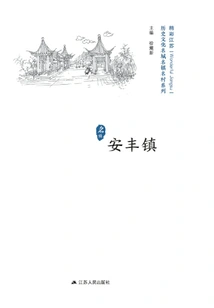
历史文化名城名镇名村系列:安丰镇
Xu Yaoxin
"Anfeng Town\u002F Historic and Cultural Cities, Towns and Villages Series" adopts a new perspective to comprehensively introduce the history, culture and customs of Tuancha Town to readers, allowing readers to appreciate the highlights of Tuancha Town in a relaxed and pleasant atmosphere, and then readers to travel and sightsee.
"Anfeng Town\u002F Historic and Cultural Cities, Towns and Villages Series" adopts a new perspective to comprehensively introduce the history, culture and customs of Tuancha Town to readers, allowing readers to appreciate the highlights of Tuancha Town in a relaxed and pleasant atmosphere, and then readers to travel and sightsee.
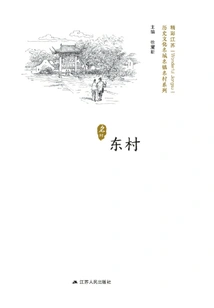
历史文化名城名镇名村系列:东村
Xu Yaoxin
Dongcun, known as "Dongyuan Village" in ancient times, is one of the few thousand-year-old villages that still exist by Taihu Lake. It has rich historical relics and more than 30 Ming and Qing Dynasty buildings, with a total area of about 15,000 square meters. It has high historical, cultural, artistic and scientific value, and has been named a "Famous Historical and Cultural Village in China". "East Village\u002F Wonderful Jiangsu·Historical and Cultural Cities, Towns and Villages Series" is a leisure travel book with a down-to-earth writing style. It uses easy-to-understand language to show the wonderful features of East Village in front of readers, attracting readers to visit.
Dongcun, known as "Dongyuan Village" in ancient times, is one of the few thousand-year-old villages that still exist by Taihu Lake. It has rich historical relics and more than 30 Ming and Qing Dynasty buildings, with a total area of about 15,000 square meters. It has high historical, cultural, artistic and scientific value, and has been named a "Famous Historical and Cultural Village in China". "East Village\u002F Wonderful Jiangsu·Historical and Cultural Cities, Towns and Villages Series" is a leisure travel book with a down-to-earth writing style. It uses easy-to-understand language to show the wonderful features of East Village in front of readers, attracting readers to visit.
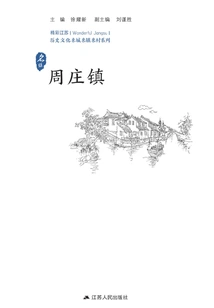
历史文化名城名镇名村系列:周庄镇
Xu Yaoxin
General Secretary Xi Jinping once pointed out that people should be able to "see the mountains, see the water, and remember the nostalgia." Famous historical and cultural cities, towns and villages carry profound and rich historical memories and cultural traditions, and are important carriers of "nostalgia". Protecting the characteristics of Jiangsu's famous historical and cultural cities, towns and villages can leave a place for our homeland to rest - only by retaining "nostalgia" can we "remember nostalgia". At the end of 2016, the Jiangsu Provincial Department of Culture began to organize the compilation of the "Wonderful Jiangsu" series, which covers historical and cultural cities, towns and villages, local operas, calligraphy and painting arts, red culture and other aspects. This is not only a concentrated display of Jiangsu's excellent traditional culture, but also an innovative practice that extends the millennium cultural context, promotes cultural construction, and condenses spiritual power. The first batch of books in the "Wonderful Jiangsu" series "Historical and Cultural Cities, Towns and Villages Series" was officially published, with 24 books released in the first batch. There are 50 books in this series, covering 50 national historical and cultural cities, towns and villages in our province. It is both literary and historical, showing the cultural wisdom and antiquities accumulated over the years in the historical evolution of Jiangsu, and demonstrating the cultural confidence and consciousness of the Jiangsu people. The book series adopts the form of "pocket book", which explains the profound things in simple terms, has pictures and texts, is exquisitely bound, and is portable and easy to read. With one volume in hand, readers can fully appreciate the infinite splendor of famous cities, towns and villages in Jiangsu.
General Secretary Xi Jinping once pointed out that people should be able to "see the mountains, see the water, and remember the nostalgia." Famous historical and cultural cities, towns and villages carry profound and rich historical memories and cultural traditions, and are important carriers of "nostalgia". Protecting the characteristics of Jiangsu's famous historical and cultural cities, towns and villages can leave a place for our homeland to rest - only by retaining "nostalgia" can we "remember nostalgia". At the end of 2016, the Jiangsu Provincial Department of Culture began to organize the compilation of the "Wonderful Jiangsu" series, which covers historical and cultural cities, towns and villages, local operas, calligraphy and painting arts, red culture and other aspects. This is not only a concentrated display of Jiangsu's excellent traditional culture, but also an innovative practice that extends the millennium cultural context, promotes cultural construction, and condenses spiritual power. The first batch of books in the "Wonderful Jiangsu" series "Historical and Cultural Cities, Towns and Villages Series" was officially published, with 24 books released in the first batch. There are 50 books in this series, covering 50 national historical and cultural cities, towns and villages in our province. It is both literary and historical, showing the cultural wisdom and antiquities accumulated over the years in the historical evolution of Jiangsu, and demonstrating the cultural confidence and consciousness of the Jiangsu people. The book series adopts the form of "pocket book", which explains the profound things in simple terms, has pictures and texts, is exquisitely bound, and is portable and easy to read. With one volume in hand, readers can fully appreciate the infinite splendor of famous cities, towns and villages in Jiangsu.
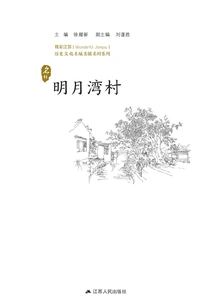
历史文化名城名镇名村系列:明月湾村
Xu Yaoxin
General Secretary Xi Jinping once pointed out that people should be able to "see the mountains, see the water, and remember the nostalgia." Famous historical and cultural cities, towns and villages carry profound and rich historical memories and cultural traditions, and are important carriers of "nostalgia". Protecting the characteristics of Jiangsu's famous historical and cultural cities, towns and villages can leave a place for our homeland to rest - only by retaining "nostalgia" can we "remember nostalgia". At the end of 2016, the Jiangsu Provincial Department of Culture began to organize the compilation of the "Wonderful Jiangsu" series, which covers historical and cultural cities, towns and villages, local operas, calligraphy and painting arts, red culture and other aspects. This is not only a concentrated display of Jiangsu's excellent traditional culture, but also an innovative practice that extends the millennium cultural context, promotes cultural construction, and condenses spiritual power. The first batch of books in the "Wonderful Jiangsu" series "Historical and Cultural Cities, Towns and Villages Series" was officially published, with 24 books released in the first batch. There are 50 books in this series, covering 50 national historical and cultural cities, towns and villages in our province. It is both literary and historical, showing the cultural wisdom and antiquities accumulated over the years in the historical evolution of Jiangsu, and demonstrating the cultural confidence and consciousness of the Jiangsu people. The book series adopts the form of "pocket book", which explains the profound things in simple terms, has pictures and texts, is exquisitely bound, and is portable and easy to read. With one volume in hand, readers can fully appreciate the infinite splendor of famous cities, towns and villages in Jiangsu.
General Secretary Xi Jinping once pointed out that people should be able to "see the mountains, see the water, and remember the nostalgia." Famous historical and cultural cities, towns and villages carry profound and rich historical memories and cultural traditions, and are important carriers of "nostalgia". Protecting the characteristics of Jiangsu's famous historical and cultural cities, towns and villages can leave a place for our homeland to rest - only by retaining "nostalgia" can we "remember nostalgia". At the end of 2016, the Jiangsu Provincial Department of Culture began to organize the compilation of the "Wonderful Jiangsu" series, which covers historical and cultural cities, towns and villages, local operas, calligraphy and painting arts, red culture and other aspects. This is not only a concentrated display of Jiangsu's excellent traditional culture, but also an innovative practice that extends the millennium cultural context, promotes cultural construction, and condenses spiritual power. The first batch of books in the "Wonderful Jiangsu" series "Historical and Cultural Cities, Towns and Villages Series" was officially published, with 24 books released in the first batch. There are 50 books in this series, covering 50 national historical and cultural cities, towns and villages in our province. It is both literary and historical, showing the cultural wisdom and antiquities accumulated over the years in the historical evolution of Jiangsu, and demonstrating the cultural confidence and consciousness of the Jiangsu people. The book series adopts the form of "pocket book", which explains the profound things in simple terms, has pictures and texts, is exquisitely bound, and is portable and easy to read. With one volume in hand, readers can fully appreciate the infinite splendor of famous cities, towns and villages in Jiangsu.
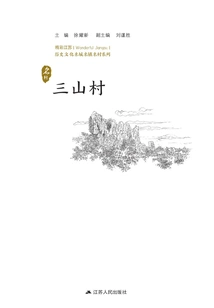
历史文化名城名镇名村系列:三山村
Xu Yaoxin
General Secretary Xi Jinping once pointed out that people should be able to "see the mountains, see the water, and remember the nostalgia." Famous historical and cultural cities, towns and villages carry profound and rich historical memories and cultural traditions, and are important carriers of "nostalgia". Protecting the characteristics of Jiangsu's famous historical and cultural cities, towns and villages can leave a place for our homeland to rest - only by retaining "nostalgia" can we "remember nostalgia". At the end of 2016, the Jiangsu Provincial Department of Culture began to organize the compilation of the "Wonderful Jiangsu" series, which covers historical and cultural cities, towns and villages, local operas, calligraphy and painting arts, red culture and other aspects. This is not only a concentrated display of Jiangsu's excellent traditional culture, but also an innovative practice that extends the millennium cultural context, promotes cultural construction, and condenses spiritual power. The first batch of books in the "Wonderful Jiangsu" series "Historical and Cultural Cities, Towns and Villages Series" was officially published, with 24 books released in the first batch. There are 50 books in this series, covering 50 national historical and cultural cities, towns and villages in our province. It is both literary and historical, showing the cultural wisdom and antiquities accumulated over the years in the historical evolution of Jiangsu, and demonstrating the cultural confidence and consciousness of the Jiangsu people. The book series adopts the form of "pocket book", which explains the profound things in simple terms, has pictures and texts, is exquisitely bound, and is portable and easy to read. With one volume in hand, readers can fully appreciate the infinite splendor of famous cities, towns and villages in Jiangsu.
General Secretary Xi Jinping once pointed out that people should be able to "see the mountains, see the water, and remember the nostalgia." Famous historical and cultural cities, towns and villages carry profound and rich historical memories and cultural traditions, and are important carriers of "nostalgia". Protecting the characteristics of Jiangsu's famous historical and cultural cities, towns and villages can leave a place for our homeland to rest - only by retaining "nostalgia" can we "remember nostalgia". At the end of 2016, the Jiangsu Provincial Department of Culture began to organize the compilation of the "Wonderful Jiangsu" series, which covers historical and cultural cities, towns and villages, local operas, calligraphy and painting arts, red culture and other aspects. This is not only a concentrated display of Jiangsu's excellent traditional culture, but also an innovative practice that extends the millennium cultural context, promotes cultural construction, and condenses spiritual power. The first batch of books in the "Wonderful Jiangsu" series "Historical and Cultural Cities, Towns and Villages Series" was officially published, with 24 books released in the first batch. There are 50 books in this series, covering 50 national historical and cultural cities, towns and villages in our province. It is both literary and historical, showing the cultural wisdom and antiquities accumulated over the years in the historical evolution of Jiangsu, and demonstrating the cultural confidence and consciousness of the Jiangsu people. The book series adopts the form of "pocket book", which explains the profound things in simple terms, has pictures and texts, is exquisitely bound, and is portable and easy to read. With one volume in hand, readers can fully appreciate the infinite splendor of famous cities, towns and villages in Jiangsu.
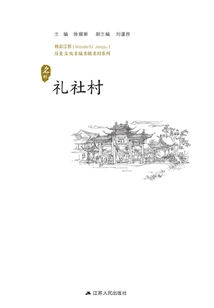
历史文化名城名镇名村系列:礼社村
Xu Yaoxin
General Secretary Xi Jinping once pointed out that people should be able to "see the mountains, see the water, and remember the nostalgia." Famous historical and cultural cities, towns and villages carry profound and rich historical memories and cultural traditions, and are important carriers of "nostalgia". Protecting the characteristics of Jiangsu's famous historical and cultural cities, towns and villages can leave a place for our homeland to rest - only by retaining "nostalgia" can we "remember nostalgia". At the end of 2016, the Jiangsu Provincial Department of Culture began to organize the compilation of the "Wonderful Jiangsu" series, which covers historical and cultural cities, towns and villages, local operas, calligraphy and painting arts, red culture and other aspects. This is not only a concentrated display of Jiangsu's excellent traditional culture, but also an innovative practice that extends the millennium cultural context, promotes cultural construction, and condenses spiritual power. The first batch of books in the "Wonderful Jiangsu" series "Historical and Cultural Cities, Towns and Villages Series" was officially published, with 24 books released in the first batch. There are 50 books in this series, covering 50 national historical and cultural cities, towns and villages in our province. It is both literary and historical, showing the cultural wisdom and antiquities accumulated over the years in the historical evolution of Jiangsu, and demonstrating the cultural confidence and consciousness of the Jiangsu people. The book series adopts the form of "pocket book", which explains the profound things in simple terms, has pictures and texts, is exquisitely bound, and is portable and easy to read. With one volume in hand, readers can fully appreciate the infinite splendor of famous cities, towns and villages in Jiangsu.
General Secretary Xi Jinping once pointed out that people should be able to "see the mountains, see the water, and remember the nostalgia." Famous historical and cultural cities, towns and villages carry profound and rich historical memories and cultural traditions, and are important carriers of "nostalgia". Protecting the characteristics of Jiangsu's famous historical and cultural cities, towns and villages can leave a place for our homeland to rest - only by retaining "nostalgia" can we "remember nostalgia". At the end of 2016, the Jiangsu Provincial Department of Culture began to organize the compilation of the "Wonderful Jiangsu" series, which covers historical and cultural cities, towns and villages, local operas, calligraphy and painting arts, red culture and other aspects. This is not only a concentrated display of Jiangsu's excellent traditional culture, but also an innovative practice that extends the millennium cultural context, promotes cultural construction, and condenses spiritual power. The first batch of books in the "Wonderful Jiangsu" series "Historical and Cultural Cities, Towns and Villages Series" was officially published, with 24 books released in the first batch. There are 50 books in this series, covering 50 national historical and cultural cities, towns and villages in our province. It is both literary and historical, showing the cultural wisdom and antiquities accumulated over the years in the historical evolution of Jiangsu, and demonstrating the cultural confidence and consciousness of the Jiangsu people. The book series adopts the form of "pocket book", which explains the profound things in simple terms, has pictures and texts, is exquisitely bound, and is portable and easy to read. With one volume in hand, readers can fully appreciate the infinite splendor of famous cities, towns and villages in Jiangsu.
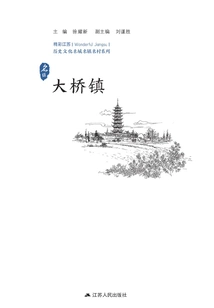
历史文化名城名镇名村系列:大桥镇
Xu Yaoxin
General Secretary Xi Jinping once pointed out that people should be able to "see the mountains, see the water, and remember the nostalgia." Famous historical and cultural cities, towns and villages carry profound and rich historical memories and cultural traditions, and are important carriers of "nostalgia". Protecting the characteristics of Jiangsu's famous historical and cultural cities, towns and villages can leave a place for our homeland to rest - only by retaining "nostalgia" can we "remember nostalgia". At the end of 2016, the Jiangsu Provincial Department of Culture began to organize the compilation of the "Wonderful Jiangsu" series, which covers historical and cultural cities, towns and villages, local operas, calligraphy and painting arts, red culture and other aspects. This is not only a concentrated display of Jiangsu's excellent traditional culture, but also an innovative practice that extends the millennium cultural context, promotes cultural construction, and condenses spiritual power. The first batch of books in the "Wonderful Jiangsu" series "Historical and Cultural Cities, Towns and Villages Series" was officially published, with 24 books released in the first batch. There are 50 books in this series, covering 50 national historical and cultural cities, towns and villages in our province. It is both literary and historical, showing the cultural wisdom and antiquities accumulated over the years in the historical evolution of Jiangsu, and demonstrating the cultural confidence and consciousness of the Jiangsu people. The book series adopts the form of "pocket book", which explains the profound things in simple terms, has pictures and texts, is exquisitely bound, and is portable and easy to read. With one volume in hand, readers can fully appreciate the infinite splendor of famous cities, towns and villages in Jiangsu.
General Secretary Xi Jinping once pointed out that people should be able to "see the mountains, see the water, and remember the nostalgia." Famous historical and cultural cities, towns and villages carry profound and rich historical memories and cultural traditions, and are important carriers of "nostalgia". Protecting the characteristics of Jiangsu's famous historical and cultural cities, towns and villages can leave a place for our homeland to rest - only by retaining "nostalgia" can we "remember nostalgia". At the end of 2016, the Jiangsu Provincial Department of Culture began to organize the compilation of the "Wonderful Jiangsu" series, which covers historical and cultural cities, towns and villages, local operas, calligraphy and painting arts, red culture and other aspects. This is not only a concentrated display of Jiangsu's excellent traditional culture, but also an innovative practice that extends the millennium cultural context, promotes cultural construction, and condenses spiritual power. The first batch of books in the "Wonderful Jiangsu" series "Historical and Cultural Cities, Towns and Villages Series" was officially published, with 24 books released in the first batch. There are 50 books in this series, covering 50 national historical and cultural cities, towns and villages in our province. It is both literary and historical, showing the cultural wisdom and antiquities accumulated over the years in the historical evolution of Jiangsu, and demonstrating the cultural confidence and consciousness of the Jiangsu people. The book series adopts the form of "pocket book", which explains the profound things in simple terms, has pictures and texts, is exquisitely bound, and is portable and easy to read. With one volume in hand, readers can fully appreciate the infinite splendor of famous cities, towns and villages in Jiangsu.
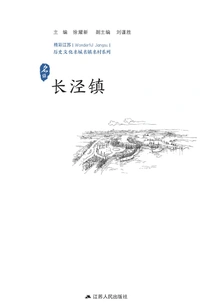
历史文化名城名镇名村系列:长泾镇
Xu Yaoxin
General Secretary Xi Jinping once pointed out that people should be able to "see the mountains, see the water, and remember the nostalgia." Famous historical and cultural cities, towns and villages carry profound and rich historical memories and cultural traditions, and are important carriers of "nostalgia". Protecting the characteristics of Jiangsu's famous historical and cultural cities, towns and villages can leave a place for our homeland to rest - only by retaining "nostalgia" can we "remember nostalgia". At the end of 2016, the Jiangsu Provincial Department of Culture began to organize the compilation of the "Wonderful Jiangsu" series, which covers historical and cultural cities, towns and villages, local operas, calligraphy and painting arts, red culture and other aspects. This is not only a concentrated display of Jiangsu's excellent traditional culture, but also an innovative practice that extends the millennium cultural context, promotes cultural construction, and condenses spiritual power. The first batch of books in the "Wonderful Jiangsu" series "Historical and Cultural Cities, Towns and Villages Series" was officially published, with 24 books released in the first batch. There are 50 books in this series, covering 50 national historical and cultural cities, towns and villages in our province. It is both literary and historical, showing the cultural wisdom and antiquities accumulated over the years in the historical evolution of Jiangsu, and demonstrating the cultural confidence and consciousness of the Jiangsu people. The book series adopts the form of "pocket book", which explains the profound things in simple terms, has pictures and texts, is exquisitely bound, and is portable and easy to read. With one volume in hand, readers can fully appreciate the infinite splendor of famous cities, towns and villages in Jiangsu.
General Secretary Xi Jinping once pointed out that people should be able to "see the mountains, see the water, and remember the nostalgia." Famous historical and cultural cities, towns and villages carry profound and rich historical memories and cultural traditions, and are important carriers of "nostalgia". Protecting the characteristics of Jiangsu's famous historical and cultural cities, towns and villages can leave a place for our homeland to rest - only by retaining "nostalgia" can we "remember nostalgia". At the end of 2016, the Jiangsu Provincial Department of Culture began to organize the compilation of the "Wonderful Jiangsu" series, which covers historical and cultural cities, towns and villages, local operas, calligraphy and painting arts, red culture and other aspects. This is not only a concentrated display of Jiangsu's excellent traditional culture, but also an innovative practice that extends the millennium cultural context, promotes cultural construction, and condenses spiritual power. The first batch of books in the "Wonderful Jiangsu" series "Historical and Cultural Cities, Towns and Villages Series" was officially published, with 24 books released in the first batch. There are 50 books in this series, covering 50 national historical and cultural cities, towns and villages in our province. It is both literary and historical, showing the cultural wisdom and antiquities accumulated over the years in the historical evolution of Jiangsu, and demonstrating the cultural confidence and consciousness of the Jiangsu people. The book series adopts the form of "pocket book", which explains the profound things in simple terms, has pictures and texts, is exquisitely bound, and is portable and easy to read. With one volume in hand, readers can fully appreciate the infinite splendor of famous cities, towns and villages in Jiangsu.
历史文化名城名镇名村系列:焦溪村
Xu Yaoxin
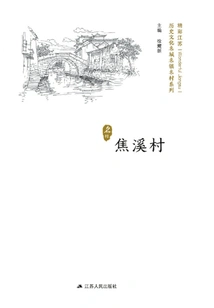
Jiaoxi Ancient Village is located in Zhenglu Town, Tianning District, Changzhou City, at the junction of Changzhou, Wuxi and Jiangyin cities. It has completely preserved the style of the ancient village in the south of the Yangtze River more than 700 years ago. Jiaoxi leans against Heshan Mountain in the east, Shunshan Mountain in the north, and Fenghuang Mountain in the south. The majestic mountains, the gurgling rivers, the interdependent mountains and rivers, and the softness with strength, give Jiaoxi Ancient Village a unique atmosphere and elegance, blending a sense of majesty and desolation into the beauty of "apricot blossoms and spring rain in the south of the Yangtze River"! Jiaoxi, known as "Six Streets, Nine Bridges and Eighteen Alleys", is a representative village with both mountains and rivers in the south of the Yangtze River, a complete style and pattern, and a typical business model of the Ming and Qing Dynasties. The rich culture formed over hundreds of years shines here. In 2014, Jiaoxi Ancient Village was selected into the "List of Traditional Chinese Villages" and was officially announced by the country as a "Famous Historical and Cultural Village in China". "Jiaoxi Village\u002F Historic and Cultural Cities, Towns and Villages Series" is a travel promotion book that focuses on comprehensively displaying the wonderful features of Jiaoxi Village to readers from a historical and cultural perspective, and stimulating readers' desire to travel to Jiaoxi Village.
Jiaoxi Ancient Village is located in Zhenglu Town, Tianning District, Changzhou City, at the junction of Changzhou, Wuxi and Jiangyin cities. It has completely preserved the style of the ancient village in the south of the Yangtze River more than 700 years ago. Jiaoxi leans against Heshan Mountain in the east, Shunshan Mountain in the north, and Fenghuang Mountain in the south. The majestic mountains, the gurgling rivers, the interdependent mountains and rivers, and the softness with strength, give Jiaoxi Ancient Village a unique atmosphere and elegance, blending a sense of majesty and desolation into the beauty of "apricot blossoms and spring rain in the south of the Yangtze River"! Jiaoxi, known as "Six Streets, Nine Bridges and Eighteen Alleys", is a representative village with both mountains and rivers in the south of the Yangtze River, a complete style and pattern, and a typical business model of the Ming and Qing Dynasties. The rich culture formed over hundreds of years shines here. In 2014, Jiaoxi Ancient Village was selected into the "List of Traditional Chinese Villages" and was officially announced by the country as a "Famous Historical and Cultural Village in China". "Jiaoxi Village\u002F Historic and Cultural Cities, Towns and Villages Series" is a travel promotion book that focuses on comprehensively displaying the wonderful features of Jiaoxi Village to readers from a historical and cultural perspective, and stimulating readers' desire to travel to Jiaoxi Village.
历史文化名城名镇名村系列:甪直镇
Xu Yaoxin
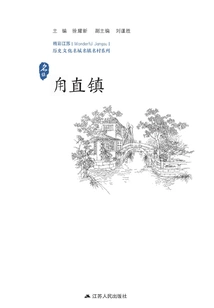
General Secretary Xi Jinping once pointed out that people should be able to "see the mountains, see the water, and remember the nostalgia." Famous historical and cultural cities, towns and villages carry profound and rich historical memories and cultural traditions, and are important carriers of "nostalgia". Protecting the characteristics of Jiangsu's famous historical and cultural cities, towns and villages can leave a place for our homeland to rest - only by retaining "nostalgia" can we "remember nostalgia". At the end of 2016, the Jiangsu Provincial Department of Culture began to organize the compilation of the "Wonderful Jiangsu" series, which covers historical and cultural cities, towns and villages, local operas, calligraphy and painting arts, red culture and other aspects. This is not only a concentrated display of Jiangsu's excellent traditional culture, but also an innovative practice that extends the millennium cultural context, promotes cultural construction, and condenses spiritual power. The first batch of books in the "Wonderful Jiangsu" series "Historical and Cultural Cities, Towns and Villages Series" was officially published, with 24 books released in the first batch. There are 50 books in this series, covering 50 national historical and cultural cities, towns and villages in our province. It is both literary and historical, showing the cultural wisdom and antiquities accumulated over the years in the historical evolution of Jiangsu, and demonstrating the cultural confidence and consciousness of the Jiangsu people. The book series adopts the form of "pocket book", which explains the profound things in simple terms, has pictures and texts, is exquisitely bound, and is portable and easy to read. With one volume in hand, readers can fully appreciate the infinite splendor of famous cities, towns and villages in Jiangsu.
General Secretary Xi Jinping once pointed out that people should be able to "see the mountains, see the water, and remember the nostalgia." Famous historical and cultural cities, towns and villages carry profound and rich historical memories and cultural traditions, and are important carriers of "nostalgia". Protecting the characteristics of Jiangsu's famous historical and cultural cities, towns and villages can leave a place for our homeland to rest - only by retaining "nostalgia" can we "remember nostalgia". At the end of 2016, the Jiangsu Provincial Department of Culture began to organize the compilation of the "Wonderful Jiangsu" series, which covers historical and cultural cities, towns and villages, local operas, calligraphy and painting arts, red culture and other aspects. This is not only a concentrated display of Jiangsu's excellent traditional culture, but also an innovative practice that extends the millennium cultural context, promotes cultural construction, and condenses spiritual power. The first batch of books in the "Wonderful Jiangsu" series "Historical and Cultural Cities, Towns and Villages Series" was officially published, with 24 books released in the first batch. There are 50 books in this series, covering 50 national historical and cultural cities, towns and villages in our province. It is both literary and historical, showing the cultural wisdom and antiquities accumulated over the years in the historical evolution of Jiangsu, and demonstrating the cultural confidence and consciousness of the Jiangsu people. The book series adopts the form of "pocket book", which explains the profound things in simple terms, has pictures and texts, is exquisitely bound, and is portable and easy to read. With one volume in hand, readers can fully appreciate the infinite splendor of famous cities, towns and villages in Jiangsu.
历史文化名城名镇名村系列:高邮
Xu Yaoxin
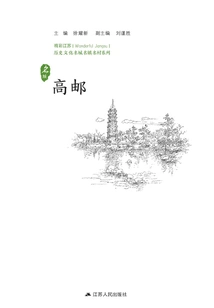
General Secretary Xi Jinping once pointed out that people should be able to "see the mountains, see the water, and remember the nostalgia." Famous historical and cultural cities, towns and villages carry profound and rich historical memories and cultural traditions, and are important carriers of "nostalgia". Protecting the characteristics of Jiangsu's famous historical and cultural cities, towns and villages can leave a place for our homeland to rest - only by retaining "nostalgia" can we "remember nostalgia". At the end of 2016, the Jiangsu Provincial Department of Culture began to organize the compilation of the "Wonderful Jiangsu" series, which covers historical and cultural cities, towns and villages, local operas, calligraphy and painting arts, red culture and other aspects. This is not only a concentrated display of Jiangsu's excellent traditional culture, but also an innovative practice that extends the millennium cultural context, promotes cultural construction, and condenses spiritual power. The first batch of books in the "Wonderful Jiangsu" series "Historical and Cultural Cities, Towns and Villages Series" was officially published, with 24 books released in the first batch. There are 50 books in this series, covering 50 national historical and cultural cities, towns and villages in our province. It is both literary and historical, showing the cultural wisdom and antiquities accumulated over the years in the historical evolution of Jiangsu, and demonstrating the cultural confidence and consciousness of the Jiangsu people. The book series adopts the form of "pocket book", which explains the profound things in simple terms, has pictures and texts, is exquisitely bound, and is portable and easy to read. With one volume in hand, readers can fully appreciate the infinite splendor of famous cities, towns and villages in Jiangsu.
General Secretary Xi Jinping once pointed out that people should be able to "see the mountains, see the water, and remember the nostalgia." Famous historical and cultural cities, towns and villages carry profound and rich historical memories and cultural traditions, and are important carriers of "nostalgia". Protecting the characteristics of Jiangsu's famous historical and cultural cities, towns and villages can leave a place for our homeland to rest - only by retaining "nostalgia" can we "remember nostalgia". At the end of 2016, the Jiangsu Provincial Department of Culture began to organize the compilation of the "Wonderful Jiangsu" series, which covers historical and cultural cities, towns and villages, local operas, calligraphy and painting arts, red culture and other aspects. This is not only a concentrated display of Jiangsu's excellent traditional culture, but also an innovative practice that extends the millennium cultural context, promotes cultural construction, and condenses spiritual power. The first batch of books in the "Wonderful Jiangsu" series "Historical and Cultural Cities, Towns and Villages Series" was officially published, with 24 books released in the first batch. There are 50 books in this series, covering 50 national historical and cultural cities, towns and villages in our province. It is both literary and historical, showing the cultural wisdom and antiquities accumulated over the years in the historical evolution of Jiangsu, and demonstrating the cultural confidence and consciousness of the Jiangsu people. The book series adopts the form of "pocket book", which explains the profound things in simple terms, has pictures and texts, is exquisitely bound, and is portable and easy to read. With one volume in hand, readers can fully appreciate the infinite splendor of famous cities, towns and villages in Jiangsu.
历史文化名城名镇名村系列:孟河镇
Xu Yaoxin
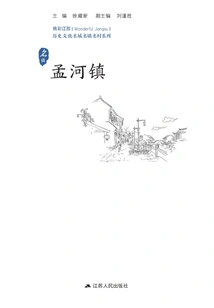
General Secretary Xi Jinping once pointed out that people should be able to "see the mountains, see the water, and remember the nostalgia." Famous historical and cultural cities, towns and villages carry profound and rich historical memories and cultural traditions, and are important carriers of "nostalgia". Protecting the characteristics of Jiangsu's famous historical and cultural cities, towns and villages can leave a place for our homeland to rest - only by retaining "nostalgia" can we "remember nostalgia". At the end of 2016, the Jiangsu Provincial Department of Culture began to organize the compilation of the "Wonderful Jiangsu" series, which covers historical and cultural cities, towns and villages, local operas, calligraphy and painting arts, red culture and other aspects. This is not only a concentrated display of Jiangsu's excellent traditional culture, but also an innovative practice that extends the millennium cultural context, promotes cultural construction, and condenses spiritual power. The first batch of books in the "Wonderful Jiangsu" series "Historical and Cultural Cities, Towns and Villages Series" was officially published, with 24 books released in the first batch. There are 50 books in this series, covering 50 national historical and cultural cities, towns and villages in our province. It is both literary and historical, showing the cultural wisdom and antiquities accumulated over the years in the historical evolution of Jiangsu, and demonstrating the cultural confidence and consciousness of the Jiangsu people. The book series adopts the form of "pocket book", which explains the profound things in simple terms, has pictures and texts, is exquisitely bound, and is portable and easy to read. With one volume in hand, readers can fully appreciate the infinite splendor of famous cities, towns and villages in Jiangsu.
General Secretary Xi Jinping once pointed out that people should be able to "see the mountains, see the water, and remember the nostalgia." Famous historical and cultural cities, towns and villages carry profound and rich historical memories and cultural traditions, and are important carriers of "nostalgia". Protecting the characteristics of Jiangsu's famous historical and cultural cities, towns and villages can leave a place for our homeland to rest - only by retaining "nostalgia" can we "remember nostalgia". At the end of 2016, the Jiangsu Provincial Department of Culture began to organize the compilation of the "Wonderful Jiangsu" series, which covers historical and cultural cities, towns and villages, local operas, calligraphy and painting arts, red culture and other aspects. This is not only a concentrated display of Jiangsu's excellent traditional culture, but also an innovative practice that extends the millennium cultural context, promotes cultural construction, and condenses spiritual power. The first batch of books in the "Wonderful Jiangsu" series "Historical and Cultural Cities, Towns and Villages Series" was officially published, with 24 books released in the first batch. There are 50 books in this series, covering 50 national historical and cultural cities, towns and villages in our province. It is both literary and historical, showing the cultural wisdom and antiquities accumulated over the years in the historical evolution of Jiangsu, and demonstrating the cultural confidence and consciousness of the Jiangsu people. The book series adopts the form of "pocket book", which explains the profound things in simple terms, has pictures and texts, is exquisitely bound, and is portable and easy to read. With one volume in hand, readers can fully appreciate the infinite splendor of famous cities, towns and villages in Jiangsu.
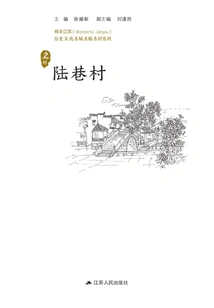
历史文化名城名镇名村系列:陆巷村
Xu Yaoxin
General Secretary Xi Jinping once pointed out that people should be able to "see the mountains, see the water, and remember the nostalgia." Famous historical and cultural cities, towns and villages carry profound and rich historical memories and cultural traditions, and are important carriers of "nostalgia". Protecting the characteristics of Jiangsu's famous historical and cultural cities, towns and villages can leave a place for our homeland to rest - only by retaining "nostalgia" can we "remember nostalgia". At the end of 2016, the Jiangsu Provincial Department of Culture began to organize the compilation of the "Wonderful Jiangsu" series, which covers historical and cultural cities, towns and villages, local operas, calligraphy and painting arts, red culture and other aspects. This is not only a concentrated display of Jiangsu's excellent traditional culture, but also an innovative practice that extends the millennium cultural context, promotes cultural construction, and condenses spiritual power. The first batch of books in the "Wonderful Jiangsu" series "Historical and Cultural Cities, Towns and Villages Series" was officially published, with 24 books released in the first batch. There are 50 books in this series, covering 50 national historical and cultural cities, towns and villages in our province. It is both literary and historical, showing the cultural wisdom and antiquities accumulated over the years in the historical evolution of Jiangsu, and demonstrating the cultural confidence and consciousness of the Jiangsu people. The book series adopts the form of "pocket book", which explains the profound things in simple terms, has pictures and texts, is exquisitely bound, and is portable and easy to read. With one volume in hand, readers can fully appreciate the infinite splendor of famous cities, towns and villages in Jiangsu.
General Secretary Xi Jinping once pointed out that people should be able to "see the mountains, see the water, and remember the nostalgia." Famous historical and cultural cities, towns and villages carry profound and rich historical memories and cultural traditions, and are important carriers of "nostalgia". Protecting the characteristics of Jiangsu's famous historical and cultural cities, towns and villages can leave a place for our homeland to rest - only by retaining "nostalgia" can we "remember nostalgia". At the end of 2016, the Jiangsu Provincial Department of Culture began to organize the compilation of the "Wonderful Jiangsu" series, which covers historical and cultural cities, towns and villages, local operas, calligraphy and painting arts, red culture and other aspects. This is not only a concentrated display of Jiangsu's excellent traditional culture, but also an innovative practice that extends the millennium cultural context, promotes cultural construction, and condenses spiritual power. The first batch of books in the "Wonderful Jiangsu" series "Historical and Cultural Cities, Towns and Villages Series" was officially published, with 24 books released in the first batch. There are 50 books in this series, covering 50 national historical and cultural cities, towns and villages in our province. It is both literary and historical, showing the cultural wisdom and antiquities accumulated over the years in the historical evolution of Jiangsu, and demonstrating the cultural confidence and consciousness of the Jiangsu people. The book series adopts the form of "pocket book", which explains the profound things in simple terms, has pictures and texts, is exquisitely bound, and is portable and easy to read. With one volume in hand, readers can fully appreciate the infinite splendor of famous cities, towns and villages in Jiangsu.
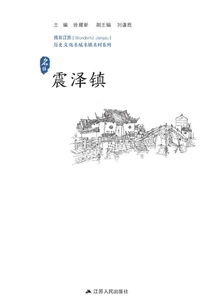
历史文化名城名镇名村系列:震泽镇
Xu Yaoxin
General Secretary Xi Jinping once pointed out that people should be able to "see the mountains, see the water, and remember the nostalgia." Famous historical and cultural cities, towns and villages carry profound and rich historical memories and cultural traditions, and are important carriers of "nostalgia". Protecting the characteristics of Jiangsu's famous historical and cultural cities, towns and villages can leave a place for our homeland to rest - only by retaining "nostalgia" can we "remember nostalgia". At the end of 2016, the Jiangsu Provincial Department of Culture began to organize the compilation of the "Wonderful Jiangsu" series, which covers historical and cultural cities, towns and villages, local operas, calligraphy and painting arts, red culture and other aspects. This is not only a concentrated display of Jiangsu's excellent traditional culture, but also an innovative practice that extends the millennium cultural context, promotes cultural construction, and condenses spiritual power. The first batch of books in the "Wonderful Jiangsu" series "Historical and Cultural Cities, Towns and Villages Series" was officially published, with 24 books released in the first batch. There are 50 books in this series, covering 50 national historical and cultural cities, towns and villages in our province. It is both literary and historical, showing the cultural wisdom and antiquities accumulated over the years in the historical evolution of Jiangsu, and demonstrating the cultural confidence and consciousness of the Jiangsu people. The book series adopts the form of "pocket book", which explains the profound things in simple terms, has pictures and texts, is exquisitely bound, and is portable and easy to read. With one volume in hand, readers can enjoy the infinite splendor of famous cities, towns and villages in Jiangsu
General Secretary Xi Jinping once pointed out that people should be able to "see the mountains, see the water, and remember the nostalgia." Famous historical and cultural cities, towns and villages carry profound and rich historical memories and cultural traditions, and are important carriers of "nostalgia". Protecting the characteristics of Jiangsu's famous historical and cultural cities, towns and villages can leave a place for our homeland to rest - only by retaining "nostalgia" can we "remember nostalgia". At the end of 2016, the Jiangsu Provincial Department of Culture began to organize the compilation of the "Wonderful Jiangsu" series, which covers historical and cultural cities, towns and villages, local operas, calligraphy and painting arts, red culture and other aspects. This is not only a concentrated display of Jiangsu's excellent traditional culture, but also an innovative practice that extends the millennium cultural context, promotes cultural construction, and condenses spiritual power. The first batch of books in the "Wonderful Jiangsu" series "Historical and Cultural Cities, Towns and Villages Series" was officially published, with 24 books released in the first batch. There are 50 books in this series, covering 50 national historical and cultural cities, towns and villages in our province. It is both literary and historical, showing the cultural wisdom and antiquities accumulated over the years in the historical evolution of Jiangsu, and demonstrating the cultural confidence and consciousness of the Jiangsu people. The book series adopts the form of "pocket book", which explains the profound things in simple terms, has pictures and texts, is exquisitely bound, and is portable and easy to read. With one volume in hand, readers can enjoy the infinite splendor of famous cities, towns and villages in Jiangsu
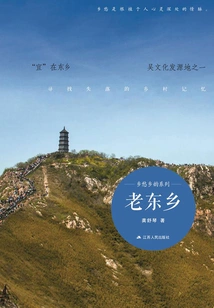
Laodongxiang
History老东乡
Gong Shuqin
This book describes in detail the history, culture, dialect, customs, food, and legends of Dongxiang area in Zhenjiang. It is a chronicle of Dongxiang scenery. It reflects the rapid disappearance of the tangible material form and intangible cultural form of Dongxiang in the wave of urbanization. The Dongxiang described by the author is vivid and warm, and can deeply move readers, especially Dongxiang readers.
This book describes in detail the history, culture, dialect, customs, food, and legends of Dongxiang area in Zhenjiang. It is a chronicle of Dongxiang scenery. It reflects the rapid disappearance of the tangible material form and intangible cultural form of Dongxiang in the wave of urbanization. The Dongxiang described by the author is vivid and warm, and can deeply move readers, especially Dongxiang readers.
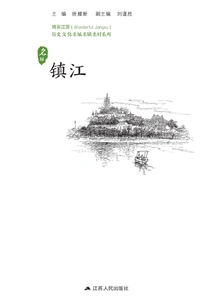
历史文化名城名镇名村系列:镇江
Xu Yaoxin
General Secretary Xi Jinping once pointed out that people should be able to "see the mountains, see the water, and remember the nostalgia." Famous historical and cultural cities, towns and villages carry profound and rich historical memories and cultural traditions, and are important carriers of "nostalgia". Protecting the characteristics of Jiangsu's famous historical and cultural cities, towns and villages can leave a place for our homeland to rest - only by retaining "nostalgia" can we "remember nostalgia". At the end of 2016, the Jiangsu Provincial Department of Culture began to organize the compilation of the "Wonderful Jiangsu" series, which covers historical and cultural cities, towns and villages, local operas, calligraphy and painting arts, red culture and other aspects. This is not only a concentrated display of Jiangsu's excellent traditional culture, but also an innovative practice that extends the millennium cultural context, promotes cultural construction, and condenses spiritual power. The first batch of books in the "Wonderful Jiangsu" series "Historical and Cultural Cities, Towns and Villages Series" was officially published, with 24 books released in the first batch. There are 50 books in this series, covering 50 national historical and cultural cities, towns and villages in our province. It is both literary and historical, showing the cultural wisdom and antiquities accumulated over the years in the historical evolution of Jiangsu, and demonstrating the cultural confidence and consciousness of the Jiangsu people. The book series adopts the form of "pocket book", which explains the profound things in simple terms, has pictures and texts, is exquisitely bound, and is portable and easy to read. With one volume in hand, readers can fully appreciate the infinite splendor of famous cities, towns and villages in Jiangsu.
General Secretary Xi Jinping once pointed out that people should be able to "see the mountains, see the water, and remember the nostalgia." Famous historical and cultural cities, towns and villages carry profound and rich historical memories and cultural traditions, and are important carriers of "nostalgia". Protecting the characteristics of Jiangsu's famous historical and cultural cities, towns and villages can leave a place for our homeland to rest - only by retaining "nostalgia" can we "remember nostalgia". At the end of 2016, the Jiangsu Provincial Department of Culture began to organize the compilation of the "Wonderful Jiangsu" series, which covers historical and cultural cities, towns and villages, local operas, calligraphy and painting arts, red culture and other aspects. This is not only a concentrated display of Jiangsu's excellent traditional culture, but also an innovative practice that extends the millennium cultural context, promotes cultural construction, and condenses spiritual power. The first batch of books in the "Wonderful Jiangsu" series "Historical and Cultural Cities, Towns and Villages Series" was officially published, with 24 books released in the first batch. There are 50 books in this series, covering 50 national historical and cultural cities, towns and villages in our province. It is both literary and historical, showing the cultural wisdom and antiquities accumulated over the years in the historical evolution of Jiangsu, and demonstrating the cultural confidence and consciousness of the Jiangsu people. The book series adopts the form of "pocket book", which explains the profound things in simple terms, has pictures and texts, is exquisitely bound, and is portable and easy to read. With one volume in hand, readers can fully appreciate the infinite splendor of famous cities, towns and villages in Jiangsu.
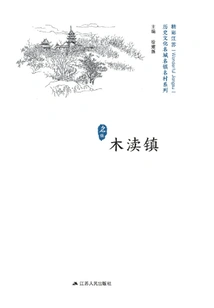
历史文化名城名镇名村系列:木渎镇
Xu Yaoxin
Mudu Ancient Town, also known as Duchuan, Xujiang, and Xiangxi, is located in the southeast of Jiangsu Province and the west of the ancient city of Suzhou. It is located in the Taihu Lake Basin. It is a famous scenic spot in the south of the Yangtze River. It is known as "the first town in Wuzhong" and "the most beautiful in the south of the Yangtze River". Mudu Ancient Town is an ancient water town cultural town of the Han nationality of the same age as Suzhou City, with a history of more than 2,500 years. "Mudu Town\u002F Historic and Cultural Cities, Towns and Villages Series" adopts a new perspective to comprehensively introduce the history, culture and customs of Tuancha Town to readers, allowing readers to appreciate the highlights of Tuancha Town in a relaxed and pleasant atmosphere, and then readers to go sightseeing.
Mudu Ancient Town, also known as Duchuan, Xujiang, and Xiangxi, is located in the southeast of Jiangsu Province and the west of the ancient city of Suzhou. It is located in the Taihu Lake Basin. It is a famous scenic spot in the south of the Yangtze River. It is known as "the first town in Wuzhong" and "the most beautiful in the south of the Yangtze River". Mudu Ancient Town is an ancient water town cultural town of the Han nationality of the same age as Suzhou City, with a history of more than 2,500 years. "Mudu Town\u002F Historic and Cultural Cities, Towns and Villages Series" adopts a new perspective to comprehensively introduce the history, culture and customs of Tuancha Town to readers, allowing readers to appreciate the highlights of Tuancha Town in a relaxed and pleasant atmosphere, and then readers to go sightseeing.
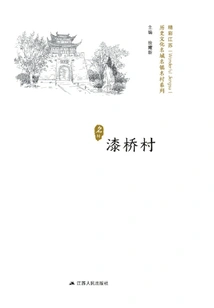
历史文化名城名镇名村系列:漆桥村
Xu Yaoxin
Qiqiao Village is located at the foot of Youzi Mountain and on the bank of Gucheng Lake in Gaochun District, Nanjing. It is Nanjing's gateway to Gaochun, the "International Slow City". In 2014, it was selected into the "Sixth Batch of Chinese Historical and Cultural Villages". In 2015, it was included in the "List of Traditional Chinese Villages" within the scope of central financial support. "Qiqiao Village\u002F Historic and Cultural Cities, Towns and Villages Series" focuses on comprehensively displaying the wonderful features of Qiqiao Village to readers from a historical and cultural perspective. It is a very exciting travel book.
Qiqiao Village is located at the foot of Youzi Mountain and on the bank of Gucheng Lake in Gaochun District, Nanjing. It is Nanjing's gateway to Gaochun, the "International Slow City". In 2014, it was selected into the "Sixth Batch of Chinese Historical and Cultural Villages". In 2015, it was included in the "List of Traditional Chinese Villages" within the scope of central financial support. "Qiqiao Village\u002F Historic and Cultural Cities, Towns and Villages Series" focuses on comprehensively displaying the wonderful features of Qiqiao Village to readers from a historical and cultural perspective. It is a very exciting travel book.
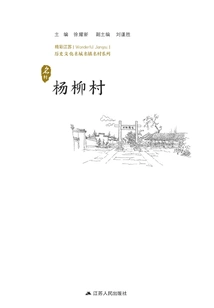
历史文化名城名镇名村系列:杨柳村
Xu Yaoxin
General Secretary Xi Jinping once pointed out that people should be able to "see the mountains, see the water, and remember the nostalgia." Famous historical and cultural cities, towns and villages carry profound and rich historical memories and cultural traditions, and are important carriers of "nostalgia". Protecting the characteristics of Jiangsu's famous historical and cultural cities, towns and villages can leave a place for our homeland to rest - only by retaining "nostalgia" can we "remember nostalgia". At the end of 2016, the Jiangsu Provincial Department of Culture began to organize the compilation of the "Wonderful Jiangsu" series, which covers historical and cultural cities, towns and villages, local operas, calligraphy and painting arts, red culture and other aspects. This is not only a concentrated display of Jiangsu's excellent traditional culture, but also an innovative practice that extends the millennium cultural context, promotes cultural construction, and condenses spiritual power. The first batch of books in the "Wonderful Jiangsu" series "Historical and Cultural Cities, Towns and Villages Series" was officially published, with 24 books released in the first batch. There are 50 books in this series, covering 50 national historical and cultural cities, towns and villages in our province. It is both literary and historical, showing the cultural wisdom and antiquities accumulated over the years in the historical evolution of Jiangsu, and demonstrating the cultural confidence and consciousness of the Jiangsu people. The book series adopts the form of "pocket book", which explains the profound things in simple terms, has pictures and texts, is exquisitely bound, and is portable and easy to read. With one volume in hand, readers can fully appreciate the infinite splendor of famous cities, towns and villages in Jiangsu.
General Secretary Xi Jinping once pointed out that people should be able to "see the mountains, see the water, and remember the nostalgia." Famous historical and cultural cities, towns and villages carry profound and rich historical memories and cultural traditions, and are important carriers of "nostalgia". Protecting the characteristics of Jiangsu's famous historical and cultural cities, towns and villages can leave a place for our homeland to rest - only by retaining "nostalgia" can we "remember nostalgia". At the end of 2016, the Jiangsu Provincial Department of Culture began to organize the compilation of the "Wonderful Jiangsu" series, which covers historical and cultural cities, towns and villages, local operas, calligraphy and painting arts, red culture and other aspects. This is not only a concentrated display of Jiangsu's excellent traditional culture, but also an innovative practice that extends the millennium cultural context, promotes cultural construction, and condenses spiritual power. The first batch of books in the "Wonderful Jiangsu" series "Historical and Cultural Cities, Towns and Villages Series" was officially published, with 24 books released in the first batch. There are 50 books in this series, covering 50 national historical and cultural cities, towns and villages in our province. It is both literary and historical, showing the cultural wisdom and antiquities accumulated over the years in the historical evolution of Jiangsu, and demonstrating the cultural confidence and consciousness of the Jiangsu people. The book series adopts the form of "pocket book", which explains the profound things in simple terms, has pictures and texts, is exquisitely bound, and is portable and easy to read. With one volume in hand, readers can fully appreciate the infinite splendor of famous cities, towns and villages in Jiangsu.
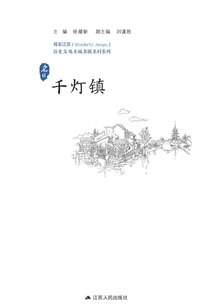
历史文化名城名镇名村系列:千灯镇
Xu Yaoxin
General Secretary Xi Jinping once pointed out that people should be able to "see the mountains, see the water, and remember the nostalgia." Famous historical and cultural cities, towns and villages carry profound and rich historical memories and cultural traditions, and are important carriers of "nostalgia". Protecting the characteristics of Jiangsu's famous historical and cultural cities, towns and villages can leave a place for our homeland to rest - only by retaining "nostalgia" can we "remember nostalgia". At the end of 2016, the Jiangsu Provincial Department of Culture began to organize the compilation of the "Wonderful Jiangsu" series, which covers historical and cultural cities, towns and villages, local operas, calligraphy and painting arts, red culture and other aspects. This is not only a concentrated display of Jiangsu's excellent traditional culture, but also an innovative practice that extends the millennium cultural context, promotes cultural construction, and condenses spiritual power. The first batch of books in the "Wonderful Jiangsu" series "Historical and Cultural Cities, Towns and Villages Series" was officially published, with 24 books released in the first batch. There are 50 books in this series, covering 50 national historical and cultural cities, towns and villages in our province. It is both literary and historical, showing the cultural wisdom and antiquities accumulated over the years in the historical evolution of Jiangsu, and demonstrating the cultural confidence and consciousness of the Jiangsu people. The book series adopts the form of "pocket book", which explains the profound things in simple terms, has pictures and texts, is exquisitely bound, and is portable and easy to read. With one volume in hand, readers can fully appreciate the infinite splendor of famous cities, towns and villages in Jiangsu.
General Secretary Xi Jinping once pointed out that people should be able to "see the mountains, see the water, and remember the nostalgia." Famous historical and cultural cities, towns and villages carry profound and rich historical memories and cultural traditions, and are important carriers of "nostalgia". Protecting the characteristics of Jiangsu's famous historical and cultural cities, towns and villages can leave a place for our homeland to rest - only by retaining "nostalgia" can we "remember nostalgia". At the end of 2016, the Jiangsu Provincial Department of Culture began to organize the compilation of the "Wonderful Jiangsu" series, which covers historical and cultural cities, towns and villages, local operas, calligraphy and painting arts, red culture and other aspects. This is not only a concentrated display of Jiangsu's excellent traditional culture, but also an innovative practice that extends the millennium cultural context, promotes cultural construction, and condenses spiritual power. The first batch of books in the "Wonderful Jiangsu" series "Historical and Cultural Cities, Towns and Villages Series" was officially published, with 24 books released in the first batch. There are 50 books in this series, covering 50 national historical and cultural cities, towns and villages in our province. It is both literary and historical, showing the cultural wisdom and antiquities accumulated over the years in the historical evolution of Jiangsu, and demonstrating the cultural confidence and consciousness of the Jiangsu people. The book series adopts the form of "pocket book", which explains the profound things in simple terms, has pictures and texts, is exquisitely bound, and is portable and easy to read. With one volume in hand, readers can fully appreciate the infinite splendor of famous cities, towns and villages in Jiangsu.
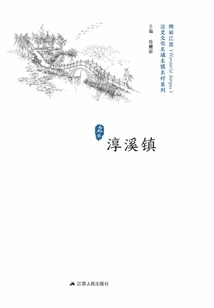
历史文化名城名镇名村系列:淳溪镇
Xu Yaoxin
Chunxi Ancient Town is located in the west of the center of Gaochun District, Nanjing, an "International Slow City" in China. It is adjacent to Gucheng Lake in the south and Shijiu Lake in the north. It is only 56 kilometers away from Nanjing Lukou International Airport. The Wutai-Taiwan Expressway reaches directly into the territory. The waterway leads to the Yangtze River, the golden waterway, in the west and the Taihu Lake Sunan Water Network in the east. It is an economic corridor connecting southern Jiangsu and southern Anhui. Chunxi has beautiful landscapes and is known as the "Holy Land in the South of the Yangtze River". The beauty of Chunxi lies on the shores of the three rippling blue lakes. Shijiu Lake and Gucheng Lake have the reputation of "fighting for gold at sunrise and fighting for silver at sunset": the unique regional ancient culture represented by the Xuecheng ruins more than 6,000 years ago, and the stele of the Eastern Han Dynasty school official found on the shore of Gucheng Lake, have created outstanding local culture: the Baosheng Temple tower has Gaochun "the first of the four treasures" It has created a cultural brand that integrates culture and tourism; its splendid cultural source has created a local clan that has "farmed, read and passed down the family line", and cultivated cultural celebrities such as Xing Rifang, a commoner poet in the late Ming Dynasty; rural activities such as the Xing family's flower stage party in Xuecheng and the Yang family's dragon dance continue to flourish, and folk crafts such as feather fans are colorful, forming a village custom culture with Wu style and Chu charm. "Chunxi Town\u002F Historical and Cultural Cities, Towns and Villages Series" is a very vivid leisure travel book. It strives to use easy-to-understand language to explain the history and culture of Chunxi Town to readers, and leads readers to Chunxi to visit, see and reminisce about the past. They can not only go to Chunxi to buy distinctive specialties, but also appreciate the local folk customs.
Chunxi Ancient Town is located in the west of the center of Gaochun District, Nanjing, an "International Slow City" in China. It is adjacent to Gucheng Lake in the south and Shijiu Lake in the north. It is only 56 kilometers away from Nanjing Lukou International Airport. The Wutai-Taiwan Expressway reaches directly into the territory. The waterway leads to the Yangtze River, the golden waterway, in the west and the Taihu Lake Sunan Water Network in the east. It is an economic corridor connecting southern Jiangsu and southern Anhui. Chunxi has beautiful landscapes and is known as the "Holy Land in the South of the Yangtze River". The beauty of Chunxi lies on the shores of the three rippling blue lakes. Shijiu Lake and Gucheng Lake have the reputation of "fighting for gold at sunrise and fighting for silver at sunset": the unique regional ancient culture represented by the Xuecheng ruins more than 6,000 years ago, and the stele of the Eastern Han Dynasty school official found on the shore of Gucheng Lake, have created outstanding local culture: the Baosheng Temple tower has Gaochun "the first of the four treasures" It has created a cultural brand that integrates culture and tourism; its splendid cultural source has created a local clan that has "farmed, read and passed down the family line", and cultivated cultural celebrities such as Xing Rifang, a commoner poet in the late Ming Dynasty; rural activities such as the Xing family's flower stage party in Xuecheng and the Yang family's dragon dance continue to flourish, and folk crafts such as feather fans are colorful, forming a village custom culture with Wu style and Chu charm. "Chunxi Town\u002F Historical and Cultural Cities, Towns and Villages Series" is a very vivid leisure travel book. It strives to use easy-to-understand language to explain the history and culture of Chunxi Town to readers, and leads readers to Chunxi to visit, see and reminisce about the past. They can not only go to Chunxi to buy distinctive specialties, but also appreciate the local folk customs.
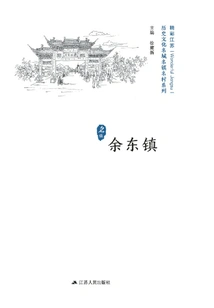
历史文化名城名镇名村系列:余东镇
Xu Yaoxin
"Yudong Town\u002F Historical and Cultural Cities, Towns and Villages Series" includes ten series including historical and cultural cities, towns and villages, local opera, Jiangsu Painting School, museums, red culture, folk customs, Jiangsu bridges, intangible cultural heritage, century-old shops, and food culture. The series takes the form of a "pocket book", takes Jiangsu's unique cultural features as its content, and uses text and pictures as presentation methods to tell the story of Jiangsu well and promote its excellent culture. Yudong, known as "Yuqing" in ancient times, was called "Phoenix City" because of its picturesque scenery and phoenix-like shape. Throughout the history of Yudong, the economy is prosperous and the people live and work in peace and contentment. Today, Yudong is full of cultural heritage and crowded with tourists all year round. It has become a well-known characteristic cultural town in Nantong City and a famous historical and cultural town in China. This book attracts readers to travel and sightseeing through the use of vivid language.
"Yudong Town\u002F Historical and Cultural Cities, Towns and Villages Series" includes ten series including historical and cultural cities, towns and villages, local opera, Jiangsu Painting School, museums, red culture, folk customs, Jiangsu bridges, intangible cultural heritage, century-old shops, and food culture. The series takes the form of a "pocket book", takes Jiangsu's unique cultural features as its content, and uses text and pictures as presentation methods to tell the story of Jiangsu well and promote its excellent culture. Yudong, known as "Yuqing" in ancient times, was called "Phoenix City" because of its picturesque scenery and phoenix-like shape. Throughout the history of Yudong, the economy is prosperous and the people live and work in peace and contentment. Today, Yudong is full of cultural heritage and crowded with tourists all year round. It has become a well-known characteristic cultural town in Nantong City and a famous historical and cultural town in China. This book attracts readers to travel and sightseeing through the use of vivid language.
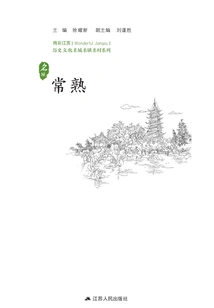
历史文化名城名镇名村系列:常熟
Xu Yaoxin
General Secretary Xi Jinping once pointed out that people should be able to "see the mountains, see the water, and remember the nostalgia." Famous historical and cultural cities, towns and villages carry profound and rich historical memories and cultural traditions, and are important carriers of "nostalgia". Protecting the characteristics of Jiangsu's famous historical and cultural cities, towns and villages can leave a place for our homeland to rest - only by retaining "nostalgia" can we "remember nostalgia". At the end of 2016, the Jiangsu Provincial Department of Culture began to organize the compilation of the "Wonderful Jiangsu" series, which covers historical and cultural cities, towns and villages, local operas, calligraphy and painting arts, red culture and other aspects. This is not only a concentrated display of Jiangsu's excellent traditional culture, but also an innovative practice that extends the millennium cultural context, promotes cultural construction, and condenses spiritual power. The first batch of books in the "Wonderful Jiangsu" series "Historical and Cultural Cities, Towns and Villages Series" was officially published, with 24 books released in the first batch. There are 50 books in this series, covering 50 national historical and cultural cities, towns and villages in our province. It is both literary and historical, showing the cultural wisdom and antiquities accumulated over the years in the historical evolution of Jiangsu, and demonstrating the cultural confidence and consciousness of the Jiangsu people. The book series adopts the form of "pocket book", which explains the profound things in simple terms, has pictures and texts, is exquisitely bound, and is portable and easy to read. With one volume in hand, readers can fully appreciate the infinite splendor of famous cities, towns and villages in Jiangsu.
General Secretary Xi Jinping once pointed out that people should be able to "see the mountains, see the water, and remember the nostalgia." Famous historical and cultural cities, towns and villages carry profound and rich historical memories and cultural traditions, and are important carriers of "nostalgia". Protecting the characteristics of Jiangsu's famous historical and cultural cities, towns and villages can leave a place for our homeland to rest - only by retaining "nostalgia" can we "remember nostalgia". At the end of 2016, the Jiangsu Provincial Department of Culture began to organize the compilation of the "Wonderful Jiangsu" series, which covers historical and cultural cities, towns and villages, local operas, calligraphy and painting arts, red culture and other aspects. This is not only a concentrated display of Jiangsu's excellent traditional culture, but also an innovative practice that extends the millennium cultural context, promotes cultural construction, and condenses spiritual power. The first batch of books in the "Wonderful Jiangsu" series "Historical and Cultural Cities, Towns and Villages Series" was officially published, with 24 books released in the first batch. There are 50 books in this series, covering 50 national historical and cultural cities, towns and villages in our province. It is both literary and historical, showing the cultural wisdom and antiquities accumulated over the years in the historical evolution of Jiangsu, and demonstrating the cultural confidence and consciousness of the Jiangsu people. The book series adopts the form of "pocket book", which explains the profound things in simple terms, has pictures and texts, is exquisitely bound, and is portable and easy to read. With one volume in hand, readers can fully appreciate the infinite splendor of famous cities, towns and villages in Jiangsu.
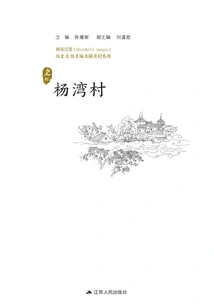
历史文化名城名镇名村系列:杨湾村
Xu Yaoxin
General Secretary Xi Jinping once pointed out that people should be able to "see the mountains, see the water, and remember the nostalgia." Famous historical and cultural cities, towns and villages carry profound and rich historical memories and cultural traditions, and are important carriers of "nostalgia". Protecting the characteristics of Jiangsu's famous historical and cultural cities, towns and villages can leave a place for our homeland to rest - only by retaining "nostalgia" can we "remember nostalgia". At the end of 2016, the Jiangsu Provincial Department of Culture began to organize the compilation of the "Wonderful Jiangsu" series, which covers historical and cultural cities, towns and villages, local operas, calligraphy and painting arts, red culture and other aspects. This is not only a concentrated display of Jiangsu's excellent traditional culture, but also an innovative practice that extends the millennium cultural context, promotes cultural construction, and condenses spiritual power. The first batch of books in the "Wonderful Jiangsu" series "Historical and Cultural Cities, Towns and Villages Series" was officially published, with 24 books released in the first batch. There are 50 books in this series, covering 50 national historical and cultural cities, towns and villages in our province. It is both literary and historical, showing the cultural wisdom and antiquities accumulated over the years in the historical evolution of Jiangsu, and demonstrating the cultural confidence and consciousness of the Jiangsu people. The book series adopts the form of "pocket book", which explains the profound things in simple terms, has pictures and texts, is exquisitely bound, and is portable and easy to read. With one volume in hand, readers can fully appreciate the infinite splendor of famous cities, towns and villages in Jiangsu.
General Secretary Xi Jinping once pointed out that people should be able to "see the mountains, see the water, and remember the nostalgia." Famous historical and cultural cities, towns and villages carry profound and rich historical memories and cultural traditions, and are important carriers of "nostalgia". Protecting the characteristics of Jiangsu's famous historical and cultural cities, towns and villages can leave a place for our homeland to rest - only by retaining "nostalgia" can we "remember nostalgia". At the end of 2016, the Jiangsu Provincial Department of Culture began to organize the compilation of the "Wonderful Jiangsu" series, which covers historical and cultural cities, towns and villages, local operas, calligraphy and painting arts, red culture and other aspects. This is not only a concentrated display of Jiangsu's excellent traditional culture, but also an innovative practice that extends the millennium cultural context, promotes cultural construction, and condenses spiritual power. The first batch of books in the "Wonderful Jiangsu" series "Historical and Cultural Cities, Towns and Villages Series" was officially published, with 24 books released in the first batch. There are 50 books in this series, covering 50 national historical and cultural cities, towns and villages in our province. It is both literary and historical, showing the cultural wisdom and antiquities accumulated over the years in the historical evolution of Jiangsu, and demonstrating the cultural confidence and consciousness of the Jiangsu people. The book series adopts the form of "pocket book", which explains the profound things in simple terms, has pictures and texts, is exquisitely bound, and is portable and easy to read. With one volume in hand, readers can fully appreciate the infinite splendor of famous cities, towns and villages in Jiangsu.
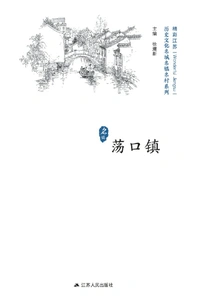
历史文化名城名镇名村系列:荡口镇
Xu Yaoxin
"Dangkou Town\u002F Historic and Cultural Cities, Towns and Villages Series" adopts a new perspective to comprehensively introduce the history, culture and customs of Tuancha Town to readers, allowing readers to appreciate the highlights of Tuancha Town in a relaxed and pleasant atmosphere, and then readers to travel and sightsee.
"Dangkou Town\u002F Historic and Cultural Cities, Towns and Villages Series" adopts a new perspective to comprehensively introduce the history, culture and customs of Tuancha Town to readers, allowing readers to appreciate the highlights of Tuancha Town in a relaxed and pleasant atmosphere, and then readers to travel and sightsee.
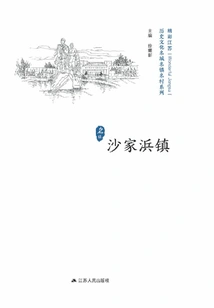
历史文化名城名镇名村系列:沙家浜镇
Xu Yaoxin
Shajiabang Town is located in the southeast corner of Changshu City, Jiangsu Province. Shajiabang Town, a land of plenty, is a famous historical and cultural town in China. It has been awarded the China Human Settlements Environment Model Award and a national AAAAA-level tourist attraction. "Shajiabang Town \u002F Historical and Cultural Cities, Towns and Villages Series" is a leisure travel book. In order to be more down-to-earth, it uses a concise and easy-to-understand language to comprehensively introduce the highlights of Shajiabang to readers, so that readers can understand the history, culture and folk customs of Shajiabang in a relaxed and pleasant atmosphere.
Shajiabang Town is located in the southeast corner of Changshu City, Jiangsu Province. Shajiabang Town, a land of plenty, is a famous historical and cultural town in China. It has been awarded the China Human Settlements Environment Model Award and a national AAAAA-level tourist attraction. "Shajiabang Town \u002F Historical and Cultural Cities, Towns and Villages Series" is a leisure travel book. In order to be more down-to-earth, it uses a concise and easy-to-understand language to comprehensively introduce the highlights of Shajiabang to readers, so that readers can understand the history, culture and folk customs of Shajiabang in a relaxed and pleasant atmosphere.
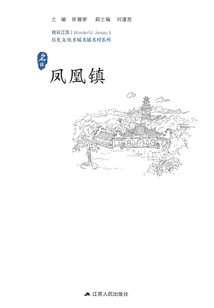
历史文化名城名镇名村系列:凤凰镇
Xu Yaoxin
General Secretary Xi Jinping once pointed out that people should be able to "see the mountains, see the water, and remember the nostalgia." Famous historical and cultural cities, towns and villages carry profound and rich historical memories and cultural traditions, and are important carriers of "nostalgia". Protecting the characteristics of Jiangsu's famous historical and cultural cities, towns and villages can leave a place for our homeland to rest - only by retaining "nostalgia" can we "remember nostalgia". At the end of 2016, the Jiangsu Provincial Department of Culture began to organize the compilation of the "Wonderful Jiangsu" series, which covers historical and cultural cities, towns and villages, local operas, calligraphy and painting arts, red culture and other aspects. This is not only a concentrated display of Jiangsu's excellent traditional culture, but also an innovative practice that extends the millennium cultural context, promotes cultural construction, and condenses spiritual power. The first batch of books in the "Wonderful Jiangsu" series "Historical and Cultural Cities, Towns and Villages Series" was officially published, with 24 books released in the first batch. There are 50 books in this series, covering 50 national historical and cultural cities, towns and villages in our province. It is both literary and historical, showing the cultural wisdom and antiquities accumulated over the years in the historical evolution of Jiangsu, and demonstrating the cultural confidence and consciousness of the Jiangsu people. The book series adopts the form of "pocket book", which explains the profound things in simple terms, has pictures and texts, is exquisitely bound, and is portable and easy to read. With one volume in hand, readers can fully appreciate the infinite splendor of famous cities, towns and villages in Jiangsu.
General Secretary Xi Jinping once pointed out that people should be able to "see the mountains, see the water, and remember the nostalgia." Famous historical and cultural cities, towns and villages carry profound and rich historical memories and cultural traditions, and are important carriers of "nostalgia". Protecting the characteristics of Jiangsu's famous historical and cultural cities, towns and villages can leave a place for our homeland to rest - only by retaining "nostalgia" can we "remember nostalgia". At the end of 2016, the Jiangsu Provincial Department of Culture began to organize the compilation of the "Wonderful Jiangsu" series, which covers historical and cultural cities, towns and villages, local operas, calligraphy and painting arts, red culture and other aspects. This is not only a concentrated display of Jiangsu's excellent traditional culture, but also an innovative practice that extends the millennium cultural context, promotes cultural construction, and condenses spiritual power. The first batch of books in the "Wonderful Jiangsu" series "Historical and Cultural Cities, Towns and Villages Series" was officially published, with 24 books released in the first batch. There are 50 books in this series, covering 50 national historical and cultural cities, towns and villages in our province. It is both literary and historical, showing the cultural wisdom and antiquities accumulated over the years in the historical evolution of Jiangsu, and demonstrating the cultural confidence and consciousness of the Jiangsu people. The book series adopts the form of "pocket book", which explains the profound things in simple terms, has pictures and texts, is exquisitely bound, and is portable and easy to read. With one volume in hand, readers can fully appreciate the infinite splendor of famous cities, towns and villages in Jiangsu.
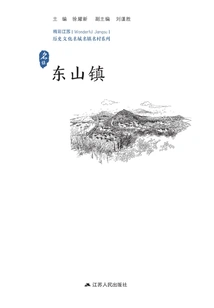
历史文化名城名镇名村系列:东山镇
Xu Yaoxin
General Secretary Xi Jinping once pointed out that people should be able to "see the mountains, see the water, and remember the nostalgia." Famous historical and cultural cities, towns and villages carry profound and rich historical memories and cultural traditions, and are important carriers of "nostalgia". Protecting the characteristics of Jiangsu's famous historical and cultural cities, towns and villages can leave a place for our homeland to rest - only by retaining "nostalgia" can we "remember nostalgia". At the end of 2016, the Jiangsu Provincial Department of Culture began to organize the compilation of the "Wonderful Jiangsu" series, which covers historical and cultural cities, towns and villages, local operas, calligraphy and painting arts, red culture and other aspects. This is not only a concentrated display of Jiangsu's excellent traditional culture, but also an innovative practice that extends the millennium cultural context, promotes cultural construction, and condenses spiritual power. The first batch of books in the "Wonderful Jiangsu" series "Historical and Cultural Cities, Towns and Villages Series" was officially published, with 24 books released in the first batch. There are 50 books in this series, covering 50 national historical and cultural cities, towns and villages in our province. It is both literary and historical, showing the cultural wisdom and antiquities accumulated over the years in the historical evolution of Jiangsu, and demonstrating the cultural confidence and consciousness of the Jiangsu people. The book series adopts the form of "pocket book", which explains the profound things in simple terms, has pictures and texts, is exquisitely bound, and is portable and easy to read. With one volume in hand, readers can fully appreciate the infinite splendor of famous cities, towns and villages in Jiangsu.
General Secretary Xi Jinping once pointed out that people should be able to "see the mountains, see the water, and remember the nostalgia." Famous historical and cultural cities, towns and villages carry profound and rich historical memories and cultural traditions, and are important carriers of "nostalgia". Protecting the characteristics of Jiangsu's famous historical and cultural cities, towns and villages can leave a place for our homeland to rest - only by retaining "nostalgia" can we "remember nostalgia". At the end of 2016, the Jiangsu Provincial Department of Culture began to organize the compilation of the "Wonderful Jiangsu" series, which covers historical and cultural cities, towns and villages, local operas, calligraphy and painting arts, red culture and other aspects. This is not only a concentrated display of Jiangsu's excellent traditional culture, but also an innovative practice that extends the millennium cultural context, promotes cultural construction, and condenses spiritual power. The first batch of books in the "Wonderful Jiangsu" series "Historical and Cultural Cities, Towns and Villages Series" was officially published, with 24 books released in the first batch. There are 50 books in this series, covering 50 national historical and cultural cities, towns and villages in our province. It is both literary and historical, showing the cultural wisdom and antiquities accumulated over the years in the historical evolution of Jiangsu, and demonstrating the cultural confidence and consciousness of the Jiangsu people. The book series adopts the form of "pocket book", which explains the profound things in simple terms, has pictures and texts, is exquisitely bound, and is portable and easy to read. With one volume in hand, readers can fully appreciate the infinite splendor of famous cities, towns and villages in Jiangsu.
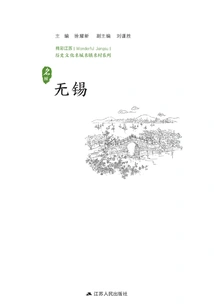
历史文化名城名镇名村系列:无锡
Xu Yaoxin
General Secretary Xi Jinping once pointed out that people should be able to "see the mountains, see the water, and remember the nostalgia." Famous historical and cultural cities, towns and villages carry profound and rich historical memories and cultural traditions, and are important carriers of "nostalgia". Protecting the characteristics of Jiangsu's famous historical and cultural cities, towns and villages can leave a place for our homeland to rest - only by retaining "nostalgia" can we "remember nostalgia". At the end of 2016, the Jiangsu Provincial Department of Culture began to organize the compilation of the "Wonderful Jiangsu" series, which covers historical and cultural cities, towns and villages, local operas, calligraphy and painting arts, red culture and other aspects. This is not only a concentrated display of Jiangsu's excellent traditional culture, but also an innovative practice that extends the millennium cultural context, promotes cultural construction, and condenses spiritual power. The first batch of books in the "Wonderful Jiangsu" series "Historical and Cultural Cities, Towns and Villages Series" was officially published, with 24 books released in the first batch. There are 50 books in this series, covering 50 national historical and cultural cities, towns and villages in our province. It is both literary and historical, showing the cultural wisdom and antiquities accumulated over the years in the historical evolution of Jiangsu, and demonstrating the cultural confidence and consciousness of the Jiangsu people. The book series adopts the form of "pocket book", which explains the profound things in simple terms, has pictures and texts, is exquisitely bound, and is portable and easy to read. With one volume in hand, readers can fully appreciate the infinite splendor of famous cities, towns and villages in Jiangsu.
General Secretary Xi Jinping once pointed out that people should be able to "see the mountains, see the water, and remember the nostalgia." Famous historical and cultural cities, towns and villages carry profound and rich historical memories and cultural traditions, and are important carriers of "nostalgia". Protecting the characteristics of Jiangsu's famous historical and cultural cities, towns and villages can leave a place for our homeland to rest - only by retaining "nostalgia" can we "remember nostalgia". At the end of 2016, the Jiangsu Provincial Department of Culture began to organize the compilation of the "Wonderful Jiangsu" series, which covers historical and cultural cities, towns and villages, local operas, calligraphy and painting arts, red culture and other aspects. This is not only a concentrated display of Jiangsu's excellent traditional culture, but also an innovative practice that extends the millennium cultural context, promotes cultural construction, and condenses spiritual power. The first batch of books in the "Wonderful Jiangsu" series "Historical and Cultural Cities, Towns and Villages Series" was officially published, with 24 books released in the first batch. There are 50 books in this series, covering 50 national historical and cultural cities, towns and villages in our province. It is both literary and historical, showing the cultural wisdom and antiquities accumulated over the years in the historical evolution of Jiangsu, and demonstrating the cultural confidence and consciousness of the Jiangsu people. The book series adopts the form of "pocket book", which explains the profound things in simple terms, has pictures and texts, is exquisitely bound, and is portable and easy to read. With one volume in hand, readers can fully appreciate the infinite splendor of famous cities, towns and villages in Jiangsu.
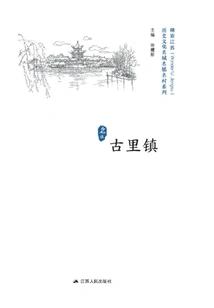
历史文化名城名镇名村系列:古里镇
Xu Yaoxin
"Guli Town\u002F Wonderful Jiangsu·Historical and Cultural Cities, Towns and Villages Series" is a leisure travel book with a down-to-earth writing style. It uses easy-to-understand language to show the wonderful features of East Village in front of readers, attracting readers to visit.
"Guli Town\u002F Wonderful Jiangsu·Historical and Cultural Cities, Towns and Villages Series" is a leisure travel book with a down-to-earth writing style. It uses easy-to-understand language to show the wonderful features of East Village in front of readers, attracting readers to visit.
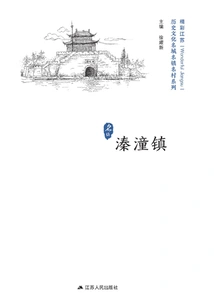
历史文化名城名镇名村系列:溱潼镇
Xu Yaoxin
Qintong Town is located at the junction of Jiangyan, Xinghua and Dongtai urban areas. Qintong is one of the 100 famous towns in Jiangsu and has been named "Hometown of Jiangsu Folk Art", "New Model Small Town in Jiangsu Province" and "Famous Historical and Cultural Town in China". This article is a popular and leisure reading, which is different from ordinary academic works. On the basis of taking into account both authenticity and readability, the editors strive to use easy-to-understand and lively language to guide readers to travel and sightseeing. There you can travel, see, reminisce about the past, explore the secrets, buy unique products, and appreciate the local customs.
Qintong Town is located at the junction of Jiangyan, Xinghua and Dongtai urban areas. Qintong is one of the 100 famous towns in Jiangsu and has been named "Hometown of Jiangsu Folk Art", "New Model Small Town in Jiangsu Province" and "Famous Historical and Cultural Town in China". This article is a popular and leisure reading, which is different from ordinary academic works. On the basis of taking into account both authenticity and readability, the editors strive to use easy-to-understand and lively language to guide readers to travel and sightseeing. There you can travel, see, reminisce about the past, explore the secrets, buy unique products, and appreciate the local customs.
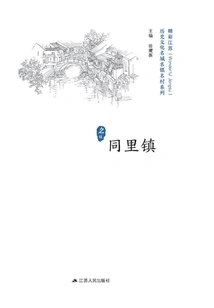
历史文化名城名镇名村系列:同里镇
Xu Yaoxin
General Secretary Xi Jinping once pointed out that people should be able to "see the mountains, see the water, and remember the nostalgia." Famous historical and cultural cities, towns and villages carry profound and rich historical memories and cultural traditions, and are important carriers of "nostalgia". Protecting the characteristics of Jiangsu's famous historical and cultural cities, towns and villages can leave a place for our homeland to rest - only by retaining "nostalgia" can we "remember nostalgia". At the end of 2016, the Jiangsu Provincial Department of Culture began to organize the compilation of the "Wonderful Jiangsu" series, which covers historical and cultural cities, towns and villages, local operas, calligraphy and painting arts, red culture and other aspects. This is not only a concentrated display of Jiangsu's excellent traditional culture, but also an innovative practice that extends the millennium cultural context, promotes cultural construction, and condenses spiritual power. The first batch of books in the "Wonderful Jiangsu" series "Historical and Cultural Cities, Towns and Villages Series" was officially published, with 24 books released in the first batch. There are 50 books in this series, covering 50 national historical and cultural cities, towns and villages in our province. It is both literary and historical, showing the cultural wisdom and antiquities accumulated over the years in the historical evolution of Jiangsu, and demonstrating the cultural confidence and consciousness of the Jiangsu people. The book series adopts the form of "pocket book", which explains the profound things in simple terms, has pictures and texts, is exquisitely bound, and is portable and easy to read. With one volume in hand, readers can fully appreciate the infinite splendor of famous cities, towns and villages in Jiangsu.
General Secretary Xi Jinping once pointed out that people should be able to "see the mountains, see the water, and remember the nostalgia." Famous historical and cultural cities, towns and villages carry profound and rich historical memories and cultural traditions, and are important carriers of "nostalgia". Protecting the characteristics of Jiangsu's famous historical and cultural cities, towns and villages can leave a place for our homeland to rest - only by retaining "nostalgia" can we "remember nostalgia". At the end of 2016, the Jiangsu Provincial Department of Culture began to organize the compilation of the "Wonderful Jiangsu" series, which covers historical and cultural cities, towns and villages, local operas, calligraphy and painting arts, red culture and other aspects. This is not only a concentrated display of Jiangsu's excellent traditional culture, but also an innovative practice that extends the millennium cultural context, promotes cultural construction, and condenses spiritual power. The first batch of books in the "Wonderful Jiangsu" series "Historical and Cultural Cities, Towns and Villages Series" was officially published, with 24 books released in the first batch. There are 50 books in this series, covering 50 national historical and cultural cities, towns and villages in our province. It is both literary and historical, showing the cultural wisdom and antiquities accumulated over the years in the historical evolution of Jiangsu, and demonstrating the cultural confidence and consciousness of the Jiangsu people. The book series adopts the form of "pocket book", which explains the profound things in simple terms, has pictures and texts, is exquisitely bound, and is portable and easy to read. With one volume in hand, readers can fully appreciate the infinite splendor of famous cities, towns and villages in Jiangsu.
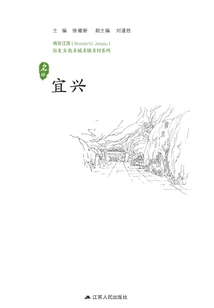
历史文化名城名镇名村系列:宜兴
Xu Yaoxin
General Secretary Xi Jinping once pointed out that people should be able to "see the mountains, see the water, and remember the nostalgia." Famous historical and cultural cities, towns and villages carry profound and rich historical memories and cultural traditions, and are important carriers of "nostalgia". Protecting the characteristics of Jiangsu's famous historical and cultural cities, towns and villages can leave a place for our homeland to rest - only by retaining "nostalgia" can we "remember nostalgia". At the end of 2016, the Jiangsu Provincial Department of Culture began to organize the compilation of the "Wonderful Jiangsu" series, which covers historical and cultural cities, towns and villages, local operas, calligraphy and painting arts, red culture and other aspects. This is not only a concentrated display of Jiangsu's excellent traditional culture, but also an innovative practice that extends the millennium cultural context, promotes cultural construction, and condenses spiritual power. The first batch of books in the "Wonderful Jiangsu" series "Historical and Cultural Cities, Towns and Villages Series" was officially published, with 24 books released in the first batch. There are 50 books in this series, covering 50 national historical and cultural cities, towns and villages in our province. It is both literary and historical, showing the cultural wisdom and antiquities accumulated over the years in the historical evolution of Jiangsu, and demonstrating the cultural confidence and consciousness of the Jiangsu people. The book series adopts the form of "pocket book", which explains the profound things in simple terms, has pictures and texts, is exquisitely bound, and is portable and easy to read. With one volume in hand, readers can fully appreciate the infinite splendor of famous cities, towns and villages in Jiangsu.
General Secretary Xi Jinping once pointed out that people should be able to "see the mountains, see the water, and remember the nostalgia." Famous historical and cultural cities, towns and villages carry profound and rich historical memories and cultural traditions, and are important carriers of "nostalgia". Protecting the characteristics of Jiangsu's famous historical and cultural cities, towns and villages can leave a place for our homeland to rest - only by retaining "nostalgia" can we "remember nostalgia". At the end of 2016, the Jiangsu Provincial Department of Culture began to organize the compilation of the "Wonderful Jiangsu" series, which covers historical and cultural cities, towns and villages, local operas, calligraphy and painting arts, red culture and other aspects. This is not only a concentrated display of Jiangsu's excellent traditional culture, but also an innovative practice that extends the millennium cultural context, promotes cultural construction, and condenses spiritual power. The first batch of books in the "Wonderful Jiangsu" series "Historical and Cultural Cities, Towns and Villages Series" was officially published, with 24 books released in the first batch. There are 50 books in this series, covering 50 national historical and cultural cities, towns and villages in our province. It is both literary and historical, showing the cultural wisdom and antiquities accumulated over the years in the historical evolution of Jiangsu, and demonstrating the cultural confidence and consciousness of the Jiangsu people. The book series adopts the form of "pocket book", which explains the profound things in simple terms, has pictures and texts, is exquisitely bound, and is portable and easy to read. With one volume in hand, readers can fully appreciate the infinite splendor of famous cities, towns and villages in Jiangsu.
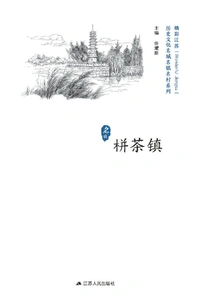
历史文化名城名镇名村系列:栟茶镇
Xu Yaoxin
Chaocha, also known as "Nansha", "Chajiang" and "Minghai", is located in the north wing of the Yangtze River Delta and is the "North Gate" of Shanghai. Tuocha Town is a famous historical and cultural town in China. "Tongcha Town\u002F Historical and Cultural Cities, Towns and Villages Series" adopts a new perspective to comprehensively introduce the history, culture, customs and customs of Tongcha Town to readers, allowing readers to appreciate the highlights of Tongcha Town in a relaxed and pleasant atmosphere, and then readers to travel and sightsee.
Chaocha, also known as "Nansha", "Chajiang" and "Minghai", is located in the north wing of the Yangtze River Delta and is the "North Gate" of Shanghai. Tuocha Town is a famous historical and cultural town in China. "Tongcha Town\u002F Historical and Cultural Cities, Towns and Villages Series" adopts a new perspective to comprehensively introduce the history, culture, customs and customs of Tongcha Town to readers, allowing readers to appreciate the highlights of Tongcha Town in a relaxed and pleasant atmosphere, and then readers to travel and sightsee.
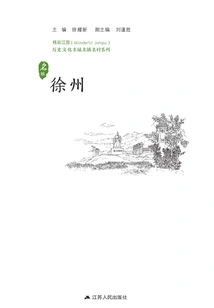
历史文化名城名镇名村系列:徐州
Xu Yaoxin
General Secretary Xi Jinping once pointed out that people should be able to "see the mountains, see the water, and remember the nostalgia." Famous historical and cultural cities, towns and villages carry profound and rich historical memories and cultural traditions, and are important carriers of "nostalgia". Protecting the characteristics of Jiangsu's famous historical and cultural cities, towns and villages can leave a place for our homeland to rest - only by retaining "nostalgia" can we "remember nostalgia". At the end of 2016, the Jiangsu Provincial Department of Culture began to organize the compilation of the "Wonderful Jiangsu" series, which covers historical and cultural cities, towns and villages, local operas, calligraphy and painting arts, red culture and other aspects. This is not only a concentrated display of Jiangsu's excellent traditional culture, but also an innovative practice that extends the millennium cultural context, promotes cultural construction, and condenses spiritual power. The first batch of books in the "Wonderful Jiangsu" series "Historical and Cultural Cities, Towns and Villages Series" was officially published, with 24 books released in the first batch. There are 50 books in this series, covering 50 national historical and cultural cities, towns and villages in our province. It is both literary and historical, showing the cultural wisdom and antiquities accumulated over the years in the historical evolution of Jiangsu, and demonstrating the cultural confidence and consciousness of the Jiangsu people. The book series adopts the form of "pocket book", which explains the profound things in simple terms, has pictures and texts, is exquisitely bound, and is portable and easy to read. With one volume in hand, readers can fully appreciate the infinite splendor of famous cities, towns and villages in Jiangsu.
General Secretary Xi Jinping once pointed out that people should be able to "see the mountains, see the water, and remember the nostalgia." Famous historical and cultural cities, towns and villages carry profound and rich historical memories and cultural traditions, and are important carriers of "nostalgia". Protecting the characteristics of Jiangsu's famous historical and cultural cities, towns and villages can leave a place for our homeland to rest - only by retaining "nostalgia" can we "remember nostalgia". At the end of 2016, the Jiangsu Provincial Department of Culture began to organize the compilation of the "Wonderful Jiangsu" series, which covers historical and cultural cities, towns and villages, local operas, calligraphy and painting arts, red culture and other aspects. This is not only a concentrated display of Jiangsu's excellent traditional culture, but also an innovative practice that extends the millennium cultural context, promotes cultural construction, and condenses spiritual power. The first batch of books in the "Wonderful Jiangsu" series "Historical and Cultural Cities, Towns and Villages Series" was officially published, with 24 books released in the first batch. There are 50 books in this series, covering 50 national historical and cultural cities, towns and villages in our province. It is both literary and historical, showing the cultural wisdom and antiquities accumulated over the years in the historical evolution of Jiangsu, and demonstrating the cultural confidence and consciousness of the Jiangsu people. The book series adopts the form of "pocket book", which explains the profound things in simple terms, has pictures and texts, is exquisitely bound, and is portable and easy to read. With one volume in hand, readers can fully appreciate the infinite splendor of famous cities, towns and villages in Jiangsu.
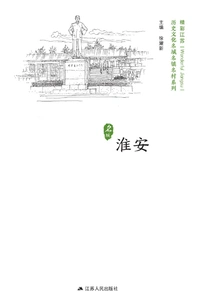
历史文化名城名镇名村系列:淮安
Xu Yaoxin
Huai'an, located in the north-central part of Jiangsu Province, is one of the second batch of national historical and cultural cities, National Sanitary City, National Garden City, National Environmental Protection Model City, China's Excellent Tourism City, and National Double Support Model City. This book is from a unique perspective It displays the history, culture and folk customs of Huai'an, and shows readers the characteristics and highlights of Huai'an, leading readers to travel, see, nostalgic, explore, buy distinctive products, and appreciate local folk customs.
Huai'an, located in the north-central part of Jiangsu Province, is one of the second batch of national historical and cultural cities, National Sanitary City, National Garden City, National Environmental Protection Model City, China's Excellent Tourism City, and National Double Support Model City. This book is from a unique perspective It displays the history, culture and folk customs of Huai'an, and shows readers the characteristics and highlights of Huai'an, leading readers to travel, see, nostalgic, explore, buy distinctive products, and appreciate local folk customs.
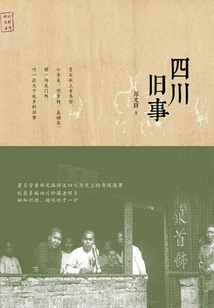
Sichuan Old News
History四川旧事
Zheng Guanglu
"Old Stories in Sichuan" is a companion volume to "Old Stories in Chengdu". The book uses vivid stories, pictures and texts to tell some famous places and allusions, streets and gardens, customs and customs of Bashan Shushui; it also narrates some interesting anecdotes about historical figures; it also introduces events, historical facts or figures that have a major historical impact in Sichuan, which has important historical value. The content of this book can be roughly divided into the following aspects: The first aspect describes some famous places, allusions, streets, gardens, customs and customs of Bashan Shushui. For example, "The Millennium Ancient City Disappeared in an Instant" vividly reproduces the great changes caused by the Diexi earthquake in Sichuan in 1933. Readers will definitely feel thrilling after reading it. Another example is "Anecdotes about "Jiulao Cave" in Mount Emei, which not only tells a historical anecdote, but also records how three male and female college students were rescued by chance after entering the cave in 1983 and being trapped for twelve days. It also discloses various bizarre events that are little-known in the cave...
"Old Stories in Sichuan" is a companion volume to "Old Stories in Chengdu". The book uses vivid stories, pictures and texts to tell some famous places and allusions, streets and gardens, customs and customs of Bashan Shushui; it also narrates some interesting anecdotes about historical figures; it also introduces events, historical facts or figures that have a major historical impact in Sichuan, which has important historical value. The content of this book can be roughly divided into the following aspects: The first aspect describes some famous places, allusions, streets, gardens, customs and customs of Bashan Shushui. For example, "The Millennium Ancient City Disappeared in an Instant" vividly reproduces the great changes caused by the Diexi earthquake in Sichuan in 1933. Readers will definitely feel thrilling after reading it. Another example is "Anecdotes about "Jiulao Cave" in Mount Emei, which not only tells a historical anecdote, but also records how three male and female college students were rescued by chance after entering the cave in 1983 and being trapped for twelve days. It also discloses various bizarre events that are little-known in the cave...
清末民初北京舆论环境与新文化的登场
Yang Zao
The main content of "Public Opinion Environment in Beijing and the Emergence of New Culture in Late Qing Dynasty and Early Republic of China": Talking about "urban imagination and cultural memory" must take into account architecture, history, world affairs, scenery, writers, works, etc., And discuss it from the multiple perspectives of political history, cultural history and literary history. Chang'an in the Han and Tang Dynasties, Luoyang in the Han and Wei dynasties, Jinling in the Six Dynasties, Kaifeng in the Northern Song Dynasty, Lin'an in the Southern Song Dynasty, Suzhou and Yangzhou in the Ming and Qing Dynasties, Guangzhou and Shanghai in the late Qing Dynasty, Tianjin, Hong Kong and Taipei in modern times, as well as Beijing, the 800-year-old capital, and Chongqing and Kunming during the Anti-Japanese War, etc., All deserve the careful attention of researchers. Such "attention" will naturally not be limited to the traditional "recording of scenery" and "the study of anecdotes." The grasp of urban form, history, and spirit requires an interdisciplinary vision and solid academic training. Therefore, I hope to combine the rigor of scholars, the warmth of literary scholars, and the curious eyes of travelers to pay attention to, considerate, describe, and discover "this" city that interests me. Discussions about cities can and must have multiple angles and methods. Like all memories, they are always incomplete and may be infinitely close to the goal. It may also drift away - it is in this huge tension between forgetting (misunderstanding) and memory (recreation) that the human spirit can continue to extend forward. There are always things that cannot be forgotten, and there are always things that cannot be remembered. "The memory of forgetting" makes us keep talking about this city and this history. In this sense, memory is not just a tool or a process, it can also become a stage in itself, and even constitute a force that creates history.
The main content of "Public Opinion Environment in Beijing and the Emergence of New Culture in Late Qing Dynasty and Early Republic of China": Talking about "urban imagination and cultural memory" must take into account architecture, history, world affairs, scenery, writers, works, etc., And discuss it from the multiple perspectives of political history, cultural history and literary history. Chang'an in the Han and Tang Dynasties, Luoyang in the Han and Wei dynasties, Jinling in the Six Dynasties, Kaifeng in the Northern Song Dynasty, Lin'an in the Southern Song Dynasty, Suzhou and Yangzhou in the Ming and Qing Dynasties, Guangzhou and Shanghai in the late Qing Dynasty, Tianjin, Hong Kong and Taipei in modern times, as well as Beijing, the 800-year-old capital, and Chongqing and Kunming during the Anti-Japanese War, etc., All deserve the careful attention of researchers. Such "attention" will naturally not be limited to the traditional "recording of scenery" and "the study of anecdotes." The grasp of urban form, history, and spirit requires an interdisciplinary vision and solid academic training. Therefore, I hope to combine the rigor of scholars, the warmth of literary scholars, and the curious eyes of travelers to pay attention to, considerate, describe, and discover "this" city that interests me. Discussions about cities can and must have multiple angles and methods. Like all memories, they are always incomplete and may be infinitely close to the goal. It may also drift away - it is in this huge tension between forgetting (misunderstanding) and memory (recreation) that the human spirit can continue to extend forward. There are always things that cannot be forgotten, and there are always things that cannot be remembered. "The memory of forgetting" makes us keep talking about this city and this history. In this sense, memory is not just a tool or a process, it can also become a stage in itself, and even constitute a force that creates history.
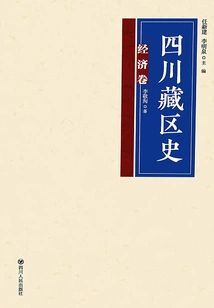
四川藏区史·经济卷
Li Jingxun Ren Xinjian Li Mingquan
The Tibetan area in Sichuan is the largest Tibetan-inhabited area in my country after Tibet. It is also the main body of the original Xikang Province and the core area of the "Kangba Tibetan Area". It has a vast territory, a long history, rich resources, rich cultural heritage, and diverse ethnic composition. The Tibetan areas of Sichuan are geographically located at the junction of the five major Tibetan areas in my country and the "bridge" zone for Sino-Tibetan transportation. They have a very important strategic position in maintaining the stability of Tibetan areas in my country, promoting ethnic unity, and ensuring the ecological security of the upper reaches of the Yangtze and Yellow Rivers. In order to fight against the Dalai Lama clique and consolidate ethnic unity, build a harmonious Tibetan area with long-term peace and stability, strengthen the theoretical and cultural foundation construction of "Tibet-related stability maintenance", especially the urgent need to oppose the fallacy of "Greater Tibet" and promote ethnic unity, build a harmonious Sichuan, and build a province with great culture and ethnic unity, the Sichuan Provincial Social Sciences Group Experts and scholars in the field of Zhikang Tibet have carefully compiled a multi-volume monograph "History of Tibetan Areas in Sichuan" that is comprehensive, systematic, deeply researched, complete in data, and highly academic and theoretical. It serves as a basic construction project for "Tibetan-related stability maintenance" in Sichuan Province and an important cultural project for promoting the national culture of our province and promoting the construction of a province with ethnic unity.
The Tibetan area in Sichuan is the largest Tibetan-inhabited area in my country after Tibet. It is also the main body of the original Xikang Province and the core area of the "Kangba Tibetan Area". It has a vast territory, a long history, rich resources, rich cultural heritage, and diverse ethnic composition. The Tibetan areas of Sichuan are geographically located at the junction of the five major Tibetan areas in my country and the "bridge" zone for Sino-Tibetan transportation. They have a very important strategic position in maintaining the stability of Tibetan areas in my country, promoting ethnic unity, and ensuring the ecological security of the upper reaches of the Yangtze and Yellow Rivers. In order to fight against the Dalai Lama clique and consolidate ethnic unity, build a harmonious Tibetan area with long-term peace and stability, strengthen the theoretical and cultural foundation construction of "Tibet-related stability maintenance", especially the urgent need to oppose the fallacy of "Greater Tibet" and promote ethnic unity, build a harmonious Sichuan, and build a province with great culture and ethnic unity, the Sichuan Provincial Social Sciences Group Experts and scholars in the field of Zhikang Tibet have carefully compiled a multi-volume monograph "History of Tibetan Areas in Sichuan" that is comprehensive, systematic, deeply researched, complete in data, and highly academic and theoretical. It serves as a basic construction project for "Tibetan-related stability maintenance" in Sichuan Province and an important cultural project for promoting the national culture of our province and promoting the construction of a province with ethnic unity.
中华节日文化赏析
Jiang Changbing Liu Huimin
As the second book in the "Lao Jiang Guoxuetang Research Series", this book and the first book "Follow the Sun in a Circle" form a "double wall" and become the "double festival" of Chinese culture - the solar term festival. This book is divided into two parts. The first part covers 16 traditional Chinese festivals (Han nationality) in a detailed way. Its main content includes six parts: the origin of the festival, myths and legends, festival customs, festival food, festival significance, and appreciation of festival poetry. The second part is about 88 ethnic minority festivals. Considering the length, a simple way is used for ethnic festivals. A total of 104 festivals are introduced. Its purpose is to comprehensively introduce Chinese traditional festivals. It is a national tradition that children love to celebrate festivals. We can also use festivals to gather popularity and broaden the horizons of teachers and students. They can also be used as school-based teaching materials to showcase Chinese culture.
As the second book in the "Lao Jiang Guoxuetang Research Series", this book and the first book "Follow the Sun in a Circle" form a "double wall" and become the "double festival" of Chinese culture - the solar term festival. This book is divided into two parts. The first part covers 16 traditional Chinese festivals (Han nationality) in a detailed way. Its main content includes six parts: the origin of the festival, myths and legends, festival customs, festival food, festival significance, and appreciation of festival poetry. The second part is about 88 ethnic minority festivals. Considering the length, a simple way is used for ethnic festivals. A total of 104 festivals are introduced. Its purpose is to comprehensively introduce Chinese traditional festivals. It is a national tradition that children love to celebrate festivals. We can also use festivals to gather popularity and broaden the horizons of teachers and students. They can also be used as school-based teaching materials to showcase Chinese culture.
礼乐文明与中国文化精神:彭林教授东南大学讲演录(人文大讲堂)
Peng Lin
In the final analysis, the essence of the cultural game between the East and the West in the 21st century is whether the Chinese nation can provide human society with a social development model that is different from Western culture. In this game, if we want to remain invincible and make greater contributions to mankind, the basic point is to understand our culture. Based on this understanding, this book clarifies the cultural connotation and practical significance of "ritual" as the core of Chinese civilization. The book's reasoning is explained in simple terms, the language is popular and lively, and the examples are vivid, making it thought-provoking after reading.
In the final analysis, the essence of the cultural game between the East and the West in the 21st century is whether the Chinese nation can provide human society with a social development model that is different from Western culture. In this game, if we want to remain invincible and make greater contributions to mankind, the basic point is to understand our culture. Based on this understanding, this book clarifies the cultural connotation and practical significance of "ritual" as the core of Chinese civilization. The book's reasoning is explained in simple terms, the language is popular and lively, and the examples are vivid, making it thought-provoking after reading.
Fly into Africa
History飞进非洲
Wang Dawei Shi Yuanguang Et Al.
Africa is the first stop for China's aircraft exports. This book vividly reveals the majestic strategy and wisdom of China's aviation industry in entering the international market. This book not only allows you to see the magnificence and legend of African scenery, but also the tenacity and success of the Chinese people on this land.
Africa is the first stop for China's aircraft exports. This book vividly reveals the majestic strategy and wisdom of China's aviation industry in entering the international market. This book not only allows you to see the magnificence and legend of African scenery, but also the tenacity and success of the Chinese people on this land.
威海传:蓝色文明里的美人鱼
Xu Chenglun Wang Chengqiang
"The Biography of Weihai" is one of the series of books "The Biography of One Hundred Cities on the Silk Road". As an important city in the Jiaodong Peninsula, Weihai has shouldered heavy historical responsibilities in modern times, so the author is quite cautious in selecting historical materials. This book focuses on describing the origin and influence of Weihai's urban civilization. It does not avoid the heaviness of the Sino-Japanese War of 1884-1895, but objectively describes the changes during the British colonial period. The police from Weihai who went to Hong Kong to serve as police officers, especially the formation process of Weihai's marine culture and the outstanding beautiful forms, as well as Weihai's continuous cultural context, traditional skills, etc. Are described in detail. The book is divided into 17 chapters. From ancient times to the present, Weihai originated from the ocean in its past lives, relies on the ocean now, and will draw broader, more powerful, and more magnificent energy from the ocean in the future. Through more than 200,000 words and more than 100 pictures, the author systematically combs Weihai's historical context from prehistoric civilization to the present, comprehensively displays Weihai's cultural heritage, historical features and development achievements, and highlights Weihai's historical and humanistic charm.
"The Biography of Weihai" is one of the series of books "The Biography of One Hundred Cities on the Silk Road". As an important city in the Jiaodong Peninsula, Weihai has shouldered heavy historical responsibilities in modern times, so the author is quite cautious in selecting historical materials. This book focuses on describing the origin and influence of Weihai's urban civilization. It does not avoid the heaviness of the Sino-Japanese War of 1884-1895, but objectively describes the changes during the British colonial period. The police from Weihai who went to Hong Kong to serve as police officers, especially the formation process of Weihai's marine culture and the outstanding beautiful forms, as well as Weihai's continuous cultural context, traditional skills, etc. Are described in detail. The book is divided into 17 chapters. From ancient times to the present, Weihai originated from the ocean in its past lives, relies on the ocean now, and will draw broader, more powerful, and more magnificent energy from the ocean in the future. Through more than 200,000 words and more than 100 pictures, the author systematically combs Weihai's historical context from prehistoric civilization to the present, comprehensively displays Weihai's cultural heritage, historical features and development achievements, and highlights Weihai's historical and humanistic charm.
从清朝开来的“的士”:成都出租交通史话
Zhang Jian
The so-called "taxi" is defined by the author as a broad functional concept. This function is the service mode of transportation. "It is characterized by leasing, and its essence is that the worker who drives the rental vehicle, together with the labor tools and skills, leases it to the consumer of the vehicle for a certain period of time and collects reasonable or legal labor remuneration. This includes three elements: the vehicle used for rental, the worker who drives the rental vehicle, and the consumer who rents the vehicle. The purpose is to realize the consumer's desire to move from point A to point B." According to this definition, sedans, four-wheel carriages, rickshaws, passenger chicken buses, tricycles, etc. That have been operated since the Jiaqing period of the Qing Dynasty all belong to the category of taxis. After years of accumulation, the author has collected many first-hand historical materials, such as rickshaw tickets, old taxi photos, etc., And also interviewed taxi drivers to obtain vivid oral stories. Focusing on this specific region of Chengdu, the author has sorted out the taxi transportation industry.
The so-called "taxi" is defined by the author as a broad functional concept. This function is the service mode of transportation. "It is characterized by leasing, and its essence is that the worker who drives the rental vehicle, together with the labor tools and skills, leases it to the consumer of the vehicle for a certain period of time and collects reasonable or legal labor remuneration. This includes three elements: the vehicle used for rental, the worker who drives the rental vehicle, and the consumer who rents the vehicle. The purpose is to realize the consumer's desire to move from point A to point B." According to this definition, sedans, four-wheel carriages, rickshaws, passenger chicken buses, tricycles, etc. That have been operated since the Jiaqing period of the Qing Dynasty all belong to the category of taxis. After years of accumulation, the author has collected many first-hand historical materials, such as rickshaw tickets, old taxi photos, etc., And also interviewed taxi drivers to obtain vivid oral stories. Focusing on this specific region of Chengdu, the author has sorted out the taxi transportation industry.
Peng Lin Talks About Etiquette: Reconstructing Contemporary Daily Etiquette (supplementary Version)
History彭林说礼:重建当代日常礼仪(增补本)
Peng Lin
"Peng Lin Talks about Rites" is the book of the same name as the program "Peng Lin Talks about Rites" on "Hundred Schools Forum". The author has selected the most important and realistic content in Chinese etiquette, including the main etiquette in social interactions and their humanistic connotations, as well as issues such as how to reflect the characteristics of Chinese etiquette in interpersonal interactions in today's society (such as receiving guests, banquets, sitting and standing, appearance, letters, etc.). By reading this book, readers can systematically understand the system and essence of Chinese etiquette, master the general principles of interpersonal communication, and apply them to real life. Therefore, this book is both practical and has profound cultural connotations.
"Peng Lin Talks about Rites" is the book of the same name as the program "Peng Lin Talks about Rites" on "Hundred Schools Forum". The author has selected the most important and realistic content in Chinese etiquette, including the main etiquette in social interactions and their humanistic connotations, as well as issues such as how to reflect the characteristics of Chinese etiquette in interpersonal interactions in today's society (such as receiving guests, banquets, sitting and standing, appearance, letters, etc.). By reading this book, readers can systematically understand the system and essence of Chinese etiquette, master the general principles of interpersonal communication, and apply them to real life. Therefore, this book is both practical and has profound cultural connotations.