Library
Browse and search books
513 novels found
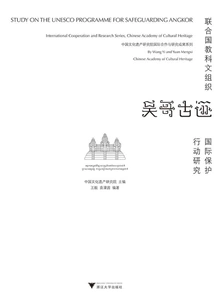
联合国教科文组织吴哥古迹国际保护行动研究
Wang Yi
This book collects and studies relevant documents and information on Angkor and Siem Reap Regional Protection and Administration (APSARA), the International Coordinating Committee for the Protection of Angkor Monuments (ICC), and various countries, including my country, participating in the international protection of Angkor. Conducting direct interviews basically clarified the history and current situation of the international protection of Angkor monuments, including the establishment process and main responsibilities of the APSARA Bureau, the operation mode of the ICC, and the main characteristics of countries participating in the international protection of Angkor. It aims to provide reference for the protection of domestic large-scale cultural heritage and for my country to participate in or host such international protection projects in the future.
This book collects and studies relevant documents and information on Angkor and Siem Reap Regional Protection and Administration (APSARA), the International Coordinating Committee for the Protection of Angkor Monuments (ICC), and various countries, including my country, participating in the international protection of Angkor. Conducting direct interviews basically clarified the history and current situation of the international protection of Angkor monuments, including the establishment process and main responsibilities of the APSARA Bureau, the operation mode of the ICC, and the main characteristics of countries participating in the international protection of Angkor. It aims to provide reference for the protection of domestic large-scale cultural heritage and for my country to participate in or host such international protection projects in the future.
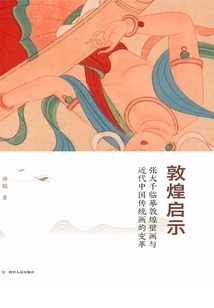
敦煌启示:张大千临摹敦煌壁画与近代中国传统画的变革
Tang Yi
This book is a key publishing project supported by the academic publishing of the School of Architecture and Design of Southwest Jiaotong University. This book takes Zhang Daqian's copying of Dunhuang murals as a research perspective, and analyzes Zhang Daqian's paintings from a unique perspective. By analyzing the evolution of Zhang Daqian's personal painting style, it explores the innovations of modern Chinese traditional painters in painting concepts, techniques, forms, etc. It is an artistic academic masterpiece with a unique research perspective.
This book is a key publishing project supported by the academic publishing of the School of Architecture and Design of Southwest Jiaotong University. This book takes Zhang Daqian's copying of Dunhuang murals as a research perspective, and analyzes Zhang Daqian's paintings from a unique perspective. By analyzing the evolution of Zhang Daqian's personal painting style, it explores the innovations of modern Chinese traditional painters in painting concepts, techniques, forms, etc. It is an artistic academic masterpiece with a unique research perspective.
考古与文化续编
Cao Bingwu
This book touches on various aspects such as the value of archaeological discoveries, theoretical methods, history, hot spots of archaeological concern, several frontiers of archeology in China and the world, and the popularization of archaeology. It also contains some reading experiences and interviews with several famous archaeologists through their work. This book hopes to build understanding and understanding of archaeological knowledge and archeology itself in a more relaxed reading.
This book touches on various aspects such as the value of archaeological discoveries, theoretical methods, history, hot spots of archaeological concern, several frontiers of archeology in China and the world, and the popularization of archaeology. It also contains some reading experiences and interviews with several famous archaeologists through their work. This book hopes to build understanding and understanding of archaeological knowledge and archeology itself in a more relaxed reading.
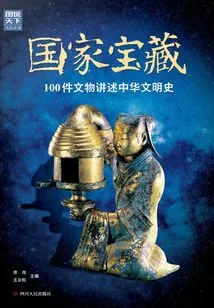
国家宝藏:100件文物讲述中华文明史
Tong Xun Wang Yunsong
Selected on the 100 Best Books List! Letting the national treasure speak is our purpose and the guiding light for us to edit and publish this book! Let the national treasure speak and tell the great history of Chinese culture, Chinese wisdom, national spirit, and civilization development! Let the national treasure speak, let the national treasure go out of the museum, enter the study room of every ordinary Chinese, and enter the heart of every Chinese. Let the national treasure speak, feel the history, look to the future, and let us be proud of the long-lasting Chinese civilization that has never been broken!
Selected on the 100 Best Books List! Letting the national treasure speak is our purpose and the guiding light for us to edit and publish this book! Let the national treasure speak and tell the great history of Chinese culture, Chinese wisdom, national spirit, and civilization development! Let the national treasure speak, let the national treasure go out of the museum, enter the study room of every ordinary Chinese, and enter the heart of every Chinese. Let the national treasure speak, feel the history, look to the future, and let us be proud of the long-lasting Chinese civilization that has never been broken!
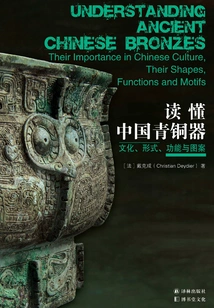
读懂中国青铜器:文化、形式、功能与图案
(french) Dai Kecheng
"Understanding Chinese Bronze Wares" is a review of Dai Kecheng's research on Chinese bronze wares. It can be seen in it a brief history of the development of Chinese bronzes, the author's research on the shape, function, pattern, the status of the evolution of bronzes in the history of Chinese culture, an overview of bronze pseudo-wares, etc. The book is full of pictures and texts, and most of the pictured artifacts are from overseas collections. Therefore, it can be used as an introductory textbook for the study and collection of Chinese bronzes, and readers can also appreciate the essence of Chinese bronzes collected overseas.
"Understanding Chinese Bronze Wares" is a review of Dai Kecheng's research on Chinese bronze wares. It can be seen in it a brief history of the development of Chinese bronzes, the author's research on the shape, function, pattern, the status of the evolution of bronzes in the history of Chinese culture, an overview of bronze pseudo-wares, etc. The book is full of pictures and texts, and most of the pictured artifacts are from overseas collections. Therefore, it can be used as an introductory textbook for the study and collection of Chinese bronzes, and readers can also appreciate the essence of Chinese bronzes collected overseas.
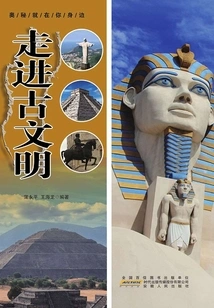
走进古文明(奥秘就在你身边)
Pu Yongping Wang Hailong
Mystery is the larger realm around us, always accompanying us like a shadow, and a prerequisite for us to understand and choose individual things. As long as you discover it, you will enter new time and space, allowing you to live in an infinite world of freedom.
Mystery is the larger realm around us, always accompanying us like a shadow, and a prerequisite for us to understand and choose individual things. As long as you discover it, you will enter new time and space, allowing you to live in an infinite world of freedom.
牛津通识读本:考古学的过去与未来(中文版)
(uk)paul Barn
"The Oxford General Reader: Archeology's Past and Future" is full of fun and reflects the enduring charm of archeology. Archeology is uniquely attractive as a pastime, a career, and a discipline. It encompasses the entire earth and explores 2.5 Million years of history. From deserts to jungles, from deep caves to peaks, from stone tools to satellite photos, from field excavations to abstract theory, archeology intersects with nearly every discipline in an attempt to reconstruct the past.
"The Oxford General Reader: Archeology's Past and Future" is full of fun and reflects the enduring charm of archeology. Archeology is uniquely attractive as a pastime, a career, and a discipline. It encompasses the entire earth and explores 2.5 Million years of history. From deserts to jungles, from deep caves to peaks, from stone tools to satellite photos, from field excavations to abstract theory, archeology intersects with nearly every discipline in an attempt to reconstruct the past.
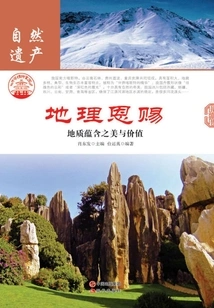
地理恩赐:地质蕴含之美与价值
Taiwan's Luck
This book mainly refers to the beauty and value contained in geology. Including the southern karst (Yunnan Stone Forest, Guizhou, Libo, Chongqing, Wulong, Zhaoqing, Qixing Rock, Guilin Landscape, Yangshuo Scenery, Xingyi Nihan Stone Forest, Xingyi Conical Karst Xiuwen Stone Forest, Poyang Hukou Stone, Zhongshan Yao Linxianjing Yixing Limestone Cave Assimilation Yayuan Cave Hanzhong Nanzheng Xiaonanhai Guanyin Cave) Chinese Danxia Assemblage (Jiangxi Longhu Mountain, Jiangxi Guifeng Fujian Taining, Hunan Shanshan, Guangdong Danxia Mountain , Jianglangshan in Zhejiang, Danxia landform in Chengde, Chishui, Guizhou) China's soil forests (Xichang Huangliangguan soil forest, Yunnan Yuanmou soil forest, Datong soil forest, Chuxiong soil forest, Zada soil forest, Yushe soil forest, Fengjiahui soil forest) China's wetlands (Poyang Lake Wetland, Zhalong Wetland, Xianghai Wetland, Dongzhaigang Wetland, Bird Island Wetland, Dongting Lake Wetland, Zoige Wetland, Pamir Plateau Wetland, Maipu Wetland) China's glaciers, tiankeng ground cracks, etc.
This book mainly refers to the beauty and value contained in geology. Including the southern karst (Yunnan Stone Forest, Guizhou, Libo, Chongqing, Wulong, Zhaoqing, Qixing Rock, Guilin Landscape, Yangshuo Scenery, Xingyi Nihan Stone Forest, Xingyi Conical Karst Xiuwen Stone Forest, Poyang Hukou Stone, Zhongshan Yao Linxianjing Yixing Limestone Cave Assimilation Yayuan Cave Hanzhong Nanzheng Xiaonanhai Guanyin Cave) Chinese Danxia Assemblage (Jiangxi Longhu Mountain, Jiangxi Guifeng Fujian Taining, Hunan Shanshan, Guangdong Danxia Mountain , Jianglangshan in Zhejiang, Danxia landform in Chengde, Chishui, Guizhou) China's soil forests (Xichang Huangliangguan soil forest, Yunnan Yuanmou soil forest, Datong soil forest, Chuxiong soil forest, Zada soil forest, Yushe soil forest, Fengjiahui soil forest) China's wetlands (Poyang Lake Wetland, Zhalong Wetland, Xianghai Wetland, Dongzhaigang Wetland, Bird Island Wetland, Dongting Lake Wetland, Zoige Wetland, Pamir Plateau Wetland, Maipu Wetland) China's glaciers, tiankeng ground cracks, etc.
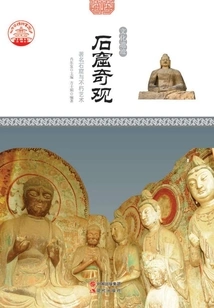
石窟奇观:著名石窟与不朽艺术
Fang Shijuan
This book is divided into four parts: the Buddhist Gallery - Dunhuang Mogao Grottoes, the Stone Carving Treasure House - Longmen Grottoes, the Great Grottoes - Yungang Grottoes, and the Oriental Sculpture Hall - Maijishan Grottoes.
This book is divided into four parts: the Buddhist Gallery - Dunhuang Mogao Grottoes, the Stone Carving Treasure House - Longmen Grottoes, the Great Grottoes - Yungang Grottoes, and the Oriental Sculpture Hall - Maijishan Grottoes.
北方地区汉墓的考古学研究
Jiang Lu
The Great Wall of Inner Mongolia in northern China is located on the southern edge of the Mongolian Plateau, in the middle zone between mainland China and the Eurasian steppe. Since ancient times, it has been the intersection of the northern steppe civilization and the agricultural civilization of the Central Plains. It is also an area of great concern to history and archaeology in China and even the world. During the Han Dynasty, with the strengthening of centralization, this area was included in the ruling area of the Central Plains dynasty, and eventually the Han culture of the northern region with certain local characteristics was formed. Therefore, this area is also of great significance for studying the formation of Han culture and the relationship between remote areas and Central Plains culture, and explaining the pluralistic unification of Chinese culture and the formation process of the Chinese national community. This result selects Han Dynasty tombs in the northern border areas of China as the research object. Based on the phased and zoning study of Han Dynasty tombs in the vast area along the northern Great Wall during the Han Dynasty, it summarizes and summarizes the regional characteristics, cultural factor composition, comparison with surrounding areas, and the overall development characteristics of Han tombs in the northern region. By sorting out relevant literature during the Han Dynasty, it interprets the reasons for the staged development of Han tombs in the northern region, as well as the composition of the Han Dynasty residents in the northern region. The topic selection is very meaningful and has important academic value.
The Great Wall of Inner Mongolia in northern China is located on the southern edge of the Mongolian Plateau, in the middle zone between mainland China and the Eurasian steppe. Since ancient times, it has been the intersection of the northern steppe civilization and the agricultural civilization of the Central Plains. It is also an area of great concern to history and archaeology in China and even the world. During the Han Dynasty, with the strengthening of centralization, this area was included in the ruling area of the Central Plains dynasty, and eventually the Han culture of the northern region with certain local characteristics was formed. Therefore, this area is also of great significance for studying the formation of Han culture and the relationship between remote areas and Central Plains culture, and explaining the pluralistic unification of Chinese culture and the formation process of the Chinese national community. This result selects Han Dynasty tombs in the northern border areas of China as the research object. Based on the phased and zoning study of Han Dynasty tombs in the vast area along the northern Great Wall during the Han Dynasty, it summarizes and summarizes the regional characteristics, cultural factor composition, comparison with surrounding areas, and the overall development characteristics of Han tombs in the northern region. By sorting out relevant literature during the Han Dynasty, it interprets the reasons for the staged development of Han tombs in the northern region, as well as the composition of the Han Dynasty residents in the northern region. The topic selection is very meaningful and has important academic value.
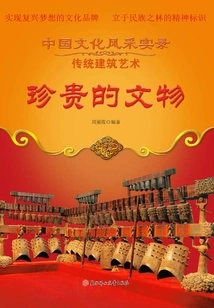
Precious Cultural Relics
History珍贵的文物
Zhou Lixia
Chinese culture is extensive and profound. It is the sum of the material civilization and spiritual civilization created and inherited by the Chinese people of all ethnic groups over more than 5,000 years. Its content is all-encompassing and vast, with a strong sense of cultural depth and rich treasures. Inheriting and carrying forward excellent national cultural traditions and protecting national cultural heritage have attracted attention from all walks of life. This is not only of far-reaching significance to the great cause of the rejuvenation of the Chinese nation, but also an important contribution to the protection of human cultural diversity. This set of works displays a panoramic view, vertically and horizontally, tells stories, has popular language, pictures and texts, intuitive images, ancient elegance, and warm style. It has strong readability, appreciation and knowledge. It can allow readers to fully touch and feel the connotation and charm of Chinese culture, and enhance the national Self-esteem and cultural pride, and the ability to well inherit and carry forward Chinese culture, create an advanced national culture with Chinese characteristics in the future, and lead the Chinese nation towards a great rejuvenation. On the stage of the future world, in the gorgeous dreamland of Chinese rejuvenation, it will show its unique charm of flying dragons and phoenixes.
Chinese culture is extensive and profound. It is the sum of the material civilization and spiritual civilization created and inherited by the Chinese people of all ethnic groups over more than 5,000 years. Its content is all-encompassing and vast, with a strong sense of cultural depth and rich treasures. Inheriting and carrying forward excellent national cultural traditions and protecting national cultural heritage have attracted attention from all walks of life. This is not only of far-reaching significance to the great cause of the rejuvenation of the Chinese nation, but also an important contribution to the protection of human cultural diversity. This set of works displays a panoramic view, vertically and horizontally, tells stories, has popular language, pictures and texts, intuitive images, ancient elegance, and warm style. It has strong readability, appreciation and knowledge. It can allow readers to fully touch and feel the connotation and charm of Chinese culture, and enhance the national Self-esteem and cultural pride, and the ability to well inherit and carry forward Chinese culture, create an advanced national culture with Chinese characteristics in the future, and lead the Chinese nation towards a great rejuvenation. On the stage of the future world, in the gorgeous dreamland of Chinese rejuvenation, it will show its unique charm of flying dragons and phoenixes.
博物馆藏品数字化管理十讲
Chen Hongjing
The content of this book covers the basic content of digital management of museum collections, from theory to practice, from abstract to concrete, and provides a comprehensive explanation of the relevant theories, methods and methods of digital management of museum collections. It is hoped that graduate students with a master's degree in cultural relics and museums and practitioners in the cultural and museum systems will understand and master the theories and methods of digital collection management, so that they can be used for reference in future practice. This book can also be used as a textbook for archeology, cultural relics and museum studies, and other related majors.
The content of this book covers the basic content of digital management of museum collections, from theory to practice, from abstract to concrete, and provides a comprehensive explanation of the relevant theories, methods and methods of digital management of museum collections. It is hoped that graduate students with a master's degree in cultural relics and museums and practitioners in the cultural and museum systems will understand and master the theories and methods of digital collection management, so that they can be used for reference in future practice. This book can also be used as a textbook for archeology, cultural relics and museum studies, and other related majors.
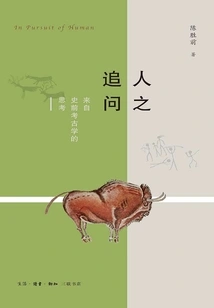
人之追问:来自史前考古学的思考
Chen Shengqian
This book analyzes some basic and common questions in prehistoric archeology, and observes and answers the origins of people and human civilization from an archaeological perspective. The relationship between man and nature, the code of evolution, the hunting and gathering behavior of prehistoric humans, the origin of agriculture, the origin of human social behavior, the motivations behind the birth of civilization, etc. Are all discussed in detail. From a global perspective, the origin of human beings, the origin of agriculture, the origin of civilization, and the lifestyle of hunter-gatherers are all issues of great concern. When exploring these issues, the author incorporates his years of study, teaching, and research experience into them, and combines them with local archaeological materials in China. The text is easy to read, and the content is novel and interesting. This project of the author has been funded by the Humanities and Social Sciences Project and can provide a certain amount of funding.
This book analyzes some basic and common questions in prehistoric archeology, and observes and answers the origins of people and human civilization from an archaeological perspective. The relationship between man and nature, the code of evolution, the hunting and gathering behavior of prehistoric humans, the origin of agriculture, the origin of human social behavior, the motivations behind the birth of civilization, etc. Are all discussed in detail. From a global perspective, the origin of human beings, the origin of agriculture, the origin of civilization, and the lifestyle of hunter-gatherers are all issues of great concern. When exploring these issues, the author incorporates his years of study, teaching, and research experience into them, and combines them with local archaeological materials in China. The text is easy to read, and the content is novel and interesting. This project of the author has been funded by the Humanities and Social Sciences Project and can provide a certain amount of funding.
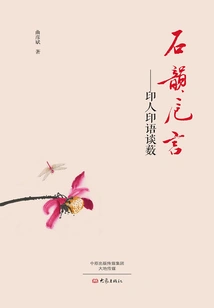
石韵卮言:印人印语谈薮
Qu Yanbin
This book is an article on epigraphy that the famous scholar and calligrapher Qu Yanbin has studied in the past ten years. Most of the seal cutting works discussed in the article are book seals collected by literati and scholars, or leisurely seals related to books and learning. The book is divided into four parts: a collection of Fang Cun's proverbs and a collection of stories told by writers, a collection of books and inscriptions, and a collection of seals and seals. Although there are only a few sentences in each book seal, it covers profound cultural connotations. The author quotes a lot of circumstantial evidence and makes extensive discussions, providing people with a lot of common sense about cultural history. This book is of certain help to epigraphy lovers and cultural history lovers.
This book is an article on epigraphy that the famous scholar and calligrapher Qu Yanbin has studied in the past ten years. Most of the seal cutting works discussed in the article are book seals collected by literati and scholars, or leisurely seals related to books and learning. The book is divided into four parts: a collection of Fang Cun's proverbs and a collection of stories told by writers, a collection of books and inscriptions, and a collection of seals and seals. Although there are only a few sentences in each book seal, it covers profound cultural connotations. The author quotes a lot of circumstantial evidence and makes extensive discussions, providing people with a lot of common sense about cultural history. This book is of certain help to epigraphy lovers and cultural history lovers.
江西大型历史遗存保护研究
Liu Changbing
This manuscript is an academic work that discusses the protection planning and protection technology of large-scale historical relics such as the Jingdezhen Royal Kiln Factory Site, a national key cultural relic protection unit in Jiangxi Province, Tan Lun Tomb in Yihuang County, and the Xianshui Cliff Tombs in Longhu Mountain. It has a total of about 300,000 words and 100 pictures. The main content of the manuscript has five levels. The first is an overview and important value assessment of the archaeological site of Yuyaochang, Tan Lun's Tomb, and the Xianshuiyan Cliff Tombs. The second is the investigation, analysis and research on the current situation of the archaeological site of Yuyaochang, Tan Lun's Tomb, and the Xianshuiyan Cliff Tombs. The third is the archaeological site of Yuyaochang, Tan Lun's Tomb, and the Xianshuiyan Cliff Tombs. Assessment of disease problems at the Lun Tomb and Xianshuiyan Cliff Tombs. The fourth is the ideas and countermeasures to solve the disease problems at the Yuyaochang archaeological site, Tan Lun Tomb, and the Xianshuiyan Cliff Tombs. The fifth is the specific protection measures or protection technical methods to solve the disease problems at the Yuyaochang archaeological site, Tan Lun Tomb, and the Xianshuiyan Cliff Tombs. Among them, the last three levels are the focus. The research on the protection planning of the Yuyaochang archaeological site and the Xianshuiyan cliff tomb group focuses on comprehensive solutions to the overall disease problem. The research on the investigation and protection of Tan Lun's tomb highlights the key details and more detailed solutions to various aspects of the disease problem.
This manuscript is an academic work that discusses the protection planning and protection technology of large-scale historical relics such as the Jingdezhen Royal Kiln Factory Site, a national key cultural relic protection unit in Jiangxi Province, Tan Lun Tomb in Yihuang County, and the Xianshui Cliff Tombs in Longhu Mountain. It has a total of about 300,000 words and 100 pictures. The main content of the manuscript has five levels. The first is an overview and important value assessment of the archaeological site of Yuyaochang, Tan Lun's Tomb, and the Xianshuiyan Cliff Tombs. The second is the investigation, analysis and research on the current situation of the archaeological site of Yuyaochang, Tan Lun's Tomb, and the Xianshuiyan Cliff Tombs. The third is the archaeological site of Yuyaochang, Tan Lun's Tomb, and the Xianshuiyan Cliff Tombs. Assessment of disease problems at the Lun Tomb and Xianshuiyan Cliff Tombs. The fourth is the ideas and countermeasures to solve the disease problems at the Yuyaochang archaeological site, Tan Lun Tomb, and the Xianshuiyan Cliff Tombs. The fifth is the specific protection measures or protection technical methods to solve the disease problems at the Yuyaochang archaeological site, Tan Lun Tomb, and the Xianshuiyan Cliff Tombs. Among them, the last three levels are the focus. The research on the protection planning of the Yuyaochang archaeological site and the Xianshuiyan cliff tomb group focuses on comprehensive solutions to the overall disease problem. The research on the investigation and protection of Tan Lun's tomb highlights the key details and more detailed solutions to various aspects of the disease problem.
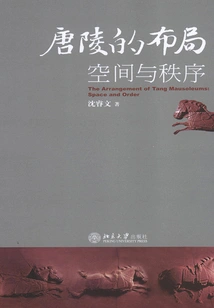
唐陵的布局:空间与秩序
Shen Ruiwen
"The Layout of the Tang Tombs: Space and Order" uses rich historical materials and detailed research to explore the system of the Tang Tombs from the layout of the Tang Tombs, and successfully connects the space of the Tang Tombs layout with the ruling order of the empire. It is believed that its core spirit is to "consider the rules of the Han and Wei dynasties"; the layout and changes of the Tang tombs contain the politics and etiquette of the empire; and the unity of the continuity and diversity of the imperial tomb system from the Han, Wei, Zhao and Song embodies the common political ethics and is the product of the influence of the common historical and cultural spirit of traditional society. "The Layout of the Tang Tombs: Space and Order" uniquely uses the background of political history and institutional history to conduct archaeological research in a dynamic process, thereby greatly expanding the depth and breadth of the research.
"The Layout of the Tang Tombs: Space and Order" uses rich historical materials and detailed research to explore the system of the Tang Tombs from the layout of the Tang Tombs, and successfully connects the space of the Tang Tombs layout with the ruling order of the empire. It is believed that its core spirit is to "consider the rules of the Han and Wei dynasties"; the layout and changes of the Tang tombs contain the politics and etiquette of the empire; and the unity of the continuity and diversity of the imperial tomb system from the Han, Wei, Zhao and Song embodies the common political ethics and is the product of the influence of the common historical and cultural spirit of traditional society. "The Layout of the Tang Tombs: Space and Order" uniquely uses the background of political history and institutional history to conduct archaeological research in a dynamic process, thereby greatly expanding the depth and breadth of the research.
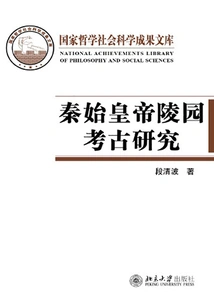
秦始皇帝陵园考古研究
Duan Qingbo
"Archaeological Research on the Mausoleum of the First Emperor of Qin" In ancient Chinese history, as a great statesman, there is probably no one more worthy of him. In "Historical Records: The Chronicles of Qin Shihuang", Sima Yu recorded the magnificent life of Qin Shihuang in extremely concise and highly summarized words. However, due to Qin Shihuang's "emergency policies", the first multi-ethnic unified centralized empire in ancient Chinese history quickly collapsed. For more than two thousand years since the Han Dynasty, Qin Shihuang has been portrayed as a symbol of "tyrant" by most politicians and historians in the past. The construction of the Mausoleum of Qin Shihuang, the construction of Afang Palace, the construction of the "Great Wall", the opening of "straight roads" and "chi roads", and "burning books and entrapping Confucianism" have become the concentrated expression of Qin Shihuang's "violent" politics. I think the importance and historical significance of the "Great Wall" and its related "straight roads" and "chidao" projects to a unified multi-ethnic country like China is self-evident! As for "burning books and entrapping Confucians", there are now different opinions in academic circles. In order to move the capital from "Weibei" to "Weinan", the "Afang Palace Front Hall" built by Qin Shihuang in his later years has been found to be an unfinished project by field archaeological work on the Qin Afang Palace Front Hall site in recent years. The Tang Dynasty writer Du Mu's "A Fang Palace Ode" said that "A Fang comes out, Shushan Wu", Qin's Afang Palace "covers more than three hundred miles", etc. Are undoubtedly "a metaphor for the present". Among the many "projects" of Qin Shi Huang mentioned above, the Mausoleum of Qin Shi Huang has been the one with the most extensive archaeological work. The Mausoleum of Qin Shihuang is world-renowned for being one of the "four major mausoleums" in the world (Pyramid of Khufu in Egypt, Mausoleum of Qin Shihuang, Qianling Mausoleum of Emperor Gaozong and Wu Zetian of Tang Dynasty, and Emperor Nintoku's Mausoleum in Japan). The archaeological discovery of Qin Shi Huang's Mausoleum and its Terracotta Warriors and Horses has become one of the most important archaeological discoveries in China and even the world in the second half of the 20th century. Among them, the archaeological discovery and research on Qin Shi Huang's Mausoleum undoubtedly occupies an extremely important academic position in the archaeological research on Qin Shi Huang's Mausoleum. The archaeological discoveries and research on Qin Shi Huang's Mausoleum have been the most fruitful, especially in recent years. Professor Duan Qingbo's "Archaeological Research on Qin Shi Huang's Mausoleum" is an important work on the archaeological discoveries of Qin Shi Huang's Mausoleum in recent years.
"Archaeological Research on the Mausoleum of the First Emperor of Qin" In ancient Chinese history, as a great statesman, there is probably no one more worthy of him. In "Historical Records: The Chronicles of Qin Shihuang", Sima Yu recorded the magnificent life of Qin Shihuang in extremely concise and highly summarized words. However, due to Qin Shihuang's "emergency policies", the first multi-ethnic unified centralized empire in ancient Chinese history quickly collapsed. For more than two thousand years since the Han Dynasty, Qin Shihuang has been portrayed as a symbol of "tyrant" by most politicians and historians in the past. The construction of the Mausoleum of Qin Shihuang, the construction of Afang Palace, the construction of the "Great Wall", the opening of "straight roads" and "chi roads", and "burning books and entrapping Confucianism" have become the concentrated expression of Qin Shihuang's "violent" politics. I think the importance and historical significance of the "Great Wall" and its related "straight roads" and "chidao" projects to a unified multi-ethnic country like China is self-evident! As for "burning books and entrapping Confucians", there are now different opinions in academic circles. In order to move the capital from "Weibei" to "Weinan", the "Afang Palace Front Hall" built by Qin Shihuang in his later years has been found to be an unfinished project by field archaeological work on the Qin Afang Palace Front Hall site in recent years. The Tang Dynasty writer Du Mu's "A Fang Palace Ode" said that "A Fang comes out, Shushan Wu", Qin's Afang Palace "covers more than three hundred miles", etc. Are undoubtedly "a metaphor for the present". Among the many "projects" of Qin Shi Huang mentioned above, the Mausoleum of Qin Shi Huang has been the one with the most extensive archaeological work. The Mausoleum of Qin Shihuang is world-renowned for being one of the "four major mausoleums" in the world (Pyramid of Khufu in Egypt, Mausoleum of Qin Shihuang, Qianling Mausoleum of Emperor Gaozong and Wu Zetian of Tang Dynasty, and Emperor Nintoku's Mausoleum in Japan). The archaeological discovery of Qin Shi Huang's Mausoleum and its Terracotta Warriors and Horses has become one of the most important archaeological discoveries in China and even the world in the second half of the 20th century. Among them, the archaeological discovery and research on Qin Shi Huang's Mausoleum undoubtedly occupies an extremely important academic position in the archaeological research on Qin Shi Huang's Mausoleum. The archaeological discoveries and research on Qin Shi Huang's Mausoleum have been the most fruitful, especially in recent years. Professor Duan Qingbo's "Archaeological Research on Qin Shi Huang's Mausoleum" is an important work on the archaeological discoveries of Qin Shi Huang's Mausoleum in recent years.
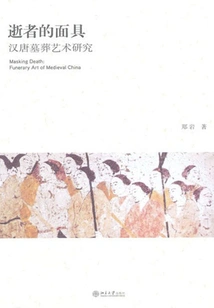
逝者的面具:汉唐墓葬艺术研究
Zheng Yan
This book is a high-level art history research monograph. It takes the very important art history materials tomb images of the Han and Tang Dynasties as the research object, draws on archaeological research methods, and conducts detailed and in-depth research from the perspective of art history. It is very beneficial for us to further understand the art of the Han and Tang Dynasties and promote the development of research on the art history of the Han and Tang Dynasties.
This book is a high-level art history research monograph. It takes the very important art history materials tomb images of the Han and Tang Dynasties as the research object, draws on archaeological research methods, and conducts detailed and in-depth research from the perspective of art history. It is very beneficial for us to further understand the art of the Han and Tang Dynasties and promote the development of research on the art history of the Han and Tang Dynasties.
酒起源的考古新探
Wang Kelin
Wine, a liquid beverage, has been loved by people of all ethnic groups in the world since its invention in prehistoric times. It has become popular in the world and has been favored in the history of human society. In China, throughout the ages, people have regarded it as a jade liquid that worships heaven and earth, worships gods and beguiles ghosts, and is a good medicine for curing diseases. It is also regarded as a fusion agent for maintaining friendship, unity and kindness among countries, nations and people, and it has the effect of cultivating the mind and cultivating morality. However, in the past, very few people studied its origin, both in the world and in Chinese academic circles. The author has made some gains in archaeological research on this topic, so he made a new exploration into the origin of wine, hoping to help the public understand the origin of wine.
Wine, a liquid beverage, has been loved by people of all ethnic groups in the world since its invention in prehistoric times. It has become popular in the world and has been favored in the history of human society. In China, throughout the ages, people have regarded it as a jade liquid that worships heaven and earth, worships gods and beguiles ghosts, and is a good medicine for curing diseases. It is also regarded as a fusion agent for maintaining friendship, unity and kindness among countries, nations and people, and it has the effect of cultivating the mind and cultivating morality. However, in the past, very few people studied its origin, both in the world and in Chinese academic circles. The author has made some gains in archaeological research on this topic, so he made a new exploration into the origin of wine, hoping to help the public understand the origin of wine.
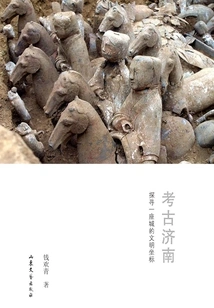
探寻一座城的文明坐标:考古济南
Tie Huanqing
Architect Ieoh Ming Pei once said: "We are just tourists on the earth, coming and going in a hurry, but cities will exist forever." And a city that wants to exist forever will be unimaginable if it does not have its own history and does not have its own soul. "Exploring the Civilization Coordinates of a City: Archaeological Jinan" explores more than 40 archaeological sites, interviews dozens of archaeological experts, and continues to write the glorious history of "underground Jinan" for more than 8,000 years. It is the first work to comprehensively review the archeology of Jinan. Dr. Cui Dayong, a well-known archaeological expert, serves as an academic consultant and writes a preface.
Architect Ieoh Ming Pei once said: "We are just tourists on the earth, coming and going in a hurry, but cities will exist forever." And a city that wants to exist forever will be unimaginable if it does not have its own history and does not have its own soul. "Exploring the Civilization Coordinates of a City: Archaeological Jinan" explores more than 40 archaeological sites, interviews dozens of archaeological experts, and continues to write the glorious history of "underground Jinan" for more than 8,000 years. It is the first work to comprehensively review the archeology of Jinan. Dr. Cui Dayong, a well-known archaeological expert, serves as an academic consultant and writes a preface.
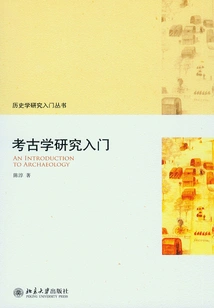
考古学研究入门
Chen Chun
Chen Chun, born in 1948, is a professor in the Department of Literature and Museum of Fudan University. PhD from Mcgill University in Canada, and former researcher at the Institute of Archeology in Toronto, Canada. Courses such as "General Introduction to Archeology" and "History of Archaeological Thought" are offered.
Chen Chun, born in 1948, is a professor in the Department of Literature and Museum of Fudan University. PhD from Mcgill University in Canada, and former researcher at the Institute of Archeology in Toronto, Canada. Courses such as "General Introduction to Archeology" and "History of Archaeological Thought" are offered.
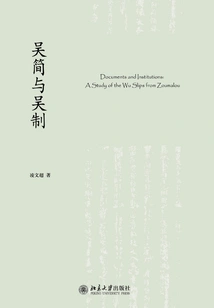
Wu Jian and Wu System
History吴简与吴制
Ling Wenchao
Changsha Zoumalou Three Kingdoms Wu Bamboo Slips are important historical materials discovered in recent years about the political, economic and social life of the Sun Wu period in the Three Kingdoms. Its main content is some administrative books of the Linxiang Marquis during the Jiahe period of Sun Wu. Most of the affairs involved were important affairs of the Linxiang State, which not only truly reflected the characteristics of the daily administration of Linxiang County Court, but also faithfully recorded the affairs that the Linxiang State focused on at that time and even related to the overall situation of Sun Wu. The interpretation and utilization of these Wu bamboo slips has become one of the hot topics in the field of historical research in recent years. This book is an attempt to use these Wu bamboo slips to interpret the Sun-Wu system and even its relationship with the Han and Jin systems. The book has a clear structure, in-depth analysis, and rigorous discussion. It is an excellent academic work.
Changsha Zoumalou Three Kingdoms Wu Bamboo Slips are important historical materials discovered in recent years about the political, economic and social life of the Sun Wu period in the Three Kingdoms. Its main content is some administrative books of the Linxiang Marquis during the Jiahe period of Sun Wu. Most of the affairs involved were important affairs of the Linxiang State, which not only truly reflected the characteristics of the daily administration of Linxiang County Court, but also faithfully recorded the affairs that the Linxiang State focused on at that time and even related to the overall situation of Sun Wu. The interpretation and utilization of these Wu bamboo slips has become one of the hot topics in the field of historical research in recent years. This book is an attempt to use these Wu bamboo slips to interpret the Sun-Wu system and even its relationship with the Han and Jin systems. The book has a clear structure, in-depth analysis, and rigorous discussion. It is an excellent academic work.
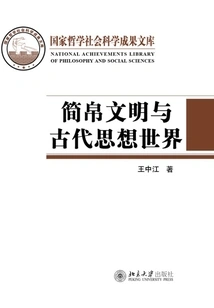
简帛文明与古代思想世界
Wang Zhongjiang
In a certain sense, the newly unearthed bamboo slips and silk documents can be said to be a rare reconstruction of the history of philosophy and thought of Zhou and Qin. This book systematically discusses the important changes that newly unearthed bamboo and silk documents have brought to ancient Chinese philosophy and thought: The first is the new knowledge of the cosmogenesis model. The second is the new knowledge of the Confucian classics and the birth of civilization guided by the classics. The third is new knowledge about the ideological genealogy of Confucianism and Confucian theory of mind. The fourth is new knowledge about the religious beliefs and divine will theory of the Eastern Zhou Dynasty. The fifth is Huang Lao's new knowledge of public rationality and Qin's Confucian political ethics.
In a certain sense, the newly unearthed bamboo slips and silk documents can be said to be a rare reconstruction of the history of philosophy and thought of Zhou and Qin. This book systematically discusses the important changes that newly unearthed bamboo and silk documents have brought to ancient Chinese philosophy and thought: The first is the new knowledge of the cosmogenesis model. The second is the new knowledge of the Confucian classics and the birth of civilization guided by the classics. The third is new knowledge about the ideological genealogy of Confucianism and Confucian theory of mind. The fourth is new knowledge about the religious beliefs and divine will theory of the Eastern Zhou Dynasty. The fifth is Huang Lao's new knowledge of public rationality and Qin's Confucian political ethics.
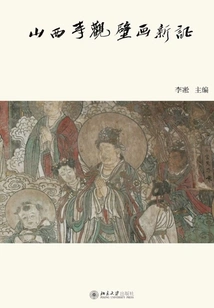
山西寺观壁画新证
Li Song
The number of existing ancient temple buildings and murals in Shanxi ranks first among all provinces in my country, among which the murals of the Yuan and Ming dynasties are of the highest quality. This book is a specific study of the murals in several Yuan, Ming and Qing temples in Shanxi based on field research, case studies of some outstanding murals, and an in-depth analysis of the theme connotation, artistic connotation, and social background of each mural. It not only rethinks old issues, but also discovers and in-depth thinking about some new materials. It has great reference value and fills gaps for us to re-understand Shanxi murals, expand the history of ancient Chinese murals, and study Chinese religious art.
The number of existing ancient temple buildings and murals in Shanxi ranks first among all provinces in my country, among which the murals of the Yuan and Ming dynasties are of the highest quality. This book is a specific study of the murals in several Yuan, Ming and Qing temples in Shanxi based on field research, case studies of some outstanding murals, and an in-depth analysis of the theme connotation, artistic connotation, and social background of each mural. It not only rethinks old issues, but also discovers and in-depth thinking about some new materials. It has great reference value and fills gaps for us to re-understand Shanxi murals, expand the history of ancient Chinese murals, and study Chinese religious art.
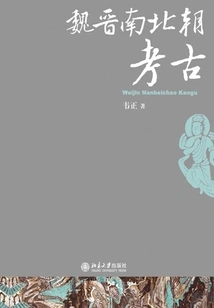
魏晋南北朝考古
Wei Zheng
This book is the most comprehensive and systematic archaeological treatise on the Wei, Jin, Southern and Northern Dynasties to date. It comprehensively summarizes and analyzes the archeology of the Wei, Jin, Southern and Northern Dynasties from five aspects: city sites, tombs, handicrafts, religion, and cultural exchanges between China and foreign countries. It explores the development and evolution rules of various archaeological remains, reveals the relationship between archaeological phenomena and historical backgrounds, depicts the collision and integration of the traditional Han and Jin civilizations, the Hu civilization, and foreign civilizations, and demonstrates the specific process of the Qin and Han civilizations evolving into the Tang civilization through the Wei, Jin, Southern and Northern Dynasties in an archaeological way.
This book is the most comprehensive and systematic archaeological treatise on the Wei, Jin, Southern and Northern Dynasties to date. It comprehensively summarizes and analyzes the archeology of the Wei, Jin, Southern and Northern Dynasties from five aspects: city sites, tombs, handicrafts, religion, and cultural exchanges between China and foreign countries. It explores the development and evolution rules of various archaeological remains, reveals the relationship between archaeological phenomena and historical backgrounds, depicts the collision and integration of the traditional Han and Jin civilizations, the Hu civilization, and foreign civilizations, and demonstrates the specific process of the Qin and Han civilizations evolving into the Tang civilization through the Wei, Jin, Southern and Northern Dynasties in an archaeological way.
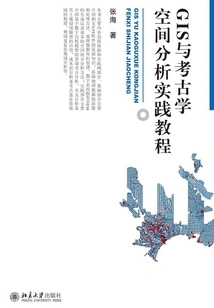
GIS与考古学空间分析实践教程
Zhang Hai
This book is a companion volume to the book "GIS and Archaeological Spatial Analysis" published by our company. It focuses on the application of GIS technology in archaeological research and teaching from a practical perspective. Including GIS landscape analysis, GIS hydrological analysis and soil erosion model, GIS cost surface analysis and archaeological spatial movement research, GIS viewshed analysis and landscape visibility, GIS network analysis, expansion and application of GIS technology, etc. This book is a companion volume to the book "GIS and Archaeological Spatial Analysis" published by our company. It focuses on the application of GIS technology in archaeological research and teaching from a practical perspective. Including GIS landscape analysis, GIS hydrological analysis and soil erosion model, GIS cost surface analysis and archaeological spatial movement research, GIS viewshed analysis and landscape visibility, GIS network analysis, expansion and application of GIS technology, etc.
This book is a companion volume to the book "GIS and Archaeological Spatial Analysis" published by our company. It focuses on the application of GIS technology in archaeological research and teaching from a practical perspective. Including GIS landscape analysis, GIS hydrological analysis and soil erosion model, GIS cost surface analysis and archaeological spatial movement research, GIS viewshed analysis and landscape visibility, GIS network analysis, expansion and application of GIS technology, etc. This book is a companion volume to the book "GIS and Archaeological Spatial Analysis" published by our company. It focuses on the application of GIS technology in archaeological research and teaching from a practical perspective. Including GIS landscape analysis, GIS hydrological analysis and soil erosion model, GIS cost surface analysis and archaeological spatial movement research, GIS viewshed analysis and landscape visibility, GIS network analysis, expansion and application of GIS technology, etc.
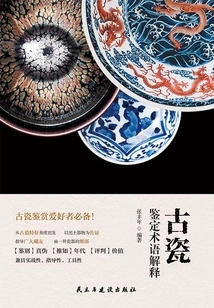
古瓷鉴定术语解释
Zhang Fengnian
The book is divided into four parts, including explanations of ancient porcelain identification terms, observations on ancient porcelain appreciation, five physical explanations, and some characteristic pictures of ancient porcelain. Among them, the first part lists a total of 226 characteristics of ancient porcelain, and annotates the ancient porcelain identification terms one by one, so that readers can not only appreciate the overall style of Chinese ancient porcelain art, but also understand the porcelain making technology and artistic characteristics of each historical period, and master the knowledge of defects, counterfeiting, imitation and identification of porcelain in each period. For antique lovers, this is a very practical book.
The book is divided into four parts, including explanations of ancient porcelain identification terms, observations on ancient porcelain appreciation, five physical explanations, and some characteristic pictures of ancient porcelain. Among them, the first part lists a total of 226 characteristics of ancient porcelain, and annotates the ancient porcelain identification terms one by one, so that readers can not only appreciate the overall style of Chinese ancient porcelain art, but also understand the porcelain making technology and artistic characteristics of each historical period, and master the knowledge of defects, counterfeiting, imitation and identification of porcelain in each period. For antique lovers, this is a very practical book.
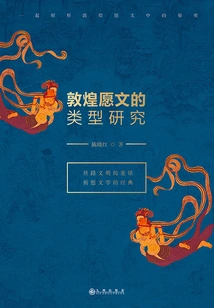
敦煌愿文的类型研究
Chen Xiaohong
Among the Dunhuang posthumous works, in addition to handed down literary works and literary works of singing and singing, such as Bian Wen, Lectures on Sutras, etc., The most literary and practical text is undoubtedly the Wan Wen. About 95% of these vows are about Buddhism, and most of them are vows by Buddhists and non-Buddhists praying for protection from Buddhas and Bodhisattvas. Most Buddhist vows, whether by lay people or Buddhists, are characterized by sincerity and sincerity, so their use of language is often highly literary. This book will start by clarifying the types of Buddhist vows in the Dunhuang posthumous texts, combined with the social and historical background of the Buddhist vows, make a more detailed analysis of the literary and artistic color of the Dunhuang Buddhist vows, explore its literary factors, and put forward some opinions on its status in literary history.
Among the Dunhuang posthumous works, in addition to handed down literary works and literary works of singing and singing, such as Bian Wen, Lectures on Sutras, etc., The most literary and practical text is undoubtedly the Wan Wen. About 95% of these vows are about Buddhism, and most of them are vows by Buddhists and non-Buddhists praying for protection from Buddhas and Bodhisattvas. Most Buddhist vows, whether by lay people or Buddhists, are characterized by sincerity and sincerity, so their use of language is often highly literary. This book will start by clarifying the types of Buddhist vows in the Dunhuang posthumous texts, combined with the social and historical background of the Buddhist vows, make a more detailed analysis of the literary and artistic color of the Dunhuang Buddhist vows, explore its literary factors, and put forward some opinions on its status in literary history.
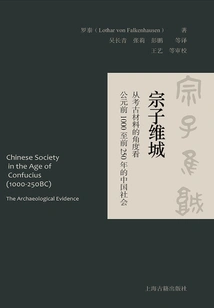
宗子维城:从考古材料的角度看公元前1000至前250年的中国社会
Lotai
This book uses a historical analysis method to look at the archaeological materials of the Chinese Bronze Age. It has novel perspectives, unique perspectives, and powerful arguments. It is refreshing after reading. It can be said to be a model work for research on the Chinese Bronze Age in recent years. This book focuses on how to use the ever-changing archaeological data as evidence to elucidate the important historical proposition of the social structure and social change process of China's Late Bronze Age from the perspective of social anthropology.
This book uses a historical analysis method to look at the archaeological materials of the Chinese Bronze Age. It has novel perspectives, unique perspectives, and powerful arguments. It is refreshing after reading. It can be said to be a model work for research on the Chinese Bronze Age in recent years. This book focuses on how to use the ever-changing archaeological data as evidence to elucidate the important historical proposition of the social structure and social change process of China's Late Bronze Age from the perspective of social anthropology.
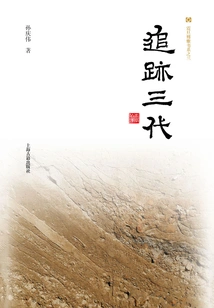
Tracing Three Generations
History追迹三代
Sun Qingwei
This book consists of ten articles, starting with Gu Jiegang's "Ancient History Analysis", which provides a detailed analysis of the major issues and representative scholars in the development of Xia, Shang and Zhou archeology. At the same time, the author adheres to the principle of objectivity and "states without commenting and ends with the point" and does not comment on the merits and demerits of each view.
This book consists of ten articles, starting with Gu Jiegang's "Ancient History Analysis", which provides a detailed analysis of the major issues and representative scholars in the development of Xia, Shang and Zhou archeology. At the same time, the author adheres to the principle of objectivity and "states without commenting and ends with the point" and does not comment on the merits and demerits of each view.
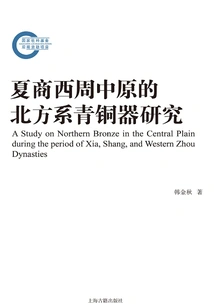
夏商西周中原的北方系青铜器研究
Han Jinqiu
The Xia, Shang and Western Zhou dynasties were important historical periods for the formation and development of Chinese civilization. The Central Plains lived in the "world" and were the main body of Chinese civilization. However, the "barbarian, Rongdi" cultures located in the four directions not only influenced, participated in and even integrated into the process of the formation of Chinese civilization. Among the "four directions" culture of the Central Plains, northern culture has had a profound and far-reaching influence on the Central Plains civilization. "Research on Northern Bronze Ware in the Central Plains of Xia, Shang and Western Zhou Dynasties" edited by Han Jinqiu takes the northern bronze wares of the Central Plains as the starting point, and reproduces the historical picture of the impact of northern bronze wares on the Central Plains through archaeological research.
The Xia, Shang and Western Zhou dynasties were important historical periods for the formation and development of Chinese civilization. The Central Plains lived in the "world" and were the main body of Chinese civilization. However, the "barbarian, Rongdi" cultures located in the four directions not only influenced, participated in and even integrated into the process of the formation of Chinese civilization. Among the "four directions" culture of the Central Plains, northern culture has had a profound and far-reaching influence on the Central Plains civilization. "Research on Northern Bronze Ware in the Central Plains of Xia, Shang and Western Zhou Dynasties" edited by Han Jinqiu takes the northern bronze wares of the Central Plains as the starting point, and reproduces the historical picture of the impact of northern bronze wares on the Central Plains through archaeological research.
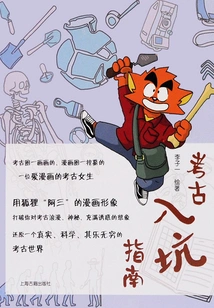
考古入坑指南
Li Ziyi
People in the archeology circle draw pictures, and comics circles dig graves. A comic-loving archaeological girl uses her comic image of the fox "Ah San" to bring you from your imagination full of temptation, romance, and mystery into a scientific, real, but very interesting world of archeology.
People in the archeology circle draw pictures, and comics circles dig graves. A comic-loving archaeological girl uses her comic image of the fox "Ah San" to bring you from your imagination full of temptation, romance, and mystery into a scientific, real, but very interesting world of archeology.
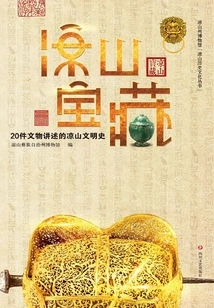
凉山宝藏:20件文物讲述的凉山文明史
Liangshan Yi Autonomous Prefecture Museum
The Liangshan Yi Autonomous Prefecture Museum in Sichuan Province houses many unknown and precious cultural relics. The special cultural geographical location and long historical and cultural accumulation make Liangshan a place rich in cultural relics resources. After more than 50 years of accumulation, the Liangshan Prefecture Museum has more than 20,000 cultural relics in its collection, including nearly 2,000 precious cultural relics. Among these cultural relics with strong local characteristics, there are flowing pottery pots, copper staffs with nine-section fish patterns, bronze drums, chimes, copper money trees, eight-pointed star gold ornaments, pottery figurines, etc., All of which are unique or rare treasures in the country. There are also many rare treasures, such as the Red Army's house loan receipt, Ding Youjun's autograph letters, paintings by the famous painter Ma Ji, and the passport of American scholar Locke, etc. Liangshan Prefecture Museum and "Xichang Metropolis Daily" jointly launched the "Liangshan Treasures" column, which selected 20 treasures (sets) from more than 20,000 cultural relics in the museum's collection, based on their scientific value, historical value and artistic value; telling the story of a cultural relic and understanding the legend of Liangshan history. Use cultural relics to talk about culture and civilization, and explore the cultural charm and historical value behind cultural relics, aiming to let more people understand the past and present lives of cultural relics and understand the wisdom and creativity of their ancestors.
The Liangshan Yi Autonomous Prefecture Museum in Sichuan Province houses many unknown and precious cultural relics. The special cultural geographical location and long historical and cultural accumulation make Liangshan a place rich in cultural relics resources. After more than 50 years of accumulation, the Liangshan Prefecture Museum has more than 20,000 cultural relics in its collection, including nearly 2,000 precious cultural relics. Among these cultural relics with strong local characteristics, there are flowing pottery pots, copper staffs with nine-section fish patterns, bronze drums, chimes, copper money trees, eight-pointed star gold ornaments, pottery figurines, etc., All of which are unique or rare treasures in the country. There are also many rare treasures, such as the Red Army's house loan receipt, Ding Youjun's autograph letters, paintings by the famous painter Ma Ji, and the passport of American scholar Locke, etc. Liangshan Prefecture Museum and "Xichang Metropolis Daily" jointly launched the "Liangshan Treasures" column, which selected 20 treasures (sets) from more than 20,000 cultural relics in the museum's collection, based on their scientific value, historical value and artistic value; telling the story of a cultural relic and understanding the legend of Liangshan history. Use cultural relics to talk about culture and civilization, and explore the cultural charm and historical value behind cultural relics, aiming to let more people understand the past and present lives of cultural relics and understand the wisdom and creativity of their ancestors.
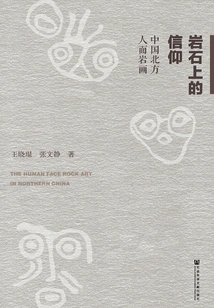
岩石上的信仰:中国北方人面岩画
Wang Xiaokun Zhang Wenjing
Northern China has the largest number of human-faced rock paintings and the widest distribution. Yinshan Mountain, Zhuizhuishan Mountain, Helan Mountain and Chifeng are the main distribution areas. Drawing on the method of archaeological typology, this book studies the human-face rock paintings in the northern China system, analyzes and summarizes the characteristics and distribution characteristics of the human-face rock paintings in various regions of northern China, and conducts periodic research and chronological discussion. At the same time, this book also discusses the transmission route of human-face rock paintings, human-face rock paintings and primitive religion, human-face rock paintings and Wu Nuo masks, and primitive dramas, etc., In order to more comprehensively study the cultural connotation of human-face rock paintings and reproduce the relevant historical and cultural aspects of China.
Northern China has the largest number of human-faced rock paintings and the widest distribution. Yinshan Mountain, Zhuizhuishan Mountain, Helan Mountain and Chifeng are the main distribution areas. Drawing on the method of archaeological typology, this book studies the human-face rock paintings in the northern China system, analyzes and summarizes the characteristics and distribution characteristics of the human-face rock paintings in various regions of northern China, and conducts periodic research and chronological discussion. At the same time, this book also discusses the transmission route of human-face rock paintings, human-face rock paintings and primitive religion, human-face rock paintings and Wu Nuo masks, and primitive dramas, etc., In order to more comprehensively study the cultural connotation of human-face rock paintings and reproduce the relevant historical and cultural aspects of China.
Research on the Spatial Expression of Art in Han and Tang Dynasties: Focusing on Dunhuang Murals
History汉唐美术空间表现研究:以敦煌壁画为中心
Zhang Jianyu
"Spatial expression" is the basic theme of Chinese and Western art history research. This book is committed to using the stylistic method under the background of "simulating the history" of art in the Han and Tang Dynasties, taking the "spatial expression" issue of Dunhuang murals from the Northern Liang Dynasty to the prosperous Tang Dynasty as the starting point, to systematically examine the integration process of the unique spatial expression methods of the Han nation and foreign Buddhist themes. It organically combines archaeological artworks, handed down works and documents, places the evolution of style history in its historical and cultural context, and explains the changes in style from the macro background of conceptual history, social history and cultural history. During the specific research process, from the basic perspective of spatial painting, we re-examined some important issues in the study of Chinese Buddhist art, such as the sinicization reform of Buddhist art in the Northern Wei Dynasty, the division of labor and cooperation of the Dunhuang craftsmen group in the late Northern Dynasties and the use of powder books, and the source of the patterns of the Pure Land Sutra paintings in the Tang Dynasty. We also tried to reveal the uniqueness of ancient Chinese art in expressing space.
"Spatial expression" is the basic theme of Chinese and Western art history research. This book is committed to using the stylistic method under the background of "simulating the history" of art in the Han and Tang Dynasties, taking the "spatial expression" issue of Dunhuang murals from the Northern Liang Dynasty to the prosperous Tang Dynasty as the starting point, to systematically examine the integration process of the unique spatial expression methods of the Han nation and foreign Buddhist themes. It organically combines archaeological artworks, handed down works and documents, places the evolution of style history in its historical and cultural context, and explains the changes in style from the macro background of conceptual history, social history and cultural history. During the specific research process, from the basic perspective of spatial painting, we re-examined some important issues in the study of Chinese Buddhist art, such as the sinicization reform of Buddhist art in the Northern Wei Dynasty, the division of labor and cooperation of the Dunhuang craftsmen group in the late Northern Dynasties and the use of powder books, and the source of the patterns of the Pure Land Sutra paintings in the Tang Dynasty. We also tried to reveal the uniqueness of ancient Chinese art in expressing space.
出土简帛中的政治哲学
Ouyang Zhen People
This book attempts to explore the development path of pre-Qin Confucian political ideals from individuals to society from its internal logical roots. Based on the newly unearthed bamboo slips and silk documents, the author makes deep connections and examines the source; relying on the documents handed down from ancient times, from the exegesis of words and sentences to the exploration of the thoughts of chapters, from the elucidation of individual cases to the overall observation of trends, reviewing the past and learning the new, and telling the whole story. This article will discuss the political ideals of Pre-Qin Confucianism in the newly unearthed bamboo slips and silk documents from six aspects: the religious relationship between heaven and man, how to establish a trustworthy society, the unique value of temperament thought, the modernity of ethical thought, differences in texts to differences in thought, and the ideals of political philosophy. There are waves at the bottom of the pen, and the clouds are steaming and the clouds are rising.
This book attempts to explore the development path of pre-Qin Confucian political ideals from individuals to society from its internal logical roots. Based on the newly unearthed bamboo slips and silk documents, the author makes deep connections and examines the source; relying on the documents handed down from ancient times, from the exegesis of words and sentences to the exploration of the thoughts of chapters, from the elucidation of individual cases to the overall observation of trends, reviewing the past and learning the new, and telling the whole story. This article will discuss the political ideals of Pre-Qin Confucianism in the newly unearthed bamboo slips and silk documents from six aspects: the religious relationship between heaven and man, how to establish a trustworthy society, the unique value of temperament thought, the modernity of ethical thought, differences in texts to differences in thought, and the ideals of political philosophy. There are waves at the bottom of the pen, and the clouds are steaming and the clouds are rising.
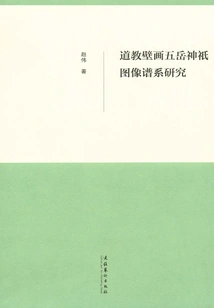
道教壁画五岳神祇图像谱系研究
Zhao Wei
"Research on the Genealogy of Images of the Five Mountains Gods in Taoist Mural Paintings" has three chapters. Among them, the first chapter mainly discusses the time when the term "Five Mountains" was formed and the situation of mountain murals from the Han Dynasty to the Tang and Song Dynasties, as well as an inspection list of the existing images of the Five Mountains in temple murals. The second chapter is an examination of the status and karma of the gods in the Five Mountains murals in specific temples, in an attempt to establish a "small genealogy" of the images of the Five Mountains gods. The third chapter further elaborates on the basis of the second chapter. By summarizing and sorting out the deities in the Five Mountains murals, it establishes the image lineage of the Five Mountains gods in Taoist murals, which is mainly composed of the Taoist dynasty system, the national mountain temple sacrificial system, and the folk mountain temple sacrificial system. By analyzing the relationship between the three lineages, it finally outlines the five mountain god lineage in Taoist murals, which consists of the Five Mountains God, the Yu Sacrifice God, the Direction God, the Timing God, and the God of Protection and Punishment.
"Research on the Genealogy of Images of the Five Mountains Gods in Taoist Mural Paintings" has three chapters. Among them, the first chapter mainly discusses the time when the term "Five Mountains" was formed and the situation of mountain murals from the Han Dynasty to the Tang and Song Dynasties, as well as an inspection list of the existing images of the Five Mountains in temple murals. The second chapter is an examination of the status and karma of the gods in the Five Mountains murals in specific temples, in an attempt to establish a "small genealogy" of the images of the Five Mountains gods. The third chapter further elaborates on the basis of the second chapter. By summarizing and sorting out the deities in the Five Mountains murals, it establishes the image lineage of the Five Mountains gods in Taoist murals, which is mainly composed of the Taoist dynasty system, the national mountain temple sacrificial system, and the folk mountain temple sacrificial system. By analyzing the relationship between the three lineages, it finally outlines the five mountain god lineage in Taoist murals, which consists of the Five Mountains God, the Yu Sacrifice God, the Direction God, the Timing God, and the God of Protection and Punishment.
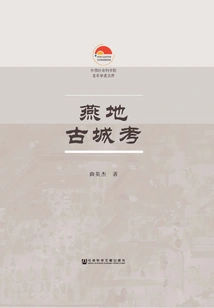
燕地古城考
Qu Yingjie
Yandi generally refers to today's Beijing, Tianjin, northern Hebei, and southwestern Liaoning. This book is based on "Hanshu Geography", and examines the geographical location, structural layout, initial style and evolution of the 134 counties (kingdom capitals) and county (hou state) cities in this area. It supplements the existing research results, speculates on the issues that are still controversial, and also expresses their own opinions on those who have not studied them in ancient and modern times. This book examines more than 200 ancient cities. Its content is mainly based on the Han Dynasty, dating back to before the Qin Dynasty, and the lower limit generally ends in the Southern and Northern Dynasties. The historical materials are detailed and reliable, the argument is solid and steady, creative and consistent with historical reality.
Yandi generally refers to today's Beijing, Tianjin, northern Hebei, and southwestern Liaoning. This book is based on "Hanshu Geography", and examines the geographical location, structural layout, initial style and evolution of the 134 counties (kingdom capitals) and county (hou state) cities in this area. It supplements the existing research results, speculates on the issues that are still controversial, and also expresses their own opinions on those who have not studied them in ancient and modern times. This book examines more than 200 ancient cities. Its content is mainly based on the Han Dynasty, dating back to before the Qin Dynasty, and the lower limit generally ends in the Southern and Northern Dynasties. The historical materials are detailed and reliable, the argument is solid and steady, creative and consistent with historical reality.
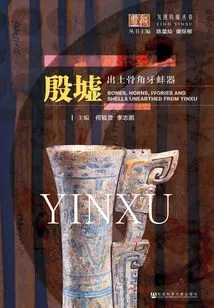
殷墟出土骨角牙蚌器
He Yuling Li Zhipeng
Since 1928, scientific archaeological excavations at the Yin Ruins have been carried out for ninety years. During this period, a large amount of archaeological materials were accumulated, including a large number of bones, horns, teeth, and clams. This book selects a total of more than 200 photos, divided into categories, and accompanied by detailed text descriptions. The selected artifacts are either exquisitely made and exquisitely crafted ceremonial items, or weapons with various forms and full functions, or seemingly ordinary but highly practical tools. Bone tool making tools are also specially selected. In addition, there are also a small number of oracle bones, animal remains specimens, etc. Through this, we hope to more comprehensively reflect the production and use of bone, horn, tooth, and clam vessels in the Yin Ruins, as well as their significance in the lives of the ancestors of the Yin Ruins.
Since 1928, scientific archaeological excavations at the Yin Ruins have been carried out for ninety years. During this period, a large amount of archaeological materials were accumulated, including a large number of bones, horns, teeth, and clams. This book selects a total of more than 200 photos, divided into categories, and accompanied by detailed text descriptions. The selected artifacts are either exquisitely made and exquisitely crafted ceremonial items, or weapons with various forms and full functions, or seemingly ordinary but highly practical tools. Bone tool making tools are also specially selected. In addition, there are also a small number of oracle bones, animal remains specimens, etc. Through this, we hope to more comprehensively reflect the production and use of bone, horn, tooth, and clam vessels in the Yin Ruins, as well as their significance in the lives of the ancestors of the Yin Ruins.
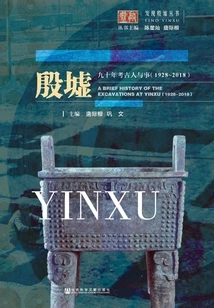
殷墟九十年考古人与事(1928~2018)
Tang Jigen Gong Wen
The significance of the Yin Ruins to Chinese archeology is not only that it contains rich ancient relics, but also that its discovery and excavation are closely related to Chinese archaeology. Therefore, the excavation of the Yin Ruins is regarded as a microcosm of the history of Chinese archaeology. The book "People and Things in the Archeology of the Yin Ruins in the Ninety Years" selects the photos, tools and daily utensils left by many archaeologists during their work at the Yin Ruins since 1928, especially since the 1950s. Using time as the longitude and events as the latitude, it has left physical evidence for the archeology of the Yin Ruins in the past ninety years and given it academic historical significance.
The significance of the Yin Ruins to Chinese archeology is not only that it contains rich ancient relics, but also that its discovery and excavation are closely related to Chinese archaeology. Therefore, the excavation of the Yin Ruins is regarded as a microcosm of the history of Chinese archaeology. The book "People and Things in the Archeology of the Yin Ruins in the Ninety Years" selects the photos, tools and daily utensils left by many archaeologists during their work at the Yin Ruins since 1928, especially since the 1950s. Using time as the longitude and events as the latitude, it has left physical evidence for the archeology of the Yin Ruins in the past ninety years and given it academic historical significance.
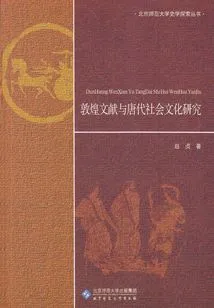
敦煌文献与唐代社会文化研究
Zhao Zhen
This book is adapted from 17 monographs. It currently has thirteen chapters, divided into four parts, and is roughly centered around the Dunhuang and Turpan documents. It is divided into four parts: legal system, social economy, academic and education, divination and calendar. The specific contents include: a preliminary study of the six volumes of the Tang Dynasty's Book of Documents and twenty-four figures, the application and issuance of the Tang Dynasty's ultimatum as seen in the Dunhuang documents, the production and practice of the Tang Dynasty's "Three Jia City" as seen in the Dunhuang and Turpan documents, etc.
This book is adapted from 17 monographs. It currently has thirteen chapters, divided into four parts, and is roughly centered around the Dunhuang and Turpan documents. It is divided into four parts: legal system, social economy, academic and education, divination and calendar. The specific contents include: a preliminary study of the six volumes of the Tang Dynasty's Book of Documents and twenty-four figures, the application and issuance of the Tang Dynasty's ultimatum as seen in the Dunhuang documents, the production and practice of the Tang Dynasty's "Three Jia City" as seen in the Dunhuang and Turpan documents, etc.
古籍版本鉴定丛谈
Wei Yinru Wang Jinyu
The author condenses his profound knowledge of ancient book versions and rich and specific experience in version identification into concise and professional text explanations. He is knowledgeable and knowledgeable about ancient books and has a thorough understanding of ancient and modern times, and provides a systematic explanation of ancient book version identification. This book will help readers who love the appraisal of ancient book versions to improve their ability to distinguish similarities and differences and determine right and wrong in ancient book versions.
The author condenses his profound knowledge of ancient book versions and rich and specific experience in version identification into concise and professional text explanations. He is knowledgeable and knowledgeable about ancient books and has a thorough understanding of ancient and modern times, and provides a systematic explanation of ancient book version identification. This book will help readers who love the appraisal of ancient book versions to improve their ability to distinguish similarities and differences and determine right and wrong in ancient book versions.
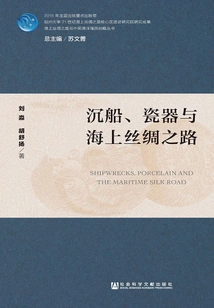
沉船、瓷器与海上丝绸之路(海上丝绸之路与中国海洋强国战略丛书)
Liu Miao Hu Shuyang
This book collects extensive information on shipwrecks at home and abroad, compares them with ceramic remains unearthed from various land sites, and combs and analyzes the process and stage characteristics of ancient Chinese ceramics exported through the Maritime Silk Road with pictures and texts, revealing the history of changes in ancient Chinese maritime civilization and China's status and role in the world's maritime civilization system at different stages. Based on a large amount of displayed kiln site information, it outlines the changes in the production of ancient Chinese export porcelain, and discusses the cultural exchanges between China and foreign countries through the ceramic trade in the form of individual cases, which vividly reflects the long history and rich connotation of the Maritime Silk Road.
This book collects extensive information on shipwrecks at home and abroad, compares them with ceramic remains unearthed from various land sites, and combs and analyzes the process and stage characteristics of ancient Chinese ceramics exported through the Maritime Silk Road with pictures and texts, revealing the history of changes in ancient Chinese maritime civilization and China's status and role in the world's maritime civilization system at different stages. Based on a large amount of displayed kiln site information, it outlines the changes in the production of ancient Chinese export porcelain, and discusses the cultural exchanges between China and foreign countries through the ceramic trade in the form of individual cases, which vividly reflects the long history and rich connotation of the Maritime Silk Road.
清三代陶瓷艺术品鉴(江西省哲学社会科学成果文库)
Liu Xiaoyu
This book mainly introduces the development overview, characteristics and identification points of ceramics in the three dynasties of Qing Dynasty, and strives to reflect the latest archaeological excavation and academic research results in recent years. The book pays attention to the comparison of written materials and physical objects, explores the varieties, characteristics, achievements and influence of porcelain in various periods, and expands the horizons of Chinese ceramic archeology and research. This book is not only a professional work with comprehensive knowledge points, but also a popular reading, which has certain value for readers to appreciate the ceramic art of the third generation of Qing Dynasty.
This book mainly introduces the development overview, characteristics and identification points of ceramics in the three dynasties of Qing Dynasty, and strives to reflect the latest archaeological excavation and academic research results in recent years. The book pays attention to the comparison of written materials and physical objects, explores the varieties, characteristics, achievements and influence of porcelain in various periods, and expands the horizons of Chinese ceramic archeology and research. This book is not only a professional work with comprehensive knowledge points, but also a popular reading, which has certain value for readers to appreciate the ceramic art of the third generation of Qing Dynasty.
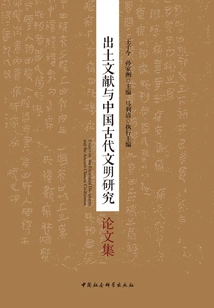
出土文献与中国古代文明研究论文集
Wang Zijin Sun Jiazhou
This book is a collection of papers from three academic seminars on the study of unearthed documents and ancient Chinese civilization. It conducts comprehensive and extensive research on various social, cultural, economic and other issues reflected in the unearthed documents of the Qin and Han Dynasties, such as Shuihudi Qin bamboo slips, Fangmatan Qin bamboo slips, Tsinghua Qin bamboo slips, Liye Qin bamboo slips, and Xuanquan Han bamboo slips. It has a certain significance in promoting the study of Qin and Han history.
This book is a collection of papers from three academic seminars on the study of unearthed documents and ancient Chinese civilization. It conducts comprehensive and extensive research on various social, cultural, economic and other issues reflected in the unearthed documents of the Qin and Han Dynasties, such as Shuihudi Qin bamboo slips, Fangmatan Qin bamboo slips, Tsinghua Qin bamboo slips, Liye Qin bamboo slips, and Xuanquan Han bamboo slips. It has a certain significance in promoting the study of Qin and Han history.
第二届世界考古论坛会志
Institute Of Archeology, Chinese Academy Of Social Sciences, Shanghai Cultural Relics Bureau, Shanghai Research Institute, Shanghai University
The World Archaeological Forum is a grand academic event hosted by the Institute of Archeology of the Chinese Academy of Social Sciences and attended by famous archaeologists from more than a dozen countries. "Proceedings of the World Archaeological Forum" is a collection of outstanding papers published in the World Archaeological Forum. This collection contains texts on history and archeology by top Chinese and foreign scholars, as well as introductions to the top ten world archaeological discoveries rated that year, and a large number of pictures. This is an excellent book for understanding the current situation of world archeology.
The World Archaeological Forum is a grand academic event hosted by the Institute of Archeology of the Chinese Academy of Social Sciences and attended by famous archaeologists from more than a dozen countries. "Proceedings of the World Archaeological Forum" is a collection of outstanding papers published in the World Archaeological Forum. This collection contains texts on history and archeology by top Chinese and foreign scholars, as well as introductions to the top ten world archaeological discoveries rated that year, and a large number of pictures. This is an excellent book for understanding the current situation of world archeology.
南开文博考古论丛
Editor-in-chief Liu Yi
"Nankai Cultural Museum and Archeology Series" collects 19 papers written by teachers in the Department of Archeology and Museology, School of History, Nankai University since 1979, covering many aspects such as archaeological research, cultural relics research, museology, and historical research. The collection of essays not only reflects the development and creation of Nankai University's cultural and cultural studies major over the years, but also reflects the achievements and gains in the development process. "Nankai Cultural Museum and Archeology Series" can be used as a reference and reading by researchers and enthusiasts engaged in archeology, museums, history, etc.
"Nankai Cultural Museum and Archeology Series" collects 19 papers written by teachers in the Department of Archeology and Museology, School of History, Nankai University since 1979, covering many aspects such as archaeological research, cultural relics research, museology, and historical research. The collection of essays not only reflects the development and creation of Nankai University's cultural and cultural studies major over the years, but also reflects the achievements and gains in the development process. "Nankai Cultural Museum and Archeology Series" can be used as a reference and reading by researchers and enthusiasts engaged in archeology, museums, history, etc.
西域考古与艺术
Linmei Village
This book is arranged in chronological order and brings together the author's research results on archeology and art in the Western Regions in recent years. The content involves the spread of ancient metallurgical technology seen in the Seima-Turbino cultural relics, the impact of the migration and redistribution of ancient Western Regions ethnic groups on the culture and art of the Silk Road, the discovery of the ruins of the Western Regions Protectorate, as well as issues such as jewelry art and cultural exchanges between China and foreign countries. The book is based on archaeological materials, combined with solid literature research and on-the-spot investigation, and provides unique insights into some academic issues that are currently controversial in the academic community, which is refreshing. Among them, the discussion about the Seima-Turbino culture and the prehistoric Silk Road has attracted widespread attention from academic circles at home and abroad.
This book is arranged in chronological order and brings together the author's research results on archeology and art in the Western Regions in recent years. The content involves the spread of ancient metallurgical technology seen in the Seima-Turbino cultural relics, the impact of the migration and redistribution of ancient Western Regions ethnic groups on the culture and art of the Silk Road, the discovery of the ruins of the Western Regions Protectorate, as well as issues such as jewelry art and cultural exchanges between China and foreign countries. The book is based on archaeological materials, combined with solid literature research and on-the-spot investigation, and provides unique insights into some academic issues that are currently controversial in the academic community, which is refreshing. Among them, the discussion about the Seima-Turbino culture and the prehistoric Silk Road has attracted widespread attention from academic circles at home and abroad.
Fengyixing
History丰邑行
Zhang Changshou
This book is a collection of articles by members of the academic department. Mr. Zhang Changshou was the deputy director of the Institute of Archeology of the Chinese Academy of Social Sciences and a well-known Shang and Zhou archaeologist in my country. This book brings together Mr. Zhang Changshou's research papers on bronzes, jades, etc. These articles have been of great significance in the Chinese archaeological community, especially the Shang and Zhou archaeological circles. They are of milestone significance in solving the research problems of bronzes and jades. The publication of this book is very important for future scholars to inherit the academic work of their predecessors.
This book is a collection of articles by members of the academic department. Mr. Zhang Changshou was the deputy director of the Institute of Archeology of the Chinese Academy of Social Sciences and a well-known Shang and Zhou archaeologist in my country. This book brings together Mr. Zhang Changshou's research papers on bronzes, jades, etc. These articles have been of great significance in the Chinese archaeological community, especially the Shang and Zhou archaeological circles. They are of milestone significance in solving the research problems of bronzes and jades. The publication of this book is very important for future scholars to inherit the academic work of their predecessors.