Library
Browse and search books
2,472 novels found
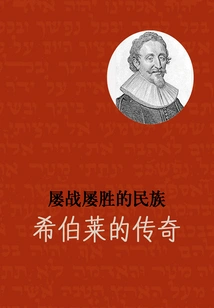
屡战屡胜的民族:希伯莱的传奇
Time Flow
It tells in detail the historical process of the Hebrew nation from its ancient origins to becoming an important part of world civilization. Through the depiction of key figures such as Abraham, Moses, King David and King Solomon, this book demonstrates the wisdom and courage of the Hebrews in the face of external enemies and internal troubles. It provides an in-depth analysis of the unique belief system and social structure of the Hebrews and how they persisted in culture and religion throughout history, and were ultimately reborn in difficult circumstances. This book is not only a historical narrative, but also a moving work that reflects the power of human spirit and faith. It is suitable for in-depth reading by lovers of history and religion.
It tells in detail the historical process of the Hebrew nation from its ancient origins to becoming an important part of world civilization. Through the depiction of key figures such as Abraham, Moses, King David and King Solomon, this book demonstrates the wisdom and courage of the Hebrews in the face of external enemies and internal troubles. It provides an in-depth analysis of the unique belief system and social structure of the Hebrews and how they persisted in culture and religion throughout history, and were ultimately reborn in difficult circumstances. This book is not only a historical narrative, but also a moving work that reflects the power of human spirit and faith. It is suitable for in-depth reading by lovers of history and religion.
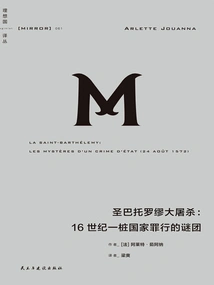
圣巴托罗缪大屠杀:16世纪一桩国家罪行的谜团
(french) Alet Journer
On August 24, 1572, Saint Bartholomew's Day, with the connivance of King Charles IX of France, the Protestant military leader Coligny was killed by soldiers of the Catholic Duke Henry I of Guise. Soon, Catholics wearing hats with crosses on their heads and white armbands on their arms were walking through the streets of Paris, hunting down "heresy" in the name of God. The executions quickly turned into mass killings. However, just a few days ago, the city of Paris was still joyful and peaceful, and a grand wedding symbolizing reconciliation had just been held at Notre Dame Cathedral. The bride was Margaret, sister of Charles IX, and the groom was Henry of Navarre, a Protestant, the future Henry IV. In just a few days, why did a wedding sincerely seeking peace turn into a "bloody wedding"? Why did the execution of a handful of Protestant leaders turn into a massacre that spread almost across France, and how did it stir up the international situation? In a series of events, what roles did Charles IX, the Medici Queen Mother, Catholic dignitaries, and the King of Spain play? French historian Alet Jouenne analyzes the circumstances surrounding the sudden occurrence of executions and massacres, examines the reactions of Protestants and Catholics at home and abroad at the time, and retells the story of the Massacre of St. Bartholomew. In her opinion, this bloody day changed the direction of French history: the fate of Catholicism in France completely changed; Protestants no longer believed that France would become a Protestant country and began to form an identity; people's desire for order after the turmoil and killings strengthened the monarch's authority and opened the door to absolute autocracy; reflections on religious schism and the trauma it caused also questioned the royal power and even laid the groundwork for the Great Revolution. The Massacre of St. Bartholomew is undoubtedly a tragedy. It regards others as heretics out of fear and twists differences into threats. It is far away but has never really gone away.
On August 24, 1572, Saint Bartholomew's Day, with the connivance of King Charles IX of France, the Protestant military leader Coligny was killed by soldiers of the Catholic Duke Henry I of Guise. Soon, Catholics wearing hats with crosses on their heads and white armbands on their arms were walking through the streets of Paris, hunting down "heresy" in the name of God. The executions quickly turned into mass killings. However, just a few days ago, the city of Paris was still joyful and peaceful, and a grand wedding symbolizing reconciliation had just been held at Notre Dame Cathedral. The bride was Margaret, sister of Charles IX, and the groom was Henry of Navarre, a Protestant, the future Henry IV. In just a few days, why did a wedding sincerely seeking peace turn into a "bloody wedding"? Why did the execution of a handful of Protestant leaders turn into a massacre that spread almost across France, and how did it stir up the international situation? In a series of events, what roles did Charles IX, the Medici Queen Mother, Catholic dignitaries, and the King of Spain play? French historian Alet Jouenne analyzes the circumstances surrounding the sudden occurrence of executions and massacres, examines the reactions of Protestants and Catholics at home and abroad at the time, and retells the story of the Massacre of St. Bartholomew. In her opinion, this bloody day changed the direction of French history: the fate of Catholicism in France completely changed; Protestants no longer believed that France would become a Protestant country and began to form an identity; people's desire for order after the turmoil and killings strengthened the monarch's authority and opened the door to absolute autocracy; reflections on religious schism and the trauma it caused also questioned the royal power and even laid the groundwork for the Great Revolution. The Massacre of St. Bartholomew is undoubtedly a tragedy. It regards others as heretics out of fear and twists differences into threats. It is far away but has never really gone away.
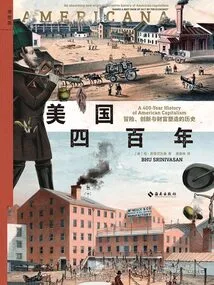
美国四百年:冒险、创新与财富塑造的历史
(u. S.) B. Srinivasan
The history of the United States is not only political but also economic. Americans exercise their political rights as citizens and their economic rights as consumers. The free market represents adventure, innovation, unscrupulous means, and opportunism in the American spirit. It has influenced the political and legal construction of the United States, and has gradually been regulated by laws and policies in various social movements. They interact with each other to form American capitalism, and shape various material civilizations and urban and rural landscapes. In an easy-to-understand and in-depth way, B. Srinivasan starts from the 400-year history of American economic development and reveals the little-known internal connections. This book tells us why many venture capital firms in Silicon Valley and Wall Street were deeply embedded in the financing process of the "Mayflower"; the American founders' opposition to the British was not only based on political ambitions, but also personal financial considerations; how Andrew Carnegie's original job as a telegraph delivery boy paved the way for him to later lead the steel empire that made him the nation's richest; How the Remington Company emerged as a typewriter manufacturer after the war; how American gangsters imitated the mergers and regulations of traditional enterprises for internal management; how an infrastructure law in the 1950s gave birth to America's most enduring brand: KFC; looking back on the early crazy years of Silicon Valley, the concept of startups is actually as old as the history of the United States.
The history of the United States is not only political but also economic. Americans exercise their political rights as citizens and their economic rights as consumers. The free market represents adventure, innovation, unscrupulous means, and opportunism in the American spirit. It has influenced the political and legal construction of the United States, and has gradually been regulated by laws and policies in various social movements. They interact with each other to form American capitalism, and shape various material civilizations and urban and rural landscapes. In an easy-to-understand and in-depth way, B. Srinivasan starts from the 400-year history of American economic development and reveals the little-known internal connections. This book tells us why many venture capital firms in Silicon Valley and Wall Street were deeply embedded in the financing process of the "Mayflower"; the American founders' opposition to the British was not only based on political ambitions, but also personal financial considerations; how Andrew Carnegie's original job as a telegraph delivery boy paved the way for him to later lead the steel empire that made him the nation's richest; How the Remington Company emerged as a typewriter manufacturer after the war; how American gangsters imitated the mergers and regulations of traditional enterprises for internal management; how an infrastructure law in the 1950s gave birth to America's most enduring brand: KFC; looking back on the early crazy years of Silicon Valley, the concept of startups is actually as old as the history of the United States.

超好玩的沙盘世界史
(japanese) Written By Masato Tanaka (japanese) Compiled By Hideta Tsuda (japanese) Illustrated By Mayuko Tamai
"Super Fun Sandbox World History" is a popular historical science book that uses 103 sandbox pictures to explain and summarize major events in world history. It is written by the best-selling author Masato Tanaka, directed by Japanese historian Shuzen Suda, and illustrated by illustrator Mayuko Tamai. According to the development sequence of world history, this book summarizes 103 major turning points in world history, mainly in the West, in concise, easy-to-understand language. It uses vivid and intuitive sand table model diagrams and cute little figures to present world history, including how the Roman Empire was established and how it fell, the twists and turns of the French Revolution, and the various countries with evil intentions in the First World War... The historical events, causes and results are all under control.
"Super Fun Sandbox World History" is a popular historical science book that uses 103 sandbox pictures to explain and summarize major events in world history. It is written by the best-selling author Masato Tanaka, directed by Japanese historian Shuzen Suda, and illustrated by illustrator Mayuko Tamai. According to the development sequence of world history, this book summarizes 103 major turning points in world history, mainly in the West, in concise, easy-to-understand language. It uses vivid and intuitive sand table model diagrams and cute little figures to present world history, including how the Roman Empire was established and how it fell, the twists and turns of the French Revolution, and the various countries with evil intentions in the First World War... The historical events, causes and results are all under control.
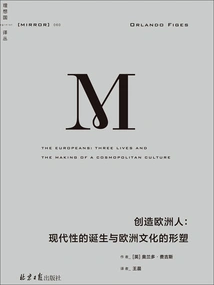
创造欧洲人:现代性的诞生与欧洲文化的形塑
M
Through the experiences of the writer Turgenev, the French soprano and composer Pauline Viardot, and Pauline's husband, the well-known translator and art critic Louis Viardot, this book explores how the rise of the railway age in the 19th century contributed to the encounter between art and capitalism, how it shaped European literature and art, and how Europe was culturally regarded as a whole without being restricted by national boundaries, forming a consensus of "European culture" and "European civilization." Artists and their works travel across the country. For example, in 1847, Berlioz took the same railway from Paris to Russia via Brussels to hold a concert. Bands, choirs, opera and theater actors, traveling art exhibitions, writers, etc. Became regular guests on the train. International markets opened up for mass-produced cheap reproductions of paintings and prints of books and musical scores.
Through the experiences of the writer Turgenev, the French soprano and composer Pauline Viardot, and Pauline's husband, the well-known translator and art critic Louis Viardot, this book explores how the rise of the railway age in the 19th century contributed to the encounter between art and capitalism, how it shaped European literature and art, and how Europe was culturally regarded as a whole without being restricted by national boundaries, forming a consensus of "European culture" and "European civilization." Artists and their works travel across the country. For example, in 1847, Berlioz took the same railway from Paris to Russia via Brussels to hold a concert. Bands, choirs, opera and theater actors, traveling art exhibitions, writers, etc. Became regular guests on the train. International markets opened up for mass-produced cheap reproductions of paintings and prints of books and musical scores.
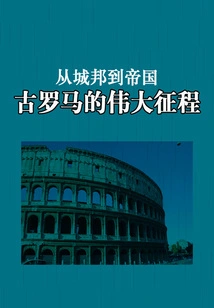
从城邦到帝国:古罗马的伟大征程
Liu Wan
A comprehensive exploration of the history of ancient Rome from its early city-states to its great empire. The book starts with the legend of the origin of Rome and tells the glorious history of Rome's gradual expansion from a small city-state to a hegemon in the Mediterranean. Through in-depth analysis of important figures and events in Roman history, it reveals the struggle for power, social change, and cultural integration. Whether it is the legend of Romulus and Remus, the reforms of the Gracchi brothers, or Sulla's dictatorship, this book shows the complexity and glory of Rome in different historical stages. This is not only a history about Rome, but also a profound reflection on the evolution of human civilization.
A comprehensive exploration of the history of ancient Rome from its early city-states to its great empire. The book starts with the legend of the origin of Rome and tells the glorious history of Rome's gradual expansion from a small city-state to a hegemon in the Mediterranean. Through in-depth analysis of important figures and events in Roman history, it reveals the struggle for power, social change, and cultural integration. Whether it is the legend of Romulus and Remus, the reforms of the Gracchi brothers, or Sulla's dictatorship, this book shows the complexity and glory of Rome in different historical stages. This is not only a history about Rome, but also a profound reflection on the evolution of human civilization.
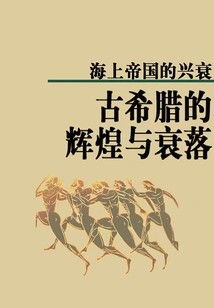
海上帝国的兴衰:古希腊的辉煌与衰落
Zhang Zan
A historical work that comprehensively presents the history of ancient Greek civilization. The book starts from the origin of the Cretan civilization and tells how ancient Greece gradually developed from a maritime city-state to an empire that dominated the Mediterranean, and finally declined due to the intertwining of internal and external factors. Through in-depth discussions on ancient Greek society, culture, military, art, etc., It reveals the glorious achievements of Greek civilization and the challenges it faces. This book is not only a reproduction of the history of ancient Greece, but also a profound reflection and enlightenment on the process of human civilization.
A historical work that comprehensively presents the history of ancient Greek civilization. The book starts from the origin of the Cretan civilization and tells how ancient Greece gradually developed from a maritime city-state to an empire that dominated the Mediterranean, and finally declined due to the intertwining of internal and external factors. Through in-depth discussions on ancient Greek society, culture, military, art, etc., It reveals the glorious achievements of Greek civilization and the challenges it faces. This book is not only a reproduction of the history of ancient Greece, but also a profound reflection and enlightenment on the process of human civilization.
D
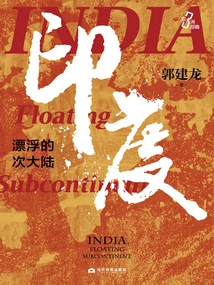
印度:漂浮的次大陆
Guo Jianlong
A wild journey around India's 5,000-year civilization history! 55 Days, 70 cities, hundreds of cultural sites, more than 20,000 kilometers... One of the "Asian Trilogy" by historical writer Guo Jianlong, taking you to experience the distant history and reality of the Indian subcontinent up close! Yu Minhong and Luo Zhenyu jointly recommend! In India, Guo Jianlong met countless tourists and Indians: engineers, professors, as well as soldiers, migrant workers, and homeless people. He slept at the station, ate, laughed, and played with them... While he relived India's great history and culture, he experienced India's present moment, and repeatedly traveled between history and reality. Starting from the prosperity and replacement of Indian dynasties to the emergence of various colorful religions in India, Guo Jianlong shows the 5,000-year history and reality of India from multiple perspectives such as politics, economy, and history, showing readers the splendor and splendor of the ancient civilized country, as well as the flexibility, tolerance, and vitality of secular life.
A wild journey around India's 5,000-year civilization history! 55 Days, 70 cities, hundreds of cultural sites, more than 20,000 kilometers... One of the "Asian Trilogy" by historical writer Guo Jianlong, taking you to experience the distant history and reality of the Indian subcontinent up close! Yu Minhong and Luo Zhenyu jointly recommend! In India, Guo Jianlong met countless tourists and Indians: engineers, professors, as well as soldiers, migrant workers, and homeless people. He slept at the station, ate, laughed, and played with them... While he relived India's great history and culture, he experienced India's present moment, and repeatedly traveled between history and reality. Starting from the prosperity and replacement of Indian dynasties to the emergence of various colorful religions in India, Guo Jianlong shows the 5,000-year history and reality of India from multiple perspectives such as politics, economy, and history, showing readers the splendor and splendor of the ancient civilized country, as well as the flexibility, tolerance, and vitality of secular life.
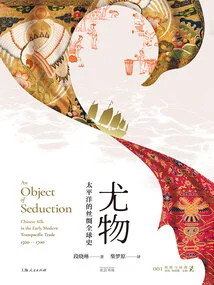
尤物:太平洋的丝绸全球史
Duan Xiaolin
From the 16th to the 17th centuries, Chinese silk became popular on both sides of the Pacific. It was transformed from a unique item for princes and nobles into a "beautiful item" that transcended social classes. The emergence of transoceanic silk trade symbolized the formation of a global commercial network, and the emergence of a world-wide material culture. Compared with the Indian Ocean route, the Pacific route was unique in that it directly connected Ming Dynasty China with the Spanish Empire. This raises a series of new questions: Why are Chinese raw silk and silk fabrics popular in the American market? Facing the wave of silk globalization, what were the similarities and differences in the responses of China and Spain in the Ming Dynasty? How does the global world affect these two countries with long histories? This book provides answers to the above questions through comparison across the Pacific.
From the 16th to the 17th centuries, Chinese silk became popular on both sides of the Pacific. It was transformed from a unique item for princes and nobles into a "beautiful item" that transcended social classes. The emergence of transoceanic silk trade symbolized the formation of a global commercial network, and the emergence of a world-wide material culture. Compared with the Indian Ocean route, the Pacific route was unique in that it directly connected Ming Dynasty China with the Spanish Empire. This raises a series of new questions: Why are Chinese raw silk and silk fabrics popular in the American market? Facing the wave of silk globalization, what were the similarities and differences in the responses of China and Spain in the Ming Dynasty? How does the global world affect these two countries with long histories? This book provides answers to the above questions through comparison across the Pacific.
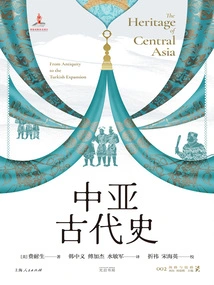
中亚古代史
(us) Fei Naisheng
Fei Naisheng is a world-class authority on Central Asian studies. He is one of the few masters of French, German, Russian, Persian, Arabic, Turkic and many other classical and Eastern and Western languages. He has written many blockbuster works such as "Cambridge History of Iran" and has trained many Asian researchers active around the world. The "strange but important" Central Asia has always attracted the attention of the world. However, the changing pattern, diverse languages and people make it very difficult to write the history of this region. With his unparalleled knowledge, Fei Naisheng condensed the history of ancient Central Asia into a small book of more than 200 pages, including the rise and fall of empires such as Persia and Alexander, the migration of nomadic peoples such as the Scythians and Huns, the civilization of ancient cities such as Fergana, Samarkand, and Bamiyan, and the forgotten ancient countries of the Western Regions such as Kushan and Bactria... He aimed to show that Central Asia actually has a common culture, beliefs, and values, which is the legacy left by ancient history.
Fei Naisheng is a world-class authority on Central Asian studies. He is one of the few masters of French, German, Russian, Persian, Arabic, Turkic and many other classical and Eastern and Western languages. He has written many blockbuster works such as "Cambridge History of Iran" and has trained many Asian researchers active around the world. The "strange but important" Central Asia has always attracted the attention of the world. However, the changing pattern, diverse languages and people make it very difficult to write the history of this region. With his unparalleled knowledge, Fei Naisheng condensed the history of ancient Central Asia into a small book of more than 200 pages, including the rise and fall of empires such as Persia and Alexander, the migration of nomadic peoples such as the Scythians and Huns, the civilization of ancient cities such as Fergana, Samarkand, and Bamiyan, and the forgotten ancient countries of the Western Regions such as Kushan and Bactria... He aimed to show that Central Asia actually has a common culture, beliefs, and values, which is the legacy left by ancient history.
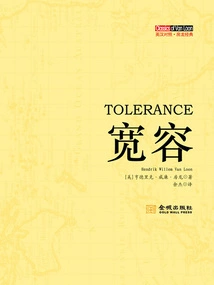
Tolerance: English-chinese
History宽容:英汉对照
Fanglong
This book publishes the representative work "Tolerance" by American scholar Fang Long in English and Chinese bilingual form. The book also contains a large number of black and white illustrations hand-drawn by the author. This is a popular history book that has been best-selling for nearly a hundred years and has been translated into dozens of languages. Starting from the standpoint of humanism, Fang Long explored the root causes of "intolerance" in the human spirit with vivid and wise language, analyzed the arduous process that mankind has gone through in seeking the right to think, and outlined a magnificent history of the liberation of human thought. It uses major events and important figures in history as clues, uses the tolerance of society and characters as a yardstick, reveals the truth in a relaxed and humorous way, advocates tolerance and peace, and advocates ideological emancipation. It is a classic work on tolerance and free thinking. The truth that Fang Long wants to say in the book is very simple. He said: "Everyone who fights for tolerance, no matter how different they are, has one thing in common: their beliefs are always accompanied by doubts; they honestly believe that they are right, but they can never transform their doubts into solid and guaranteed beliefs." Both ordinary readers and experts and scholars can get inspiration and reading pleasure from this book. Currently, among the top varieties of similar books, they are mainly Chinese editions, with only a few English-Chinese bilingual editions. This book is published in English-Chinese bilingual format, allowing readers to improve their English reading skills while reading classic works.
This book publishes the representative work "Tolerance" by American scholar Fang Long in English and Chinese bilingual form. The book also contains a large number of black and white illustrations hand-drawn by the author. This is a popular history book that has been best-selling for nearly a hundred years and has been translated into dozens of languages. Starting from the standpoint of humanism, Fang Long explored the root causes of "intolerance" in the human spirit with vivid and wise language, analyzed the arduous process that mankind has gone through in seeking the right to think, and outlined a magnificent history of the liberation of human thought. It uses major events and important figures in history as clues, uses the tolerance of society and characters as a yardstick, reveals the truth in a relaxed and humorous way, advocates tolerance and peace, and advocates ideological emancipation. It is a classic work on tolerance and free thinking. The truth that Fang Long wants to say in the book is very simple. He said: "Everyone who fights for tolerance, no matter how different they are, has one thing in common: their beliefs are always accompanied by doubts; they honestly believe that they are right, but they can never transform their doubts into solid and guaranteed beliefs." Both ordinary readers and experts and scholars can get inspiration and reading pleasure from this book. Currently, among the top varieties of similar books, they are mainly Chinese editions, with only a few English-Chinese bilingual editions. This book is published in English-Chinese bilingual format, allowing readers to improve their English reading skills while reading classic works.
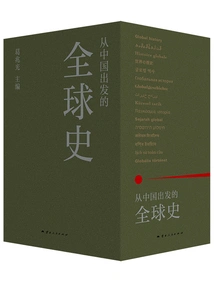
从中国出发的全球史
Editor-in-chief Ge Zhaoguang
This book was transformed from the highly watched and influential program "Global History from China" on "Looking at Ideals", and has been carefully polished by the editor-in-chief Professor Ge Zhaoguang and the authors. This book tells a history that transcends the country, encompasses the whole world, is connected, interactive, and communicative. It adopts an international perspective, cutting-edge theoretical results and historical concepts, as well as good stories and vivid characters. This book also tells a kind of history without a center. It is different from various global histories from the West. It abandons any centralism in history and truly presents the global history view in the eyes of Chinese historians. In recent years, many works on global history have been published, but none of them is a global history starting from China as narrated by us Chinese scholars. The publication of this book makes up for this regret and shortcoming, and demonstrates the ambition and level of Chinese scholars in the academic field of global history.
This book was transformed from the highly watched and influential program "Global History from China" on "Looking at Ideals", and has been carefully polished by the editor-in-chief Professor Ge Zhaoguang and the authors. This book tells a history that transcends the country, encompasses the whole world, is connected, interactive, and communicative. It adopts an international perspective, cutting-edge theoretical results and historical concepts, as well as good stories and vivid characters. This book also tells a kind of history without a center. It is different from various global histories from the West. It abandons any centralism in history and truly presents the global history view in the eyes of Chinese historians. In recent years, many works on global history have been published, but none of them is a global history starting from China as narrated by us Chinese scholars. The publication of this book makes up for this regret and shortcoming, and demonstrates the ambition and level of Chinese scholars in the academic field of global history.
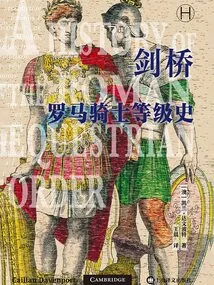
剑桥罗马骑士等级史
(australia) Kellan Davenport
This book depicts all kinds of knights in the Roman world from the 8th century BC to the 5th century AD. Starting from the knight aristocrats in the royal era and the cavalry in the early republic, it was not until the end of the 2nd century BC that this class became a group within the Roman state that was different from the senators and civilians. In the Republic, knights had badges of distinction, rituals with religious and political connotations, and privileges such as front-row seats in theaters. Under the imperial system, the knightly caste included governors, financial administrators, and other officials, whom Augustus and his successors involved in running the country alongside the senators. In more than a thousand years of Roman history, knights have always played an important role in the Roman government, army and society as cavalry, officers, merchants, tax collectors, jurors, administrators and writers. This is the first comprehensive historical work on the knightly caste. It is an institutional and social history of the knightly caste in the Roman world. From it, we can see how the Roman cavalry became the knightly caste in the Republican era, how imperial rule changed the role of knights in government, how the knightly caste played a vital social function in the Roman world, and how the changes in the Roman state itself determined this.
This book depicts all kinds of knights in the Roman world from the 8th century BC to the 5th century AD. Starting from the knight aristocrats in the royal era and the cavalry in the early republic, it was not until the end of the 2nd century BC that this class became a group within the Roman state that was different from the senators and civilians. In the Republic, knights had badges of distinction, rituals with religious and political connotations, and privileges such as front-row seats in theaters. Under the imperial system, the knightly caste included governors, financial administrators, and other officials, whom Augustus and his successors involved in running the country alongside the senators. In more than a thousand years of Roman history, knights have always played an important role in the Roman government, army and society as cavalry, officers, merchants, tax collectors, jurors, administrators and writers. This is the first comprehensive historical work on the knightly caste. It is an institutional and social history of the knightly caste in the Roman world. From it, we can see how the Roman cavalry became the knightly caste in the Republican era, how imperial rule changed the role of knights in government, how the knightly caste played a vital social function in the Roman world, and how the changes in the Roman state itself determined this.
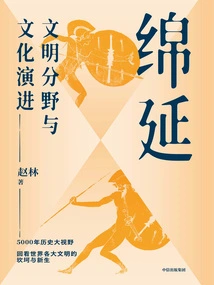
绵延:文明分野与文化演进
Zhao Lin
In this collection of lectures, Professor Zhao Lin, a master of Western studies, starts from the starting point of world civilization more than 5,000 years ago. From a macro and long-term perspective, he sorts out the rise and fall of world civilization and reveals the spiritual characteristics and historical heritage of Eastern and Western cultures. We will see in the book: how the 3,000-year-long fierce collision between the nomadic world and the agricultural world became an opportunity for ancient civilization to break out of its cocoon and be reborn; how ancient civilization gave birth to the civilization of future generations; why gods and humans are of the same sex in ancient Greek mythology; how the ancient Roman culture that pursued materialism used ancient Greek culture; why Christian culture advocates people to seek salvation on the other side; and why Eastern Confucianism emphasizes harmony without difference. From this, we can better understand why the civilizations of later generations with their own characteristics are born in twists and turns, optimize themselves through interaction and inheritance, blend and conflict with each other, and have their own glory and setbacks. The pace of civilizational evolution has not stopped here. In modern times, people are still exploring opportunities for change and development. We will also learn in the book: how the call for humanism brought people back to real life from the nihilistic ideal of heaven; how the Western religious reform movement provided nourishing soil for capitalism; and how a group of forward-thinking scholars such as Newton and Locke deciphered the inherent laws of the natural world and let the light of reason dispel the darkness of ignorance. From the first civilization more than 5,000 years ago, to the history of innovation in modern times, to the impact of differences between civilizations on the current world structure, Professor Zhao Lin uses his extensive knowledge, passionate writing, and deep sense of responsibility for cultural research to condense the exploration and thinking of thousand-year civilization into this short and concise collection.
In this collection of lectures, Professor Zhao Lin, a master of Western studies, starts from the starting point of world civilization more than 5,000 years ago. From a macro and long-term perspective, he sorts out the rise and fall of world civilization and reveals the spiritual characteristics and historical heritage of Eastern and Western cultures. We will see in the book: how the 3,000-year-long fierce collision between the nomadic world and the agricultural world became an opportunity for ancient civilization to break out of its cocoon and be reborn; how ancient civilization gave birth to the civilization of future generations; why gods and humans are of the same sex in ancient Greek mythology; how the ancient Roman culture that pursued materialism used ancient Greek culture; why Christian culture advocates people to seek salvation on the other side; and why Eastern Confucianism emphasizes harmony without difference. From this, we can better understand why the civilizations of later generations with their own characteristics are born in twists and turns, optimize themselves through interaction and inheritance, blend and conflict with each other, and have their own glory and setbacks. The pace of civilizational evolution has not stopped here. In modern times, people are still exploring opportunities for change and development. We will also learn in the book: how the call for humanism brought people back to real life from the nihilistic ideal of heaven; how the Western religious reform movement provided nourishing soil for capitalism; and how a group of forward-thinking scholars such as Newton and Locke deciphered the inherent laws of the natural world and let the light of reason dispel the darkness of ignorance. From the first civilization more than 5,000 years ago, to the history of innovation in modern times, to the impact of differences between civilizations on the current world structure, Professor Zhao Lin uses his extensive knowledge, passionate writing, and deep sense of responsibility for cultural research to condense the exploration and thinking of thousand-year civilization into this short and concise collection.
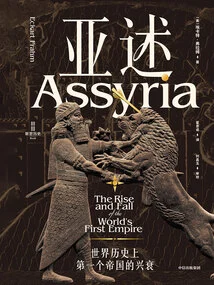
亚述:世界历史上第一个帝国的兴衰
(us) Eckart Fram
In 1843, French archaeologist Botha's team excavated several strange and interesting reliefs and stones with inscriptions near a small village northeast of Mosul, Iraq. The veil of a mysterious ancient civilization was unveiled. This ancient civilization was Assyria. From its first appearance in historical records in the 23rd century BC to the fall of the imperial capital Nineveh in 612 BC, Assyria's approximately 2,000-year history is a story of a small city-state on the Tigris River going through several ups and downs, becoming a large empire spanning Asia and Africa, and then suddenly falling.
In 1843, French archaeologist Botha's team excavated several strange and interesting reliefs and stones with inscriptions near a small village northeast of Mosul, Iraq. The veil of a mysterious ancient civilization was unveiled. This ancient civilization was Assyria. From its first appearance in historical records in the 23rd century BC to the fall of the imperial capital Nineveh in 612 BC, Assyria's approximately 2,000-year history is a story of a small city-state on the Tigris River going through several ups and downs, becoming a large empire spanning Asia and Africa, and then suddenly falling.
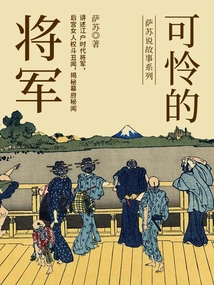
可怜的将军(萨苏说故事系列)
Sassou
This is another "Sassou Storytelling" series of works by the author following the best-selling books "Nine Talks in Beijing", "Beijing Jokes", "Ten Cases in Beijing" and "Animal Strange Cases". With spicy and humorous writing style and Sassou's unique perspective, it tells the story of the intrigues, love and hatred of the generals, wives and harem ladies of the Tokugawa Shogunate (Edo) era in Japan, and is a historical popular reading that analyzes the various personalities of the Japanese nation.
This is another "Sassou Storytelling" series of works by the author following the best-selling books "Nine Talks in Beijing", "Beijing Jokes", "Ten Cases in Beijing" and "Animal Strange Cases". With spicy and humorous writing style and Sassou's unique perspective, it tells the story of the intrigues, love and hatred of the generals, wives and harem ladies of the Tokugawa Shogunate (Edo) era in Japan, and is a historical popular reading that analyzes the various personalities of the Japanese nation.
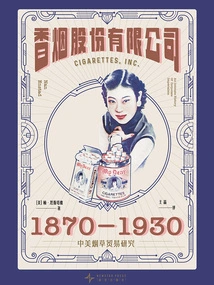
香烟股份有限公司:1870-1930中美烟草贸易研究
(us)nan Enstad
Through the most destructive commodity from the late 19th century to the early 20th century - cigarettes, we examine issues such as modernization, imperialism, consumer culture, labor relations, corporate innovation, and apartheid. Based on the rise of cigarettes and the modernization of the tobacco industry from the late 19th to early 20th centuries, this book explores the local development of British American Tobacco (BAT), the world's second largest tobacco company, and its history of establishing branches in China. It also traces the process of mutual contact and influence between the Chinese and American tobacco industries during this period. As social organizations, the internal situation of American and Chinese cigarette companies is very complex, and people must cross racial differences in daily contact to achieve the production and sales of cigarettes. The author uses the "Bright Leaf Tobacco Network" formed during the long-term development of British American Tobacco Company as a clue to conduct research, revealing a piece of unknown history for us. This network includes not only elite entrepreneurs, but also farmers, businessmen (compradors), workers, salesmen, baseball players, jazz musicians, dancers, etc. Of different races and regions. They are on the front line of commercial activities, creating history through conflicts, entanglements, and cooperation.
Through the most destructive commodity from the late 19th century to the early 20th century - cigarettes, we examine issues such as modernization, imperialism, consumer culture, labor relations, corporate innovation, and apartheid. Based on the rise of cigarettes and the modernization of the tobacco industry from the late 19th to early 20th centuries, this book explores the local development of British American Tobacco (BAT), the world's second largest tobacco company, and its history of establishing branches in China. It also traces the process of mutual contact and influence between the Chinese and American tobacco industries during this period. As social organizations, the internal situation of American and Chinese cigarette companies is very complex, and people must cross racial differences in daily contact to achieve the production and sales of cigarettes. The author uses the "Bright Leaf Tobacco Network" formed during the long-term development of British American Tobacco Company as a clue to conduct research, revealing a piece of unknown history for us. This network includes not only elite entrepreneurs, but also farmers, businessmen (compradors), workers, salesmen, baseball players, jazz musicians, dancers, etc. Of different races and regions. They are on the front line of commercial activities, creating history through conflicts, entanglements, and cooperation.
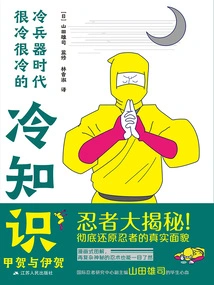
冷兵器时代很冷很冷的冷知识:甲贺与伊贺
(japan) Supervised By Yuji Yamada
When it comes to ninjas, the first thing that comes to everyone's mind is that they can fly into the sky and escape from the earth, and travel thousands of miles in a day. In fact, although the ninjas of the Warring States Period could neither use round shurikens nor walk on water, no one could compare with them in terms of completing their master's mission and being able to infiltrate anywhere with ease. Changing history handsomely without leaving any trace, this is the real Sengoku ninja. Ninja was the "information industry" at the time, where the most advanced "science and technology" at the time were gathered. This book uses illustrations to interpret their wisdom and skills one by one, restoring to you the most authentic group of ninjas from the Warring States Period.
When it comes to ninjas, the first thing that comes to everyone's mind is that they can fly into the sky and escape from the earth, and travel thousands of miles in a day. In fact, although the ninjas of the Warring States Period could neither use round shurikens nor walk on water, no one could compare with them in terms of completing their master's mission and being able to infiltrate anywhere with ease. Changing history handsomely without leaving any trace, this is the real Sengoku ninja. Ninja was the "information industry" at the time, where the most advanced "science and technology" at the time were gathered. This book uses illustrations to interpret their wisdom and skills one by one, restoring to you the most authentic group of ninjas from the Warring States Period.
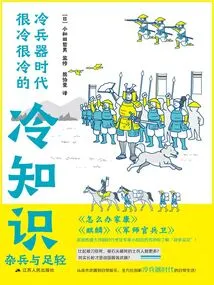
冷兵器时代很冷很冷的冷知识:杂兵与足轻
(japan) Supervised By Tetsuo Owada
Throw away all filters, and from the perspective of ordinary people and unknown warriors, through their daily lives, show the real side of the Warring States Period belonging to the little people!
Throw away all filters, and from the perspective of ordinary people and unknown warriors, through their daily lives, show the real side of the Warring States Period belonging to the little people!
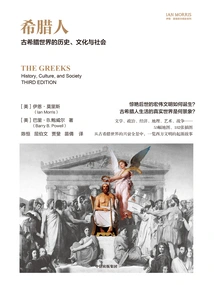
希腊人(伊恩·莫里斯文明史系列)
N
Among the three treasures of the Louvre, two are ancient Greek heritage. Among the four great tragedians in the history of Western drama, three are ancient Greeks. The Roman poet Horace once said: "The Romans conquered Greece, but Greek culture conquered Rome." Ancient Greek civilization is one of the two major sources of Western civilization. In this book, two well-known American historians and archaeologists work together to bring us into the long history of ancient Greece from prehistory to 30 BC. They skillfully weave together historical events, influential figures and social systems, as well as themes such as politics, economy, religion, geography, war, philosophy, mythology, drama, painting, and architecture. Combining 53 maps, 182 illustrations, and rich and wonderful historical documents, they take us deep into the daily lives of the ancient Greeks, experience the fluctuations and extensions of their spiritual world, and understand the important driving force behind their own civilization. More importantly, this book is not limited to the description of the Aegean region, but expands its horizons to the entire Mediterranean world, striving to comprehensively present the countries and people who interacted with the ancient Greeks. From this, the book narrates the Mycenaean civilization, the centuries-long bleak Dark Ages, the birth and success of city-states in the Archaic era, the Hellenistic era, and the moment of fate that fell to the iron heel of ancient Rome. In the author's writing, this land demonstrates its ups and downs, struggles, and endless power in the torrent of the times. As for the ancient Greeks as the protagonists, we can also fully understand the specific contributions their actions made to major historical processes.
Among the three treasures of the Louvre, two are ancient Greek heritage. Among the four great tragedians in the history of Western drama, three are ancient Greeks. The Roman poet Horace once said: "The Romans conquered Greece, but Greek culture conquered Rome." Ancient Greek civilization is one of the two major sources of Western civilization. In this book, two well-known American historians and archaeologists work together to bring us into the long history of ancient Greece from prehistory to 30 BC. They skillfully weave together historical events, influential figures and social systems, as well as themes such as politics, economy, religion, geography, war, philosophy, mythology, drama, painting, and architecture. Combining 53 maps, 182 illustrations, and rich and wonderful historical documents, they take us deep into the daily lives of the ancient Greeks, experience the fluctuations and extensions of their spiritual world, and understand the important driving force behind their own civilization. More importantly, this book is not limited to the description of the Aegean region, but expands its horizons to the entire Mediterranean world, striving to comprehensively present the countries and people who interacted with the ancient Greeks. From this, the book narrates the Mycenaean civilization, the centuries-long bleak Dark Ages, the birth and success of city-states in the Archaic era, the Hellenistic era, and the moment of fate that fell to the iron heel of ancient Rome. In the author's writing, this land demonstrates its ups and downs, struggles, and endless power in the torrent of the times. As for the ancient Greeks as the protagonists, we can also fully understand the specific contributions their actions made to major historical processes.
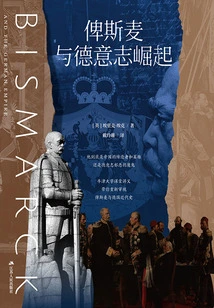
俾斯麦与德意志崛起
(uk) Eric Ecker
"Bismarck and the Rise of Germany" is a historical research monograph summarized from many lectures given by the German-British historian Eric Eck during his lectures at Oxford University. This book was written after the end of World War II. In the context of the common reflection of the German nation, the author re-studies Bismarck, a key figure who promoted the formation of the German nation and the unification of Germany. It not only narrates key events such as the unification of Germany, the Austro-Prussian War, and the Franco-Prussian War, but also reflects on the evolution of Germany's political structure and the transformation of national thought. Was Bismarck the great man who unified Germany, or the devil who planted the seeds for world war? Why did the German nation embark on the path of becoming the birthplace of world war? The author of this book takes you back one by one.
"Bismarck and the Rise of Germany" is a historical research monograph summarized from many lectures given by the German-British historian Eric Eck during his lectures at Oxford University. This book was written after the end of World War II. In the context of the common reflection of the German nation, the author re-studies Bismarck, a key figure who promoted the formation of the German nation and the unification of Germany. It not only narrates key events such as the unification of Germany, the Austro-Prussian War, and the Franco-Prussian War, but also reflects on the evolution of Germany's political structure and the transformation of national thought. Was Bismarck the great man who unified Germany, or the devil who planted the seeds for world war? Why did the German nation embark on the path of becoming the birthplace of world war? The author of this book takes you back one by one.
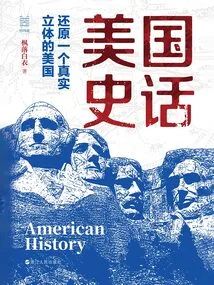
美国史话:还原一个真实立体的美国(经纬度丛书)
Maple Falls In White Clothes
"American History" restores a real, complex and unknown America. This book mainly tells the history of the United States around its character, spanning from the 15th century to the end of the 20th century, covering the founding of the country, the founding of the Constitution, westward expansion, the pragmatism of North American colonists, the dilemmas and breakthroughs of the Civil War, and the United States' position and performance in international wars. Grasp the important nodes, important people, and important events, and analyze the reasons why the United States can grow into a superpower in just a few hundred years. By reading this book, you will understand American history and Americans, see the internal core behind major events, and better grasp the general trend of the world! After reading this book, you will have a new and comprehensive view of many major historical events. Reading this book, you will get the pleasure of breaking through cognition and immersive absorption, and you will no longer be kidnapped by ordinary opinions. Understand the true three-dimensional history of the United States and Americans, and grasp the unknown ins and outs of American history from multiple perspectives.
"American History" restores a real, complex and unknown America. This book mainly tells the history of the United States around its character, spanning from the 15th century to the end of the 20th century, covering the founding of the country, the founding of the Constitution, westward expansion, the pragmatism of North American colonists, the dilemmas and breakthroughs of the Civil War, and the United States' position and performance in international wars. Grasp the important nodes, important people, and important events, and analyze the reasons why the United States can grow into a superpower in just a few hundred years. By reading this book, you will understand American history and Americans, see the internal core behind major events, and better grasp the general trend of the world! After reading this book, you will have a new and comprehensive view of many major historical events. Reading this book, you will get the pleasure of breaking through cognition and immersive absorption, and you will no longer be kidnapped by ordinary opinions. Understand the true three-dimensional history of the United States and Americans, and grasp the unknown ins and outs of American history from multiple perspectives.
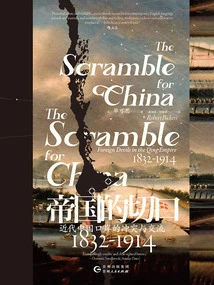
帝国的切口:近代中国口岸的冲突与交流
(english) Bikes
This book begins with the British gradually eroding China in the late Qing Dynasty through the opium trade in 1832, and narrates more than 80 years of modern history until 1914. At that time, the Qing government closed the country and maintained only minimal trade with the West. Through the opium trade and war, Britain broke the balance between East and West. Western powers forced the Qing government to open its borders, sign a series of unequal treaties, and open a series of treaty ports. This book uses small things to see the big things, and through vivid stories, it shows the changes in the concessions, treaty ports, customs, and even the entire Chinese society. It should be noted that the main observation perspective of this book comes from the letters, diaries, archives of foreigners in China at that time, as well as the newspapers and periodicals sponsored by them. It can be said that it is a very rare reading and observation perspective to speculate and analyze the various behavioral motivations and logic of Western powers through the perspective of foreigners.
This book begins with the British gradually eroding China in the late Qing Dynasty through the opium trade in 1832, and narrates more than 80 years of modern history until 1914. At that time, the Qing government closed the country and maintained only minimal trade with the West. Through the opium trade and war, Britain broke the balance between East and West. Western powers forced the Qing government to open its borders, sign a series of unequal treaties, and open a series of treaty ports. This book uses small things to see the big things, and through vivid stories, it shows the changes in the concessions, treaty ports, customs, and even the entire Chinese society. It should be noted that the main observation perspective of this book comes from the letters, diaries, archives of foreigners in China at that time, as well as the newspapers and periodicals sponsored by them. It can be said that it is a very rare reading and observation perspective to speculate and analyze the various behavioral motivations and logic of Western powers through the perspective of foreigners.
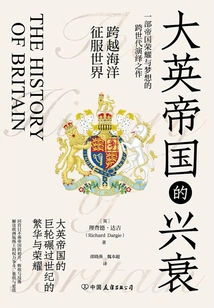
大英帝国的兴衰
(uk)richard Darge
From the Neolithic Age to the 21st century, this book spans the ages and tells the grand and extraordinary legendary history of Britain. The book divides Britain into eight major historical stages based on a timeline, showing the colorful features of Britain from prehistory to the Middle Ages, early modern times, the Georgian period to the Victorian era and after the 20th century, and reveals the rise and fall of Britain one by one. This book provides an in-depth analysis of the political, economic, social and other aspects of Britain in various periods, and is accompanied by a chronology and illustrations of major events, vividly and clearly presenting the historical evolution of Britain and the rich connotations behind it.
From the Neolithic Age to the 21st century, this book spans the ages and tells the grand and extraordinary legendary history of Britain. The book divides Britain into eight major historical stages based on a timeline, showing the colorful features of Britain from prehistory to the Middle Ages, early modern times, the Georgian period to the Victorian era and after the 20th century, and reveals the rise and fall of Britain one by one. This book provides an in-depth analysis of the political, economic, social and other aspects of Britain in various periods, and is accompanied by a chronology and illustrations of major events, vividly and clearly presenting the historical evolution of Britain and the rich connotations behind it.
非洲阿拉伯国家通史:摩洛哥史
Editor-in-chief Wang Tiezheng
"A General History of African Arab Countries", compiled by Professor Wang Tiezheng, a famous expert on Middle Eastern history, is the first general history work written by Chinese scholars that comprehensively reflects the history of African Arab countries from ancient times to the present. Among them, "History of Morocco" was written by Lin Songye, associate researcher at the Institute of Middle East Studies at Northwestern University. It is the first relatively complete general history of Morocco written by a Chinese scholar. There are 10 chapters in the book. The author introduces Morocco in ancient times, Morocco in the Middle Ages, the establishment and early rule of the Allawi dynasty, the competition of European powers for modern Morocco, modern Morocco that became a "protectorate" in chronological order from ancient times to the present.
"A General History of African Arab Countries", compiled by Professor Wang Tiezheng, a famous expert on Middle Eastern history, is the first general history work written by Chinese scholars that comprehensively reflects the history of African Arab countries from ancient times to the present. Among them, "History of Morocco" was written by Lin Songye, associate researcher at the Institute of Middle East Studies at Northwestern University. It is the first relatively complete general history of Morocco written by a Chinese scholar. There are 10 chapters in the book. The author introduces Morocco in ancient times, Morocco in the Middle Ages, the establishment and early rule of the Allawi dynasty, the competition of European powers for modern Morocco, modern Morocco that became a "protectorate" in chronological order from ancient times to the present.
非洲阿拉伯国家通史:利比亚史
Editor-in-chief Wang Tiezheng
"General History of African Arab Countries" is the final result of the National Social Science Fund's major project "Research on the General History of African Arab Countries". It consists of 8 volumes, including: "History of Libya", "History of Egypt", "History of Algeria", "History of Morocco", "History of Tunisia", "History of Sudan", "History of Somalia, Djibouti and Comoros", and "History of Mauritania". This book is the "History of Libya" in the "General History of Arab African Countries". It is the first general history work written by Chinese scholars that comprehensively reflects Libya from ancient times to the present. The book is divided into 8 chapters, covering the historical exchanges of ancient Libyan civilization, the rise and fall of the Karamanli Dynasty, Libya under the occupation of the Ottoman Empire, Libya during the Italian colonial period, the rise and fall of the United Kingdom of Libya, Libya under Gaddafi's governance, Libya in the post-Cold War era, etc., Sorting out the evolution and basic issues of the general history of Libya.
"General History of African Arab Countries" is the final result of the National Social Science Fund's major project "Research on the General History of African Arab Countries". It consists of 8 volumes, including: "History of Libya", "History of Egypt", "History of Algeria", "History of Morocco", "History of Tunisia", "History of Sudan", "History of Somalia, Djibouti and Comoros", and "History of Mauritania". This book is the "History of Libya" in the "General History of Arab African Countries". It is the first general history work written by Chinese scholars that comprehensively reflects Libya from ancient times to the present. The book is divided into 8 chapters, covering the historical exchanges of ancient Libyan civilization, the rise and fall of the Karamanli Dynasty, Libya under the occupation of the Ottoman Empire, Libya during the Italian colonial period, the rise and fall of the United Kingdom of Libya, Libya under Gaddafi's governance, Libya in the post-Cold War era, etc., Sorting out the evolution and basic issues of the general history of Libya.
非洲阿拉伯国家通史:毛里塔尼亚史
Editor-in-chief Wang Tiezheng
Today's Mauritania is located in northwest Africa. Historically, Mauritania has been marginalized on the world stage, yet in today's world, Mauritania is a country worth paying attention to. This book sorts out the current situation of Mauritania, including its geographical characteristics, humanistic conditions, economic structure, political system and other basic conditions. According to the historical evolution process, it explains Mauritania's prehistoric culture, ancient Berbers and their southward migration, the rise and fall of the Berber Sanhaja Alliance, Mauritania under the Almourabit dynasty, Arab migration, until French colonial rule and Mauritania's autonomy, and the development and twists and turns of the First Republic. Finally, the author analyzes the turbulent situation in Mauritania since the new century and its friendly and cooperative relations with China. This book is one of the "General History of Arab Countries in Africa Series", which is edited by Professor Wang Tiezheng and is a research result of a major project of the National Social Science Foundation.
Today's Mauritania is located in northwest Africa. Historically, Mauritania has been marginalized on the world stage, yet in today's world, Mauritania is a country worth paying attention to. This book sorts out the current situation of Mauritania, including its geographical characteristics, humanistic conditions, economic structure, political system and other basic conditions. According to the historical evolution process, it explains Mauritania's prehistoric culture, ancient Berbers and their southward migration, the rise and fall of the Berber Sanhaja Alliance, Mauritania under the Almourabit dynasty, Arab migration, until French colonial rule and Mauritania's autonomy, and the development and twists and turns of the First Republic. Finally, the author analyzes the turbulent situation in Mauritania since the new century and its friendly and cooperative relations with China. This book is one of the "General History of Arab Countries in Africa Series", which is edited by Professor Wang Tiezheng and is a research result of a major project of the National Social Science Foundation.
非洲阿拉伯国家通史:苏丹史
Editor-in-chief Wang Tiezheng
"General History of African Arab Countries" is the final result of the National Social Science Fund's major project "Research on the General History of African Arab Countries". It consists of eight volumes, including: "History of Libya", "History of Egypt", "History of Algeria", "History of Morocco", "History of Tunisia", "History of Sudan", "History of Somalia, Djibouti and Comoros", and "History of Mauritania". "A General History of African Arab Countries" is the first general history work written by domestic scholars that comprehensively reflects the history of African Arab countries from ancient times to the present. It adopts the style of a national general history and uses historical narrative to explain the formation of various nations and countries from both vertical and horizontal dimensions from multiple perspectives, and The characteristics and laws of development and evolution in different historical stages objectively demonstrate the historical evolution of African and Arab countries, and put forward academic views and perspectives with Chinese characteristics on the historical development process of each country, filling the gap in the research on the general history of African and Arab countries in my country's academic circles. This book is the "History of Sudan" of "General History of African Arab Countries". It shows the historical evolution of Sudan and the characteristics of its development and evolution in different historical stages. It is the first relatively complete general history of Sudan written by a Chinese scholar.
"General History of African Arab Countries" is the final result of the National Social Science Fund's major project "Research on the General History of African Arab Countries". It consists of eight volumes, including: "History of Libya", "History of Egypt", "History of Algeria", "History of Morocco", "History of Tunisia", "History of Sudan", "History of Somalia, Djibouti and Comoros", and "History of Mauritania". "A General History of African Arab Countries" is the first general history work written by domestic scholars that comprehensively reflects the history of African Arab countries from ancient times to the present. It adopts the style of a national general history and uses historical narrative to explain the formation of various nations and countries from both vertical and horizontal dimensions from multiple perspectives, and The characteristics and laws of development and evolution in different historical stages objectively demonstrate the historical evolution of African and Arab countries, and put forward academic views and perspectives with Chinese characteristics on the historical development process of each country, filling the gap in the research on the general history of African and Arab countries in my country's academic circles. This book is the "History of Sudan" of "General History of African Arab Countries". It shows the historical evolution of Sudan and the characteristics of its development and evolution in different historical stages. It is the first relatively complete general history of Sudan written by a Chinese scholar.
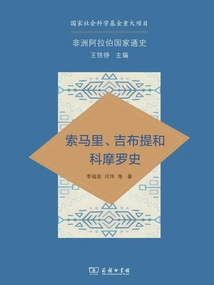
非洲阿拉伯国家通史:索马里、吉布提和科摩罗史
Editor-in-chief Wang Tiezheng
The book is divided into eleven chapters, which basically introduces the history, political system changes, cultural and economic development of Somalia, Djibouti and Comoros in chronological order. The discussion focuses on the history of Somalia and its relationship with Arab culture. The last chapter is dedicated to describing the development of diplomatic relations between the three countries and China. As the first book to systematically discuss the history of the three East African countries, this book firmly grasps the development and influence of Arab culture in East Africa and China's exchanges and interactions with the East African region since ancient times. It is not only a research result that fills the research gap, but also a concrete embodiment of the "Belt and Road" cultural research. This book has clear organization and smooth language, making it a relatively easy-to-read world history book.
The book is divided into eleven chapters, which basically introduces the history, political system changes, cultural and economic development of Somalia, Djibouti and Comoros in chronological order. The discussion focuses on the history of Somalia and its relationship with Arab culture. The last chapter is dedicated to describing the development of diplomatic relations between the three countries and China. As the first book to systematically discuss the history of the three East African countries, this book firmly grasps the development and influence of Arab culture in East Africa and China's exchanges and interactions with the East African region since ancient times. It is not only a research result that fills the research gap, but also a concrete embodiment of the "Belt and Road" cultural research. This book has clear organization and smooth language, making it a relatively easy-to-read world history book.
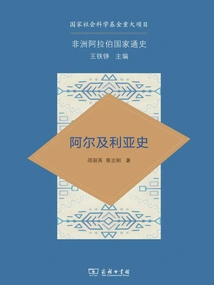
非洲阿拉伯国家通史:阿尔及利亚史
Editor-in-chief Wang Tiezheng
This book completely combs the history of Algeria, covering its historical and geographical overview, before the Arab conquest, the period of Islamic rule, the period of French colonial rule, the Algerian national liberation movement and its independence, and the construction of Algeria during the periods of Ben Bella, Boumediene, Shadeli, and Bouteflika. At the end of the book, it specifically discusses the relationship between China and Algeria. It can be said that this is a general history of Algeria in the true sense, running through its ancient and modern development, showing the difficult process of an African country's development of independence.
This book completely combs the history of Algeria, covering its historical and geographical overview, before the Arab conquest, the period of Islamic rule, the period of French colonial rule, the Algerian national liberation movement and its independence, and the construction of Algeria during the periods of Ben Bella, Boumediene, Shadeli, and Bouteflika. At the end of the book, it specifically discusses the relationship between China and Algeria. It can be said that this is a general history of Algeria in the true sense, running through its ancient and modern development, showing the difficult process of an African country's development of independence.
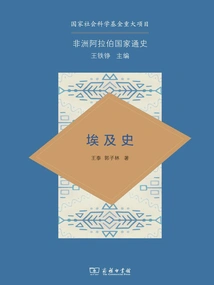
非洲阿拉伯国家通史:埃及史
Editor-in-chief Wang Tiezheng
"History of Ancient Egypt" is an important monograph by Mr. Liu Wenpeng, the main founder of Egyptology in my country. It is the largest and most comprehensive monograph on the history of ancient Egypt written by Chinese scholars so far. In addition to the introduction, the book is divided into 12 chapters, starting from the description of the prehistoric culture of the Paleolithic Age in ancient Egypt and ending with the Arab conquest of Egypt in the 7th century. Taking the evolution of civilization as the main line, it narrates the development of the ancient Egyptians from a city-state to a unified kingdom-empire and from prosperity to decline, revealing the origin of Egyptian civilization. This book uses multi-lingual literature and archaeological materials in English, Russian, Japanese and other languages to introduce it from various aspects such as politics, economy and culture. It is rich in content and highly readable.
"History of Ancient Egypt" is an important monograph by Mr. Liu Wenpeng, the main founder of Egyptology in my country. It is the largest and most comprehensive monograph on the history of ancient Egypt written by Chinese scholars so far. In addition to the introduction, the book is divided into 12 chapters, starting from the description of the prehistoric culture of the Paleolithic Age in ancient Egypt and ending with the Arab conquest of Egypt in the 7th century. Taking the evolution of civilization as the main line, it narrates the development of the ancient Egyptians from a city-state to a unified kingdom-empire and from prosperity to decline, revealing the origin of Egyptian civilization. This book uses multi-lingual literature and archaeological materials in English, Russian, Japanese and other languages to introduce it from various aspects such as politics, economy and culture. It is rich in content and highly readable.
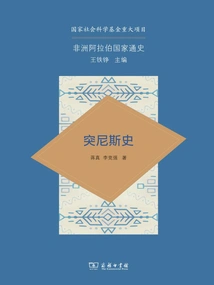
非洲阿拉伯国家通史:突尼斯史
Editor-in-chief Wang Tiezheng
"General History of African Arab Countries" is the final result of the National Social Science Fund's major project "Research on the General History of African Arab Countries". It consists of eight volumes, including: "History of Libya", "History of Egypt", "History of Algeria", "History of Morocco", "History of Tunisia", "History of Sudan", "History of Somalia, Djibouti and Comoros", and "History of Mauritania". The Arabian Plate is an important part of world civilization. If you don't understand the Arabian Plate, you cannot deeply understand the significance of a community with a shared future for mankind. "A General History of African Arab Countries" is the first original general history work written by domestic scholars that comprehensively reflects the history of African Arab countries from ancient times to the present. It adopts the style of a national general history and uses historical narrative to explain the formation of various nations and countries from both vertical and horizontal dimensions and from multiple perspectives. And the characteristics and laws of development and evolution in different historical stages. It objectively shows the historical evolution of African and Arab countries, and puts forward academic views and perspectives with Chinese characteristics on the historical development process of each country, filling the gap in the study of the general history of African and Arab countries in the Chinese academic community. This book is the "History of Tunisia" in the eight-volume "General History of African Arab Countries". It is the first general history work written by Chinese scholars that comprehensively reflects the history of Tunisia from ancient times to the present.
"General History of African Arab Countries" is the final result of the National Social Science Fund's major project "Research on the General History of African Arab Countries". It consists of eight volumes, including: "History of Libya", "History of Egypt", "History of Algeria", "History of Morocco", "History of Tunisia", "History of Sudan", "History of Somalia, Djibouti and Comoros", and "History of Mauritania". The Arabian Plate is an important part of world civilization. If you don't understand the Arabian Plate, you cannot deeply understand the significance of a community with a shared future for mankind. "A General History of African Arab Countries" is the first original general history work written by domestic scholars that comprehensively reflects the history of African Arab countries from ancient times to the present. It adopts the style of a national general history and uses historical narrative to explain the formation of various nations and countries from both vertical and horizontal dimensions and from multiple perspectives. And the characteristics and laws of development and evolution in different historical stages. It objectively shows the historical evolution of African and Arab countries, and puts forward academic views and perspectives with Chinese characteristics on the historical development process of each country, filling the gap in the study of the general history of African and Arab countries in the Chinese academic community. This book is the "History of Tunisia" in the eight-volume "General History of African Arab Countries". It is the first general history work written by Chinese scholars that comprehensively reflects the history of Tunisia from ancient times to the present.
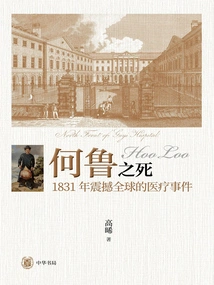
何鲁之死:1831年震撼全球的医疗事件
Gao Xi
On April 9, 1831, three famous surgeons from Guy's Hospital in London removed a giant tumor weighing 56 pounds from the Chinese patient He Lu. During the one-hour and 44-minute operation without anesthesia, He Lu fainted several times and eventually died on the operating table at the age of 32. This book takes as the main line the transnational medical incident of He Lu, a small figure who tried to knock on the door of China through Western medicine before the Opium War. It uses many first-hand materials at home and abroad to carefully depict the shock caused by this incident, especially the lasting impact on British politics and the history of modern surgery. It shows the political, diplomatic, technological, and cultural landscape of Sino-British relations, medical progress, medical ethics, and the image of the East.
On April 9, 1831, three famous surgeons from Guy's Hospital in London removed a giant tumor weighing 56 pounds from the Chinese patient He Lu. During the one-hour and 44-minute operation without anesthesia, He Lu fainted several times and eventually died on the operating table at the age of 32. This book takes as the main line the transnational medical incident of He Lu, a small figure who tried to knock on the door of China through Western medicine before the Opium War. It uses many first-hand materials at home and abroad to carefully depict the shock caused by this incident, especially the lasting impact on British politics and the history of modern surgery. It shows the political, diplomatic, technological, and cultural landscape of Sino-British relations, medical progress, medical ethics, and the image of the East.
奔腾不息:雨、河、岸、海与亚洲历史的塑造
(india) Sunil Amrith
Asia's history is a history shaped by its waters. In Running Away: Rains, Rivers, Shores, Seas, and the Shaping of Asia's History, historian Sunil Amrith re-examines Asia's history through the stories of Asia's rains, rivers, coasts, and oceans, and the weather observers, engineers, and farmers who sought to control them. From an Indian perspective, he shows how dreams and fears about water shaped visions of political independence and economic development, inspired efforts to reshape nature through dams and pumps, and reversed tensions within and outside the country, offering new perspectives and inspiration for readers to think about the course of Asian history.
Asia's history is a history shaped by its waters. In Running Away: Rains, Rivers, Shores, Seas, and the Shaping of Asia's History, historian Sunil Amrith re-examines Asia's history through the stories of Asia's rains, rivers, coasts, and oceans, and the weather observers, engineers, and farmers who sought to control them. From an Indian perspective, he shows how dreams and fears about water shaped visions of political independence and economic development, inspired efforts to reshape nature through dams and pumps, and reversed tensions within and outside the country, offering new perspectives and inspiration for readers to think about the course of Asian history.
活着回来的男人:一个普通日本兵的二战及战后生命史(新版)
(japan) Bear Eiji
"The Man Who Came Back Alive" is a book that chronicles the life history of Japan before and after World War II from the perspective of ordinary people. The protagonist Kenji Xiong has been drafted at a young age, worked in a prisoner of war camp, contracted tuberculosis, caught up with the wave of rapid economic growth, and initiated a post-war lawsuit against Japan for compensation. This book is both an oral history, a popular history and a social history. The author records the life trajectory of his father as an ordinary Japanese soldier, showing the changes in the times before and after World War II, the changes in Japanese society after the war, and how individual destiny is affected by the great times. He also reflects on Japan's war crimes, forming a "living history of the 20th century."
"The Man Who Came Back Alive" is a book that chronicles the life history of Japan before and after World War II from the perspective of ordinary people. The protagonist Kenji Xiong has been drafted at a young age, worked in a prisoner of war camp, contracted tuberculosis, caught up with the wave of rapid economic growth, and initiated a post-war lawsuit against Japan for compensation. This book is both an oral history, a popular history and a social history. The author records the life trajectory of his father as an ordinary Japanese soldier, showing the changes in the times before and after World War II, the changes in Japanese society after the war, and how individual destiny is affected by the great times. He also reflects on Japan's war crimes, forming a "living history of the 20th century."
金与铁:俾斯麦、布莱希罗德与德意志帝国的建立(理想国译丛23·新版)
(us) Fritz Stern
Bismarck's speech to the Prussian Parliament in 1862 earned him the title of "Iron Chancellor", but the establishment of the German Empire relied more on money, coal and iron, rather than iron and blood. Fritz Stern uses the relationship between Bismarck and the Prussian Jewish banker Bleichröder as the main line to depict the inextricable relationship between the German political and financial circles and the collision between the new capitalist world and the ancient feudal system. The conflicts of interest brought about by Jewish success and social mobility not only revealed the fragility of the new German Empire and its ruling class, but also demonstrated the duality of wealth-it both threatened tradition and provided hope for social mobility.
Bismarck's speech to the Prussian Parliament in 1862 earned him the title of "Iron Chancellor", but the establishment of the German Empire relied more on money, coal and iron, rather than iron and blood. Fritz Stern uses the relationship between Bismarck and the Prussian Jewish banker Bleichröder as the main line to depict the inextricable relationship between the German political and financial circles and the collision between the new capitalist world and the ancient feudal system. The conflicts of interest brought about by Jewish success and social mobility not only revealed the fragility of the new German Empire and its ruling class, but also demonstrated the duality of wealth-it both threatened tradition and provided hope for social mobility.
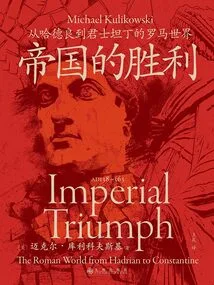
帝国的胜利:从哈德良到君士坦丁的罗马世界
(us) Michael Kulikovsky
This book presents the history of Rome at the height of its imperial power. From the beginning of Hadrian's reign in Rome to the death of Julian "the Apostate" during the Persian campaign, it provides a detailed account of the complex shapes and often fatal turns of imperial politics, with a sometimes dizzying succession of emperors rising and falling. However, despite this instability, the Romans were able to withstand successive attacks from the Parthians, Germans, Persians and Goths, cementing their position as the masters of Europe and the Mediterranean. This book shows how they do it. Professor Michael Kulikovsky describes the cultural syncretism of the empire in the 2nd century, the political crisis in Rome's Mediterranean world in the 3rd century as it came under the influence of larger forces in Eurasian history, and the reshaping of Roman imperial institutions in the 4th century under Constantine and his son Constantius II. Professor Kulikovsky believes that the Revolution of Constantine was a turning point in the fate of the empire and the beginning of the separation of the Eastern and Western empires. This is an insightful, authoritative, and gripping overview of one of the world's greatest empires at the height of its glory.
This book presents the history of Rome at the height of its imperial power. From the beginning of Hadrian's reign in Rome to the death of Julian "the Apostate" during the Persian campaign, it provides a detailed account of the complex shapes and often fatal turns of imperial politics, with a sometimes dizzying succession of emperors rising and falling. However, despite this instability, the Romans were able to withstand successive attacks from the Parthians, Germans, Persians and Goths, cementing their position as the masters of Europe and the Mediterranean. This book shows how they do it. Professor Michael Kulikovsky describes the cultural syncretism of the empire in the 2nd century, the political crisis in Rome's Mediterranean world in the 3rd century as it came under the influence of larger forces in Eurasian history, and the reshaping of Roman imperial institutions in the 4th century under Constantine and his son Constantius II. Professor Kulikovsky believes that the Revolution of Constantine was a turning point in the fate of the empire and the beginning of the separation of the Eastern and Western empires. This is an insightful, authoritative, and gripping overview of one of the world's greatest empires at the height of its glory.
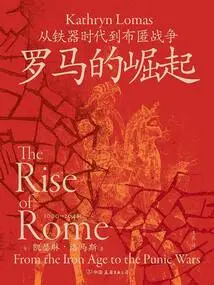
罗马的崛起:从铁器时代到布匿战争
(uk) Catherine Lomas
This book explores the development of Rome from 1000 BC to 264 BC and the nature of its control over Italy. Rome began as one of several emerging powers and later achieved brilliant dominance. This book analyzes why and how the Romans did this. From its complex form of government to its innovative ways of communicating with other nations, Lomas demonstrates what made Rome unique.
This book explores the development of Rome from 1000 BC to 264 BC and the nature of its control over Italy. Rome began as one of several emerging powers and later achieved brilliant dominance. This book analyzes why and how the Romans did this. From its complex form of government to its innovative ways of communicating with other nations, Lomas demonstrates what made Rome unique.
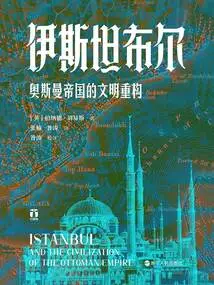
伊斯坦布尔:奥斯曼帝国的文明重构(好望角丛书)
(british) Bernard Lewis
Bernard Lewis, a master of Middle Eastern studies, makes flexible use of a large number of first-hand historical materials and related literary works, and based on direct observation and records, vividly reproduces the urban life and civilization of Istanbul during the Ottoman Empire. Thematic structure explores Istanbul under the reconstruction of Ottoman Empire civilization from all aspects of politics, economy, culture, and social life. Seeing the big from the small, using rich and little-known details to restore the history of Istanbul, reflecting the glory and decline of the entire Ottoman Empire through a city. Istanbul, formerly known as Constantinople, is a legendary city and the capital of three famous empires in history. As the gateway between East and West, different cultures from Asia and Europe collide and merge here. In 1453, Sultan Mehmed II "the Conqueror" conquered the city and made it the capital of the Ottoman Empire. Under Ottoman rule, the city once again transformed itself from a remnant of Byzantium into the center of a vast empire and flourishing civilization. In this rich work, Bernard Lewis, a great historian of the Middle East known as "the last great Orientalist", describes the urban development and the reconstruction of civilization during the great era of the Ottoman Empire from the 15th to the 17th century. Relying on first-hand information from Ottoman chroniclers, poets, and European travelers, and using Ottoman prose and poetry from the perspective of participants and observers at the time, Lewis vividly reproduces the social life of Istanbul and its people, as well as the faces of the sultan, court officials, religious scholars, and other major classes. This book not only writes the history of Istanbul, but also the splendid civilization of the Ottoman Empire at its peak.
Bernard Lewis, a master of Middle Eastern studies, makes flexible use of a large number of first-hand historical materials and related literary works, and based on direct observation and records, vividly reproduces the urban life and civilization of Istanbul during the Ottoman Empire. Thematic structure explores Istanbul under the reconstruction of Ottoman Empire civilization from all aspects of politics, economy, culture, and social life. Seeing the big from the small, using rich and little-known details to restore the history of Istanbul, reflecting the glory and decline of the entire Ottoman Empire through a city. Istanbul, formerly known as Constantinople, is a legendary city and the capital of three famous empires in history. As the gateway between East and West, different cultures from Asia and Europe collide and merge here. In 1453, Sultan Mehmed II "the Conqueror" conquered the city and made it the capital of the Ottoman Empire. Under Ottoman rule, the city once again transformed itself from a remnant of Byzantium into the center of a vast empire and flourishing civilization. In this rich work, Bernard Lewis, a great historian of the Middle East known as "the last great Orientalist", describes the urban development and the reconstruction of civilization during the great era of the Ottoman Empire from the 15th to the 17th century. Relying on first-hand information from Ottoman chroniclers, poets, and European travelers, and using Ottoman prose and poetry from the perspective of participants and observers at the time, Lewis vividly reproduces the social life of Istanbul and its people, as well as the faces of the sultan, court officials, religious scholars, and other major classes. This book not only writes the history of Istanbul, but also the splendid civilization of the Ottoman Empire at its peak.
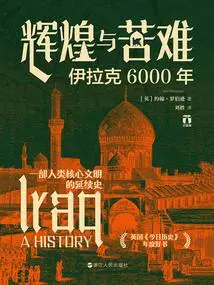
辉煌与苦难:伊拉克6000年(好望角丛书)
(uk) John Robertson
A history of the continuation of human core civilization, a masterpiece by the well-known British historian John Robertson, and one of the top ten best books of the year by British History Today. This book is the only version in China that comprehensively tells the history of Iraq. It completely records the origin, development, prosperity and decline of various ethnic groups in Iraq. It unveils the mysterious ancient country that has stood in the east since 4000 BC. Various legends and various periods of history are explained brilliantly and thoroughly. The vast land now known as Iraq, located in the Mesopotamia, was once the center of the ancient world. It witnessed the change of dynasties - from the city-states of Sumer to the glory of the ancient Babylonian kingdom, from the rise of the Assyrian Empire to the prosperity of the Neo-Babylonian kingdom. It is the intersection of various cultures from the East and the West, giving birth to countless great philosophers, poets and scientists; it is the paradise of mankind, where brave and kind nations live and integrate; it is also famous for its rich oil resources and has accumulated huge wealth. In the hundreds of years from modern times to the present, it has experienced national turmoil, flames of war, and the displacement of its citizens. Entering the 21st century, it is finally on the right track, getting rid of ignorance and entering the modernization process. Why did this land become the birthplace of human civilization? What did the people who multiplied here rely on to establish splendid dynasties? Is the ubiquitous oil here a blessing or a curse? What historical logic is hidden behind thousands of years of disputes, conquests, plunders and today's peace? After years of research and textual research, John Robertson has sorted out a complete historical thread of Iraq. With detailed historical materials and detailed narratives, he shows the rise of ancient Iraqi civilization, the establishment and destruction of various dynasties, the suffering of war after entering modern times, and the hardships of the modernization reform process. He comprehensively and in-depth introduces the past and present of Iraq, and looks forward to the future, dedicating to readers a historical masterpiece full of interest and thought-provoking.
A history of the continuation of human core civilization, a masterpiece by the well-known British historian John Robertson, and one of the top ten best books of the year by British History Today. This book is the only version in China that comprehensively tells the history of Iraq. It completely records the origin, development, prosperity and decline of various ethnic groups in Iraq. It unveils the mysterious ancient country that has stood in the east since 4000 BC. Various legends and various periods of history are explained brilliantly and thoroughly. The vast land now known as Iraq, located in the Mesopotamia, was once the center of the ancient world. It witnessed the change of dynasties - from the city-states of Sumer to the glory of the ancient Babylonian kingdom, from the rise of the Assyrian Empire to the prosperity of the Neo-Babylonian kingdom. It is the intersection of various cultures from the East and the West, giving birth to countless great philosophers, poets and scientists; it is the paradise of mankind, where brave and kind nations live and integrate; it is also famous for its rich oil resources and has accumulated huge wealth. In the hundreds of years from modern times to the present, it has experienced national turmoil, flames of war, and the displacement of its citizens. Entering the 21st century, it is finally on the right track, getting rid of ignorance and entering the modernization process. Why did this land become the birthplace of human civilization? What did the people who multiplied here rely on to establish splendid dynasties? Is the ubiquitous oil here a blessing or a curse? What historical logic is hidden behind thousands of years of disputes, conquests, plunders and today's peace? After years of research and textual research, John Robertson has sorted out a complete historical thread of Iraq. With detailed historical materials and detailed narratives, he shows the rise of ancient Iraqi civilization, the establishment and destruction of various dynasties, the suffering of war after entering modern times, and the hardships of the modernization reform process. He comprehensively and in-depth introduces the past and present of Iraq, and looks forward to the future, dedicating to readers a historical masterpiece full of interest and thought-provoking.
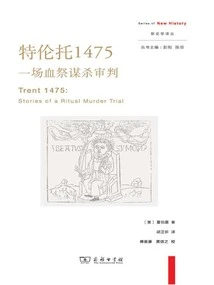
特伦托1475:一场血祭谋杀审判
(us) Xia Bojia
The story of "Trento 1475: A Blood Murder Trial" revolves around the murder of Simon Unferdorben, a two-year-old Christian boy in Trento in 1475. After being reported missing, Simon's body was found in the cellar of the Jewish family of Samuel. The Trento authorities immediately launched an investigation into the Simon case and conducted a series of trials against the Jews. In the study of this series of battles, the relationship between medieval Judaism and Christianity is reflected, and this case also provides a reference for the study of medieval anti-Semitism.
The story of "Trento 1475: A Blood Murder Trial" revolves around the murder of Simon Unferdorben, a two-year-old Christian boy in Trento in 1475. After being reported missing, Simon's body was found in the cellar of the Jewish family of Samuel. The Trento authorities immediately launched an investigation into the Simon case and conducted a series of trials against the Jews. In the study of this series of battles, the relationship between medieval Judaism and Christianity is reflected, and this case also provides a reference for the study of medieval anti-Semitism.
General History of Vietnam
History越南通史
(vietnam) Chen Zhongjin
"General History of Vietnam" has nearly 600 pages, starting from the Hung Pang clan in Vietnam's ancient legendary period (2879 BC - 258 BC) to the end of the French period in the early 20th century (1902). The content of the book is concise and systematic, with appropriate details, and no major historical details are omitted. At the end of the third revised edition in 1949, the author added a brief "temporary statement" of just over one page, briefly mentioning the Vietnamese anti-French movement during the period when Bao Dai abdicated and handed over power to the Viet Minh government in 1945. The "newness" of "General History of Vietnam" is not due to the fact that it is the first general history written in Mandarin characters. More importantly, the author is the first scholar to refer to the scientific and advanced nature of Western historiography, overcoming the shortcomings of traditional Chinese chronicle history books with messy narratives and loose structures.
"General History of Vietnam" has nearly 600 pages, starting from the Hung Pang clan in Vietnam's ancient legendary period (2879 BC - 258 BC) to the end of the French period in the early 20th century (1902). The content of the book is concise and systematic, with appropriate details, and no major historical details are omitted. At the end of the third revised edition in 1949, the author added a brief "temporary statement" of just over one page, briefly mentioning the Vietnamese anti-French movement during the period when Bao Dai abdicated and handed over power to the Viet Minh government in 1945. The "newness" of "General History of Vietnam" is not due to the fact that it is the first general history written in Mandarin characters. More importantly, the author is the first scholar to refer to the scientific and advanced nature of Western historiography, overcoming the shortcomings of traditional Chinese chronicle history books with messy narratives and loose structures.
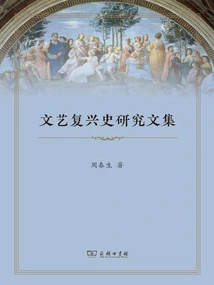
文艺复兴史研究文集
Zhou Chunsheng
This book has about 335,000 words, divided into 4 parts, including 18 papers. It embodies Professor Zhou Chunsheng's basic views on the history and culture of the Renaissance and his comments on humanism; it discusses the research results of three academic pioneers in the field of Renaissance history research, namely Pinotti, Burckhardt, and Simmonds, emphasizing the pioneering status of their research in terms of concepts, methods, and content selection; it combs and analyzes the academic research on Renaissance history in the West since the 18th century; it provides a comprehensive review of Machiavelli, an inescapable figure in the modern Western political and ideological circles. Starting from the combing of academic history, the author conducts a comprehensive academic review of 19th-century Western art history, the history of the city of Florence, the history of the Medici family, etc., Conducts historical criticism of humanism, secular culture, etc., And further analyzes and interprets traditional concepts such as "individualism," "poetic wisdom," and "utopia". He emphasizes that the essence and historical influence of humanistic culture should be understood from multiple perspectives, and the negative factors that have existed and continue to ferment cannot be ignored. Putting Machiavelli's related discussions into a separate volume, the author focuses on Machiavelli's views on the relationship between human nature and politics, Machiavelli's theory of state politics and power operation, and the influence of Machiavelli's political thought. Reviewing the essence and influence of Machiavelli's secular political thought from the theoretical and practical perspectives of modern Western political thought
This book has about 335,000 words, divided into 4 parts, including 18 papers. It embodies Professor Zhou Chunsheng's basic views on the history and culture of the Renaissance and his comments on humanism; it discusses the research results of three academic pioneers in the field of Renaissance history research, namely Pinotti, Burckhardt, and Simmonds, emphasizing the pioneering status of their research in terms of concepts, methods, and content selection; it combs and analyzes the academic research on Renaissance history in the West since the 18th century; it provides a comprehensive review of Machiavelli, an inescapable figure in the modern Western political and ideological circles. Starting from the combing of academic history, the author conducts a comprehensive academic review of 19th-century Western art history, the history of the city of Florence, the history of the Medici family, etc., Conducts historical criticism of humanism, secular culture, etc., And further analyzes and interprets traditional concepts such as "individualism," "poetic wisdom," and "utopia". He emphasizes that the essence and historical influence of humanistic culture should be understood from multiple perspectives, and the negative factors that have existed and continue to ferment cannot be ignored. Putting Machiavelli's related discussions into a separate volume, the author focuses on Machiavelli's views on the relationship between human nature and politics, Machiavelli's theory of state politics and power operation, and the influence of Machiavelli's political thought. Reviewing the essence and influence of Machiavelli's secular political thought from the theoretical and practical perspectives of modern Western political thought
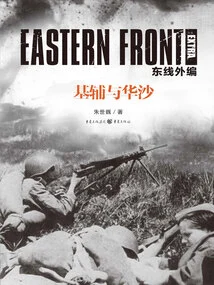
东线外编:基辅与华沙
Zhu Shiwei
In-depth and informative! Reproduce the classic battle of the Soviet-German front truly and objectively! The "Eastern Front Series" series of books depicting life-and-death battles on the battlefields of World War II was written by the famous military writer Mr. Zhu Shiwei. This series focuses on the battles that were of great significance on the Eastern Front battlefield, or that were typical and representative in World War II, and strive to restore the reality of the battlefield to the maximum extent. The book uses rich maps, tables and pictures, as well as concise and clean text expressions, to show every thought-provoking turning point on the Soviet-German battlefield. Ukraine and Poland were in an extremely delicate situation between the two superpowers in the Soviet-German war. Survival and struggle, sacrifice and compromise. From a contemporary perspective, the author makes an objective analysis and fair evaluation of the various judgments and choices made by all parties. Manstein fought in Kiev and Model fought in Warsaw. How did the two German marshals respond when they faced the same crisis...
In-depth and informative! Reproduce the classic battle of the Soviet-German front truly and objectively! The "Eastern Front Series" series of books depicting life-and-death battles on the battlefields of World War II was written by the famous military writer Mr. Zhu Shiwei. This series focuses on the battles that were of great significance on the Eastern Front battlefield, or that were typical and representative in World War II, and strive to restore the reality of the battlefield to the maximum extent. The book uses rich maps, tables and pictures, as well as concise and clean text expressions, to show every thought-provoking turning point on the Soviet-German battlefield. Ukraine and Poland were in an extremely delicate situation between the two superpowers in the Soviet-German war. Survival and struggle, sacrifice and compromise. From a contemporary perspective, the author makes an objective analysis and fair evaluation of the various judgments and choices made by all parties. Manstein fought in Kiev and Model fought in Warsaw. How did the two German marshals respond when they faced the same crisis...
到冬宫去:俄国君主制的登场与落幕(1754—1917)
(us) Susan P. Mccaffrey
In the last 150 years of the Russian monarchy, the European situation was changing, industrialization was developing rapidly, the civil class was rising, and modern political thoughts were sweeping across countries, all of which posed challenges to the Romanov dynasty. Just as the monarchy was not static, the Winter Palace and its square also played many roles: it was the residence of the royal family, the stage for the display of imperial power, a training ground for craftsmen and architects, a museum of art, and the center of the capital's civic life. Here, the monarch meets the common people, the palace meets the city. Thousands of people came to St. Petersburg from all over the world to become palace builders, building material suppliers, servants, guard soldiers, artists, cultural relics administrators... Together with the royal family, they staged scenes of carefully choreographed monarchy dramas. And in 1917, when the Bolsheviks occupied the Winter Palace, the stage built, managed and performed by the people was ultimately inherited by the people...
In the last 150 years of the Russian monarchy, the European situation was changing, industrialization was developing rapidly, the civil class was rising, and modern political thoughts were sweeping across countries, all of which posed challenges to the Romanov dynasty. Just as the monarchy was not static, the Winter Palace and its square also played many roles: it was the residence of the royal family, the stage for the display of imperial power, a training ground for craftsmen and architects, a museum of art, and the center of the capital's civic life. Here, the monarch meets the common people, the palace meets the city. Thousands of people came to St. Petersburg from all over the world to become palace builders, building material suppliers, servants, guard soldiers, artists, cultural relics administrators... Together with the royal family, they staged scenes of carefully choreographed monarchy dramas. And in 1917, when the Bolsheviks occupied the Winter Palace, the stage built, managed and performed by the people was ultimately inherited by the people...
Rome in Architecture
History建筑里的罗马
(new Zealand)andrew Rich
The city of Rome is like a piece of parchment that has been covered and rebuilt over the centuries. From the Pantheon to the MAXXI curve designed by Zaha Hadid, architecture professor Andrew Leach interprets buildings, historical sites, city streets and the construction intentions behind them, and outlines a series of historical sketches for readers. In each chapter, he leads readers to explore history in real neighborhoods, matching architectural remains with movies, legends, stories, and murals to help readers understand how the city of Rome was formed and how it was shaped by history. As the former center of the empire, the capital of the world, the center of the Renaissance and the modern capital, Rome has countless cultural overlays intertwined together, which is particularly evident in its architecture. The brick buildings of the royal period were almost replaced by marble, and the temples of the Roman Empire were either abandoned or used for church construction. St. Peter's Basilica witnessed the development of the Christian church from a humble beginning to a spiritual empire with tentacles in all directions. The reconstruction of Tenimi Station was the architectural expression of humanitarianism replacing fascist values. The author has planned a route map in sequence based on the different eras in which Rome lived, explored history in real Roman neighborhoods, interpreted different historical levels of architecture, and imagined Rome from its origins to the royal period, the imperial period, the Middle Ages, the Renaissance, the Kingdom of Italy, and the short-lived Third Reich period. By digging into the historical details behind the buildings, the charm of Rome is presented in depth.
The city of Rome is like a piece of parchment that has been covered and rebuilt over the centuries. From the Pantheon to the MAXXI curve designed by Zaha Hadid, architecture professor Andrew Leach interprets buildings, historical sites, city streets and the construction intentions behind them, and outlines a series of historical sketches for readers. In each chapter, he leads readers to explore history in real neighborhoods, matching architectural remains with movies, legends, stories, and murals to help readers understand how the city of Rome was formed and how it was shaped by history. As the former center of the empire, the capital of the world, the center of the Renaissance and the modern capital, Rome has countless cultural overlays intertwined together, which is particularly evident in its architecture. The brick buildings of the royal period were almost replaced by marble, and the temples of the Roman Empire were either abandoned or used for church construction. St. Peter's Basilica witnessed the development of the Christian church from a humble beginning to a spiritual empire with tentacles in all directions. The reconstruction of Tenimi Station was the architectural expression of humanitarianism replacing fascist values. The author has planned a route map in sequence based on the different eras in which Rome lived, explored history in real Roman neighborhoods, interpreted different historical levels of architecture, and imagined Rome from its origins to the royal period, the imperial period, the Middle Ages, the Renaissance, the Kingdom of Italy, and the short-lived Third Reich period. By digging into the historical details behind the buildings, the charm of Rome is presented in depth.
铁道与天皇:日本近代城市的帝国化
(japanese) Original Martial Arts History
Taking the railway as the horizontal axis, the emperor as the vertical axis, and the city as the stage, the process of modern Japanese intellectual history is analyzed. Until the 1930s, Osaka completely suppressed the capital Tokyo in terms of population, economy, area, etc., And was a veritable "people's capital". But in 1928, when Emperor Showa took a train from Tokyo to Kyoto to hold his enthronement ceremony, the city was gradually changed. Osaka's prosperity developed around private railways dominated by private capital. Along the railway lines, the city took the lead in possessing large-scale amusement parks, comprehensive shopping malls, high-end suburban residences, top-notch song and dance theaters, and professional baseball stadiums, forming a modern urban entertainment culture that can despise Tokyo. But after Emperor Showa came to the throne, Osaka, which had once been proud of its common people's commerce, was gradually brought under the shadow of the ubiquitous empire and became a part of the huge state machine. Departing from Tokyo, the center of power, the train travels every second like a precision instrument, becoming a device that defines the synchronic experience of the people along the way. People have a sense that all Japanese citizens are one. Here, the railway was once the happy support of people's lives, but when the war slowly approached, it must also be transformed into a cold tool for transporting soldiers... The ambition of this book is not to show the changes in a city in Osaka, but to show how the empire penetrated the entire Japan through the railway. Railways build unified national identity and patriotic emotions by shaping a unified time and space.
Taking the railway as the horizontal axis, the emperor as the vertical axis, and the city as the stage, the process of modern Japanese intellectual history is analyzed. Until the 1930s, Osaka completely suppressed the capital Tokyo in terms of population, economy, area, etc., And was a veritable "people's capital". But in 1928, when Emperor Showa took a train from Tokyo to Kyoto to hold his enthronement ceremony, the city was gradually changed. Osaka's prosperity developed around private railways dominated by private capital. Along the railway lines, the city took the lead in possessing large-scale amusement parks, comprehensive shopping malls, high-end suburban residences, top-notch song and dance theaters, and professional baseball stadiums, forming a modern urban entertainment culture that can despise Tokyo. But after Emperor Showa came to the throne, Osaka, which had once been proud of its common people's commerce, was gradually brought under the shadow of the ubiquitous empire and became a part of the huge state machine. Departing from Tokyo, the center of power, the train travels every second like a precision instrument, becoming a device that defines the synchronic experience of the people along the way. People have a sense that all Japanese citizens are one. Here, the railway was once the happy support of people's lives, but when the war slowly approached, it must also be transformed into a cold tool for transporting soldiers... The ambition of this book is not to show the changes in a city in Osaka, but to show how the empire penetrated the entire Japan through the railway. Railways build unified national identity and patriotic emotions by shaping a unified time and space.
穿越窄门:埃利斯岛上的移民故事
(u. S.) Vincent J. Canato
"Ellis Island is the great outpost of this vibrant new republic, guarding the open door of the United States. The footsteps of a steady stream of immigrants once echoed here." When they crossed this barrier, was it really freedom and dreams that greeted them? How should a country treat strangers outside its gates? Ellis Island, located at the junction of the East River and the Hudson River in New York, was the main immigration checkpoint in the United States at the turn of the 19th and 20th centuries. 12 Million immigrants were inspected there. During World War II and the Cold War, tens of thousands of enemy aliens and political prisoners were imprisoned here. It is like a sophisticated sieve, screening immigrants according to various criteria and deporting the undesirable ones. Until the end of the 20th century, Ellis Island, which had been abandoned and forgotten, was reborn as an immigration museum and a national monument... Canato captured this unprecedented time and place in the history of American immigration, collecting a large number of official historical materials, local archives, folk narratives and popular culture, telling stories from immigrants, prosecutors, translators, doctors, to politicians, social reformers and even past presidents, giving a panoramic and epic presentation of the history of the island. Through this process, we have seen the modernization process of the United States, including the evolution of sovereignty laws, changes in economic models, and how American identity was formed, etc.
"Ellis Island is the great outpost of this vibrant new republic, guarding the open door of the United States. The footsteps of a steady stream of immigrants once echoed here." When they crossed this barrier, was it really freedom and dreams that greeted them? How should a country treat strangers outside its gates? Ellis Island, located at the junction of the East River and the Hudson River in New York, was the main immigration checkpoint in the United States at the turn of the 19th and 20th centuries. 12 Million immigrants were inspected there. During World War II and the Cold War, tens of thousands of enemy aliens and political prisoners were imprisoned here. It is like a sophisticated sieve, screening immigrants according to various criteria and deporting the undesirable ones. Until the end of the 20th century, Ellis Island, which had been abandoned and forgotten, was reborn as an immigration museum and a national monument... Canato captured this unprecedented time and place in the history of American immigration, collecting a large number of official historical materials, local archives, folk narratives and popular culture, telling stories from immigrants, prosecutors, translators, doctors, to politicians, social reformers and even past presidents, giving a panoramic and epic presentation of the history of the island. Through this process, we have seen the modernization process of the United States, including the evolution of sovereignty laws, changes in economic models, and how American identity was formed, etc.