Library
Browse and search books
2,823 novels found
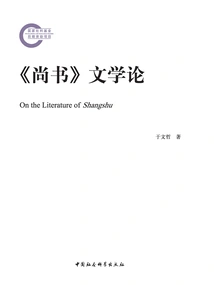
shang Shu" Literary Theory
Literature《尚书》文学论
Yu Wenzhe
From the perspective of the history of literary development, "Shangshu" is the first cultural classic with poetic character and literary connotation that appeared in ancient my country. It can be called the earliest beginning of Chinese classical literature. This book is divided into five parts: Origin Theory, Art Theory, Narrative Theory, Rhetoric Theory, and Influence Theory. It aims to systematically and comprehensively excavate and evaluate the literary connotation and literary value of "Shang Shu" from the academic perspective of Chinese and Western integration. This is not only conducive to our comprehensive understanding of the development process of early Chinese classical literature, but also conducive to our comprehensive understanding of the literary characteristics of the early national cultural classic "Shang Shu".
From the perspective of the history of literary development, "Shangshu" is the first cultural classic with poetic character and literary connotation that appeared in ancient my country. It can be called the earliest beginning of Chinese classical literature. This book is divided into five parts: Origin Theory, Art Theory, Narrative Theory, Rhetoric Theory, and Influence Theory. It aims to systematically and comprehensively excavate and evaluate the literary connotation and literary value of "Shang Shu" from the academic perspective of Chinese and Western integration. This is not only conducive to our comprehensive understanding of the development process of early Chinese classical literature, but also conducive to our comprehensive understanding of the literary characteristics of the early national cultural classic "Shang Shu".
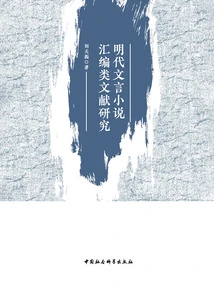
明代文言小说汇编类文献研究
Liu Tianzhen
This book takes the compilation works of classical Chinese novels in the Ming Dynasty as the research object, and is based on literature research. It looks at the phenomenon of compilation of classical Chinese novels in the Ming Dynasty from the two dimensions of stylistic type and document type. It chooses compilation types such as zhiguai style, shishuo style, bodhisattva, and novel series as representatives to conduct an inventory of their documentary background, refine their aesthetic characteristics, explain their literary achievements, and explore their academic contributions. On the basis of case studies, an overall review is made of the background, style, value and shortcomings of the collection of classical Chinese novels in the Ming Dynasty.
This book takes the compilation works of classical Chinese novels in the Ming Dynasty as the research object, and is based on literature research. It looks at the phenomenon of compilation of classical Chinese novels in the Ming Dynasty from the two dimensions of stylistic type and document type. It chooses compilation types such as zhiguai style, shishuo style, bodhisattva, and novel series as representatives to conduct an inventory of their documentary background, refine their aesthetic characteristics, explain their literary achievements, and explore their academic contributions. On the basis of case studies, an overall review is made of the background, style, value and shortcomings of the collection of classical Chinese novels in the Ming Dynasty.
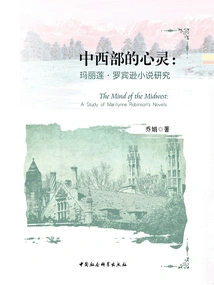
中西部的心灵:玛丽莲·罗宾逊小说研究
Qiao Juan
This book takes Robinson's series of novels as the research object and explores the shaping role of abolitionist thought, religious traditions and physiocratic concepts in the value system of the American Midwest. It focuses on the inner connection between the social and spiritual fields, secular life and sacred space, and emphasizes human beings' physical attachment and cultural attachment to the place they live in. It thus conducts an all-round and overall study on the formation, development, operation and effectiveness of the American Midwestern culture. It sublimates the topic discussion from regional awareness to the most extensive life care, and interprets the meaning of spiritual home from a more comprehensive perspective.
This book takes Robinson's series of novels as the research object and explores the shaping role of abolitionist thought, religious traditions and physiocratic concepts in the value system of the American Midwest. It focuses on the inner connection between the social and spiritual fields, secular life and sacred space, and emphasizes human beings' physical attachment and cultural attachment to the place they live in. It thus conducts an all-round and overall study on the formation, development, operation and effectiveness of the American Midwestern culture. It sublimates the topic discussion from regional awareness to the most extensive life care, and interprets the meaning of spiritual home from a more comprehensive perspective.
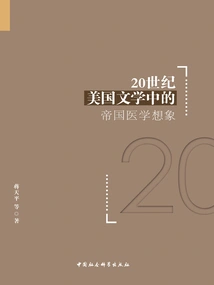
20世纪美国文学中的帝国医学想象
Jiang Tianping
Medicine is an important indicator of the development of civilization and an important driving force for social evolution. Modern Western medicine represents Western culture and social systems and is an important part of imperial ideology. At the end of the 19th century and the beginning of the 20th century, modern medicine from both sides became the paradigm of power rule within the empire, and had a profound impact on imperial expansion and centralized rule throughout the 20th century. As medical historian Anderson said: "The declaration of universalism and modernity by Western medical discourse has always influenced the imperial aspirations from the past to the present." This book uses the history of medicine from both parties as a starting point, analyzes American works in the 20th century from a post-colonial perspective, and explores how natural science medicine evolved into social medicine, how medical terminology was transformed into medical discourse, and how it participated in the construction of imperial politics. The author also focuses on the identity and creative intentions of imperial writers, confirming Said's view that "the goal of every literature and art in the culture of the metropolitan country is to maintain the empire."
Medicine is an important indicator of the development of civilization and an important driving force for social evolution. Modern Western medicine represents Western culture and social systems and is an important part of imperial ideology. At the end of the 19th century and the beginning of the 20th century, modern medicine from both sides became the paradigm of power rule within the empire, and had a profound impact on imperial expansion and centralized rule throughout the 20th century. As medical historian Anderson said: "The declaration of universalism and modernity by Western medical discourse has always influenced the imperial aspirations from the past to the present." This book uses the history of medicine from both parties as a starting point, analyzes American works in the 20th century from a post-colonial perspective, and explores how natural science medicine evolved into social medicine, how medical terminology was transformed into medical discourse, and how it participated in the construction of imperial politics. The author also focuses on the identity and creative intentions of imperial writers, confirming Said's view that "the goal of every literature and art in the culture of the metropolitan country is to maintain the empire."
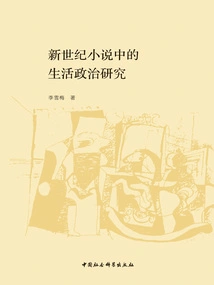
新世纪小说中的生活政治研究
Li Xuemei
This book focuses on the politics of life to explore the new quality of modernity in new century novels, and takes the problems encountered by individuals in pursuing self-realization in post-traditional society as the core issue. It attempts to provide a theoretical perspective for the study of the new quality of new century novels in the overall perspective of seventy years of contemporary literature. Daily life, private life, and public life in new century novels reveal from different aspects the political implications inherent in the lifestyle choices of liberated individuals. Returning to tradition and nature is an important way for detached individuals to regain their moral source in a post-traditional society. Starting from the politics of life, we can discover the neglected ideological depth of new century novels, which can help clarify the spiritual background behind some hot issues in new century literature.
This book focuses on the politics of life to explore the new quality of modernity in new century novels, and takes the problems encountered by individuals in pursuing self-realization in post-traditional society as the core issue. It attempts to provide a theoretical perspective for the study of the new quality of new century novels in the overall perspective of seventy years of contemporary literature. Daily life, private life, and public life in new century novels reveal from different aspects the political implications inherent in the lifestyle choices of liberated individuals. Returning to tradition and nature is an important way for detached individuals to regain their moral source in a post-traditional society. Starting from the politics of life, we can discover the neglected ideological depth of new century novels, which can help clarify the spiritual background behind some hot issues in new century literature.
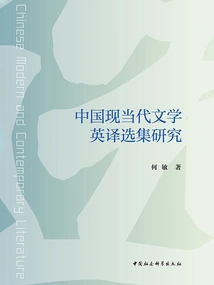
中国现当代文学英译选集研究
He Min
This book examines the acceptance of Chinese modern and contemporary literature in the English-speaking world from the perspective of translation anthologies, outlines the evolution of this compilation activity that has lasted for more than 80 years in terms of article selection, text interpretation, and editor composition. It reveals the reconstruction of the image and classic sequence of Chinese modern and contemporary literature by English translation anthologies, and analyzes the mapping of Chinese modern and contemporary literature by world literature anthologies.
This book examines the acceptance of Chinese modern and contemporary literature in the English-speaking world from the perspective of translation anthologies, outlines the evolution of this compilation activity that has lasted for more than 80 years in terms of article selection, text interpretation, and editor composition. It reveals the reconstruction of the image and classic sequence of Chinese modern and contemporary literature by English translation anthologies, and analyzes the mapping of Chinese modern and contemporary literature by world literature anthologies.
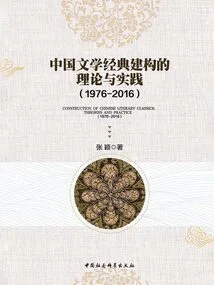
中国文学经典建构的理论与实践(1976—2016)
Zhang Ying
Literary classics are not only an important theoretical issue in literary research, but as an important carrier of national culture, literary classics also play a pivotal role in cultural construction, inheritance, and cross-cultural exchanges. This book is based on a systematic review of the theoretical paths and theoretical achievements of domestic literary classics research in the past forty years. It relates the occurrence and development of literary classics debates since the new era and the dilemmas of literary classics research to the changes in media culture, and conducts a systematic study of literary classics debates. By combing through a large amount of data and on the basis of restoring the cultural scene where the debate unfolded, the overall style and development of the literary classics debate over the past forty years are presented. It demonstrates the profound connection between the changes in contemporary media culture and the formation of literary classics and the study of literary classics. It responds to the academic discussion on the end of literary classics in the form of academic historical research.
Literary classics are not only an important theoretical issue in literary research, but as an important carrier of national culture, literary classics also play a pivotal role in cultural construction, inheritance, and cross-cultural exchanges. This book is based on a systematic review of the theoretical paths and theoretical achievements of domestic literary classics research in the past forty years. It relates the occurrence and development of literary classics debates since the new era and the dilemmas of literary classics research to the changes in media culture, and conducts a systematic study of literary classics debates. By combing through a large amount of data and on the basis of restoring the cultural scene where the debate unfolded, the overall style and development of the literary classics debate over the past forty years are presented. It demonstrates the profound connection between the changes in contemporary media culture and the formation of literary classics and the study of literary classics. It responds to the academic discussion on the end of literary classics in the form of academic historical research.
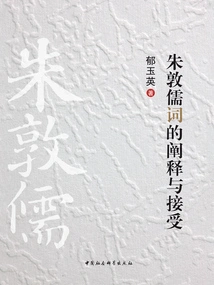
朱敦儒词的阐释与接受
Yu Yuying
This book mainly studies the idiosyncratic connotation of Zhu Dunru and his poetry as well as his posthumous influence. As a poet who traveled south from the Song Dynasty and lived through the dynasties of Shenzong, Zhezong, Huizong, Qinzong and Juzong, his collection of poems handed down from generation to generation, "Qiao Song", has autobiographical characteristics, recording Zhu Dunru's journey from a celebrity in Yiluo to a refugee in the south, from an official to a hermit in Jiahe. The evolution of Zhu Dunru's poems is a typical example of the evolution of word quality between the two Song Dynasties. Zhu Dunru's life style reflected in "Woodcutter Song" reflects the scholarly style and contemporary style during the two Song Dynasties. In the process of spreading for nearly a thousand years, the selection and acceptance of Zhu Dunru and his poems by readers in the Song, Jin, Yuan, Ming, Qing, and modern times are a dialectical unity of change and change. Between inheritance and new changes, Zhu Dunru eventually became an influential poet during the two Song Dynasties.
This book mainly studies the idiosyncratic connotation of Zhu Dunru and his poetry as well as his posthumous influence. As a poet who traveled south from the Song Dynasty and lived through the dynasties of Shenzong, Zhezong, Huizong, Qinzong and Juzong, his collection of poems handed down from generation to generation, "Qiao Song", has autobiographical characteristics, recording Zhu Dunru's journey from a celebrity in Yiluo to a refugee in the south, from an official to a hermit in Jiahe. The evolution of Zhu Dunru's poems is a typical example of the evolution of word quality between the two Song Dynasties. Zhu Dunru's life style reflected in "Woodcutter Song" reflects the scholarly style and contemporary style during the two Song Dynasties. In the process of spreading for nearly a thousand years, the selection and acceptance of Zhu Dunru and his poems by readers in the Song, Jin, Yuan, Ming, Qing, and modern times are a dialectical unity of change and change. Between inheritance and new changes, Zhu Dunru eventually became an influential poet during the two Song Dynasties.
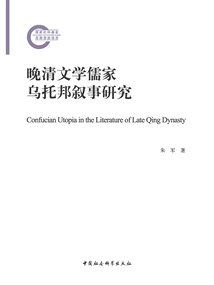
晚清文学儒家乌托邦叙事研究
Zhu Jun
The late Qing Dynasty and the early Republic of China were an important transition era in Chinese history. With the brief rise of utopian imagination in literature, Chinese intellectuals completed the creation of the initial ideal civilized political system. This is the starting point of the imagination of "New China" in the modern sense, and it is also the basis for understanding the development of utopian thought and its movement throughout the 20th century. Taking the modern transformation of Confucianism as its perspective, this book comprehensively and systematically explores the emergence, development and influence of utopian thought and literature in the late Qing Dynasty, and summarizes its era characteristics, narrative structure, aesthetic connotation and historical contribution. Special focus is placed on the intrinsic connection between the "modern literature" movement and the utopian literary trend in modern China. It takes morality-politics-science as the axis, and revolves around the multiple imaginations of revolutionary utopia, anarchic utopia, female utopia, and scientific utopia in the late Qing Dynasty. It outlines and grasps the changes between China and the West in ancient and modern times, and examines the transformation of modern countries, Confucianism, and literature, with a view to reactivating the contemporary vitality of the Confucian tradition.
The late Qing Dynasty and the early Republic of China were an important transition era in Chinese history. With the brief rise of utopian imagination in literature, Chinese intellectuals completed the creation of the initial ideal civilized political system. This is the starting point of the imagination of "New China" in the modern sense, and it is also the basis for understanding the development of utopian thought and its movement throughout the 20th century. Taking the modern transformation of Confucianism as its perspective, this book comprehensively and systematically explores the emergence, development and influence of utopian thought and literature in the late Qing Dynasty, and summarizes its era characteristics, narrative structure, aesthetic connotation and historical contribution. Special focus is placed on the intrinsic connection between the "modern literature" movement and the utopian literary trend in modern China. It takes morality-politics-science as the axis, and revolves around the multiple imaginations of revolutionary utopia, anarchic utopia, female utopia, and scientific utopia in the late Qing Dynasty. It outlines and grasps the changes between China and the West in ancient and modern times, and examines the transformation of modern countries, Confucianism, and literature, with a view to reactivating the contemporary vitality of the Confucian tradition.
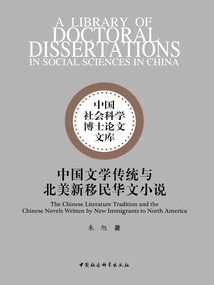
中国文学传统与北美新移民华文小说
Zhu Xu
This book clearly emphasizes that the national character of literature should be holistically inclusive, and that Chinese literary tradition and literary national character are never static. From the multiple aspects of the presentation of Chinese culture and nationality in the Chinese novels of new immigrants from North America: the construction of the subject of national language speaking, the topics of national language speaking, the way of speaking national language, etc., We will re-examine the inheritance, development and innovation of Chinese literary tradition overseas. Breaking the method of research and description of Chinese literature of new immigrants, it confirms the value of Chinese literature and Chinese literature of new immigrants in North America in the context of modern Chinese literature. From a dynamic and diachronic perspective and a problem-centered research model, this book implements the principles and methods of traditional and modern changes and Sino-foreign dialogue, not only sorting out clear historical clues, but also presenting the analysis of heavy concepts.
This book clearly emphasizes that the national character of literature should be holistically inclusive, and that Chinese literary tradition and literary national character are never static. From the multiple aspects of the presentation of Chinese culture and nationality in the Chinese novels of new immigrants from North America: the construction of the subject of national language speaking, the topics of national language speaking, the way of speaking national language, etc., We will re-examine the inheritance, development and innovation of Chinese literary tradition overseas. Breaking the method of research and description of Chinese literature of new immigrants, it confirms the value of Chinese literature and Chinese literature of new immigrants in North America in the context of modern Chinese literature. From a dynamic and diachronic perspective and a problem-centered research model, this book implements the principles and methods of traditional and modern changes and Sino-foreign dialogue, not only sorting out clear historical clues, but also presenting the analysis of heavy concepts.
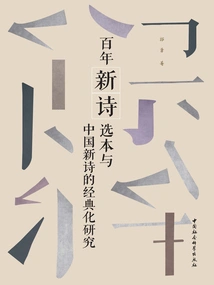
A Study on the Selection of Century-old New Poetry and the Canonization of New Chinese Poetry
Literature百年新诗选本与中国新诗的经典化研究
Guo Yong
This book is the first to study the anthology of new poetry over the past century from 1920 to 2020 as a whole, revealing the role that the anthology played in the canonization of new poetry, emphasizing that the anthology of new poetry involves multiple elements such as literature, education, social psychology, publishing, and media. The research in this book has important reference value and practical significance for the development of new poetry, Chinese literature, education and culture.
This book is the first to study the anthology of new poetry over the past century from 1920 to 2020 as a whole, revealing the role that the anthology played in the canonization of new poetry, emphasizing that the anthology of new poetry involves multiple elements such as literature, education, social psychology, publishing, and media. The research in this book has important reference value and practical significance for the development of new poetry, Chinese literature, education and culture.
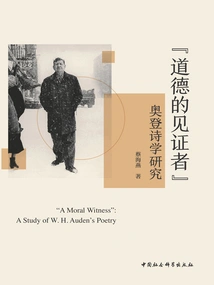
“道德的见证者”:奥登诗学研究
Cai Haiyan
This book strives to present the style of Auden's poetics in a comprehensive and three-dimensional way, to show how the poet continued to respond to the outside world through his own in-depth thinking and active exploration against the changing historical background, and to examine the subtle relationship between the poet and himself, society and the art of poetry, thereby revealing the way a poet intervenes in society and the times, as well as the poetic issues and poetic path choices he faces subsequently. The discussion in the main part of this book is divided into two relatively independent but interrelated aspects: "the ideological genealogy of Auden's poetics" and "the artistic ethics of Auden's poetics". "The Ideological Genealogy of Auden's Poetics" mainly examines the complex origins between Auden and mainstream social thoughts from the perspective of influence research, and finds clues to his highly personalized acceptance, absorption and transformation of these thoughts. "The Artistic Ethics of Auden's Poetics" mainly focuses on Auden's literary career and poetic views, comprehensively analyzes the context of subjective and objective factors such as poetic tradition, creative environment and artistic ideals in the formation of his poetics, and reveals Auden's examination and elucidation of poetic ethics.
This book strives to present the style of Auden's poetics in a comprehensive and three-dimensional way, to show how the poet continued to respond to the outside world through his own in-depth thinking and active exploration against the changing historical background, and to examine the subtle relationship between the poet and himself, society and the art of poetry, thereby revealing the way a poet intervenes in society and the times, as well as the poetic issues and poetic path choices he faces subsequently. The discussion in the main part of this book is divided into two relatively independent but interrelated aspects: "the ideological genealogy of Auden's poetics" and "the artistic ethics of Auden's poetics". "The Ideological Genealogy of Auden's Poetics" mainly examines the complex origins between Auden and mainstream social thoughts from the perspective of influence research, and finds clues to his highly personalized acceptance, absorption and transformation of these thoughts. "The Artistic Ethics of Auden's Poetics" mainly focuses on Auden's literary career and poetic views, comprehensively analyzes the context of subjective and objective factors such as poetic tradition, creative environment and artistic ideals in the formation of his poetics, and reveals Auden's examination and elucidation of poetic ethics.
沿波讨源:媒介、符号与中国文学流变研究
Zhu Heng
This book cleans up the internal relationship between media theory and the classic discussions of Marx and Engels, finds the ultimate "material motivation" for the development of literature from the perspective of media, and discusses in detail the internal relationship between media, symbols, and literature. This book attempts to construct a new view of literary history, re-stages the history of Chinese literature from the perspectives of media and symbols, and obtains periodization results that are different from the previous ones. This book analyzes the reasons and path of the evolution of Chinese poetry genres from the perspective of media and symbols, finds the essential force that promotes the development of the genre, and proposes new genres of "music poetry" and "literary poetry".
This book cleans up the internal relationship between media theory and the classic discussions of Marx and Engels, finds the ultimate "material motivation" for the development of literature from the perspective of media, and discusses in detail the internal relationship between media, symbols, and literature. This book attempts to construct a new view of literary history, re-stages the history of Chinese literature from the perspectives of media and symbols, and obtains periodization results that are different from the previous ones. This book analyzes the reasons and path of the evolution of Chinese poetry genres from the perspective of media and symbols, finds the essential force that promotes the development of the genre, and proposes new genres of "music poetry" and "literary poetry".
现代转型体验:新世纪乡土文学研究
Liao Bin
This book takes the rural literature of the new century as the research object, explores the modern experience of farmers in social transformation, and goes deep into the emotional world and cultural symptoms of farmers since the new century. It extracts four macro-modern psychological experiences of resentment, anxiety, impetuosity, and illness. It analyzes farmers' land consciousness, sexual concepts, interpersonal relationships, religious beliefs, and rural society's democratic consciousness, legal concepts, knowledge concepts, and consumption concepts. It presents farmers' fierce cultural and psychological conflicts, personality changes, and rural order changes since the new century. It has a broad vision. The book always runs through historical consciousness, insists on understanding and grasping human concepts, pays attention to the combination of internal and external literature, macro-social psychology and micro-text, more accurately grasps the physical and mental experience of farmers, and reflects on modernity. This book comprehensively presents the facts of current rural development, and has practical reference significance for implementing rural revitalization strategies and building a community of shared future for urban and rural areas.
This book takes the rural literature of the new century as the research object, explores the modern experience of farmers in social transformation, and goes deep into the emotional world and cultural symptoms of farmers since the new century. It extracts four macro-modern psychological experiences of resentment, anxiety, impetuosity, and illness. It analyzes farmers' land consciousness, sexual concepts, interpersonal relationships, religious beliefs, and rural society's democratic consciousness, legal concepts, knowledge concepts, and consumption concepts. It presents farmers' fierce cultural and psychological conflicts, personality changes, and rural order changes since the new century. It has a broad vision. The book always runs through historical consciousness, insists on understanding and grasping human concepts, pays attention to the combination of internal and external literature, macro-social psychology and micro-text, more accurately grasps the physical and mental experience of farmers, and reflects on modernity. This book comprehensively presents the facts of current rural development, and has practical reference significance for implementing rural revitalization strategies and building a community of shared future for urban and rural areas.
“无事之文”与中国古典白话小说
Liu Jiao
The object of discussion in this book is the so-called "nothing writing" in classical vernacular novels, that is, the "idle writing" that seems to be "superfluous" in the narrative framework of the entire story. These "superfluous" words mainly include two parts: one part is a side narrative that can be determined to have no causal connection with the main storyline, and the other part can be generally summarized as some trivial references and the intervention of the narrator in the narrative. This book takes vernacular novels of the Ming and Qing dynasties such as "The Golden Lotus" and "A Dream of Red Mansions" as examples to illustrate how Chinese classical novels simulate the synchronicity and reality of real life by intricately juxtaposing multiple events and character activities, and connecting seemingly loose fragments of events into a complete story. This book aims to explore a resilient integration model in the narrative structure of Chinese classical novels.
The object of discussion in this book is the so-called "nothing writing" in classical vernacular novels, that is, the "idle writing" that seems to be "superfluous" in the narrative framework of the entire story. These "superfluous" words mainly include two parts: one part is a side narrative that can be determined to have no causal connection with the main storyline, and the other part can be generally summarized as some trivial references and the intervention of the narrator in the narrative. This book takes vernacular novels of the Ming and Qing dynasties such as "The Golden Lotus" and "A Dream of Red Mansions" as examples to illustrate how Chinese classical novels simulate the synchronicity and reality of real life by intricately juxtaposing multiple events and character activities, and connecting seemingly loose fragments of events into a complete story. This book aims to explore a resilient integration model in the narrative structure of Chinese classical novels.
唐宋城市转型与文学变革关系研究
Cai Yan
As a large-scale human settlement, cities underwent major changes during the Tang and Song Dynasties. Changes in urban functions and social structures profoundly affected the lifestyles of literati in the Tang and Song Dynasties, and subtly changed their cultural and literary concepts. In this process, cities gradually lead literature toward secularization and popularization, thus triggering changes in literature at multiple levels such as subject matter, style, and genre. At the same time, literature is also actively shaping the city's image and cultural personality. In the interactive relationship between the dual construction of cities and literature, literati in the Tang and Song Dynasties keenly grasped the trends of urban social changes and reflected the images of urban transformation in the form of literary images. It is this perceptual writing method that more vividly preserves the historical reality.
As a large-scale human settlement, cities underwent major changes during the Tang and Song Dynasties. Changes in urban functions and social structures profoundly affected the lifestyles of literati in the Tang and Song Dynasties, and subtly changed their cultural and literary concepts. In this process, cities gradually lead literature toward secularization and popularization, thus triggering changes in literature at multiple levels such as subject matter, style, and genre. At the same time, literature is also actively shaping the city's image and cultural personality. In the interactive relationship between the dual construction of cities and literature, literati in the Tang and Song Dynasties keenly grasped the trends of urban social changes and reflected the images of urban transformation in the form of literary images. It is this perceptual writing method that more vividly preserves the historical reality.
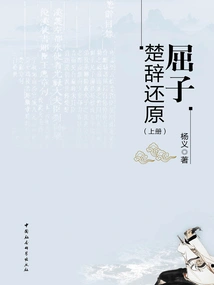
Restoration of Qu Zichu's Ci (volume 1)
Literature屈子楚辞还原(上册)
Yang Yi
To understand Qu Zi's "Chu Ci", there are two key points that must be kept in mind: First, the first sentence of "Li Sao": "The Miao descendants of Emperor Gaoyang are here, and my emperor is called Boyong." The so-called "Bo Yong" is the eldest son of King Wu of Chu, who was granted the title of Kui Zi. The pronunciation (entering tone) of the character Kui is "Qu" or "Jia". Boyong's eldest son Qu Xia got his surname from this and became the ancestor of the Qu family. Second, Qu Zi's "Chu Ci" has been completely preserved through two channels, the north and the south. The northern route was when the Qu, Jing, and Zhao tribes who migrated to Chu State and the Tian family of Qi State enriched Guanzhong in the ninth year of Emperor Gaozu of the Han Dynasty. Qu Zi's "Chu Ci" was introduced to Guanzhong by the Qu family as an heirloom, and was seen by Jia Yi. The route to the south was Shouchun, the capital of King Qingxiang of Chu, and his literary attendants Song Yu and Tang Le accompanied him. Therefore, Qu Zi's "Chu Ci" was also passed down as a precious heritage. For this reason, this book is divided into four parts, the inner part, the outer part, the chronicle interludes, and the poetics part, which display the complete three-dimensional style of Qu Zi's "Chu Ci" at multiple levels. The internal editor is dedicated to the notes and evidence of "Historical Records: Biography of Qu Yuan Jia Sheng", "Historical Records: Chu Family (Xuanwei Huaixiang)", as well as the ancestry and branch lineage of the Qu family, and Qu Yuan's historical and cultural awareness. The external editor is devoted to the collection and discussion of "Li Sao", "Tian Wen", "Nine Songs", "Nine Chapters", "Yuan Yu", "Divination" and "The Fisherman". The Chronicle Interlude is dedicated to the chronology of all chapters of Qu Yuan's "Chu Ci". The poetics chapter is dedicated to interpreting Qu Song's poems and poems as real poems. Such restoration research can lead people to deepen the exquisite cultural life connotation of Qu Zi's "Chu Ci".
To understand Qu Zi's "Chu Ci", there are two key points that must be kept in mind: First, the first sentence of "Li Sao": "The Miao descendants of Emperor Gaoyang are here, and my emperor is called Boyong." The so-called "Bo Yong" is the eldest son of King Wu of Chu, who was granted the title of Kui Zi. The pronunciation (entering tone) of the character Kui is "Qu" or "Jia". Boyong's eldest son Qu Xia got his surname from this and became the ancestor of the Qu family. Second, Qu Zi's "Chu Ci" has been completely preserved through two channels, the north and the south. The northern route was when the Qu, Jing, and Zhao tribes who migrated to Chu State and the Tian family of Qi State enriched Guanzhong in the ninth year of Emperor Gaozu of the Han Dynasty. Qu Zi's "Chu Ci" was introduced to Guanzhong by the Qu family as an heirloom, and was seen by Jia Yi. The route to the south was Shouchun, the capital of King Qingxiang of Chu, and his literary attendants Song Yu and Tang Le accompanied him. Therefore, Qu Zi's "Chu Ci" was also passed down as a precious heritage. For this reason, this book is divided into four parts, the inner part, the outer part, the chronicle interludes, and the poetics part, which display the complete three-dimensional style of Qu Zi's "Chu Ci" at multiple levels. The internal editor is dedicated to the notes and evidence of "Historical Records: Biography of Qu Yuan Jia Sheng", "Historical Records: Chu Family (Xuanwei Huaixiang)", as well as the ancestry and branch lineage of the Qu family, and Qu Yuan's historical and cultural awareness. The external editor is devoted to the collection and discussion of "Li Sao", "Tian Wen", "Nine Songs", "Nine Chapters", "Yuan Yu", "Divination" and "The Fisherman". The Chronicle Interlude is dedicated to the chronology of all chapters of Qu Yuan's "Chu Ci". The poetics chapter is dedicated to interpreting Qu Song's poems and poems as real poems. Such restoration research can lead people to deepen the exquisite cultural life connotation of Qu Zi's "Chu Ci".
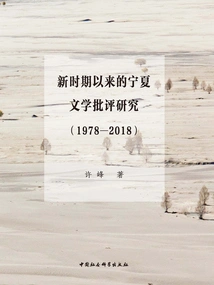
新时期以来的宁夏文学批评研究(1978—2018)
Xu Feng
This book takes Ningxia literary criticism since the new era as the research object, sorting out the historical evolution of Ningxia literary criticism from 1978 to 2018, and discusses it from five aspects: "discourse form", "cultural mentality", "typical phenomena", "writer's critical research" and "criticism cases", striving to achieve a macro grasp and micro examination of Ningxia's literary criticism during this period. This book summarizes the unique contributions and historical regrets made by Ningxia literary criticism in the overall development of Ningxia literature during this period, in order to explore the path for contemporary literary criticism to break through and provide constructive reference for the development of current literary criticism.
This book takes Ningxia literary criticism since the new era as the research object, sorting out the historical evolution of Ningxia literary criticism from 1978 to 2018, and discusses it from five aspects: "discourse form", "cultural mentality", "typical phenomena", "writer's critical research" and "criticism cases", striving to achieve a macro grasp and micro examination of Ningxia's literary criticism during this period. This book summarizes the unique contributions and historical regrets made by Ningxia literary criticism in the overall development of Ningxia literature during this period, in order to explore the path for contemporary literary criticism to break through and provide constructive reference for the development of current literary criticism.
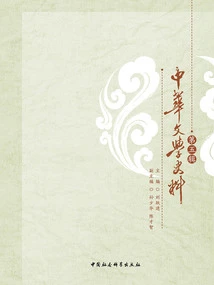
中华文学史料(第五辑)
Editor-in-chief Liu Yuejin
This book is the result of a paper presented at the 2017 and 2018 annual meetings of the Chinese Literary and Historical Materials Society, and received funding from the Research Bureau of the Chinese Academy of Social Sciences. "Chinese Literature History Materials" has been published in four series. In the past, it mainly focused on the research of ancient Chinese literature and modern Chinese literature. The fifth volume of "Chinese Literature History Materials" to be published soon has a major change. In addition to traditional research papers on ancient literature and modern and contemporary literature, it also adds research papers on overseas Chinese and ethnic literature historical materials. This collection combines nearly 100 papers from the two annual conferences of the Chinese Literary Historical Materials Society in 2017 and 2018. Based on the opinions of participating authors and the quality of the papers, 20 papers are selected from them, including 7 papers on ancient literary historical materials, and 7 papers on modern literature and maritime affairs. There are 7 research articles on foreign Chinese historical materials and 6 historical materials on national literature. Through these papers, we hope to reflect the connotation and extension of the concept of "Chinese literature", as well as the breadth and depth of the research on "Chinese literary historical materials", as well as the future direction and possibility of Chinese literature research.
This book is the result of a paper presented at the 2017 and 2018 annual meetings of the Chinese Literary and Historical Materials Society, and received funding from the Research Bureau of the Chinese Academy of Social Sciences. "Chinese Literature History Materials" has been published in four series. In the past, it mainly focused on the research of ancient Chinese literature and modern Chinese literature. The fifth volume of "Chinese Literature History Materials" to be published soon has a major change. In addition to traditional research papers on ancient literature and modern and contemporary literature, it also adds research papers on overseas Chinese and ethnic literature historical materials. This collection combines nearly 100 papers from the two annual conferences of the Chinese Literary Historical Materials Society in 2017 and 2018. Based on the opinions of participating authors and the quality of the papers, 20 papers are selected from them, including 7 papers on ancient literary historical materials, and 7 papers on modern literature and maritime affairs. There are 7 research articles on foreign Chinese historical materials and 6 historical materials on national literature. Through these papers, we hope to reflect the connotation and extension of the concept of "Chinese literature", as well as the breadth and depth of the research on "Chinese literary historical materials", as well as the future direction and possibility of Chinese literature research.
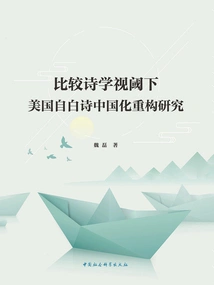
比较诗学视阈下美国自白诗中国化重构研究
Wei Lei
This book is based on Chinese and Western comparative poetics as its theoretical basis, and uses the representative poetry collections of "confessional" narratives by the major American confessional poets as the main "intertext". It takes the "confessional" poetry texts of Chinese poets who were influenced by the American confessional school in the 1980s and created a group of Chinese poets who have both the characteristics of American confessional poetry and local poetics as the "current text". This book systematically examines and studies the spread and acceptance of American confessional poetry in China, the aesthetic inheritance and poetic construction of confessional poetry on Chinese soil, and the poetic innovation and transplantation of Chinese confessional poetry to American confessional poetry from the aspects of writing subject, poetic reception, text aesthetics, and cultural interference in the text, etc., In order to break through the current research status, eliminate some misunderstandings or misunderstandings, and open up space for related research.
This book is based on Chinese and Western comparative poetics as its theoretical basis, and uses the representative poetry collections of "confessional" narratives by the major American confessional poets as the main "intertext". It takes the "confessional" poetry texts of Chinese poets who were influenced by the American confessional school in the 1980s and created a group of Chinese poets who have both the characteristics of American confessional poetry and local poetics as the "current text". This book systematically examines and studies the spread and acceptance of American confessional poetry in China, the aesthetic inheritance and poetic construction of confessional poetry on Chinese soil, and the poetic innovation and transplantation of Chinese confessional poetry to American confessional poetry from the aspects of writing subject, poetic reception, text aesthetics, and cultural interference in the text, etc., In order to break through the current research status, eliminate some misunderstandings or misunderstandings, and open up space for related research.
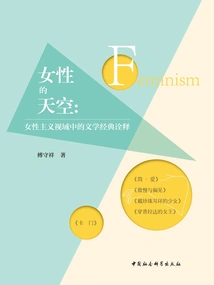
女性的天空:女性主义视域中的文学经典诠释
Fu Shouxiang
Literary classics are all-encompassing and subtle, but they insist on retaining hope, bringing the warmth of humanity, and allowing people to appreciate the true nature of life. Starting from the perspective of feminism, this book selects a number of Chinese and foreign literary classics since the 19th century for detailed analysis. Based on perspective thinking and a return to common sense, it reinterprets these classics based on "aesthetic and historical" standards. The sky for women was once low; women who look up to the sky always yearn to fly freely. Paying attention to and understanding the real plight and sexual needs of women as the "other half" of the human group is a sign of the actual improvement of human wisdom and civilization.
Literary classics are all-encompassing and subtle, but they insist on retaining hope, bringing the warmth of humanity, and allowing people to appreciate the true nature of life. Starting from the perspective of feminism, this book selects a number of Chinese and foreign literary classics since the 19th century for detailed analysis. Based on perspective thinking and a return to common sense, it reinterprets these classics based on "aesthetic and historical" standards. The sky for women was once low; women who look up to the sky always yearn to fly freely. Paying attention to and understanding the real plight and sexual needs of women as the "other half" of the human group is a sign of the actual improvement of human wisdom and civilization.
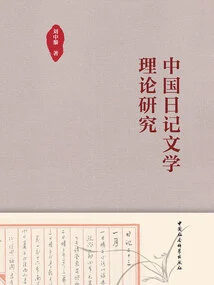
中国日记文学理论研究
Liu Zhongli
In the more than two thousand years since Wang Shifeng's diary slips were unearthed in the early Han Dynasty, diaries have been one of the most traditional writing styles and scholarship methods in my country, which have great practical utility, but are often underestimated and the relevant theoretical research is extremely weak. During this period, my country has accumulated very rich diary literature and theoretical materials, and has made extraordinary achievements. However, it is scattered and messy, and has not attracted enough attention from the academic community. There has also been a lack of systematic compilation, collation, and organization. This book uses cutting-edge academic ideas such as contemporary humanistic philosophy, literary dialogue theory, and native language writing theory to conduct a comprehensive and systematic review of the diary writing and diary writing education practices of Chinese literati, scholars, writers, educators and other thoughtful people in the past dynasties, and their experiences and opinions. , Concepts and reflections on classic diary texts, etc. Are compiled, collated, organized and summarized, and on this basis, a theory of Chinese diary literature is constructed. This fills a gap (or weak area) in my country's traditional literary theory system and is an important progress in the research and construction of literary theory with Chinese characteristics.
In the more than two thousand years since Wang Shifeng's diary slips were unearthed in the early Han Dynasty, diaries have been one of the most traditional writing styles and scholarship methods in my country, which have great practical utility, but are often underestimated and the relevant theoretical research is extremely weak. During this period, my country has accumulated very rich diary literature and theoretical materials, and has made extraordinary achievements. However, it is scattered and messy, and has not attracted enough attention from the academic community. There has also been a lack of systematic compilation, collation, and organization. This book uses cutting-edge academic ideas such as contemporary humanistic philosophy, literary dialogue theory, and native language writing theory to conduct a comprehensive and systematic review of the diary writing and diary writing education practices of Chinese literati, scholars, writers, educators and other thoughtful people in the past dynasties, and their experiences and opinions. , Concepts and reflections on classic diary texts, etc. Are compiled, collated, organized and summarized, and on this basis, a theory of Chinese diary literature is constructed. This fills a gap (or weak area) in my country's traditional literary theory system and is an important progress in the research and construction of literary theory with Chinese characteristics.
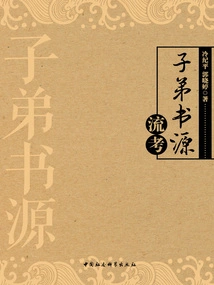
子弟书源流考
Leng Jiping Guo Xiaoting
Among the 516 extant books by disciples, 79% are adapted from Tang and Song poems and Ming and Qing opera novels, and 21% are original works. This book examines the source of the subject matter of all existing Zidi books, compares the Zidi books with the original texts, and analyzes the level of adaptation. Gao also briefly introduces the content of each Zidi book, so that readers can immediately understand the story outline and literary value of all Zidi books with one book in hand.
Among the 516 extant books by disciples, 79% are adapted from Tang and Song poems and Ming and Qing opera novels, and 21% are original works. This book examines the source of the subject matter of all existing Zidi books, compares the Zidi books with the original texts, and analyzes the level of adaptation. Gao also briefly introduces the content of each Zidi book, so that readers can immediately understand the story outline and literary value of all Zidi books with one book in hand.
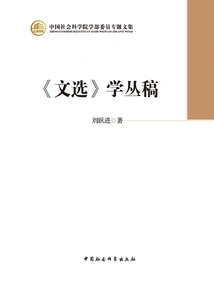
selected Works" Study Series
Literature《文选》学丛稿
Liu Yuejin
"Selected Works", also known as "Selected Works of Zhaoming", is the earliest existing collection of Han poetry and prose. It was compiled and selected by Xiao Tong, the eldest son of Emperor Liang Wu of the Southern Dynasty, organized by literati. It is a literary classic that cannot be avoided when studying Chinese classical literature. The "Selected Works" Collection contains 27 papers by the author on the study of "Selected Works", divided into three series: a comprehensive review of "Selected Works", the second volume is analysis and reading of "Selected Works", and the third volume is historical materials of literary criticism in "Selected Works". "My Experience in Studying "Selected Works"" serves as a postscript to introduce the author's experience in studying "Selected Works".
"Selected Works", also known as "Selected Works of Zhaoming", is the earliest existing collection of Han poetry and prose. It was compiled and selected by Xiao Tong, the eldest son of Emperor Liang Wu of the Southern Dynasty, organized by literati. It is a literary classic that cannot be avoided when studying Chinese classical literature. The "Selected Works" Collection contains 27 papers by the author on the study of "Selected Works", divided into three series: a comprehensive review of "Selected Works", the second volume is analysis and reading of "Selected Works", and the third volume is historical materials of literary criticism in "Selected Works". "My Experience in Studying "Selected Works"" serves as a postscript to introduce the author's experience in studying "Selected Works".
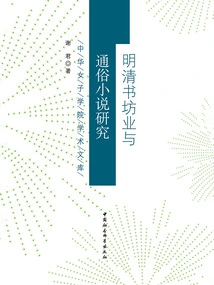
明清书坊业与通俗小说研究
Xie Jun
From the mid-Ming Dynasty to the mid-Qing Dynasty, it was the heyday of the bookstore industry and the prosperity of popular novels. The bookstore industry and popular novels prospered almost simultaneously in the mid-Ming Dynasty. The bookshop industry has an immeasurable influence on the development of popular novels. The prosperity of popular novels in the Ming and Qing Dynasties was inseparable from the support of the bookstore industry. The canal cities in the south of the Yangtze River became the areas with the most developed commodity economy in the Ming and Qing Dynasties due to the important status of the Grand Canal and the convenience of water transportation. Suzhou, Hangzhou, Yangzhou, Changzhou, Huzhou and other Jiangnan canal cities became new carving centers and popular novel publishing centers after the Wanli period of the Ming Dynasty, making great contributions to the development of popular novels in the Ming and Qing Dynasties. The bookstore industry in these cities played an important role in the creation, publication, dissemination and acceptance of popular novels in the Ming and Qing Dynasties. Driven by the bookshop industry, popular novels of the Ming and Qing dynasties eventually prospered in the canal cities south of the Yangtze River.
From the mid-Ming Dynasty to the mid-Qing Dynasty, it was the heyday of the bookstore industry and the prosperity of popular novels. The bookstore industry and popular novels prospered almost simultaneously in the mid-Ming Dynasty. The bookshop industry has an immeasurable influence on the development of popular novels. The prosperity of popular novels in the Ming and Qing Dynasties was inseparable from the support of the bookstore industry. The canal cities in the south of the Yangtze River became the areas with the most developed commodity economy in the Ming and Qing Dynasties due to the important status of the Grand Canal and the convenience of water transportation. Suzhou, Hangzhou, Yangzhou, Changzhou, Huzhou and other Jiangnan canal cities became new carving centers and popular novel publishing centers after the Wanli period of the Ming Dynasty, making great contributions to the development of popular novels in the Ming and Qing Dynasties. The bookstore industry in these cities played an important role in the creation, publication, dissemination and acceptance of popular novels in the Ming and Qing Dynasties. Driven by the bookshop industry, popular novels of the Ming and Qing dynasties eventually prospered in the canal cities south of the Yangtze River.
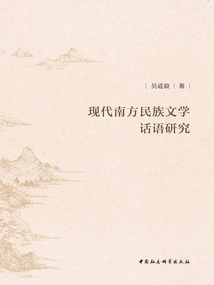
现代南方民族文学话语研究
Wu Daoyi
China's modern southern national literary discourse system consists of enlightenment, nation, tradition, class, national salvation, construction, modernity, new enlightenment, pioneer, women and ecological discourse. It has undergone phased evolution with the changes of the times from the 1920s to the 1940s, the 1950s to the 1970s and the new era, and different discourses are carried out at different stages. The combination runs through the collision, exchange and dialogue between discourses such as enlightenment and salvation, class and nation, modernity and tradition, highlighting the attributes and changes of the nation, the times and the country, and has made a positive and important contribution to the construction of southern national culture in terms of elucidating and strengthening the identity of the Chinese multi-ethnic country and transcending nihilism.
China's modern southern national literary discourse system consists of enlightenment, nation, tradition, class, national salvation, construction, modernity, new enlightenment, pioneer, women and ecological discourse. It has undergone phased evolution with the changes of the times from the 1920s to the 1940s, the 1950s to the 1970s and the new era, and different discourses are carried out at different stages. The combination runs through the collision, exchange and dialogue between discourses such as enlightenment and salvation, class and nation, modernity and tradition, highlighting the attributes and changes of the nation, the times and the country, and has made a positive and important contribution to the construction of southern national culture in terms of elucidating and strengthening the identity of the Chinese multi-ethnic country and transcending nihilism.
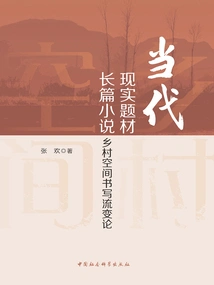
当代现实题材长篇小说乡村空间书写流变论
Zhang Huan
This book takes the writing of rural space in Chinese contemporary realistic novels as the research object, comprehensively combs the objects and characteristics of rural space writing in contemporary realistic novels since the founding of the People's Republic of China, clarifies the diachronic outline of the evolution of rural space writing, deeply explains the rural social and cultural changes reflected by the evolution of rural space writing, and further interprets the impact of the modernization process on the countryside. The work enriches the research content of rural novels, expands the research scope of contemporary literature, and provides a reference for rural revitalization strategies.
This book takes the writing of rural space in Chinese contemporary realistic novels as the research object, comprehensively combs the objects and characteristics of rural space writing in contemporary realistic novels since the founding of the People's Republic of China, clarifies the diachronic outline of the evolution of rural space writing, deeply explains the rural social and cultural changes reflected by the evolution of rural space writing, and further interprets the impact of the modernization process on the countryside. The work enriches the research content of rural novels, expands the research scope of contemporary literature, and provides a reference for rural revitalization strategies.
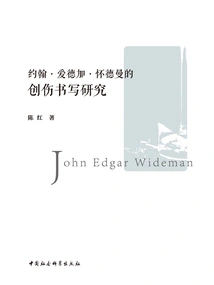
约翰·爱德加·怀德曼的创伤书写研究
Chen Hong
John Edgar Wildman (1941-) is a famous contemporary African-American writer and social critic in the United States. In more than half a century of diligent writing, he has won many awards for his exquisite style and serious thinking on contemporary issues, and is known as "one of the most outstanding and talented black male writers of our time." In his works, Wideman repeatedly writes about his own trauma and family tragedy, revisits the historical trauma of African Americans, and also focuses on the unbearable pain of domination, discrimination, and segregation that the lower classes in inner cities in the United States cannot bear in the post-civil rights era. Under the perspective of trauma theory, this book combines contemporary autobiography theory and new historicism theory to provide an in-depth analysis of Wideman's trauma writing. Wideman's work is a site of traumatic memory for African Americans, revealing the traumatic experiences and psychological realities of the dispossessed and forgotten, highlighting the healing power of storytelling. By writing about trauma, Wideman played the role of witness and social critic, demonstrating his deep concern for the plight of African Americans.
John Edgar Wildman (1941-) is a famous contemporary African-American writer and social critic in the United States. In more than half a century of diligent writing, he has won many awards for his exquisite style and serious thinking on contemporary issues, and is known as "one of the most outstanding and talented black male writers of our time." In his works, Wideman repeatedly writes about his own trauma and family tragedy, revisits the historical trauma of African Americans, and also focuses on the unbearable pain of domination, discrimination, and segregation that the lower classes in inner cities in the United States cannot bear in the post-civil rights era. Under the perspective of trauma theory, this book combines contemporary autobiography theory and new historicism theory to provide an in-depth analysis of Wideman's trauma writing. Wideman's work is a site of traumatic memory for African Americans, revealing the traumatic experiences and psychological realities of the dispossessed and forgotten, highlighting the healing power of storytelling. By writing about trauma, Wideman played the role of witness and social critic, demonstrating his deep concern for the plight of African Americans.
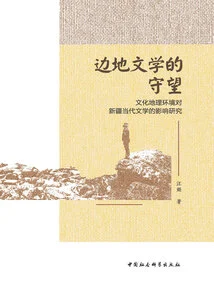
边地文学的守望:文化地理环境对新疆当代文学的影响研究
Wang Juan
Xinjiang's unique cultural geography is the literary style of Xinjiang's contemporary literary creation. This book examines Xinjiang's contemporary literary creation from the perspective of cultural geography, focusing on the study of Xinjiang's contemporary literary and cultural space, and trying to show the role of cultural geographical environment in shaping literary styles and writers' psychology. In a comprehensive consideration of geography, history, culture and literature, and supported by the works of contemporary writers in Xinjiang, the book analyzes the impact of Xinjiang's special natural geography, rich human geography, and diverse cultural factors on writers' spiritual temperament and creative tendencies, reveals the unique style of Xinjiang's contemporary literature, and explains the profound and particular influence of Xinjiang's cultural and geographical environment on Xinjiang's contemporary literature. Based on the development trends of Xinjiang's contemporary literature, this book highlights the richness, complexity, and dynamics of Xinjiang's cultural geography system from the aspects of culture, sociology, ethnology, history, etc., Summarizes the unique cultural characteristics of Xinjiang's contemporary literature, and extends the discourse space of Xinjiang's contemporary literature research.
Xinjiang's unique cultural geography is the literary style of Xinjiang's contemporary literary creation. This book examines Xinjiang's contemporary literary creation from the perspective of cultural geography, focusing on the study of Xinjiang's contemporary literary and cultural space, and trying to show the role of cultural geographical environment in shaping literary styles and writers' psychology. In a comprehensive consideration of geography, history, culture and literature, and supported by the works of contemporary writers in Xinjiang, the book analyzes the impact of Xinjiang's special natural geography, rich human geography, and diverse cultural factors on writers' spiritual temperament and creative tendencies, reveals the unique style of Xinjiang's contemporary literature, and explains the profound and particular influence of Xinjiang's cultural and geographical environment on Xinjiang's contemporary literature. Based on the development trends of Xinjiang's contemporary literature, this book highlights the richness, complexity, and dynamics of Xinjiang's cultural geography system from the aspects of culture, sociology, ethnology, history, etc., Summarizes the unique cultural characteristics of Xinjiang's contemporary literature, and extends the discourse space of Xinjiang's contemporary literature research.
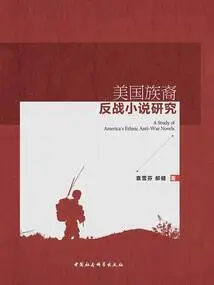
美国族裔反战小说研究
Yuan Xuefen Hao Jian
This book conducts a comprehensive and in-depth study of the anti-war novels of contemporary American ethnic writers. It mainly explores from the perspective of postmodernist narrative theory how ethnic writers use juxtaposition, treatment, black humor and other techniques to criticize the wars launched and participated by the white American government and long for the spirit of world peace and freedom, such as the resistance and tenacity of the indigenous people against the white invasion. Strong survival; blacks and Asians' escape from war; Chicano lawyers fighting for justice for their own veterans and urban poor; Russians and Germans using black humor and science fiction to ridicule the absurdity of war; mixed-race youth's physical and mental trauma and trauma healing after the war; Chicano women exposing the hypocrisy of the U. S. Government through transnational love stories, etc. The anti-war novels written by ethnic American writers are poignant criticisms of the cruel wars of mankind and racial discrimination in the United States. The content of this book is novel and suitable for reading reference by teachers, graduate students, undergraduates and ethnic literature lovers in university liberal arts majors.
This book conducts a comprehensive and in-depth study of the anti-war novels of contemporary American ethnic writers. It mainly explores from the perspective of postmodernist narrative theory how ethnic writers use juxtaposition, treatment, black humor and other techniques to criticize the wars launched and participated by the white American government and long for the spirit of world peace and freedom, such as the resistance and tenacity of the indigenous people against the white invasion. Strong survival; blacks and Asians' escape from war; Chicano lawyers fighting for justice for their own veterans and urban poor; Russians and Germans using black humor and science fiction to ridicule the absurdity of war; mixed-race youth's physical and mental trauma and trauma healing after the war; Chicano women exposing the hypocrisy of the U. S. Government through transnational love stories, etc. The anti-war novels written by ethnic American writers are poignant criticisms of the cruel wars of mankind and racial discrimination in the United States. The content of this book is novel and suitable for reading reference by teachers, graduate students, undergraduates and ethnic literature lovers in university liberal arts majors.
文体意识与精神疆域
Jiang Dengke
This book is a study of poets who have had a certain influence on the century-old new poetry, covering poets with characteristics and influence from the May Fourth period to the present. In the development of poetry, the text is the fundamental basis for confirming the achievement of poetry, and the creator of the text (poet) often goes through many complex artistic and psychological processes in the process of text creation. The poets selected in this book are all poets with great influence in different periods in the history of new poetry. The author conducts in-depth interpretation and discussion of their works through close reading of the text. From this, we can see the general outline of the development of poetry in different periods, which is not only a concrete demonstration of different poetic propositions, but also provides detailed case information for the writing of the history of new poetry.
This book is a study of poets who have had a certain influence on the century-old new poetry, covering poets with characteristics and influence from the May Fourth period to the present. In the development of poetry, the text is the fundamental basis for confirming the achievement of poetry, and the creator of the text (poet) often goes through many complex artistic and psychological processes in the process of text creation. The poets selected in this book are all poets with great influence in different periods in the history of new poetry. The author conducts in-depth interpretation and discussion of their works through close reading of the text. From this, we can see the general outline of the development of poetry in different periods, which is not only a concrete demonstration of different poetic propositions, but also provides detailed case information for the writing of the history of new poetry.
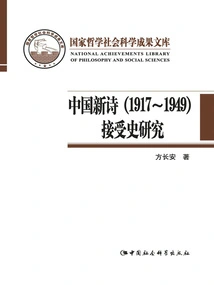
中国新诗(1917—1949)接受史研究
Fang Changan
"Research on the Reception History of Chinese New Poetry (1917-1949) (Essence)" written by Fang Changan is the result of the National Social Science Fund project, project approval number 09BZW052, completed in 2013, with good results. The main content is to examine and study the reception history of Chinese new poetry (1917-1949) in the past hundred years. It not only sorted out and studied the external form of the reception history of new poetry, but also revealed its internal evolution logic, characteristics and roots; it not only studied the relationship between readers' reading and acceptance, the creation of new poetry and the construction of poetics, but also deepened the understanding of the emotional space and aesthetic form of new poetry from the perspective of communication and reception. This research is of great significance for re-understanding the "classics" of century-old new poetry.
"Research on the Reception History of Chinese New Poetry (1917-1949) (Essence)" written by Fang Changan is the result of the National Social Science Fund project, project approval number 09BZW052, completed in 2013, with good results. The main content is to examine and study the reception history of Chinese new poetry (1917-1949) in the past hundred years. It not only sorted out and studied the external form of the reception history of new poetry, but also revealed its internal evolution logic, characteristics and roots; it not only studied the relationship between readers' reading and acceptance, the creation of new poetry and the construction of poetics, but also deepened the understanding of the emotional space and aesthetic form of new poetry from the perspective of communication and reception. This research is of great significance for re-understanding the "classics" of century-old new poetry.
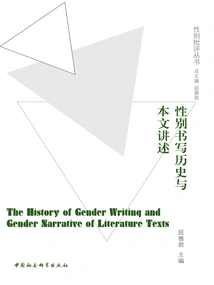
性别书写历史与本文讲述
Edited By Qu Yajun
Gender criticism began with feminist attention and interpretation of literary texts and literary history, and then gradually expanded to the fields of art and culture. This book is mainly in chronological order, supplemented by geographical distribution. The topics include not only the study of women's literary history writing, the study of Chinese goddesses and literary texts, but also the case studies of important female writers in the history of modern literature and the study of gender-related literary themes. In particular, the study of online danbi novels in mainland China has shifted the focus to an area that academic circles have paid little attention to - the world of danbi literature.
Gender criticism began with feminist attention and interpretation of literary texts and literary history, and then gradually expanded to the fields of art and culture. This book is mainly in chronological order, supplemented by geographical distribution. The topics include not only the study of women's literary history writing, the study of Chinese goddesses and literary texts, but also the case studies of important female writers in the history of modern literature and the study of gender-related literary themes. In particular, the study of online danbi novels in mainland China has shifted the focus to an area that academic circles have paid little attention to - the world of danbi literature.
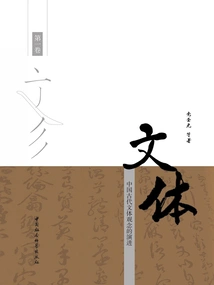
文体:中国古代文体观念的演进(第一卷)
Dang Shengyuan Et Al.
This book focuses on the theme of "The Evolution of Ancient Chinese Stylistic Concepts" and contains a total of twenty-one papers. These papers have a certain correlation with each other. They discuss the historical process and morphological manifestations of the evolution of ancient Chinese stylistic concepts from different research objects, different problem areas, and different theoretical perspectives. They are intended to sort out, examine, and explain some important academic issues in ancient Chinese stylistic concepts and stylistic criticism that deserve full attention through the theoretical or documentary level. The study of stylistic concepts has a wide coverage, a high degree of comprehensiveness, and involves many disciplines. The scope of discussion to be developed and the issues that need to be studied in depth are more complex. Therefore, in our research, we pay equal attention to classics and history, pursue literary and historical taste, strengthen problem awareness, and pay attention to the mutual support and mutual invention between macroscopic investigation and case analysis. This has become an academic philosophy and method we pursue. This pursuit is reflected to varying degrees in the papers collected in this volume. The papers included in the book are the phased research results of the National Social Science Fund's major project "Compilation and Research of Ancient Chinese Stylistic Concepts". They were selected and edited from the participating papers of the "Paths and Methods of Research on Ancient Chinese Stylistic Concepts" held in Xi'an in March and October 2019. All papers are written by members of the research team.
This book focuses on the theme of "The Evolution of Ancient Chinese Stylistic Concepts" and contains a total of twenty-one papers. These papers have a certain correlation with each other. They discuss the historical process and morphological manifestations of the evolution of ancient Chinese stylistic concepts from different research objects, different problem areas, and different theoretical perspectives. They are intended to sort out, examine, and explain some important academic issues in ancient Chinese stylistic concepts and stylistic criticism that deserve full attention through the theoretical or documentary level. The study of stylistic concepts has a wide coverage, a high degree of comprehensiveness, and involves many disciplines. The scope of discussion to be developed and the issues that need to be studied in depth are more complex. Therefore, in our research, we pay equal attention to classics and history, pursue literary and historical taste, strengthen problem awareness, and pay attention to the mutual support and mutual invention between macroscopic investigation and case analysis. This has become an academic philosophy and method we pursue. This pursuit is reflected to varying degrees in the papers collected in this volume. The papers included in the book are the phased research results of the National Social Science Fund's major project "Compilation and Research of Ancient Chinese Stylistic Concepts". They were selected and edited from the participating papers of the "Paths and Methods of Research on Ancient Chinese Stylistic Concepts" held in Xi'an in March and October 2019. All papers are written by members of the research team.
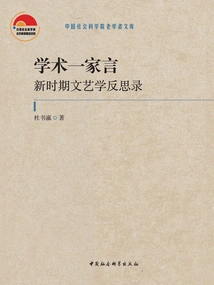
学术一家言:新时期文艺学反思录
Du Shuying
This book is the author's analysis of a series of major academic issues since the reform and opening up, such as the development trajectory of literature and art in the new era, what changes have taken place in art philosophy, what is the basic connotation of human ontology and art philosophy, whether literature can be defined and how to define it, what form of existence literature has, how literary aesthetics emerged and developed in China, and the world's common What is the evolutionary trajectory of Communist aesthetics? How do we view the great achievements and lessons learned in literary theory in the 40 years of reform and opening up? How does "poetry and literature criticism" transform into "literary studies"? What are the characteristics of the global era and what impact it has on literature and literary theory? We conducted a relatively in-depth investigation and thinking, and put forward our own opinions. The author strives not to use clichés or empty words, but to speak his own words. The author believes that "one family speaks" means that scholars are encouraged to speak their own words. This should be a trend of the times and a social fashion, so the title of the book is "Academic Family Words".
This book is the author's analysis of a series of major academic issues since the reform and opening up, such as the development trajectory of literature and art in the new era, what changes have taken place in art philosophy, what is the basic connotation of human ontology and art philosophy, whether literature can be defined and how to define it, what form of existence literature has, how literary aesthetics emerged and developed in China, and the world's common What is the evolutionary trajectory of Communist aesthetics? How do we view the great achievements and lessons learned in literary theory in the 40 years of reform and opening up? How does "poetry and literature criticism" transform into "literary studies"? What are the characteristics of the global era and what impact it has on literature and literary theory? We conducted a relatively in-depth investigation and thinking, and put forward our own opinions. The author strives not to use clichés or empty words, but to speak his own words. The author believes that "one family speaks" means that scholars are encouraged to speak their own words. This should be a trend of the times and a social fashion, so the title of the book is "Academic Family Words".
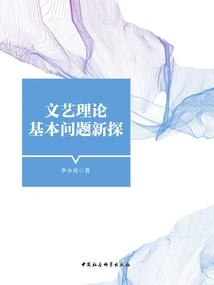
文艺理论基本问题新探
Li Xiaobei
This book uses General Secretary Xi Jinping's important expositions on literary criticism and literary issues as theoretical resources, explores various new contexts and new propositions about literary theory and literary criticism, and analyzes the valuable role of literary criticism in promoting the creation of literary and artistic masterpieces in the new era, building a cultural power and building socialist core values. At the same time, this book takes some traditional propositions, important concepts, and hot debates in literary theory, such as "literary ethics", "literary governance", and the authenticity and tendency of literature and art, as research objects to deeply explore their ideological connotations and explore their many implications for current literary and art issues in our country. The above issues are all basic issues in the field of Chinese literary theory in the new era. To discuss the above issues, this book always faces the ideological resources of traditional Chinese literary theory and the basic practice of current literary creation and criticism. It integrates the past with the present and emphasizes the new mission of literary and art work in the new era.
This book uses General Secretary Xi Jinping's important expositions on literary criticism and literary issues as theoretical resources, explores various new contexts and new propositions about literary theory and literary criticism, and analyzes the valuable role of literary criticism in promoting the creation of literary and artistic masterpieces in the new era, building a cultural power and building socialist core values. At the same time, this book takes some traditional propositions, important concepts, and hot debates in literary theory, such as "literary ethics", "literary governance", and the authenticity and tendency of literature and art, as research objects to deeply explore their ideological connotations and explore their many implications for current literary and art issues in our country. The above issues are all basic issues in the field of Chinese literary theory in the new era. To discuss the above issues, this book always faces the ideological resources of traditional Chinese literary theory and the basic practice of current literary creation and criticism. It integrates the past with the present and emphasizes the new mission of literary and art work in the new era.
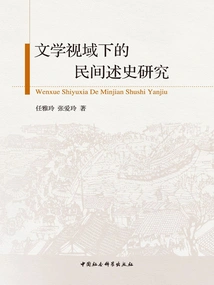
文学视域下的民间述史研究
Ren Yaling Zhang Ailing
In recent years, the book market has experienced frequent upsets, and civilian non-fiction literary works have become bestsellers in the book market. They have not only won the favor of the publishing industry, but also won the love of readers. Some ordinary citizens not only write history and publish books, but their works also rank high on annual good book lists. This book takes this type of non-fiction works as the main research object, systematically sorts out and analyzes the concepts, classifications, characteristics, values, and causes of folk historical narratives, and conducts detailed textual interpretations of the works of 14 representative folk historical narrative authors.
In recent years, the book market has experienced frequent upsets, and civilian non-fiction literary works have become bestsellers in the book market. They have not only won the favor of the publishing industry, but also won the love of readers. Some ordinary citizens not only write history and publish books, but their works also rank high on annual good book lists. This book takes this type of non-fiction works as the main research object, systematically sorts out and analyzes the concepts, classifications, characteristics, values, and causes of folk historical narratives, and conducts detailed textual interpretations of the works of 14 representative folk historical narrative authors.
中国近代小说流派研究
Hou Yunhua Liu Yan
This book takes the main genres of modern Chinese novels as its research object, including condemnation novels, public case novels, chivalrous novels, old-school martial arts novels, romance novels, detective novels, science novels, renovation novels, historical novels, etc. Through careful reading of the text, we can interpret its text connotation, narrative characteristics, cultural connotation, nation-state imagination, character existence status, etc., In order to draw objective and scientific conclusions. In terms of exposition method, the author draws on research methods such as hermeneutics, narratology, cultural analysis, and psychological analysis, which not only takes into account the overall picture of the modern novel genre, but also highlights the genre's personality; it not only echoes the style of the whole book, but also reflects the academic characteristics. This book is the first work to conduct an overall study of the genre of modern novels. It can provide reference for scholars who study Chinese novels and can also be used as a research reference book for graduate students majoring in modern literature.
This book takes the main genres of modern Chinese novels as its research object, including condemnation novels, public case novels, chivalrous novels, old-school martial arts novels, romance novels, detective novels, science novels, renovation novels, historical novels, etc. Through careful reading of the text, we can interpret its text connotation, narrative characteristics, cultural connotation, nation-state imagination, character existence status, etc., In order to draw objective and scientific conclusions. In terms of exposition method, the author draws on research methods such as hermeneutics, narratology, cultural analysis, and psychological analysis, which not only takes into account the overall picture of the modern novel genre, but also highlights the genre's personality; it not only echoes the style of the whole book, but also reflects the academic characteristics. This book is the first work to conduct an overall study of the genre of modern novels. It can provide reference for scholars who study Chinese novels and can also be used as a research reference book for graduate students majoring in modern literature.
文化与社会:马克思主义与20世纪中国文学理论发展研究
Wang Jie Duan Jifang
This monograph provides in-depth theoretical analysis and research on the development of Marxism and Chinese literary theory in the 20th century from the aspects of methodological issues, major theoretical debates, and the particularities of theoretical forms in the interaction between Marxism and 20th-century Chinese literary theory. In the research, through the means of academic analysis and empirical research, we will clarify the influence and conflict process of different historical periods, different schools, and different power discourses in the combination and integration of Marxism and Chinese literary theory, make a clear grasp and theoretical description of the relationship between the occurrence and development of modern Chinese literary theory and Marxism, and grasp its complexity and development trajectory in the historical and aesthetic dimensions. This monograph also conducts in-depth analysis and research on the rich and complex fusion and dialogue between Marxism and Chinese literary theory in the 20th century, the problem areas and basic context of the sinicization of Marxist literary theory, the particularity of Chinese aesthetic modernity, and the theoretical performance of different models of Marxist literary theory at different stages of development. , As well as the basic issues, theoretical forms, and theoretical contributions of Chinese literary theory in the 20th century, including the theoretical weaknesses and deficiencies reflected in the development of Chinese literary theory in the 20th century, thereby providing a theoretical foundation and necessary theoretical preparation for the development and improvement of Chinese literary theory in the 21st century.
This monograph provides in-depth theoretical analysis and research on the development of Marxism and Chinese literary theory in the 20th century from the aspects of methodological issues, major theoretical debates, and the particularities of theoretical forms in the interaction between Marxism and 20th-century Chinese literary theory. In the research, through the means of academic analysis and empirical research, we will clarify the influence and conflict process of different historical periods, different schools, and different power discourses in the combination and integration of Marxism and Chinese literary theory, make a clear grasp and theoretical description of the relationship between the occurrence and development of modern Chinese literary theory and Marxism, and grasp its complexity and development trajectory in the historical and aesthetic dimensions. This monograph also conducts in-depth analysis and research on the rich and complex fusion and dialogue between Marxism and Chinese literary theory in the 20th century, the problem areas and basic context of the sinicization of Marxist literary theory, the particularity of Chinese aesthetic modernity, and the theoretical performance of different models of Marxist literary theory at different stages of development. , As well as the basic issues, theoretical forms, and theoretical contributions of Chinese literary theory in the 20th century, including the theoretical weaknesses and deficiencies reflected in the development of Chinese literary theory in the 20th century, thereby providing a theoretical foundation and necessary theoretical preparation for the development and improvement of Chinese literary theory in the 21st century.
Research on "bing Xin's Diary
Literature《冰心日记》研究
Liu Rong
This book is the first study of "Bing Xin's Diary" published by domestic scholars. The author combed the historical materials about international exchanges, economic construction and cultural construction in the diary, outlined Bing Xin's family life, social life and literary life through the diary, analyzed and summarized the style of Bing Xin's diary and the literary concepts contained in it. As an innovative result of the study of "Bing Xin's Diary", this book has reference value for the study of modern and contemporary Chinese writers and the study of diary literature.
This book is the first study of "Bing Xin's Diary" published by domestic scholars. The author combed the historical materials about international exchanges, economic construction and cultural construction in the diary, outlined Bing Xin's family life, social life and literary life through the diary, analyzed and summarized the style of Bing Xin's diary and the literary concepts contained in it. As an innovative result of the study of "Bing Xin's Diary", this book has reference value for the study of modern and contemporary Chinese writers and the study of diary literature.
Mongol Heroic Epic Poetics
Literature蒙古英雄史诗诗学
Bar Brynberg
The Chinese translation of "The Poetics of Mongolian Heroic Epics" consists of a preface, a Chinese translation preface, eight chapters, a bibliography, and a comparison table of Mongolian and Chinese terms. The eight chapters are: introduction, structure of the universe, black and white heroic image system (1, 2), the image of a horse, the deep relationship between man and nature, the development of epics in cultural changes, and the rhythmic style of imagery. This book is the most important epic research work of the famous Mongolian poet and scholar Mr. Ba Brynberg, and is a classic theoretical work on the study of Mongolian heroic epics. This book successfully uses multi-perspective methods such as literature, aesthetics, and cultural anthropology to demonstrate the aesthetic characteristics of Mongolian heroic epics, constructs the poetic theory of Mongolian heroic epics, and raises the study of Mongolian heroic epics to a new height.
The Chinese translation of "The Poetics of Mongolian Heroic Epics" consists of a preface, a Chinese translation preface, eight chapters, a bibliography, and a comparison table of Mongolian and Chinese terms. The eight chapters are: introduction, structure of the universe, black and white heroic image system (1, 2), the image of a horse, the deep relationship between man and nature, the development of epics in cultural changes, and the rhythmic style of imagery. This book is the most important epic research work of the famous Mongolian poet and scholar Mr. Ba Brynberg, and is a classic theoretical work on the study of Mongolian heroic epics. This book successfully uses multi-perspective methods such as literature, aesthetics, and cultural anthropology to demonstrate the aesthetic characteristics of Mongolian heroic epics, constructs the poetic theory of Mongolian heroic epics, and raises the study of Mongolian heroic epics to a new height.
Literary Writing in the Internet Age
Literature网络时代的文学书写
Zhang Bangwei Yang Xiangrong Et Al.
From October 10 to 12, 2015, the Internet Literature Creation and Research Center of the School of Liberal Arts of Zhejiang University of Communication held the "Inauguration Conference of the Internet Literature Creation and Research Center and the 2015 Internet Literature Summit Forum". Experts and scholars attending the meeting held a lively discussion around the theme of "Internet Literature Creation and Research". Participants agreed that under the new cultural context and value orientation, properly handling the relationship between ideas, art and the market, realizing the connection between online literature and mainstream literature mechanisms, creating excellent works worthy of the great era, and achieving healthy interaction in online literature reviews are issues that current online literature authors and commentators cannot ignore. The papers included in this collection of papers are the fruits of this forum. At present, Internet literature is still in the process of continuous development. Although it is difficult to compete with traditional literature to a certain extent, when the Internet becomes a media that people are more familiar with and accustomed to, Internet literature will undoubtedly become an important way of literary communication. Some commentators describe that the book market will move from the "image-reading era" to the "Internet-reading era." It can be seen that the study of online literature is of great significance, and this is also the original intention of publishing this collection of essays.
From October 10 to 12, 2015, the Internet Literature Creation and Research Center of the School of Liberal Arts of Zhejiang University of Communication held the "Inauguration Conference of the Internet Literature Creation and Research Center and the 2015 Internet Literature Summit Forum". Experts and scholars attending the meeting held a lively discussion around the theme of "Internet Literature Creation and Research". Participants agreed that under the new cultural context and value orientation, properly handling the relationship between ideas, art and the market, realizing the connection between online literature and mainstream literature mechanisms, creating excellent works worthy of the great era, and achieving healthy interaction in online literature reviews are issues that current online literature authors and commentators cannot ignore. The papers included in this collection of papers are the fruits of this forum. At present, Internet literature is still in the process of continuous development. Although it is difficult to compete with traditional literature to a certain extent, when the Internet becomes a media that people are more familiar with and accustomed to, Internet literature will undoubtedly become an important way of literary communication. Some commentators describe that the book market will move from the "image-reading era" to the "Internet-reading era." It can be seen that the study of online literature is of great significance, and this is also the original intention of publishing this collection of essays.
当代西方文论的政治转向研究
Fan Yongkang
This book contains 18 chapters, with an "Introduction" at the beginning and a "Conclusion" at the end, and is divided into three parts in the middle. The "Introduction" section outlines the causes, paths, characteristics and limitations of the politicization of contemporary Western literary theory. The first part, "The Political Turn of Literary Theory," describes the theoretical form of contemporary Western literary theory after the political turn from the aspects of "cultural power," "subject position," "psychological analysis," "literary narrative," and "literary reading." The second part, "Post-Marxist politicized literary theory," presents the general style of post-Marxist politicized literary theory from the aspects of "cultural logic," "aesthetic ideology," "literary politics," and "literary criticism methods." The third part, "Criticism of Contemporary Western Political Literary Theory," points out that contemporary Western politicized literary theory has serious flaws in "literary concepts," "literary interpretation," and "literary value," and advocates the reconstruction of concepts or categories such as "literariness," "literary emotion," "aesthetic reading," and "poetic justice." The "Conclusion" section uses contemporary Western politicized literary theory as a reference to put forward its own academic opinions on constructing and improving the academic discourse system of "Socialist Literary Politics with Chinese Characteristics". This book has a novel topic selection, unique insights, and a high level of academic innovation. It has important inspiring significance for the discipline construction of literary politics and the academic expansion of contemporary Western literary theory research.
This book contains 18 chapters, with an "Introduction" at the beginning and a "Conclusion" at the end, and is divided into three parts in the middle. The "Introduction" section outlines the causes, paths, characteristics and limitations of the politicization of contemporary Western literary theory. The first part, "The Political Turn of Literary Theory," describes the theoretical form of contemporary Western literary theory after the political turn from the aspects of "cultural power," "subject position," "psychological analysis," "literary narrative," and "literary reading." The second part, "Post-Marxist politicized literary theory," presents the general style of post-Marxist politicized literary theory from the aspects of "cultural logic," "aesthetic ideology," "literary politics," and "literary criticism methods." The third part, "Criticism of Contemporary Western Political Literary Theory," points out that contemporary Western politicized literary theory has serious flaws in "literary concepts," "literary interpretation," and "literary value," and advocates the reconstruction of concepts or categories such as "literariness," "literary emotion," "aesthetic reading," and "poetic justice." The "Conclusion" section uses contemporary Western politicized literary theory as a reference to put forward its own academic opinions on constructing and improving the academic discourse system of "Socialist Literary Politics with Chinese Characteristics". This book has a novel topic selection, unique insights, and a high level of academic innovation. It has important inspiring significance for the discipline construction of literary politics and the academic expansion of contemporary Western literary theory research.
英国文学“趣味”观念探源
He Chang
The word "fun" has aroused widespread discussion since its inception. It is not only an important concept in the history of Western thought and culture, but also frequently appears in many fields such as aesthetics, literature, ethics, philosophy, sociology, Marxist criticism, and even psychology and modern neurology. Especially after entering the 20th century, with the attention of modern and contemporary thinkers such as Gadamer, Bourdieu, Eagleton, Agamben, Sontag, and Arendt to the word, discussions on the concept of "interest" have continued for a long time, making the word gradually become a core vocabulary in the modern critical system. This book uses the research method of concept history to reproduce the occurrence and evolution of the concept of "interest" in British literature.
The word "fun" has aroused widespread discussion since its inception. It is not only an important concept in the history of Western thought and culture, but also frequently appears in many fields such as aesthetics, literature, ethics, philosophy, sociology, Marxist criticism, and even psychology and modern neurology. Especially after entering the 20th century, with the attention of modern and contemporary thinkers such as Gadamer, Bourdieu, Eagleton, Agamben, Sontag, and Arendt to the word, discussions on the concept of "interest" have continued for a long time, making the word gradually become a core vocabulary in the modern critical system. This book uses the research method of concept history to reproduce the occurrence and evolution of the concept of "interest" in British literature.
文化视阈下中国现代小城小说研究
Zhang Ruiying
Small town novels that reflect life in small towns are literary presentations of specific small towns in different regions, and are also vivid records of the life and culture of the Chinese nation. The author believes that modern Chinese small town novels are prose novels structured as a series of short stories, which are combined into "Chinese Days and Nights". The small town novels in each region, through fixed-point perspective of the region, achieve an overall overlook and rational analysis of the region and its people on the basis of expressing various life scenes and value meanings. Looking back and examining small town novels from various places from the perspectives of ecology and anthropology, we will discover the majestic life landscape of the Chinese people. The various objects, customs, disturbances, and entanglements in the novel are natural manifestations of life in different regions, and are also expressions of the personalities of different writers. Perhaps the creators have their own ambitions, but their ultimate direction is to respect and cherish ordinary life. Based on the above understanding, this book examines small towns, literary towns, and small town literature research from the perspective of traditional culture and ecological culture. Through careful interpretation and excavation of narrative texts, it conducts an in-depth and detailed investigation and exploration of the life forms, living conditions and cultural values of modern Chinese small towns, in order to systematically and rationally think about the living situation, life style and life value of modern Chinese people, and at the same time explore an alternative path for the research on the unique narrative art of modern small town novels.
Small town novels that reflect life in small towns are literary presentations of specific small towns in different regions, and are also vivid records of the life and culture of the Chinese nation. The author believes that modern Chinese small town novels are prose novels structured as a series of short stories, which are combined into "Chinese Days and Nights". The small town novels in each region, through fixed-point perspective of the region, achieve an overall overlook and rational analysis of the region and its people on the basis of expressing various life scenes and value meanings. Looking back and examining small town novels from various places from the perspectives of ecology and anthropology, we will discover the majestic life landscape of the Chinese people. The various objects, customs, disturbances, and entanglements in the novel are natural manifestations of life in different regions, and are also expressions of the personalities of different writers. Perhaps the creators have their own ambitions, but their ultimate direction is to respect and cherish ordinary life. Based on the above understanding, this book examines small towns, literary towns, and small town literature research from the perspective of traditional culture and ecological culture. Through careful interpretation and excavation of narrative texts, it conducts an in-depth and detailed investigation and exploration of the life forms, living conditions and cultural values of modern Chinese small towns, in order to systematically and rationally think about the living situation, life style and life value of modern Chinese people, and at the same time explore an alternative path for the research on the unique narrative art of modern small town novels.
欧美文学的讽喻传统
Liu Lin
"Allegory" is one of the most original, holistic and continuous core concepts in the history of European and American literature, and is still widely used in literary creation and research. The tradition of allegory has a long history and far-reaching influence, highlighting the cultural heritage, artistic innovation and language characteristics of European and American literature. This book systematically examines the birth and origin, development and prosperity, decline and revival of the allegorical tradition, carefully reads 16 classic works such as "The Iliad", "The Odyssey", "The Divine Comedy", "Robinson Crusoe", "The Scarlet Letter", "Prelude", "Dublins" and "Auction Lot 49", and explains The allegorical theoretical propositions of 13 theorists and critics, including Philo, Augustine, Coleridge, Benjamin, Paul de Man, and Jameson, integrate the theoretical evolution of the allegorical tradition with artistic expression, and provide an overall interpretation of European and American literature from the unique perspective of the allegorical tradition.
"Allegory" is one of the most original, holistic and continuous core concepts in the history of European and American literature, and is still widely used in literary creation and research. The tradition of allegory has a long history and far-reaching influence, highlighting the cultural heritage, artistic innovation and language characteristics of European and American literature. This book systematically examines the birth and origin, development and prosperity, decline and revival of the allegorical tradition, carefully reads 16 classic works such as "The Iliad", "The Odyssey", "The Divine Comedy", "Robinson Crusoe", "The Scarlet Letter", "Prelude", "Dublins" and "Auction Lot 49", and explains The allegorical theoretical propositions of 13 theorists and critics, including Philo, Augustine, Coleridge, Benjamin, Paul de Man, and Jameson, integrate the theoretical evolution of the allegorical tradition with artistic expression, and provide an overall interpretation of European and American literature from the unique perspective of the allegorical tradition.
宋诗宋注考论
Li Xiaoli
The study of Song poetry and Song annotations has attracted a lot of academic attention in recent years, but it is far from sufficient. This book further develops on the basis of previous achievements. Starting from the literature and problems, it first conducts a comprehensive literature review of Song poetry and Song annotations, which is more refuted and supplemented than previous works; It discusses issues such as the spread of Annotations and the Song Dynasty's "Selected Works", the interaction between Song Annotations and Song Dynasty poetics, and the Neo-Confucian poetry annotations of the Southern Song Dynasty. It has a broad vision, in-depth thinking, and can make discoveries that no one has made before, providing a new perspective and fresh conclusions for the research on this topic.
The study of Song poetry and Song annotations has attracted a lot of academic attention in recent years, but it is far from sufficient. This book further develops on the basis of previous achievements. Starting from the literature and problems, it first conducts a comprehensive literature review of Song poetry and Song annotations, which is more refuted and supplemented than previous works; It discusses issues such as the spread of Annotations and the Song Dynasty's "Selected Works", the interaction between Song Annotations and Song Dynasty poetics, and the Neo-Confucian poetry annotations of the Southern Song Dynasty. It has a broad vision, in-depth thinking, and can make discoveries that no one has made before, providing a new perspective and fresh conclusions for the research on this topic.
隐喻认知视角下莎剧的修辞及汉译研究
Xie Shijian Et Al.
This study uses cognitive linguistic theory to study the rhetoric of Shakespeare's plays and their Chinese translation, and explores the cognitive mechanism of metaphor in the rhetorical language of Shakespeare's plays and its cross-cultural translation mechanism. The whole book is divided into two parts. The first is the study of the main figures of speech in Shakespeare's plays and their Chinese translation. The second is the study of images and metaphors, as well as the comparison of the metaphors of "heart", "wind" and "rain" in Shakespeare's plays and Cao's plays. This study systematically explains the rhetoric of Shakespeare's plays and their translation from the theoretical perspective of metaphorical cognition, which helps to better grasp the language of Shakespeare's plays, provides a theoretical basis for the translation of Shakespeare's plays, and contributes to the construction of a theoretical system of cognitive translation studies.
This study uses cognitive linguistic theory to study the rhetoric of Shakespeare's plays and their Chinese translation, and explores the cognitive mechanism of metaphor in the rhetorical language of Shakespeare's plays and its cross-cultural translation mechanism. The whole book is divided into two parts. The first is the study of the main figures of speech in Shakespeare's plays and their Chinese translation. The second is the study of images and metaphors, as well as the comparison of the metaphors of "heart", "wind" and "rain" in Shakespeare's plays and Cao's plays. This study systematically explains the rhetoric of Shakespeare's plays and their translation from the theoretical perspective of metaphorical cognition, which helps to better grasp the language of Shakespeare's plays, provides a theoretical basis for the translation of Shakespeare's plays, and contributes to the construction of a theoretical system of cognitive translation studies.
中古英语亚瑟王文学研究
Xiao Minghan
Middle English Arthurian literature is the result of the long-term development of various historical, cultural and literary factors in medieval Europe and Britain. It is an important component of European medieval literature and a very important cultural and literary heritage of Britain. It flourished during the formation period of the English nation and achieved very high literary achievements. It carries the spirit, ideals and values of the English nation and has become the cultural gene of Britain and even the English-speaking world. This book is a comprehensive and systematic study of Middle English Arthurian literature. This book first discusses the origin, nature and development of romantic romance literature, the most important narrative genre in the middle and late Middle Ages, as well as the origin and evolution of the European Arthurian legend. On this basis, it then conducts a detailed and in-depth analysis of all existing Middle English Arthurian literary texts (including fragments). The main works are studied in special chapters. During the research, this book is committed to analyzing the content, artistic characteristics and achievements of the text itself in the historical and cultural context of the Middle Ages. It also focuses on exploring the rich historical and cultural information of King Arthur literature and revealing the Englishness embodied in the works, in order to examine the inner connection between Middle English Arthurian literature and the formation and development of the English nation.
Middle English Arthurian literature is the result of the long-term development of various historical, cultural and literary factors in medieval Europe and Britain. It is an important component of European medieval literature and a very important cultural and literary heritage of Britain. It flourished during the formation period of the English nation and achieved very high literary achievements. It carries the spirit, ideals and values of the English nation and has become the cultural gene of Britain and even the English-speaking world. This book is a comprehensive and systematic study of Middle English Arthurian literature. This book first discusses the origin, nature and development of romantic romance literature, the most important narrative genre in the middle and late Middle Ages, as well as the origin and evolution of the European Arthurian legend. On this basis, it then conducts a detailed and in-depth analysis of all existing Middle English Arthurian literary texts (including fragments). The main works are studied in special chapters. During the research, this book is committed to analyzing the content, artistic characteristics and achievements of the text itself in the historical and cultural context of the Middle Ages. It also focuses on exploring the rich historical and cultural information of King Arthur literature and revealing the Englishness embodied in the works, in order to examine the inner connection between Middle English Arthurian literature and the formation and development of the English nation.