Library
Browse and search books
4,115 novels found
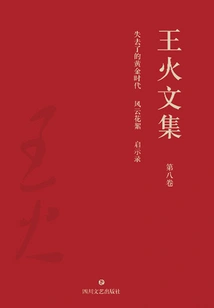
王火文集·第八卷:失去了的黄金时代 风云花絮 启示录
J
"Volume 8 of Wang Huo's Collected Works" includes four parts: "The Lost Fairy Tales of Jinling in the Golden Age", "The Anti-Japanese War! Unforgettable Memories", "Tips of the Storm" and "Revelation". It tells Wang Huo's memories of his childhood, what he saw and heard during the Anti-Japanese War, and his experiences and insights during the "Cultural Revolution", etc. It shows that the destiny of an individual is entangled with the destiny of the entire era and the nation, reflecting on history and the past, and showing new hope.
"Volume 8 of Wang Huo's Collected Works" includes four parts: "The Lost Fairy Tales of Jinling in the Golden Age", "The Anti-Japanese War! Unforgettable Memories", "Tips of the Storm" and "Revelation". It tells Wang Huo's memories of his childhood, what he saw and heard during the Anti-Japanese War, and his experiences and insights during the "Cultural Revolution", etc. It shows that the destiny of an individual is entangled with the destiny of the entire era and the nation, reflecting on history and the past, and showing new hope.
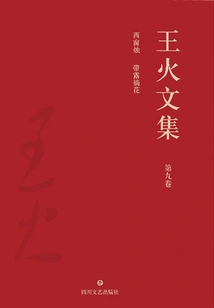
Collected Works of Wang Huo·volume 9: Candles from the West Window Picking Flowers with Dew
Literature王火文集·第九卷:西窗烛 带露摘花
J
"Wang Huo's Collected Works·Volume 9" contains four collections of prose and essays published by Wang Huo: "Candle in the West Window", "Picking Flowers with Dew", "Collection of Wang Huo's Prose and Essays", and "Collection of Wang Huo's Prefaces and Postscripts", with a total of more than 100 articles. It includes various types of prose written by Wang Huo in various periods, including historical essays that recall the past and praise history, lyrical life stories about picking flowers with dew, as well as travel notes from domestic and overseas visits, creative feelings of the works, and book reviews and prefaces. These words reflect a writer's literary creation experience, friends, literary criticism spirit and personality in many aspects. They have a good reference value for studying the writer's works. They are also one of the indispensable components of an anthology.
"Wang Huo's Collected Works·Volume 9" contains four collections of prose and essays published by Wang Huo: "Candle in the West Window", "Picking Flowers with Dew", "Collection of Wang Huo's Prose and Essays", and "Collection of Wang Huo's Prefaces and Postscripts", with a total of more than 100 articles. It includes various types of prose written by Wang Huo in various periods, including historical essays that recall the past and praise history, lyrical life stories about picking flowers with dew, as well as travel notes from domestic and overseas visits, creative feelings of the works, and book reviews and prefaces. These words reflect a writer's literary creation experience, friends, literary criticism spirit and personality in many aspects. They have a good reference value for studying the writer's works. They are also one of the indispensable components of an anthology.
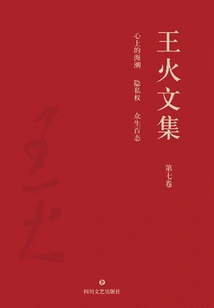
王火文集·第七卷:心上的海潮 隐私权 众生百态
J
"Collected Works of Wang Huo·Volume 7" is a collection of short stories and novels, divided into three parts. The first part is a collection of novellas "The Tide in the Heart", which consists of seven novels. Most of them are stories about marriage and love in different eras. They tell the story of the protagonist's tragedy because of his values, misunderstanding, cowardice, money, or personality. The second part is the novella "Privacy", which explores the scale of privacy between lovers. The third part is a collection of short stories and novels "All Living Things", which consists of more than 40 novels covering a wide range of fields. There are philosophies of life, sighs and praises for worldly affairs, various characters are depicted, and a rich and colorful social picture is formed.
"Collected Works of Wang Huo·Volume 7" is a collection of short stories and novels, divided into three parts. The first part is a collection of novellas "The Tide in the Heart", which consists of seven novels. Most of them are stories about marriage and love in different eras. They tell the story of the protagonist's tragedy because of his values, misunderstanding, cowardice, money, or personality. The second part is the novella "Privacy", which explores the scale of privacy between lovers. The third part is a collection of short stories and novels "All Living Things", which consists of more than 40 novels covering a wide range of fields. There are philosophies of life, sighs and praises for worldly affairs, various characters are depicted, and a rich and colorful social picture is formed.
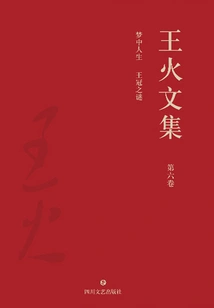
王火文集·第六卷:梦中人生 王冠之谜
J
"Collected Works of Wang Huo Volume Six" includes "Life in Dreams" and "Mystery of the Crown" written by Wang Huo in the late 1980s and early 1990s. "Life in Dreams" is a collection of short stories and short stories. The whole book uses "my" memories as clues to condense the historical trends and changes of the times for more than half a century. The works are full of love for life, pursuit of ideals, praise of the cause of human progress and reflection on past human affairs, shining with the brilliance of idealism and humanitarianism. "The Mystery of the Crown" is a novel that describes a tortuous case that occurred during the anti-corruption and bribery campaign at the beginning of the founding of the People's Republic of China. The work conducts in-depth discussions on issues such as fighting corruption, promoting democracy and the rule of law, and arouses people's resonance, thinking and aftertaste with fire-like enthusiasm, high sense of responsibility and clear view of right and wrong.
"Collected Works of Wang Huo Volume Six" includes "Life in Dreams" and "Mystery of the Crown" written by Wang Huo in the late 1980s and early 1990s. "Life in Dreams" is a collection of short stories and short stories. The whole book uses "my" memories as clues to condense the historical trends and changes of the times for more than half a century. The works are full of love for life, pursuit of ideals, praise of the cause of human progress and reflection on past human affairs, shining with the brilliance of idealism and humanitarianism. "The Mystery of the Crown" is a novel that describes a tortuous case that occurred during the anti-corruption and bribery campaign at the beginning of the founding of the People's Republic of China. The work conducts in-depth discussions on issues such as fighting corruption, promoting democracy and the rule of law, and arouses people's resonance, thinking and aftertaste with fire-like enthusiasm, high sense of responsibility and clear view of right and wrong.
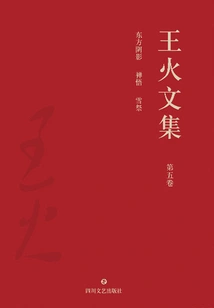
Collected Works of Wang Huo·volume 5: Shadow of the East, Zen Enlightenment, Snow Festival
Literature王火文集·第五卷:东方阴影 禅悟 雪祭
J
The three stories in "Wang Huo's Collected Works Volume 5" all left a deep imprint of the Anti-Japanese War. This is a history that our nation should not and cannot forget. The author has reflected it in a literary and artistic way in the story - whether it is the daily life of ordinary civilians ("Snow Festival"), or a monk hoping to seek liberation ("Zen Enlightenment"), or even studying abroad in Japan after the new century. It can be seen that the trauma of the Japanese invasion nearly 80 years ago on the Chinese nation is still aching, and it can also be seen that the author's painful memories and deep reflections are not motivated by personal emotions. Such reflections will never go out of style for the Chinese nation, as well as for all peace-loving nations in the world. Although these three works were created a long time ago, they still have strong practical significance.
The three stories in "Wang Huo's Collected Works Volume 5" all left a deep imprint of the Anti-Japanese War. This is a history that our nation should not and cannot forget. The author has reflected it in a literary and artistic way in the story - whether it is the daily life of ordinary civilians ("Snow Festival"), or a monk hoping to seek liberation ("Zen Enlightenment"), or even studying abroad in Japan after the new century. It can be seen that the trauma of the Japanese invasion nearly 80 years ago on the Chinese nation is still aching, and it can also be seen that the author's painful memories and deep reflections are not motivated by personal emotions. Such reflections will never go out of style for the Chinese nation, as well as for all peace-loving nations in the world. Although these three works were created a long time ago, they still have strong practical significance.
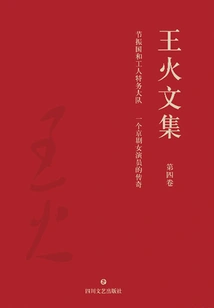
王火文集·第四卷:节振国和工人特务大队 一个京剧女演员的传奇
Wang Huo
"Collected Works of Wang Huo·Volume 4" contains various novels written by Mr. Wang Huo in various periods - a total of nine novels and short stories: the novel "Heroes for the Country - Jie Zhenguo and the Workers' Secret Service Brigade" and the short stories "Clang of Heart", "Spring Breeze Peaches", "Death Diamond", "Meteor", "The Cherry Blossoms in the World Are Red", "The Wrong Apology" and "The Legend of a Peking Opera Actress in "Oriental Venice"". Among them, the novel "Heroes for the Country - Jie Zhenguo and the Workers' Spy Brigade" is a biographical legendary novel with the anti-Japanese hero Jie Zhenguo as the protagonist. The novel describes the heroic deeds of the workers' guerrillas led by Jie Zhenguo in Tangshan and Eastern Hebei during the arduous Anti-Japanese War, fighting against Japanese invaders, eradicating traitors, pacifying bandits, and fighting against invaders in bloody raids by Japanese devils. It describes the evocative national spirit of the Chinese people and is an epic literary work.
"Collected Works of Wang Huo·Volume 4" contains various novels written by Mr. Wang Huo in various periods - a total of nine novels and short stories: the novel "Heroes for the Country - Jie Zhenguo and the Workers' Secret Service Brigade" and the short stories "Clang of Heart", "Spring Breeze Peaches", "Death Diamond", "Meteor", "The Cherry Blossoms in the World Are Red", "The Wrong Apology" and "The Legend of a Peking Opera Actress in "Oriental Venice"". Among them, the novel "Heroes for the Country - Jie Zhenguo and the Workers' Spy Brigade" is a biographical legendary novel with the anti-Japanese hero Jie Zhenguo as the protagonist. The novel describes the heroic deeds of the workers' guerrillas led by Jie Zhenguo in Tangshan and Eastern Hebei during the arduous Anti-Japanese War, fighting against Japanese invaders, eradicating traitors, pacifying bandits, and fighting against invaders in bloody raids by Japanese devils. It describes the evocative national spirit of the Chinese people and is an epic literary work.
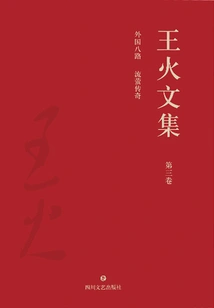
王火文集·第三卷:外国八路 流萤传奇
J
"Wang Huo's Collected Works Volume Three" includes four parts: the novel "Eight Routes from Foreign Countries", the interview notes "Chasing the Traces of Hans Heber", the script "Hans Heber", and the novel "Legend of the Flowing Fireflies". The first three parts all tell the heroic story of Hans Sieber, a German Communist Party member, writer, and journalist, who went to China for interviews during the Anti-Japanese War and went deep behind enemy lines in southern Shandong to experience the fighting life of Chinese Communists, participated in it, and eventually died in battle. "Legend of the Flowing Fireflies" describes the story of the young hero Lu Jiagang who fought as a militiaman against counterrevolutionaries during the land reform period. Although these two parts take place at different times, they are both stories from the Lunan region, so they are placed in the same volume. These contents reflect the special characters and social conditions in a specific historical period, especially the interviews and records of Hans Heber, which have important historical value.
"Wang Huo's Collected Works Volume Three" includes four parts: the novel "Eight Routes from Foreign Countries", the interview notes "Chasing the Traces of Hans Heber", the script "Hans Heber", and the novel "Legend of the Flowing Fireflies". The first three parts all tell the heroic story of Hans Sieber, a German Communist Party member, writer, and journalist, who went to China for interviews during the Anti-Japanese War and went deep behind enemy lines in southern Shandong to experience the fighting life of Chinese Communists, participated in it, and eventually died in battle. "Legend of the Flowing Fireflies" describes the story of the young hero Lu Jiagang who fought as a militiaman against counterrevolutionaries during the land reform period. Although these two parts take place at different times, they are both stories from the Lunan region, so they are placed in the same volume. These contents reflect the special characters and social conditions in a specific historical period, especially the interviews and records of Hans Heber, which have important historical value.
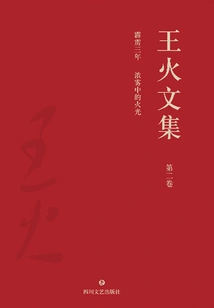
王火文集·第二卷:霹雳三年 浓雾中的火光
J
"Collected Works of Wang Huo Volume 2" contains two novels, "Three Years of Thunderbolt" and "Firelight in the Thick Fog". Among them, "Three Years of Thunderbolt" features a pair of young male and female journalists as the protagonists. The work tells their extraordinary and unique experiences, their love, hate and desolate youth. The lovers were active in Shanghai, a ten-mile foreign land, and in Nanjing, the capital of the heartland at that time. They weathered the storms of the great era, went through the ups and downs after the founding of the People's Republic of China, and entered a good period of reform and opening up; "Fire in the Fog" tells the story of a famous university at the foot of Jinyun Mountain in Chongqing and on the bank of the Jialing River in the 1940s. The work reproduces the style of university life during the Anti-Japanese War from a side.
"Collected Works of Wang Huo Volume 2" contains two novels, "Three Years of Thunderbolt" and "Firelight in the Thick Fog". Among them, "Three Years of Thunderbolt" features a pair of young male and female journalists as the protagonists. The work tells their extraordinary and unique experiences, their love, hate and desolate youth. The lovers were active in Shanghai, a ten-mile foreign land, and in Nanjing, the capital of the heartland at that time. They weathered the storms of the great era, went through the ups and downs after the founding of the People's Republic of China, and entered a good period of reform and opening up; "Fire in the Fog" tells the story of a famous university at the foot of Jinyun Mountain in Chongqing and on the bank of the Jialing River in the 1940s. The work reproduces the style of university life during the Anti-Japanese War from a side.
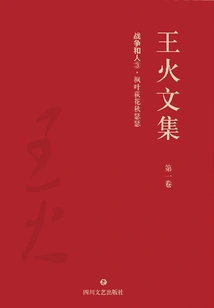
王火文集·第一卷:战争和人③
J
"Wang Huo's Collected Works Volume 1 War and People" contains Wang Huo's masterpiece "War and People" trilogy, which are "The Moon Sets, Crows Crying and the Sky Full of Frost", "The Mountain in the Void" and "Maple Leaves and Flowers Autumn", which are reflections of the world. A masterpiece novel in the fascist book series, it takes the family misfortunes and life experiences of Tong Shuangwei, a high-ranking official of the Kuomintang and an authority in legal science, and his son Tong Jiating as the main line, showing a panoramic picture of the southern half of China during the Anti-Japanese War. The core character Tong Shuangwei went from passively taking refuge and maintaining his reputation to despising the Kuomintang's dictatorship and joining the ranks of the democratic movement. At the same time, Tong Jiating, who grew up as a young man, also devoted himself to the light without hesitation under the influence of the times.
"Wang Huo's Collected Works Volume 1 War and People" contains Wang Huo's masterpiece "War and People" trilogy, which are "The Moon Sets, Crows Crying and the Sky Full of Frost", "The Mountain in the Void" and "Maple Leaves and Flowers Autumn", which are reflections of the world. A masterpiece novel in the fascist book series, it takes the family misfortunes and life experiences of Tong Shuangwei, a high-ranking official of the Kuomintang and an authority in legal science, and his son Tong Jiating as the main line, showing a panoramic picture of the southern half of China during the Anti-Japanese War. The core character Tong Shuangwei went from passively taking refuge and maintaining his reputation to despising the Kuomintang's dictatorship and joining the ranks of the democratic movement. At the same time, Tong Jiating, who grew up as a young man, also devoted himself to the light without hesitation under the influence of the times.
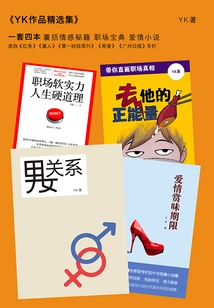
Collection of Yk Works
LiteratureYK作品精选集
K
This collection mainly consists of four books by author YK. This book collects the columns that YK has published in fashion and lifestyle magazines such as "Red Show", "Guangzhou Daily", "Marie Marie", and "Hope" over the past few years. It is a heart-warming and insightful analysis of all aspects of the relationship between men and women. It is a hormone advocate and teaches us how to fall in love scientifically.
This collection mainly consists of four books by author YK. This book collects the columns that YK has published in fashion and lifestyle magazines such as "Red Show", "Guangzhou Daily", "Marie Marie", and "Hope" over the past few years. It is a heart-warming and insightful analysis of all aspects of the relationship between men and women. It is a hormone advocate and teaches us how to fall in love scientifically.
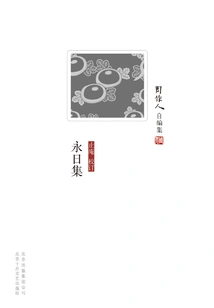
周作人自编集:永日集
Zhou Zuoren
"Zhou Zuoren's Self-edited Collection: Yongri Collection" contains more than 40 essays by Zhou Zuoren, which is the "Fourth Little Book of Kuyuzhai". It is the author's continuation or in-depth thinking on the two themes of literature and current affairs, showing the beauty of articles, thoughts and depth. "Whoever wants to go up, lean on the hand and neck, and cut off the dead man's fist for me!" - This is the witch's spell. But why does the author introduce this? Because human beings have developed and perfected from the era of ignorance, understanding the barbaric winds of the past is of great significance to the present. The breadth of the author's interests is evident. "Zhou Zuoren's Collected Works: Yongri Collection" has been carefully edited by Zhi'an, making it the most comprehensive and authoritative collection of Zhou's essays on the market.
"Zhou Zuoren's Self-edited Collection: Yongri Collection" contains more than 40 essays by Zhou Zuoren, which is the "Fourth Little Book of Kuyuzhai". It is the author's continuation or in-depth thinking on the two themes of literature and current affairs, showing the beauty of articles, thoughts and depth. "Whoever wants to go up, lean on the hand and neck, and cut off the dead man's fist for me!" - This is the witch's spell. But why does the author introduce this? Because human beings have developed and perfected from the era of ignorance, understanding the barbaric winds of the past is of great significance to the present. The breadth of the author's interests is evident. "Zhou Zuoren's Collected Works: Yongri Collection" has been carefully edited by Zhi'an, making it the most comprehensive and authoritative collection of Zhou's essays on the market.
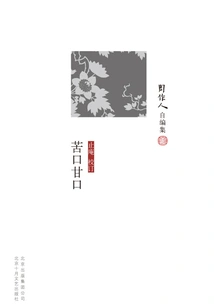
周作人自编集:苦口甘口
Zhou Zuoren
"Zhou Zuoren's Self-edited Collection: A Bitter Mouth is Sweet" contains twenty-one articles by Zhou Zuoren. The style basically continues from "Yaotang Essays". It is the author's combing of his own thoughts. There are "serious articles" about literature and thoughts, and there are also works about reading with nostalgia. Especially in the long summary article "My Miscellaneous Studies", he comprehensively reviewed his study of Chinese and foreign languages and his involvement in various disciplines, and proposed the core of his later thoughts "naturalization of ethics" and "conformation of moral principles", which is an inescapable work when studying Zhou Zuoren.
"Zhou Zuoren's Self-edited Collection: A Bitter Mouth is Sweet" contains twenty-one articles by Zhou Zuoren. The style basically continues from "Yaotang Essays". It is the author's combing of his own thoughts. There are "serious articles" about literature and thoughts, and there are also works about reading with nostalgia. Especially in the long summary article "My Miscellaneous Studies", he comprehensively reviewed his study of Chinese and foreign languages and his involvement in various disciplines, and proposed the core of his later thoughts "naturalization of ethics" and "conformation of moral principles", which is an inescapable work when studying Zhou Zuoren.
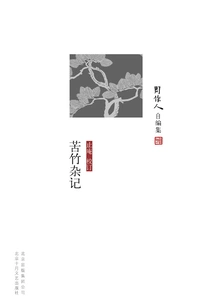
周作人自编集:苦竹杂记
Zhou Zuoren
"Bitter Bamboo Miscellaneous Notes" contains more than forty articles, most of which are essays and "copied books", which are concise and distant articles in the later period. Among them, "talking about ghosts" is one of Zhou Zuoren's favorite topics. From this, the author feels the life situation and survival desire of ordinary people, and feels the most sad and pitiable. It looks like talking about ghosts, but it is actually a heart-to-heart talk. It not only pursues true knowledge, but also does not forget human feelings. Among Zhou's writings, such articles have the most emotional depth. "Bitter Bamboo Miscellanies" was carefully edited by Zhi'an.
"Bitter Bamboo Miscellaneous Notes" contains more than forty articles, most of which are essays and "copied books", which are concise and distant articles in the later period. Among them, "talking about ghosts" is one of Zhou Zuoren's favorite topics. From this, the author feels the life situation and survival desire of ordinary people, and feels the most sad and pitiable. It looks like talking about ghosts, but it is actually a heart-to-heart talk. It not only pursues true knowledge, but also does not forget human feelings. Among Zhou's writings, such articles have the most emotional depth. "Bitter Bamboo Miscellanies" was carefully edited by Zhi'an.
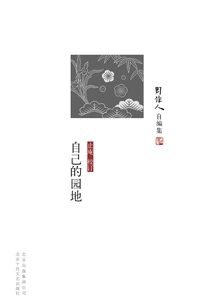
Collected by Zhou Zuoren: My Own Garden
Literature周作人自编集:自己的园地
Zhou Zuoren
"Zhou Zuoren's Collected Works: My Own Garden" is divided into three series, with a total of fifty-six articles. Among them, "My Own Garden" and "Oasis" are close to literary criticism, while "Tea Talk" is a miscellaneous essay. "Oasis" is full of interest, and its technique has been followed by many of the author's subsequent essay creations; "My Own Garden" is a mirror of the author's literary and artistic thoughts at this stage. "The so-called own garden is originally very broad and is not limited to a certain type: whether it is planting fruits and vegetables, whether it is planting medicinal materials, or whether it is a kind of rose garden, as long as it is based on his personal consciousness and has the strength to cultivate the land no matter how big or small it is, he has fulfilled his bounden duty."
"Zhou Zuoren's Collected Works: My Own Garden" is divided into three series, with a total of fifty-six articles. Among them, "My Own Garden" and "Oasis" are close to literary criticism, while "Tea Talk" is a miscellaneous essay. "Oasis" is full of interest, and its technique has been followed by many of the author's subsequent essay creations; "My Own Garden" is a mirror of the author's literary and artistic thoughts at this stage. "The so-called own garden is originally very broad and is not limited to a certain type: whether it is planting fruits and vegetables, whether it is planting medicinal materials, or whether it is a kind of rose garden, as long as it is based on his personal consciousness and has the strength to cultivate the land no matter how big or small it is, he has fulfilled his bounden duty."
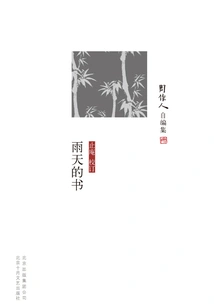
周作人自编集:雨天的书
Zhou Zuoren
"Zhou Zuoren's Collected Works: Books on Rainy Days" contains more than 50 essays written by Zhou Zuoren from 1921 to 1925, most of which are miscellaneous essays. Some of the articles are plain and natural, leisurely and harmonious, such as "Wild Vegetables in Hometown", "Drinking Tea" and "Flies", etc., Which have always been popular. And this is not the only feature of the articles in this collection. The author does not take leisure as his only purpose. His concern for literature, art and national character is still obvious.
"Zhou Zuoren's Collected Works: Books on Rainy Days" contains more than 50 essays written by Zhou Zuoren from 1921 to 1925, most of which are miscellaneous essays. Some of the articles are plain and natural, leisurely and harmonious, such as "Wild Vegetables in Hometown", "Drinking Tea" and "Flies", etc., Which have always been popular. And this is not the only feature of the articles in this collection. The author does not take leisure as his only purpose. His concern for literature, art and national character is still obvious.
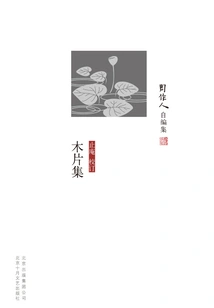
周作人自编集:木片集
Zhou Zuoren
"Woodchip Collection" is the representative of Zhou Zuoren's later prose. The subject matter continues the previous themes of nostalgic memories of the past, famous objects and customs, plants, trees, insects and fish, reminiscing about the founding of "Silk", stories about old friends such as Cai Jiemin and Qian Xuandong, talking about Greek mythology, northern and southern snacks, analyzing the lunar and fishing calendars, avoiding taboos about changing surnames, and even topics such as bats and owls, crows and parrots can be discussed comfortably. But I no longer write long essays, and I also reduce the quotation of large paragraphs of ancient texts. I only write short chapters and eloquent stories, which are concise and lively, and sometimes have humorous conversations. Just like what he said in his poem about his eightieth birthday: "I pity my one-legged father and miss the mountain father, and I imagine that I am envious of the wild raccoon on a green felt. I sometimes pretend to make faces in my conversations, and I like to scatter coriander in my humorous conversations."
"Woodchip Collection" is the representative of Zhou Zuoren's later prose. The subject matter continues the previous themes of nostalgic memories of the past, famous objects and customs, plants, trees, insects and fish, reminiscing about the founding of "Silk", stories about old friends such as Cai Jiemin and Qian Xuandong, talking about Greek mythology, northern and southern snacks, analyzing the lunar and fishing calendars, avoiding taboos about changing surnames, and even topics such as bats and owls, crows and parrots can be discussed comfortably. But I no longer write long essays, and I also reduce the quotation of large paragraphs of ancient texts. I only write short chapters and eloquent stories, which are concise and lively, and sometimes have humorous conversations. Just like what he said in his poem about his eightieth birthday: "I pity my one-legged father and miss the mountain father, and I imagine that I am envious of the wild raccoon on a green felt. I sometimes pretend to make faces in my conversations, and I like to scatter coriander in my humorous conversations."
周作人自编集:苦雨斋序跋文
Zhou Zuoren
"Ku Yu Zhai Preface and Postscript" contains fifty-four chapters. Zhou Zuoren's preface and postscript best reflect his style and characteristics, and are also his summary and reflection on his own ideological context and writing process. They are called prefaces and postscripts, and they are actually beautiful and wonderful articles. The most interesting thing about reading Zhou's articles is his preface and postscript, where almost all the important, core, thought-provoking thoughts and sentences are contained. "Zhou Zuoren talks about Zhou Zuoren", "with the purpose of not being relevant to the topic", the writing method is unconventional, and the thinking is contrary to orthodoxy. It is not pleasant to read like this. "Kuyuzhai Preface and Postscripts" was carefully edited by Zhi'an, making it the most comprehensive and authoritative collection of Zhou's essays on the market.
"Ku Yu Zhai Preface and Postscript" contains fifty-four chapters. Zhou Zuoren's preface and postscript best reflect his style and characteristics, and are also his summary and reflection on his own ideological context and writing process. They are called prefaces and postscripts, and they are actually beautiful and wonderful articles. The most interesting thing about reading Zhou's articles is his preface and postscript, where almost all the important, core, thought-provoking thoughts and sentences are contained. "Zhou Zuoren talks about Zhou Zuoren", "with the purpose of not being relevant to the topic", the writing method is unconventional, and the thinking is contrary to orthodoxy. It is not pleasant to read like this. "Kuyuzhai Preface and Postscripts" was carefully edited by Zhi'an, making it the most comprehensive and authoritative collection of Zhou's essays on the market.
周作人自编集:周作人书信
Zhou Zuoren
"Zhou Zuoren's Collected Works: Looking at the Clouds" contains a total of forty-one essays by Zhou Zuoren, which reflects the author's profound education and extensive knowledge. Whether they are entertaining and leisurely sketches or King Kong's angry comments on current affairs, they are all truth-seeking works with "appreciation mixed with criticism". Words of worry, anger, depression and pain can be seen everywhere. For example, he said, "I think moral control in a civilized society should be very broad, but honesty should be required... I think it is better for us to be true evil than to be hypocritical. For true evil, we still have to be responsible and take risks." This is also a good medicine for China today. "Zhou Zuoren's Collected Works: Kanyun Ji" has been carefully edited by Zhi'an, making it the most comprehensive and authoritative collection of Zhou's essays on the market.
"Zhou Zuoren's Collected Works: Looking at the Clouds" contains a total of forty-one essays by Zhou Zuoren, which reflects the author's profound education and extensive knowledge. Whether they are entertaining and leisurely sketches or King Kong's angry comments on current affairs, they are all truth-seeking works with "appreciation mixed with criticism". Words of worry, anger, depression and pain can be seen everywhere. For example, he said, "I think moral control in a civilized society should be very broad, but honesty should be required... I think it is better for us to be true evil than to be hypocritical. For true evil, we still have to be responsible and take risks." This is also a good medicine for China today. "Zhou Zuoren's Collected Works: Kanyun Ji" has been carefully edited by Zhi'an, making it the most comprehensive and authoritative collection of Zhou's essays on the market.
周作人自编集:瓜豆集
Zhou Zuoren
"Zhou Zuoren's Collected Works: Guandouji" collects Zhou Zuoren's works from May to December 1936. Compared with the previous work, there are some new elements in the content. As the author puts it, "'iconoclasm' and 'moderateness' are sandwiched together," which reminds us of what he said about himself being both a "gentleman ghost" and a "gangster ghost." Here, "I have my own opinions on ghosts, gods, families, women, especially prostitutes." Zhou uses the moral values established by sexual psychology to cover both men and women. However, women have no social security and are often victims, so they pay special attention to this aspect, and are especially sympathetic to women's unfortunate experiences, whether it is experience or psychology.
"Zhou Zuoren's Collected Works: Guandouji" collects Zhou Zuoren's works from May to December 1936. Compared with the previous work, there are some new elements in the content. As the author puts it, "'iconoclasm' and 'moderateness' are sandwiched together," which reminds us of what he said about himself being both a "gentleman ghost" and a "gangster ghost." Here, "I have my own opinions on ghosts, gods, families, women, especially prostitutes." Zhou uses the moral values established by sexual psychology to cover both men and women. However, women have no social security and are often victims, so they pay special attention to this aspect, and are especially sympathetic to women's unfortunate experiences, whether it is experience or psychology.
周作人自编集:书房一角
Zhou Zuoren
"Zhou Zuoren's Self-edited Collection: A Corner of the Study" can be said to be a companion volume to "Yaotang Quotations". It contains one hundred and ninety-one reading notes by Zhou Zuoren. It is also a work of Zhou Zuoren's "exploring the opinions of his predecessors, distinguishing them, picking the gold from the sand, and grinding the pestle into a needle." Therefore, it is short and flexible, even less than ten lines. It also involves many ancient books, which to a large extent reflects Zhou Zuoren's thinking and analysis of traditional Chinese culture. It incorporates modern thoughts into the comments on ancient books, making it a unique and interesting read. Among them, "Sang Xia Cong Tan" focuses on combing Yue people's writings, introducing the people, monuments, customs, food, etc. In his hometown of Shaoxing one by one. It is an excellent chronicle of Yue customs, and between the lines, you can feel the feelings of hometown and hometown triggered by the war.
"Zhou Zuoren's Self-edited Collection: A Corner of the Study" can be said to be a companion volume to "Yaotang Quotations". It contains one hundred and ninety-one reading notes by Zhou Zuoren. It is also a work of Zhou Zuoren's "exploring the opinions of his predecessors, distinguishing them, picking the gold from the sand, and grinding the pestle into a needle." Therefore, it is short and flexible, even less than ten lines. It also involves many ancient books, which to a large extent reflects Zhou Zuoren's thinking and analysis of traditional Chinese culture. It incorporates modern thoughts into the comments on ancient books, making it a unique and interesting read. Among them, "Sang Xia Cong Tan" focuses on combing Yue people's writings, introducing the people, monuments, customs, food, etc. In his hometown of Shaoxing one by one. It is an excellent chronicle of Yue customs, and between the lines, you can feel the feelings of hometown and hometown triggered by the war.
周作人自编集:药堂语录
Zhou Zuoren
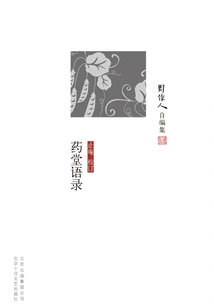
"Zhou Zuoren's Collected Works: Quotations from the Medicine Hall" contains 50 essays written by Zhou Zuoren around 1940. It is a new attempt in his prose writing style. It is short in length and is close to "notes written by predecessors". The title "Quotations" is not intended to imitate Confucianism and Buddhism and record one's own words and deeds for future generations, but to "speak more concisely" and select a few points to capture some flash of thought. Although the author claims that these articles are not intended to be critical, but only "lay out several kinds of herbs on the table" and "arrange some medicines", the spirit of "disease of falsehood" and "love of truth" is everywhere in the writing. Good medicine does not have to be bitter, and a tea soup that relieves summer heat may be more effective for the appetite. Zhitang's article is exactly this kind of tea soup with a suitable density and relief from summer heat.
"Zhou Zuoren's Collected Works: Quotations from the Medicine Hall" contains 50 essays written by Zhou Zuoren around 1940. It is a new attempt in his prose writing style. It is short in length and is close to "notes written by predecessors". The title "Quotations" is not intended to imitate Confucianism and Buddhism and record one's own words and deeds for future generations, but to "speak more concisely" and select a few points to capture some flash of thought. Although the author claims that these articles are not intended to be critical, but only "lay out several kinds of herbs on the table" and "arrange some medicines", the spirit of "disease of falsehood" and "love of truth" is everywhere in the writing. Good medicine does not have to be bitter, and a tea soup that relieves summer heat may be more effective for the appetite. Zhitang's article is exactly this kind of tea soup with a suitable density and relief from summer heat.
周作人自编集:知堂文集
Zhou Zuoren
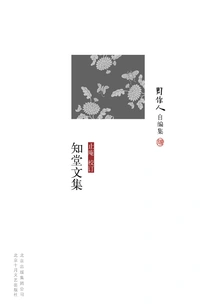
"Collected Works of Zhitang" contains forty-five articles and is the most representative of Zhou Zuoren's self-selected works. Zhou Zuoren called himself Zhitang, and its significance can be seen in the "Zhitang Shuo" in this collection. The greatest value of "Collected Works of Zhitang" is that it shows Zhou Zuoren's early achievements in his creative career, including poems, essays, sketches, essays, translations and other styles. It not only maintains his own taste, but also absorbs various knowledge and adheres to cultural criticism. It can be said that it is a mixture of clear, gloomy, evil tune and elegance. It was his most satisfying work at that time.
"Collected Works of Zhitang" contains forty-five articles and is the most representative of Zhou Zuoren's self-selected works. Zhou Zuoren called himself Zhitang, and its significance can be seen in the "Zhitang Shuo" in this collection. The greatest value of "Collected Works of Zhitang" is that it shows Zhou Zuoren's early achievements in his creative career, including poems, essays, sketches, essays, translations and other styles. It not only maintains his own taste, but also absorbs various knowledge and adheres to cultural criticism. It can be said that it is a mixture of clear, gloomy, evil tune and elegance. It was his most satisfying work at that time.
周作人自编集:秉烛后谈
Zhou Zuoren
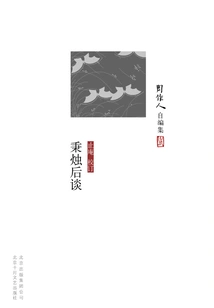
"Zhou Zuoren's Collected Works: Talks after Holding a Candle" mainly collects Zhou Zuoren's works from April to October 1937. As the author said, "There are many leisurely topics in the articles in this book." However, they are all leisurely topics, but the content can be divided into two categories. One expresses interest, and the other is false. The author continues to criticize the darkest phenomena in Chinese and Western cultures in articles such as "On Literary Inquisition". In Literary Prison, the author pays special attention to the category of "killing people with thoughts" and points out that the essence of ideological tyranny is that people generally lose their ability to think and judge, and consciously converge towards tyranny itself. Zhou always maintains a clear understanding of traditional Chinese culture, carefully distinguishes it, and does not let go of the bad side.
"Zhou Zuoren's Collected Works: Talks after Holding a Candle" mainly collects Zhou Zuoren's works from April to October 1937. As the author said, "There are many leisurely topics in the articles in this book." However, they are all leisurely topics, but the content can be divided into two categories. One expresses interest, and the other is false. The author continues to criticize the darkest phenomena in Chinese and Western cultures in articles such as "On Literary Inquisition". In Literary Prison, the author pays special attention to the category of "killing people with thoughts" and points out that the essence of ideological tyranny is that people generally lose their ability to think and judge, and consciously converge towards tyranny itself. Zhou always maintains a clear understanding of traditional Chinese culture, carefully distinguishes it, and does not let go of the bad side.
Collected by Zhou Zuoren: Past Work
Literature周作人自编集:过去的工作
Zhou Zuoren
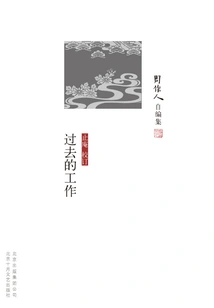
"Zhou Zuoren's Collected Works: Past Work" contains fifteen articles written by Zhou Zuoren before and after the victory of the Anti-Japanese War (April to December 1945). The articles continue the style since the 1940s. One type still writes "leisurely" talk, describes scenes, objects, comments, and eloquent stories, such as "Poems about Bamboo Branches", "Stone Road", and "Stories of Dongchangfang"; the other type continues to "seriously" explore ideas, trace their roots, and speak loudly, such as "Mortal Faith" and "Work of the Past". "Composition" and "Articles of Two Ghosts" play an important role in the history of Zhou Zuoren's writing thoughts; in memory of three old friends, Chen Duxiu, Qian Xuantong, and Liu Bannong, through excerpts and annotations of their official slips, the past interactions and situations are described, and the feeling of "flowing water and setting sun" is fully reflected in the writing, which opens up a new way for writing about people.
"Zhou Zuoren's Collected Works: Past Work" contains fifteen articles written by Zhou Zuoren before and after the victory of the Anti-Japanese War (April to December 1945). The articles continue the style since the 1940s. One type still writes "leisurely" talk, describes scenes, objects, comments, and eloquent stories, such as "Poems about Bamboo Branches", "Stone Road", and "Stories of Dongchangfang"; the other type continues to "seriously" explore ideas, trace their roots, and speak loudly, such as "Mortal Faith" and "Work of the Past". "Composition" and "Articles of Two Ghosts" play an important role in the history of Zhou Zuoren's writing thoughts; in memory of three old friends, Chen Duxiu, Qian Xuantong, and Liu Bannong, through excerpts and annotations of their official slips, the past interactions and situations are described, and the feeling of "flowing water and setting sun" is fully reflected in the writing, which opens up a new way for writing about people.
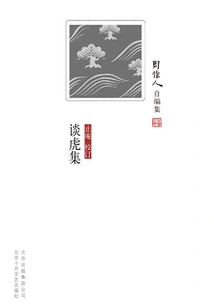
周作人自编集:谈虎集
Zhou Zuoren
"Tan Hu Ji" contains 132 essays written by the author from 1919 to 1927, "comments on all human affairs". During the May Fourth era, Zhou Zuoren appeared as an advocate of "ideological revolution". The "ideological revolution" and "ancestor worship" in this episode are its main symbols. The articles in "Tan Hu Ji" have clear stances and fierce words, fully demonstrating the appearance of a social critic.
"Tan Hu Ji" contains 132 essays written by the author from 1919 to 1927, "comments on all human affairs". During the May Fourth era, Zhou Zuoren appeared as an advocate of "ideological revolution". The "ideological revolution" and "ancestor worship" in this episode are its main symbols. The articles in "Tan Hu Ji" have clear stances and fierce words, fully demonstrating the appearance of a social critic.
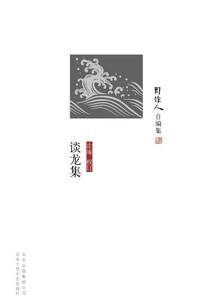
周作人自编集:谈龙集
Zhou Zuoren
"Zhou Zuoren's Self-edited Collection: Tan Long Collection" is a collection of essays by Mr. Zhou Zuoren, a famous Chinese essayist. It contains a total of forty-four essays. This collection "slightly touches on literature and art" and is also the main work of Zhou Zuoren, a literary theorist. Since then, his essay writing, both in terms of interest and approach, is more closely related to "Zhou Zuoren's Self-edited Collection: Tan Long Collection".
"Zhou Zuoren's Self-edited Collection: Tan Long Collection" is a collection of essays by Mr. Zhou Zuoren, a famous Chinese essayist. It contains a total of forty-four essays. This collection "slightly touches on literature and art" and is also the main work of Zhou Zuoren, a literary theorist. Since then, his essay writing, both in terms of interest and approach, is more closely related to "Zhou Zuoren's Self-edited Collection: Tan Long Collection".
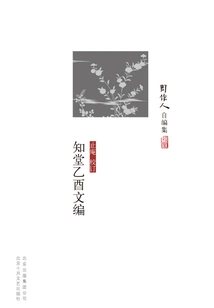
周作人自编集:知堂乙酉文编
Zhou Zuoren
"Zhou Zuoren's Self-edited Collection: Zhitang Yiyou Wenbian" contains eighteen articles (including inscriptions) by Zhou Zuoren, most of which were written in the late 1940s. Among them are the history, customs, and famous things that Zhitang always likes to talk about. They cover a wide range of topics and have far-reaching intentions. They are enlightening in their calm talk, such as "The Story of Kong Rong", "Poems About Bamboo Branches", "Custom Poems of Beijing", etc.; There are also serious articles such as "The Contribution of Moral Affairs", which is a continuation of "Medicine" "Japanese Insights No. 4" And "Japan Re-understanding" brought an end to his Japanese studies; there are also works of memory such as "Hangzhou Prison Fifty Years Ago" and "Inside and Outside the Red Mansion", which are plain and true, do not fall short of empty words, and are the forerunners of "Memories of Zhitang".
"Zhou Zuoren's Self-edited Collection: Zhitang Yiyou Wenbian" contains eighteen articles (including inscriptions) by Zhou Zuoren, most of which were written in the late 1940s. Among them are the history, customs, and famous things that Zhitang always likes to talk about. They cover a wide range of topics and have far-reaching intentions. They are enlightening in their calm talk, such as "The Story of Kong Rong", "Poems About Bamboo Branches", "Custom Poems of Beijing", etc.; There are also serious articles such as "The Contribution of Moral Affairs", which is a continuation of "Medicine" "Japanese Insights No. 4" And "Japan Re-understanding" brought an end to his Japanese studies; there are also works of memory such as "Hangzhou Prison Fifty Years Ago" and "Inside and Outside the Red Mansion", which are plain and true, do not fall short of empty words, and are the forerunners of "Memories of Zhitang".
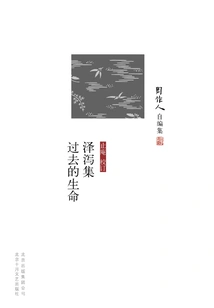
周作人自编集:泽泻集 过去的生命
Zhou Zuoren
"Zhou Zuoren's Collected Works: The Past Life of Alismatis Collection" contains twenty-two essays by Zhou Zuoren, and is the third of the "Kuyuzhai Little Books". It includes both interesting "beautiful prose" and sonorous and elegant "current prose". It is a combination of "simple and plain" and "connoting murderous intent" styles, which is quite worth reading and pondering. "Past Life" is a collection of poems, including twenty-nine poems. It is called "The Fifth Little Book of Kuyuzhai". It may be innocent and fresh, or it may be gentle and compassionate. It pays special attention to children and women. "Children, children, I prayed to you, you are my atoneers." This kind of prayer is very touching.
"Zhou Zuoren's Collected Works: The Past Life of Alismatis Collection" contains twenty-two essays by Zhou Zuoren, and is the third of the "Kuyuzhai Little Books". It includes both interesting "beautiful prose" and sonorous and elegant "current prose". It is a combination of "simple and plain" and "connoting murderous intent" styles, which is quite worth reading and pondering. "Past Life" is a collection of poems, including twenty-nine poems. It is called "The Fifth Little Book of Kuyuzhai". It may be innocent and fresh, or it may be gentle and compassionate. It pays special attention to children and women. "Children, children, I prayed to you, you are my atoneers." This kind of prayer is very touching.
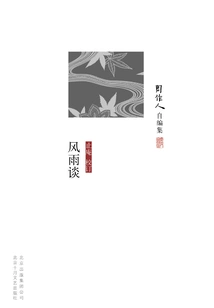
周作人自编集:风雨谈
Zhou Zuoren
"Zhou Zuoren's Collected Works: Wind and Rain Talk" collects Zhou Zuoren's works from November 1935 to May 1936. In the book, Zhou focused on a careful examination of ancient Chinese writings, covering a wide range of fields and investing a lot of energy. Although the articles he wrote were all short, the work was systematic. This kind of examination is first of all ideological, and the author's literary concepts are also reflected from time to time. His skill is "picking gold from sand", and his attitude is "praise and criticism are obvious". He has seen many disadvantages and also found some advantages in the works of the ancients. The criteria for choosing among them are the always-emphasized "disease against illusion" and "emphasis on emotion and reason"; in other words, his stance is scientific spirit and humanism, or modern civilization together.
"Zhou Zuoren's Collected Works: Wind and Rain Talk" collects Zhou Zuoren's works from November 1935 to May 1936. In the book, Zhou focused on a careful examination of ancient Chinese writings, covering a wide range of fields and investing a lot of energy. Although the articles he wrote were all short, the work was systematic. This kind of examination is first of all ideological, and the author's literary concepts are also reflected from time to time. His skill is "picking gold from sand", and his attitude is "praise and criticism are obvious". He has seen many disadvantages and also found some advantages in the works of the ancients. The criteria for choosing among them are the always-emphasized "disease against illusion" and "emphasis on emotion and reason"; in other words, his stance is scientific spirit and humanism, or modern civilization together.
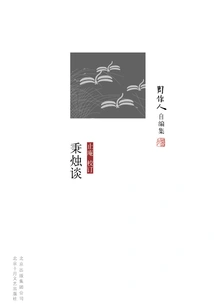
周作人自编集:秉烛谈
Zhou Zuoren
"Zhou Zuoren's Collected Works: Bingzhu Tan" collects Zhou Zuoren's works from November 1936 to April 1937. In his later years, the author looked back on his writings and emphasized the concentration of cultural criticism works such as "Fu De Mao". The materials are drawn from ancient and modern times, Chinese and foreign, and are all based on the author's special knowledge, special interests and special discoveries. It can be said that discovery is due to knowledge, and interest is due to discovery, and both discovery and knowledge are included in taste. Because they are interesting articles, they are written in a casual style. Although they are heavy in weight and profound in conception, these articles are among Zhou Zuoren's best works and best represent his characteristics, both in terms of artistry and ideological considerations.
"Zhou Zuoren's Collected Works: Bingzhu Tan" collects Zhou Zuoren's works from November 1936 to April 1937. In his later years, the author looked back on his writings and emphasized the concentration of cultural criticism works such as "Fu De Mao". The materials are drawn from ancient and modern times, Chinese and foreign, and are all based on the author's special knowledge, special interests and special discoveries. It can be said that discovery is due to knowledge, and interest is due to discovery, and both discovery and knowledge are included in taste. Because they are interesting articles, they are written in a casual style. Although they are heavy in weight and profound in conception, these articles are among Zhou Zuoren's best works and best represent his characteristics, both in terms of artistry and ideological considerations.
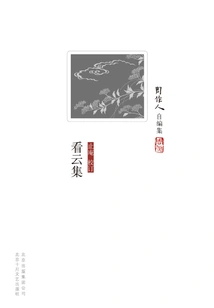
周作人自编集:看云集
Zhou Zuoren
"Zhou Zuoren's Collected Works: Looking at the Clouds" contains a total of forty-one essays by Zhou Zuoren, which reflects the author's profound education and extensive knowledge. Whether they are entertaining and leisurely sketches or King Kong's angry comments on current affairs, they are all truth-seeking works with "appreciation mixed with criticism". Words of worry, anger, depression and pain can be seen everywhere. For example, he said, "I think moral control in a civilized society should be very broad, but honesty should be required... I think it is better for us to be true evil than to be hypocritical. For true evil, we still have to be responsible and take risks." This is also a good medicine for China today. "Zhou Zuoren's Collected Works: Kanyun Ji" has been carefully edited by Zhi'an, making it the most comprehensive and authoritative collection of Zhou's essays on the market.
"Zhou Zuoren's Collected Works: Looking at the Clouds" contains a total of forty-one essays by Zhou Zuoren, which reflects the author's profound education and extensive knowledge. Whether they are entertaining and leisurely sketches or King Kong's angry comments on current affairs, they are all truth-seeking works with "appreciation mixed with criticism". Words of worry, anger, depression and pain can be seen everywhere. For example, he said, "I think moral control in a civilized society should be very broad, but honesty should be required... I think it is better for us to be true evil than to be hypocritical. For true evil, we still have to be responsible and take risks." This is also a good medicine for China today. "Zhou Zuoren's Collected Works: Kanyun Ji" has been carefully edited by Zhi'an, making it the most comprehensive and authoritative collection of Zhou's essays on the market.
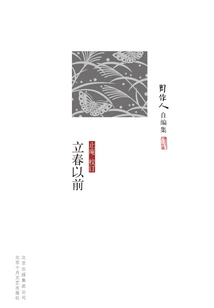
周作人自编集:立春以前
Zhou Zuoren
"Zhou Zuoren's Collected Works: Before the Beginning of Spring" contains thirty-three articles by Zhou Zuoren, most of which were written between August 1944 and January 1945. The serious articles about literature refer to historical records and trace the origins; the emotional articles about remembering old friends are indifferent to life and death, sincere and touching, while the talks about rain, about sending stoves, and about the beauty of Japanese paper are all leisurely. As the editor, Mr. Zhi'an, said, "Almost all the features of prose in previous issues are shown in "Before the Beginning of Spring", and it is given a new and contemporary color, so it is unique among Zhou's works."
"Zhou Zuoren's Collected Works: Before the Beginning of Spring" contains thirty-three articles by Zhou Zuoren, most of which were written between August 1944 and January 1945. The serious articles about literature refer to historical records and trace the origins; the emotional articles about remembering old friends are indifferent to life and death, sincere and touching, while the talks about rain, about sending stoves, and about the beauty of Japanese paper are all leisurely. As the editor, Mr. Zhi'an, said, "Almost all the features of prose in previous issues are shown in "Before the Beginning of Spring", and it is given a new and contemporary color, so it is unique among Zhou's works."
周作人自编集:药堂杂文
Zhou Zuoren
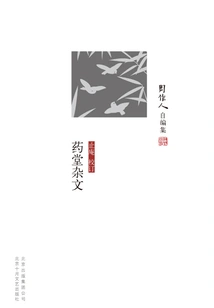
"Zhou Zuoren's Self-edited Collection: Yaotang Essays" contains 28 articles written by Zhou Zuoren from 1940 to 1943 in the occupied Peiping. Different from the leisurely conversations about making a cup of tea under the paper windows of the tiled houses in the early days, and different from the flashes of thoughts in the form of short notes in the middle period, here are "serious articles" about Chinese literature and thought. From the traditional future of Chinese literature to Chinese thought, from enlightenment to morality and women's studies, from recollections of studying abroad to nostalgia for old friends, although it is not a lengthy discussion, it is a sorting out of Zhou Zuoren's own thoughts, who has experienced the pain of bronze camels and thorns and was stranded in occupied areas.
"Zhou Zuoren's Self-edited Collection: Yaotang Essays" contains 28 articles written by Zhou Zuoren from 1940 to 1943 in the occupied Peiping. Different from the leisurely conversations about making a cup of tea under the paper windows of the tiled houses in the early days, and different from the flashes of thoughts in the form of short notes in the middle period, here are "serious articles" about Chinese literature and thought. From the traditional future of Chinese literature to Chinese thought, from enlightenment to morality and women's studies, from recollections of studying abroad to nostalgia for old friends, although it is not a lengthy discussion, it is a sorting out of Zhou Zuoren's own thoughts, who has experienced the pain of bronze camels and thorns and was stranded in occupied areas.
周作人自编集:老虎桥杂诗
Zhou Zuoren
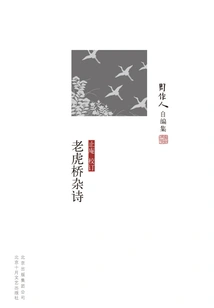
"Zhou Zuoren's self-edited collection: Laohuqiao Miscellaneous Poems" is the only collection of old-style poems compiled by Zhou Zuoren. Most of them were written in Laohuqiao Prison in Nanjing, hence the name. A collection of "Kucha'an Doggerel" and its addendum were written before 1945. The former was included in "Before the Beginning of Spring"; "Pao Bureau Miscellaneous Poems", "Zhongshe Miscellaneous Poems", "Thirty Poems from the Past", "Bingxu Late Year Poems", and "Dinghai Summer Poems" were all written in prison. The content involves past reading experiences, chanting history, and recalling the past. Nostalgia, etc., "Emotions are moved in words and expressed in words", reflecting on life and expressing the state of mind, which is extremely profound; "Quatrains on Paintings" is a work of chanting objects; "Poems on Children's Miscellaneous Affairs" tells children's lives and stories in the form of poems, expressing children's views. It is fresh and unique. It has been published many times in various forms in Hong Kong and the Mainland, and is very popular.
"Zhou Zuoren's self-edited collection: Laohuqiao Miscellaneous Poems" is the only collection of old-style poems compiled by Zhou Zuoren. Most of them were written in Laohuqiao Prison in Nanjing, hence the name. A collection of "Kucha'an Doggerel" and its addendum were written before 1945. The former was included in "Before the Beginning of Spring"; "Pao Bureau Miscellaneous Poems", "Zhongshe Miscellaneous Poems", "Thirty Poems from the Past", "Bingxu Late Year Poems", and "Dinghai Summer Poems" were all written in prison. The content involves past reading experiences, chanting history, and recalling the past. Nostalgia, etc., "Emotions are moved in words and expressed in words", reflecting on life and expressing the state of mind, which is extremely profound; "Quatrains on Paintings" is a work of chanting objects; "Poems on Children's Miscellaneous Affairs" tells children's lives and stories in the form of poems, expressing children's views. It is fresh and unique. It has been published many times in various forms in Hong Kong and the Mainland, and is very popular.
Baiyangdian Chronicle
Literature白洋淀纪事
Sun Li
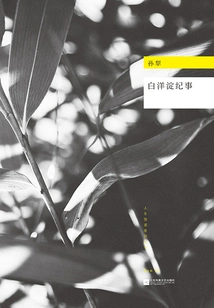
This book is Sun Li's first relatively complete anthology of novels and essays. It has been rated as one of the "100 Outstanding Chinese Literature Books of the Century". It includes most of the short stories, essays, features, communications, etc. Written by the author from 1939 to 1950. It contains nearly a hundred short works, arranged in chronological order. "Lotus Lake" and "Luhua Dang" are the most famous works among them. This book selects forty classic works such as "Luhua Dang", "Lotus Lake", "Glory", "Instructions" and "Plucking Reeds from the Pu Tai".
This book is Sun Li's first relatively complete anthology of novels and essays. It has been rated as one of the "100 Outstanding Chinese Literature Books of the Century". It includes most of the short stories, essays, features, communications, etc. Written by the author from 1939 to 1950. It contains nearly a hundred short works, arranged in chronological order. "Lotus Lake" and "Luhua Dang" are the most famous works among them. This book selects forty classic works such as "Luhua Dang", "Lotus Lake", "Glory", "Instructions" and "Plucking Reeds from the Pu Tai".
New Sweet Words
Literature新甜言万语
Yu Mingzhen
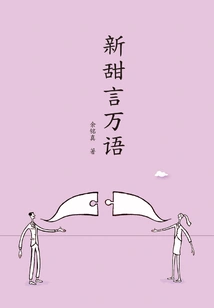
Language has flavor. When you read this collection of poems, you will taste the sweetness that the author gives you. This collection of poems is a collection of the author's poetry creation in the past ten years. The imagination about youth and love in those years lingers in the author's words. I believe you will like it.
Language has flavor. When you read this collection of poems, you will taste the sweetness that the author gives you. This collection of poems is a collection of the author's poetry creation in the past ten years. The imagination about youth and love in those years lingers in the author's words. I believe you will like it.
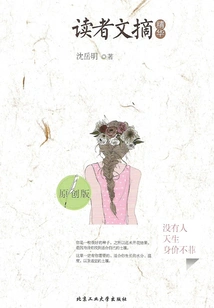
读者文摘精华:没有人天生身价不菲(原创版)
Shen Yueming
Human life is a process of pursuing happiness and success. No one is born with a lot of money. They all realize their ideals and achieve their goals in life through this process. It doesn't matter whether you succeed in the end. What matters is that you enjoy the process in the constant pursuit. Enjoying the process is actually the greatest happiness. This is a collection of philosophical essays, which collects more than 100 classic works written by the author for more than 20 years. The author tries to make people understand this truth through the perspective of seeing the big from the small. That is those who have pursuits, those who have been walking on the road, are happy and valuable at the same time.
Human life is a process of pursuing happiness and success. No one is born with a lot of money. They all realize their ideals and achieve their goals in life through this process. It doesn't matter whether you succeed in the end. What matters is that you enjoy the process in the constant pursuit. Enjoying the process is actually the greatest happiness. This is a collection of philosophical essays, which collects more than 100 classic works written by the author for more than 20 years. The author tries to make people understand this truth through the perspective of seeing the big from the small. That is those who have pursuits, those who have been walking on the road, are happy and valuable at the same time.
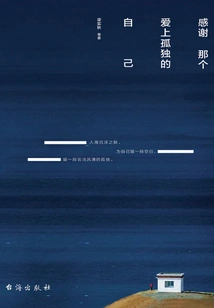
感谢那个爱上孤独的自己
Liang Shiqiu Et Al.
This is a collection of prose and poems about loneliness and loneliness compiled from the works of famous Chinese and foreign writers. It brings together 33 classic articles by 19 contemporary literary masters such as Liang Shiqiu, Zhu Ziqing, Xu Zhimo, Lin Huiyin, and Schopenhauer. Their words either hit the subject directly or elaborated slowly, all of which reveal their deep thinking and understanding of life and loneliness. Your loneliness and what you fear will be forged into steel by time.
This is a collection of prose and poems about loneliness and loneliness compiled from the works of famous Chinese and foreign writers. It brings together 33 classic articles by 19 contemporary literary masters such as Liang Shiqiu, Zhu Ziqing, Xu Zhimo, Lin Huiyin, and Schopenhauer. Their words either hit the subject directly or elaborated slowly, all of which reveal their deep thinking and understanding of life and loneliness. Your loneliness and what you fear will be forged into steel by time.
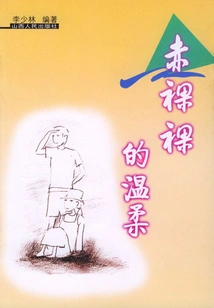
Naked Tenderness
Literature赤裸裸的温柔
Compiled By Li Shaolin
This book is a collection of the author's short works, including: tender pain; we believe; who falls in love with whom first; dusting off the dust; meeting and breaking up; meeting each other rather than missing each other; the most beautiful memories, etc.
This book is a collection of the author's short works, including: tender pain; we believe; who falls in love with whom first; dusting off the dust; meeting and breaking up; meeting each other rather than missing each other; the most beautiful memories, etc.
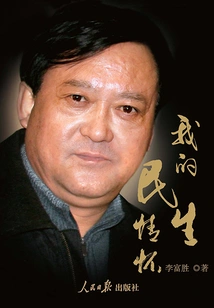
My Sentiments About People's Livelihood
Literature我的民生情怀
Li Fusheng
This book is a collection of Li Fusheng's personal works. It includes the author's thoughts on people's livelihood issues (political essays "Everything is related to people's livelihood, branches and leaves are always related to feelings", etc.), Insights on people's livelihood issues (essay articles "Volunteer, Make Life Better", "Charity, Make Me Rich", etc.), As well as interviews and comments about the lyrics "Leading China" created by the author.
This book is a collection of Li Fusheng's personal works. It includes the author's thoughts on people's livelihood issues (political essays "Everything is related to people's livelihood, branches and leaves are always related to feelings", etc.), Insights on people's livelihood issues (essay articles "Volunteer, Make Life Better", "Charity, Make Me Rich", etc.), As well as interviews and comments about the lyrics "Leading China" created by the author.
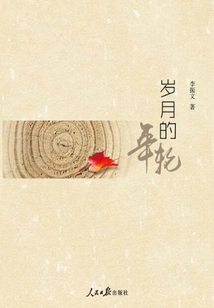
Rings of Years
Literature岁月的年轮
Li Zhenwen
This manuscript is a collection of personal essays. It is a collection of the author's long-term exploration and thinking in personnel management and party-mass work. It is also a study and discussion of ideological and political work in the new era, such as "persisting in the assessment of enterprise cadres and strengthening the construction of enterprise teams" (Shenzhen Municipal Government) "Party Life in the Special Administrative Region" by the Organization Department of the Party Committee), "Thoughts on Personnel Management in Modern Enterprises" ("Reference for Political Workers" by the Propaganda Department of the Guangdong Provincial Party Committee), "Quality education of employees is the foundation of enterprise development" ("Guangdong Labor Movement" by the Guangdong Provincial Federation of Trade Unions), etc.
This manuscript is a collection of personal essays. It is a collection of the author's long-term exploration and thinking in personnel management and party-mass work. It is also a study and discussion of ideological and political work in the new era, such as "persisting in the assessment of enterprise cadres and strengthening the construction of enterprise teams" (Shenzhen Municipal Government) "Party Life in the Special Administrative Region" by the Organization Department of the Party Committee), "Thoughts on Personnel Management in Modern Enterprises" ("Reference for Political Workers" by the Propaganda Department of the Guangdong Provincial Party Committee), "Quality education of employees is the foundation of enterprise development" ("Guangdong Labor Movement" by the Guangdong Provincial Federation of Trade Unions), etc.
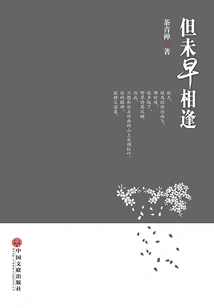
But We Haven't Met Yet
Literature但未早相逢
Cha Qing Zen
The author's delicate words bring a kind of tranquility to the hearts of people in today's noisy and prosperous city. Whether it is a prose sentence, an essay, or a novel, the words are full of wise calmness and thinking power. After reading this book, we can see the confrontation between the author and his inner self. He uses simple and plain language to dilute the current anxiety. I hope that every reader can get a long-lost tranquility from it.
The author's delicate words bring a kind of tranquility to the hearts of people in today's noisy and prosperous city. Whether it is a prose sentence, an essay, or a novel, the words are full of wise calmness and thinking power. After reading this book, we can see the confrontation between the author and his inner self. He uses simple and plain language to dilute the current anxiety. I hope that every reader can get a long-lost tranquility from it.
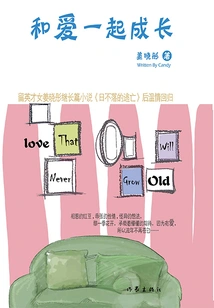
Grow with Love
Literature和爱一起成长
Jiang Xiaotong
This is a girl's "private diary" full of growth marks. The private content and note-based form are the greatest features of this book. It is these trivial records of daily life that help her build a girl's path to adulthood and a mature soul step by step. This is not only the growth notes of an ordinary adolescent girl, but also the inner cry of children of this generation when they face a strange and ever-changing world.
This is a girl's "private diary" full of growth marks. The private content and note-based form are the greatest features of this book. It is these trivial records of daily life that help her build a girl's path to adulthood and a mature soul step by step. This is not only the growth notes of an ordinary adolescent girl, but also the inner cry of children of this generation when they face a strange and ever-changing world.
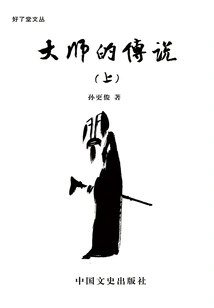
The Legend of the Master (part 1)
Literature大师的传说(上)
Sun Gengjun
"The Legend of the Master" is a collection of essays, which compiles a total of 125 essays on cultural criticism by the author in recent years. It contains criticisms of various cultural phenomena and reflections on many cultural issues that trouble contemporary people. It has high academic value as well as high literary value; especially its unique thinking and sharp writing style increase the readability of this book. This is another pinnacle of Chinese essays after Lu Xun's essays.
"The Legend of the Master" is a collection of essays, which compiles a total of 125 essays on cultural criticism by the author in recent years. It contains criticisms of various cultural phenomena and reflections on many cultural issues that trouble contemporary people. It has high academic value as well as high literary value; especially its unique thinking and sharp writing style increase the readability of this book. This is another pinnacle of Chinese essays after Lu Xun's essays.
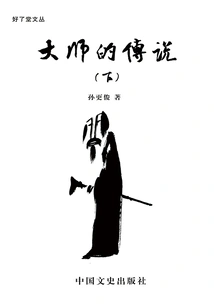
The Legend of the Master (part 2)
Literature大师的传说(下)
Sun Gengjun
"The Legend of the Master" is a collection of essays that compiles the author's essays on cultural criticism in recent years. It contains criticisms of various cultural phenomena and reflections on many cultural issues that trouble contemporary people. It has high academic value as well as high literary value; especially its unique thinking and sharp writing style increase the readability of this book.
"The Legend of the Master" is a collection of essays that compiles the author's essays on cultural criticism in recent years. It contains criticisms of various cultural phenomena and reflections on many cultural issues that trouble contemporary people. It has high academic value as well as high literary value; especially its unique thinking and sharp writing style increase the readability of this book.
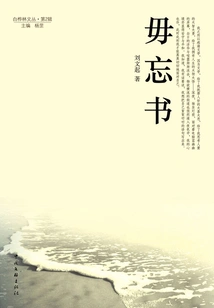
Don't Forget the Book
Literature毋忘书
Liu Wenqi
The market, landscape, officialdom, and literary world were all of his deep concern. Whether looking at the major events in the country's political life or recording the daily mundane things around us, it is like examining oneself in front of a real mirror. The individual and society, the sublime and the secular, are so closely intertwined that they are indistinguishable from each other. His radiant talents and swirling philosophical thoughts are like the swaying waterfalls in his hometown hitting the rocks and blooming with bright light.
The market, landscape, officialdom, and literary world were all of his deep concern. Whether looking at the major events in the country's political life or recording the daily mundane things around us, it is like examining oneself in front of a real mirror. The individual and society, the sublime and the secular, are so closely intertwined that they are indistinguishable from each other. His radiant talents and swirling philosophical thoughts are like the swaying waterfalls in his hometown hitting the rocks and blooming with bright light.
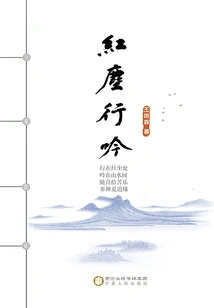
Songs of the Red Dust (complete Works)
Literature红尘行吟(全集)
Wang Jinsen
"Hymn of the Red Dust" is divided into two volumes, with a total of six chapters and more than 600 poems. The poems have the flavor of the times, thoughts and emotions. From the opening chapter "Lyrics of Scenery" to the concluding chapter "Meditating on Zen to Enlighten the Tao", Wang Jinsen's romantic heart runs throughout. He writes from the true feelings of his heart without spreading branches, carvings or pecks, covering up or hiding.
"Hymn of the Red Dust" is divided into two volumes, with a total of six chapters and more than 600 poems. The poems have the flavor of the times, thoughts and emotions. From the opening chapter "Lyrics of Scenery" to the concluding chapter "Meditating on Zen to Enlighten the Tao", Wang Jinsen's romantic heart runs throughout. He writes from the true feelings of his heart without spreading branches, carvings or pecks, covering up or hiding.
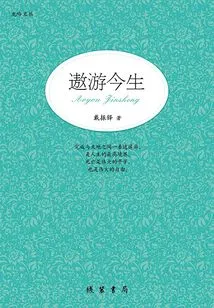
Traveling Through This Life
Literature遨游今生
Dai Zhenduo
This collection of works includes prose essays, novels and stories, etc., Covering the time span from before liberation to today. The prose essays are derived from the life of the author and the people around him, with vivid and readable plots and quiet and pure language; the novel stories are true, simple and deeply touching. The author regards writing as a way of playing, pursuing a kind of spiritual and cultural enjoyment, making people admire his feelings and admiration for his detachment.
This collection of works includes prose essays, novels and stories, etc., Covering the time span from before liberation to today. The prose essays are derived from the life of the author and the people around him, with vivid and readable plots and quiet and pure language; the novel stories are true, simple and deeply touching. The author regards writing as a way of playing, pursuing a kind of spiritual and cultural enjoyment, making people admire his feelings and admiration for his detachment.
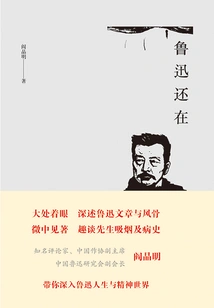
Lu Xun is Still There
Literature鲁迅还在
Yan Jingming
This book is a collection of academic essays on Lu Xun topics written by the author Yan Jingming in the past ten years. The important features are to use prose style to describe and comment on Lu Xun's spirit, thought, creation and life in detail, and strive to be vivid and vivid, without seeking to summarize the discussion; strive to have a novel perspective, rather than copy what others say; strive to have rich materials and take them from the original work, without making grand remarks. This book has a great role in popularizing Lu Xun's works, spirit and experience. It is also quite inspiring and suggestive for Lu Xun's academic research. Most of the articles in this book were published in important domestic literary magazines such as "People's Literature", "October", "Shanghai Literature", and "Modern Chinese Literature Research Series", and most of them were published in prose. A small number of these articles are included in various annual prose and essay selections.
This book is a collection of academic essays on Lu Xun topics written by the author Yan Jingming in the past ten years. The important features are to use prose style to describe and comment on Lu Xun's spirit, thought, creation and life in detail, and strive to be vivid and vivid, without seeking to summarize the discussion; strive to have a novel perspective, rather than copy what others say; strive to have rich materials and take them from the original work, without making grand remarks. This book has a great role in popularizing Lu Xun's works, spirit and experience. It is also quite inspiring and suggestive for Lu Xun's academic research. Most of the articles in this book were published in important domestic literary magazines such as "People's Literature", "October", "Shanghai Literature", and "Modern Chinese Literature Research Series", and most of them were published in prose. A small number of these articles are included in various annual prose and essay selections.