Library
Browse and search books
4,115 novels found
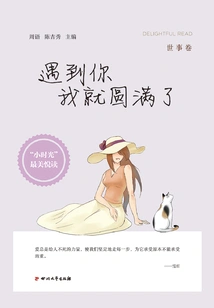
I Am Complete When I Meet You
Literature遇到你我就圆满了
Zhou Yu, Editor-in-chief Chen Jixiu
The series is divided into four books, selecting works from well-known domestic writers, well-known magazine columnists, magazine contract writers, and well-known public figures. In terms of content, it is recreated based on some of the more popular authors, as well as some stories and themes. Each book has a theme - life, emotion, worldly affairs, growth. Under the corresponding themes are inspirational, pure and beautiful stories, love stories, as well as various types of enlightenment stories and spiritual articles. It is easy to understand and meets the hearts and needs of current readers. It is a series of books suitable for young readers.
The series is divided into four books, selecting works from well-known domestic writers, well-known magazine columnists, magazine contract writers, and well-known public figures. In terms of content, it is recreated based on some of the more popular authors, as well as some stories and themes. Each book has a theme - life, emotion, worldly affairs, growth. Under the corresponding themes are inspirational, pure and beautiful stories, love stories, as well as various types of enlightenment stories and spiritual articles. It is easy to understand and meets the hearts and needs of current readers. It is a series of books suitable for young readers.
姜椿芳文集(第一卷)
Jiang Chunfang
Comrade Jiang Chunfang is the former deputy director of the Translation and Translation Bureau of the Central Committee of the Communist Party of China, the former editor-in-chief of Encyclopedia of China Press, the first president of the Shanghai Russian School affiliated with East China People's Revolutionary University (the predecessor of Shanghai International Studies University), and an outstanding Marxist translator, publisher and social activist. "Collected Works of Jiang Chunfang" has a total of approximately 4.8 Million words. A compilation of Jiang Chunfang's published and published writings and translations as well as some unpublished manuscripts, divided into ten volumes according to the topics and genres of the collected works. This book is "Collected Works of Jiang Chunfang (Volume 1)", which contains 75 poems and lyrics translated by Jiang Chunfang from the 1930s to the 1980s. "Collected Works of Jiang Chunfang (Volume 1)" is published by the Central Compilation and Compilation Press.
Comrade Jiang Chunfang is the former deputy director of the Translation and Translation Bureau of the Central Committee of the Communist Party of China, the former editor-in-chief of Encyclopedia of China Press, the first president of the Shanghai Russian School affiliated with East China People's Revolutionary University (the predecessor of Shanghai International Studies University), and an outstanding Marxist translator, publisher and social activist. "Collected Works of Jiang Chunfang" has a total of approximately 4.8 Million words. A compilation of Jiang Chunfang's published and published writings and translations as well as some unpublished manuscripts, divided into ten volumes according to the topics and genres of the collected works. This book is "Collected Works of Jiang Chunfang (Volume 1)", which contains 75 poems and lyrics translated by Jiang Chunfang from the 1930s to the 1980s. "Collected Works of Jiang Chunfang (Volume 1)" is published by the Central Compilation and Compilation Press.
姜椿芳文集(第七卷)
Jiang Chunfang
This book includes articles such as "Race to Be First", "Three Lenses", "Difficulties", "Problems of Life", "Love of Literature", "1938", "Rebirth", and "International Week".
This book includes articles such as "Race to Be First", "Three Lenses", "Difficulties", "Problems of Life", "Love of Literature", "1938", "Rebirth", and "International Week".
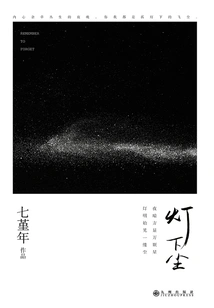
Dust under the Lamp
Literature灯下尘
Year Of The Seventh Pansy
It contains 6 prose pieces, 10 essays, 7 notes and 6 short stories and short stories written recently in the year of Qi Jin. Open this book and see a seven-year-old who is trapped in the bottleneck of growth and breaks away from the shackles of youth, and see a group of people who live softly in the hard every day. They are no one else but you.
It contains 6 prose pieces, 10 essays, 7 notes and 6 short stories and short stories written recently in the year of Qi Jin. Open this book and see a seven-year-old who is trapped in the bottleneck of growth and breaks away from the shackles of youth, and see a group of people who live softly in the hard every day. They are no one else but you.
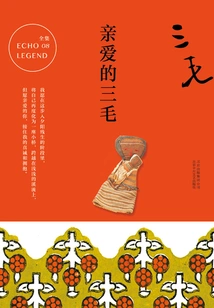
Dear Sanmao
Literature亲爱的三毛
Sanmao
"I look around the streets, and every time I see cold, numb, expressionless faces hurriedly passing by. I always warn myself not to become one of them unknowingly just because I have lived in such a big environment for a long time." "Dear Sanmao" is a collection of letters between Sanmao and readers. In these letters, Sanmao opened up his sincere heart, not only providing guidance for young readers on various problems they encountered in their studies and relationships, helping them overcome the confusion and pain in their growth, but also providing himself with a bright mirror, which wiped away the haziness in his heart and gained a sense of mutual encouragement. In Sanmao's view, through the correspondence between letters, perhaps the high walls previously erected between people can become transparent, perhaps they do not need to be so crystal clear, or some light can illuminate the dark soul for a moment, bringing a sense of comfort.
"I look around the streets, and every time I see cold, numb, expressionless faces hurriedly passing by. I always warn myself not to become one of them unknowingly just because I have lived in such a big environment for a long time." "Dear Sanmao" is a collection of letters between Sanmao and readers. In these letters, Sanmao opened up his sincere heart, not only providing guidance for young readers on various problems they encountered in their studies and relationships, helping them overcome the confusion and pain in their growth, but also providing himself with a bright mirror, which wiped away the haziness in his heart and gained a sense of mutual encouragement. In Sanmao's view, through the correspondence between letters, perhaps the high walls previously erected between people can become transparent, perhaps they do not need to be so crystal clear, or some light can illuminate the dark soul for a moment, bringing a sense of comfort.
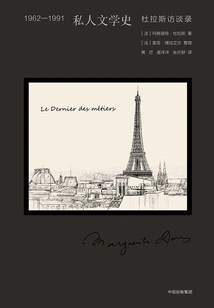
1962—1991私人文学史:杜拉斯访谈录
(france) Marguerite Duras Sophie Beaugaire
This book is a collection of interviews conducted by Marguerite Duras on literature, film, and drama. It has characteristics that are different from biography. In the book, the author breaks the loneliness of creation and communicates with readers. By reading this collection of 44 interviews with Duras in print media, radio and television, readers can see and hear her true views on the French literary circle from 1962 to 1991, understand the changes in Duras' thoughts over the past thirty years, and appreciate Duras's unique language style. This book has left rich and precious historical materials for readers and researchers who love Duras. It is also a collection of mottos about literary creation.
This book is a collection of interviews conducted by Marguerite Duras on literature, film, and drama. It has characteristics that are different from biography. In the book, the author breaks the loneliness of creation and communicates with readers. By reading this collection of 44 interviews with Duras in print media, radio and television, readers can see and hear her true views on the French literary circle from 1962 to 1991, understand the changes in Duras' thoughts over the past thirty years, and appreciate Duras's unique language style. This book has left rich and precious historical materials for readers and researchers who love Duras. It is also a collection of mottos about literary creation.
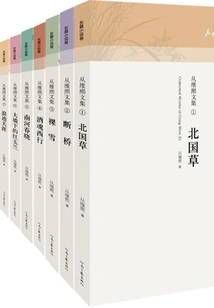
从维熙文集(全14卷)
I
The fourteen volumes collected in this collection include the most valuable, powerful, and thoughtful works from Weixi's literary creation and throughout his entire creative career of more than 60 years. It includes 10 volumes of novels and 4 volumes of documentary literature and prose. It is a collection of Mr. Weixi's life creations. In the literary world of the 1950s, Cong Weixi, Wang Meng, Liu Shaotang, and Deng Youmei were known as the "Four Little Swans".
The fourteen volumes collected in this collection include the most valuable, powerful, and thoughtful works from Weixi's literary creation and throughout his entire creative career of more than 60 years. It includes 10 volumes of novels and 4 volumes of documentary literature and prose. It is a collection of Mr. Weixi's life creations. In the literary world of the 1950s, Cong Weixi, Wang Meng, Liu Shaotang, and Deng Youmei were known as the "Four Little Swans".
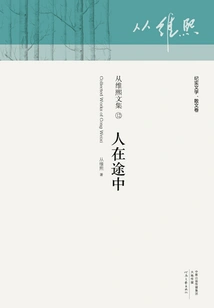
人在途中(从维熙文集12)
From Weixi
The famous writer Cong Weixi's collected works, a total of 14 volumes. Collects important works from Weixi's literary creation spanning more than 60 years in the literary world. It includes 10 volumes of novels and 4 volumes of documentary literature and essays.
The famous writer Cong Weixi's collected works, a total of 14 volumes. Collects important works from Weixi's literary creation spanning more than 60 years in the literary world. It includes 10 volumes of novels and 4 volumes of documentary literature and essays.
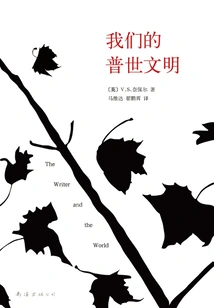
Our Universal Civilization
Literature我们的普世文明
(uk) V. S. Naipaul
V. S. Naipaul's total impression of the world between 1960 and 1990. Once you read this collection of essays, you will never be able to see the world from the same perspective again. From India to the United States and beyond, the different responses of societies in various places to the challenges of modernization were reported one by one by Nobel laureate Naipaul. During the 40 years of his creation, Naipaul traveled to areas of conflict and integration of different civilizations, and witnessed first-hand the chaotic worlds destroyed by historical, economic and cultural hostilities. "V. S. Naipaul combines insightful narrative with unconventional exploration, forcing us to discover the reality of repressed history. - Nobel Prize in Literature Speech"
V. S. Naipaul's total impression of the world between 1960 and 1990. Once you read this collection of essays, you will never be able to see the world from the same perspective again. From India to the United States and beyond, the different responses of societies in various places to the challenges of modernization were reported one by one by Nobel laureate Naipaul. During the 40 years of his creation, Naipaul traveled to areas of conflict and integration of different civilizations, and witnessed first-hand the chaotic worlds destroyed by historical, economic and cultural hostilities. "V. S. Naipaul combines insightful narrative with unconventional exploration, forcing us to discover the reality of repressed history. - Nobel Prize in Literature Speech"
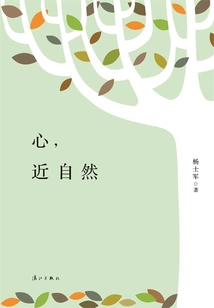
Heart, Close to Nature
Literature心,近自然
Yang Shijun
This book is a collection of spiritual essays by middle school education expert Yang Shijun. Starting from various themes, the author writes about his love and concern for nature, reminding people to pay attention to the health of the soul, the beautification of the environment, and the growth of children. The writing is fresh and charming, and the examples are inspiring. It is an excellent book suitable for primary and secondary school teachers, students, and literature lovers to read.
This book is a collection of spiritual essays by middle school education expert Yang Shijun. Starting from various themes, the author writes about his love and concern for nature, reminding people to pay attention to the health of the soul, the beautification of the environment, and the growth of children. The writing is fresh and charming, and the examples are inspiring. It is an excellent book suitable for primary and secondary school teachers, students, and literature lovers to read.
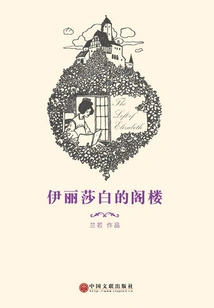
Elizabeth's Attic
Literature伊丽莎白的阁楼
Lanruo
More than a century later, walking on the wet stone streets, walking up and down through the streets and alleys of Feilengcui, an ancient medieval city, the rain gently caressed my cheeks. The roses climbing up the wall are ancient and beautiful, with a fragrant and charming scent. The wind here seems to be green and the mist is pressing. In the distance, in the mist, you can vaguely see Robert wearing a tall hat and a strict suit. The petite Elizabeth is leaning on her arms. Her long black curly hair falls like a waterfall from the small hat that hugs her face, dancing in the wind. They walked away in front of the alley, laughing and whispering.
More than a century later, walking on the wet stone streets, walking up and down through the streets and alleys of Feilengcui, an ancient medieval city, the rain gently caressed my cheeks. The roses climbing up the wall are ancient and beautiful, with a fragrant and charming scent. The wind here seems to be green and the mist is pressing. In the distance, in the mist, you can vaguely see Robert wearing a tall hat and a strict suit. The petite Elizabeth is leaning on her arms. Her long black curly hair falls like a waterfall from the small hat that hugs her face, dancing in the wind. They walked away in front of the alley, laughing and whispering.
Distance to the Scenery
Literature走向风景的距离
Kou Baogang
The book is divided into four parts, which record and describe the author's old events in his hometown, what he saw and heard when he visited scenic spots in various parts of the country, his experience and insights into the ancient pottery culture, his nostalgia for the people and things around him, and his thoughts after reading. This book tells the author's experiences and feelings in the form of prose, which is full of interest.
The book is divided into four parts, which record and describe the author's old events in his hometown, what he saw and heard when he visited scenic spots in various parts of the country, his experience and insights into the ancient pottery culture, his nostalgia for the people and things around him, and his thoughts after reading. This book tells the author's experiences and feelings in the form of prose, which is full of interest.
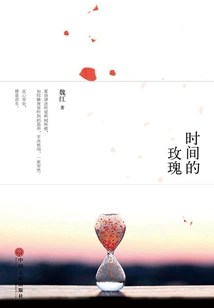
Rose of Time
Literature时间的玫瑰
Wei Hong
This book describes the deeds of ordinary electric power workers, the feelings of reading and watching movies, the warmth encountered in life, and the experiences during travel. Between the lines, the real picture of electric power workers working hard and living happily as well as their colorful lives is reproduced.
This book describes the deeds of ordinary electric power workers, the feelings of reading and watching movies, the warmth encountered in life, and the experiences during travel. Between the lines, the real picture of electric power workers working hard and living happily as well as their colorful lives is reproduced.
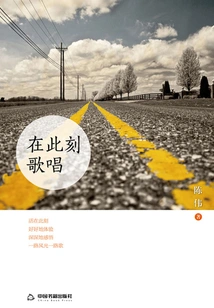
Sing at This Moment
Literature在此刻歌唱
Chen Wei
This book is a collection of essays. The author puts everything he sees, feels and thinks in his daily life into words and paper. In this prose, we can see the author's positive attitude towards life and his unremitting steps in pursuing his dreams. There is nature, family, relatives and friends, and society here. The author observes life in detail, shows us the beauty of life from the smallest details, and helps us overcome the hardships and setbacks of life and move towards a better life.
This book is a collection of essays. The author puts everything he sees, feels and thinks in his daily life into words and paper. In this prose, we can see the author's positive attitude towards life and his unremitting steps in pursuing his dreams. There is nature, family, relatives and friends, and society here. The author observes life in detail, shows us the beauty of life from the smallest details, and helps us overcome the hardships and setbacks of life and move towards a better life.
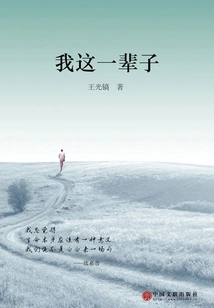
My Whole Life
Literature我这一辈子
Wang Guanghao
Through pieces of exquisite prose, the author shows his life in front of readers, which includes the love between relatives, the support between friends, the friendship between teachers and students, as well as the frustrations and hardships in life. By showing his "lifetime", the author shows readers the unique thoughts and lives of people of their time, causing readers to ponder.
Through pieces of exquisite prose, the author shows his life in front of readers, which includes the love between relatives, the support between friends, the friendship between teachers and students, as well as the frustrations and hardships in life. By showing his "lifetime", the author shows readers the unique thoughts and lives of people of their time, causing readers to ponder.
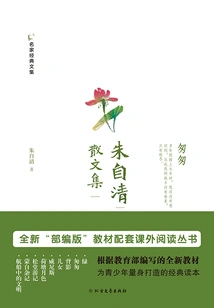
Zhu Ziqing's Prose Collection
Literature朱自清散文集
H
This book selects more than 50 classic prose works by Zhu Ziqing, including not only famous works such as "Moonlight over the Lotus Pond" and "Spring", but also many Chinese and foreign travel notes such as "The Qinhuai River in the Shadow of Oars and Lanterns", "Venice", and "Berlin". This book carefully divides four albums according to different contents, including his love for his father in "Back", his love for his children in "Children", his deep love for his hometown in "I Am a Yangzhou native", and so on. Not obvious, but deep and profound. Reading his articles, one can fully feel his humility, sincerity, purity and simplicity, which permeate every chapter and paragraph.
This book selects more than 50 classic prose works by Zhu Ziqing, including not only famous works such as "Moonlight over the Lotus Pond" and "Spring", but also many Chinese and foreign travel notes such as "The Qinhuai River in the Shadow of Oars and Lanterns", "Venice", and "Berlin". This book carefully divides four albums according to different contents, including his love for his father in "Back", his love for his children in "Children", his deep love for his hometown in "I Am a Yangzhou native", and so on. Not obvious, but deep and profound. Reading his articles, one can fully feel his humility, sincerity, purity and simplicity, which permeate every chapter and paragraph.
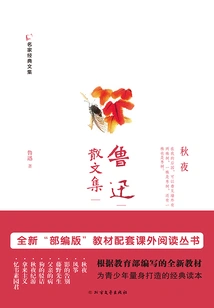
Lu Xun's Prose Collection
Literature鲁迅散文集
H
This book collects all Lu Xun's famous prose works, as well as some fine essays. It is divided into five albums according to the writing content and characteristics of the articles. These essays record Lu Xun's main experiences from childhood to youth, recall many family members, partners, relatives and friends, and present a picture of life in the late Qing Dynasty and the early Republic of China. These chapters mainly inherit the characteristics of traditional Chinese prose. The writing style is friendly, long-lasting, profound and meaningful. They are classics in modern prose. The essays included in the book describe the world, describe experiences, comment on personnel affairs, and express emotions. They embody the ideological connotation and unique perfection of Lu Xun's broad spirit, and embody the brilliance of Lu Xun's thoughts and wisdom everywhere.
This book collects all Lu Xun's famous prose works, as well as some fine essays. It is divided into five albums according to the writing content and characteristics of the articles. These essays record Lu Xun's main experiences from childhood to youth, recall many family members, partners, relatives and friends, and present a picture of life in the late Qing Dynasty and the early Republic of China. These chapters mainly inherit the characteristics of traditional Chinese prose. The writing style is friendly, long-lasting, profound and meaningful. They are classics in modern prose. The essays included in the book describe the world, describe experiences, comment on personnel affairs, and express emotions. They embody the ideological connotation and unique perfection of Lu Xun's broad spirit, and embody the brilliance of Lu Xun's thoughts and wisdom everywhere.
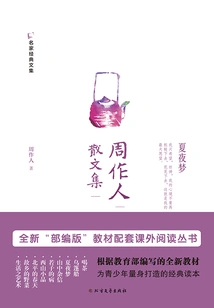
Zhou Zuoren's Prose Collection
Literature周作人散文集
Zhou Zuoren
This book contains more than 70 fine essays by Zhou Zuoren, such as "Bitter Rain", "Wooden Boat", "Drinking Tea" and "Miscellaneous Letters from the Mountains". It is divided into four albums according to their content and writing style. He wrote about wild vegetables in his hometown, about tea drinking, the sound of birds, awning boats, the spring in Peiping, and about the moon in the Mid-Autumn Festival, plum blossoms, orchids, bamboos and chrysanthemums. He wrote down all the things that require a leisurely mind to notice one by one. He was calm, indifferent, and eloquent without being impetuous and harsh, which makes people feel relaxed when reading. Zhou Zuoren's main creative achievement throughout his life was the creation of prose sketches. His elegant and free writing style, peaceful and tranquil lyrical features, solemn and humorous humor, and comfortable language expression made his works unique in style and became a genre in the history of the development of modern Chinese prose.
This book contains more than 70 fine essays by Zhou Zuoren, such as "Bitter Rain", "Wooden Boat", "Drinking Tea" and "Miscellaneous Letters from the Mountains". It is divided into four albums according to their content and writing style. He wrote about wild vegetables in his hometown, about tea drinking, the sound of birds, awning boats, the spring in Peiping, and about the moon in the Mid-Autumn Festival, plum blossoms, orchids, bamboos and chrysanthemums. He wrote down all the things that require a leisurely mind to notice one by one. He was calm, indifferent, and eloquent without being impetuous and harsh, which makes people feel relaxed when reading. Zhou Zuoren's main creative achievement throughout his life was the creation of prose sketches. His elegant and free writing style, peaceful and tranquil lyrical features, solemn and humorous humor, and comfortable language expression made his works unique in style and became a genre in the history of the development of modern Chinese prose.
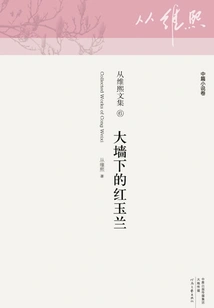
大墙下的红玉兰(从维熙文集6)
From Weixi
The famous writer Cong Weixi's collected works, a total of 14 volumes. Collects important works from Weixi's literary creation spanning more than 60 years in the literary world. It includes 10 volumes of novels and 4 volumes of documentary literature and essays.
The famous writer Cong Weixi's collected works, a total of 14 volumes. Collects important works from Weixi's literary creation spanning more than 60 years in the literary world. It includes 10 volumes of novels and 4 volumes of documentary literature and essays.
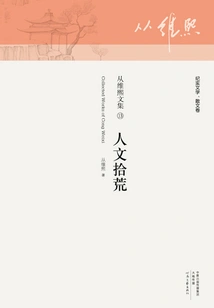
人文拾荒(从维熙文集13)
From Weixi
The famous writer Cong Weixi's collected works, a total of 14 volumes. Collects important works from Weixi's literary creation spanning more than 60 years in the literary world. It includes 10 volumes of novels and 4 volumes of documentary literature and essays.
The famous writer Cong Weixi's collected works, a total of 14 volumes. Collects important works from Weixi's literary creation spanning more than 60 years in the literary world. It includes 10 volumes of novels and 4 volumes of documentary literature and essays.
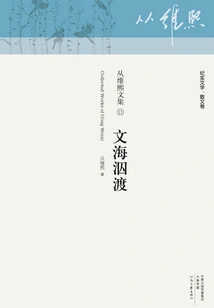
文海泅渡(从维熙文集11)
From Weixi
The famous writer Cong Weixi's collected works, a total of 14 volumes. Collects important works from Weixi's literary creation spanning more than 60 years in the literary world. It includes 10 volumes of novels and 4 volumes of documentary literature and essays.
The famous writer Cong Weixi's collected works, a total of 14 volumes. Collects important works from Weixi's literary creation spanning more than 60 years in the literary world. It includes 10 volumes of novels and 4 volumes of documentary literature and essays.
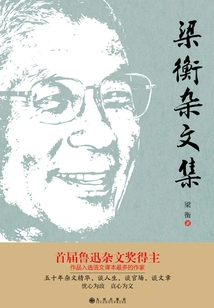
Liang Heng's Essay Collection
Literature梁衡杂文集
Liang Heng
This book is the essence of Liang Heng's fifty years of essays. It is divided into six parts: "life, officialdom, knowledge, articles, art, and society." No matter how broad and complex it is, it will eventually be harvested, all put into the furnace of thought, and carefully refined. Shoot a beam of red light to illuminate narrow gaps and dark corners that ordinary people don't notice; wave a sharp sword to lift veils and coverings. Collect thousands of things on the paper, condense a thought on the tip of the pen, and feel as if you are watching a fire, which is deafening and enlightening. Some are worried about the country and the people, or are sad about the times, trying to strengthen the righteousness and eliminate the evil, and explore the subtleties to understand. This book is not only suitable for literature lovers to read, but also a guide for college and middle school students to improve their literary literacy and writing skills.
This book is the essence of Liang Heng's fifty years of essays. It is divided into six parts: "life, officialdom, knowledge, articles, art, and society." No matter how broad and complex it is, it will eventually be harvested, all put into the furnace of thought, and carefully refined. Shoot a beam of red light to illuminate narrow gaps and dark corners that ordinary people don't notice; wave a sharp sword to lift veils and coverings. Collect thousands of things on the paper, condense a thought on the tip of the pen, and feel as if you are watching a fire, which is deafening and enlightening. Some are worried about the country and the people, or are sad about the times, trying to strengthen the righteousness and eliminate the evil, and explore the subtleties to understand. This book is not only suitable for literature lovers to read, but also a guide for college and middle school students to improve their literary literacy and writing skills.
Six Chapters of a Floating Life
Literature浮生六记
Shen Fu
"Six Chapters of a Floating Life" takes the life of the author and his wife as the main line, describing ordinary but interesting home life, as well as what he sees and hears when he travels to various places. The work describes that the author and his wife Chen Yun were in love and wanted to live a life of commoners, eating vegetables and engaging in art. However, due to the oppression of feudal ethics and the suffering of poverty, their ideals were finally shattered. In the history of Chinese literature, there are many poems and essays describing love, but most of them are about palace romances, or about love tragedies under the despotic power of power, etiquette, and law, or about intimate friends and the entanglement between boys and girls, and rarely involve the love between husband and wife. "Six Chapters of a Floating Life" written by Shen Fu vividly describes the life of husband and wife. Lin Yutang translated the four volumes of "Six Chapters of a Floating Life" into English and wrote a long preface.
"Six Chapters of a Floating Life" takes the life of the author and his wife as the main line, describing ordinary but interesting home life, as well as what he sees and hears when he travels to various places. The work describes that the author and his wife Chen Yun were in love and wanted to live a life of commoners, eating vegetables and engaging in art. However, due to the oppression of feudal ethics and the suffering of poverty, their ideals were finally shattered. In the history of Chinese literature, there are many poems and essays describing love, but most of them are about palace romances, or about love tragedies under the despotic power of power, etiquette, and law, or about intimate friends and the entanglement between boys and girls, and rarely involve the love between husband and wife. "Six Chapters of a Floating Life" written by Shen Fu vividly describes the life of husband and wife. Lin Yutang translated the four volumes of "Six Chapters of a Floating Life" into English and wrote a long preface.
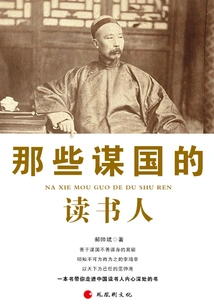
Those Scholars Who Seek the Country
Literature那些谋国的读书人
Hao Shuaibin
Chinese scholars have always had a sense of seeking the country and a spirit of becoming officials. This point has been established since the beginning of the establishment of Zhou official culture. Scholars who enter officialdom each have their own ups and downs, happiness and misfortune. This collection of historical essays brings together scholars' various experiences in officialdom. There was Li Hongzhang who took the Confucian spirit of doing what was impossible to do to the extreme, and there was Chen Bulei who thought he was the king and followed the right path but went astray. There is Chao Cuo who is good at planning for the country but not good at finding a career; there is Wang Meng who failed in his efforts to save the country; there is Cui Hao who dreamed of writing a great national history but embarked on a road of no return; there is Kong Rong who was an honest and indignant man who finally died a martyr; there is the first Fan Zhongyan, who took the world as his own responsibility, and the scholar-bureaucrat group behind him were in political prosperity. There was also the Qingyuan Party Ban and the disintegration of the scholar-bureaucrat group that it symbolized, such as the inability to gather consensus on reform, internal strife, and self-destruction.
Chinese scholars have always had a sense of seeking the country and a spirit of becoming officials. This point has been established since the beginning of the establishment of Zhou official culture. Scholars who enter officialdom each have their own ups and downs, happiness and misfortune. This collection of historical essays brings together scholars' various experiences in officialdom. There was Li Hongzhang who took the Confucian spirit of doing what was impossible to do to the extreme, and there was Chen Bulei who thought he was the king and followed the right path but went astray. There is Chao Cuo who is good at planning for the country but not good at finding a career; there is Wang Meng who failed in his efforts to save the country; there is Cui Hao who dreamed of writing a great national history but embarked on a road of no return; there is Kong Rong who was an honest and indignant man who finally died a martyr; there is the first Fan Zhongyan, who took the world as his own responsibility, and the scholar-bureaucrat group behind him were in political prosperity. There was also the Qingyuan Party Ban and the disintegration of the scholar-bureaucrat group that it symbolized, such as the inability to gather consensus on reform, internal strife, and self-destruction.
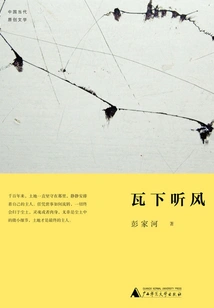
Listen to the Wind under the Roof
Literature瓦下听风
Pengjiahe
"Listening to the Wind Under the Roof" is a collection of personal essays on local themes. It is divided into three volumes. It collects 28 fine essays written by Peng Jiahe in recent years. It was selected as the "2013 Key Works·Prose" of the Chinese Writers Association. Through meticulous observation, Peng Jiahe describes the people and scenery with rural characteristics in a calm way, tells rural stories soaked in local customs, shows the changes in the countryside in the process of urbanization, and expresses the gratitude of wanderers in the city for their hometown and their constant love for their hometown. Faced with phenomena such as urban-rural isolation and land waste, Peng Jiahe expressed his unique insights into modern society and life, and also issued a profound reflection on modern civilization.
"Listening to the Wind Under the Roof" is a collection of personal essays on local themes. It is divided into three volumes. It collects 28 fine essays written by Peng Jiahe in recent years. It was selected as the "2013 Key Works·Prose" of the Chinese Writers Association. Through meticulous observation, Peng Jiahe describes the people and scenery with rural characteristics in a calm way, tells rural stories soaked in local customs, shows the changes in the countryside in the process of urbanization, and expresses the gratitude of wanderers in the city for their hometown and their constant love for their hometown. Faced with phenomena such as urban-rural isolation and land waste, Peng Jiahe expressed his unique insights into modern society and life, and also issued a profound reflection on modern civilization.
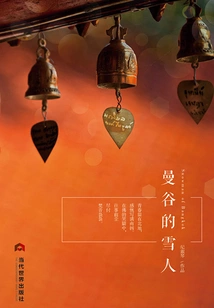
Snowman in Bangkok
Literature曼谷的雪人
Ji Shuqin
The author writes down his travel experiences and life insights with gentle writing style. From China to Thailand, from the elegance of the family compound to the dazzling natural scenery, follow the footsteps of the Buddha and record the cultural differences and life interests between the two countries. While walking on the road, your heart is far away.
The author writes down his travel experiences and life insights with gentle writing style. From China to Thailand, from the elegance of the family compound to the dazzling natural scenery, follow the footsteps of the Buddha and record the cultural differences and life interests between the two countries. While walking on the road, your heart is far away.
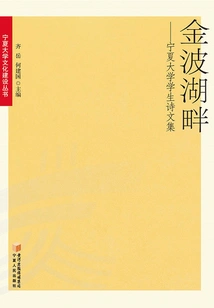
金波湖畔:宁夏大学学生诗文集
Qi Yue Editor-in-chief He Jianguo
The book is a youth ballad that reflects the colorful life of college students. It is a true expression of college students' inner emotions and a beautiful bloom of students' ideological sparks. It embodies college students' humanistic feelings toward kindness, beauty, and truth, and is also the epitome of campus cultural construction.
The book is a youth ballad that reflects the colorful life of college students. It is a true expression of college students' inner emotions and a beautiful bloom of students' ideological sparks. It embodies college students' humanistic feelings toward kindness, beauty, and truth, and is also the epitome of campus cultural construction.
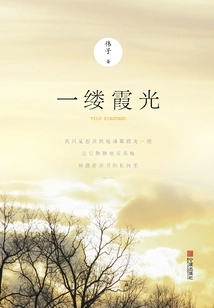
A Ray of Sunshine
Literature一缕霞光
Wei Zi
This book is a collection of personal essays by the author, a companion volume to "Flowers with Folds". The manuscript is divided into three chapters, the first chapter is rambles, the second chapter is essays, and the third chapter is essays, a total of 88 chapters. The content covers film reviews, book reviews, travel notes, and the author's ramblings and thoughts on life. The writing is fluent and the insights are unique.
This book is a collection of personal essays by the author, a companion volume to "Flowers with Folds". The manuscript is divided into three chapters, the first chapter is rambles, the second chapter is essays, and the third chapter is essays, a total of 88 chapters. The content covers film reviews, book reviews, travel notes, and the author's ramblings and thoughts on life. The writing is fluent and the insights are unique.
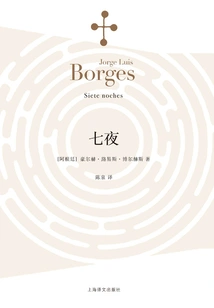
Seven Nights
Literature七夜
H
The collection of lectures, published in 1980, includes the contents of seven lectures given by Borges in the summer of 1977. They are respectively titled "The Divine Comedy", nightmares, "One Thousand and One Nights", Buddhism, poetry, Jewish mysticism and blindness. It tells about Borges's interaction with the "Divine Comedy", the nightmare mixed with mirrors and labyrinths, Eastern consciousness, the essence of Buddhism, the aesthetics of poetry, the concept of holy books and the tools of art, etc.
The collection of lectures, published in 1980, includes the contents of seven lectures given by Borges in the summer of 1977. They are respectively titled "The Divine Comedy", nightmares, "One Thousand and One Nights", Buddhism, poetry, Jewish mysticism and blindness. It tells about Borges's interaction with the "Divine Comedy", the nightmare mixed with mirrors and labyrinths, Eastern consciousness, the essence of Buddhism, the aesthetics of poetry, the concept of holy books and the tools of art, etc.
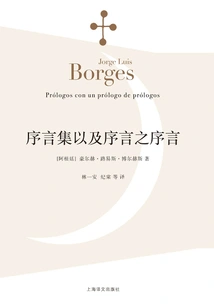
序言集以及序言之序言
I
Beginning with "Preface to the Preface", it contains thirty-nine prefaces and was published in 1975. Borges had a unique opinion on literary style. He believed that "in the case of a slim majority, the preface is similar to a drunken speech or a funeral eulogy, irresponsibly exaggerated and suspicious of reading." He was determined to reform this genre. The discussion involves famous figures such as Shakespeare, Cervantes, and Whitman, as well as some writers forgotten by literary history, with the intention of rediscovering the value of their works.
Beginning with "Preface to the Preface", it contains thirty-nine prefaces and was published in 1975. Borges had a unique opinion on literary style. He believed that "in the case of a slim majority, the preface is similar to a drunken speech or a funeral eulogy, irresponsibly exaggerated and suspicious of reading." He was determined to reform this genre. The discussion involves famous figures such as Shakespeare, Cervantes, and Whitman, as well as some writers forgotten by literary history, with the intention of rediscovering the value of their works.
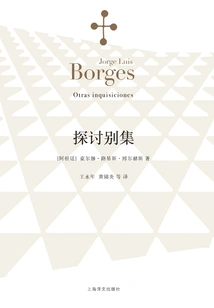
Discuss Other Episodes
Literature探讨别集
H
A collection of essays, published in 1952, containing thirty-five essays, which are Borges's comments on his favorite works and writers. He discussed the spread of Confucian classics through the burning of books by the First Emperor of Qin, traced Kafka's aesthetic pioneers in Kafka's novels, searched for the spatiotemporal connection between individuals and groups in Keats's poems, and discovered the psychological trajectory of the collision of fantasy and reality from Hawthorne and Edgar Allan Poe. These unconventional aesthetic understandings show advanced perceptions.
A collection of essays, published in 1952, containing thirty-five essays, which are Borges's comments on his favorite works and writers. He discussed the spread of Confucian classics through the burning of books by the First Emperor of Qin, traced Kafka's aesthetic pioneers in Kafka's novels, searched for the spatiotemporal connection between individuals and groups in Keats's poems, and discovered the psychological trajectory of the collision of fantasy and reality from Hawthorne and Edgar Allan Poe. These unconventional aesthetic understandings show advanced perceptions.
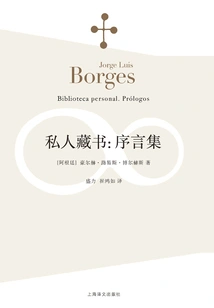
Private Collection: Preface
Literature私人藏书:序言集
I
Contains sixty-four prefaces, published in 1988. "This set of books that I have roughly thought of and want to write a preface to is written to please people. I did not choose according to my own literary habits, nor according to a certain tradition, a certain school, a country or an era." Using only the beauty of literature as a criterion, Borges combined the books that he "cannot put down and want to share with others" into a private collection and wrote the preface. It not only discusses famous figures such as Dostoevsky, Flaubert, Wilde, and Kafka, but also discusses authors and works that are gradually being forgotten. There are South American novelists with whom the author is most familiar, as well as relatively unknown Japanese classical literature and Nordic epics.
Contains sixty-four prefaces, published in 1988. "This set of books that I have roughly thought of and want to write a preface to is written to please people. I did not choose according to my own literary habits, nor according to a certain tradition, a certain school, a country or an era." Using only the beauty of literature as a criterion, Borges combined the books that he "cannot put down and want to share with others" into a private collection and wrote the preface. It not only discusses famous figures such as Dostoevsky, Flaubert, Wilde, and Kafka, but also discusses authors and works that are gradually being forgotten. There are South American novelists with whom the author is most familiar, as well as relatively unknown Japanese classical literature and Nordic epics.
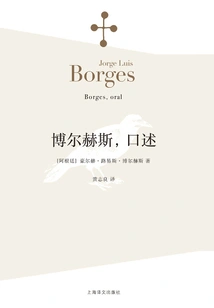
Borges, Spoken
Literature博尔赫斯,口述
H
Collection of lectures. In May and June of 1978, Borges gave five lectures at the University of Belgrano in Argentina, on the topics of books, immortality, Emmanuel Swedenborg, detective novels, and time. The theme seems grand and abstract, but the author takes a different approach: talking about the history of books from the perspective of oral tradition, using poetry as a starting point to analyze the meaning of immortality, using Swedenborg to talk about the philosophical propositions of life and death, and hailing detective novels as saviors in a chaotic literary era. The basic metaphysical question of "time" runs throughout the five lessons.
Collection of lectures. In May and June of 1978, Borges gave five lectures at the University of Belgrano in Argentina, on the topics of books, immortality, Emmanuel Swedenborg, detective novels, and time. The theme seems grand and abstract, but the author takes a different approach: talking about the history of books from the perspective of oral tradition, using poetry as a starting point to analyze the meaning of immortality, using Swedenborg to talk about the philosophical propositions of life and death, and hailing detective novels as saviors in a chaotic literary era. The basic metaphysical question of "time" runs throughout the five lessons.
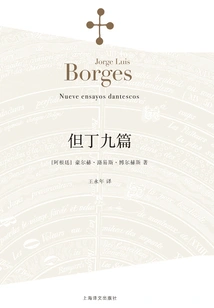
Nine Cantos of Dante
Literature但丁九篇
(argentina) Jorge Luis Borges
A collection of essays, published in 1982. Dante's "Divine Comedy" was judged by Borges as "the pinnacle of literature and all books" and "the highest gift that literature can give us." He wrote nine short essays, starting from a certain character in the "Divine Comedy", starting from a certain detail, or even starting from a certain word, combining perspectives from psychology, philosophy, theology and other fields to interpret the classics.
A collection of essays, published in 1982. Dante's "Divine Comedy" was judged by Borges as "the pinnacle of literature and all books" and "the highest gift that literature can give us." He wrote nine short essays, starting from a certain character in the "Divine Comedy", starting from a certain detail, or even starting from a certain word, combining perspectives from psychology, philosophy, theology and other fields to interpret the classics.
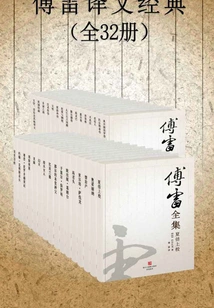
傅雷译文经典(全32册)
(france) Balzac Et Al.
Fu Lei (April 7, 1908 - September 3, 1966) was a famous Chinese translator, writer, educator, and art critic. In his early years, he studied abroad at the University of Paris in France. He has translated a large number of French works, including works by Balzac, Romain Rolland, Voltaire and other famous writers. In the early 1960s, Fu Lei was admitted as a member of the French Balzac Research Society for his outstanding contributions in translating Balzac's works. Mr. Fu Lei has been translating Hong Fu throughout his life, and his translation career lasted for thirty years. His translations are characterized by expressiveness, smooth writing, rich word use, and good color changes. This collection includes foreign classics translated by Fu Lei.
Fu Lei (April 7, 1908 - September 3, 1966) was a famous Chinese translator, writer, educator, and art critic. In his early years, he studied abroad at the University of Paris in France. He has translated a large number of French works, including works by Balzac, Romain Rolland, Voltaire and other famous writers. In the early 1960s, Fu Lei was admitted as a member of the French Balzac Research Society for his outstanding contributions in translating Balzac's works. Mr. Fu Lei has been translating Hong Fu throughout his life, and his translation career lasted for thirty years. His translations are characterized by expressiveness, smooth writing, rich word use, and good color changes. This collection includes foreign classics translated by Fu Lei.
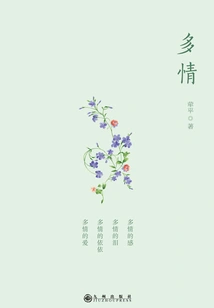
Passionate
Literature多情
Naoping
This book is a collection of essays. Here, there are sentimental feelings, sentimental tears, sentimental attachment and sentimental love. Most of these prose are short, concise and meaningful. What flows in the meaningful words is careful observation of life and deep attachment to feelings.
This book is a collection of essays. Here, there are sentimental feelings, sentimental tears, sentimental attachment and sentimental love. Most of these prose are short, concise and meaningful. What flows in the meaningful words is careful observation of life and deep attachment to feelings.
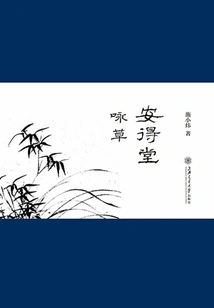
Andetang Chanting Grass
Literature安得堂咏草
Shi Xiaowei
This book is a collection of poems by Mr. Shi Xiaowei, which contains a total of 138 old-style poems written by him. It is divided into four parts: Regret, Facing the Wall, Dark Fragrance, and Return. The time span is from 1979 to the present, and reflects Shi Xiaowei's experience and insights in life, making friends, and work. His poems have neat rhythm and profound meaning, capturing the essence of Chinese classical literature.
This book is a collection of poems by Mr. Shi Xiaowei, which contains a total of 138 old-style poems written by him. It is divided into four parts: Regret, Facing the Wall, Dark Fragrance, and Return. The time span is from 1979 to the present, and reflects Shi Xiaowei's experience and insights in life, making friends, and work. His poems have neat rhythm and profound meaning, capturing the essence of Chinese classical literature.

Grandpa Has a Grocery Store
Literature爷爷有间杂货店
Worry Relief Volunteers
Youjian Grocery Store APP listens to and explores the real life stories of the post-95s generation, and precipitates fresh and vivid content, allowing the stories to express unlimited possibilities, and also allows the whole society to give more love and companionship, acceptance and tolerance, encouragement and support to the post-95s generation. "Grandpa Owns a Grocery Store" is a collection of letters, including 86 letters between hundreds of thousands of post-95s teenagers and a "grandpa" who is a grocery store. According to the topics discussed and stories told in the letters, the book is divided into eight sections, each section has a theme, namely "love", "academics", "interpersonal relationships", "dreams", "life", "family", "stranger" and "chasing stars".
Youjian Grocery Store APP listens to and explores the real life stories of the post-95s generation, and precipitates fresh and vivid content, allowing the stories to express unlimited possibilities, and also allows the whole society to give more love and companionship, acceptance and tolerance, encouragement and support to the post-95s generation. "Grandpa Owns a Grocery Store" is a collection of letters, including 86 letters between hundreds of thousands of post-95s teenagers and a "grandpa" who is a grocery store. According to the topics discussed and stories told in the letters, the book is divided into eight sections, each section has a theme, namely "love", "academics", "interpersonal relationships", "dreams", "life", "family", "stranger" and "chasing stars".
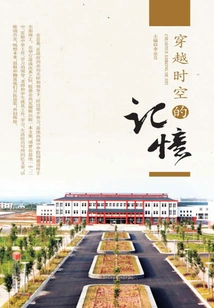
穿越时空的记忆
Editor-in-chief Li Jinliang
Some teachers in the collection summarized their teaching experience, teaching experience and teaching insights. Although they are not comprehensive or profound, they are the fruits of teachers' hard work after tasting the ups and downs of the podium. They are valuable assets for improving the quality of education and teaching in our senior high schools. Experience requires long-term practical exploration to summarize, and understanding also requires deep reflection to rise from perceptual to rational. Without the enthusiasm for education, the spirit of courage to explore, and the solid foundation of education and teaching, it is impossible to refine and concentrate such essence. These experiences, understandings and insights are useful now and will still be useful in the future.
Some teachers in the collection summarized their teaching experience, teaching experience and teaching insights. Although they are not comprehensive or profound, they are the fruits of teachers' hard work after tasting the ups and downs of the podium. They are valuable assets for improving the quality of education and teaching in our senior high schools. Experience requires long-term practical exploration to summarize, and understanding also requires deep reflection to rise from perceptual to rational. Without the enthusiasm for education, the spirit of courage to explore, and the solid foundation of education and teaching, it is impossible to refine and concentrate such essence. These experiences, understandings and insights are useful now and will still be useful in the future.
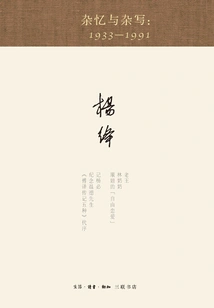
杂忆与杂写:1933—1991
Yang Jiang
This is Mr. Yang Jiang's work of remembering people and remembering the past. Part of it is about missing people, "from being very close to being very distant"; part is about reminiscing about things, "from being deeply touched to being indifferent". Others were picked up from old manuscripts. Originally published by Huacheng Publishing House, some articles were added in 1994 and republished by Sanlian Bookstore. This time, it is republished based on the prose volume "Miscellaneous Yiyu Miscellanies" in the "Collected Works of Yang Jiang" published by People's Literature Publishing House in 2009. Those people and things mentioned in detail give people not only the enjoyment of beautiful articles, but also a vivid way of understanding various characters of an era.
This is Mr. Yang Jiang's work of remembering people and remembering the past. Part of it is about missing people, "from being very close to being very distant"; part is about reminiscing about things, "from being deeply touched to being indifferent". Others were picked up from old manuscripts. Originally published by Huacheng Publishing House, some articles were added in 1994 and republished by Sanlian Bookstore. This time, it is republished based on the prose volume "Miscellaneous Yiyu Miscellanies" in the "Collected Works of Yang Jiang" published by People's Literature Publishing House in 2009. Those people and things mentioned in detail give people not only the enjoyment of beautiful articles, but also a vivid way of understanding various characters of an era.
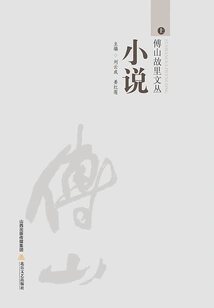
傅山故里文丛·小说卷(上)
Liu Yuncheng Jiang Honglian
"Fushan Hometown Literature Series" is a large-scale book series co-edited by the Federation of Literary and Art Circles of Jiancaoping District, Taiyuan City and the Sanjin Culture Research Association of Jiancaoping District. It is divided into three volumes of poetry, prose and novels, with about 1 million words, including 200 poems, 180 essays, 80 novels, and 80 selected authors. The works reflect the literary creation style of Jiancaoping District in the past thirty years. This book is a novel volume.
"Fushan Hometown Literature Series" is a large-scale book series co-edited by the Federation of Literary and Art Circles of Jiancaoping District, Taiyuan City and the Sanjin Culture Research Association of Jiancaoping District. It is divided into three volumes of poetry, prose and novels, with about 1 million words, including 200 poems, 180 essays, 80 novels, and 80 selected authors. The works reflect the literary creation style of Jiancaoping District in the past thirty years. This book is a novel volume.
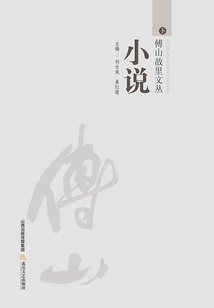
傅山故里文丛·小说卷(下)
Liu Yuncheng Jiang Honglian
"Fushan Hometown Literature Series" is a large-scale book series co-edited by the Federation of Literary and Art Circles of Jiancaoping District, Taiyuan City and the Sanjin Culture Research Association of Jiancaoping District. It is divided into three volumes of poetry, prose and novels, with about 1 million words, including 200 poems, 180 essays, 80 novels, and 80 selected authors. The works reflect the literary creation style of Jiancaoping District in the past thirty years. This book is a novel volume.
"Fushan Hometown Literature Series" is a large-scale book series co-edited by the Federation of Literary and Art Circles of Jiancaoping District, Taiyuan City and the Sanjin Culture Research Association of Jiancaoping District. It is divided into three volumes of poetry, prose and novels, with about 1 million words, including 200 poems, 180 essays, 80 novels, and 80 selected authors. The works reflect the literary creation style of Jiancaoping District in the past thirty years. This book is a novel volume.
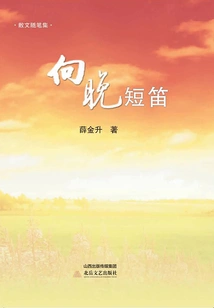
Xiang Wan Piccolo
Literature向晚短笛
Xue Jinsheng
These are some of the prose essays written by the author after 2003, and the previous ones were included in the book "Marks of Green Moss and Clogs".
These are some of the prose essays written by the author after 2003, and the previous ones were included in the book "Marks of Green Moss and Clogs".
仓央嘉措情歌六十六首(七绝版)
(qing Dynasty) Cangyang Gyatso
Tsangyang Gyatso was a figure who lived probably from the end of the 17th century to the beginning of the 18th century. He was a member of the Monba tribe and the sixth Dalai Lama. Tsangyang Gyatso's collection of love poems has been passed down to this day, and has influenced later generations with its unique style, and has been loved by many later generations. During the Republic of China, Tibetologist Yu Daoquan translated a total of 66 selected love poems of Tsangyang Gyatso, which were published in Kangdao Monthly in 1930 under the title "Love Songs of the Sixth Dalai Lama Tsangyang Gyatso". In 1939, Zeng Yan translated "The Love Song of the Sixth Dalai Lama Tsangyang Gyatso" in the form of seven-character quatrains, which was also published in "Kangdao Monthly". This time, these 66 poems of Tsangyang Gyatso are newly interpreted in the form of Qijue.
Tsangyang Gyatso was a figure who lived probably from the end of the 17th century to the beginning of the 18th century. He was a member of the Monba tribe and the sixth Dalai Lama. Tsangyang Gyatso's collection of love poems has been passed down to this day, and has influenced later generations with its unique style, and has been loved by many later generations. During the Republic of China, Tibetologist Yu Daoquan translated a total of 66 selected love poems of Tsangyang Gyatso, which were published in Kangdao Monthly in 1930 under the title "Love Songs of the Sixth Dalai Lama Tsangyang Gyatso". In 1939, Zeng Yan translated "The Love Song of the Sixth Dalai Lama Tsangyang Gyatso" in the form of seven-character quatrains, which was also published in "Kangdao Monthly". This time, these 66 poems of Tsangyang Gyatso are newly interpreted in the form of Qijue.
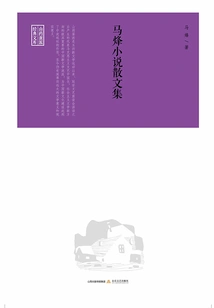
马烽小说散文集(山药蛋派经典文库)
Ma Feng
This book collects 20 representative works from the author's creative process, including "Uncle Zhao the Breeder", "My First Superior" and other famous works that have been selected into middle school textbooks. As one of the representatives of the Yam Egg School, Ma Feng is good at writing about ordinary farmers and rural grassroots cadres. His works are simple, sincere and touching. This book is mainly a classic review of Ma Feng's important works, and is an important entry point for studying Ma Feng.
This book collects 20 representative works from the author's creative process, including "Uncle Zhao the Breeder", "My First Superior" and other famous works that have been selected into middle school textbooks. As one of the representatives of the Yam Egg School, Ma Feng is good at writing about ordinary farmers and rural grassroots cadres. His works are simple, sincere and touching. This book is mainly a classic review of Ma Feng's important works, and is an important entry point for studying Ma Feng.
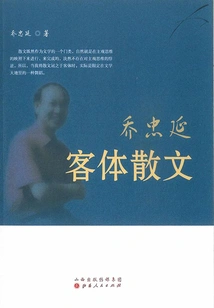
Qiao Zhongyan's Object Prose
Literature乔忠延客体散文
Qiao Zhongyan
Object prose is the realization and sublimation of Qiao Zhongyan's many years of writing practice. It means to write your words close to the object of expression, so as to form a unity in texture. The author Qiao Zhongyan will not stop at one expression object, so that as the expression object changes, he can reduce and avoid self-repetition. "Qiao Zhongyan's Object Prose" selects some such works, allowing readers to experience from different articles how the writer breaks out of repetitive patterns and improves the taste of prose writing.
Object prose is the realization and sublimation of Qiao Zhongyan's many years of writing practice. It means to write your words close to the object of expression, so as to form a unity in texture. The author Qiao Zhongyan will not stop at one expression object, so that as the expression object changes, he can reduce and avoid self-repetition. "Qiao Zhongyan's Object Prose" selects some such works, allowing readers to experience from different articles how the writer breaks out of repetitive patterns and improves the taste of prose writing.
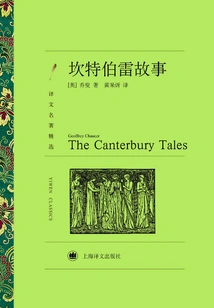
坎特伯雷故事(译文名著精选)
(uk)geoffrey Chaucer
"The Canterbury Tales" is a collection of verse stories, mostly written in rhymed verse. The book contains a general quotation and twenty-three stories, two of which are prose and the rest are in poetry. It tells the strange stories that a group of pilgrims told to relieve their boredom on their way to Canterbury. This group of people come from all walks of life, including priests, warriors, nuns, college students, craftsmen, etc. Their stories also broadly reflect the social scene at that time. The work uses humor and satire as the keynote, depicts characters from different classes, satirizes the ugliness of feudal society, exposes the corruption of society, opposes asceticism, and promotes worldly enjoyment. Short dramatic scenes are connected in between. The content and style of the stories are different and suit the identity of each narrator.
"The Canterbury Tales" is a collection of verse stories, mostly written in rhymed verse. The book contains a general quotation and twenty-three stories, two of which are prose and the rest are in poetry. It tells the strange stories that a group of pilgrims told to relieve their boredom on their way to Canterbury. This group of people come from all walks of life, including priests, warriors, nuns, college students, craftsmen, etc. Their stories also broadly reflect the social scene at that time. The work uses humor and satire as the keynote, depicts characters from different classes, satirizes the ugliness of feudal society, exposes the corruption of society, opposes asceticism, and promotes worldly enjoyment. Short dramatic scenes are connected in between. The content and style of the stories are different and suit the identity of each narrator.
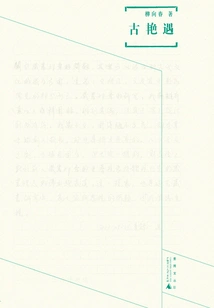
煮雨文丛Ⅲ:古艳遇
Liu Xiangchun
"Ancient Love Encounters" is a collection of articles written by Shanghai Museum researcher Liu Xiangchun in recent years on ancient calligraphy and painting, collections of rare books, and literati. The twenty-six selected articles include anecdotes about famous ancient calligraphers and painters, such as the relationship between Huang Tingjian's Zen thoughts and "Huayan Shujuan", the identification of authenticity of "Yuzhuang Qiu Ji Tu"; the appreciation and circulation process of rare ancient books, such as the textual research of the edition of "Xingfeng Loutie" and the textual research of the Leifeng Pagoda Buddhist scriptures. ; The life trajectory of modern cultural scholars and philologists, such as the correspondence between Mr. Xu Senyu and his friends, and the life fragments of Mr. Wang Xinfu; academic discussions on ancient documents, such as an analysis of the word "Gongbi" in "Laozi", the naming of "The Analects of Confucius", the changes in the meaning of "Wuyi", etc. The book also contains many precious paintings, calligraphy and pictures of rare ancient books from the Shanghai Museum. It is carefully arranged and can be used as an introductory book for readers to understand ancient Chinese culture.
"Ancient Love Encounters" is a collection of articles written by Shanghai Museum researcher Liu Xiangchun in recent years on ancient calligraphy and painting, collections of rare books, and literati. The twenty-six selected articles include anecdotes about famous ancient calligraphers and painters, such as the relationship between Huang Tingjian's Zen thoughts and "Huayan Shujuan", the identification of authenticity of "Yuzhuang Qiu Ji Tu"; the appreciation and circulation process of rare ancient books, such as the textual research of the edition of "Xingfeng Loutie" and the textual research of the Leifeng Pagoda Buddhist scriptures. ; The life trajectory of modern cultural scholars and philologists, such as the correspondence between Mr. Xu Senyu and his friends, and the life fragments of Mr. Wang Xinfu; academic discussions on ancient documents, such as an analysis of the word "Gongbi" in "Laozi", the naming of "The Analects of Confucius", the changes in the meaning of "Wuyi", etc. The book also contains many precious paintings, calligraphy and pictures of rare ancient books from the Shanghai Museum. It is carefully arranged and can be used as an introductory book for readers to understand ancient Chinese culture.
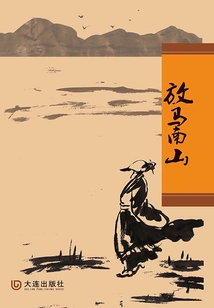
Release Manan Mountain
Literature放马南山
Zhou Jian
"Freeing Manan Mountain" is the author's collection of essays. There are poems and prose, and the types of poems are not exactly the same. About 60 poems and 5 essays were selected from them and compiled into a book.
"Freeing Manan Mountain" is the author's collection of essays. There are poems and prose, and the types of poems are not exactly the same. About 60 poems and 5 essays were selected from them and compiled into a book.