Library
Browse and search books
2,982 novels found
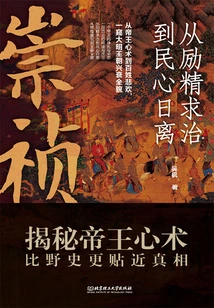
崇祯:从励精求治到民心日离
Wu Feng
At the end of the Ming Dynasty, the Jurchens outside Shanhaiguan rose up, and the fire of civil unrest within the Shanhaiguan ignited throughout the hinterland of the Central Plains. Emperor Chongzhen, the last king of the Ming Dynasty, led his ministers to fight the fire everywhere like a fire captain. However, contrary to expectations, Emperor Chongzhen's hard work and vigilance failed to usher in the dawn of resurgence for the crumbling empire. Instead, the fire of national subjugation became more and more fierce, and the Ming Dynasty ended with the emperor's death. Emperor Chongzhen was diligent and self-denial throughout his life, and even until his death he felt that he should not be the "king of the country's subjugation." However, the people under his rule chanted "Chongzhen, Chongzhen, re-conquer every year" while devoting all their enthusiasm to the "rebellious ministers and traitors" who did not push for food. The Chongzhen Dynasty had no shortage of loyal and patriotic ministers who "went to the end of the civil service to advise and the military to fight", but in the eyes of Emperor Chongzhen, all officials were "killable both civil and military." Which one is the truth? The fog of history is blocking our eyes, just waiting for you to reach out and push it away.
At the end of the Ming Dynasty, the Jurchens outside Shanhaiguan rose up, and the fire of civil unrest within the Shanhaiguan ignited throughout the hinterland of the Central Plains. Emperor Chongzhen, the last king of the Ming Dynasty, led his ministers to fight the fire everywhere like a fire captain. However, contrary to expectations, Emperor Chongzhen's hard work and vigilance failed to usher in the dawn of resurgence for the crumbling empire. Instead, the fire of national subjugation became more and more fierce, and the Ming Dynasty ended with the emperor's death. Emperor Chongzhen was diligent and self-denial throughout his life, and even until his death he felt that he should not be the "king of the country's subjugation." However, the people under his rule chanted "Chongzhen, Chongzhen, re-conquer every year" while devoting all their enthusiasm to the "rebellious ministers and traitors" who did not push for food. The Chongzhen Dynasty had no shortage of loyal and patriotic ministers who "went to the end of the civil service to advise and the military to fight", but in the eyes of Emperor Chongzhen, all officials were "killable both civil and military." Which one is the truth? The fog of history is blocking our eyes, just waiting for you to reach out and push it away.
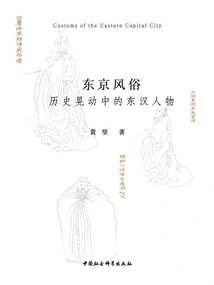
东京风俗:历史晃动中的东汉人物
Huang Jian
This book selects several historical figures from the Eastern Han Dynasty, and through historical data mining and analysis, tells historical stories in narrative form that have not been discovered or paid insufficient attention by professional researchers. The main contents include: the joker Liu Xiu, where the "Twenty-Eight Generals of Yuntai" came from, the death of Peng Chong, and the life of Huang Xian and anecdotes, why Liang Ji was afraid of Sun Shou, the encounter and different paths of Li Ying and Guo Tai, the three generals in the "Disaster of the Party", why Huangfu Song lost to Dong Zhuo, the emperor of the Eastern Han Dynasty and their biological mothers, the divisions and life-and-death infighting among the eunuchs of the Eastern Han Dynasty, the wave of suicides in the officialdom of the Eastern Han Dynasty, the five years after the "Yellow Turban", etc. This book is popular, academic, and interesting at the same time. The content is simple and the text is simple. The stories narrated are universal to a certain extent. The author's solid historical literacy ensures the accuracy of historical knowledge. The readership is positioned as history lovers, and the author has the advantage of having extensive contacts in academic circles and news media circles. This book will have certain economic benefits.
This book selects several historical figures from the Eastern Han Dynasty, and through historical data mining and analysis, tells historical stories in narrative form that have not been discovered or paid insufficient attention by professional researchers. The main contents include: the joker Liu Xiu, where the "Twenty-Eight Generals of Yuntai" came from, the death of Peng Chong, and the life of Huang Xian and anecdotes, why Liang Ji was afraid of Sun Shou, the encounter and different paths of Li Ying and Guo Tai, the three generals in the "Disaster of the Party", why Huangfu Song lost to Dong Zhuo, the emperor of the Eastern Han Dynasty and their biological mothers, the divisions and life-and-death infighting among the eunuchs of the Eastern Han Dynasty, the wave of suicides in the officialdom of the Eastern Han Dynasty, the five years after the "Yellow Turban", etc. This book is popular, academic, and interesting at the same time. The content is simple and the text is simple. The stories narrated are universal to a certain extent. The author's solid historical literacy ensures the accuracy of historical knowledge. The readership is positioned as history lovers, and the author has the advantage of having extensive contacts in academic circles and news media circles. This book will have certain economic benefits.
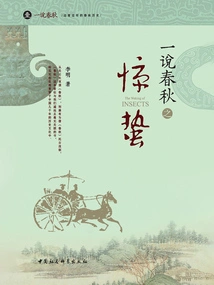
一说春秋之惊蛰
Li Ming
"A Story of Spring and Autumn" is the first book in the "A Story of Spring and Autumn" series, which mainly tells the historical stories of the Spring and Autumn Period from 722 BC to 701 BC. This series of books is based on "Spring and Autumn", with "Historical Records" and "Guoyu" as the main supplements. At the same time, it is written with reference to more than 30 other related books. Different from other vernacular versions of "Spring and Autumn", the "A Story of Spring and Autumn" series adds background information such as calendars, rituals, systems, and character relationships based on the original historical materials, connects the events of the Spring and Autumn Period in series, and forms opinions and judgments based on a large number of historical materials to facilitate readers to understand this period of history more clearly. "A Story of Spring and Autumn" was originally an audio program. After being reorganized, revised, and supplemented, it finally formed the current series of "A Story of Spring and Autumn". Each chapter in this book contains a QR code of the original audio program, which can be read by reference to each other.
"A Story of Spring and Autumn" is the first book in the "A Story of Spring and Autumn" series, which mainly tells the historical stories of the Spring and Autumn Period from 722 BC to 701 BC. This series of books is based on "Spring and Autumn", with "Historical Records" and "Guoyu" as the main supplements. At the same time, it is written with reference to more than 30 other related books. Different from other vernacular versions of "Spring and Autumn", the "A Story of Spring and Autumn" series adds background information such as calendars, rituals, systems, and character relationships based on the original historical materials, connects the events of the Spring and Autumn Period in series, and forms opinions and judgments based on a large number of historical materials to facilitate readers to understand this period of history more clearly. "A Story of Spring and Autumn" was originally an audio program. After being reorganized, revised, and supplemented, it finally formed the current series of "A Story of Spring and Autumn". Each chapter in this book contains a QR code of the original audio program, which can be read by reference to each other.
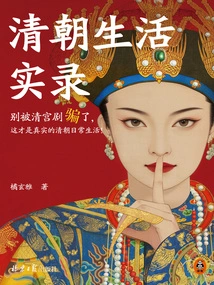
清朝生活实录(马伯庸力荐)
Tachibana Xuanya
Qing palace dramas tell you: the palace fights between concubines and empresses cannot stop; the emperor cannot eat more than three bites of each dish; the yellow flag is the orthodoxy of the royal family and is walked sideways... Do you really believe these routines? In fact, we have been deceived by TV series all this time. The real Qing Dynasty is beyond your imagination! When the concubines went to bed, they did not take off their clothes and wrap them up in quilts. Instead, they gathered together in the back hall of Yangxin Hall and waited for the emperor to turn over the sign. Concubines in the Qing Dynasty did not call themselves concubines or concubines. When facing the emperor and the queen mother, they generally called themselves "minions". The emperor is not afraid that you will know his taste. Open the "Meal Dishes" - Qianlong did not like seafood, but Guangxu was a "seafood lover"! ......... This book tells the daily life of the Qing Dynasty from seven parts, covering various aspects such as language, commerce, architecture, transportation, banner people, harem life, clothing, marriage, diet, etc., Using particularly rigorous research to restore the particularly interesting daily life of the Qing Dynasty!
Qing palace dramas tell you: the palace fights between concubines and empresses cannot stop; the emperor cannot eat more than three bites of each dish; the yellow flag is the orthodoxy of the royal family and is walked sideways... Do you really believe these routines? In fact, we have been deceived by TV series all this time. The real Qing Dynasty is beyond your imagination! When the concubines went to bed, they did not take off their clothes and wrap them up in quilts. Instead, they gathered together in the back hall of Yangxin Hall and waited for the emperor to turn over the sign. Concubines in the Qing Dynasty did not call themselves concubines or concubines. When facing the emperor and the queen mother, they generally called themselves "minions". The emperor is not afraid that you will know his taste. Open the "Meal Dishes" - Qianlong did not like seafood, but Guangxu was a "seafood lover"! ......... This book tells the daily life of the Qing Dynasty from seven parts, covering various aspects such as language, commerce, architecture, transportation, banner people, harem life, clothing, marriage, diet, etc., Using particularly rigorous research to restore the particularly interesting daily life of the Qing Dynasty!
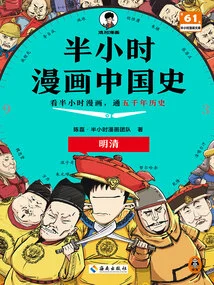
半小时漫画中国史:明清
Chen Lei·half Hour Comics Team
Read comics for half an hour and learn about 5,000 years of history! Ranked No. 1 In cumulative sales of comics history category! 500 Illustrations have been completely redrawn, and hard-core knowledge has been upgraded! 45 Mind maps to build a middle school history knowledge framework! Just through the form of hand-drawn cartoons and jokes, Chen Lei (pen name: Brother Hunzi) and the half-hour cartoon team clearly outlined the historical context of the Ming and Qing dynasties: The Ming Dynasty is like a slide: quickly reaching the top, then slowly sliding down, and suddenly accelerating towards destruction! The Qing Dynasty is like Plants vs. Zombies: from the imperial dynasty to self-rescue and resistance, it still cannot stop the waves of aggression from batches of foreign powers... It reveals the complicated historical surface and omits the irrelevant details. There are historical jokes on every page, which will make you laugh every three seconds. Open this book and unknowingly memorize historical knowledge while laughing.
Read comics for half an hour and learn about 5,000 years of history! Ranked No. 1 In cumulative sales of comics history category! 500 Illustrations have been completely redrawn, and hard-core knowledge has been upgraded! 45 Mind maps to build a middle school history knowledge framework! Just through the form of hand-drawn cartoons and jokes, Chen Lei (pen name: Brother Hunzi) and the half-hour cartoon team clearly outlined the historical context of the Ming and Qing dynasties: The Ming Dynasty is like a slide: quickly reaching the top, then slowly sliding down, and suddenly accelerating towards destruction! The Qing Dynasty is like Plants vs. Zombies: from the imperial dynasty to self-rescue and resistance, it still cannot stop the waves of aggression from batches of foreign powers... It reveals the complicated historical surface and omits the irrelevant details. There are historical jokes on every page, which will make you laugh every three seconds. Open this book and unknowingly memorize historical knowledge while laughing.
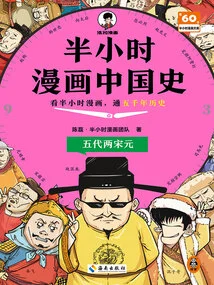
半小时漫画中国史:五代两宋元
Chen Lei·half Hour Comics Team
Read comics for half an hour and learn about 5,000 years of history! Ranked No. 1 In cumulative sales of comics history category! 500 Illustrations have been completely redrawn, and hard-core knowledge has been upgraded! 45 Mind maps to build a middle school history knowledge framework! Just through the form of hand-drawn cartoons and jokes, Chen Lei (pen name: Brother Huanzi) and the half-hour cartoon team clearly mapped out the historical context from the Five Dynasties and Ten Kingdoms to the Yuan Dynasty: the square dances of the Five Dynasties and Ten Kingdoms, the uncles took turns to go to battle; the wars of the Song Dynasty were common It suffered a loss, but the economy prospered and recovered quickly; the Yuan Dynasty was as chaotic as headphones, with nine emperors changed in 38 years... It reveals the complicated historical surface, omitting the irrelevant details, and there are historical jokes on every page, making you laugh every three seconds. Open this book and unknowingly memorize historical knowledge while laughing.
Read comics for half an hour and learn about 5,000 years of history! Ranked No. 1 In cumulative sales of comics history category! 500 Illustrations have been completely redrawn, and hard-core knowledge has been upgraded! 45 Mind maps to build a middle school history knowledge framework! Just through the form of hand-drawn cartoons and jokes, Chen Lei (pen name: Brother Huanzi) and the half-hour cartoon team clearly mapped out the historical context from the Five Dynasties and Ten Kingdoms to the Yuan Dynasty: the square dances of the Five Dynasties and Ten Kingdoms, the uncles took turns to go to battle; the wars of the Song Dynasty were common It suffered a loss, but the economy prospered and recovered quickly; the Yuan Dynasty was as chaotic as headphones, with nine emperors changed in 38 years... It reveals the complicated historical surface, omitting the irrelevant details, and there are historical jokes on every page, making you laugh every three seconds. Open this book and unknowingly memorize historical knowledge while laughing.
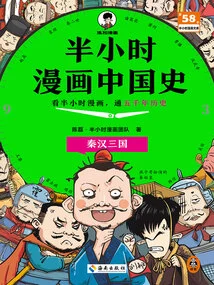
半小时漫画中国史:秦汉三国
Chen Lei·half Hour Comics Team
Read comics for half an hour and learn about 5,000 years of history! Ranked No. 1 In cumulative sales of comics history category! 500 Illustrations have been completely redrawn, and hard-core knowledge has been upgraded! 45 Mind maps to build a middle school history knowledge framework! Just through the form of hand-drawn cartoons and jokes, Chen Lei (pseudonym: Brother Hunzi) and the half-hour cartoon team clarified the historical context from the Qin Dynasty to the Three Kingdoms: The Qin Empire died if it was too much; the entire Western Han Dynasty was about paying off the debts of Emperor Wu of the Han Dynasty; the Three Kingdoms are like bumper cars, they catch fire when they bump into each other! ... It uncovers the complicated historical surface and omits irrelevant details. There are historical jokes on every page, making you laugh every three seconds. Open this book and unknowingly memorize historical knowledge while laughing.
Read comics for half an hour and learn about 5,000 years of history! Ranked No. 1 In cumulative sales of comics history category! 500 Illustrations have been completely redrawn, and hard-core knowledge has been upgraded! 45 Mind maps to build a middle school history knowledge framework! Just through the form of hand-drawn cartoons and jokes, Chen Lei (pseudonym: Brother Hunzi) and the half-hour cartoon team clarified the historical context from the Qin Dynasty to the Three Kingdoms: The Qin Empire died if it was too much; the entire Western Han Dynasty was about paying off the debts of Emperor Wu of the Han Dynasty; the Three Kingdoms are like bumper cars, they catch fire when they bump into each other! ... It uncovers the complicated historical surface and omits irrelevant details. There are historical jokes on every page, making you laugh every three seconds. Open this book and unknowingly memorize historical knowledge while laughing.
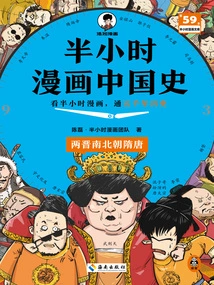
半小时漫画中国史:两晋南北朝隋唐
Chen Lei·half Hour Comics Team
Read comics for half an hour and learn about 5,000 years of history! Ranked No. 1 In cumulative sales of comics history category! 500 Illustrations have been completely redrawn, and hard-core knowledge has been upgraded! 45 Mind maps to build a middle school history knowledge framework! Just through the form of hand-drawn cartoons and jokes, Chen Lei (pen name: Brother Hunzi) and the half-hour cartoon team clearly mapped out the historical context from the Jin and Southern and Northern Dynasties to the Sui and Tang Dynasties: as soon as the Western Jin Dynasty was founded, they played Xiaoxiaole; All the emperors in the dynasty were weird; the three hundred years of the Tang Dynasty were simply a parabola... It reveals the complicated historical surface, omitting the irrelevant details, and there are historical jokes on every page, making you laugh every three seconds. Open this book and unknowingly memorize historical knowledge while laughing.
Read comics for half an hour and learn about 5,000 years of history! Ranked No. 1 In cumulative sales of comics history category! 500 Illustrations have been completely redrawn, and hard-core knowledge has been upgraded! 45 Mind maps to build a middle school history knowledge framework! Just through the form of hand-drawn cartoons and jokes, Chen Lei (pen name: Brother Hunzi) and the half-hour cartoon team clearly mapped out the historical context from the Jin and Southern and Northern Dynasties to the Sui and Tang Dynasties: as soon as the Western Jin Dynasty was founded, they played Xiaoxiaole; All the emperors in the dynasty were weird; the three hundred years of the Tang Dynasty were simply a parabola... It reveals the complicated historical surface, omitting the irrelevant details, and there are historical jokes on every page, making you laugh every three seconds. Open this book and unknowingly memorize historical knowledge while laughing.
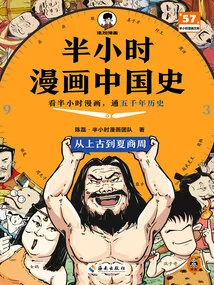
半小时漫画中国史:从上古到夏商周
Chen Lei·half Hour Comics Team
Read comics for half an hour and learn about 5,000 years of history! The cumulative sales volume of comic books ranks first in the historical category! 500 Illustrations have been completely redrawn, and the core knowledge has been upgraded! 45 Mind maps to build a middle school history knowledge framework! The hilarious memory method is really more impressive than the one in class. Just through hand-drawn cartoons and jokes, Chen Lei (pen name: Brother Hunzi) and the half-hour cartoon team clarified the historical context from the origin of mankind to the Zhou Dynasty: Dragon gave birth to nine sons, why are the nine sons not like dragons? The history of the Shang Dynasty is the life of a bird! It would be easier to understand if the countries of the Eastern Zhou Dynasty were regarded as a class! ... It uncovers the complicated historical surface and omits irrelevant details. There are historical jokes on every page, making you laugh every three seconds. Open this book and unknowingly memorize historical knowledge while laughing.
Read comics for half an hour and learn about 5,000 years of history! The cumulative sales volume of comic books ranks first in the historical category! 500 Illustrations have been completely redrawn, and the core knowledge has been upgraded! 45 Mind maps to build a middle school history knowledge framework! The hilarious memory method is really more impressive than the one in class. Just through hand-drawn cartoons and jokes, Chen Lei (pen name: Brother Hunzi) and the half-hour cartoon team clarified the historical context from the origin of mankind to the Zhou Dynasty: Dragon gave birth to nine sons, why are the nine sons not like dragons? The history of the Shang Dynasty is the life of a bird! It would be easier to understand if the countries of the Eastern Zhou Dynasty were regarded as a class! ... It uncovers the complicated historical surface and omits irrelevant details. There are historical jokes on every page, making you laugh every three seconds. Open this book and unknowingly memorize historical knowledge while laughing.
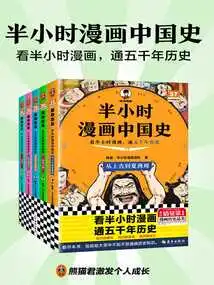
半小时漫画中国史(全5册)
Chen Lei·half Hour Comics Team
Just through the form of hand-drawn comics and jokes, Chen Lei (pseudonym: Brother Hunzi) and the half-hour comic team clearly outlined the historical context from ancient times to the Qing Dynasty: It would be easier to understand if the Eastern Zhou Dynasty were regarded as a class; the Qin Empire would die if it was too much; the 300 years of the Tang Dynasty were simply a parabola; the Song Dynasty often suffered losses in wars, but it always The economy prospered and recovered quickly; the Yuan Dynasty was as chaotic as headphones, with 9 emperors changed in 38 years; the Qing Dynasty was like Plants vs. Zombies: from the Celestial Empire to self-rescue and resistance, it still could not stop the waves of aggression from batches of foreign powers... It uncovers the complicated historical surface, omitting the irrelevant details, and there are historical jokes on every page, which will make you laugh every three seconds. Open this book and unknowingly memorize historical knowledge while laughing.
Just through the form of hand-drawn comics and jokes, Chen Lei (pseudonym: Brother Hunzi) and the half-hour comic team clearly outlined the historical context from ancient times to the Qing Dynasty: It would be easier to understand if the Eastern Zhou Dynasty were regarded as a class; the Qin Empire would die if it was too much; the 300 years of the Tang Dynasty were simply a parabola; the Song Dynasty often suffered losses in wars, but it always The economy prospered and recovered quickly; the Yuan Dynasty was as chaotic as headphones, with 9 emperors changed in 38 years; the Qing Dynasty was like Plants vs. Zombies: from the Celestial Empire to self-rescue and resistance, it still could not stop the waves of aggression from batches of foreign powers... It uncovers the complicated historical surface, omitting the irrelevant details, and there are historical jokes on every page, which will make you laugh every three seconds. Open this book and unknowingly memorize historical knowledge while laughing.
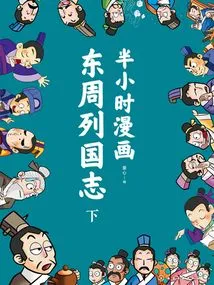
半小时漫画东周列国志(下)
Childlike Innocence
"The Chronicles of the States of the Eastern Zhou Dynasty" is a famous long historical novel. It was originally named "The Chronicles of the States" and was written by Yu Shaoyu during the Jiajing and Longqing years of the Ming Dynasty. Later, Feng Menglong in the late Ming Dynasty adapted it on this basis and changed its name to "Xin Lie". "National Chronicles" has a total of 108 chapters, which is greatly expanded in length compared with the original book. During the Qianlong period of the Qing Dynasty, Cai Yuanfang revised and polished this book, added comments, readings and annotations, and finally became the "National Chronicles of the Eastern Zhou Dynasty" that is circulated today. The book has a total of 108 chapters, starting with the murder of King You of Zhou and ending with the unification of China by Qin Shihuang. The first half focuses on the battles between princes of the "Five Hegemons of the Spring and Autumn Period", and the second half focuses on the annexation wars of the "Seven Hegemons of the Warring States Period", narrating historical stories of more than 500 years during the Spring and Autumn Period and the Warring States Period. This novel is written in ancient vernacular, with simple and natural language and detailed characterization. It is an excellent popular book for understanding the history of the Spring and Autumn Period and the Warring States Period. "Half-hour Comics Chronicles of the Eastern Zhou Dynasties" (divided into two volumes) takes historical development as the context, selects characters and events of great significance and influence, and uses humorous language and relaxed and witty pictures to objectively and truly reproduce it, so that every young reader can understand the historical development context of the Spring and Autumn Period and the Warring States Period in a relaxed reading.
"The Chronicles of the States of the Eastern Zhou Dynasty" is a famous long historical novel. It was originally named "The Chronicles of the States" and was written by Yu Shaoyu during the Jiajing and Longqing years of the Ming Dynasty. Later, Feng Menglong in the late Ming Dynasty adapted it on this basis and changed its name to "Xin Lie". "National Chronicles" has a total of 108 chapters, which is greatly expanded in length compared with the original book. During the Qianlong period of the Qing Dynasty, Cai Yuanfang revised and polished this book, added comments, readings and annotations, and finally became the "National Chronicles of the Eastern Zhou Dynasty" that is circulated today. The book has a total of 108 chapters, starting with the murder of King You of Zhou and ending with the unification of China by Qin Shihuang. The first half focuses on the battles between princes of the "Five Hegemons of the Spring and Autumn Period", and the second half focuses on the annexation wars of the "Seven Hegemons of the Warring States Period", narrating historical stories of more than 500 years during the Spring and Autumn Period and the Warring States Period. This novel is written in ancient vernacular, with simple and natural language and detailed characterization. It is an excellent popular book for understanding the history of the Spring and Autumn Period and the Warring States Period. "Half-hour Comics Chronicles of the Eastern Zhou Dynasties" (divided into two volumes) takes historical development as the context, selects characters and events of great significance and influence, and uses humorous language and relaxed and witty pictures to objectively and truly reproduce it, so that every young reader can understand the historical development context of the Spring and Autumn Period and the Warring States Period in a relaxed reading.
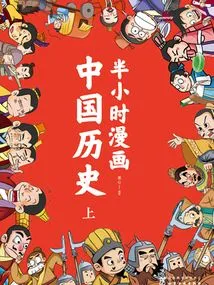
半小时漫画中国历史(上)
Compiled By Childlike Innocence
The "Super Interesting Chinese Classics (Comic Version)" series first introduces the original texts and interpretations of Chinese classics in short words, and then explains the meanings expressed in the Chinese classics in the form of exaggerated and humorous comic stories. It can easily stimulate children's interest in learning and allow children to absorb the essence of Chinese classics in a relaxed and pleasant atmosphere. The complete set includes 10 volumes of "Thirty-six Stratagems", "Sun Tzu's Art of War", "Three Character Classic", "The Analects of Confucius", "Thirty-Six Strategies" (Part 1), "Upper and Lower Five Thousand Years (Part 2)", "Historical Records (Part 1)", "Historical Records (Part 2)", "Records of the Eastern Zhou Dynasties (Part 1)" and "Records of the Eastern Zhou Dynasties (Part 2)".
The "Super Interesting Chinese Classics (Comic Version)" series first introduces the original texts and interpretations of Chinese classics in short words, and then explains the meanings expressed in the Chinese classics in the form of exaggerated and humorous comic stories. It can easily stimulate children's interest in learning and allow children to absorb the essence of Chinese classics in a relaxed and pleasant atmosphere. The complete set includes 10 volumes of "Thirty-six Stratagems", "Sun Tzu's Art of War", "Three Character Classic", "The Analects of Confucius", "Thirty-Six Strategies" (Part 1), "Upper and Lower Five Thousand Years (Part 2)", "Historical Records (Part 1)", "Historical Records (Part 2)", "Records of the Eastern Zhou Dynasties (Part 1)" and "Records of the Eastern Zhou Dynasties (Part 2)".
半小时漫画中国历史(下)
Compiled By Childlike Innocence
The "Super Interesting Chinese Classics (Comic Version)" series first introduces the original texts and interpretations of Chinese classics in short words, and then explains the meanings expressed in the Chinese classics in the form of exaggerated and humorous comic stories. It can easily stimulate children's interest in learning and allow children to absorb the essence of Chinese classics in a relaxed and pleasant atmosphere. The complete set includes 10 volumes of "Thirty-six Stratagems", "Sun Tzu's Art of War", "Three Character Classic", "The Analects of Confucius", "Thirty-Six Strategies" (Part 1), "Upper and Lower Five Thousand Years (Part 2)", "Historical Records (Part 1)", "Historical Records (Part 2)", "Records of the Eastern Zhou Dynasties (Part 1)" and "Records of the Eastern Zhou Dynasties (Part 2)".
The "Super Interesting Chinese Classics (Comic Version)" series first introduces the original texts and interpretations of Chinese classics in short words, and then explains the meanings expressed in the Chinese classics in the form of exaggerated and humorous comic stories. It can easily stimulate children's interest in learning and allow children to absorb the essence of Chinese classics in a relaxed and pleasant atmosphere. The complete set includes 10 volumes of "Thirty-six Stratagems", "Sun Tzu's Art of War", "Three Character Classic", "The Analects of Confucius", "Thirty-Six Strategies" (Part 1), "Upper and Lower Five Thousand Years (Part 2)", "Historical Records (Part 1)", "Historical Records (Part 2)", "Records of the Eastern Zhou Dynasties (Part 1)" and "Records of the Eastern Zhou Dynasties (Part 2)".
出祁山:诸葛亮北伐得与失(经纬度丛书)
Yuan Canxing
This book focuses on the Shu Han regime's Northern Expedition "out of Qishan" during the Three Kingdoms period, discusses the establishment and strategic planning of Liu Bei's Shu Han regime, and analyzes the reasons for the failure of Zhuge Liang's Northern Expedition through the conscription system, taxation system, and the struggle between Liu Bei's direct lineage and local bureaucrats under Zhuge Liang's rule. While describing the strategy and destiny of the Shu Han regime's "exodus from Qishan", this book also writes about the game between Cao Wei and Sun Wu at the same time and the Shu Han regime. These games not only affected the success or failure of the expedition from Qishan, but also affected the national destiny of the three kingdoms of Wei, Shu and Wu, until the Jin Dynasty finally unified the world. The Three Kingdoms are far away, and a series of stories surrounding the Qishan Mountains have been sung through the ages. Zhuge Liang worked hard to turn the tide and revive the Han Dynasty. But what does the rise of the Han Dynasty have to do with the thousands of people at the bottom? Whether it rises or falls, the people will suffer.
This book focuses on the Shu Han regime's Northern Expedition "out of Qishan" during the Three Kingdoms period, discusses the establishment and strategic planning of Liu Bei's Shu Han regime, and analyzes the reasons for the failure of Zhuge Liang's Northern Expedition through the conscription system, taxation system, and the struggle between Liu Bei's direct lineage and local bureaucrats under Zhuge Liang's rule. While describing the strategy and destiny of the Shu Han regime's "exodus from Qishan", this book also writes about the game between Cao Wei and Sun Wu at the same time and the Shu Han regime. These games not only affected the success or failure of the expedition from Qishan, but also affected the national destiny of the three kingdoms of Wei, Shu and Wu, until the Jin Dynasty finally unified the world. The Three Kingdoms are far away, and a series of stories surrounding the Qishan Mountains have been sung through the ages. Zhuge Liang worked hard to turn the tide and revive the Han Dynasty. But what does the rise of the Han Dynasty have to do with the thousands of people at the bottom? Whether it rises or falls, the people will suffer.
从秦朝说起,到清朝结束(套装共4册)
History Is Not A Zombie
A book to learn about the life and death of the first authoritarian queen in Chinese history! After Liu Banglong passed away, the civil and military officials of the Manchu Dynasty supported Liu Ying as emperor. However, Lu Fei, who had been trapped in the Qin camp and held captive in Pengcheng, knew in his heart that he could only protect himself if he had great power. His extreme desire for power was ready to act, and at this moment he finally showed his fangs. After killing Zhao Wang Ruyi and Mrs. Qi with cruel means, Lu Fei came to power for nearly eight years. He first killed the former young emperor Liu Gong, and then established the second young emperor Liu Hong, playing with imperial power and holding hands. Lu Pheasant continues to produce Liu family heirs, allowing the Lu family to claim the title of king and queen. The Liu family's world is about to become the Lu family's world. Where will the Han Dynasty go...
A book to learn about the life and death of the first authoritarian queen in Chinese history! After Liu Banglong passed away, the civil and military officials of the Manchu Dynasty supported Liu Ying as emperor. However, Lu Fei, who had been trapped in the Qin camp and held captive in Pengcheng, knew in his heart that he could only protect himself if he had great power. His extreme desire for power was ready to act, and at this moment he finally showed his fangs. After killing Zhao Wang Ruyi and Mrs. Qi with cruel means, Lu Fei came to power for nearly eight years. He first killed the former young emperor Liu Gong, and then established the second young emperor Liu Hong, playing with imperial power and holding hands. Lu Pheasant continues to produce Liu family heirs, allowing the Lu family to claim the title of king and queen. The Liu family's world is about to become the Lu family's world. Where will the Han Dynasty go...
如果你生在罗马帝国
Bo Haikun
If you were "reincarnated" again and were born in the Roman Empire, would you live in Rome and feast, bathe, watch gladiatorial fights, and circuses every day, and be a comfortable parasite, or would you follow "Caesar" to guard the border, and compete with the endless barbarian warriors in the Black Forest? When entering this historical travel book, you can start reading from any of the nine corners of the Roman Empire - monarchs, administrators, priests, citizens, city dwellers, soldiers, tribesmen, slaves, and barbarians. As the plot unfolds, you will come to a crossroads of destiny, from a monarch to a commoner, from a soldier to a slave. In the end, as a barbarian, you may even influence the fate of the Roman Empire! Of course, you can also read this introductory book on Roman history in order. The author explains Roman history to you in a witty and humorous way, accompanied by a large number of historical pictures, making you feel like you are actually there.
If you were "reincarnated" again and were born in the Roman Empire, would you live in Rome and feast, bathe, watch gladiatorial fights, and circuses every day, and be a comfortable parasite, or would you follow "Caesar" to guard the border, and compete with the endless barbarian warriors in the Black Forest? When entering this historical travel book, you can start reading from any of the nine corners of the Roman Empire - monarchs, administrators, priests, citizens, city dwellers, soldiers, tribesmen, slaves, and barbarians. As the plot unfolds, you will come to a crossroads of destiny, from a monarch to a commoner, from a soldier to a slave. In the end, as a barbarian, you may even influence the fate of the Roman Empire! Of course, you can also read this introductory book on Roman history in order. The author explains Roman history to you in a witty and humorous way, accompanied by a large number of historical pictures, making you feel like you are actually there.
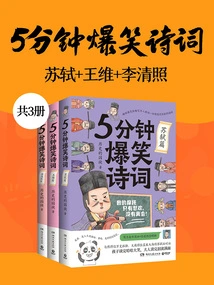
5分钟爆笑诗词:苏轼+王维+李清照(共3册)
Prisoners Of History
The second volume of "5 Minutes of Hilarious Poetry" uses vivid historical stories, lively and humorous writing, and a combination of comics and text to tell the lives of Su Shi, Wang Wei, and Li Qingzhao, and interpret their important poetry creations in the context of the story. Innovative and cute cartoons + creative WeChat group chats, hilarious and funny, suitable for all ages!
The second volume of "5 Minutes of Hilarious Poetry" uses vivid historical stories, lively and humorous writing, and a combination of comics and text to tell the lives of Su Shi, Wang Wei, and Li Qingzhao, and interpret their important poetry creations in the context of the story. Innovative and cute cartoons + creative WeChat group chats, hilarious and funny, suitable for all ages!
古史新探(第3辑)
Editor-in-chief Cheng Minsheng
"New Explorations in Ancient History" is a "books instead of publications" publication founded by the Ancient Chinese History Research Center of Henan University, a key research base for humanities and social sciences in universities in Henan Province. This book is the third series and contains a total of 17 papers. In terms of period, there are two papers from the Pre-Qin Dynasty, four papers from the Han to the Southern and Northern Dynasties, eight papers from the Song Dynasty, and three papers from the Ming and Qing Dynasties. In terms of content, there are eight papers on political research, four on historical geography and regional studies, four on legal, social, and cultural studies, and one on economic research. The research fields cover many aspects of ancient Chinese politics, economy, society, and culture.
"New Explorations in Ancient History" is a "books instead of publications" publication founded by the Ancient Chinese History Research Center of Henan University, a key research base for humanities and social sciences in universities in Henan Province. This book is the third series and contains a total of 17 papers. In terms of period, there are two papers from the Pre-Qin Dynasty, four papers from the Han to the Southern and Northern Dynasties, eight papers from the Song Dynasty, and three papers from the Ming and Qing Dynasties. In terms of content, there are eight papers on political research, four on historical geography and regional studies, four on legal, social, and cultural studies, and one on economic research. The research fields cover many aspects of ancient Chinese politics, economy, society, and culture.
彼美淑令:北朝女性的个体生命史
Editor-in-chief Luo Xin
Many of the articles included in this book use newly discovered epitaphs, as well as other types of stone carving historical materials and traditional historical documents, to try their best to describe the individual life histories of women in the Northern Dynasties, telling specific women's stories, stories of women from different social classes and different life encounters, striving to show a different historical picture of the Northern Dynasties.
Many of the articles included in this book use newly discovered epitaphs, as well as other types of stone carving historical materials and traditional historical documents, to try their best to describe the individual life histories of women in the Northern Dynasties, telling specific women's stories, stories of women from different social classes and different life encounters, striving to show a different historical picture of the Northern Dynasties.
人生得意在长安:诗说大唐
Xin Xiaojuan
This book was born out of the "Poetry on the Tang Dynasty" series of CCTV's "Hundred Schools of Forum" program. Using 21 famous poems by Tang Dynasty poets such as Chen Ziang, Du Fu, Meng Haoran, and Wang Zhihuan as clues, it presents multiple aspects of life in the Tang Dynasty. For example, it includes the economic history with Chang'an commodity prices as the incision, the institutional history with the imperial examination activities as the representative, the literary history with the fate of poets such as Li Du as the core, etc., As well as the Tang Dynasty food, Tang Dynasty music and dance, Tang Dynasty makeup and costumes, etc.
This book was born out of the "Poetry on the Tang Dynasty" series of CCTV's "Hundred Schools of Forum" program. Using 21 famous poems by Tang Dynasty poets such as Chen Ziang, Du Fu, Meng Haoran, and Wang Zhihuan as clues, it presents multiple aspects of life in the Tang Dynasty. For example, it includes the economic history with Chang'an commodity prices as the incision, the institutional history with the imperial examination activities as the representative, the literary history with the fate of poets such as Li Du as the core, etc., As well as the Tang Dynasty food, Tang Dynasty music and dance, Tang Dynasty makeup and costumes, etc.
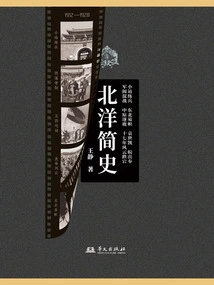
A Brief History of Beiyang
History北洋简史
Wang Jing
In the 17 years from 1912 to 1928, the Beiyang government had eight presidents, 18 prime ministers, and countless warlords, big and small, who came and went like a revolving lantern. This book pays more attention to the details of history. According to the development context of Beiyang history, it selects the most representative specific people or events in different periods, especially those who have had a significant impact on the development of Beiyang history. Focusing on these living people, it restores the scene of historical events by digging into details that have been ignored in the past, including the changes in the characters' psychology, living environment and other details. It uses the small to see the big and the dots to cover the whole, presenting a highly condensed and flesh-and-blood history of Beiyang.
In the 17 years from 1912 to 1928, the Beiyang government had eight presidents, 18 prime ministers, and countless warlords, big and small, who came and went like a revolving lantern. This book pays more attention to the details of history. According to the development context of Beiyang history, it selects the most representative specific people or events in different periods, especially those who have had a significant impact on the development of Beiyang history. Focusing on these living people, it restores the scene of historical events by digging into details that have been ignored in the past, including the changes in the characters' psychology, living environment and other details. It uses the small to see the big and the dots to cover the whole, presenting a highly condensed and flesh-and-blood history of Beiyang.
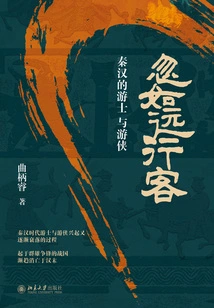
忽如远行客:秦汉的游士与游侠
Crank Rui
This book narrates the rise and gradual demise of travelers and knight-errants in the Qin and Han Dynasties, and depicts the broad historical picture and colorful social customs of this period. It also provides a psychological analysis of Fan Ju, Zhang Liang, Han Xin, Liu Jing, Jia Yi, Ji An, Guo Xie and other figures whose predecessors knew about but lacked detailed interpretation. It has excavated and analyzed Cheng Dao's life course, and constructed vivid and full characters one after another; it has provided new interpretation perspectives for issues that have been discussed but inconclusive in academic circles, such as the development of the Warring States Reform Movement, the subject-object contradiction in the Qin State, the kingdom in the early Han Dynasty, and the historical image of Emperor Wen of Han Dynasty.
This book narrates the rise and gradual demise of travelers and knight-errants in the Qin and Han Dynasties, and depicts the broad historical picture and colorful social customs of this period. It also provides a psychological analysis of Fan Ju, Zhang Liang, Han Xin, Liu Jing, Jia Yi, Ji An, Guo Xie and other figures whose predecessors knew about but lacked detailed interpretation. It has excavated and analyzed Cheng Dao's life course, and constructed vivid and full characters one after another; it has provided new interpretation perspectives for issues that have been discussed but inconclusive in academic circles, such as the development of the Warring States Reform Movement, the subject-object contradiction in the Qin State, the kingdom in the early Han Dynasty, and the historical image of Emperor Wen of Han Dynasty.
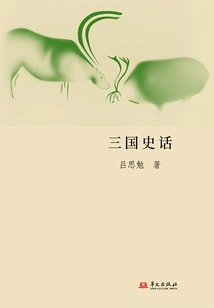
三国史话
Lu Simian
"History of the Three Kingdoms" is a popular historical science book written by Lu Simian for the public. Starting from the aspects of "eunuchs", "relatives", "yellow turbans" and "the geography of the Later Han Dynasty", the author restores the historical facts and conducts an in-depth analysis of Dong Zhuo's disruption of the imperial court, the rise of Cao Cao, and the rise and fall of the Sima family. At the same time, he also "defends and vindicates" some characters who have been vilified by literature. The language is popular and vivid, which not only corrects people's misunderstanding of the history of the Three Kingdoms, but also arouses readers' interest in reading.
"History of the Three Kingdoms" is a popular historical science book written by Lu Simian for the public. Starting from the aspects of "eunuchs", "relatives", "yellow turbans" and "the geography of the Later Han Dynasty", the author restores the historical facts and conducts an in-depth analysis of Dong Zhuo's disruption of the imperial court, the rise of Cao Cao, and the rise and fall of the Sima family. At the same time, he also "defends and vindicates" some characters who have been vilified by literature. The language is popular and vivid, which not only corrects people's misunderstanding of the history of the Three Kingdoms, but also arouses readers' interest in reading.
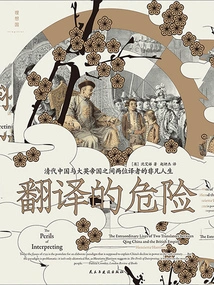
翻译的危险:清代中国与大英帝国之间两位译者的非凡人生
(english) Shen Aidi
This book re-examines the famous event in the history of Sino-Western exchanges, namely the British envoy Macartney's mission to China and his audience with Emperor Qianlong. The author not only describes the preparations for the mission, personnel selection, maritime voyages, the reception of Qing officials along the way, formal and informal talks, misunderstandings caused by translation, and the mission's experiences, etc., But also turns the camera to the translators Li Zibiao and Xiao Si Dangdong who met at the meeting, telling the ups and downs of their lives in a moving and delicate style, showing the mechanism of country-to-country exchanges from a micro level. Why tell the story of translation? The more you know about other countries, the more likely you are to be suspected in your own country, and rational voices will be suppressed, with translators bearing the brunt.
This book re-examines the famous event in the history of Sino-Western exchanges, namely the British envoy Macartney's mission to China and his audience with Emperor Qianlong. The author not only describes the preparations for the mission, personnel selection, maritime voyages, the reception of Qing officials along the way, formal and informal talks, misunderstandings caused by translation, and the mission's experiences, etc., But also turns the camera to the translators Li Zibiao and Xiao Si Dangdong who met at the meeting, telling the ups and downs of their lives in a moving and delicate style, showing the mechanism of country-to-country exchanges from a micro level. Why tell the story of translation? The more you know about other countries, the more likely you are to be suspected in your own country, and rational voices will be suppressed, with translators bearing the brunt.
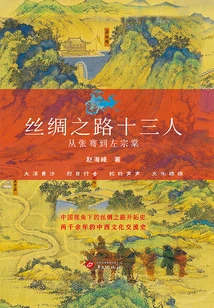
丝绸之路十三人:从张骞到左宗棠
Zhao Haifeng
In 138 BC, a Langguan from the Western Han Dynasty set out from Chang'an on a mission to the Western Regions. However, he did not know that the road he opened would connect the East and the West. In 1877, the German geological geographer Richthofen named this transportation road in the Western Region the "Silk Road" in his book "China". For thousands of years, this road carrying trade and cultural exchanges between China and the West has declined and prospered several times, leaving behind many touching stories. The thirteen historical figures selected in this book are Zhang Qian, Huo Qubing, Princess Jieyou, Chen Tang, Geng Gong, Ban Chao, Fa Xian, Kumarajiva, Pei Ju, Hou Junji, Xuanzang, Genghis Khan, and Zuo Zongtang. The time span spans from the Western Han Dynasty to the Qing Dynasty. Everyone has a close connection with the Silk Road. Among them are envoys, warriors, monks, emperors... Some of them have dug holes to open up, some have ensured smooth traffic, or some have passed on civilization, and have established monuments one after another. This book is written in the style of popular historical readings, using these thirteen important figures on the Silk Road as a context to connect the history of the Silk Road.
In 138 BC, a Langguan from the Western Han Dynasty set out from Chang'an on a mission to the Western Regions. However, he did not know that the road he opened would connect the East and the West. In 1877, the German geological geographer Richthofen named this transportation road in the Western Region the "Silk Road" in his book "China". For thousands of years, this road carrying trade and cultural exchanges between China and the West has declined and prospered several times, leaving behind many touching stories. The thirteen historical figures selected in this book are Zhang Qian, Huo Qubing, Princess Jieyou, Chen Tang, Geng Gong, Ban Chao, Fa Xian, Kumarajiva, Pei Ju, Hou Junji, Xuanzang, Genghis Khan, and Zuo Zongtang. The time span spans from the Western Han Dynasty to the Qing Dynasty. Everyone has a close connection with the Silk Road. Among them are envoys, warriors, monks, emperors... Some of them have dug holes to open up, some have ensured smooth traffic, or some have passed on civilization, and have established monuments one after another. This book is written in the style of popular historical readings, using these thirteen important figures on the Silk Road as a context to connect the history of the Silk Road.
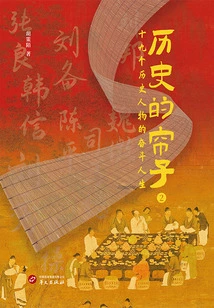
Curtain of History 2
History历史的帘子2
Hu Cemo
The long river of history flows endlessly, and catching a wave of it can reflect the brilliance of the sun and illuminate the road of struggle for future generations. "The Curtain of History 2" selects nineteen famous figures in history, including Liu Bang, Zhang Liang, Cao Cao, Wei Zheng, Zhao Kuangyin, Zhu Yuanzhang, Wang Yangming, and Zeng Guofan, who are either heroes of a generation, heroes, or wise men and capable ministers, and tell the story of their ultimate success through constant struggle. These people closely combine their personal efforts with the times they live in and display their talents. Not only are they famous throughout the ages, but their personal experiences and fighting spirit are also full of positive energy, which can serve as a reference for future generations.
The long river of history flows endlessly, and catching a wave of it can reflect the brilliance of the sun and illuminate the road of struggle for future generations. "The Curtain of History 2" selects nineteen famous figures in history, including Liu Bang, Zhang Liang, Cao Cao, Wei Zheng, Zhao Kuangyin, Zhu Yuanzhang, Wang Yangming, and Zeng Guofan, who are either heroes of a generation, heroes, or wise men and capable ministers, and tell the story of their ultimate success through constant struggle. These people closely combine their personal efforts with the times they live in and display their talents. Not only are they famous throughout the ages, but their personal experiences and fighting spirit are also full of positive energy, which can serve as a reference for future generations.
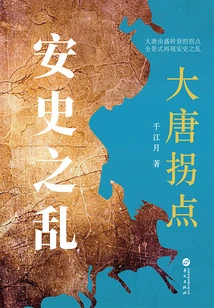
大唐拐点:安史之乱
Qianjiangyue
In Li Longji's later years, the prime ministers and officials around him corrupted the imperial court for their own selfish interests. An Lushan took advantage of the emperor's favor and took the opportunity to become bigger. Finding that the Central Plains was empty of weapons, An Lushan secretly stocked up on weapons and set his sights on Chang'an. Encouraged by a group of political advisers, An Lushan led an army of 200,000 to march to Chang'an, quickly seizing Hebei and capturing Luoyang. On the battlefields in Hebei and Henan, a group of loyal ministers, good generals, and righteous men emerged from the people and formed an alliance to attack the rebels from behind, forcefully holding back the rebels' westward advance, and shattering An Lushan's dream of a quick victory. Li Guangbi and Guo Ziyi led the Tang army to stop the rebels. An Lushan took advantage of the internal conflicts among the Tang Dynasty's top leaders to break through Tongguan and occupy Chang'an. Li Longji fled to Jiannan, and the Tang army regrouped in Lingwu under the leadership of the new emperor Li Heng. After a series of battles, with victories and defeats, the Tang army finally succeeded in regaining Chang'an and Luoyang. The rebel leaders An Lushan and Shi Siming were killed successively. The Tang army finally won. During the eight-year war, a large number of people with lofty ideals emerged. They were resourceful and brave, fought tenaciously against powerful enemies, and displayed deep feelings for their family and country and rich and colorful political and military strategies.
In Li Longji's later years, the prime ministers and officials around him corrupted the imperial court for their own selfish interests. An Lushan took advantage of the emperor's favor and took the opportunity to become bigger. Finding that the Central Plains was empty of weapons, An Lushan secretly stocked up on weapons and set his sights on Chang'an. Encouraged by a group of political advisers, An Lushan led an army of 200,000 to march to Chang'an, quickly seizing Hebei and capturing Luoyang. On the battlefields in Hebei and Henan, a group of loyal ministers, good generals, and righteous men emerged from the people and formed an alliance to attack the rebels from behind, forcefully holding back the rebels' westward advance, and shattering An Lushan's dream of a quick victory. Li Guangbi and Guo Ziyi led the Tang army to stop the rebels. An Lushan took advantage of the internal conflicts among the Tang Dynasty's top leaders to break through Tongguan and occupy Chang'an. Li Longji fled to Jiannan, and the Tang army regrouped in Lingwu under the leadership of the new emperor Li Heng. After a series of battles, with victories and defeats, the Tang army finally succeeded in regaining Chang'an and Luoyang. The rebel leaders An Lushan and Shi Siming were killed successively. The Tang army finally won. During the eight-year war, a large number of people with lofty ideals emerged. They were resourceful and brave, fought tenaciously against powerful enemies, and displayed deep feelings for their family and country and rich and colorful political and military strategies.
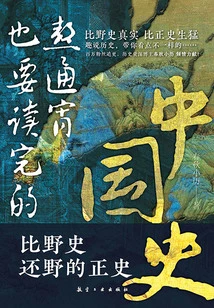
熬通宵也要读完的中国史
Spring And Autumn Calendar
This is a Chinese history that everyone can read, presenting a different historical world. Interesting and informative: The content of this book is rich and diverse, covering many aspects such as the rise and fall of dynasties, legends of emperors and generals, the past of talented men and beautiful women, as well as intricate and bizarre ancient cases. The book not only contains the hidden threads of history and the nature of power struggles, but also includes stunning case analysis, historical twists and turns of small characters, and a delicate depiction of the ups and downs of human nature. It is very interesting and makes people immersed in it and unable to bear to put it down. Seeing the details of history can also reflect on reality, leaving a meaningful sigh. Warmth: In addition to the wonderful presentation of big history, this book also has a warm side. While historians pay attention to the grand context of the times, they also stop to appreciate the lives of ordinary people who are far away from the center of the historical stage. Too many little people are like water droplets falling into the vast ocean, quietly diluted in the waves of the times, but they are also an indispensable part of history. Taking their stories as a cross-section, we can see a richer life, thereby gaining an understanding and sympathy for the distant era, and truly feeling the warmth and thickness of history.
This is a Chinese history that everyone can read, presenting a different historical world. Interesting and informative: The content of this book is rich and diverse, covering many aspects such as the rise and fall of dynasties, legends of emperors and generals, the past of talented men and beautiful women, as well as intricate and bizarre ancient cases. The book not only contains the hidden threads of history and the nature of power struggles, but also includes stunning case analysis, historical twists and turns of small characters, and a delicate depiction of the ups and downs of human nature. It is very interesting and makes people immersed in it and unable to bear to put it down. Seeing the details of history can also reflect on reality, leaving a meaningful sigh. Warmth: In addition to the wonderful presentation of big history, this book also has a warm side. While historians pay attention to the grand context of the times, they also stop to appreciate the lives of ordinary people who are far away from the center of the historical stage. Too many little people are like water droplets falling into the vast ocean, quietly diluted in the waves of the times, but they are also an indispensable part of history. Taking their stories as a cross-section, we can see a richer life, thereby gaining an understanding and sympathy for the distant era, and truly feeling the warmth and thickness of history.
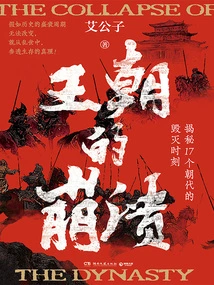
Collapse of Dynasty
History王朝的崩溃
Ai Gongzi
Learn from the past! Reveal the moments of destruction of 17 dynasties and crack the code of the survival of Chinese civilization for five thousand years! This book is written by the "Favorite History" team certified by millions of readers. It uses news feature-style writing to resurrect historical scenes and create a new way of writing the apocalypse of the end of the dynasty! In-depth deconstruction of the countdown to the end of 17 dynasties, from political collapse to ecological crisis, and a panoramic analysis of the 12 fatal symptoms of the demise of dynasties. The book explores the survival wisdom in the bloody final chapter of the Dynasty from multiple angles. If the rise and fall cycle of history cannot be changed, you can gain insights into the truth of survival in troubled times! If you don't know death, how can you know life? This book focuses on the last few years of 17 unified or partially unified dynasties in Chinese history. By looking at various issues and situations such as politics, military, economy, finance, personnel, climate, etc. Behind their decline, this book provides a way of thinking: If the cycle of prosperity and decline in history cannot be changed, what can we learn from it? What can be done to prepare for the next crisis? Mr. Ai used scalpel-like strokes to cut open the death files of the 17 dynasties from Qin to Qing. He hopes that by observing the rise and fall of feudal dynasties, he can sort out history, broaden our horizons, and help us penetrate the fog of the times and move forward cautiously.
Learn from the past! Reveal the moments of destruction of 17 dynasties and crack the code of the survival of Chinese civilization for five thousand years! This book is written by the "Favorite History" team certified by millions of readers. It uses news feature-style writing to resurrect historical scenes and create a new way of writing the apocalypse of the end of the dynasty! In-depth deconstruction of the countdown to the end of 17 dynasties, from political collapse to ecological crisis, and a panoramic analysis of the 12 fatal symptoms of the demise of dynasties. The book explores the survival wisdom in the bloody final chapter of the Dynasty from multiple angles. If the rise and fall cycle of history cannot be changed, you can gain insights into the truth of survival in troubled times! If you don't know death, how can you know life? This book focuses on the last few years of 17 unified or partially unified dynasties in Chinese history. By looking at various issues and situations such as politics, military, economy, finance, personnel, climate, etc. Behind their decline, this book provides a way of thinking: If the cycle of prosperity and decline in history cannot be changed, what can we learn from it? What can be done to prepare for the next crisis? Mr. Ai used scalpel-like strokes to cut open the death files of the 17 dynasties from Qin to Qing. He hopes that by observing the rise and fall of feudal dynasties, he can sort out history, broaden our horizons, and help us penetrate the fog of the times and move forward cautiously.
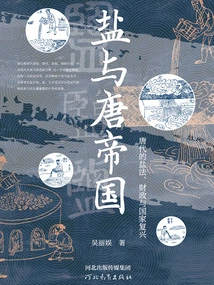
盐与唐帝国:唐代的盐法、财政与国家复兴
Wu Liyu
The study of salt history has always been regarded as one of the important topics in the field of Chinese economic history. The development of the salt industry in the Tang Dynasty was inherited from the Han, Wei, Southern and Northern Dynasties, and started from the Song and Yuan Dynasties. Due to the An-Shi Rebellion, the Salt Law was established and the monopoly system was fully implemented, which had a profound impact on Chinese history. The development of the salt industry and salt politics is in sync with the overall changes in the country and society. The operation of salt involves the construction and direction of the political system, principles and policies, and is a major issue affecting the destiny of the country. It can be said that the social changes in medieval countries were the prerequisite for the implementation of salt laws and led to the continuous reform of salt laws. This book is divided into two parts, the upper and lower parts, containing 15 monographs and 2 additional essays. The whole book takes the Salt Policy and Salt Law as the guide and context, showing their relationship with the national financial and economic policies, social and cultural aspects of the Tang Dynasty. In terms of writing and argumentation, we strive to change the perspective, observe issues from the overall stance and core measures of the country's political economy, and strive to discover the laws that have been understood and applied by predecessors in medieval society from the analysis of salt politics and commodity prices.
The study of salt history has always been regarded as one of the important topics in the field of Chinese economic history. The development of the salt industry in the Tang Dynasty was inherited from the Han, Wei, Southern and Northern Dynasties, and started from the Song and Yuan Dynasties. Due to the An-Shi Rebellion, the Salt Law was established and the monopoly system was fully implemented, which had a profound impact on Chinese history. The development of the salt industry and salt politics is in sync with the overall changes in the country and society. The operation of salt involves the construction and direction of the political system, principles and policies, and is a major issue affecting the destiny of the country. It can be said that the social changes in medieval countries were the prerequisite for the implementation of salt laws and led to the continuous reform of salt laws. This book is divided into two parts, the upper and lower parts, containing 15 monographs and 2 additional essays. The whole book takes the Salt Policy and Salt Law as the guide and context, showing their relationship with the national financial and economic policies, social and cultural aspects of the Tang Dynasty. In terms of writing and argumentation, we strive to change the perspective, observe issues from the overall stance and core measures of the country's political economy, and strive to discover the laws that have been understood and applied by predecessors in medieval society from the analysis of salt politics and commodity prices.
史海钩沉:中国古史新考
Compiled By Li Yangmei
Textual Criticism is a major tradition and legacy of Chinese classical studies, and it still occupies a very important position in the modern and contemporary academic system. This collection collects excellent textual research papers published by the magazine "Literature, History and Philosophy" since the new era, covering a wide range of fields such as politics (including officialdom), economy, military, historiography, Chinese and Western transportation, people and events, etc. These articles have unique perspectives, detailed historical materials, meticulous methods, and reliable conclusions. Many of them have been written for decades and still have high academic value to this day.
Textual Criticism is a major tradition and legacy of Chinese classical studies, and it still occupies a very important position in the modern and contemporary academic system. This collection collects excellent textual research papers published by the magazine "Literature, History and Philosophy" since the new era, covering a wide range of fields such as politics (including officialdom), economy, military, historiography, Chinese and Western transportation, people and events, etc. These articles have unique perspectives, detailed historical materials, meticulous methods, and reliable conclusions. Many of them have been written for decades and still have high academic value to this day.
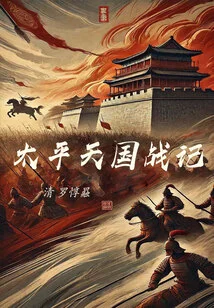
太平天国战记
(qing Dynasty) Luo Dunzong
"Taiping Rebellion" is a history book that details the military struggle of the Taiping Rebellion. The book vividly describes the magnificent history of the Taiping Rebellion starting from the Jintian Uprising in Guangxi, going through a series of major battles such as the Northern Expedition, the Western Expedition, and the Tianjing Incident, and finally settled in Tianjing as its capital and launched a fierce confrontation with the Qing army and many foreign powers. The book not only shows the heroic resistance and strategic wisdom of the Taiping Army soldiers, but also deeply analyzes the political, economic, and social factors behind the war, as well as the profound impact of this peasant uprising on the trend of modern Chinese history.
"Taiping Rebellion" is a history book that details the military struggle of the Taiping Rebellion. The book vividly describes the magnificent history of the Taiping Rebellion starting from the Jintian Uprising in Guangxi, going through a series of major battles such as the Northern Expedition, the Western Expedition, and the Tianjing Incident, and finally settled in Tianjing as its capital and launched a fierce confrontation with the Qing army and many foreign powers. The book not only shows the heroic resistance and strategic wisdom of the Taiping Army soldiers, but also deeply analyzes the political, economic, and social factors behind the war, as well as the profound impact of this peasant uprising on the trend of modern Chinese history.
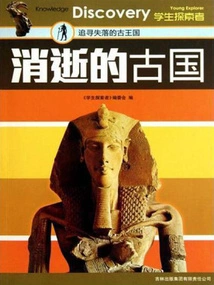
消逝的古国(学生探索者系列)
Editor Of The Editorial Board Of "student Explorer"
Years pass and centuries change. For millions of years, in every corner where humans have traveled, many empires and dynasties have alternately risen and fallen. "The Lost Ancient Kingdom" of "Student Explorer" leads readers to explore these once-prosperous ancient kingdoms along some occasionally exposed clues. Chinese civilization, tracking archaeological sites, studying historical books and ancient books, and corroborating each other, truly reproduces 25 lost ancient countries in ancient and modern times, both at home and abroad, outlines the traces of their development, and displays their past glory and decline one by one, restoring the innocence of ancient countries and the authenticity of history.
Years pass and centuries change. For millions of years, in every corner where humans have traveled, many empires and dynasties have alternately risen and fallen. "The Lost Ancient Kingdom" of "Student Explorer" leads readers to explore these once-prosperous ancient kingdoms along some occasionally exposed clues. Chinese civilization, tracking archaeological sites, studying historical books and ancient books, and corroborating each other, truly reproduces 25 lost ancient countries in ancient and modern times, both at home and abroad, outlines the traces of their development, and displays their past glory and decline one by one, restoring the innocence of ancient countries and the authenticity of history.
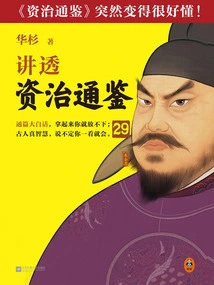
华杉讲透《资治通鉴》29
Huashan
"Zi Zhi Tong Jian" writes from the Warring States Period to the Five Dynasties and Ten Kingdoms, vividly showing the living people and stories in the 1,362-year history of the 16 dynasties. It can be said to be the "big data" and "case collection" of China's political and cultural heritage. This book is the 29th volume in the series of Huashan's Talk about Zizhi Tongjian (887-906 AD), which mainly tells the history of the Zhaozong period of the Tang Dynasty. After Zhaozong succeeded to the throne, he tried to restore the centralized power that had further weakened during Xizong's reign. He went through many political struggles and military conflicts, including struggles with powerful officials such as Zhu Quanzhong, but ultimately failed. In 904 AD, Tang Zhaozong was forced to move the capital to Luoyang. The rule of the Tang Dynasty entered its final period, and Zhu Quanzhong became the actual ruler of the dynasty. The Five Dynasties and Ten Kingdoms period was about to begin. Open this book and see how the Tang Dynasty came to an end under the out-of-control management of the rulers!
"Zi Zhi Tong Jian" writes from the Warring States Period to the Five Dynasties and Ten Kingdoms, vividly showing the living people and stories in the 1,362-year history of the 16 dynasties. It can be said to be the "big data" and "case collection" of China's political and cultural heritage. This book is the 29th volume in the series of Huashan's Talk about Zizhi Tongjian (887-906 AD), which mainly tells the history of the Zhaozong period of the Tang Dynasty. After Zhaozong succeeded to the throne, he tried to restore the centralized power that had further weakened during Xizong's reign. He went through many political struggles and military conflicts, including struggles with powerful officials such as Zhu Quanzhong, but ultimately failed. In 904 AD, Tang Zhaozong was forced to move the capital to Luoyang. The rule of the Tang Dynasty entered its final period, and Zhu Quanzhong became the actual ruler of the dynasty. The Five Dynasties and Ten Kingdoms period was about to begin. Open this book and see how the Tang Dynasty came to an end under the out-of-control management of the rulers!
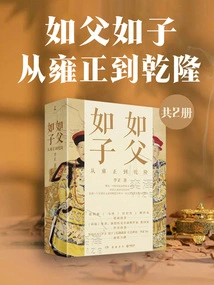
如父如子:从雍正到乾隆(共2册)
Li Zheng
"Becoming Yongzheng": He is the leading IP of the Forbidden City today, and his story is the "university" of countless Qing palace dramas and time-travel dramas in later generations. Diligence, suspicion, coldness, affection... It seems that we are no strangers to this complicated Yongzheng. Coupled with the endless Qing palace dramas, this emperor has also been successfully shaped into a familiar old friend around us. But what is he really like? What was the real history like? This book elaborates on the growth path of Yongzheng, "the most representative autocratic monarch in modern China", and the true face of Yongzheng's dynasty hidden in the shadow of the "prosperity of Kangxi and Qianlong". "Made by Qianlong": Some people are fascinated by the "big pig's hoof", while others are dismissive of the "scum dragon". Qianlong, he may be a person with the most complex personality and the most diverse images in Chinese history. He is extremely smart and stupid, magnanimous and narrow-minded, has many thoughts and is frank and sincere, open-minded and generous... He was born in 1711 and died in 1799. During that long period of eighty-nine years, as the chief spokesperson of the "Kangxi and Qianlong Dynasties", it was he who drew a highlight; it was also he who drew a heavy curtain. Fateful reincarnation. This book polishes an extremely complex doomsday emperor from the human dimension. During his sixty-year reign, he personally built a country and a dynasty into what he wanted.
"Becoming Yongzheng": He is the leading IP of the Forbidden City today, and his story is the "university" of countless Qing palace dramas and time-travel dramas in later generations. Diligence, suspicion, coldness, affection... It seems that we are no strangers to this complicated Yongzheng. Coupled with the endless Qing palace dramas, this emperor has also been successfully shaped into a familiar old friend around us. But what is he really like? What was the real history like? This book elaborates on the growth path of Yongzheng, "the most representative autocratic monarch in modern China", and the true face of Yongzheng's dynasty hidden in the shadow of the "prosperity of Kangxi and Qianlong". "Made by Qianlong": Some people are fascinated by the "big pig's hoof", while others are dismissive of the "scum dragon". Qianlong, he may be a person with the most complex personality and the most diverse images in Chinese history. He is extremely smart and stupid, magnanimous and narrow-minded, has many thoughts and is frank and sincere, open-minded and generous... He was born in 1711 and died in 1799. During that long period of eighty-nine years, as the chief spokesperson of the "Kangxi and Qianlong Dynasties", it was he who drew a highlight; it was also he who drew a heavy curtain. Fateful reincarnation. This book polishes an extremely complex doomsday emperor from the human dimension. During his sixty-year reign, he personally built a country and a dynasty into what he wanted.
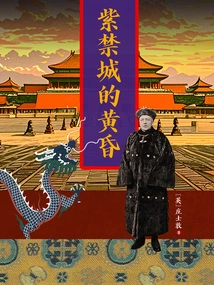
Dusk in the Forbidden City
History紫禁城的黄昏
(uk) Johnston
"Twilight in the Forbidden City" describes the special years from 1919 to 1924, when Johnston formed an indissoluble bond with China at the peak of his life. Johnston painted a unique and longing picture of life in the strange and closed world of the Forbidden City. Johnston was well versed in Chinese history and culture, so the rich historical details of that almost forgotten era emerged from his writing like a claw in the mud.
"Twilight in the Forbidden City" describes the special years from 1919 to 1924, when Johnston formed an indissoluble bond with China at the peak of his life. Johnston painted a unique and longing picture of life in the strange and closed world of the Forbidden City. Johnston was well versed in Chinese history and culture, so the rich historical details of that almost forgotten era emerged from his writing like a claw in the mud.
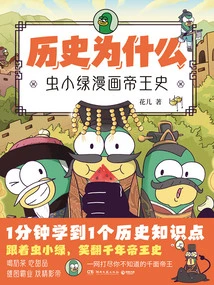
历史为什么:虫小绿漫画帝王史
Flower
The book contains 40 stories about drama queens and emperors, and you can get 1 piece of trivia in 1 minute! Chong Xiaolu tells history into jokes and has several humorous short plays, which are fun to watch and easy to remember! Qin Shihuang couldn't eat watermelon? Kangxi didn't like chocolate? Qianlong likes to drink milk tea? A play about the pre-Qin, Ming and Qing dynasties, Chong Xiaolu will bring you a hilarious performance! The historical knowledge is carefully proofread, and rare words are added with pinyin, making it more suitable for young students to read! The book follows chronological order and tells the stories of famous emperors in history such as Qin Shihuang, Emperor Wu of Han, Li Shimin, Zhu Yuanzhang, and Qianlong in the form of lively and humorous comics. There are magnificent conquests in the south and north, changes in power, and also unknown sides of them such as eating chocolate and drinking milk tea. Follow Chong Xiaolu and easily play through thousands of years of history.
The book contains 40 stories about drama queens and emperors, and you can get 1 piece of trivia in 1 minute! Chong Xiaolu tells history into jokes and has several humorous short plays, which are fun to watch and easy to remember! Qin Shihuang couldn't eat watermelon? Kangxi didn't like chocolate? Qianlong likes to drink milk tea? A play about the pre-Qin, Ming and Qing dynasties, Chong Xiaolu will bring you a hilarious performance! The historical knowledge is carefully proofread, and rare words are added with pinyin, making it more suitable for young students to read! The book follows chronological order and tells the stories of famous emperors in history such as Qin Shihuang, Emperor Wu of Han, Li Shimin, Zhu Yuanzhang, and Qianlong in the form of lively and humorous comics. There are magnificent conquests in the south and north, changes in power, and also unknown sides of them such as eating chocolate and drinking milk tea. Follow Chong Xiaolu and easily play through thousands of years of history.
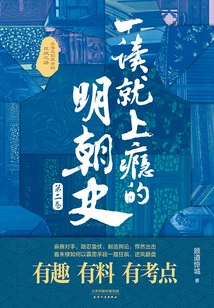
一读就上瘾的明朝史(第二卷)
Gu Dao Jingcheng
This book is a new work in the series of "History of China that is addictive upon first reading". It describes what happened between Zhu Yunwen's accession to the throne and Zhu Zhanji's death. From the southern bureaucrats' "North-South List Case" to the Minister Tuogu's instigation of Zhu Yunwen to reduce the vassal state, King Yan Zhu Di set off a three-year "Jingnan" and finally ascended to the throne. Then Zhu Di moved the capital to Beijing, five Northern Expeditions, six voyages to the West, and then a series of strange changes in the "Two Years and Three Emperors" after Zhu Di's death. This book is based on historical books such as "History of the Ming Dynasty" and "Ming Tongjian". By analyzing historical facts and incorporating the author's unique insights, this book deeply explores the truth behind history and recreates a real Ming Dynasty for us.
This book is a new work in the series of "History of China that is addictive upon first reading". It describes what happened between Zhu Yunwen's accession to the throne and Zhu Zhanji's death. From the southern bureaucrats' "North-South List Case" to the Minister Tuogu's instigation of Zhu Yunwen to reduce the vassal state, King Yan Zhu Di set off a three-year "Jingnan" and finally ascended to the throne. Then Zhu Di moved the capital to Beijing, five Northern Expeditions, six voyages to the West, and then a series of strange changes in the "Two Years and Three Emperors" after Zhu Di's death. This book is based on historical books such as "History of the Ming Dynasty" and "Ming Tongjian". By analyzing historical facts and incorporating the author's unique insights, this book deeply explores the truth behind history and recreates a real Ming Dynasty for us.
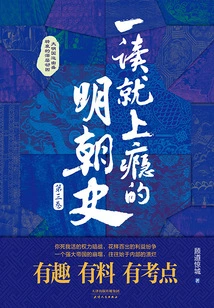
一读就上瘾的明朝史(第三卷)
Gu Dao Jingcheng
This book is a new work in the series of "History of China that is addictive upon first reading". It describes what happened between the nine-year-old emperor Zhu Qizhen of the Ming Dynasty who ascended the throne and the death of Zhu Youtang due to illness. These included the pacification of the war in the south and the famous Tumubao Incident, and then a series of attacks and defenses between the Ming Dynasty and the northern grassland forces that led to the reintegration and unification of the grassland forces. Although the Ming Dynasty's transition from prosperity to decline was somewhat alleviated in the process of Hongzhi Zhongxing, the fatigue in the middle of the dynasty had already begun to show. This book is based on historical books such as "History of the Ming Dynasty" and "Ming Tongjian". By analyzing historical facts and incorporating the author's unique insights, this book deeply explores the truth behind history and recreates a real Ming Dynasty for us.
This book is a new work in the series of "History of China that is addictive upon first reading". It describes what happened between the nine-year-old emperor Zhu Qizhen of the Ming Dynasty who ascended the throne and the death of Zhu Youtang due to illness. These included the pacification of the war in the south and the famous Tumubao Incident, and then a series of attacks and defenses between the Ming Dynasty and the northern grassland forces that led to the reintegration and unification of the grassland forces. Although the Ming Dynasty's transition from prosperity to decline was somewhat alleviated in the process of Hongzhi Zhongxing, the fatigue in the middle of the dynasty had already begun to show. This book is based on historical books such as "History of the Ming Dynasty" and "Ming Tongjian". By analyzing historical facts and incorporating the author's unique insights, this book deeply explores the truth behind history and recreates a real Ming Dynasty for us.
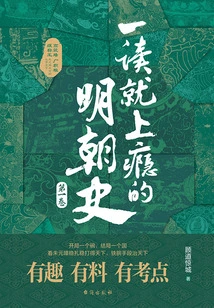
一读就上瘾的明朝史(第一卷)
Gu Dao Jingcheng
This book introduces the life of Zhu Yuanzhang, the founding emperor of the Ming Dynasty, from Zhu Yuanzhang's poor background to his establishment of the Ming Dynasty and holding the world in the palm of his hand. In the book, we can not only see Zhu Yuanzhang's decisiveness in the confrontation with Chen Youliang, Zhang Shicheng and others, but also see Zhu Yuanzhang's ruthlessness in the four major cases in the early Ming Dynasty. The author of this book is completely loyal to historical facts. It is based on historical books such as "History of the Ming Dynasty" and "Ming Tongjian" and incorporates his own opinions. By analyzing historical events, he deeply explores Zhu Yuanzhang's character. From the process of Zhu Yuanzhang conquering the world, he can see the perseverance, bravery, and wit of Zhu Yuanzhang's character; from the process of Zhu Yuanzhang's rule of the world, he can see the cruelty, suspicion, and decisiveness of Zhu Yuanzhang's character.
This book introduces the life of Zhu Yuanzhang, the founding emperor of the Ming Dynasty, from Zhu Yuanzhang's poor background to his establishment of the Ming Dynasty and holding the world in the palm of his hand. In the book, we can not only see Zhu Yuanzhang's decisiveness in the confrontation with Chen Youliang, Zhang Shicheng and others, but also see Zhu Yuanzhang's ruthlessness in the four major cases in the early Ming Dynasty. The author of this book is completely loyal to historical facts. It is based on historical books such as "History of the Ming Dynasty" and "Ming Tongjian" and incorporates his own opinions. By analyzing historical events, he deeply explores Zhu Yuanzhang's character. From the process of Zhu Yuanzhang conquering the world, he can see the perseverance, bravery, and wit of Zhu Yuanzhang's character; from the process of Zhu Yuanzhang's rule of the world, he can see the cruelty, suspicion, and decisiveness of Zhu Yuanzhang's character.
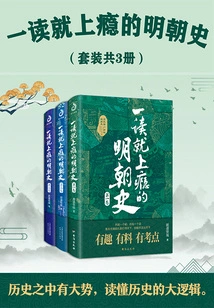
一读就上瘾的明朝史(套装共3册)
Gu Dao Jingcheng
In the "History of the Ming Dynasty, which is addictive upon first reading" series of works, the author uses historical materials as the basis, and takes the historical era and characters as the main line to give a panoramic display of the history of the Ming Dynasty. In particular, he conducts in-depth thinking and analysis on the emperor's mentality, political ecology, war, human nature, etc. In the process of reading this set of books, you can not only learn a wealth of historical knowledge, but also gain a clearer understanding of many complex events and characters in the Ming Dynasty, and then see the evolution and development of history, both inevitable and accidental. There are general trends in history. Understand the general logic of history and understand yourself!
In the "History of the Ming Dynasty, which is addictive upon first reading" series of works, the author uses historical materials as the basis, and takes the historical era and characters as the main line to give a panoramic display of the history of the Ming Dynasty. In particular, he conducts in-depth thinking and analysis on the emperor's mentality, political ecology, war, human nature, etc. In the process of reading this set of books, you can not only learn a wealth of historical knowledge, but also gain a clearer understanding of many complex events and characters in the Ming Dynasty, and then see the evolution and development of history, both inevitable and accidental. There are general trends in history. Understand the general logic of history and understand yourself!
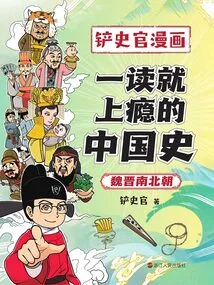
A History of China That is Addictive Once You Read It: Wei, Jin, Southern and Northern Dynasties
History一读就上瘾的中国史:魏晋南北朝
Shovel Historian
The water of history is too deep, so the historian will draw it for you to see. This is a popular, interesting and rigorous comic history of China. Through more than 700 unique cartoons and humorous text, this book succinctly narrates the history of the Wei, Jin, Southern and Northern Dynasties, sorts out the historical context of the chaotic era of 300 years of separate rule, and analyzes the truth and evolutionary logic behind history. The work condenses the essence, uses points to cover, hits the key points, and stimulates thinking, allowing readers to quickly understand history and trigger deep thinking. This is an unprecedented exploration. In addition to being interesting, comics history can also be so deep and thoughtful!
The water of history is too deep, so the historian will draw it for you to see. This is a popular, interesting and rigorous comic history of China. Through more than 700 unique cartoons and humorous text, this book succinctly narrates the history of the Wei, Jin, Southern and Northern Dynasties, sorts out the historical context of the chaotic era of 300 years of separate rule, and analyzes the truth and evolutionary logic behind history. The work condenses the essence, uses points to cover, hits the key points, and stimulates thinking, allowing readers to quickly understand history and trigger deep thinking. This is an unprecedented exploration. In addition to being interesting, comics history can also be so deep and thoughtful!
伊恩·莫里斯文明史系列(套装共6册)
(u. S.) Ian Morris (u. S.) Barry B. Powell
This is a set of masterpieces on the history of human civilization spanning tens of thousands of years, covering the conflict and evolution of Eastern and Western civilizations, the history of the geographical world, the history of human wars, the evolution of values, the history of ancient Greek civilization, etc. The author of "How Long Will the West Dominate" uses the original "Social Development Index" measurement standard to discuss the fundamental reasons why the West has dominated the world so far, and boldly predicts how the East will catch up with the West and take over the world's leading flag in the next 100 years. "The Measure of Civilization" is the sequel to "How Long Will the West Dominate". The author comprehensively introduces what his original "Social Development Index" is and how civilization can be measured using numbers. "War" is a 15,000-year history of human war. Through the wonderful presentation of major historical battles, military revolutions, and the logic of the birth of Leviathan, it objectively analyzes and reveals the powerful role of war in promoting the integration and evolution of civilizations. "Historical Bias" reveals the complex changes in human values in the process of human beings going through a foraging society, an agricultural society, and a fossil fuel society. It provides readers with a unique perspective to understand the values of the past era and understand multiple values. "Geography is Destiny" uses ten thousand years as a scale and Britain as a dot to radiate world history and provide insight into how geographical factors determine the rise and fall of countries and the change of world order. It is a representative work of the author's geographical determinism. "The Greeks" is a complete history of ancient Greece spanning ten thousand years. Diamond, author of "Guns, Germs and Steel," praised: "Ian Morris has established himself as a leader in the interest and popularity of big historical works."
This is a set of masterpieces on the history of human civilization spanning tens of thousands of years, covering the conflict and evolution of Eastern and Western civilizations, the history of the geographical world, the history of human wars, the evolution of values, the history of ancient Greek civilization, etc. The author of "How Long Will the West Dominate" uses the original "Social Development Index" measurement standard to discuss the fundamental reasons why the West has dominated the world so far, and boldly predicts how the East will catch up with the West and take over the world's leading flag in the next 100 years. "The Measure of Civilization" is the sequel to "How Long Will the West Dominate". The author comprehensively introduces what his original "Social Development Index" is and how civilization can be measured using numbers. "War" is a 15,000-year history of human war. Through the wonderful presentation of major historical battles, military revolutions, and the logic of the birth of Leviathan, it objectively analyzes and reveals the powerful role of war in promoting the integration and evolution of civilizations. "Historical Bias" reveals the complex changes in human values in the process of human beings going through a foraging society, an agricultural society, and a fossil fuel society. It provides readers with a unique perspective to understand the values of the past era and understand multiple values. "Geography is Destiny" uses ten thousand years as a scale and Britain as a dot to radiate world history and provide insight into how geographical factors determine the rise and fall of countries and the change of world order. It is a representative work of the author's geographical determinism. "The Greeks" is a complete history of ancient Greece spanning ten thousand years. Diamond, author of "Guns, Germs and Steel," praised: "Ian Morris has established himself as a leader in the interest and popularity of big historical works."
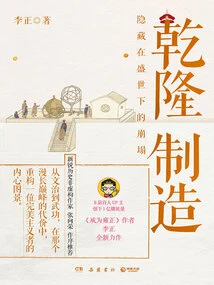
Made in Qianlong
History乾隆制造
Li Zheng
"Becoming Yongzheng" author Li Zheng's new historical non-fiction masterpiece! This book polishes an extremely complex doomsday emperor from the human dimension. During his sixty-year reign, he personally built a country and a dynasty into what he wanted. He knows what's going to be good, and he knows what's going to be bad, but he can't change it. He made himself the method. Appearing at the first scene of the birth of history, using non-fiction writing to achieve a time-travel journey, using our experience to travel back and see how that era and those people were created under that huge existence that no one can avoid. Starting from the literature, this book deeply analyzes relevant Qing Dynasty archives and ancient books, and discovers a warm Yongzheng and a more concrete history from the historical materials full of life.
"Becoming Yongzheng" author Li Zheng's new historical non-fiction masterpiece! This book polishes an extremely complex doomsday emperor from the human dimension. During his sixty-year reign, he personally built a country and a dynasty into what he wanted. He knows what's going to be good, and he knows what's going to be bad, but he can't change it. He made himself the method. Appearing at the first scene of the birth of history, using non-fiction writing to achieve a time-travel journey, using our experience to travel back and see how that era and those people were created under that huge existence that no one can avoid. Starting from the literature, this book deeply analyzes relevant Qing Dynasty archives and ancient books, and discovers a warm Yongzheng and a more concrete history from the historical materials full of life.
My Friend Su Dongpo
History我的朋友苏东坡
Flower
The new historical science popularization IP - Chong Xiaolu transforms into Su Shi, the great writer and politician of the Northern Song Dynasty, and brings you Su Shi's wonderful life! Who is Su Shi? He is a writer, politician, gourmet, calligrapher, water control expert, writer... What are Su Shi's hobbies? Let Chong Xiaolu tell you that he loves the West Lake, loves lychees, loves drinking, loves eating meat, and loves to mess with Wang Anshi... This book contains 23 short stories, which restore Su Shi's life from all aspects and multiple angles. Follow Chong Xiaolu, enter the "Su Shi circle", and make friends with the great writer Su Dongpo. The stories you know and don't know are all in this book! This book begins with Su Shi's father, Su Xun, taking the two Su Shi brothers away from their hometown to take the imperial examination in Beijing, and ends with Su Shi's death. It breaks down his magnificent and ill-fated life into humorous and interesting stories, which are presented to readers. History + literature, the historical knowledge involved in the book is carefully proofread, pinyin is added to rare words, and humorous historical short plays are included, making it easy to remember and read!
The new historical science popularization IP - Chong Xiaolu transforms into Su Shi, the great writer and politician of the Northern Song Dynasty, and brings you Su Shi's wonderful life! Who is Su Shi? He is a writer, politician, gourmet, calligrapher, water control expert, writer... What are Su Shi's hobbies? Let Chong Xiaolu tell you that he loves the West Lake, loves lychees, loves drinking, loves eating meat, and loves to mess with Wang Anshi... This book contains 23 short stories, which restore Su Shi's life from all aspects and multiple angles. Follow Chong Xiaolu, enter the "Su Shi circle", and make friends with the great writer Su Dongpo. The stories you know and don't know are all in this book! This book begins with Su Shi's father, Su Xun, taking the two Su Shi brothers away from their hometown to take the imperial examination in Beijing, and ends with Su Shi's death. It breaks down his magnificent and ill-fated life into humorous and interesting stories, which are presented to readers. History + literature, the historical knowledge involved in the book is carefully proofread, pinyin is added to rare words, and humorous historical short plays are included, making it easy to remember and read!
华杉讲透《资治通鉴》28
Huashan
The 28th volume of Hua Shan's "Zi Zhi Tong Jian" series, read "Zi Zhi Tong Jian" with gusto like a novel! "Zi Zhi Tong Jian" writes from the Warring States Period to the Five Dynasties and Ten Kingdoms, vividly showing the living people and stories in the 1,362-year history of the 16 dynasties. It can be said to be the "big data" and "case collection" of China's political and cultural heritage. This book is the 28th volume in Huashan's Zizhi Tongjian series (AD 844-887). It mainly tells the history of the late Tang Dynasty, spanning the Wuzong, Xuanzong, Yizong, and Xizong dynasties. After Emperor Xuanzong of the Tang Dynasty came to the throne, he was diligent in political affairs, rectified the administration of officials, consolidated the border areas, and reappeared the phenomenon of ZTE. However, their successors Tang Yizong and Tang Xizong were extravagant, favored traitors and sycophants, and alienated virtuous ministers. Qiu Fu, Pang Xun and Huang Chao uprisings broke out successively. Under repeated attacks, the Tang Dynasty gradually ushered in its end. Open this book and see how the Tang Dynasty came to an end under the out-of-control management of the rulers!
The 28th volume of Hua Shan's "Zi Zhi Tong Jian" series, read "Zi Zhi Tong Jian" with gusto like a novel! "Zi Zhi Tong Jian" writes from the Warring States Period to the Five Dynasties and Ten Kingdoms, vividly showing the living people and stories in the 1,362-year history of the 16 dynasties. It can be said to be the "big data" and "case collection" of China's political and cultural heritage. This book is the 28th volume in Huashan's Zizhi Tongjian series (AD 844-887). It mainly tells the history of the late Tang Dynasty, spanning the Wuzong, Xuanzong, Yizong, and Xizong dynasties. After Emperor Xuanzong of the Tang Dynasty came to the throne, he was diligent in political affairs, rectified the administration of officials, consolidated the border areas, and reappeared the phenomenon of ZTE. However, their successors Tang Yizong and Tang Xizong were extravagant, favored traitors and sycophants, and alienated virtuous ministers. Qiu Fu, Pang Xun and Huang Chao uprisings broke out successively. Under repeated attacks, the Tang Dynasty gradually ushered in its end. Open this book and see how the Tang Dynasty came to an end under the out-of-control management of the rulers!
治世雄主:华夏历史的帝王之道
Liu Muyan
A historical work focusing on the governance of ancient Chinese emperors, mainly focusing on the life of Qin Shi Huang Ying Zheng. The book starts from the special background of his birth in Zhao State, and describes in detail how he gradually grew into an outstanding politician and military commander in a turbulent environment. The book not only focuses on describing Qin Shihuang's governance, but also provides an in-depth analysis of his governing philosophy, attitude towards his subjects, and his status and influence in history. In addition to Qin Shihuang, the book also discusses several other equally influential emperors in Chinese history, such as Emperor Wen of the Han Dynasty, Emperor Taizong Li Shimin of the Tang Dynasty, Emperor Wen of the Sui Dynasty Yang Jian, etc. The respective governance strategies and political wisdom of these emperors demonstrate the ways in which ancient Chinese emperors responded to different historical backgrounds and challenges. Through the stories of these emperors, the entire work outlines a magnificent historical picture, showing the wisdom and methods of ancient Chinese emperors in governing the country, suppressing rebellions, and maintaining national unity. The book does not simply stop at the narration of historical facts, but provides an in-depth analysis of the motivations, considerations and influences behind these emperors' governance strategies, allowing readers to more fully understand the greatness and limitations of these historical figures.
A historical work focusing on the governance of ancient Chinese emperors, mainly focusing on the life of Qin Shi Huang Ying Zheng. The book starts from the special background of his birth in Zhao State, and describes in detail how he gradually grew into an outstanding politician and military commander in a turbulent environment. The book not only focuses on describing Qin Shihuang's governance, but also provides an in-depth analysis of his governing philosophy, attitude towards his subjects, and his status and influence in history. In addition to Qin Shihuang, the book also discusses several other equally influential emperors in Chinese history, such as Emperor Wen of the Han Dynasty, Emperor Taizong Li Shimin of the Tang Dynasty, Emperor Wen of the Sui Dynasty Yang Jian, etc. The respective governance strategies and political wisdom of these emperors demonstrate the ways in which ancient Chinese emperors responded to different historical backgrounds and challenges. Through the stories of these emperors, the entire work outlines a magnificent historical picture, showing the wisdom and methods of ancient Chinese emperors in governing the country, suppressing rebellions, and maintaining national unity. The book does not simply stop at the narration of historical facts, but provides an in-depth analysis of the motivations, considerations and influences behind these emperors' governance strategies, allowing readers to more fully understand the greatness and limitations of these historical figures.
嘉庆十八年:大清的滑落
Yan Liaoyuan
Jiaqing was an emperor with a rather low sense of existence. When people mentioned him, what people could think of was the phrase Heshen fell and Jiaqing was full. What Jiaqing took over from his father Qianlong, who was overjoyed at success, loved ostentation, and indulged in hedonism in his later years, was a world where the external airs were not much reduced, but the internal pockets were exhausted, as well as a corrupt and eroded bureaucracy. As a mediocre and declining leader, he has neither the ability to carry out drastic reforms nor the courage to change the status quo of bureaucrats. He can only watch the country's irreparable decline. "The Eighteen Years of Jiaqing: The Decline of the Qing Dynasty" takes the power transfer between Qianlong and Jiaqing, the liquidation of Heshen and other historical events as the entry point, and shows the Chinese society in the Jiaqing era from multiple levels such as politics, economy, culture, military, as well as Jiaqing's personal character and ruling style.
Jiaqing was an emperor with a rather low sense of existence. When people mentioned him, what people could think of was the phrase Heshen fell and Jiaqing was full. What Jiaqing took over from his father Qianlong, who was overjoyed at success, loved ostentation, and indulged in hedonism in his later years, was a world where the external airs were not much reduced, but the internal pockets were exhausted, as well as a corrupt and eroded bureaucracy. As a mediocre and declining leader, he has neither the ability to carry out drastic reforms nor the courage to change the status quo of bureaucrats. He can only watch the country's irreparable decline. "The Eighteen Years of Jiaqing: The Decline of the Qing Dynasty" takes the power transfer between Qianlong and Jiaqing, the liquidation of Heshen and other historical events as the entry point, and shows the Chinese society in the Jiaqing era from multiple levels such as politics, economy, culture, military, as well as Jiaqing's personal character and ruling style.
袁同礼年谱长编(套装全五册)
Written By Lei Qiang
Yuan Tongli (1895-1965), also known as Shouhe, was the founder of modern libraries and museums in China. He was praised by academic circles as "the sacrificial wine of Chinese library science" and "the pioneer of modern Chinese bibliography". "Chronicle" uses newspapers, periodicals, official documents, books, as well as letters collected by the Yuan family and numerous archives at home and abroad to sort out the life and academic interactions of this "central figure" in the history of modern Chinese academics day by day. It presents in detail the grand process of China's academic modernization transformation and the foundation of modern libraries and museums. Dr. Lei Qiang has spent more than ten years collecting and sorting out a large number of historical materials in Chinese, English and French, examining the sources and disputing doubts one by one, adding detailed notes, and neatly comparing them to form this huge collection. Among them, more than 2,800 pieces of manuscripts and files have been compiled and disclosed for the first time, and have important cultural and historical data value. An index of names is also compiled for special inspection.
Yuan Tongli (1895-1965), also known as Shouhe, was the founder of modern libraries and museums in China. He was praised by academic circles as "the sacrificial wine of Chinese library science" and "the pioneer of modern Chinese bibliography". "Chronicle" uses newspapers, periodicals, official documents, books, as well as letters collected by the Yuan family and numerous archives at home and abroad to sort out the life and academic interactions of this "central figure" in the history of modern Chinese academics day by day. It presents in detail the grand process of China's academic modernization transformation and the foundation of modern libraries and museums. Dr. Lei Qiang has spent more than ten years collecting and sorting out a large number of historical materials in Chinese, English and French, examining the sources and disputing doubts one by one, adding detailed notes, and neatly comparing them to form this huge collection. Among them, more than 2,800 pieces of manuscripts and files have been compiled and disclosed for the first time, and have important cultural and historical data value. An index of names is also compiled for special inspection.