Library
Browse and search books
1,569 novels found

B
General FictionB
G
Ernault began writing in 1974. Most of her works draw themes from her own experiences, so her writing and life are closely integrated. She has published about 15 works so far, including "The Empty Wardrobe" (1974), which depicts a woman's inner journey; "Position" (1984), a first-person recollection of her father, which won the Renaudeau Prize; and "Reminiscences of her mother". "A Woman" (1987); "Pure Passion" (1992), which recalls childhood; "Shame" (1997), "The Incident" (2000), which recalls abortion, and "Occupy" (2002), which depicts jealousy, etc. As soon as this book was published, it won the Duras Literary Award in France that year. Adopting the method of "untitled autobiography" actually prompts others to recall while remembering oneself, reflecting the evolution of the times with people's shared experiences, thus arousing strong resonance in people's hearts. From big things like international affairs, to small things like food and clothing, family gatherings, and even personal privacy, everything is simple and vivid. Reflecting the process of the world through personal experience actually writes collective memory. The novel spans sixty years, so readers of all ages can find the content they are most familiar with and the clearest memories in it.
Ernault began writing in 1974. Most of her works draw themes from her own experiences, so her writing and life are closely integrated. She has published about 15 works so far, including "The Empty Wardrobe" (1974), which depicts a woman's inner journey; "Position" (1984), a first-person recollection of her father, which won the Renaudeau Prize; and "Reminiscences of her mother". "A Woman" (1987); "Pure Passion" (1992), which recalls childhood; "Shame" (1997), "The Incident" (2000), which recalls abortion, and "Occupy" (2002), which depicts jealousy, etc. As soon as this book was published, it won the Duras Literary Award in France that year. Adopting the method of "untitled autobiography" actually prompts others to recall while remembering oneself, reflecting the evolution of the times with people's shared experiences, thus arousing strong resonance in people's hearts. From big things like international affairs, to small things like food and clothing, family gatherings, and even personal privacy, everything is simple and vivid. Reflecting the process of the world through personal experience actually writes collective memory. The novel spans sixty years, so readers of all ages can find the content they are most familiar with and the clearest memories in it.

Bf
General Fictionbf
G
"Youth" is a coming-of-age novel that takes the growth experience of a young man who is inexperienced in the world and deeply influenced by Rothschild's thoughts as the main line, and depicts the various conditions of Russian society in the 1870s when capitalism was developing rapidly. In academic circles, "The Idiot", "Crime and Punishment", "The Demons", "The Boy" and "The Brothers Karamazov" are known as the "Pentateuch". These five novels are Dostoevsky's mature works. They not only fully demonstrate his writing talent, but also profoundly and comprehensively demonstrate his world view and outlook on life.
"Youth" is a coming-of-age novel that takes the growth experience of a young man who is inexperienced in the world and deeply influenced by Rothschild's thoughts as the main line, and depicts the various conditions of Russian society in the 1870s when capitalism was developing rapidly. In academic circles, "The Idiot", "Crime and Punishment", "The Demons", "The Boy" and "The Brothers Karamazov" are known as the "Pentateuch". These five novels are Dostoevsky's mature works. They not only fully demonstrate his writing talent, but also profoundly and comprehensively demonstrate his world view and outlook on life.

Plague Years
General Fiction瘟疫年纪事
H
"Chronicles of the Plague Year" is a historical novel published by British writer Daniel Defoe in 1722. The background is the city of London under the attack of the Great Plague in 1665. In this book, Defoe uses H. F., A saddler, as the narrator. Through his personal experiences, he describes the ups and downs and progress of the "Great Plague in London" almost month by month from September 1664 to the end of 1665. "Chronicles of the Plague Years" describes in detail the specific neighborhoods, streets, and even the houses in which the plague occurred. The author also provides relevant data such as plague death statistics and death statistics from other diseases, and discusses and analyzes the credibility of various records and anecdotes. In addition, "Chronicles of the Plague Years" also records a series of measures taken by the British government at that time to deal with the plague, including inspection and treatment, health management, disease notification, isolation and guarding of infected people, etc.
"Chronicles of the Plague Year" is a historical novel published by British writer Daniel Defoe in 1722. The background is the city of London under the attack of the Great Plague in 1665. In this book, Defoe uses H. F., A saddler, as the narrator. Through his personal experiences, he describes the ups and downs and progress of the "Great Plague in London" almost month by month from September 1664 to the end of 1665. "Chronicles of the Plague Years" describes in detail the specific neighborhoods, streets, and even the houses in which the plague occurred. The author also provides relevant data such as plague death statistics and death statistics from other diseases, and discusses and analyzes the credibility of various records and anecdotes. In addition, "Chronicles of the Plague Years" also records a series of measures taken by the British government at that time to deal with the plague, including inspection and treatment, health management, disease notification, isolation and guarding of infected people, etc.

On the Road
General Fiction在路上
Jack Kerouac
This book tells the story from Sal's perspective of four road trips he, Dean and others took across the continental United States. Along the way, they caroused, talked about Eastern Zen Buddhism, and pursued the pure experience of life. They burn themselves and explore the world to their heart's content, pursuing the true meaning of life and the freedom of the soul. As the spiritual autobiography of the soul of the "Beat Generation", "On the Road" is known as the manifesto of the "Beat Generation" literary movement and a spiritual confession of the young generation against the shackles of the world. It caused a sensation in the United States after its publication in the 1960s. It is still a spiritual reading for young people around the world and is a timeless American literary classic.
This book tells the story from Sal's perspective of four road trips he, Dean and others took across the continental United States. Along the way, they caroused, talked about Eastern Zen Buddhism, and pursued the pure experience of life. They burn themselves and explore the world to their heart's content, pursuing the true meaning of life and the freedom of the soul. As the spiritual autobiography of the soul of the "Beat Generation", "On the Road" is known as the manifesto of the "Beat Generation" literary movement and a spiritual confession of the young generation against the shackles of the world. It caused a sensation in the United States after its publication in the 1960s. It is still a spiritual reading for young people around the world and is a timeless American literary classic.

The Setting Sun (new Version)
General Fiction斜阳(新版)
G
In postwar Japan, a family of declining aristocrats-a gentle mother, a late father, a seemingly dissolute younger brother, and Kazuko who struggles for love-traveled through their lives in a villa that belonged to them and did not belong to them. Osamu Dazai wrote the story of women's inner emotional struggle and rebirth through Kazuko's first-person narration. The whole book is full of emptiness, uneasiness, decadence and helplessness, but at the end, the author sends a ray of brilliance of life to Kazuko, shining a ray of light in the dark tone of decadence. The entire era is like the setting sun setting in the west. Hezi searched for the rainbow deep in his heart and embarked on the path of pursuing new life and hope alone.
In postwar Japan, a family of declining aristocrats-a gentle mother, a late father, a seemingly dissolute younger brother, and Kazuko who struggles for love-traveled through their lives in a villa that belonged to them and did not belong to them. Osamu Dazai wrote the story of women's inner emotional struggle and rebirth through Kazuko's first-person narration. The whole book is full of emptiness, uneasiness, decadence and helplessness, but at the end, the author sends a ray of brilliance of life to Kazuko, shining a ray of light in the dark tone of decadence. The entire era is like the setting sun setting in the west. Hezi searched for the rainbow deep in his heart and embarked on the path of pursuing new life and hope alone.

Chemical Wedding Ceremony
General Fiction化学婚仪
(germany) Andrea
"Chemical Wedding ("Classics and Interpretations" Series)" tells the story of Rosenkreutz being invited by an angel to attend a royal wedding in a strange palace on Easter Eve. In the next seven days, with the witness and assistance of Rosenkreutz, the king and the queen successfully completed the wedding. The novel uses symbolic narrative techniques to express the special combination of spirit and matter in alchemy. The seven days and nights of the chemical wedding symbolize the seven stages of human development. The completion of the wedding symbolizes the completion of the mysterious process of change, through the initial ceremony, trial, purification, death, resurrection, ascension, and finally reaching the secret realm. The novel is full of mysterious metaphors and symbolic meanings and has aroused great repercussions.
"Chemical Wedding ("Classics and Interpretations" Series)" tells the story of Rosenkreutz being invited by an angel to attend a royal wedding in a strange palace on Easter Eve. In the next seven days, with the witness and assistance of Rosenkreutz, the king and the queen successfully completed the wedding. The novel uses symbolic narrative techniques to express the special combination of spirit and matter in alchemy. The seven days and nights of the chemical wedding symbolize the seven stages of human development. The completion of the wedding symbolizes the completion of the mysterious process of change, through the initial ceremony, trial, purification, death, resurrection, ascension, and finally reaching the secret realm. The novel is full of mysterious metaphors and symbolic meanings and has aroused great repercussions.
Y
General Fictiony
H
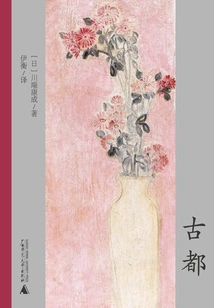
"The Ancient Capital" is a novella published by Kawabata Yasunari in his later years in 1962. Through the separation and separation of twin sisters and their respective love entanglements, it weaves an elegant and quiet picture of the times in the dreamlike scenery of Kyoto throughout the four seasons. Japan is undergoing drastic changes at the transition from old to new, but the ancient capital of Kyoto is still flowing quietly in the long river of history with the changes of time as usual. "Ancient Capital" basically expresses the traditional Japanese aesthetic thoughts. Through the interactions between the characters and the inner restrained psychological consciousness shown in the traditional Japanese festivals, it reveals the sorrow and mystery in Japanese culture.
"The Ancient Capital" is a novella published by Kawabata Yasunari in his later years in 1962. Through the separation and separation of twin sisters and their respective love entanglements, it weaves an elegant and quiet picture of the times in the dreamlike scenery of Kyoto throughout the four seasons. Japan is undergoing drastic changes at the transition from old to new, but the ancient capital of Kyoto is still flowing quietly in the long river of history with the changes of time as usual. "Ancient Capital" basically expresses the traditional Japanese aesthetic thoughts. Through the interactions between the characters and the inner restrained psychological consciousness shown in the traditional Japanese festivals, it reveals the sorrow and mystery in Japanese culture.
C
General FictionC
G
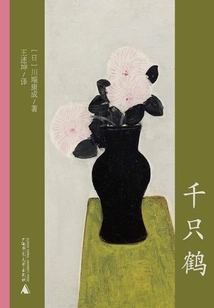
After the death of his father, a tea ceremony master, Kikuji had a relationship with his father's mistress, Mrs. Ota, in order to find his father's shadow. Afterwards, Mrs. Ota felt deeply guilty and committed suicide because of her guilt. Later, Kikuji's longing for Mrs. Ota was transferred to her daughter Fumiko. Another mistress of his father's, Kurimoto Chika, wanted to marry Kikuji and his apprentice Inamura Yukiko. At this time, Fumiko quietly left Kikuji. Finally, Kikuji got rid of Kurimoto Chiko's entanglement and went out to look for Fumiko... "Thousand Cranes" shows the conflict between morality and reality by narrating the abnormal love between two generations.
After the death of his father, a tea ceremony master, Kikuji had a relationship with his father's mistress, Mrs. Ota, in order to find his father's shadow. Afterwards, Mrs. Ota felt deeply guilty and committed suicide because of her guilt. Later, Kikuji's longing for Mrs. Ota was transferred to her daughter Fumiko. Another mistress of his father's, Kurimoto Chika, wanted to marry Kikuji and his apprentice Inamura Yukiko. At this time, Fumiko quietly left Kikuji. Finally, Kikuji got rid of Kurimoto Chiko's entanglement and went out to look for Fumiko... "Thousand Cranes" shows the conflict between morality and reality by narrating the abnormal love between two generations.
P
General Fictionp
G
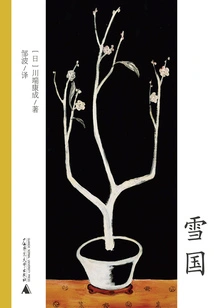
Shimamura is a freelancer studying Western ballet in Tokyo. He comes from a wealthy family. He went to Yuzawa Town three times to meet the geisha Komako. Yukio, the son of Komako's shamisen master, suffered from tuberculosis and returned to Yuzawa Town to recuperate accompanied by a woman named Ye Zi. He happened to be sitting opposite Shimamura where he went to meet Komako for the second time. The narrative of the novel begins here. Shimamura admired the snowy scenery at dusk through the fogged car window, but when he saw the bright eyes of the leaves reflected on the car window, he couldn't help but feel moved. Dao Cun not only admires Ju Zi's beauty and character, but at the same time secretly can't let go of the simple Ye Zi...
Shimamura is a freelancer studying Western ballet in Tokyo. He comes from a wealthy family. He went to Yuzawa Town three times to meet the geisha Komako. Yukio, the son of Komako's shamisen master, suffered from tuberculosis and returned to Yuzawa Town to recuperate accompanied by a woman named Ye Zi. He happened to be sitting opposite Shimamura where he went to meet Komako for the second time. The narrative of the novel begins here. Shimamura admired the snowy scenery at dusk through the fogged car window, but when he saw the bright eyes of the leaves reflected on the car window, he couldn't help but feel moved. Dao Cun not only admires Ju Zi's beauty and character, but at the same time secretly can't let go of the simple Ye Zi...
B
General FictionB
G
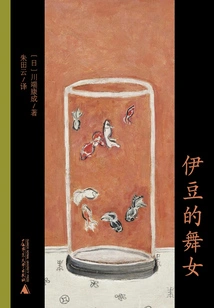
"The Dancing Girl of Izu" was published in Japan's "Literary Times" in 1926. It was warmly welcomed by readers immediately after its publication and became Kawabata Yasunari's famous short story. It has been adapted to the big screen six times. The novel describes Kawashima, a high school student in Tokyo, who encounters a group of six touring entertainers on his way to Izu. The dancer Kaoru has a melodious singing voice and light and graceful dance steps. Kawashima falls in love with her while getting along with her. After a brief reunion, what awaits them will eventually be parting. Kawashima, who has almost used up his travel expenses, will return to his original life, and the touring artist will have to embark on a wandering road of acting again...
"The Dancing Girl of Izu" was published in Japan's "Literary Times" in 1926. It was warmly welcomed by readers immediately after its publication and became Kawabata Yasunari's famous short story. It has been adapted to the big screen six times. The novel describes Kawashima, a high school student in Tokyo, who encounters a group of six touring entertainers on his way to Izu. The dancer Kaoru has a melodious singing voice and light and graceful dance steps. Kawashima falls in love with her while getting along with her. After a brief reunion, what awaits them will eventually be parting. Kawashima, who has almost used up his travel expenses, will return to his original life, and the touring artist will have to embark on a wandering road of acting again...

Everything That Happens is Good for Me
General Fiction凡事发生皆有利于我
(japan) Kitagawa Tai
The protagonist Shuichi in the book faces the dilemma of salary reduction and job insecurity, as well as problems with his wife, his daughter refusing to go to school, problems with his hometown and his mother, etc. Shuichi, who was caught between career and family, was irritated every day. "Why am I so unlucky?" At this moment, he found a taxi driving towards him. An incredible journey begins... Welcome aboard this mysterious car. It will take you to a place where your luck can change for the better. Can you seize the opportunity to change your destiny and turn your life around again?
The protagonist Shuichi in the book faces the dilemma of salary reduction and job insecurity, as well as problems with his wife, his daughter refusing to go to school, problems with his hometown and his mother, etc. Shuichi, who was caught between career and family, was irritated every day. "Why am I so unlucky?" At this moment, he found a taxi driving towards him. An incredible journey begins... Welcome aboard this mysterious car. It will take you to a place where your luck can change for the better. Can you seize the opportunity to change your destiny and turn your life around again?

My Life is Empty, I Want to Do Something Big (new Version)
General Fiction我的人生空虚,我想干票大的(新版)
J
I, Alan, am 29 years old, in my prime, tall, strong, and in good health. I was born and raised in Norway. I am living a good life. To say I have it all is an understatement. No external force threatens me. Interest rates go up and down, but I don't think it has anything to do with me. I don't have a loan. Nor did he have a family. The house I rented in the capital was cheap and good. But recently, I often feel empty. Everything I built has never contributed a cent to the gross national product. Nothing I built is meaningful to this society. There are people who work hard for the prosperity of this country. This is obvious. There are people working hard. I always have to do something for Norway. I want to put Norway on the world map. Norway must be put on the world map. In one fell swoop, the world will be brought to an end, and it will be done sooner rather than later. I had to create a theory. Then prove it. This is what is urgent. A serious theory. And a scorching validation. If I want to discover something, I have to discover something. Who else would I be!
I, Alan, am 29 years old, in my prime, tall, strong, and in good health. I was born and raised in Norway. I am living a good life. To say I have it all is an understatement. No external force threatens me. Interest rates go up and down, but I don't think it has anything to do with me. I don't have a loan. Nor did he have a family. The house I rented in the capital was cheap and good. But recently, I often feel empty. Everything I built has never contributed a cent to the gross national product. Nothing I built is meaningful to this society. There are people who work hard for the prosperity of this country. This is obvious. There are people working hard. I always have to do something for Norway. I want to put Norway on the world map. Norway must be put on the world map. In one fell swoop, the world will be brought to an end, and it will be done sooner rather than later. I had to create a theory. Then prove it. This is what is urgent. A serious theory. And a scorching validation. If I want to discover something, I have to discover something. Who else would I be!
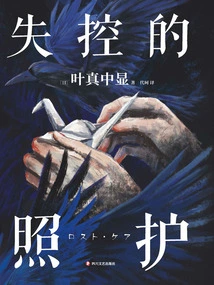
Out of Control Care
General Fiction失控的照护
J
"He" standing in the dock killed a total of forty-three people. Among the serial killings that occurred after World War II, this case had the largest number of fatalities. The victims were almost all elderly. In this trial, "he" confessed to the facts of the crime, and there was no possibility of a verdict other than the death penalty. Everything is planned. "He" smiled. Yoko Haneda, a family member of the victim, looked up at "him" in the gallery. Her mother was killed by "him", but to this day, Yoko can no longer feel the anger and hatred towards "him" in her heart. The news that "he" had been sentenced to death reached the ears of prosecutor Hideki Otomo. "He" probably won't appeal. Everything is in "His" plan. Not just killing people. The crime was exposed, and there were court trials, and even the death penalty, that was all. But by the time Otomo realized the truth of everything, it was already too late...
"He" standing in the dock killed a total of forty-three people. Among the serial killings that occurred after World War II, this case had the largest number of fatalities. The victims were almost all elderly. In this trial, "he" confessed to the facts of the crime, and there was no possibility of a verdict other than the death penalty. Everything is planned. "He" smiled. Yoko Haneda, a family member of the victim, looked up at "him" in the gallery. Her mother was killed by "him", but to this day, Yoko can no longer feel the anger and hatred towards "him" in her heart. The news that "he" had been sentenced to death reached the ears of prosecutor Hideki Otomo. "He" probably won't appeal. Everything is in "His" plan. Not just killing people. The crime was exposed, and there were court trials, and even the death penalty, that was all. But by the time Otomo realized the truth of everything, it was already too late...

R
General Fictionr
H
"A Good Man is Hard to Find" is a collection of short stories. It is the second collection of short stories by Flannery O'Connor, winner of the National Book Award and a representative writer of American Southern literature. It is a classic short story collection in the history of foreign literature. The twelve works included in the volume include many famous works. "A Good Man Is Hard to Find", "Saving Others Is Saving Yourself", "The Kind Countryman", etc. Have made O'Connor occupy an irreplaceable place in the hearts of literature-loving readers around the world. The translator is Zhou Jianing, a young Chinese writer. "A Good Man Is Hard to Find" is her first challenge to an American classic after translating "The Corn Girl" by Joyce Carol Oates, a major contemporary American writer, and "Written on the Body" by Janet Winterson, a major contemporary British writer.
"A Good Man is Hard to Find" is a collection of short stories. It is the second collection of short stories by Flannery O'Connor, winner of the National Book Award and a representative writer of American Southern literature. It is a classic short story collection in the history of foreign literature. The twelve works included in the volume include many famous works. "A Good Man Is Hard to Find", "Saving Others Is Saving Yourself", "The Kind Countryman", etc. Have made O'Connor occupy an irreplaceable place in the hearts of literature-loving readers around the world. The translator is Zhou Jianing, a young Chinese writer. "A Good Man Is Hard to Find" is her first challenge to an American classic after translating "The Corn Girl" by Joyce Carol Oates, a major contemporary American writer, and "Written on the Body" by Janet Winterson, a major contemporary British writer.

Bear
General Fiction熊
(u. S.) Andrew Krivak
In a future where human civilization is about to disappear, a girl and her father live in the shadow of a lonely mountain. They possess some relics of civilization: some books, a piece of glass, a set of flints, a comb. The father teaches the girl the techniques of fishing and hunting, the secrets of the seasons and the stars, preparing her to live in harmony with nature as an adult - for they are the last generation of mankind. Soon, the girl was the only one left in the world. She discovers that if she learns to listen, a bear will lead her across the vast wilderness back home, and this is the greatest lesson she will ever learn...
In a future where human civilization is about to disappear, a girl and her father live in the shadow of a lonely mountain. They possess some relics of civilization: some books, a piece of glass, a set of flints, a comb. The father teaches the girl the techniques of fishing and hunting, the secrets of the seasons and the stars, preparing her to live in harmony with nature as an adult - for they are the last generation of mankind. Soon, the girl was the only one left in the world. She discovers that if she learns to listen, a bear will lead her across the vast wilderness back home, and this is the greatest lesson she will ever learn...

Ice Age
General Fiction冰寒时代
X
This book is the eighth novel of suspense thrillers in the "Adamsberg Sheriff Series" by contemporary French writer Fred Vargas. At the scene of two murders disguised as suicides, the police discovered a mysterious symbol similar to a guillotine. The investigation first led Sheriff Adamsberg to an incident in Iceland 10 years ago where travelers were trapped and caused casualties. New clues later led investigators to a research association on Robespierre's writings that was keen on restoring scenes of parliamentary debates during the French Revolution. History, cross-dressing, Iceland, human bones... Withstanding the pressure of not being understood by his subordinates, after peeling off layers of cocoons, Adamsberg finally uncovered the truth about the travel accident 10 years ago and exposed the murderer's tactics. The book sold 700,000 copies in France and won the 2015 French Landino Suspense Literature Award and the 2016 German Crime Novel Award.
This book is the eighth novel of suspense thrillers in the "Adamsberg Sheriff Series" by contemporary French writer Fred Vargas. At the scene of two murders disguised as suicides, the police discovered a mysterious symbol similar to a guillotine. The investigation first led Sheriff Adamsberg to an incident in Iceland 10 years ago where travelers were trapped and caused casualties. New clues later led investigators to a research association on Robespierre's writings that was keen on restoring scenes of parliamentary debates during the French Revolution. History, cross-dressing, Iceland, human bones... Withstanding the pressure of not being understood by his subordinates, after peeling off layers of cocoons, Adamsberg finally uncovered the truth about the travel accident 10 years ago and exposed the murderer's tactics. The book sold 700,000 copies in France and won the 2015 French Landino Suspense Literature Award and the 2016 German Crime Novel Award.
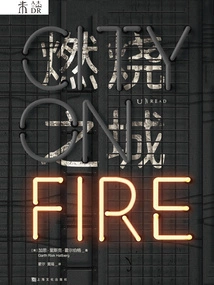
Burning City
General Fiction燃烧之城
(u. S.) Garth Risk Holberg
"Bang!" Fireworks burst into bloom. "Bang!" A gunshot rang out. It opens with a shooting in New York in 1977. The first person to discover the victim was Mercer, a black man. He came to New York with the dream of being a writer and met the love of his life here. Mercer thought 1977 would be his year, but he didn't expect to spend his first day in the police station. William, who lives with Mercer in a cheap rental house, hides his identity as the heir of a wealthy family, makes a living by painting, hangs out in various punk bars, and lives a decadent life. William's sister, Reagan, was once the apple of her father's eye, but now she is trapped in the dilemma of losing power in the family business, her husband's financial losses, and his betrayal of the family. And husband Keith's young lover Samantha was the girl who fell in a pool of blood on New Year's Eve. The upper class, marginalized people, police, journalists, punks, artists, and motorcycle gangs all have different identities, but their fates are intertwined because of this case. Whether they like it or not, they are all drawn into the same story, desperate to exist on their own terms in the love-hate world of New York City.
"Bang!" Fireworks burst into bloom. "Bang!" A gunshot rang out. It opens with a shooting in New York in 1977. The first person to discover the victim was Mercer, a black man. He came to New York with the dream of being a writer and met the love of his life here. Mercer thought 1977 would be his year, but he didn't expect to spend his first day in the police station. William, who lives with Mercer in a cheap rental house, hides his identity as the heir of a wealthy family, makes a living by painting, hangs out in various punk bars, and lives a decadent life. William's sister, Reagan, was once the apple of her father's eye, but now she is trapped in the dilemma of losing power in the family business, her husband's financial losses, and his betrayal of the family. And husband Keith's young lover Samantha was the girl who fell in a pool of blood on New Year's Eve. The upper class, marginalized people, police, journalists, punks, artists, and motorcycle gangs all have different identities, but their fates are intertwined because of this case. Whether they like it or not, they are all drawn into the same story, desperate to exist on their own terms in the love-hate world of New York City.

A
General FictionA
G
"The Idiot" is one of the important novels by the famous Russian writer Dostoevsky in the 19th century. It takes the epileptic Duke Myshkin's adventures after returning from Switzerland as the main line, depicts the various ugliness of the Russian upper class after the serfdom reform, and reveals moral and ethical issues. The tension between the tragic fate of the heroine Anastasia and her refusal to succumb to fate, and the difference between the hero Myshkin's attitude towards her and the attitude towards her by ordinary people add endless charm to the plot of the novel. After reading this novel, it will be difficult for you to tell who is the idiot. This novel vividly depicts the characters and left the classic images of Myshkin and Anastasia in the world literature gallery. At the same time, it caused generations of readers to think about the relationship between spiritual pursuit and material desire. It is highly ideological.
"The Idiot" is one of the important novels by the famous Russian writer Dostoevsky in the 19th century. It takes the epileptic Duke Myshkin's adventures after returning from Switzerland as the main line, depicts the various ugliness of the Russian upper class after the serfdom reform, and reveals moral and ethical issues. The tension between the tragic fate of the heroine Anastasia and her refusal to succumb to fate, and the difference between the hero Myshkin's attitude towards her and the attitude towards her by ordinary people add endless charm to the plot of the novel. After reading this novel, it will be difficult for you to tell who is the idiot. This novel vividly depicts the characters and left the classic images of Myshkin and Anastasia in the world literature gallery. At the same time, it caused generations of readers to think about the relationship between spiritual pursuit and material desire. It is highly ideological.

Golden Horse: the Elegy of the Panama Railroad
General Fiction金马:巴拿马铁路悲歌
(panama) Juan David Morgan
In the mid-19th century, the California gold rush spurred the development of Panama's shipping. The far-sighted Holland and Aspinwall Shipping Company decided to build a railway on the isthmus connecting the Pacific and Atlantic Oceans. This was a grand project that exceeded everyone's expectations. The protagonist and his team faced challenges such as the harsh natural environment, disease, business competition, and lack of funds. After five years, the railway was finally completed in January 1855. This golden horse carrying the dream of gold began to run, sending countless gold diggers with dreams of gold to California. However, the protagonist of the story could not wait until this day came. This is a story about railway construction, and also a hymn about great dreams and fighting spirit. However, speeding along the railway is not only the tempting dream of wealth, but also unforeseen tragedy.
In the mid-19th century, the California gold rush spurred the development of Panama's shipping. The far-sighted Holland and Aspinwall Shipping Company decided to build a railway on the isthmus connecting the Pacific and Atlantic Oceans. This was a grand project that exceeded everyone's expectations. The protagonist and his team faced challenges such as the harsh natural environment, disease, business competition, and lack of funds. After five years, the railway was finally completed in January 1855. This golden horse carrying the dream of gold began to run, sending countless gold diggers with dreams of gold to California. However, the protagonist of the story could not wait until this day came. This is a story about railway construction, and also a hymn about great dreams and fighting spirit. However, speeding along the railway is not only the tempting dream of wealth, but also unforeseen tragedy.
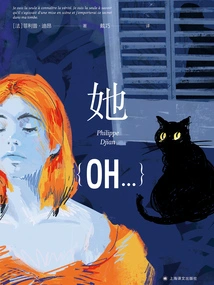
She
General Fiction她
K
When I reach middle age, I have a successful career, a big villa, a husband who has become a bad temper, and a son who doesn't know what he is busy with all day long. I was finally alone and free again. I must say that loneliness is the best gift in the world and the only haven in life. But one night, masked men broke into my house and raped me. This accident split my life in two. On the surface, I continued to deal with a miserable life: my son was a naughty old man and wanted to marry a girl who was pregnant with someone else's child; my mother insisted on marrying a pretty boy who was younger than her; my ex-husband had a new date, and I was having an affair with my best friend's husband. Secretly, I want to find out the true identity of the masked thug. I used an iron fist and cold blood to keep my daily life running as usual, and at the same time I had to deal with the rapist until the accident happened again...
When I reach middle age, I have a successful career, a big villa, a husband who has become a bad temper, and a son who doesn't know what he is busy with all day long. I was finally alone and free again. I must say that loneliness is the best gift in the world and the only haven in life. But one night, masked men broke into my house and raped me. This accident split my life in two. On the surface, I continued to deal with a miserable life: my son was a naughty old man and wanted to marry a girl who was pregnant with someone else's child; my mother insisted on marrying a pretty boy who was younger than her; my ex-husband had a new date, and I was having an affair with my best friend's husband. Secretly, I want to find out the true identity of the masked thug. I used an iron fist and cold blood to keep my daily life running as usual, and at the same time I had to deal with the rapist until the accident happened again...

P
General Fictionp
H
The steak and burger restaurant "JUJU" was inherited from Mitsuko's grandfather and later run by her parents. It is a nostalgic store with sizzling burger patties, and the food and atmosphere are memorable. Mitsuko's mother's favorite comic is "Salome, Princess of Hell". After taking over the burger shop, her mother changed the name of the shop to "JUJU" based on the name of the burger shop where Salome worked in the comic. When her mother died suddenly, Mitsuko took over and ran a burger restaurant with her father. However, she did not know how to cook and had no confidence, and she was not as good at dancing as her mother. With the help of his father and first love boyfriend Shinichi, a wonderful transformation happened...
The steak and burger restaurant "JUJU" was inherited from Mitsuko's grandfather and later run by her parents. It is a nostalgic store with sizzling burger patties, and the food and atmosphere are memorable. Mitsuko's mother's favorite comic is "Salome, Princess of Hell". After taking over the burger shop, her mother changed the name of the shop to "JUJU" based on the name of the burger shop where Salome worked in the comic. When her mother died suddenly, Mitsuko took over and ran a burger restaurant with her father. However, she did not know how to cook and had no confidence, and she was not as good at dancing as her mother. With the help of his father and first love boyfriend Shinichi, a wonderful transformation happened...

Who Killed My Father
General Fiction谁杀了我的父亲
(france) Edward Louis
My father is still alive, but he is socially dead. He lost his job due to a work injury and became a "lazy guy" in the eyes of politicians and a "trouble" in the eyes of his bosses. My relationship with my father is not good. I am not a manly son in my father's eyes, and he is not a qualified father in my eyes. He drank heavily, was violent, and spent all night in bars with his friends until my mother kicked him out. In the process of visiting my father again and again, I began to try to understand his past and break the silence and barrier between father and son. My father was also in his prime, but eventually fell into the quagmire of fate uncontrollably. I use his life experiences to reveal social issues. People often talk about politics eloquently, "For rulers, politics is just an aesthetic matter: a way of thinking about oneself, a way of looking at the world and constructing individuals. For us, it is life or death."
My father is still alive, but he is socially dead. He lost his job due to a work injury and became a "lazy guy" in the eyes of politicians and a "trouble" in the eyes of his bosses. My relationship with my father is not good. I am not a manly son in my father's eyes, and he is not a qualified father in my eyes. He drank heavily, was violent, and spent all night in bars with his friends until my mother kicked him out. In the process of visiting my father again and again, I began to try to understand his past and break the silence and barrier between father and son. My father was also in his prime, but eventually fell into the quagmire of fate uncontrollably. I use his life experiences to reveal social issues. People often talk about politics eloquently, "For rulers, politics is just an aesthetic matter: a way of thinking about oneself, a way of looking at the world and constructing individuals. For us, it is life or death."

Glass Bead Game
General Fiction玻璃球游戏
(germany) Hermann Hesse
In a future world, the glass bead game is a symbol system evolved from music and mathematics, and is all human knowledge and spiritual wealth. Due to numerous political turmoil and wars, human civilization is facing the threat of destruction. In order to save and promote this spiritual culture of mankind, a certain religious group is making unremitting efforts. Knecht was an orphan who was raised by this religious group. He was talented and intelligent. With his outstanding talents and superior organizational skills, he continued to rise and rise in this elite group until he reached the top of the group and became a master of the glass bead game. But as he grew older, he was no longer satisfied with this isolated spiritual kingdom and felt that it was impossible to contribute to the people in this ivory tower. He came to the real world and tried to use education to improve the whole world. However, before his career was completed, he unfortunately drowned while swimming.
In a future world, the glass bead game is a symbol system evolved from music and mathematics, and is all human knowledge and spiritual wealth. Due to numerous political turmoil and wars, human civilization is facing the threat of destruction. In order to save and promote this spiritual culture of mankind, a certain religious group is making unremitting efforts. Knecht was an orphan who was raised by this religious group. He was talented and intelligent. With his outstanding talents and superior organizational skills, he continued to rise and rise in this elite group until he reached the top of the group and became a master of the glass bead game. But as he grew older, he was no longer satisfied with this isolated spiritual kingdom and felt that it was impossible to contribute to the people in this ivory tower. He came to the real world and tried to use education to improve the whole world. However, before his career was completed, he unfortunately drowned while swimming.

South of the Border and West of the Sun
General Fiction国境以南太阳以西
(japan) Haruki Murakami
The 37-year-old "I" Chujun owns two prosperous bars in downtown Tokyo, as well as a beautiful wife and two lovely daughters. He can be called a successful person with a successful family and career, but he always feels empty inside. Hatsumi's past consists of his emotional entanglement with three women, Shimamoto, Izumi, and Izumi's cousin. It seems that the shortcomings in his heart can only be made up for by his girlfriend Shimamoto, whom he met in elementary school and had a vague relationship with. 25 Years later, Shimamoto suddenly appeared, and the two rekindled their love. However, Shimamoto was unwilling to reveal his experience and current identity. He only hoped that Hatsumi would not ask anything and just accept herself as she was, and just treat her as the girl who loved classical music in elementary school. Hatsumi accepted these harsh conditions and accompanied Shimamoto to the Tokyo River to scatter the baby's ashes. The two spent an unforgettable night at the Hakone villa. The next day, she disappeared without a trace.
The 37-year-old "I" Chujun owns two prosperous bars in downtown Tokyo, as well as a beautiful wife and two lovely daughters. He can be called a successful person with a successful family and career, but he always feels empty inside. Hatsumi's past consists of his emotional entanglement with three women, Shimamoto, Izumi, and Izumi's cousin. It seems that the shortcomings in his heart can only be made up for by his girlfriend Shimamoto, whom he met in elementary school and had a vague relationship with. 25 Years later, Shimamoto suddenly appeared, and the two rekindled their love. However, Shimamoto was unwilling to reveal his experience and current identity. He only hoped that Hatsumi would not ask anything and just accept herself as she was, and just treat her as the girl who loved classical music in elementary school. Hatsumi accepted these harsh conditions and accompanied Shimamoto to the Tokyo River to scatter the baby's ashes. The two spent an unforgettable night at the Hakone villa. The next day, she disappeared without a trace.

I
General FictionI
H
Sputnik is the name of the first artificial satellite in history to enter Earth orbit, which means "traveling companion". Sumire, a girl who is addicted to writing, and her fellow musician, Min, a middle-aged beauty who is 17 years older than her, cherish each other. Sumire accepted Min's offer to help manage Min's office, and traveled to Europe with Min as her secretary. However, on the Greek island, Sumire disappeared mysteriously, because she discovered that Min was just a shell, and his soul had been lost in a thrilling night. Their relationship is like a satellite, "meeting by chance, missing each other, and parting forever."
Sputnik is the name of the first artificial satellite in history to enter Earth orbit, which means "traveling companion". Sumire, a girl who is addicted to writing, and her fellow musician, Min, a middle-aged beauty who is 17 years older than her, cherish each other. Sumire accepted Min's offer to help manage Min's office, and traveled to Europe with Min as her secretary. However, on the Greek island, Sumire disappeared mysteriously, because she discovered that Min was just a shell, and his soul had been lost in a thrilling night. Their relationship is like a satellite, "meeting by chance, missing each other, and parting forever."

Siddhartha
General Fiction悉达多
(germany) Hermann Hesse
"Siddhartha" describes the life of a Brahmin noble young man who seeks the true meaning of life. Siddhartha, an aristocratic young man in ancient India, was handsome and intelligent, and had everything that people envied. In order to pursue spiritual peace, he embarked on a journey of seeking Taoism alone. He listened to Buddha Gautama's teachings in Savatti City, met the famous prostitute Kamala in the bustling city, and became a wealthy businessman. The enjoyment of his soul and body reached its peak, but it made him tired of and despised himself to the extreme. After making love with Kamala for the last time, he abandoned all worldly things and came to the river to end his life. At that most desperate moment, he suddenly heard the eternal voice of the river of life... After almost a lifetime of pursuit, Siddhartha finally experienced the harmony and unity of all things, the indestructible nature of all life, and finally integrated himself into the eternity of the moment.
"Siddhartha" describes the life of a Brahmin noble young man who seeks the true meaning of life. Siddhartha, an aristocratic young man in ancient India, was handsome and intelligent, and had everything that people envied. In order to pursue spiritual peace, he embarked on a journey of seeking Taoism alone. He listened to Buddha Gautama's teachings in Savatti City, met the famous prostitute Kamala in the bustling city, and became a wealthy businessman. The enjoyment of his soul and body reached its peak, but it made him tired of and despised himself to the extreme. After making love with Kamala for the last time, he abandoned all worldly things and came to the river to end his life. At that most desperate moment, he suddenly heard the eternal voice of the river of life... After almost a lifetime of pursuit, Siddhartha finally experienced the harmony and unity of all things, the indestructible nature of all life, and finally integrated himself into the eternity of the moment.

S
General FictionS
G
After the Great Kanto Earthquake, Japan in the early Showa era was in the midst of a transformation involving the replacement of the old with the new and the integration of the East and the West. As one of the centers of kabuki culture and Shitamachi, Asakusa saw a large influx of actors and wandering girls. Human traffickers roam the streets, and parks and open spaces are populated by gang members, orphans, and scores of homeless men and women. The protagonist comes from out of town. When he was roaming Asakusa, he met members of the youth gang "Red Band". Under the leadership of the leader Yumiko, he visited the streets of Asakusa, which was at the forefront of the times at that time. The protagonist examines the daily lives of these people with a distant and calm gaze, describing the destruction and establishment, beauty and ugliness, glitz and poverty of Tokyo in that era, and also faintly conveys Kawabata's uneasiness about the current situation as an anti-war opponent.
After the Great Kanto Earthquake, Japan in the early Showa era was in the midst of a transformation involving the replacement of the old with the new and the integration of the East and the West. As one of the centers of kabuki culture and Shitamachi, Asakusa saw a large influx of actors and wandering girls. Human traffickers roam the streets, and parks and open spaces are populated by gang members, orphans, and scores of homeless men and women. The protagonist comes from out of town. When he was roaming Asakusa, he met members of the youth gang "Red Band". Under the leadership of the leader Yumiko, he visited the streets of Asakusa, which was at the forefront of the times at that time. The protagonist examines the daily lives of these people with a distant and calm gaze, describing the destruction and establishment, beauty and ugliness, glitz and poverty of Tokyo in that era, and also faintly conveys Kawabata's uneasiness about the current situation as an anti-war opponent.

For Whom the Bell Tolls
General Fiction丧钟为谁而鸣
H
The death of any one leaves me somewhat deficient, for I am inseparable from mankind; so never ask for whom the bell tolls; for you the bell tolls. --John Donne (British poet) "For Whom the Bell Tolls" is one of Hemingway's major works. Robert Jordan, an American young man, volunteered to join the Spanish government army and engage in blasting activities behind enemy lines. In order to cooperate with the counterattack, he was ordered to contact local guerrillas to complete the task of blowing up the bridge. In the midst of the raging war, he fell in love with Maria, a little girl who had been raped by the enemy, thereby smoothing out the trauma in Maria's soul. In three days, Robert experienced the conflict between love and duty and the test of life and death, and his humanity continued to sublimate. On the way to retreat after the bridge was blown up, he gave up his hope of survival to others, but his thigh was broken by a cannonball. He stayed alone to stop the enemy, and finally gave his young life for the Spanish people.
The death of any one leaves me somewhat deficient, for I am inseparable from mankind; so never ask for whom the bell tolls; for you the bell tolls. --John Donne (British poet) "For Whom the Bell Tolls" is one of Hemingway's major works. Robert Jordan, an American young man, volunteered to join the Spanish government army and engage in blasting activities behind enemy lines. In order to cooperate with the counterattack, he was ordered to contact local guerrillas to complete the task of blowing up the bridge. In the midst of the raging war, he fell in love with Maria, a little girl who had been raped by the enemy, thereby smoothing out the trauma in Maria's soul. In three days, Robert experienced the conflict between love and duty and the test of life and death, and his humanity continued to sublimate. On the way to retreat after the bridge was blown up, he gave up his hope of survival to others, but his thigh was broken by a cannonball. He stayed alone to stop the enemy, and finally gave his young life for the Spanish people.

T
General FictionT
H
Six bones are arranged in a room of death that is both real and imaginary. "My" old friend "Rat" has died in the sheep hunting adventure. "I" finally found Gotanda, an old classmate, whom he fell in love with, but this movie star, who was packaged as schizophrenic by the entertainment industry, strangled two high-end call girls to death one after another, and himself was buried in the sea in a "Maserati". Although the lonely girl "Xue" and her aloof mother "Yu" can barely survive in this crazy world, "Yu"'s patron saint Dick can't escape an inexplicable car accident. After a period of frightening days accompanied by death, "I" finally found a sense of security in the hotel maid Yumiyoshi, and made a concrete plan to live a quiet life in a quiet city. But, who does the sixth white skeleton mean? "I" still cannot escape from the house of death.
Six bones are arranged in a room of death that is both real and imaginary. "My" old friend "Rat" has died in the sheep hunting adventure. "I" finally found Gotanda, an old classmate, whom he fell in love with, but this movie star, who was packaged as schizophrenic by the entertainment industry, strangled two high-end call girls to death one after another, and himself was buried in the sea in a "Maserati". Although the lonely girl "Xue" and her aloof mother "Yu" can barely survive in this crazy world, "Yu"'s patron saint Dick can't escape an inexplicable car accident. After a period of frightening days accompanied by death, "I" finally found a sense of security in the hotel maid Yumiyoshi, and made a concrete plan to live a quiet life in a quiet city. But, who does the sixth white skeleton mean? "I" still cannot escape from the house of death.

T
General FictionT
H
The novel is divided into forty-nine chapters. The odd chapters use a realistic approach to tell the story of a young man named Tamura Kafka who ran away from home alone on the eve of his fifteenth birthday in order to escape a prophecy from his father that was even more terrifying than Oedipus the King. However, he unexpectedly woke up in the forest covered in blood. When Kafka was four years old, his mother suddenly disappeared, taking only his sister, who was four years older than Kafka, with her. He came to a library by chance and was taken in by the director, Ms. Saeki. Kafka suspected that she was his biological mother, but Saeki refused to comment. Kafka learned the news that his father had been killed, and hid in the forest to evade police pursuit. He encountered two soldiers wearing army uniforms... The even-numbered chapters use magical techniques to tell the adventures of the old man Nakata. When Nakata was in elementary school during World War II, he lost his memory after a mysterious coma, but gained the mysterious ability to talk to cats. While Nakata lost control of his mind, he killed a cat killer who called himself Jonny Walker, and also took a ride here to look for the "Entrance Stone"... Many puzzles together create an elegant and dreamy masterpiece.
The novel is divided into forty-nine chapters. The odd chapters use a realistic approach to tell the story of a young man named Tamura Kafka who ran away from home alone on the eve of his fifteenth birthday in order to escape a prophecy from his father that was even more terrifying than Oedipus the King. However, he unexpectedly woke up in the forest covered in blood. When Kafka was four years old, his mother suddenly disappeared, taking only his sister, who was four years older than Kafka, with her. He came to a library by chance and was taken in by the director, Ms. Saeki. Kafka suspected that she was his biological mother, but Saeki refused to comment. Kafka learned the news that his father had been killed, and hid in the forest to evade police pursuit. He encountered two soldiers wearing army uniforms... The even-numbered chapters use magical techniques to tell the adventures of the old man Nakata. When Nakata was in elementary school during World War II, he lost his memory after a mysterious coma, but gained the mysterious ability to talk to cats. While Nakata lost control of his mind, he killed a cat killer who called himself Jonny Walker, and also took a ride here to look for the "Entrance Stone"... Many puzzles together create an elegant and dreamy masterpiece.

Farewell, Weapons
General Fiction永别了,武器
H
In the late stages of World War I, American young man Frederick Henry volunteered to drive an ambulance for the Red Cross and rescue the wounded on the northern Italian front. During a mission, Henry was hit by a cannonball and injured. While recovering from his injuries in a Milan hospital, he was cared for by British nurse Catherine, and the two fell in love. After recovering from his injuries, Henry returned to the front line. When he retreated with the Italian troops, he witnessed the cruel scenes of the war. He resolutely left the army, joined Catherine and fled to Switzerland. As a result, Catherine died in childbirth. "A Farewell to Arms" has a strong autobiographical flavor. It is a sad and moving elegy sung by Hemingway based on his own experience in the war, with war and love as the main line. The novel has been adapted onto the screen many times and can be called a classic of modern literature.
In the late stages of World War I, American young man Frederick Henry volunteered to drive an ambulance for the Red Cross and rescue the wounded on the northern Italian front. During a mission, Henry was hit by a cannonball and injured. While recovering from his injuries in a Milan hospital, he was cared for by British nurse Catherine, and the two fell in love. After recovering from his injuries, Henry returned to the front line. When he retreated with the Italian troops, he witnessed the cruel scenes of the war. He resolutely left the army, joined Catherine and fled to Switzerland. As a result, Catherine died in childbirth. "A Farewell to Arms" has a strong autobiographical flavor. It is a sad and moving elegy sung by Hemingway based on his own experience in the war, with war and love as the main line. The novel has been adapted onto the screen many times and can be called a classic of modern literature.

Elementary Particle
General Fiction基本粒子
(france) Michel Houellebecq
Human beings are just random arrangements of particles in the universe. Bruno and Michel are half-brothers with completely different personalities and mirrors of each other. Bruno was romantic and became a Chinese teacher; Michelle was rational and became a biologist. Bruno is a practitioner of life, seeking the meaning of life in the process of eating, drinking, having fun, and changing girlfriends; Michel rejected the love of his childhood sweetheart, preferring to devote himself to sacred scientific research than fleeting desires. At some point in their lives, they were all very close to happiness but missed it. The intertwined fates of Bruno and Michel constitute the DNA double helix structure of human existence. In the not-too-distant future, thanks to Michelle's research results, humans will achieve immortality through asexual reproduction and get rid of the seven emotions and six desires of being born...
Human beings are just random arrangements of particles in the universe. Bruno and Michel are half-brothers with completely different personalities and mirrors of each other. Bruno was romantic and became a Chinese teacher; Michelle was rational and became a biologist. Bruno is a practitioner of life, seeking the meaning of life in the process of eating, drinking, having fun, and changing girlfriends; Michel rejected the love of his childhood sweetheart, preferring to devote himself to sacred scientific research than fleeting desires. At some point in their lives, they were all very close to happiness but missed it. The intertwined fates of Bruno and Michel constitute the DNA double helix structure of human existence. In the not-too-distant future, thanks to Michelle's research results, humans will achieve immortality through asexual reproduction and get rid of the seven emotions and six desires of being born...

W
General FictionW
H
Toru Okada, who resigned from his job at a law firm, lives a peaceful life with his wife Kumiko, a magazine editor. Kumiko suddenly disappeared under the coercion of her brother, Noboru Wataya, a representative of the dark forces who is also a member of the House of Representatives. Afterwards, many strange people appeared around Okada: witches, "conscious prostitutes", girls who accidentally killed their boyfriend in a car accident, veterans, etc. At the same time, many strange things happened. Okada went down to a deep well to meditate and then came out. With the help of a pair of weird mother and son "Nutmeg" and "Cinnamon", he challenged Noboru Wataya, injured him in fantasy, and Kumiko killed him in reality.
Toru Okada, who resigned from his job at a law firm, lives a peaceful life with his wife Kumiko, a magazine editor. Kumiko suddenly disappeared under the coercion of her brother, Noboru Wataya, a representative of the dark forces who is also a member of the House of Representatives. Afterwards, many strange people appeared around Okada: witches, "conscious prostitutes", girls who accidentally killed their boyfriend in a car accident, veterans, etc. At the same time, many strange things happened. Okada went down to a deep well to meditate and then came out. With the help of a pair of weird mother and son "Nutmeg" and "Cinnamon", he challenged Noboru Wataya, injured him in fantasy, and Kumiko killed him in reality.
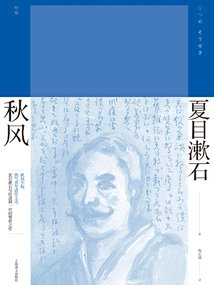
Ad
General FictionaD
H
This book is the work of the Japanese national writer Natsume Soseki during his turning period. It includes three novels, "Autumn Wind", "Two Hundred and Ten Days" and "The Miner", published from 1906 to 1908. "Autumn Wind" revolves around the poor student Takayanagi and the rich boy Nakano. Although the two are good friends, their financial situations and situations are completely different. The two young men met Mr. Doya, a poor scholar. Shirai Michoya was originally a teacher in a certain school. He once taught Takayanagi. Because he was very critical of the world and the powerful, he was kicked out of the school by the villagers and students. He currently lives a life of poverty. A series of stories about morality and ideals happened among the three people around one hundred yen. Natsume Soseki focused on portraying the idealist Mr. Doya and showed his views on society; "One Hundred and Twenty Days" tells the story of two young mountaineers thinking about philosophy and life; "The Miner" tells the story of "I", a young man from a rich family who went to work in the mines because of a temporary impulse, and was deeply shocked.
This book is the work of the Japanese national writer Natsume Soseki during his turning period. It includes three novels, "Autumn Wind", "Two Hundred and Ten Days" and "The Miner", published from 1906 to 1908. "Autumn Wind" revolves around the poor student Takayanagi and the rich boy Nakano. Although the two are good friends, their financial situations and situations are completely different. The two young men met Mr. Doya, a poor scholar. Shirai Michoya was originally a teacher in a certain school. He once taught Takayanagi. Because he was very critical of the world and the powerful, he was kicked out of the school by the villagers and students. He currently lives a life of poverty. A series of stories about morality and ideals happened among the three people around one hundred yen. Natsume Soseki focused on portraying the idealist Mr. Doya and showed his views on society; "One Hundred and Twenty Days" tells the story of two young mountaineers thinking about philosophy and life; "The Miner" tells the story of "I", a young man from a rich family who went to work in the mines because of a temporary impulse, and was deeply shocked.
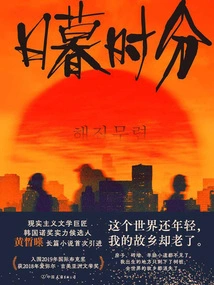
Sunset
General Fiction日暮时分
O
"The place we lived in before has long since disappeared from the earth and has become a specimen in memory. The past will never come back, what is left behind?" When the memory hit him involuntarily, Park Minyu recalled the world he thought he had left behind - the low slate roofs covering the entire mountain, the intricate narrow alleys and the smiling faces of children gathered in front of small shops. Drive out, demolish, reorganize, neon covers the stars, cement replaces the land. He kept chasing the sunny land, glad that he had escaped from the rough and dirty slums, and never wondered where those old friends who were driven out of their homes went and what they did for a living. When I stop and turn around suddenly, there is no one around me, and there is no trace of my hometown in my memory. Forging ahead is the attitude of a pioneer. If you don't leave your back to others, you will be left behind. Without destroying the old world, you cannot reach the new utopia. The bonds are getting less and less, the eyes are getting colder and colder, and in the end only memories are left to accompany myself as life approaches the evening.
"The place we lived in before has long since disappeared from the earth and has become a specimen in memory. The past will never come back, what is left behind?" When the memory hit him involuntarily, Park Minyu recalled the world he thought he had left behind - the low slate roofs covering the entire mountain, the intricate narrow alleys and the smiling faces of children gathered in front of small shops. Drive out, demolish, reorganize, neon covers the stars, cement replaces the land. He kept chasing the sunny land, glad that he had escaped from the rough and dirty slums, and never wondered where those old friends who were driven out of their homes went and what they did for a living. When I stop and turn around suddenly, there is no one around me, and there is no trace of my hometown in my memory. Forging ahead is the attitude of a pioneer. If you don't leave your back to others, you will be left behind. Without destroying the old world, you cannot reach the new utopia. The bonds are getting less and less, the eyes are getting colder and colder, and in the end only memories are left to accompany myself as life approaches the evening.
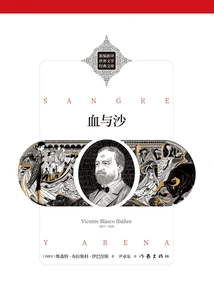
血与沙(新编新译世界文学经典文库)
Vicente Blasco Ibáñez
"Blood and Sand" describes the life of a matador. Gallardo is the son of a drunken shoemaker. His mother, Mrs. Angustias (meaning pain and trouble), earns some change as a servant to support the family. This is a poor family. The child's father died young. In order to make a living, the mother found the best shoemaker for her son to be an apprentice. However, he was stubborn by nature and wanted to be a bullfighter. He was obsessed with bullfighting and would never obey even if his mother beat him severely. In the end, after all kinds of hardships and desperate struggles, he finally became a famous bullfighter throughout the Iberian Peninsula. Contracts came to him like snowflakes every bullfighting season, and he made a lot of money. He bought real estate and manor, and entered the upper class society. The Marquis's niece was willing to be his lover. For him, the bullring was a sea of cheers and applause. People from all walks of life looked up to him. He also generously gave alms to the poor and seemed to be their savior. His agent even proudly called him "the best bullfighter in the world" or "the best bullfighter in the world." However, he was no exception to the law that everything must turn to its extremes and prosperity must decline. This glorious time did not last long. Suddenly one afternoon, his bullfight failed. He was a coward who dared not look at the bull. The cheers and applause turned into ridicule and boos. His lady lover also ruthlessly abandoned him. He was financially in debt and mentally depressed. Finally, he died miserably while trying to regain his glory after recovering from a serious injury. "Blood and Sand" also focuses on the theme of bullfighting and vividly describes Spanish religious rituals. In addition to the regular church prayers, the religious processions of Easter and Holy Week are particularly complete and detailed. This kind of procession, in which devout believers from various sects form a mighty procession, carries the statues of the Virgin Mary and Jesus through the streets and alleys of the city, and lasts from late at night to the dawn of the next day. In name, it is a grand religious event held every year in Spain, but in Ibáñez's writing, it turns into an absurd, ignorant, and hateful farce by a group of rabble-rousers.
"Blood and Sand" describes the life of a matador. Gallardo is the son of a drunken shoemaker. His mother, Mrs. Angustias (meaning pain and trouble), earns some change as a servant to support the family. This is a poor family. The child's father died young. In order to make a living, the mother found the best shoemaker for her son to be an apprentice. However, he was stubborn by nature and wanted to be a bullfighter. He was obsessed with bullfighting and would never obey even if his mother beat him severely. In the end, after all kinds of hardships and desperate struggles, he finally became a famous bullfighter throughout the Iberian Peninsula. Contracts came to him like snowflakes every bullfighting season, and he made a lot of money. He bought real estate and manor, and entered the upper class society. The Marquis's niece was willing to be his lover. For him, the bullring was a sea of cheers and applause. People from all walks of life looked up to him. He also generously gave alms to the poor and seemed to be their savior. His agent even proudly called him "the best bullfighter in the world" or "the best bullfighter in the world." However, he was no exception to the law that everything must turn to its extremes and prosperity must decline. This glorious time did not last long. Suddenly one afternoon, his bullfight failed. He was a coward who dared not look at the bull. The cheers and applause turned into ridicule and boos. His lady lover also ruthlessly abandoned him. He was financially in debt and mentally depressed. Finally, he died miserably while trying to regain his glory after recovering from a serious injury. "Blood and Sand" also focuses on the theme of bullfighting and vividly describes Spanish religious rituals. In addition to the regular church prayers, the religious processions of Easter and Holy Week are particularly complete and detailed. This kind of procession, in which devout believers from various sects form a mighty procession, carries the statues of the Virgin Mary and Jesus through the streets and alleys of the city, and lasts from late at night to the dawn of the next day. In name, it is a grand religious event held every year in Spain, but in Ibáñez's writing, it turns into an absurd, ignorant, and hateful farce by a group of rabble-rousers.
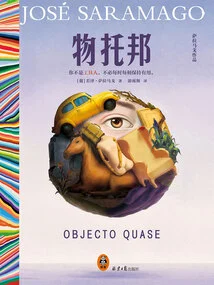
Utopia
General Fiction物托邦
I
This collection of short stories by Saramago, the only Nobel laureate in the Portuguese-speaking world, is rare in his writing career! The sofa becomes feverish; the car kidnaps its driver; the mailbox and the entire building disappear out of thin air; the chair falls, and the dictator sitting on it falls with it; the king attempts to surround the city of the dead with a city of the living, but death once again stands out... Life repeatedly flows backwards, back to the starting point. This time, you must live like a human being.
This collection of short stories by Saramago, the only Nobel laureate in the Portuguese-speaking world, is rare in his writing career! The sofa becomes feverish; the car kidnaps its driver; the mailbox and the entire building disappear out of thin air; the chair falls, and the dictator sitting on it falls with it; the king attempts to surround the city of the dead with a city of the living, but death once again stands out... Life repeatedly flows backwards, back to the starting point. This time, you must live like a human being.

Ariadne
General Fiction阿里阿德涅
(uk)jennifer Saint
Princess Ariadne of Crete and her sister Phaedra grew up in a magnificent palace. But looking at it from another perspective, both sisters grew up in prison, and they lived at the mercy of their cruel father Minos. Ariadne's mother Pasiphae was the daughter of the sun god Helios. She was punished by the sea god Poseidon because of her husband's mistakes. She was bewitched to mate with a bull and gave birth to the Minotaur. This became Pasiphae's shame, and she gradually became an empty shell; but Minos used the Minotaur as a tool to demonstrate power. He required Athens to hand over fourteen children every year to feed the Minotaur. When Theseus, prince of Athens, travels to Crete to slay the Minotaur, Ariadne sees not a threat but an opportunity in his green eyes. Ariadne fell in love with him. But helping Theseus slay the Minotaur means betraying her family and country, and Ariadne knows all too well that in a world ruled by fickle gods, attracting their attention will cost you everything. In a world where women are nothing more than pawns of powerful men, Ariadne has heard too many stories of women being punished for the actions of men, but she decides to take her fate into her own hands. Will Ariadne's decision to betray Crete for Theseus ensure her happy ending? Or will she find herself sacrificing herself to her lover's ambitions?
Princess Ariadne of Crete and her sister Phaedra grew up in a magnificent palace. But looking at it from another perspective, both sisters grew up in prison, and they lived at the mercy of their cruel father Minos. Ariadne's mother Pasiphae was the daughter of the sun god Helios. She was punished by the sea god Poseidon because of her husband's mistakes. She was bewitched to mate with a bull and gave birth to the Minotaur. This became Pasiphae's shame, and she gradually became an empty shell; but Minos used the Minotaur as a tool to demonstrate power. He required Athens to hand over fourteen children every year to feed the Minotaur. When Theseus, prince of Athens, travels to Crete to slay the Minotaur, Ariadne sees not a threat but an opportunity in his green eyes. Ariadne fell in love with him. But helping Theseus slay the Minotaur means betraying her family and country, and Ariadne knows all too well that in a world ruled by fickle gods, attracting their attention will cost you everything. In a world where women are nothing more than pawns of powerful men, Ariadne has heard too many stories of women being punished for the actions of men, but she decides to take her fate into her own hands. Will Ariadne's decision to betray Crete for Theseus ensure her happy ending? Or will she find herself sacrificing herself to her lover's ambitions?
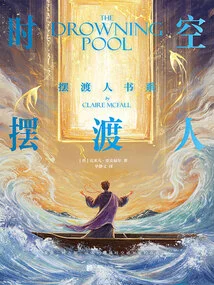
Time Ferryman (new Version)
General Fiction时空摆渡人(新版)
(uk) Claire Mcfaul
The girl Anna's life is shrouded in confusion. She doesn't know whether she should have the courage to pursue her dreams. She often wavers for family and friendship. At the same time, she is also worried that her brother, who often disappears, will go astray. Although she had never believed that anyone could predict fate, she was encouraged by her friends to meet the fortune teller at the carnival. This boy named Slater looks about the same age as her, and his gray eyes reveal mystery and vicissitudes of life. The boy is very silent, always reciting some nightmare-like scenes. Slowly, she discovered more weird behaviors of the boy, and she realized that the boy did not appear by chance. He seemed to have been waiting for her to appear, and he had been waiting since long, long before she was born. Their fate took an unpredictable turn from the moment they met...
The girl Anna's life is shrouded in confusion. She doesn't know whether she should have the courage to pursue her dreams. She often wavers for family and friendship. At the same time, she is also worried that her brother, who often disappears, will go astray. Although she had never believed that anyone could predict fate, she was encouraged by her friends to meet the fortune teller at the carnival. This boy named Slater looks about the same age as her, and his gray eyes reveal mystery and vicissitudes of life. The boy is very silent, always reciting some nightmare-like scenes. Slowly, she discovered more weird behaviors of the boy, and she realized that the boy did not appear by chance. He seemed to have been waiting for her to appear, and he had been waiting since long, long before she was born. Their fate took an unpredictable turn from the moment they met...
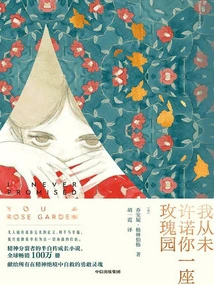
I Never Promised You a Rose Garden
General Fiction我从未许诺你一座玫瑰园
(us) Joanne Greenberg
16-year-old Deborah is shrouded in the dark kingdom of schizophrenia. This endless torture isolates her from the outside world. Out of fear, her parents admitted her to a mental hospital. Deborah is a mentally ill but perceptive teenager who, with the help of a gifted psychiatrist, spends three years regaining her sanity - battling a world of her own creation. The real world is never perfect, and we are our own refuge from the storms of life. In the eyes of 16-year-old Deborah, the world is a huge mental hospital full of lies, discrimination, violence and "cold compresses". She is an outsider who tried to murder her biological sister. Everything is heading towards destruction, and she would rather listen to the temptation of the fantasy world of "Yer" and fall into the boundless darkness. People in the ward suddenly go "crazy", are tied up and wrapped in "cold masks", numbed physically and mentally, discharged from the hospital, and then sent back again - mental hospitals more often become places where patients are mentally abused. She resisted interrogation and treatment, burning with rage, but she heard the doctor say to herself: "I never promised you a rose garden, I never promised you perfect justice... And I never promised you peace and happiness. I can only help you enjoy the freedom to fight for all the above." This book about an individual's growth path proves the perseverance of the human spirit and the power of healing, which can help individuals overcome the most difficult challenges. It's poignant, gripping and to the point.
16-year-old Deborah is shrouded in the dark kingdom of schizophrenia. This endless torture isolates her from the outside world. Out of fear, her parents admitted her to a mental hospital. Deborah is a mentally ill but perceptive teenager who, with the help of a gifted psychiatrist, spends three years regaining her sanity - battling a world of her own creation. The real world is never perfect, and we are our own refuge from the storms of life. In the eyes of 16-year-old Deborah, the world is a huge mental hospital full of lies, discrimination, violence and "cold compresses". She is an outsider who tried to murder her biological sister. Everything is heading towards destruction, and she would rather listen to the temptation of the fantasy world of "Yer" and fall into the boundless darkness. People in the ward suddenly go "crazy", are tied up and wrapped in "cold masks", numbed physically and mentally, discharged from the hospital, and then sent back again - mental hospitals more often become places where patients are mentally abused. She resisted interrogation and treatment, burning with rage, but she heard the doctor say to herself: "I never promised you a rose garden, I never promised you perfect justice... And I never promised you peace and happiness. I can only help you enjoy the freedom to fight for all the above." This book about an individual's growth path proves the perseverance of the human spirit and the power of healing, which can help individuals overcome the most difficult challenges. It's poignant, gripping and to the point.

The Seventh Official Circle is Hesitant
General Fiction第七官界彷徨
(japan) Ozaki Sui
Ono Machiko, a girl with curly red hair, lives with her eldest brother who studies schizophrenia, her second brother who studies moss love, and her cousin who is passionate about singing operas. While taking care of their daily lives, she wants to write poems that transcend the five and sixth senses and touch the world of the seventh sense. The stench of fertilizers and the out-of-tune music of the piano at home intertwine, stimulating people's nerves; the residents all have weird personalities, and they harbor unrequited love that they are ashamed to express... This book is the first time that Ozaki Sui's works have been published together in China. It collects five of his representative short stories, including the prestigious "The Seventh Official World Wandering" and the highly praised "Miss Cricket". The protagonists in the five novels are like multiple clones of the same girl scattered in the mirror, sometimes peering into the human world with compound eyes, sometimes using measuring cups to prepare the antidote for the heart. Between the comical and absurd scenery changes, and between the romantic and light dreams, the hard background of reality flashes past. Ozaki Sui, a female writer who was active in Japan from the Taisho to the early Showa era, attracted the attention of many literary giants such as Kawabata Yasunari and Dazai Osamu for her unfettered free style of writing and fantasy-like beautiful words. Literary critic Hanada Kiyote was unforgettable and highly praised her works. However, Ozaki Tsui returned home due to illness at the age of thirty-six, and then fell silent for half his life, appearing only briefly in the Japanese literary world. This forgotten genius writer has re-entered the public eye in recent years. With his surreal writing style and avant-garde expression techniques, he has won a large number of readers in the contemporary era and is known as a representative figure of the fantasy literature school.
Ono Machiko, a girl with curly red hair, lives with her eldest brother who studies schizophrenia, her second brother who studies moss love, and her cousin who is passionate about singing operas. While taking care of their daily lives, she wants to write poems that transcend the five and sixth senses and touch the world of the seventh sense. The stench of fertilizers and the out-of-tune music of the piano at home intertwine, stimulating people's nerves; the residents all have weird personalities, and they harbor unrequited love that they are ashamed to express... This book is the first time that Ozaki Sui's works have been published together in China. It collects five of his representative short stories, including the prestigious "The Seventh Official World Wandering" and the highly praised "Miss Cricket". The protagonists in the five novels are like multiple clones of the same girl scattered in the mirror, sometimes peering into the human world with compound eyes, sometimes using measuring cups to prepare the antidote for the heart. Between the comical and absurd scenery changes, and between the romantic and light dreams, the hard background of reality flashes past. Ozaki Sui, a female writer who was active in Japan from the Taisho to the early Showa era, attracted the attention of many literary giants such as Kawabata Yasunari and Dazai Osamu for her unfettered free style of writing and fantasy-like beautiful words. Literary critic Hanada Kiyote was unforgettable and highly praised her works. However, Ozaki Tsui returned home due to illness at the age of thirty-six, and then fell silent for half his life, appearing only briefly in the Japanese literary world. This forgotten genius writer has re-entered the public eye in recent years. With his surreal writing style and avant-garde expression techniques, he has won a large number of readers in the contemporary era and is known as a representative figure of the fantasy literature school.
Khazar Dictionary: Yang Version (classic Translation)
General Fiction哈扎尔辞典:阳本(译文经典)
(serbia) Milorad Pavic
At least once in his life every man becomes part of Adam's body, that is the moment of revelation. Only this short period of time is light and belongs to oneself. The rest of the time is darkness and is used by others. This moment of revelation is what the Khazars call a "dream." The purpose of the Khazar dream catchers is to collect these moments and piece together the body of Adam... The Khazar king wanted to convert to a religion and choose one of the three religions: Christianity, Judaism, and Islam, so representatives of Christianity (Orthodox), Judaism, and Islam in Constantinople gathered in the Khazar capital and held a "Khazar Debate." The three religions each have their own opinions on the outcome of the debate. Since the history written by the Khazars themselves has been lost to obscurity, the results of this great debate can only be supported by Christian, Jewish and Islamic documents. However, the results recorded by the three religions are contradictory, and they all believe that their religion has won the victory. So at the end of the seventeenth century (that is, hundreds of years later), a Khazar dictionary came out, which included records of debates between the three major sects. The book was divided into three parts, namely the Red Book, the Green Book, and the Yellow Book, which recorded the respective opinions of the three major sects.
At least once in his life every man becomes part of Adam's body, that is the moment of revelation. Only this short period of time is light and belongs to oneself. The rest of the time is darkness and is used by others. This moment of revelation is what the Khazars call a "dream." The purpose of the Khazar dream catchers is to collect these moments and piece together the body of Adam... The Khazar king wanted to convert to a religion and choose one of the three religions: Christianity, Judaism, and Islam, so representatives of Christianity (Orthodox), Judaism, and Islam in Constantinople gathered in the Khazar capital and held a "Khazar Debate." The three religions each have their own opinions on the outcome of the debate. Since the history written by the Khazars themselves has been lost to obscurity, the results of this great debate can only be supported by Christian, Jewish and Islamic documents. However, the results recorded by the three religions are contradictory, and they all believe that their religion has won the victory. So at the end of the seventeenth century (that is, hundreds of years later), a Khazar dictionary came out, which included records of debates between the three major sects. The book was divided into three parts, namely the Red Book, the Green Book, and the Yellow Book, which recorded the respective opinions of the three major sects.

Seize by Force
General Fiction强力夺取
H
A brilliant, innovative novel that keenly captures the presence and absence of the sacred. "To Take", first published in 1960, is a milestone in the history of American literature - Flannery O'Connor's work is a dark and fascinating example of gothic sensibility and sharp irony. In the novel, orphan Tarwater and his uncle Reb defy their dead uncle's prophecy that Tarwater will become a prophet and baptize Reb's son Bishop. Tarwater engages in an inner struggle with his deep-seated beliefs and the voices calling him to be a prophet, while Rebbe attempts to guide Tarwater into a more "reasonable" modern world. Both are grappling with the legacy of lost loved ones. O'Connor observes it all with a breathtaking combination of irony and empathy, humor and pathos.
A brilliant, innovative novel that keenly captures the presence and absence of the sacred. "To Take", first published in 1960, is a milestone in the history of American literature - Flannery O'Connor's work is a dark and fascinating example of gothic sensibility and sharp irony. In the novel, orphan Tarwater and his uncle Reb defy their dead uncle's prophecy that Tarwater will become a prophet and baptize Reb's son Bishop. Tarwater engages in an inner struggle with his deep-seated beliefs and the voices calling him to be a prophet, while Rebbe attempts to guide Tarwater into a more "reasonable" modern world. Both are grappling with the legacy of lost loved ones. O'Connor observes it all with a breathtaking combination of irony and empathy, humor and pathos.

Device
General Fiction装置
(uk) J. O. Morgan
"It" changes the world, but we are unaware that "it" orders us to live our lives, and we allow it because someone tells us that "it" is okay... In an imaginary future world, humans have invented a device that can "transport" people or items through the air. But once transported, these people or objects quickly lose their essence, and while they look the same as before, the characteristics that made them who they are are gone. After tens of thousands of transports, the once-familiar world was slowly replaced by another version, but the people living in it seemed unaware. Even if people who occasionally see the truth will have a flash of uneasiness, they will be swept away by the torrent of time before they have time to stop and think about its significance... The old woman is hesitant to use such a transport machine because she is worried that the machine will destroy the collection of her unique memories; the woman's husband was used in the first human transport After losing the experiment, she found that what came back was a young man who "disguised" as her husband; the man worked hard to build a machine to save his terminally ill wife, but paid an unknown price; the boy discovered and modified the code BUG hidden in the device's transportation network, causing a global shock and completely changing his own destiny...
"It" changes the world, but we are unaware that "it" orders us to live our lives, and we allow it because someone tells us that "it" is okay... In an imaginary future world, humans have invented a device that can "transport" people or items through the air. But once transported, these people or objects quickly lose their essence, and while they look the same as before, the characteristics that made them who they are are gone. After tens of thousands of transports, the once-familiar world was slowly replaced by another version, but the people living in it seemed unaware. Even if people who occasionally see the truth will have a flash of uneasiness, they will be swept away by the torrent of time before they have time to stop and think about its significance... The old woman is hesitant to use such a transport machine because she is worried that the machine will destroy the collection of her unique memories; the woman's husband was used in the first human transport After losing the experiment, she found that what came back was a young man who "disguised" as her husband; the man worked hard to build a machine to save his terminally ill wife, but paid an unknown price; the boy discovered and modified the code BUG hidden in the device's transportation network, causing a global shock and completely changing his own destiny...

我不喜欢人类,我想住进森林(新版)
M
I'm a cyclist. I am a husband, a father, a son, an employee, a property owner and a bunch of other things, and people are always so complex. Anyway, I was just riding outside and I fell. It didn't make sense, I was familiar with walking in the forest, but I was going downhill when my front wheel suddenly got stuck in two rocks. I fell off the bike, hit my butt on a tree root, and hit my head with the bike. It hurt like hell and I couldn't move. After the worst pain subsided, I felt a deep sense of peace. There is only forest. Suddenly, there was only the forest. Then I came home, took a sick leave for a week or two, and left a note on the kitchen counter at the end of my sick leave. It said succinctly that I was going to take a walk in the forest, no idea how long I would be gone but they wouldn't have to wait for me to get home for dinner. This was about half a year ago, and since then, I have only seen my wife a few times.
I'm a cyclist. I am a husband, a father, a son, an employee, a property owner and a bunch of other things, and people are always so complex. Anyway, I was just riding outside and I fell. It didn't make sense, I was familiar with walking in the forest, but I was going downhill when my front wheel suddenly got stuck in two rocks. I fell off the bike, hit my butt on a tree root, and hit my head with the bike. It hurt like hell and I couldn't move. After the worst pain subsided, I felt a deep sense of peace. There is only forest. Suddenly, there was only the forest. Then I came home, took a sick leave for a week or two, and left a note on the kitchen counter at the end of my sick leave. It said succinctly that I was going to take a walk in the forest, no idea how long I would be gone but they wouldn't have to wait for me to get home for dinner. This was about half a year ago, and since then, I have only seen my wife a few times.

I'm a Young Man and I'm Not in a Good Mood (new Version)
General Fiction我是个年轻人,我心情不太好(新版)
(norway) Alan Lew
I am 25 years old, studying for a master's degree, and I am bothered by things like time, space, and meaning. I know an incredible amount of stuff. I know the name, the year. Hundreds. I know who was the first to climb Mount Everest, I know who directed some of America's lamest soap operas, and I know that when air hits an airplane wing, it creates low pressure on the upper surface of the wing, which is what makes airplanes fly. I know what Aristotle meant. I know time moves slower on the sun. I know too much. What should I do with them? Of course I can participate in the "Geupadi Quiz" and the prize is a trip to Greece. Double. But I don't have a girlfriend. I can only go alone. But what was I going to do in Greece? There's no reason to believe I'd be happier there. If only I had a very reliable feeling that everything was going to be okay.
I am 25 years old, studying for a master's degree, and I am bothered by things like time, space, and meaning. I know an incredible amount of stuff. I know the name, the year. Hundreds. I know who was the first to climb Mount Everest, I know who directed some of America's lamest soap operas, and I know that when air hits an airplane wing, it creates low pressure on the upper surface of the wing, which is what makes airplanes fly. I know what Aristotle meant. I know time moves slower on the sun. I know too much. What should I do with them? Of course I can participate in the "Geupadi Quiz" and the prize is a trip to Greece. Double. But I don't have a girlfriend. I can only go alone. But what was I going to do in Greece? There's no reason to believe I'd be happier there. If only I had a very reliable feeling that everything was going to be okay.
Dangerous Stories
General Fiction险境奇谈
(uk) J. R. R. Tolkien
In Tolkien's creative world, there are the shocking "Lord of the Rings" and the vast and magnificent world of Middle-earth, as well as short stories, poems and famous and far-reaching speeches that embody his extraordinary imagination, scholar's sense of humor and painful life experience. This book adopts a unique method of editing and selecting Tolkien's works and consists of two parts: the first half is about his creation practice of fairy tales, which is composed of 4 classic short stories and 16 poems; the second half of the appendix is about his theory of fairy tales. The 45,000 words of Tolkien's most famous lecture "On Wonderland", which has a profound influence on later generations, is fully included, giving a glimpse of the unique view of fantasy and fairy tales of the originator of contemporary fantasy. Although these classic short stories spanned 40 years of creation, they are "on the edge" of the world of Middle-earth, but they are the epitome of Tolkien's narrative genius. International illustrator and Oscar winner Alan Lee presents 50 illustrations.
In Tolkien's creative world, there are the shocking "Lord of the Rings" and the vast and magnificent world of Middle-earth, as well as short stories, poems and famous and far-reaching speeches that embody his extraordinary imagination, scholar's sense of humor and painful life experience. This book adopts a unique method of editing and selecting Tolkien's works and consists of two parts: the first half is about his creation practice of fairy tales, which is composed of 4 classic short stories and 16 poems; the second half of the appendix is about his theory of fairy tales. The 45,000 words of Tolkien's most famous lecture "On Wonderland", which has a profound influence on later generations, is fully included, giving a glimpse of the unique view of fantasy and fairy tales of the originator of contemporary fantasy. Although these classic short stories spanned 40 years of creation, they are "on the edge" of the world of Middle-earth, but they are the epitome of Tolkien's narrative genius. International illustrator and Oscar winner Alan Lee presents 50 illustrations.

Crime and Punishment
General Fiction罪与罚
(russian) Dostoevsky
The nineteenth century in which Dostoevsky lived was a declining century. In that irrational era, people doubted all final conclusions, inherent nobility, royal power, and faith. In 1849, Dostoevsky was arrested for participating in a secret rally against the Tsar and angering the authorities. The following year, he was sentenced to exile in Siberia and served four years of hard labor. The painful life spent with criminals gave him a profound observation of the dark side of Russian society, and he also gained new concepts about human life, the good and evil in human nature, and the character of the Russian people. These observations and concepts are presented in "Crime and Punishment". The author himself said that this is "a confession about a criminal."
The nineteenth century in which Dostoevsky lived was a declining century. In that irrational era, people doubted all final conclusions, inherent nobility, royal power, and faith. In 1849, Dostoevsky was arrested for participating in a secret rally against the Tsar and angering the authorities. The following year, he was sentenced to exile in Siberia and served four years of hard labor. The painful life spent with criminals gave him a profound observation of the dark side of Russian society, and he also gained new concepts about human life, the good and evil in human nature, and the character of the Russian people. These observations and concepts are presented in "Crime and Punishment". The author himself said that this is "a confession about a criminal."

Money: a Book of Destruction
General Fiction金钱:绝命书
(uk) Martin Amis
"Money" is Martin Amis's masterpiece and was selected as one of "The 100 Best English Novels" by Time magazine. The protagonist of the novel, Self, is a producer who "makes commercial TV commercials for tobacco, alcohol, junk food, and nude magazines." For money, he even more unscrupulously makes pornographic videos, and travels between London and New York, two money-worshiping metropolises. In this web of money and sex, Self's relationships with everyone around him are laid bare. Money is everywhere and omnipotent. As the only "true god" that Self trusts, it can not only fulfill all of Self's despicable and greedy human desires, but at the same time pave the way for Self to fall into hell. In this money and sex scam, Self ultimately became the biggest loser. In its straightforward, uninhibited and decadent description, this book profoundly highlights Amis's extreme ridicule of "money" and the silent sorrow of the twisted human soul corroded by "money".
"Money" is Martin Amis's masterpiece and was selected as one of "The 100 Best English Novels" by Time magazine. The protagonist of the novel, Self, is a producer who "makes commercial TV commercials for tobacco, alcohol, junk food, and nude magazines." For money, he even more unscrupulously makes pornographic videos, and travels between London and New York, two money-worshiping metropolises. In this web of money and sex, Self's relationships with everyone around him are laid bare. Money is everywhere and omnipotent. As the only "true god" that Self trusts, it can not only fulfill all of Self's despicable and greedy human desires, but at the same time pave the way for Self to fall into hell. In this money and sex scam, Self ultimately became the biggest loser. In its straightforward, uninhibited and decadent description, this book profoundly highlights Amis's extreme ridicule of "money" and the silent sorrow of the twisted human soul corroded by "money".