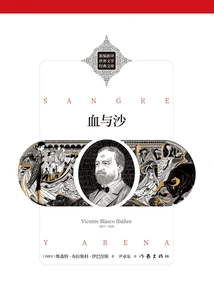
Blood and Sand (newly Edited and Translated World Literature Classics Library)
About This Novel
"Blood and Sand" describes the life of a matador. Gallardo is the son of a drunken shoemaker. His mother, Mrs. Angustias (meaning pain and trouble), earns some change as a servant to support the family. This is a poor family. The child's father died young. In order to make a living, the mother found the best shoemaker for her son to be an apprentice. However, he was stubborn by nature and wanted to be a bullfighter. He was obsessed with bullfighting and would never obey even if his mother beat him severely. In the end, after all kinds of hardships and desperate struggles, he finally became a famous bullfighter throughout the Iberian Peninsula. Contracts came to him like snowflakes every bullfighting season, and he made a lot of money. He bought real estate and manor, and entered the upper class society. The Marquis's niece was willing to be his lover. For him, the bullring was a sea of cheers and applause. People from all walks of life looked up to him. He also generously gave alms to the poor and seemed to be their savior. His agent even proudly called him "the best bullfighter in the world" or "the best bullfighter in the world." However, he was no exception to the law that everything must turn to its extremes and prosperity must decline. This glorious time did not last long. Suddenly one afternoon, his bullfight failed. He was a coward who dared not look at the bull. The cheers and applause turned into ridicule and boos. His lady lover also ruthlessly abandoned him. He was financially in debt and mentally depressed. Finally, he died miserably while trying to regain his glory after recovering from a serious injury. "Blood and Sand" also focuses on the theme of bullfighting and vividly describes Spanish religious rituals. In addition to the regular church prayers, the religious processions of Easter and Holy Week are particularly complete and detailed. This kind of procession, in which devout believers from various sects form a mighty procession, carries the statues of the Virgin Mary and Jesus through the streets and alleys of the city, and lasts from late at night to the dawn of the next day. In name, it is a grand religious event held every year in Spain, but in Ibáñez's writing, it turns into an absurd, ignorant, and hateful farce by a group of rabble-rousers.
Official Sources
What Readers Think
Rating
Community(0)
Rating
Community(0)