Library
Browse and search books
1,508 novels found
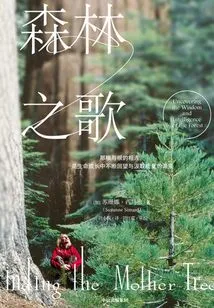
Forest Song
Literature森林之歌
(add) Suzanne Simard
She is the daughter of the forest and grew up in the forest. From a female lumberjack to a young female scientist who proposed new ideas, she was repeatedly squeezed and suppressed in a field where women were severely discriminated against, but she still moved forward tenaciously with her passion and became widely recognized as the "Mother of the Tree Network" and a well-deserved celebrity in the field of forest ecology. She had lost a loved one, had her family broken up, and suffered from a serious illness. It was her beloved forest and family and friends that gave her strength, healed her wounds, and helped her regain her vitality. In this book, Simard tells the story of his unique life journey. Her life parallels research exploring the forest's hidden underground network. Trees and fungi in the forest are mutually beneficial and build an intricate "tree-dimensional network", just like our neural network or the Internet, through which nutrients and water can be transferred; trees use this to exchange information and help each other. The center of the tree network is the mother tree, which uses powerful power to connect and maintain all the surrounding offspring. In a dynamic and self-healing forest, competition is not a permanent theme. The cooperative relationship between trees and between trees and fungi is far more important than we imagine. Only by being altruistic can we benefit ourselves. The same is true for human beings. The relationships between us and our relatives, lovers, and friends are intertwined into an intricate network of social relationships, which provide us with valuable support and help and are the source of our constant review and energy absorption as we move forward. This book will forever change the way we see trees and give us the power to heal.
She is the daughter of the forest and grew up in the forest. From a female lumberjack to a young female scientist who proposed new ideas, she was repeatedly squeezed and suppressed in a field where women were severely discriminated against, but she still moved forward tenaciously with her passion and became widely recognized as the "Mother of the Tree Network" and a well-deserved celebrity in the field of forest ecology. She had lost a loved one, had her family broken up, and suffered from a serious illness. It was her beloved forest and family and friends that gave her strength, healed her wounds, and helped her regain her vitality. In this book, Simard tells the story of his unique life journey. Her life parallels research exploring the forest's hidden underground network. Trees and fungi in the forest are mutually beneficial and build an intricate "tree-dimensional network", just like our neural network or the Internet, through which nutrients and water can be transferred; trees use this to exchange information and help each other. The center of the tree network is the mother tree, which uses powerful power to connect and maintain all the surrounding offspring. In a dynamic and self-healing forest, competition is not a permanent theme. The cooperative relationship between trees and between trees and fungi is far more important than we imagine. Only by being altruistic can we benefit ourselves. The same is true for human beings. The relationships between us and our relatives, lovers, and friends are intertwined into an intricate network of social relationships, which provide us with valuable support and help and are the source of our constant review and energy absorption as we move forward. This book will forever change the way we see trees and give us the power to heal.
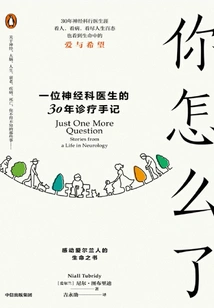
What's Wrong with You
Literature你怎么了
(ireland) Neil Tubridy
In the book, the author tells the interesting stories and life insights he has experienced in the field of neurology for many years, and shares with readers some cases that are either bitter, dramatic or bizarre: a chef who goes out for a walk every morning and suddenly loses six hours of memory; a young painter who believes that his left hand is his "guardian angel"; an old man who lives alone sees Santa Claus flying a helicopter in his bedroom; an easy-going, young and vigorous painter A football player becomes irritable and always gets into fights because he feels he is being persecuted; a carpenter stumbles out of his car only to be diagnosed with a severe neurological disease; Tubridy explains in simple and enlightening terms well-known diseases such as multiple sclerosis, motor neurone disease and Parkinson's disease, and takes us into the examination room to accompany his patients on the challenging road to receiving these diagnoses. In addition, he also frankly explained his medical career: as the son of a doctor, why he wanted to practice medicine; how he diagnosed patients; when faced with bad news, how he told his patients bad news; as a doctor, how his life was affected and how it changed. In this thought-provoking, gripping, and moving book, you'll learn about the human brain in a whole new way and see life, death, and your own life from a different perspective.
In the book, the author tells the interesting stories and life insights he has experienced in the field of neurology for many years, and shares with readers some cases that are either bitter, dramatic or bizarre: a chef who goes out for a walk every morning and suddenly loses six hours of memory; a young painter who believes that his left hand is his "guardian angel"; an old man who lives alone sees Santa Claus flying a helicopter in his bedroom; an easy-going, young and vigorous painter A football player becomes irritable and always gets into fights because he feels he is being persecuted; a carpenter stumbles out of his car only to be diagnosed with a severe neurological disease; Tubridy explains in simple and enlightening terms well-known diseases such as multiple sclerosis, motor neurone disease and Parkinson's disease, and takes us into the examination room to accompany his patients on the challenging road to receiving these diagnoses. In addition, he also frankly explained his medical career: as the son of a doctor, why he wanted to practice medicine; how he diagnosed patients; when faced with bad news, how he told his patients bad news; as a doctor, how his life was affected and how it changed. In this thought-provoking, gripping, and moving book, you'll learn about the human brain in a whole new way and see life, death, and your own life from a different perspective.
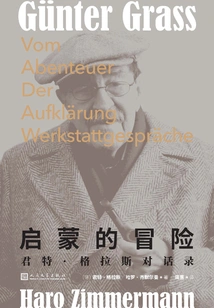
启蒙的冒险:君特·格拉斯对话录
(germany) Günter Grass (germany) Haro Zimmermann
"The Adventure of Enlightenment" is a long dialogue between the famous German writer Günter Grass and the German contemporary literary critic Haro Zimmermann from June to August 1998. The two conducted extensive discussions on Grass's literary and artistic career, his views on modern and contemporary German literature, his evaluation of his own works, his attitude towards criticism, as well as Germany's history and reality. Through the dialogue, readers can have a deeper understanding of Günter Grass's works and thoughts, especially some of his difficult works that have received completely different evaluations. This book allows us to see another side of the novelist Glass, an intellectual who is active in the world and has a sense of justice.
"The Adventure of Enlightenment" is a long dialogue between the famous German writer Günter Grass and the German contemporary literary critic Haro Zimmermann from June to August 1998. The two conducted extensive discussions on Grass's literary and artistic career, his views on modern and contemporary German literature, his evaluation of his own works, his attitude towards criticism, as well as Germany's history and reality. Through the dialogue, readers can have a deeper understanding of Günter Grass's works and thoughts, especially some of his difficult works that have received completely different evaluations. This book allows us to see another side of the novelist Glass, an intellectual who is active in the world and has a sense of justice.
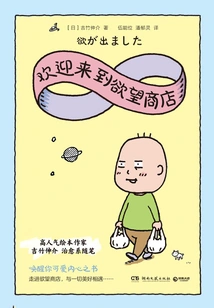
Welcome to the Desire Store
Literature欢迎来到欲望商店
H
People always have all kinds of desires... "Welcome to the Desire Store"! A collection of warm essays by the popular Japanese picture book writer Shinsuke Yoshitake! People always have desires of one kind or another. They are happy with desires, but also troubled by desires. Desires can be related to important issues such as money and status, but they also exist in daily life, and even manifest themselves in small thoughts that are often ignored - can I have another snack? It doesn't matter if you sleep a little longer, right? What kind of life do I yearn for? What should I do if I don't want to go to work? Everyone has all kinds of strange little desires and thoughts, and it is precisely because of this that human beings become rich and interesting. In this book, Shinsuke Yoshitake records every detail of his life and shares many unique moments and ingenious philosophical thoughts, which will make you smile knowingly and be truly moved at the same time.
People always have all kinds of desires... "Welcome to the Desire Store"! A collection of warm essays by the popular Japanese picture book writer Shinsuke Yoshitake! People always have desires of one kind or another. They are happy with desires, but also troubled by desires. Desires can be related to important issues such as money and status, but they also exist in daily life, and even manifest themselves in small thoughts that are often ignored - can I have another snack? It doesn't matter if you sleep a little longer, right? What kind of life do I yearn for? What should I do if I don't want to go to work? Everyone has all kinds of strange little desires and thoughts, and it is precisely because of this that human beings become rich and interesting. In this book, Shinsuke Yoshitake records every detail of his life and shares many unique moments and ingenious philosophical thoughts, which will make you smile knowingly and be truly moved at the same time.
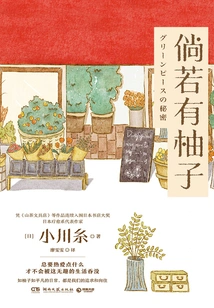
If There Were Grapefruit
Literature倘若有柚子
H
There must be many things hidden in this world that I can find if I keep looking. Ogawa Ito's words are just right and restrained, implying deep feelings, making people want to seriously cherish every moment of light in life. "If I can harvest grapefruit in my garden in the future, that will be enough to make people cheer. There should be a long, long way to go before that day." Ogawa Ito wrote an essay about his life spanning a year with his usual delicate words. Ogawa Ito's ability to create atmosphere is extremely strong, making people feel that everything is a beautiful fragment of life. Ogawa Ito deconstructs simple daily life, every word and sentence is concise and gentle, full of just the right amount of elegance and affection. No matter which page you turn and which paragraph you read, you will feel beautiful but not excessive. In monotonous days, Ogawa Ito chooses to decorate his life with different rewards. Living every day well is the greatest reward for yourself.
There must be many things hidden in this world that I can find if I keep looking. Ogawa Ito's words are just right and restrained, implying deep feelings, making people want to seriously cherish every moment of light in life. "If I can harvest grapefruit in my garden in the future, that will be enough to make people cheer. There should be a long, long way to go before that day." Ogawa Ito wrote an essay about his life spanning a year with his usual delicate words. Ogawa Ito's ability to create atmosphere is extremely strong, making people feel that everything is a beautiful fragment of life. Ogawa Ito deconstructs simple daily life, every word and sentence is concise and gentle, full of just the right amount of elegance and affection. No matter which page you turn and which paragraph you read, you will feel beautiful but not excessive. In monotonous days, Ogawa Ito chooses to decorate his life with different rewards. Living every day well is the greatest reward for yourself.
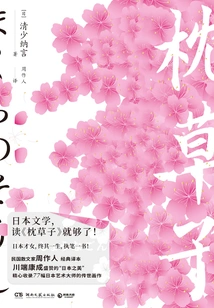
Pillow Seeds
Literature枕草子
(japanese) Qingshaonagon
"Pillow" is a landmark masterpiece in the history of Japanese literature, a literary miracle book that has been passed down for thousands of years. Written around 1000 AD, it was the first of Japanese essay literature, and together with The Tale of Genji, it is the "twin gems of Heian period literature". "Pillow" can clearly and directly lead readers to understand the delicacy and beauty of Japanese literature, as well as the aesthetic taste in Japanese culture. The book has a total of 305 paragraphs, divided into three major contents: clustering, diary and reflections.
"Pillow" is a landmark masterpiece in the history of Japanese literature, a literary miracle book that has been passed down for thousands of years. Written around 1000 AD, it was the first of Japanese essay literature, and together with The Tale of Genji, it is the "twin gems of Heian period literature". "Pillow" can clearly and directly lead readers to understand the delicacy and beauty of Japanese literature, as well as the aesthetic taste in Japanese culture. The book has a total of 305 paragraphs, divided into three major contents: clustering, diary and reflections.
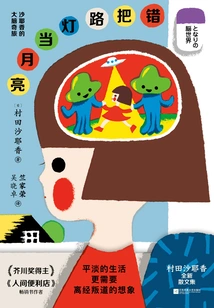
Mistaking a Streetlight for the Moon
Literature错把路灯当月亮
(japan) Sayaka Murata
Sayaka Murata's new essay collection collects 72 works published in various newspapers and magazines since her debut. The book contains the author's memories of her childhood, introduces music and books that had a profound impact on her, and various interesting things she encountered in her travels, etc. It records Sayaka Murata's various imaginations of life, and spreads her embarrassed and funny appearance before our eyes.
Sayaka Murata's new essay collection collects 72 works published in various newspapers and magazines since her debut. The book contains the author's memories of her childhood, introduces music and books that had a profound impact on her, and various interesting things she encountered in her travels, etc. It records Sayaka Murata's various imaginations of life, and spreads her embarrassed and funny appearance before our eyes.
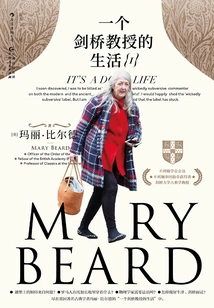
The Life of a Cambridge Professor 1
Literature一个剑桥教授的生活1
I
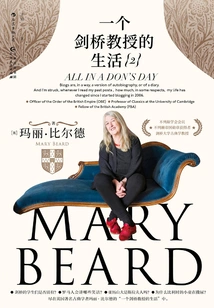
This book is a selection of articles written by the famous British classical scholar Mary Beard on her blog "The Life of a Cambridge Professor" from 2006 to 2008. In these articles, Professor Beard talks about ancient and modern times, elucidates the subtleties, and shows readers a Cambridge professor's thoughts and suggestions on teaching and education, Greece and Rome, and current affairs and politics. Where did the lip prints on the sculpture come from? What did the Romans wear under their togas? Do physicists need French? How to do a good interview at Oxford and Cambridge? In Professor Beard's sharp and interesting writing style, a colorful picture scroll is unfolding.
This book is a selection of articles written by the famous British classical scholar Mary Beard on her blog "The Life of a Cambridge Professor" from 2006 to 2008. In these articles, Professor Beard talks about ancient and modern times, elucidates the subtleties, and shows readers a Cambridge professor's thoughts and suggestions on teaching and education, Greece and Rome, and current affairs and politics. Where did the lip prints on the sculpture come from? What did the Romans wear under their togas? Do physicists need French? How to do a good interview at Oxford and Cambridge? In Professor Beard's sharp and interesting writing style, a colorful picture scroll is unfolding.
The Life of a Cambridge Professor 2
Literature一个剑桥教授的生活2
I
Continuing the style of the previous volume, Professor Mary Beard continues to express her many views on education, classical history, and current affairs in her blog, which is both interesting and educational. Somali pirates are rampant, why not try what Pompeo did? What jokes did the Romans tell? How bad are UK election party manifestos? In chronological order, this book provides readers with many shining points to think about and explore, showing the profound and slightly weird inner world of classical scholars!
Continuing the style of the previous volume, Professor Mary Beard continues to express her many views on education, classical history, and current affairs in her blog, which is both interesting and educational. Somali pirates are rampant, why not try what Pompeo did? What jokes did the Romans tell? How bad are UK election party manifestos? In chronological order, this book provides readers with many shining points to think about and explore, showing the profound and slightly weird inner world of classical scholars!
Complete Collection of Bacon's Essays (chinese Translation of World Literature Masterpieces Series)
Literature培根随笔全集(汉译世界文学名著丛书)
I
"The Complete Essays of Bacon" is a collection of essays created by the British philosopher and writer Francis Bacon. It contains some short essays of an argumentative nature, covering politics, economics, religion, love, marriage, friendship, art, education, ethics and other aspects. It contains the essence of Bacon's thoughts. It is Bacon's representative work in literature and the pioneer of British essay literature. It has been translated into and published in many languages. This book is translated by Li Jiazhen.
"The Complete Essays of Bacon" is a collection of essays created by the British philosopher and writer Francis Bacon. It contains some short essays of an argumentative nature, covering politics, economics, religion, love, marriage, friendship, art, education, ethics and other aspects. It contains the essence of Bacon's thoughts. It is Bacon's representative work in literature and the pioneer of British essay literature. It has been translated into and published in many languages. This book is translated by Li Jiazhen.
树木希林人生遗言一百二十则
(japan) Shu Shilin
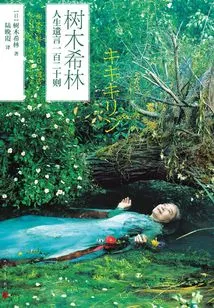
This book records the 120 last words of the actress Shu Xilin who died of illness on September 15, 2018. Aging, loneliness, illness, work, family, marital relationships... These are all high walls that everyone will encounter in the journey of life. How should we overcome them? The revelation lies in the words of Ms. Shu Xilin during her lifetime. This book is compiled from the most touching parts of Ms. Kuki Shirin's speeches in interviews on various occasions, including interviews in the NHK special "Living Like Shirin Kuki" and the Asahi Shimbun's serialized "Life Message" column. Ms. Shu Shilin, who has practiced "letting nature take its course" throughout her life and remained true to her true self until the last moment of her life, is full of her humanity and philosophy of life in her forthright words. Not constrained by prejudices and common sense, she laughs at life, and no matter what difficulties she encounters, whether she is aging or sick, she regards them as the "nutrient" to survive. This is the kind of tree Xilin whose many words will inspire us a lot. In short, look at the world with an interesting attitude. At the same time, this book also includes a large number of secret photos provided by family members, as well as precious stills from memorable TV series.
This book records the 120 last words of the actress Shu Xilin who died of illness on September 15, 2018. Aging, loneliness, illness, work, family, marital relationships... These are all high walls that everyone will encounter in the journey of life. How should we overcome them? The revelation lies in the words of Ms. Shu Xilin during her lifetime. This book is compiled from the most touching parts of Ms. Kuki Shirin's speeches in interviews on various occasions, including interviews in the NHK special "Living Like Shirin Kuki" and the Asahi Shimbun's serialized "Life Message" column. Ms. Shu Shilin, who has practiced "letting nature take its course" throughout her life and remained true to her true self until the last moment of her life, is full of her humanity and philosophy of life in her forthright words. Not constrained by prejudices and common sense, she laughs at life, and no matter what difficulties she encounters, whether she is aging or sick, she regards them as the "nutrient" to survive. This is the kind of tree Xilin whose many words will inspire us a lot. In short, look at the world with an interesting attitude. At the same time, this book also includes a large number of secret photos provided by family members, as well as precious stills from memorable TV series.
P
LiteratureP
G
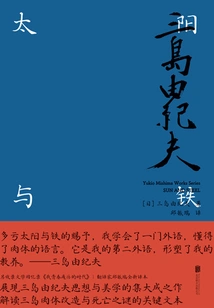
"The Sun and Iron" is a long prose written by Mishima Yukio in his late period, and it is also a rare autobiographical work in his creative career. In this book, Mishima uses poetic language full of symbolism to elaborate on inner contradictions and conflicts from various angles. He condensed his own beliefs into the sun, and the sun was the external glory of the muscle shape, reflecting the muscles. Iron is the form of the inner strength of muscles. Only after experiencing the training of the sun and iron can the body maintain its eternal glory and bear all value. "The Sun and Iron" is an important work in which Mishima Yukio reveals his inner thoughts and aesthetics. It is also a key text in interpreting the mystery of his death.
"The Sun and Iron" is a long prose written by Mishima Yukio in his late period, and it is also a rare autobiographical work in his creative career. In this book, Mishima uses poetic language full of symbolism to elaborate on inner contradictions and conflicts from various angles. He condensed his own beliefs into the sun, and the sun was the external glory of the muscle shape, reflecting the muscles. Iron is the form of the inner strength of muscles. Only after experiencing the training of the sun and iron can the body maintain its eternal glory and bear all value. "The Sun and Iron" is an important work in which Mishima Yukio reveals his inner thoughts and aesthetics. It is also a key text in interpreting the mystery of his death.
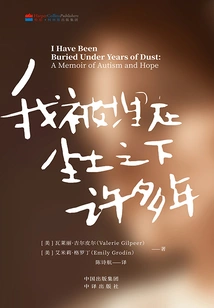
我被埋在尘土之下许多年
(u. S.) Valerie Gilpierre Emily Grodin
This is an extraordinary memoir, telling the emotional test a young couple faced while raising an autistic child. It is of great social value and has special care for the domestic autistic community. "I have been buried under the dust for many years, and now I have a lot to say." This is what 25-year-old Emily wrote. She was born with non-verbal autism. For a quarter of a century, her only way of communication was one-word reactions or body movements. After unremitting efforts, Emily was finally able to express her heart in words. Through insights, stories and poems, she depicts the extraordinary spiritual world of people with autism in a highly personal way.
This is an extraordinary memoir, telling the emotional test a young couple faced while raising an autistic child. It is of great social value and has special care for the domestic autistic community. "I have been buried under the dust for many years, and now I have a lot to say." This is what 25-year-old Emily wrote. She was born with non-verbal autism. For a quarter of a century, her only way of communication was one-word reactions or body movements. After unremitting efforts, Emily was finally able to express her heart in words. Through insights, stories and poems, she depicts the extraordinary spiritual world of people with autism in a highly personal way.
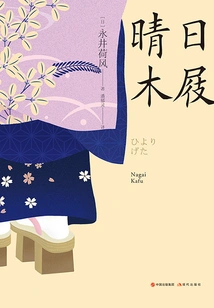
Sunny Clogs
Literature晴日木屐
Nagai Kafeng
"Clothes of a Clear Sun" is a collection of prose essays by the representative Japanese aesthetic writer Karika Nagai, including Zhou Zuoren's favorite special collection "Cloths of a Clear Sun", as well as 17 excellent prose essays such as "Snowy Day", "Bells" and "Plum Rain Clear". As the "Preface" says, "The recorded image of Japan today" presents the emotion of "the abyss of yesterday has become a shoal today, and everything in the world is unpredictable." Nagai Hefeng's life, aspirations, literary and artistic views, creative views, etc. Are all included in this excellent prose. The written words are like vivid "Edo period" ukiyo-e paintings. When you walk among them, you can see familiar remnants and remnants of past civilization everywhere. "Sunny Geta" describes a story about a 100-year-old man wearing Sunny Geta and holding a bat umbrella in the streets and alleys of Tokyo and its suburbs. He recounts his experiences and thoughts in detail, especially recording the traditional Japanese culture and ancient relics that have been severely damaged under the impact of modern civilized society. It expresses the aftertaste, yearning and nostalgia for the secular life in Edo in a sad and sad mood, highlighting the cultural critical vision of a traditional literati in a period of social transformation. He poured his nostalgia for the scenery of the past into his writing, constructing an aesthetic space that is different from that of contemporary cities, and showing the Dutch-style literati taste and tranquil and comfortable life. Karika Nagai is a sentimental nostalgist. His words are full of passionate and simple nostalgia for the Meiji period. He disdains the society after Taisho that is full of suspicion and resentment. He feels that Japan's modern life and Japanese people's temperament are completely different from the elegance of Japanese scenery. "In those days, the falling snow on the street could always evoke the sadness in people's hearts just like the timbre of the shamisen." "What is irreversible in this world are not just short-lived dreams." These emotions are particularly strong in works such as "Geta on a Sunny Day", "Snowy Day", "Hometown Now and Then" and "Concubine's House". Like his novels, Hefeng's prose essays reflected his high sensitivity to the tide of modernization in Japan at that time. He used literature to criticize current ills and face social problems directly. He also conveyed his firm belief that "the deep valleys of moral corruption are not without true and kind feelings." This was the fulcrum of his nostalgia for Edo. As the saying goes, "Knowing people and judging the world", the best way to interpret Nagai Hefeng is to read his essays. It is said that literature is like people, and this is especially true for him.
"Clothes of a Clear Sun" is a collection of prose essays by the representative Japanese aesthetic writer Karika Nagai, including Zhou Zuoren's favorite special collection "Cloths of a Clear Sun", as well as 17 excellent prose essays such as "Snowy Day", "Bells" and "Plum Rain Clear". As the "Preface" says, "The recorded image of Japan today" presents the emotion of "the abyss of yesterday has become a shoal today, and everything in the world is unpredictable." Nagai Hefeng's life, aspirations, literary and artistic views, creative views, etc. Are all included in this excellent prose. The written words are like vivid "Edo period" ukiyo-e paintings. When you walk among them, you can see familiar remnants and remnants of past civilization everywhere. "Sunny Geta" describes a story about a 100-year-old man wearing Sunny Geta and holding a bat umbrella in the streets and alleys of Tokyo and its suburbs. He recounts his experiences and thoughts in detail, especially recording the traditional Japanese culture and ancient relics that have been severely damaged under the impact of modern civilized society. It expresses the aftertaste, yearning and nostalgia for the secular life in Edo in a sad and sad mood, highlighting the cultural critical vision of a traditional literati in a period of social transformation. He poured his nostalgia for the scenery of the past into his writing, constructing an aesthetic space that is different from that of contemporary cities, and showing the Dutch-style literati taste and tranquil and comfortable life. Karika Nagai is a sentimental nostalgist. His words are full of passionate and simple nostalgia for the Meiji period. He disdains the society after Taisho that is full of suspicion and resentment. He feels that Japan's modern life and Japanese people's temperament are completely different from the elegance of Japanese scenery. "In those days, the falling snow on the street could always evoke the sadness in people's hearts just like the timbre of the shamisen." "What is irreversible in this world are not just short-lived dreams." These emotions are particularly strong in works such as "Geta on a Sunny Day", "Snowy Day", "Hometown Now and Then" and "Concubine's House". Like his novels, Hefeng's prose essays reflected his high sensitivity to the tide of modernization in Japan at that time. He used literature to criticize current ills and face social problems directly. He also conveyed his firm belief that "the deep valleys of moral corruption are not without true and kind feelings." This was the fulcrum of his nostalgia for Edo. As the saying goes, "Knowing people and judging the world", the best way to interpret Nagai Hefeng is to read his essays. It is said that literature is like people, and this is especially true for him.
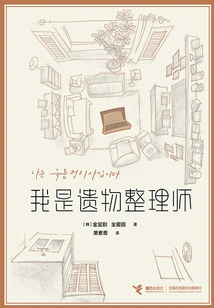
I Am a Relic Organizer
Literature我是遗物整理师
(korean) Golden Seal Farewell Quan Aiyuan
Relic organizers often spend a day or two sorting out the things people left behind in the world. These things still have residual warmth. This warmth comes from the photos of the children that the old man still caressed affectionately after death, the paper cranes that the old woman still calmly folded after the countdown to life, the "Ten Things I Want to Do Before Death" written neatly in a notebook (contacting friends, remembering the daughter's wedding, etc.)... All of this is recorded in simple and sincere language. In the eyes of relic organizers, every relic collection site is a grand tribute to the dignity of life. They clean up the traces left by the body with reverence, and carefully put the relics that the deceased had kept at hand and hidden under the quilt into special storage boxes and handed them over to the bereaved family, so that the remaining warmth of the deceased's life can continue to warm their family and friends, and the meaning of life can be rethought and sublimated through handovers and inheritances again and again - what is left after life is not money or status, but shared memories with loved ones.
Relic organizers often spend a day or two sorting out the things people left behind in the world. These things still have residual warmth. This warmth comes from the photos of the children that the old man still caressed affectionately after death, the paper cranes that the old woman still calmly folded after the countdown to life, the "Ten Things I Want to Do Before Death" written neatly in a notebook (contacting friends, remembering the daughter's wedding, etc.)... All of this is recorded in simple and sincere language. In the eyes of relic organizers, every relic collection site is a grand tribute to the dignity of life. They clean up the traces left by the body with reverence, and carefully put the relics that the deceased had kept at hand and hidden under the quilt into special storage boxes and handed them over to the bereaved family, so that the remaining warmth of the deceased's life can continue to warm their family and friends, and the meaning of life can be rethought and sublimated through handovers and inheritances again and again - what is left after life is not money or status, but shared memories with loved ones.

N
LiteratureN
O
"100 Moments When I Love You" is a booklet full of deep love. This book is a beautiful token of love and an original gift. Its exquisite design, rich topics, and personalized frames can help you and your loved ones capture the full emotions, beautiful memories, and sour and warm love, bringing your hearts closer and letting your feelings stay forever between the lines. Every word presented and filled in in the book is simple, but inspiring and meaningful. It will jointly witness the upgrade of feelings, record important moments, and allow you to gain richer love in reading and writing.
"100 Moments When I Love You" is a booklet full of deep love. This book is a beautiful token of love and an original gift. Its exquisite design, rich topics, and personalized frames can help you and your loved ones capture the full emotions, beautiful memories, and sour and warm love, bringing your hearts closer and letting your feelings stay forever between the lines. Every word presented and filled in in the book is simple, but inspiring and meaningful. It will jointly witness the upgrade of feelings, record important moments, and allow you to gain richer love in reading and writing.
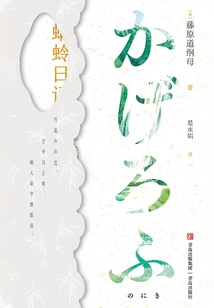
Dragonfly Diary
Literature蜻蛉日记
(japan) Fujiwara Michizuna's Mother
"Dragonfly Diary" is divided into three parts: the first, middle and second parts. The narrative spans half of Dao Tsuna's life. Based on different creative periods, the narrative and emotion of each volume present a different look. But the emotional entanglement with her husband and family has always been the keynote of the narrative throughout. The story in the first volume begins with Kaneie's proposal and records the process before and after the marriage. You can feel the helplessness, uneasiness and pain of Michizuna's mother in a polygamous marriage. With marriage as a turning point, the positions of the hero and heroine have been reversed. Michizuna's mother has changed from a pampered aristocratic lady and one of the "three beauties of this dynasty" with proud literary talent, to a passive state waiting for the arrival of Kanye's family. The happiness of starting a family did not last long, as her husband married a new man, followed by jealousy of the new high-ranking woman and an even longer wait. In the diary records, Michizuna's mother candidly talked about her depression, disappointment, jealousy, and concern about the honor and disgrace of other women in the relationship. The social life of the upper-class nobles, Japanese songs and exchanges, and the gathering and separation of relatives and friends of her mother's family were also interspersed. The middle volume is full of reflections. Based on the content of "my" marriage, the author focuses on describing the emotional relationship with her husband and family, showing "my" state of mind. It is generally considered to be the most "diary" among the three volumes of "Dragonfly Diary". In addition to the family, this volume also records real social events, such as the "Anhe Change". In the context of big history, with the continuous entry of new lovers, it shows the further deterioration of the relationship between "I" and my husband and family. In a state of near-desperate melancholy, Dao Tsuna embarked on a journey, hoping for help from gods and Buddhas. She began to think about life in harmony with nature, and almost wanted to become a monk. In the end, she was forcibly taken down the mountain by her husband. After reflecting on her heart through the repetition of daily and extraordinary, stillness and movement, Michizuna realized that her relationship with Kane was irreversible, and even seeking help from gods and Buddhas would be of no avail, so she tried to give up her attachment to Kane and began to rethink her own possibilities as a woman in life. In the second volume, the strong love and hatred for her husband and his family are no longer recorded in the record. The author begins to regard his family as an objective existence and observes it from a distance. The husband's promotion to a high position seems to have nothing to do with the author's world. Although I also recorded a few times when Kanye came to visit me when there was a fire nearby, but overall the psychological distance has become longer and longer. The focus of the diary is on the children around me.
"Dragonfly Diary" is divided into three parts: the first, middle and second parts. The narrative spans half of Dao Tsuna's life. Based on different creative periods, the narrative and emotion of each volume present a different look. But the emotional entanglement with her husband and family has always been the keynote of the narrative throughout. The story in the first volume begins with Kaneie's proposal and records the process before and after the marriage. You can feel the helplessness, uneasiness and pain of Michizuna's mother in a polygamous marriage. With marriage as a turning point, the positions of the hero and heroine have been reversed. Michizuna's mother has changed from a pampered aristocratic lady and one of the "three beauties of this dynasty" with proud literary talent, to a passive state waiting for the arrival of Kanye's family. The happiness of starting a family did not last long, as her husband married a new man, followed by jealousy of the new high-ranking woman and an even longer wait. In the diary records, Michizuna's mother candidly talked about her depression, disappointment, jealousy, and concern about the honor and disgrace of other women in the relationship. The social life of the upper-class nobles, Japanese songs and exchanges, and the gathering and separation of relatives and friends of her mother's family were also interspersed. The middle volume is full of reflections. Based on the content of "my" marriage, the author focuses on describing the emotional relationship with her husband and family, showing "my" state of mind. It is generally considered to be the most "diary" among the three volumes of "Dragonfly Diary". In addition to the family, this volume also records real social events, such as the "Anhe Change". In the context of big history, with the continuous entry of new lovers, it shows the further deterioration of the relationship between "I" and my husband and family. In a state of near-desperate melancholy, Dao Tsuna embarked on a journey, hoping for help from gods and Buddhas. She began to think about life in harmony with nature, and almost wanted to become a monk. In the end, she was forcibly taken down the mountain by her husband. After reflecting on her heart through the repetition of daily and extraordinary, stillness and movement, Michizuna realized that her relationship with Kane was irreversible, and even seeking help from gods and Buddhas would be of no avail, so she tried to give up her attachment to Kane and began to rethink her own possibilities as a woman in life. In the second volume, the strong love and hatred for her husband and his family are no longer recorded in the record. The author begins to regard his family as an objective existence and observes it from a distance. The husband's promotion to a high position seems to have nothing to do with the author's world. Although I also recorded a few times when Kanye came to visit me when there was a fire nearby, but overall the psychological distance has become longer and longer. The focus of the diary is on the children around me.
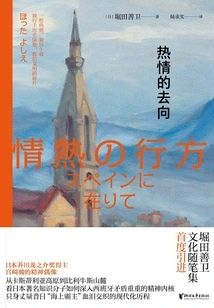
Passionate Destination
Literature热情的去向
(japan) Zenue Hotta
Because of Goya's paintings and Spain, Hota Zenei traveled to foreign countries in the 1970s and 1980s, and traveled all over the Iberian Peninsula: the historical city of Santiago de Compostela, located at the "extreme end of the earth"; Aragon, which witnessed the intersection and fusion of heterogeneous cultures; and the road to independence. The author also visited Andorra, which is jointly managed by France and Spain, the Basque Country, which has one of the oldest languages in Europe, and the Jewish settlement on the island of Majorca, which have long been neglected and marginalized groups. While appreciating the mountains and rivers of various places, Zenue Hotta narrates the historical process and social changes of Spain and surrounding areas over thousands of years in a free and natural style. In particular, his reflections on the cruelty of war and his understanding of the diversity of human civilization reflect the author's global vision and broad horizons that surpass those of his contemporaries.
Because of Goya's paintings and Spain, Hota Zenei traveled to foreign countries in the 1970s and 1980s, and traveled all over the Iberian Peninsula: the historical city of Santiago de Compostela, located at the "extreme end of the earth"; Aragon, which witnessed the intersection and fusion of heterogeneous cultures; and the road to independence. The author also visited Andorra, which is jointly managed by France and Spain, the Basque Country, which has one of the oldest languages in Europe, and the Jewish settlement on the island of Majorca, which have long been neglected and marginalized groups. While appreciating the mountains and rivers of various places, Zenue Hotta narrates the historical process and social changes of Spain and surrounding areas over thousands of years in a free and natural style. In particular, his reflections on the cruelty of war and his understanding of the diversity of human civilization reflect the author's global vision and broad horizons that surpass those of his contemporaries.
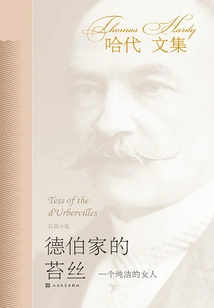
Tess of the D'urbervilles: a Pure Woman
Literature德伯家的苔丝:一个纯洁的女人
H
"Tess of the D'Urbervilles" is a novel by the British writer Hardy, one of the "Wessex Series". The novel tells the story of the heroine Tess, who was born into a poor hawker family. Her parents asked her to go to a rich old woman's house to meet relatives. As a result, she was seduced by the young master Alec. Later, she fell in love and got engaged to Claire, the son of a pastor. On their wedding night, she confessed her past misfortune to her husband, but she was not forgiven. The two separated, and her husband went to Brazil. A few years later, Tess met Alec again, who pestered her. At this time, she had to live with her enemy due to her family's financial difficulties. Soon after Claire returned from abroad, she expressed regret to her wife for her past ruthlessness. In this case, Tess painfully felt that it was Alec D'Urberville who made her lose Angel for the second time and she killed him angrily. Eventually she was captured and hanged.
"Tess of the D'Urbervilles" is a novel by the British writer Hardy, one of the "Wessex Series". The novel tells the story of the heroine Tess, who was born into a poor hawker family. Her parents asked her to go to a rich old woman's house to meet relatives. As a result, she was seduced by the young master Alec. Later, she fell in love and got engaged to Claire, the son of a pastor. On their wedding night, she confessed her past misfortune to her husband, but she was not forgiven. The two separated, and her husband went to Brazil. A few years later, Tess met Alec again, who pestered her. At this time, she had to live with her enemy due to her family's financial difficulties. Soon after Claire returned from abroad, she expressed regret to her wife for her past ruthlessness. In this case, Tess painfully felt that it was Alec D'Urberville who made her lose Angel for the second time and she killed him angrily. Eventually she was captured and hanged.

Walking Person
Literature走路的人
(korean) Ha Jung-woo
In addition to being an actor, director, producer, and painter, Ha Jung-woo shares another unique label in this book: a "walking maniac" who walks 30,000 steps a day, or even 100,000 steps a day. In his opinion, walking is the easiest way to stay healthy and happy. When you are exhausted physically and mentally, when you are depressed, or when you are puzzled, go for a walk, so that your rusty body and mind will begin to become moisturized. This book records Ha Jung-woo's acting experience and changes in his mood since his debut 20 years ago, including the mood of becoming a director for the first time, the review after the movie failed miserably at the box office, how to survive the trough of his acting career, how to use food and walking to change his mood, etc. The book also shares many unique "river philosophy of life". Choose the path you want to take, know your own pace, don't force it, and go at your own pace. They believe that elegant art and a stable life are incompatible. But I can firmly say that all the good works I know come from a good life. There is no day without problems or troubles for anyone. Not only movies, but the basis for my decision-making on certain choices is probably "people". I don't simply work with successful people or people who give amazing conditions, but I will observe what kind of mentality he has to shoot the film and what meaning his work has. Through this book, you will see a delicate, gentle, self-consistent and humorous Ha Zhengyu. The book also contains nearly a hundred rare life photos, which comprehensively show the three-dimensional and real Ha Zhengyu behind a halo.
In addition to being an actor, director, producer, and painter, Ha Jung-woo shares another unique label in this book: a "walking maniac" who walks 30,000 steps a day, or even 100,000 steps a day. In his opinion, walking is the easiest way to stay healthy and happy. When you are exhausted physically and mentally, when you are depressed, or when you are puzzled, go for a walk, so that your rusty body and mind will begin to become moisturized. This book records Ha Jung-woo's acting experience and changes in his mood since his debut 20 years ago, including the mood of becoming a director for the first time, the review after the movie failed miserably at the box office, how to survive the trough of his acting career, how to use food and walking to change his mood, etc. The book also shares many unique "river philosophy of life". Choose the path you want to take, know your own pace, don't force it, and go at your own pace. They believe that elegant art and a stable life are incompatible. But I can firmly say that all the good works I know come from a good life. There is no day without problems or troubles for anyone. Not only movies, but the basis for my decision-making on certain choices is probably "people". I don't simply work with successful people or people who give amazing conditions, but I will observe what kind of mentality he has to shoot the film and what meaning his work has. Through this book, you will see a delicate, gentle, self-consistent and humorous Ha Zhengyu. The book also contains nearly a hundred rare life photos, which comprehensively show the three-dimensional and real Ha Zhengyu behind a halo.
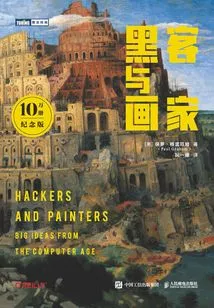
黑客与画家(10万册纪念版)
(us) Paul Graham
You don't need to change too much to live a wonderful life. This is the psychological comfort Paul gives us. At the same time, he also uses his success in a secular sense to clearly tell us the feasibility of this matter in the real world. This is one of the important insights we can get from reading this book. From a content perspective, in this book full of insights, Paul uses the eyes of a hacker and the heart of a painter to reveal why the world is what it is today and predict its future. In Paul's eyes, hackers are creators and children of the Internet. They have a restless heart. Although they are often regarded as nerds, they use their own efforts to lay the foundation for a new world of the Internet. There is no doubt that the world we live in has been and will continue to be profoundly changed by hackers. Therefore, by understanding hackers, we will also understand the world better. In this book, the author talks to us about three aspects related to hackers: first, how hackers grow and view the world; second, how hackers work and influence the world; third, hackers' tools and working methods. In fact, in all 15 articles, Paul discusses content that goes far beyond what hackers are concerned about, and uses a humorous touch to show his thinking on the major issues that everyone cares about and is affected by in the broadest possible way. Whether it is creating wealth, how to design good products, or how to live consistently in a world full of dissent. It can be said that no matter what stage of life we are in, we will get inspiration from reading this book.
You don't need to change too much to live a wonderful life. This is the psychological comfort Paul gives us. At the same time, he also uses his success in a secular sense to clearly tell us the feasibility of this matter in the real world. This is one of the important insights we can get from reading this book. From a content perspective, in this book full of insights, Paul uses the eyes of a hacker and the heart of a painter to reveal why the world is what it is today and predict its future. In Paul's eyes, hackers are creators and children of the Internet. They have a restless heart. Although they are often regarded as nerds, they use their own efforts to lay the foundation for a new world of the Internet. There is no doubt that the world we live in has been and will continue to be profoundly changed by hackers. Therefore, by understanding hackers, we will also understand the world better. In this book, the author talks to us about three aspects related to hackers: first, how hackers grow and view the world; second, how hackers work and influence the world; third, hackers' tools and working methods. In fact, in all 15 articles, Paul discusses content that goes far beyond what hackers are concerned about, and uses a humorous touch to show his thinking on the major issues that everyone cares about and is affected by in the broadest possible way. Whether it is creating wealth, how to design good products, or how to live consistently in a world full of dissent. It can be said that no matter what stage of life we are in, we will get inspiration from reading this book.
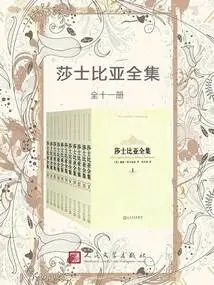
莎士比亚全集:纪念版(全11册)
H
In 1978, our company launched the 11-volume "The Complete Works of Shakespeare", which was well received after being put into the market. Over the years, this set of books has become a collector's item for enthusiastic readers. Next year, 2014, will be the 350th anniversary of Shakespeare's birth and the 70th anniversary of the death of translator Zhu Shenghao. If the binding design style of the 1978 edition of Shakespeare's complete works is imitated, and the two missing works of Shakespeare translated by Mr. Lu Yuan are added, a paperback "Shakespeare Complete Works Commemorative Edition" will be released to satisfy nostalgic needs and differentiate it from the eight-volume hardcover complete works.
In 1978, our company launched the 11-volume "The Complete Works of Shakespeare", which was well received after being put into the market. Over the years, this set of books has become a collector's item for enthusiastic readers. Next year, 2014, will be the 350th anniversary of Shakespeare's birth and the 70th anniversary of the death of translator Zhu Shenghao. If the binding design style of the 1978 edition of Shakespeare's complete works is imitated, and the two missing works of Shakespeare translated by Mr. Lu Yuan are added, a paperback "Shakespeare Complete Works Commemorative Edition" will be released to satisfy nostalgic needs and differentiate it from the eight-volume hardcover complete works.
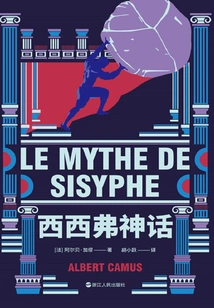
Camus Trilogy: the Myth of Sisyphus
Literature加缪三部曲:西西弗神话
H
If you keep looking for the meaning of life, you will never live it. The only real duty of a person born into this absurd world is to survive. It is awareness of one's own life, one's own resistance, one's own freedom.
If you keep looking for the meaning of life, you will never live it. The only real duty of a person born into this absurd world is to survive. It is awareness of one's own life, one's own resistance, one's own freedom.
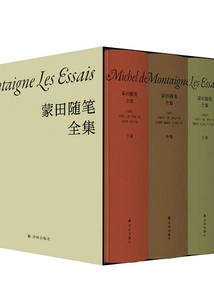
蒙田随笔全集(全三卷)
H
You have only one purpose in reading him: "for life." - Flaubert. Traveling through more than four hundred years of life wisdom and philosophy. It is loved by writers such as Voltaire, Flaubert, Byron, Emerson, Woolf, T. S. Eliot, and Gide. The translation recommended by translator Xu Yuanchong, "The Complete Essays of Montaigne", has a total of 107 chapters, about one million words, each chapter is of different lengths, and the structure is clear and natural. With his special keen perception, Montaigne recorded his intellectual and spiritual development, leaving extremely precious spiritual wealth for future generations. For more than four hundred years, history has proven that Montaigne is an immortal figure like Bacon, Shakespeare and other great writers. His works are an analysis of various ideological trends and knowledge in the sixteenth century. They are known as the "philosophy of life". They occupy an important position in the history of French prose and are the first of essay-type works.
You have only one purpose in reading him: "for life." - Flaubert. Traveling through more than four hundred years of life wisdom and philosophy. It is loved by writers such as Voltaire, Flaubert, Byron, Emerson, Woolf, T. S. Eliot, and Gide. The translation recommended by translator Xu Yuanchong, "The Complete Essays of Montaigne", has a total of 107 chapters, about one million words, each chapter is of different lengths, and the structure is clear and natural. With his special keen perception, Montaigne recorded his intellectual and spiritual development, leaving extremely precious spiritual wealth for future generations. For more than four hundred years, history has proven that Montaigne is an immortal figure like Bacon, Shakespeare and other great writers. His works are an analysis of various ideological trends and knowledge in the sixteenth century. They are known as the "philosophy of life". They occupy an important position in the history of French prose and are the first of essay-type works.
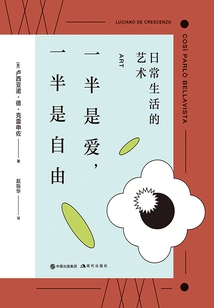
Half is Love, Half is Freedom
Literature一半是爱,一半是自由
(italian) Luciano De Crescenzo
Italian writer and popular philosophy pioneer Luciano de Crescenzo is a minor literary classic. According to Don Genaro Bellavista, a professor who was a native of Naples: There are too many legends and written records about Naples and its inhabitants, its seas and Mount Vesuvius. Life in Naples is something else, a subtle art. Goethe once wrote with joy and surprise: Only in Naples everyone lives in an intoxicated forgetfulness. But not only this, Luciano de Crescenzo writes: smiles, mutual help, the wisdom of life, always following the "secret recipe" of Professor Bellavista, which is also easy to remember: half love, half freedom.
Italian writer and popular philosophy pioneer Luciano de Crescenzo is a minor literary classic. According to Don Genaro Bellavista, a professor who was a native of Naples: There are too many legends and written records about Naples and its inhabitants, its seas and Mount Vesuvius. Life in Naples is something else, a subtle art. Goethe once wrote with joy and surprise: Only in Naples everyone lives in an intoxicated forgetfulness. But not only this, Luciano de Crescenzo writes: smiles, mutual help, the wisdom of life, always following the "secret recipe" of Professor Bellavista, which is also easy to remember: half love, half freedom.
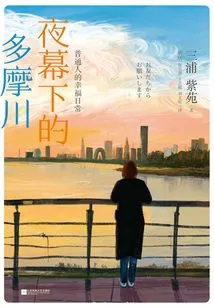
夜幕下的多摩川:普通人的幸福日常
Miura Shion
Miura Shion said: The articles I usually write are almost clumsy, but this book is different. This book can be said to be a work that I wrote seriously! Although what is recorded in the book is "ordinary slow-paced life", it is these ordinary happy daily lives that make us feel: for ordinary us, life is not always satisfactory. But no matter how difficult, cruel or ordinary life is, we must live passionately and live like a real person.
Miura Shion said: The articles I usually write are almost clumsy, but this book is different. This book can be said to be a work that I wrote seriously! Although what is recorded in the book is "ordinary slow-paced life", it is these ordinary happy daily lives that make us feel: for ordinary us, life is not always satisfactory. But no matter how difficult, cruel or ordinary life is, we must live passionately and live like a real person.
M
Literaturem
H
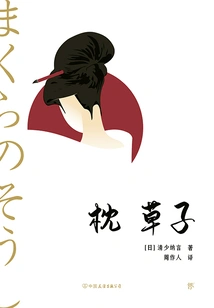
"Pillow" was the first of Japanese essay literature. It was written around 1001. It is the representative work of Seishonagon, a female writer during the Heian period in Japan. It is as famous as "The Tale of Genji" and is known as a double gem in Japanese Heian period literature. It is also known as the three major essays in Japanese literature together with the two books "Abbot's Chronicle" and "Turancao" that appeared later. The book is divided into 20 volumes and has a total of 305 paragraphs. It is divided into three parts: collection, diary and random thoughts. Most of them are what she saw and heard during her tenure in the palace. The emotions are delicate, the writing is light, and its authenticity and randomness can be seen everywhere. The so-called "reading starts from the page where the wind blows" is the charm of this book.
"Pillow" was the first of Japanese essay literature. It was written around 1001. It is the representative work of Seishonagon, a female writer during the Heian period in Japan. It is as famous as "The Tale of Genji" and is known as a double gem in Japanese Heian period literature. It is also known as the three major essays in Japanese literature together with the two books "Abbot's Chronicle" and "Turancao" that appeared later. The book is divided into 20 volumes and has a total of 305 paragraphs. It is divided into three parts: collection, diary and random thoughts. Most of them are what she saw and heard during her tenure in the palace. The emotions are delicate, the writing is light, and its authenticity and randomness can be seen everywhere. The so-called "reading starts from the page where the wind blows" is the charm of this book.

So Slow, so Beautiful (2022 Version)
Literature这么慢,那么美(2022版)
Luofu
Use slowness to gain speed, use simplicity to gain complexity, and live a life of sacrifice. Happiness is never easy to come by! Many people attribute the global happiness index to Nordic institutions, welfare, resources and other factors, but is it really just that? What is happiness? Materials are important, but just "enough" is enough. The happiness of the Nordic people comes more from a simple, natural, and peaceful mentality, as well as the warmth of family and personal efforts. These are things that we can learn and practice, and they are what our tradition has always advocated since ancient times. Happiness is a choice. We don't have to go far away to adapt to other people's lives, and we don't have to exhaust ourselves for other people's values. Follow Luo Fu and experience the confident mentality, simple lifestyle, endless self-improvement spirit and warm and healing family concepts that can truly achieve happiness. The world is much bigger than Northern Europe, and your heart is much bigger than anywhere you want to reach.
Use slowness to gain speed, use simplicity to gain complexity, and live a life of sacrifice. Happiness is never easy to come by! Many people attribute the global happiness index to Nordic institutions, welfare, resources and other factors, but is it really just that? What is happiness? Materials are important, but just "enough" is enough. The happiness of the Nordic people comes more from a simple, natural, and peaceful mentality, as well as the warmth of family and personal efforts. These are things that we can learn and practice, and they are what our tradition has always advocated since ancient times. Happiness is a choice. We don't have to go far away to adapt to other people's lives, and we don't have to exhaust ourselves for other people's values. Follow Luo Fu and experience the confident mentality, simple lifestyle, endless self-improvement spirit and warm and healing family concepts that can truly achieve happiness. The world is much bigger than Northern Europe, and your heart is much bigger than anywhere you want to reach.
当我们谈论科学时,我们在谈论什么(麦克尤恩双语作品)
(uk) Ian Mcewan
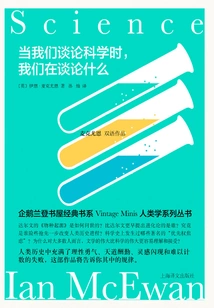
"What We Talk About When We Talk About Science" is a collection of essays on science and humanities by British national writer Ian McEwan, which is included in Penguin Random House's classic Vintage Minis anthropology series. The book contains five essays by McEwan: "Literature, Science and Humanity", "Species Originality", "Parallel Traditions", "Apocalyptic Blues" and "Self". The author focuses on the relationship between literature, science and human nature, expounding his incisive, unique and philosophical views, supplemented by several koans in the history of science - Was it Darwin or Wallace who first proposed the theory of evolution? Does general relativity belong to Einstein or the German mathematician Hilbert? There is also Leeuwenhoek's letter to the Royal Society... From science to literature, McEwan's writing is vivid and interesting, contains philosophical thoughts, and wanders between sensibility and rationality. It is heart-breaking to read.
"What We Talk About When We Talk About Science" is a collection of essays on science and humanities by British national writer Ian McEwan, which is included in Penguin Random House's classic Vintage Minis anthropology series. The book contains five essays by McEwan: "Literature, Science and Humanity", "Species Originality", "Parallel Traditions", "Apocalyptic Blues" and "Self". The author focuses on the relationship between literature, science and human nature, expounding his incisive, unique and philosophical views, supplemented by several koans in the history of science - Was it Darwin or Wallace who first proposed the theory of evolution? Does general relativity belong to Einstein or the German mathematician Hilbert? There is also Leeuwenhoek's letter to the Royal Society... From science to literature, McEwan's writing is vivid and interesting, contains philosophical thoughts, and wanders between sensibility and rationality. It is heart-breaking to read.
如何带着三文鱼旅行(翁贝托·埃科作品系列)
H
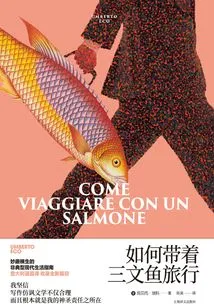
A witty and atypical guide to life, telling us how to take a meaningful vacation, how to travel with salmon, how to avoid talking about football, how to take a train in the United States, how to talk about animals, and even how to become a Knight of Malta... Joking, provocative, and humorous, it is an incredible combination of profoundness and worldliness. With his naughty wit and genius-like cynicism, Eco answers questions we have never thought of and questions the answers we are accustomed to. Football, porn, and coffee pots, these seemingly "brainless" topics, become both interesting and profound in his writing, leading us to peek into the absurdity of modern life.
A witty and atypical guide to life, telling us how to take a meaningful vacation, how to travel with salmon, how to avoid talking about football, how to take a train in the United States, how to talk about animals, and even how to become a Knight of Malta... Joking, provocative, and humorous, it is an incredible combination of profoundness and worldliness. With his naughty wit and genius-like cynicism, Eco answers questions we have never thought of and questions the answers we are accustomed to. Football, porn, and coffee pots, these seemingly "brainless" topics, become both interesting and profound in his writing, leading us to peek into the absurdity of modern life.
成为一颗星:宇航学员日记
(italian) Samantha Cristoforetti
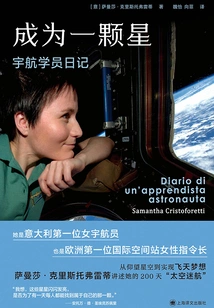
"Becoming a Star: Diary of an Astronaut Cadet" is an essay published in 2018 by Samantha Cristoforetti, Italy's first female astronaut. The work is divided into two parts. The first part mainly introduces how Samantha went from being a fighter pilot to becoming an astronaut trainee through the European Space Agency's selection process. With the help of detailed plots, it depicts the severe tests and tempers that an astronaut needs to undergo before actually flying into space, and also demonstrates their extraordinary intelligence, endurance and professionalism. There is no shortage of descriptions of the details and usage techniques of spacecraft and related equipment, which improves the level of the work from a technical level. At the same time, the various experiences and psychological activities of an individual who have experienced it are added, making the work closer to a literary work rather than an ordinary popular science reading. The second part records Samantha's 200 days of space life on the International Space Station from the launch of the Soyuz TMA-15M spacecraft on November 23, 2014 to the return of the spacecraft on June 11, 2015. Samantha unfolded a picture of a space journey for us with delicate brushstrokes: being sent into space by a rocket in a spaceship, docking with the International Space Station, the first experience of weightlessness, eating, drinking, eating and drinking in space, physical exercises, scientific experiments, etc. These curious and very interesting things, as well as the magnificent miracle of the Milky Way changing outside the dome cabin between the 16 sunrises and sunsets in a day, were recounted in Samantha's writing.
"Becoming a Star: Diary of an Astronaut Cadet" is an essay published in 2018 by Samantha Cristoforetti, Italy's first female astronaut. The work is divided into two parts. The first part mainly introduces how Samantha went from being a fighter pilot to becoming an astronaut trainee through the European Space Agency's selection process. With the help of detailed plots, it depicts the severe tests and tempers that an astronaut needs to undergo before actually flying into space, and also demonstrates their extraordinary intelligence, endurance and professionalism. There is no shortage of descriptions of the details and usage techniques of spacecraft and related equipment, which improves the level of the work from a technical level. At the same time, the various experiences and psychological activities of an individual who have experienced it are added, making the work closer to a literary work rather than an ordinary popular science reading. The second part records Samantha's 200 days of space life on the International Space Station from the launch of the Soyuz TMA-15M spacecraft on November 23, 2014 to the return of the spacecraft on June 11, 2015. Samantha unfolded a picture of a space journey for us with delicate brushstrokes: being sent into space by a rocket in a spaceship, docking with the International Space Station, the first experience of weightlessness, eating, drinking, eating and drinking in space, physical exercises, scientific experiments, etc. These curious and very interesting things, as well as the magnificent miracle of the Milky Way changing outside the dome cabin between the 16 sunrises and sunsets in a day, were recounted in Samantha's writing.
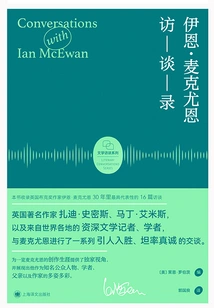
Interview with Ian Mcewan
Literature伊恩·麦克尤恩访谈录
(us) Ryan Roberts
This book selects sixteen interviews with British national writer and Booker Prize winner Ian McEwan during his thirty-year writing career. They were first published in different publications and in various formats, including books, literary magazines, weekly magazines, and recordings. In these interviews, McEwan clarifies the underlying themes of his writing, showing how he continues to explore, express, and refine his insights about writing, science, relationships, politics, and human nature. I believe that both general readers and scholars will find these interviews of unique value: they not only provide in-depth insights into McEwan's works, but also provide a sense of his distinctive literary personality and growth as a writer.
This book selects sixteen interviews with British national writer and Booker Prize winner Ian McEwan during his thirty-year writing career. They were first published in different publications and in various formats, including books, literary magazines, weekly magazines, and recordings. In these interviews, McEwan clarifies the underlying themes of his writing, showing how he continues to explore, express, and refine his insights about writing, science, relationships, politics, and human nature. I believe that both general readers and scholars will find these interviews of unique value: they not only provide in-depth insights into McEwan's works, but also provide a sense of his distinctive literary personality and growth as a writer.
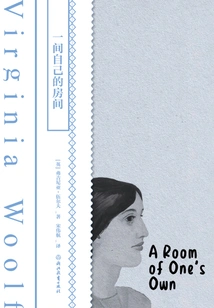
U
Literatureu
H
A landmark classic in the field of feminist literature. Susan Cuba, a well-known feminist scholar and co-author of "The Madwoman in the Attic", provides a 20,000-word introduction. A Room of One's Own is based on two lectures Woolf gave at Cambridge University in 1928. In 1929, Woolf combined the two speeches into one, entitled "Women and Novel", and published it in the American magazine "Forum". It was later published as a book under the title "A Room of One's Own", which caused a sensation. The style of "Room" is humorous, quirky, and full of quotations. It uses sharp words to interrogate the injustice and oppression of "women" as the second gender in legal and social history, and eloquently puts forward the importance of economic foundation and independent space to women's mental freedom. There is also a wonderful discussion on the idea that "great souls are androgynous". Woolf encouraged women to break the cage in their minds, bravely go to the outside world, cultivate free habits, and create to their heart's content.
A landmark classic in the field of feminist literature. Susan Cuba, a well-known feminist scholar and co-author of "The Madwoman in the Attic", provides a 20,000-word introduction. A Room of One's Own is based on two lectures Woolf gave at Cambridge University in 1928. In 1929, Woolf combined the two speeches into one, entitled "Women and Novel", and published it in the American magazine "Forum". It was later published as a book under the title "A Room of One's Own", which caused a sensation. The style of "Room" is humorous, quirky, and full of quotations. It uses sharp words to interrogate the injustice and oppression of "women" as the second gender in legal and social history, and eloquently puts forward the importance of economic foundation and independent space to women's mental freedom. There is also a wonderful discussion on the idea that "great souls are androgynous". Woolf encouraged women to break the cage in their minds, bravely go to the outside world, cultivate free habits, and create to their heart's content.
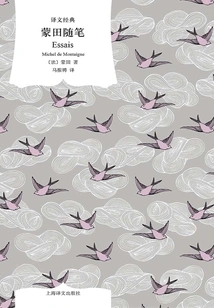
蒙田随笔(译文经典)
H
Montaigne (1533-1592) was the most important humanist writer after the French Renaissance and a cold observer of human emotions. In 1572, he began writing the "Collected Essays", which is called "a collection of all kinds of knowledge in the sixteenth century". Among sixteenth-century writers, few are as revered and accepted by modern people as Montaigne. He was an intellectual authority and critic in France before the Enlightenment, and an encyclopedic scholar who conducted dispassionate studies of various national cultures, especially Western culture. Judging from his thoughts and feelings, people seem to regard him as a modern man in his time. His prose, mainly philosophical essays, is world-famous for its rich ideological connotation and is known as the "treasure house of ideas." The Complete Essays of Montaigne, translated by Mr. Ma Zhencheng alone, won the first Fu Lei Translation and Publishing Award. This edition of "The Essays of Montaigne" was specially selected by the translator for our agency. It can be said that the best of the three volumes of the "Complete Works" are contained in it. It can truly be called a comprehensive and accurate selection of Montaigne's essays and the translation is excellent and elegant.
Montaigne (1533-1592) was the most important humanist writer after the French Renaissance and a cold observer of human emotions. In 1572, he began writing the "Collected Essays", which is called "a collection of all kinds of knowledge in the sixteenth century". Among sixteenth-century writers, few are as revered and accepted by modern people as Montaigne. He was an intellectual authority and critic in France before the Enlightenment, and an encyclopedic scholar who conducted dispassionate studies of various national cultures, especially Western culture. Judging from his thoughts and feelings, people seem to regard him as a modern man in his time. His prose, mainly philosophical essays, is world-famous for its rich ideological connotation and is known as the "treasure house of ideas." The Complete Essays of Montaigne, translated by Mr. Ma Zhencheng alone, won the first Fu Lei Translation and Publishing Award. This edition of "The Essays of Montaigne" was specially selected by the translator for our agency. It can be said that the best of the three volumes of the "Complete Works" are contained in it. It can truly be called a comprehensive and accurate selection of Montaigne's essays and the translation is excellent and elegant.
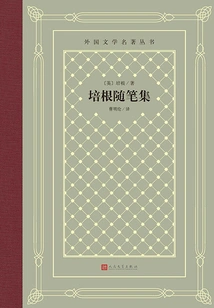
P
Literaturep
I
"Collection of Bacon's Essays" contains a total of fifty-nine prose essays by the master of prose Bacon, covering all aspects of human life, including the well-known famous essays "On Reading" and "On Beauty". The author is knowledgeable and well-versed in the world, and has thought-provoking unique insights into the issues discussed. The language is concise, the writing is beautiful, the reasoning is thorough, and the aphorisms are repeated. It has been deeply loved by readers from all over the world for hundreds of years.
"Collection of Bacon's Essays" contains a total of fifty-nine prose essays by the master of prose Bacon, covering all aspects of human life, including the well-known famous essays "On Reading" and "On Beauty". The author is knowledgeable and well-versed in the world, and has thought-provoking unique insights into the issues discussed. The language is concise, the writing is beautiful, the reasoning is thorough, and the aphorisms are repeated. It has been deeply loved by readers from all over the world for hundreds of years.
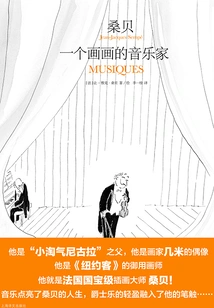
Sambei: a Musician Who Paints
Literature桑贝:一个画画的音乐家
(france) Jean-jacques Sambet
The father of "Little Naughty Nicholas", the idol of Taiwanese painter Jimmy, the royal painter of "The New Yorker", and the French national treasure cartoon master Sambé brings you a painting version of the music feast. Music lit up Sangbei's life, and the lightness of jazz was integrated into his brushstrokes. Sambei's indissoluble bond with music can be traced back to the radio at home in his childhood. Through the radio, he discovered the magical jazz and those extremely interesting jazz musicians. Even if his parents were quarreling, it didn't matter to him, because in his imaginary world, he became a member of a jazz band and traveled all over the country to perform. He used music to soothe his sensitive soul and escape from his unhappy childhood. Sambei eventually became a cartoonist, but music gave him countless inspirations. He talked about his favorite musicians, Debussy, Duke Ellington, Ravel... He recalled the first time he played Gershwin's "Lover", the first time he discovered that a magical record could hold "the whole orchestra", and the first time he invited Goscinny, the author of "Little Naughty Nicholas", to his home to listen to music. This book contains a large number of Sambei's unpublished works on musical themes, and is accompanied by a 30,000-word interview transcript. This book is Sambei's highest tribute to music.
The father of "Little Naughty Nicholas", the idol of Taiwanese painter Jimmy, the royal painter of "The New Yorker", and the French national treasure cartoon master Sambé brings you a painting version of the music feast. Music lit up Sangbei's life, and the lightness of jazz was integrated into his brushstrokes. Sambei's indissoluble bond with music can be traced back to the radio at home in his childhood. Through the radio, he discovered the magical jazz and those extremely interesting jazz musicians. Even if his parents were quarreling, it didn't matter to him, because in his imaginary world, he became a member of a jazz band and traveled all over the country to perform. He used music to soothe his sensitive soul and escape from his unhappy childhood. Sambei eventually became a cartoonist, but music gave him countless inspirations. He talked about his favorite musicians, Debussy, Duke Ellington, Ravel... He recalled the first time he played Gershwin's "Lover", the first time he discovered that a magical record could hold "the whole orchestra", and the first time he invited Goscinny, the author of "Little Naughty Nicholas", to his home to listen to music. This book contains a large number of Sambei's unpublished works on musical themes, and is accompanied by a 30,000-word interview transcript. This book is Sambei's highest tribute to music.

Interview with Kazuo Ishiguro
Literature石黑一雄访谈录
(u. S.) Brian Shafer, Edited By Cynthia Huang
Over 20 long years, 18 selected interviews, one book will help you understand the literary world of Nobel Prize winner Kazuo Ishiguro. In these fascinating interviews, Ishiguro openly expresses his admiration for Chekhov and Dostoevsky, and clearly explains his creative process and the evolution of his self-perception. The interviews included in this book record the evolution of Ishiguro's self-perception and his artistic and ideological concerns. The editor aimed to collect various types of interviews with different styles: the writer had either relaxed conversations or in-depth systematic philosophical conversations with interviewers from print news media, broadcasting and academic institutions around the world. Some interviews are short and general, while others are longer and aim to discuss a specific topic in detail. Because Kazuo Ishiguro inevitably repeats himself in most interviews at every book promotion, the editors selected interviews that most briefly capture the evolution of his artistic acumen. Each interview in the book reveals a significant aspect of the author's writing career, which spanned a quarter of a century.
Over 20 long years, 18 selected interviews, one book will help you understand the literary world of Nobel Prize winner Kazuo Ishiguro. In these fascinating interviews, Ishiguro openly expresses his admiration for Chekhov and Dostoevsky, and clearly explains his creative process and the evolution of his self-perception. The interviews included in this book record the evolution of Ishiguro's self-perception and his artistic and ideological concerns. The editor aimed to collect various types of interviews with different styles: the writer had either relaxed conversations or in-depth systematic philosophical conversations with interviewers from print news media, broadcasting and academic institutions around the world. Some interviews are short and general, while others are longer and aim to discuss a specific topic in detail. Because Kazuo Ishiguro inevitably repeats himself in most interviews at every book promotion, the editors selected interviews that most briefly capture the evolution of his artistic acumen. Each interview in the book reveals a significant aspect of the author's writing career, which spanned a quarter of a century.
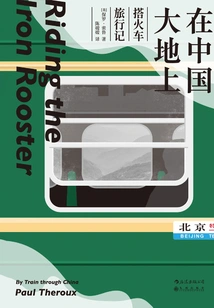
On the Land of China: Traveling by Train
Literature在中国大地上:搭火车旅行记
(us) Paul Theroux
In 1986, Paul Theroux came to China again after six years. He not only visited prosperous cities such as Beijing and Shanghai, but also reached border areas such as Langxiang in Heilongjiang and Turpan in Xinjiang. He walked to the land of China and chatted with all kinds of people, including young people practicing oral English in the English Corner of Shanghai People's Park, students who wanted to do import and export business, intellectuals who had just experienced a catastrophe... He used a sharp and humorous tone to complain all the way, but he also used a calm and rational perspective to analyze the character of the Chinese people and discover the daily life and changes in thinking of the Chinese people under the changing times. Since the 1980s, there have been tremendous changes, but our current swings and difficulties are all familiar.
In 1986, Paul Theroux came to China again after six years. He not only visited prosperous cities such as Beijing and Shanghai, but also reached border areas such as Langxiang in Heilongjiang and Turpan in Xinjiang. He walked to the land of China and chatted with all kinds of people, including young people practicing oral English in the English Corner of Shanghai People's Park, students who wanted to do import and export business, intellectuals who had just experienced a catastrophe... He used a sharp and humorous tone to complain all the way, but he also used a calm and rational perspective to analyze the character of the Chinese people and discover the daily life and changes in thinking of the Chinese people under the changing times. Since the 1980s, there have been tremendous changes, but our current swings and difficulties are all familiar.
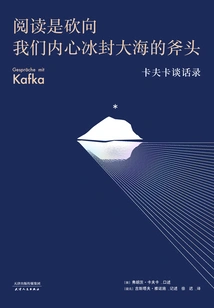
阅读是砍向我们内心冰封大海的斧头:卡夫卡谈话录
(austria) Oral Narration By Franz Kafka (czech Republic) Narrated By Gustav Janosch
This book is a collection of conversations by Franz Kafka. In 1920, literary young man Janosz first visited Kafka, who was working in an insurance company, and a friendship began between him and his friend. For more than two years, Kafka developed a series of insightful thoughts and expressions around topics such as literature, art, reading, writing, freedom, love, and loneliness, during countless discussions in the office or while walking and chatting in Prague. He used books to build a barrier against his own limitations and inertia, and against the desk and chair in front of him. Janosz recorded these sentences that sparkle with thoughts, giving us the honor to hear the true voice of this literary saint. In this book, Kafka not only talks about daily thoughts on literature, writing, and art, but also talks about universal topics such as work, human freedom, family, and urban life. The golden sentences appear frequently and are very exciting. For example, talking about health and disease: "For healthy people, life is an unconscious and unspoken escape from the awareness that we are mortal. Disease is always a warning and at the same time a struggle. Therefore, illness, pain and illness are also very important sources of piety." For example, talking about writers and language: "Language is only lent to the living for an indeterminate period of time. We can only use it. In fact, it belongs to the dead and the unborn. Possession of language must be careful."
This book is a collection of conversations by Franz Kafka. In 1920, literary young man Janosz first visited Kafka, who was working in an insurance company, and a friendship began between him and his friend. For more than two years, Kafka developed a series of insightful thoughts and expressions around topics such as literature, art, reading, writing, freedom, love, and loneliness, during countless discussions in the office or while walking and chatting in Prague. He used books to build a barrier against his own limitations and inertia, and against the desk and chair in front of him. Janosz recorded these sentences that sparkle with thoughts, giving us the honor to hear the true voice of this literary saint. In this book, Kafka not only talks about daily thoughts on literature, writing, and art, but also talks about universal topics such as work, human freedom, family, and urban life. The golden sentences appear frequently and are very exciting. For example, talking about health and disease: "For healthy people, life is an unconscious and unspoken escape from the awareness that we are mortal. Disease is always a warning and at the same time a struggle. Therefore, illness, pain and illness are also very important sources of piety." For example, talking about writers and language: "Language is only lent to the living for an indeterminate period of time. We can only use it. In fact, it belongs to the dead and the unborn. Possession of language must be careful."

金斯伯格访谈录:RBG给未来世代的声音
(us) Jeffrey Rosen
This book records a conversation between two old friends, Jeffrey Rosen and Ginsburg, that lasted for nearly two decades. Here, Ginsburg unreservedly shared the issues of the times in the eyes of a justice.
This book records a conversation between two old friends, Jeffrey Rosen and Ginsburg, that lasted for nearly two decades. Here, Ginsburg unreservedly shared the issues of the times in the eyes of a justice.
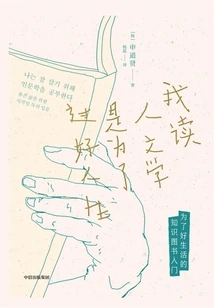
I Study Humanities to Live a Good Life
Literature我读人文学是为了过好人生
(korean) Shin Do-hyun
This book is the latest work of writer Shin Do-hyun. It is an "introductory book on humanities" that guides the author through the entire process of learning humanities. Literature, history and philosophy are collectively referred to as literature, history and philosophy, that is, humanities. This book depicts the overall appearance of humanities and can be called an introductory education book in humanities. The author is not limited to theoretical knowledge, but focuses on the use of humanities and its relationship with a better life, and introduces his own learning experience. The author has prepared this book for those confused readers who want to learn humanities who do not know where to start or how to start. It answers questions one by one about what humanities is, why we should learn humanities, and how to learn humanities better. In the process of reading, readers will also meet major Eastern and Western humanists such as Confucius, Mencius, Laozi, Kant, Rousseau and Alain Badiou, think about the meaning of their own lives, and gain the power of thinking to look at the world.
This book is the latest work of writer Shin Do-hyun. It is an "introductory book on humanities" that guides the author through the entire process of learning humanities. Literature, history and philosophy are collectively referred to as literature, history and philosophy, that is, humanities. This book depicts the overall appearance of humanities and can be called an introductory education book in humanities. The author is not limited to theoretical knowledge, but focuses on the use of humanities and its relationship with a better life, and introduces his own learning experience. The author has prepared this book for those confused readers who want to learn humanities who do not know where to start or how to start. It answers questions one by one about what humanities is, why we should learn humanities, and how to learn humanities better. In the process of reading, readers will also meet major Eastern and Western humanists such as Confucius, Mencius, Laozi, Kant, Rousseau and Alain Badiou, think about the meaning of their own lives, and gain the power of thinking to look at the world.
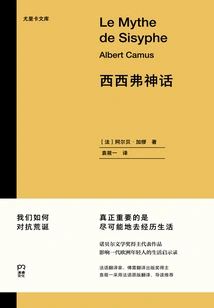
W
Literaturew
H
"The Myth of Sisyphus" is a philosophical treatise by the French author Camus, which is a concentrated expression of his "philosophy of the absurd" thoughts. Among all Camus's literary works and philosophical essays, "absurdity" is the most important concept he emphasized. Camus believed that the absurd was born from "the confrontation between the call of mankind and the irrational silence of the world." In this book, he analyzes and explores the thoughts of many philosophers, such as Jaspers, Kierkegaard, Husserl, Heidegger, and Shestov, and also comments on the literary masterpieces of Dostoevsky and others, all with the purpose of elucidating his concept of "absurdity", and further points out: "To live is to experience the absurd. To experience the absurd, the first thing is to look directly at it." He guides us to understand our own destiny like Sisyphus, resist our own destiny, and live without hesitation.
"The Myth of Sisyphus" is a philosophical treatise by the French author Camus, which is a concentrated expression of his "philosophy of the absurd" thoughts. Among all Camus's literary works and philosophical essays, "absurdity" is the most important concept he emphasized. Camus believed that the absurd was born from "the confrontation between the call of mankind and the irrational silence of the world." In this book, he analyzes and explores the thoughts of many philosophers, such as Jaspers, Kierkegaard, Husserl, Heidegger, and Shestov, and also comments on the literary masterpieces of Dostoevsky and others, all with the purpose of elucidating his concept of "absurdity", and further points out: "To live is to experience the absurd. To experience the absurd, the first thing is to look directly at it." He guides us to understand our own destiny like Sisyphus, resist our own destiny, and live without hesitation.
伯爵家书(全译本)(汉译世界文学·散文类)
Q
"The Earl's Family Letters" is a collection of 320 letters written by the Earl of Chesterfield, a British politician, diplomat and writer in the 18th century, to his son who was studying in Europe. In these hundreds of letters, the earl talked with his son and gave him guidance on his studies and life, covering life experience, learning methods, ideology and ethics, eating and dressing, dealing with others, and all aspects of European politics, military, economy, diplomacy, history, language, culture, society and customs. It is not only a comprehensive book of life wisdom, but also a true record of Europe in the 18th century, which is worth reading and studying.
"The Earl's Family Letters" is a collection of 320 letters written by the Earl of Chesterfield, a British politician, diplomat and writer in the 18th century, to his son who was studying in Europe. In these hundreds of letters, the earl talked with his son and gave him guidance on his studies and life, covering life experience, learning methods, ideology and ethics, eating and dressing, dealing with others, and all aspects of European politics, military, economy, diplomacy, history, language, culture, society and customs. It is not only a comprehensive book of life wisdom, but also a true record of Europe in the 18th century, which is worth reading and studying.
Journey to the Western Regions
Literature西域纪行
H
The Japanese revere the Western Regions, and even today, the Western Regions still have great charm. Since I started writing novels - of course thanks to the baptism of the Western Regions I received during my student days, I have written several novels based on the history of the Western Regions. Such as "Dunhuang", "Loulan", "Flood", "Kunlun Jade", "People from a Foreign Land", etc. Since being invited to visit China many times, I have increasingly felt a temptation. I really want to see the stage where the novel I wrote is about. Now, I have finally arrived here - the place that has haunted me for more than forty years. This is the Western Region, this is the Silk Road.
The Japanese revere the Western Regions, and even today, the Western Regions still have great charm. Since I started writing novels - of course thanks to the baptism of the Western Regions I received during my student days, I have written several novels based on the history of the Western Regions. Such as "Dunhuang", "Loulan", "Flood", "Kunlun Jade", "People from a Foreign Land", etc. Since being invited to visit China many times, I have increasingly felt a temptation. I really want to see the stage where the novel I wrote is about. Now, I have finally arrived here - the place that has haunted me for more than forty years. This is the Western Region, this is the Silk Road.

Classic Nature Essays: Friends of Nature
Literature经典自然随笔:自然之友
(uk) Mabel Osgood Wright
"Friends of Nature" is a fresh and interesting essay. This book describes nature from several angles, writes about the close relationship between nature and human beings, and the impact of nature on human life. Wright is a master of describing nature because she has devoted her life to environmental protection, has always maintained concern and attention for the species around us, and regards all things in nature as friends. Therefore, she always used to personify nature in her writing. She tried her best to understand their feelings and describe their habits, just like understanding their friends or neighbors. She describes swamps, flowers, birds, pools, gardens, and the impact of climate change on the natural world throughout the year. Her writing is so beautiful that it is shocking.
"Friends of Nature" is a fresh and interesting essay. This book describes nature from several angles, writes about the close relationship between nature and human beings, and the impact of nature on human life. Wright is a master of describing nature because she has devoted her life to environmental protection, has always maintained concern and attention for the species around us, and regards all things in nature as friends. Therefore, she always used to personify nature in her writing. She tried her best to understand their feelings and describe their habits, just like understanding their friends or neighbors. She describes swamps, flowers, birds, pools, gardens, and the impact of climate change on the natural world throughout the year. Her writing is so beautiful that it is shocking.

Classic Nature Essay: Chasing Spring
Literature经典自然随笔:追逐春日
(uk) Edward Thomas
"Chasing Spring" is a nature essay by Thomas. When we read Thomas's nature essays, what we feel is more than just poetry. Through the prose-like articles, what we see is the monologue of the author's inner world, the distress of urban residents, the yearning for rural scenery, the desire to find roots in the land, and the persistence of protecting a piece of pure land. The author uses beautiful writing to describe the scenery of the British countryside, and has fresh and delicate descriptions of the natural environment in different seasons. Reading it is like appreciating an oil painting.
"Chasing Spring" is a nature essay by Thomas. When we read Thomas's nature essays, what we feel is more than just poetry. Through the prose-like articles, what we see is the monologue of the author's inner world, the distress of urban residents, the yearning for rural scenery, the desire to find roots in the land, and the persistence of protecting a piece of pure land. The author uses beautiful writing to describe the scenery of the British countryside, and has fresh and delicate descriptions of the natural environment in different seasons. Reading it is like appreciating an oil painting.
Grass in Vain
Literature徒然草
(japan) Kaneyoshi Yoshida
The title of "Turancao" originally means "Boring Lai" in Japanese, which can also be translated as "Relieving Worry and Relieving Boredom". It was written during the Southern and Northern Dynasties of Japan. The book has a total of 243 paragraphs, which contain not only warnings and insights on life, but also anecdotes and scenery of the four seasons. Famous for the escapist truth revealed in his indifferent words, it has become a shining pearl in the history of Japanese classical literature and an introductory classic of Japanese literature. It has had a profound impact on later writers including Zhou Zuoren.
The title of "Turancao" originally means "Boring Lai" in Japanese, which can also be translated as "Relieving Worry and Relieving Boredom". It was written during the Southern and Northern Dynasties of Japan. The book has a total of 243 paragraphs, which contain not only warnings and insights on life, but also anecdotes and scenery of the four seasons. Famous for the escapist truth revealed in his indifferent words, it has become a shining pearl in the history of Japanese classical literature and an introductory classic of Japanese literature. It has had a profound impact on later writers including Zhou Zuoren.

我变笨了,请多关照
(japanese) Naoko Nobutomo
"If you look at life with a close-up lens, life is a tragedy, but if you look at it with a long lens, it's a comedy." The 85-year-old mother was suddenly diagnosed with Alzheimer's disease, and the 93-year-old hearing-impaired father began to do housework to take care of his mother. Her daughter Naoko Nobutomo used her camera to record the touching stories of her parents supporting each other after being married for more than 60 years and her mother's fight against the disease. Facing old age and disease that no one can resist, how will the mother soothe her soul? Faced with the situation where work and family cannot be reconciled, what choice did Naoko make?
"If you look at life with a close-up lens, life is a tragedy, but if you look at it with a long lens, it's a comedy." The 85-year-old mother was suddenly diagnosed with Alzheimer's disease, and the 93-year-old hearing-impaired father began to do housework to take care of his mother. Her daughter Naoko Nobutomo used her camera to record the touching stories of her parents supporting each other after being married for more than 60 years and her mother's fight against the disease. Facing old age and disease that no one can resist, how will the mother soothe her soul? Faced with the situation where work and family cannot be reconciled, what choice did Naoko make?
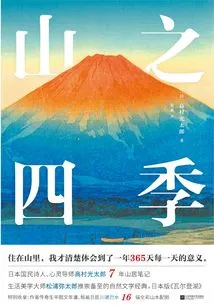
O
Literatureo
P
Kotaro Takamura, the national poet and spiritual mentor of Japan, lived in seclusion in the mountains for seven years. He turned what he saw, heard, and thought during this experience into simple words, advocating getting closer to nature and returning to the original heart, and guiding people to subtract from their lives and add to their thoughts. Yataro Matsuura has recommended "Four Seasons of the Mountain" in many books, and personally went to the mountain hut where Kotaro Takamura lived to express his respect for Kotaro Takamura.
Kotaro Takamura, the national poet and spiritual mentor of Japan, lived in seclusion in the mountains for seven years. He turned what he saw, heard, and thought during this experience into simple words, advocating getting closer to nature and returning to the original heart, and guiding people to subtract from their lives and add to their thoughts. Yataro Matsuura has recommended "Four Seasons of the Mountain" in many books, and personally went to the mountain hut where Kotaro Takamura lived to express his respect for Kotaro Takamura.