Library
Browse and search books
3,417 novels found
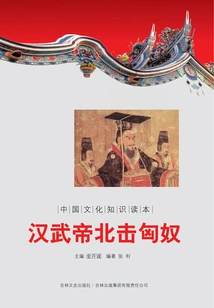
汉武帝北击匈奴
Jin Kaicheng
"Chinese Cultural Knowledge Reader" is a set of large-scale knowledge readers designed to spread China's five thousand years of excellent traditional culture and improve the cultural accomplishment of the entire people. "Chinese Cultural Knowledge Reader: Emperor Wu of the Han Dynasty's Northern Attack on the Huns" uses beautiful and vivid words, concise and popular language, and pictures and texts to introduce you to the recuperation policy in the early Han Dynasty and the relationship between the Han and the Huns, the appeasement policy after Emperor Wu of the Han Dynasty, the impact of Han culture on the Huns, and other related content.
"Chinese Cultural Knowledge Reader" is a set of large-scale knowledge readers designed to spread China's five thousand years of excellent traditional culture and improve the cultural accomplishment of the entire people. "Chinese Cultural Knowledge Reader: Emperor Wu of the Han Dynasty's Northern Attack on the Huns" uses beautiful and vivid words, concise and popular language, and pictures and texts to introduce you to the recuperation policy in the early Han Dynasty and the relationship between the Han and the Huns, the appeasement policy after Emperor Wu of the Han Dynasty, the impact of Han culture on the Huns, and other related content.
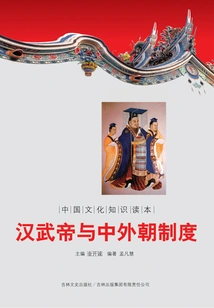
汉武帝与中外朝制度
Jin Kaicheng
"Chinese Culture Knowledge Reader: Emperor Wu of the Han Dynasty and the Chinese and Foreign Dynasty Systems" uses beautiful and vivid words, concise and popular language, and rich pictures and texts to introduce the Huang-Lao theory and Confucianism, the establishment of the Chinese and foreign dynasty systems, the weakening of the power of the prime minister, and the merits and demerits of a generation of heroes.
"Chinese Culture Knowledge Reader: Emperor Wu of the Han Dynasty and the Chinese and Foreign Dynasty Systems" uses beautiful and vivid words, concise and popular language, and rich pictures and texts to introduce the Huang-Lao theory and Confucianism, the establishment of the Chinese and foreign dynasty systems, the weakening of the power of the prime minister, and the merits and demerits of a generation of heroes.
高平之战(高平作家丛书)
Li Jin
In the late Tang Dynasty, officials were generally corrupt. They did not care about government affairs, and relied on plundering people's wealth and bribes to bribe their superiors. After being promoted and re-employed, they intensified their oppression of the people, which led to the Huangchao Uprising in 877 AD. Farmers from all over the country revolted, and the war quickly burned more than a dozen provinces across the country, shaking the foundation of the Tang Dynasty.
In the late Tang Dynasty, officials were generally corrupt. They did not care about government affairs, and relied on plundering people's wealth and bribes to bribe their superiors. After being promoted and re-employed, they intensified their oppression of the people, which led to the Huangchao Uprising in 877 AD. Farmers from all over the country revolted, and the war quickly burned more than a dozen provinces across the country, shaking the foundation of the Tang Dynasty.
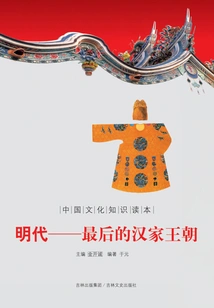
明代:最后的汉家王朝
Jin Kaicheng
It tells the story of the Ming Dynasty (1368-1644), which was established by Ming Taizu Zhu Yuanzhang. It went through 12 generations, 16 emperors, and 17 dynasties. It was the last feudal dynasty established by the Han people in Chinese history.
It tells the story of the Ming Dynasty (1368-1644), which was established by Ming Taizu Zhu Yuanzhang. It went through 12 generations, 16 emperors, and 17 dynasties. It was the last feudal dynasty established by the Han people in Chinese history.
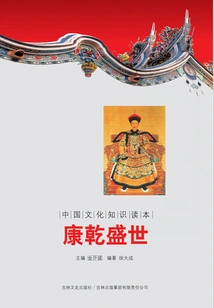
康乾盛世
Jin Kaicheng
The "Chinese Cultural Knowledge Readers" series is a set of large-scale knowledge readers compiled by well-known domestic experts and scholars organized by Jilin Literature and History Publishing House and Jilin Publishing Group Co., Ltd. To spread China's five thousand years of excellent traditional culture and improve the cultural accomplishment of the entire people. "The Golden Age of Kangxi and Qianlong" edited by Xu Dacheng is one of the series of books, which introduces the relevant contents of the flourishing ages of Kangxi and Qianlong. The beautiful and vivid text, concise and popular language, and rich illustrations in "The Golden Age of Kangxi and Qianlong" comprehensively display to readers the key points of knowledge such as material culture, institutional culture, behavioral culture, and spiritual culture in Chinese culture. Bits and pieces of cultural knowledge are like stars, forming the splendid sky of Chinese culture. It can make a modest contribution to carrying forward China's five thousand years of excellent traditional culture, strengthening the unity of all ethnic groups, and building a socialist harmonious society.
The "Chinese Cultural Knowledge Readers" series is a set of large-scale knowledge readers compiled by well-known domestic experts and scholars organized by Jilin Literature and History Publishing House and Jilin Publishing Group Co., Ltd. To spread China's five thousand years of excellent traditional culture and improve the cultural accomplishment of the entire people. "The Golden Age of Kangxi and Qianlong" edited by Xu Dacheng is one of the series of books, which introduces the relevant contents of the flourishing ages of Kangxi and Qianlong. The beautiful and vivid text, concise and popular language, and rich illustrations in "The Golden Age of Kangxi and Qianlong" comprehensively display to readers the key points of knowledge such as material culture, institutional culture, behavioral culture, and spiritual culture in Chinese culture. Bits and pieces of cultural knowledge are like stars, forming the splendid sky of Chinese culture. It can make a modest contribution to carrying forward China's five thousand years of excellent traditional culture, strengthening the unity of all ethnic groups, and building a socialist harmonious society.
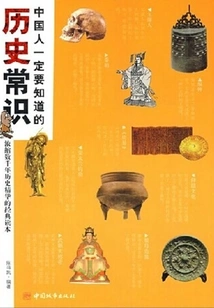
中国人一定要知道的历史常识
Compiled By Chen Shukai
Over the course of thousands of years, the Chinese nation has written a magnificent and glorious picture for itself with its indomitable will and spirit of courage to explore. The contents of this book include: immortal and glorious buildings, such as the Great Wall, the Grand Canal, the Royal Forbidden City, etc.; Marvelous civilizational creations of the world, such as the compass, papermaking, gunpowder, printing, etc.; Heroic figures that make people feel unforgettable, such as Lin Xiangru, Xiang Yu, Wei Qing, Yue Fei, etc. Do you want to know this knowledge? Then you might as well open this book and read it carefully.
Over the course of thousands of years, the Chinese nation has written a magnificent and glorious picture for itself with its indomitable will and spirit of courage to explore. The contents of this book include: immortal and glorious buildings, such as the Great Wall, the Grand Canal, the Royal Forbidden City, etc.; Marvelous civilizational creations of the world, such as the compass, papermaking, gunpowder, printing, etc.; Heroic figures that make people feel unforgettable, such as Lin Xiangru, Xiang Yu, Wei Qing, Yue Fei, etc. Do you want to know this knowledge? Then you might as well open this book and read it carefully.
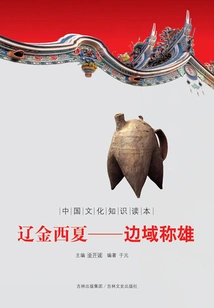
辽金西夏:边域称雄
Jin Kaicheng
During the Song Dynasty of our country, three political regimes established by ethnic minorities appeared in the north, namely the Liao, Jin and Xixia. These three regimes dominated the border areas and contributed to the development of the Chinese nation. Liao, also known as Liao Kingdom and Khitan, was a feudal dynasty established mainly by the Khitan people during the Northern Song Dynasty of China's Five Dynasties and Ten Kingdoms. It ruled northern China. The Jin Dynasty was a political power established by the Jurchen tribe in northeastern my country. It destroyed the Liao Dynasty in 1125 and the Northern Song Dynasty in 1127. Xixia, formerly known as Daxia, was a feudal regime established in western China by the Dangxiang people in Chinese history. It lasted for 190 years and finally died in Mongolia.
During the Song Dynasty of our country, three political regimes established by ethnic minorities appeared in the north, namely the Liao, Jin and Xixia. These three regimes dominated the border areas and contributed to the development of the Chinese nation. Liao, also known as Liao Kingdom and Khitan, was a feudal dynasty established mainly by the Khitan people during the Northern Song Dynasty of China's Five Dynasties and Ten Kingdoms. It ruled northern China. The Jin Dynasty was a political power established by the Jurchen tribe in northeastern my country. It destroyed the Liao Dynasty in 1125 and the Northern Song Dynasty in 1127. Xixia, formerly known as Daxia, was a feudal regime established in western China by the Dangxiang people in Chinese history. It lasted for 190 years and finally died in Mongolia.
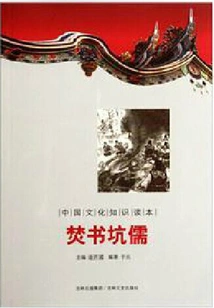
焚书坑儒
Jin Kaicheng
This "Chinese Cultural Knowledge Reader: Burning Books and Confucian Confucianism" has been discussed by scholars of all generations for thousands of years, and each has its own opinion. "Chinese Cultural Knowledge Reader: Burning Books and Confucianism" summarizes the different views of scholars of various generations and introduces them in detail, which can be regarded as an academic summary. In the spirit of letting a hundred flowers bloom and a hundred schools of thought contending, "Chinese Cultural Knowledge Reader: Burning Books and Entrapping Confucianism" discusses Qin Shihuang's burning of books and entrapping Confucians from different angles, and eclectically incorporates the same and opposite views of some scholars. Some of the materials in the hands of different scholars are repeated, some are inconsistent, and some are completely opposite, but they are all well-founded and worthy of attention.
This "Chinese Cultural Knowledge Reader: Burning Books and Confucian Confucianism" has been discussed by scholars of all generations for thousands of years, and each has its own opinion. "Chinese Cultural Knowledge Reader: Burning Books and Confucianism" summarizes the different views of scholars of various generations and introduces them in detail, which can be regarded as an academic summary. In the spirit of letting a hundred flowers bloom and a hundred schools of thought contending, "Chinese Cultural Knowledge Reader: Burning Books and Entrapping Confucianism" discusses Qin Shihuang's burning of books and entrapping Confucians from different angles, and eclectically incorporates the same and opposite views of some scholars. Some of the materials in the hands of different scholars are repeated, some are inconsistent, and some are completely opposite, but they are all well-founded and worthy of attention.
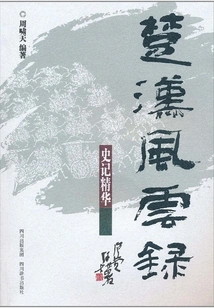
史记精华:楚汉风云录
Compiled By Zhou Xiaotian
"Historical Records" is not only a historical masterpiece, but also a literary masterpiece. It is a monument of historical and biographical literature that connects the past and the future, and is also one of the classics that the people must understand. This book presents the essence of "Historical Records" to the public in the form of selected volumes, which has far-reaching significance for popularizing Chinese studies and promoting Chinese culture. This book's introductory explanation of the original selected works is practical and easy to read, and contains three types of content: prompts, which introduce the main content and literary features of the full text at the beginning of the chapter; paragraph meaning, which divides the original text into paragraphs and summarizes the meaning of the paragraph one by one; notes, which follow the paragraph meaning to annotate difficult words in the paragraph and clarify difficult sentences. By following this style, readers can get a glimpse of the secrets of "Historical Records".
"Historical Records" is not only a historical masterpiece, but also a literary masterpiece. It is a monument of historical and biographical literature that connects the past and the future, and is also one of the classics that the people must understand. This book presents the essence of "Historical Records" to the public in the form of selected volumes, which has far-reaching significance for popularizing Chinese studies and promoting Chinese culture. This book's introductory explanation of the original selected works is practical and easy to read, and contains three types of content: prompts, which introduce the main content and literary features of the full text at the beginning of the chapter; paragraph meaning, which divides the original text into paragraphs and summarizes the meaning of the paragraph one by one; notes, which follow the paragraph meaning to annotate difficult words in the paragraph and clarify difficult sentences. By following this style, readers can get a glimpse of the secrets of "Historical Records".
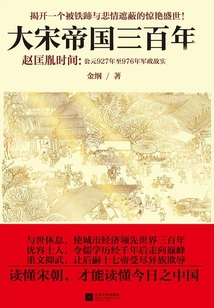
大宋帝国三百年:赵匡胤时间(全3册)
Jin Gang
The first panoramic decryption of the epic poetry of the Song Dynasty, revealing a stunning and prosperous age obscured by iron hoofs and tragedy! Rest in peace and make the city's economy lead the world for 300 years! The beauty of scholars brought Confucianism to its peak after thousands of years! Emphasizing culture and suppressing military power, the seventeen emperors who followed him were humiliated by foreign races! Battlefield killings, imperial power, curtains and traps, legendary secrets, ideological wisdom... Every page in "Three Hundred Years of the Song Empire" is full of moving thoughts! It is a strategy for governing the world, a business and war art, a political manual, and it is also the code of destiny for the great era.
The first panoramic decryption of the epic poetry of the Song Dynasty, revealing a stunning and prosperous age obscured by iron hoofs and tragedy! Rest in peace and make the city's economy lead the world for 300 years! The beauty of scholars brought Confucianism to its peak after thousands of years! Emphasizing culture and suppressing military power, the seventeen emperors who followed him were humiliated by foreign races! Battlefield killings, imperial power, curtains and traps, legendary secrets, ideological wisdom... Every page in "Three Hundred Years of the Song Empire" is full of moving thoughts! It is a strategy for governing the world, a business and war art, a political manual, and it is also the code of destiny for the great era.
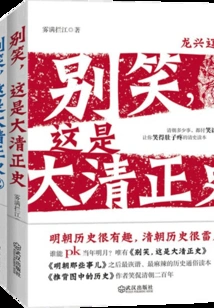
别笑,这是大清正史
Fog Blocks The River
Fog blocking the river versus the bright moon back then? Who is the first person to tell history with humor? Readers will be able to decide for themselves! Many events in the Qing Dynasty are discussed in writing. A Qing history book that will make you laugh until your stomach hurts: "Don't laugh, this is the official history of the Qing Dynasty" tells the history of the Qing Dynasty from the birth of Nurhaci (1559) to the second year of Shunzhi (1645) when Shi Kefa was trapped in Yangzhou for 86 years. This was an extraordinary period of great turmoil and change with the rise of the Qing Dynasty and the demise of the Ming Dynasty. The historical events that occurred were both exciting and bloody. Tragic. The author tells the story eloquently, although he laughs and scolds, but he is joking but not abusive: it seems casual, but in fact it has good intentions; it looks like a novelist's words, but in fact it is based on trusting history. The characters in the book, whether they are the great heroes Xiong Tingbi, Yuan Chonghuan, Nurhaci, Huang Taiji, etc., Or the traitor Wu Sangui, whether they are the tragic Emperor Chongzhen, or the talented and powerful Dorgon, all have changed their past serious and stereotyped faces, and their characters have suddenly become vivid with playful ridicule.
Fog blocking the river versus the bright moon back then? Who is the first person to tell history with humor? Readers will be able to decide for themselves! Many events in the Qing Dynasty are discussed in writing. A Qing history book that will make you laugh until your stomach hurts: "Don't laugh, this is the official history of the Qing Dynasty" tells the history of the Qing Dynasty from the birth of Nurhaci (1559) to the second year of Shunzhi (1645) when Shi Kefa was trapped in Yangzhou for 86 years. This was an extraordinary period of great turmoil and change with the rise of the Qing Dynasty and the demise of the Ming Dynasty. The historical events that occurred were both exciting and bloody. Tragic. The author tells the story eloquently, although he laughs and scolds, but he is joking but not abusive: it seems casual, but in fact it has good intentions; it looks like a novelist's words, but in fact it is based on trusting history. The characters in the book, whether they are the great heroes Xiong Tingbi, Yuan Chonghuan, Nurhaci, Huang Taiji, etc., Or the traitor Wu Sangui, whether they are the tragic Emperor Chongzhen, or the talented and powerful Dorgon, all have changed their past serious and stereotyped faces, and their characters have suddenly become vivid with playful ridicule.
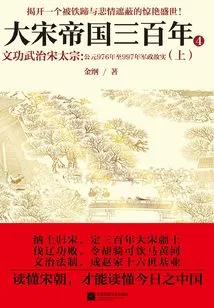
Three Hundred Years of the Song Empire 4: Literary and Military Governance of Song Taizong (part 1)
History大宋帝国三百年4:文功武治宋太宗(上)
Jin Gang
"Three Hundred Years of the Song Empire" has a total of 8 volumes and 17 volumes. It breaks through the writing pattern of pure research or drama, and integrates historical statements and ideological exploration. It is not only a big history, but also an ideological monograph that analyzes the decline and prosperity of Chinese society. The whole book is faithful to history, the research and rendering complement each other, and it is also meticulous in judgment and full of insights. The narrative is grand and broad, vivid and interesting, and has endless aftertaste. It provides a new model for interpreting history.
"Three Hundred Years of the Song Empire" has a total of 8 volumes and 17 volumes. It breaks through the writing pattern of pure research or drama, and integrates historical statements and ideological exploration. It is not only a big history, but also an ideological monograph that analyzes the decline and prosperity of Chinese society. The whole book is faithful to history, the research and rendering complement each other, and it is also meticulous in judgment and full of insights. The narrative is grand and broad, vivid and interesting, and has endless aftertaste. It provides a new model for interpreting history.
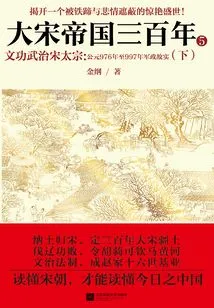
Three Hundred Years of the Song Empire 5: Literary and Military Governance of Song Taizong (part 2)
History大宋帝国三百年5:文功武治宋太宗(下)
Jin Gang
"Three Hundred Years of the Song Empire" has a total of 8 volumes and 17 volumes. It breaks through the writing pattern of pure research or drama, and integrates historical statements and ideological exploration. It is not only a big history, but also an ideological monograph that analyzes the decline and prosperity of Chinese society. The whole book is faithful to history, the research and rendering complement each other, and it is also meticulous in judgment and full of insights. The narrative is grand and broad, vivid and interesting, and has endless aftertaste. It provides a new model for interpreting history.
"Three Hundred Years of the Song Empire" has a total of 8 volumes and 17 volumes. It breaks through the writing pattern of pure research or drama, and integrates historical statements and ideological exploration. It is not only a big history, but also an ideological monograph that analyzes the decline and prosperity of Chinese society. The whole book is faithful to history, the research and rendering complement each other, and it is also meticulous in judgment and full of insights. The narrative is grand and broad, vivid and interesting, and has endless aftertaste. It provides a new model for interpreting history.
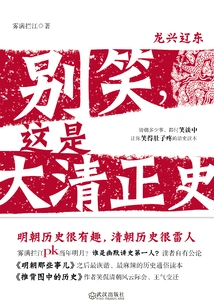
别笑,这是大清正史1:龙兴辽东
Fog Blocks The River
This book narrates the 86-year history from the birth of Nurhachi (1559) to the second year of Shunzhi (1645) when Shi Kefa was trapped in Yangzhou. This was an extraordinary period of great turmoil and change with the rise of the Qing Dynasty and the demise of the Ming Dynasty. The historical events that occurred were both exciting and bloody. The author tells the story eloquently, although he laughs and scolds, but he is joking but not abusive; it seems casual but actually has good intentions; it seems like a novelist's words, but in fact he is based on trusting history. The characters in the book, whether they are the great heroes Xiong Tingbi, Yuan Chonghuan, Nurhachi, Huang Taiji, or the great traitor Wu Sangui, whether they are the tragic Emperor Chongzhen, or the talented and powerful Dorgon, all have changed their past serious and stereotyped faces, and their playful ridicule has suddenly made their characters vivid.
This book narrates the 86-year history from the birth of Nurhachi (1559) to the second year of Shunzhi (1645) when Shi Kefa was trapped in Yangzhou. This was an extraordinary period of great turmoil and change with the rise of the Qing Dynasty and the demise of the Ming Dynasty. The historical events that occurred were both exciting and bloody. The author tells the story eloquently, although he laughs and scolds, but he is joking but not abusive; it seems casual but actually has good intentions; it seems like a novelist's words, but in fact he is based on trusting history. The characters in the book, whether they are the great heroes Xiong Tingbi, Yuan Chonghuan, Nurhachi, Huang Taiji, or the great traitor Wu Sangui, whether they are the tragic Emperor Chongzhen, or the talented and powerful Dorgon, all have changed their past serious and stereotyped faces, and their playful ridicule has suddenly made their characters vivid.
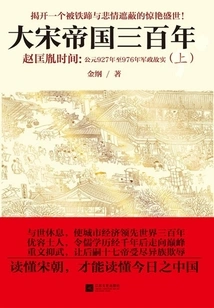
大宋帝国三百年1:赵匡胤时间(上)
Jin Gang
Looking around, there are wolves everywhere. There are vassal towns that cannot be controlled by the king's law, there are vassal towns that are resisting the rule of law, there are vassal towns that are about to be moved, and there are even wanton plundering by Khitan cavalry. Although the imperial court was there at that time, the world was already dead. From AD 927 to AD 951, the thirty years before the Song Dynasty, it was the dark age of Chinese history. If you understand these thirty years, you will understand what barbarism and cruelty are, and you will understand why the Song Dynasty is called a prosperous civilization. Thirty years before the founding of the Song Dynasty, it was a military battlefield where wolves roamed and cavalry raged. It was a place where vassal towns were divided, factions fought against each other, and conspiracies and brutal crimes took place. It was a purgatory where civilization was ruined, morality was lost, and the world had constant nightmares. The history of the thirty years before the founding of the Song Dynasty was a history of turmoil caused by usurpation and disaster, and a history of Chinese people's suffering covered by blood and tragedy. If you understand these thirty years of history and see clearly the cause and effect of the troubled times of the Five Dynasties, you will understand the origin of the Song Dynasty Empire and Zhao Kuangyin's good intentions in constructing and deducing the Song Dynasty civilization...
Looking around, there are wolves everywhere. There are vassal towns that cannot be controlled by the king's law, there are vassal towns that are resisting the rule of law, there are vassal towns that are about to be moved, and there are even wanton plundering by Khitan cavalry. Although the imperial court was there at that time, the world was already dead. From AD 927 to AD 951, the thirty years before the Song Dynasty, it was the dark age of Chinese history. If you understand these thirty years, you will understand what barbarism and cruelty are, and you will understand why the Song Dynasty is called a prosperous civilization. Thirty years before the founding of the Song Dynasty, it was a military battlefield where wolves roamed and cavalry raged. It was a place where vassal towns were divided, factions fought against each other, and conspiracies and brutal crimes took place. It was a purgatory where civilization was ruined, morality was lost, and the world had constant nightmares. The history of the thirty years before the founding of the Song Dynasty was a history of turmoil caused by usurpation and disaster, and a history of Chinese people's suffering covered by blood and tragedy. If you understand these thirty years of history and see clearly the cause and effect of the troubled times of the Five Dynasties, you will understand the origin of the Song Dynasty Empire and Zhao Kuangyin's good intentions in constructing and deducing the Song Dynasty civilization...
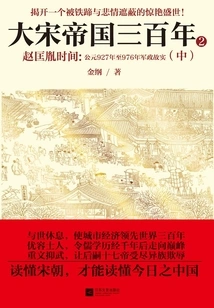
大宋帝国三百年2:赵匡胤时间(中)
Jin Gang
Chenqiaoyi was the most important station in Zhao Kuangyin's life. At this station, he completed a dynasty change in a bloodless way. From AD 951 to AD 960, the chaotic Five Dynasties and Ten Kingdoms were coming to an end, and an unprecedentedly prosperous Song Empire began to emerge on the historical horizon. Ten years before the founding of the Song Dynasty, Zhou Taizu Guo Wei eliminated the bad governance of the previous dynasty, bringing the first glimmer of light in the troubled times; Chai Rong, the great emperor who was heroic and full of royal ideals, led a personal expedition, defeated the Khitan coalition forces of the Northern Han Dynasty, and started civilized government affairs; The peerless master Wang Puxian's "Pingbian Policy" "determined the road map of the Central Plains"; after the Battle of Gaoping, Zhao Kuangyin entered the ranks of senior officers in the Later Zhou Dynasty; the incredible "Wei Nang" and the mysterious Chenqiao Mutiny brought an astonishing turning point in history...
Chenqiaoyi was the most important station in Zhao Kuangyin's life. At this station, he completed a dynasty change in a bloodless way. From AD 951 to AD 960, the chaotic Five Dynasties and Ten Kingdoms were coming to an end, and an unprecedentedly prosperous Song Empire began to emerge on the historical horizon. Ten years before the founding of the Song Dynasty, Zhou Taizu Guo Wei eliminated the bad governance of the previous dynasty, bringing the first glimmer of light in the troubled times; Chai Rong, the great emperor who was heroic and full of royal ideals, led a personal expedition, defeated the Khitan coalition forces of the Northern Han Dynasty, and started civilized government affairs; The peerless master Wang Puxian's "Pingbian Policy" "determined the road map of the Central Plains"; after the Battle of Gaoping, Zhao Kuangyin entered the ranks of senior officers in the Later Zhou Dynasty; the incredible "Wei Nang" and the mysterious Chenqiao Mutiny brought an astonishing turning point in history...
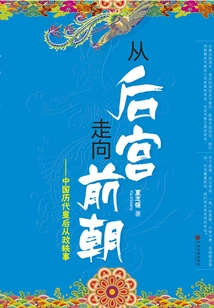
中国历代皇后从政轶事
Xia Zhiqiang
The queen used her wisdom to rewrite the fate of herself and her family, as well as the fate of the feudal dynasty. If "The Legend of Zhen Huan" is a wonderful performance by one woman, then this is a collection of wonderful performances by a bunch of women! As a group around the emperor, the pinnacle of parasitic feudal ruling power, the queen's influence on feudal politics cannot be underestimated. Without understanding the queen, it is impossible to fully understand China's feudal society.
The queen used her wisdom to rewrite the fate of herself and her family, as well as the fate of the feudal dynasty. If "The Legend of Zhen Huan" is a wonderful performance by one woman, then this is a collection of wonderful performances by a bunch of women! As a group around the emperor, the pinnacle of parasitic feudal ruling power, the queen's influence on feudal politics cannot be underestimated. Without understanding the queen, it is impossible to fully understand China's feudal society.
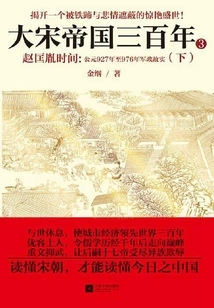
大宋帝国三百年3:赵匡胤时间(下)
Jin Gang
In 960 AD, Zhao Kuangyin and Jian Zuo ascended the throne, marking the founding of the Song Empire. When the army entered the city, "the market was not easy to operate" in Bianliang, Tokyo. If unruly people took advantage of the chaos and looted, "several generations would be killed in the city, and the officials who were plundered would pay their dues." The respect and protection of private property indicates that a generation of holy kings will open the most glorious chapter of traditional China. From 960 AD to 976 AD, it was Zhao Kuangyin's "Emperor Time". History ushered in the "Jianlong Rule" when the people were wealthy and the army was strong. In the next 16 years, he practiced virtuous government, practiced martial arts and cultivated literature, but finally passed away mysteriously amid the sound of an ax and the shadow of candles with his unfinished ambition. At the beginning of the founding of the Song Dynasty, Zhao Kuangyin conquered Luzhou and Pingyangzhou successively when he was caring for the world and practicing martial arts. He adopted Prime Minister Zhao Pu's brilliant strategy to "invade the feudal towns", sent troops to quell the chaos, and even brought peace to the world...
In 960 AD, Zhao Kuangyin and Jian Zuo ascended the throne, marking the founding of the Song Empire. When the army entered the city, "the market was not easy to operate" in Bianliang, Tokyo. If unruly people took advantage of the chaos and looted, "several generations would be killed in the city, and the officials who were plundered would pay their dues." The respect and protection of private property indicates that a generation of holy kings will open the most glorious chapter of traditional China. From 960 AD to 976 AD, it was Zhao Kuangyin's "Emperor Time". History ushered in the "Jianlong Rule" when the people were wealthy and the army was strong. In the next 16 years, he practiced virtuous government, practiced martial arts and cultivated literature, but finally passed away mysteriously amid the sound of an ax and the shadow of candles with his unfinished ambition. At the beginning of the founding of the Song Dynasty, Zhao Kuangyin conquered Luzhou and Pingyangzhou successively when he was caring for the world and practicing martial arts. He adopted Prime Minister Zhao Pu's brilliant strategy to "invade the feudal towns", sent troops to quell the chaos, and even brought peace to the world...
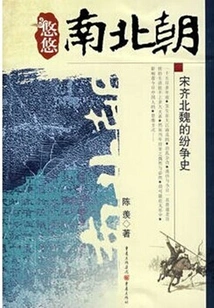
The Long Northern and Southern Dynasties: the History of Conflicts between Song, Qi and Northern Wei
History悠悠南北朝:宋齐北魏的纷争史
Chen Xian
China's long-standing civilization is not simply passed down unchanged to this day. There were many changes during the period, among which the changes during the Sixteen Kingdoms, Southern and Northern Dynasties were the most critical. The changes in social civilization during this period basically determined the basic model of civilization in the later period when China was strong. This book breaks the old thinking model about China's "Ji Shi" history, and puts forward a new perspective that "culture has not changed, but only developed, and culture has no absolute advantages or disadvantages, because it is itself a dynamic process." Looking at history from this new perspective will not only make people read happily, but also make people understand the truth through reading history, and become clear-minded because of the understanding, which will benefit a lot.
China's long-standing civilization is not simply passed down unchanged to this day. There were many changes during the period, among which the changes during the Sixteen Kingdoms, Southern and Northern Dynasties were the most critical. The changes in social civilization during this period basically determined the basic model of civilization in the later period when China was strong. This book breaks the old thinking model about China's "Ji Shi" history, and puts forward a new perspective that "culture has not changed, but only developed, and culture has no absolute advantages or disadvantages, because it is itself a dynamic process." Looking at history from this new perspective will not only make people read happily, but also make people understand the truth through reading history, and become clear-minded because of the understanding, which will benefit a lot.
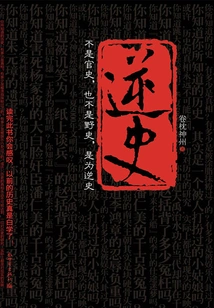
Against History
History逆史
Roll Pillow China
"Reverse History" was compiled by Juanzhen Shenzhou. "Inverse History" tells the story: Did you know that the dancing master actually jumped out of the 5,000-year-old Chinese civilization? Do you know that Dayu's flood-controlling skills were used in contemporary times, but his sins will last forever? Do you know how many injustices Zhao Kuo, who was ridiculed as a "paper talker", suffered? Do you know the tragedy of "the traitor who usurped the country" Wang Mang? Do you know Li Bai's official career dream that "the emperor couldn't even get on board the ship"? Do you know the eternal injustice of Pan Renmei, the white-faced traitor who killed the Yang family general? Do you know that Yue Fei's death was doomed? Do you know that the Southern Song Dynasty, which was poor and weak in your impression, was actually a tough one? Do you know that Zhu Yuanzhang's legacy is endless? Do you know Li Hongzhang's ability to endure humiliation and bear heavy burdens? ... Do you know that the history you know is actually a little girl who has been dressed up?
"Reverse History" was compiled by Juanzhen Shenzhou. "Inverse History" tells the story: Did you know that the dancing master actually jumped out of the 5,000-year-old Chinese civilization? Do you know that Dayu's flood-controlling skills were used in contemporary times, but his sins will last forever? Do you know how many injustices Zhao Kuo, who was ridiculed as a "paper talker", suffered? Do you know the tragedy of "the traitor who usurped the country" Wang Mang? Do you know Li Bai's official career dream that "the emperor couldn't even get on board the ship"? Do you know the eternal injustice of Pan Renmei, the white-faced traitor who killed the Yang family general? Do you know that Yue Fei's death was doomed? Do you know that the Southern Song Dynasty, which was poor and weak in your impression, was actually a tough one? Do you know that Zhu Yuanzhang's legacy is endless? Do you know Li Hongzhang's ability to endure humiliation and bear heavy burdens? ... Do you know that the history you know is actually a little girl who has been dressed up?

全透视简明中国通史
Fog Blocks The River
This series of books uses the perspective of ordinary people to peel off the bones of historical materials from the past to the present, stripping away the political and literary attire of history, and peeling off layers of old suits, allowing you to step out of the brainwashed and obscured history and see the original body of history. What you are seeing now is real history - full frontal nudity, passionate perspective, vivid and flesh-and-blood! ! ! Is Huangdi a technical geek? Behind the abdication of the Five Emperors, political conspiracies of "princelings" fighting against "son-in-law gangs" were unfolding everywhere. Why did Dayu and Tushan fail to carry out their love to the end? Jiang Ziya was unable to do anything, and he ate everything without leaving anything. King Zhou Wen actually liked this about him. During the Spring and Autumn Period, etiquette broke down and music collapsed, and the drama of power reversal and elimination was staged everywhere. Confucius, Laozi, and Mozi took turns to appear. How did they make political investments? Are Xia Jie and Shang Zhou really so cruel? What are the unspeakable secrets behind Pan Geng's move to the capital? King Wen of Zhou married the aunt of King Zhou of Shang, and they turned out to be one family.
This series of books uses the perspective of ordinary people to peel off the bones of historical materials from the past to the present, stripping away the political and literary attire of history, and peeling off layers of old suits, allowing you to step out of the brainwashed and obscured history and see the original body of history. What you are seeing now is real history - full frontal nudity, passionate perspective, vivid and flesh-and-blood! ! ! Is Huangdi a technical geek? Behind the abdication of the Five Emperors, political conspiracies of "princelings" fighting against "son-in-law gangs" were unfolding everywhere. Why did Dayu and Tushan fail to carry out their love to the end? Jiang Ziya was unable to do anything, and he ate everything without leaving anything. King Zhou Wen actually liked this about him. During the Spring and Autumn Period, etiquette broke down and music collapsed, and the drama of power reversal and elimination was staged everywhere. Confucius, Laozi, and Mozi took turns to appear. How did they make political investments? Are Xia Jie and Shang Zhou really so cruel? What are the unspeakable secrets behind Pan Geng's move to the capital? King Wen of Zhou married the aunt of King Zhou of Shang, and they turned out to be one family.
Han Dynasty 4
History大汉王朝4
Wang Xinlong
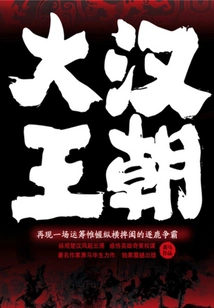
This book is the fourth volume of "The Han Dynasty". It presents the most vivid aspect of history with popular writing and detailed explanations.
This book is the fourth volume of "The Han Dynasty". It presents the most vivid aspect of history with popular writing and detailed explanations.
Ming Dynasty 4
History大明王朝4
Compiled By Wang Xinlong
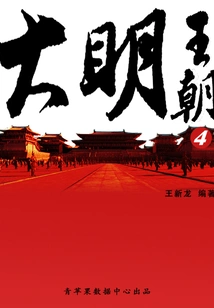
The Ming Empire was a dynasty founded by people who herded cattle and worked as monks. It seems that the rise and fall of this dynasty was destined to be dramatic from the beginning of the story. The characters who appeared and the events that occurred during the period were also relatively unique and bizarre. Zhu Yuanzhang started from scratch. Surrounded by heroes and in a precarious situation, he sized up the situation and worked step by step. He created the foundation of the Ming Dynasty in only fifteen years. However, by the time of Emperor Chongzhen, the city was full of war, and the emperor and his ministers abandoned each other, which makes people sigh! This book sifts out a large number of plots that have not been paid attention to by historical historians from the vast amount of written historical materials, and reinterprets the story of the evolution of Zhengshuo and the change of society, which can be said to be an easy task. It attempts to show readers a realistic picture of the history of the Ming Dynasty with beautiful writing and detailed historical materials, and tell you a real Ming Dynasty.
The Ming Empire was a dynasty founded by people who herded cattle and worked as monks. It seems that the rise and fall of this dynasty was destined to be dramatic from the beginning of the story. The characters who appeared and the events that occurred during the period were also relatively unique and bizarre. Zhu Yuanzhang started from scratch. Surrounded by heroes and in a precarious situation, he sized up the situation and worked step by step. He created the foundation of the Ming Dynasty in only fifteen years. However, by the time of Emperor Chongzhen, the city was full of war, and the emperor and his ministers abandoned each other, which makes people sigh! This book sifts out a large number of plots that have not been paid attention to by historical historians from the vast amount of written historical materials, and reinterprets the story of the evolution of Zhengshuo and the change of society, which can be said to be an easy task. It attempts to show readers a realistic picture of the history of the Ming Dynasty with beautiful writing and detailed historical materials, and tell you a real Ming Dynasty.
Ming Dynasty 3
History大明王朝3
Compiled By Wang Xinlong
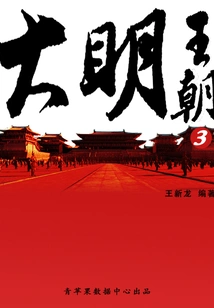
The Ming Empire was a dynasty founded by people who herded cattle and worked as monks. It seems that the rise and fall of this dynasty was destined to be dramatic from the beginning of the story. The characters who appeared and the events that occurred during the period were also relatively unique and bizarre. Zhu Yuanzhang started from scratch. Surrounded by heroes and in a precarious situation, he sized up the situation and worked step by step. He created the foundation of the Ming Dynasty in only fifteen years. However, by the time of Emperor Chongzhen, the city was full of war, and the emperor and his ministers abandoned each other, which makes people sigh! This book sifts out a large number of plots that have not been paid attention to by historical historians from the vast amount of written historical materials, and reinterprets the story of the evolution of Zhengshuo and the change of society, which can be said to be an easy task. It attempts to show readers a realistic picture of the history of the Ming Dynasty with beautiful writing and detailed historical materials, and tell you a real Ming Dynasty.
The Ming Empire was a dynasty founded by people who herded cattle and worked as monks. It seems that the rise and fall of this dynasty was destined to be dramatic from the beginning of the story. The characters who appeared and the events that occurred during the period were also relatively unique and bizarre. Zhu Yuanzhang started from scratch. Surrounded by heroes and in a precarious situation, he sized up the situation and worked step by step. He created the foundation of the Ming Dynasty in only fifteen years. However, by the time of Emperor Chongzhen, the city was full of war, and the emperor and his ministers abandoned each other, which makes people sigh! This book sifts out a large number of plots that have not been paid attention to by historical historians from the vast amount of written historical materials, and reinterprets the story of the evolution of Zhengshuo and the change of society, which can be said to be an easy task. It attempts to show readers a realistic picture of the history of the Ming Dynasty with beautiful writing and detailed historical materials, and tell you a real Ming Dynasty.
Ming Dynasty 2
History大明王朝2
Compiled By Wang Xinlong
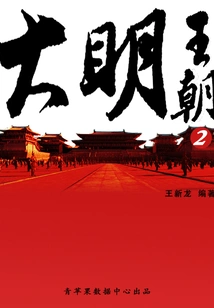
The Ming Empire was a dynasty founded by people who herded cattle and worked as monks. It seems that the rise and fall of this dynasty was destined to be dramatic from the beginning of the story. The characters who appeared and the events that occurred during the period were also relatively unique and bizarre. Zhu Yuanzhang started from scratch. Surrounded by heroes and in a precarious situation, he sized up the situation and worked step by step. He created the foundation of the Ming Dynasty in only fifteen years. However, by the time of Emperor Chongzhen, the city was full of war, and the emperor and his ministers abandoned each other, which makes people sigh! This book sifts out a large number of plots that have not been paid attention to by historical historians from the vast amount of written historical materials, and reinterprets the story of the evolution of Zhengshuo and the change of society, which can be said to be an easy task. It attempts to show readers a realistic picture of the history of the Ming Dynasty with beautiful writing and detailed historical materials, and tell you a real Ming Dynasty.
The Ming Empire was a dynasty founded by people who herded cattle and worked as monks. It seems that the rise and fall of this dynasty was destined to be dramatic from the beginning of the story. The characters who appeared and the events that occurred during the period were also relatively unique and bizarre. Zhu Yuanzhang started from scratch. Surrounded by heroes and in a precarious situation, he sized up the situation and worked step by step. He created the foundation of the Ming Dynasty in only fifteen years. However, by the time of Emperor Chongzhen, the city was full of war, and the emperor and his ministers abandoned each other, which makes people sigh! This book sifts out a large number of plots that have not been paid attention to by historical historians from the vast amount of written historical materials, and reinterprets the story of the evolution of Zhengshuo and the change of society, which can be said to be an easy task. It attempts to show readers a realistic picture of the history of the Ming Dynasty with beautiful writing and detailed historical materials, and tell you a real Ming Dynasty.
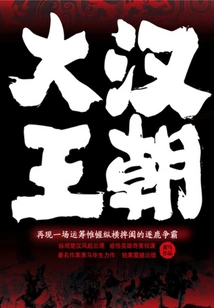
Han Dynasty 3
History大汉王朝3
Wang Xinlong
During the Seven Kingdoms Rebellion, the Han Dynasty was in danger. How could the empire turn the corner? "Guoheng was destroyed by weakness, but Han alone was destroyed by strength!" What caused the Han Empire built by the Liu family, with blood and bravery flowing in their veins, to collapse suddenly? ...
During the Seven Kingdoms Rebellion, the Han Dynasty was in danger. How could the empire turn the corner? "Guoheng was destroyed by weakness, but Han alone was destroyed by strength!" What caused the Han Empire built by the Liu family, with blood and bravery flowing in their veins, to collapse suddenly? ...
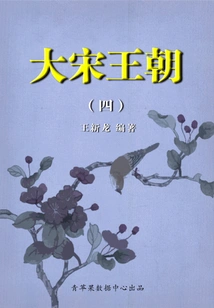
Song Dynasty 4
History大宋王朝4
Compiled By Wang Xinlong
The Song Dynasty thousands of years ago has become history, but the celebrities and sages, talented scholars, street life, and crafts and curios of the Song Dynasty still vividly remain in the cultural memory of today's Chinese people. The Song Dynasty was an economically and culturally prosperous dynasty in Chinese history. However, the two Song Dynasty regimes gradually declined under the attack of northern ethnic groups. The reasons are quite complicated, and scholars in the past dynasties have different opinions. There are also many stories about Song people in folklore, novels, and operas. Based on the Song Dynasty, this series introduces major events or phenomena such as the end of the wars in the Five Dynasties, the strengthening of centralization of power, the family law of being right-minded and restraining the military, the strategy of being at the forefront but not external, the reform of thinking about change when the situation is poor, the absurdity of the emperor, and the struggle between bureaucrats. At the same time, it re-examines the two Song Dynasties from different levels such as economy, culture, science and technology, and attempts to comprehensively show readers the beginning and end of the history of the Song Dynasty.
The Song Dynasty thousands of years ago has become history, but the celebrities and sages, talented scholars, street life, and crafts and curios of the Song Dynasty still vividly remain in the cultural memory of today's Chinese people. The Song Dynasty was an economically and culturally prosperous dynasty in Chinese history. However, the two Song Dynasty regimes gradually declined under the attack of northern ethnic groups. The reasons are quite complicated, and scholars in the past dynasties have different opinions. There are also many stories about Song people in folklore, novels, and operas. Based on the Song Dynasty, this series introduces major events or phenomena such as the end of the wars in the Five Dynasties, the strengthening of centralization of power, the family law of being right-minded and restraining the military, the strategy of being at the forefront but not external, the reform of thinking about change when the situation is poor, the absurdity of the emperor, and the struggle between bureaucrats. At the same time, it re-examines the two Song Dynasties from different levels such as economy, culture, science and technology, and attempts to comprehensively show readers the beginning and end of the history of the Song Dynasty.
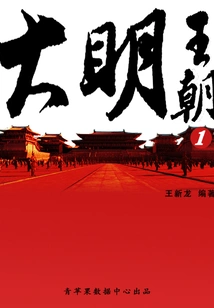
Ming Dynasty 1
History大明王朝1
Compiled By Wang Xinlong
The Ming Empire was a dynasty founded by people who herded cattle and worked as monks. It seems that the rise and fall of this dynasty was destined to be dramatic from the beginning of the story. The characters who appeared and the events that occurred during the period were also relatively unique and bizarre. Zhu Yuanzhang started from scratch. Surrounded by heroes and in a precarious situation, he sized up the situation and worked step by step. He created the foundation of the Ming Dynasty in only fifteen years. However, by the time of Emperor Chongzhen, the city was full of war, and the emperor and his ministers abandoned each other, which makes people sigh! This book sifts out a large number of plots that have not been paid attention to by historical historians from the vast amount of written historical materials, and reinterprets the story of the evolution of Zhengshuo and the change of society, which can be said to be an easy task. It attempts to show readers a realistic picture of the history of the Ming Dynasty with beautiful writing and detailed historical materials, and tell you a real Ming Dynasty.
The Ming Empire was a dynasty founded by people who herded cattle and worked as monks. It seems that the rise and fall of this dynasty was destined to be dramatic from the beginning of the story. The characters who appeared and the events that occurred during the period were also relatively unique and bizarre. Zhu Yuanzhang started from scratch. Surrounded by heroes and in a precarious situation, he sized up the situation and worked step by step. He created the foundation of the Ming Dynasty in only fifteen years. However, by the time of Emperor Chongzhen, the city was full of war, and the emperor and his ministers abandoned each other, which makes people sigh! This book sifts out a large number of plots that have not been paid attention to by historical historians from the vast amount of written historical materials, and reinterprets the story of the evolution of Zhengshuo and the change of society, which can be said to be an easy task. It attempts to show readers a realistic picture of the history of the Ming Dynasty with beautiful writing and detailed historical materials, and tell you a real Ming Dynasty.
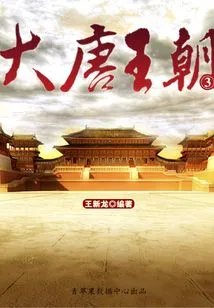
Tang Dynasty 3
History大唐王朝3
Compiled By Wang Xinlong
In the development history of China's feudal society for more than 2,000 years, history advanced along a tortuous road and showed a wave-like trajectory. The Tang Dynasty, with its social and economic prosperity, cultural prosperity, and national power, was a recognized climax era. The Li family's father and son leapt into Jinyang, crossed the Yellow River west, captured Chang'an, and established the Tang Empire; the palace strife, open and covert attacks eventually led to the Xuanwumen Incident; Li Shimin succeeded to the throne, appointed people on their merits, made peace with Tubo, stabilized the frontiers, and initiated the rule of Zhenguan... The curtain of history has opened to illustrate the ups and downs, ups and downs of honor and disgrace in the long river of time. This book tells you about an unprecedentedly open and romantic empire, a Tang Dynasty that prospered and declined, but had eternal and lasting charm, showing a period of great achievements that Chinese descendants will always be proud of.
In the development history of China's feudal society for more than 2,000 years, history advanced along a tortuous road and showed a wave-like trajectory. The Tang Dynasty, with its social and economic prosperity, cultural prosperity, and national power, was a recognized climax era. The Li family's father and son leapt into Jinyang, crossed the Yellow River west, captured Chang'an, and established the Tang Empire; the palace strife, open and covert attacks eventually led to the Xuanwumen Incident; Li Shimin succeeded to the throne, appointed people on their merits, made peace with Tubo, stabilized the frontiers, and initiated the rule of Zhenguan... The curtain of history has opened to illustrate the ups and downs, ups and downs of honor and disgrace in the long river of time. This book tells you about an unprecedentedly open and romantic empire, a Tang Dynasty that prospered and declined, but had eternal and lasting charm, showing a period of great achievements that Chinese descendants will always be proud of.
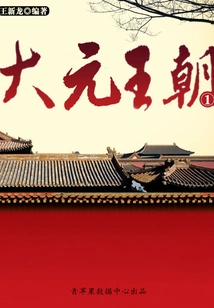
Yuan Dynasty 1
History大元王朝1
Compiled By Wang Xinlong
The Mongolian aristocrats galloping in the desert grasslands, relying on their gold and iron horses, swept thousands of miles like a tiger, and became the first ethnic minority government to dominate the Central Plains. They performed a magnificent historical drama on the vast land of East Asia, which had a significant impact on the course of Chinese history and even the history of the world. "The Yuan Dynasty" interprets the history of the Yuan Dynasty in detail with a rigorous scholarly attitude, bringing historical figures such as Genghis Khan, Kublai Khan, Emperor Shun of the Yuan Dynasty, and Yelu Chucai to life in front of today's people; it also narrates the Mongolian Army's Western Expedition, Qiu Chuji and Genghis Khan, and various historical events in the history of the Mongolian and Yuan Dynasties. It draws a wonderful historical picture of the solitary smoke in the desert and the sunset over the long river for today's people.
The Mongolian aristocrats galloping in the desert grasslands, relying on their gold and iron horses, swept thousands of miles like a tiger, and became the first ethnic minority government to dominate the Central Plains. They performed a magnificent historical drama on the vast land of East Asia, which had a significant impact on the course of Chinese history and even the history of the world. "The Yuan Dynasty" interprets the history of the Yuan Dynasty in detail with a rigorous scholarly attitude, bringing historical figures such as Genghis Khan, Kublai Khan, Emperor Shun of the Yuan Dynasty, and Yelu Chucai to life in front of today's people; it also narrates the Mongolian Army's Western Expedition, Qiu Chuji and Genghis Khan, and various historical events in the history of the Mongolian and Yuan Dynasties. It draws a wonderful historical picture of the solitary smoke in the desert and the sunset over the long river for today's people.
Han Dynasty 2
History大汉王朝2
Wang Xinlong
This empire has splendid humanities and advanced science and technology. It invented paper, accumulated some basic chemical knowledge, and completed the ironization of agricultural tools and weapons. The four traditional disciplines of medicine, agriculture, astrology, and arithmetic in ancient China all formed their own unique systems in this imperial era.
This empire has splendid humanities and advanced science and technology. It invented paper, accumulated some basic chemical knowledge, and completed the ironization of agricultural tools and weapons. The four traditional disciplines of medicine, agriculture, astrology, and arithmetic in ancient China all formed their own unique systems in this imperial era.
Han Dynasty 1
History大汉王朝1
Wang Xinlong
The Han Dynasty was a feudal dynasty full of glory and loneliness, as gorgeous as a fairy tale. For today's Chinese, the shadow and dreams cast by this great empire are still worthy of our remembrance and appreciation. "Guoheng was destroyed by weakness, but Han alone was destroyed by strength!"
The Han Dynasty was a feudal dynasty full of glory and loneliness, as gorgeous as a fairy tale. For today's Chinese, the shadow and dreams cast by this great empire are still worthy of our remembrance and appreciation. "Guoheng was destroyed by weakness, but Han alone was destroyed by strength!"
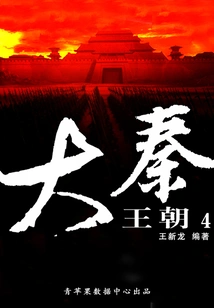
Daqin Dynasty 4
History大秦王朝4
Compiled By Wang Xinlong
The Qin Dynasty arose at a time when the great powers were fiercely competing with each other, and their tolerance encapsulated the vigorous, simple, innovative and realistic spirit of that era. She advocated the rule of law, radical change, hard work in construction, and unification of political orders. After more than 160 years and six generations of leaders' unswerving pursuit, she completed the greatest dynastic revolution, established a powerful and unified dynasty, and ushered in a new era of iron civilization. But she only had fifteen years to live, and passed away like a meteor in a flash. This huge historical gap and the dramatic fate of the dynasty hide countless magical stories and the joys and sorrows of great people and celebrities. The social civilization framework woven by the dynasty and the cultural traditions it embodies still regulate our lives today and constitute a huge spiritual pillar for the Chinese nation.
The Qin Dynasty arose at a time when the great powers were fiercely competing with each other, and their tolerance encapsulated the vigorous, simple, innovative and realistic spirit of that era. She advocated the rule of law, radical change, hard work in construction, and unification of political orders. After more than 160 years and six generations of leaders' unswerving pursuit, she completed the greatest dynastic revolution, established a powerful and unified dynasty, and ushered in a new era of iron civilization. But she only had fifteen years to live, and passed away like a meteor in a flash. This huge historical gap and the dramatic fate of the dynasty hide countless magical stories and the joys and sorrows of great people and celebrities. The social civilization framework woven by the dynasty and the cultural traditions it embodies still regulate our lives today and constitute a huge spiritual pillar for the Chinese nation.
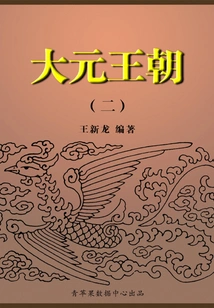
Yuan Dynasty 2
History大元王朝2
Compiled By Wang Xinlong
The Mongolian aristocrats galloping in the desert grasslands, relying on their gold and iron horses, swept thousands of miles like a tiger, and became the first ethnic minority government to dominate the Central Plains. They performed a magnificent historical drama on the vast land of East Asia, which had a significant impact on the course of Chinese history and even the history of the world. "The Yuan Dynasty" interprets the history of the Yuan Dynasty in detail with a rigorous scholarly attitude, bringing historical figures such as Genghis Khan, Kublai Khan, Emperor Shun of the Yuan Dynasty, and Yelu Chucai to life in front of today's people; it also narrates the Mongolian Army's Western Expedition, Qiu Chuji and Genghis Khan, and various historical events in the history of the Mongolian and Yuan Dynasties. It draws a wonderful historical picture of the solitary smoke in the desert and the sunset over the long river for today's people.
The Mongolian aristocrats galloping in the desert grasslands, relying on their gold and iron horses, swept thousands of miles like a tiger, and became the first ethnic minority government to dominate the Central Plains. They performed a magnificent historical drama on the vast land of East Asia, which had a significant impact on the course of Chinese history and even the history of the world. "The Yuan Dynasty" interprets the history of the Yuan Dynasty in detail with a rigorous scholarly attitude, bringing historical figures such as Genghis Khan, Kublai Khan, Emperor Shun of the Yuan Dynasty, and Yelu Chucai to life in front of today's people; it also narrates the Mongolian Army's Western Expedition, Qiu Chuji and Genghis Khan, and various historical events in the history of the Mongolian and Yuan Dynasties. It draws a wonderful historical picture of the solitary smoke in the desert and the sunset over the long river for today's people.
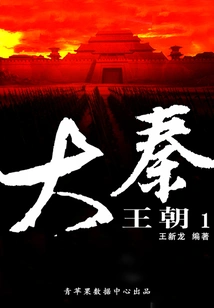
Qin Dynasty 1
History大秦王朝1
Compiled By Wang Xinlong
The Qin Dynasty arose at a time when the great powers were fiercely competing with each other, and their tolerance encapsulated the vigorous, simple, innovative and realistic spirit of that era. She advocated the rule of law, radical change, hard work in construction, and unification of political orders. After more than 160 years and six generations of leaders' unswerving pursuit, she completed the greatest dynastic revolution, established a powerful and unified dynasty, and ushered in a new era of iron civilization. But she only had fifteen years to live, and passed away like a meteor in a flash. This huge historical gap and the dramatic fate of the dynasty hide countless magical stories and the joys and sorrows of great people and celebrities. The social civilization framework woven by the dynasty and the cultural traditions it embodies still regulate our lives today and constitute a huge spiritual pillar for the Chinese nation.
The Qin Dynasty arose at a time when the great powers were fiercely competing with each other, and their tolerance encapsulated the vigorous, simple, innovative and realistic spirit of that era. She advocated the rule of law, radical change, hard work in construction, and unification of political orders. After more than 160 years and six generations of leaders' unswerving pursuit, she completed the greatest dynastic revolution, established a powerful and unified dynasty, and ushered in a new era of iron civilization. But she only had fifteen years to live, and passed away like a meteor in a flash. This huge historical gap and the dramatic fate of the dynasty hide countless magical stories and the joys and sorrows of great people and celebrities. The social civilization framework woven by the dynasty and the cultural traditions it embodies still regulate our lives today and constitute a huge spiritual pillar for the Chinese nation.
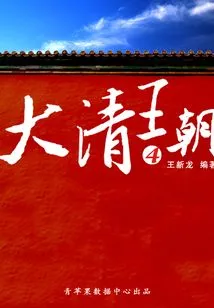
Qing Dynasty 4
History大清王朝4
Compiled By Wang Xinlong
The Forbidden City, with its splendid palace buildings and precious cultural relics renowned both at home and abroad, is a witness to the rise and fall of a dynasty. The Qing Dynasty was like an old man staggering into the last part of his journey after a long period of time, leaving today's people with confusing scenes and lingering melancholy. Wars that changed dynasties, talented and ambitious emperors, unprecedented territories, ideological and cultural constraints, the ugliness of corrupt officials, the invasion of Western powers, the self-rescue of enlightened people, the spread of foreign cultures to the east, attempts at reform and reform, and the revolution that overthrew the imperial system. This book is to dig deep and clean up the old foundations accumulated by the three hundred years of changes in the Qing Dynasty. All of this is presented in this book. In one sentence, it comprehensively explains the Qing Dynasty and tells the story of the three hundred years of the Qing Dynasty that are full of mysteries.
The Forbidden City, with its splendid palace buildings and precious cultural relics renowned both at home and abroad, is a witness to the rise and fall of a dynasty. The Qing Dynasty was like an old man staggering into the last part of his journey after a long period of time, leaving today's people with confusing scenes and lingering melancholy. Wars that changed dynasties, talented and ambitious emperors, unprecedented territories, ideological and cultural constraints, the ugliness of corrupt officials, the invasion of Western powers, the self-rescue of enlightened people, the spread of foreign cultures to the east, attempts at reform and reform, and the revolution that overthrew the imperial system. This book is to dig deep and clean up the old foundations accumulated by the three hundred years of changes in the Qing Dynasty. All of this is presented in this book. In one sentence, it comprehensively explains the Qing Dynasty and tells the story of the three hundred years of the Qing Dynasty that are full of mysteries.
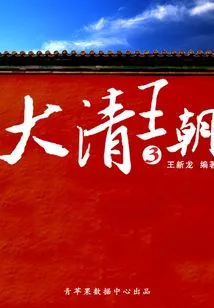
Qing Dynasty 3
History大清王朝3
Compiled By Wang Xinlong
The Forbidden City, with its splendid palace buildings and precious cultural relics renowned both at home and abroad, is a witness to the rise and fall of a dynasty. The Qing Dynasty was like an old man staggering into the last part of his journey after a long period of time, leaving today's people with confusing scenes and lingering melancholy. Wars that changed dynasties, talented and ambitious emperors, unprecedented territories, ideological and cultural constraints, the ugliness of corrupt officials, the invasion of Western powers, the self-rescue of enlightened people, the spread of foreign cultures to the east, attempts at reform and reform, and the revolution that overthrew the imperial system. This book is to dig deep and clean up the old foundations accumulated by the three hundred years of changes in the Qing Dynasty. All of this is presented in this book. In one sentence, it comprehensively explains the Qing Dynasty and tells the story of the three hundred years of the Qing Dynasty that are full of mysteries.
The Forbidden City, with its splendid palace buildings and precious cultural relics renowned both at home and abroad, is a witness to the rise and fall of a dynasty. The Qing Dynasty was like an old man staggering into the last part of his journey after a long period of time, leaving today's people with confusing scenes and lingering melancholy. Wars that changed dynasties, talented and ambitious emperors, unprecedented territories, ideological and cultural constraints, the ugliness of corrupt officials, the invasion of Western powers, the self-rescue of enlightened people, the spread of foreign cultures to the east, attempts at reform and reform, and the revolution that overthrew the imperial system. This book is to dig deep and clean up the old foundations accumulated by the three hundred years of changes in the Qing Dynasty. All of this is presented in this book. In one sentence, it comprehensively explains the Qing Dynasty and tells the story of the three hundred years of the Qing Dynasty that are full of mysteries.
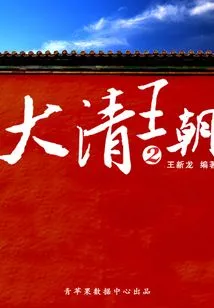
Qing Dynasty 2
History大清王朝2
Compiled By Wang Xinlong
The Forbidden City, with its splendid palace buildings and precious cultural relics renowned both at home and abroad, is a witness to the rise and fall of a dynasty. The Qing Dynasty was like an old man staggering into the last part of his journey after a long period of time, leaving today's people with confusing scenes and lingering melancholy. Wars that changed dynasties, talented and ambitious emperors, unprecedented territories, ideological and cultural constraints, the ugliness of corrupt officials, the invasion of Western powers, the self-rescue of enlightened people, the spread of foreign cultures to the east, attempts at reform and reform, and the revolution that overthrew the imperial system. This book is to dig deep and clean up the old foundations accumulated by the three hundred years of changes in the Qing Dynasty. All of this is presented in this book. In one sentence, it comprehensively explains the Qing Dynasty and tells the story of the three hundred years of the Qing Dynasty that are full of mysteries.
The Forbidden City, with its splendid palace buildings and precious cultural relics renowned both at home and abroad, is a witness to the rise and fall of a dynasty. The Qing Dynasty was like an old man staggering into the last part of his journey after a long period of time, leaving today's people with confusing scenes and lingering melancholy. Wars that changed dynasties, talented and ambitious emperors, unprecedented territories, ideological and cultural constraints, the ugliness of corrupt officials, the invasion of Western powers, the self-rescue of enlightened people, the spread of foreign cultures to the east, attempts at reform and reform, and the revolution that overthrew the imperial system. This book is to dig deep and clean up the old foundations accumulated by the three hundred years of changes in the Qing Dynasty. All of this is presented in this book. In one sentence, it comprehensively explains the Qing Dynasty and tells the story of the three hundred years of the Qing Dynasty that are full of mysteries.
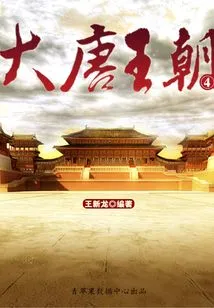
Tang Dynasty 4
History大唐王朝4
Compiled By Wang Xinlong
In the development history of China's feudal society for more than 2,000 years, history advanced along a tortuous road and showed a wave-like trajectory. The Tang Dynasty, with its social and economic prosperity, cultural prosperity, and national power, was a recognized climax era. The Li family's father and son leapt into Jinyang, crossed the Yellow River west, captured Chang'an, and established the Tang Empire; the palace strife, open and covert attacks eventually led to the Xuanwumen Incident; Li Shimin succeeded to the throne, appointed people on their merits, made peace with Tubo, stabilized the frontiers, and initiated the rule of Zhenguan... The curtain of history has opened to illustrate the ups and downs, ups and downs of honor and disgrace in the long river of time. This book tells you about an unprecedentedly open and romantic empire, a Tang Dynasty that prospered and declined, but had eternal and lasting charm, showing a period of great achievements that Chinese descendants will always be proud of.
In the development history of China's feudal society for more than 2,000 years, history advanced along a tortuous road and showed a wave-like trajectory. The Tang Dynasty, with its social and economic prosperity, cultural prosperity, and national power, was a recognized climax era. The Li family's father and son leapt into Jinyang, crossed the Yellow River west, captured Chang'an, and established the Tang Empire; the palace strife, open and covert attacks eventually led to the Xuanwumen Incident; Li Shimin succeeded to the throne, appointed people on their merits, made peace with Tubo, stabilized the frontiers, and initiated the rule of Zhenguan... The curtain of history has opened to illustrate the ups and downs, ups and downs of honor and disgrace in the long river of time. This book tells you about an unprecedentedly open and romantic empire, a Tang Dynasty that prospered and declined, but had eternal and lasting charm, showing a period of great achievements that Chinese descendants will always be proud of.
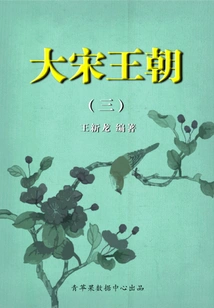
Song Dynasty 3
History大宋王朝3
Compiled By Wang Xinlong
The Song Dynasty thousands of years ago has become history, but the celebrities and sages, talented scholars, street life, and crafts and curios of the Song Dynasty still vividly remain in the cultural memory of today's Chinese people. The Song Dynasty was an economically and culturally prosperous dynasty in Chinese history. However, the two Song Dynasty regimes gradually declined under the attack of northern ethnic groups. The reasons are quite complicated, and scholars in the past dynasties have different opinions. There are also many stories about Song people in folklore, novels, and operas. Based on the Song Dynasty, this series introduces major events or phenomena such as the end of the wars in the Five Dynasties, the strengthening of centralization of power, the family law of being right-minded and restraining the military, the strategy of being at the forefront but not external, the reform of thinking about change when the situation is poor, the absurdity of the emperor, and the struggle between bureaucrats. At the same time, it re-examines the two Song Dynasties from different levels such as economy, culture, science and technology, and attempts to comprehensively show readers the beginning and end of the history of the Song Dynasty.
The Song Dynasty thousands of years ago has become history, but the celebrities and sages, talented scholars, street life, and crafts and curios of the Song Dynasty still vividly remain in the cultural memory of today's Chinese people. The Song Dynasty was an economically and culturally prosperous dynasty in Chinese history. However, the two Song Dynasty regimes gradually declined under the attack of northern ethnic groups. The reasons are quite complicated, and scholars in the past dynasties have different opinions. There are also many stories about Song people in folklore, novels, and operas. Based on the Song Dynasty, this series introduces major events or phenomena such as the end of the wars in the Five Dynasties, the strengthening of centralization of power, the family law of being right-minded and restraining the military, the strategy of being at the forefront but not external, the reform of thinking about change when the situation is poor, the absurdity of the emperor, and the struggle between bureaucrats. At the same time, it re-examines the two Song Dynasties from different levels such as economy, culture, science and technology, and attempts to comprehensively show readers the beginning and end of the history of the Song Dynasty.
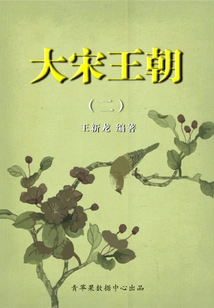
Song Dynasty 2
History大宋王朝2
Compiled By Wang Xinlong
The Song Dynasty thousands of years ago has become history, but the celebrities and sages, talented scholars, street life, and crafts and curios of the Song Dynasty still vividly remain in the cultural memory of today's Chinese people. The Song Dynasty was an economically and culturally prosperous dynasty in Chinese history. However, the two Song Dynasty regimes gradually declined under the attack of northern ethnic groups. The reasons are quite complicated, and scholars in the past dynasties have different opinions. There are also many stories about Song people in folklore, novels, and operas. Based on the Song Dynasty, this series introduces major events or phenomena such as the end of the wars in the Five Dynasties, the strengthening of centralization of power, the family law of being right-minded and restraining the military, the strategy of being at the forefront but not external, the reform of thinking about change when the situation is poor, the absurdity of the emperor, and the struggle between bureaucrats. At the same time, it re-examines the two Song Dynasties from different levels such as economy, culture, science and technology, and attempts to comprehensively show readers the beginning and end of the history of the Song Dynasty.
The Song Dynasty thousands of years ago has become history, but the celebrities and sages, talented scholars, street life, and crafts and curios of the Song Dynasty still vividly remain in the cultural memory of today's Chinese people. The Song Dynasty was an economically and culturally prosperous dynasty in Chinese history. However, the two Song Dynasty regimes gradually declined under the attack of northern ethnic groups. The reasons are quite complicated, and scholars in the past dynasties have different opinions. There are also many stories about Song people in folklore, novels, and operas. Based on the Song Dynasty, this series introduces major events or phenomena such as the end of the wars in the Five Dynasties, the strengthening of centralization of power, the family law of being right-minded and restraining the military, the strategy of being at the forefront but not external, the reform of thinking about change when the situation is poor, the absurdity of the emperor, and the struggle between bureaucrats. At the same time, it re-examines the two Song Dynasties from different levels such as economy, culture, science and technology, and attempts to comprehensively show readers the beginning and end of the history of the Song Dynasty.
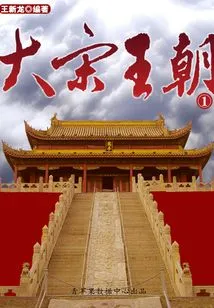
Song Dynasty 1
History大宋王朝1
Compiled By Wang Xinlong
The Song Dynasty thousands of years ago has become history, but the celebrities and sages, talented scholars, street life, and crafts and curios of the Song Dynasty still vividly remain in the cultural memory of today's Chinese people. The Song Dynasty was an economically and culturally prosperous dynasty in Chinese history. However, the two Song Dynasty regimes gradually declined under the attack of northern ethnic groups. The reasons are quite complicated, and scholars in the past dynasties have different opinions. There are also many stories about Song people in folklore, novels, and operas. Based on the Song Dynasty, this series introduces major events or phenomena such as the end of the wars in the Five Dynasties, the strengthening of centralization of power, the family law of being right-minded and restraining the military, the strategy of being at the forefront but not external, the reform of thinking about change when the situation is poor, the absurdity of the emperor, and the struggle between bureaucrats. At the same time, it re-examines the two Song Dynasties from different levels such as economy, culture, science and technology, and attempts to comprehensively show readers the beginning and end of the history of the Song Dynasty.
The Song Dynasty thousands of years ago has become history, but the celebrities and sages, talented scholars, street life, and crafts and curios of the Song Dynasty still vividly remain in the cultural memory of today's Chinese people. The Song Dynasty was an economically and culturally prosperous dynasty in Chinese history. However, the two Song Dynasty regimes gradually declined under the attack of northern ethnic groups. The reasons are quite complicated, and scholars in the past dynasties have different opinions. There are also many stories about Song people in folklore, novels, and operas. Based on the Song Dynasty, this series introduces major events or phenomena such as the end of the wars in the Five Dynasties, the strengthening of centralization of power, the family law of being right-minded and restraining the military, the strategy of being at the forefront but not external, the reform of thinking about change when the situation is poor, the absurdity of the emperor, and the struggle between bureaucrats. At the same time, it re-examines the two Song Dynasties from different levels such as economy, culture, science and technology, and attempts to comprehensively show readers the beginning and end of the history of the Song Dynasty.
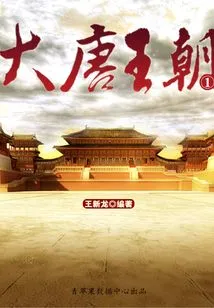
Tang Dynasty 1
History大唐王朝1
Compiled By Wang Xinlong
In the development history of China's feudal society for more than 2,000 years, history advanced along a tortuous road and showed a wave-like trajectory. The Tang Dynasty, with its social and economic prosperity, cultural prosperity, and national power, was a recognized climax era. The Li family's father and son leapt into Jinyang, crossed the Yellow River west, captured Chang'an, and established the Tang Empire; the palace strife, open and covert attacks eventually led to the Xuanwumen Incident; Li Shimin succeeded to the throne, appointed people on their merits, made peace with Tubo, stabilized the frontiers, and initiated the rule of Zhenguan... The curtain of history has opened to illustrate the ups and downs, ups and downs of honor and disgrace in the long river of time. This book tells you about an unprecedentedly open and romantic empire, a Tang Dynasty that prospered and declined, but had eternal and lasting charm, showing a period of great achievements that Chinese descendants will always be proud of.
In the development history of China's feudal society for more than 2,000 years, history advanced along a tortuous road and showed a wave-like trajectory. The Tang Dynasty, with its social and economic prosperity, cultural prosperity, and national power, was a recognized climax era. The Li family's father and son leapt into Jinyang, crossed the Yellow River west, captured Chang'an, and established the Tang Empire; the palace strife, open and covert attacks eventually led to the Xuanwumen Incident; Li Shimin succeeded to the throne, appointed people on their merits, made peace with Tubo, stabilized the frontiers, and initiated the rule of Zhenguan... The curtain of history has opened to illustrate the ups and downs, ups and downs of honor and disgrace in the long river of time. This book tells you about an unprecedentedly open and romantic empire, a Tang Dynasty that prospered and declined, but had eternal and lasting charm, showing a period of great achievements that Chinese descendants will always be proud of.
Tang Dynasty 2
History大唐王朝2
Compiled By Wang Xinlong
In the development history of China's feudal society for more than 2,000 years, history advanced along a tortuous road and showed a wave-like trajectory. The Tang Dynasty, with its social and economic prosperity, cultural prosperity, and national power, was a recognized climax era. The Li family's father and son leapt into Jinyang, crossed the Yellow River west, captured Chang'an, and established the Tang Empire; the palace strife, open and covert attacks eventually led to the Xuanwumen Incident; Li Shimin succeeded to the throne, appointed people on their merits, made peace with Tubo, stabilized the frontiers, and initiated the rule of Zhenguan... The curtain of history has opened to illustrate the ups and downs, ups and downs of honor and disgrace in the long river of time. This book tells you about an unprecedentedly open and romantic empire, a Tang Dynasty that prospered and declined, but had eternal and lasting charm, showing a period of great achievements that Chinese descendants will always be proud of.
In the development history of China's feudal society for more than 2,000 years, history advanced along a tortuous road and showed a wave-like trajectory. The Tang Dynasty, with its social and economic prosperity, cultural prosperity, and national power, was a recognized climax era. The Li family's father and son leapt into Jinyang, crossed the Yellow River west, captured Chang'an, and established the Tang Empire; the palace strife, open and covert attacks eventually led to the Xuanwumen Incident; Li Shimin succeeded to the throne, appointed people on their merits, made peace with Tubo, stabilized the frontiers, and initiated the rule of Zhenguan... The curtain of history has opened to illustrate the ups and downs, ups and downs of honor and disgrace in the long river of time. This book tells you about an unprecedentedly open and romantic empire, a Tang Dynasty that prospered and declined, but had eternal and lasting charm, showing a period of great achievements that Chinese descendants will always be proud of.
Yuan Dynasty 3
History大元王朝3
Compiled By Wang Xinlong
The Mongolian aristocrats galloping in the desert grasslands, relying on their gold and iron horses, swept thousands of miles like a tiger, and became the first ethnic minority government to dominate the Central Plains. They performed a magnificent historical drama on the vast land of East Asia, which had a significant impact on the course of Chinese history and even the history of the world. "The Yuan Dynasty" interprets the history of the Yuan Dynasty in detail with a rigorous scholarly attitude, bringing historical figures such as Genghis Khan, Kublai Khan, Emperor Shun of the Yuan Dynasty, and Yelu Chucai to life in front of today's people; it also narrates the Mongolian Army's Western Expedition, Qiu Chuji and Genghis Khan, and various historical events in the history of the Mongolian and Yuan Dynasties. It draws a wonderful historical picture of the solitary smoke in the desert and the sunset over the long river for today's people.
The Mongolian aristocrats galloping in the desert grasslands, relying on their gold and iron horses, swept thousands of miles like a tiger, and became the first ethnic minority government to dominate the Central Plains. They performed a magnificent historical drama on the vast land of East Asia, which had a significant impact on the course of Chinese history and even the history of the world. "The Yuan Dynasty" interprets the history of the Yuan Dynasty in detail with a rigorous scholarly attitude, bringing historical figures such as Genghis Khan, Kublai Khan, Emperor Shun of the Yuan Dynasty, and Yelu Chucai to life in front of today's people; it also narrates the Mongolian Army's Western Expedition, Qiu Chuji and Genghis Khan, and various historical events in the history of the Mongolian and Yuan Dynasties. It draws a wonderful historical picture of the solitary smoke in the desert and the sunset over the long river for today's people.
Yuan Dynasty 4
History大元王朝4
Compiled By Wang Xinlong
The Mongolian aristocrats galloping in the desert grasslands, relying on their gold and iron horses, swept thousands of miles like a tiger, and became the first ethnic minority government to dominate the Central Plains. They performed a magnificent historical drama on the vast land of East Asia, which had a significant impact on the course of Chinese history and even the history of the world. "The Yuan Dynasty" interprets the history of the Yuan Dynasty in detail with a rigorous scholarly attitude, bringing historical figures such as Genghis Khan, Kublai Khan, Emperor Shun of the Yuan Dynasty, and Yelu Chucai to life in front of today's people; it also narrates the Mongolian Army's Western Expedition, Qiu Chuji and Genghis Khan, and various historical events in the history of the Mongolian and Yuan Dynasties. It draws a wonderful historical picture of the solitary smoke in the desert and the sunset over the long river for today's people.
The Mongolian aristocrats galloping in the desert grasslands, relying on their gold and iron horses, swept thousands of miles like a tiger, and became the first ethnic minority government to dominate the Central Plains. They performed a magnificent historical drama on the vast land of East Asia, which had a significant impact on the course of Chinese history and even the history of the world. "The Yuan Dynasty" interprets the history of the Yuan Dynasty in detail with a rigorous scholarly attitude, bringing historical figures such as Genghis Khan, Kublai Khan, Emperor Shun of the Yuan Dynasty, and Yelu Chucai to life in front of today's people; it also narrates the Mongolian Army's Western Expedition, Qiu Chuji and Genghis Khan, and various historical events in the history of the Mongolian and Yuan Dynasties. It draws a wonderful historical picture of the solitary smoke in the desert and the sunset over the long river for today's people.
Qin Dynasty 3
History大秦王朝3
Compiled By Wang Xinlong
The Qin Dynasty arose at a time when the great powers were fiercely competing with each other, and their tolerance encapsulated the vigorous, simple, innovative and realistic spirit of that era. She advocated the rule of law, radical change, hard work in construction, and unification of political orders. After more than 160 years and six generations of leaders' unswerving pursuit, she completed the greatest dynastic revolution, established a powerful and unified dynasty, and ushered in a new era of iron civilization. But she only had fifteen years to live, and passed away like a meteor in a flash. This huge historical gap and the dramatic fate of the dynasty hide countless magical stories and the joys and sorrows of great people and celebrities. The social civilization framework woven by the dynasty and the cultural traditions it embodies still regulate our lives today and constitute a huge spiritual pillar for the Chinese nation.
The Qin Dynasty arose at a time when the great powers were fiercely competing with each other, and their tolerance encapsulated the vigorous, simple, innovative and realistic spirit of that era. She advocated the rule of law, radical change, hard work in construction, and unification of political orders. After more than 160 years and six generations of leaders' unswerving pursuit, she completed the greatest dynastic revolution, established a powerful and unified dynasty, and ushered in a new era of iron civilization. But she only had fifteen years to live, and passed away like a meteor in a flash. This huge historical gap and the dramatic fate of the dynasty hide countless magical stories and the joys and sorrows of great people and celebrities. The social civilization framework woven by the dynasty and the cultural traditions it embodies still regulate our lives today and constitute a huge spiritual pillar for the Chinese nation.
Rebuilding the Country (detailed Explanation of Major Historical Events in China from 1950 to 1959)
History重整河山(1950-1959 中国历史大事详解)
Deng Shujie Li Mei Wu Xiaoli Su Jihong
It tells the story of many historical events and activities that occurred after the founding of New China, including "the issuance of public bonds in victory by the people", "the promulgation of the first "Marriage Law of the People's Republic of China", etc. It also tells about the development of culture, education, economy and other aspects of New China.
It tells the story of many historical events and activities that occurred after the founding of New China, including "the issuance of public bonds in victory by the people", "the promulgation of the first "Marriage Law of the People's Republic of China", etc. It also tells about the development of culture, education, economy and other aspects of New China.
战争岁月(1930-1939 中国历史大事详解)
Deng Shujie Li Mei Wu Xiaoli Su Jihong
This book tells in detail the major historical events that occurred from the time when the Beiyang warlords came to power to the early days of the Anti-Japanese War.
This book tells in detail the major historical events that occurred from the time when the Beiyang warlords came to power to the early days of the Anti-Japanese War.