Library
Browse and search books
394 novels found
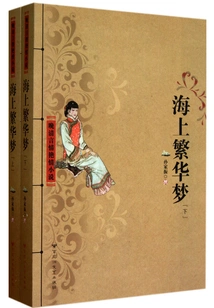
Dream of Prosperity at Sea (complete Collection)
General Fiction海上繁华梦(全集)
Sun Jiazhen
"Dream of Prosperity at Sea" is based on the social life of Shanghai in the late Qing Dynasty in the ten-mile foreign market. It focuses on the description of brothels and gambling houses. It more truly reflects the bad habits of the feudal class and comprador forces in the semi-colonial Shanghai beach of prostitution and gambling, and exposes all kinds of despicable deeds, extortion, and entrapment among prostitutes, clients, and gamblers. This work is one of the most influential novels of the late Qing Dynasty. It describes the life of feasting and reveling in a ten-mile foreign market. It has a vivid cognitive value for understanding that era and that world.
"Dream of Prosperity at Sea" is based on the social life of Shanghai in the late Qing Dynasty in the ten-mile foreign market. It focuses on the description of brothels and gambling houses. It more truly reflects the bad habits of the feudal class and comprador forces in the semi-colonial Shanghai beach of prostitution and gambling, and exposes all kinds of despicable deeds, extortion, and entrapment among prostitutes, clients, and gamblers. This work is one of the most influential novels of the late Qing Dynasty. It describes the life of feasting and reveling in a ten-mile foreign market. It has a vivid cognitive value for understanding that era and that world.
Complete Biography of Fenzhuanglou
General Fiction粉妆楼全传
Z
"Chinese Classical Literature Masterpiece Series: The Complete Biography of Fenzhuanglou" is one of the sequels to "The Later Biography of the Tang Dynasty". The novel tells a story: descendants of Luo Cheng, Cheng Yaojin, Li Jing, Qin Qiong, Yuchi Gong and others who were the founding heroes of the Tang Dynasty gathered to revolt. Luo Cheng's descendants, the hereditary Duke of Yue, Luo Zeng, and his two sons, Luo Kun and Luo Can, were framed by the treacherous Prime Minister Shen Qian for no reason and were forced to have no choice. So they gathered together with other founding heroes in Jizhao Mountain to form their own alliance, and jointly led the army to defeat Wudao. In the end, Shen Qian's traitorous party was killed, and Emperor Qiande of the Tang Dynasty was helped to revitalize the imperial court. The author compiled it into a portrait novel with a total of 80 chapters based on the official history, unofficial history, as well as popular stories and folklore. The novel inherits the narrative skills of commentators since the Song and Yuan Dynasties. The writing is easy to understand, jumpy and lively, and expresses freely. It has a strong market atmosphere and is highly artistically expressive. The plot has ups and downs and is fascinating. The characters are vivid and distinctive, with great individuality. The artistic style is simple and rough, and the language is clear and clear. "Chinese Classical Literature Masterpiece Series: The Complete Biography of Fenzhuanglou" has spread rapidly since its publication, arousing strong repercussions. Even the script version of the Peking Opera "Fengzhuanglou" compiled by later generations has been continuously performed.
"Chinese Classical Literature Masterpiece Series: The Complete Biography of Fenzhuanglou" is one of the sequels to "The Later Biography of the Tang Dynasty". The novel tells a story: descendants of Luo Cheng, Cheng Yaojin, Li Jing, Qin Qiong, Yuchi Gong and others who were the founding heroes of the Tang Dynasty gathered to revolt. Luo Cheng's descendants, the hereditary Duke of Yue, Luo Zeng, and his two sons, Luo Kun and Luo Can, were framed by the treacherous Prime Minister Shen Qian for no reason and were forced to have no choice. So they gathered together with other founding heroes in Jizhao Mountain to form their own alliance, and jointly led the army to defeat Wudao. In the end, Shen Qian's traitorous party was killed, and Emperor Qiande of the Tang Dynasty was helped to revitalize the imperial court. The author compiled it into a portrait novel with a total of 80 chapters based on the official history, unofficial history, as well as popular stories and folklore. The novel inherits the narrative skills of commentators since the Song and Yuan Dynasties. The writing is easy to understand, jumpy and lively, and expresses freely. It has a strong market atmosphere and is highly artistically expressive. The plot has ups and downs and is fascinating. The characters are vivid and distinctive, with great individuality. The artistic style is simple and rough, and the language is clear and clear. "Chinese Classical Literature Masterpiece Series: The Complete Biography of Fenzhuanglou" has spread rapidly since its publication, arousing strong repercussions. Even the script version of the Peking Opera "Fengzhuanglou" compiled by later generations has been continuously performed.
Brothel Dream
General Fiction青楼梦
Yu Da
"Chinese Classical Literature Masterpiece Series: Dream of the Brothel" shows traces of deliberately imitating "A Dream of Red Mansions" in terms of creative materials, artistic conception, narrative mode, and creative thinking. The book uses the protagonist Jin Yixiang's emotional entanglement with thirty-six prostitutes as clues to describe Jin Yixiang's glorious life of traveling to the flower country, protecting beauties, picking celery incense, cultivating weike, serving in political affairs, repaying relatives' favors, all friendships, playing piano, raising children, being good friends with relatives and neighbors, and pursuing Taoism. Thirty-six prostitutes were originally flower fairies from heaven, but they couldn't bear the love of spring and descended to the earth. In the end, their brothel song captivated the world. After all the fairies took the elixir to exorcise evil and purify their love, they swept away the tenderness of spring and returned to Wanhua Mountain.
"Chinese Classical Literature Masterpiece Series: Dream of the Brothel" shows traces of deliberately imitating "A Dream of Red Mansions" in terms of creative materials, artistic conception, narrative mode, and creative thinking. The book uses the protagonist Jin Yixiang's emotional entanglement with thirty-six prostitutes as clues to describe Jin Yixiang's glorious life of traveling to the flower country, protecting beauties, picking celery incense, cultivating weike, serving in political affairs, repaying relatives' favors, all friendships, playing piano, raising children, being good friends with relatives and neighbors, and pursuing Taoism. Thirty-six prostitutes were originally flower fairies from heaven, but they couldn't bear the love of spring and descended to the earth. In the end, their brothel song captivated the world. After all the fairies took the elixir to exorcise evil and purify their love, they swept away the tenderness of spring and returned to Wanhua Mountain.
说岳全传 杨家将传
(qing Dynasty) Qian Cai Jin Feng (ming Dynasty) Xiong Damu
"The Complete Biography of Yue Fei" in "The Complete Biography of Yang Family Generals" is a heroic legendary novel with the background of the war against Jin Dynasty, with Yue Fei and the Yue Family Army as the main line, running through historical facts, and combining fiction and reality. It eulogizes Yue Fei, Yue Yun, Niu Gao and other generals' eulogizing enthusiasm and heroic feats; it exposes the crimes of Zhang Bangchang, Qin Hui and other powerful traitors who bent their knees to seek glory and framed loyalty and the monarch's stupidity. The novel has vivid stories, twists and turns, and the language is popular and interesting, creating a large number of lifelike characters. The novel "The Yang Family General" uses bold fiction and exaggeration in the plot to create a large group of flesh-and-blood patriotic heroes, and enthusiastically praises the heroic spirit of safeguarding the integrity of the country's sacred territory. For thousands of years, the story of the Yang family generals has been deeply rooted in the hearts of the people and has become a shining example known to the broad masses of people, women and children, inspiring countless people.
"The Complete Biography of Yue Fei" in "The Complete Biography of Yang Family Generals" is a heroic legendary novel with the background of the war against Jin Dynasty, with Yue Fei and the Yue Family Army as the main line, running through historical facts, and combining fiction and reality. It eulogizes Yue Fei, Yue Yun, Niu Gao and other generals' eulogizing enthusiasm and heroic feats; it exposes the crimes of Zhang Bangchang, Qin Hui and other powerful traitors who bent their knees to seek glory and framed loyalty and the monarch's stupidity. The novel has vivid stories, twists and turns, and the language is popular and interesting, creating a large number of lifelike characters. The novel "The Yang Family General" uses bold fiction and exaggeration in the plot to create a large group of flesh-and-blood patriotic heroes, and enthusiastically praises the heroic spirit of safeguarding the integrity of the country's sacred territory. For thousands of years, the story of the Yang family generals has been deeply rooted in the hearts of the people and has become a shining example known to the broad masses of people, women and children, inspiring countless people.
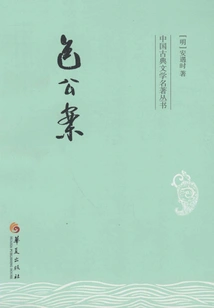
Bao Gongan
General Fiction包公案
An Yushi
The ninety-five stories of Bao Gong's judgment in "Chinese Classical Literature Series: Bao Gong's Case" are partly collected from folklore, and some are collected from history books, miscellaneous notes and notebook novels. They describe a series of cases involving "human life", "adultery", "thief", "competition" and other matters that Bao Gong tried. Some stories beheaded relatives of the emperor who deserved their lives, some exposed the cruel and vicious local tyrants and evil gentry, some directly attacked corrupt officials who accepted bribes, and some satirized the imperial examination system that harmed literati. The character Bao Gong in the book seems to be the most typical image and ideal of an upright official in the minds of the people. His image of impartiality in law enforcement and integrity is vividly reflected on the page.
The ninety-five stories of Bao Gong's judgment in "Chinese Classical Literature Series: Bao Gong's Case" are partly collected from folklore, and some are collected from history books, miscellaneous notes and notebook novels. They describe a series of cases involving "human life", "adultery", "thief", "competition" and other matters that Bao Gong tried. Some stories beheaded relatives of the emperor who deserved their lives, some exposed the cruel and vicious local tyrants and evil gentry, some directly attacked corrupt officials who accepted bribes, and some satirized the imperial examination system that harmed literati. The character Bao Gong in the book seems to be the most typical image and ideal of an upright official in the minds of the people. His image of impartiality in law enforcement and integrity is vividly reflected on the page.
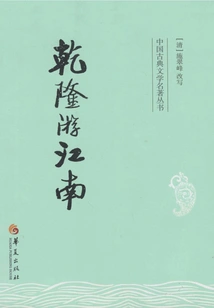
Qianlong's Tour of Jiangnan
General Fiction乾隆游江南
(qing Dynasty) Adapted By Shi Cuifeng
"Chinese Classical Literature Masterpiece Series: Qianlong's Journey to the South" is a famous chivalrous novel of the Qing Dynasty. The novel tells the story of Emperor Qianlong's dream in Beijing that there were many talented people in the south of the Yangtze River, so he changed his name to Gao Tianci and traveled incognito to search for virtuous people and enjoy the scenery. Wherever I went, I saw with my own eyes the officials who were corrupt and perverted the law, the powerful and powerful people who preyed on the villagers, and the heroes who served the country loyally.
"Chinese Classical Literature Masterpiece Series: Qianlong's Journey to the South" is a famous chivalrous novel of the Qing Dynasty. The novel tells the story of Emperor Qianlong's dream in Beijing that there were many talented people in the south of the Yangtze River, so he changed his name to Gao Tianci and traveled incognito to search for virtuous people and enjoy the scenery. Wherever I went, I saw with my own eyes the officials who were corrupt and perverted the law, the powerful and powerful people who preyed on the villagers, and the heroes who served the country loyally.
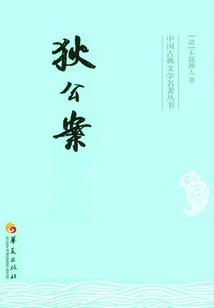
Di Gong's Case
General Fiction狄公案
(qing Dynasty) No Author Mentioned
"The Case of Di Gong" is a public case novel written by an unknown author in the late Qing Dynasty. It has sixty-four chapters in total. It mainly tells the story of Di Renjie, a famous prime minister of the Tang Dynasty who was demoted to the county magistrate. After being recommended by Yan Liben for his merits in investigating the case, he fought against Wu Sansi and others and finally restored King Luling to the throne. This book is one of the "Chivalry in Public Cases Series" and is a masterpiece of chivalry and public cases novels.
"The Case of Di Gong" is a public case novel written by an unknown author in the late Qing Dynasty. It has sixty-four chapters in total. It mainly tells the story of Di Renjie, a famous prime minister of the Tang Dynasty who was demoted to the county magistrate. After being recommended by Yan Liben for his merits in investigating the case, he fought against Wu Sansi and others and finally restored King Luling to the throne. This book is one of the "Chivalry in Public Cases Series" and is a masterpiece of chivalry and public cases novels.
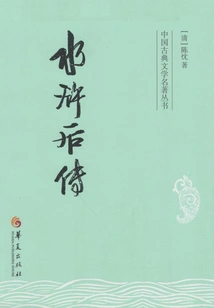
Water Margin
General Fiction水浒后传
Chen Chen
"Water Margin" was written during the Kangxi period. It was written at a time when the Qing Dynasty's rule over the country had been basically established, but anti-Qing movements among people were still rising one after another in various places. The whole book inherits and continues the theme spirit of "Water Margin" and narrates the rough fate of more than 30 Liangshanbo heroes and some descendants of the martyrs and heroes who survived "Water Margin", including Li Jun, Ruan Xiaoqi, Li Li, Yan Qing. Due to the persecution of loyal ministers by treacherous ministers, the invasion of foreign enemies, and the anti-gold struggle, the society was in turmoil. The Li people suffered from internal and external oppression, and the people were in dire straits. In the end, the surviving Liangshan heroes gathered together again and rebelled again, rallying troops to fight against the government in places such as Dengyun Mountain and Yinmachuan.
"Water Margin" was written during the Kangxi period. It was written at a time when the Qing Dynasty's rule over the country had been basically established, but anti-Qing movements among people were still rising one after another in various places. The whole book inherits and continues the theme spirit of "Water Margin" and narrates the rough fate of more than 30 Liangshanbo heroes and some descendants of the martyrs and heroes who survived "Water Margin", including Li Jun, Ruan Xiaoqi, Li Li, Yan Qing. Due to the persecution of loyal ministers by treacherous ministers, the invasion of foreign enemies, and the anti-gold struggle, the society was in turmoil. The Li people suffered from internal and external oppression, and the people were in dire straits. In the end, the surviving Liangshan heroes gathered together again and rebelled again, rallying troops to fight against the government in places such as Dengyun Mountain and Yinmachuan.
K
General Fictionk
H
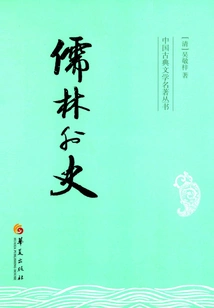
"Chinese Classical Literature Masterpiece Series: The Scholars" mainly includes "Zang Zhufu seeks talents and inquires about his career, Ma Chun goes out of his way to save wealth," "Zang Gongsun's bookstore sends his good friend Ma Xiucai to meet the gods in the cave," and "Buries the gods and the gods Ma Xiucai" Kuang Tongsheng paid tribute to his grieving parents, paid tribute to his filial son in Daliuzhuang, married a beloved scholar from Xianzai in Yueqing County, Kuang scholar returned to his old place where Dr. Zhao was a high-ranking poet, and made an appointment with famous poets to visit a friend's bookstore with Kuang and Pan San, etc.
"Chinese Classical Literature Masterpiece Series: The Scholars" mainly includes "Zang Zhufu seeks talents and inquires about his career, Ma Chun goes out of his way to save wealth," "Zang Gongsun's bookstore sends his good friend Ma Xiucai to meet the gods in the cave," and "Buries the gods and the gods Ma Xiucai" Kuang Tongsheng paid tribute to his grieving parents, paid tribute to his filial son in Daliuzhuang, married a beloved scholar from Xianzai in Yueqing County, Kuang scholar returned to his old place where Dr. Zhao was a high-ranking poet, and made an appointment with famous poets to visit a friend's bookstore with Kuang and Pan San, etc.
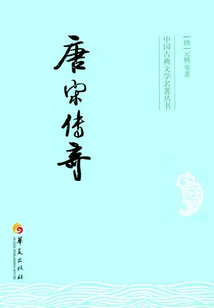
Legends of Tang and Song Dynasties
General Fiction唐宋传奇
(tang Dynasty) Yuan Zhen Et Al.
"Legends of the Tang and Song Dynasties" is an anthology of Han legendary novels during the Tang and Song Dynasties. Marking a new stage in the development of Chinese novels, there are many classical Chinese novels with twists and turns and exquisite writing.
"Legends of the Tang and Song Dynasties" is an anthology of Han legendary novels during the Tang and Song Dynasties. Marking a new stage in the development of Chinese novels, there are many classical Chinese novels with twists and turns and exquisite writing.
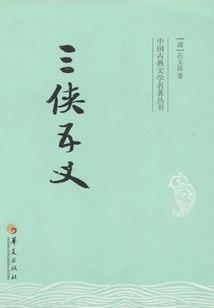
Three Heroes and Five Righteousnesses
General Fiction三侠五义
Shi Yukun
The protagonists of "Chinese Classical Literature Series: Three Heroes and Five Righteousnesses", those chivalrous and righteous heroes who are both wise and courageous, and extremely righteous, are endowed with shocking power, making readers unable to stop. Mr. Lu Xun also gave heartfelt praise for this: "A hero alone in the grassland, always full of energy and spirit, sometimes set off by the state of the world, mixed with humor, and always makes the reckless man particularly interesting." This is the main reason why "Chinese Classical Literature Series: Three Heroes and Five Righteousness" has been popular among people from all walks of life, especially ordinary people for more than 100 years. And its hearty and delicate writing style has always been highly praised by people, making "Chinese Classical Literature Series: Three Heroes and Five Righteousness" a representative work of chivalrous novels on public cases in the Qing Dynasty.
The protagonists of "Chinese Classical Literature Series: Three Heroes and Five Righteousnesses", those chivalrous and righteous heroes who are both wise and courageous, and extremely righteous, are endowed with shocking power, making readers unable to stop. Mr. Lu Xun also gave heartfelt praise for this: "A hero alone in the grassland, always full of energy and spirit, sometimes set off by the state of the world, mixed with humor, and always makes the reckless man particularly interesting." This is the main reason why "Chinese Classical Literature Series: Three Heroes and Five Righteousness" has been popular among people from all walks of life, especially ordinary people for more than 100 years. And its hearty and delicate writing style has always been highly praised by people, making "Chinese Classical Literature Series: Three Heroes and Five Righteousness" a representative work of chivalrous novels on public cases in the Qing Dynasty.
说唐 说唐后传
K
"Chinese Classical Literature Masterpiece Series: Biography of the Later Tang Dynasty" mainly tells the story of the heroes of Wagangzhai who gathered together to rebel against the Sui Dynasty and assist the founding of the Tang Dynasty. It reproduces the turbulent era when the Eighteenth Route Army rebelled against the king and the Sixty-fourth Route was ashes. Representative characters include the chivalrous and righteous Qin Qiong (Qin Shubao), the young hero Luo Cheng (Luo Shixin in history), the rough, humorous, and honest Cheng Yaojin (Cheng Zhijie), etc.
"Chinese Classical Literature Masterpiece Series: Biography of the Later Tang Dynasty" mainly tells the story of the heroes of Wagangzhai who gathered together to rebel against the Sui Dynasty and assist the founding of the Tang Dynasty. It reproduces the turbulent era when the Eighteenth Route Army rebelled against the king and the Sixty-fourth Route was ashes. Representative characters include the chivalrous and righteous Qin Qiong (Qin Shubao), the young hero Luo Cheng (Luo Shixin in history), the rough, humorous, and honest Cheng Yaojin (Cheng Zhijie), etc.
M
General FictionM
H
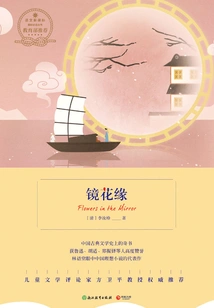
"Flowers in the Mirror" is a novel written by Li Ruzhen, a literati in the Qing Dynasty. The first half of the book describes the story of Tang Ao, Duo Jiugong and others traveling overseas by boat, including their experiences in the Daughter's Country, the Gentleman's Country and other countries. The second half tells the story of Wu Zetian's imperial examination to select talented girls, Tang Xiaoshan, who was entrusted by Baihua Fairy, and one hundred talented girls entrusted by other flower fairies who passed the exam and made a difference in the court. His magical and humorous creative techniques are based on classics, and he cleverly outlines a gorgeous color picture of the heavenly wheel.
"Flowers in the Mirror" is a novel written by Li Ruzhen, a literati in the Qing Dynasty. The first half of the book describes the story of Tang Ao, Duo Jiugong and others traveling overseas by boat, including their experiences in the Daughter's Country, the Gentleman's Country and other countries. The second half tells the story of Wu Zetian's imperial examination to select talented girls, Tang Xiaoshan, who was entrusted by Baihua Fairy, and one hundred talented girls entrusted by other flower fairies who passed the exam and made a difference in the court. His magical and humorous creative techniques are based on classics, and he cleverly outlines a gorgeous color picture of the heavenly wheel.
I
General FictionI
H
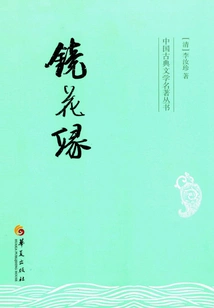
"Chinese Classical Literature Masterpiece Series: Flowers in the Mirror" mainly includes "Entering the Immortal Mountain, Abandoning the Mortal World, Walking across the Vast Sea, and Returning to the Homeland, Watching Wonderful Pictures and Happily Encountering Beautiful Stories, Narrating the Royal Decree and Enjoying the Great Song," and "The Empress Dowager's Imperial Edict" The beautiful lady is looking forward to good news, the filial daughter is sad because of the fairy ape showing her thoughts in the game, the little filial daughter appeals to the old Taoist priest Red Lotus and offers auspicious grass in the boat, the gentleman encounters a water monster in the sea of the country and the husband encounters a mountain spirit at the foot of the mountain.
"Chinese Classical Literature Masterpiece Series: Flowers in the Mirror" mainly includes "Entering the Immortal Mountain, Abandoning the Mortal World, Walking across the Vast Sea, and Returning to the Homeland, Watching Wonderful Pictures and Happily Encountering Beautiful Stories, Narrating the Royal Decree and Enjoying the Great Song," and "The Empress Dowager's Imperial Edict" The beautiful lady is looking forward to good news, the filial daughter is sad because of the fairy ape showing her thoughts in the game, the little filial daughter appeals to the old Taoist priest Red Lotus and offers auspicious grass in the boat, the gentleman encounters a water monster in the sea of the country and the husband encounters a mountain spirit at the foot of the mountain.
The Complete Biography of Haigong Dahongpao
General Fiction海公大红袍全传
X
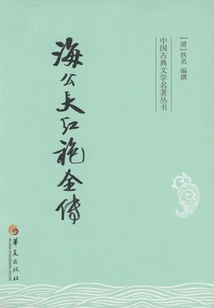
"Chinese Classical Literature Series: The Complete Biography of Haigong Dahongpao" is a public case novel based on Hai Rui. The plot of the novel is full of twists and turns, ups and downs, and unresolved cases, which is fascinating. It vividly creates the image of an upright and honest official who is not afraid of powerful people, solves cases like a god, and is considerate of the people. Including Mrs. Hai and Maru Huatai; Widow Zhang recruits a son-in-law to reward her kindness; the bird falls in joy but loses its way in sorrow, etc.
"Chinese Classical Literature Series: The Complete Biography of Haigong Dahongpao" is a public case novel based on Hai Rui. The plot of the novel is full of twists and turns, ups and downs, and unresolved cases, which is fascinating. It vividly creates the image of an upright and honest official who is not afraid of powerful people, solves cases like a god, and is considerate of the people. Including Mrs. Hai and Maru Huatai; Widow Zhang recruits a son-in-law to reward her kindness; the bird falls in joy but loses its way in sorrow, etc.
Heroes of Sons and Daughters
General Fiction儿女英雄传
Wenkang
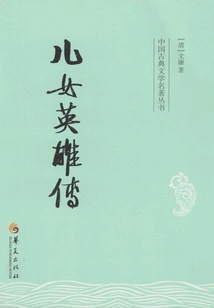
"Chinese Classical Literature Masterpiece Series: Heroes of Sons and Daughters" truly portrays the image of An Xuehai, a perfect man in his mind: he is capable, loyal, incorruptible and self-restrained, and there is something endearing about his character; loyalty, filial piety and justice are the criterion in every word and deed, and he is like a model of a moral defender of feudal ethics. The book also successfully created the character of the chivalrous thirteenth sister He Yufeng. The Thirteenth Sister rescues the poor and helps those in danger, hates evil as much as the enemy, puts wealth above justice, and is both wise and brave. She is a typical image of a chivalrous woman in ancient Chinese novels. If compared with the typical characters in other famous novels, she is not inferior. Unfortunately, this kind of hero who helps the world by his own efforts is inherently utopian, so in the second half of the novel, she is described as becoming a well-behaved lady under the influence of An Xuehai, which reflects the author's limitations. The author lived during the Jiaqing and Tongzhi years of the Qing Dynasty. At that time, the Qing government became increasingly corrupt and was in a situation of internal and external difficulties. The invasion of imperialist powers inspired the Taiping Rebellion, and national and class contradictions became increasingly acute. The author witnessed the decline of the political commissar and the deterioration of the world. Coupled with the decline of his own family, he could not help but feel dissatisfied and disappointed with real life. However, as a feudal scholar-official, he could neither see a way out of the social crisis nor a personal way out. He could only find his own "hero" in fantasy, trying to help the troubled times and bring peace to the people through outdated traditional feudal ethics. The author's ideological tendency is contrary to the trend of the times, but the realistic dilemma reflected in it is real.
"Chinese Classical Literature Masterpiece Series: Heroes of Sons and Daughters" truly portrays the image of An Xuehai, a perfect man in his mind: he is capable, loyal, incorruptible and self-restrained, and there is something endearing about his character; loyalty, filial piety and justice are the criterion in every word and deed, and he is like a model of a moral defender of feudal ethics. The book also successfully created the character of the chivalrous thirteenth sister He Yufeng. The Thirteenth Sister rescues the poor and helps those in danger, hates evil as much as the enemy, puts wealth above justice, and is both wise and brave. She is a typical image of a chivalrous woman in ancient Chinese novels. If compared with the typical characters in other famous novels, she is not inferior. Unfortunately, this kind of hero who helps the world by his own efforts is inherently utopian, so in the second half of the novel, she is described as becoming a well-behaved lady under the influence of An Xuehai, which reflects the author's limitations. The author lived during the Jiaqing and Tongzhi years of the Qing Dynasty. At that time, the Qing government became increasingly corrupt and was in a situation of internal and external difficulties. The invasion of imperialist powers inspired the Taiping Rebellion, and national and class contradictions became increasingly acute. The author witnessed the decline of the political commissar and the deterioration of the world. Coupled with the decline of his own family, he could not help but feel dissatisfied and disappointed with real life. However, as a feudal scholar-official, he could neither see a way out of the social crisis nor a personal way out. He could only find his own "hero" in fantasy, trying to help the troubled times and bring peace to the people through outdated traditional feudal ethics. The author's ideological tendency is contrary to the trend of the times, but the realistic dilemma reflected in it is real.
Continuation of the Legend of Heroes
General Fiction正续英烈传
I
"Masterpiece Series of Chinese Classical Literature: The Continued Biography of the Heroes and Martyrs" includes "The Heroes of the Ming Dynasty" and "The Continued Biography of the Heroes and Martyrs". "Masterpiece Series of Chinese Classical Literature: The Continued Biography of the Heroes and Martyrs" is adapted from folk stories of the Ming Dynasty and describes the legendary deeds of Zhu Yuanzhang, the founder of the Ming Dynasty. The story depicts the transformation of human nature under the impact of power, fame and fortune. It is meticulously illustrated and full of drama. It contains love that lasts until death, and a love that turns into hatred. The bloodshed in the palace, the struggle for power, the plot is surprisingly mysterious and touching, and the exciting martial arts are exciting.
"Masterpiece Series of Chinese Classical Literature: The Continued Biography of the Heroes and Martyrs" includes "The Heroes of the Ming Dynasty" and "The Continued Biography of the Heroes and Martyrs". "Masterpiece Series of Chinese Classical Literature: The Continued Biography of the Heroes and Martyrs" is adapted from folk stories of the Ming Dynasty and describes the legendary deeds of Zhu Yuanzhang, the founder of the Ming Dynasty. The story depicts the transformation of human nature under the impact of power, fame and fortune. It is meticulously illustrated and full of drama. It contains love that lasts until death, and a love that turns into hatred. The bloodshed in the palace, the struggle for power, the plot is surprisingly mysterious and touching, and the exciting martial arts are exciting.
Green Peony
General Fiction绿牡丹
Wu Bing
"Chinese Classical Literature Masterpiece Series: Green Peony" tells the story of the period when Wu Zetian was in power, when evil was in power and powerful traitors bullied others. The fish and meat village aroused the indignation and resistance of loyal ministers of the court and righteous people from all over the country. Hua Zhenfang, the "dry land bandit" in Shandong, and Bao Zian, the "Kouhu water bandit" in Jiangnan, each assembled a group of righteous men in the Jianghu to eradicate violence, eliminate evil and help the weak. Luo Hongxun, the son of a general, and Hua Bilian, the heroine of the Jianghu, met and fell in love due to a chance encounter. All the heroes assisted Prime Minister Di Renjie in raising troops, and joined forces with Xue Gang and others to destroy the enemy King Qin. In the end, Wu Zetian was forced to abdicate and hanged herself. King Luling returned to the country and ascended the throne again as Emperor Zhongzong of the Tang Dynasty. All the brave swordsmen were favored and received awards. Luo Hongxun and Hua Bilian finally got married after several setbacks.
"Chinese Classical Literature Masterpiece Series: Green Peony" tells the story of the period when Wu Zetian was in power, when evil was in power and powerful traitors bullied others. The fish and meat village aroused the indignation and resistance of loyal ministers of the court and righteous people from all over the country. Hua Zhenfang, the "dry land bandit" in Shandong, and Bao Zian, the "Kouhu water bandit" in Jiangnan, each assembled a group of righteous men in the Jianghu to eradicate violence, eliminate evil and help the weak. Luo Hongxun, the son of a general, and Hua Bilian, the heroine of the Jianghu, met and fell in love due to a chance encounter. All the heroes assisted Prime Minister Di Renjie in raising troops, and joined forces with Xue Gang and others to destroy the enemy King Qin. In the end, Wu Zetian was forced to abdicate and hanged herself. King Luling returned to the country and ascended the throne again as Emperor Zhongzong of the Tang Dynasty. All the brave swordsmen were favored and received awards. Luo Hongxun and Hua Bilian finally got married after several setbacks.
Liu Gongan
General Fiction刘公案
(qing) Anonymous
"The Case of Liu Gong" is a novel based on Liu Yong of the Qing Dynasty, with a total of 106 chapters. It belongs to the category of drum lyrics. It is a combination of talking, singing and rhyme, which is very interesting. Liu Yong, whose courtesy name was Chongru and whose name was Shi'an, was a Jinshi during the Qianlong reign. He was compiled by the editor-in-chief Leiguan Ti Renge Da Yingshi and was added as the crown prince's Taibao. Good books are famous all over the world, and political articles are all hidden by the title of the book. His posthumous title was Wenqing. There is a collection of Shi'an poems. After classical novels entered the Qing Dynasty, they ushered in the heyday of koan novels. Single short koan stories gradually developed into chapters and martial arts novels, and knights and heroes were introduced into koan novels. The plots were ups and downs and fascinating.
"The Case of Liu Gong" is a novel based on Liu Yong of the Qing Dynasty, with a total of 106 chapters. It belongs to the category of drum lyrics. It is a combination of talking, singing and rhyme, which is very interesting. Liu Yong, whose courtesy name was Chongru and whose name was Shi'an, was a Jinshi during the Qianlong reign. He was compiled by the editor-in-chief Leiguan Ti Renge Da Yingshi and was added as the crown prince's Taibao. Good books are famous all over the world, and political articles are all hidden by the title of the book. His posthumous title was Wenqing. There is a collection of Shi'an poems. After classical novels entered the Qing Dynasty, they ushered in the heyday of koan novels. Single short koan stories gradually developed into chapters and martial arts novels, and knights and heroes were introduced into koan novels. The plots were ups and downs and fascinating.
Xiao Wuyi
General Fiction小五义
Shi Yukun
"Little Five Righteousness" is the sequel to "Three Heroes and Five Righteousness". Like "Three Heroes and Five Righteousness", it is a famous chivalrous novel in ancient my country. It is widely circulated and very popular among readers. The plot of the book follows "Three Heroes and Five Righteousness": Yingyuan Yanchasan was ordered to patrol Xiangyang, and on the way he heard that Zhao Jue, the king of Xiangyang, was plotting a rebellion in an attempt to seize the throne. Three heroes and five righteous people gathered around Yan Chasan, scrambling to find out the inside story of the copper net formation deployed by King Xiangyang, in order to find a way to break the formation and eliminate harm to the court.
"Little Five Righteousness" is the sequel to "Three Heroes and Five Righteousness". Like "Three Heroes and Five Righteousness", it is a famous chivalrous novel in ancient my country. It is widely circulated and very popular among readers. The plot of the book follows "Three Heroes and Five Righteousness": Yingyuan Yanchasan was ordered to patrol Xiangyang, and on the way he heard that Zhao Jue, the king of Xiangyang, was plotting a rebellion in an attempt to seize the throne. Three heroes and five righteous people gathered around Yan Chasan, scrambling to find out the inside story of the copper net formation deployed by King Xiangyang, in order to find a way to break the formation and eliminate harm to the court.
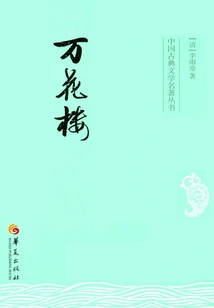
Wanhualou
General Fiction万花楼
Li Yutang
"Wanhua Tower" (full name "The Romance of Yang Bao Di of Wanhua Tower", also known as "The Early Biography of Yang Jiajiang, Civil and Military Quxing Bao Gong Di Qing in the Song Dynasty") is written by: Li Yutang and others. Interpret the stories of heroic legends Yang Zongbao, Bao Zheng, Di Qing and other loyal ministers and generals who resisted foreign aggression, scolded sycophants and eradicated traitors, and served the country with loyalty. Bao Gong's decision on the civet cat-for-prince case, and the struggle between Yang, Bao, and Di and the traitor Pang Hong are all written vividly and excitingly. Yang Zongbao's maturity and prudentness, Di Qing's strong-willed spirit, and Bao Zheng's resourcefulness will all leave a deep impression on readers.
"Wanhua Tower" (full name "The Romance of Yang Bao Di of Wanhua Tower", also known as "The Early Biography of Yang Jiajiang, Civil and Military Quxing Bao Gong Di Qing in the Song Dynasty") is written by: Li Yutang and others. Interpret the stories of heroic legends Yang Zongbao, Bao Zheng, Di Qing and other loyal ministers and generals who resisted foreign aggression, scolded sycophants and eradicated traitors, and served the country with loyalty. Bao Gong's decision on the civet cat-for-prince case, and the struggle between Yang, Bao, and Di and the traitor Pang Hong are all written vividly and excitingly. Yang Zongbao's maturity and prudentness, Di Qing's strong-willed spirit, and Bao Zheng's resourcefulness will all leave a deep impression on readers.
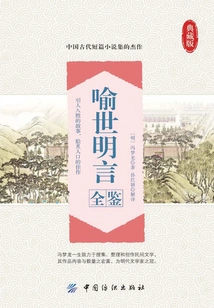
Yu Shi Ming Yan Quan Jian
General Fiction喻世明言全鉴
G
"Yu Shi Ming Yan", formerly known as "Ancient and Modern Novels", is a collection of short vernacular novels published in the Ming Dynasty. Together with "Words to Warn the World" and "Words to Awaken the World", they are collectively known as "Three Words". It is a collection of 120 stories from Song, Yuan and Ming Dynasties compiled by Feng Menglong after careful selection and selection. It has always been praised as a treasure house of Chinese classical short stories. "The Complete Book of Ming Yan" is based on "Ancient and Modern Novels", "Words to Warn the World" and "Everlasting Words to Awaken the World" photocopied by the Shanghai Ancient Books Society. A brief summary is given before each story, and the plot of the novel is briefly introduced and commented to help readers better understand the story and understand its gist.
"Yu Shi Ming Yan", formerly known as "Ancient and Modern Novels", is a collection of short vernacular novels published in the Ming Dynasty. Together with "Words to Warn the World" and "Words to Awaken the World", they are collectively known as "Three Words". It is a collection of 120 stories from Song, Yuan and Ming Dynasties compiled by Feng Menglong after careful selection and selection. It has always been praised as a treasure house of Chinese classical short stories. "The Complete Book of Ming Yan" is based on "Ancient and Modern Novels", "Words to Warn the World" and "Everlasting Words to Awaken the World" photocopied by the Shanghai Ancient Books Society. A brief summary is given before each story, and the plot of the novel is briefly introduced and commented to help readers better understand the story and understand its gist.
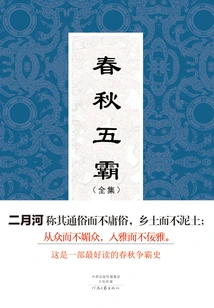
The Five Hegemons of Spring and Autumn (complete Works)
General Fiction春秋五霸(全集)
Qin Jun
A very readable history of the struggle for hegemony in the Spring and Autumn Period. Ergyuehe calls it popular but not vulgar, rustic but not earthy, conforming to the crowd but not flattering, and elegant but not arrogant. Duke Wen of Jin, named Chong'er, was persecuted by Lady Li in the fourth year of Lu Xi's reign and was exiled for nineteen years. After he became the king, he quelled the rebellion, stabilized the situation, eliminated bad governance, appointed talents, rewarded production, developed commerce, and soon made Jin rich and powerful.
A very readable history of the struggle for hegemony in the Spring and Autumn Period. Ergyuehe calls it popular but not vulgar, rustic but not earthy, conforming to the crowd but not flattering, and elegant but not arrogant. Duke Wen of Jin, named Chong'er, was persecuted by Lady Li in the fourth year of Lu Xi's reign and was exiled for nineteen years. After he became the king, he quelled the rebellion, stabilized the situation, eliminated bad governance, appointed talents, rewarded production, developed commerce, and soon made Jin rich and powerful.
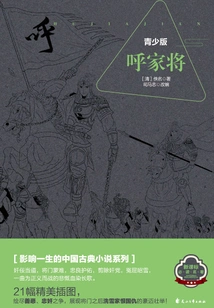
Hu Family General
General Fiction呼家将
W
"Hujiajiang" is also known as "Shuohu Quanzhuan" and "Purple Gold Whip Romance". It has a total of twelve volumes and forty chapters. The author's name has been lost. The earliest visible version is the one published by Jin Chang Shuye Hall during the Qianlong period of the Qing Dynasty. It mainly tells the story of the Song Dynasty's Renzong period. Huyan Pixian, the son of the founding father Hu Yanzan, was framed by the traitor Pang Wen, the father of the empress of the West Palace, Pang Fei. More than 300 members of the Hu family were executed, and Huyan Pixian's two sons, Huyan Shouyong and Huyan Shouxin, were killed. He hated his ancestors, risked his life to worship his ancestors, led the troops in the Central Plains to hoe traitors, and defeated the Feisha Formation and the Five Elements Formation. With the support of Bao Zheng, the Eighth Prince and other loyal ministers who protected the country, he finally gave Concubine Pang to death, beheaded Pang Ji, and the Hu family general Zhaoxue was granted the title, winning the struggle. "The Husband" is a popular literary work that the common people love to read, and it is also a work about the victory of justice over evil. The courageous heroism and spirit of loyalty and filial piety shown are worthy of praise. The book has a complete and ingenious chapter structure, a twists and turns of the plot layout, and vivid characters, which make the conflicts between the Hu and Pang families tense, orderly, and exciting. The pictures in the book are vivid and vivid, making it refreshing to read and endless aftertaste.
"Hujiajiang" is also known as "Shuohu Quanzhuan" and "Purple Gold Whip Romance". It has a total of twelve volumes and forty chapters. The author's name has been lost. The earliest visible version is the one published by Jin Chang Shuye Hall during the Qianlong period of the Qing Dynasty. It mainly tells the story of the Song Dynasty's Renzong period. Huyan Pixian, the son of the founding father Hu Yanzan, was framed by the traitor Pang Wen, the father of the empress of the West Palace, Pang Fei. More than 300 members of the Hu family were executed, and Huyan Pixian's two sons, Huyan Shouyong and Huyan Shouxin, were killed. He hated his ancestors, risked his life to worship his ancestors, led the troops in the Central Plains to hoe traitors, and defeated the Feisha Formation and the Five Elements Formation. With the support of Bao Zheng, the Eighth Prince and other loyal ministers who protected the country, he finally gave Concubine Pang to death, beheaded Pang Ji, and the Hu family general Zhaoxue was granted the title, winning the struggle. "The Husband" is a popular literary work that the common people love to read, and it is also a work about the victory of justice over evil. The courageous heroism and spirit of loyalty and filial piety shown are worthy of praise. The book has a complete and ingenious chapter structure, a twists and turns of the plot layout, and vivid characters, which make the conflicts between the Hu and Pang families tense, orderly, and exciting. The pictures in the book are vivid and vivid, making it refreshing to read and endless aftertaste.
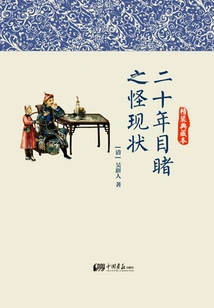
二十年目睹之怪现状(精装典藏本)
G
"The Strange Current Situation I've Witnessed for Twenty Years" is one of Wan Qing's four major condemnation novels and is the masterpiece of Qing Dynasty novelist Wu Jianren. It has been serialized in "New Novels" edited by Liang Qichao since 1903, and was completed in 1909, with a total of 108 chapters. The novel takes "narrow escape" as the protagonist, starting from his funeral for his father and ending with his failure in business. It integrates what he has seen and heard in the past 20 years. It is an autobiographical novel. This novel covers a wide range of society, ranging from governors and corrupt officials to litigious evil gentry, profiteers and moneymen, foreign slaves and compradors, charlatans, foreign court talents, etc. It reflects the numerous strange current situations of Chinese officialdom, shopping malls, and foreign markets after the Sino-French War. It reveals the dark reality of semi-feudal and semi-colonial society in the late Qing Dynasty, and shows a picture of society on the eve of the collapse of the Qing Dynasty.
"The Strange Current Situation I've Witnessed for Twenty Years" is one of Wan Qing's four major condemnation novels and is the masterpiece of Qing Dynasty novelist Wu Jianren. It has been serialized in "New Novels" edited by Liang Qichao since 1903, and was completed in 1909, with a total of 108 chapters. The novel takes "narrow escape" as the protagonist, starting from his funeral for his father and ending with his failure in business. It integrates what he has seen and heard in the past 20 years. It is an autobiographical novel. This novel covers a wide range of society, ranging from governors and corrupt officials to litigious evil gentry, profiteers and moneymen, foreign slaves and compradors, charlatans, foreign court talents, etc. It reflects the numerous strange current situations of Chinese officialdom, shopping malls, and foreign markets after the Sino-French War. It reveals the dark reality of semi-feudal and semi-colonial society in the late Qing Dynasty, and shows a picture of society on the eve of the collapse of the Qing Dynasty.
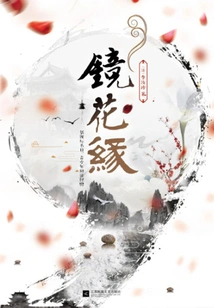
Mirror Flowers
General Fiction镜花缘
(qing Dynasty) Li Ruzhen
"Flowers in the Mirror" is a novel written by Li Ruzhen, a literati in the Qing Dynasty. The first half of the book describes the story of Tang Ao, Duo Jiugong and others traveling overseas by boat, including their experiences in the Daughter Country, the Junzi Country, the Wuchang Country and other countries. The second half tells the story of Wu Zetian's imperial examination to select talented girls, Tang Xiaoshan, who was entrusted by Baihua Fairy, and one hundred talented girls entrusted by other flower fairies who passed the exam and made a difference in the court. His magical and humorous creative techniques are based on classics, and he cleverly outlines a gorgeous color picture of the heavenly wheel.
"Flowers in the Mirror" is a novel written by Li Ruzhen, a literati in the Qing Dynasty. The first half of the book describes the story of Tang Ao, Duo Jiugong and others traveling overseas by boat, including their experiences in the Daughter Country, the Junzi Country, the Wuchang Country and other countries. The second half tells the story of Wu Zetian's imperial examination to select talented girls, Tang Xiaoshan, who was entrusted by Baihua Fairy, and one hundred talented girls entrusted by other flower fairies who passed the exam and made a difference in the court. His magical and humorous creative techniques are based on classics, and he cleverly outlines a gorgeous color picture of the heavenly wheel.
The View of Ancient Literature (part 2)
General Fiction古文观止(下)
(qing Dynasty) Wu Chucai (qing Dynasty) Compiled By Wu Tiaohou
The book is in 6-12 volumes, of moderate length, easy to read and understand, and the chapters and volumes are relatively well-proportioned. Most of the selected articles are from the Han and Tang dynasties, mainly prose, with parallel rhymes in mind.
The book is in 6-12 volumes, of moderate length, easy to read and understand, and the chapters and volumes are relatively well-proportioned. Most of the selected articles are from the Han and Tang dynasties, mainly prose, with parallel rhymes in mind.
The View of Ancient Literature (part 1)
General Fiction古文观止(上)
(qing Dynasty) Wu Chucai (qing Dynasty) Compiled By Wu Tiaohou
The book is divided into 1-6 volumes, which are moderate in length and easy to read and understand. The chapters and volumes are relatively well-proportioned. Most of the selected articles are from the Han and Tang dynasties, mainly prose, with parallel rhymes in mind.
The book is divided into 1-6 volumes, which are moderate in length and easy to read and understand. The chapters and volumes are relatively well-proportioned. Most of the selected articles are from the Han and Tang dynasties, mainly prose, with parallel rhymes in mind.
三言二拍:初刻拍案惊奇
H
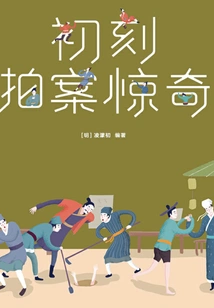
"The Surprise at the First Moment" is a collection of Chinese novels written by Ling Shuchu in the late Ming Dynasty. It was officially written in 1627 (the seventh year since tomorrow) and published by Shang Youtang Bookstore in 1628 the following year. "The Surprise at the First Moment" is a collection of novels created to imitate the story-telling novels, and most of its themes are taken from predecessors. The content of the book is relatively complex, with different ideological tendencies. It mainly includes works that describe businessmen's thoughts, actions, fate, and works that describe marriage and love. Most of them come from the writings of previous generations, but after Ling Shuchu's re-creation, they also express the social reality and atmosphere of the times in the late Ming Dynasty to a certain extent, and are imbued with Ling's own ideas and cynicism.
"The Surprise at the First Moment" is a collection of Chinese novels written by Ling Shuchu in the late Ming Dynasty. It was officially written in 1627 (the seventh year since tomorrow) and published by Shang Youtang Bookstore in 1628 the following year. "The Surprise at the First Moment" is a collection of novels created to imitate the story-telling novels, and most of its themes are taken from predecessors. The content of the book is relatively complex, with different ideological tendencies. It mainly includes works that describe businessmen's thoughts, actions, fate, and works that describe marriage and love. Most of them come from the writings of previous generations, but after Ling Shuchu's re-creation, they also express the social reality and atmosphere of the times in the late Ming Dynasty to a certain extent, and are imbued with Ling's own ideas and cynicism.
三言二拍:二刻拍案惊奇
(ming Dynasty) Ling Shuchu
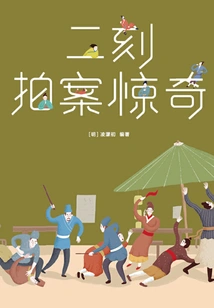
"Surprise at Two Moments" is a collection of novels written in the form of a storybook. Compiled by Ling Shuchu in the late Ming Dynasty. It was published as a book in 1632 (the fifth year of Chongzhen), and together with the author's previous book "The Surprise at the First Carving of Pai Ben", it is collectively known as "Er Pai". There are forty volumes, each with one chapter, forty chapters in total. Volume twenty-three of them, "The soul of the elder sister has fulfilled her long-cherished wish, and the illness of the aunt continues the relationship" is the same as volume twenty-three of "The Surprise at the First Carving of the Case". Volume forty has been lost, and the Zaju "Song Gongming Lantern Festival Zaju" was added to make up the number. The author claims that "the puppet show is based on one or two odd situations that have been heard in ancient and modern times and can be recorded." Most of the themes are taken from the predecessors. The ideological content of the book is relatively complex, but overall, it reflects the ideological concepts of the emerging citizen class to a certain extent, and the traditional morality it advocates also has undeniable healthy elements. It has a relatively important influence in the history of Chinese literature.
"Surprise at Two Moments" is a collection of novels written in the form of a storybook. Compiled by Ling Shuchu in the late Ming Dynasty. It was published as a book in 1632 (the fifth year of Chongzhen), and together with the author's previous book "The Surprise at the First Carving of Pai Ben", it is collectively known as "Er Pai". There are forty volumes, each with one chapter, forty chapters in total. Volume twenty-three of them, "The soul of the elder sister has fulfilled her long-cherished wish, and the illness of the aunt continues the relationship" is the same as volume twenty-three of "The Surprise at the First Carving of the Case". Volume forty has been lost, and the Zaju "Song Gongming Lantern Festival Zaju" was added to make up the number. The author claims that "the puppet show is based on one or two odd situations that have been heard in ancient and modern times and can be recorded." Most of the themes are taken from the predecessors. The ideological content of the book is relatively complex, but overall, it reflects the ideological concepts of the emerging citizen class to a certain extent, and the traditional morality it advocates also has undeniable healthy elements. It has a relatively important influence in the history of Chinese literature.
Three Words and Two Beats: Words That Awaken the World
General Fiction三言二拍:醒世恒言
H
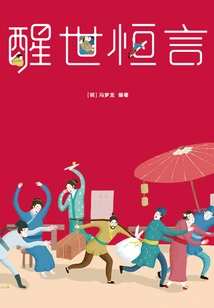
"Eternal Words to Awaken the World" is a collection of short stories in vernacular. Compiled by Feng Menglong in the late Ming Dynasty. It was first published in 1627 (the seventh year of tomorrow). The themes may come from folk facts, historical biographies and stories from the Tang and Song Dynasties. Except for a few old works from the Song and Yuan Dynasties, most of them are works from the Ming Dynasty, and some are imitations by Feng. The image is clear, the structure is substantial and complete, and the description is delicate. It reflects the social outlook and citizens' thoughts and feelings at that time to varying degrees. But some works contain feudal preaching, karma propaganda and pornographic rendering.
"Eternal Words to Awaken the World" is a collection of short stories in vernacular. Compiled by Feng Menglong in the late Ming Dynasty. It was first published in 1627 (the seventh year of tomorrow). The themes may come from folk facts, historical biographies and stories from the Tang and Song Dynasties. Except for a few old works from the Song and Yuan Dynasties, most of them are works from the Ming Dynasty, and some are imitations by Feng. The image is clear, the structure is substantial and complete, and the description is delicate. It reflects the social outlook and citizens' thoughts and feelings at that time to varying degrees. But some works contain feudal preaching, karma propaganda and pornographic rendering.
Three Words and Two Beats: Yushi Mingyan
General Fiction三言二拍:喻世明言
H
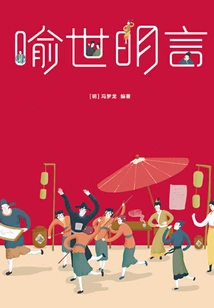
"Yu Shi Ming Yan", a collection of vernacular short stories, was originally titled "Ancient and Modern Novels", also known as "Full Image of Ancient and Modern Novels". Compiled by Feng Menglong in the late Ming Dynasty. Some of them are old versions of the Song and Yuan dialects, and some were drafted by people in the Ming Dynasty. The text may have been processed by the editor. Most of the themes come from folklore, and some are adapted from historical novels and previous novels.
"Yu Shi Ming Yan", a collection of vernacular short stories, was originally titled "Ancient and Modern Novels", also known as "Full Image of Ancient and Modern Novels". Compiled by Feng Menglong in the late Ming Dynasty. Some of them are old versions of the Song and Yuan dialects, and some were drafted by people in the Ming Dynasty. The text may have been processed by the editor. Most of the themes come from folklore, and some are adapted from historical novels and previous novels.
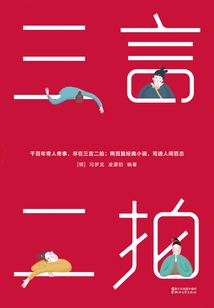
Three Words and Two Pats (set of Five Books)
General Fiction三言二拍(套装五本)
H
The version recommended by the writer Da Bing is, "Know the sentient being in the impermanent place, and know all living beings in the sentient place." Thousands of years of worldly wonders, people and wonders are all captured in a few words; two hundred classic short stories, written about various situations in the world, and legendary stories about rivers and lakes, are worthy of being the novel version of "Along the River During the Qingming Festival". "Three Words and Two Pai" is a collection of short stories in ancient Chinese vernacular, including "Three Words": "Mingyan Yan", "Warning Words" and "Everlasting Words to Awaken the World" compiled by the literary master Feng Menglong of the Ming Dynasty; and "Two Pai" edited by the novel master Ling Shuchu: "Surprise at the First Carving" and "Surprise at the Second Moment". "Three Words and Two Patterns" has a total of 200 classic short stories in vernacular, which completely encompasses the essence of short stories in vernacular from the Song, Yuan and Ming dynasties. Each story in the book is independent, exciting and ups and downs, such as the White Snake who forever holds down the Leifeng Pagoda, Du Shiniang who sank his treasure chest in anger, and Yu Boya who dropped his piano to say goodbye. Classic stories that are familiar to Chinese people, such as the bosom friend, are all derived from the "three words and two beats"; "Three words and two beats" are also derived from the "three words and two beats"; "Three words and two beats" are also derived from "Three words and two beats"; "It is difficult to be a master without suffering", "It is difficult to draw a dragon or a tiger, but it is difficult to draw a skeleton, and you know people and their faces but not their hearts".
The version recommended by the writer Da Bing is, "Know the sentient being in the impermanent place, and know all living beings in the sentient place." Thousands of years of worldly wonders, people and wonders are all captured in a few words; two hundred classic short stories, written about various situations in the world, and legendary stories about rivers and lakes, are worthy of being the novel version of "Along the River During the Qingming Festival". "Three Words and Two Pai" is a collection of short stories in ancient Chinese vernacular, including "Three Words": "Mingyan Yan", "Warning Words" and "Everlasting Words to Awaken the World" compiled by the literary master Feng Menglong of the Ming Dynasty; and "Two Pai" edited by the novel master Ling Shuchu: "Surprise at the First Carving" and "Surprise at the Second Moment". "Three Words and Two Patterns" has a total of 200 classic short stories in vernacular, which completely encompasses the essence of short stories in vernacular from the Song, Yuan and Ming dynasties. Each story in the book is independent, exciting and ups and downs, such as the White Snake who forever holds down the Leifeng Pagoda, Du Shiniang who sank his treasure chest in anger, and Yu Boya who dropped his piano to say goodbye. Classic stories that are familiar to Chinese people, such as the bosom friend, are all derived from the "three words and two beats"; "Three words and two beats" are also derived from the "three words and two beats"; "Three words and two beats" are also derived from "Three words and two beats"; "It is difficult to be a master without suffering", "It is difficult to draw a dragon or a tiger, but it is difficult to draw a skeleton, and you know people and their faces but not their hearts".
L
General Fictionl
H
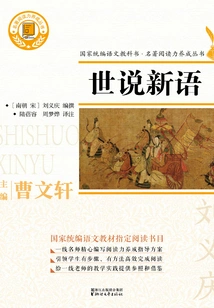
A classic work that has influenced Chinese literature, thought, and culture, it is a masterpiece handed down from generation to generation that combines historical, literary, and interesting qualities. "Shishuoxinyu" is a classic Chinese masterpiece of aristocratic novels. It was written by Liu Yiqing during the Song Dynasty in the Southern Dynasties. It mainly records the speech styles and anecdotes of figures in the late Han, Wei and Jin Dynasties. The book covers many aspects such as politics, economy, society, literature, thought, etc., So it is also an important material for studying the history of this period. "Shishuo Xinyu", formerly known as "Shishuo", reflects the ideological outlook of the aristocratic families in the late Han, Wei and Jin Dynasties, and preserves historical materials on society, politics, thought, literature, language and other aspects, which is of high value. Lu Xun praised this book in "A Brief History of Chinese Novels" as "the words recorded are far-reaching and cold, while the deeds recorded are noble, simple and magnificent".
A classic work that has influenced Chinese literature, thought, and culture, it is a masterpiece handed down from generation to generation that combines historical, literary, and interesting qualities. "Shishuoxinyu" is a classic Chinese masterpiece of aristocratic novels. It was written by Liu Yiqing during the Song Dynasty in the Southern Dynasties. It mainly records the speech styles and anecdotes of figures in the late Han, Wei and Jin Dynasties. The book covers many aspects such as politics, economy, society, literature, thought, etc., So it is also an important material for studying the history of this period. "Shishuo Xinyu", formerly known as "Shishuo", reflects the ideological outlook of the aristocratic families in the late Han, Wei and Jin Dynasties, and preserves historical materials on society, politics, thought, literature, language and other aspects, which is of high value. Lu Xun praised this book in "A Brief History of Chinese Novels" as "the words recorded are far-reaching and cold, while the deeds recorded are noble, simple and magnificent".
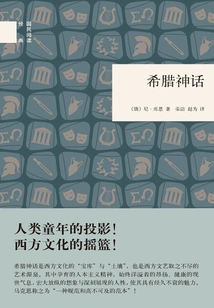
Greek Mythology
General Fiction希腊神话
N
Myth is a product of human childhood and has an everlasting fascination. Greek mythology has been around for a long time because of its relatively complete system and unique literary charm. Greek mythology and biblical mythology have had a comprehensive and profound impact on the religion, philosophy, thought, customs, natural science, literature and art of the entire West and even mankind. When you come into contact with Western culture, you are bound to encounter allusions from Greek mythology. Almost every important classic Western literary work involves characters and plots from Greek mythology, and some are even directly based on Greek mythology. Today, although we do not have to "call everything Greek", a systematic understanding of Greek mythology is necessary for every modern person.
Myth is a product of human childhood and has an everlasting fascination. Greek mythology has been around for a long time because of its relatively complete system and unique literary charm. Greek mythology and biblical mythology have had a comprehensive and profound impact on the religion, philosophy, thought, customs, natural science, literature and art of the entire West and even mankind. When you come into contact with Western culture, you are bound to encounter allusions from Greek mythology. Almost every important classic Western literary work involves characters and plots from Greek mythology, and some are even directly based on Greek mythology. Today, although we do not have to "call everything Greek", a systematic understanding of Greek mythology is necessary for every modern person.
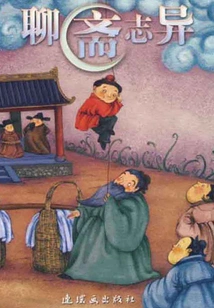
聊斋志异(世界经典文学名著系列)
(qing Dynasty) Original Work By Pu Songling, Adapted By Hao Ying
The excellent works in "Strange Stories from a Chinese Studio" reflect the vast real life, raise many important social issues, and express the author's distinctive attitude. They either expose the darkness of feudal rule, criticize the corruption of the imperial examination system, or resist the shackles of feudal ethics. They have rich and profound ideological content.
The excellent works in "Strange Stories from a Chinese Studio" reflect the vast real life, raise many important social issues, and express the author's distinctive attitude. They either expose the darkness of feudal rule, criticize the corruption of the imperial examination system, or resist the shackles of feudal ethics. They have rich and profound ideological content.
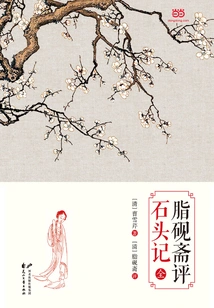
Zhi Yanzhai's Commentary on Stones (part 1 and 2)
General Fiction脂砚斋评石头记(上下全)
(qing Dynasty) Cao Xueqin (qing Dynasty) Commentary On Zhiyanzhai
"The Story of the Stone" is a masterpiece of ancient Chinese novels. From the beginning of the manuscript's publication, various manuscripts have retained a large number of vermilion comments. Some important copies of the manuscript are inscribed with the words "Zhi Yanzhai Recommends the Story of the Stone", so later generations called these early manuscripts of "A Dream of Red Mansions" the "Zhi Commentary Version" or "Zhi Commentary Version".
"The Story of the Stone" is a masterpiece of ancient Chinese novels. From the beginning of the manuscript's publication, various manuscripts have retained a large number of vermilion comments. Some important copies of the manuscript are inscribed with the words "Zhi Yanzhai Recommends the Story of the Stone", so later generations called these early manuscripts of "A Dream of Red Mansions" the "Zhi Commentary Version" or "Zhi Commentary Version".
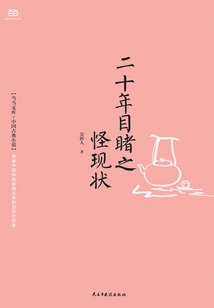
The Strange Situation Witnessed over the Past Twenty Years
General Fiction二十年目睹之怪现状
(qing Dynasty) Wu Jianren
This book is a full-length novel with an autobiographical flavor. It begins with the protagonist narrowly escaping death to attend the funeral of his father, and then follows his friend Wu Jizhi to dominate officialdom and shopping malls until he fails in business. He used diary form to record nearly 200 stories he had heard and witnessed in the past twenty years. The content was extensive, covering not only officialdom, but also shopping malls, foreign markets, and academic institutions. He thoroughly and clearly analyzed the intricate relationship between Chinese traditional officials and businessmen. It is a rare masterpiece that studies world affairs and culture.
This book is a full-length novel with an autobiographical flavor. It begins with the protagonist narrowly escaping death to attend the funeral of his father, and then follows his friend Wu Jizhi to dominate officialdom and shopping malls until he fails in business. He used diary form to record nearly 200 stories he had heard and witnessed in the past twenty years. The content was extensive, covering not only officialdom, but also shopping malls, foreign markets, and academic institutions. He thoroughly and clearly analyzed the intricate relationship between Chinese traditional officials and businessmen. It is a rare masterpiece that studies world affairs and culture.
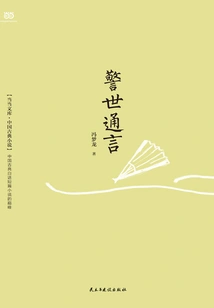
Ae
General Fictionae
G
"Words to Warn the World" is a collection of short stories in vernacular compiled by Feng Menglong, a writer in the late Ming Dynasty. Together with Feng Menglong's other two novels "Awakening Words to Awaken the World" and "Yingshi Mingyan", they are collectively known as "Three Words" by later generations. Together with Ling Shuchu's "Surprise at the First Moment" and "Surprise at the Second Moment" by Ling Shuchu, they are also known as "Three Words and Two Pai". As a peak of ancient vernacular short stories, "Jingshi Tongyan" contains a total of forty stories in the Song, Yuan and Ming dynasties in both scripts and pseudo-hua scripts. The themes of "Words to Warn the World" are all-encompassing, including marriage, love and women's fate, fame and fortune and the vicissitudes of life, strange and unjust cases and the weird world, which focus on the thoughts, artistic characteristics and achievements of "Three Words". Except for "Old Disciple III Repaying Favor" written by Feng Menglong, which has been confirmed to be written by Feng Menglong himself, the other works included in the collection were processed and organized by the editor. Among them, "Du Shiniang sank her treasure chest in anger", "Spring falls in the Yutang and it is hard to find a husband", "Yu Boya threw his zither to thank his close friend", "Li banished the immortal with drunken grass and frightened the barbarians", etc. Are all popular famous works. "Du Shiniang Sinks the Treasure Box in Anger" represents the highest achievement of the Ming Dynasty's scripts in terms of ideological and artistic quality.
"Words to Warn the World" is a collection of short stories in vernacular compiled by Feng Menglong, a writer in the late Ming Dynasty. Together with Feng Menglong's other two novels "Awakening Words to Awaken the World" and "Yingshi Mingyan", they are collectively known as "Three Words" by later generations. Together with Ling Shuchu's "Surprise at the First Moment" and "Surprise at the Second Moment" by Ling Shuchu, they are also known as "Three Words and Two Pai". As a peak of ancient vernacular short stories, "Jingshi Tongyan" contains a total of forty stories in the Song, Yuan and Ming dynasties in both scripts and pseudo-hua scripts. The themes of "Words to Warn the World" are all-encompassing, including marriage, love and women's fate, fame and fortune and the vicissitudes of life, strange and unjust cases and the weird world, which focus on the thoughts, artistic characteristics and achievements of "Three Words". Except for "Old Disciple III Repaying Favor" written by Feng Menglong, which has been confirmed to be written by Feng Menglong himself, the other works included in the collection were processed and organized by the editor. Among them, "Du Shiniang sank her treasure chest in anger", "Spring falls in the Yutang and it is hard to find a husband", "Yu Boya threw his zither to thank his close friend", "Li banished the immortal with drunken grass and frightened the barbarians", etc. Are all popular famous works. "Du Shiniang Sinks the Treasure Box in Anger" represents the highest achievement of the Ming Dynasty's scripts in terms of ideological and artistic quality.
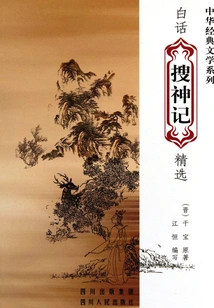
Selections from "sou Shen Ji" in Vernacular Chinese
General Fiction白话《搜神记》精选
(jin) Qianbao Jiang Heng
"Sou Shen Ji" is a collection of novels that record magical and strange stories in ancient folklore. It collects more than 410 ancient mythical stories. Most of them reflect the thoughts and feelings of ancient people to a certain extent, creating a precedent for ancient mythological novels in my country. This book selects representative stories and introduces them to readers in the form of vernacular.
"Sou Shen Ji" is a collection of novels that record magical and strange stories in ancient folklore. It collects more than 410 ancient mythical stories. Most of them reflect the thoughts and feelings of ancient people to a certain extent, creating a precedent for ancient mythological novels in my country. This book selects representative stories and introduces them to readers in the form of vernacular.
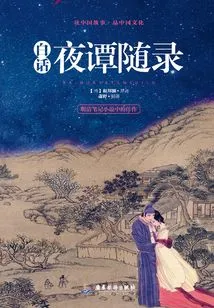
A Collection of Vernacular Night Stories
General Fiction白话夜谭随录
J
The word novel appeared very early in China. The original meaning refers to trivial remarks, which have nothing to do with the grand purpose of Taoism, and have nothing to do with the concept of novels in the current literary sense. Later, Ban Gu's "Hanshu·Art Zhi" said: "Novelists talk about street talk." This is close to the so-called novels today. However, the fifteen novels recorded in "Hanshu Art Chronicles" totaled 1,390, and all of them were lost by the Sui Dynasty. Not only that, all the existing Han Chinese novels are all based on the forgeries of later generations. Therefore, to discuss Chinese novels, we should start from the Six Dynasties.
The word novel appeared very early in China. The original meaning refers to trivial remarks, which have nothing to do with the grand purpose of Taoism, and have nothing to do with the concept of novels in the current literary sense. Later, Ban Gu's "Hanshu·Art Zhi" said: "Novelists talk about street talk." This is close to the so-called novels today. However, the fifteen novels recorded in "Hanshu Art Chronicles" totaled 1,390, and all of them were lost by the Sui Dynasty. Not only that, all the existing Han Chinese novels are all based on the forgeries of later generations. Therefore, to discuss Chinese novels, we should start from the Six Dynasties.
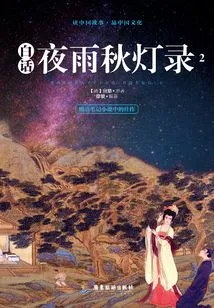
Vernacular Night Rain Autumn Lantern Record 2
General Fiction白话夜雨秋灯录2
Xuanding
This book is a collection of "Ye Yu Qiu Deng Lu" and "Ye Yu Qiu Deng Lu". This book shows a different ancient Chinese world, full of imagination. The story plot in this book is twists and turns, and the writing style is beautiful but not fancy.
This book is a collection of "Ye Yu Qiu Deng Lu" and "Ye Yu Qiu Deng Lu". This book shows a different ancient Chinese world, full of imagination. The story plot in this book is twists and turns, and the writing style is beautiful but not fancy.
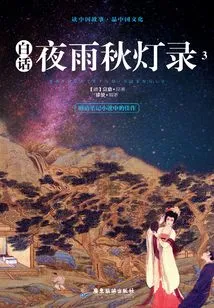
Vernacular Night Rain Autumn Lantern Record 3
General Fiction白话夜雨秋灯录3
Xuanding
This book is a collection of "Ye Yu Qiu Deng Lu" and "Ye Yu Qiu Deng Lu". This book shows a different ancient Chinese world, full of imagination. The story plot in this book is twists and turns, and the writing style is beautiful but not fancy.
This book is a collection of "Ye Yu Qiu Deng Lu" and "Ye Yu Qiu Deng Lu". This book shows a different ancient Chinese world, full of imagination. The story plot in this book is twists and turns, and the writing style is beautiful but not fancy.
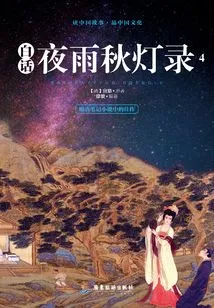
Vernacular Night Rain Autumn Lantern Record 4
General Fiction白话夜雨秋灯录4
Xuanding
This book is a collection of "Ye Yu Qiu Deng Lu" and "Ye Yu Qiu Deng Lu". This book shows a different ancient Chinese world, full of imagination. The story plot in this book is twists and turns, and the writing style is beautiful but not fancy.
This book is a collection of "Ye Yu Qiu Deng Lu" and "Ye Yu Qiu Deng Lu". This book shows a different ancient Chinese world, full of imagination. The story plot in this book is twists and turns, and the writing style is beautiful but not fancy.
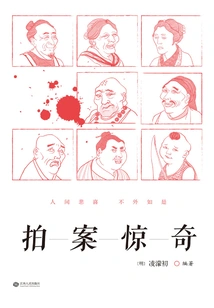
Surprised
General Fiction拍案惊奇
(ming Dynasty) Compiled By Ling Shuchu
A collection of narrative novels from the late Ming Dynasty, with themes covering strange cases, green forests, wild history, fairy tales, love and marriage, business, deception... The twists and turns of the plot and vivid writing depict the ancient human nature. It not only sold well at the time, but also became a fable that has been passed down for four hundred years. When I read it today, I am still "surprised" and even "stunned".
A collection of narrative novels from the late Ming Dynasty, with themes covering strange cases, green forests, wild history, fairy tales, love and marriage, business, deception... The twists and turns of the plot and vivid writing depict the ancient human nature. It not only sold well at the time, but also became a fable that has been passed down for four hundred years. When I read it today, I am still "surprised" and even "stunned".
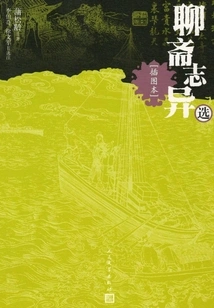
Strange Selections from Liaozhaizhi
General Fiction聊斋志异选
Written By Pu Songling, Li Boqi, Selected Notes By Xu Wenjun
During the selection process, efforts were made to select the most popular and widely circulated masterpieces. Among them are cynical works that reflect the suffering of the people, expose the darkness of official circles, and criticize corruption in imperial examinations. There are also moral stories that explain human ethics and have educational significance, and there are also beautiful chapters that eulogize beautiful personalities and pure love. In these unpredictable, magical and charming illusions, the ghosts and spirits that were hated in the past actually shine with brilliance, and their fantastic and bizarre stories make people marvel, linger and have endless aftertaste.
During the selection process, efforts were made to select the most popular and widely circulated masterpieces. Among them are cynical works that reflect the suffering of the people, expose the darkness of official circles, and criticize corruption in imperial examinations. There are also moral stories that explain human ethics and have educational significance, and there are also beautiful chapters that eulogize beautiful personalities and pure love. In these unpredictable, magical and charming illusions, the ghosts and spirits that were hated in the past actually shine with brilliance, and their fantastic and bizarre stories make people marvel, linger and have endless aftertaste.
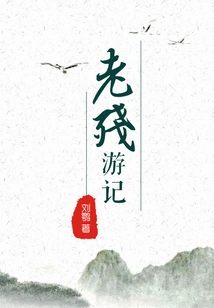
Lao Can's Travels
General Fiction老残游记
Liu E
"Lao Can's Travels" is a novella in the late Qing Dynasty. It takes the travels of Lao Can, a practicing doctor, as the main line. It records the people and things Lao Can encounters during his travels, describes the unspoken rules of officialdom in the late Qing Dynasty, and puts forward the rare view that "upright officials harm the people." It explains the wonderful principles of Confucianism, Buddhism and Taoism, and promotes the Taigu School spirit of "inducing people to do good and leading people to be righteous". In addition, the book also mentions music, water conservancy construction, metaphysics, etc. It is a work with rich and unique content and a superb level. Today, it has been translated into several languages, sold around the world, and has been recognized as a world literary masterpiece by UNESCO.
"Lao Can's Travels" is a novella in the late Qing Dynasty. It takes the travels of Lao Can, a practicing doctor, as the main line. It records the people and things Lao Can encounters during his travels, describes the unspoken rules of officialdom in the late Qing Dynasty, and puts forward the rare view that "upright officials harm the people." It explains the wonderful principles of Confucianism, Buddhism and Taoism, and promotes the Taigu School spirit of "inducing people to do good and leading people to be righteous". In addition, the book also mentions music, water conservancy construction, metaphysics, etc. It is a work with rich and unique content and a superb level. Today, it has been translated into several languages, sold around the world, and has been recognized as a world literary masterpiece by UNESCO.
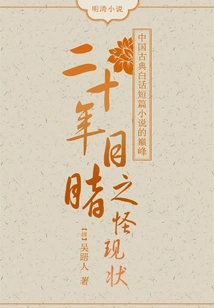
The Strange Situation Witnessed over the Past Twenty Years
General Fiction二十年目睹之怪现状
H
This book is a full-length novel with an autobiographical flavor. It begins with the protagonist narrowly escaping death to attend the funeral of his father, and then follows his friend Wu Jizhi to dominate officialdom and shopping malls until he fails in business. He used diary form to record nearly 200 stories he had heard and witnessed in the past twenty years. The content was extensive, covering not only officialdom, but also shopping malls, foreign markets, and academic institutions. He thoroughly and clearly analyzed the intricate relationship between Chinese traditional officials and businessmen. It is a rare masterpiece that studies world affairs and culture.
This book is a full-length novel with an autobiographical flavor. It begins with the protagonist narrowly escaping death to attend the funeral of his father, and then follows his friend Wu Jizhi to dominate officialdom and shopping malls until he fails in business. He used diary form to record nearly 200 stories he had heard and witnessed in the past twenty years. The content was extensive, covering not only officialdom, but also shopping malls, foreign markets, and academic institutions. He thoroughly and clearly analyzed the intricate relationship between Chinese traditional officials and businessmen. It is a rare masterpiece that studies world affairs and culture.
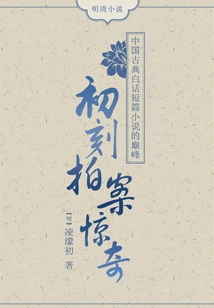
Z
General Fictionz
I
"The Surprise at the First Moment" is a collection of parody novels compiled by Ling Shuchu, a writer in the late Ming Dynasty. It was officially published in the seventh year of Ming Dynasty (1627), and was published by Shang Youtang Bookstore in the following year (1628). Together with the author's other novel "The Surprise at the Second Moment", it is collectively known as "Er Pai". Most of its themes are taken from previous works, and there are a total of forty short stories. It uses popular and concise language, twists and turns, confusing and reasonable plots, meticulous characters' hearts, and lifelike artistic images to present many fascinating stories, such as: a businessman becomes rich due to bad luck, Scholars rise from poverty to become famous; honest officials resolve cases like gods, corrupt officials bend the law like tigers; villains engage in adultery and lawsuits, and swindlers engage in intrigues; how young people pursue loyal love, and how feudal ethics create marital tragedies, etc. This book is one of the classic treasure troves of ancient Chinese short stories.
"The Surprise at the First Moment" is a collection of parody novels compiled by Ling Shuchu, a writer in the late Ming Dynasty. It was officially published in the seventh year of Ming Dynasty (1627), and was published by Shang Youtang Bookstore in the following year (1628). Together with the author's other novel "The Surprise at the Second Moment", it is collectively known as "Er Pai". Most of its themes are taken from previous works, and there are a total of forty short stories. It uses popular and concise language, twists and turns, confusing and reasonable plots, meticulous characters' hearts, and lifelike artistic images to present many fascinating stories, such as: a businessman becomes rich due to bad luck, Scholars rise from poverty to become famous; honest officials resolve cases like gods, corrupt officials bend the law like tigers; villains engage in adultery and lawsuits, and swindlers engage in intrigues; how young people pursue loyal love, and how feudal ethics create marital tragedies, etc. This book is one of the classic treasure troves of ancient Chinese short stories.