Library
Browse and search books
3,514 novels found
Fragments of Life
General Fiction生命碎片
Kangqian
"Fragments of Life" cleverly combines historical stories with modern filial piety stories. With a unique perspective and rich and diverse content, it comprehensively displays the social landscape of different eras, deeply exploring and presenting the brilliance of human nature. Among them, the story about the coffee alleys of Bajing Street in Shenyang and the vigorous development of coffee culture show a unique perspective of urban changes. ?
"Fragments of Life" cleverly combines historical stories with modern filial piety stories. With a unique perspective and rich and diverse content, it comprehensively displays the social landscape of different eras, deeply exploring and presenting the brilliance of human nature. Among them, the story about the coffee alleys of Bajing Street in Shenyang and the vigorous development of coffee culture show a unique perspective of urban changes. ?
Black Sunshine
General Fiction黑色阳光
Yang Yongxin
The bright sunshine is black and bright in Brother Tian's eyes. In order to pursue this black and bright sunshine, Brother Tian sinks himself to the bottom of the well and desperately lifts up the hope in his heart with his hands. His arms could not be restored after death... The prostitute Xiao Baixie saved her compatriots, and the beautiful devil Jiang Hua on the black earth shed tears for her... Crows are hated by humans because of their dark color, and because they saved a generation of emperors, they were named "Royal Crows". Where the "Royal Crows" gather, what is reflected is the aura of humanity as black as gold... The model workers in the foundry industry at that time were at a loss and confused, facing the frenzy of the market economy and shouting: What's the difference, buddy? The female saleswoman fights in the shady world of pharmaceutical sales. Beauty alone is not enough... Love like black humor has been tested by the high temperature season and revealed the true nature of human nature...
The bright sunshine is black and bright in Brother Tian's eyes. In order to pursue this black and bright sunshine, Brother Tian sinks himself to the bottom of the well and desperately lifts up the hope in his heart with his hands. His arms could not be restored after death... The prostitute Xiao Baixie saved her compatriots, and the beautiful devil Jiang Hua on the black earth shed tears for her... Crows are hated by humans because of their dark color, and because they saved a generation of emperors, they were named "Royal Crows". Where the "Royal Crows" gather, what is reflected is the aura of humanity as black as gold... The model workers in the foundry industry at that time were at a loss and confused, facing the frenzy of the market economy and shouting: What's the difference, buddy? The female saleswoman fights in the shady world of pharmaceutical sales. Beauty alone is not enough... Love like black humor has been tested by the high temperature season and revealed the true nature of human nature...
April Wind (second Series)
General Fiction四月风动(第二辑)
Wang Li
In April, the grass grows and orioles fly, and rumors begin with April. A process of spreading lies, like spreading flowers by drumming, turns the situation into bizarre, absurd, scary and ridiculous. The novel "April Wind" tells a realistic story in a black humorous style. The title of the collection of novels is based on this chapter, which means that when the wind is about to come, it will rain before the window. The "Quiet Moat" and "The Landscape at the Back of the Cabin" all contain dark waves of emotions intertwined with life, and the fate and stories of the joys and sorrows of the characters. The novels with themes of youthful love and mid-life emotional crisis are full of ups and downs, heartbreak, emotional collisions and deviant subtleties, lingering sharpness, affectionate sadness and pain. There are also many articles such as "Dialogue" that analyze human nature and values. This collection also has a distinct mark of the times, and contains the most representative stream-of-consciousness expression technique when the literary and artistic trends were active in the mid-1980s. It is a literary masterpiece that is especially worthy of the listener's slow appreciation.
In April, the grass grows and orioles fly, and rumors begin with April. A process of spreading lies, like spreading flowers by drumming, turns the situation into bizarre, absurd, scary and ridiculous. The novel "April Wind" tells a realistic story in a black humorous style. The title of the collection of novels is based on this chapter, which means that when the wind is about to come, it will rain before the window. The "Quiet Moat" and "The Landscape at the Back of the Cabin" all contain dark waves of emotions intertwined with life, and the fate and stories of the joys and sorrows of the characters. The novels with themes of youthful love and mid-life emotional crisis are full of ups and downs, heartbreak, emotional collisions and deviant subtleties, lingering sharpness, affectionate sadness and pain. There are also many articles such as "Dialogue" that analyze human nature and values. This collection also has a distinct mark of the times, and contains the most representative stream-of-consciousness expression technique when the literary and artistic trends were active in the mid-1980s. It is a literary masterpiece that is especially worthy of the listener's slow appreciation.
April Wind (part 3)
General Fiction四月风动(第三辑)
Wang Li
In April, the grass grows and orioles fly, and rumors begin with April. A process of spreading lies, like spreading flowers by drumming, turns the situation into bizarre, absurd, scary and ridiculous. The novel "April Wind" tells a realistic story in a black humorous style. The title of the collection of novels is based on this chapter, which means that when the wind is about to come, it will rain before the window. The "Quiet Moat" and "The Landscape at the Back of the Cabin" all contain dark waves of emotions intertwined with life, and the fate and stories of the joys and sorrows of the characters. The novels with themes of youthful love and mid-life emotional crisis are full of ups and downs, heartbreak, emotional collisions and deviant subtleties, lingering sharpness, affectionate sadness and pain. There are also many articles such as "Dialogue" that analyze human nature and values. This collection also has a distinct mark of the times, and contains the most representative stream-of-consciousness expression technique when the literary and artistic trends were active in the mid-1980s. It is a literary masterpiece that is especially worthy of the listener's slow appreciation.
In April, the grass grows and orioles fly, and rumors begin with April. A process of spreading lies, like spreading flowers by drumming, turns the situation into bizarre, absurd, scary and ridiculous. The novel "April Wind" tells a realistic story in a black humorous style. The title of the collection of novels is based on this chapter, which means that when the wind is about to come, it will rain before the window. The "Quiet Moat" and "The Landscape at the Back of the Cabin" all contain dark waves of emotions intertwined with life, and the fate and stories of the joys and sorrows of the characters. The novels with themes of youthful love and mid-life emotional crisis are full of ups and downs, heartbreak, emotional collisions and deviant subtleties, lingering sharpness, affectionate sadness and pain. There are also many articles such as "Dialogue" that analyze human nature and values. This collection also has a distinct mark of the times, and contains the most representative stream-of-consciousness expression technique when the literary and artistic trends were active in the mid-1980s. It is a literary masterpiece that is especially worthy of the listener's slow appreciation.
April Wind (part 1)
General Fiction四月风动(第一辑)
Wang Li
In April, the grass grows and orioles fly, and rumors begin with April. A process of spreading lies, like spreading flowers by drumming, turns the situation into bizarre, absurd, scary and ridiculous. The novel "April Wind" tells a realistic story in a black humorous style. The title of the collection of novels is based on this chapter, which means that when the wind is about to come, it will rain before the window. The "Quiet Moat" and "The Landscape at the Back of the Cabin" all contain dark waves of emotions intertwined with life, and the fate and stories of the joys and sorrows of the characters. The novels with themes of youthful love and mid-life emotional crisis are full of ups and downs, heartbreak, emotional collisions and deviant subtleties, lingering sharpness, affectionate sadness and pain. There are also many articles such as "Dialogue" that analyze human nature and values. This collection also has a distinct mark of the times, and contains the most representative stream-of-consciousness expression technique when the literary and artistic trends were active in the mid-1980s. It is a literary masterpiece that is especially worthy of the listener's slow appreciation.
In April, the grass grows and orioles fly, and rumors begin with April. A process of spreading lies, like spreading flowers by drumming, turns the situation into bizarre, absurd, scary and ridiculous. The novel "April Wind" tells a realistic story in a black humorous style. The title of the collection of novels is based on this chapter, which means that when the wind is about to come, it will rain before the window. The "Quiet Moat" and "The Landscape at the Back of the Cabin" all contain dark waves of emotions intertwined with life, and the fate and stories of the joys and sorrows of the characters. The novels with themes of youthful love and mid-life emotional crisis are full of ups and downs, heartbreak, emotional collisions and deviant subtleties, lingering sharpness, affectionate sadness and pain. There are also many articles such as "Dialogue" that analyze human nature and values. This collection also has a distinct mark of the times, and contains the most representative stream-of-consciousness expression technique when the literary and artistic trends were active in the mid-1980s. It is a literary masterpiece that is especially worthy of the listener's slow appreciation.
The Wind in April (respecting the Elderly and Supporting the Young Literature Publishing Project Book Series in the New Century)
General Fiction四月风动(新世纪敬老扶少文学出版工程书系)
Wang Li
In April, the grass grows and orioles fly, and rumors begin with April. A process of spreading lies, like spreading flowers by drumming, turns the situation into bizarre, absurd, scary and ridiculous. The novel "April Wind" tells a realistic story in a black humorous style. The title of the collection of novels is based on this chapter, which means that when the wind is about to come, it will rain before the window. The "Quiet Moat" and "The Landscape at the Back of the Cabin" all contain dark waves of emotions intertwined with life, and the fate and stories of the joys and sorrows of the characters. The novels with themes of youthful love and mid-life emotional crisis are full of ups and downs, heartbreak, emotional collisions and deviant subtleties, lingering sharpness, affectionate sadness and pain. There are also many articles such as "Dialogue" that analyze human nature and values. This collection also has a distinct mark of the times, and contains the most representative stream-of-consciousness expression technique when the literary and artistic trends were active in the mid-1980s. It is a literary masterpiece that is especially worthy of the listener's slow appreciation.
In April, the grass grows and orioles fly, and rumors begin with April. A process of spreading lies, like spreading flowers by drumming, turns the situation into bizarre, absurd, scary and ridiculous. The novel "April Wind" tells a realistic story in a black humorous style. The title of the collection of novels is based on this chapter, which means that when the wind is about to come, it will rain before the window. The "Quiet Moat" and "The Landscape at the Back of the Cabin" all contain dark waves of emotions intertwined with life, and the fate and stories of the joys and sorrows of the characters. The novels with themes of youthful love and mid-life emotional crisis are full of ups and downs, heartbreak, emotional collisions and deviant subtleties, lingering sharpness, affectionate sadness and pain. There are also many articles such as "Dialogue" that analyze human nature and values. This collection also has a distinct mark of the times, and contains the most representative stream-of-consciousness expression technique when the literary and artistic trends were active in the mid-1980s. It is a literary masterpiece that is especially worthy of the listener's slow appreciation.
Ripples
General Fiction漪
Duli
"Yi" is a collection of short stories and short stories by young writer Du Li, which includes seven stories intertwining reality and fantasy. An architect facing fertility anxiety and a victim of domestic violence redeem each other in the gap between time and space, a couple who lost their only child and a girl with mental illness walked the streets looking for a lost cat, a female rapper from Beijing desperately escaped from her original family and staged a hip-hop counterattack... These seemingly ordinary and ordinary characters are actually throwing stones into the lake of life every day, creating ripples. They are like screws in the real society, small but with unique threads and wear marks of time, silently resisting the impermanence of fate, longing to find a small place for their souls to rest.
"Yi" is a collection of short stories and short stories by young writer Du Li, which includes seven stories intertwining reality and fantasy. An architect facing fertility anxiety and a victim of domestic violence redeem each other in the gap between time and space, a couple who lost their only child and a girl with mental illness walked the streets looking for a lost cat, a female rapper from Beijing desperately escaped from her original family and staged a hip-hop counterattack... These seemingly ordinary and ordinary characters are actually throwing stones into the lake of life every day, creating ripples. They are like screws in the real society, small but with unique threads and wear marks of time, silently resisting the impermanence of fate, longing to find a small place for their souls to rest.
Young Yang Qi Wearing a Knife (ai Wei's Series)
General Fiction少年杨淇佩着刀(艾伟作品系列)
Ai Wei
This book is a collection of short stories and short stories by Ai Wei, the winner of the Lu Xun Literature Prize. It includes 10 stories such as "Young Yang Qi Wearing a Knife", "Country Movie" and "Crossing the Long Corridor". These novels take us through the corridors of time, and childhood memories float upward as if freed from the shackles of the earth. However, as the truth slowly falls, those memories leave a deep imprint on reality - an unknown story about each of us. Ai Wei has a keen insight into the unilluminated corners deep in the family, weaving the undercurrent of daily life, using the secular world of the rural world as the background, exploring themes such as growth, power, desire and forgiveness, and writing a cruel story of childhood in rural society.
This book is a collection of short stories and short stories by Ai Wei, the winner of the Lu Xun Literature Prize. It includes 10 stories such as "Young Yang Qi Wearing a Knife", "Country Movie" and "Crossing the Long Corridor". These novels take us through the corridors of time, and childhood memories float upward as if freed from the shackles of the earth. However, as the truth slowly falls, those memories leave a deep imprint on reality - an unknown story about each of us. Ai Wei has a keen insight into the unilluminated corners deep in the family, weaving the undercurrent of daily life, using the secular world of the rural world as the background, exploring themes such as growth, power, desire and forgiveness, and writing a cruel story of childhood in rural society.
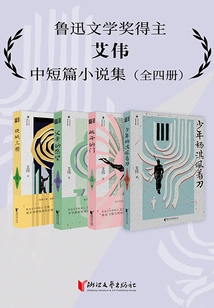
Collection of Short Stories by Ai Wei (set of 4 Volumes)
General Fiction艾伟中短篇小说集(套装4册)
Ai Wei
A collection of short stories and novellas by Ai Wei, winner of the Lu Xun Literature Prize and a powerful contemporary Chinese writer, in a set of 4 volumes. Includes "Young Yang Qi with a Knife", "The Open Door", "Father's Wish" and "Three Circles Around the City". In these novels, Ai Wei uses the perspective of "ignorance" to dismantle daily life, excavate miracles from ordinary life, write about strange people and strange things, question the seemingly correct and solid things and concepts in life, and then explore the complexity of people, and continue to dig into the hearts of characters and the spiritual world of people.
A collection of short stories and novellas by Ai Wei, winner of the Lu Xun Literature Prize and a powerful contemporary Chinese writer, in a set of 4 volumes. Includes "Young Yang Qi with a Knife", "The Open Door", "Father's Wish" and "Three Circles Around the City". In these novels, Ai Wei uses the perspective of "ignorance" to dismantle daily life, excavate miracles from ordinary life, write about strange people and strange things, question the seemingly correct and solid things and concepts in life, and then explore the complexity of people, and continue to dig into the hearts of characters and the spiritual world of people.
Open Door (Ai Wei's Works Series)
General Fiction敞开的门(艾伟作品系列)
Ai Wei
This book is a collection of short stories and short stories by Ai Wei, a powerful writer who won the Lu Xun Literature Award. It includes nine novels including "Pastoral Fairy Tales", "Crystal Ball" and "Specimen". Ai Wei's works often depict a more realistic realm of poetic childhood that is independent of the adult world. The stories contained in this collection of novels all have a surreal fantasy color, mainly narrating strange stories that take place in a different dimension.
This book is a collection of short stories and short stories by Ai Wei, a powerful writer who won the Lu Xun Literature Award. It includes nine novels including "Pastoral Fairy Tales", "Crystal Ball" and "Specimen". Ai Wei's works often depict a more realistic realm of poetic childhood that is independent of the adult world. The stories contained in this collection of novels all have a surreal fantasy color, mainly narrating strange stories that take place in a different dimension.
Father's Wish (Ai Wei's Works Series)
General Fiction父亲的愿望(艾伟作品系列)
Ai Wei
This book is a collection of short stories and short stories by Ai Wei, winner of the Lu Xun Literature Award and a powerful contemporary writer. It includes 7 novels, including "Father's Wish", "Ode to Joy" and "The Road Back to Hometown". These novels depict a group of "monsters" who are incompatible with the world. They behave abnormally and have alternative ideas. They are either forever trapped in the old time of the past world, or are lost in the black labyrinth of human nature. In these works, Ai Wei faces the huge rupture between inner and outer, spirit and reality, individual and era, writing about the hidden pain under banality, the deepest fears of people, and the glimmer of understanding and empathy. Who is the real monster in this world?
This book is a collection of short stories and short stories by Ai Wei, winner of the Lu Xun Literature Award and a powerful contemporary writer. It includes 7 novels, including "Father's Wish", "Ode to Joy" and "The Road Back to Hometown". These novels depict a group of "monsters" who are incompatible with the world. They behave abnormally and have alternative ideas. They are either forever trapped in the old time of the past world, or are lost in the black labyrinth of human nature. In these works, Ai Wei faces the huge rupture between inner and outer, spirit and reality, individual and era, writing about the hidden pain under banality, the deepest fears of people, and the glimmer of understanding and empathy. Who is the real monster in this world?
Three Circles Around the City (ai Wei's Works Series)
General Fiction绕城三圈(艾伟作品系列)
Ai Wei
"Three Circles Around the City" is a collection of short stories and short stories by Ai Wei, winner of the Lu Xun Literature Award and a powerful contemporary Chinese writer. It includes 13 novels, including "Three Circles Around the City", "Small Shop" and "Wedding Banquet". In these novels, Ai Wei uses the perspective of "ignorance" to dismantle daily life, excavate miracles from ordinary life, write about strange people and strange things, question the seemingly correct and solid things and concepts in life, and then explore the complexity of people, and continue to dig into the hearts of characters and the spiritual world of people. These works have a certain avant-garde temperament, with many attempts and explorations in writing techniques, and are closely related to the cultural situation and the conditions of the times, and Ai Wei's realist creative concept runs throughout them.
"Three Circles Around the City" is a collection of short stories and short stories by Ai Wei, winner of the Lu Xun Literature Award and a powerful contemporary Chinese writer. It includes 13 novels, including "Three Circles Around the City", "Small Shop" and "Wedding Banquet". In these novels, Ai Wei uses the perspective of "ignorance" to dismantle daily life, excavate miracles from ordinary life, write about strange people and strange things, question the seemingly correct and solid things and concepts in life, and then explore the complexity of people, and continue to dig into the hearts of characters and the spiritual world of people. These works have a certain avant-garde temperament, with many attempts and explorations in writing techniques, and are closely related to the cultural situation and the conditions of the times, and Ai Wei's realist creative concept runs throughout them.
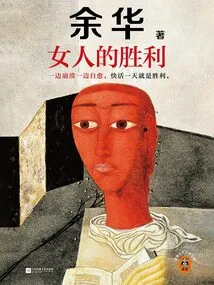
Woman's Victory
General Fiction女人的胜利
Yu Hua
An extremely rare realistic style in Yu Hua's short stories! Friendly and everyday, easy to read. Yu Hua: "This is the closest to reality among all my short stories and short stories. Life is so powerful, and it often creates joy out of sadness." Yu Hua is humorous and sharp. It keenly captures the helplessness and absurdity of life, and makes you smile with its genius humor! "He will beg you, he will even kneel down, and he will slap himself. Don't be soft-hearted. He will swear again and again. Men like to swear most. Their oaths are no different from dogs barking. Don't believe it." "The Victory of Women" This book includes "The Victory of Women" and other thirteen excellent realist short stories by Yu Hua, including "Come Out Tomorrow" which is collected and published for the first time. These novels present the helplessness and absurdity of life, and use humorous language to give us the great power to resolve the boring life.
An extremely rare realistic style in Yu Hua's short stories! Friendly and everyday, easy to read. Yu Hua: "This is the closest to reality among all my short stories and short stories. Life is so powerful, and it often creates joy out of sadness." Yu Hua is humorous and sharp. It keenly captures the helplessness and absurdity of life, and makes you smile with its genius humor! "He will beg you, he will even kneel down, and he will slap himself. Don't be soft-hearted. He will swear again and again. Men like to swear most. Their oaths are no different from dogs barking. Don't believe it." "The Victory of Women" This book includes "The Victory of Women" and other thirteen excellent realist short stories by Yu Hua, including "Come Out Tomorrow" which is collected and published for the first time. These novels present the helplessness and absurdity of life, and use humorous language to give us the great power to resolve the boring life.
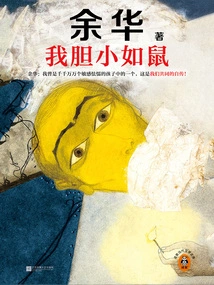
I'm as Timid as a Mouse
General Fiction我胆小如鼠
Yu Hua
Yu Hua: I was once one of thousands of sensitive and timid children. This is our common autobiography! There is an idiom called "As timid as a mouse", which tells my story. This book contains four novellas written by Yu Hua: "I'm as Cowardly as a Mouse", "Summer Typhoon", "April 3rd Incident" and "Death of a Landlord". These works contain Yu Hua's growth experience, vividly presenting the sensitivity, inferiority and cowardice that everyone may experience in adolescence, and resonate with countless young people struggling in the transitional period of life.
Yu Hua: I was once one of thousands of sensitive and timid children. This is our common autobiography! There is an idiom called "As timid as a mouse", which tells my story. This book contains four novellas written by Yu Hua: "I'm as Cowardly as a Mouse", "Summer Typhoon", "April 3rd Incident" and "Death of a Landlord". These works contain Yu Hua's growth experience, vividly presenting the sensitivity, inferiority and cowardice that everyone may experience in adolescence, and resonate with countless young people struggling in the transitional period of life.
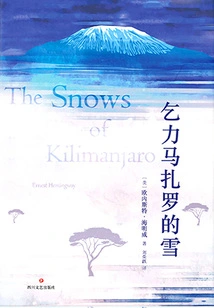
Kilimanjaro Snow
General Fiction乞力马扎罗的雪
(usa) Ernest Hemingway
This book collects twenty of the author's best short stories and short stories, including immortal chapters such as "The Snows of Kilimanjaro", "Soldier's Home" and "An African Story". These works allow readers to fully appreciate the great charm of the author's short stories and short stories, which are exciting and long-lasting to read. They have created the image of a "tough guy", and many works reflect "elegance under pressure." "People can be eliminated, but they cannot be defeated." This brave and fearless spirit runs through many works. Simple and clear dialogues, intricate plots, and intriguing stories attract readers into the author's unique literary world.
This book collects twenty of the author's best short stories and short stories, including immortal chapters such as "The Snows of Kilimanjaro", "Soldier's Home" and "An African Story". These works allow readers to fully appreciate the great charm of the author's short stories and short stories, which are exciting and long-lasting to read. They have created the image of a "tough guy", and many works reflect "elegance under pressure." "People can be eliminated, but they cannot be defeated." This brave and fearless spirit runs through many works. Simple and clear dialogues, intricate plots, and intriguing stories attract readers into the author's unique literary world.
Red Cheongsam Crossing the Sea
General Fiction渡海的红旗袍
Residual Temperature
"Immigration" is a word that is both familiar and unfamiliar to most Chinese people. I am familiar with it because in the mid-1990s, more and more people began to pay attention to, discuss, and even become immigrants. It seems that anyone can find people who have immigrated overseas in their circle of relatives and friends. Speaking of strangeness, it is because "immigration" is still something that most families cannot or do not need to touch. "Migration" has been a major event in life since ancient times and should not be done unless necessary. What exactly does "immigration" mean? Is it a replacement passport? Has it changed a lifestyle? Changed your perspective on the world? ...Is immigration nothing more than poetry and distance? At this time, I was sitting in a small study room in Vancouver, thinking about these questions repeatedly in front of a desk lamp of the same style as my home in Beijing. I have been in Vancouver for nearly 20 years. Immigrant life has given me more aspects of life experience. It has also allowed me to see too many stories of fellow immigrants living in foreign countries. I often wonder if I am living in a certain movie or drama. Those characters, events, relationships... Often make me have the urge to tell stories. Vancouver is a beautiful city. Its scenery all year round is like a star movie. If you are not in it, you cannot be touched. In addition to describing her as "beautiful", there is also a word to describe her as "sweet and greasy", so Vancouver is a city that women like. It is true that most of the immigrants living here are women, and I have been paying attention to them and admiring them over the years. Cry and laugh with them. These ladies, who were once beautiful, once brave, and are still working hard now, are a colorful picture among this crowd of immigrants.
"Immigration" is a word that is both familiar and unfamiliar to most Chinese people. I am familiar with it because in the mid-1990s, more and more people began to pay attention to, discuss, and even become immigrants. It seems that anyone can find people who have immigrated overseas in their circle of relatives and friends. Speaking of strangeness, it is because "immigration" is still something that most families cannot or do not need to touch. "Migration" has been a major event in life since ancient times and should not be done unless necessary. What exactly does "immigration" mean? Is it a replacement passport? Has it changed a lifestyle? Changed your perspective on the world? ...Is immigration nothing more than poetry and distance? At this time, I was sitting in a small study room in Vancouver, thinking about these questions repeatedly in front of a desk lamp of the same style as my home in Beijing. I have been in Vancouver for nearly 20 years. Immigrant life has given me more aspects of life experience. It has also allowed me to see too many stories of fellow immigrants living in foreign countries. I often wonder if I am living in a certain movie or drama. Those characters, events, relationships... Often make me have the urge to tell stories. Vancouver is a beautiful city. Its scenery all year round is like a star movie. If you are not in it, you cannot be touched. In addition to describing her as "beautiful", there is also a word to describe her as "sweet and greasy", so Vancouver is a city that women like. It is true that most of the immigrants living here are women, and I have been paying attention to them and admiring them over the years. Cry and laugh with them. These ladies, who were once beautiful, once brave, and are still working hard now, are a colorful picture among this crowd of immigrants.
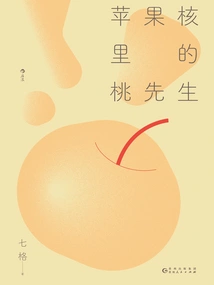
Mr. Peach in the Apple Core
General Fiction苹果核里的桃先生
Seven Grids
"Mr. Peach in the Apple Core" contains five novels, commemorating the great modern mathematical logicians Montagu, Kripke, Cantor, Hilbert and Turing respectively. The Mongolian army besieged Samarkand, the Song and Mongols jointly attacked Caizhou, the Fanti people robbed the Ashanti people, the poems that can defeat the enemy, the special power of telekinesis, and the cloud ladder shrine where the golden stool is stored. All kinds of history and imagination are wonderfully combined in the novel, creating these five novels with full stories and high spirits.
"Mr. Peach in the Apple Core" contains five novels, commemorating the great modern mathematical logicians Montagu, Kripke, Cantor, Hilbert and Turing respectively. The Mongolian army besieged Samarkand, the Song and Mongols jointly attacked Caizhou, the Fanti people robbed the Ashanti people, the poems that can defeat the enemy, the special power of telekinesis, and the cloud ladder shrine where the golden stool is stored. All kinds of history and imagination are wonderfully combined in the novel, creating these five novels with full stories and high spirits.
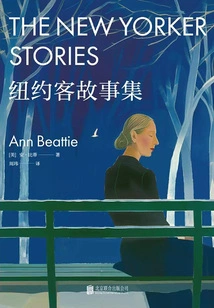
New Yorker Stories
General Fiction纽约客故事集
(us)ann Beatty
In their twenties, they insist on traveling around the country on motorcycles because they can feel the changes in the air; in their thirties and forties, they strive for alone time every Tuesday night, away from their husbands, children, and trivial matters; in their fifties and sixties, they call their daughters far away, only to find that they have stopped talking... In the 32 years from 1974 to 2006, The New Yorker published 48 short stories by Ann Beatty. The characters in her works, like her, have gone from youth to middle age. What has changed is their appearance and personnel, but what remains unchanged is the confusion and hesitation that runs through life, as well as those small but profound warmth.
In their twenties, they insist on traveling around the country on motorcycles because they can feel the changes in the air; in their thirties and forties, they strive for alone time every Tuesday night, away from their husbands, children, and trivial matters; in their fifties and sixties, they call their daughters far away, only to find that they have stopped talking... In the 32 years from 1974 to 2006, The New Yorker published 48 short stories by Ann Beatty. The characters in her works, like her, have gone from youth to middle age. What has changed is their appearance and personnel, but what remains unchanged is the confusion and hesitation that runs through life, as well as those small but profound warmth.
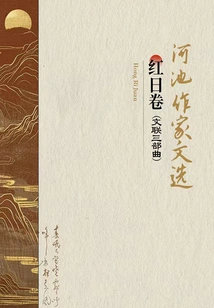
Selected Works of Hechi Writers: Red Sun Scroll (trilogy of Literary and Art Circles)
General Fiction河池作家文选:红日卷(文联三部曲)
Red Sun
"Agree for Reimbursement" takes the work of the Federation of Literary and Art Circles as a clue and reflects a broad aspect of social life. "Scrap" is about changing cars, "Reimbursement" is about repaying debts, and "Reporting" is about road construction. These three things may not exist in other places, other departments and units, or even other individuals, or It is said to be "a piece of cake", but it is an easy matter to solve. However, in a "prostate" department such as the Federation of Literary and Art Circles, which is extremely strapped for funds, and a remote and impoverished mountain village like Longgu Village, the matter is of great importance, related to the survival of livelihood, and the will of the people, and solving it is even more difficult than climbing to the sky...
"Agree for Reimbursement" takes the work of the Federation of Literary and Art Circles as a clue and reflects a broad aspect of social life. "Scrap" is about changing cars, "Reimbursement" is about repaying debts, and "Reporting" is about road construction. These three things may not exist in other places, other departments and units, or even other individuals, or It is said to be "a piece of cake", but it is an easy matter to solve. However, in a "prostate" department such as the Federation of Literary and Art Circles, which is extremely strapped for funds, and a remote and impoverished mountain village like Longgu Village, the matter is of great importance, related to the survival of livelihood, and the will of the people, and solving it is even more difficult than climbing to the sky...
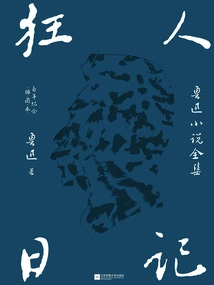
Diary of a Madman: Complete Novels by Lu Xun
General Fiction狂人日记:鲁迅小说全集
Lu Xun
In order to commemorate the 100th anniversary of the publication of Lu Xun's novel "Blessing", authorized by the Lu Xun Museum in Beijing, this time the "My Silence is Deafening" illustrated series of selected works of Lu Xun (including novels, essays, essays, and biographies) is released, which for the first time includes Lu Xun's collection of woodcut prints, Lu Xun photos and other precious images. "Diary of a Madman: The Complete Novels of Lu Xun" is an illustrated novel in the "My Silence is Deafening" series of selected works of Lu Xun. It completely collects all Lu Xun's novels, including the novel collections "The Scream" (1923), "Wandering" (1926), "New Stories" (1936), and "Nostalgia" published in 1913, a total of 34 articles. In the appendix is a copy of Lu Xun's chronicle written by Xu Shouchang. The selected novels in this book were edited by referring to the 1936 edition of "The Complete Works of Lu Xun" (first edition) and the November 2005 edition of "The Complete Works of Lu Xun" published by People's Literature Publishing House. In order to retain the essence of the original work to the greatest extent, the Tongjia characters and Lu Xun's customary characters throughout the book are still completely retained. Other foreign names, place names, etc. Also retain their original translations without modification. At the same time, in order to facilitate reading, necessary annotations are made on the names of people, places, works, important events, etc. In the book.
In order to commemorate the 100th anniversary of the publication of Lu Xun's novel "Blessing", authorized by the Lu Xun Museum in Beijing, this time the "My Silence is Deafening" illustrated series of selected works of Lu Xun (including novels, essays, essays, and biographies) is released, which for the first time includes Lu Xun's collection of woodcut prints, Lu Xun photos and other precious images. "Diary of a Madman: The Complete Novels of Lu Xun" is an illustrated novel in the "My Silence is Deafening" series of selected works of Lu Xun. It completely collects all Lu Xun's novels, including the novel collections "The Scream" (1923), "Wandering" (1926), "New Stories" (1936), and "Nostalgia" published in 1913, a total of 34 articles. In the appendix is a copy of Lu Xun's chronicle written by Xu Shouchang. The selected novels in this book were edited by referring to the 1936 edition of "The Complete Works of Lu Xun" (first edition) and the November 2005 edition of "The Complete Works of Lu Xun" published by People's Literature Publishing House. In order to retain the essence of the original work to the greatest extent, the Tongjia characters and Lu Xun's customary characters throughout the book are still completely retained. Other foreign names, place names, etc. Also retain their original translations without modification. At the same time, in order to facilitate reading, necessary annotations are made on the names of people, places, works, important events, etc. In the book.
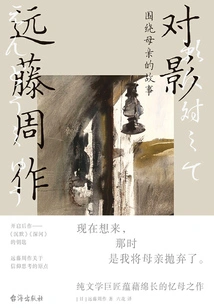
Opposite Shadows: Stories About Mothers
General Fiction对影:围绕母亲的故事
(japan) Shusaku Endo
In my father's eyes, my mother is stubborn and unwilling to live a stable life. In the eyes of my uncle, my mother had lowered her stature and had to leave home to study while working as a maid. Former classmates ridiculed her for being too tight, and her students bluntly said that no one could stand this teacher. Only he could remember his mother playing the violin and her expression when she strummed her rosary beads and prayed. This book collects seven novels written by Shusaku Endo in memory of his deceased mother, including unpublished works discovered in 2020. "Mother" is Endo's first gateway to thinking about faith. He plunged his pen into the gloomy and cold Dalian, the swaying sun in Tokyo, and the dark and foggy Kyushu. With grief and longing, he salvaged and pieced together a shadow of the overlap of reality and fiction - the image of a mother who was disciplined by society and bound by her family, but still broke through the shackles to implement the artist's personality and adhered to her faith in the gaps.
In my father's eyes, my mother is stubborn and unwilling to live a stable life. In the eyes of my uncle, my mother had lowered her stature and had to leave home to study while working as a maid. Former classmates ridiculed her for being too tight, and her students bluntly said that no one could stand this teacher. Only he could remember his mother playing the violin and her expression when she strummed her rosary beads and prayed. This book collects seven novels written by Shusaku Endo in memory of his deceased mother, including unpublished works discovered in 2020. "Mother" is Endo's first gateway to thinking about faith. He plunged his pen into the gloomy and cold Dalian, the swaying sun in Tokyo, and the dark and foggy Kyushu. With grief and longing, he salvaged and pieced together a shadow of the overlap of reality and fiction - the image of a mother who was disciplined by society and bound by her family, but still broke through the shackles to implement the artist's personality and adhered to her faith in the gaps.
“中国现代文学与韩国”文献补编(全2册)
Li Cunguang (korean) Edited By Kim Jae-wook
This book includes newly discovered translations of novels, poems, essays, and dramas that express Koreans and Koreans in the modern period of China after 2015, as well as reviews of relevant translations of this period. The collection of old-style poems, classical Chinese novels, and chapter novels are disclosed for the first time after punctuation checks. This batch of newly unearthed documents makes up for some shortcomings and gaps in the ten-volume "Modern Chinese Literature and Korea" Material Series published in 2014. From it, we can see that there are more authors, richer content, more impressive aspects and more diverse artistic expressions of literary works on this theme in modern Chinese literature.
This book includes newly discovered translations of novels, poems, essays, and dramas that express Koreans and Koreans in the modern period of China after 2015, as well as reviews of relevant translations of this period. The collection of old-style poems, classical Chinese novels, and chapter novels are disclosed for the first time after punctuation checks. This batch of newly unearthed documents makes up for some shortcomings and gaps in the ten-volume "Modern Chinese Literature and Korea" Material Series published in 2014. From it, we can see that there are more authors, richer content, more impressive aspects and more diverse artistic expressions of literary works on this theme in modern Chinese literature.
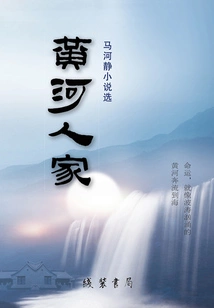
The Yellow River Family: Selected Novels by Ma Hejing
General Fiction黄河人家:马河静小说选
Ma Hejing
A collection of Ma Hejing's short stories, the works cover a wide time span - from the war years to the present; the themes are diverse, and the most prominent feature is that it pays attention to the fate of ordinary people living at the bottom. On the one hand, it writes about the difficulties of their lives; on the other hand, it also writes about their self-improvement. Reading it gives people more motivation to move forward.
A collection of Ma Hejing's short stories, the works cover a wide time span - from the war years to the present; the themes are diverse, and the most prominent feature is that it pays attention to the fate of ordinary people living at the bottom. On the one hand, it writes about the difficulties of their lives; on the other hand, it also writes about their self-improvement. Reading it gives people more motivation to move forward.
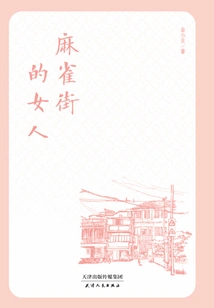
The Woman of Sparrow Street
General Fiction麻雀街的女人
Jin Xiaobei
This book is a collection of short stories that depict the various life styles and emotional entanglements of low-level people. The author's language is simple, his writing style is fresh, sensitive and intelligent, and every story is written very vividly. The story contains the joys and sorrows and struggles of small people, as well as the narrow-mindedness and cunning of ordinary people; there is the love and heartbeat of ordinary people, as well as the helpless fate and sense of powerlessness. Although they live at the bottom, they still have weaknesses and shining points in human nature. There is no falsehood in the author's narrative, and she has no intention to avoid the mediocrity of life. She has no intention to please readers with illusory and sweet candies. Instead, she uses a very gentle tone to complete her understanding of fireworks life and her care for the people at the bottom.
This book is a collection of short stories that depict the various life styles and emotional entanglements of low-level people. The author's language is simple, his writing style is fresh, sensitive and intelligent, and every story is written very vividly. The story contains the joys and sorrows and struggles of small people, as well as the narrow-mindedness and cunning of ordinary people; there is the love and heartbeat of ordinary people, as well as the helpless fate and sense of powerlessness. Although they live at the bottom, they still have weaknesses and shining points in human nature. There is no falsehood in the author's narrative, and she has no intention to avoid the mediocrity of life. She has no intention to please readers with illusory and sweet candies. Instead, she uses a very gentle tone to complete her understanding of fireworks life and her care for the people at the bottom.
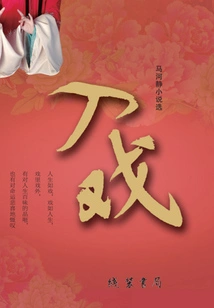
Entering the Play: Selected Novels by Ma Hejing
General Fiction入戏:马河静小说选
Ma Hejing
Ma Hejing's collection of short stories contains nearly a hundred short stories, among which "Enter the Play" is particularly wonderful. Life is like a play, and play is like life. In and out of the play, there is a taste of the various flavors of life, and there are also laments about the joys and sorrows of fate.
Ma Hejing's collection of short stories contains nearly a hundred short stories, among which "Enter the Play" is particularly wonderful. Life is like a play, and play is like life. In and out of the play, there is a taste of the various flavors of life, and there are also laments about the joys and sorrows of fate.
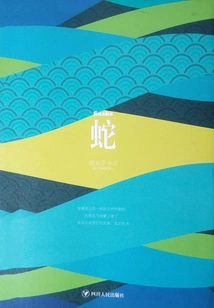
Snake
General Fiction蛇
Hu Daping
This book is a collection of novels by Hu Daping. Hu Daping published "Hot and Spooky Noon" in 2015. He has certain writing ability and has always paid attention to and reflected on reality. Articles such as "Stone Monkey in Heaven", "A Prince at Home" and "Dian Wan Mu Paint" focus on small people who work in cities, care about whether small people can be treated fairly in the big society, care about students who are tempted by online games and parents who are suffering but powerless because of this, which is remarkable.
This book is a collection of novels by Hu Daping. Hu Daping published "Hot and Spooky Noon" in 2015. He has certain writing ability and has always paid attention to and reflected on reality. Articles such as "Stone Monkey in Heaven", "A Prince at Home" and "Dian Wan Mu Paint" focus on small people who work in cities, care about whether small people can be treated fairly in the big society, care about students who are tempted by online games and parents who are suffering but powerless because of this, which is remarkable.
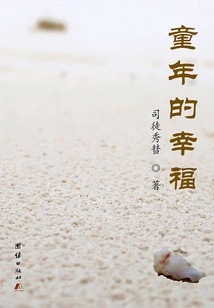
Childhood Happiness
General Fiction童年的幸福
Situ Xiuhui
This book collects the author's works created over the years. The book contains both short novels and short stories; simple and elegant manuscripts, as well as national grade-award-winning masterpieces, masterpieces selected for the album of the Guizhou-Taiwan Cup·Second World Chinese Micro-Novel Grand Prix, and even shining masterpieces that have been included in college Chinese mock examination papers. The book has a wide range of topics and rich content. There are scenes describing the past years, which are vivid and heartwarming to read; there are also new scrolls praising the style of the hometown and the good words and deeds of the people, which are admirable and yearning to read; there are also wonderful articles that express feelings and promote the positive energy of society, which inspire people and leave an indelible echo. In short, this is a highly readable, full-scenario collection that appeals to both refined and popular tastes.
This book collects the author's works created over the years. The book contains both short novels and short stories; simple and elegant manuscripts, as well as national grade-award-winning masterpieces, masterpieces selected for the album of the Guizhou-Taiwan Cup·Second World Chinese Micro-Novel Grand Prix, and even shining masterpieces that have been included in college Chinese mock examination papers. The book has a wide range of topics and rich content. There are scenes describing the past years, which are vivid and heartwarming to read; there are also new scrolls praising the style of the hometown and the good words and deeds of the people, which are admirable and yearning to read; there are also wonderful articles that express feelings and promote the positive energy of society, which inspire people and leave an indelible echo. In short, this is a highly readable, full-scenario collection that appeals to both refined and popular tastes.
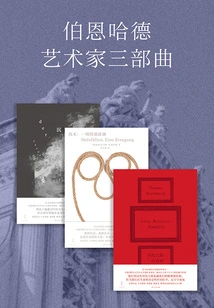
Bernhard Artist Trilogy
General Fiction伯恩哈德艺术家三部曲
H
Paying attention to life and social reality in a critical way, revealing absurdities and paradoxes that are different from Kafka; Thomas Bernhard's classic novels are the winners of the Lille Patzer Award, the Austrian National Literature Award, the Büchner Award, the Free Hanseatic City Bremen Literary Award, the Julius Kamppe Award, the Anton Wildgans Award, the Franz Theodor Chokol Literary Award, the Federal Chamber of Commerce Literary Award, and the Cultural Committee Literary Award of the Federal Association of German Industry. "Masters of the Past": We fill our spiritual safe with these past masters, but when we open it at the decisive moment of life, it is empty. "Logging: An Emotional Wave": My life, my existence, is all acting, always performed for people to see, and never my real life. "The Sinker": In theory he can deal with all the unpleasantness in life, but in reality he has never been able to do so.
Paying attention to life and social reality in a critical way, revealing absurdities and paradoxes that are different from Kafka; Thomas Bernhard's classic novels are the winners of the Lille Patzer Award, the Austrian National Literature Award, the Büchner Award, the Free Hanseatic City Bremen Literary Award, the Julius Kamppe Award, the Anton Wildgans Award, the Franz Theodor Chokol Literary Award, the Federal Chamber of Commerce Literary Award, and the Cultural Committee Literary Award of the Federal Association of German Industry. "Masters of the Past": We fill our spiritual safe with these past masters, but when we open it at the decisive moment of life, it is empty. "Logging: An Emotional Wave": My life, my existence, is all acting, always performed for people to see, and never my real life. "The Sinker": In theory he can deal with all the unpleasantness in life, but in reality he has never been able to do so.

Afternoon at the Foreign Fruit Shop
General Fiction洋果子店的午后
L
This book is a collection of short stories published by the famous contemporary Japanese writer Ogawa Yoko in 1998. Although it is the author's early work, the author's characteristics - a world setting full of fantasy, a plot intertwined with reality and fiction, and a delicate and restrained psychological description - have matured in this work. The book consists of eleven short stories, with the themes of "death" and "mourning", and the stage background is set in a fictional town with a clock tower. The stories are independent of each other, but they are also implicitly connected and scattered with foreshadowing, vaguely forming a circular structure that echoes from beginning to end. Some characters appear interspersed in each chapter. For example, the passerby in the first chapter is the protagonist of the second chapter, and the second chapter has details related to the third chapter... Weird interweaving, evil collision, and the fate of desperate people are gathered in a poignant web woven by ominousness and darkness.
This book is a collection of short stories published by the famous contemporary Japanese writer Ogawa Yoko in 1998. Although it is the author's early work, the author's characteristics - a world setting full of fantasy, a plot intertwined with reality and fiction, and a delicate and restrained psychological description - have matured in this work. The book consists of eleven short stories, with the themes of "death" and "mourning", and the stage background is set in a fictional town with a clock tower. The stories are independent of each other, but they are also implicitly connected and scattered with foreshadowing, vaguely forming a circular structure that echoes from beginning to end. Some characters appear interspersed in each chapter. For example, the passerby in the first chapter is the protagonist of the second chapter, and the second chapter has details related to the third chapter... Weird interweaving, evil collision, and the fate of desperate people are gathered in a poignant web woven by ominousness and darkness.
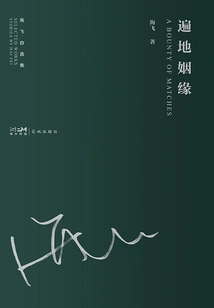
Marriage Everywhere (hai Fei's Self-selected Collection)
General Fiction遍地姻缘(海飞自选集)
Haifei
"Hai Fei's Self-Selected Works" is a self-selected collection of pure literary works by Hai Fei, the famous screenwriter and winner of the People's Literature Award, over the years. There are four books according to the theme. The first book, "The Past", tells a story set in the Republic of China; the second book, "Laozi's Land", is mainly about realistic themes. It is the life of ordinary people today; the third book "Zhao Bang and Horse Together" is a series of short stories with Zhao Bang as the protagonist, and the content is more exaggerated and humorous; the fourth book "Marriage Everywhere" tells various stories that happened in a fictional Jiangnan town called "Danguifang". Most of the chapters selected in the self-selected collection have been published in newspapers and periodicals, from which we can see Hai Fei's creative experience and rich creative themes over the years.
"Hai Fei's Self-Selected Works" is a self-selected collection of pure literary works by Hai Fei, the famous screenwriter and winner of the People's Literature Award, over the years. There are four books according to the theme. The first book, "The Past", tells a story set in the Republic of China; the second book, "Laozi's Land", is mainly about realistic themes. It is the life of ordinary people today; the third book "Zhao Bang and Horse Together" is a series of short stories with Zhao Bang as the protagonist, and the content is more exaggerated and humorous; the fourth book "Marriage Everywhere" tells various stories that happened in a fictional Jiangnan town called "Danguifang". Most of the chapters selected in the self-selected collection have been published in newspapers and periodicals, from which we can see Hai Fei's creative experience and rich creative themes over the years.
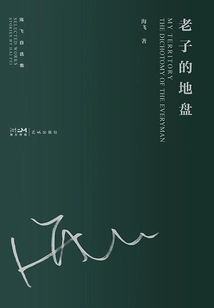
Lao Tzu's Territory (hai Fei's Self-selected Collection)
General Fiction老子的地盘(海飞自选集)
Haifei
"Hai Fei's Self-Selected Works" is a self-selected collection of pure literary works by Hai Fei, the famous screenwriter and winner of the People's Literature Award, over the years. There are four books according to the theme. The first book, "The Past", tells a story set in the Republic of China; the second book, "Laozi's Land", is mainly about realistic themes. It is the life of ordinary people today; the third book "Zhao Bang and Horse Together" is a series of short stories with Zhao Bang as the protagonist, and the content is more exaggerated and humorous; the fourth book "Marriage Everywhere" tells various stories that happened in a fictional Jiangnan town called "Danguifang". Most of the chapters selected in the self-selected collection have been published in newspapers and periodicals, from which we can see Hai Fei's creative experience and rich creative themes over the years.
"Hai Fei's Self-Selected Works" is a self-selected collection of pure literary works by Hai Fei, the famous screenwriter and winner of the People's Literature Award, over the years. There are four books according to the theme. The first book, "The Past", tells a story set in the Republic of China; the second book, "Laozi's Land", is mainly about realistic themes. It is the life of ordinary people today; the third book "Zhao Bang and Horse Together" is a series of short stories with Zhao Bang as the protagonist, and the content is more exaggerated and humorous; the fourth book "Marriage Everywhere" tells various stories that happened in a fictional Jiangnan town called "Danguifang". Most of the chapters selected in the self-selected collection have been published in newspapers and periodicals, from which we can see Hai Fei's creative experience and rich creative themes over the years.
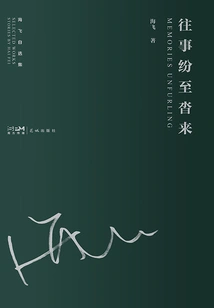
往事纷至沓来(海飞自选集)
Haifei
"Hai Fei's Self-Selected Works" is a self-selected collection of pure literary works by Hai Fei, the famous screenwriter and winner of the People's Literature Award, over the years. There are four books according to the theme. The first book, "The Past", tells a story set in the Republic of China; the second book, "Laozi's Land", is mainly about realistic themes. It is the life of ordinary people today; the third book "Zhao Bang and Horse Together" is a series of short stories with Zhao Bang as the protagonist, and the content is more exaggerated and humorous; the fourth book "Marriage Everywhere" tells various stories that happened in a fictional Jiangnan town called "Danguifang". Most of the chapters selected in the self-selected collection have been published in newspapers and periodicals, from which we can see Hai Fei's creative experience and rich creative themes over the years.
"Hai Fei's Self-Selected Works" is a self-selected collection of pure literary works by Hai Fei, the famous screenwriter and winner of the People's Literature Award, over the years. There are four books according to the theme. The first book, "The Past", tells a story set in the Republic of China; the second book, "Laozi's Land", is mainly about realistic themes. It is the life of ordinary people today; the third book "Zhao Bang and Horse Together" is a series of short stories with Zhao Bang as the protagonist, and the content is more exaggerated and humorous; the fourth book "Marriage Everywhere" tells various stories that happened in a fictional Jiangnan town called "Danguifang". Most of the chapters selected in the self-selected collection have been published in newspapers and periodicals, from which we can see Hai Fei's creative experience and rich creative themes over the years.
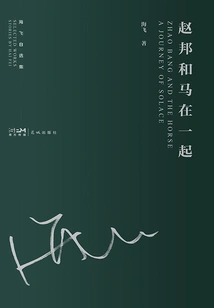
赵邦和马在一起(海飞自选集)
Haifei
"Hai Fei's Self-Selected Works" is a self-selected collection of pure literary works by Hai Fei, the famous screenwriter and winner of the People's Literature Award, over the years. There are four books according to the theme. The first book, "The Past", tells a story set in the Republic of China; the second book, "Laozi's Land", is mainly about realistic themes. It is the life of ordinary people today; the third book "Zhao Bang and Horse Together" is a series of short stories with Zhao Bang as the protagonist, and the content is more exaggerated and humorous; the fourth book "Marriage Everywhere" tells various stories that happened in a fictional Jiangnan town called "Danguifang". Most of the chapters selected in the self-selected collection have been published in newspapers and periodicals, from which we can see Hai Fei's creative experience and rich creative themes over the years.
"Hai Fei's Self-Selected Works" is a self-selected collection of pure literary works by Hai Fei, the famous screenwriter and winner of the People's Literature Award, over the years. There are four books according to the theme. The first book, "The Past", tells a story set in the Republic of China; the second book, "Laozi's Land", is mainly about realistic themes. It is the life of ordinary people today; the third book "Zhao Bang and Horse Together" is a series of short stories with Zhao Bang as the protagonist, and the content is more exaggerated and humorous; the fourth book "Marriage Everywhere" tells various stories that happened in a fictional Jiangnan town called "Danguifang". Most of the chapters selected in the self-selected collection have been published in newspapers and periodicals, from which we can see Hai Fei's creative experience and rich creative themes over the years.
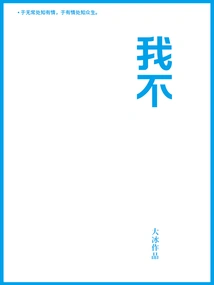
I Don't
General Fiction我不
Big Ice
Good intentions can dissipate violence, good intentions can bring luck, good intentions can bring karma to another life, and good intentions can turn things around. Kindness can help people capture and build a unique sense of happiness. "I don't" is a kind of calmness, a kind of resignation, and a kind of introspection. Every story in the book can be called "I don't": the bookstore owner who sticks to Tibet for ten years and contributes to the basic education of Tibetans; the Northeast prodigal who is free and easy in both good and evil, spending his family wealth to help disaster areas, and traveling around the world with his seriously ill mother. ; The dull and taciturn street singer who never abandons his terminally ill girlfriend; the immortal veteran who cares about his comrades who died in battle 31 years ago and refuses to live in secret, risking his life and death for the safety of the ancient city... Every sentient being in the book is saying to fate: I don't! I risk my life and refuse to accept my fate. My fate is up to me and I can't help it. Disobedient, unwilling, unafraid, unruly, unyielding, unremitting, unyielding, neither broken nor established, neither humble nor arrogant... They are different because they are not. Even extraordinary. They in "I Don't" really exist in this world, and their stories are also their real lives. They learned to be calm in the face of impermanence, and experienced misfortune in their calmness, so the story became touching - mortals unlocked divinity. However, none of the touching stories happening today happened for the first time. The stories written by Da Bing may be the past events in your heart, and the people in the stories may be you. Therefore, maybe this book is a lonely journey of finding yourself for you, and it is also a wonderful process of discovering similar people: I hope you and I will always face the world with kindness, and even face ourselves with kindness. May your knowledge and actions be united, and may you have peace of mind. I hope this "I don't" can help you cross the river.
Good intentions can dissipate violence, good intentions can bring luck, good intentions can bring karma to another life, and good intentions can turn things around. Kindness can help people capture and build a unique sense of happiness. "I don't" is a kind of calmness, a kind of resignation, and a kind of introspection. Every story in the book can be called "I don't": the bookstore owner who sticks to Tibet for ten years and contributes to the basic education of Tibetans; the Northeast prodigal who is free and easy in both good and evil, spending his family wealth to help disaster areas, and traveling around the world with his seriously ill mother. ; The dull and taciturn street singer who never abandons his terminally ill girlfriend; the immortal veteran who cares about his comrades who died in battle 31 years ago and refuses to live in secret, risking his life and death for the safety of the ancient city... Every sentient being in the book is saying to fate: I don't! I risk my life and refuse to accept my fate. My fate is up to me and I can't help it. Disobedient, unwilling, unafraid, unruly, unyielding, unremitting, unyielding, neither broken nor established, neither humble nor arrogant... They are different because they are not. Even extraordinary. They in "I Don't" really exist in this world, and their stories are also their real lives. They learned to be calm in the face of impermanence, and experienced misfortune in their calmness, so the story became touching - mortals unlocked divinity. However, none of the touching stories happening today happened for the first time. The stories written by Da Bing may be the past events in your heart, and the people in the stories may be you. Therefore, maybe this book is a lonely journey of finding yourself for you, and it is also a wonderful process of discovering similar people: I hope you and I will always face the world with kindness, and even face ourselves with kindness. May your knowledge and actions be united, and may you have peace of mind. I hope this "I don't" can help you cross the river.
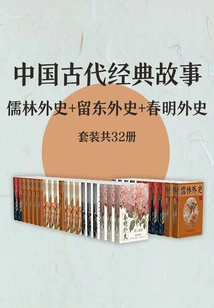
中国古代经典故事:儒林外史+留东外史+春明外史(套装共32册)
Wu Jingzi Pingjiang Buxiaosheng Zhang Henshui
This set of books includes "The Scholars", "The Foreign History of Liudong" and "The Foreign History of Chunming", a total of 32 volumes. "The Scholars" is a novel with intellectuals as the main description object, and it is also a typical satirical novel. It describes some images of Confucian scholars who were deeply poisoned by the eight-part imperial examination system, reflecting the corruption of the secular atmosphere at that time. On the one hand, it truly reveals the process and reasons for the corruption of human nature, thereby deeply criticizing and ridiculing the corruption of officialdom at that time, the shortcomings of imperial examinations, and the hypocrisy of ethics; on the other hand, it passionately praises the protection of human nature by a few characters by insisting on themselves, thus embodying the author's ideals. "History of Foreign Affairs in the East" has a total of 160 chapters, divided into 90 main chapters and 70 sequels. Single volumes were published one after another from 1916 to 1922. The author signed "Pingjiang Buxiao Sheng", that is, Xiang Kairan, a native of Pingjiang, Hunan. This book describes the life and experiences of two international students in Japan, and it once caused a sensation. "Chunming Foreign History" takes the love story of newspaper reporter Yang Xingyuan, prostitute Liyun, and female poet Li Dongqing as the running thread. It has a grand background and a calm narrative. "Chunming Foreign History" is a picture of Beijing customs in the 1920s. It can be called a classic and still has immortal artistic charm when read today.
This set of books includes "The Scholars", "The Foreign History of Liudong" and "The Foreign History of Chunming", a total of 32 volumes. "The Scholars" is a novel with intellectuals as the main description object, and it is also a typical satirical novel. It describes some images of Confucian scholars who were deeply poisoned by the eight-part imperial examination system, reflecting the corruption of the secular atmosphere at that time. On the one hand, it truly reveals the process and reasons for the corruption of human nature, thereby deeply criticizing and ridiculing the corruption of officialdom at that time, the shortcomings of imperial examinations, and the hypocrisy of ethics; on the other hand, it passionately praises the protection of human nature by a few characters by insisting on themselves, thus embodying the author's ideals. "History of Foreign Affairs in the East" has a total of 160 chapters, divided into 90 main chapters and 70 sequels. Single volumes were published one after another from 1916 to 1922. The author signed "Pingjiang Buxiao Sheng", that is, Xiang Kairan, a native of Pingjiang, Hunan. This book describes the life and experiences of two international students in Japan, and it once caused a sensation. "Chunming Foreign History" takes the love story of newspaper reporter Yang Xingyuan, prostitute Liyun, and female poet Li Dongqing as the running thread. It has a grand background and a calm narrative. "Chunming Foreign History" is a picture of Beijing customs in the 1920s. It can be called a classic and still has immortal artistic charm when read today.
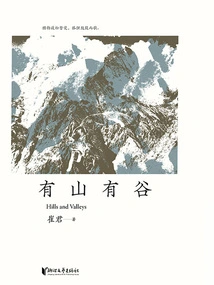
There Are Mountains and Valleys
General Fiction有山有谷
Cui Jun
"There Are Mountains and Valleys" is a collection of short stories and short stories written by young writer Cui Jun, including 7 works. The collection of novels focuses on human relationships, especially the intimate relationships between father and daughter, mother and son, husband and wife, lovers, and best friends. It uses solid life details to structure the story and explores the subtle tensions in it. The world of Cui Jun's novels is sometimes tense and sometimes relaxed. He describes how the characters are bruised and longing in their struggle with life, expressing his overall observation and thinking about the life and conceptual changes in contemporary Chinese cities (towns).
"There Are Mountains and Valleys" is a collection of short stories and short stories written by young writer Cui Jun, including 7 works. The collection of novels focuses on human relationships, especially the intimate relationships between father and daughter, mother and son, husband and wife, lovers, and best friends. It uses solid life details to structure the story and explores the subtle tensions in it. The world of Cui Jun's novels is sometimes tense and sometimes relaxed. He describes how the characters are bruised and longing in their struggle with life, expressing his overall observation and thinking about the life and conceptual changes in contemporary Chinese cities (towns).
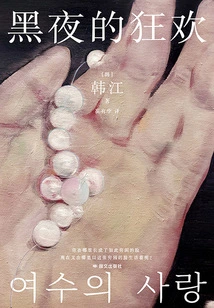
Carnival of the Night
General Fiction黑夜的狂欢
H
As night falls, darkness is like a soul with disheveled hair, soaking the black mountains, mixing with the black rivers, and sinking into the vast surface. The once hot and noisy city under the sun, the city boiling with countless battles, conspiracies and encounters, now lays out long and lazy bodies in the cool darkness of a sarcophagus. The lights at night looked like cheap gems buried together in the tomb. On such nights, the characters in Han Jiang's works leave, abandon, wander, and fall, missing things that are not available in this world on the verge of death.
As night falls, darkness is like a soul with disheveled hair, soaking the black mountains, mixing with the black rivers, and sinking into the vast surface. The once hot and noisy city under the sun, the city boiling with countless battles, conspiracies and encounters, now lays out long and lazy bodies in the cool darkness of a sarcophagus. The lights at night looked like cheap gems buried together in the tomb. On such nights, the characters in Han Jiang's works leave, abandon, wander, and fall, missing things that are not available in this world on the verge of death.
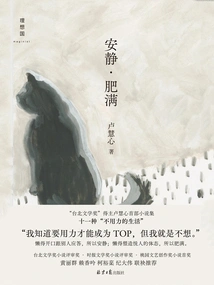
Quiet and Plump
General Fiction安静·肥满
Lu Huixin
"Quiet and Fat" is the first novel collection of writer Lu Huixin, which includes 11 short stories. A gentle and sharp pen writes about the love and desire of workers, the dotted life experience of wanderers, and the self-abandonment and self-salvation of obese people. But the most important thing is "all kinds of natural and man-made disasters that only women will encounter." With a seemingly ordinary tone, forbearing and forced emotions, and accurate and delicate turns, the adolescent, post-adolescent, and middle-aged women who are easily classified as "losers" are thoughtfully picked up by the author and left to dry in the sun. Ordinary people one after another are trapped in a helpless body and an era that cannot be shaken. Urban men and women who were ruined by relationships or families, lonely young girls who participated in social gatherings, truck workers, sons of scavengers, bombing survivors, and even vagabonds, whether they are widowed, lonely, fat, or melancholic, they all belong. These people may be far away from a happy life, but the author feels spiritually connected with them, so he uses the novel to collect the rare light emitted by those extra people and extra things.
"Quiet and Fat" is the first novel collection of writer Lu Huixin, which includes 11 short stories. A gentle and sharp pen writes about the love and desire of workers, the dotted life experience of wanderers, and the self-abandonment and self-salvation of obese people. But the most important thing is "all kinds of natural and man-made disasters that only women will encounter." With a seemingly ordinary tone, forbearing and forced emotions, and accurate and delicate turns, the adolescent, post-adolescent, and middle-aged women who are easily classified as "losers" are thoughtfully picked up by the author and left to dry in the sun. Ordinary people one after another are trapped in a helpless body and an era that cannot be shaken. Urban men and women who were ruined by relationships or families, lonely young girls who participated in social gatherings, truck workers, sons of scavengers, bombing survivors, and even vagabonds, whether they are widowed, lonely, fat, or melancholic, they all belong. These people may be far away from a happy life, but the author feels spiritually connected with them, so he uses the novel to collect the rare light emitted by those extra people and extra things.
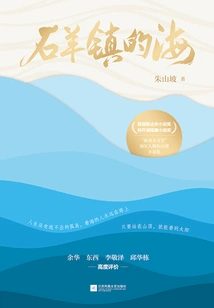
The Sea in Shiyang Town
General Fiction石羊镇的海
Zhushanshan Mountain
"The Sea in Shiyang Town" selects 11 of Zhu Shanpo's most representative short stories. The starting point of Zhu Shanshan's writing is the times and human nature. There are two main periods in his writings. One is the extremely poor historical period before liberation and the early period of liberation. There was a lot of waste and people's knowledge had certain limitations. He depicts the greed and hardship, pain and hardship of human nature in an environment of extreme poverty and hardship. He cruelly cuts through the dark side, but is still full of the light of humanity, showing the friendliness, simplicity and mutual help of people in difficult circumstances. The second is from the period of reform and opening up to modern times. He placed the characters in the background of the era. He did not criticize human nature alone, but combined it with the dilemma of the era to systematically reveal the overall problems of the era, highlight personal choices, and seek light in the subtleties of human nature.
"The Sea in Shiyang Town" selects 11 of Zhu Shanpo's most representative short stories. The starting point of Zhu Shanshan's writing is the times and human nature. There are two main periods in his writings. One is the extremely poor historical period before liberation and the early period of liberation. There was a lot of waste and people's knowledge had certain limitations. He depicts the greed and hardship, pain and hardship of human nature in an environment of extreme poverty and hardship. He cruelly cuts through the dark side, but is still full of the light of humanity, showing the friendliness, simplicity and mutual help of people in difficult circumstances. The second is from the period of reform and opening up to modern times. He placed the characters in the background of the era. He did not criticize human nature alone, but combined it with the dilemma of the era to systematically reveal the overall problems of the era, highlight personal choices, and seek light in the subtleties of human nature.
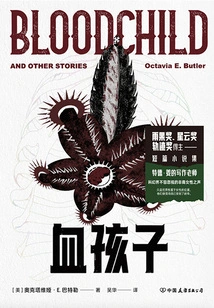
Blood Child
General Fiction血孩子
(us) Octavia E. Butler
Science fiction × suspense × horror. Seven grotesque, bloody, ferocious and curious visions of the future, a feast for the senses that involves peeling off skin, sucking bones, and disemboweling the body. There are women who control everything and are dominated by desire, and there are men who sacrifice their bodies for love and are willing to become the other. Gender reversal, apocalyptic plague, alien invasion, pheromone control... Many science fiction settings like thought experiments reflect the real situation of marginalized people through flipping and deformation. When human beings lose control of their bodies, and when the language system that is regarded as a symbol of civilization completely collapses, is it necessary to regain control or abandon self-centeredness and accept more advanced intelligent life? By witnessing disaster, fear, oppression, and injustice, hidden corners are illuminated and different paths of survival are explored.
Science fiction × suspense × horror. Seven grotesque, bloody, ferocious and curious visions of the future, a feast for the senses that involves peeling off skin, sucking bones, and disemboweling the body. There are women who control everything and are dominated by desire, and there are men who sacrifice their bodies for love and are willing to become the other. Gender reversal, apocalyptic plague, alien invasion, pheromone control... Many science fiction settings like thought experiments reflect the real situation of marginalized people through flipping and deformation. When human beings lose control of their bodies, and when the language system that is regarded as a symbol of civilization completely collapses, is it necessary to regain control or abandon self-centeredness and accept more advanced intelligent life? By witnessing disaster, fear, oppression, and injustice, hidden corners are illuminated and different paths of survival are explored.
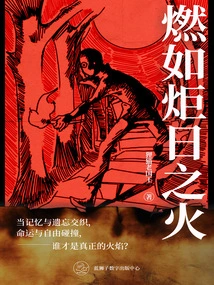
Burning Like the Sun's Fire
General Fiction燃如炬日之火
Old Civet King
An epic full of philosophy and fantasy, a profound exploration of human nature and destiny. The thousand-year entanglement between the Carrot Flower King and the goddess Ishtar reveals the eternal game of love and power; the source of the Weeping River hides the cries and curses of countless dead souls; the firelight of the ocean flickers in the mist, guiding the lost crew to an unknown fate; the flames of the House of the Rising Sun swallow up the dreams of countless children, but cannot extinguish the kindness and cruelty of the Lord of Aurora. Each story is a mirror that reflects the complex relationships between humans and gods, fate and freedom, memory and forgetting.
An epic full of philosophy and fantasy, a profound exploration of human nature and destiny. The thousand-year entanglement between the Carrot Flower King and the goddess Ishtar reveals the eternal game of love and power; the source of the Weeping River hides the cries and curses of countless dead souls; the firelight of the ocean flickers in the mist, guiding the lost crew to an unknown fate; the flames of the House of the Rising Sun swallow up the dreams of countless children, but cannot extinguish the kindness and cruelty of the Lord of Aurora. Each story is a mirror that reflects the complex relationships between humans and gods, fate and freedom, memory and forgetting.
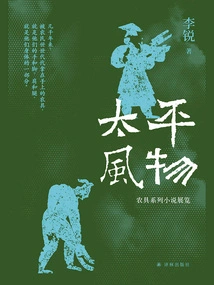
太平风物:农具系列小说展览(李锐作品)
Li Rui
"For thousands of years, the farm tools that farmers have held in their hands for generations are their hands and feet, shoulders and legs, which are part of their bodies." The title of "Taiping Fengwu" comes from "Wang Zhen's Book of Agriculture". Seven hundred years ago, a man named Wang Zhen saw a kind of farm tool being used and a pleasant pastoral scenery. He expressed heartfelt praise: "Every time I see it copied into a picture or chanted into a poem, it reflects the peaceful scenery of ancient and modern times." Seven hundred years later, Li Rui The farm tools series novels are also out of a deep move, a shock to knowledge and history. Things such as rural areas, farmers, native land, farm tools, etc. That have not changed for thousands of years have undergone earth-shaking changes under the wave of modernization and globalization. This book contains a total of fourteen short stories, each of which is about a farm tool, such as a shovel, a shovel, a hoe, a sickle, an axe, a shoulder pole, etc. Li Rui displays the pathos and rebirth of the millennium of agricultural civilization history in this "agricultural tool exhibition hall" on paper, hoping to convey his shock and indescribable emotions to possible readers. The reason why this novel is called "Exhibition" is that it not only needs to be read, but first of all, it needs to be seen.
"For thousands of years, the farm tools that farmers have held in their hands for generations are their hands and feet, shoulders and legs, which are part of their bodies." The title of "Taiping Fengwu" comes from "Wang Zhen's Book of Agriculture". Seven hundred years ago, a man named Wang Zhen saw a kind of farm tool being used and a pleasant pastoral scenery. He expressed heartfelt praise: "Every time I see it copied into a picture or chanted into a poem, it reflects the peaceful scenery of ancient and modern times." Seven hundred years later, Li Rui The farm tools series novels are also out of a deep move, a shock to knowledge and history. Things such as rural areas, farmers, native land, farm tools, etc. That have not changed for thousands of years have undergone earth-shaking changes under the wave of modernization and globalization. This book contains a total of fourteen short stories, each of which is about a farm tool, such as a shovel, a shovel, a hoe, a sickle, an axe, a shoulder pole, etc. Li Rui displays the pathos and rebirth of the millennium of agricultural civilization history in this "agricultural tool exhibition hall" on paper, hoping to convey his shock and indescribable emotions to possible readers. The reason why this novel is called "Exhibition" is that it not only needs to be read, but first of all, it needs to be seen.
受戒:汪曾祺小说精选(经典译林)
Wang Zengqi
This book selects Wang Zengqi's classic short stories, from his early famous work "Revenge" to "The Order" and "Da Nao Chronicles" at the peak of his creation, etc., In order of publication time, there are more than ten short stories in total, comprehensively showing the essence of Wang Zengqi's decades of novel creation.
This book selects Wang Zengqi's classic short stories, from his early famous work "Revenge" to "The Order" and "Da Nao Chronicles" at the peak of his creation, etc., In order of publication time, there are more than ten short stories in total, comprehensively showing the essence of Wang Zengqi's decades of novel creation.
Stones and Peach Blossoms (works by Xixi)
General Fiction石头与桃花(西西作品)
Xixi
"Stones and Peach Blossoms" is Xixi's posthumous work. The book is divided into two volumes. The first volume contains six short stories and short stories written between 2015 and 2021. It is a collection of Xixi's last works during her lifetime. It is also a volume written by a woman around the age of eighty and in the twilight of her life. Among them are a rewrite of "The Story of Peach Blossom Spring", an interstellar intelligence novel with thoughts about the metaverse, and a story about Xixi's life from a young girl to her eighties... Facing the moment when life is about to end, it can be so weird, rich and diverse. "The future of mankind should be brilliant and limitless" is Xixi's best wishes and belief for the future of mankind. The second volume is a treasure in the ocean, which contains eight uncollected and published old works of Xixi. They were once lost in the world, but were found by interested people, and finally recognized by Xixi. The eight chapters were all newly revised in 2016, and some were almost rewritten. The "Shitou" in the title of the book is taken from "The Story of Stones", and the "Peach Blossom" is taken from "Taohuawu". It means "stones can also bloom", and plants can bravely grow from difficult stone gaps.
"Stones and Peach Blossoms" is Xixi's posthumous work. The book is divided into two volumes. The first volume contains six short stories and short stories written between 2015 and 2021. It is a collection of Xixi's last works during her lifetime. It is also a volume written by a woman around the age of eighty and in the twilight of her life. Among them are a rewrite of "The Story of Peach Blossom Spring", an interstellar intelligence novel with thoughts about the metaverse, and a story about Xixi's life from a young girl to her eighties... Facing the moment when life is about to end, it can be so weird, rich and diverse. "The future of mankind should be brilliant and limitless" is Xixi's best wishes and belief for the future of mankind. The second volume is a treasure in the ocean, which contains eight uncollected and published old works of Xixi. They were once lost in the world, but were found by interested people, and finally recognized by Xixi. The eight chapters were all newly revised in 2016, and some were almost rewritten. The "Shitou" in the title of the book is taken from "The Story of Stones", and the "Peach Blossom" is taken from "Taohuawu". It means "stones can also bloom", and plants can bravely grow from difficult stone gaps.
The Thing Around the Neck (work by Adichie)
General Fiction绕颈之物(阿迪契作品)
I
The homeland that you cannot return to and the foreign country that you cannot integrate into, together become a shackle around your neck... Relatives and friends say that when you come here, you will soon have a big car and a big house, not to mention bags, perfume, shoes and clothes. But in reality, the new life is about working in a restaurant without social security; it is about constantly hearing from your classmates in community college whether you have lived in a real house in your hometown in Africa; it is about escaping from the so-called American uncle's house who wants to do evil things to you; it is about giving up studying in order to pay the rent for that small room with stains on the carpet. Then you remember that he said that the United States is a place of "gains and losses." Later, you meet a boy with eyes the color of high-grade refined olive oil. He likes Africa, but he doesn't have the condescension of other white people. He still likes you. You like him too. You want to like him. But you can't do it. Twelve stories tell the historical pain and social current situation of the homeland, as well as the psychological journey of immigrants' separation and migration.
The homeland that you cannot return to and the foreign country that you cannot integrate into, together become a shackle around your neck... Relatives and friends say that when you come here, you will soon have a big car and a big house, not to mention bags, perfume, shoes and clothes. But in reality, the new life is about working in a restaurant without social security; it is about constantly hearing from your classmates in community college whether you have lived in a real house in your hometown in Africa; it is about escaping from the so-called American uncle's house who wants to do evil things to you; it is about giving up studying in order to pay the rent for that small room with stains on the carpet. Then you remember that he said that the United States is a place of "gains and losses." Later, you meet a boy with eyes the color of high-grade refined olive oil. He likes Africa, but he doesn't have the condescension of other white people. He still likes you. You like him too. You want to like him. But you can't do it. Twelve stories tell the historical pain and social current situation of the homeland, as well as the psychological journey of immigrants' separation and migration.
Time Frontier
General Fiction时间边境
L
This book is the first collection of novels by Malaysian Chinese female writer He Shufang, which brings together eleven excellent works. It is called by Huang Jinshu as "the sophistication and maturity shown by the classic Malaysian short stories". It also uses an extremely delicate and graphic psychological style that transcends national borders and geographical differences and touches on the pain points and inner feelings that each of us share as human beings that have never been illuminated or acknowledged, but are by no means unimportant. In these novels, there are often ghosts with no male or female appearance, returning on trains in the haze. I thought the journey was over, but suddenly it started again. Escape somewhere and want to find a new self. But I found that this is a never-ending process, always shaking. As if travelers across multiple oceans of time have sent us letters from the other side of the border of memory, they are written in a language that is both dreamy and authentic. And trying to answer a question - if the whole world is a foreign land, where would we call home?
This book is the first collection of novels by Malaysian Chinese female writer He Shufang, which brings together eleven excellent works. It is called by Huang Jinshu as "the sophistication and maturity shown by the classic Malaysian short stories". It also uses an extremely delicate and graphic psychological style that transcends national borders and geographical differences and touches on the pain points and inner feelings that each of us share as human beings that have never been illuminated or acknowledged, but are by no means unimportant. In these novels, there are often ghosts with no male or female appearance, returning on trains in the haze. I thought the journey was over, but suddenly it started again. Escape somewhere and want to find a new self. But I found that this is a never-ending process, always shaking. As if travelers across multiple oceans of time have sent us letters from the other side of the border of memory, they are written in a language that is both dreamy and authentic. And trying to answer a question - if the whole world is a foreign land, where would we call home?

Survivor
General Fiction幸存者
Lu Li
[Unit Story + Life at the Bottom + Ordinary People] "One episode has a life and death trap, and one episode has a survival story." [Live Pile Driving] There is an unwritten rule on the construction site. Before starting work, a living person must be "accidentally" poured. This is called live pile driving. [After my wife contracted cancer] She got cancer, and her husband married another woman. She was forced to a desperate end, but she didn't know until her death that her diagnosis was actually a fake. ... The choice of human nature is a desperate struggle between good and evil. The world is cruel, and there is always a force that makes us survive.
[Unit Story + Life at the Bottom + Ordinary People] "One episode has a life and death trap, and one episode has a survival story." [Live Pile Driving] There is an unwritten rule on the construction site. Before starting work, a living person must be "accidentally" poured. This is called live pile driving. [After my wife contracted cancer] She got cancer, and her husband married another woman. She was forced to a desperate end, but she didn't know until her death that her diagnosis was actually a fake. ... The choice of human nature is a desperate struggle between good and evil. The world is cruel, and there is always a force that makes us survive.
Illustrated Edition of Lu Xun's Novel Feng Zikai
General Fiction鲁迅小说丰子恺插图本
Written By Lu Xun And Illustrated By Feng Zikai
Feng Zikai has drawn a total of 194 illustrations for 9 classic novels by Lu Xun (including The True Story of Ah Q, Blessing, Kong Yiji, Hometown, Tomorrow, Medicine, Storm, Social Opera, and White Light). This book catalogs Lu Xun's text and Feng Zikai's illustrations. The combination of writing and painting complements each other, and more vividly presents the rich characters and storylines written by Lu Xun. It is hoped that "a microphone will be installed on Mr. Lu Xun's speech to amplify his voice." This book provides a special version for current readers to better understand Lu Xun.
Feng Zikai has drawn a total of 194 illustrations for 9 classic novels by Lu Xun (including The True Story of Ah Q, Blessing, Kong Yiji, Hometown, Tomorrow, Medicine, Storm, Social Opera, and White Light). This book catalogs Lu Xun's text and Feng Zikai's illustrations. The combination of writing and painting complements each other, and more vividly presents the rich characters and storylines written by Lu Xun. It is hoped that "a microphone will be installed on Mr. Lu Xun's speech to amplify his voice." This book provides a special version for current readers to better understand Lu Xun.
You Go to the Wilderness
General Fiction你们去荒野
Zhao Song
"You Go to the Wilderness" is a new collection of short stories by Zhao Song, winner of the Young Writer of the Year Award at the One-Way Street Bookstore Literary Award. This is another masterpiece of Zhao Song's novel after Douban's popular novel "Fushun Stories Collection". The stories in the book cover a variety of topics such as real life and the science fiction perspective of artificial intelligence. For example, a mother and her twin sons' trip to the aquarium, the memories and reflections during the journey. There are also conversations between people and artificial intelligence, the unique relationship with robots, the subtle interactions between strangers in urban life, the life changes of middle-aged people, and so on.
"You Go to the Wilderness" is a new collection of short stories by Zhao Song, winner of the Young Writer of the Year Award at the One-Way Street Bookstore Literary Award. This is another masterpiece of Zhao Song's novel after Douban's popular novel "Fushun Stories Collection". The stories in the book cover a variety of topics such as real life and the science fiction perspective of artificial intelligence. For example, a mother and her twin sons' trip to the aquarium, the memories and reflections during the journey. There are also conversations between people and artificial intelligence, the unique relationship with robots, the subtle interactions between strangers in urban life, the life changes of middle-aged people, and so on.