Library
Browse and search books
1,569 novels found

U
General Fictionu
H
This book is O'Connor's most famous short story collection. It was published one year after the writer's death and is known as O'Connor's "Swan Song". It contains ten classic stories. The writer's outstanding short story skills and his core concepts of belief and creation are concentrated in this book. Those phantoms and illusions that obscure reality in the world, the sad and paranoid, arrogant and ignorant, horrifying and violent pairs of mother and son, father and son, father and daughter, grandparents, and couples in the daily life of the South - these people who try to let their voices penetrate the caves of other people's souls, people who seek to make up for their own deformities on the pretext of saving others - are all covered with wounds under the author's poisonous eyes, and all end up with the instant collapse and cruel destruction of their spirits or lives. O'Connor's calm and cruel style reaches its peak in the process of disenchanting these racial beliefs and human moral superiority. The collection "Greenleaf", "Apocalypse" and "All Things Rising Must Converge" won the O. Henry Short Story Award.
This book is O'Connor's most famous short story collection. It was published one year after the writer's death and is known as O'Connor's "Swan Song". It contains ten classic stories. The writer's outstanding short story skills and his core concepts of belief and creation are concentrated in this book. Those phantoms and illusions that obscure reality in the world, the sad and paranoid, arrogant and ignorant, horrifying and violent pairs of mother and son, father and son, father and daughter, grandparents, and couples in the daily life of the South - these people who try to let their voices penetrate the caves of other people's souls, people who seek to make up for their own deformities on the pretext of saving others - are all covered with wounds under the author's poisonous eyes, and all end up with the instant collapse and cruel destruction of their spirits or lives. O'Connor's calm and cruel style reaches its peak in the process of disenchanting these racial beliefs and human moral superiority. The collection "Greenleaf", "Apocalypse" and "All Things Rising Must Converge" won the O. Henry Short Story Award.

S
General Fictions
G
Bilbo Baggins, a hobbit who lives in an underground cave and loves a comfortable life, is suddenly led into an epic adventure by the wise wizard Gandalf one day. Bilbo and the thirteen dwarves went through all kinds of hardships to regain the treasure from the dragon Smaug. During the journey, he also accidentally discovered a small ring that would later change the history of Middle-earth and laid the foundation for the story of the "Lord of the Rings" trilogy. This book contains more than thirty color and black-and-white illustrations drawn by Tolkien for "The Hobbit", many of which are published with the text for the first time and are extremely precious.
Bilbo Baggins, a hobbit who lives in an underground cave and loves a comfortable life, is suddenly led into an epic adventure by the wise wizard Gandalf one day. Bilbo and the thirteen dwarves went through all kinds of hardships to regain the treasure from the dragon Smaug. During the journey, he also accidentally discovered a small ring that would later change the history of Middle-earth and laid the foundation for the story of the "Lord of the Rings" trilogy. This book contains more than thirty color and black-and-white illustrations drawn by Tolkien for "The Hobbit", many of which are published with the text for the first time and are extremely precious.

Nora Webster
General Fiction诺拉·韦伯斯特
(ireland) Colm Tobin
In Enniscorthy, a small town in southeastern Ireland, housewife Nora Webster was widowed in middle age and had to raise four children by herself and was strapped for money. Nora is immersed in the grief of losing her loved one. She looks forward to any opportunity to escape from her predicament and troubles, but is also afraid that she will return to the monotonous and depressing work life she had before marriage. On the other hand, small town residents live in close proximity and everyone seems to know each other's secrets. The sensitive Nora became egotistical, stubborn, and sometimes impatient. She wanted to defend her family's privacy, but she also ignored the sadness and changes of her two young sons after losing their father. Gradually, with the power of singing talent and friendship, Nora saw a glimmer of hope for a new life.
In Enniscorthy, a small town in southeastern Ireland, housewife Nora Webster was widowed in middle age and had to raise four children by herself and was strapped for money. Nora is immersed in the grief of losing her loved one. She looks forward to any opportunity to escape from her predicament and troubles, but is also afraid that she will return to the monotonous and depressing work life she had before marriage. On the other hand, small town residents live in close proximity and everyone seems to know each other's secrets. The sensitive Nora became egotistical, stubborn, and sometimes impatient. She wanted to defend her family's privacy, but she also ignored the sadness and changes of her two young sons after losing their father. Gradually, with the power of singing talent and friendship, Nora saw a glimmer of hope for a new life.

Deer Park
General Fiction鹿苑
M
"The Deer Park" is Norman Mailer's third novel after his famous "The Naked and the Dead", published in 1955. The story takes place in the author's fictitious town Desert D'Or, which is the place referred to in the novel's title "The Deer Park". This town is located two hundred miles away from the movie capital. Down-and-out directors, beautiful actresses, producers in the film industry, unknown people looking for opportunities, and even prostitutes and pimps intertwined and staged tragedies and comedies in this resort town.
"The Deer Park" is Norman Mailer's third novel after his famous "The Naked and the Dead", published in 1955. The story takes place in the author's fictitious town Desert D'Or, which is the place referred to in the novel's title "The Deer Park". This town is located two hundred miles away from the movie capital. Down-and-out directors, beautiful actresses, producers in the film industry, unknown people looking for opportunities, and even prostitutes and pimps intertwined and staged tragedies and comedies in this resort town.
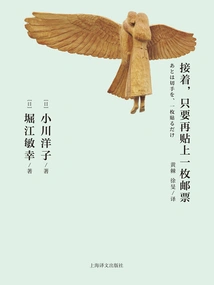
Then, Just Put Another Stamp on It
General Fiction接着,只要再贴上一枚邮票
(japan) Ogawa Yoko (japan) Horie Toshiyuki
Two people who once loved each other are now thousands of miles apart. The tender memories that had been buried in the dust were gradually awakened in fourteen letters. From the windy nights in late spring, to the dawn when the scent of woody flowers sneaks in through the open windows; from the sunset when the sky is clear after the rain, to the cold and biting moonlight in early spring. Most of the time, language is a substance that cannot be seen by the eyes or heard by the ears. It only penetrates the soul in silence. Typewriters, balls of yarn, hand-drawn insect stamps, Thoreau's pencils, Pavlov's dogs, swan boats, "Annie's Diary", portraits of the future, forests of languages, swaddles, cosmic observatories... Where will you discover the secret of sadness?
Two people who once loved each other are now thousands of miles apart. The tender memories that had been buried in the dust were gradually awakened in fourteen letters. From the windy nights in late spring, to the dawn when the scent of woody flowers sneaks in through the open windows; from the sunset when the sky is clear after the rain, to the cold and biting moonlight in early spring. Most of the time, language is a substance that cannot be seen by the eyes or heard by the ears. It only penetrates the soul in silence. Typewriters, balls of yarn, hand-drawn insect stamps, Thoreau's pencils, Pavlov's dogs, swan boats, "Annie's Diary", portraits of the future, forests of languages, swaddles, cosmic observatories... Where will you discover the secret of sadness?
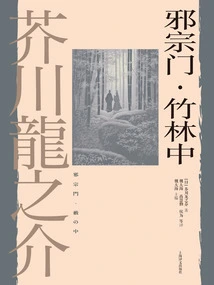
Evil Sect·in the Bamboo Forest
General Fiction邪宗门·竹林中
H
This volume "The Evil Sect·In the Bamboo Forest" contains more than 30 excellent novels by Akutagawa Ryunosuke. Among them, "Evil Sect" succeeds "Hell Change" and tells the story of the prank-loving young master in "Hell Change"; "In the Bamboo Forest" tells a story that has different opinions and highlights the evil of human nature. In 1950, the famous Japanese director Akira Kurosawa combined Akutagawa's works "In the Bamboo Grove" and "Rashomon" into one film, "Rashomon", which won many international awards and brought Japanese films to the world.
This volume "The Evil Sect·In the Bamboo Forest" contains more than 30 excellent novels by Akutagawa Ryunosuke. Among them, "Evil Sect" succeeds "Hell Change" and tells the story of the prank-loving young master in "Hell Change"; "In the Bamboo Forest" tells a story that has different opinions and highlights the evil of human nature. In 1950, the famous Japanese director Akira Kurosawa combined Akutagawa's works "In the Bamboo Grove" and "Rashomon" into one film, "Rashomon", which won many international awards and brought Japanese films to the world.
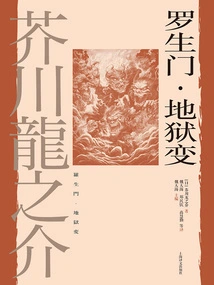
Rashomon Hell Change
General Fiction罗生门·地狱变
H
The Akutagawa Ryunosuke's works series collects the novels, essays, reviews, travel notes, notes, poems, etc. Written by the Japanese writer Akutagawa Ryunosuke in his short twelve-year creative career. Based on the eight volumes of "The Complete Works of Akutagawa Ryunosuke" published by Japan's Chikuma Shobo, it completely presents the creative career of Akutagawa Ryunosuke. This volume "Rashomon: Hell Transformation" contains nearly 30 excellent novels by Akutagawa Ryunosuke. Among them, "Rashomon" completely presents a moral "debate of good and evil"; "Hell Change" tells the story of a human tragedy caused under the rule of a powerful force, calmly observing the Japanese society at that time where "others are hell".
The Akutagawa Ryunosuke's works series collects the novels, essays, reviews, travel notes, notes, poems, etc. Written by the Japanese writer Akutagawa Ryunosuke in his short twelve-year creative career. Based on the eight volumes of "The Complete Works of Akutagawa Ryunosuke" published by Japan's Chikuma Shobo, it completely presents the creative career of Akutagawa Ryunosuke. This volume "Rashomon: Hell Transformation" contains nearly 30 excellent novels by Akutagawa Ryunosuke. Among them, "Rashomon" completely presents a moral "debate of good and evil"; "Hell Change" tells the story of a human tragedy caused under the rule of a powerful force, calmly observing the Japanese society at that time where "others are hell".

Dandelion Wine
General Fiction蒲公英酒
(us) Ray Bradbury
"Dandelion Wine" is a collection of childhood stories by science fiction master Bradbury. It records the daily life in a small town full of whimsy and relives a period of youth that neither curls up nor lies down. The protagonist of the story is Douglas, a 12-year-old boy who makes dandelion wine with his grandfather every summer. Dandelion wine is "summer on the tip of the tongue", putting all the joy into a bottle and fermenting it into a panacea for growth and cold winter. Summer is the green apple trees, the mowed lawn that exudes the smell of fresh grass, a new pair of sneakers that can make people fly, the distant tram bell in the hazy afternoon; it can also be the departure of a best friend, a puzzling old girl and her A childhood treasure, a happiness machine that can predict the future, a high fever that brushes against death... All these make the boy feel the joy of "living" like never before, with miracles, sentimentality, forgiveness, magic, fantasy, and a never-ending summer.
"Dandelion Wine" is a collection of childhood stories by science fiction master Bradbury. It records the daily life in a small town full of whimsy and relives a period of youth that neither curls up nor lies down. The protagonist of the story is Douglas, a 12-year-old boy who makes dandelion wine with his grandfather every summer. Dandelion wine is "summer on the tip of the tongue", putting all the joy into a bottle and fermenting it into a panacea for growth and cold winter. Summer is the green apple trees, the mowed lawn that exudes the smell of fresh grass, a new pair of sneakers that can make people fly, the distant tram bell in the hazy afternoon; it can also be the departure of a best friend, a puzzling old girl and her A childhood treasure, a happiness machine that can predict the future, a high fever that brushes against death... All these make the boy feel the joy of "living" like never before, with miracles, sentimentality, forgiveness, magic, fantasy, and a never-ending summer.
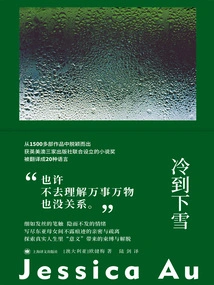
Cold Enough to Snow
General Fiction冷到下雪
(australia) Ou Jianmei
On a rainy October day, a mother and daughter left the country where they lived and met in Tokyo: they walked along the river, escaped from the typhoon, shared delicious food in cafes and restaurants, visited galleries, and appreciated the most radical modern art in the city. At the same time, they chat about the weather, zodiac signs, clothes and objects, and even family, distance and memories. The mother grew up in Hong Kong and immigrated before her two daughters were born. They were polite to each other, but not intimate. A feeling of mixed disappointment and hope hangs over their interaction, like a knot tied together with longing and despair. The trip probably didn't go as well as my daughter had hoped, although almost everything went according to plan and there were no bad surprises. "So Cold It's Snowing" uses the most delicate brush to describe the tolerant, reserved, and alienated East Asian mother-daughter relationship. It also questions whether we have a common language to speak, what dimensions can accommodate love, and whether we are qualified to truly understand the inner lives of others.
On a rainy October day, a mother and daughter left the country where they lived and met in Tokyo: they walked along the river, escaped from the typhoon, shared delicious food in cafes and restaurants, visited galleries, and appreciated the most radical modern art in the city. At the same time, they chat about the weather, zodiac signs, clothes and objects, and even family, distance and memories. The mother grew up in Hong Kong and immigrated before her two daughters were born. They were polite to each other, but not intimate. A feeling of mixed disappointment and hope hangs over their interaction, like a knot tied together with longing and despair. The trip probably didn't go as well as my daughter had hoped, although almost everything went according to plan and there were no bad surprises. "So Cold It's Snowing" uses the most delicate brush to describe the tolerant, reserved, and alienated East Asian mother-daughter relationship. It also questions whether we have a common language to speak, what dimensions can accommodate love, and whether we are qualified to truly understand the inner lives of others.

Burning Coins in Flames
General Fiction烈焰焚币
O
"Burning Coins" uses kaleidoscope-like techniques to fictionalize real historical events and write it into a shocking and violent story. The story spans the two cities of Buenos Aires and Montevideo. After joining a criminal gang, the gangsters Brinine and Dorda, known as the "Twins", colluded with corrupt police and politicians to rob a bank cash truck. They fled to Montevideo, the capital of Uruguay, with a huge amount of money, and were rounded up by Argentine and Uruguayan police in an apartment. The murderous robbers killed several more police officers during the confrontation and defiantly burned the remaining stolen money. The ultimate siege by the police of the two countries began. This brutal siege and its shocking ending have become a legend in Latin America. In 2000, Argentinian director Marcelo Pinheiro adapted "Fire" into a film of the same name, which won the Spanish Goya Award for Best Spanish Foreign Film.
"Burning Coins" uses kaleidoscope-like techniques to fictionalize real historical events and write it into a shocking and violent story. The story spans the two cities of Buenos Aires and Montevideo. After joining a criminal gang, the gangsters Brinine and Dorda, known as the "Twins", colluded with corrupt police and politicians to rob a bank cash truck. They fled to Montevideo, the capital of Uruguay, with a huge amount of money, and were rounded up by Argentine and Uruguayan police in an apartment. The murderous robbers killed several more police officers during the confrontation and defiantly burned the remaining stolen money. The ultimate siege by the police of the two countries began. This brutal siege and its shocking ending have become a legend in Latin America. In 2000, Argentinian director Marcelo Pinheiro adapted "Fire" into a film of the same name, which won the Spanish Goya Award for Best Spanish Foreign Film.

Song of the Lonely Boy
General Fiction孤独少年之歌
H
Richard Yates (1926-1992) was "the great writer of the anxious age." As a faithful recorder of mainstream American life in the mid-twentieth century, critics have compared him to Chekhov, Fitzgerald, and John Cheever. His debut novel "Revolutionary Road" was an immediate success and was nominated for the National Book Award. In 1962, his first short story collection "Eleven Kinds of Loneliness" was published, and was even known as "New York's Dubliners".
Richard Yates (1926-1992) was "the great writer of the anxious age." As a faithful recorder of mainstream American life in the mid-twentieth century, critics have compared him to Chekhov, Fitzgerald, and John Cheever. His debut novel "Revolutionary Road" was an immediate success and was nominated for the National Book Award. In 1962, his first short story collection "Eleven Kinds of Loneliness" was published, and was even known as "New York's Dubliners".

Physical Harm
General Fiction肉体伤害
H
Renee, a female reporter for a popular magazine, had her left breast removed due to cancer, and her boyfriend left her to find a new love. With the desire to find a new life, she went to an island country in the Pacific to collect stories in the name of writing for a magazine. As soon as she sets foot on this tourist resort, she encounters a series of strange events. First, a mysterious woman asks her to deliver a suspicious box. Then Paul, a smart, capable and personable man, falls in love with her. However, his elusive behavior, like some of the weird tourists on the island, prevents Renee from seeing their true identity. In the end, a coup took place on the island, and Renee escaped after many hardships, and her outlook on life changed again... The novel depicts the undercurrent of desire for power in a satirical, thrilling and frightening way, and uses the image of disease to deeply depict the oppression of women by gender politics and the power relationship between the sexes.
Renee, a female reporter for a popular magazine, had her left breast removed due to cancer, and her boyfriend left her to find a new love. With the desire to find a new life, she went to an island country in the Pacific to collect stories in the name of writing for a magazine. As soon as she sets foot on this tourist resort, she encounters a series of strange events. First, a mysterious woman asks her to deliver a suspicious box. Then Paul, a smart, capable and personable man, falls in love with her. However, his elusive behavior, like some of the weird tourists on the island, prevents Renee from seeing their true identity. In the end, a coup took place on the island, and Renee escaped after many hardships, and her outlook on life changed again... The novel depicts the undercurrent of desire for power in a satirical, thrilling and frightening way, and uses the image of disease to deeply depict the oppression of women by gender politics and the power relationship between the sexes.
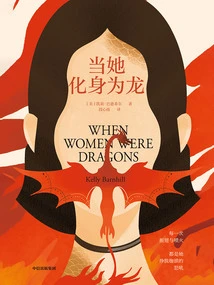
When She Transforms into a Dragon
General Fiction当她化身为龙
(us) Kelly Barnhill
On April 25, 1955, 642,987 women turned into dragons, leaving behind only flaming ruins, the remains of domestically abusive husbands, and the ashes of molesters. This is the largest mass dragon transformation event in history. However, society has fallen into silence due to shame. Government denial, media blockage and public forgetfulness have jointly weaved a web of ignoring the truth. People act like everything is normal and nothing is happening. On the day of the mass dragon transformation day, Alex was only 8 years old. She didn't understand why her aunt transformed into a dragon and flew away, but her mother didn't; she didn't understand why her cousin became a biological sister. How many secrets are hidden in this taboo topic?
On April 25, 1955, 642,987 women turned into dragons, leaving behind only flaming ruins, the remains of domestically abusive husbands, and the ashes of molesters. This is the largest mass dragon transformation event in history. However, society has fallen into silence due to shame. Government denial, media blockage and public forgetfulness have jointly weaved a web of ignoring the truth. People act like everything is normal and nothing is happening. On the day of the mass dragon transformation day, Alex was only 8 years old. She didn't understand why her aunt transformed into a dragon and flew away, but her mother didn't; she didn't understand why her cousin became a biological sister. How many secrets are hidden in this taboo topic?
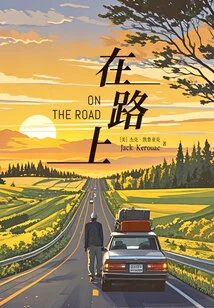
On the Road
General Fiction在路上
Jack Kerouac
Since its publication, "On the Road" has been reprinted more than 300 times around the world and translated into more than 40 languages. It was selected as one of Time magazine's "Top 100 English Novels" and has profoundly influenced American society and even world culture. When "On the Road" became popular, hundreds of millions of pairs of jeans and millions of coffee machines were sold in the United States because of it. The story tells the story of several young American men and women who, in pursuit of individuality, hitchhiked or drove across the continental United States several times and finally arrived in Mexico. Along the way, they drank excessively, blocked roads and stopped cars when they were tired, and enjoyed the local customs and crazy life. As a result, one finds the girl he loves and settles down, while the other is on the road as always.
Since its publication, "On the Road" has been reprinted more than 300 times around the world and translated into more than 40 languages. It was selected as one of Time magazine's "Top 100 English Novels" and has profoundly influenced American society and even world culture. When "On the Road" became popular, hundreds of millions of pairs of jeans and millions of coffee machines were sold in the United States because of it. The story tells the story of several young American men and women who, in pursuit of individuality, hitchhiked or drove across the continental United States several times and finally arrived in Mexico. Along the way, they drank excessively, blocked roads and stopped cars when they were tired, and enjoyed the local customs and crazy life. As a result, one finds the girl he loves and settles down, while the other is on the road as always.

Secret Notes of a Math Girl: Differential Calculus
General Fiction数学女孩的秘密笔记:微分篇
H
The "Math Girls" series unfolds in the form of novels, focusing on a group of young people exploring the beauty of mathematics. The content is from the shallower to the deeper, and the mathematical explanation part is very exquisite. It is called "an excellent popular science book on mathematics". The protagonist "I" is a high school boy who likes mathematics. His hobby is discussing calculation formulas. He often thinks about mathematical problems alone at his desk. After entering high school, he met Mirga, a genius girl who is good at mathematics and smart, Tedora, a school girl who is curious, energetic and hard-working, and Risa, a taciturn computer expert. In addition, Yuri, a cousin with a flexible mind and gradually fell in love with mathematics under the guidance of "I", several young people traveled in the world of mathematics together and discovered the beauty of mathematics. Differential calculus from "Secret Notes of a Math Girl". The author Hiroshi Yuuki collected the questions raised by readers on the Internet about the "Mathematical Girl" series and compiled them into chapters. In the form of character dialogue and exercises, he once again explains various mathematical concepts in simple and easy-to-understand terms.
The "Math Girls" series unfolds in the form of novels, focusing on a group of young people exploring the beauty of mathematics. The content is from the shallower to the deeper, and the mathematical explanation part is very exquisite. It is called "an excellent popular science book on mathematics". The protagonist "I" is a high school boy who likes mathematics. His hobby is discussing calculation formulas. He often thinks about mathematical problems alone at his desk. After entering high school, he met Mirga, a genius girl who is good at mathematics and smart, Tedora, a school girl who is curious, energetic and hard-working, and Risa, a taciturn computer expert. In addition, Yuri, a cousin with a flexible mind and gradually fell in love with mathematics under the guidance of "I", several young people traveled in the world of mathematics together and discovered the beauty of mathematics. Differential calculus from "Secret Notes of a Math Girl". The author Hiroshi Yuuki collected the questions raised by readers on the Internet about the "Mathematical Girl" series and compiled them into chapters. In the form of character dialogue and exercises, he once again explains various mathematical concepts in simple and easy-to-understand terms.

Secret Notes of a Math Girl: Trigonometric Functions
General Fiction数学女孩的秘密笔记:三角函数篇
(japan) Yuki Hiroshi
The "Mathematical Girls" series is developed in the form of a novel, focusing on the story of a group of young people exploring the beauty of mathematics. The content is simple and easy to explain, and the explanations are very subtle. It is called "the best popular science book on mathematics". "Secret Notes from a Math Girl" is an extension of the "Math Girl" series. The author Hiroshi Yuuki collected the questions raised by readers on the Internet about the "Math Girls" series and compiled them into chapters to vividly and skillfully explain various mathematical concepts in the form of character dialogues and exercises. The protagonist "I" is a high school boy who likes mathematics. His hobby is discussing calculation formulas. He often thinks about mathematical problems alone at his desk. After entering high school, "I" made a group of friends. Several young people are swimming in the world of mathematics together. This book is very suitable for middle school students, high school students and adults who are interested in mathematics.
The "Mathematical Girls" series is developed in the form of a novel, focusing on the story of a group of young people exploring the beauty of mathematics. The content is simple and easy to explain, and the explanations are very subtle. It is called "the best popular science book on mathematics". "Secret Notes from a Math Girl" is an extension of the "Math Girl" series. The author Hiroshi Yuuki collected the questions raised by readers on the Internet about the "Math Girls" series and compiled them into chapters to vividly and skillfully explain various mathematical concepts in the form of character dialogues and exercises. The protagonist "I" is a high school boy who likes mathematics. His hobby is discussing calculation formulas. He often thinks about mathematical problems alone at his desk. After entering high school, "I" made a group of friends. Several young people are swimming in the world of mathematics together. This book is very suitable for middle school students, high school students and adults who are interested in mathematics.

Math Girl's Secret Notes: Statistics
General Fiction数学女孩的秘密笔记:统计篇
H
The "Math Girls" series unfolds in the form of novels, focusing on a group of young people exploring the beauty of mathematics. The content is from the shallower to the deeper, and the mathematical explanation part is very exquisite. It is called "an excellent popular science book on mathematics". The protagonist "I" is a high school boy who likes mathematics. His hobby is discussing calculation formulas. He often thinks about mathematical problems alone at his desk. After entering high school, he met Mirga, a genius girl who is good at mathematics and smart, Tedora, a school girl who is curious, energetic and hard-working, and Risa, a taciturn computer expert. In addition, Yuri, a cousin with a flexible mind and gradually fell in love with mathematics under the guidance of "I", several young people traveled in the world of mathematics together and discovered the beauty of mathematics.
The "Math Girls" series unfolds in the form of novels, focusing on a group of young people exploring the beauty of mathematics. The content is from the shallower to the deeper, and the mathematical explanation part is very exquisite. It is called "an excellent popular science book on mathematics". The protagonist "I" is a high school boy who likes mathematics. His hobby is discussing calculation formulas. He often thinks about mathematical problems alone at his desk. After entering high school, he met Mirga, a genius girl who is good at mathematics and smart, Tedora, a school girl who is curious, energetic and hard-working, and Risa, a taciturn computer expert. In addition, Yuri, a cousin with a flexible mind and gradually fell in love with mathematics under the guidance of "I", several young people traveled in the world of mathematics together and discovered the beauty of mathematics.

U

Secret Notes of a Math Girl: Probability Chapter
General Fiction数学女孩的秘密笔记:概率篇
(japan) Yuki Hiroshi
The "Mathematical Girls" series is developed in the form of a novel, focusing on the story of a group of young people exploring the beauty of mathematics. The content is simple and easy to explain, and the explanations are very subtle. It is called "the best popular science book on mathematics". "Secret Notes of a Math Girl" is an extended series of "Math Girls". The author Hiroshi Yuuki collected the questions raised by readers on the Internet about the "Mathematical Girl" series and compiled them into chapters to explain various mathematical concepts in a simple and easy-to-understand manner in the form of character dialogues and exercises. The protagonist "I" is a high school boy who likes mathematics. His hobby is discussing calculation formulas. He often thinks about mathematical problems alone at his desk. After entering high school, "I" made a group of friends. Several young people traveled together in the world of mathematics and discovered the beauty of mathematics.
The "Mathematical Girls" series is developed in the form of a novel, focusing on the story of a group of young people exploring the beauty of mathematics. The content is simple and easy to explain, and the explanations are very subtle. It is called "the best popular science book on mathematics". "Secret Notes of a Math Girl" is an extended series of "Math Girls". The author Hiroshi Yuuki collected the questions raised by readers on the Internet about the "Mathematical Girl" series and compiled them into chapters to explain various mathematical concepts in a simple and easy-to-understand manner in the form of character dialogues and exercises. The protagonist "I" is a high school boy who likes mathematics. His hobby is discussing calculation formulas. He often thinks about mathematical problems alone at his desk. After entering high school, "I" made a group of friends. Several young people traveled together in the world of mathematics and discovered the beauty of mathematics.
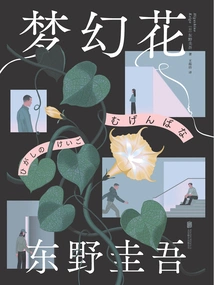
Fantasy Flower (hardcover Edition)
General Fiction梦幻花(精装版)
H
The young couple's bodies were pierced by samurai swords. The girl they fell in love with at first sight disappeared from the world. A college student jumped to his death after drinking Coke. Robbers broke into the house and killed people, but only took away a pot of flowers... The yellow morning glory that once existed in modern times suddenly disappeared, leaving only the legend of the "dream flower" that "it will destroy itself once it is pursued". And as the yellow morning glory reappears in the world, the fate of four strange families is closely linked...
The young couple's bodies were pierced by samurai swords. The girl they fell in love with at first sight disappeared from the world. A college student jumped to his death after drinking Coke. Robbers broke into the house and killed people, but only took away a pot of flowers... The yellow morning glory that once existed in modern times suddenly disappeared, leaving only the legend of the "dream flower" that "it will destroy itself once it is pursued". And as the yellow morning glory reappears in the world, the fate of four strange families is closely linked...

Death Broadcast
General Fiction死神广播
N
Why do people always die mysteriously on this street? Mouheiichi is a small port town in the northeastern region of Japan. The frequency of murders here is almost as high as that of Cape Town, South Africa. A mystery writer who cannot read, an unscrupulous detective who secretly colludes with gangs, a high school girl who can do divination, and a gangster who loves late-night radio. Four people of different statuses and classes encounter a series of bizarre murders. Corpses with pig faces, corpses drained of blood, corpses with 10 kilograms of food in their stomachs, corpses inside corpses, corpses drowned on the roof, living corpses...
Why do people always die mysteriously on this street? Mouheiichi is a small port town in the northeastern region of Japan. The frequency of murders here is almost as high as that of Cape Town, South Africa. A mystery writer who cannot read, an unscrupulous detective who secretly colludes with gangs, a high school girl who can do divination, and a gangster who loves late-night radio. Four people of different statuses and classes encounter a series of bizarre murders. Corpses with pig faces, corpses drained of blood, corpses with 10 kilograms of food in their stomachs, corpses inside corpses, corpses drowned on the roof, living corpses...
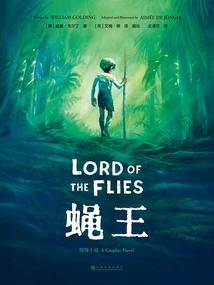
Lord of the Flies: Graphic Novel
General Fiction蝇王:图像小说
(uk) Written By William Golding (netherlands) Compiled And Illustrated By Aimee De Jong
This book is a graphic novel version of the masterpiece "Lord of the Flies" by Nobel Prize winner Golding. The story tells the story of a group of British boys aged 6 to 12 who were stranded on a desert island due to a plane crash. At first they were able to work together and live in harmony. However, as their evil nature sprouted and expanded, they became suspicious of each other and attacked each other, turning their paradise into a battlefield. The image version is highly faithful to the original work, and every word and every sentence is from the original text. The delicate and vivid pictures and the impactful storyboards are comparable to the quality of movies, giving readers a sensory shock that exceeds that of the original work. The graphic version maximizes its strengths and avoids its weaknesses, replacing some descriptions of scenery and atmosphere with pictures, thereby enhancing the story and making it more concise and easier to read than the original work.
This book is a graphic novel version of the masterpiece "Lord of the Flies" by Nobel Prize winner Golding. The story tells the story of a group of British boys aged 6 to 12 who were stranded on a desert island due to a plane crash. At first they were able to work together and live in harmony. However, as their evil nature sprouted and expanded, they became suspicious of each other and attacked each other, turning their paradise into a battlefield. The image version is highly faithful to the original work, and every word and every sentence is from the original text. The delicate and vivid pictures and the impactful storyboards are comparable to the quality of movies, giving readers a sensory shock that exceeds that of the original work. The graphic version maximizes its strengths and avoids its weaknesses, replacing some descriptions of scenery and atmosphere with pictures, thereby enhancing the story and making it more concise and easier to read than the original work.

All This
General Fiction这一切
I
The story begins on a ship sailing to Okinawa at the end of World War II. The protagonist Philip Bowman is a young naval officer. Over the next few decades, he returned to New York and became a publishing editor, settling into a life of book deals, literary careers, and one dinner party after another. He married and divorced, experienced new relationships, recurring physical passions, and brutal betrayals. Old friends drift apart, houses are bought and sold, parents die, and loving bonds fade and fade. When we last see Bowman, he has reached an age where he is seriously thinking about death: he wants to return to the Pacific, where "the only brave part of his life was." "All This" is the life trajectory of an ordinary person, and it is also a rich social chronicle. The narrative perspective switches freely between the protagonist and dozens of characters. A large number of insightful details give it an epic quality. The scenes, episodes and characters are as precise and neat as diamond cutouts. The story and the emotions it contains continue to expand and spread, reflecting the outline of the lives of all the characters who appear in the passage of time.
The story begins on a ship sailing to Okinawa at the end of World War II. The protagonist Philip Bowman is a young naval officer. Over the next few decades, he returned to New York and became a publishing editor, settling into a life of book deals, literary careers, and one dinner party after another. He married and divorced, experienced new relationships, recurring physical passions, and brutal betrayals. Old friends drift apart, houses are bought and sold, parents die, and loving bonds fade and fade. When we last see Bowman, he has reached an age where he is seriously thinking about death: he wants to return to the Pacific, where "the only brave part of his life was." "All This" is the life trajectory of an ordinary person, and it is also a rich social chronicle. The narrative perspective switches freely between the protagonist and dozens of characters. A large number of insightful details give it an epic quality. The scenes, episodes and characters are as precise and neat as diamond cutouts. The story and the emotions it contains continue to expand and spread, reflecting the outline of the lives of all the characters who appear in the passage of time.
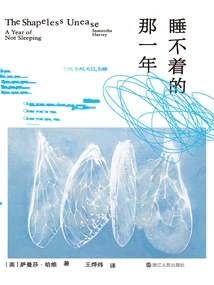
The Year When I Couldn't Sleep
General Fiction睡不着的那一年
(uk)samantha Harvey
In 2016, Samantha Harvey went from a "sleep-free person" who could sleep peacefully no matter what happened, to an "insomniac" who had difficulty falling asleep or even stayed awake all night. Those waking hours at 1am, 2am, 3am, 4am, 5am, 6am, there was not a touch of sleepiness. During this year, there was not a single day when she slept or when she was awake. Along those sleepless nights, she dreamed through writing. She talked about restlessness and anxiety, death and time, science and faith, writing and novels... She also became her own archaeologist, looking back and trying to understand her past, "because it is easier to make peace with life than to count the losses in life." If being able to sleep is a state, then not being able to sleep is another state of life. She writes about insomnia, but also about life itself. With a poetic touch, she writes about existences that are surprising and touching.
In 2016, Samantha Harvey went from a "sleep-free person" who could sleep peacefully no matter what happened, to an "insomniac" who had difficulty falling asleep or even stayed awake all night. Those waking hours at 1am, 2am, 3am, 4am, 5am, 6am, there was not a touch of sleepiness. During this year, there was not a single day when she slept or when she was awake. Along those sleepless nights, she dreamed through writing. She talked about restlessness and anxiety, death and time, science and faith, writing and novels... She also became her own archaeologist, looking back and trying to understand her past, "because it is easier to make peace with life than to count the losses in life." If being able to sleep is a state, then not being able to sleep is another state of life. She writes about insomnia, but also about life itself. With a poetic touch, she writes about existences that are surprising and touching.
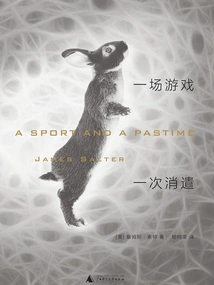
A Game, a Pastime
General Fiction一场游戏一次消遣
I
In France in the early 1960s, "I" met Philip Dean, a wandering Yale University dropout, a "living idol" in Paris. "I" and Dean drove a Dracchi antique sports car for fun, until Dean met the French girl Anne-Marie, the object of a fiery and burning fantasy, and thus began a love story full of sensual charm. "I" follows Dean and Anne-Marie's romance between voyeuristic fragments and imagination, entering the dizzying depths of desire and emotion like the reader's accomplice. What is love beyond the short time and everything attached to it? Is it merely an artistic conception, an illusion described by others as impossible, created just to somehow understand the coming together and separation in life? A celebrated masterpiece by Paris Review Lifetime Achievement Award winner James Salt, "A Game and a Diversion sets a new standard for literature's primary tool: imagination. A tragic novel about a French love affair that is actually an ambitious and tortuous exploration of the nature and meaning of storytelling itself, and the underlying reasons why we need to create romance." (Sarah Hall)
In France in the early 1960s, "I" met Philip Dean, a wandering Yale University dropout, a "living idol" in Paris. "I" and Dean drove a Dracchi antique sports car for fun, until Dean met the French girl Anne-Marie, the object of a fiery and burning fantasy, and thus began a love story full of sensual charm. "I" follows Dean and Anne-Marie's romance between voyeuristic fragments and imagination, entering the dizzying depths of desire and emotion like the reader's accomplice. What is love beyond the short time and everything attached to it? Is it merely an artistic conception, an illusion described by others as impossible, created just to somehow understand the coming together and separation in life? A celebrated masterpiece by Paris Review Lifetime Achievement Award winner James Salt, "A Game and a Diversion sets a new standard for literature's primary tool: imagination. A tragic novel about a French love affair that is actually an ambitious and tortuous exploration of the nature and meaning of storytelling itself, and the underlying reasons why we need to create romance." (Sarah Hall)
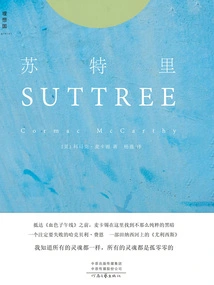
Sutri
General Fiction苏特里
H
Suttree gave up his privileged life, his wealthy family and his intellectual past, and chose to make a living by selling fish to restaurants on a dilapidated houseboat on the Tennessee River in Knoxville. The houseboat is located near a shanty town, populated by eccentrics and criminals: hermits, drunkards, thieves, scavengers, gravediggers, clam gatherers and witches. He became friends with Jones, the black man who owned the pub, and Harrogate, who was imprisoned for having a special fetish for watermelons. In this abandoned fringe of society, survive desolation and poverty with dignity with detachment and humor. At the end of the novel, Jones dies in a fight with the police, Harrogate is arrested for attempted robbery, Sutry suffers from typhoid fever and enters an endless dream, finally leaving Knoxville and heading towards a new life.
Suttree gave up his privileged life, his wealthy family and his intellectual past, and chose to make a living by selling fish to restaurants on a dilapidated houseboat on the Tennessee River in Knoxville. The houseboat is located near a shanty town, populated by eccentrics and criminals: hermits, drunkards, thieves, scavengers, gravediggers, clam gatherers and witches. He became friends with Jones, the black man who owned the pub, and Harrogate, who was imprisoned for having a special fetish for watermelons. In this abandoned fringe of society, survive desolation and poverty with dignity with detachment and humor. At the end of the novel, Jones dies in a fight with the police, Harrogate is arrested for attempted robbery, Sutry suffers from typhoid fever and enters an endless dream, finally leaving Knoxville and heading towards a new life.

Novel 11, Book 18
General Fiction第11部小说,第18本书
(norway) Dag Solstad
He had always believed that life was dominated by opportunities until he was frightened by them. One morning at the end of August, tax collector Bjorn Hansen stood at the train station in the small town of Kongsberg, waiting for his son. He is fifty years old this year, and it has been four years since he left Tiride Lammers, the woman who was the reason why he decided to pursue "stolen happiness" eighteen years ago, abandoning his wife and two-year-old son and moving to Kongsberg from Oslo. Over time, the relationship eventually withers and dies. His son, whom he had not seen for many years, moved to live with him because he was studying at university. The shortcomings in the past seemed to have been repaired, but Bjorn Hansen was still not satisfied. To rebel against the futility of life, he devises a bold plan to make his word "NO" come true. Novel 11, Book 18 is a truly existential novel that presents all of Solstadt's fundamental themes in an uncompromising way. "A novel that shows the impossibility of life without a trace of humor, neither black nor any other kind of humor." Considered one of his most important books.
He had always believed that life was dominated by opportunities until he was frightened by them. One morning at the end of August, tax collector Bjorn Hansen stood at the train station in the small town of Kongsberg, waiting for his son. He is fifty years old this year, and it has been four years since he left Tiride Lammers, the woman who was the reason why he decided to pursue "stolen happiness" eighteen years ago, abandoning his wife and two-year-old son and moving to Kongsberg from Oslo. Over time, the relationship eventually withers and dies. His son, whom he had not seen for many years, moved to live with him because he was studying at university. The shortcomings in the past seemed to have been repaired, but Bjorn Hansen was still not satisfied. To rebel against the futility of life, he devises a bold plan to make his word "NO" come true. Novel 11, Book 18 is a truly existential novel that presents all of Solstadt's fundamental themes in an uncompromising way. "A novel that shows the impossibility of life without a trace of humor, neither black nor any other kind of humor." Considered one of his most important books.
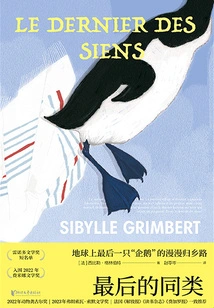
Last of Its Kind
General Fiction最后的同类
(france) Sibylle Greenbert
In 1835, the young scientist Gus was sent to Northern Europe by the Natural History Museum of Lille to study fauna. In the process, he witnesses a massacre of auks and saves one of them. Little did Gus know that he was saving the last great auk on Earth. He named him Wangwang and sent him home to the Orkney Islands. What he didn't even know was that a deep attachment and bond would soon develop between himself, a researcher, and the great auk, who distrusted humans. They are the only ones left on the island. Sybil Greenbert creates an unforgettable pairing of humans and animals on the occasion of the sixth extinction of the species, and succeeds in creating a trustworthy animal character - its heart, its emotions, its intelligence, while humans are haunted by a question that is both intimate and metaphysical: What does it mean to love something that will never be seen again?
In 1835, the young scientist Gus was sent to Northern Europe by the Natural History Museum of Lille to study fauna. In the process, he witnesses a massacre of auks and saves one of them. Little did Gus know that he was saving the last great auk on Earth. He named him Wangwang and sent him home to the Orkney Islands. What he didn't even know was that a deep attachment and bond would soon develop between himself, a researcher, and the great auk, who distrusted humans. They are the only ones left on the island. Sybil Greenbert creates an unforgettable pairing of humans and animals on the occasion of the sixth extinction of the species, and succeeds in creating a trustworthy animal character - its heart, its emotions, its intelligence, while humans are haunted by a question that is both intimate and metaphysical: What does it mean to love something that will never be seen again?

Silent House
General Fiction寂静的房子
(türkiye) Orhan Pamuk
It opens up a dazzling world with detective novels, and is a masterpiece that combines popular novels and serious literature. At the beginning of the 20th century, his grandfather Selaheddin Darwinoglu was driven out of Istanbul by his political opponents, and he and his wife Fatima settled in the Paradise Fortress on the outskirts of the city. Serah al-Din spent his whole life creating an encyclopedia that "can awaken the East", but he could not complete this work until his death. Many years later, his illegitimate son, the dwarf Regipp, lived with Fatima in the ancient and quiet old house as a servant. Like every summer, grandsons Faruk and Metin and granddaughter Nirgin came from Istanbul to visit Fatima. Some of them cannot get rid of their memories and loneliness, some are addicted to the sorrow of history, and some are eager to change their destiny but can't find the direction... The silent house is full of noise and commotion inside and outside, and the empty echoes of history are floating in the gap between three generations.
It opens up a dazzling world with detective novels, and is a masterpiece that combines popular novels and serious literature. At the beginning of the 20th century, his grandfather Selaheddin Darwinoglu was driven out of Istanbul by his political opponents, and he and his wife Fatima settled in the Paradise Fortress on the outskirts of the city. Serah al-Din spent his whole life creating an encyclopedia that "can awaken the East", but he could not complete this work until his death. Many years later, his illegitimate son, the dwarf Regipp, lived with Fatima in the ancient and quiet old house as a servant. Like every summer, grandsons Faruk and Metin and granddaughter Nirgin came from Istanbul to visit Fatima. Some of them cannot get rid of their memories and loneliness, some are addicted to the sorrow of history, and some are eager to change their destiny but can't find the direction... The silent house is full of noise and commotion inside and outside, and the empty echoes of history are floating in the gap between three generations.

My Heart is a Dying Coal
General Fiction我的心是一块将熄的炭火
(us) Ben Lerner
The protagonist "I" is a young and accomplished writer who has just been diagnosed with Marfan syndrome, a hereditary disease related to the heart. He began to worry about an unforeseen death. At the same time, his single female friend Alex is trying to raise a child with him through medical means. At a time when hurricanes are coming frequently, and climate disasters and social crises are part of life, he can't help but wonder why he wants to be a father. But in the process of getting along with the graduate students he mentored and taking care of the immigrant child Roberto, he kept thinking about the meaning of raising offspring, and gradually began to take on his own responsibilities... In the end, "I" and Alex built a new emotional relationship and family model. This is not only a story about becoming a parent, but also a journey of transformation to regain courage and sincerity.
The protagonist "I" is a young and accomplished writer who has just been diagnosed with Marfan syndrome, a hereditary disease related to the heart. He began to worry about an unforeseen death. At the same time, his single female friend Alex is trying to raise a child with him through medical means. At a time when hurricanes are coming frequently, and climate disasters and social crises are part of life, he can't help but wonder why he wants to be a father. But in the process of getting along with the graduate students he mentored and taking care of the immigrant child Roberto, he kept thinking about the meaning of raising offspring, and gradually began to take on his own responsibilities... In the end, "I" and Alex built a new emotional relationship and family model. This is not only a story about becoming a parent, but also a journey of transformation to regain courage and sincerity.
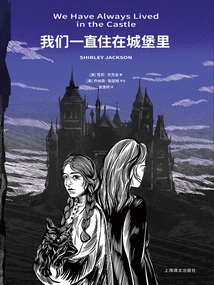
We Have Been Living in the Castle
General Fiction我们一直住在城堡里
I
In a manor outside the village, there lived a pair of sisters: the elder sister Constance was overly sensitive and was frightened all day long and could not go out; the younger sister Mary Kate was a willful and energetic girl who believed she could do witchcraft and was usually responsible for shopping in the village. Add to this the frail and delirious Uncle Julian, who spends his days drafting a book trying to make sense of a tragedy six years ago: a dinner in which all other family members died. The murderer was thought to be Constance, the cook, but she was found not guilty. ? Curious villagers kept coming to the manor as guests. Coming to the "murder scene" and meeting the "murderer" made them feel scared and excited. And when cousin Charles arrives unexpectedly, the three people's original peaceful life is completely broken...? "We Have Always Lived in the Castle" is the last novel written by Shirley Jackson. She died of heart failure in 1965 at the age of forty-eight.
In a manor outside the village, there lived a pair of sisters: the elder sister Constance was overly sensitive and was frightened all day long and could not go out; the younger sister Mary Kate was a willful and energetic girl who believed she could do witchcraft and was usually responsible for shopping in the village. Add to this the frail and delirious Uncle Julian, who spends his days drafting a book trying to make sense of a tragedy six years ago: a dinner in which all other family members died. The murderer was thought to be Constance, the cook, but she was found not guilty. ? Curious villagers kept coming to the manor as guests. Coming to the "murder scene" and meeting the "murderer" made them feel scared and excited. And when cousin Charles arrives unexpectedly, the three people's original peaceful life is completely broken...? "We Have Always Lived in the Castle" is the last novel written by Shirley Jackson. She died of heart failure in 1965 at the age of forty-eight.

I
General FictionI
H
"I understand," she said. When will she learn not to say "I understand" to things she knows nothing about? The elder sister leaves her destiny to marriage, and the younger sister pursues knowledge and freedom, but neither of them can live a happy life. Is this a human dilemma, or is this only true for women? ? After the early release of the influential "Revolutionary Road" and "Eleven Kinds of Solitude", Yates's creative career went through a period of silence. "Easter Parade" once again demonstrates Yates's extraordinary creative strength. This work contains astonishing breadth and weight. Yates' usual elegant and tragic perspective flows through the plain and restrained narrative, tearing apart the fate and dreams of the two sisters bit by bit. It is "both cruel and heartwarming, heartbreaking and cruel." "This is Yates's best novel." As children, Sarah and Emily were two very different girls. In Emily's eyes, her rational sister is always superior. She is jealous of her sister's relationship with her father (who left them due to divorce) and her sister's seemingly happy marriage. Emily chose a path for herself that was not so safe and unconventional. All the romantic affairs could not really satisfy her. Although the bond that binds the sisters has always existed, the distance between them has grown further and further until, finally, a tragic event throws their relationship into the center of a storm...
"I understand," she said. When will she learn not to say "I understand" to things she knows nothing about? The elder sister leaves her destiny to marriage, and the younger sister pursues knowledge and freedom, but neither of them can live a happy life. Is this a human dilemma, or is this only true for women? ? After the early release of the influential "Revolutionary Road" and "Eleven Kinds of Solitude", Yates's creative career went through a period of silence. "Easter Parade" once again demonstrates Yates's extraordinary creative strength. This work contains astonishing breadth and weight. Yates' usual elegant and tragic perspective flows through the plain and restrained narrative, tearing apart the fate and dreams of the two sisters bit by bit. It is "both cruel and heartwarming, heartbreaking and cruel." "This is Yates's best novel." As children, Sarah and Emily were two very different girls. In Emily's eyes, her rational sister is always superior. She is jealous of her sister's relationship with her father (who left them due to divorce) and her sister's seemingly happy marriage. Emily chose a path for herself that was not so safe and unconventional. All the romantic affairs could not really satisfy her. Although the bond that binds the sisters has always existed, the distance between them has grown further and further until, finally, a tragic event throws their relationship into the center of a storm...

Flatland
General Fiction平面国
(english) Edwin A. Abbott
"Flatland" was first published in 1884. At that time, the industrial revolution had not yet been completed and modern physics was nowhere to be seen. However, the book had already begun to imagine dimensional space, more than 100 years before "Three Body" discussed the issue of dimensions. Since its publication, it has inspired countless masters and literary creations, been adapted into animation four times, and appeared in popular culture fields such as the movie "Interstellar" and the TV series "Star Trek". Its popularity is evident. ? This is a memoir written by Square, a resident of Flatland. The memoir is divided into two parts. The first part talks about "my country". The two-dimensional square shows his country to us three-dimensional people, including the social structure, climatic conditions, historical events, etc. Of the flat country. The second part talks about "his country". The square is visited by the "celestial sphere" of the same kind in the third dimension, and has the honor to travel with it. The country - the country of straight lines, the country of space and even the country of points. This opened up the mind, made a leap in thinking, and upgraded the cognition. As a result, he was imprisoned. He left this masterpiece in prison in the hope that those of us "citizens of the sky" who are lucky enough to read it will not be limited by dimensions, and explore infinite possibilities while upholding humility.
"Flatland" was first published in 1884. At that time, the industrial revolution had not yet been completed and modern physics was nowhere to be seen. However, the book had already begun to imagine dimensional space, more than 100 years before "Three Body" discussed the issue of dimensions. Since its publication, it has inspired countless masters and literary creations, been adapted into animation four times, and appeared in popular culture fields such as the movie "Interstellar" and the TV series "Star Trek". Its popularity is evident. ? This is a memoir written by Square, a resident of Flatland. The memoir is divided into two parts. The first part talks about "my country". The two-dimensional square shows his country to us three-dimensional people, including the social structure, climatic conditions, historical events, etc. Of the flat country. The second part talks about "his country". The square is visited by the "celestial sphere" of the same kind in the third dimension, and has the honor to travel with it. The country - the country of straight lines, the country of space and even the country of points. This opened up the mind, made a leap in thinking, and upgraded the cognition. As a result, he was imprisoned. He left this masterpiece in prison in the hope that those of us "citizens of the sky" who are lucky enough to read it will not be limited by dimensions, and explore infinite possibilities while upholding humility.
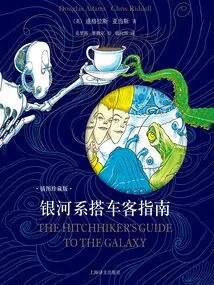
银河系搭车客指南(插图珍藏版)
(uk) Written By Douglas Adams (uk) Illustrated By Chris Riddell
Sudden silence fell over the earth. This is actually scarier than the noise. For a moment, nothing happened. The huge spaceship hangs motionless in the sky, covering every country on the earth. Before its demise, Earth was first transformed into the ultimate sound reproduction device, the greatest broadcasting system ever built. But what came with it was not a concert, not music, no opening number, but just a brief message. "Earthlings, please pay attention." A voice said. This voice was perfect, as if coming from a four-channel system, so perfect that it had such low distortion that it could make a brave man shed tears. "This is the Galactic Hyperspace Planning Committee. As you no doubt know, the development plan for the remote areas of the Milky Way requires the construction of a hyperspace expressway through your star system. Regrettably, your planet is one of the planets scheduled for destruction in the plan. The destruction process will begin in slightly less than two minutes of your Earth's time. Thank you for your cooperation."
Sudden silence fell over the earth. This is actually scarier than the noise. For a moment, nothing happened. The huge spaceship hangs motionless in the sky, covering every country on the earth. Before its demise, Earth was first transformed into the ultimate sound reproduction device, the greatest broadcasting system ever built. But what came with it was not a concert, not music, no opening number, but just a brief message. "Earthlings, please pay attention." A voice said. This voice was perfect, as if coming from a four-channel system, so perfect that it had such low distortion that it could make a brave man shed tears. "This is the Galactic Hyperspace Planning Committee. As you no doubt know, the development plan for the remote areas of the Milky Way requires the construction of a hyperspace expressway through your star system. Regrettably, your planet is one of the planets scheduled for destruction in the plan. The destruction process will begin in slightly less than two minutes of your Earth's time. Thank you for your cooperation."

R
General Fictionr
H
In 1946, O'Connor, who was in his early twenties, published his first short story "Geranium", which together with several early short stories such as "The Barber", "Wild Cat" and "The Crop", demonstrated his vitality and penetrating creative talent. This book "Geranium" selects 12 short stories written by O'Connor. In addition to the early 9 short stories, it also includes "A Festival in Partridge Town" and "Why Do Foreign Countries Fight?" " "You will not be worse than the dead" are three mid- to late-stage works. Among them, "Train", "Peeler", "Heart of the Park" and "Enoch and the Gorilla" outline the prototype of his full-length masterpiece "Wisdom of Blood", while "You Can't Be Worse Than the Dead" is the beginning of the novel "Force to Take".
In 1946, O'Connor, who was in his early twenties, published his first short story "Geranium", which together with several early short stories such as "The Barber", "Wild Cat" and "The Crop", demonstrated his vitality and penetrating creative talent. This book "Geranium" selects 12 short stories written by O'Connor. In addition to the early 9 short stories, it also includes "A Festival in Partridge Town" and "Why Do Foreign Countries Fight?" " "You will not be worse than the dead" are three mid- to late-stage works. Among them, "Train", "Peeler", "Heart of the Park" and "Enoch and the Gorilla" outline the prototype of his full-length masterpiece "Wisdom of Blood", while "You Can't Be Worse Than the Dead" is the beginning of the novel "Force to Take".
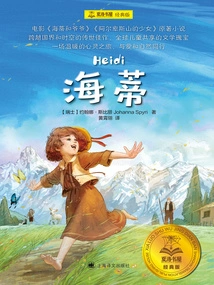
Heidi
General Fiction海蒂
(switzerland)johanna Spiri
"Heidi" (including "Heidi's Learning and Wandering Years" and "Heidi Applying What She Learned" published in 1880 and 1881 respectively) has been translated into more than fifty languages and adapted into many film and television dramas and cartoons. The work tells the story of the growth of the young protagonist Heidi. Heidi is an innocent, lively, simple and kind-hearted little girl who loves nature and life. She was sent to the mountains by her aunt at a very young age to live with her grandfather, who was withdrawn and isolated from the world. On the mountain, Heidi gradually influenced her grandfather with her love and innocence, making him accept the people around him again. At the same time, Heidi also used her kindness and optimism to influence the people around her, including her blind mother-in-law, Peter who was tired of studying, and Clara who sat in a wheelchair all day. The whole story is full of warmth and inspirational elements, showing the kind and beautiful side of human nature, while also conveying profound themes about love, courage and hope.
"Heidi" (including "Heidi's Learning and Wandering Years" and "Heidi Applying What She Learned" published in 1880 and 1881 respectively) has been translated into more than fifty languages and adapted into many film and television dramas and cartoons. The work tells the story of the growth of the young protagonist Heidi. Heidi is an innocent, lively, simple and kind-hearted little girl who loves nature and life. She was sent to the mountains by her aunt at a very young age to live with her grandfather, who was withdrawn and isolated from the world. On the mountain, Heidi gradually influenced her grandfather with her love and innocence, making him accept the people around him again. At the same time, Heidi also used her kindness and optimism to influence the people around her, including her blind mother-in-law, Peter who was tired of studying, and Clara who sat in a wheelchair all day. The whole story is full of warmth and inspirational elements, showing the kind and beautiful side of human nature, while also conveying profound themes about love, courage and hope.

Bright Red Flowers
General Fiction殷红的花朵
S
"Red Flowers" narrates the three emotional upheavals of the protagonist Lennan, which occurred in the three periods of his life: "spring", "summer" and "autumn". What connects these three stories is the "red flowers" that frequently appear in the book - the red carnations that symbolize passionate love or strong lust. The story is both touching and sad, real and touching, yet unconventional, with beautiful language and elegant style. Although there are three romances, they are organically connected into one. Although it is a novel, the text is as beautiful as poetry. Mr. Huang Gaoxin is a great translator of English poetry and rarely translates novels, but he has a special liking for Galsworthy's small work: "Somehow, in my memory, no book seems to move me as much as it does."
"Red Flowers" narrates the three emotional upheavals of the protagonist Lennan, which occurred in the three periods of his life: "spring", "summer" and "autumn". What connects these three stories is the "red flowers" that frequently appear in the book - the red carnations that symbolize passionate love or strong lust. The story is both touching and sad, real and touching, yet unconventional, with beautiful language and elegant style. Although there are three romances, they are organically connected into one. Although it is a novel, the text is as beautiful as poetry. Mr. Huang Gaoxin is a great translator of English poetry and rarely translates novels, but he has a special liking for Galsworthy's small work: "Somehow, in my memory, no book seems to move me as much as it does."
C
General FictionC
H
"Snow" is the representative work of Junichiro Tanizaki, a master of Japanese aesthetic literature. The work takes the four sisters of the Makioka family, a prominent family in Osaka, as the protagonists, and the story of the blind date of the beautiful and quiet third sister Yukiko as the main line, while also touching on local customs, social events, foreign exchanges, etc. The work is like a long painting with bright colors and elegant style, showing the whole picture of the life of the upper class in modern Japan's Kansai region. It is known as the best genre novel with a classical style. Sartre called it the highest masterpiece of modern Japanese literature. "Snowy Snow" is not only a novel describing family entanglements, but also a profound discussion of Japanese traditional values and moral concepts. Through the emotional conflict between the sisters, it reflects the turmoil and changes in Japanese society in the process of modernization, as well as the complex desires and emotions in human nature, making this work a literary masterpiece with profound connotations and touching stories.
"Snow" is the representative work of Junichiro Tanizaki, a master of Japanese aesthetic literature. The work takes the four sisters of the Makioka family, a prominent family in Osaka, as the protagonists, and the story of the blind date of the beautiful and quiet third sister Yukiko as the main line, while also touching on local customs, social events, foreign exchanges, etc. The work is like a long painting with bright colors and elegant style, showing the whole picture of the life of the upper class in modern Japan's Kansai region. It is known as the best genre novel with a classical style. Sartre called it the highest masterpiece of modern Japanese literature. "Snowy Snow" is not only a novel describing family entanglements, but also a profound discussion of Japanese traditional values and moral concepts. Through the emotional conflict between the sisters, it reflects the turmoil and changes in Japanese society in the process of modernization, as well as the complex desires and emotions in human nature, making this work a literary masterpiece with profound connotations and touching stories.
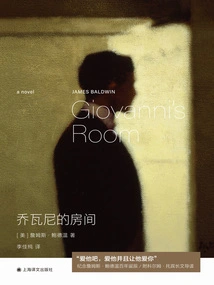
Giovanni's Room
General Fiction乔瓦尼的房间
(us) James Baldwin
David, a young American, is searching for himself in Paris, while his fiancée Hera wanders alone in Spain. David meets an Italian bartender named Giovanni in a bar owned by Guillaume. Giovanni awakens the desire in David's heart, and David enters Giovanni's room, which is cramped, disorderly, and far away from the city. From the beginning of the novel we know that David abandoned Giovanni, that Hera returned to the United States, and that Giovanni was sentenced to death for killing the bar owner. Baldwin moves freely through the timeline, and David oscillates back and forth between man and woman. With a keen and profound imagination, James Baldwin explores the abyss of love and creates a moving story of death and passion that reveals the unspeakable complexity of the human heart.
David, a young American, is searching for himself in Paris, while his fiancée Hera wanders alone in Spain. David meets an Italian bartender named Giovanni in a bar owned by Guillaume. Giovanni awakens the desire in David's heart, and David enters Giovanni's room, which is cramped, disorderly, and far away from the city. From the beginning of the novel we know that David abandoned Giovanni, that Hera returned to the United States, and that Giovanni was sentenced to death for killing the bar owner. Baldwin moves freely through the timeline, and David oscillates back and forth between man and woman. With a keen and profound imagination, James Baldwin explores the abyss of love and creates a moving story of death and passion that reveals the unspeakable complexity of the human heart.

Winter in Sokcho
General Fiction束草的冬天
(france) Elisa Siuya Desapin
It's winter in Sokcho, a tourist town on the border between South Korea and North Korea, and a young French-Korean girl works at the front desk of a shabby guesthouse. One night, a rare guest arrives: a French cartoonist determined to find inspiration in this desolate landscape. As the girl continues to defy society's expectations, break up with her long-distance boyfriend, and resist her mother's urging for plastic surgery, she develops a subtle and fluid relationship with the cartoonist. She agrees to accompany him on his search for the "real" Sokcho, and the two travel to snowy mountains and spectacular waterfalls, even to the border. But he had no interest in the Sokcho she was familiar with-the fancy neon lights, the scars of war, the fish market where her mother worked. She had a secret wish to be like the person in his painting.
It's winter in Sokcho, a tourist town on the border between South Korea and North Korea, and a young French-Korean girl works at the front desk of a shabby guesthouse. One night, a rare guest arrives: a French cartoonist determined to find inspiration in this desolate landscape. As the girl continues to defy society's expectations, break up with her long-distance boyfriend, and resist her mother's urging for plastic surgery, she develops a subtle and fluid relationship with the cartoonist. She agrees to accompany him on his search for the "real" Sokcho, and the two travel to snowy mountains and spectacular waterfalls, even to the border. But he had no interest in the Sokcho she was familiar with-the fancy neon lights, the scars of war, the fish market where her mother worked. She had a secret wish to be like the person in his painting.
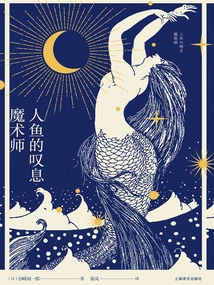
Mermaid's Lament·magician
General Fiction人鱼的叹息·魔术师
(japan) Junichiro Tanizaki
Junichiro Tanizaki's short story collection "Mermaid's Sigh: The Magician" consists of two stories: "The Mermaid's Sigh" and "The Magician". The story of "The Sigh of the Mermaid" takes place in Nanjing during the Qing Dynasty. The noble son Meng Shitao had a wealthy family, many wives and concubines, and lived an extremely luxurious life. However, he was tired of his current life and fell in love with the mermaid brought by the Westerners. For the sake of the mermaid, he decided to leave everything behind... "The Magician" tells the story of a man and woman who were originally in love, in order to prove their loyalty to each other, they went to watch the magician's performance, but were impressed by the magician's beauty and turned into a half-man and half-goat god. The two novels are Tanizaki Junichiro's early works. By vigorously describing the beauty of the senses, readers can feel Tanizaki's literary concept of beauty.
Junichiro Tanizaki's short story collection "Mermaid's Sigh: The Magician" consists of two stories: "The Mermaid's Sigh" and "The Magician". The story of "The Sigh of the Mermaid" takes place in Nanjing during the Qing Dynasty. The noble son Meng Shitao had a wealthy family, many wives and concubines, and lived an extremely luxurious life. However, he was tired of his current life and fell in love with the mermaid brought by the Westerners. For the sake of the mermaid, he decided to leave everything behind... "The Magician" tells the story of a man and woman who were originally in love, in order to prove their loyalty to each other, they went to watch the magician's performance, but were impressed by the magician's beauty and turned into a half-man and half-goat god. The two novels are Tanizaki Junichiro's early works. By vigorously describing the beauty of the senses, readers can feel Tanizaki's literary concept of beauty.
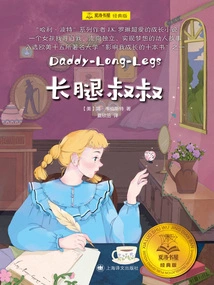
K
General Fictionk
H
The protagonist of "Daddy-Long-Legs", Joshua Albert (later renamed Judy), is a little girl who grew up in an orphanage. She is an excellent writer and was sponsored by an anonymous director of the orphanage to go to college. Judy had never met this director, but saw him by chance, so she called him "Daddy-Long-Legs." As a requirement for funding, the director asked Judy to write him a letter every month, reporting every detail of her life in order to practice her writing skills. This book is composed of letters written by Judy to Daddy-Long-Legs. From it, we can see a girl's growth path of studying hard, finding herself, becoming independent, and finally realizing her dream as a writer.
The protagonist of "Daddy-Long-Legs", Joshua Albert (later renamed Judy), is a little girl who grew up in an orphanage. She is an excellent writer and was sponsored by an anonymous director of the orphanage to go to college. Judy had never met this director, but saw him by chance, so she called him "Daddy-Long-Legs." As a requirement for funding, the director asked Judy to write him a letter every month, reporting every detail of her life in order to practice her writing skills. This book is composed of letters written by Judy to Daddy-Long-Legs. From it, we can see a girl's growth path of studying hard, finding herself, becoming independent, and finally realizing her dream as a writer.
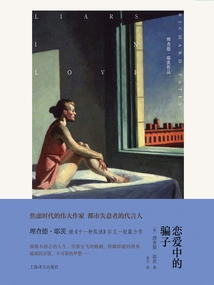
Liar in Love
General Fiction恋爱中的骗子
(us) Richard Yates
"Liars in Love" is Richard Yates's second collection of short stories after "Eleven Kinds of Loneliness", which includes seven short stories in total. It perfectly demonstrates Yates's superior powers of insight and description. With this book, Yates once again proves the power of the short story. Yates, who is obviously more interested in describing "failed life", relies on his keen mind and unique perspective of observation, like a collage art, to present the "little people" and their life fragments in the United States three-dimensionally before our eyes: failed artists, single mothers with difficult lives, alienated family relationships, estranged marriages, rebellious daughters, fleeting love affairs, unreliable dreams...
"Liars in Love" is Richard Yates's second collection of short stories after "Eleven Kinds of Loneliness", which includes seven short stories in total. It perfectly demonstrates Yates's superior powers of insight and description. With this book, Yates once again proves the power of the short story. Yates, who is obviously more interested in describing "failed life", relies on his keen mind and unique perspective of observation, like a collage art, to present the "little people" and their life fragments in the United States three-dimensionally before our eyes: failed artists, single mothers with difficult lives, alienated family relationships, estranged marriages, rebellious daughters, fleeting love affairs, unreliable dreams...

The Girl Who Doesn't Know Her Birthday
General Fiction不知道自己生日的女孩
N
Childhood abuse can last a lifetime. While physical wounds may heal, mental wounds are extremely difficult to repair. Abused children often fall into mental distress. Miyu often draws pictures of herself in a cage. She would put goldfish, newts and hamsters in bottles and boxes, with no memory of them afterwards. Masato always hides behind the curtains, ignores anyone, and is immersed in his own world. Takumi believes that the only relationship between people is "lose or win" and always wants to use violence to make other children surrender. Asuka longed to live with her birth mother even though she had suffered abuse. Because of her biological mother's irresponsible promise, she made things difficult for her adoptive mother just to "go home." Saori was abandoned by her biological parents and never received love from her stepmother or adoptive parents. When she became an adult, she was shocked to realize that she did not seem to know how to love her children... In the family-style care institution "Family House", children who were physically and mentally injured lived with agency operators who acted like adoptive parents and other children who had similar experiences to themselves, learning how to love and trust.
Childhood abuse can last a lifetime. While physical wounds may heal, mental wounds are extremely difficult to repair. Abused children often fall into mental distress. Miyu often draws pictures of herself in a cage. She would put goldfish, newts and hamsters in bottles and boxes, with no memory of them afterwards. Masato always hides behind the curtains, ignores anyone, and is immersed in his own world. Takumi believes that the only relationship between people is "lose or win" and always wants to use violence to make other children surrender. Asuka longed to live with her birth mother even though she had suffered abuse. Because of her biological mother's irresponsible promise, she made things difficult for her adoptive mother just to "go home." Saori was abandoned by her biological parents and never received love from her stepmother or adoptive parents. When she became an adult, she was shocked to realize that she did not seem to know how to love her children... In the family-style care institution "Family House", children who were physically and mentally injured lived with agency operators who acted like adoptive parents and other children who had similar experiences to themselves, learning how to love and trust.
Grinding Iron Classics Volume 7: Lady Chatterley's Lover
General Fiction磨铁经典第7辑:查泰莱夫人的情人
I
Wandering between a paralyzed aristocratic husband and a healthy and destitute lover, Constance Chatterley fell into a huge marital tragedy and also ushered in a rebirth. Sex and love have nothing to do with depravity. She allowed them to spread wantonly in her body, and she also allowed the chaotic and disordered modern thoughts to grow wildly.
Wandering between a paralyzed aristocratic husband and a healthy and destitute lover, Constance Chatterley fell into a huge marital tragedy and also ushered in a rebirth. Sex and love have nothing to do with depravity. She allowed them to spread wantonly in her body, and she also allowed the chaotic and disordered modern thoughts to grow wildly.

Dulan Funny Words
General Fiction都兰趣话
H
The original title of "Dulan Funny Stories" is "Hundred Funny Stories", which is a collection of short stories in the style of "The Decameron". The author pretends that this is a manuscript preserved in the monastery of Touraine and compiled and published specifically for the entertainment of the Pantagruelists. In fact, these stories are all written by Balzac, but they only use the background and themes from the fourteenth to sixteenth centuries, imitating the language of the sixteenth century and Rabelais's bold, straightforward, lively and vivid writing style. The content mostly involves human affairs and personal relationships between men and women. However, under the cover of all kinds of frivolous jokes and vulgar words, there is no lack of penetrating satire and praise of beautiful human emotions. The translator, Shi Kangqiang, is a famous French translator and writer in China. In this book, Balzac uses Old French. At the request of Xia Wen, senior French editor of the Humanities Society, he translated this strange book in a style that imitates the Song and Yuan dialects. It is both faithful to the original text and consistent in form and tone. It is a rare translation masterpiece.
The original title of "Dulan Funny Stories" is "Hundred Funny Stories", which is a collection of short stories in the style of "The Decameron". The author pretends that this is a manuscript preserved in the monastery of Touraine and compiled and published specifically for the entertainment of the Pantagruelists. In fact, these stories are all written by Balzac, but they only use the background and themes from the fourteenth to sixteenth centuries, imitating the language of the sixteenth century and Rabelais's bold, straightforward, lively and vivid writing style. The content mostly involves human affairs and personal relationships between men and women. However, under the cover of all kinds of frivolous jokes and vulgar words, there is no lack of penetrating satire and praise of beautiful human emotions. The translator, Shi Kangqiang, is a famous French translator and writer in China. In this book, Balzac uses Old French. At the request of Xia Wen, senior French editor of the Humanities Society, he translated this strange book in a style that imitates the Song and Yuan dialects. It is both faithful to the original text and consistent in form and tone. It is a rare translation masterpiece.

John-christophe (top and Bottom)
General Fiction约翰-克利斯朵夫(上下)
H
"John-Christophe" is Romain Rolland's masterpiece novel. It reflects a series of contradictions and conflicts in real society through the life experience of John-Christophe, and promotes humanitarianism and heroism. The novel describes the struggling life of John-Christophe, from the awakening of his musical talent as a child, to his contempt and resistance to the powerful in his youth, to his career pursuit and success as an adult, and finally to the lofty state of spiritual tranquility. In 1915 Romain Rolland won the Nobel Prize for Literature for "Johan-Christophe". The translator of this book is Fu Lei, a famous Chinese translator, writer, educator, and art critic. The translation is beautiful and fluent. It accurately translates the author's descriptions of various types of music, and uses a vivid translation to present the author's high morale revealed between the lines.
"John-Christophe" is Romain Rolland's masterpiece novel. It reflects a series of contradictions and conflicts in real society through the life experience of John-Christophe, and promotes humanitarianism and heroism. The novel describes the struggling life of John-Christophe, from the awakening of his musical talent as a child, to his contempt and resistance to the powerful in his youth, to his career pursuit and success as an adult, and finally to the lofty state of spiritual tranquility. In 1915 Romain Rolland won the Nobel Prize for Literature for "Johan-Christophe". The translator of this book is Fu Lei, a famous Chinese translator, writer, educator, and art critic. The translation is beautiful and fluent. It accurately translates the author's descriptions of various types of music, and uses a vivid translation to present the author's high morale revealed between the lines.
康拉德作品译评系列·之一:黑暗之心
H
On the Thames River at dusk, Marlowe told his crew friends about his experience of driving a steamboat up the Congo River in Africa to rescue a legendary explorer named Kurtz deep in the jungle. Along the way, he witnessed the desolate and primitive scenes of the African land, and also witnessed the various atrocities committed by the colonists against black laborers; when the mysterious white fog cleared, the steamboat encountered a sudden attack by a savage tribe. What kind of unknown and thrilling stories are hidden in the silent primitive jungle? What kind of shock did Kurtz's last words bring to Marlowe? All the answers lie in "Heart of Darkness".
On the Thames River at dusk, Marlowe told his crew friends about his experience of driving a steamboat up the Congo River in Africa to rescue a legendary explorer named Kurtz deep in the jungle. Along the way, he witnessed the desolate and primitive scenes of the African land, and also witnessed the various atrocities committed by the colonists against black laborers; when the mysterious white fog cleared, the steamboat encountered a sudden attack by a savage tribe. What kind of unknown and thrilling stories are hidden in the silent primitive jungle? What kind of shock did Kurtz's last words bring to Marlowe? All the answers lie in "Heart of Darkness".

Istanbul Holidays
General Fiction伊斯坦布尔假期
I
Perfumer Alice leads a carefree life in London, often entertaining friends at home, but the noise often causes dissatisfaction with her eccentric neighbor Daldry. However, on Christmas Eve, her beautiful life falls apart when a fortune teller predicts that Alice must go on a long journey, during which she will meet six people who will ultimately lead her to find the most important person in her life. Istanbul will be the place where their fates meet. This prophecy plunges Alice into a series of nightmares. Under the persuasion of their neighbor Daidley, they embarked on a journey to Istanbul together. What awaited her was the truth that would subvert her entire life.
Perfumer Alice leads a carefree life in London, often entertaining friends at home, but the noise often causes dissatisfaction with her eccentric neighbor Daldry. However, on Christmas Eve, her beautiful life falls apart when a fortune teller predicts that Alice must go on a long journey, during which she will meet six people who will ultimately lead her to find the most important person in her life. Istanbul will be the place where their fates meet. This prophecy plunges Alice into a series of nightmares. Under the persuasion of their neighbor Daidley, they embarked on a journey to Istanbul together. What awaited her was the truth that would subvert her entire life.