Library
Browse and search books
2,273 novels found
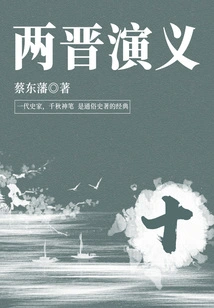
蔡东藩经典历史小说:两晋演义(10)
Cai Dongfan
"The Romance of the Two Jin Dynasties" is one of the "Popular Romance of the Past Dynasties". This book uses a chapter structure, popular articles, and witty comments to truly reproduce the magnificent historical evolution of Chinese civilization and narrate the rise and fall of the Jin Dynasty. It started from Sima Yan in the Wei Dynasty and ended in the Liu Song Dynasty in the Jin Dynasty, which lasted for 156 years. The Western Jin Dynasty ended nearly a century of division. However, the Eight Kings Rebellion depleted the country's capital, and the Hu people, who were mixed with the Han people, took the opportunity to attack one after another, leading to the fall of the Western Jin Dynasty. The Eastern Jin Dynasty rebuilt in Jiangdong, accumulated energy, and launched the difficult task of the Northern Expedition, but its strength was lost due to internal power struggles. General Liu Yu stood out and made two Northern Expeditions to recapture Chang'an. After that, he deposed two emperors one after another, founded the Song Dynasty, and fell to the Eastern Jin Dynasty. This book is easy to understand and has witty comments. It is a good helper for understanding history.
"The Romance of the Two Jin Dynasties" is one of the "Popular Romance of the Past Dynasties". This book uses a chapter structure, popular articles, and witty comments to truly reproduce the magnificent historical evolution of Chinese civilization and narrate the rise and fall of the Jin Dynasty. It started from Sima Yan in the Wei Dynasty and ended in the Liu Song Dynasty in the Jin Dynasty, which lasted for 156 years. The Western Jin Dynasty ended nearly a century of division. However, the Eight Kings Rebellion depleted the country's capital, and the Hu people, who were mixed with the Han people, took the opportunity to attack one after another, leading to the fall of the Western Jin Dynasty. The Eastern Jin Dynasty rebuilt in Jiangdong, accumulated energy, and launched the difficult task of the Northern Expedition, but its strength was lost due to internal power struggles. General Liu Yu stood out and made two Northern Expeditions to recapture Chang'an. After that, he deposed two emperors one after another, founded the Song Dynasty, and fell to the Eastern Jin Dynasty. This book is easy to understand and has witty comments. It is a good helper for understanding history.
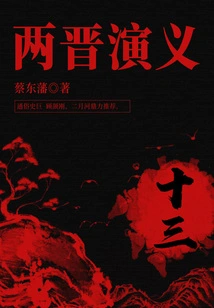
蔡东藩经典历史小说:两晋演义(13)
Cai Dongfan
"The Romance of the Two Jin Dynasties" is one of the "Popular Romance of the Past Dynasties". This book uses a chapter structure, popular articles, and witty comments to truly reproduce the magnificent historical evolution of Chinese civilization and narrate the rise and fall of the Jin Dynasty. It started from Sima Yan in the Wei Dynasty and ended in the Liu Song Dynasty in the Jin Dynasty, which lasted for 156 years. The Western Jin Dynasty ended nearly a century of division. However, the Eight Kings Rebellion depleted the country's capital, and the Hu people, who were mixed with the Han people, took the opportunity to attack one after another, leading to the fall of the Western Jin Dynasty. The Eastern Jin Dynasty rebuilt in Jiangdong, accumulated energy, and launched the difficult task of the Northern Expedition, but its strength was lost due to internal power struggles. General Liu Yu stood out and made two Northern Expeditions to recapture Chang'an. After that, he deposed two emperors one after another, founded the Song Dynasty, and fell to the Eastern Jin Dynasty. This book is easy to understand and has witty comments. It is a good helper for understanding history.
"The Romance of the Two Jin Dynasties" is one of the "Popular Romance of the Past Dynasties". This book uses a chapter structure, popular articles, and witty comments to truly reproduce the magnificent historical evolution of Chinese civilization and narrate the rise and fall of the Jin Dynasty. It started from Sima Yan in the Wei Dynasty and ended in the Liu Song Dynasty in the Jin Dynasty, which lasted for 156 years. The Western Jin Dynasty ended nearly a century of division. However, the Eight Kings Rebellion depleted the country's capital, and the Hu people, who were mixed with the Han people, took the opportunity to attack one after another, leading to the fall of the Western Jin Dynasty. The Eastern Jin Dynasty rebuilt in Jiangdong, accumulated energy, and launched the difficult task of the Northern Expedition, but its strength was lost due to internal power struggles. General Liu Yu stood out and made two Northern Expeditions to recapture Chang'an. After that, he deposed two emperors one after another, founded the Song Dynasty, and fell to the Eastern Jin Dynasty. This book is easy to understand and has witty comments. It is a good helper for understanding history.
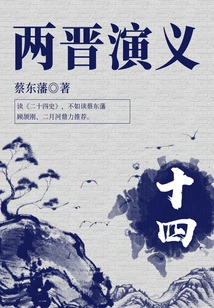
蔡东藩经典历史小说:两晋演义(14)
Cai Dongfan
"The Romance of the Two Jin Dynasties" is one of the "Popular Romance of the Past Dynasties". This book uses a chapter structure, popular articles, and witty comments to truly reproduce the magnificent historical evolution of Chinese civilization and narrate the rise and fall of the Jin Dynasty. It started from Sima Yan in the Wei Dynasty and ended in the Liu Song Dynasty in the Jin Dynasty, which lasted for 156 years. The Western Jin Dynasty ended nearly a century of division. However, the Eight Kings Rebellion depleted the country's capital, and the Hu people, who were mixed with the Han people, took the opportunity to attack one after another, leading to the fall of the Western Jin Dynasty. The Eastern Jin Dynasty rebuilt in Jiangdong, accumulated energy, and launched the difficult task of the Northern Expedition, but its strength was lost due to internal power struggles. General Liu Yu stood out and made two Northern Expeditions to recapture Chang'an. After that, he deposed two emperors one after another, founded the Song Dynasty, and fell to the Eastern Jin Dynasty. This book is easy to understand and has witty comments. It is a good helper for understanding history.
"The Romance of the Two Jin Dynasties" is one of the "Popular Romance of the Past Dynasties". This book uses a chapter structure, popular articles, and witty comments to truly reproduce the magnificent historical evolution of Chinese civilization and narrate the rise and fall of the Jin Dynasty. It started from Sima Yan in the Wei Dynasty and ended in the Liu Song Dynasty in the Jin Dynasty, which lasted for 156 years. The Western Jin Dynasty ended nearly a century of division. However, the Eight Kings Rebellion depleted the country's capital, and the Hu people, who were mixed with the Han people, took the opportunity to attack one after another, leading to the fall of the Western Jin Dynasty. The Eastern Jin Dynasty rebuilt in Jiangdong, accumulated energy, and launched the difficult task of the Northern Expedition, but its strength was lost due to internal power struggles. General Liu Yu stood out and made two Northern Expeditions to recapture Chang'an. After that, he deposed two emperors one after another, founded the Song Dynasty, and fell to the Eastern Jin Dynasty. This book is easy to understand and has witty comments. It is a good helper for understanding history.
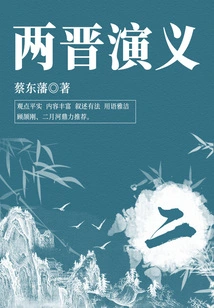
蔡东藩经典历史小说:两晋演义(2)
Cai Dongfan
"The Romance of the Two Jin Dynasties" is one of the "Popular Romance of the Past Dynasties". This book uses a chapter structure, popular articles, and witty comments to truly reproduce the magnificent historical evolution of Chinese civilization and narrate the rise and fall of the Jin Dynasty. It started from Sima Yan in the Wei Dynasty and ended in the Liu Song Dynasty in the Jin Dynasty, which lasted for 156 years. The Western Jin Dynasty ended nearly a century of division. However, the Eight Kings Rebellion depleted the country's capital, and the Hu people, who were mixed with the Han people, took the opportunity to attack one after another, leading to the fall of the Western Jin Dynasty. The Eastern Jin Dynasty rebuilt in Jiangdong, accumulated energy, and launched the difficult task of the Northern Expedition, but its strength was lost due to internal power struggles. General Liu Yu stood out and made two Northern Expeditions to recapture Chang'an. After that, he deposed two emperors one after another, founded the Song Dynasty, and fell to the Eastern Jin Dynasty. This book is easy to understand and has witty comments. It is a good helper for understanding history.
"The Romance of the Two Jin Dynasties" is one of the "Popular Romance of the Past Dynasties". This book uses a chapter structure, popular articles, and witty comments to truly reproduce the magnificent historical evolution of Chinese civilization and narrate the rise and fall of the Jin Dynasty. It started from Sima Yan in the Wei Dynasty and ended in the Liu Song Dynasty in the Jin Dynasty, which lasted for 156 years. The Western Jin Dynasty ended nearly a century of division. However, the Eight Kings Rebellion depleted the country's capital, and the Hu people, who were mixed with the Han people, took the opportunity to attack one after another, leading to the fall of the Western Jin Dynasty. The Eastern Jin Dynasty rebuilt in Jiangdong, accumulated energy, and launched the difficult task of the Northern Expedition, but its strength was lost due to internal power struggles. General Liu Yu stood out and made two Northern Expeditions to recapture Chang'an. After that, he deposed two emperors one after another, founded the Song Dynasty, and fell to the Eastern Jin Dynasty. This book is easy to understand and has witty comments. It is a good helper for understanding history.
蔡东藩经典历史小说:两晋演义(3)
Cai Dongfan
"The Romance of the Two Jin Dynasties" is one of the "Popular Romance of the Past Dynasties". This book uses a chapter structure, popular articles, and witty comments to truly reproduce the magnificent historical evolution of Chinese civilization and narrate the rise and fall of the Jin Dynasty. It started from Sima Yan in the Wei Dynasty and ended in the Liu Song Dynasty in the Jin Dynasty, which lasted for 156 years. The Western Jin Dynasty ended nearly a century of division. However, the Eight Kings Rebellion depleted the country's capital, and the Hu people, who were mixed with the Han people, took the opportunity to attack one after another, leading to the fall of the Western Jin Dynasty. The Eastern Jin Dynasty rebuilt in Jiangdong, accumulated energy, and launched the difficult task of the Northern Expedition, but its strength was lost due to internal power struggles. General Liu Yu stood out and made two Northern Expeditions to recapture Chang'an. After that, he deposed two emperors one after another, founded the Song Dynasty, and fell to the Eastern Jin Dynasty. This book is easy to understand and has witty comments. It is a good helper for understanding history.
"The Romance of the Two Jin Dynasties" is one of the "Popular Romance of the Past Dynasties". This book uses a chapter structure, popular articles, and witty comments to truly reproduce the magnificent historical evolution of Chinese civilization and narrate the rise and fall of the Jin Dynasty. It started from Sima Yan in the Wei Dynasty and ended in the Liu Song Dynasty in the Jin Dynasty, which lasted for 156 years. The Western Jin Dynasty ended nearly a century of division. However, the Eight Kings Rebellion depleted the country's capital, and the Hu people, who were mixed with the Han people, took the opportunity to attack one after another, leading to the fall of the Western Jin Dynasty. The Eastern Jin Dynasty rebuilt in Jiangdong, accumulated energy, and launched the difficult task of the Northern Expedition, but its strength was lost due to internal power struggles. General Liu Yu stood out and made two Northern Expeditions to recapture Chang'an. After that, he deposed two emperors one after another, founded the Song Dynasty, and fell to the Eastern Jin Dynasty. This book is easy to understand and has witty comments. It is a good helper for understanding history.
蔡东藩经典历史小说:两晋演义(4)
Cai Dongfan
"The Romance of the Two Jin Dynasties" is one of the "Popular Romance of the Past Dynasties". This book uses a chapter structure, popular articles, and witty comments to truly reproduce the magnificent historical evolution of Chinese civilization and narrate the rise and fall of the Jin Dynasty. It started from Sima Yan in the Wei Dynasty and ended in the Liu Song Dynasty in the Jin Dynasty, which lasted for 156 years. The Western Jin Dynasty ended nearly a century of division. However, the Eight Kings Rebellion depleted the country's capital, and the Hu people, who were mixed with the Han people, took the opportunity to attack one after another, leading to the fall of the Western Jin Dynasty. The Eastern Jin Dynasty rebuilt in Jiangdong, accumulated energy, and launched the difficult task of the Northern Expedition, but its strength was lost due to internal power struggles. General Liu Yu stood out and made two Northern Expeditions to recapture Chang'an. After that, he deposed two emperors one after another, founded the Song Dynasty, and fell to the Eastern Jin Dynasty. This book is easy to understand and has witty comments. It is a good helper for understanding history.
"The Romance of the Two Jin Dynasties" is one of the "Popular Romance of the Past Dynasties". This book uses a chapter structure, popular articles, and witty comments to truly reproduce the magnificent historical evolution of Chinese civilization and narrate the rise and fall of the Jin Dynasty. It started from Sima Yan in the Wei Dynasty and ended in the Liu Song Dynasty in the Jin Dynasty, which lasted for 156 years. The Western Jin Dynasty ended nearly a century of division. However, the Eight Kings Rebellion depleted the country's capital, and the Hu people, who were mixed with the Han people, took the opportunity to attack one after another, leading to the fall of the Western Jin Dynasty. The Eastern Jin Dynasty rebuilt in Jiangdong, accumulated energy, and launched the difficult task of the Northern Expedition, but its strength was lost due to internal power struggles. General Liu Yu stood out and made two Northern Expeditions to recapture Chang'an. After that, he deposed two emperors one after another, founded the Song Dynasty, and fell to the Eastern Jin Dynasty. This book is easy to understand and has witty comments. It is a good helper for understanding history.
蔡东藩经典历史小说:两晋演义(5)
Cai Dongfan
"The Romance of the Two Jin Dynasties" is one of the "Popular Romance of the Past Dynasties". This book uses a chapter structure, popular articles, and witty comments to truly reproduce the magnificent historical evolution of Chinese civilization and narrate the rise and fall of the Jin Dynasty. It started from Sima Yan in the Wei Dynasty and ended in the Liu Song Dynasty in the Jin Dynasty, which lasted for 156 years. The Western Jin Dynasty ended nearly a century of division. However, the Eight Kings Rebellion depleted the country's capital, and the Hu people, who were mixed with the Han people, took the opportunity to attack one after another, leading to the fall of the Western Jin Dynasty. The Eastern Jin Dynasty rebuilt in Jiangdong, accumulated energy, and launched the difficult task of the Northern Expedition, but its strength was lost due to internal power struggles. General Liu Yu stood out and made two Northern Expeditions to recapture Chang'an. After that, he deposed two emperors one after another, founded the Song Dynasty, and fell to the Eastern Jin Dynasty. This book is easy to understand and has witty comments. It is a good helper for understanding history.
"The Romance of the Two Jin Dynasties" is one of the "Popular Romance of the Past Dynasties". This book uses a chapter structure, popular articles, and witty comments to truly reproduce the magnificent historical evolution of Chinese civilization and narrate the rise and fall of the Jin Dynasty. It started from Sima Yan in the Wei Dynasty and ended in the Liu Song Dynasty in the Jin Dynasty, which lasted for 156 years. The Western Jin Dynasty ended nearly a century of division. However, the Eight Kings Rebellion depleted the country's capital, and the Hu people, who were mixed with the Han people, took the opportunity to attack one after another, leading to the fall of the Western Jin Dynasty. The Eastern Jin Dynasty rebuilt in Jiangdong, accumulated energy, and launched the difficult task of the Northern Expedition, but its strength was lost due to internal power struggles. General Liu Yu stood out and made two Northern Expeditions to recapture Chang'an. After that, he deposed two emperors one after another, founded the Song Dynasty, and fell to the Eastern Jin Dynasty. This book is easy to understand and has witty comments. It is a good helper for understanding history.
蔡东藩经典历史小说:两晋演义(6)
Cai Dongfan
"The Romance of the Two Jin Dynasties" is one of the "Popular Romance of the Past Dynasties". This book uses a chapter structure, popular articles, and witty comments to truly reproduce the magnificent historical evolution of Chinese civilization and narrate the rise and fall of the Jin Dynasty. It started from Sima Yan in the Wei Dynasty and ended in the Liu Song Dynasty in the Jin Dynasty, which lasted for 156 years. The Western Jin Dynasty ended nearly a century of division. However, the Eight Kings Rebellion depleted the country's capital, and the Hu people, who were mixed with the Han people, took the opportunity to attack one after another, leading to the fall of the Western Jin Dynasty. The Eastern Jin Dynasty rebuilt in Jiangdong, accumulated energy, and launched the difficult task of the Northern Expedition, but its strength was lost due to internal power struggles. General Liu Yu stood out and made two Northern Expeditions to recapture Chang'an. After that, he deposed two emperors one after another, founded the Song Dynasty, and fell to the Eastern Jin Dynasty. This book is easy to understand and has witty comments. It is a good helper for understanding history.
"The Romance of the Two Jin Dynasties" is one of the "Popular Romance of the Past Dynasties". This book uses a chapter structure, popular articles, and witty comments to truly reproduce the magnificent historical evolution of Chinese civilization and narrate the rise and fall of the Jin Dynasty. It started from Sima Yan in the Wei Dynasty and ended in the Liu Song Dynasty in the Jin Dynasty, which lasted for 156 years. The Western Jin Dynasty ended nearly a century of division. However, the Eight Kings Rebellion depleted the country's capital, and the Hu people, who were mixed with the Han people, took the opportunity to attack one after another, leading to the fall of the Western Jin Dynasty. The Eastern Jin Dynasty rebuilt in Jiangdong, accumulated energy, and launched the difficult task of the Northern Expedition, but its strength was lost due to internal power struggles. General Liu Yu stood out and made two Northern Expeditions to recapture Chang'an. After that, he deposed two emperors one after another, founded the Song Dynasty, and fell to the Eastern Jin Dynasty. This book is easy to understand and has witty comments. It is a good helper for understanding history.
蔡东藩经典历史小说:两晋演义(7)
Cai Dongfan
"The Romance of the Two Jin Dynasties" is one of the "Popular Romance of the Past Dynasties". This book uses a chapter structure, popular articles, and witty comments to truly reproduce the magnificent historical evolution of Chinese civilization and narrate the rise and fall of the Jin Dynasty. It started from Sima Yan in the Wei Dynasty and ended in the Liu Song Dynasty in the Jin Dynasty, which lasted for 156 years. The Western Jin Dynasty ended nearly a century of division. However, the Eight Kings Rebellion depleted the country's capital, and the Hu people, who were mixed with the Han people, took the opportunity to attack one after another, leading to the fall of the Western Jin Dynasty. The Eastern Jin Dynasty rebuilt in Jiangdong, accumulated energy, and launched the difficult task of the Northern Expedition, but its strength was lost due to internal power struggles. General Liu Yu stood out and made two Northern Expeditions to recapture Chang'an. After that, he deposed two emperors one after another, founded the Song Dynasty, and fell to the Eastern Jin Dynasty. This book is easy to understand and has witty comments. It is a good helper for understanding history.
"The Romance of the Two Jin Dynasties" is one of the "Popular Romance of the Past Dynasties". This book uses a chapter structure, popular articles, and witty comments to truly reproduce the magnificent historical evolution of Chinese civilization and narrate the rise and fall of the Jin Dynasty. It started from Sima Yan in the Wei Dynasty and ended in the Liu Song Dynasty in the Jin Dynasty, which lasted for 156 years. The Western Jin Dynasty ended nearly a century of division. However, the Eight Kings Rebellion depleted the country's capital, and the Hu people, who were mixed with the Han people, took the opportunity to attack one after another, leading to the fall of the Western Jin Dynasty. The Eastern Jin Dynasty rebuilt in Jiangdong, accumulated energy, and launched the difficult task of the Northern Expedition, but its strength was lost due to internal power struggles. General Liu Yu stood out and made two Northern Expeditions to recapture Chang'an. After that, he deposed two emperors one after another, founded the Song Dynasty, and fell to the Eastern Jin Dynasty. This book is easy to understand and has witty comments. It is a good helper for understanding history.
蔡东藩经典历史小说:民国演义(14)
Cai Dongfan
This book is a must-read historical novel of the Republic of China. The author is Cai Dongfan, a famous historian and novelist of the Republic of China. This book describes in relatively detail the beginning and end of major historical events such as the Revolution of 1911, Sun Yat-sen's resignation, Yuan Shikai's proclaimed emperor, Cai E's campaign against Yuan, Zhang Xun's restoration, the May Fourth Movement, Sun Yat-sen's reorganization of the Kuomintang, and other major historical events. This book is the Republic of China part of "Popular Romance of Chinese History". "Popular Romance of Chinese History" dates from the Qin and Han dynasties to the Republic of China. Two thousand years of Chinese history are vividly displayed in front of us. The book tells the history of the Republic of China in a detailed and easy-to-understand way, and has been widely praised by people since its publication. The work is based on historical facts and side by side with unofficial history. It is prudent in selecting materials, has plain viewpoints, is rich in content, has a methodical narrative, elegant language, self-evaluation and self-annotation, and has both reason and interest. It is regarded as a classic of popular history and is deeply favored by readers. In the selection and use of historical materials, Cai Dongfan mainly focused on "official history" and also collected anecdotes and anecdotes. He claimed that the historical romance he compiled "takes official history as the classic and strives for certainty; uses anecdotes as the latitude and does not make false accusations." He is extremely cautious in the use of historical materials such as anecdotes and anecdotes, and often requires "several rounds of textual research."
This book is a must-read historical novel of the Republic of China. The author is Cai Dongfan, a famous historian and novelist of the Republic of China. This book describes in relatively detail the beginning and end of major historical events such as the Revolution of 1911, Sun Yat-sen's resignation, Yuan Shikai's proclaimed emperor, Cai E's campaign against Yuan, Zhang Xun's restoration, the May Fourth Movement, Sun Yat-sen's reorganization of the Kuomintang, and other major historical events. This book is the Republic of China part of "Popular Romance of Chinese History". "Popular Romance of Chinese History" dates from the Qin and Han dynasties to the Republic of China. Two thousand years of Chinese history are vividly displayed in front of us. The book tells the history of the Republic of China in a detailed and easy-to-understand way, and has been widely praised by people since its publication. The work is based on historical facts and side by side with unofficial history. It is prudent in selecting materials, has plain viewpoints, is rich in content, has a methodical narrative, elegant language, self-evaluation and self-annotation, and has both reason and interest. It is regarded as a classic of popular history and is deeply favored by readers. In the selection and use of historical materials, Cai Dongfan mainly focused on "official history" and also collected anecdotes and anecdotes. He claimed that the historical romance he compiled "takes official history as the classic and strives for certainty; uses anecdotes as the latitude and does not make false accusations." He is extremely cautious in the use of historical materials such as anecdotes and anecdotes, and often requires "several rounds of textual research."
Cai Dongfan's Historical Novels: Romance of Ming Dynasty (5)
General Fiction蔡东藩历史小说:明史演义(5)
Cai Dongfan
"The Romance of the Ming Dynasty" is informative and tells us the history of the Ming Dynasty in a simple and easy-to-understand way. It took 276 years from the founding of the country by the civilian emperor Zhu Yuanzhang to the death of Sizong in the Ming Dynasty. Zhu Yuanzhang rose to the occasion, and within a few years he expelled Emperor Yuan and unified China. He finally drove the foreigners out of China, but he was afraid of constant harassment, so he had to build the Great Wall high and thick. It was only at this time that Zheng He, who made seven voyages to the West, appeared, bringing with him the highest technology at the time and a huge fleet to greatly promote the power of the Ming Empire. Cai Dongfan's book romance emphasizes history over prose. Although it is slightly inferior to literary talent, it provides a vast and popular general history of the Ming Dynasty and made an indelible contribution to the popularization of Chinese historical knowledge. The author Cai Dongfan was a historian and novelist in the late Qing Dynasty and the early Republic of China. When writing this historical romance, Cai Dongfan followed the principle of "taking official history as the basis, striving for conclusiveness, using anecdotes as the basis, and not making false accusations" in historical materials. He paid great attention to the authenticity of history and carefully examined the selection and use of historical materials. The work is highly readable and is a classic that history lovers cannot miss.
"The Romance of the Ming Dynasty" is informative and tells us the history of the Ming Dynasty in a simple and easy-to-understand way. It took 276 years from the founding of the country by the civilian emperor Zhu Yuanzhang to the death of Sizong in the Ming Dynasty. Zhu Yuanzhang rose to the occasion, and within a few years he expelled Emperor Yuan and unified China. He finally drove the foreigners out of China, but he was afraid of constant harassment, so he had to build the Great Wall high and thick. It was only at this time that Zheng He, who made seven voyages to the West, appeared, bringing with him the highest technology at the time and a huge fleet to greatly promote the power of the Ming Empire. Cai Dongfan's book romance emphasizes history over prose. Although it is slightly inferior to literary talent, it provides a vast and popular general history of the Ming Dynasty and made an indelible contribution to the popularization of Chinese historical knowledge. The author Cai Dongfan was a historian and novelist in the late Qing Dynasty and the early Republic of China. When writing this historical romance, Cai Dongfan followed the principle of "taking official history as the basis, striving for conclusiveness, using anecdotes as the basis, and not making false accusations" in historical materials. He paid great attention to the authenticity of history and carefully examined the selection and use of historical materials. The work is highly readable and is a classic that history lovers cannot miss.
蔡东藩历史小说:宋史演义(12)
Cai Dongfan
This book mainly talks about how after the Five Dynasties and Ten Kingdoms, Zhao Kuangyin wore a yellow robe and used a glass of wine to release his military power and concentrate the power in his own hands. Under the basic national policy of strengthening the cadres and weakening the branches, literati politics solved the opportunity for the warriors of the previous dynasty to usurp the throne, and also shaped a humanistic empire at the cultural level. But it was unable to break through the political chaos, and the political situation was disrupted. This book is structured in chapters, with popular articles and witty comments. It truly reproduces the magnificent historical evolution of Chinese civilization and narrates the rise and fall of the Song Dynasty. The northern part of the Great Wall was surrounded by powerful neighbors and foreign troubles continued, and half of the country was lost in the Jingkang disaster. After Jingkang, Emperor Gaozong and Zhao Gou rebuilt the empire in Suzhou and Hangzhou under heaven, and lost the illusion of returning to China. The author uses his personal history to tell the history of China in the form of a popular novel, hoping to help the Chinese people find a way to save the nation and survive from the enlightenment of history.
This book mainly talks about how after the Five Dynasties and Ten Kingdoms, Zhao Kuangyin wore a yellow robe and used a glass of wine to release his military power and concentrate the power in his own hands. Under the basic national policy of strengthening the cadres and weakening the branches, literati politics solved the opportunity for the warriors of the previous dynasty to usurp the throne, and also shaped a humanistic empire at the cultural level. But it was unable to break through the political chaos, and the political situation was disrupted. This book is structured in chapters, with popular articles and witty comments. It truly reproduces the magnificent historical evolution of Chinese civilization and narrates the rise and fall of the Song Dynasty. The northern part of the Great Wall was surrounded by powerful neighbors and foreign troubles continued, and half of the country was lost in the Jingkang disaster. After Jingkang, Emperor Gaozong and Zhao Gou rebuilt the empire in Suzhou and Hangzhou under heaven, and lost the illusion of returning to China. The author uses his personal history to tell the history of China in the form of a popular novel, hoping to help the Chinese people find a way to save the nation and survive from the enlightenment of history.
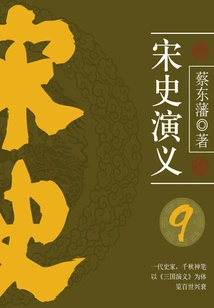
Cai Dongfan's Historical Novels: Romance of Song Dynasty (9)
General Fiction蔡东藩历史小说:宋史演义(9)
Cai Dongfan
This book mainly talks about how after the Five Dynasties and Ten Kingdoms, Zhao Kuangyin wore a yellow robe and used a glass of wine to release his military power and concentrate the power in his own hands. Under the basic national policy of strengthening the cadres and weakening the branches, literati politics solved the opportunity for the warriors of the previous dynasty to usurp the throne, and also shaped a humanistic empire at the cultural level. But it was unable to break through the political chaos, and the political situation was disrupted. This book is structured in chapters, with popular articles and witty comments. It truly reproduces the magnificent historical evolution of Chinese civilization and narrates the rise and fall of the Song Dynasty. The northern part of the Great Wall was surrounded by powerful neighbors and foreign troubles continued, and half of the country was lost in the Jingkang disaster. After Jingkang, Emperor Gaozong and Zhao Gou rebuilt the empire in Suzhou and Hangzhou under heaven, and lost the illusion of returning to China. The author uses his personal history to tell the history of China in the form of a popular novel, hoping to help the Chinese people find a way to save the nation and survive from the enlightenment of history.
This book mainly talks about how after the Five Dynasties and Ten Kingdoms, Zhao Kuangyin wore a yellow robe and used a glass of wine to release his military power and concentrate the power in his own hands. Under the basic national policy of strengthening the cadres and weakening the branches, literati politics solved the opportunity for the warriors of the previous dynasty to usurp the throne, and also shaped a humanistic empire at the cultural level. But it was unable to break through the political chaos, and the political situation was disrupted. This book is structured in chapters, with popular articles and witty comments. It truly reproduces the magnificent historical evolution of Chinese civilization and narrates the rise and fall of the Song Dynasty. The northern part of the Great Wall was surrounded by powerful neighbors and foreign troubles continued, and half of the country was lost in the Jingkang disaster. After Jingkang, Emperor Gaozong and Zhao Gou rebuilt the empire in Suzhou and Hangzhou under heaven, and lost the illusion of returning to China. The author uses his personal history to tell the history of China in the form of a popular novel, hoping to help the Chinese people find a way to save the nation and survive from the enlightenment of history.
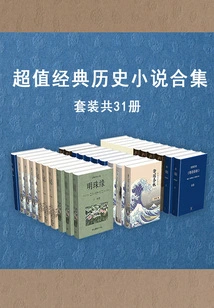
超值经典历史小说合集(套装共31册)
Anonymous Li Qing Yuanhu Fisherman Wang Ji Luo Guanzhong
This set of books includes "Classic History: Spring and Autumn of the Sword (Volume 1-6)", "Classic Historical Novel: Hu Jiajiang (Two Volumes)", "Classic Historical Novel: Pearl Marriage (Volume 1-7)", "Classic Historical Novel: Biography of the Tang Dynasty (Volume 1-5)", "Classic Historical Work: Spring and Autumn of the Sea (Volume 1-9)" and "Classic Historical Work: The Secret History of the Five Dynasties (Part 1 and 2)", a total of 31 volumes.
This set of books includes "Classic History: Spring and Autumn of the Sword (Volume 1-6)", "Classic Historical Novel: Hu Jiajiang (Two Volumes)", "Classic Historical Novel: Pearl Marriage (Volume 1-7)", "Classic Historical Novel: Biography of the Tang Dynasty (Volume 1-5)", "Classic Historical Work: Spring and Autumn of the Sea (Volume 1-9)" and "Classic Historical Work: The Secret History of the Five Dynasties (Part 1 and 2)", a total of 31 volumes.
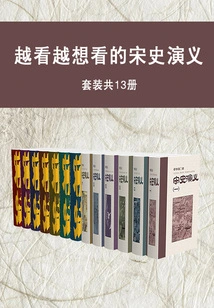
The Romance of Song Dynasty That the More I Read, the More I Want to Read it (set of 13 Volumes in Total)
General Fiction越看越想看的宋史演义(套装共13册)
Cai Dongfan
This book mainly talks about the Chenqiao Mutiny, in which Zhao Kuangyin wore a yellow robe and seized the power of the Zhou Dynasty. The three kingdoms of Liao, Jin and Yuan came to the north one after another and frequently caused border troubles. The Northern Song Dynasty suppressed its troops too much and lacked good generals. Even the second emperor was captured. In the Southern Song Dynasty, there was a lack of professionalism in appointing talents, a lack of good ministers, troubles in the pavilion, and unjust prisons. The three hundred and twenty years of Zhao and Song Dynasty were ruined. The Song Dynasty had good governance. It cleaned up the palace without causing trouble for women, suppressed eunuchs, had no trouble with eunuchs, harmonized relatives, and had no trouble with clans. The book is a Zhanghui style novel, which mainly tells the story of Zhao Kuangyin, who went through a long journey through the Five Dynasties and Ten Kingdoms, wore a yellow robe, gave up his military power over a cup of wine, and also abandoned his martial arts. Under the basic national policy of strengthening the cadres and weakening the branches, literati politics solved the opportunity for the warriors of the previous dynasty to usurp the throne, and also shaped a humanistic empire at the cultural level. But it was unable to break through the political chaos, and the political situation was disrupted. The northern part of the Great Wall was surrounded by powerful neighbors and foreign troubles continued, and half of the country was lost in the Jingkang disaster. After Jingkang, Emperor Gaozong and Zhao Gou rebuilt the empire in Suzhou and Hangzhou under heaven, and lost the illusion of returning to China.
This book mainly talks about the Chenqiao Mutiny, in which Zhao Kuangyin wore a yellow robe and seized the power of the Zhou Dynasty. The three kingdoms of Liao, Jin and Yuan came to the north one after another and frequently caused border troubles. The Northern Song Dynasty suppressed its troops too much and lacked good generals. Even the second emperor was captured. In the Southern Song Dynasty, there was a lack of professionalism in appointing talents, a lack of good ministers, troubles in the pavilion, and unjust prisons. The three hundred and twenty years of Zhao and Song Dynasty were ruined. The Song Dynasty had good governance. It cleaned up the palace without causing trouble for women, suppressed eunuchs, had no trouble with eunuchs, harmonized relatives, and had no trouble with clans. The book is a Zhanghui style novel, which mainly tells the story of Zhao Kuangyin, who went through a long journey through the Five Dynasties and Ten Kingdoms, wore a yellow robe, gave up his military power over a cup of wine, and also abandoned his martial arts. Under the basic national policy of strengthening the cadres and weakening the branches, literati politics solved the opportunity for the warriors of the previous dynasty to usurp the throne, and also shaped a humanistic empire at the cultural level. But it was unable to break through the political chaos, and the political situation was disrupted. The northern part of the Great Wall was surrounded by powerful neighbors and foreign troubles continued, and half of the country was lost in the Jingkang disaster. After Jingkang, Emperor Gaozong and Zhao Gou rebuilt the empire in Suzhou and Hangzhou under heaven, and lost the illusion of returning to China.
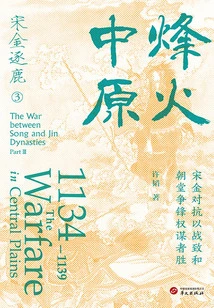
Song and Jin Dynasties 3: War in the Central Plains
General Fiction宋金逐鹿3:烽火中原
Xu Tao
The book "War in the Central Plains" is the third part of the "Song and Jin Dynasty" series of historical novels. It tells the story of Wu Jie repelling the Jin army in the battle of Xianren Pass. Since then, the Jin army gave up its strategic attempt to enter Sichuan from Shaanxi, and the Sichuan-Shaanxi front line was peaceful. At the same time, the Southern Song Dynasty began a partial counterattack. The biggest result was that Yue Fei regained the six counties of Xiangyang in just two months, connecting Sichuan, Shaanxi, Jingxiang, and the southeast. The Southern Song Dynasty was in a more favorable position strategically. Yue Fei also relied on this combat power to become a military envoy, truly becoming one of the famous generals of the ZTE. Liu Yu, the puppet emperor of Qi who was caught between the Jin and Song Dynasties, wanted to use the power of the Jin army to destroy the Southern Song Dynasty. However, his poor planning led to a huge defeat and the emperor's status was in jeopardy. However, under the good situation, Zhang Jun mishandled the situation, which led to the mutiny in Huaixi and ruined the good situation. Fortunately, Jin Guozhu and Pai Talan were in power at this time, and the two sides finally signed the North-South peace treaty...
The book "War in the Central Plains" is the third part of the "Song and Jin Dynasty" series of historical novels. It tells the story of Wu Jie repelling the Jin army in the battle of Xianren Pass. Since then, the Jin army gave up its strategic attempt to enter Sichuan from Shaanxi, and the Sichuan-Shaanxi front line was peaceful. At the same time, the Southern Song Dynasty began a partial counterattack. The biggest result was that Yue Fei regained the six counties of Xiangyang in just two months, connecting Sichuan, Shaanxi, Jingxiang, and the southeast. The Southern Song Dynasty was in a more favorable position strategically. Yue Fei also relied on this combat power to become a military envoy, truly becoming one of the famous generals of the ZTE. Liu Yu, the puppet emperor of Qi who was caught between the Jin and Song Dynasties, wanted to use the power of the Jin army to destroy the Southern Song Dynasty. However, his poor planning led to a huge defeat and the emperor's status was in jeopardy. However, under the good situation, Zhang Jun mishandled the situation, which led to the mutiny in Huaixi and ruined the good situation. Fortunately, Jin Guozhu and Pai Talan were in power at this time, and the two sides finally signed the North-South peace treaty...
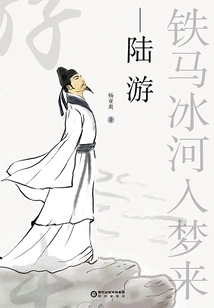
Iron Horse Glacier Comes into Dreams: Lu You
General Fiction铁马冰河入梦来:陆游
Yang Yashuang
Yang Yashuang tells the story of Lu You's tragic life of unrealized ambition, demonstrating his unswerving patriotism and immortal poetic talent. From the martial arts hero who fights tigers to the critic who sheds tears on the dragon's bed, from the immortal poetry leader to the passionate and infatuated person, this book focuses on Lu You's multiple aspects, focusing on his official career, love, and creation, and restores a flesh-and-blood, affectionate and righteous Lu You. The writing has both the rigor of a scholar and the romance of a poet, making it easy to understand and fascinating.
Yang Yashuang tells the story of Lu You's tragic life of unrealized ambition, demonstrating his unswerving patriotism and immortal poetic talent. From the martial arts hero who fights tigers to the critic who sheds tears on the dragon's bed, from the immortal poetry leader to the passionate and infatuated person, this book focuses on Lu You's multiple aspects, focusing on his official career, love, and creation, and restores a flesh-and-blood, affectionate and righteous Lu You. The writing has both the rigor of a scholar and the romance of a poet, making it easy to understand and fascinating.
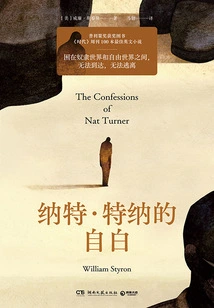
Confessions of Nat Turner
General Fiction纳特·特纳的自白
J
The leader of the black slave uprising sounded the strong voice of freedom in desperate situations! The Pulitzer Prize winner analyzes history with words of blood and tears! This book is a Pulitzer Prize-winning book and has been certified by Time magazine as one of the Top 100 English Novels. Its content subverts the traditional heroic narrative and has a more shocking soul confession than "Braveheart". It witnesses the darkness of human nature at the intersection of violence and compassion. The author uses words to penetrate the fog of history and reconstructs the truth with a seven-thousand-word confession: He is trapped between the slave world and the free world, unable to reach or escape. In 1831, the black prophet Nat Turner launched the only effective and sustained uprising in the history of black slavery in the United States. After this failure Turner was tried, convicted and hanged in Jerusalem, Virginia. William Styron wrote the novel "The Confessions of Nat Turner" based on real historical figures. He used first-person narration to revive the hanged uprising leader in literature. He not only captured the courage of people under oppression, but also captured the hesitation of those who were unable to advance or retreat, and the loneliness of those who had no support. With his profound understanding of complex social reality and complex human nature, Styron gave Nat Turner a rich flesh and blood that was never shown in macro historical narratives. This is not a black-and-white epic of resistance, but a soulful lament that explores the complexity of human nature amid oppression and violence.
The leader of the black slave uprising sounded the strong voice of freedom in desperate situations! The Pulitzer Prize winner analyzes history with words of blood and tears! This book is a Pulitzer Prize-winning book and has been certified by Time magazine as one of the Top 100 English Novels. Its content subverts the traditional heroic narrative and has a more shocking soul confession than "Braveheart". It witnesses the darkness of human nature at the intersection of violence and compassion. The author uses words to penetrate the fog of history and reconstructs the truth with a seven-thousand-word confession: He is trapped between the slave world and the free world, unable to reach or escape. In 1831, the black prophet Nat Turner launched the only effective and sustained uprising in the history of black slavery in the United States. After this failure Turner was tried, convicted and hanged in Jerusalem, Virginia. William Styron wrote the novel "The Confessions of Nat Turner" based on real historical figures. He used first-person narration to revive the hanged uprising leader in literature. He not only captured the courage of people under oppression, but also captured the hesitation of those who were unable to advance or retreat, and the loneliness of those who had no support. With his profound understanding of complex social reality and complex human nature, Styron gave Nat Turner a rich flesh and blood that was never shown in macro historical narratives. This is not a black-and-white epic of resistance, but a soulful lament that explores the complexity of human nature amid oppression and violence.
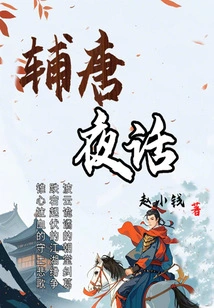
Supplementary Tang Night Talk
General Fiction辅唐夜话
Zhao Xiaoqian
Bo Yun's treacherous court entanglements, the ups and downs of rivers and lakes disputes, the heart-wrenching tragic song of defending the land... This is a revenge story that takes place in a prosperous age and goes into troubled times. The people who appear one after another in this story include the smart and sensitive Yang Ji, the multifaceted but fickle Shiliang, the nonsensical Li Buyan, the cunning but unique way of survival Li Zhongqin, the compassionate Cui Baili, and the sincere and fearless Tao Tie. They have thousands of faces, just like you and me. No one knows what kind of life curve the next step will draw.
Bo Yun's treacherous court entanglements, the ups and downs of rivers and lakes disputes, the heart-wrenching tragic song of defending the land... This is a revenge story that takes place in a prosperous age and goes into troubled times. The people who appear one after another in this story include the smart and sensitive Yang Ji, the multifaceted but fickle Shiliang, the nonsensical Li Buyan, the cunning but unique way of survival Li Zhongqin, the compassionate Cui Baili, and the sincere and fearless Tao Tie. They have thousands of faces, just like you and me. No one knows what kind of life curve the next step will draw.
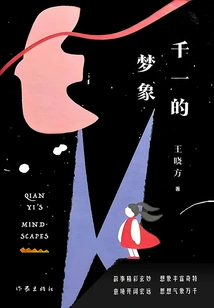
Qianyi's Dream
General Fiction千一的梦象
Wang Xiaofang
Who opened the door to insight into human nature? Who constructed the development model of traditional Chinese society? And who has nothing in mind? Who is the messenger of love and light? Who dies with their own thoughts? Who is the first person to solve the problem of "emptiness"? Philosophers understand philosophy, but not much about the art of narrative; novelists understand the art of narrative, but not much about philosophy. Writer Wang Xiaofang clearly blends the two perfectly. He integrates the profound thoughts of Chinese sages into the novel's situation in a concise, bright and vivid style. Through a series of wonderful dreams experienced by a fourteen-year-old girl Qianyi, he introduces the core thoughts of Chinese philosophers from different schools from ancient times to the present when they think about the universe and life. These philosophers are either original thinkers, masters, or people with great personality and character.
Who opened the door to insight into human nature? Who constructed the development model of traditional Chinese society? And who has nothing in mind? Who is the messenger of love and light? Who dies with their own thoughts? Who is the first person to solve the problem of "emptiness"? Philosophers understand philosophy, but not much about the art of narrative; novelists understand the art of narrative, but not much about philosophy. Writer Wang Xiaofang clearly blends the two perfectly. He integrates the profound thoughts of Chinese sages into the novel's situation in a concise, bright and vivid style. Through a series of wonderful dreams experienced by a fourteen-year-old girl Qianyi, he introduces the core thoughts of Chinese philosophers from different schools from ancient times to the present when they think about the universe and life. These philosophers are either original thinkers, masters, or people with great personality and character.
The Stone House Continues to Sink
General Fiction石屋续沈
Ma Xulun
"The Sinking of the Stone House" is a modern history novel with high historical value, which is of great significance for the study of the history and culture of the late Qing Dynasty and the Republic of China. It mainly records the anecdotes that the author heard and witnessed during the late Qing Dynasty and the Republic of China. These anecdotes involve many aspects such as the social scene, political changes, and the lives of literati at that time. They provide valuable historical materials for future generations to understand and study that period of history. Mr. Ma Xulun is quite familiar with the changes in world affairs at the end of the Qing Dynasty and the beginning of the Republic of China, so the value of this book is particularly outstanding in terms of historical data.
"The Sinking of the Stone House" is a modern history novel with high historical value, which is of great significance for the study of the history and culture of the late Qing Dynasty and the Republic of China. It mainly records the anecdotes that the author heard and witnessed during the late Qing Dynasty and the Republic of China. These anecdotes involve many aspects such as the social scene, political changes, and the lives of literati at that time. They provide valuable historical materials for future generations to understand and study that period of history. Mr. Ma Xulun is quite familiar with the changes in world affairs at the end of the Qing Dynasty and the beginning of the Republic of China, so the value of this book is particularly outstanding in terms of historical data.
National Treasure (part 2)
General Fiction国宝(全二部)
Zhu Yong
This book has been selected for the 2024 National Publishing Fund-funded project and the third phase of the Chinese Writers Association's "New Era Literary Climbing Plan". The first volume has been published in the 2022 issue 10 of "Chinese Writers", and the second volume has been published in the 2023 winter volume of "Harvest" novels. In 1933, Shanhaiguan fell and Peiping was in danger. Na Wensong and other Forbidden City staff from the Palace Museum made an oath that "the people are here and the cultural relics are there." Amid the dangers of gunpowder smoke and bayonets, and the numerous obstructions from all parties, they resolutely escorted more than 10,000 boxes of the Palace Museum's cultural relics alone on the road. Since then, the vast royal collection has experienced more than ten years of wandering on the land of China, and it has also formed the endless cultural spirit of the Chinese nation that transcends artifacts. Zhu Yong used rich details to restore the historical scene, reconstructed the southward migration with wonderful stories, and put on paper the heart of the Forbidden City people to protect the treasure.
This book has been selected for the 2024 National Publishing Fund-funded project and the third phase of the Chinese Writers Association's "New Era Literary Climbing Plan". The first volume has been published in the 2022 issue 10 of "Chinese Writers", and the second volume has been published in the 2023 winter volume of "Harvest" novels. In 1933, Shanhaiguan fell and Peiping was in danger. Na Wensong and other Forbidden City staff from the Palace Museum made an oath that "the people are here and the cultural relics are there." Amid the dangers of gunpowder smoke and bayonets, and the numerous obstructions from all parties, they resolutely escorted more than 10,000 boxes of the Palace Museum's cultural relics alone on the road. Since then, the vast royal collection has experienced more than ten years of wandering on the land of China, and it has also formed the endless cultural spirit of the Chinese nation that transcends artifacts. Zhu Yong used rich details to restore the historical scene, reconstructed the southward migration with wonderful stories, and put on paper the heart of the Forbidden City people to protect the treasure.
Chronicles of the Late Ming Dynasty: the Legend of Li Cuiwei, the Daughter of King Chuang
General Fiction明末风云录:闯王之女李翠微传奇
Li Jinshan
At the end of Chongzhen's reign in the Ming Dynasty, Dashun's army conquered Beijing with a powerful force like a rainbow. As Wu Sangui led the Qing army into the pass, the situation took a turn for the worse, and Li Zicheng retreated to Xi'an in defeat. The Qing court dispatched Prince Azig of England and Prince Duduo of Yu to pursue in separate directions. In view of the serious situation, Dashun's army moved to Huguang. Li Zicheng stayed in Wuchang for dozens of days, but was moved again due to the approaching Qing army. Soon bad news came out that King Chuang was killed in Jiugong Mountain, and his tribe was either hunted down by the Qing army or recruited by He Tengjiao, the governor of Huguang in the Nanming Dynasty. The final whereabouts of Li Zicheng were confusing and shrouded in fog for a while. After King Chuang's daughter Li Cuiwei retreated from Wuchang, the women's battalion led by the Qing army was severely damaged by the Qing army in southeastern Hubei, and the entire battalion was destroyed. Although she escaped by chance, she experienced many dangers. First, he was in danger in a nunnery in the mountains, and then he was chased by Qing soldiers and threw himself over a cliff. Fortunately, he was rescued and survived. In order to avenge his father, he broke into Jiugong Village alone and fell into the devil's cave. He was then escorted to Wuchang and was almost insulted by Azige in the Prince of Chu's Mansion. Fortunately, he was rescued by the Red Lady. After that, there were tense scenes such as night brawl at Lianxi Temple, Niu Zhai in danger, heroes robbing the execution ground, revenge at Lingquan Temple, night fight at Xiaochou Inn, etc. The flashes of swords and swords were thrilling. Cuiwei went through many hardships and finally found the Dashun West Route Army. Her encounter with Jing Chuyu, an anti-Qing strategist, as well as their mutual acquaintance, love and farewell made people shed tears of sympathy. This book is a historical legend with twists and turns, vivid plots and ups and downs. It describes a group of influential figures who are at the forefront of the storm.
At the end of Chongzhen's reign in the Ming Dynasty, Dashun's army conquered Beijing with a powerful force like a rainbow. As Wu Sangui led the Qing army into the pass, the situation took a turn for the worse, and Li Zicheng retreated to Xi'an in defeat. The Qing court dispatched Prince Azig of England and Prince Duduo of Yu to pursue in separate directions. In view of the serious situation, Dashun's army moved to Huguang. Li Zicheng stayed in Wuchang for dozens of days, but was moved again due to the approaching Qing army. Soon bad news came out that King Chuang was killed in Jiugong Mountain, and his tribe was either hunted down by the Qing army or recruited by He Tengjiao, the governor of Huguang in the Nanming Dynasty. The final whereabouts of Li Zicheng were confusing and shrouded in fog for a while. After King Chuang's daughter Li Cuiwei retreated from Wuchang, the women's battalion led by the Qing army was severely damaged by the Qing army in southeastern Hubei, and the entire battalion was destroyed. Although she escaped by chance, she experienced many dangers. First, he was in danger in a nunnery in the mountains, and then he was chased by Qing soldiers and threw himself over a cliff. Fortunately, he was rescued and survived. In order to avenge his father, he broke into Jiugong Village alone and fell into the devil's cave. He was then escorted to Wuchang and was almost insulted by Azige in the Prince of Chu's Mansion. Fortunately, he was rescued by the Red Lady. After that, there were tense scenes such as night brawl at Lianxi Temple, Niu Zhai in danger, heroes robbing the execution ground, revenge at Lingquan Temple, night fight at Xiaochou Inn, etc. The flashes of swords and swords were thrilling. Cuiwei went through many hardships and finally found the Dashun West Route Army. Her encounter with Jing Chuyu, an anti-Qing strategist, as well as their mutual acquaintance, love and farewell made people shed tears of sympathy. This book is a historical legend with twists and turns, vivid plots and ups and downs. It describes a group of influential figures who are at the forefront of the storm.
The Epic Trilogy of World War Ii: the Longest Day + the Far Bridge + the Last Battle (set of 3 Volumes in Total)
General Fiction二战史诗三部曲:最长的一天+遥远的桥+最后一役(套装共3册)
P
The "Epic Trilogy of World War II" includes "The Longest Day: The Heroism and Sacrifice of the Normandy Invasion in 1944", "The Far Bridge: The Ambition and Result of the Operation Market Garden in 1944" and "The Last Battle: The End and Lament of the Nazi Empire in 1945". It is an epic masterpiece written by Cornelius Ryan, a famous historical writer and war reporter, which took nearly 30 years to complete after personally experiencing World War II. Through the three decisive battles during World War II, it vividly reproduces those great historical moments that determine the fate of the world. The author personally interviewed more than 5,000 people, and reviewed confessions, interviews, letters, diaries, combat logs, and combat histories at all levels before writing a war history classic that is still unignorable and changed the established model of news writing.
The "Epic Trilogy of World War II" includes "The Longest Day: The Heroism and Sacrifice of the Normandy Invasion in 1944", "The Far Bridge: The Ambition and Result of the Operation Market Garden in 1944" and "The Last Battle: The End and Lament of the Nazi Empire in 1945". It is an epic masterpiece written by Cornelius Ryan, a famous historical writer and war reporter, which took nearly 30 years to complete after personally experiencing World War II. Through the three decisive battles during World War II, it vividly reproduces those great historical moments that determine the fate of the world. The author personally interviewed more than 5,000 people, and reviewed confessions, interviews, letters, diaries, combat logs, and combat histories at all levels before writing a war history classic that is still unignorable and changed the established model of news writing.
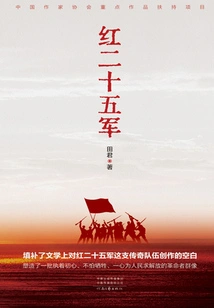
25th Red Army
General Fiction红二十五军
Tian Jun
Starting from the Jute Uprising, with the two main characters Wu Huanxian and Xu Haidong as the main line, it panoramicly reproduces the 25th Red Army from its founding to the failure of the fourth anti-encirclement and suppression campaign in the Hubei, Henan, and Anhui Soviet Areas. The 25th Red Army moved with the main force of the Fourth Front Army of the Red Army, and then When the Hubei, Henan and Anhui Provincial Party Committee decided to rebuild the 25th Red Army, it gradually grew and expanded Hubei, Henan and Anhui to the second largest revolutionary base area after the Central Soviet Area. Later, it was forced to march on a long march and became the first main force of the Red Army to reach northern Shaanxi. With respect for history and sophisticated conception, it is a masterpiece of novels with revolutionary historical themes.
Starting from the Jute Uprising, with the two main characters Wu Huanxian and Xu Haidong as the main line, it panoramicly reproduces the 25th Red Army from its founding to the failure of the fourth anti-encirclement and suppression campaign in the Hubei, Henan, and Anhui Soviet Areas. The 25th Red Army moved with the main force of the Fourth Front Army of the Red Army, and then When the Hubei, Henan and Anhui Provincial Party Committee decided to rebuild the 25th Red Army, it gradually grew and expanded Hubei, Henan and Anhui to the second largest revolutionary base area after the Central Soviet Area. Later, it was forced to march on a long march and became the first main force of the Red Army to reach northern Shaanxi. With respect for history and sophisticated conception, it is a masterpiece of novels with revolutionary historical themes.
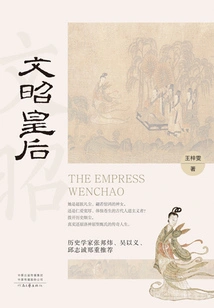
Queen Wen Zhao
General Fiction文昭皇后
Wang Ziwen
In the fifth year of Guanghe's reign in the Eastern Han Dynasty, Zhenmen, a prominent family in Zhongshan Wuji, welcomed their youngest daughter. Zhen has been knowledgeable and knowledgeable since she was a child, and has extraordinary insights. She is a strange woman with both talent and beauty. At the age of 17, she married Yuan Xi, the second son of Yuan Shao. After Yuan Shao's defeat, she married Cao Pi and gave birth to Cao Rui, who was later named Queen Wen Zhao. Zhen's good words, deeds, and far-sightedness were deeply appreciated by Cao Cao. Her life spanned the period of the late Eastern Han Dynasty and the establishment of the Cao Wei Dynasty. The fate of a generation of talented women fluctuated with the political situation. Based on solid historical data research, the novel vividly restores the era of social instability and regime changes at that time, reproduces the legendary life of Empress Wenzhao, and her love and hatred with Yuan Xi and Cao Pi, and demonstrates Zhen's humanitarian spirit of "universal love" and her strength and wisdom in troubled times.
In the fifth year of Guanghe's reign in the Eastern Han Dynasty, Zhenmen, a prominent family in Zhongshan Wuji, welcomed their youngest daughter. Zhen has been knowledgeable and knowledgeable since she was a child, and has extraordinary insights. She is a strange woman with both talent and beauty. At the age of 17, she married Yuan Xi, the second son of Yuan Shao. After Yuan Shao's defeat, she married Cao Pi and gave birth to Cao Rui, who was later named Queen Wen Zhao. Zhen's good words, deeds, and far-sightedness were deeply appreciated by Cao Cao. Her life spanned the period of the late Eastern Han Dynasty and the establishment of the Cao Wei Dynasty. The fate of a generation of talented women fluctuated with the political situation. Based on solid historical data research, the novel vividly restores the era of social instability and regime changes at that time, reproduces the legendary life of Empress Wenzhao, and her love and hatred with Yuan Xi and Cao Pi, and demonstrates Zhen's humanitarian spirit of "universal love" and her strength and wisdom in troubled times.
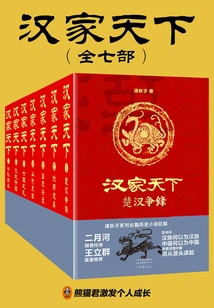
Han Family World (all Seven Parts)
General Fiction汉家天下(全七部)
Qingqiuzi
It starts from "Xiao He chasing Han Xin under the moon" and ends with Huo Guang's dictatorship. "Han Family World" consists of seven parts, covering the rise of the early Western Han Dynasty. Famous historical figures such as Liu Bang, Han Xin, Xiao He, Zhou Bo, Empress Lu, Jia Yi, Zhou Yafu, Emperor Wen of Han, Emperor Jing of Han, Chao Cuo, Yuan Ang, Emperor Wu of Han, Wei Qing, Huo Qubing, Li Guang, Li Ling, Huo Guang and other famous historical figures have become vivid and full of charm again. Read the history of the Han Dynasty like "The Romance of the Three Kingdoms" and "Water Margin"!
It starts from "Xiao He chasing Han Xin under the moon" and ends with Huo Guang's dictatorship. "Han Family World" consists of seven parts, covering the rise of the early Western Han Dynasty. Famous historical figures such as Liu Bang, Han Xin, Xiao He, Zhou Bo, Empress Lu, Jia Yi, Zhou Yafu, Emperor Wen of Han, Emperor Jing of Han, Chao Cuo, Yuan Ang, Emperor Wu of Han, Wei Qing, Huo Qubing, Li Guang, Li Ling, Huo Guang and other famous historical figures have become vivid and full of charm again. Read the history of the Han Dynasty like "The Romance of the Three Kingdoms" and "Water Margin"!
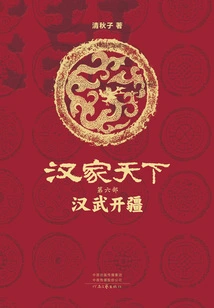
Han Family World 6: Han Wu Opens the Border
General Fiction汉家天下6:汉武开疆
Qingqiuzi
"Han Family World" consists of seven parts, covering the rise of the early Western Han Dynasty. "Han Family 6: Han Wu Opens the Border" The young emperor Liu Che of Han Dynasty has been growing up under the constraints of Empress Dowager Dou and other ministers since he came to the throne at the age of 16. He recruits virtuous people, governs the country and stabilizes the country, fights foreign barbarians and dissidents, expands the territory, cultivates laws at home, respects Confucianism, and displays the political ambitions of a generation of heroes. In addition to describing the growth history of the Han emperors, this volume also displays portraits of a number of figures - Dong Zhongshu, Sima Xiangru, Dongfang Shuo, Li Guang, Zhang Qian, Tian Fu, Sima Xiangru, Zhuo Wen, Guan Fu, Dou Ying, Chen Ajiao, Wei Zifu, etc. These characters each have their own personalities and complement each other, and together they build the splendid historical sky of the Han Dynasty. Read the history of the Han Dynasty like "The Romance of the Three Kingdoms" and "Water Margin"!
"Han Family World" consists of seven parts, covering the rise of the early Western Han Dynasty. "Han Family 6: Han Wu Opens the Border" The young emperor Liu Che of Han Dynasty has been growing up under the constraints of Empress Dowager Dou and other ministers since he came to the throne at the age of 16. He recruits virtuous people, governs the country and stabilizes the country, fights foreign barbarians and dissidents, expands the territory, cultivates laws at home, respects Confucianism, and displays the political ambitions of a generation of heroes. In addition to describing the growth history of the Han emperors, this volume also displays portraits of a number of figures - Dong Zhongshu, Sima Xiangru, Dongfang Shuo, Li Guang, Zhang Qian, Tian Fu, Sima Xiangru, Zhuo Wen, Guan Fu, Dou Ying, Chen Ajiao, Wei Zifu, etc. These characters each have their own personalities and complement each other, and together they build the splendid historical sky of the Han Dynasty. Read the history of the Han Dynasty like "The Romance of the Three Kingdoms" and "Water Margin"!
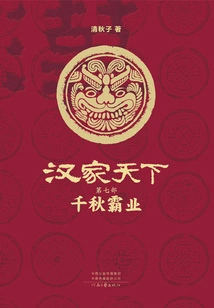
Han Family World 7: Eternal Hegemony
General Fiction汉家天下7:千秋霸业
Qingqiuzi
"Han Family World" consists of seven parts, covering the rise of the early Western Han Dynasty. "Han Family World 7: Qianqiu Hegemony" In the first year of Yuan Shuo, Emperor Wu of the Han Dynasty was approaching. During his reign, he cultivated the law internally and fought against the barbarians and dissipators externally. The Han Empire entered the prosperous age of Hanwu. However, Emperor Wu did not stop his campaign. Within a few years, he conquered the Xiongnu in the north, annexed North Korea in the east, conquered Baiyue in the south, and conquered Dayuan in the west. With the help of famous generals such as Wei Qing, Huo Qubing, and Li Guang, the territory of the Han family continued to expand, and its prestige spread throughout the world. As the political power became more stable, Emperor Wu's desire for immortality also increased day by day. Not only did he travel around various places to pray for immortality and search for immortal sites, but he also listened to the advice of alchemists and built Zhang Palace and Shen Ming Platform. In his later years, Emperor Wu not only failed to find immortals, but also caused a disaster of witchcraft because of his favor and trust in Jiang Chong and others, causing the death of Queen Wei Zifu and Prince Liu Ju. It was too late to regret. Read the history of the Han Dynasty like "The Romance of the Three Kingdoms" and "Water Margin"!
"Han Family World" consists of seven parts, covering the rise of the early Western Han Dynasty. "Han Family World 7: Qianqiu Hegemony" In the first year of Yuan Shuo, Emperor Wu of the Han Dynasty was approaching. During his reign, he cultivated the law internally and fought against the barbarians and dissipators externally. The Han Empire entered the prosperous age of Hanwu. However, Emperor Wu did not stop his campaign. Within a few years, he conquered the Xiongnu in the north, annexed North Korea in the east, conquered Baiyue in the south, and conquered Dayuan in the west. With the help of famous generals such as Wei Qing, Huo Qubing, and Li Guang, the territory of the Han family continued to expand, and its prestige spread throughout the world. As the political power became more stable, Emperor Wu's desire for immortality also increased day by day. Not only did he travel around various places to pray for immortality and search for immortal sites, but he also listened to the advice of alchemists and built Zhang Palace and Shen Ming Platform. In his later years, Emperor Wu not only failed to find immortals, but also caused a disaster of witchcraft because of his favor and trust in Jiang Chong and others, causing the death of Queen Wei Zifu and Prince Liu Ju. It was too late to regret. Read the history of the Han Dynasty like "The Romance of the Three Kingdoms" and "Water Margin"!
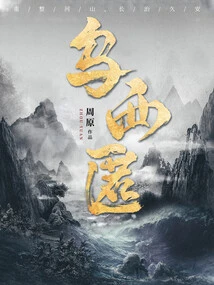
Usniak
General Fiction乌西匿
Zhou Yuan
[Alternative History + Drama + Powerful Struggle] Comparable to "Nirvana in Fire", the forbearing prince of the former dynasty vs. His natural political opponent, working together to rebuild the country! A former prince who had become anonymous due to a failed coup put aside his past grievances and rejected the destined destiny of "either becoming a king or a bandit" imposed on him by his father's generation. He worked together with his natural political opponents to rebuild the country in troubled times when his country was in danger and his people were in danger. It is humorous, the story is compact, and the climax is repeated. The reflections on history, people's hearts, politics, and national governance are integrated into a series of stories containing many elements such as coups, conspiracies, courts, wars, etc. It is not only interesting, but also has a historical perspective that transcends binary opposition and aims at long-term peace and stability.
[Alternative History + Drama + Powerful Struggle] Comparable to "Nirvana in Fire", the forbearing prince of the former dynasty vs. His natural political opponent, working together to rebuild the country! A former prince who had become anonymous due to a failed coup put aside his past grievances and rejected the destined destiny of "either becoming a king or a bandit" imposed on him by his father's generation. He worked together with his natural political opponents to rebuild the country in troubled times when his country was in danger and his people were in danger. It is humorous, the story is compact, and the climax is repeated. The reflections on history, people's hearts, politics, and national governance are integrated into a series of stories containing many elements such as coups, conspiracies, courts, wars, etc. It is not only interesting, but also has a historical perspective that transcends binary opposition and aims at long-term peace and stability.
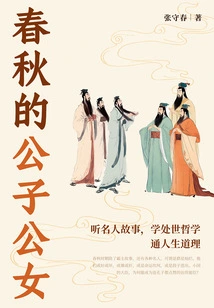
The Sons and Daughters of the Spring and Autumn Period
General Fiction春秋的公子公女
Zhang Shouchun
This is a novel that reveals the evil and love in the depths of human nature. A zookeeper travels back in time to ancient times, experiencing dangers, narrow escapes, ups and downs, and pursuing his dreams. Including the bloody struggle among the princes, and the hatred and hatred with the princesses and princes, how will he finally gain a foothold in the competition between the barbarians and the princes, and whether he can realize his dream.
This is a novel that reveals the evil and love in the depths of human nature. A zookeeper travels back in time to ancient times, experiencing dangers, narrow escapes, ups and downs, and pursuing his dreams. Including the bloody struggle among the princes, and the hatred and hatred with the princesses and princes, how will he finally gain a foothold in the competition between the barbarians and the princes, and whether he can realize his dream.
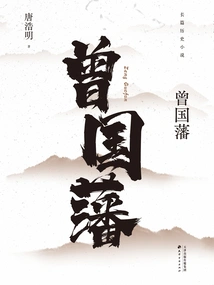
Zeng Guofan
General Fiction曾国藩
Tang Haoming
"Zeng Guofan" is a long historical novel written by Tang Haoming. Since its first publication in 1990, this book has set off an upsurge in reading Zeng Guofan among Chinese people with its vivid storyline, vivid characters, rich historical atmosphere, and profound wisdom in life. In 1999, it was named one of the top 100 Chinese novels of the 20th century by Asia Weekly. In 2003, it won the first Yao Xueyin Historical Novel Award. To this day, with a cumulative circulation of more than one million copies, it has always been the first choice for the public to learn about Zeng Guofan.
"Zeng Guofan" is a long historical novel written by Tang Haoming. Since its first publication in 1990, this book has set off an upsurge in reading Zeng Guofan among Chinese people with its vivid storyline, vivid characters, rich historical atmosphere, and profound wisdom in life. In 1999, it was named one of the top 100 Chinese novels of the 20th century by Asia Weekly. In 2003, it won the first Yao Xueyin Historical Novel Award. To this day, with a cumulative circulation of more than one million copies, it has always been the first choice for the public to learn about Zeng Guofan.
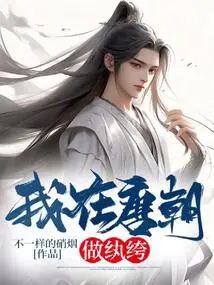
I Was a Dandy in the Tang Dynasty
General Fiction我在唐朝做纨绔
Different Smoke Of Gunpowder
His soul traveled through the Tang Dynasty, but he was framed by a poisonous woman. He endured the humiliation and heavy burden for three years, and finally soared into the sky and embraced the beauty! I want this day to change because of me, I want to become the most powerful dandy in the Tang Dynasty~~
His soul traveled through the Tang Dynasty, but he was framed by a poisonous woman. He endured the humiliation and heavy burden for three years, and finally soared into the sky and embraced the beauty! I want this day to change because of me, I want to become the most powerful dandy in the Tang Dynasty~~
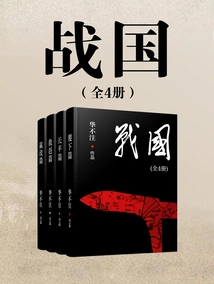
Warring States Period (4 Volumes in Total)
General Fiction战国(全4册)
Hua Bu Zhu
[Novel, History, Warring States Period, Drama] The Warring States Period contains 4 volumes, including Jixia Chapter, Changping Chapter, Saving Zhao Chapter, and Yingzheng Chapter. It tells the story of Prime Minister Li Si's beginnings and Yingzheng's rise to the sky at least as a young man. Chapter 2 of Ji: At the end of the Warring States Period, the situation was turbulent. The 17-year-old Li Si did not want to be a rat in the toilet, so he embarked on a study tour in the Jixia Academy of Qi State. There are many tests, requiring both mutual cooperation and tit-for-tat confrontation. We meet on a narrow road, who is the one who reaches the top? Changping chapter: Qin and Zhao fight against each other and fight fiercely in Changping! The unprecedented battle has begun! After the end of the country, the former classmates who were chatting and laughing turned out to be rivals fighting each other for life and death. Let's see how this unprecedented battle ends. Rescue Zhao Chapter: In the land of tigers and wolves, the sword points at Handan, let's see the heroes gather together to save the crisis! After the Battle of Changping, Qin suffered more than half of its casualties and the country was empty. The generals were at odds with each other. The monarch and his ministers were separated, but they were still as powerful as tigers, pointing their swords at Handan. Interests and strategies, loyalty to betrayal; princes uniting, the situation changes. The majestic war and the fierce emotions - let's take a look at the chapter on saving Zhao. Chapter of Yingzheng: The young dragon is trapped in a cage, and the monarch and his ministers meet in Handan. Young Ying Zheng, with his domineering power, soared into the sky! Li Si, who has experienced two wars in Changping and Handan, faced frequent wars and moral righteousness, and was mentally and physically exhausted. When he visited Handan, a friend, he finally met the emperor whom his ideals entrusted to him and the destined person on whom his friendship depended.
[Novel, History, Warring States Period, Drama] The Warring States Period contains 4 volumes, including Jixia Chapter, Changping Chapter, Saving Zhao Chapter, and Yingzheng Chapter. It tells the story of Prime Minister Li Si's beginnings and Yingzheng's rise to the sky at least as a young man. Chapter 2 of Ji: At the end of the Warring States Period, the situation was turbulent. The 17-year-old Li Si did not want to be a rat in the toilet, so he embarked on a study tour in the Jixia Academy of Qi State. There are many tests, requiring both mutual cooperation and tit-for-tat confrontation. We meet on a narrow road, who is the one who reaches the top? Changping chapter: Qin and Zhao fight against each other and fight fiercely in Changping! The unprecedented battle has begun! After the end of the country, the former classmates who were chatting and laughing turned out to be rivals fighting each other for life and death. Let's see how this unprecedented battle ends. Rescue Zhao Chapter: In the land of tigers and wolves, the sword points at Handan, let's see the heroes gather together to save the crisis! After the Battle of Changping, Qin suffered more than half of its casualties and the country was empty. The generals were at odds with each other. The monarch and his ministers were separated, but they were still as powerful as tigers, pointing their swords at Handan. Interests and strategies, loyalty to betrayal; princes uniting, the situation changes. The majestic war and the fierce emotions - let's take a look at the chapter on saving Zhao. Chapter of Yingzheng: The young dragon is trapped in a cage, and the monarch and his ministers meet in Handan. Young Ying Zheng, with his domineering power, soared into the sky! Li Si, who has experienced two wars in Changping and Handan, faced frequent wars and moral righteousness, and was mentally and physically exhausted. When he visited Handan, a friend, he finally met the emperor whom his ideals entrusted to him and the destined person on whom his friendship depended.
White Jade
General Fiction白璧
Lin Qingwei
During the Qin'an period of the Great Song Dynasty, the majesty and credibility of the official newspapers had lost to various anecdotal tabloids among the people. The late emperor requested the establishment of a new department of Dujin Memorial Hall, the Cangli Division, to publish important matters of people's livelihood to counter the tabloids. Five young men with different backgrounds, Ye Lanzhou, Shen Bi, Wei Fuguang, Chen Huaixu, and Yin Rumo, successively entered the Cangli Division as officials, starting a passionate journey of ancient young civil servants working hard to improve KPIs and petitioning for the people.
During the Qin'an period of the Great Song Dynasty, the majesty and credibility of the official newspapers had lost to various anecdotal tabloids among the people. The late emperor requested the establishment of a new department of Dujin Memorial Hall, the Cangli Division, to publish important matters of people's livelihood to counter the tabloids. Five young men with different backgrounds, Ye Lanzhou, Shen Bi, Wei Fuguang, Chen Huaixu, and Yin Rumo, successively entered the Cangli Division as officials, starting a passionate journey of ancient young civil servants working hard to improve KPIs and petitioning for the people.
Fan Ye, a Giant Historian
General Fiction史学巨子范晔
Qiu Mingyin
This book describes the glorious but short life of Fan Ye, a historian of the Southern and Northern Dynasties: he was born in a scholar's family and was talented. He became an official in his early years and was suddenly demoted.
This book describes the glorious but short life of Fan Ye, a historian of the Southern and Northern Dynasties: he was born in a scholar's family and was talented. He became an official in his early years and was suddenly demoted.
One Hundred Years of Heaven
General Fiction百年天一
Huang Ruo
This book is based on the Tianyi Information Bureau, an overseas Chinese business in Longxi County, Fujian, and tells the story of the love and hatred of several generations of the Guo family surrounding the Tianyi Information Bureau during the late Qing Dynasty and the Republic of China. The protagonist Guo Yue, as the third generation head of Tianyi Information Bureau, is trustworthy, treats people with sincerity, and is patriotic and loves his hometown. From selling private property to compensate customers for shipwreck losses, to donating money and materials to support the Anti-Japanese War; from boldly expanding new consignment business, to using foreigners to clean up the backlog of inventory; from buying out train freight cars to restrain opponents, to paying generous sums of money to laid off employees... The wisdom, courage and heart in business operations are inspiring and exciting.
This book is based on the Tianyi Information Bureau, an overseas Chinese business in Longxi County, Fujian, and tells the story of the love and hatred of several generations of the Guo family surrounding the Tianyi Information Bureau during the late Qing Dynasty and the Republic of China. The protagonist Guo Yue, as the third generation head of Tianyi Information Bureau, is trustworthy, treats people with sincerity, and is patriotic and loves his hometown. From selling private property to compensate customers for shipwreck losses, to donating money and materials to support the Anti-Japanese War; from boldly expanding new consignment business, to using foreigners to clean up the backlog of inventory; from buying out train freight cars to restrain opponents, to paying generous sums of money to laid off employees... The wisdom, courage and heart in business operations are inspiring and exciting.
Between Lakes and Mountains
General Fiction湖山之间
Xiaofeng
This book depicts the fate and spiritual history of two generations of mother and daughter in sync with the times from the perspective of intertwined time and space. Yang Xiaoqian, born in the 1990s, came from a small mountain town to study, work and live by the West Lake, which has been prosperous since ancient times. As a student counselor at 985 University, she has experienced a series of ups and downs in an environment where the customs and customs are different from those of her hometown. She strives to make progress while maintaining her true character. Her mother, Zhang Dafeng, stepped on the drumbeat of reform and opening up, overcame numerous obstacles, walked out of the vast forest, and became a benchmark white-collar worker in the financial system. Her family and family also gradually got rid of the twists and turns of fate amidst hardships and twists, and moved toward harmony and happiness. The fateful roots and emotional threads of the mother and daughter stretch, stretch, intersect and merge between the lakes and mountains, reflecting the unique landscape of the times.
This book depicts the fate and spiritual history of two generations of mother and daughter in sync with the times from the perspective of intertwined time and space. Yang Xiaoqian, born in the 1990s, came from a small mountain town to study, work and live by the West Lake, which has been prosperous since ancient times. As a student counselor at 985 University, she has experienced a series of ups and downs in an environment where the customs and customs are different from those of her hometown. She strives to make progress while maintaining her true character. Her mother, Zhang Dafeng, stepped on the drumbeat of reform and opening up, overcame numerous obstacles, walked out of the vast forest, and became a benchmark white-collar worker in the financial system. Her family and family also gradually got rid of the twists and turns of fate amidst hardships and twists, and moved toward harmony and happiness. The fateful roots and emotional threads of the mother and daughter stretch, stretch, intersect and merge between the lakes and mountains, reflecting the unique landscape of the times.
Daming City Wall
General Fiction大明城垣
Chen Zhengrong
Archaeologists discovered a very special city brick from the Ming Dynasty in the city wall of Nanjing: it had the handprints of a man and a woman on it, with sixteen characters - "Yuan Shui Tang Tang, the kiln fire is booming. My sister's hand, the sun and the moon grow together." Based on the inscription on the city brick, the archaeologists found the hometown of the potter who made this city brick, thus unveiling a story that has been sealed for more than 600 years. The potters Tang Heqi, Tang Bing and Tang Man were three generations of the same family. They made bricks and built the city and went through many hardships. Tang Man was praised by Zhu Yuanzhang for firing "white jade bricks". However, Tang Man had no intention of being an official, only a craftsman. The love story between Tang Man and Mingyue, a girl from a rich family, is full of twists and turns, moving the world. Tang Heqi, Tang Bing, Tang Man, Tie Zhu, Li Hei, Liu Dehua, Huang Niu Si... These names engraved on the bricks of Nanjing city walls are resurrected in the novel. The novel takes you through time and space, into the Ming Dynasty, and into the lives of craftsmen...
Archaeologists discovered a very special city brick from the Ming Dynasty in the city wall of Nanjing: it had the handprints of a man and a woman on it, with sixteen characters - "Yuan Shui Tang Tang, the kiln fire is booming. My sister's hand, the sun and the moon grow together." Based on the inscription on the city brick, the archaeologists found the hometown of the potter who made this city brick, thus unveiling a story that has been sealed for more than 600 years. The potters Tang Heqi, Tang Bing and Tang Man were three generations of the same family. They made bricks and built the city and went through many hardships. Tang Man was praised by Zhu Yuanzhang for firing "white jade bricks". However, Tang Man had no intention of being an official, only a craftsman. The love story between Tang Man and Mingyue, a girl from a rich family, is full of twists and turns, moving the world. Tang Heqi, Tang Bing, Tang Man, Tie Zhu, Li Hei, Liu Dehua, Huang Niu Si... These names engraved on the bricks of Nanjing city walls are resurrected in the novel. The novel takes you through time and space, into the Ming Dynasty, and into the lives of craftsmen...
High in the Desert, Flowers Rain All over the Sky
General Fiction沙漠的高处,花雨漫天
Eyes
In the troubled times of the late Tang Dynasty, a Qiuci Hu Ji chose to embark on a road to find love and lived in exile in various places in the Western Regions. Not only did she experience many hardships, she was also inadvertently involved in a well-planned rebellion plan... Her personal love and the fate of her family and country were all tied to her for a while. This journey of finding love is the path of Hu Ji's spiritual growth. As she pursues, the definition of love gradually sublimates in her heart. How will she choose in the end? What kind of ending awaits her? When everything was finally revealed, she realized that from the moment she thought about it, the turning point of her destiny had quietly arrived. Unknowingly, everything about her had already begun to count down, and the call of fate would eventually lead her to her ultimate path.
In the troubled times of the late Tang Dynasty, a Qiuci Hu Ji chose to embark on a road to find love and lived in exile in various places in the Western Regions. Not only did she experience many hardships, she was also inadvertently involved in a well-planned rebellion plan... Her personal love and the fate of her family and country were all tied to her for a while. This journey of finding love is the path of Hu Ji's spiritual growth. As she pursues, the definition of love gradually sublimates in her heart. How will she choose in the end? What kind of ending awaits her? When everything was finally revealed, she realized that from the moment she thought about it, the turning point of her destiny had quietly arrived. Unknowingly, everything about her had already begun to count down, and the call of fate would eventually lead her to her ultimate path.
宋末大变局:四川风云(上册)
Zhang Shengquan
In the early years of Chunyou in the Southern Song Dynasty, the Mongolian cavalry launched a large-scale attack on Sichuan. The Sichuan commander died in the battle, and the Mongolian troops reached Kuimen. Yu Jie, Yu Xing and other generals were ordered to face the danger, wisely saved Chengdu, burned Qujiang, cleverly protected Chongqing, drove the Mongolian army to northern Sichuan, tried their best to reverse the situation, and creatively formulated a general strategy of building mountain cities to resist the Mongols. Just as Sichuan's anti-Mongolian struggle was booming, a fierce and strange power struggle took place in the Southern Song Dynasty, and Yu Jie became a victim and was replaced. The new commander Yu Hui was incompetent, and the Mongolian army came back and occupied Sichuan again. In order to save the nation and help Yu Jie regain control of Sichuan's commandery, all the righteous men in Sichuan were not afraid of sacrifice, came up with ingenious plans and showed off their unique skills. The general would rather take responsibility and abandon the city, the Neo-Confucian Yang Fang clings to the powerful without fear of reputation, the leader of the cottage opens the gate of the mountain without fear of being suppressed... At the same time, a murder caused by a peerless treasure, the exploration of the thousand-year-old tunnel next to the Lingyun Giant Buddha, and the journey of a market gangster to become a feudal official also begins...
In the early years of Chunyou in the Southern Song Dynasty, the Mongolian cavalry launched a large-scale attack on Sichuan. The Sichuan commander died in the battle, and the Mongolian troops reached Kuimen. Yu Jie, Yu Xing and other generals were ordered to face the danger, wisely saved Chengdu, burned Qujiang, cleverly protected Chongqing, drove the Mongolian army to northern Sichuan, tried their best to reverse the situation, and creatively formulated a general strategy of building mountain cities to resist the Mongols. Just as Sichuan's anti-Mongolian struggle was booming, a fierce and strange power struggle took place in the Southern Song Dynasty, and Yu Jie became a victim and was replaced. The new commander Yu Hui was incompetent, and the Mongolian army came back and occupied Sichuan again. In order to save the nation and help Yu Jie regain control of Sichuan's commandery, all the righteous men in Sichuan were not afraid of sacrifice, came up with ingenious plans and showed off their unique skills. The general would rather take responsibility and abandon the city, the Neo-Confucian Yang Fang clings to the powerful without fear of reputation, the leader of the cottage opens the gate of the mountain without fear of being suppressed... At the same time, a murder caused by a peerless treasure, the exploration of the thousand-year-old tunnel next to the Lingyun Giant Buddha, and the journey of a market gangster to become a feudal official also begins...
宋末大变局:四川风云(下册)
Zhang Shengquan
After the death of the Mongolian Hehan Ogedai, the Queen Mother Tulegona supervised the country. She violated Ogedai's will and stole the throne to allow her son Guiyu to accumulate military exploits and mobilized the army to launch a fierce attack in Sichuan. Sichuan is in danger. In order to help Sichuan get out of trouble, the Neo-Confucian scholar Yang Fang, regardless of reputation, went to Mobei, used several beautiful jade Buddhas to influence the Mongolian court, and became the Central Secretary of Mongolia, setting off a bloody storm among the Mongolian nobles to compete for the heir to the throne. Through cooperation inside and outside, Yu Jie finally drove the Mongolian army out of Sichuan and launched the Northern Expedition to recover the Yuan Dynasty. But just when the Northern Expedition was about to succeed, Yu Jie and other generals were jealous of the Song emperor, framed by powerful officials, dismissed from their posts, and killed. A rare political renaissance and military reversal in the late Southern Song Dynasty came to nothing. What's even more serious is that Mongolia's supreme power has quietly been transferred to the talented brothers Meng Ge and Kublai Khan. Mongolia's final blow to the entire Southern Song Dynasty is about to begin...
After the death of the Mongolian Hehan Ogedai, the Queen Mother Tulegona supervised the country. She violated Ogedai's will and stole the throne to allow her son Guiyu to accumulate military exploits and mobilized the army to launch a fierce attack in Sichuan. Sichuan is in danger. In order to help Sichuan get out of trouble, the Neo-Confucian scholar Yang Fang, regardless of reputation, went to Mobei, used several beautiful jade Buddhas to influence the Mongolian court, and became the Central Secretary of Mongolia, setting off a bloody storm among the Mongolian nobles to compete for the heir to the throne. Through cooperation inside and outside, Yu Jie finally drove the Mongolian army out of Sichuan and launched the Northern Expedition to recover the Yuan Dynasty. But just when the Northern Expedition was about to succeed, Yu Jie and other generals were jealous of the Song emperor, framed by powerful officials, dismissed from their posts, and killed. A rare political renaissance and military reversal in the late Southern Song Dynasty came to nothing. What's even more serious is that Mongolia's supreme power has quietly been transferred to the talented brothers Meng Ge and Kublai Khan. Mongolia's final blow to the entire Southern Song Dynasty is about to begin...
宋末大变局:四川风云(中册)
Zhang Shengquan
With the active efforts of all the righteous people and wise ministers in the DPRK, Yu Jie came out of the army again and took charge of the Sichuan Commandery Seal again. In order to open up the situation and restart the mountain city's anti-Mongolian strategy, Yu Jie, Yu Xing and other generals decided to go deep behind enemy lines after a small defeat of the Mongolian army. They used the three mountains of Jiuding, Diaoyu and Dahuo as strongholds to build mountain city defenses, gain a firm foothold, and then wait for opportunities to counterattack. Among these three strongholds, the situation in Jiuding Mountain in Jiading is the most complicated. The Mongolian army besieged the city for a long time. The defenders and people in the city were shaken and quarreled. The Jiudingshan rebels and the government troops had deep grudges. Xiaoqing, the leader of the fourth village, and Yu Xing, the prefect of Jiading, had a hatred for each other. In order to integrate the forces of all parties and work together to fight against the Mongols, Yu Xing, who is both wise and brave, kills the enemy alone and cleverly solves the siege of the city; secretly infiltrates the old warehouse and outsmarts the grain and grass; he is loyal to Jinlan and endures hardships... In a small place, he performs a long historical song of love, loyalty, courage, majesty and elegance, which makes people cry...
With the active efforts of all the righteous people and wise ministers in the DPRK, Yu Jie came out of the army again and took charge of the Sichuan Commandery Seal again. In order to open up the situation and restart the mountain city's anti-Mongolian strategy, Yu Jie, Yu Xing and other generals decided to go deep behind enemy lines after a small defeat of the Mongolian army. They used the three mountains of Jiuding, Diaoyu and Dahuo as strongholds to build mountain city defenses, gain a firm foothold, and then wait for opportunities to counterattack. Among these three strongholds, the situation in Jiuding Mountain in Jiading is the most complicated. The Mongolian army besieged the city for a long time. The defenders and people in the city were shaken and quarreled. The Jiudingshan rebels and the government troops had deep grudges. Xiaoqing, the leader of the fourth village, and Yu Xing, the prefect of Jiading, had a hatred for each other. In order to integrate the forces of all parties and work together to fight against the Mongols, Yu Xing, who is both wise and brave, kills the enemy alone and cleverly solves the siege of the city; secretly infiltrates the old warehouse and outsmarts the grain and grass; he is loyal to Jinlan and endures hardships... In a small place, he performs a long historical song of love, loyalty, courage, majesty and elegance, which makes people cry...
风云党崇雅:明末清初三十年
Yang Guanghu
This book is a long historical novel. It takes the protagonist Dang Chongya, who has experienced the Ming, Shun and Qing dynasties, from official position to Minister of Criminal Affairs, Minister of Household Affairs, Bachelor of Chinese Academy of History, and Prince Taibao as the main line. It is set in the important historical stage of the early Ming and Qing Dynasties in the early 30s of the Ming and Qing Dynasties. It combines historical stories, anecdotes, folklore, hermit culture, local customs, tourism culture, law and finance, official system, land and household registration, etc. It is both the "Riverside Picture" of the Ming and Qing Dynasties and the "Ukiyoe" of the human world.
This book is a long historical novel. It takes the protagonist Dang Chongya, who has experienced the Ming, Shun and Qing dynasties, from official position to Minister of Criminal Affairs, Minister of Household Affairs, Bachelor of Chinese Academy of History, and Prince Taibao as the main line. It is set in the important historical stage of the early Ming and Qing Dynasties in the early 30s of the Ming and Qing Dynasties. It combines historical stories, anecdotes, folklore, hermit culture, local customs, tourism culture, law and finance, official system, land and household registration, etc. It is both the "Riverside Picture" of the Ming and Qing Dynasties and the "Ukiyoe" of the human world.
Taixing: Titanic of the East
General Fiction泰兴号:东方的泰坦尼克
Cheng Jiaying
The Taixing is the largest ancient shipwreck in China discovered by marine archeology so far. It is called the Titanic of the Orient because of the large number of victims and the huge treasures on board. During the Jiaqing period of the Qing Dynasty, Yu Qingyu, the son of Guangdong Yuzhang, and Tan Zhaoer, the daughter of Tan Zongshang, were childhood sweethearts. In order to escape the persecution of Zhao Daotai, the two boarded the Taixing ship in January 1822 and rushed to Nanyang. Tan Zhaoer gave birth to a son on the ship. Unexpectedly, the Taixing hit the rocks and sank. Tan Zhaoer died. Yu Qingyu and the baby were rescued ashore by a passing ship and survived. In 1999, Yu Haidong, the sixth generation descendant of Yu Qingyu, fell in love with a Chinese girl Xie Meiying in Singapore. Yu Haidong was accidentally responsible for investigating a sunken ship in the Grasse Strait, only to discover that the sunken ship was the Taixing that his ancestors were aboard. Xie Meiying finally discovered that she had been with Yu Haidong for a long time.
The Taixing is the largest ancient shipwreck in China discovered by marine archeology so far. It is called the Titanic of the Orient because of the large number of victims and the huge treasures on board. During the Jiaqing period of the Qing Dynasty, Yu Qingyu, the son of Guangdong Yuzhang, and Tan Zhaoer, the daughter of Tan Zongshang, were childhood sweethearts. In order to escape the persecution of Zhao Daotai, the two boarded the Taixing ship in January 1822 and rushed to Nanyang. Tan Zhaoer gave birth to a son on the ship. Unexpectedly, the Taixing hit the rocks and sank. Tan Zhaoer died. Yu Qingyu and the baby were rescued ashore by a passing ship and survived. In 1999, Yu Haidong, the sixth generation descendant of Yu Qingyu, fell in love with a Chinese girl Xie Meiying in Singapore. Yu Haidong was accidentally responsible for investigating a sunken ship in the Grasse Strait, only to discover that the sunken ship was the Taixing that his ancestors were aboard. Xie Meiying finally discovered that she had been with Yu Haidong for a long time.
White Wall
General Fiction白墙
Dai Yudong
The novel portrays an outstanding young man from Huizhou Shang Dynasty, Daizheng, who is witty, free and easy, elegant, possesses special skills, and is chivalrous and courageous. He leaves the mountain at the order of his mentor and comes to a prosperous place where the shops are poisoned by corrupt officials and profiteers and invaded by Japanese pirates. In Hangzhou, a city in the southeast, starting from the rescue of a righteous businessman who was framed by corrupt officials and profiteers, a wonderful drama unfolded that made people applaud, and even composed a song of national righteousness in which they risked their lives to fight against the Japanese pirates.
The novel portrays an outstanding young man from Huizhou Shang Dynasty, Daizheng, who is witty, free and easy, elegant, possesses special skills, and is chivalrous and courageous. He leaves the mountain at the order of his mentor and comes to a prosperous place where the shops are poisoned by corrupt officials and profiteers and invaded by Japanese pirates. In Hangzhou, a city in the southeast, starting from the rescue of a righteous businessman who was framed by corrupt officials and profiteers, a wonderful drama unfolded that made people applaud, and even composed a song of national righteousness in which they risked their lives to fight against the Japanese pirates.
Changying Dances in the West Wind (complete Collection)
General Fiction长缨舞西风(全集)
Erruer
This is a panoramic picture of fifty years of turbulence on land and sea. It is also the epitome of the Chinese people's arduous exploration, marching through fire, lofty ambitions on the battlefield, and heroic efforts to save mountains and rivers. The story begins in the coastal city of Jinzhou. The author adopts a two-line intertwined and parallel writing method. One line, with Wan Tai'an as the protagonist, describes the overt and covert competition between the three major families in Jinzhou in the first half of the twentieth century and the resulting love and hatred; the other line, with Liu Xunzhen as the protagonist, describes his life experiences as he pursued the freedom of love and embarked on the road of revolution. Throughout the book, loneliness and love are intertwined with hatred of family and country, creating a series of vivid and glorious images of revolutionaries in Hai Lufeng. The author focuses his thinking and questioning on the fate of the protagonist, allowing him to travel through the long years and complete the transformation from pure self-resistance to dedication to the rise of the nation.
This is a panoramic picture of fifty years of turbulence on land and sea. It is also the epitome of the Chinese people's arduous exploration, marching through fire, lofty ambitions on the battlefield, and heroic efforts to save mountains and rivers. The story begins in the coastal city of Jinzhou. The author adopts a two-line intertwined and parallel writing method. One line, with Wan Tai'an as the protagonist, describes the overt and covert competition between the three major families in Jinzhou in the first half of the twentieth century and the resulting love and hatred; the other line, with Liu Xunzhen as the protagonist, describes his life experiences as he pursued the freedom of love and embarked on the road of revolution. Throughout the book, loneliness and love are intertwined with hatred of family and country, creating a series of vivid and glorious images of revolutionaries in Hai Lufeng. The author focuses his thinking and questioning on the fate of the protagonist, allowing him to travel through the long years and complete the transformation from pure self-resistance to dedication to the rise of the nation.
The Story of Flower and Grass Pavilion
General Fiction花草阁传
Mu Xiaoyu
"The Story of Flower and Grass Pavilion" is an imaginary novel based on ancient white chapters. The protagonist in the book, King Rui, bears the hatred of the country and his family, and has the important mission of restoring the country. Although he was living in troubled times, he still had the world in his heart and was unswervingly determined. After many twists and turns in his life, he finally achieved great success and became a great hero. His story not only demonstrates personal heroism, but also demonstrates national integrity and feelings for home and country. The book integrates Taoist secrets, Buddhist principles, and supernatural skills into one, painting a magnificent picture of Chinese history. Above the palace, there are power disputes and treacherous plots; far away in the rivers and lakes, there are heroes and righteousness. Interesting and fascinating.
"The Story of Flower and Grass Pavilion" is an imaginary novel based on ancient white chapters. The protagonist in the book, King Rui, bears the hatred of the country and his family, and has the important mission of restoring the country. Although he was living in troubled times, he still had the world in his heart and was unswervingly determined. After many twists and turns in his life, he finally achieved great success and became a great hero. His story not only demonstrates personal heroism, but also demonstrates national integrity and feelings for home and country. The book integrates Taoist secrets, Buddhist principles, and supernatural skills into one, painting a magnificent picture of Chinese history. Above the palace, there are power disputes and treacherous plots; far away in the rivers and lakes, there are heroes and righteousness. Interesting and fascinating.
Yanyu Jinxi
General Fiction烟雨金溪
Yang Zhenfu
The long revolutionary historical novel "Golden River" is based on the history of the Communist Party of China in the 1930s leading the people to carry out armed resistance against the Kuomintang reactionaries in northwest Fujian. It tells the story of Ouyang, a woman whose family was ruined due to forced marriage by a landlord, and eight people who were desperate. The women fell into the Nine Immortals Mountain and became the "Nine Fairies" known far and wide for their chivalry and righteousness. Under the guidance of Jin Shifeng, a member of the Communist Party of China who was active in the Jiuxian Mountain area, they formed the Jiuxian Mountain guerrillas and cooperated with the 36th Red Division to carry out guerrilla warfare in the Jiuxian Mountain area.
The long revolutionary historical novel "Golden River" is based on the history of the Communist Party of China in the 1930s leading the people to carry out armed resistance against the Kuomintang reactionaries in northwest Fujian. It tells the story of Ouyang, a woman whose family was ruined due to forced marriage by a landlord, and eight people who were desperate. The women fell into the Nine Immortals Mountain and became the "Nine Fairies" known far and wide for their chivalry and righteousness. Under the guidance of Jin Shifeng, a member of the Communist Party of China who was active in the Jiuxian Mountain area, they formed the Jiuxian Mountain guerrillas and cooperated with the 36th Red Division to carry out guerrilla warfare in the Jiuxian Mountain area.