Library
Browse and search books
6,953 novels found
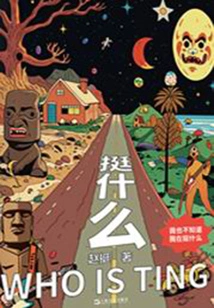
Quite What
Literature挺什么
Zhao Ting
The weather is getting more and more comfortable, so we try not to do meaningless things! As a member of the "Merman Investigation Center", we should cross the Pacific, go to Easter Island to sell egg pancakes, or study the mystery of the disappearance of Atlantis. Anyway, work is not fun at all, so why not talk about Margaret and the mysterious life of the red super giant planet Scutum, and just spend the afternoon in a daze. But what I want to do most is actually drive my friend's second-hand car all the way south to Wild Beach. The Betas are coming, and cool people like me have to save the earth - are you sure you won't come? Then lend me some money, please!
The weather is getting more and more comfortable, so we try not to do meaningless things! As a member of the "Merman Investigation Center", we should cross the Pacific, go to Easter Island to sell egg pancakes, or study the mystery of the disappearance of Atlantis. Anyway, work is not fun at all, so why not talk about Margaret and the mysterious life of the red super giant planet Scutum, and just spend the afternoon in a daze. But what I want to do most is actually drive my friend's second-hand car all the way south to Wild Beach. The Betas are coming, and cool people like me have to save the earth - are you sure you won't come? Then lend me some money, please!
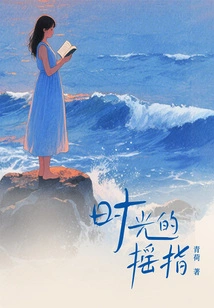
The Finger of Time
Literature时光的摇指
Qinghe
This is a collection of essays that go hand in hand with time. The author touches the strings of time with delicate brushwork, and realizes the rhythm of life through nostalgia, solar terms, scenery, family affection, and journey. When you open the door of time, you will be greeted by the affectionate whispers and confessions of the years, as if you can hear the true timbre of all things and meditate on the tranquility and excitement of the various flavors of life.
This is a collection of essays that go hand in hand with time. The author touches the strings of time with delicate brushwork, and realizes the rhythm of life through nostalgia, solar terms, scenery, family affection, and journey. When you open the door of time, you will be greeted by the affectionate whispers and confessions of the years, as if you can hear the true timbre of all things and meditate on the tranquility and excitement of the various flavors of life.
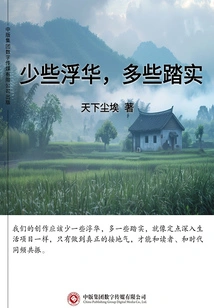
Less Flashy, More Practical
Literature少些浮华,多些踏实
Dust In The World
"Less Flashy, More Practical" is a collection of essays, which brings together 15 prose works such as "This Side of Water and Land", "Looking Forward to Snow", "This Time Is Farewell", "Mountain Spring", "A Different Father", "Less Flashy, More Practical". The works include both lyrical prose and narrative prose, all created by the author after many years of accumulation.
"Less Flashy, More Practical" is a collection of essays, which brings together 15 prose works such as "This Side of Water and Land", "Looking Forward to Snow", "This Time Is Farewell", "Mountain Spring", "A Different Father", "Less Flashy, More Practical". The works include both lyrical prose and narrative prose, all created by the author after many years of accumulation.
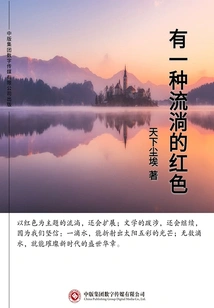
There is a Flowing Red Color
Literature有一种流淌的红色
Dust In The World
"There is a Flowing Red" is a collection of essays, including five prose works: "There is a Flowing Red", "My View on Writing", "Returning to the Temple of Literature", "Standing on the Axis of Literature" and "Flying across the Strait of Literature", which involves literature, writing and other aspects, and expresses the author's unique insights into literature and writing.
"There is a Flowing Red" is a collection of essays, including five prose works: "There is a Flowing Red", "My View on Writing", "Returning to the Temple of Literature", "Standing on the Axis of Literature" and "Flying across the Strait of Literature", which involves literature, writing and other aspects, and expresses the author's unique insights into literature and writing.
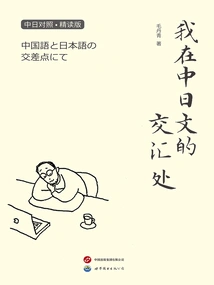
我在中日文的交汇处(中日对照·精读版)
Mao Danqing
This book is another collection of bilingual hand-drawn essays written by Mao Danqing, a writer living in Japan, after "The Day Is Long to Come". The author focuses on daily small things, and integrates his experience of living in Japan for more than 30 years, his insights into the literature and culture of China and Japan, and his understanding of the relationship between Chinese and Japanese into meaningful passages with fresh and delicate writing. In the author's eyes, language is far more than just a tool for communication. Language has its own beauty, and as a bilingual writer, he can experience more beauty through two languages - bilingualism allows him to observe and explore from different angles, allowing him to gain different understandings and feelings; it allows him to experience the cultural heritage of different language backgrounds; it allows him to stand at the intersection of bilingualism and combine cultures with different rhythms into a harmonious symphony. "Bilingual writing is a very pleasant thing." Looking at the world from another perspective, the world may appear another kind of vibrant and colorful.
This book is another collection of bilingual hand-drawn essays written by Mao Danqing, a writer living in Japan, after "The Day Is Long to Come". The author focuses on daily small things, and integrates his experience of living in Japan for more than 30 years, his insights into the literature and culture of China and Japan, and his understanding of the relationship between Chinese and Japanese into meaningful passages with fresh and delicate writing. In the author's eyes, language is far more than just a tool for communication. Language has its own beauty, and as a bilingual writer, he can experience more beauty through two languages - bilingualism allows him to observe and explore from different angles, allowing him to gain different understandings and feelings; it allows him to experience the cultural heritage of different language backgrounds; it allows him to stand at the intersection of bilingualism and combine cultures with different rhythms into a harmonious symphony. "Bilingual writing is a very pleasant thing." Looking at the world from another perspective, the world may appear another kind of vibrant and colorful.
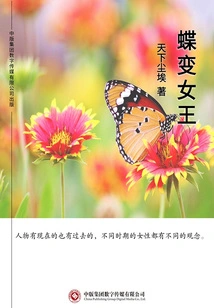
Butterfly Queen
Literature蝶变女王
Dust In The World
"Butterfly Queen" is a collection of essays, mainly involving female themes, including three works: "How Meng Wanzhou became a queen", "How Hong Kong's "Princess" He Chaoqiong grew up to be a "Queen"" and "Two Women, Two Lives". The characters are from the present and the past, and women in different periods have different concepts.
"Butterfly Queen" is a collection of essays, mainly involving female themes, including three works: "How Meng Wanzhou became a queen", "How Hong Kong's "Princess" He Chaoqiong grew up to be a "Queen"" and "Two Women, Two Lives". The characters are from the present and the past, and women in different periods have different concepts.
Flowers for a Hundred Years
Literature百年如花
Chai Ke
"A Hundred Years of Flowers" is a collection of essays, including: "A Hangover", "Irrelevant to Time", "Chinese Ink Painting and Cultural Identity", "Thoughts of Sophora japonica in May", "Common People Drinking Tea", "The Peach Blossom Tree Thousands of Years Ago", "Confusion at Forty", "Deep Night", "Blooming Summer", "Love and Fruity Fragrance", a total of 23 prose works, including both lyrical prose and narrative prose, all created by the author after many years of accumulation.
"A Hundred Years of Flowers" is a collection of essays, including: "A Hangover", "Irrelevant to Time", "Chinese Ink Painting and Cultural Identity", "Thoughts of Sophora japonica in May", "Common People Drinking Tea", "The Peach Blossom Tree Thousands of Years Ago", "Confusion at Forty", "Deep Night", "Blooming Summer", "Love and Fruity Fragrance", a total of 23 prose works, including both lyrical prose and narrative prose, all created by the author after many years of accumulation.
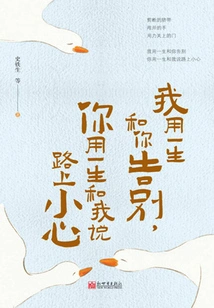
我用一生和你告别,你用一生和我说路上小心
Shi Tiesheng Et Al.
Parents are the most solid support for their children. They hope that you will grow up, but they are afraid that you will grow up; they hope that you can ride the wind and waves, but they are worried that you will be beaten by the wind and rain. Only when you grow up do you slowly understand that what it means to grow up is that you are getting closer to the sky day by day, and your parents are returning to the earth inch by inch. The days ahead are not long, don't wait, don't let "the child wants to be taken care of but cannot be taken care of" becomes an eternal regret. This book collects classic prose written by nearly 20 literary masters such as Shi Tiesheng, Feng Zikai, and Xiao Hong to their relatives, which contains their deepest love and guilt, warmth and farewell, gratitude and regret.
Parents are the most solid support for their children. They hope that you will grow up, but they are afraid that you will grow up; they hope that you can ride the wind and waves, but they are worried that you will be beaten by the wind and rain. Only when you grow up do you slowly understand that what it means to grow up is that you are getting closer to the sky day by day, and your parents are returning to the earth inch by inch. The days ahead are not long, don't wait, don't let "the child wants to be taken care of but cannot be taken care of" becomes an eternal regret. This book collects classic prose written by nearly 20 literary masters such as Shi Tiesheng, Feng Zikai, and Xiao Hong to their relatives, which contains their deepest love and guilt, warmth and farewell, gratitude and regret.
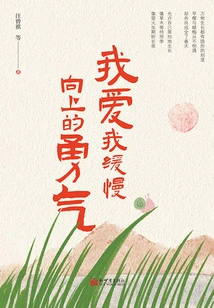
I Love My Slow Upward Courage
Literature我爱我缓慢向上的勇气
Wang Zengqi Et Al.
A prose "map" dedicated to all spiritual hikers, leading you to redefine "arrival". It collects the spiritual maps of more than ten literary masters such as Wang Zengqi, Lao She, and Zhu Ziqing, and brings together nearly 40 classic essays that have been tempered by time. These wise men, with their brushstrokes full of human fireworks, weave the fireworks in the city and the vastness of the mountains and rivers into a beautiful spiritual scroll. These writings that travel through time and space are not only the writer's gaze on the essence of life, but also the spiritual autobiography of a generation of intellectuals. The calm wisdom unique to Eastern philosophy flows between the lines. Everyone is saying: The essence of life is never to move quickly. What we pursue is never to be the first to reach the destination, but to be the person who best appreciates the scenery along the way.
A prose "map" dedicated to all spiritual hikers, leading you to redefine "arrival". It collects the spiritual maps of more than ten literary masters such as Wang Zengqi, Lao She, and Zhu Ziqing, and brings together nearly 40 classic essays that have been tempered by time. These wise men, with their brushstrokes full of human fireworks, weave the fireworks in the city and the vastness of the mountains and rivers into a beautiful spiritual scroll. These writings that travel through time and space are not only the writer's gaze on the essence of life, but also the spiritual autobiography of a generation of intellectuals. The calm wisdom unique to Eastern philosophy flows between the lines. Everyone is saying: The essence of life is never to move quickly. What we pursue is never to be the first to reach the destination, but to be the person who best appreciates the scenery along the way.
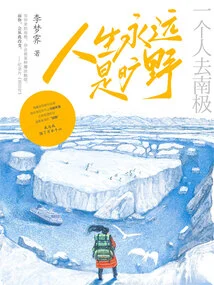
人生永远是旷野:一个人去南极
Li Mengji
A new masterpiece from the million-selling author Li Mengji! The Antarctic she writes about is an adventure that rewrites the coordinates of life, and it is also a spiritual expedition with no end. She saw penguins dancing awkwardly in the snowstorm, just like us staggering forward when faced with the weight of life. She witnessed the silent migration of penguin colonies in the cracked ice, and understood the natural law of survival - it is just to accept changes and continue to evolve. In the snowstorm, she understood Shackleton's spiritual code: true bravery is not to conquer the glacier, but to conquer the inner fear. She is not a scientific expedition member, but she has a keener perception than the instrument: under the lighthouse in Ushuaia, she understood the sinking of the "old self"; in the heavy rain in the Barreni Islands, she understood the love letter written by the earth to mankind; in the glimpse of ice floes in the Lima waterway, she understood that "compromise is the biggest enemy of freedom." She said, "Life is always a wilderness. If you are willing, you can set off at any time~"
A new masterpiece from the million-selling author Li Mengji! The Antarctic she writes about is an adventure that rewrites the coordinates of life, and it is also a spiritual expedition with no end. She saw penguins dancing awkwardly in the snowstorm, just like us staggering forward when faced with the weight of life. She witnessed the silent migration of penguin colonies in the cracked ice, and understood the natural law of survival - it is just to accept changes and continue to evolve. In the snowstorm, she understood Shackleton's spiritual code: true bravery is not to conquer the glacier, but to conquer the inner fear. She is not a scientific expedition member, but she has a keener perception than the instrument: under the lighthouse in Ushuaia, she understood the sinking of the "old self"; in the heavy rain in the Barreni Islands, she understood the love letter written by the earth to mankind; in the glimpse of ice floes in the Lima waterway, she understood that "compromise is the biggest enemy of freedom." She said, "Life is always a wilderness. If you are willing, you can set off at any time~"
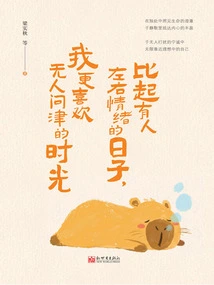
Compared to Days When Someone Controls My Mood, I Prefer the Time When No One Cares About Me
Literature比起有人左右情绪的日子,我更喜欢无人问津的时光
Liang Shiqiu Et Al.
This book contains more than 40 essays about loneliness and solitude by modern and contemporary Chinese literary masters such as Liang Shiqiu, Xu Zhimo, Zhu Ziqing, and Yu Dafu. They either go straight to the topic, or slowly elaborate on it, writing their thoughts on loneliness and life. They tell readers with true and delicate writing that loneliness is not terrible, that is the best moment to face yourself and get along with yourself. If a person can face loneliness and live in harmony with loneliness, he will certainly be able to take on the responsibilities in his life and become a firm and fearless person.
This book contains more than 40 essays about loneliness and solitude by modern and contemporary Chinese literary masters such as Liang Shiqiu, Xu Zhimo, Zhu Ziqing, and Yu Dafu. They either go straight to the topic, or slowly elaborate on it, writing their thoughts on loneliness and life. They tell readers with true and delicate writing that loneliness is not terrible, that is the best moment to face yourself and get along with yourself. If a person can face loneliness and live in harmony with loneliness, he will certainly be able to take on the responsibilities in his life and become a firm and fearless person.
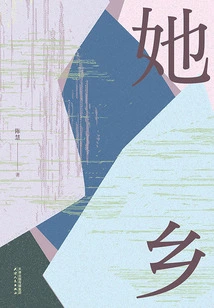
A Foreign Country
Literature她乡
Chen Hui
"Other Country" is a collection of group portrait stories truly written by civilian women and seeing the lives of civilian women. Following the popular "In the Market, In the World", "Female Market Writer" Chen Hui once again returns to character narrative, telling the life and destiny of women in small towns in China with earthy and simple brushwork and gentle moonlight gaze. In the villages in the plains of Jiangsu and the countryside of small towns in Zhejiang, most of the women the author saw lived simple and silent lives. With the patience of sifting grains of rice, she sifted away the tares of curiosity and the chaff of pretentiousness, and wrote down their joys, sorrows, and joys truthfully, making them no longer strangers but like female elders or female neighbors around the reader. The author writes about "their" stories - neighbors, friends, customers, vendors at the same market, and also writes about "our" stories - me, my adoptive mother, grandma, aunts and sisters... As a witness, he records the respectable, lovely, pitiful and sensible aspects of civilian women, and records the true nature of life and life from an equal perspective.
"Other Country" is a collection of group portrait stories truly written by civilian women and seeing the lives of civilian women. Following the popular "In the Market, In the World", "Female Market Writer" Chen Hui once again returns to character narrative, telling the life and destiny of women in small towns in China with earthy and simple brushwork and gentle moonlight gaze. In the villages in the plains of Jiangsu and the countryside of small towns in Zhejiang, most of the women the author saw lived simple and silent lives. With the patience of sifting grains of rice, she sifted away the tares of curiosity and the chaff of pretentiousness, and wrote down their joys, sorrows, and joys truthfully, making them no longer strangers but like female elders or female neighbors around the reader. The author writes about "their" stories - neighbors, friends, customers, vendors at the same market, and also writes about "our" stories - me, my adoptive mother, grandma, aunts and sisters... As a witness, he records the respectable, lovely, pitiful and sensible aspects of civilian women, and records the true nature of life and life from an equal perspective.
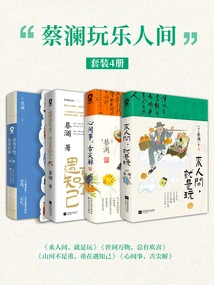
蔡澜玩乐人间(套装4册)
Cai Lam
"Cai Lam Playing in the World Set 4 Volumes": "Coming to the world is to play" is the life-interesting aesthetics of the 80-year-old urchin Cai Lam. "Things in the Heart, Explained by the Tip of the Tongue" is a masterpiece of gourmet healing by the God of Cookery Chua Lam. "Mountains and Rivers Are Not Important, What's Important is Meeting a Confidant" Cai Lan personally taught the art of making friends and recounted interesting stories about his interactions with Jin Yong and other friends. "There is always joy in everything in the world" is the life guide of Cai Lan, a naughty boy in his eighties.
"Cai Lam Playing in the World Set 4 Volumes": "Coming to the world is to play" is the life-interesting aesthetics of the 80-year-old urchin Cai Lam. "Things in the Heart, Explained by the Tip of the Tongue" is a masterpiece of gourmet healing by the God of Cookery Chua Lam. "Mountains and Rivers Are Not Important, What's Important is Meeting a Confidant" Cai Lan personally taught the art of making friends and recounted interesting stories about his interactions with Jin Yong and other friends. "There is always joy in everything in the world" is the life guide of Cai Lan, a naughty boy in his eighties.
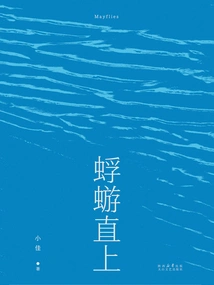
Mayfly Straight Up
Literature蜉蝣直上
Xiaojia
Talk show actor Xiao Jia's first collection of essays contains the words accumulated in the heart of a young boy. When he grows up, he finally reveals everything about the people in his hometown, the hidden pain of youth, the wandering life, and also about how a person can transcend himself and truly be born. He writes about himself with a sensitive heart and humorous tone - the support and love he did not receive from his family, the unstoppable self-doubt, the anger towards the world and the moments of reconciliation with pain; he writes about the people around him - the uneducated but smart and strong peasant woman's second aunt, and the "chivalrous woman" who bravely pursued love across borders. "Friends, grandma and grandpa in his memory, as well as his father's life and their unexpected farewell; he also wrote about the world he saw from life - the undercurrent of power in the county compound, the business world of the building materials market, the foreign ethnic groups in the city's villages, and the stories of southern Fujian between the mountains and the sea. The living people are like mayflies at the bottom of the water. They seem silent, but they are all silently exerting their strength, waiting for the moment when the sky breaks and they jump out of the water.
Talk show actor Xiao Jia's first collection of essays contains the words accumulated in the heart of a young boy. When he grows up, he finally reveals everything about the people in his hometown, the hidden pain of youth, the wandering life, and also about how a person can transcend himself and truly be born. He writes about himself with a sensitive heart and humorous tone - the support and love he did not receive from his family, the unstoppable self-doubt, the anger towards the world and the moments of reconciliation with pain; he writes about the people around him - the uneducated but smart and strong peasant woman's second aunt, and the "chivalrous woman" who bravely pursued love across borders. "Friends, grandma and grandpa in his memory, as well as his father's life and their unexpected farewell; he also wrote about the world he saw from life - the undercurrent of power in the county compound, the business world of the building materials market, the foreign ethnic groups in the city's villages, and the stories of southern Fujian between the mountains and the sea. The living people are like mayflies at the bottom of the water. They seem silent, but they are all silently exerting their strength, waiting for the moment when the sky breaks and they jump out of the water.
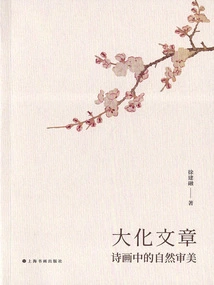
大化文章:诗画中的自然审美
Xu Jianrong
This book is a series of essays published by the author in Wenhui PEN in recent years. These proses start from one flower, one thing, one mountain and one river, and are divided into four categories: flowers and trees (such as lotus, hibiscus, wisteria, orchid), animals (cicadas, frogs, etc.), Travel notes (Taishan, Lushan, Shizhongshan, etc.), Friendships (with Lu Yanshao, Xie Zhiliu, Chen Peiqiu, etc.). The author combines his own With his life experience, he combines these flowers, trees, plants, and landscapes with images from Confucian classics, poems and paintings of past dynasties, and analyzes the aesthetic charm of natural objects in poems and paintings in a profound and simple way. It also contains in-depth thoughts on life, ancient sages, scholarship, and entertainment. This book integrates knowledge and readability. It is a popular humanities book that is both professionally in-depth and suitable for public reading.
This book is a series of essays published by the author in Wenhui PEN in recent years. These proses start from one flower, one thing, one mountain and one river, and are divided into four categories: flowers and trees (such as lotus, hibiscus, wisteria, orchid), animals (cicadas, frogs, etc.), Travel notes (Taishan, Lushan, Shizhongshan, etc.), Friendships (with Lu Yanshao, Xie Zhiliu, Chen Peiqiu, etc.). The author combines his own With his life experience, he combines these flowers, trees, plants, and landscapes with images from Confucian classics, poems and paintings of past dynasties, and analyzes the aesthetic charm of natural objects in poems and paintings in a profound and simple way. It also contains in-depth thoughts on life, ancient sages, scholarship, and entertainment. This book integrates knowledge and readability. It is a popular humanities book that is both professionally in-depth and suitable for public reading.
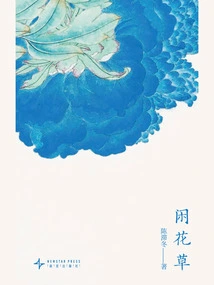
Idle Flowers and Grass
Literature闲花草
Chen Zhidong
"Life is as long as grass and trees are in autumn." Study the aesthetic culture behind flowers and explore the historical changes of Chinese traditional culture. Chen Zhidong takes you into the artistic world of traditional Chinese flowers. "Idle Flowers" is an exquisite work that integrates art, literature, history and nature. It was created with great devotion by Mr. Chen Zhidong, an art history researcher, painter, calligrapher and collector. Chen Zhudong relied on his profound knowledge of Chinese classical literature and rich artistic creation experience to depict the beauty and charm of traditional Chinese flowers with his unique perspective and delicate brushwork, and shared with readers what he saw, heard, thought and painted about these flowers. The book contains the author's calligraphy and painting works on ten traditional Chinese flowers, including magnolias in early spring and March, banana flowers in the midsummer night rain, plum blossoms blooming in the cold wind of the twelfth lunar month, etc. Each work is accompanied by a detailed explanation, covering traditional cultural origins, botanical knowledge, relevant literary and artistic works and historical allusions, as well as the author's personal experience with these flowers. Reading this book is not only an appreciation of the beauty of Chinese flower-and-bird painting, but also an exploration of the aesthetic development of traditional Chinese culture. It is also a journey of spiritual healing through the dialogue between man and nature.
"Life is as long as grass and trees are in autumn." Study the aesthetic culture behind flowers and explore the historical changes of Chinese traditional culture. Chen Zhidong takes you into the artistic world of traditional Chinese flowers. "Idle Flowers" is an exquisite work that integrates art, literature, history and nature. It was created with great devotion by Mr. Chen Zhidong, an art history researcher, painter, calligrapher and collector. Chen Zhudong relied on his profound knowledge of Chinese classical literature and rich artistic creation experience to depict the beauty and charm of traditional Chinese flowers with his unique perspective and delicate brushwork, and shared with readers what he saw, heard, thought and painted about these flowers. The book contains the author's calligraphy and painting works on ten traditional Chinese flowers, including magnolias in early spring and March, banana flowers in the midsummer night rain, plum blossoms blooming in the cold wind of the twelfth lunar month, etc. Each work is accompanied by a detailed explanation, covering traditional cultural origins, botanical knowledge, relevant literary and artistic works and historical allusions, as well as the author's personal experience with these flowers. Reading this book is not only an appreciation of the beauty of Chinese flower-and-bird painting, but also an exploration of the aesthetic development of traditional Chinese culture. It is also a journey of spiritual healing through the dialogue between man and nature.
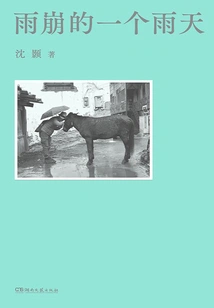
A Rainy Day
Literature雨崩的一个雨天
Shen Hao
Poet and writer Shen Hao's latest collection of essays in 2024, including ten articles. It is mainly about his observations and thoughts on life during his life experiences such as traveling, reading, and interacting with relatives and friends. The writer's naturalistic tendency is once again reflected in the collection, in which we can read stories about hiking in Meili Snow Mountain, Yubeng Village and other places. These stories are not only thick from the outside to the inside, but also light from the inside to the outside. Reality and fiction are mixed, and poetry and drama are experimentally involved. Each article is a dialogue between the writer and himself. Words are an ability that he has never lost, and it is also his most precious asset.
Poet and writer Shen Hao's latest collection of essays in 2024, including ten articles. It is mainly about his observations and thoughts on life during his life experiences such as traveling, reading, and interacting with relatives and friends. The writer's naturalistic tendency is once again reflected in the collection, in which we can read stories about hiking in Meili Snow Mountain, Yubeng Village and other places. These stories are not only thick from the outside to the inside, but also light from the inside to the outside. Reality and fiction are mixed, and poetry and drama are experimentally involved. Each article is a dialogue between the writer and himself. Words are an ability that he has never lost, and it is also his most precious asset.
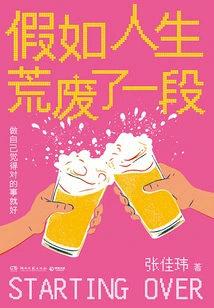
If a Period of Life is Wasted
Literature假如人生荒废了一段
Zhang Jiawei
Zhang Jiawei's new breakthrough "life" work is a book that saves the "wasted life" and restarts it! What if a period of life is wasted... So what? Growing older, having trouble at work, being criticized by others, being unhappy, accomplishing nothing... When anxiety continues to iterate, and when we are afraid of "wasting" our lives, how can we get closer to the life we like? Zhang Jiawei uses ten years of life philosophy to teach you how to get rid of anxiety from multiple perspectives such as childhood, marriage, and life. This collection of life attitude essays collects the essence of Zhang Jiawei's ten years of prose. With the writer's unique warm writing style, he transforms youthful confusion and middle-aged confusion into tangible words. The book explores life's encounters, the meaning of love, the joy of life, and the complexity of personality. When anxiety continues to iterate and self-worth begins to waver, these true reflections on life will become a beam of light that illuminates ordinary days. There are many golden sentences in the book. Those questions about love, talent and self-identity, there is always one sentence that will hit you.
Zhang Jiawei's new breakthrough "life" work is a book that saves the "wasted life" and restarts it! What if a period of life is wasted... So what? Growing older, having trouble at work, being criticized by others, being unhappy, accomplishing nothing... When anxiety continues to iterate, and when we are afraid of "wasting" our lives, how can we get closer to the life we like? Zhang Jiawei uses ten years of life philosophy to teach you how to get rid of anxiety from multiple perspectives such as childhood, marriage, and life. This collection of life attitude essays collects the essence of Zhang Jiawei's ten years of prose. With the writer's unique warm writing style, he transforms youthful confusion and middle-aged confusion into tangible words. The book explores life's encounters, the meaning of love, the joy of life, and the complexity of personality. When anxiety continues to iterate and self-worth begins to waver, these true reflections on life will become a beam of light that illuminates ordinary days. There are many golden sentences in the book. Those questions about love, talent and self-identity, there is always one sentence that will hit you.
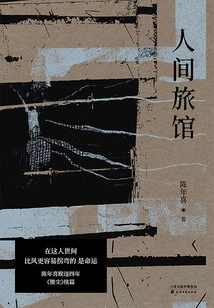
Human Hotel
Literature人间旅馆
Chen Nianxi
"Miner's Poet" and writer Chen Nianxi's 2025 masterpiece. This book takes the hotel as its carrier and once again presents a group of ordinary and simple workers, including miners, river backers, charcoal burners, Nanyang hawkers, old students from the county theater troupe, printer Lao Jiao, Feng Qinshi, Liu Suona... The book has no ups and downs of emotional entanglements, nor fierce life and death struggles. Instead, it depicts the story of these ordinary people like us, running around for a living, looking for that "way to live." Life may be like a journey. We are all running and wandering in this world, being escorted by fate to live in a panic, feeling trapped, sad, and feeling tenderness in it. And it is precisely the lives and destiny of these unknown people that make people want to live as pure and down-to-earth as they do.
"Miner's Poet" and writer Chen Nianxi's 2025 masterpiece. This book takes the hotel as its carrier and once again presents a group of ordinary and simple workers, including miners, river backers, charcoal burners, Nanyang hawkers, old students from the county theater troupe, printer Lao Jiao, Feng Qinshi, Liu Suona... The book has no ups and downs of emotional entanglements, nor fierce life and death struggles. Instead, it depicts the story of these ordinary people like us, running around for a living, looking for that "way to live." Life may be like a journey. We are all running and wandering in this world, being escorted by fate to live in a panic, feeling trapped, sad, and feeling tenderness in it. And it is precisely the lives and destiny of these unknown people that make people want to live as pure and down-to-earth as they do.
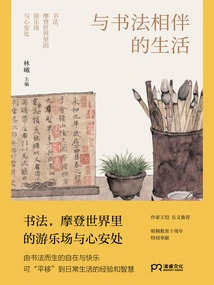
Life with Calligraphy
Literature与书法相伴的生活
Editor-in-chief Lin Xi
From calligraphy skills to mental methods, from pen and ink to life, calligrapher and painter Lin Xi teaches you to get the nourishment of life from calligraphy! Xuan Tong Classroom, founded by calligrapher and painter Lin Xi, interviewed calligraphy learners from different professions, ages, and encounters, listening to their sincere stories and life experiences derived from calligraphy, and summarized them into 10 key words in the process of learning to write: beginning, gain, difficulty, method, time, understanding, peace of mind, teacher, others, tradition. Calligraphy is writing, but it is much more than just writing. Through the matter of writing, the book shares a set of solutions about life and success: how to start learning a skill; how to use time efficiently; how to deal with difficulties; how to reconcile with life and live in the moment... These experiences and wisdom derived from calligraphy can be transferred to all aspects of life. Starting with one stroke, one piece of paper, one ink, and one inscription, enter the world of calligraphy and enjoy the time of being alone with yourself and communing with the ancients. Many changes, improvements, and beauties will begin to grow from this.
From calligraphy skills to mental methods, from pen and ink to life, calligrapher and painter Lin Xi teaches you to get the nourishment of life from calligraphy! Xuan Tong Classroom, founded by calligrapher and painter Lin Xi, interviewed calligraphy learners from different professions, ages, and encounters, listening to their sincere stories and life experiences derived from calligraphy, and summarized them into 10 key words in the process of learning to write: beginning, gain, difficulty, method, time, understanding, peace of mind, teacher, others, tradition. Calligraphy is writing, but it is much more than just writing. Through the matter of writing, the book shares a set of solutions about life and success: how to start learning a skill; how to use time efficiently; how to deal with difficulties; how to reconcile with life and live in the moment... These experiences and wisdom derived from calligraphy can be transferred to all aspects of life. Starting with one stroke, one piece of paper, one ink, and one inscription, enter the world of calligraphy and enjoy the time of being alone with yourself and communing with the ancients. Many changes, improvements, and beauties will begin to grow from this.
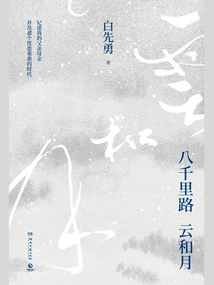
八千里路云和月
Bai Xianyong
Bai Xianyong's new work! Describing my father and mother and that era of great sorrow. This is a song of life written with blood, tears and sincerity by the master of Chinese literature Pai Xianyong. He uses words to take us through the corridors of history and experience the troubled era of the Republic of China. The book specially includes photos that the author has collected for decades, restoring the true temperature of a family and preserving those figures that have not been wiped out. "Eight Thousand Miles of Road with Clouds and Moon" is a collection of Mr. Bai Xianyong's new prose works in recent years after "The Tree Is Like This". In the book, the author either reminisces about his parents, misses old friends, expresses his feelings, or discusses literature and art. Although he writes about personal memories, it is fundamentally about the vicissitudes of Chinese history in the twentieth century. The book is divided into three major parts. Part 1: Eight Thousand Miles of Road, Clouds and Moons - The feelings of family and country, describing father, mother and that troubled era; Part 2: Colorful Colors - chronicling characters, describing the friendship between teachers and friends who have been close friends for many years, including Brigitte Lin, Xia Zhiqing, Xi Song, etc.; Part 3: Suddenly Looking Back - Reading Reflections, using more than sixty years of literary accumulation to describe the in-depth understanding and perception of words. Mr. Bai Xianyong uses words to take us through the historical corridor, looking at the life story of an all-powerful old general, and clearly experiencing the troubled era of the Republic of China. His writings reveal beauty in their plainness, and deep feelings in their restraint.
Bai Xianyong's new work! Describing my father and mother and that era of great sorrow. This is a song of life written with blood, tears and sincerity by the master of Chinese literature Pai Xianyong. He uses words to take us through the corridors of history and experience the troubled era of the Republic of China. The book specially includes photos that the author has collected for decades, restoring the true temperature of a family and preserving those figures that have not been wiped out. "Eight Thousand Miles of Road with Clouds and Moon" is a collection of Mr. Bai Xianyong's new prose works in recent years after "The Tree Is Like This". In the book, the author either reminisces about his parents, misses old friends, expresses his feelings, or discusses literature and art. Although he writes about personal memories, it is fundamentally about the vicissitudes of Chinese history in the twentieth century. The book is divided into three major parts. Part 1: Eight Thousand Miles of Road, Clouds and Moons - The feelings of family and country, describing father, mother and that troubled era; Part 2: Colorful Colors - chronicling characters, describing the friendship between teachers and friends who have been close friends for many years, including Brigitte Lin, Xia Zhiqing, Xi Song, etc.; Part 3: Suddenly Looking Back - Reading Reflections, using more than sixty years of literary accumulation to describe the in-depth understanding and perception of words. Mr. Bai Xianyong uses words to take us through the historical corridor, looking at the life story of an all-powerful old general, and clearly experiencing the troubled era of the Republic of China. His writings reveal beauty in their plainness, and deep feelings in their restraint.
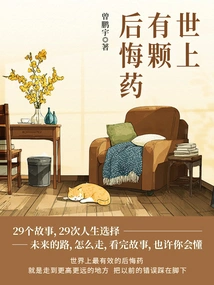
There is a Regret Medicine in the World
Literature世上有颗后悔药
Zeng Pengyu
Is it possible that after missing out on the life you hoped to have, you can step back into that distant river again? It's like having a regret pill. The story touches people's hearts with truth. This book tells 29 real life stories. Among these stories, some are a series of tragedies with one wrong step after another, some are a trick of fate due to personality, some are people who deserve to be punished for making excuses for greed and laziness; some are a desperate counterattack at the bottom of life, the tranquility of the years after the glory has been washed away, and the goodwill of human nature in the indifferent world. [The price of asking for help] If you come out to hang out, you will have to pay it back sooner or later. Borrowing money, even more so. In addition to testing credibility and character, other costs must also be considered. When you ask the public for help and receive a lot of money and materials, you are so lucky. But what follows is your privacy being stripped away, your face being dishonored, and being constantly monitored and questioned. Is this something you can bear? This story tells the different choices of two families facing a seriously ill child. [Who has never felt guilty in this life] To be precise, this is a story about jealousy. Two girls, one is ordinary and the other is beautiful and outstanding, but this does not prevent the two from becoming the best best friends. Long-term envy, slowly fermenting. An "accidental" loss of important documents caused the originally outstanding girl to miss a once-in-a-lifetime development opportunity. Years later, this dusty secret once again tests their friendship. [Unchaste] Is chastity the most important thing for a woman? Of course not, but in that special era, if a mistake is repeated a hundred times, it seems to become right. Under what circumstances would a son accuse his mother of being unchaste? This starts from a wrong cause and condition. ... 29 Stories, 29 life choices, either major or inadvertent. What efforts have you made to not regret it now? Maybe you will understand the future road and how to go after reading the story.
Is it possible that after missing out on the life you hoped to have, you can step back into that distant river again? It's like having a regret pill. The story touches people's hearts with truth. This book tells 29 real life stories. Among these stories, some are a series of tragedies with one wrong step after another, some are a trick of fate due to personality, some are people who deserve to be punished for making excuses for greed and laziness; some are a desperate counterattack at the bottom of life, the tranquility of the years after the glory has been washed away, and the goodwill of human nature in the indifferent world. [The price of asking for help] If you come out to hang out, you will have to pay it back sooner or later. Borrowing money, even more so. In addition to testing credibility and character, other costs must also be considered. When you ask the public for help and receive a lot of money and materials, you are so lucky. But what follows is your privacy being stripped away, your face being dishonored, and being constantly monitored and questioned. Is this something you can bear? This story tells the different choices of two families facing a seriously ill child. [Who has never felt guilty in this life] To be precise, this is a story about jealousy. Two girls, one is ordinary and the other is beautiful and outstanding, but this does not prevent the two from becoming the best best friends. Long-term envy, slowly fermenting. An "accidental" loss of important documents caused the originally outstanding girl to miss a once-in-a-lifetime development opportunity. Years later, this dusty secret once again tests their friendship. [Unchaste] Is chastity the most important thing for a woman? Of course not, but in that special era, if a mistake is repeated a hundred times, it seems to become right. Under what circumstances would a son accuse his mother of being unchaste? This starts from a wrong cause and condition. ... 29 Stories, 29 life choices, either major or inadvertent. What efforts have you made to not regret it now? Maybe you will understand the future road and how to go after reading the story.
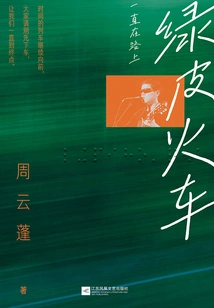
Green Train: Always on the Road
Literature绿皮火车:一直在路上
Zhou Yunpeng
Troubadour poet and folk singer Zhou Yunpeng's collection of essays "Green Train: Always on the Road" is back in a new edition, with a new preface and several new works, recreating the spiritual wandering history of a generation. After setting off on the green train at the age of seventeen, he writes about the places he has arrived on the road of traveling and singing for thirty years, the friends he has made, the vicissitudes of life he has experienced and the growth of Chinese new folk songs, the unique life he has gained, and the people and things he has lost. Now that the year of destiny has arrived, the world is changing rapidly, and the only thing that remains unchanged is that time continues to move forward like a green train. "Green Train: Always on the Road" retains the free and easy freedom of self-exile and self-healing in the wilderness of life, but also adds a touch of the taste of life and a broad-minded attitude towards life. What remains unchanged is the author's warm and hopeful heart, as he himself said: "Looking forward to the arrival of better people, looking forward to the arrival of more beautiful people. Looking forward to the possession of our past souls and returning."
Troubadour poet and folk singer Zhou Yunpeng's collection of essays "Green Train: Always on the Road" is back in a new edition, with a new preface and several new works, recreating the spiritual wandering history of a generation. After setting off on the green train at the age of seventeen, he writes about the places he has arrived on the road of traveling and singing for thirty years, the friends he has made, the vicissitudes of life he has experienced and the growth of Chinese new folk songs, the unique life he has gained, and the people and things he has lost. Now that the year of destiny has arrived, the world is changing rapidly, and the only thing that remains unchanged is that time continues to move forward like a green train. "Green Train: Always on the Road" retains the free and easy freedom of self-exile and self-healing in the wilderness of life, but also adds a touch of the taste of life and a broad-minded attitude towards life. What remains unchanged is the author's warm and hopeful heart, as he himself said: "Looking forward to the arrival of better people, looking forward to the arrival of more beautiful people. Looking forward to the possession of our past souls and returning."
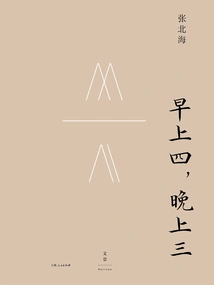
早上四,晚上三
Zhang Beihai
Zhang Beihai, the original author of the movie "The Righteous One", began to write the story of his life when he was eighty years old. The author mentioned in the preface "What animal has four in the morning and three in the evening?" The answer is "human". This book is his "four in the morning and three in the evening". During the Anti-Japanese War, my father was unwilling to surrender to the Japanese, so my mother had no choice but to evacuate from Tianjin with several children, crossed the Yellow River, and arrived in Xi'an. Finally, the family reunited in Chongqing; the unruly young man was kicked out of the house by his father and witnessed Taiwan's bizarre society in the 1950s; the second brother was Song Meiling's daughter. The pilot of a special plane died young in a plane crash, leaving behind a daughter, the famous Sylvia Chang in the future; he became a United Nations official, worked and traveled around the world, and had unique experiences; in his later years, he returned to his hometown in Shanxi to explore the love of his hometown; and reunited with his first love in his twilight years. Life is like this, get together, have fun, and then part ways. These concise and calm words contain open-mindedness and humor that can clearly understand the world. They are also the last gift left by an old naughty boy to the world.
Zhang Beihai, the original author of the movie "The Righteous One", began to write the story of his life when he was eighty years old. The author mentioned in the preface "What animal has four in the morning and three in the evening?" The answer is "human". This book is his "four in the morning and three in the evening". During the Anti-Japanese War, my father was unwilling to surrender to the Japanese, so my mother had no choice but to evacuate from Tianjin with several children, crossed the Yellow River, and arrived in Xi'an. Finally, the family reunited in Chongqing; the unruly young man was kicked out of the house by his father and witnessed Taiwan's bizarre society in the 1950s; the second brother was Song Meiling's daughter. The pilot of a special plane died young in a plane crash, leaving behind a daughter, the famous Sylvia Chang in the future; he became a United Nations official, worked and traveled around the world, and had unique experiences; in his later years, he returned to his hometown in Shanxi to explore the love of his hometown; and reunited with his first love in his twilight years. Life is like this, get together, have fun, and then part ways. These concise and calm words contain open-mindedness and humor that can clearly understand the world. They are also the last gift left by an old naughty boy to the world.
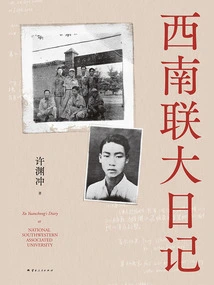
Diary of Southwest Associated University
Literature西南联大日记
Xu Yuanchong
This book is a diary written by the famous translator Xu Yuanchong while he was studying at Southwest Associated University. Xu Yuanchong personally compiled, annotated and revised it before his death, without changing a word. The book completely presents the magnificent journey of teachers and students of Southwest Associated University from south to north and back from 1938 to 1946. Through Xu Yuanchong's delicate brushwork, you can touch the most realistic and vivid appearance of the most legendary institution in the history of Chinese education - Southwest Associated University. Xu Yuanchong lends us his eyes and ears in this book, allowing us to travel back to that extraordinary era, where we can take classes, take exams, entertain, and fall in love like real Union students, and appreciate the style of masters such as Qian Zhongshu, Zhu Ziqing, and Wen Yiduo up close, and gossip about their anecdotes. This book specially adds a character index to allow users to quickly find the gossip they want to read. What Xu Yuanchong recorded from the perspective of an eyewitness is not only an individual's youth, but also a spiritual epic of a nation guarding the fire of civilization in its darkest moments. The most moving thing in this diary is the "sound of reading in the flames of war" presented in the diary. When the war burned Changsha into a sea of flames, students from Southwest Associated University moved away despite the enemy's artillery fire. When the Japanese army carried out frequent air raids on Kunming, teachers and students from the United Union picked up books from the ruins and persisted in studying while running to alert the police, studying for the rise of China. These academic perseverances that burst out on the edge of life and death confirm the cultural backbone tempered in the flames of war. The diary specially contains more than 30 old photos, manuscripts and letters, which restores the three-dimensional reconstruction of that period of "fortitude and perseverance". The best teachers and the best students create the best Southwest Associated University. Let this diary take us back to those legendary years and experience the ceiling of Chinese universities.
This book is a diary written by the famous translator Xu Yuanchong while he was studying at Southwest Associated University. Xu Yuanchong personally compiled, annotated and revised it before his death, without changing a word. The book completely presents the magnificent journey of teachers and students of Southwest Associated University from south to north and back from 1938 to 1946. Through Xu Yuanchong's delicate brushwork, you can touch the most realistic and vivid appearance of the most legendary institution in the history of Chinese education - Southwest Associated University. Xu Yuanchong lends us his eyes and ears in this book, allowing us to travel back to that extraordinary era, where we can take classes, take exams, entertain, and fall in love like real Union students, and appreciate the style of masters such as Qian Zhongshu, Zhu Ziqing, and Wen Yiduo up close, and gossip about their anecdotes. This book specially adds a character index to allow users to quickly find the gossip they want to read. What Xu Yuanchong recorded from the perspective of an eyewitness is not only an individual's youth, but also a spiritual epic of a nation guarding the fire of civilization in its darkest moments. The most moving thing in this diary is the "sound of reading in the flames of war" presented in the diary. When the war burned Changsha into a sea of flames, students from Southwest Associated University moved away despite the enemy's artillery fire. When the Japanese army carried out frequent air raids on Kunming, teachers and students from the United Union picked up books from the ruins and persisted in studying while running to alert the police, studying for the rise of China. These academic perseverances that burst out on the edge of life and death confirm the cultural backbone tempered in the flames of war. The diary specially contains more than 30 old photos, manuscripts and letters, which restores the three-dimensional reconstruction of that period of "fortitude and perseverance". The best teachers and the best students create the best Southwest Associated University. Let this diary take us back to those legendary years and experience the ceiling of Chinese universities.
Thoughtfully
Literature若有所思
He Huaihong
"Thinking" is a collection of prose essays written by Professor He Huaihong, which spans from 1977 to 1987. The contents of the book include moral and social thinking, questioning of love and marriage, the joy of reading and writing, the pursuit of philosophy and truth, questioning of life and death, etc. The book contains both a poetic gaze on all things in nature and a calm analysis of the depths of human nature, truly presenting the author's spiritual trajectory in the changing times. The text is simple and profound, retaining the original throbbing of thinking, exploring eternal propositions such as life, morality, rationality, and loneliness with delicate brushstrokes, showing the subtle integration of philosophy and literature, and providing a pure land of contemplation for the noisy world.
"Thinking" is a collection of prose essays written by Professor He Huaihong, which spans from 1977 to 1987. The contents of the book include moral and social thinking, questioning of love and marriage, the joy of reading and writing, the pursuit of philosophy and truth, questioning of life and death, etc. The book contains both a poetic gaze on all things in nature and a calm analysis of the depths of human nature, truly presenting the author's spiritual trajectory in the changing times. The text is simple and profound, retaining the original throbbing of thinking, exploring eternal propositions such as life, morality, rationality, and loneliness with delicate brushstrokes, showing the subtle integration of philosophy and literature, and providing a pure land of contemplation for the noisy world.
Broader Than the Sky
Literature比天空更广阔的
He Huaihong
"Broader than the Sky" starts from an ethical perspective, shuttles between ancient Greek philosophical debates, Eastern meditation and modern dilemmas, and explores ultimate propositions such as freedom, dignity, suffering and transcendence. By analyzing the subtleties of historical events and daily life, it reveals the fragile and sublime duality of human nature, trying to find an anchor for the soul in an era of rapid technological advancement. The book contains both a spiritual deconstruction of Dostoyevsky's "Man in the Basement" and a contemporary interpretation of Zhuangzi's "Happy Wandering", which ultimately leads to a shocking conclusion: the real vastness is not in the clouds, but when mortals face limitations, they still choose to look upward.
"Broader than the Sky" starts from an ethical perspective, shuttles between ancient Greek philosophical debates, Eastern meditation and modern dilemmas, and explores ultimate propositions such as freedom, dignity, suffering and transcendence. By analyzing the subtleties of historical events and daily life, it reveals the fragile and sublime duality of human nature, trying to find an anchor for the soul in an era of rapid technological advancement. The book contains both a spiritual deconstruction of Dostoyevsky's "Man in the Basement" and a contemporary interpretation of Zhuangzi's "Happy Wandering", which ultimately leads to a shocking conclusion: the real vastness is not in the clouds, but when mortals face limitations, they still choose to look upward.
Farewell Song
Literature别离歌
Chen Xingjia
This book is Chen Xingjia's second autobiographical essay after "At the Turn of the Xiajiang River". It tells the story of his departure from office and his career in charity. Chen Xingjia recorded with the greatest sincerity the intertwining fate of ordinary people, and vividly wrote about the difficulties and embarrassments in life, struggles and efforts, joys and sorrows and partings; he delicately described the warm embraces and long-flowing tears in the world... Real life has more ups and downs than the script, with depression and optimism intertwined, sorrow and joy intertwined. From generation to generation, we are still living, loving, accompanying, missing, crying, laughing, and living our lives. These words are not only his story, but also your and my story. I hope you can feel the love and warmth from it and gain the strength to move forward.
This book is Chen Xingjia's second autobiographical essay after "At the Turn of the Xiajiang River". It tells the story of his departure from office and his career in charity. Chen Xingjia recorded with the greatest sincerity the intertwining fate of ordinary people, and vividly wrote about the difficulties and embarrassments in life, struggles and efforts, joys and sorrows and partings; he delicately described the warm embraces and long-flowing tears in the world... Real life has more ups and downs than the script, with depression and optimism intertwined, sorrow and joy intertwined. From generation to generation, we are still living, loving, accompanying, missing, crying, laughing, and living our lives. These words are not only his story, but also your and my story. I hope you can feel the love and warmth from it and gain the strength to move forward.
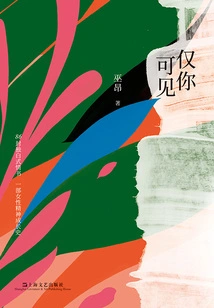
Visible Only to You
Literature仅你可见
Wu Ang
"Only Visible to You" is an epistolary work that interweaves fiction and reality, and is a collection of love letters. The author Wu Ang wrote 86 love letters in the first person in three years from the beginning of 2018 to the end of 2020, and the recipients were all "Mr. These 86 letters hide a deeply affectionate past. The immersive reading allows readers to re-identify our long-lost true love. However, these are not ordinary love letters in which a woman expresses her emotions and longing for her lover, but a contemporary woman who is independent from the world and tells the story of her emotional and spiritual growth to her spiritual lover whose "innocent and unrepentant youth" has left her. In this history of spiritual growth, there is strong and pure love, the Beijing style of the late 1990s, the exploration of love, humanity, and ultimate meaning, the observation of literature and art, the deep thinking about reading and writing, and the deep addiction to survival and life. More importantly, there is a powerful spiritual system that grows out of this and independently carries the secrets of self, love and survival. It can be said that this is the moment when feminism is deeply rooted in the hearts of the people. It is a story about people who get rid of the shackles, transcend gender, and exist independently.
"Only Visible to You" is an epistolary work that interweaves fiction and reality, and is a collection of love letters. The author Wu Ang wrote 86 love letters in the first person in three years from the beginning of 2018 to the end of 2020, and the recipients were all "Mr. These 86 letters hide a deeply affectionate past. The immersive reading allows readers to re-identify our long-lost true love. However, these are not ordinary love letters in which a woman expresses her emotions and longing for her lover, but a contemporary woman who is independent from the world and tells the story of her emotional and spiritual growth to her spiritual lover whose "innocent and unrepentant youth" has left her. In this history of spiritual growth, there is strong and pure love, the Beijing style of the late 1990s, the exploration of love, humanity, and ultimate meaning, the observation of literature and art, the deep thinking about reading and writing, and the deep addiction to survival and life. More importantly, there is a powerful spiritual system that grows out of this and independently carries the secrets of self, love and survival. It can be said that this is the moment when feminism is deeply rooted in the hearts of the people. It is a story about people who get rid of the shackles, transcend gender, and exist independently.
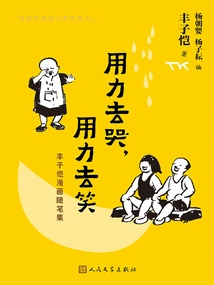
用力去哭,用力去笑:丰子恺漫画随笔集
Feng Zikai
Mr. Feng Zikai has made great achievements in literature and artistic creation, especially his paintings, which contain rich meanings and are also thought-provoking. This book is different from the pure picture display of his paintings. While appreciating Feng Zikai's paintings, readers can see Feng Zikai's literary or artistic interpretation of them and use Feng Zikai's words to explain his own works. According to Feng Zikai's picture classification method, this book is divided into six phases, that is, six parts: ancient poetry, children, students, folk, city, and wartime. While appreciating the paintings, readers can see the author's mental process during creation and feel the author's unique interest in life and art.
Mr. Feng Zikai has made great achievements in literature and artistic creation, especially his paintings, which contain rich meanings and are also thought-provoking. This book is different from the pure picture display of his paintings. While appreciating Feng Zikai's paintings, readers can see Feng Zikai's literary or artistic interpretation of them and use Feng Zikai's words to explain his own works. According to Feng Zikai's picture classification method, this book is divided into six phases, that is, six parts: ancient poetry, children, students, folk, city, and wartime. While appreciating the paintings, readers can see the author's mental process during creation and feel the author's unique interest in life and art.
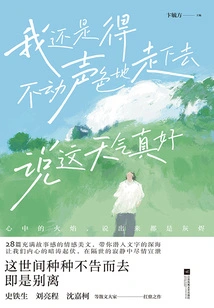
我还是得不动声色地走下去,说这天气真好
Shi Tiesheng Is Waiting, Edited By Bian Yufang
28 emotional and beautiful articles full of story-telling will allow you to express your inner secrets in the silence of another world. Maybe you are in loss and pain without saying a word at this moment. Fortunately, time is still flowing. Please don't stop moving forward and walk through this swamp!
28 emotional and beautiful articles full of story-telling will allow you to express your inner secrets in the silence of another world. Maybe you are in loss and pain without saying a word at this moment. Fortunately, time is still flowing. Please don't stop moving forward and walk through this swamp!
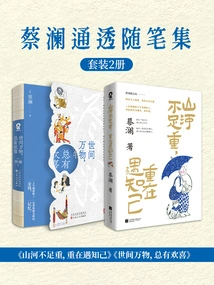
蔡澜通透随笔集(套装2册)
Cai Lam
"Cai Lam's Transparent Essay Collection Set 2 Volumes": "Mountains and rivers are not important, the important thing is to meet a confidant" "There is always joy in everything in the world" "Mountains and rivers are not important, the important thing is to meet a confidant" Cai Lam personally taught the way of making friends, and narrated interesting stories about his interactions with Jin Yong, Ni Kuang, Jackie Chan, Stephen Chow and other friends! "There is always joy in everything in the world" includes Cai Lam's highly praised Q&A on Weibo and the latest interviews in 2024. This is a selection of essays about the wisdom of life by the 80-year-old "naughty boy" Cai Lam. There is no fatherly preaching, and he can easily resolve all anxiety and confusion. He is humorous and open-minded yet sharp, and has a beautiful mental state.
"Cai Lam's Transparent Essay Collection Set 2 Volumes": "Mountains and rivers are not important, the important thing is to meet a confidant" "There is always joy in everything in the world" "Mountains and rivers are not important, the important thing is to meet a confidant" Cai Lam personally taught the way of making friends, and narrated interesting stories about his interactions with Jin Yong, Ni Kuang, Jackie Chan, Stephen Chow and other friends! "There is always joy in everything in the world" includes Cai Lam's highly praised Q&A on Weibo and the latest interviews in 2024. This is a selection of essays about the wisdom of life by the 80-year-old "naughty boy" Cai Lam. There is no fatherly preaching, and he can easily resolve all anxiety and confusion. He is humorous and open-minded yet sharp, and has a beautiful mental state.
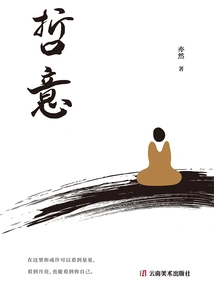
Philosophical Meaning
Literature哲意
Likewise
This book covers a variety of knowledge fields, including some causal discussions, humanistic stories, scientific worldviews and other fields, aiming to stimulate readers' curiosity and desire to explore. At the same time, the text incorporates inspirational story elements, explores philosophical thoughts, scientific evaluations, etc., Guides readers to think about the meaning of life, and provides readers with new thinking angles. Having your own philosophy is actually a long-term lesson. Do your homework well so that we can have a basis for judgment when faced with choices and decisions. Philosophically, we are taught to "know thyself," so here you can see the stars, you can see the moon, and maybe you can see yourself.
This book covers a variety of knowledge fields, including some causal discussions, humanistic stories, scientific worldviews and other fields, aiming to stimulate readers' curiosity and desire to explore. At the same time, the text incorporates inspirational story elements, explores philosophical thoughts, scientific evaluations, etc., Guides readers to think about the meaning of life, and provides readers with new thinking angles. Having your own philosophy is actually a long-term lesson. Do your homework well so that we can have a basis for judgment when faced with choices and decisions. Philosophically, we are taught to "know thyself," so here you can see the stars, you can see the moon, and maybe you can see yourself.
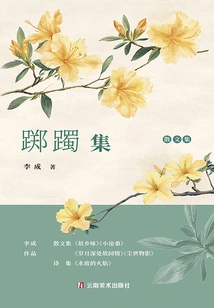
The Wanderer's Collection
Literature踯躅集
Li Cheng
"Collection of Zhuge" is the fifth prose book officially published by poet and essayist Li Cheng. It mainly writes about his personal life experience and growth story, starting from looking back at his hometown and relatives, and describing his interactions with classmates, campus life, travel and exploration of the outside world, interactions with literary friends and poets, as well as his hobbies of buying and collecting books, and his feelings about reading. It reflects his life, personality and characteristics in a relatively comprehensive way, and expresses the author's tendency to study and make progress. The writing is beautiful and has basically been published in newspapers and periodicals. The title of the book is that the author is self-effacing that he has not made any progress in life. In fact, his understanding and love of life and life have reached a very high level.
"Collection of Zhuge" is the fifth prose book officially published by poet and essayist Li Cheng. It mainly writes about his personal life experience and growth story, starting from looking back at his hometown and relatives, and describing his interactions with classmates, campus life, travel and exploration of the outside world, interactions with literary friends and poets, as well as his hobbies of buying and collecting books, and his feelings about reading. It reflects his life, personality and characteristics in a relatively comprehensive way, and expresses the author's tendency to study and make progress. The writing is beautiful and has basically been published in newspapers and periodicals. The title of the book is that the author is self-effacing that he has not made any progress in life. In fact, his understanding and love of life and life have reached a very high level.
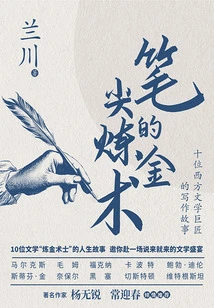
笔尖的炼金术:十位西方文学巨匠的写作故事
Lanchuan
From Marquez's magic to Dylan's folk poetics, from Stephen King's best-selling mythology to Wittgenstein's philosophy of language, this book spans novels, poetry, philosophy and music to show how literature shapes our spiritual world. This is an epic about genius, madness, loneliness and creativity, dedicated to all souls who love literature.
From Marquez's magic to Dylan's folk poetics, from Stephen King's best-selling mythology to Wittgenstein's philosophy of language, this book spans novels, poetry, philosophy and music to show how literature shapes our spiritual world. This is an epic about genius, madness, loneliness and creativity, dedicated to all souls who love literature.
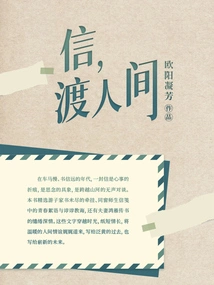
Letters, Crossing the World
Literature信,渡人间
Ouyang Ningfang
In an era when carriages and horses were slow and letters were far away, a letter was a crease in the heart, a concrete representation of longing, and a silent conversation across mountains and rivers. This book selects the unfinished concerns of wandering children, the youthful whispers in classmates' letters, and the sincere teachings from teachers and students. These words travel through time, the paper is short but the love is long, and they describe the warm human friendship - written to the yellowing past, but also to the brand-new future.
In an era when carriages and horses were slow and letters were far away, a letter was a crease in the heart, a concrete representation of longing, and a silent conversation across mountains and rivers. This book selects the unfinished concerns of wandering children, the youthful whispers in classmates' letters, and the sincere teachings from teachers and students. These words travel through time, the paper is short but the love is long, and they describe the warm human friendship - written to the yellowing past, but also to the brand-new future.
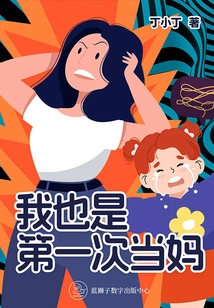
I Am Also a First Time Mother
Literature我也是第一次当妈
Ding Xiaoding
[Parenting + Daily Life + Warmth] I don't have any arrogant intentions to encourage or fear births, I just offer them purely and flatteringly, and if I can make everyone laugh, I count them all. This is a collection of interesting and embarrassing stories about a girl from a small town in Sichuan who lives in the imperial capital of Beijing. Is online dating unreliable? My roommate and I are considered to be the earliest online dating partners. We have known each other for 16 years, and we can temporarily eliminate the suspicion of pig killing. Being a mother means being strong? No, is it illegal to seek pleasure for your mother? Does being a mother require perfect marks? You go ahead, you go ahead, I'll give in and I'll mess it up. Do you want to listen to your parents? It depends on strength, whoever is more cunning will win. Every word is true to life.
[Parenting + Daily Life + Warmth] I don't have any arrogant intentions to encourage or fear births, I just offer them purely and flatteringly, and if I can make everyone laugh, I count them all. This is a collection of interesting and embarrassing stories about a girl from a small town in Sichuan who lives in the imperial capital of Beijing. Is online dating unreliable? My roommate and I are considered to be the earliest online dating partners. We have known each other for 16 years, and we can temporarily eliminate the suspicion of pig killing. Being a mother means being strong? No, is it illegal to seek pleasure for your mother? Does being a mother require perfect marks? You go ahead, you go ahead, I'll give in and I'll mess it up. Do you want to listen to your parents? It depends on strength, whoever is more cunning will win. Every word is true to life.
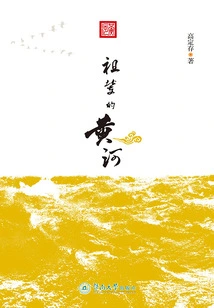
The Yellow River of Ancestors
Literature祖辈的黄河
High Fixed Deposit
This book is a collection of essays showing the scenery of the Yellow River. The book focuses on the historical and humanistic knowledge related to the Yellow River Basin, the changes in the ecological environment of the Yellow River Basin, the dangerous water conditions of the Yellow River, the customs and customs along the coast, the natural scenery along the coast, and the author's travel notes in the Yellow River Basin. It includes historical hooks, geographical exploration, anecdotes of ancient and modern figures, local folk customs, and the leisurely leisurely stroll along the banks of the Yellow River, which reflects the author's deep feelings for the Yellow River. This book overall has certain literary value and aesthetic taste. The author's sincere feelings and simple writing style show readers a full picture of the Yellow River Basin over the past half century.
This book is a collection of essays showing the scenery of the Yellow River. The book focuses on the historical and humanistic knowledge related to the Yellow River Basin, the changes in the ecological environment of the Yellow River Basin, the dangerous water conditions of the Yellow River, the customs and customs along the coast, the natural scenery along the coast, and the author's travel notes in the Yellow River Basin. It includes historical hooks, geographical exploration, anecdotes of ancient and modern figures, local folk customs, and the leisurely leisurely stroll along the banks of the Yellow River, which reflects the author's deep feelings for the Yellow River. This book overall has certain literary value and aesthetic taste. The author's sincere feelings and simple writing style show readers a full picture of the Yellow River Basin over the past half century.
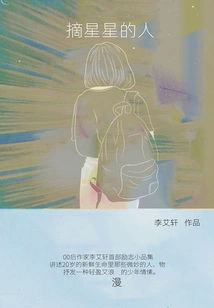
The Man Who Reaches for the Stars
Literature摘星星的人
Li Aixuan
The first collection of inspirational sketches by Li Aixuan, a post-2000s author, tells the story of the subtle and sparkling people and objects experienced in the fresh life of the 20-year-old. It expresses a light and romantic teenage sentiment, giving people living in the heavy present a light release.
The first collection of inspirational sketches by Li Aixuan, a post-2000s author, tells the story of the subtle and sparkling people and objects experienced in the fresh life of the 20-year-old. It expresses a light and romantic teenage sentiment, giving people living in the heavy present a light release.
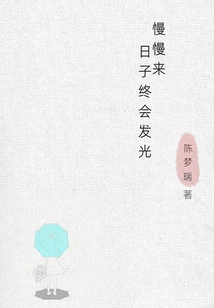
慢慢来,日子终会发光
Chen Mengrui
The content of this book covers many aspects such as family relationships, food, solar terms and customs, etc. It is like a colorful scroll of life, leading readers into a world full of poetry, philosophy and warmth. This collection contains many excellent works created by the author in different life stages and life scenes. The themes are rich and diverse, with detailed observations and affectionate praises of all natural phenomena, allowing people to appreciate the beauty of nature and the close connection between man and nature; there are vivid outlines of fireworks in the world, showing the simple charm of life and the warmth of human nature.
The content of this book covers many aspects such as family relationships, food, solar terms and customs, etc. It is like a colorful scroll of life, leading readers into a world full of poetry, philosophy and warmth. This collection contains many excellent works created by the author in different life stages and life scenes. The themes are rich and diverse, with detailed observations and affectionate praises of all natural phenomena, allowing people to appreciate the beauty of nature and the close connection between man and nature; there are vivid outlines of fireworks in the world, showing the simple charm of life and the warmth of human nature.
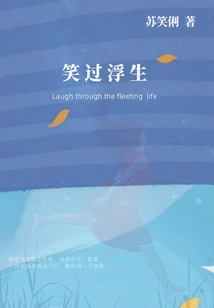
Laughter Through Life
Literature笑过浮生
Su Xiaoli
Reading people, reading things, reading books, using reading as the warp and time as the weft, weaving the colorful bits and pieces of the mortal world, recording my momentary voice among all living beings, capturing the temperature of time and the gentle ripples of life in the words of spring breeze and rain, ups and downs, and passing by with a smile.
Reading people, reading things, reading books, using reading as the warp and time as the weft, weaving the colorful bits and pieces of the mortal world, recording my momentary voice among all living beings, capturing the temperature of time and the gentle ripples of life in the words of spring breeze and rain, ups and downs, and passing by with a smile.
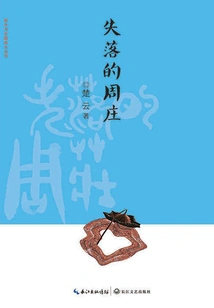
Lost Zhouzhuang
Literature失落的周庄
Chu Yun
"Lost Zhouzhuang" is set in Zhoucun, a small village in Jingnan area (Jianli), and narrates the rural life that is about to or has passed away. With the process of modernization and industrialization of Chinese society, the agricultural era has gradually faded away. Traditional rural China is facing unprecedented erosion and annexation. Some industries with the most representative local cultural symbols are rapidly disappearing. Therefore, looking back at hometowns, caressing the countryside, reminiscing about childhood innocence, outlining the deepest and widest desolate land in China, interpreting the most original and traditional characters in the desolate land, and showing the most ignorant and simple mental journeys among the characters have become the goals pursued by "Lost Zhouzhuang".
"Lost Zhouzhuang" is set in Zhoucun, a small village in Jingnan area (Jianli), and narrates the rural life that is about to or has passed away. With the process of modernization and industrialization of Chinese society, the agricultural era has gradually faded away. Traditional rural China is facing unprecedented erosion and annexation. Some industries with the most representative local cultural symbols are rapidly disappearing. Therefore, looking back at hometowns, caressing the countryside, reminiscing about childhood innocence, outlining the deepest and widest desolate land in China, interpreting the most original and traditional characters in the desolate land, and showing the most ignorant and simple mental journeys among the characters have become the goals pursued by "Lost Zhouzhuang".
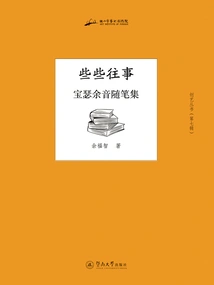
Creative Arts Series·volume 7·some Past Events: a Collection of Essays of Bao Se's Remaining Sound
Literature创艺文丛·第七辑·些些往事:宝瑟余音随笔集
Yu Fuzhi
By capturing fragments of past life, the author records every detail of his life in the past ten years, narrates his views on things seen in daily life, and shows his attitude towards life. Some chapters in the book also explain and explain dialects and sayings, expressing his views on literary criticism and reading of original texts. The author's personal leisurely interests are revealed between the lines.
By capturing fragments of past life, the author records every detail of his life in the past ten years, narrates his views on things seen in daily life, and shows his attitude towards life. Some chapters in the book also explain and explain dialects and sayings, expressing his views on literary criticism and reading of original texts. The author's personal leisurely interests are revealed between the lines.
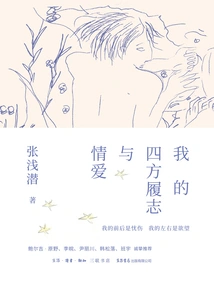
My Ambition and Love
Literature我的四方履志与情爱
Zhang Qianqian
A spiritual portrait of a literary youth at the turn of the century, a pure will in wandering and love. From a small grassland town by the flowing river to a song and dance troupe in Xining, the provincial capital, from an advertising model in Guangzhou to a avant-garde musician in Beijing, Zhang Qianqian carried her violin and followed the guidance of her creative desires at the turn of the century across the land of China, recording the majestic cultural energy and spiritual fluctuations of the changing times in her songs, paintings, and words.
A spiritual portrait of a literary youth at the turn of the century, a pure will in wandering and love. From a small grassland town by the flowing river to a song and dance troupe in Xining, the provincial capital, from an advertising model in Guangzhou to a avant-garde musician in Beijing, Zhang Qianqian carried her violin and followed the guidance of her creative desires at the turn of the century across the land of China, recording the majestic cultural energy and spiritual fluctuations of the changing times in her songs, paintings, and words.
云上六万公里
Zhang Xinyu Liang Hong
A book of courage for couples! The story of the first time a Chinese flew around the world on a domestically produced aircraft. Some things are worth doing with your life! This book is the story of Zhang Xinyu and Liang Hong, a "couple" couple. They saw, heard, and thought while flying around the world. It is also the return of the couple after fifteen years of traveling. It uses the most unpretentious words to let us see a different life and vision. The book contains nearly a hundred exquisite photos taken by the two authors during their flight around the world. This book records anecdotes including the two people learning to operate an airplane; preparations before flying around the world; and a series of adventure stories about flying to North America, South America, the Atlantic Ocean, Asia and other regions. The articles are all true feelings of the two authors. Some articles are thrilling, and some are deeply touching. The writing style, humor, authenticity and simplicity make readers unable to put it down once they start reading. In addition, the article also records the customs, customs and natural scenery of various countries and regions. Four continents, three oceans, four crossings of the equator, and a flight of 60,000 kilometers. As a couple, use your warm temperament to collide with this tough world!
A book of courage for couples! The story of the first time a Chinese flew around the world on a domestically produced aircraft. Some things are worth doing with your life! This book is the story of Zhang Xinyu and Liang Hong, a "couple" couple. They saw, heard, and thought while flying around the world. It is also the return of the couple after fifteen years of traveling. It uses the most unpretentious words to let us see a different life and vision. The book contains nearly a hundred exquisite photos taken by the two authors during their flight around the world. This book records anecdotes including the two people learning to operate an airplane; preparations before flying around the world; and a series of adventure stories about flying to North America, South America, the Atlantic Ocean, Asia and other regions. The articles are all true feelings of the two authors. Some articles are thrilling, and some are deeply touching. The writing style, humor, authenticity and simplicity make readers unable to put it down once they start reading. In addition, the article also records the customs, customs and natural scenery of various countries and regions. Four continents, three oceans, four crossings of the equator, and a flight of 60,000 kilometers. As a couple, use your warm temperament to collide with this tough world!
Bad Life
Literature一生欠安
Li Mengji
This is a collection of prose essays: 17 women who could not love, 17 beautiful and sad lives, they are hidden, voiceless, and a mystery in the dust of history... On the edge of love and pain, they make a living and seek love!
This is a collection of prose essays: 17 women who could not love, 17 beautiful and sad lives, they are hidden, voiceless, and a mystery in the dust of history... On the edge of love and pain, they make a living and seek love!
The Fox Has Nine Ideas
Literature狐狸有九个想法
Royal Family
The collection of essays "The Fox Has Nine Thoughts" focuses on 97 species of birds, beasts, fish and birds in Xinjiang. These animals live in the snowy mountains, deserts, grasslands, wetlands, forests, mountains, lakes and rivers in the border areas. Due to the unique location, there are many little-known stories and legends. The animals blend with nature and coexist with herdsmen, deriving their own survival philosophies and giving people shocking life revelations. The animals covered in this book are mostly endemic to the frontier, including wolves, eagles, camels, horses, yellow sheep, five-headed black sheep, big-headed fish, vultures, rabbits, fragrant deer, prairie tortoises, Tarim rabbits, white-headed hard-tailed ducks, Ili pikas, alpacas, Goose-throated antelope, saiga antelope, blue sheep, long-eared jerboa, meridian gerbil, muskrat, sable, mink, rabbit cat, lynx, golden eagle, Tarim rock lizard, Turpan sand tiger, tiger weasel, black stork, white-tailed chick, great bustard, houbara bustard and so on. While recording their habits, they create a series of unique animal images and animal temperaments, presenting the animals' life experiences in daily life and changes, adhering to or evolving, leaving behind the legends of the frontier written by them and the earth. The animals and the herdsmen who still follow the nomadic life form a living relationship of mutual influence and interdependence of life and death. This book contains many proverbs of the herdsmen and hunters, from which we can see the continuation of the nomadic civilization over time.
The collection of essays "The Fox Has Nine Thoughts" focuses on 97 species of birds, beasts, fish and birds in Xinjiang. These animals live in the snowy mountains, deserts, grasslands, wetlands, forests, mountains, lakes and rivers in the border areas. Due to the unique location, there are many little-known stories and legends. The animals blend with nature and coexist with herdsmen, deriving their own survival philosophies and giving people shocking life revelations. The animals covered in this book are mostly endemic to the frontier, including wolves, eagles, camels, horses, yellow sheep, five-headed black sheep, big-headed fish, vultures, rabbits, fragrant deer, prairie tortoises, Tarim rabbits, white-headed hard-tailed ducks, Ili pikas, alpacas, Goose-throated antelope, saiga antelope, blue sheep, long-eared jerboa, meridian gerbil, muskrat, sable, mink, rabbit cat, lynx, golden eagle, Tarim rock lizard, Turpan sand tiger, tiger weasel, black stork, white-tailed chick, great bustard, houbara bustard and so on. While recording their habits, they create a series of unique animal images and animal temperaments, presenting the animals' life experiences in daily life and changes, adhering to or evolving, leaving behind the legends of the frontier written by them and the earth. The animals and the herdsmen who still follow the nomadic life form a living relationship of mutual influence and interdependence of life and death. This book contains many proverbs of the herdsmen and hunters, from which we can see the continuation of the nomadic civilization over time.
我在乡村做书店:先锋书店的乡村十年
Qian Xiaohua
From 2014 to 2024, Qian Xiaohua, founder of Pioneer Bookstore, talked about his ten-year journey of running a bookstore in rural areas. 68 Photos of exquisite bookstores, panoramically showing the architectural aesthetics of "the most beautiful bookstore in the world". "When we run a rural bookstore, we suffer a lot and often worry. A rural bookstore is a narrow door, but no matter how narrow the door is, we must walk inward, because I believe that narrow door is the door we want to walk through." This book is a documentary prose work by Qian Xiaohua, the founder of Pioneer Bookstore, who recorded his involvement in setting up a bookstore in the countryside. It writes about his experiences and feelings in the countryside for ten years. In 2014, an accidental trip to Bishan changed the trajectory of Qian Xiaohua's bookstore business. After experiencing a wave of closures of physical bookstores, Qian Xiaohua still insisted on opening bookstores to remote villages, even though he was described as an idealistic lunatic and an outlier. So there was Bishan Bookstore. In the next ten years, he successively opened 12 rural bookstores in Daijiashan, Songyang, Pingnan and other places. He brought poetic spiritual life to the countryside and created a vibrant public space for rural people. In "I run a bookstore in a village", Qian Xiaohua shares the story of location selection, opening, and daily operations of a rural bookstore, as well as his thoughts on the future of physical bookstores in China. Bookstores are like rice. They bow their heads when they are full and move upwards when they are weak, spreading knowledge and faith to the earth. This is Qian Xiaohua's belief in running a bookstore, and it is also China's spiritual return home in the future.
From 2014 to 2024, Qian Xiaohua, founder of Pioneer Bookstore, talked about his ten-year journey of running a bookstore in rural areas. 68 Photos of exquisite bookstores, panoramically showing the architectural aesthetics of "the most beautiful bookstore in the world". "When we run a rural bookstore, we suffer a lot and often worry. A rural bookstore is a narrow door, but no matter how narrow the door is, we must walk inward, because I believe that narrow door is the door we want to walk through." This book is a documentary prose work by Qian Xiaohua, the founder of Pioneer Bookstore, who recorded his involvement in setting up a bookstore in the countryside. It writes about his experiences and feelings in the countryside for ten years. In 2014, an accidental trip to Bishan changed the trajectory of Qian Xiaohua's bookstore business. After experiencing a wave of closures of physical bookstores, Qian Xiaohua still insisted on opening bookstores to remote villages, even though he was described as an idealistic lunatic and an outlier. So there was Bishan Bookstore. In the next ten years, he successively opened 12 rural bookstores in Daijiashan, Songyang, Pingnan and other places. He brought poetic spiritual life to the countryside and created a vibrant public space for rural people. In "I run a bookstore in a village", Qian Xiaohua shares the story of location selection, opening, and daily operations of a rural bookstore, as well as his thoughts on the future of physical bookstores in China. Bookstores are like rice. They bow their heads when they are full and move upwards when they are weak, spreading knowledge and faith to the earth. This is Qian Xiaohua's belief in running a bookstore, and it is also China's spiritual return home in the future.
Forest Deer King
Literature森林鹿王
Hu Donglin
This manuscript is a prose work by the writer Mr. Hu Donglin, telling the story of the red deer herd in the primeval forest of Changbai Mountain. Deep in the Changbai Mountains, the strong deer king was chased by a hunter. The clever deer king used the hibernating bear to scare away the hunter. After that, in the many encounters between the deer king and the hunter, they battled wits and courage with each other. Finally, the hunter forced the deer king to a desperate situation. But the Deer King refused to leave his body to humans and committed suicide by jumping off a cliff. At the last moment, the hunter also admired the Deer King and chose to put down his shotgun. The story leaves readers with a refreshing reading experience and profound inner thoughts. It is an excellent work of nature literature and is suitable for teenagers to read. The manuscript is equipped with 11 illustrations based on the plot, making readers feel like they are actually there.
This manuscript is a prose work by the writer Mr. Hu Donglin, telling the story of the red deer herd in the primeval forest of Changbai Mountain. Deep in the Changbai Mountains, the strong deer king was chased by a hunter. The clever deer king used the hibernating bear to scare away the hunter. After that, in the many encounters between the deer king and the hunter, they battled wits and courage with each other. Finally, the hunter forced the deer king to a desperate situation. But the Deer King refused to leave his body to humans and committed suicide by jumping off a cliff. At the last moment, the hunter also admired the Deer King and chose to put down his shotgun. The story leaves readers with a refreshing reading experience and profound inner thoughts. It is an excellent work of nature literature and is suitable for teenagers to read. The manuscript is equipped with 11 illustrations based on the plot, making readers feel like they are actually there.