Library
Browse and search books
2,823 novels found
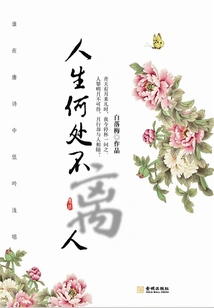
人生何处不离人
I
Who is holding an oil-paper umbrella, walking through the sentimental rainy season, looking for the old dream of prosperity in the south of the Yangtze River; who is sipping a cup of tea, leaning on the railing and quietly looking into the distance, waiting for the lonely lotus to bloom; who is taking a small boat, in the frosty sky with a bright moon like water, to salvage the passing years; and who is breaking a cold plum and writing elegant and romantic poems? The book contains 39 fresh and beautiful essays. Bai Luomei, a powerful author of Jiangnan Wanyue School, interprets Tang poetry from a new perspective. It is divided into six series, each with different themes, bringing readers different spiritual enjoyment. In a feast of culture and history, cleanse the soul, pour passion, refine the mind, and transcend aesthetics. In the perfect blend of novel Tang poetry and prose, readers can taste the charm of words, realize the truth of life, and explore the eternity of nature.
Who is holding an oil-paper umbrella, walking through the sentimental rainy season, looking for the old dream of prosperity in the south of the Yangtze River; who is sipping a cup of tea, leaning on the railing and quietly looking into the distance, waiting for the lonely lotus to bloom; who is taking a small boat, in the frosty sky with a bright moon like water, to salvage the passing years; and who is breaking a cold plum and writing elegant and romantic poems? The book contains 39 fresh and beautiful essays. Bai Luomei, a powerful author of Jiangnan Wanyue School, interprets Tang poetry from a new perspective. It is divided into six series, each with different themes, bringing readers different spiritual enjoyment. In a feast of culture and history, cleanse the soul, pour passion, refine the mind, and transcend aesthetics. In the perfect blend of novel Tang poetry and prose, readers can taste the charm of words, realize the truth of life, and explore the eternity of nature.
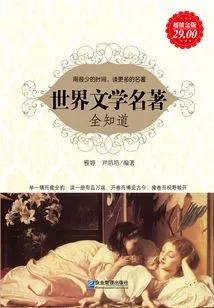
世界文学名著全知道(超值金版)
Yating Yin Peipei
Speed reading of classics has become a worldwide trend. Speed reading allows you to spend less time and energy to master as much information as possible. Specifically for this book: if you want to know about the author and the writing background of the work, you can read the "Author Introduction" and "Work Archives" sections. If you want to understand the main plot of a masterpiece, you can read the "Content Summary" section of the relevant article; if you want to understand the protagonist in the masterpiece, you can read the "Main Characters" section; if you want to understand the artistic achievements of the masterpiece itself and the evaluation of the work by famous writers, you can read " "Literary Achievements" and "Comments by Famous Writers"; if you want to remember some wonderful chapters in famous works, you can read the "Recommended Chapters" section; if you have the desire to read the original works after reading these parts, the "Comments by Famous Writers" and "Recommended Chapters by Famous Writers" point out the essence of the original works.
Speed reading of classics has become a worldwide trend. Speed reading allows you to spend less time and energy to master as much information as possible. Specifically for this book: if you want to know about the author and the writing background of the work, you can read the "Author Introduction" and "Work Archives" sections. If you want to understand the main plot of a masterpiece, you can read the "Content Summary" section of the relevant article; if you want to understand the protagonist in the masterpiece, you can read the "Main Characters" section; if you want to understand the artistic achievements of the masterpiece itself and the evaluation of the work by famous writers, you can read " "Literary Achievements" and "Comments by Famous Writers"; if you want to remember some wonderful chapters in famous works, you can read the "Recommended Chapters" section; if you have the desire to read the original works after reading these parts, the "Comments by Famous Writers" and "Recommended Chapters by Famous Writers" point out the essence of the original works.
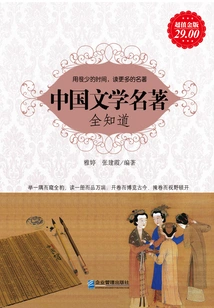
中国文学名著全知道(超值金版)
Yating, Edited By Zhang Jianxia
Chinese literature, from the Book of Songs, Chu Ci, Pre-Qin prose, and Han Fu to Tang poetry, Song lyrics, Yuan opera, and even Ming and Qing novels, constitutes a history of the development of Chinese culture over thousands of years. When you feel the endless power of life and the various rhythms of life in Tang poems; experience the fresh and romantic artistic conception aesthetics and lingering emotions of life in Song lyrics; appreciate the vast and vast cosmic images and the romantic feelings of the prodigal in Yuan opera; read the colorful pictures of the human world in the literature and art of Ming and Qing Dynasties, then your language level, your artistic conception and style, and your thoughts and sentiments will be sublimated. One day, you will be unable to stop wandering in the beautiful cultural classics, you will be intoxicated by the most essence of Chinese language and be able to use it freely. This is the power of classics.
Chinese literature, from the Book of Songs, Chu Ci, Pre-Qin prose, and Han Fu to Tang poetry, Song lyrics, Yuan opera, and even Ming and Qing novels, constitutes a history of the development of Chinese culture over thousands of years. When you feel the endless power of life and the various rhythms of life in Tang poems; experience the fresh and romantic artistic conception aesthetics and lingering emotions of life in Song lyrics; appreciate the vast and vast cosmic images and the romantic feelings of the prodigal in Yuan opera; read the colorful pictures of the human world in the literature and art of Ming and Qing Dynasties, then your language level, your artistic conception and style, and your thoughts and sentiments will be sublimated. One day, you will be unable to stop wandering in the beautiful cultural classics, you will be intoxicated by the most essence of Chinese language and be able to use it freely. This is the power of classics.
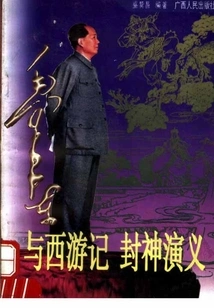
毛泽东与西游记 封神演义
Sheng Xunchang
Among the classic literary masterpieces that Mao Zedong liked to read, "The Romance of the Gods" occupies a special place. Although he did not read "The Romance of the Gods" as much as "The Romance of the Three Kingdoms" and "A Dream of Red Mansions" as a political or military book, nor did he read "Fengshen Yanyi" as a political or military book like "Journey to the West" and "Water Margin", he often used the stories in the book to explain things and explain the truth. From the historical materials I have seen so far, Mao Zedong did not talk much about "The Romance of the Gods". However, Mao Zedong was familiar with this book, had his own analysis of the stories in the book, and used his analysis to explain important truths.
Among the classic literary masterpieces that Mao Zedong liked to read, "The Romance of the Gods" occupies a special place. Although he did not read "The Romance of the Gods" as much as "The Romance of the Three Kingdoms" and "A Dream of Red Mansions" as a political or military book, nor did he read "Fengshen Yanyi" as a political or military book like "Journey to the West" and "Water Margin", he often used the stories in the book to explain things and explain the truth. From the historical materials I have seen so far, Mao Zedong did not talk much about "The Romance of the Gods". However, Mao Zedong was familiar with this book, had his own analysis of the stories in the book, and used his analysis to explain important truths.
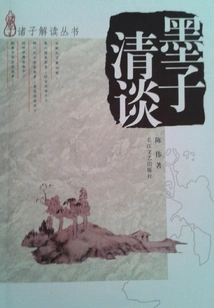
Talk About Mozi
Literature清谈墨子
Chen Wei
This book reviews Mozi's life attitude and life strategies by introducing topics such as Mozi, the greatest art of life, self-cultivation, wisdom and strategy, saving life, pursuing truth, and the relationship between yin and yang.
This book reviews Mozi's life attitude and life strategies by introducing topics such as Mozi, the greatest art of life, self-cultivation, wisdom and strategy, saving life, pursuing truth, and the relationship between yin and yang.
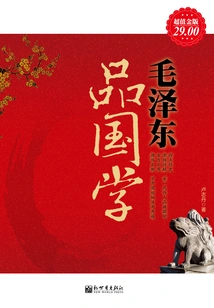
毛泽东品国学(超值金版)
Lu Zhidan
In Mao Zedong's writings and words, ancient Chinese studies have been given a new soul: it can provide guidance on principles and policies for the actual revolutionary struggle, it can contribute to the development of ideological education, and even more wonderfully, it can be integrated with Marxism from the West, so that the principles of Marxism can take on the style of Greater China! Mao Zedong was able to pick up idioms, allusions, poems, songs, and even myths and legends in Chinese classics at his fingertips and run around at will. He can use a plot from a classical novel to explain a revolutionary principle, which makes the listener see the sun behind the clouds: he can find Chu and Tang poems from the name of the person he meets for the first time, which makes his opponents marvel...
In Mao Zedong's writings and words, ancient Chinese studies have been given a new soul: it can provide guidance on principles and policies for the actual revolutionary struggle, it can contribute to the development of ideological education, and even more wonderfully, it can be integrated with Marxism from the West, so that the principles of Marxism can take on the style of Greater China! Mao Zedong was able to pick up idioms, allusions, poems, songs, and even myths and legends in Chinese classics at his fingertips and run around at will. He can use a plot from a classical novel to explain a revolutionary principle, which makes the listener see the sun behind the clouds: he can find Chu and Tang poems from the name of the person he meets for the first time, which makes his opponents marvel...
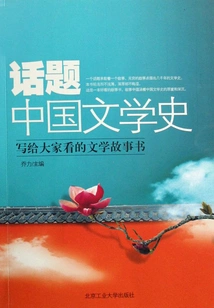
Topicschinese Literary History
Literature话题中国文学史
Qiao Li
The three thousand years of evolution and development of Chinese literature have long been integrated into a long, winding and majestic river; and it is a complex construction that encompasses all things in the world and captures everything in the world. It also shows a majestic, extremely colorful and rich huge space capacity. Therefore, we try to describe its diverse forms of expression and the evolutionary phenomenon of new inheritance, rise and fall, and explore its prominent external forms and deep underlying artistic characteristics, so as to give a more practical and appropriate value judgment on the aesthetic and social and cultural levels, so as to determine its role in finding and establishing the soul or the soul of the nation-state. The symbolic meaning of one's own spiritual outlook, in other words, the work of trying to write a summary "history" for literature also arises accordingly - this can also be said to have a long and ancient origin, because China has a strong historical complex and a strong historical consciousness, and is a country with a long historical tradition.
The three thousand years of evolution and development of Chinese literature have long been integrated into a long, winding and majestic river; and it is a complex construction that encompasses all things in the world and captures everything in the world. It also shows a majestic, extremely colorful and rich huge space capacity. Therefore, we try to describe its diverse forms of expression and the evolutionary phenomenon of new inheritance, rise and fall, and explore its prominent external forms and deep underlying artistic characteristics, so as to give a more practical and appropriate value judgment on the aesthetic and social and cultural levels, so as to determine its role in finding and establishing the soul or the soul of the nation-state. The symbolic meaning of one's own spiritual outlook, in other words, the work of trying to write a summary "history" for literature also arises accordingly - this can also be said to have a long and ancient origin, because China has a strong historical complex and a strong historical consciousness, and is a country with a long historical tradition.
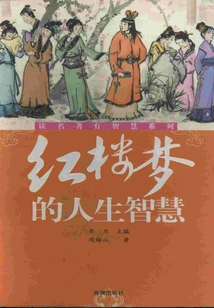
红楼梦的人生智慧
Zhou Xishan
This book specifically analyzes the small pieces of wisdom in "A Dream of Red Mansions". Many of them have the opposite meaning, that is, they are cunning people and the conspiracies of some characters. The purpose of this book is not to promote or instigate evil-hearted people to engage in conspiracies. Social experience tells us: "You must not have the intention to harm others, and you must have the intention to guard against others." "Know your enemy and know yourself, and you will always win in every battle." Only by understanding and studying other people's conspiracies can we have the wisdom to prevent and guard against darkness, and help kind readers cultivate and improve the wisdom to see through, prevent, oppose, and defeat such conspiracies.
This book specifically analyzes the small pieces of wisdom in "A Dream of Red Mansions". Many of them have the opposite meaning, that is, they are cunning people and the conspiracies of some characters. The purpose of this book is not to promote or instigate evil-hearted people to engage in conspiracies. Social experience tells us: "You must not have the intention to harm others, and you must have the intention to guard against others." "Know your enemy and know yourself, and you will always win in every battle." Only by understanding and studying other people's conspiracies can we have the wisdom to prevent and guard against darkness, and help kind readers cultivate and improve the wisdom to see through, prevent, oppose, and defeat such conspiracies.
诗神远游:中国如何改变了美国现代诗
Zhao Yiheng
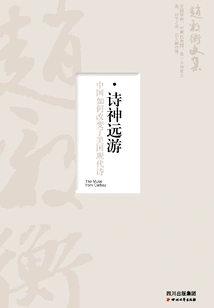
The author of "The Journey of the Poet: How China Changed Modern American Poetry" has continuously collected materials and rewritten it with all his strength during the twenty years of teaching and research. He traced the investigation period back to the 19th century and down to the present day, and detailed the three-stage scene of "future-change-change after change". Using this large-scale investigation as the background, he made a convincing analysis: Chinese poetics, philosophy, and religion are the key influences in the modern transformation of American poetry.
The author of "The Journey of the Poet: How China Changed Modern American Poetry" has continuously collected materials and rewritten it with all his strength during the twenty years of teaching and research. He traced the investigation period back to the 19th century and down to the present day, and detailed the three-stage scene of "future-change-change after change". Using this large-scale investigation as the background, he made a convincing analysis: Chinese poetics, philosophy, and religion are the key influences in the modern transformation of American poetry.
Wen Yiduo (complete Collection)
Literature闻一多(大全集)
Wen Yiduo
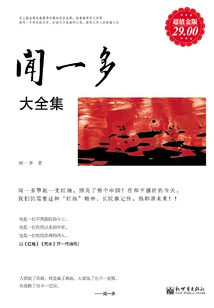
"The Complete Works of Wen Yiduo" follows the principle of selecting the best from the best and carefully selected Wen Yiduo's most popular poems, speeches, literary criticism, academic research, essays, essays, letters and other works, and compiled them into a book. Since Wen Yiduo has made the greatest achievements in poetry, the selection of "The Complete Works of Wen Yiduo" also focuses on his poetry works. For example, poetry collections such as "Dead Water", "Red Candle", and "Real Self Collection" all reflect Wen Yiduo's "three beauties" (the beauty of music, the beauty of painting, and the beauty of architecture).
"The Complete Works of Wen Yiduo" follows the principle of selecting the best from the best and carefully selected Wen Yiduo's most popular poems, speeches, literary criticism, academic research, essays, essays, letters and other works, and compiled them into a book. Since Wen Yiduo has made the greatest achievements in poetry, the selection of "The Complete Works of Wen Yiduo" also focuses on his poetry works. For example, poetry collections such as "Dead Water", "Red Candle", and "Real Self Collection" all reflect Wen Yiduo's "three beauties" (the beauty of music, the beauty of painting, and the beauty of architecture).
当代文坛点将录5
Li Chunfeng He Zhenbang Li Guangnai Tan Haozhe
"Contemporary Literary Circles" consists of five volumes, including fifty writers. Most of the articles are written by famous writers, either relatives and friends of famous literary figures or biographers, or have a close relationship with the biographers being written about. The stories or tidbits they write about the creations of a certain famous artist are all first-hand materials, which are of great significance for understanding the creation and life of the famous artist being written about. At the same time, they can also satisfy the general readers' desire for voyeurism about famous writers.
"Contemporary Literary Circles" consists of five volumes, including fifty writers. Most of the articles are written by famous writers, either relatives and friends of famous literary figures or biographers, or have a close relationship with the biographers being written about. The stories or tidbits they write about the creations of a certain famous artist are all first-hand materials, which are of great significance for understanding the creation and life of the famous artist being written about. At the same time, they can also satisfy the general readers' desire for voyeurism about famous writers.
当代文坛点将录4
Li Chunfeng He Zhenbang Li Guangnai Tan Haozhe
"Contemporary Literary Circles" consists of five volumes, including fifty writers. Most of the articles are written by famous writers, either relatives and friends of famous literary figures or biographers, or have a close relationship with the biographers being written about. The stories or tidbits they write about the creations of a certain famous artist are all first-hand materials, which are of great significance for understanding the creation and life of the famous artist being written about. At the same time, they can also satisfy the general readers' desire for voyeurism about famous writers.
"Contemporary Literary Circles" consists of five volumes, including fifty writers. Most of the articles are written by famous writers, either relatives and friends of famous literary figures or biographers, or have a close relationship with the biographers being written about. The stories or tidbits they write about the creations of a certain famous artist are all first-hand materials, which are of great significance for understanding the creation and life of the famous artist being written about. At the same time, they can also satisfy the general readers' desire for voyeurism about famous writers.
当代文坛点将录3
Li Chunfeng He Zhenbang Li Guangnai Tan Haozhe
"Contemporary Literary Circles" consists of five volumes, including fifty writers. Most of the articles are written by famous writers, either relatives and friends of famous literary figures or biographers, or have a close relationship with the biographers being written about. The stories or tidbits they write about the creations of a certain famous artist are all first-hand materials, which are of great significance for understanding the creation and life of the famous artist being written about. At the same time, they can also satisfy the general readers' desire for voyeurism about famous writers.
"Contemporary Literary Circles" consists of five volumes, including fifty writers. Most of the articles are written by famous writers, either relatives and friends of famous literary figures or biographers, or have a close relationship with the biographers being written about. The stories or tidbits they write about the creations of a certain famous artist are all first-hand materials, which are of great significance for understanding the creation and life of the famous artist being written about. At the same time, they can also satisfy the general readers' desire for voyeurism about famous writers.
当代文坛点将录2
Li Chunfeng He Zhenbang Li Guangnai Tan Haozhe
"Contemporary Literary Circles" consists of five volumes, including fifty writers. Most of the articles are written by famous writers, either relatives and friends of famous literary figures or biographers, or have a close relationship with the biographers being written about. The stories or tidbits they write about the creations of a certain famous artist are all first-hand materials, which are of great significance for understanding the creation and life of the famous artist being written about. At the same time, they can also satisfy the general readers' desire for voyeurism about famous writers.
"Contemporary Literary Circles" consists of five volumes, including fifty writers. Most of the articles are written by famous writers, either relatives and friends of famous literary figures or biographers, or have a close relationship with the biographers being written about. The stories or tidbits they write about the creations of a certain famous artist are all first-hand materials, which are of great significance for understanding the creation and life of the famous artist being written about. At the same time, they can also satisfy the general readers' desire for voyeurism about famous writers.
当代文坛点将录1
Li Chunfeng He Zhenbang Li Guangnai Tan Haozhe
"Contemporary Literary Circles" consists of five volumes, including fifty writers. Most of the articles are written by famous writers, either relatives and friends of famous literary figures or biographers, or have a close relationship with the biographers being written about. The stories or tidbits they write about the creations of a certain famous artist are all first-hand materials, which are of great significance for understanding the creation and life of the famous artist being written about. At the same time, they can also satisfy the general readers' desire for voyeurism about famous writers.
"Contemporary Literary Circles" consists of five volumes, including fifty writers. Most of the articles are written by famous writers, either relatives and friends of famous literary figures or biographers, or have a close relationship with the biographers being written about. The stories or tidbits they write about the creations of a certain famous artist are all first-hand materials, which are of great significance for understanding the creation and life of the famous artist being written about. At the same time, they can also satisfy the general readers' desire for voyeurism about famous writers.
Distressed Narrator
Literature苦恼的叙述者
Zhao Yiheng
"The Troubled Narrator" was written by Zhao Yiheng. Most of the space is devoted to discussing the issue of narrative form and going too deep into details. For the sake of clarity, I briefly explain the analytical principles of "The Troubled Narrator" here. To talk about this issue at the beginning of the book would be a bit prejudicial. In fact, the following discussion should be the conclusion of the book. It is recommended that interested readers read this section after reading the entire book.
"The Troubled Narrator" was written by Zhao Yiheng. Most of the space is devoted to discussing the issue of narrative form and going too deep into details. For the sake of clarity, I briefly explain the analytical principles of "The Troubled Narrator" here. To talk about this issue at the beginning of the book would be a bit prejudicial. In fact, the following discussion should be the conclusion of the book. It is recommended that interested readers read this section after reading the entire book.
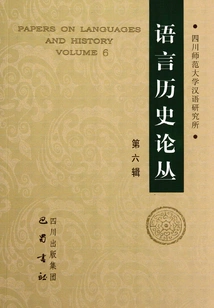
Linguistic History Series (sixth Series)
Literature语言历史论丛(第六辑)
Zhou And Xu
This book is a collection of academic papers, including more than 20 academic papers on linguistic theory, characters, phonology, grammar, exegesis, dialect investigation, etc., Which has certain academic value and publication significance.
This book is a collection of academic papers, including more than 20 academic papers on linguistic theory, characters, phonology, grammar, exegesis, dialect investigation, etc., Which has certain academic value and publication significance.
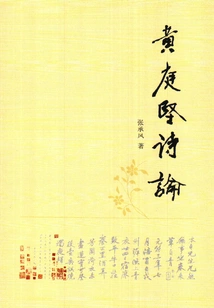
Huang Tingjian's Poetry Theory
Literature黄庭坚诗论
Zhang Chengfeng
Huang Tingjian and the Jiangxi Poetry School can be regarded as representatives of the artistic characteristics of the Song Dynasty. This book studies them with clear views, sufficient discussion, and high publication value.
Huang Tingjian and the Jiangxi Poetry School can be regarded as representatives of the artistic characteristics of the Song Dynasty. This book studies them with clear views, sufficient discussion, and high publication value.
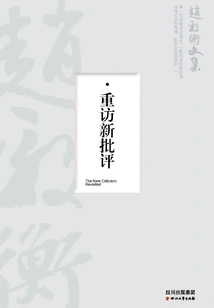
New Criticism Revisited
Literature重访新批评
Zhao Yiheng
"New Criticism Revisited" was written by Zhao Yiheng. The new generation of critics lamented: "New Criticism is like the ghost of Hamlet's father, still commanding us." This book was published and named because since the early 1980s, many young scholars in China have been interested in the New Criticism method and used it in Chinese literature. They have made outstanding text analysis and theoretical broadening. They have used critical practice to prove that the New Criticism method does have a certain vitality.
"New Criticism Revisited" was written by Zhao Yiheng. The new generation of critics lamented: "New Criticism is like the ghost of Hamlet's father, still commanding us." This book was published and named because since the early 1980s, many young scholars in China have been interested in the New Criticism method and used it in Chinese literature. They have made outstanding text analysis and theoretical broadening. They have used critical practice to prove that the New Criticism method does have a certain vitality.
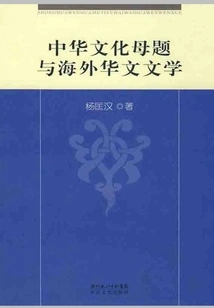
中华文学母题和海外华文文学
Yang Kuanghan
A key research project of the Institute of Contemporary Literature, Chinese Academy of Social Sciences. This article explains it from four aspects: "the significance and value of motifs in literature; double marginality and the voice of motherhood; cultural motifs in overseas Chinese literature; and artistic variations of motifs." Following the four perspectives, focusing on tradition, focusing on the whole, focusing on the text, and focusing on "harmony without difference", a new theoretical interpretation of the conceptual characteristics of the motif is made by combining Chinese contemporary literature and overseas Chinese literature. It is a practice of interdisciplinary and cross-genre research to break the long-standing habitual research status of holding on to one section of literature and one style of literature.
A key research project of the Institute of Contemporary Literature, Chinese Academy of Social Sciences. This article explains it from four aspects: "the significance and value of motifs in literature; double marginality and the voice of motherhood; cultural motifs in overseas Chinese literature; and artistic variations of motifs." Following the four perspectives, focusing on tradition, focusing on the whole, focusing on the text, and focusing on "harmony without difference", a new theoretical interpretation of the conceptual characteristics of the motif is made by combining Chinese contemporary literature and overseas Chinese literature. It is a practice of interdisciplinary and cross-genre research to break the long-standing habitual research status of holding on to one section of literature and one style of literature.
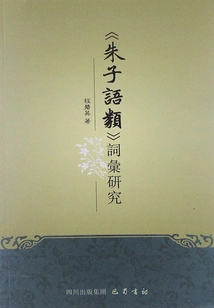
Vocabulary Research in "zhu Xi Yu Lei
Literature《朱子语类》词汇研究
Cheng Biying
"Zhu Zi's Language Classes" alternates between white and white text, blending old and new qualities. It is superimposed with words of different historical levels inherited from various periods in history and new words and new meanings produced in the Song Dynasty. To a certain extent, the different texts in each existing volume reflect the evolution of language from the Song to the Ming and Qing Dynasties, providing precious linguistic records for the study of the evolution of Chinese language and the history of vocabulary.
"Zhu Zi's Language Classes" alternates between white and white text, blending old and new qualities. It is superimposed with words of different historical levels inherited from various periods in history and new words and new meanings produced in the Song Dynasty. To a certain extent, the different texts in each existing volume reflect the evolution of language from the Song to the Ming and Qing Dynasties, providing precious linguistic records for the study of the evolution of Chinese language and the history of vocabulary.
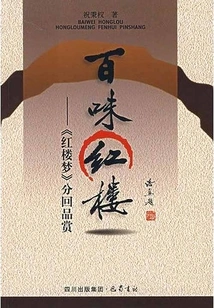
百味红楼:《红楼梦》分回欣赏
Zhu Bingquan
This book is the author's own feelings derived from the association of his own experience when he read "Dream of Red Mansions". Since it is a feeling, it is extremely personal and innovative. Since I feel my feelings, I often express my feelings directly in writing, often talk eloquently, and are very emotional and melodious, which is very attractive to readers. The book contains chapters of appreciation and comments on the masterpiece "Dream of Red Mansions". These factors constitute the unique novelty of this book since "Dream of Red Mansions" was written. It is of considerable value to the popularization of red studies, especially the famous "Dream of Red Mansions".
This book is the author's own feelings derived from the association of his own experience when he read "Dream of Red Mansions". Since it is a feeling, it is extremely personal and innovative. Since I feel my feelings, I often express my feelings directly in writing, often talk eloquently, and are very emotional and melodious, which is very attractive to readers. The book contains chapters of appreciation and comments on the masterpiece "Dream of Red Mansions". These factors constitute the unique novelty of this book since "Dream of Red Mansions" was written. It is of considerable value to the popularization of red studies, especially the famous "Dream of Red Mansions".
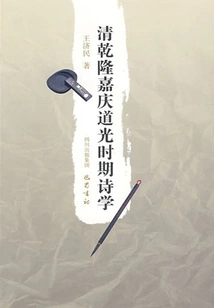
清乾隆嘉庆道光时期诗学
Wang Jimin
The poetics of the Qianlong period mainly revolved around the reflection on the poetry since the Ming Dynasty. During that period, the country was strong and the mentality of the scholars was relatively peaceful, so the poetry at that time paid more attention to aesthetics and art. By the Jiaqing and Daoguang periods, the Qing Dynasty was declining, and the mentality of the scholars turned from peaceful to restless and angry. Many poems reflected reality. This book is a study of the poetics of the Qianlong period, the poetics of the Qianlong Jiaqing period, and the Jiaqing Daoguang period.
The poetics of the Qianlong period mainly revolved around the reflection on the poetry since the Ming Dynasty. During that period, the country was strong and the mentality of the scholars was relatively peaceful, so the poetry at that time paid more attention to aesthetics and art. By the Jiaqing and Daoguang periods, the Qing Dynasty was declining, and the mentality of the scholars turned from peaceful to restless and angry. Many poems reflected reality. This book is a study of the poetics of the Qianlong period, the poetics of the Qianlong Jiaqing period, and the Jiaqing Daoguang period.
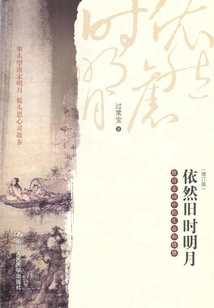
Still the Bright Moon of the Old Days
Literature依然旧时明月
Too Often Treasure
A new interpretation of 46 classical poems. Through beautiful and moving words and ethereal and poetic analysis, the author sorts out the various lives and emotions of the ancients, communicates them with the inner life of modern people, and leads us into the emotions of poets and poets. Feel the world and appreciate the wild Li Bai, the dashing Su Shi, the Zen Wang Wei, the passionate Liu Yong, and those classical scenes that are deeply rooted in your bones: the dancing posture of holding wine with flowers, the sound of the flute walking on the snow to find plum blossoms, the gaze behind the crystal curtain, the cry in the empty mountain of the ancient temple
A new interpretation of 46 classical poems. Through beautiful and moving words and ethereal and poetic analysis, the author sorts out the various lives and emotions of the ancients, communicates them with the inner life of modern people, and leads us into the emotions of poets and poets. Feel the world and appreciate the wild Li Bai, the dashing Su Shi, the Zen Wang Wei, the passionate Liu Yong, and those classical scenes that are deeply rooted in your bones: the dancing posture of holding wine with flowers, the sound of the flute walking on the snow to find plum blossoms, the gaze behind the crystal curtain, the cry in the empty mountain of the ancient temple
宋代晚唐体诗歌研究
M
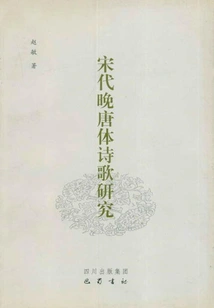
"Research on Late Tang Style Poetry in the Song Dynasty" is divided into six chapters: The first chapter focuses on the research of the emergence time and cultural background of the two terms "Late Tang" and "Late Tang Style" in the Song Dynasty. The second chapter's research object is the late Tang style in the early Song Dynasty. The third chapter talks about the period from Zhenzong of the Northern Song Dynasty to Guangzong of the Southern Song Dynasty, and the fourth chapter is the study of the Four Spirits of Yongjia. Chapter 5 talks about the late Tang style creation and related issues in the late Southern Song Dynasty. Chapter six is a summary of the characteristics of late Tang poetry in the Song Dynasty. The late Tang style poets of the Song Dynasty had an almost fanatical attitude towards poetry. They emphasized five rhymes and despised the ancient style. They preferred to describe landscapes, bamboos and rocks at dusk in autumn. They liked line drawings as poems and emphasized the middle couplet. Their poems showed fresh and plain aesthetic characteristics.
"Research on Late Tang Style Poetry in the Song Dynasty" is divided into six chapters: The first chapter focuses on the research of the emergence time and cultural background of the two terms "Late Tang" and "Late Tang Style" in the Song Dynasty. The second chapter's research object is the late Tang style in the early Song Dynasty. The third chapter talks about the period from Zhenzong of the Northern Song Dynasty to Guangzong of the Southern Song Dynasty, and the fourth chapter is the study of the Four Spirits of Yongjia. Chapter 5 talks about the late Tang style creation and related issues in the late Southern Song Dynasty. Chapter six is a summary of the characteristics of late Tang poetry in the Song Dynasty. The late Tang style poets of the Song Dynasty had an almost fanatical attitude towards poetry. They emphasized five rhymes and despised the ancient style. They preferred to describe landscapes, bamboos and rocks at dusk in autumn. They liked line drawings as poems and emphasized the middle couplet. Their poems showed fresh and plain aesthetic characteristics.
蒙文通经学与理学思想研究
Cai Fanglu Liu Xingshu
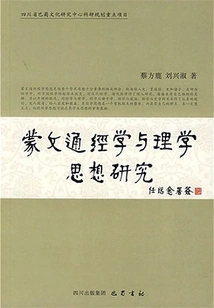
"Research on Meng Wentong's Classical Studies and Neo-Confucian Thought" is a key scientific research planning project of the Sichuan Bashu Cultural Research Center. The establishment of this research project has received strong support and help from the leaders and relevant personnel of the Sichuan Bashu Cultural Research Center. This book specifically includes: Meng Wentong's life and writings, about Qing Dynasty Confucian classics, the characteristics of Mongolian Confucian studies, and discussion of the scope of Mongolian Confucianism.
"Research on Meng Wentong's Classical Studies and Neo-Confucian Thought" is a key scientific research planning project of the Sichuan Bashu Cultural Research Center. The establishment of this research project has received strong support and help from the leaders and relevant personnel of the Sichuan Bashu Cultural Research Center. This book specifically includes: Meng Wentong's life and writings, about Qing Dynasty Confucian classics, the characteristics of Mongolian Confucian studies, and discussion of the scope of Mongolian Confucianism.
汉晋文学中的《庄子》接受
Willow
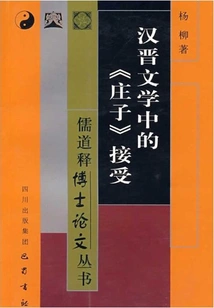
This book mainly discusses the reception of "Zhuangzi" in literature against the background of the comprehensive revival of Zhuangzi in the ideological and academic field during the Han and Jin Dynasties. Answered the following questions: What were the manifestations of the revival of Zhuangxue during the Han and Wei dynasties? What is the reason for the revival? In what way did Han and Jin literature accept Zhuangzi? What are the characteristics of the reception of "Zhuangzi" in each period of Han and Jin Dynasties? Which aspects of "Zhuangzi" did Han and Jin literature mainly accept? What's the performance? The strong life spirit of "Zhuangzi" and the poetic spirit derived from it were a major excitement point when scholars and literature in the Han and Jin Dynasties chose and accepted it. Based on this, this book conducts a special study on the deep connection between Han and Jin literature and "Zhuangzi" in terms of life consciousness, construction of ideal life realm and narrative method.
This book mainly discusses the reception of "Zhuangzi" in literature against the background of the comprehensive revival of Zhuangzi in the ideological and academic field during the Han and Jin Dynasties. Answered the following questions: What were the manifestations of the revival of Zhuangxue during the Han and Wei dynasties? What is the reason for the revival? In what way did Han and Jin literature accept Zhuangzi? What are the characteristics of the reception of "Zhuangzi" in each period of Han and Jin Dynasties? Which aspects of "Zhuangzi" did Han and Jin literature mainly accept? What's the performance? The strong life spirit of "Zhuangzi" and the poetic spirit derived from it were a major excitement point when scholars and literature in the Han and Jin Dynasties chose and accepted it. Based on this, this book conducts a special study on the deep connection between Han and Jin literature and "Zhuangzi" in terms of life consciousness, construction of ideal life realm and narrative method.
Awakening and Transmutation
Literature梦醒与嬗变
Zhang Ming
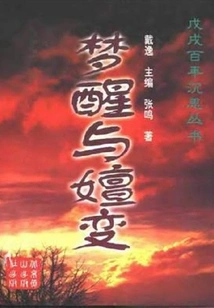
A hundred years is a rather distant time limit for the Chinese. People talk about death in a taboo way, but say "a hundred years later" and wish for a long marriage and say "a hundred years of peace and harmony." A hundred years is the number of years that most Chinese people will not live. As the saying goes, "A life of less than a hundred years is rare" and "A life of seventy years is rare", so a hundred years has become synonymous with time. A hundred years after an event, even in the slow-paced ancient times, it is considered to have history, and an event will still make people think of it after a hundred years. This age alone is enough to prove that the event is of extraordinary significance. One hundred years have passed, and the nature of our reforms today has nothing in common with the Reform Movement of 1898. However, we can still learn a lot from the footprints of the reformers of those years. In comparison, no major event in modern history is as close to our cause today as the Wuxu Incident.
A hundred years is a rather distant time limit for the Chinese. People talk about death in a taboo way, but say "a hundred years later" and wish for a long marriage and say "a hundred years of peace and harmony." A hundred years is the number of years that most Chinese people will not live. As the saying goes, "A life of less than a hundred years is rare" and "A life of seventy years is rare", so a hundred years has become synonymous with time. A hundred years after an event, even in the slow-paced ancient times, it is considered to have history, and an event will still make people think of it after a hundred years. This age alone is enough to prove that the event is of extraordinary significance. One hundred years have passed, and the nature of our reforms today has nothing in common with the Reform Movement of 1898. However, we can still learn a lot from the footprints of the reformers of those years. In comparison, no major event in modern history is as close to our cause today as the Wuxu Incident.
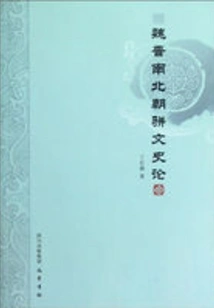
魏晋南北朝骈文史论
Ding Hongqi
"History of Parallel Prose in the Wei, Jin, Southern and Northern Dynasties" studies the parallel prose in the Wei, Jin, Southern and Northern Dynasties in chronological order. The book is divided into seven chapters, including: from the end of the Han Dynasty to the Wei Dynasty - the continued development of parallel prose; the Western Jin Dynasty - the weakening of national concepts and the miscellany of parallel prose; the Eastern Jin Dynasty - the desolation, decline and variation of the literary world; the Liu Song Dynasty - the maturity of parallel prose; Xiao Qi - the transformation of parallel prose and the perfection of its elements; the Liang Dynasty - the prosperity of parallel prose;
"History of Parallel Prose in the Wei, Jin, Southern and Northern Dynasties" studies the parallel prose in the Wei, Jin, Southern and Northern Dynasties in chronological order. The book is divided into seven chapters, including: from the end of the Han Dynasty to the Wei Dynasty - the continued development of parallel prose; the Western Jin Dynasty - the weakening of national concepts and the miscellany of parallel prose; the Eastern Jin Dynasty - the desolation, decline and variation of the literary world; the Liu Song Dynasty - the maturity of parallel prose; Xiao Qi - the transformation of parallel prose and the perfection of its elements; the Liang Dynasty - the prosperity of parallel prose;
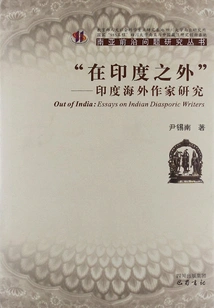
“在印度之外”:印度海外作家研究
Yin Xinan
It is divided into six chapters. The first chapter introduces Seth's life and overall creation. The second chapter takes the ideological content of "The Good Man" as the research object and points out this work's views on social issues such as Western culture, secularism and religious tolerance, the development of India's modernization, and the growth of the middle class. The next four chapters examine the novel from aspects such as space, gender, structure and language. The third chapter, from the perspective of postmodern geography, points out that the writer's fictional city of Brahmepur symbolizes India in the early 1950s, and also analyzes the use of spatial symbolism within the text. Chapter 4 analyzes the construction of male and female images in "The Man Who Wants You" and the symbolic meanings carried by the newer generation of characters from the perspective of gender studies. Chapter Five focuses on the narrative structure of "The Man Who Wants You". Chapter 6 analyzes the use of Seth's native language and English, and points out their cultural symbolic significance.
It is divided into six chapters. The first chapter introduces Seth's life and overall creation. The second chapter takes the ideological content of "The Good Man" as the research object and points out this work's views on social issues such as Western culture, secularism and religious tolerance, the development of India's modernization, and the growth of the middle class. The next four chapters examine the novel from aspects such as space, gender, structure and language. The third chapter, from the perspective of postmodern geography, points out that the writer's fictional city of Brahmepur symbolizes India in the early 1950s, and also analyzes the use of spatial symbolism within the text. Chapter 4 analyzes the construction of male and female images in "The Man Who Wants You" and the symbolic meanings carried by the newer generation of characters from the perspective of gender studies. Chapter Five focuses on the narrative structure of "The Man Who Wants You". Chapter 6 analyzes the use of Seth's native language and English, and points out their cultural symbolic significance.
In the 1980s,\
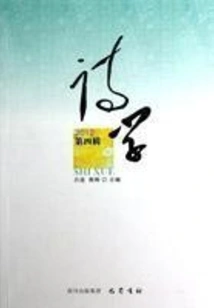
Poetics Volume 4
Literature诗学第四辑
Lu Jin, Xiong Hui
The formation and solidification of a poetic concept requires not only courageous pioneers, but also the persistence and promotion of a group of people or even several generations. So and so, once\
The formation and solidification of a poetic concept requires not only courageous pioneers, but also the persistence and promotion of a group of people or even several generations. So and so, once\
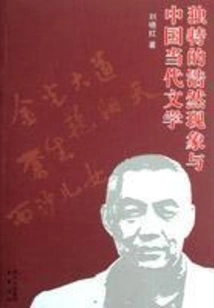
独特的浩然现象与中国当代文学
Liu Xiaohong
As a witness writer spanning seventeen years, the "Cultural Revolution", and the new era, Haoran's creations at every stage of his life herald the turning point of contemporary literature. His importance in the literary sense cannot be overstated...
As a witness writer spanning seventeen years, the "Cultural Revolution", and the new era, Haoran's creations at every stage of his life herald the turning point of contemporary literature. His importance in the literary sense cannot be overstated...
Human Words
Literature人间词话
Wang Guowei
"Human Words" is a literary criticism work written by the famous Chinese studies master Wang Guowei. After accepting the baptism of Western aesthetic thought, he commented on old Chinese literature with a new perspective. On the surface, there is no significant difference in the style and format of "Huan Jian Ci Hua" from Chinese poems and poems that have been copied for a long time. In fact, it has begun to form a theoretical system and can be regarded as one of the few works in ancient poetry treatises. Even in the field of ci theory in the past, many people regarded it as a guideline and used its arguments as the basis for ci studies and aesthetics, which had a far-reaching influence. Wang Guowei's "Human Words" is one of the most influential works since the late Qing Dynasty.
"Human Words" is a literary criticism work written by the famous Chinese studies master Wang Guowei. After accepting the baptism of Western aesthetic thought, he commented on old Chinese literature with a new perspective. On the surface, there is no significant difference in the style and format of "Huan Jian Ci Hua" from Chinese poems and poems that have been copied for a long time. In fact, it has begun to form a theoretical system and can be regarded as one of the few works in ancient poetry treatises. Even in the field of ci theory in the past, many people regarded it as a guideline and used its arguments as the basis for ci studies and aesthetics, which had a far-reaching influence. Wang Guowei's "Human Words" is one of the most influential works since the late Qing Dynasty.
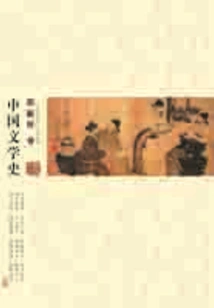
Chinese Literary History
Literature中国文学史
Zheng Zhenduo
This book does not intend to repeat too many previous conclusions. However, there are many criticisms and judgments made by predecessors or contemporary scholars that can be adopted. Whenever this book adopts their judgments, it must list their surnames one by one to show that they dare not take advantage of them, and indicate the title of the book and chapter from which it was derived.
This book does not intend to repeat too many previous conclusions. However, there are many criticisms and judgments made by predecessors or contemporary scholars that can be adopted. Whenever this book adopts their judgments, it must list their surnames one by one to show that they dare not take advantage of them, and indicate the title of the book and chapter from which it was derived.
听钱钟书讲文学
Atu
The uniqueness of Mr. Qian's grasp of traditional Chinese culture does not lie in the systematic construction, but in starting from a subtle place and traveling freely through the vast cultural time and space of thousands of years. His charm is reflected in the tacit understanding and detachment of a knowing smile when facing tradition.
The uniqueness of Mr. Qian's grasp of traditional Chinese culture does not lie in the systematic construction, but in starting from a subtle place and traveling freely through the vast cultural time and space of thousands of years. His charm is reflected in the tacit understanding and detachment of a knowing smile when facing tradition.
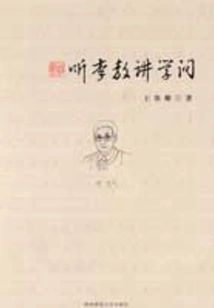
Listen to Li Ao's Lectures
Literature听李敖讲学问
Wang Moqing
Master Li Ao is full of economics, profound knowledge and has written many books. "His laughter and anger are all turned into articles."
Master Li Ao is full of economics, profound knowledge and has written many books. "His laughter and anger are all turned into articles."
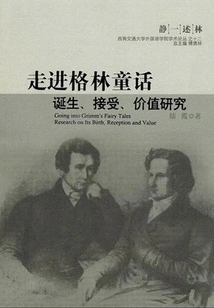
Entering Grimm's Fairy Tales
Literature走进格林童话
Lu Xia
This book traces the birth of Grimm's fairy tales in Germany, clarifies the different reception and dissemination processes of its special readers in China - the translators, analyzes and studies the "fairy tale paradigm" created by the Brothers Grimm, and digs into the deeper secrets behind children's literature, expands the academic space for theoretical research on children's literature, promotes the deepening of children's literature research, restructures the theoretical landscape of children's literature, and enhances the status of theoretical research on children's literature.
This book traces the birth of Grimm's fairy tales in Germany, clarifies the different reception and dissemination processes of its special readers in China - the translators, analyzes and studies the "fairy tale paradigm" created by the Brothers Grimm, and digs into the deeper secrets behind children's literature, expands the academic space for theoretical research on children's literature, promotes the deepening of children's literature research, restructures the theoretical landscape of children's literature, and enhances the status of theoretical research on children's literature.
文学的故事(中小学生必读丛书)
(us) John Albert Macy
Those missionaries who shouldered the mission of civilizing pagans carried notebooks and dictionaries with them and took on the "white man's mission." Asians in the East also sent envoys to the West to study. These people not only studied politics, religion, and literature, but they were also proficient in our language and could help us understand the people of their countries.
Those missionaries who shouldered the mission of civilizing pagans carried notebooks and dictionaries with them and took on the "white man's mission." Asians in the East also sent envoys to the West to study. These people not only studied politics, religion, and literature, but they were also proficient in our language and could help us understand the people of their countries.
The Heart Song Has No Terminator: Extraordinary Archives of the Writer Who Passed Away Abnormally
Literature心曲没有终止符:非正常离世作家非常档案
He Lina
This book mainly tells the biographies, autobiographies, famous sayings, works, etc. Of some writers from China, the United States, Russia, the Soviet Union, Japan and other countries. No matter how they leave this world, we should remember their names.
This book mainly tells the biographies, autobiographies, famous sayings, works, etc. Of some writers from China, the United States, Russia, the Soviet Union, Japan and other countries. No matter how they leave this world, we should remember their names.
W
萧红研究七十年(纪念萧红诞辰100周年)
Peng Fang Xiaochuan
"Seventy Years of Research on Xiao Hong (1911-2011) (Set of 3 volumes)" is a large reference book that compiles research materials on Xiao Hong. It is one of the gift books specially organized to commemorate the 100th anniversary of Xiao Hong's birth. The results of more than seventy years of research on Xiao Hong have been scattered in various newspapers, periodicals and books in mainland China, Taiwan, Hong Kong and overseas. The data are complex and numerous, making accurate statistics difficult.
"Seventy Years of Research on Xiao Hong (1911-2011) (Set of 3 volumes)" is a large reference book that compiles research materials on Xiao Hong. It is one of the gift books specially organized to commemorate the 100th anniversary of Xiao Hong's birth. The results of more than seventy years of research on Xiao Hong have been scattered in various newspapers, periodicals and books in mainland China, Taiwan, Hong Kong and overseas. The data are complex and numerous, making accurate statistics difficult.
文学与戏曲(和谐教育丛书)
Yan Xuesong
This book starts from the myths and fairy tales of ancient my country, introduces the background and process of the emergence of literary dramas, and writes the types and contents of literary dramas with detailed historical records and objective writing style, giving readers a comprehensive and vivid overview.
This book starts from the myths and fairy tales of ancient my country, introduces the background and process of the emergence of literary dramas, and writes the types and contents of literary dramas with detailed historical records and objective writing style, giving readers a comprehensive and vivid overview.
英语世界《文心雕龙》研究
Liu Ying
This book analyzes the research status of "Literary Mind and Carving Dragon" in the English-speaking world from a comparative perspective, expounds the characteristics of "Literary Mind and Carving Dragon" research in the English-speaking world, realizes communication in related research fields between China and the West, and has high academic value.
This book analyzes the research status of "Literary Mind and Carving Dragon" in the English-speaking world from a comparative perspective, expounds the characteristics of "Literary Mind and Carving Dragon" research in the English-speaking world, realizes communication in related research fields between China and the West, and has high academic value.
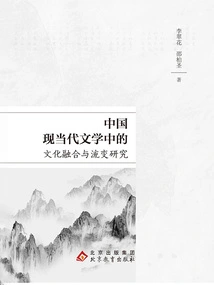
中国现当代文学中的文化融合与流变研究
Li Cuihua Shao Baisheng
This book is a work on modern and contemporary literature. It consists of the germination of modern literature, the evolution of new ideological trends, the rise of various literary societies, the intervention of urban culture in modern literature, the transformation from modern literature to contemporary literature, rural-themed literature, literary trends of the 1980s and 1990s, and even new forms of literature in the new century. The book mainly displays 19 The thirty years of modern literature from the New Culture Movement in 1919 to the founding of New China in 1949, as well as the contemporary literature from 1949 to the present, the impact of cultural integration in different periods on literary change, and the study of the relationship between cultural integration and literary change, are of learning and reference value for researchers and educators engaged in modern and contemporary literature.
This book is a work on modern and contemporary literature. It consists of the germination of modern literature, the evolution of new ideological trends, the rise of various literary societies, the intervention of urban culture in modern literature, the transformation from modern literature to contemporary literature, rural-themed literature, literary trends of the 1980s and 1990s, and even new forms of literature in the new century. The book mainly displays 19 The thirty years of modern literature from the New Culture Movement in 1919 to the founding of New China in 1949, as well as the contemporary literature from 1949 to the present, the impact of cultural integration in different periods on literary change, and the study of the relationship between cultural integration and literary change, are of learning and reference value for researchers and educators engaged in modern and contemporary literature.
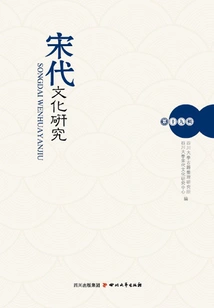
宋代文化研究(第十九辑)
Institute Of Ancient Books Collation, Sichuan University
This book discusses the etiquette and music education in the Song Dynasty. The ruling class of the Song Dynasty used etiquette and music education to strengthen the constraints on various groups of its own class and at the same time strengthen its control over other classes.
This book discusses the etiquette and music education in the Song Dynasty. The ruling class of the Song Dynasty used etiquette and music education to strengthen the constraints on various groups of its own class and at the same time strengthen its control over other classes.
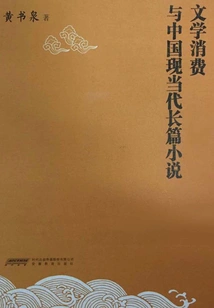
文学消费与中国现当代长篇小说
Huang Shuquan
"Literary Consumption and Chinese Modern and Contemporary Novels" is divided into the first and second volumes. The first volume is a theoretical study of literary consumption. It is the theoretical achievement of the author in recent years by drawing on the research model of Western literary sociology and studying literary sociology, literary consumption research and popular culture research. The opening chapter "On the Third Value of Literature - Consumption Value" is the theoretical cornerstone of the whole book. This article focuses on explaining the third value of literature - consumption value based on "literary facts". The close relationship between literary consumption and literature, including the role and influence of literary publishing, book market, mass readers, media culture, film and television production, etc. On literary production, is discussed in each chapter of the previous volume. The second volume uses the theoretical results of the first volume to make a special study of the novels of various literary periods in China in the 20th century from the perspective of literary consumption.
"Literary Consumption and Chinese Modern and Contemporary Novels" is divided into the first and second volumes. The first volume is a theoretical study of literary consumption. It is the theoretical achievement of the author in recent years by drawing on the research model of Western literary sociology and studying literary sociology, literary consumption research and popular culture research. The opening chapter "On the Third Value of Literature - Consumption Value" is the theoretical cornerstone of the whole book. This article focuses on explaining the third value of literature - consumption value based on "literary facts". The close relationship between literary consumption and literature, including the role and influence of literary publishing, book market, mass readers, media culture, film and television production, etc. On literary production, is discussed in each chapter of the previous volume. The second volume uses the theoretical results of the first volume to make a special study of the novels of various literary periods in China in the 20th century from the perspective of literary consumption.
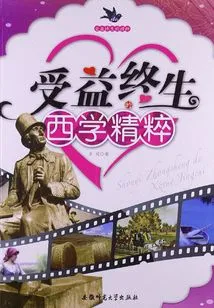
受益终生的精粹:受益终生的西学精粹
J
Film, poetry, Chinese studies, Western studies, fine arts, literature, music, and life. From these vast collections of humanistic and artistic works, the author uses refined and classic standards to select "beautiful articles, famous paintings, masterpieces, and famous songs from a young person's perspective." Integrated into five single volumes that will benefit people throughout their lives, it also compiles the famous sayings of Western sages and masters who represent Chinese wisdom and are full of philosophy into "The Essence of Chinese Studies" and "The Essence of Western Studies". This is not only an excellent work for understanding humanities and arts, but also an indispensable book for family collections.
Film, poetry, Chinese studies, Western studies, fine arts, literature, music, and life. From these vast collections of humanistic and artistic works, the author uses refined and classic standards to select "beautiful articles, famous paintings, masterpieces, and famous songs from a young person's perspective." Integrated into five single volumes that will benefit people throughout their lives, it also compiles the famous sayings of Western sages and masters who represent Chinese wisdom and are full of philosophy into "The Essence of Chinese Studies" and "The Essence of Western Studies". This is not only an excellent work for understanding humanities and arts, but also an indispensable book for family collections.
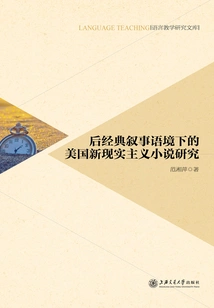
后经典叙事语境下的美国新现实主义小说研究
Fan Xiangping
After experiencing the surge of postmodernist experimental novels in the 1960s, American neorealist novels that began in the 1970s blended the writing techniques of traditional realist novels with the experimental consciousness of modernist and postmodernist novels, increasingly attracting the attention of literary critics and readers with diverse and rich text forms. In the context of postclassical narrative research, this book relies on the theories, perspectives, concepts, and categories proposed by postclassical narratology that have attracted much attention from the literary criticism community. It explores the structure, discourse, rhetoric, ethics, etc. Of representative American neorealist writers and their works, thereby interpreting the narrative connotation of the realist turn in American novels that began in the 1970s.
After experiencing the surge of postmodernist experimental novels in the 1960s, American neorealist novels that began in the 1970s blended the writing techniques of traditional realist novels with the experimental consciousness of modernist and postmodernist novels, increasingly attracting the attention of literary critics and readers with diverse and rich text forms. In the context of postclassical narrative research, this book relies on the theories, perspectives, concepts, and categories proposed by postclassical narratology that have attracted much attention from the literary criticism community. It explores the structure, discourse, rhetoric, ethics, etc. Of representative American neorealist writers and their works, thereby interpreting the narrative connotation of the realist turn in American novels that began in the 1970s.