Library
Browse and search books
2,982 novels found
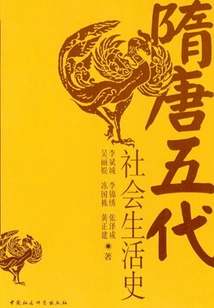
隋唐五代社会生活史
Li Bincheng Et Al.
From the perspective of social life history, the book relatively comprehensively displays the glorious material civilization and rich and colorful spiritual life of the Sui, Tang and Five Dynasties. On the one hand, the book provides a general overview of the characteristics of the times, population distribution, and class structure of the Sui, Tang, and Five Dynasties, the impact of enlightened ethnic policies and opening-up policies on social life, and the relationship between grassroots political power and clan villages and social life; on the other hand, it also provides a detailed and detailed analysis of the clothing, food, housing, transportation, marriages, funerals, social customs, and spiritual life of the Sui, Tang, and Five Dynasties. The book is also accompanied by hundreds of exquisite pictures, which help readers to concretely and vividly observe the original appearance of social life in the Sui, Tang and Five Dynasties.
From the perspective of social life history, the book relatively comprehensively displays the glorious material civilization and rich and colorful spiritual life of the Sui, Tang and Five Dynasties. On the one hand, the book provides a general overview of the characteristics of the times, population distribution, and class structure of the Sui, Tang, and Five Dynasties, the impact of enlightened ethnic policies and opening-up policies on social life, and the relationship between grassroots political power and clan villages and social life; on the other hand, it also provides a detailed and detailed analysis of the clothing, food, housing, transportation, marriages, funerals, social customs, and spiritual life of the Sui, Tang, and Five Dynasties. The book is also accompanied by hundreds of exquisite pictures, which help readers to concretely and vividly observe the original appearance of social life in the Sui, Tang and Five Dynasties.
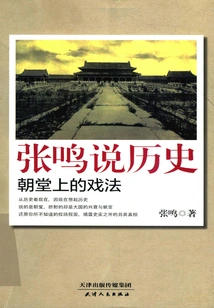
张鸣说历史:朝堂上的戏法
Zhang Ming
When Zhang Ming talks about history, he does not cite major events or topics, but rather anecdotes about human nature, such as "temporary workers" in ancient and modern times, confusion about dogs, the blessings and misfortunes of names, etc. Although they seem to be trivial things, they can trigger readers' thinking. The author of this book, Zhang Ming, is a best-selling author with many works, which is very influential and has many regular readers.
When Zhang Ming talks about history, he does not cite major events or topics, but rather anecdotes about human nature, such as "temporary workers" in ancient and modern times, confusion about dogs, the blessings and misfortunes of names, etc. Although they seem to be trivial things, they can trigger readers' thinking. The author of this book, Zhang Ming, is a best-selling author with many works, which is very influential and has many regular readers.
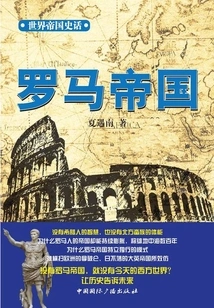
世界帝国史话:罗马帝国
Xia Yunan
This book tells you about the rise and fall of the Roman Empire and also appreciates the splendid civilization of the Roman Empire with you. The Roman Empire was the most powerful empire in the West. It created the myth of the territory that enclosed the Mediterranean Sea as an inner lake and dominated the Western world for hundreds of years. It was also one of the largest countries in the ancient history of the world. At its peak, the Roman Empire controlled approximately 5.9 Million square kilometers of land. The Roman Empire had a profound impact on the Western world. Its developed material civilization and spiritual civilization left countless inestimable treasures to the current Western European countries. In today's Western world, there are traces of the influence of ancient Rome that cannot be eliminated everywhere. In addition, the establishment of the Roman Empire greatly promoted economic and cultural exchanges in the Western world.
This book tells you about the rise and fall of the Roman Empire and also appreciates the splendid civilization of the Roman Empire with you. The Roman Empire was the most powerful empire in the West. It created the myth of the territory that enclosed the Mediterranean Sea as an inner lake and dominated the Western world for hundreds of years. It was also one of the largest countries in the ancient history of the world. At its peak, the Roman Empire controlled approximately 5.9 Million square kilometers of land. The Roman Empire had a profound impact on the Western world. Its developed material civilization and spiritual civilization left countless inestimable treasures to the current Western European countries. In today's Western world, there are traces of the influence of ancient Rome that cannot be eliminated everywhere. In addition, the establishment of the Roman Empire greatly promoted economic and cultural exchanges in the Western world.
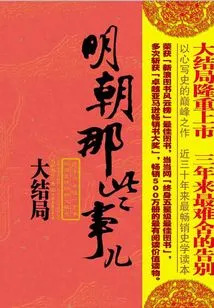
明朝那些事儿7
I
There are many legends about the last emperor of the Ming Dynasty. There have been different opinions on whether Chongzhen was a mediocre and incompetent emperor or a man who tried to rise up. In any case, this is a cruel era, but also a wonderful era. This book analyzes and sorts out this period of history, which is thought-provoking. During this period, the Houjin forces in the north rose, and through Nurhachi's management, their power grew rapidly. After Nurhachi's death, Huang Taiji ascended the throne. It was during this period that Yuan Chonghuan stepped onto the stage of history. The author of this article tells us that Yuan Chonghuan, the national hero, is nothing more than a second-rate role in history. A struggle for power that had nothing to do with him sent him to the execution stand. The turmoil in the Ming Dynasty had just begun, and then various rebel armies broke out in Shaanxi and other places. The author of this book, as always, uses a humorous tone to tell you the truth of history and the turbulent undercurrents entangled behind history.
There are many legends about the last emperor of the Ming Dynasty. There have been different opinions on whether Chongzhen was a mediocre and incompetent emperor or a man who tried to rise up. In any case, this is a cruel era, but also a wonderful era. This book analyzes and sorts out this period of history, which is thought-provoking. During this period, the Houjin forces in the north rose, and through Nurhachi's management, their power grew rapidly. After Nurhachi's death, Huang Taiji ascended the throne. It was during this period that Yuan Chonghuan stepped onto the stage of history. The author of this article tells us that Yuan Chonghuan, the national hero, is nothing more than a second-rate role in history. A struggle for power that had nothing to do with him sent him to the execution stand. The turmoil in the Ming Dynasty had just begun, and then various rebel armies broke out in Shaanxi and other places. The author of this book, as always, uses a humorous tone to tell you the truth of history and the turbulent undercurrents entangled behind history.
明朝那些事儿4
I
This book begins with Jiajing's accession to the throne and the "Controversy over Etiquette". Emperor Jiajing used the "dispute over etiquette" to eliminate a group of former ministers and take over the power. Since then, his life has become increasingly corrupt. He only wants to achieve enlightenment and become an immortal. He forgets about national affairs. As a result, the treacherous Prime Minister Yan Song has been able to hold power for a long time. At the same time, the Ming Dynasty's finances were empty and its military preparations were depleted. The Japanese pirates on the southeast coast and the Mongols in the north became the Ming Dynasty's most serious troubles. Therefore, this book mainly talks about the power struggle in the imperial court and the anti-Japanese struggle in the border areas. The thrilling story and the eloquent narration will surely make you want to stop.
This book begins with Jiajing's accession to the throne and the "Controversy over Etiquette". Emperor Jiajing used the "dispute over etiquette" to eliminate a group of former ministers and take over the power. Since then, his life has become increasingly corrupt. He only wants to achieve enlightenment and become an immortal. He forgets about national affairs. As a result, the treacherous Prime Minister Yan Song has been able to hold power for a long time. At the same time, the Ming Dynasty's finances were empty and its military preparations were depleted. The Japanese pirates on the southeast coast and the Mongols in the north became the Ming Dynasty's most serious troubles. Therefore, this book mainly talks about the power struggle in the imperial court and the anti-Japanese struggle in the border areas. The thrilling story and the eloquent narration will surely make you want to stop.
明朝那些事儿3
I
This book tells the story of Zhu Qizhen, who had no distinction between loyal and treacherous people, who believed the slander and killed Yu Qian, the great hero who had saved him from danger. This also became another major stain in his history after the "Tumubao Incident". After his death, the two emperors Xianzong and Xiaozong who came to the throne one after another were cowardly. Unbearable to do nothing, a man with more than enough ambition but not enough power, this heavy burden fell on the most troublesome emperor in the three hundred years of the Ming Dynasty - Zhu Houzhao. He doted on the Eight Tigers, built a leopard house, and proclaimed himself a mighty general. The court was filled with scenes of absurd farce, and the situation was even more turbulent. At this time, a rare ancient civil and military genius appeared - Wang Shouren. He wiped out bandits, put down rebels, bravely fought against traitors, and left many immortal legends to future generations that are almost myths. At the same time, there is still a lot of wonderful descriptions of tactics, warfare, and deception in this book. I believe it will attract your attention as always.
This book tells the story of Zhu Qizhen, who had no distinction between loyal and treacherous people, who believed the slander and killed Yu Qian, the great hero who had saved him from danger. This also became another major stain in his history after the "Tumubao Incident". After his death, the two emperors Xianzong and Xiaozong who came to the throne one after another were cowardly. Unbearable to do nothing, a man with more than enough ambition but not enough power, this heavy burden fell on the most troublesome emperor in the three hundred years of the Ming Dynasty - Zhu Houzhao. He doted on the Eight Tigers, built a leopard house, and proclaimed himself a mighty general. The court was filled with scenes of absurd farce, and the situation was even more turbulent. At this time, a rare ancient civil and military genius appeared - Wang Shouren. He wiped out bandits, put down rebels, bravely fought against traitors, and left many immortal legends to future generations that are almost myths. At the same time, there is still a lot of wonderful descriptions of tactics, warfare, and deception in this book. I believe it will attract your attention as always.
明朝那些事儿2
The Bright Moon
The content of this book begins after the "Battle of Jingnan" when Yongle seized the throne. It first narrates the deeds of the famous Yongle Emperor in Chinese history - he sent his army to the north to conquer Mongolia five times, sent Zheng He to seven voyages to the West, and went south to conquer Pingnan, etc. Later, Yongle died of illness on his way back from the northern expedition to Mongolia. After the Ming Dynasty experienced the relatively clear "Reign of Ren and Xuan", it began to enter a period of turmoil. The great eunuch Wang Zhen controlled the government and acted recklessly, resulting in the death of 200,000 elite soldiers. Fortunately, the famous loyal minister Yu Qian turned the tide in the "Tumubao Incident" and saved the Ming Empire. However, he was later killed after the "Seizing the Gate Incident" in which two emperors competed for the throne. This series of events and characters are all extremely exciting, and it can be said that there are climaxes one after another, which makes people dizzy and unable to stop.
The content of this book begins after the "Battle of Jingnan" when Yongle seized the throne. It first narrates the deeds of the famous Yongle Emperor in Chinese history - he sent his army to the north to conquer Mongolia five times, sent Zheng He to seven voyages to the West, and went south to conquer Pingnan, etc. Later, Yongle died of illness on his way back from the northern expedition to Mongolia. After the Ming Dynasty experienced the relatively clear "Reign of Ren and Xuan", it began to enter a period of turmoil. The great eunuch Wang Zhen controlled the government and acted recklessly, resulting in the death of 200,000 elite soldiers. Fortunately, the famous loyal minister Yu Qian turned the tide in the "Tumubao Incident" and saved the Ming Empire. However, he was later killed after the "Seizing the Gate Incident" in which two emperors competed for the throne. This series of events and characters are all extremely exciting, and it can be said that there are climaxes one after another, which makes people dizzy and unable to stop.
明朝那些事儿1
The Bright Moon
This book starts from Zhu Yuanzhang's origin and ends with the Jingnan battle when Emperor Yongle seized the throne. It describes the most arduous and arduous founding process of the Ming Dynasty. Zhu Yuanzhang VS Chen Youliang, who can win the world? The battle for peace and the decisive battle at Taihu Lake. An evil tiger was buried beside the couch to eradicate Zhang Shicheng. Xu Da, Chang Yuchun and other famous generals took advantage of the victory to conquer the Northern Yuan Dynasty. There is also the biggest mystery of the Ming Dynasty - the Battle of Jingnan in which Yongle seized the throne and Jianwen disappeared. I have orgasms one after another and I can't stop!
This book starts from Zhu Yuanzhang's origin and ends with the Jingnan battle when Emperor Yongle seized the throne. It describes the most arduous and arduous founding process of the Ming Dynasty. Zhu Yuanzhang VS Chen Youliang, who can win the world? The battle for peace and the decisive battle at Taihu Lake. An evil tiger was buried beside the couch to eradicate Zhang Shicheng. Xu Da, Chang Yuchun and other famous generals took advantage of the victory to conquer the Northern Yuan Dynasty. There is also the biggest mystery of the Ming Dynasty - the Battle of Jingnan in which Yongle seized the throne and Jianwen disappeared. I have orgasms one after another and I can't stop!
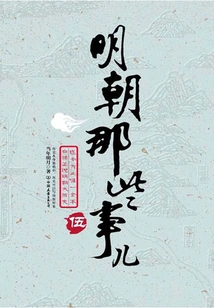
明朝那些事儿5
I
The content of this book includes two parts. The first part is civil strife. After the fall of Yan Song, three outstanding politicians, Xu Jie, Gao Gong, and Zhang Juzheng, used their own methods. You will sing and I will appear. The three of them are all doers, working hard to revive the imperial court; they are also conspirators, ruthless in eradicating dissidents. Zhang Juzheng was the most important in these two points: the reform measures of whipping method and test method have benefited all people and benefited generations; those who obey me will prosper, and those who go against me will die, even if they kill their disciples, they will not blink an eye. The second part is the foreign war, that is, the war to aid Korea and resist Japan. From temple calculations to diplomacy, from war to peace, the plans of the warlords are unpredictable and thrilling, the war scenes are magnificent, and the killings are loud. It also depicts a series of vivid and vivid heroes, such as the "unparalleled hero" Li Rusong, the famous North Korean general Yi Sun-sin who was appointed in critical situations and was willing to take on important tasks, and the veteran Deng Zilong who refused to retreat and died for his country.
The content of this book includes two parts. The first part is civil strife. After the fall of Yan Song, three outstanding politicians, Xu Jie, Gao Gong, and Zhang Juzheng, used their own methods. You will sing and I will appear. The three of them are all doers, working hard to revive the imperial court; they are also conspirators, ruthless in eradicating dissidents. Zhang Juzheng was the most important in these two points: the reform measures of whipping method and test method have benefited all people and benefited generations; those who obey me will prosper, and those who go against me will die, even if they kill their disciples, they will not blink an eye. The second part is the foreign war, that is, the war to aid Korea and resist Japan. From temple calculations to diplomacy, from war to peace, the plans of the warlords are unpredictable and thrilling, the war scenes are magnificent, and the killings are loud. It also depicts a series of vivid and vivid heroes, such as the "unparalleled hero" Li Rusong, the famous North Korean general Yi Sun-sin who was appointed in critical situations and was willing to take on important tasks, and the veteran Deng Zilong who refused to retreat and died for his country.
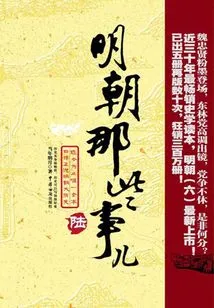
明朝那些事儿6
The Bright Moon
The sixth part of "Those Things in the Ming Dynasty" mainly tells the party struggle caused by the "Three Major Cases" in the late Ming Dynasty, the rise of Wei Zhongxian and Yuan Chonghuan's struggle. Since Zhang Juzheng's death, no one dared to take charge of Wanli. In order to fight for the country's foundation, investigate demonic books, and fight against sap, he started a tug-of-war with ministers and did not go to court for thirty years. As a result, the Donglin Party grew stronger. In order to control the government, it fought openly and covertly with the three parties of Qi, Chu, and Zhejiang. It used the struggle over the country to support the two emperors Mingguang and Xizong to ascend the throne, and successfully took power. Wei Zhongxian, who was born as a commoner, took advantage of Xizong's mediocrity and got close to the emperor's wet nurse, the Hakka family, to start a showdown with the Donglin Party. Outside, after the War of Resistance Against Japan in aid of Korea, the Ming defense line was transferred to Liaodong. After the decline of the nobility, Li Chengliang attacked Mongolia and destroyed the Jurchens, becoming a generation of tycoons, but he was troubled by tigers. Nurhachi took the opportunity to rise and unify the Later Jin Dynasty. In order to resist the Jin, defend the city, and seize the lost territory, under the leadership of the emperor's master Sun Chengzong, Yuan Chonghuan grew from a scholar to a border general, defended the isolated city, and finally defeated Nurhaci.
The sixth part of "Those Things in the Ming Dynasty" mainly tells the party struggle caused by the "Three Major Cases" in the late Ming Dynasty, the rise of Wei Zhongxian and Yuan Chonghuan's struggle. Since Zhang Juzheng's death, no one dared to take charge of Wanli. In order to fight for the country's foundation, investigate demonic books, and fight against sap, he started a tug-of-war with ministers and did not go to court for thirty years. As a result, the Donglin Party grew stronger. In order to control the government, it fought openly and covertly with the three parties of Qi, Chu, and Zhejiang. It used the struggle over the country to support the two emperors Mingguang and Xizong to ascend the throne, and successfully took power. Wei Zhongxian, who was born as a commoner, took advantage of Xizong's mediocrity and got close to the emperor's wet nurse, the Hakka family, to start a showdown with the Donglin Party. Outside, after the War of Resistance Against Japan in aid of Korea, the Ming defense line was transferred to Liaodong. After the decline of the nobility, Li Chengliang attacked Mongolia and destroyed the Jurchens, becoming a generation of tycoons, but he was troubled by tigers. Nurhachi took the opportunity to rise and unify the Later Jin Dynasty. In order to resist the Jin, defend the city, and seize the lost territory, under the leadership of the emperor's master Sun Chengzong, Yuan Chonghuan grew from a scholar to a border general, defended the isolated city, and finally defeated Nurhaci.
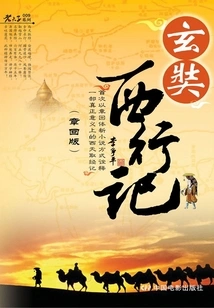
玄奘西行记
Li Zhengping
About 1,300 years ago, in the first year of Zhenguan (627) of Emperor Taizong of the Tang Dynasty, Xuanzang, a 25-year-old young monk, left the capital Chang'an and went to Tianzhu (India) to study alone. After setting off from Chang'an, he passed through Central Asia, Afghanistan, and Pakistan, going through many hardships and obstacles, and finally arrived in India. He studied there for more than two years and was a keynote speaker at a large-scale debate on Buddhist scriptures, where he received praise. In the 19th year of Zhenguan (645), Xuanzang returned to Chang'an and brought back 657 Buddhist scriptures. His journey to the West for Buddhist scriptures lasted for nineteen years and covered tens of thousands of miles. It was a legendary Long March that caused a sensation. Later, Xuanzang's oral account of his journey to the West was compiled into twelve volumes of "The Records of the Western Regions of the Tang Dynasty" by his disciple Bianji. But this book mainly tells the history, geography and transportation of the countries seen on the road, without any stories. When his disciples Huili and Yan Cong wrote the "Biography of Master Tripitaka of the Great Ci'en Temple of the Tang Dynasty", it added a lot of mythological color to Xuanzang's experience. From then on, the story of Tang Monk's Buddhist scriptures began to be widely circulated among the people. The Southern Song Dynasty has "The Tripitaka of the Tang Dynasty Searching for Buddhist Scriptures", the Jin Dynasty version has "The Tripitaka of the Tang Dynasty" and "The Peach Club", etc., And the Yuan dramas include Wu Changling's "The Tripitaka of the Tang Dynasty Searching for Buddhist Scriptures from the West", and the Anonymous' "Erlang God Locks the Great Sage of Qi", etc. These all laid the foundation for the creation of "Journey to the West". It was on the basis of folk legends, scripts and operas that Wu Cheng'en went through painstaking re-creation and completed this great novel that the Chinese nation is proud of.
About 1,300 years ago, in the first year of Zhenguan (627) of Emperor Taizong of the Tang Dynasty, Xuanzang, a 25-year-old young monk, left the capital Chang'an and went to Tianzhu (India) to study alone. After setting off from Chang'an, he passed through Central Asia, Afghanistan, and Pakistan, going through many hardships and obstacles, and finally arrived in India. He studied there for more than two years and was a keynote speaker at a large-scale debate on Buddhist scriptures, where he received praise. In the 19th year of Zhenguan (645), Xuanzang returned to Chang'an and brought back 657 Buddhist scriptures. His journey to the West for Buddhist scriptures lasted for nineteen years and covered tens of thousands of miles. It was a legendary Long March that caused a sensation. Later, Xuanzang's oral account of his journey to the West was compiled into twelve volumes of "The Records of the Western Regions of the Tang Dynasty" by his disciple Bianji. But this book mainly tells the history, geography and transportation of the countries seen on the road, without any stories. When his disciples Huili and Yan Cong wrote the "Biography of Master Tripitaka of the Great Ci'en Temple of the Tang Dynasty", it added a lot of mythological color to Xuanzang's experience. From then on, the story of Tang Monk's Buddhist scriptures began to be widely circulated among the people. The Southern Song Dynasty has "The Tripitaka of the Tang Dynasty Searching for Buddhist Scriptures", the Jin Dynasty version has "The Tripitaka of the Tang Dynasty" and "The Peach Club", etc., And the Yuan dramas include Wu Changling's "The Tripitaka of the Tang Dynasty Searching for Buddhist Scriptures from the West", and the Anonymous' "Erlang God Locks the Great Sage of Qi", etc. These all laid the foundation for the creation of "Journey to the West". It was on the basis of folk legends, scripts and operas that Wu Cheng'en went through painstaking re-creation and completed this great novel that the Chinese nation is proud of.
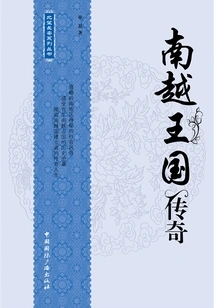
南越王国传奇(北望长安系列丛书 )
Shan Lei
This book takes Zhao Tuo, the founder of the South Vietnam Kingdom, as the center of the narrative. By introducing his great achievements in his life, it shows the entire process of the South Vietnam Kingdom from its birth to its growth and finally its demise. How to handle the relationship between South Vietnam and the Central Plains is an important issue related to the survival of South Vietnam. During Zhao Tuo's reign, he actively communicated with the Central Plains region and maintained long-term bilateral stability. With the death of Zhao Tuo, this peaceful situation was broken, and the South Vietnam Kingdom was eventually integrated into the Central Plains map.
This book takes Zhao Tuo, the founder of the South Vietnam Kingdom, as the center of the narrative. By introducing his great achievements in his life, it shows the entire process of the South Vietnam Kingdom from its birth to its growth and finally its demise. How to handle the relationship between South Vietnam and the Central Plains is an important issue related to the survival of South Vietnam. During Zhao Tuo's reign, he actively communicated with the Central Plains region and maintained long-term bilateral stability. With the death of Zhao Tuo, this peaceful situation was broken, and the South Vietnam Kingdom was eventually integrated into the Central Plains map.
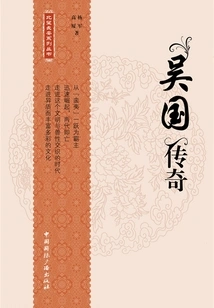
吴国传奇(北望长安系列丛书 )
Yang Jun Gao Xia
The Kingdom of Wu, a kingdom with the surname Ji that was comparable to the uncle of the Emperor Zhou, but was regarded as a "barbarian" state, a southeastern overlord that had been dormant for hundreds of years, suddenly emerged in the late Spring and Autumn Period, and then suddenly passed away... Through delicate writing, this book shows you the arduous journey of the Chinese ancestors who worked hard to open up the territory in the south of the Yangtze River. It analyzes where the Wu State came from, how it became a hegemon from a "barbarian", how it rose rapidly and died in two generations, how it created a rich and colorful heterogeneous culture in the south of the Yangtze River, and a series of mysterious topics. It reproduces an era in which civilization and bestiality are intertwined.
The Kingdom of Wu, a kingdom with the surname Ji that was comparable to the uncle of the Emperor Zhou, but was regarded as a "barbarian" state, a southeastern overlord that had been dormant for hundreds of years, suddenly emerged in the late Spring and Autumn Period, and then suddenly passed away... Through delicate writing, this book shows you the arduous journey of the Chinese ancestors who worked hard to open up the territory in the south of the Yangtze River. It analyzes where the Wu State came from, how it became a hegemon from a "barbarian", how it rose rapidly and died in two generations, how it created a rich and colorful heterogeneous culture in the south of the Yangtze River, and a series of mysterious topics. It reproduces an era in which civilization and bestiality are intertwined.
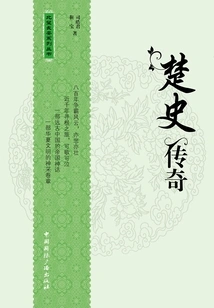
楚史传奇(北望长安系列丛书 )
Si Haojun Le Bao
The Chu people are an ancient tribe in the Jianghan River Basin of my country. They are a nation that loves phoenix birds and is ready to fly away on them at any time. The Chu State of the Chu people was once one of the Seven Heroes of the Warring States Period, and once became the largest country in the world. With an open mind, it accepts all ethnic groups from all over the world and creates a highly developed Chu culture. After the fall of the Chu State, the Chu people accepted the rule of the Central Plains Dynasty, joined the wave of ethnic integration centered on the Huaxia ethnic group, and eventually merged into the Han ethnic group. This book takes the Chu people's journey to find their roots as the main line, and introduces in detail the 800-year struggle history of this unique tribe, the Chu people, and its integration into the Chinese family.
The Chu people are an ancient tribe in the Jianghan River Basin of my country. They are a nation that loves phoenix birds and is ready to fly away on them at any time. The Chu State of the Chu people was once one of the Seven Heroes of the Warring States Period, and once became the largest country in the world. With an open mind, it accepts all ethnic groups from all over the world and creates a highly developed Chu culture. After the fall of the Chu State, the Chu people accepted the rule of the Central Plains Dynasty, joined the wave of ethnic integration centered on the Huaxia ethnic group, and eventually merged into the Han ethnic group. This book takes the Chu people's journey to find their roots as the main line, and introduces in detail the 800-year struggle history of this unique tribe, the Chu people, and its integration into the Chinese family.
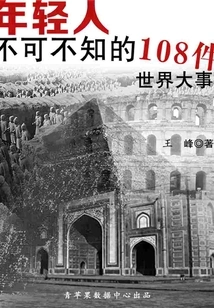
年轻人不可不知的108件世界大事
H
Human history has gone through thousands of springs and autumns. Looking back on the bygone time, what remains in people's memories are often those historical events of great significance. This book is a selection of the most important 108 world events from numerous historical events, so it can be considered a condensed version of world history. By briefly introducing 108 major events, this book allows readers to understand the social background of historical events, review the historical process of the events, and understand the historical significance after their occurrence. Just as stones from other mountains can be used to attack jade, I hope readers can draw nutrients from these historical events and gain experiences that are beneficial to life.
Human history has gone through thousands of springs and autumns. Looking back on the bygone time, what remains in people's memories are often those historical events of great significance. This book is a selection of the most important 108 world events from numerous historical events, so it can be considered a condensed version of world history. By briefly introducing 108 major events, this book allows readers to understand the social background of historical events, review the historical process of the events, and understand the historical significance after their occurrence. Just as stones from other mountains can be used to attack jade, I hope readers can draw nutrients from these historical events and gain experiences that are beneficial to life.
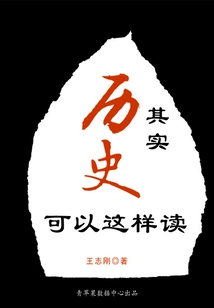
其实历史可以这样读
Wang Zhigang
How to read history requires great knowledge. Without extensive knowledge, it is difficult to uncover the veil of history; without rich life experience, it is difficult to appreciate the various tastes of history. Reading history means communicating with the ancients, understanding their merits and demerits from a historical perspective, and understanding their joys and sorrows from a modern perspective. Because of this, when reading history, you must immerse yourself in the grand historical torrent and communicate face-to-face with the ancients. In this way, you can penetrate into the inner world of historical figures, grasp the pulse of their souls, and gain insight into the dusty scrolls of long history.
How to read history requires great knowledge. Without extensive knowledge, it is difficult to uncover the veil of history; without rich life experience, it is difficult to appreciate the various tastes of history. Reading history means communicating with the ancients, understanding their merits and demerits from a historical perspective, and understanding their joys and sorrows from a modern perspective. Because of this, when reading history, you must immerse yourself in the grand historical torrent and communicate face-to-face with the ancients. In this way, you can penetrate into the inner world of historical figures, grasp the pulse of their souls, and gain insight into the dusty scrolls of long history.
张鸣说历史:重说中国古代史
Zhang Ming
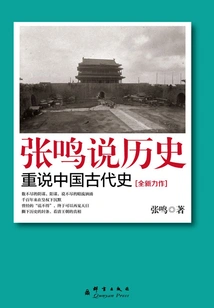
"Zhang Ming Talks about History: Re-telling Ancient Chinese History" is a historical and cultural essay written by Zhang Ming. The author comments on historical figures and events in a humorous and pungent tone, laughing and scolding, and inspiring the text. This book tells the life and death of the emperors, concubines, civil servants and generals of the past dynasties, and comments on the pros and cons of reforms, military campaigns, and court struggles. The author's writing style is sophisticated, his narrative is fluent, and his comments are just right. He extracts the reference significance from history to modern times and is thought-provoking.
"Zhang Ming Talks about History: Re-telling Ancient Chinese History" is a historical and cultural essay written by Zhang Ming. The author comments on historical figures and events in a humorous and pungent tone, laughing and scolding, and inspiring the text. This book tells the life and death of the emperors, concubines, civil servants and generals of the past dynasties, and comments on the pros and cons of reforms, military campaigns, and court struggles. The author's writing style is sophisticated, his narrative is fluent, and his comments are just right. He extracts the reference significance from history to modern times and is thought-provoking.
阳谋天下刘伯温
Mr. Hua Xu
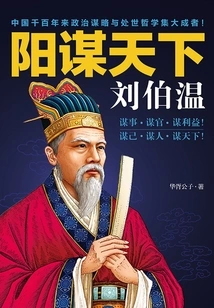
This book begins when Liu Bowen was admitted to Jinshi in the late Yuan Dynasty and entered officialdom for the first time. Because he did not understand the rules of officialdom, he became an official four times and was eliminated four times. Finally, he completely broke with the Yuan court after resigning for the last time and determined to start his life over again. After Zhu Yuanzhang invited him many times, he readily came to help. Liu Bowen had a sharp vision and insight into the general trend. He helped Zhu Yuanzhang step by step to defeat the separatist forces such as Chen Youliang and Zhang Shicheng, and conquered the world. Not only did he achieve the Ming Dynasty, he also achieved his own unparalleled achievements.
This book begins when Liu Bowen was admitted to Jinshi in the late Yuan Dynasty and entered officialdom for the first time. Because he did not understand the rules of officialdom, he became an official four times and was eliminated four times. Finally, he completely broke with the Yuan court after resigning for the last time and determined to start his life over again. After Zhu Yuanzhang invited him many times, he readily came to help. Liu Bowen had a sharp vision and insight into the general trend. He helped Zhu Yuanzhang step by step to defeat the separatist forces such as Chen Youliang and Zhang Shicheng, and conquered the world. Not only did he achieve the Ming Dynasty, he also achieved his own unparalleled achievements.
于阗王国传奇
Yan Liang Zhao Jing
Central Asia is a vast expanse of deserts and grasslands, and residents can only survive in small oases. This is also the backbone of the world. Heroes from all walks of life from the east and west all want to experience the pleasure of standing on the roof of the world and overlooking all the nations. Therefore, this place that seems unsuitable for survival has become a stage for heroes to compete. Persians, Macedonians, Romans, Sogdians, Yueshi people, Huns... Heroes from all walks of life have appeared here to show their talents.
Central Asia is a vast expanse of deserts and grasslands, and residents can only survive in small oases. This is also the backbone of the world. Heroes from all walks of life from the east and west all want to experience the pleasure of standing on the roof of the world and overlooking all the nations. Therefore, this place that seems unsuitable for survival has become a stage for heroes to compete. Persians, Macedonians, Romans, Sogdians, Yueshi people, Huns... Heroes from all walks of life have appeared here to show their talents.
冲出高原:吐蕃王国传奇
Wang Dong Zhang Yao
"Out of the Plateau: The Legend of the Tubo Dynasty" begins with the myth of the origin of the Tibetan people. It tells the historical process of the Tubo Dynasty gradually walking out of the narrow Yalong Valley and establishing a powerful empire across the snowy plateau. Then it fell into the clouds step by step and gradually declined and split in the fierce struggle between Buddha and Ben. Suddenly, can the thirteen-year-old Zamp turn the tide in the turbulent political whirlpool? With both sides fighting, can the orphans and widows hold up a blue sky in the snowy land? The hero is dying, can the God of War Gar Qinling continue the family's infinite glory? ... Tubo monarchs and ministers who are unwilling to be lonely, you will sing and I will appear on the stage, writing the history and glory of Tubo.
"Out of the Plateau: The Legend of the Tubo Dynasty" begins with the myth of the origin of the Tibetan people. It tells the historical process of the Tubo Dynasty gradually walking out of the narrow Yalong Valley and establishing a powerful empire across the snowy plateau. Then it fell into the clouds step by step and gradually declined and split in the fierce struggle between Buddha and Ben. Suddenly, can the thirteen-year-old Zamp turn the tide in the turbulent political whirlpool? With both sides fighting, can the orphans and widows hold up a blue sky in the snowy land? The hero is dying, can the God of War Gar Qinling continue the family's infinite glory? ... Tubo monarchs and ministers who are unwilling to be lonely, you will sing and I will appear on the stage, writing the history and glory of Tubo.
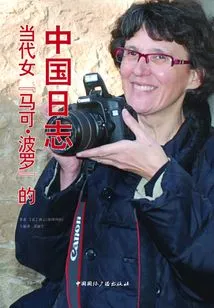
当代女马可波罗日记(意大利文)
(italian) Tang Yun
"The China Diary of a Contemporary Woman [Marco Polo]" and "The Chinese Diary of a Contemporary Woman [Marco Polo]" record that the author Tang Yun is an Italian who has lived and worked in China for more than 20 years. She loves Chinese culture and Chinese art, and the "China Diary of a Contemporary Woman [Marco Polo]" is part of it.
"The China Diary of a Contemporary Woman [Marco Polo]" and "The Chinese Diary of a Contemporary Woman [Marco Polo]" record that the author Tang Yun is an Italian who has lived and worked in China for more than 20 years. She loves Chinese culture and Chinese art, and the "China Diary of a Contemporary Woman [Marco Polo]" is part of it.
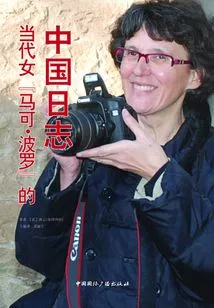
当代女马可波罗日记(中文)
(italian) Tang Yun
"The China Diary of a Contemporary Woman [Marco Polo]" and "The Chinese Diary of a Contemporary Woman [Marco Polo]" record that the author Tang Yun is an Italian who has lived and worked in China for more than 20 years. She loves Chinese culture and Chinese art, and the "China Diary of a Contemporary Woman [Marco Polo]" is part of it.
"The China Diary of a Contemporary Woman [Marco Polo]" and "The Chinese Diary of a Contemporary Woman [Marco Polo]" record that the author Tang Yun is an Italian who has lived and worked in China for more than 20 years. She loves Chinese culture and Chinese art, and the "China Diary of a Contemporary Woman [Marco Polo]" is part of it.
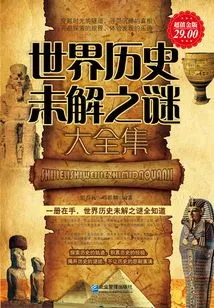
世界历史未解之谜大全集
Su Chunli Xing Qunlin
What unsolved mysteries has history left to people? This book provides you with a comprehensive and in-depth analysis. Starting from ancient legends, it tells one by one the terrifying prophecies, the roots of the nation, the fragments of civilization forgotten by history, the wonders of the earth, the other side of world historical events, the things in the siege of power, palace secrets, the tracking of interesting anecdotes of political celebrities, the tracing of the anecdotes of cultural celebrities, the bizarre deaths of political celebrities, the bizarre deaths of cultural celebrities, and the heroes misunderstood by history. , Historical mysteries under the smoke of gunfire, espionage, bizarre coincidences, Tomb Raider, treasures sleeping in the corners of history, secrets told by thousand-year-old corpses, mysterious beliefs, fallacies in cultural inheritance, secrets in literary works, secrets behind artistic works, natural disasters, man-made disasters, disappearances, strange customs, mysterious peoples, technological mysteries beyond time and space, and other unsolved mysteries in all aspects of the world.
What unsolved mysteries has history left to people? This book provides you with a comprehensive and in-depth analysis. Starting from ancient legends, it tells one by one the terrifying prophecies, the roots of the nation, the fragments of civilization forgotten by history, the wonders of the earth, the other side of world historical events, the things in the siege of power, palace secrets, the tracking of interesting anecdotes of political celebrities, the tracing of the anecdotes of cultural celebrities, the bizarre deaths of political celebrities, the bizarre deaths of cultural celebrities, and the heroes misunderstood by history. , Historical mysteries under the smoke of gunfire, espionage, bizarre coincidences, Tomb Raider, treasures sleeping in the corners of history, secrets told by thousand-year-old corpses, mysterious beliefs, fallacies in cultural inheritance, secrets in literary works, secrets behind artistic works, natural disasters, man-made disasters, disappearances, strange customs, mysterious peoples, technological mysteries beyond time and space, and other unsolved mysteries in all aspects of the world.
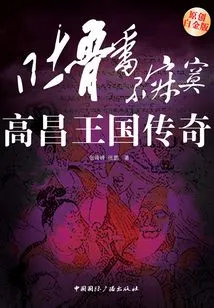
高昌王国传奇
Zhang Fengfeng Zhang Peng
As an important border town in the north and south, the Kingdom of Gaochang is located deep in the hinterland of the mainland. It developed from a fortress to a county, and then to a country. On the land of Turpan in the Western Region, Gaochang, based on its hub-like geographical location, has gone through three historical periods: Gaolu Wangtong, Tang Xizhou and Gaochang Uighur Kingdom. It was both ruled by the Han government and led by the Uighurs.
As an important border town in the north and south, the Kingdom of Gaochang is located deep in the hinterland of the mainland. It developed from a fortress to a county, and then to a country. On the land of Turpan in the Western Region, Gaochang, based on its hub-like geographical location, has gone through three historical periods: Gaolu Wangtong, Tang Xizhou and Gaochang Uighur Kingdom. It was both ruled by the Han government and led by the Uighurs.
历史不忍细看:超值白金版
Xing Qunlin
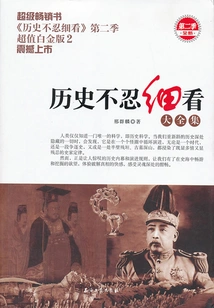
Mankind knows only one science, the science of history. When we reconsider everything hidden in the depths of history, we will find that it evolves in strange circles. Whether it is an era, a history of competition, or a ruined place with ancient tombs in the mountains, they are all imbued with the historian's law that is both sentimental and cruel. However, it is the amazing historical insider information and evolutionary rules that give us the desire to swim and dig in the sea of history, experience the pleasure of deciphering the truth, and feel the smoothness deep in the soul. "History Is Unbearable to Read Carefully" (Super Value Platinum Edition 2) covers a wide range of topics, the content is of appropriate depth, the plot is full of anecdotes, and the language is lively and lively. It can help readers master the methods of studying history and exploring the truth, obtain the rules of exploration and discovery, trigger in-depth interpretation and thinking, expand their horizons, and reshape historical concepts.
Mankind knows only one science, the science of history. When we reconsider everything hidden in the depths of history, we will find that it evolves in strange circles. Whether it is an era, a history of competition, or a ruined place with ancient tombs in the mountains, they are all imbued with the historian's law that is both sentimental and cruel. However, it is the amazing historical insider information and evolutionary rules that give us the desire to swim and dig in the sea of history, experience the pleasure of deciphering the truth, and feel the smoothness deep in the soul. "History Is Unbearable to Read Carefully" (Super Value Platinum Edition 2) covers a wide range of topics, the content is of appropriate depth, the plot is full of anecdotes, and the language is lively and lively. It can help readers master the methods of studying history and exploring the truth, obtain the rules of exploration and discovery, trigger in-depth interpretation and thinking, expand their horizons, and reshape historical concepts.
汉朝这些人③(刘彻卷)
The Building Is Full Of Ink
History should be alive and wonderful. After reading history for so many years, I know how off-putting those scholarly historical materials are. Those "professional" terminology and pretentious words block most people out of the door of history and miss these wonderful people and events. I cannot but say that this is a pity and the sorrow of the historian! History is a living memory of human survival and development. We must keep the merits and demerits in history in mind. We should not forget history and those historical figures who have contributed to our lives today! The fragrance of ink fills the building, creating a precedent for modern history, writing about history, characters and people's hearts.
History should be alive and wonderful. After reading history for so many years, I know how off-putting those scholarly historical materials are. Those "professional" terminology and pretentious words block most people out of the door of history and miss these wonderful people and events. I cannot but say that this is a pity and the sorrow of the historian! History is a living memory of human survival and development. We must keep the merits and demerits in history in mind. We should not forget history and those historical figures who have contributed to our lives today! The fragrance of ink fills the building, creating a precedent for modern history, writing about history, characters and people's hearts.
汉朝这些人②(后刘邦时代)
The Building Is Full Of Ink
History should be alive and wonderful. After reading history for so many years, I know how off-putting those scholarly historical materials are. Those "professional" terminology and pretentious words block most people out of the door of history and miss these wonderful people and events. I cannot but say that this is a pity and the sorrow of the historian! History is a living memory of human survival and development. We must keep the merits and demerits in history in mind. We should not forget history and those historical figures who have contributed to our lives today! The fragrance of ink fills the building, creating a precedent for modern history, writing about history, characters and people's hearts.
History should be alive and wonderful. After reading history for so many years, I know how off-putting those scholarly historical materials are. Those "professional" terminology and pretentious words block most people out of the door of history and miss these wonderful people and events. I cannot but say that this is a pity and the sorrow of the historian! History is a living memory of human survival and development. We must keep the merits and demerits in history in mind. We should not forget history and those historical figures who have contributed to our lives today! The fragrance of ink fills the building, creating a precedent for modern history, writing about history, characters and people's hearts.
汉朝这些人①(刘邦卷)
The Building Is Full Of Ink
History should be alive and wonderful. After reading history for so many years, I know how off-putting those scholarly historical materials are. Those "professional" terminology and pretentious words block most people out of the door of history and miss these wonderful people and events. I cannot but say that this is a pity and the sorrow of the historian! History is a living memory of human survival and development. We must keep the merits and demerits in history in mind. We should not forget history and those historical figures who have contributed to our lives today! The fragrance of ink fills the building, creating a precedent for modern history, writing about history, characters and people's hearts.
History should be alive and wonderful. After reading history for so many years, I know how off-putting those scholarly historical materials are. Those "professional" terminology and pretentious words block most people out of the door of history and miss these wonderful people and events. I cannot but say that this is a pity and the sorrow of the historian! History is a living memory of human survival and development. We must keep the merits and demerits in history in mind. We should not forget history and those historical figures who have contributed to our lives today! The fragrance of ink fills the building, creating a precedent for modern history, writing about history, characters and people's hearts.
人一生要知道的100件世界历史大事
Chen Zhonghua Tong Xiaozhen
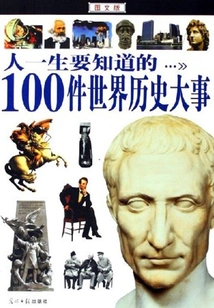
This book selects 100 milestone events in world history and tells the ins and outs of major historical events and their profound impact on the world in vivid and accurate language, thereby clarifying the development context of world history and grasping the key points of world history.
This book selects 100 milestone events in world history and tells the ins and outs of major historical events and their profound impact on the world in vivid and accurate language, thereby clarifying the development context of world history and grasping the key points of world history.
人一生要知道的100件中国历史大事
Ma Haiyan Yang Jie
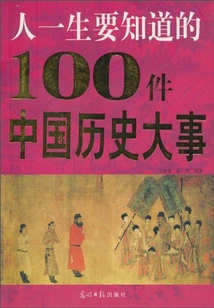
"100 Important Events in Chinese History That Everyone Should Know in Life" selects 100 milestone events in Chinese history, covering politics, economy, military, culture, science and technology and many other fields. These major events may be the first of its kind, a turning point in history, or may determine the direction of history, changing the destiny of the Chinese people for decades, centuries, or even thousands of years.
"100 Important Events in Chinese History That Everyone Should Know in Life" selects 100 milestone events in Chinese history, covering politics, economy, military, culture, science and technology and many other fields. These major events may be the first of its kind, a turning point in history, or may determine the direction of history, changing the destiny of the Chinese people for decades, centuries, or even thousands of years.
民国通俗演义
Cai Dongfan Xu Genfu
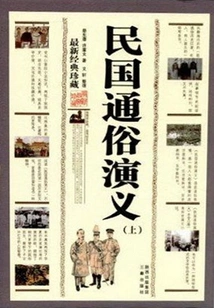
"The Romance of the Republic of China" is the Republic of China part of "Popular Romance of Chinese History". It tells us the history of the Republic of China in a detailed and easy-to-understand way.
"The Romance of the Republic of China" is the Republic of China part of "Popular Romance of Chinese History". It tells us the history of the Republic of China in a detailed and easy-to-understand way.
Soochow Empire
History东吴帝国
Sima Road
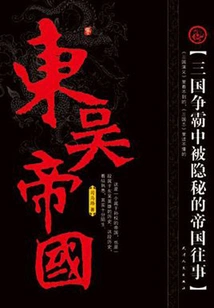
"Soochow Empire" is an empire that belongs to Sun Quan, and it is also a history that belongs to the heroes of Soochow. This history may seem familiar, but in fact it is very strange.
"Soochow Empire" is an empire that belongs to Sun Quan, and it is also a history that belongs to the heroes of Soochow. This history may seem familiar, but in fact it is very strange.
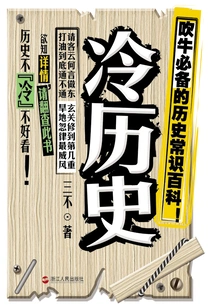
Cold History
History冷历史
Three No's
"Cold History" is definitely the best book that combines fun and knowledge! The book tells about the historical common sense that we often use in daily life but are unknown to us. They are hidden in life. Whenever we mention them and are asked about them, we inevitably feel embarrassed that we cannot answer them. For example, what exactly are "five spines and six beasts" and why are they used to describe physical discomfort? Why is it said that green smoke rises from ancestral graves, instead of purple smoke or white smoke? Who is the first champion in history? When the "Sword of Shang Fang" meets the "gold medal of immunity from death", who will win and who will lose? When was Valentine's Day in ancient times? Is Zhang Fei a reckless man or a Confucian general...
"Cold History" is definitely the best book that combines fun and knowledge! The book tells about the historical common sense that we often use in daily life but are unknown to us. They are hidden in life. Whenever we mention them and are asked about them, we inevitably feel embarrassed that we cannot answer them. For example, what exactly are "five spines and six beasts" and why are they used to describe physical discomfort? Why is it said that green smoke rises from ancestral graves, instead of purple smoke or white smoke? Who is the first champion in history? When the "Sword of Shang Fang" meets the "gold medal of immunity from death", who will win and who will lose? When was Valentine's Day in ancient times? Is Zhang Fei a reckless man or a Confucian general...
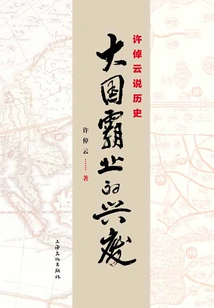
许倬云说历史:大国霸业的兴废
Xu Zhuoyun
In the Chinese history section, the book begins with the Qin and Han Empires, and outlines and outlines the impact of the dispersion and aggregation of the organizational structures of Chinese dynasties on their survival, concisely outlining the general context of Chinese history. In terms of world history, the book focuses on analyzing the causes of the success and failure of the Roman Empire, and then compares it with modern powers such as the Netherlands and the British Empire. Finally, it reflects on the loss of the Christian spirit in the United States today.
In the Chinese history section, the book begins with the Qin and Han Empires, and outlines and outlines the impact of the dispersion and aggregation of the organizational structures of Chinese dynasties on their survival, concisely outlining the general context of Chinese history. In terms of world history, the book focuses on analyzing the causes of the success and failure of the Roman Empire, and then compares it with modern powers such as the Netherlands and the British Empire. Finally, it reflects on the loss of the Christian spirit in the United States today.
世界历史文化之谜:千古疑案
Xu Jialing
The long history, vast universe, and colorful world are full of magic. Although science today has developed to a certain extent, there are still some unsolved mysteries and some mysteries that cannot be solved by existing scientific knowledge.
The long history, vast universe, and colorful world are full of magic. Although science today has developed to a certain extent, there are still some unsolved mysteries and some mysteries that cannot be solved by existing scientific knowledge.
闲话三国
Li Guowen
It is one of Li Guowen's essays. The main content is characterized by confronting reality, paying attention to all living beings, and analyzing all aspects of life. In the past twenty years, although he has been immersed in history, his eyes have not strayed away from the present. He expresses his understanding of history, society and life with words of laughter, curses, humor and coldness, which has a serious and profound nature.
It is one of Li Guowen's essays. The main content is characterized by confronting reality, paying attention to all living beings, and analyzing all aspects of life. In the past twenty years, although he has been immersed in history, his eyes have not strayed away from the present. He expresses his understanding of history, society and life with words of laughter, curses, humor and coldness, which has a serious and profound nature.
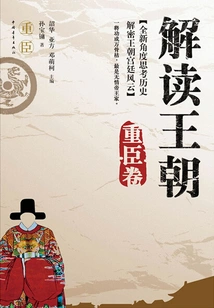
解读王朝 重臣卷
Sun Baoyong
I am not a person with a lot of historical knowledge, and I have never wanted to be a historian. But I often read history books, trying to find some regularity in historical development. In the past few years, I have systematically read some historical materials from ancient times to the late Qing Dynasty. What surprised me is that in the nearly 3,000 years of history since the Western Zhou Dynasty, so many emperors died unexpectedly! Such a large proportion of the reigning emperors!
I am not a person with a lot of historical knowledge, and I have never wanted to be a historian. But I often read history books, trying to find some regularity in historical development. In the past few years, I have systematically read some historical materials from ancient times to the late Qing Dynasty. What surprised me is that in the nearly 3,000 years of history since the Western Zhou Dynasty, so many emperors died unexpectedly! Such a large proportion of the reigning emperors!
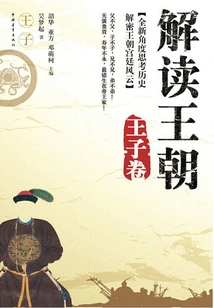
解读王朝 王子卷
Wu Mengqi
Feudal emperors had many concubines and gave birth to many princes, ranging from a dozen to dozens, and some emperors even gave birth to as many as a hundred children. However, there is only one dragon chair. In order to become the one person above ten thousand people, some people kill their fathers to succeed them; some brothers kill each other; some people kill their sons and dethrone their successors; especially the princes who are designated as successors are often the targets of princes' plots to kill. According to statistics, from 770 BC during the Spring and Autumn and Warring States Period to the fall of the Qing Dynasty in 1911, about 290 princes died. They themselves also read history books, and their lessons are not far away. However, they still continue to repeat history.
Feudal emperors had many concubines and gave birth to many princes, ranging from a dozen to dozens, and some emperors even gave birth to as many as a hundred children. However, there is only one dragon chair. In order to become the one person above ten thousand people, some people kill their fathers to succeed them; some brothers kill each other; some people kill their sons and dethrone their successors; especially the princes who are designated as successors are often the targets of princes' plots to kill. According to statistics, from 770 BC during the Spring and Autumn and Warring States Period to the fall of the Qing Dynasty in 1911, about 290 princes died. They themselves also read history books, and their lessons are not far away. However, they still continue to repeat history.
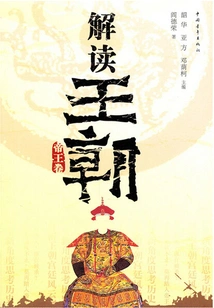
解读王朝 帝王卷
Yan Derong
The emperor often "slashed" the subjects under his rule. Those who kill will always be killed, and in turn, many emperors will be killed. From King Wu of the Western Zhou Dynasty to Puyi of the Qing Dynasty, there were a total of 882 reigning emperors, 288 of whom did not die well (killed, hanged, starved to death, or poisoned), accounting for 32.6% Of the reigning emperors; 84 dynasties, More than 50% of the reigning emperors were killed in 27 cases; 100% of the reigning emperors in six dynasties died unexpectedly; 16 emperors were killed before they were minors; some emperors were killed on the day they ascended the throne. For the sake of the supreme dragon chair in the world, they are cruel to others and even more cruel to their own people. "Interpreting Dynasties (Emperor Volume)" written by Yan Derong tells the stories of emperors. "Interpretation of Dynasties (Emperor Volume)" includes content such as Yuan Ziyou, Emperor Xiaozhuang of the Northern Wei Dynasty, who tasted death before his death, and Li Hua, Emperor Zhaozong of the Tang Dynasty, who fled the capital three times.
The emperor often "slashed" the subjects under his rule. Those who kill will always be killed, and in turn, many emperors will be killed. From King Wu of the Western Zhou Dynasty to Puyi of the Qing Dynasty, there were a total of 882 reigning emperors, 288 of whom did not die well (killed, hanged, starved to death, or poisoned), accounting for 32.6% Of the reigning emperors; 84 dynasties, More than 50% of the reigning emperors were killed in 27 cases; 100% of the reigning emperors in six dynasties died unexpectedly; 16 emperors were killed before they were minors; some emperors were killed on the day they ascended the throne. For the sake of the supreme dragon chair in the world, they are cruel to others and even more cruel to their own people. "Interpreting Dynasties (Emperor Volume)" written by Yan Derong tells the stories of emperors. "Interpretation of Dynasties (Emperor Volume)" includes content such as Yuan Ziyou, Emperor Xiaozhuang of the Northern Wei Dynasty, who tasted death before his death, and Li Hua, Emperor Zhaozong of the Tang Dynasty, who fled the capital three times.
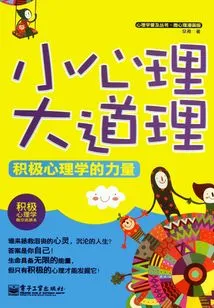
Little Psychological Truth
History小心理大道理
Moya
Positive psychology is the science of happiness and life force. A large number of studies have confirmed that true happiness can fill people with power, which is enough to realize their dreams and realize their self-worth. Through the integration of positive psychology and other research in psychology, this book focuses on the source of happiness, the value of happiness, the way to realize self-worth, and how to deal with stressful events in life. Through a series of careful arrangements and designs in structure and content, readers can intuitively experience the content related to themselves during the reading process, understand themselves more deeply, and finally find their own happiness plan and realize their own value.
Positive psychology is the science of happiness and life force. A large number of studies have confirmed that true happiness can fill people with power, which is enough to realize their dreams and realize their self-worth. Through the integration of positive psychology and other research in psychology, this book focuses on the source of happiness, the value of happiness, the way to realize self-worth, and how to deal with stressful events in life. Through a series of careful arrangements and designs in structure and content, readers can intuitively experience the content related to themselves during the reading process, understand themselves more deeply, and finally find their own happiness plan and realize their own value.
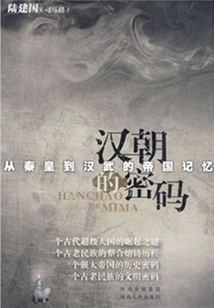
Code of the Han Dynasty
History汉朝的密码
Sima Road
History does have its own code. If you cannot decipher the code, you can only observe its appearance but not its inner meaning. And Sima Lu is a decoder of history. Uncover for you the mystery of the rise of an ancient superpower, the integration and casting process of an ancient nation, the historical code of a powerful empire, and the civilization code of an ancient nation. As a Legalist giant, why did Han Fei die in Qin, a country that advocates Legalist ideas? Jing Ke assassinated the King of Qin. What was the secret behind his failure? Compared with the small countries in the Central Plains, Chu State was called a superpower in ancient times. However, why could such a behemoth not stop Qin's attack? Did Qin annex the six countries just rely on its strong military power? Did Qin Shihuang hate his eldest son Fusu and send him to the Great Wall? When the peasants revolted, the main force of the Qin army was slow to come for reinforcements. How many unexplained secrets were there?
History does have its own code. If you cannot decipher the code, you can only observe its appearance but not its inner meaning. And Sima Lu is a decoder of history. Uncover for you the mystery of the rise of an ancient superpower, the integration and casting process of an ancient nation, the historical code of a powerful empire, and the civilization code of an ancient nation. As a Legalist giant, why did Han Fei die in Qin, a country that advocates Legalist ideas? Jing Ke assassinated the King of Qin. What was the secret behind his failure? Compared with the small countries in the Central Plains, Chu State was called a superpower in ancient times. However, why could such a behemoth not stop Qin's attack? Did Qin annex the six countries just rely on its strong military power? Did Qin Shihuang hate his eldest son Fusu and send him to the Great Wall? When the peasants revolted, the main force of the Qin army was slow to come for reinforcements. How many unexplained secrets were there?
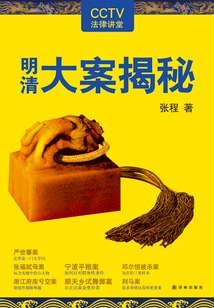
明清大案揭秘
I
"Secrets of Major Cases of the Ming and Qing Dynasties Revealed" is adapted from the speech given by young scholar Zhang Cheng in the "Rights and Law" topic of the literature and history edition of CCTV-12 "Legal Lecture Hall". It tells the story of several major cases that occurred in the Ming and Qing dynasties, such as the "Yan Shifan Case", "Zhejiang Treasury Deficit Case", "Ningbo Pingliang Case", "Deng Erheng Murder Case", etc. These cases have twists and turns and great influence. While telling the history and analyzing the cases, the author focuses on the interpretation of "rights and laws" in ancient Chinese justice.
"Secrets of Major Cases of the Ming and Qing Dynasties Revealed" is adapted from the speech given by young scholar Zhang Cheng in the "Rights and Law" topic of the literature and history edition of CCTV-12 "Legal Lecture Hall". It tells the story of several major cases that occurred in the Ming and Qing dynasties, such as the "Yan Shifan Case", "Zhejiang Treasury Deficit Case", "Ningbo Pingliang Case", "Deng Erheng Murder Case", etc. These cases have twists and turns and great influence. While telling the history and analyzing the cases, the author focuses on the interpretation of "rights and laws" in ancient Chinese justice.
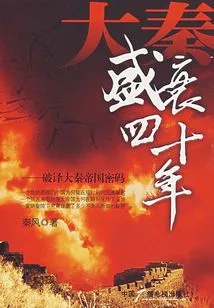
大秦盛衰四十年:破译大秦帝国密码
Qin Feng
The Great Qin Empire was a mysterious dynasty: it was the first truly unified feudal dynasty in Chinese history; it had an unprecedented vast territory; it laid the foundation for rule that lasted for fifteen feudal dynasties or eras; however, in just forty years, the Great Qin Empire experienced historical changes from rise to destruction. What caused this glorious but short-lived dynasty? Why did its owner, the great emperor Qin Shihuang, leave all kinds of mysteries to future generations that are difficult to solve...
The Great Qin Empire was a mysterious dynasty: it was the first truly unified feudal dynasty in Chinese history; it had an unprecedented vast territory; it laid the foundation for rule that lasted for fifteen feudal dynasties or eras; however, in just forty years, the Great Qin Empire experienced historical changes from rise to destruction. What caused this glorious but short-lived dynasty? Why did its owner, the great emperor Qin Shihuang, leave all kinds of mysteries to future generations that are difficult to solve...
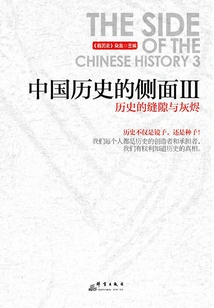
中国历史的侧面.3,历史的缝隙与灰烬
Editor Of "looking At History" Magazine
"Sideways of Chinese History III: The Gaps and Ashes of History" focuses on interpretations of celebrities and events in ancient Chinese history. Most of the selected characters and events are historical hot spots and points of public interest. The book is divided into five small sections, namely character observation, mystery and mystery, mirroring stones, new stories about old news, and returning to the scene. The author often publishes some new opinions based on digging out new historical materials, so as to give readers new feelings and new inspirations. It can be said that this book combines historical interest, storytelling and knowledge.
"Sideways of Chinese History III: The Gaps and Ashes of History" focuses on interpretations of celebrities and events in ancient Chinese history. Most of the selected characters and events are historical hot spots and points of public interest. The book is divided into five small sections, namely character observation, mystery and mystery, mirroring stones, new stories about old news, and returning to the scene. The author often publishes some new opinions based on digging out new historical materials, so as to give readers new feelings and new inspirations. It can be said that this book combines historical interest, storytelling and knowledge.
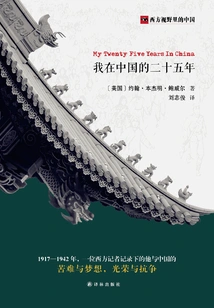
我在中国的二十五年
(us) John Benjamin Powell
From a foreigner's perspective, he observed China's revolution, the relationship between the Kuomintang and the Communist Party, the concession, Sino-Japanese-Russian relations, Japan's invasion of China and other key issues. It also included observations and reflections on China's upper-level politics, such as Sino-Russian border relations, the Xi'an Incident, the Nanjing Incident and other situations. The analysis is thought-provoking; it also contains the experience and feelings of the lives of the people at the bottom, such as the close observation of the refugees who became bandits; it also has personal experience, intuitive display and painful criticism of the suffering caused by Japan's invasion of China to China and the world.
From a foreigner's perspective, he observed China's revolution, the relationship between the Kuomintang and the Communist Party, the concession, Sino-Japanese-Russian relations, Japan's invasion of China and other key issues. It also included observations and reflections on China's upper-level politics, such as Sino-Russian border relations, the Xi'an Incident, the Nanjing Incident and other situations. The analysis is thought-provoking; it also contains the experience and feelings of the lives of the people at the bottom, such as the close observation of the refugees who became bandits; it also has personal experience, intuitive display and painful criticism of the suffering caused by Japan's invasion of China to China and the world.
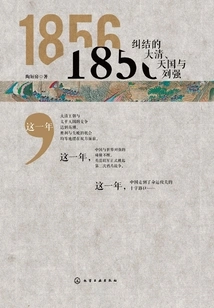
1856:纠结的大清、天国与列强
Tao Short Room
The year 1856 was an extremely critical year in China's modern history, as well as a very important year in the history of Sino-foreign relations. During this year, the civil war between the Qing Dynasty and the Taiping Rebellion reached its climax, with two decisive events, the Tianjing-Zhenjiang Battle and the Tianjing Incident. The former ended with the complete victory of the Taiping Heavenly Kingdom, while the latter was the internal strife that led to the collapse of the Taiping Heavenly Kingdom's power core and the dispersion of political ideas and beliefs. The two came one after another in a short period of time, causing dramatic "uncertainty" in China's political trajectory. Both sides have the opportunity to win and the possibility of failure. China's future has reached a decisive crossroads.
The year 1856 was an extremely critical year in China's modern history, as well as a very important year in the history of Sino-foreign relations. During this year, the civil war between the Qing Dynasty and the Taiping Rebellion reached its climax, with two decisive events, the Tianjing-Zhenjiang Battle and the Tianjing Incident. The former ended with the complete victory of the Taiping Heavenly Kingdom, while the latter was the internal strife that led to the collapse of the Taiping Heavenly Kingdom's power core and the dispersion of political ideas and beliefs. The two came one after another in a short period of time, causing dramatic "uncertainty" in China's political trajectory. Both sides have the opportunity to win and the possibility of failure. China's future has reached a decisive crossroads.
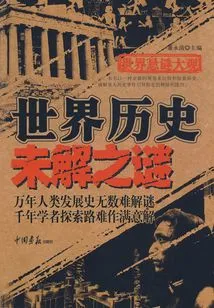
世界历史未解之谜
Compiled By Lian Yongqing
Entering the 21st century, as mankind continues to deepen its research on historical facts, people have a deeper understanding of history. But in each long volume of history, many mysteries will be left for future generations. Human beings have existed on the earth for millions of years. During this long period of time, the long history of mankind is like a mirror, recording the rapid changes in the development history of every race in history, and also recording the shame and glory of mankind. Here we can find that heroes and ghosts emerge in endlessly, and the truth, goodness and ugliness are clearly distinguished.
Entering the 21st century, as mankind continues to deepen its research on historical facts, people have a deeper understanding of history. But in each long volume of history, many mysteries will be left for future generations. Human beings have existed on the earth for millions of years. During this long period of time, the long history of mankind is like a mirror, recording the rapid changes in the development history of every race in history, and also recording the shame and glory of mankind. Here we can find that heroes and ghosts emerge in endlessly, and the truth, goodness and ugliness are clearly distinguished.
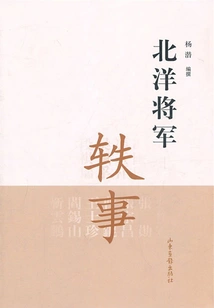
北洋将军轶事
Yang Qian
This book mainly selects anecdotes of 15 generals from the Beiyang Department, covering the late Qing Dynasty and the Republic of China. History is a collection of people and events. Events originate from people, and people exist due to events. The collection in the book focuses on the speeches of people and the details of historical facts, and the style is based on historical writings. The deeds of the Beiyang generals described in the book are collected from modern historical materials, notebook series, archives, oral memories, historical biographies, treatises, etc. It aims to fill in the gaps and compile the remaining anecdotes to narrate the words and deeds of characters, as well as many important historical facts in the late Qing Dynasty and the Republic of China.
This book mainly selects anecdotes of 15 generals from the Beiyang Department, covering the late Qing Dynasty and the Republic of China. History is a collection of people and events. Events originate from people, and people exist due to events. The collection in the book focuses on the speeches of people and the details of historical facts, and the style is based on historical writings. The deeds of the Beiyang generals described in the book are collected from modern historical materials, notebook series, archives, oral memories, historical biographies, treatises, etc. It aims to fill in the gaps and compile the remaining anecdotes to narrate the words and deeds of characters, as well as many important historical facts in the late Qing Dynasty and the Republic of China.
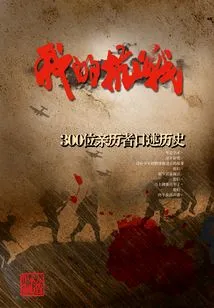
My War of Resistance
History我的抗战
"my War Of Resistance" Program Group
Uncovering the sealed archives of the past, recreating the rare Chinese purgatory, 60 years of true and tragic oral accounts of the Anti-Japanese War, and 300 witnesses to restore the historical truth in a panoramic manner.
Uncovering the sealed archives of the past, recreating the rare Chinese purgatory, 60 years of true and tragic oral accounts of the Anti-Japanese War, and 300 witnesses to restore the historical truth in a panoramic manner.