Library
Browse and search books
2,982 novels found
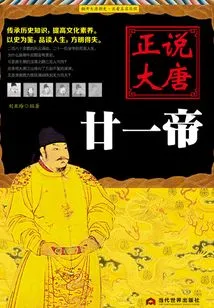
正说大唐廿一帝
Compiled By Liu Yaling
Inherit historical knowledge and improve cultural literacy. Only by taking history as a mirror and reading life can we understand the gains and losses. "The Twenty-One Emperors of the Tang Dynasty" aims to reproduce the evocative history of the Tang Dynasty around the inheritance and disputes of the Li family. The Tang Dynasty (618-907) was the rejuvenation era of the feudal period of the Chinese nation. It created unprecedented glory and prosperity in Chinese history.
Inherit historical knowledge and improve cultural literacy. Only by taking history as a mirror and reading life can we understand the gains and losses. "The Twenty-One Emperors of the Tang Dynasty" aims to reproduce the evocative history of the Tang Dynasty around the inheritance and disputes of the Li family. The Tang Dynasty (618-907) was the rejuvenation era of the feudal period of the Chinese nation. It created unprecedented glory and prosperity in Chinese history.
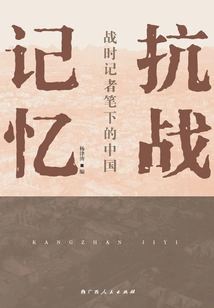
抗战记忆
Yang Jintao
This book compiles the correspondence, reports and other articles of many famous journalists during the Anti-Japanese War in my country. It takes the history of the Anti-Japanese War from the "September 18th Incident" to the Japanese surrender in 1945 as the background. Through careful interception and objective description of the historical details of the Anti-Japanese War, it vividly reproduces that unforgettable history and demonstrates the great spirit of the Chinese people's indomitable fight against the invaders. The selected articles in this book are all excerpts from official publications on the Anti-Japanese War published after the founding of the People's Republic of China. They include reporters' personal experiences on the battlefield, interviews with famous patriotic generals, and accounts of people's lives in the rear. They depict the heroic sentiments of the Chinese military and civilians, especially the revolutionary army under the leadership of the Communist Party of China, who are united and share the same hatred for the enemy. They have high historical value and reading value.
This book compiles the correspondence, reports and other articles of many famous journalists during the Anti-Japanese War in my country. It takes the history of the Anti-Japanese War from the "September 18th Incident" to the Japanese surrender in 1945 as the background. Through careful interception and objective description of the historical details of the Anti-Japanese War, it vividly reproduces that unforgettable history and demonstrates the great spirit of the Chinese people's indomitable fight against the invaders. The selected articles in this book are all excerpts from official publications on the Anti-Japanese War published after the founding of the People's Republic of China. They include reporters' personal experiences on the battlefield, interviews with famous patriotic generals, and accounts of people's lives in the rear. They depict the heroic sentiments of the Chinese military and civilians, especially the revolutionary army under the leadership of the Communist Party of China, who are united and share the same hatred for the enemy. They have high historical value and reading value.
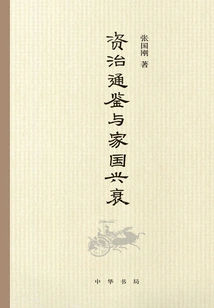
资治通鉴与家国兴衰
Zhang Guogang
Starting from the text of "Zi Zhi Tong Jian", this book examines the key nodes that affect the great politics of the country and the country, and succinctly and concisely tells the history of China from the separation of the three families in the Spring and Autumn Period to the end of the Tang Dynasty. There are many historical scenes and characters reproduced in the book that are faithful to the original text. The concise words and deeds, as well as Professor Zhang Guogang's unique, profound and interesting analysis and lectures, transform a voluminous classical masterpiece into a concise and accessible popular history book. It can be called a classic for contemporary people to interpret historical masterpieces. Professor Zhang Guogang has devoted himself to studying "Zi Zhi Tong Jian" for decades. With the breadth of vision that spans Eastern and Western cultures and the depth of thinking that spans ancient and modern history, he carefully selected twenty key points in "Zi Zhi Tong Jian" that affect the process of Chinese history. He examines the essence of traditional culture from a contemporary perspective, traces political gains and losses, the rise and fall of dynasties, and explores ways to cultivate one's family, manage the world, and govern the country.
Starting from the text of "Zi Zhi Tong Jian", this book examines the key nodes that affect the great politics of the country and the country, and succinctly and concisely tells the history of China from the separation of the three families in the Spring and Autumn Period to the end of the Tang Dynasty. There are many historical scenes and characters reproduced in the book that are faithful to the original text. The concise words and deeds, as well as Professor Zhang Guogang's unique, profound and interesting analysis and lectures, transform a voluminous classical masterpiece into a concise and accessible popular history book. It can be called a classic for contemporary people to interpret historical masterpieces. Professor Zhang Guogang has devoted himself to studying "Zi Zhi Tong Jian" for decades. With the breadth of vision that spans Eastern and Western cultures and the depth of thinking that spans ancient and modern history, he carefully selected twenty key points in "Zi Zhi Tong Jian" that affect the process of Chinese history. He examines the essence of traditional culture from a contemporary perspective, traces political gains and losses, the rise and fall of dynasties, and explores ways to cultivate one's family, manage the world, and govern the country.
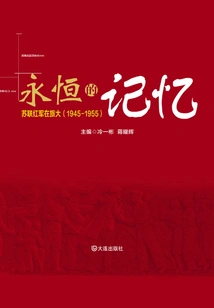
永恒的记忆:苏联红军在旅大(1945—1955)
Leng Yibin Jiang Yaohui
This book is based on archival documents and truly records the support and help the Soviet Red Army gave to Dalian local organizations of the Communist Party of China and the people of Dalian in the aspects of social order rectification, political institution construction, economic recovery and development, support for the liberation war, cultural education prosperity, teaching military technology and port city management after the Soviet Red Army liberated Luda. It vividly reproduces the historical picture of the Chinese and Soviet soldiers and civilians working side by side to jointly defend and build Luda.
This book is based on archival documents and truly records the support and help the Soviet Red Army gave to Dalian local organizations of the Communist Party of China and the people of Dalian in the aspects of social order rectification, political institution construction, economic recovery and development, support for the liberation war, cultural education prosperity, teaching military technology and port city management after the Soviet Red Army liberated Luda. It vividly reproduces the historical picture of the Chinese and Soviet soldiers and civilians working side by side to jointly defend and build Luda.
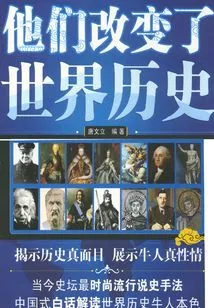
They Changed World History
History他们改变了世界历史
Tang Wenli
This book explores the key step in the transformation of an outstanding person from the ordinary to the transformation, reveals the source code of the success of commoner princes, and collects classic cases of people who have achieved great things in ancient and modern times. Extensive knowledge, broad vision, and novel thinking make historical figures come alive! History is no longer far away, it is right around you; historical figures are no longer strangers, they are all "vulgar" people. When reading history, you cannot just read Chinese history, just like when you eat, you cannot be partial to an eclipse. We all know this. The problem with partial eclipses is that some meals are not delicious. Chinese people do not like to read world history. This is probably the reason. This book is a feast of world history cooked with Chinese techniques, which is in line with the Chinese people's history reading habits, tastes and thinking.
This book explores the key step in the transformation of an outstanding person from the ordinary to the transformation, reveals the source code of the success of commoner princes, and collects classic cases of people who have achieved great things in ancient and modern times. Extensive knowledge, broad vision, and novel thinking make historical figures come alive! History is no longer far away, it is right around you; historical figures are no longer strangers, they are all "vulgar" people. When reading history, you cannot just read Chinese history, just like when you eat, you cannot be partial to an eclipse. We all know this. The problem with partial eclipses is that some meals are not delicious. Chinese people do not like to read world history. This is probably the reason. This book is a feast of world history cooked with Chinese techniques, which is in line with the Chinese people's history reading habits, tastes and thinking.
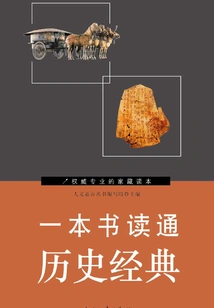
一本书读通历史经典
Humanistic Literacy Series Writing Group
"Reading Historical Classics in One Book" compiled by the writing team of the Humanities Literacy Series is a popular historical reading book. In terms of content, it is divided into two parts, the Chinese chapter and the foreign chapter; in terms of structure, it is divided into the main part and extended reading. After each historical knowledge point in the main part, there is an extended reading, which briefly introduces common knowledge related to history. The Chinese chapter of "Reading Historical Classics in One Book" generally adopts a chronicle style to condense the five thousand years of Chinese civilization. The foreign chapter covers prehistoric times, ancient civilizations, medieval history, the Renaissance and the opening of new shipping routes, and modern history. It explains the formation and development of countries, regions, and ethnic groups in the world, the evolution of politics and economy, the inheritance of culture and religion, as well as characters, important events, etc.
"Reading Historical Classics in One Book" compiled by the writing team of the Humanities Literacy Series is a popular historical reading book. In terms of content, it is divided into two parts, the Chinese chapter and the foreign chapter; in terms of structure, it is divided into the main part and extended reading. After each historical knowledge point in the main part, there is an extended reading, which briefly introduces common knowledge related to history. The Chinese chapter of "Reading Historical Classics in One Book" generally adopts a chronicle style to condense the five thousand years of Chinese civilization. The foreign chapter covers prehistoric times, ancient civilizations, medieval history, the Renaissance and the opening of new shipping routes, and modern history. It explains the formation and development of countries, regions, and ethnic groups in the world, the evolution of politics and economy, the inheritance of culture and religion, as well as characters, important events, etc.
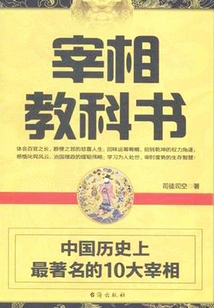
宰相教科书:中国历史上最著名的10大宰相
Situ Sikong
This book selects 10 representative and typical prime ministers from among the many in history, tells the deeds of "model prime ministers" and their ways of serving as officials, management, and reforms, describing their legendary lives, and commenting on their merits and demerits. It opens a window of review for us, from which we can see the majestic style of the wise prime minister and let us step into history. Relive history and feel the years of fighting and conquering the world.
This book selects 10 representative and typical prime ministers from among the many in history, tells the deeds of "model prime ministers" and their ways of serving as officials, management, and reforms, describing their legendary lives, and commenting on their merits and demerits. It opens a window of review for us, from which we can see the majestic style of the wise prime minister and let us step into history. Relive history and feel the years of fighting and conquering the world.
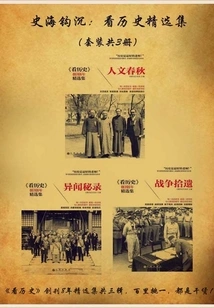
史海钩沉:看历史精选集(套装共3册)
"looking At History" Magazine
"Looking at History" has a total of three collections in the 8 years since its publication: "War Supplements", "Humanistic Spring and Autumn Period", and "Secret Records of Strange News". You can pick one from the best, and they are all useful information!
"Looking at History" has a total of three collections in the 8 years since its publication: "War Supplements", "Humanistic Spring and Autumn Period", and "Secret Records of Strange News". You can pick one from the best, and they are all useful information!
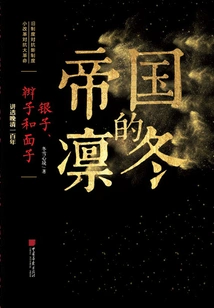
帝国的凛冬:银子、辫子和面子
Winter Snow Mood
Dong Xue, the author of the million-selling book "Things About the Tang Dynasty", started in-depth research on the history of the late Qing Dynasty long before studying the Tang Dynasty. It lasted for fifteen years and finally completed this book. It aims to show us the one hundred years of the late Qing Dynasty: blood and fire under the microscope, crime and punishment under modernization, and why China finally ended the monarchy and moved toward a republic in the face of major changes unseen in three thousand years. We not only need to know history, but we need to know why history is the way it is.
Dong Xue, the author of the million-selling book "Things About the Tang Dynasty", started in-depth research on the history of the late Qing Dynasty long before studying the Tang Dynasty. It lasted for fifteen years and finally completed this book. It aims to show us the one hundred years of the late Qing Dynasty: blood and fire under the microscope, crime and punishment under modernization, and why China finally ended the monarchy and moved toward a republic in the face of major changes unseen in three thousand years. We not only need to know history, but we need to know why history is the way it is.
史鉴录:夏~西汉
Compiled By The Writing Team Of "historical Records"
The "Historical Records" series consists of five volumes. It selects hundreds of classic historical stories and corresponding thousands of historical figures from the nearly four thousand years of history from the Xia Dynasty to the Qing Dynasty, trying to help readers enrich their understanding of ancient Chinese history. This series of books strictly respects historical facts, and the text is gentle yet interesting. It is a popular historical reading book suitable for all ages. This book is the first in the historical story series "Shijianlu", covering the period from the Xia Dynasty to the Western Han Dynasty, covering more than two thousand years.
The "Historical Records" series consists of five volumes. It selects hundreds of classic historical stories and corresponding thousands of historical figures from the nearly four thousand years of history from the Xia Dynasty to the Qing Dynasty, trying to help readers enrich their understanding of ancient Chinese history. This series of books strictly respects historical facts, and the text is gentle yet interesting. It is a popular historical reading book suitable for all ages. This book is the first in the historical story series "Shijianlu", covering the period from the Xia Dynasty to the Western Han Dynasty, covering more than two thousand years.
史鉴录:新~南北朝
Compiled By The Writing Team Of "historical Records"
The "Historical Records" series consists of five volumes. It selects hundreds of classic historical stories and corresponding thousands of historical figures from the nearly four thousand years of history from the Xia Dynasty to the Qing Dynasty, trying to help readers enrich their understanding of ancient Chinese history. This series of books strictly respects historical facts, and the text is gentle yet interesting. It is a popular historical reading book suitable for all ages. This book is the second in the historical story series "Shijianlu". It covers the period from the New Dynasty to the Northern and Southern Dynasties, covering more than five hundred years. It involves Wang Mang, Liu Xiu, Liang Ji, Cao Cao, Sun Quan, Sima Yan, Wang Meng, Yuan Hong, Jia Sixie and many other historical figures who wrote rich and colorful chapters in the history of Chinese civilization.
The "Historical Records" series consists of five volumes. It selects hundreds of classic historical stories and corresponding thousands of historical figures from the nearly four thousand years of history from the Xia Dynasty to the Qing Dynasty, trying to help readers enrich their understanding of ancient Chinese history. This series of books strictly respects historical facts, and the text is gentle yet interesting. It is a popular historical reading book suitable for all ages. This book is the second in the historical story series "Shijianlu". It covers the period from the New Dynasty to the Northern and Southern Dynasties, covering more than five hundred years. It involves Wang Mang, Liu Xiu, Liang Ji, Cao Cao, Sun Quan, Sima Yan, Wang Meng, Yuan Hong, Jia Sixie and many other historical figures who wrote rich and colorful chapters in the history of Chinese civilization.
史鉴录:北宋~元
Compiled By The Writing Team Of "historical Records"
The "Historical Records" series consists of five volumes. It selects hundreds of classic historical stories and corresponding thousands of historical figures from the nearly four thousand years of history from the Xia Dynasty to the Qing Dynasty, trying to help readers enrich their understanding of ancient Chinese history. This series of books strictly respects historical facts, and the text is gentle yet interesting. It is a popular historical reading book suitable for all ages. This book is the fourth in the historical story series of "Shijianlu", covering more than 400 years from the Northern Song Dynasty to the Yuan Dynasty.
The "Historical Records" series consists of five volumes. It selects hundreds of classic historical stories and corresponding thousands of historical figures from the nearly four thousand years of history from the Xia Dynasty to the Qing Dynasty, trying to help readers enrich their understanding of ancient Chinese history. This series of books strictly respects historical facts, and the text is gentle yet interesting. It is a popular historical reading book suitable for all ages. This book is the fourth in the historical story series of "Shijianlu", covering more than 400 years from the Northern Song Dynasty to the Yuan Dynasty.
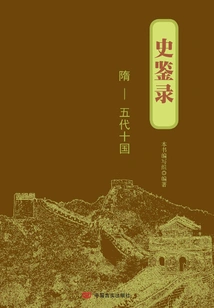
史鉴录:隋~五代十国
Compiled By The Writing Team Of "historical Records"
The "Historical Records" series consists of five volumes. It selects hundreds of classic historical stories and corresponding thousands of historical figures from the nearly four thousand years of history from the Xia Dynasty to the Qing Dynasty, trying to help readers enrich their understanding of ancient Chinese history. This series of books strictly respects historical facts, and the text is gentle yet interesting. It is a popular historical reading book suitable for all ages. This book is the third in the historical story series of "Shijianlu", covering nearly four hundred years from the Sui Dynasty to the Five Dynasties and Ten Kingdoms.
The "Historical Records" series consists of five volumes. It selects hundreds of classic historical stories and corresponding thousands of historical figures from the nearly four thousand years of history from the Xia Dynasty to the Qing Dynasty, trying to help readers enrich their understanding of ancient Chinese history. This series of books strictly respects historical facts, and the text is gentle yet interesting. It is a popular historical reading book suitable for all ages. This book is the third in the historical story series of "Shijianlu", covering nearly four hundred years from the Sui Dynasty to the Five Dynasties and Ten Kingdoms.
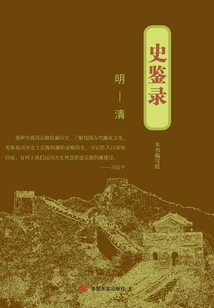
史鉴录:明~清
Compiled By The Writing Team Of "historical Records"
The "Historical Records" series consists of five volumes. It selects hundreds of classic historical stories and corresponding thousands of historical figures from the nearly four thousand years of history from the Xia Dynasty to the Qing Dynasty, trying to help readers enrich their understanding of ancient Chinese history. This series of books strictly respects historical facts, and the text is gentle yet interesting. It is a popular historical reading book suitable for all ages. This book is the fifth in the "Historical Records" series of historical stories, covering more than five hundred years from the Ming Dynasty to the Qing Dynasty, involving Zhu Yuanzhang, Zhu Di, Yu Qian, Zhang Juzheng, Xu Guangqi, Yu Chenglong, Aixinjueluo Xuanye, Nian Gengyao, He Shen and many other historical figures who wrote rich chapters in the history of Chinese civilization.
The "Historical Records" series consists of five volumes. It selects hundreds of classic historical stories and corresponding thousands of historical figures from the nearly four thousand years of history from the Xia Dynasty to the Qing Dynasty, trying to help readers enrich their understanding of ancient Chinese history. This series of books strictly respects historical facts, and the text is gentle yet interesting. It is a popular historical reading book suitable for all ages. This book is the fifth in the "Historical Records" series of historical stories, covering more than five hundred years from the Ming Dynasty to the Qing Dynasty, involving Zhu Yuanzhang, Zhu Di, Yu Qian, Zhang Juzheng, Xu Guangqi, Yu Chenglong, Aixinjueluo Xuanye, Nian Gengyao, He Shen and many other historical figures who wrote rich chapters in the history of Chinese civilization.
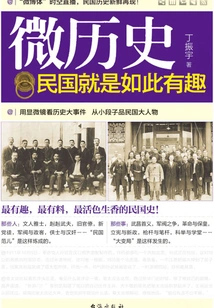
微历史:民国就是如此有趣
Ding Zhenyu
The history from the late Qing Dynasty to the Republic of China is called "the great changes that have not happened in three thousand years." This book records the people and events of such a special era. Through these historical stories and the small legends of characters, it leads readers into the tunnel of time, allowing readers to get a glimpse of the Republic of China, to reflect on it, and to think about it.
The history from the late Qing Dynasty to the Republic of China is called "the great changes that have not happened in three thousand years." This book records the people and events of such a special era. Through these historical stories and the small legends of characters, it leads readers into the tunnel of time, allowing readers to get a glimpse of the Republic of China, to reflect on it, and to think about it.
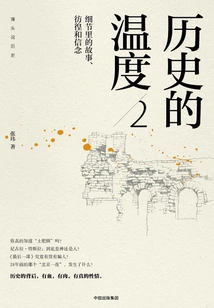
历史的温度2:细节里的故事、彷徨和信念
Zhang Wei
Liushen Leilei, Luo Zhenyu, Ma Yong, Xu Danei, Yan Feng, Zhang Wei and others are highly recommended. A passage, a name or even a picture in a history book, what is hidden behind them? Do you really know Tufeiyuan? Is Nikola Tesla a god or a man? During the Anti-Japanese War, there were only two bombers left in the entire country. Why did they still bomb Japan? Is "The Last Lesson" a lie? What does real lurking look like? ... A passage, a name, or even a picture in a history book, under Zhang Wei's pen, present unexpected faces. History is no longer just cold years and numbers, but stories with warmth and real people of flesh and blood. As a human being, we have pros and cons, pros and cons. Zhang Wei tried his best to use a dialectical perspective, combined with the objective environment at the time, to put himself in the shoes of those historical events and historical figures, instead of prejudging his position or judging an event or a person from his perspective. The seemingly boring history is actually full of life, full of stories, flesh and blood, hesitation, and faith. History has real temperature.
Liushen Leilei, Luo Zhenyu, Ma Yong, Xu Danei, Yan Feng, Zhang Wei and others are highly recommended. A passage, a name or even a picture in a history book, what is hidden behind them? Do you really know Tufeiyuan? Is Nikola Tesla a god or a man? During the Anti-Japanese War, there were only two bombers left in the entire country. Why did they still bomb Japan? Is "The Last Lesson" a lie? What does real lurking look like? ... A passage, a name, or even a picture in a history book, under Zhang Wei's pen, present unexpected faces. History is no longer just cold years and numbers, but stories with warmth and real people of flesh and blood. As a human being, we have pros and cons, pros and cons. Zhang Wei tried his best to use a dialectical perspective, combined with the objective environment at the time, to put himself in the shoes of those historical events and historical figures, instead of prejudging his position or judging an event or a person from his perspective. The seemingly boring history is actually full of life, full of stories, flesh and blood, hesitation, and faith. History has real temperature.
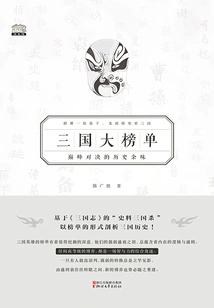
三国大榜单:巅峰对决的历史余味
Chen Guangsheng
Based on "Historical Records of the Three Kingdoms" from "Three Kingdoms", the history of the Three Kingdoms is written in the form of a list! The list of heroes of the Three Kingdoms has profound meanings worth exploring. Their differences in strength and weakness always contain inherent logic and general principles. Any high-level game is a comprehensive competition of intelligence and strength. Once someone makes a misjudgment, the change in strength is always immediate. From prosperity to decline in the blink of an eye, a new game is bound to be rebuilt. For those who have a strong interest in history, please do not underestimate the official history because of a novel. This list of heroes of the Three Kingdoms will help you interpret the game and balance among the Three Kingdoms and interpret the history of the Three Kingdoms!
Based on "Historical Records of the Three Kingdoms" from "Three Kingdoms", the history of the Three Kingdoms is written in the form of a list! The list of heroes of the Three Kingdoms has profound meanings worth exploring. Their differences in strength and weakness always contain inherent logic and general principles. Any high-level game is a comprehensive competition of intelligence and strength. Once someone makes a misjudgment, the change in strength is always immediate. From prosperity to decline in the blink of an eye, a new game is bound to be rebuilt. For those who have a strong interest in history, please do not underestimate the official history because of a novel. This list of heroes of the Three Kingdoms will help you interpret the game and balance among the Three Kingdoms and interpret the history of the Three Kingdoms!
史鉴录(新—南北朝)
This Book Writing Team
The "Historical Records" series consists of five volumes. It selects hundreds of classic historical stories and corresponding thousands of historical figures from the nearly four thousand years of history from the Xia Dynasty to the Qing Dynasty, trying to help readers enrich their understanding of ancient Chinese history. This series of books strictly respects historical facts, and the text is gentle yet interesting. It is a popular historical reading book suitable for all ages.
The "Historical Records" series consists of five volumes. It selects hundreds of classic historical stories and corresponding thousands of historical figures from the nearly four thousand years of history from the Xia Dynasty to the Qing Dynasty, trying to help readers enrich their understanding of ancient Chinese history. This series of books strictly respects historical facts, and the text is gentle yet interesting. It is a popular historical reading book suitable for all ages.
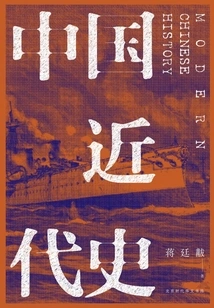
Modern History of China
History中国近代史
Jiang Tingfu
This book is hailed as the pioneering work in the study of modern Chinese history and a classic of an era. The book starts from the Opium War and continues to the ongoing Anti-Japanese War. It uses clear and smooth words to condense nearly a century of historical events into just over 50,000 words. It has a clear theme and historical theory. It is a modern history that everyone can read and everyone should read.
This book is hailed as the pioneering work in the study of modern Chinese history and a classic of an era. The book starts from the Opium War and continues to the ongoing Anti-Japanese War. It uses clear and smooth words to condense nearly a century of historical events into just over 50,000 words. It has a clear theme and historical theory. It is a modern history that everyone can read and everyone should read.
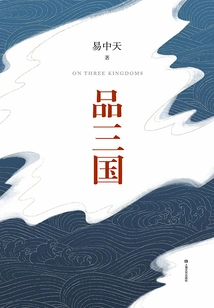
Taste the Three Kingdoms
History品三国
Yi Zhongtian
"Taste of the Three Kingdoms" is Yi Zhongtian's analysis of the changing situations and heroes of the Three Kingdoms. Use stories to tell characters, characters to tell history, history to tell culture, and culture to tell human nature. Mr. Yi Zhongtian discussed the major events of the Three Kingdoms, scrutinized the merits and demerits of the heroes, and summarized the successes and failures.
"Taste of the Three Kingdoms" is Yi Zhongtian's analysis of the changing situations and heroes of the Three Kingdoms. Use stories to tell characters, characters to tell history, history to tell culture, and culture to tell human nature. Mr. Yi Zhongtian discussed the major events of the Three Kingdoms, scrutinized the merits and demerits of the heroes, and summarized the successes and failures.
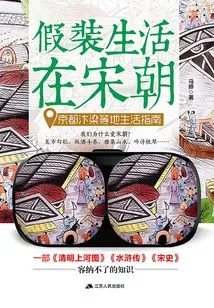
假装生活在宋朝:京都汴梁等地生活指南
Ma Hua
"Pretending to Live in the Song Dynasty: A Guide to Life in Bianliang, Kyoto and Other Places" selects the Song Dynasty, the richest economy, the most politically enlightened, and the "happiest" dynasty in Chinese history, as the text object, forming a brand new life guide for "drifting" in the Song Dynasty, and a complete strategy for starting a journey through the Song Dynasty. The author relies on nearly one million words of historical data reading and verification, and presents the entire social scene of the Song Dynasty to readers in a popular and humorous way. Clothing, food, housing and transportation, birth, old age, illness and death, struggle in the workplace, elite culture, marriage and family, fashion and entertainment... Every historical fact has its source and is absolutely not fabricated. After opening the book, the reader is the protagonist of "Pretending to Live in the Song Dynasty: A Guide to Life in Kyoto, Bianliang and Other Places". As a person from the Song Dynasty, he can authentically experience the folk customs and social life of the Song Dynasty. While being nourished by historical knowledge, he can deeply feel the long-standing charm of Chinese culture.
"Pretending to Live in the Song Dynasty: A Guide to Life in Bianliang, Kyoto and Other Places" selects the Song Dynasty, the richest economy, the most politically enlightened, and the "happiest" dynasty in Chinese history, as the text object, forming a brand new life guide for "drifting" in the Song Dynasty, and a complete strategy for starting a journey through the Song Dynasty. The author relies on nearly one million words of historical data reading and verification, and presents the entire social scene of the Song Dynasty to readers in a popular and humorous way. Clothing, food, housing and transportation, birth, old age, illness and death, struggle in the workplace, elite culture, marriage and family, fashion and entertainment... Every historical fact has its source and is absolutely not fabricated. After opening the book, the reader is the protagonist of "Pretending to Live in the Song Dynasty: A Guide to Life in Kyoto, Bianliang and Other Places". As a person from the Song Dynasty, he can authentically experience the folk customs and social life of the Song Dynasty. While being nourished by historical knowledge, he can deeply feel the long-standing charm of Chinese culture.
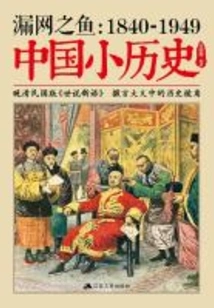
漏网之鱼:1840-1949中国小历史
Jinmanlou
"Fish Slip Through the Net: A Short History of China 1840-1949" dusts off the dust of history, and takes 1840-1949 as the time range. It carefully selects more than a thousand uncommon and thought-provoking historical passages to reproduce the historical scene of the late Qing Dynasty and the Republic of China with unprecedented clarity. What kind of performance, words and deeds did the emperors and princes, civil servants and military generals, generals of the Kingdom of Heaven, and Beiyang giants perform at the moment of historical choice between empire and republic? What are the small details of life of the reformers, royalists, and revolutionaries during major events? Although the book "A Fish Slip Through the Net: A Short History of China, 1840-1949" is only a few words, it is written from the small to the big, and the small details of history also reveal the looming context and character of the big history.
"Fish Slip Through the Net: A Short History of China 1840-1949" dusts off the dust of history, and takes 1840-1949 as the time range. It carefully selects more than a thousand uncommon and thought-provoking historical passages to reproduce the historical scene of the late Qing Dynasty and the Republic of China with unprecedented clarity. What kind of performance, words and deeds did the emperors and princes, civil servants and military generals, generals of the Kingdom of Heaven, and Beiyang giants perform at the moment of historical choice between empire and republic? What are the small details of life of the reformers, royalists, and revolutionaries during major events? Although the book "A Fish Slip Through the Net: A Short History of China, 1840-1949" is only a few words, it is written from the small to the big, and the small details of history also reveal the looming context and character of the big history.
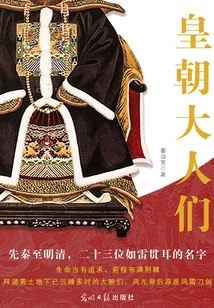
Dynasty Adults
History皇朝大人们
Qin Sihuang
I have been hesitating about how to accurately explain the purpose of creation to today's diligent young people. I selected more than 20 famous adults in history and piled up these hundreds of thousands of words. I was not aiming to write a biography. There are already a lot of words describing their lives. I was just like the bald Wang Xiaoli in Uncle Benshan's sketch, grabbing the microphone and digging into his ancestors' graves. Everyone aspires to fame and wealth, some are invincible, and some are stretched thin. To rush forward on this thorny official career requires some internal strength and means. Faith is of course important, but being familiar with the ups and downs of politics and clarifying the intricate interpersonal relationships are the basic skills for navigating officialdom. We have all been deceived and misled by orthodox texts, believing that "I am born with talents." I will peel off my soul and show it to you, but I hope that people in the future will not take some detours. This may be the original intention of writing about them. In order not to feel lonely and stiff, I walk along with the current images from time to time.
I have been hesitating about how to accurately explain the purpose of creation to today's diligent young people. I selected more than 20 famous adults in history and piled up these hundreds of thousands of words. I was not aiming to write a biography. There are already a lot of words describing their lives. I was just like the bald Wang Xiaoli in Uncle Benshan's sketch, grabbing the microphone and digging into his ancestors' graves. Everyone aspires to fame and wealth, some are invincible, and some are stretched thin. To rush forward on this thorny official career requires some internal strength and means. Faith is of course important, but being familiar with the ups and downs of politics and clarifying the intricate interpersonal relationships are the basic skills for navigating officialdom. We have all been deceived and misled by orthodox texts, believing that "I am born with talents." I will peel off my soul and show it to you, but I hope that people in the future will not take some detours. This may be the original intention of writing about them. In order not to feel lonely and stiff, I walk along with the current images from time to time.
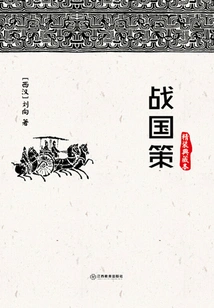
战国策(精装典藏本)
H
"Warring States Policy (hardcover collection)" is a compilation of historical materials of the Warring States period, with a total of thirty-three articles and four hundred and ninety chapters. It was not a work created by one person at a time, and it did not have a unified name at the beginning. "It may be called national policy, or state affairs, or short and long, or Shiyu, or long book, or repair book." After Liu Xiang compiled it into a book, it got its current title. "Warring States Policy (Hardcover Collection)" mainly records the political opinions and strategies of the counselors and counselors during the Warring States Period, reflecting the sharp and complex merger struggles between the various vassal states. It is an important classic for studying the history of the Warring States Period.
"Warring States Policy (hardcover collection)" is a compilation of historical materials of the Warring States period, with a total of thirty-three articles and four hundred and ninety chapters. It was not a work created by one person at a time, and it did not have a unified name at the beginning. "It may be called national policy, or state affairs, or short and long, or Shiyu, or long book, or repair book." After Liu Xiang compiled it into a book, it got its current title. "Warring States Policy (Hardcover Collection)" mainly records the political opinions and strategies of the counselors and counselors during the Warring States Period, reflecting the sharp and complex merger struggles between the various vassal states. It is an important classic for studying the history of the Warring States Period.
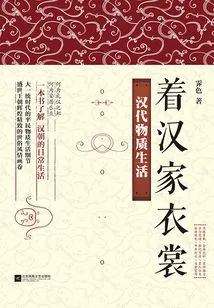
着汉家衣裳:汉代物质生活
Jise
This book provides a detailed introduction to the customs of the Han Dynasty from ten aspects including food, clothing, housing and transportation, festivals and customs, urban construction, market life, court officialdom, military policies, and royal anecdotes. The entry point is novel and unique, starting from a small point, paying attention to the general public, showing the beauty of civilian culture, and introducing a well-known dynasty from another unknown perspective.
This book provides a detailed introduction to the customs of the Han Dynasty from ten aspects including food, clothing, housing and transportation, festivals and customs, urban construction, market life, court officialdom, military policies, and royal anecdotes. The entry point is novel and unique, starting from a small point, paying attention to the general public, showing the beauty of civilian culture, and introducing a well-known dynasty from another unknown perspective.
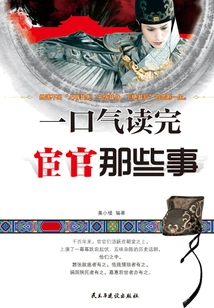
一口气读完宦官那些事
Huang Xiaolou
For a long time, eunuchs have been disliked by people because of their mutilated bodies and abnormal psychological characters, which "look not like a human body, look like a human face, hear like a human voice, and look like a human being", as well as the influence of some eunuchs in history who stole power and took bribes to commit evil. Evil and derogatory, in fact, there are still some people in the entire group of eunuchs who take self-cultivation and morality as their mission and help the world. They have played an active role and made important contributions in politics, diplomacy, and engineering construction. They are the pearls among the rubbish.
For a long time, eunuchs have been disliked by people because of their mutilated bodies and abnormal psychological characters, which "look not like a human body, look like a human face, hear like a human voice, and look like a human being", as well as the influence of some eunuchs in history who stole power and took bribes to commit evil. Evil and derogatory, in fact, there are still some people in the entire group of eunuchs who take self-cultivation and morality as their mission and help the world. They have played an active role and made important contributions in politics, diplomacy, and engineering construction. They are the pearls among the rubbish.
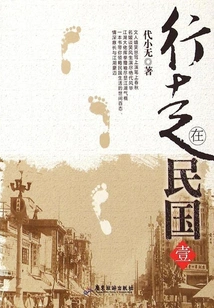
行走在民国(壹)
Dai Xiaowu
History should not be cold, but should be like an unfolding scroll, like "Along the River During the Qingming Festival". This book fully shows the life and survival of little people, taking us deep into the Republic of China to experience the smiles, frowns, drinks and pecks of historical figures. Every turning point in history will always have an impact on life, and even a small wine table can reflect the changes of the times. While the celebrities are elegant and leisurely, how the grassroots are struggling, how Paramount spends a lot of money to show off, rickshaw drivers fighting each other to grab business, what are the hidden rules of gangs collecting protection fees... Restore the most authentic social style of the Republic of China.
History should not be cold, but should be like an unfolding scroll, like "Along the River During the Qingming Festival". This book fully shows the life and survival of little people, taking us deep into the Republic of China to experience the smiles, frowns, drinks and pecks of historical figures. Every turning point in history will always have an impact on life, and even a small wine table can reflect the changes of the times. While the celebrities are elegant and leisurely, how the grassroots are struggling, how Paramount spends a lot of money to show off, rickshaw drivers fighting each other to grab business, what are the hidden rules of gangs collecting protection fees... Restore the most authentic social style of the Republic of China.
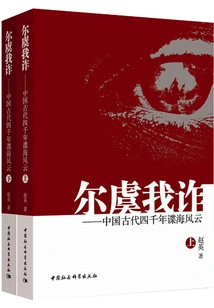
尔虞我诈:中国古代四千年谍海风云(全集)
J
P
P
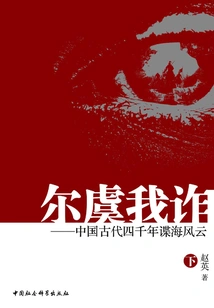
尔虞我诈:中国古代四千年谍海风云(下)
J
P
P
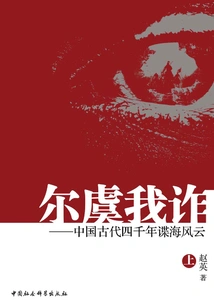
尔虞我诈:中国古代四千年谍海风云(上)
Zhao Ying
This book is a historical monograph that studies the history of ancient espionage. With strategic espionage as its main theme, the book conducts comprehensive and in-depth research, description and analysis of the strategies, behavioral characteristics, important figures, major events, espionage agencies, espionage techniques, espionage thoughts and other aspects of ancient Chinese espionage activities. It also draws historical conclusions that can be recalled and learned from today, and puts forward the author's own insightful insights into national security.
This book is a historical monograph that studies the history of ancient espionage. With strategic espionage as its main theme, the book conducts comprehensive and in-depth research, description and analysis of the strategies, behavioral characteristics, important figures, major events, espionage agencies, espionage techniques, espionage thoughts and other aspects of ancient Chinese espionage activities. It also draws historical conclusions that can be recalled and learned from today, and puts forward the author's own insightful insights into national security.
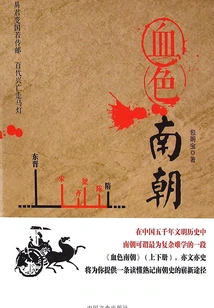
Bloody Southern Dynasties
History血色南朝
Bao Mingbao
This book narrates the whole process of "changing kings and transforming countries" in six dynasties starting from the end of Jin Dynasty, passing through the Song, Qi, Liang, and Chen Dynasties in the Southern Dynasty, and ending with Yang Sui's destruction of Chen Dynasty. It not only praises the courageous heroic spirit of the founding monarchs (Liu Yu, Xiao Daocheng, Xiao Yan, and Chen Baxian), but also condemns their insidious, selfish, and cruel practices in order to seize the throne. It not only makes bitter satires on the moderate usurpers such as Xiao Luan of Qi Dynasty, Hou Jing of Liang Dynasty, and Chen Xu of Chen Dynasty, but also exposes and criticizes Liu Jun, the lewd and incest emperor who is rare in history. In particular, this book also focuses on exposing and criticizing the debauchery and incompetence of the later masters (such as Liu Yifu, Liu Ziye, Liu Yu, Liu Yu, Xiao Zhaoye, Xiao Baojuan, and Chen Shubao), their excessive use of sycophants, bloodthirsty, pleasure-seeking, and drunkenness. It reveals that they will inevitably be deposed and killed. At the same time, the book also describes the scenes in which the concubines enjoyed luxury and the maids were brutally tortured in the corrupt palaces of feudal monarchs.
This book narrates the whole process of "changing kings and transforming countries" in six dynasties starting from the end of Jin Dynasty, passing through the Song, Qi, Liang, and Chen Dynasties in the Southern Dynasty, and ending with Yang Sui's destruction of Chen Dynasty. It not only praises the courageous heroic spirit of the founding monarchs (Liu Yu, Xiao Daocheng, Xiao Yan, and Chen Baxian), but also condemns their insidious, selfish, and cruel practices in order to seize the throne. It not only makes bitter satires on the moderate usurpers such as Xiao Luan of Qi Dynasty, Hou Jing of Liang Dynasty, and Chen Xu of Chen Dynasty, but also exposes and criticizes Liu Jun, the lewd and incest emperor who is rare in history. In particular, this book also focuses on exposing and criticizing the debauchery and incompetence of the later masters (such as Liu Yifu, Liu Ziye, Liu Yu, Liu Yu, Xiao Zhaoye, Xiao Baojuan, and Chen Shubao), their excessive use of sycophants, bloodthirsty, pleasure-seeking, and drunkenness. It reveals that they will inevitably be deposed and killed. At the same time, the book also describes the scenes in which the concubines enjoyed luxury and the maids were brutally tortured in the corrupt palaces of feudal monarchs.
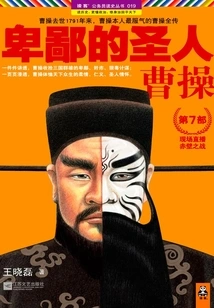
卑鄙的圣人:曹操(第7部)
Wang Xiaolei
The traitors and loyalists in history are all similar, only Cao Cao is very different! Cao Cao's schemes and cunning often make his opponents dizzy and confused, and his despicableness often breaks the moral bottom line. However, he is a saint who cares about the world and cares for all living beings; he is also a tender and talented poet; in the end, he is still an ordinary man who is sensitive, has low self-esteem, and is lonely at heart.
The traitors and loyalists in history are all similar, only Cao Cao is very different! Cao Cao's schemes and cunning often make his opponents dizzy and confused, and his despicableness often breaks the moral bottom line. However, he is a saint who cares about the world and cares for all living beings; he is also a tender and talented poet; in the end, he is still an ordinary man who is sensitive, has low self-esteem, and is lonely at heart.
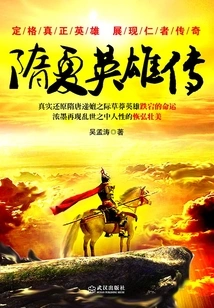
Heroes of Sui and Xia
History隋夏英雄传
Wu Mengtao
The heroes Qin Qiong, Luo Shixin, Cheng Yaojin, Yuchi Gong, Shan Xiongxin, etc. During the Sui and Tang Dynasties are the most well-known to people, but in history, what kind of people are they? Is he a real hero? In these turbulent times, who is more heroic among those who are called heroes? This book takes a new approach, in the form of a lecture, with "Xia" in the late Sui Dynasty as the main line and characters as the base point. It panoramically displays the entire process of the Xia regime from the beginning to the end. It describes in detail the legendary experiences and behaviors of another group of heroes during the Sui and Tang Dynasties, thus sketching a turbulent historical picture for readers and taking them into the real world. In the real history, you can feel the success and failure, loveliness and hatefulness, joy and sadness of each character, as well as the complexity and multifacetedness of human nature, understand the influence of the elite of the times on the development of the times, and understand the imprints they left, so that readers can have a deep understanding of the entire history of the late Sui and early Tang Dynasties and establish the real heroes in their own minds.
The heroes Qin Qiong, Luo Shixin, Cheng Yaojin, Yuchi Gong, Shan Xiongxin, etc. During the Sui and Tang Dynasties are the most well-known to people, but in history, what kind of people are they? Is he a real hero? In these turbulent times, who is more heroic among those who are called heroes? This book takes a new approach, in the form of a lecture, with "Xia" in the late Sui Dynasty as the main line and characters as the base point. It panoramically displays the entire process of the Xia regime from the beginning to the end. It describes in detail the legendary experiences and behaviors of another group of heroes during the Sui and Tang Dynasties, thus sketching a turbulent historical picture for readers and taking them into the real world. In the real history, you can feel the success and failure, loveliness and hatefulness, joy and sadness of each character, as well as the complexity and multifacetedness of human nature, understand the influence of the elite of the times on the development of the times, and understand the imprints they left, so that readers can have a deep understanding of the entire history of the late Sui and early Tang Dynasties and establish the real heroes in their own minds.
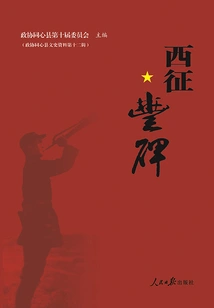
西征丰碑
Editor-in-chief Of The 10th Cppcc County Committee
The revolutionary activities of the Western Expedition Red Army in Tongxin left a profound red cultural heritage for Tongxin and even the entire region, and also played a vital role in the victory of the Chinese revolution. This manuscript traces the story of the revolution and fighting of the Red Army in Tongxin during the Western Expedition. It also records the good stories of international friends and ethnic minorities supporting the Red Revolution, and attaches precious documents, archives and research materials.
The revolutionary activities of the Western Expedition Red Army in Tongxin left a profound red cultural heritage for Tongxin and even the entire region, and also played a vital role in the victory of the Chinese revolution. This manuscript traces the story of the revolution and fighting of the Red Army in Tongxin during the Western Expedition. It also records the good stories of international friends and ethnic minorities supporting the Red Revolution, and attaches precious documents, archives and research materials.
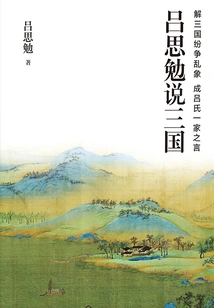
吕思勉说三国
Lu Simian
The only popular historical work by the master of history, Mr. Lu Simian, uses rich historical knowledge to conduct an in-depth analysis of some characters, events, wars, geographical environment, etc. Involved in the history and literature of the Three Kingdoms, and restores the history of the Three Kingdoms to its original appearance. When Mr. Lu Simian discusses the Three Kingdoms, he never cites the research results of others. All materials are directly quoted from various historical books, and the research is extremely rigorous. This book is an important reference material for Yi Zhongtian's evaluation of the Three Kingdoms.
The only popular historical work by the master of history, Mr. Lu Simian, uses rich historical knowledge to conduct an in-depth analysis of some characters, events, wars, geographical environment, etc. Involved in the history and literature of the Three Kingdoms, and restores the history of the Three Kingdoms to its original appearance. When Mr. Lu Simian discusses the Three Kingdoms, he never cites the research results of others. All materials are directly quoted from various historical books, and the research is extremely rigorous. This book is an important reference material for Yi Zhongtian's evaluation of the Three Kingdoms.
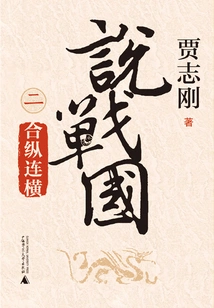
说战国2:合纵连横
Jia Zhigang
Jia Zhigang's "Warring States" is broadcast in seasons, and there are many good shows. In Chinese history, there is a famous magical figure-Guiguzi. Who are Guiguzi's disciples? Is his "vertical and horizontal manipulation" technique really so superb? It depends on the changes in the major vassal states during the Warring States Period, what kind of talented people the new situation calls for, and what new gameplay is needed. The representatives of this stage are Pang Juan, Sun Bin, Su Qin and Zhang Yi. It was these people who played the familiar tricks of besieging Wei and rescuing Zhao, increasing troops and reducing the number of enemies, and joining forces to push the military, political, and diplomatic struggles of the Warring States period to a climax. At the same time, don't forget that while military strategists and political strategists were showing off their skills, King Qi Wei silently did something unique in Chinese history, which was the creation of Jixia Academy. Jixia Academy accommodates many schools of thought. They argue with each other, and the trend of a hundred schools of thought contending is gradually taking shape...
Jia Zhigang's "Warring States" is broadcast in seasons, and there are many good shows. In Chinese history, there is a famous magical figure-Guiguzi. Who are Guiguzi's disciples? Is his "vertical and horizontal manipulation" technique really so superb? It depends on the changes in the major vassal states during the Warring States Period, what kind of talented people the new situation calls for, and what new gameplay is needed. The representatives of this stage are Pang Juan, Sun Bin, Su Qin and Zhang Yi. It was these people who played the familiar tricks of besieging Wei and rescuing Zhao, increasing troops and reducing the number of enemies, and joining forces to push the military, political, and diplomatic struggles of the Warring States period to a climax. At the same time, don't forget that while military strategists and political strategists were showing off their skills, King Qi Wei silently did something unique in Chinese history, which was the creation of Jixia Academy. Jixia Academy accommodates many schools of thought. They argue with each other, and the trend of a hundred schools of thought contending is gradually taking shape...
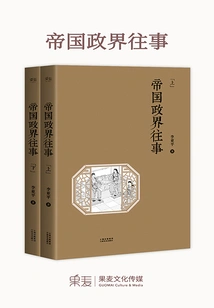
帝国政界往事(全集)
Li Yaping
Li Yaping's famous masterpiece series "The Past in Imperial Politics" provides an alternative interpretation of how the Qing Dynasty conquered the world. From Nurhachi's "Thirteen Relics Raised an Army" to the ups and downs of the Yongzheng Dynasty in the past 150 years. It shows the tragic and joyful lives of many historical figures such as Nurhachi, Huang Taiji, Yuan Chonghuan, Dorgon, Xiaozhuang, Kangxi, Wu Sangui and so on in the great era and great changes. From a "human" perspective, Li Yaping explains the reasons for the choices of emperors and ministers at historical changing points. Through in-depth analysis and popular and vivid narratives, Li Yaping provides a new interpretation of historical changes and political confusion. Opening this book, you will clearly see the Qing Dynasty's journey to conquer the Central Plains, and the confusing historical puzzle will be revealed layer by layer before your eyes!
Li Yaping's famous masterpiece series "The Past in Imperial Politics" provides an alternative interpretation of how the Qing Dynasty conquered the world. From Nurhachi's "Thirteen Relics Raised an Army" to the ups and downs of the Yongzheng Dynasty in the past 150 years. It shows the tragic and joyful lives of many historical figures such as Nurhachi, Huang Taiji, Yuan Chonghuan, Dorgon, Xiaozhuang, Kangxi, Wu Sangui and so on in the great era and great changes. From a "human" perspective, Li Yaping explains the reasons for the choices of emperors and ministers at historical changing points. Through in-depth analysis and popular and vivid narratives, Li Yaping provides a new interpretation of historical changes and political confusion. Opening this book, you will clearly see the Qing Dynasty's journey to conquer the Central Plains, and the confusing historical puzzle will be revealed layer by layer before your eyes!
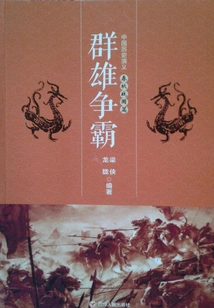
Heroes Struggle for Hegemony: Chinese Historical Romance Spring and Autumn and Warring States Period
History群雄争霸:中国历史演义春秋战国篇
Liang Xia, Edited By Long Long
In 770 BC, King Ping of Zhou moved the capital from Haojing to Luoyi. Because Haojing is in the west, the period when the capital of the Zhou Dynasty was in Haojing was historically called the Western Zhou Dynasty; Luoyi was in the east, so the period after King Ping moved eastward and before Qin unified China was called the Eastern Zhou Dynasty.
In 770 BC, King Ping of Zhou moved the capital from Haojing to Luoyi. Because Haojing is in the west, the period when the capital of the Zhou Dynasty was in Haojing was historically called the Western Zhou Dynasty; Luoyi was in the east, so the period after King Ping moved eastward and before Qin unified China was called the Eastern Zhou Dynasty.
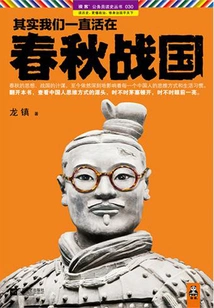
其实我们一直活在春秋战国1
K
X
X
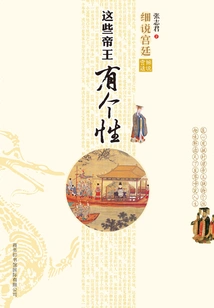
细说宫廷:这些帝王有个性
Zhang Zhijun
The emperors who were known as the "proud sons of heaven" in feudal society included many wise and heroic monarchs who were diligent in political affairs and caring for the people, as well as "maverick" alternative characters. Especially the latter, whose unique personality is often more intriguing. "The Palace in Detail: These Emperors Have Personalities" mainly tells the anecdotes of more than 20 representative emperors with individual personalities in ancient my country. In the book, emperors such as Li Longji, the originator of the opera house, Qian Liu, the "Nanhai Sleeping Dragon", and Zhu Yijun, the otaku emperor, were either obsessed with art, addicted to collecting taxes, or passive and sabotaged. Relying on their unique talents or supreme authority, they willfully express their personalities and interpret colorful and interesting lives, which have a strong appeal to readers.
The emperors who were known as the "proud sons of heaven" in feudal society included many wise and heroic monarchs who were diligent in political affairs and caring for the people, as well as "maverick" alternative characters. Especially the latter, whose unique personality is often more intriguing. "The Palace in Detail: These Emperors Have Personalities" mainly tells the anecdotes of more than 20 representative emperors with individual personalities in ancient my country. In the book, emperors such as Li Longji, the originator of the opera house, Qian Liu, the "Nanhai Sleeping Dragon", and Zhu Yijun, the otaku emperor, were either obsessed with art, addicted to collecting taxes, or passive and sabotaged. Relying on their unique talents or supreme authority, they willfully express their personalities and interpret colorful and interesting lives, which have a strong appeal to readers.
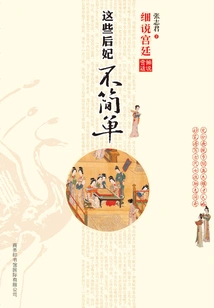
细说宫廷:这些后妃不简单
Zhang Zhijun
"Talking About the Palace: These Concubines Are Not Simple" tells the story of the harem survival wisdom of more than 20 legendary concubines from the Tang Dynasty to the Qing Dynasty. The harem has always been a place for court women to pursue power and status, as well as a battlefield for them to display their talents and wisdom. Although there are many concubines vying for position and favor, there are also many heroines who are resourceful and talented. In this book, empress Changsun, Wu Zetian who ascended the throne, and empress Xiaozhuang who assisted the three emperors of the Qing Dynasty, etc., Who were famous for generations to come, were either talented and virtuous, or not inferior to men, or had profound wisdom. With their own talents and superb political methods, they wrote extraordinary legendary lives in the male-dominated history, which has a strong appeal to readers.
"Talking About the Palace: These Concubines Are Not Simple" tells the story of the harem survival wisdom of more than 20 legendary concubines from the Tang Dynasty to the Qing Dynasty. The harem has always been a place for court women to pursue power and status, as well as a battlefield for them to display their talents and wisdom. Although there are many concubines vying for position and favor, there are also many heroines who are resourceful and talented. In this book, empress Changsun, Wu Zetian who ascended the throne, and empress Xiaozhuang who assisted the three emperors of the Qing Dynasty, etc., Who were famous for generations to come, were either talented and virtuous, or not inferior to men, or had profound wisdom. With their own talents and superb political methods, they wrote extraordinary legendary lives in the male-dominated history, which has a strong appeal to readers.
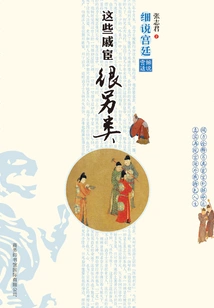
细说宫廷:这些戚宦很另类
Zhang Zhijun
Eunuchs, who were relatives of the emperor and servants of the emperor, were often despised by courtiers who entered officialdom through the official path. In order to make achievements and gain a foothold in the court, they often find new opportunities for development. "Details of the Palace: These Qi and Eunuchs Are Extraordinary" tells the deeds of famous relatives and eunuchs with unusual talents or personalities in ancient my country, such as the court inventor Cai Lun, the famous navigator Zheng He, and the eagle-shooting hero Hu Luguang. They may be skillful, clever and strategic, or loyal and courageous. Relying on their extraordinary talents or the convenience of being "close to the water", they strive to create their own unique lives in a specific era and environment, which has a strong appeal to readers.
Eunuchs, who were relatives of the emperor and servants of the emperor, were often despised by courtiers who entered officialdom through the official path. In order to make achievements and gain a foothold in the court, they often find new opportunities for development. "Details of the Palace: These Qi and Eunuchs Are Extraordinary" tells the deeds of famous relatives and eunuchs with unusual talents or personalities in ancient my country, such as the court inventor Cai Lun, the famous navigator Zheng He, and the eagle-shooting hero Hu Luguang. They may be skillful, clever and strategic, or loyal and courageous. Relying on their extraordinary talents or the convenience of being "close to the water", they strive to create their own unique lives in a specific era and environment, which has a strong appeal to readers.
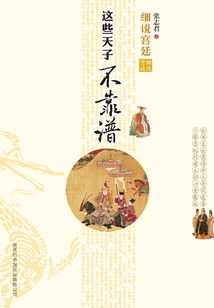
细说宫廷:这些天子不靠谱
Zhang Zhijun
"Details of the Court: These Emperors Are Unreliable" tells the absurd lives of more than 20 outrageous emperors from the Shang Dynasty to the Sui Dynasty for more than two thousand years, such as King You of Zhou who did not hesitate to make a show of his country, Emperor Ling of the Han Dynasty who sold his official position at a discount, Taizu of Later Zhao who loved animals but not humans, etc. These emperors were either indulged in pleasure, extravagant and lustful, or cruel and violent. They used their extremely unreliable lives to interpret the cause and effect of history. The author selects materials from official history, peels away the mysterious veil of these "proud men of heaven" layer by layer, and returns them to their true colors, so that readers can appreciate and think about history while reading the "new" and "wonderful" stories and feeling the "interesting" and "true" history. "History is a mirror" is best reflected and confirmed in this book.
"Details of the Court: These Emperors Are Unreliable" tells the absurd lives of more than 20 outrageous emperors from the Shang Dynasty to the Sui Dynasty for more than two thousand years, such as King You of Zhou who did not hesitate to make a show of his country, Emperor Ling of the Han Dynasty who sold his official position at a discount, Taizu of Later Zhao who loved animals but not humans, etc. These emperors were either indulged in pleasure, extravagant and lustful, or cruel and violent. They used their extremely unreliable lives to interpret the cause and effect of history. The author selects materials from official history, peels away the mysterious veil of these "proud men of heaven" layer by layer, and returns them to their true colors, so that readers can appreciate and think about history while reading the "new" and "wonderful" stories and feeling the "interesting" and "true" history. "History is a mirror" is best reflected and confirmed in this book.
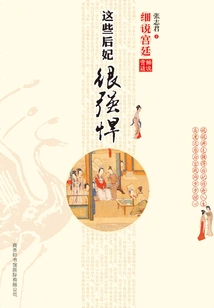
细说宫廷:这些后妃很强悍
Zhang Zhijun
"Details of the Palace: These Concubines Are Very Powerful" tells the legendary lives of more than 20 concubines from the Qin Dynasty to the Tang Dynasty. These concubines who live in the "most ruthless emperor's family" often fear that "the beauty will be cut off before she grows old". In order to maintain their position and favor, they were unwilling to be manipulated by fate, taking advantage of the situation to exert power and intrigues, and staged scenes of thrilling beauty scheming. In the book, the uncrowned king Lu Pheasant, the iron-fisted Queen Mother Deng Sui, the fierce and jealous woman Jia Nanfeng and other concubines are either decisive, capable of making good decisions, or clever with their lips. Relying on their wisdom or means that are different from ordinary people, they plan and plan every step of the way, and compose an extraordinary legendary life in the complex and changeable harem, which has a strong appeal to readers.
"Details of the Palace: These Concubines Are Very Powerful" tells the legendary lives of more than 20 concubines from the Qin Dynasty to the Tang Dynasty. These concubines who live in the "most ruthless emperor's family" often fear that "the beauty will be cut off before she grows old". In order to maintain their position and favor, they were unwilling to be manipulated by fate, taking advantage of the situation to exert power and intrigues, and staged scenes of thrilling beauty scheming. In the book, the uncrowned king Lu Pheasant, the iron-fisted Queen Mother Deng Sui, the fierce and jealous woman Jia Nanfeng and other concubines are either decisive, capable of making good decisions, or clever with their lips. Relying on their wisdom or means that are different from ordinary people, they plan and plan every step of the way, and compose an extraordinary legendary life in the complex and changeable harem, which has a strong appeal to readers.
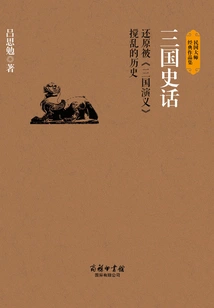
三国史话
Lu Simian
"History of the Three Kingdoms" is a popular history work by the historian Mr. Lu Simian. Based on rich historical knowledge and from the perspective of literature and history, the author restores the obliterated historical facts, rectifies the distorted characters, vindicates Cao Cao, Wei Yan and other characters who were vilified in the novel, and guides readers to rationally and comprehensively evaluate the history of that time based on the nature of human nature.
"History of the Three Kingdoms" is a popular history work by the historian Mr. Lu Simian. Based on rich historical knowledge and from the perspective of literature and history, the author restores the obliterated historical facts, rectifies the distorted characters, vindicates Cao Cao, Wei Yan and other characters who were vilified in the novel, and guides readers to rationally and comprehensively evaluate the history of that time based on the nature of human nature.
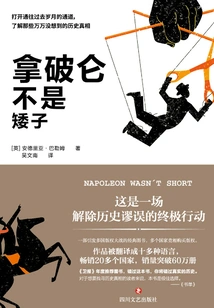
Napoleon is Not a Dwarf
History拿破仑不是矮子
(uk) Andrea Barham
Since history was recorded, more and more historical facts have entered the classroom, penetrated into the entire society, and affected the entire world. But what would you do if someone told you that these "facts" we all know are wrong? Just like Sir Walter Raleigh did not bring potatoes and tobacco back to Europe from the New World; Abraham Lincoln did not write his famous "Gettysburg Address" on the back of an envelope; Winston Churchill was not born in a women's bathroom; King Canute did not try to hold back the tide to prove his kingship...
Since history was recorded, more and more historical facts have entered the classroom, penetrated into the entire society, and affected the entire world. But what would you do if someone told you that these "facts" we all know are wrong? Just like Sir Walter Raleigh did not bring potatoes and tobacco back to Europe from the New World; Abraham Lincoln did not write his famous "Gettysburg Address" on the back of an envelope; Winston Churchill was not born in a women's bathroom; King Canute did not try to hold back the tide to prove his kingship...
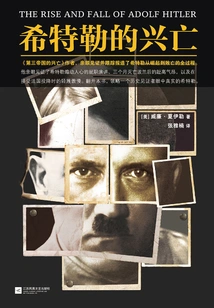
The Rise and Fall of Hitler
History希特勒的兴亡
(usa) William Shirer
The author of "The Rise and Fall of the Third Reich" personally witnessed and followed up on Hitler's entire process from his rise to his demise. He witnessed Hitler's demagogic inauguration speech, his arrogance after the three-month destruction of Poland, and his contemptuous arrogance in accepting France's surrender. There are many people who have written biographies of Hitler, but very few have actually seen Hitler in person. In 1934, before the outbreak of World War II, William Shirer, who was then a reporter for Columbia Company in Germany and later became a leading historian, came to Berlin and began a long-term follow-up report on Hitler. He witnessed with his own eyes Hitler's step-by-step rise from the pinnacle of power to destruction. Open this book and experience the real Hitler in the eyes of a historical witness.
The author of "The Rise and Fall of the Third Reich" personally witnessed and followed up on Hitler's entire process from his rise to his demise. He witnessed Hitler's demagogic inauguration speech, his arrogance after the three-month destruction of Poland, and his contemptuous arrogance in accepting France's surrender. There are many people who have written biographies of Hitler, but very few have actually seen Hitler in person. In 1934, before the outbreak of World War II, William Shirer, who was then a reporter for Columbia Company in Germany and later became a leading historian, came to Berlin and began a long-term follow-up report on Hitler. He witnessed with his own eyes Hitler's step-by-step rise from the pinnacle of power to destruction. Open this book and experience the real Hitler in the eyes of a historical witness.
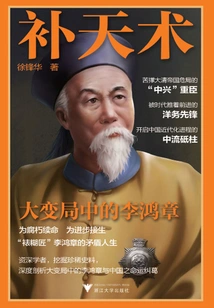
补天术:大变局中的李鸿章
Xu Fenghua
In the late Qing Dynasty, China encountered great changes unseen in thousands of years. Amidst the ups and downs, the Qing Dynasty lingered on for decades. During this period, what did Li Hongzhang do as a member of the imperial court? How could he single-handedly extend the life of the decaying dynasty? What power did he rely on to slowly push China into modernization? China's complex situation cannot be controlled by the strength of one person. Li Hongzhang's efforts are often wasted by ignorant court leaders and bureaucrats at all levels. Fortunately, he is proficient in a sky-repairing technique called "Westernization", and can borrow power from the West to fill the ever-collapsing sky of this old Eastern empire. In addition to many important Westernization enterprises and the cultivation of a large number of talents, Li Hongzhang left China with the memory of modernization for the people of the 20th century. This memory will deeply mark China's modernization path with Li Hongzhang's imprint.
In the late Qing Dynasty, China encountered great changes unseen in thousands of years. Amidst the ups and downs, the Qing Dynasty lingered on for decades. During this period, what did Li Hongzhang do as a member of the imperial court? How could he single-handedly extend the life of the decaying dynasty? What power did he rely on to slowly push China into modernization? China's complex situation cannot be controlled by the strength of one person. Li Hongzhang's efforts are often wasted by ignorant court leaders and bureaucrats at all levels. Fortunately, he is proficient in a sky-repairing technique called "Westernization", and can borrow power from the West to fill the ever-collapsing sky of this old Eastern empire. In addition to many important Westernization enterprises and the cultivation of a large number of talents, Li Hongzhang left China with the memory of modernization for the people of the 20th century. This memory will deeply mark China's modernization path with Li Hongzhang's imprint.
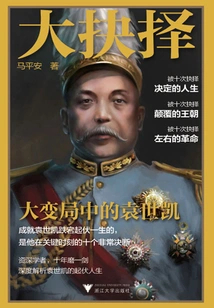
大抉择:大变局中的袁世凯
Ma Pingan
In the great changes, some people will be pushed down into the abyss by the times, but some people can rise up. As a generational hero in the late Qing Dynasty and the early Republic of China, how could Yuan Shikai resist the whirlpool of great changes and not be buried with the Qing Dynasty? How could he rise to the top step by step? From a soldier to wearing a yellow robe, what kind of magic does he have? This book tells the story of Yuan Shikai making a "big choice" in the context of a big era. Yuan Shikai saw clearly the changing context of the times in the turbulent situation, and made major decisions one after another in line with the times, and then realized his ambition step by step. However, when he reached the pinnacle of power, he missed the mark, went against the times, and made wrong choices. Later, he fell into the abyss and was reviled through the ages. This book affirms Yuan Shikai's contribution to promoting China's modernization to a certain extent, but it also denies his unscrupulous approach for personal power.
In the great changes, some people will be pushed down into the abyss by the times, but some people can rise up. As a generational hero in the late Qing Dynasty and the early Republic of China, how could Yuan Shikai resist the whirlpool of great changes and not be buried with the Qing Dynasty? How could he rise to the top step by step? From a soldier to wearing a yellow robe, what kind of magic does he have? This book tells the story of Yuan Shikai making a "big choice" in the context of a big era. Yuan Shikai saw clearly the changing context of the times in the turbulent situation, and made major decisions one after another in line with the times, and then realized his ambition step by step. However, when he reached the pinnacle of power, he missed the mark, went against the times, and made wrong choices. Later, he fell into the abyss and was reviled through the ages. This book affirms Yuan Shikai's contribution to promoting China's modernization to a certain extent, but it also denies his unscrupulous approach for personal power.