Library
Browse and search books
17,591 novels found

双城记(汉译世界文学名著丛书)
H
"A Tale of Two Cities" is a long historical novel written by the British writer Charles Dickens and set against the background of the French Revolution. It was first published in 1859. The story connects the two big cities of Paris and London, and revolves around Dr. Manette's family and the Saint-Antoine district headed by the Defarges. The novel describes how the nobles corrupted and harmed the people. The people's deep hatred for the nobles accumulated in their hearts, which led to the inevitable French Revolution. This book is translated by Zhang Ling and Zhang Yang.
"A Tale of Two Cities" is a long historical novel written by the British writer Charles Dickens and set against the background of the French Revolution. It was first published in 1859. The story connects the two big cities of Paris and London, and revolves around Dr. Manette's family and the Saint-Antoine district headed by the Defarges. The novel describes how the nobles corrupted and harmed the people. The people's deep hatred for the nobles accumulated in their hearts, which led to the inevitable French Revolution. This book is translated by Zhang Ling and Zhang Yang.

The Sorrows of Young Werther (chinese Translation of Masterpieces of World Literature)
General Fiction少年维特的烦恼(汉译世界文学名著丛书)
H
_
_

血的婚礼:加西亚·洛尔迦戏剧选(汉译世界文学名著丛书)
(western) Federico Garcia Lorca
The drama "Blood Wedding" is based on a real event that happened in Nijar (Almeria) in 1928: On the morning of the wedding, a young woman and her cousin, her lover, ran away. Not long after, the injured bride was found next to the body of her lover, who had been killed by the groom's brother. The double stimulus of an honor case washed with blood - like many dramas of the golden century, the dry and harsh environment of eastern Andalusia is purified and brought into play in the play. Two peasant families prepare for the wedding of their children: the groom's mother has a deep hatred for the Felix family because they murdered her husband and one of her sons. The bride's father wanted to connect the two families' lands together. On the day of the wedding, the bride's former lover, Leonardo Felix, came. Although he is married, he still loves her. As for the bride, she doesn't love her fiancé, but thinks she will forget Leonardo after marriage. In the middle of the wedding, they elope on horseback. The mother and groom chased after them until they caught up with them in a wooded area. The groom and Leonardo fight to death. "Blood Wedding" is a drama that reflects a secular scene, mainly showing repressed and forbidden love. What the hero and heroine face is a closed and backward society, the feud between two families and the economic interests between the characters. However, their love broke through all restraints, betrayed the moral principles of society, and even violated their own reason. The famous literary critic Fernandez Almagro called "Blood Wedding" "the soul of the nation with a primitive flavor".
The drama "Blood Wedding" is based on a real event that happened in Nijar (Almeria) in 1928: On the morning of the wedding, a young woman and her cousin, her lover, ran away. Not long after, the injured bride was found next to the body of her lover, who had been killed by the groom's brother. The double stimulus of an honor case washed with blood - like many dramas of the golden century, the dry and harsh environment of eastern Andalusia is purified and brought into play in the play. Two peasant families prepare for the wedding of their children: the groom's mother has a deep hatred for the Felix family because they murdered her husband and one of her sons. The bride's father wanted to connect the two families' lands together. On the day of the wedding, the bride's former lover, Leonardo Felix, came. Although he is married, he still loves her. As for the bride, she doesn't love her fiancé, but thinks she will forget Leonardo after marriage. In the middle of the wedding, they elope on horseback. The mother and groom chased after them until they caught up with them in a wooded area. The groom and Leonardo fight to death. "Blood Wedding" is a drama that reflects a secular scene, mainly showing repressed and forbidden love. What the hero and heroine face is a closed and backward society, the feud between two families and the economic interests between the characters. However, their love broke through all restraints, betrayed the moral principles of society, and even violated their own reason. The famous literary critic Fernandez Almagro called "Blood Wedding" "the soul of the nation with a primitive flavor".

鼠疫(汉译世界文学名著丛书)
H
"The Plague" tells the story of a small city in North Africa called Oran. The plague suddenly struck, claiming hundreds of lives, and changed the entire city's administrative management, social order, and moral conscience. A large number of people, represented by the protagonist Dr. Rieux, fought hard in the face of the plague, showing the true brave man still resisted in the midst of absurdity, and the liberal humanitarian spirit of insisting on truth and justice in despair. When the city's residents shifted from initial indifference to self-preservation to a unified fight against the plague, the plague suddenly disappeared. In this novel, the plague that suddenly rages and disappears is a specific disaster and an absurd symbol with multiple interpretation spaces. "The Plague" aims to restore the original face of truth in the absurd real world, return heroism to its due secondary status, reveal the theme of resistance to absurdity, and is an important work that embodies Camus' absurd philosophy. "The Plague" won the French Criticism Prize in 1947 and has been a best-seller for many years.
"The Plague" tells the story of a small city in North Africa called Oran. The plague suddenly struck, claiming hundreds of lives, and changed the entire city's administrative management, social order, and moral conscience. A large number of people, represented by the protagonist Dr. Rieux, fought hard in the face of the plague, showing the true brave man still resisted in the midst of absurdity, and the liberal humanitarian spirit of insisting on truth and justice in despair. When the city's residents shifted from initial indifference to self-preservation to a unified fight against the plague, the plague suddenly disappeared. In this novel, the plague that suddenly rages and disappears is a specific disaster and an absurd symbol with multiple interpretation spaces. "The Plague" aims to restore the original face of truth in the absurd real world, return heroism to its due secondary status, reveal the theme of resistance to absurdity, and is an important work that embodies Camus' absurd philosophy. "The Plague" won the French Criticism Prize in 1947 and has been a best-seller for many years.

The History of the Outcast Tom Jones: Volumes 1 and 2 (chinese Translation of Masterpieces of World Literature Series)
General Fiction弃儿汤姆·琼斯史:上下卷(汉译世界文学名著丛书)
U
"The History of Tom Jones, a Foundling" is one of the series of "Masterpieces of World Literature in Chinese Translation". It was first published in 1749 and is the most representative work of Henry Fielding. This book is both a coming-of-age novel and a picaresque novel, describing the story of the abandoned baby Tom Jones who grows up after being adopted by Mr. Ovetz. Tom Jones's life is full of ups and downs, encounters of all kinds, and love is hard-won. This book is written from the countryside to the city, and the characters and classes are all-encompassing. It is a comprehensive picture of British society in the eighteenth century. The central plot of the story is to describe the life experience of the abandoned child Tom Jones. Tom Jones was an illegitimate child who was abandoned soon after he was born. Later, he was adopted by the gentleman Zhen Kejing. Zhen Kejing made Tom Jones fall in love with the manor owner's daughter Sophia. Buli Fei was very jealous of this and tried his best to slander Tom Jones in front of his uncle Zhen Kejing. So Tom Jones was expelled and wandered around. In London, he was imprisoned for wounding a gangster. Sophia's father forced Sophia to marry Blife. Sophia disobeyed her father's orders and fled to London to find Tom Jones. Finally, the identity of Tom Jones was revealed, and he turned out to be the illegitimate son of Zhen Kejing's biological sister, and the half-brother of Bu Lifei. The book ends with Blifei's conspiracy to persecute Tom Jones exposed, and Tom Jones marries Sophia.
"The History of Tom Jones, a Foundling" is one of the series of "Masterpieces of World Literature in Chinese Translation". It was first published in 1749 and is the most representative work of Henry Fielding. This book is both a coming-of-age novel and a picaresque novel, describing the story of the abandoned baby Tom Jones who grows up after being adopted by Mr. Ovetz. Tom Jones's life is full of ups and downs, encounters of all kinds, and love is hard-won. This book is written from the countryside to the city, and the characters and classes are all-encompassing. It is a comprehensive picture of British society in the eighteenth century. The central plot of the story is to describe the life experience of the abandoned child Tom Jones. Tom Jones was an illegitimate child who was abandoned soon after he was born. Later, he was adopted by the gentleman Zhen Kejing. Zhen Kejing made Tom Jones fall in love with the manor owner's daughter Sophia. Buli Fei was very jealous of this and tried his best to slander Tom Jones in front of his uncle Zhen Kejing. So Tom Jones was expelled and wandered around. In London, he was imprisoned for wounding a gangster. Sophia's father forced Sophia to marry Blife. Sophia disobeyed her father's orders and fled to London to find Tom Jones. Finally, the identity of Tom Jones was revealed, and he turned out to be the illegitimate son of Zhen Kejing's biological sister, and the half-brother of Bu Lifei. The book ends with Blifei's conspiracy to persecute Tom Jones exposed, and Tom Jones marries Sophia.
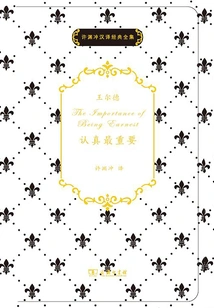
Seriousness is the Most Important
Literature认真最重要
G
"Earnestness Is Most Important" (1895) is one of Wilde's dramatic works in the "Complete Chinese Translation Classics by Xu Yuanchong". The plot tells the story of the male protagonist Jacques Worthing (JackWorthing), whose pseudonym is "ErnestWorthing" (ErnestWorthing). Ernest is a homophone for "earnest" (serious). He falls in love with Guando, the cousin of his good friend Yagelon. His ability to love him has a lot to do with his name being Ernest; and Agelon fell in love with Jacques's ward, Cecile, and came to see Cecile as Jacques's cousin. Cecile thought that Agelon was called Ernest - because Jacques once told her that he had a cousin named Ernest. As a result, both girls fell in love with the fictitious Mr. Ernest at the same time, and they became love rivals due to misunderstanding. This shows how important the "seriousness" represented by Ernest is to girls! At the end of the story, the mystery of Jacques' life experience is finally revealed, and the two couples get married.
"Earnestness Is Most Important" (1895) is one of Wilde's dramatic works in the "Complete Chinese Translation Classics by Xu Yuanchong". The plot tells the story of the male protagonist Jacques Worthing (JackWorthing), whose pseudonym is "ErnestWorthing" (ErnestWorthing). Ernest is a homophone for "earnest" (serious). He falls in love with Guando, the cousin of his good friend Yagelon. His ability to love him has a lot to do with his name being Ernest; and Agelon fell in love with Jacques's ward, Cecile, and came to see Cecile as Jacques's cousin. Cecile thought that Agelon was called Ernest - because Jacques once told her that he had a cousin named Ernest. As a result, both girls fell in love with the fictitious Mr. Ernest at the same time, and they became love rivals due to misunderstanding. This shows how important the "seriousness" represented by Ernest is to girls! At the end of the story, the mystery of Jacques' life experience is finally revealed, and the two couples get married.

Salome Vendéme's Lady's Fan
Literature莎乐美·文德美妇人的扇子
G
"Salome: Lady Vendéme's Fan" is one of Oscar Wilde's dramatic works in the "Complete Chinese Translation Classics by Xu Yuanchong". The book includes two plays. The story frame of Oscar Wilde's "Salome" (1891) comes from the Bible, but the plot is different: the young and beautiful Salome is the daughter of Herodia, the second wife of King Hero, the ruler of Galilee in Palestine. King Hero can't control his obsession with his stepdaughter Salome and wants Salome to dance for him; but Salome is obsessed with the imprisoned prophet Jocanan and falls madly in love with him, but is rejected. In order to kiss Jokanan, Salome agreed to dance for King Hero on the condition that King Hero agreed to a request she made - no matter what the request was. After the dance, Salome offered to ask for Kannan's head. King Hero could not break his promise and had to satisfy Salome's bloodthirsty demands. Salome finally kissed Jocanan's head, but was eventually executed by King Hero. The plot of "Lady Bonaventure's Fan" (1892) tells the story of Lady Bonaventure, who did not know that Lady Irene, whom her husband was secretly supporting and insisting on inviting to her birthday party, was her mother who had eloped. She suspected that her husband had an affair with Lady Irene, and angrily came to the home of Lord Darlington, who was pursuing her. Lady Irene came to persuade her to go home. Just as Lord Darlington and several guests returned, the two ladies hid, but Lady Vendéme's forgotten fan was discovered. In order to prevent her daughter from making a fool of herself, Mrs. Irene came out and admitted that the fan was hers, allowing her daughter to leave secretly, preserving her daughter's reputation and marriage.
"Salome: Lady Vendéme's Fan" is one of Oscar Wilde's dramatic works in the "Complete Chinese Translation Classics by Xu Yuanchong". The book includes two plays. The story frame of Oscar Wilde's "Salome" (1891) comes from the Bible, but the plot is different: the young and beautiful Salome is the daughter of Herodia, the second wife of King Hero, the ruler of Galilee in Palestine. King Hero can't control his obsession with his stepdaughter Salome and wants Salome to dance for him; but Salome is obsessed with the imprisoned prophet Jocanan and falls madly in love with him, but is rejected. In order to kiss Jokanan, Salome agreed to dance for King Hero on the condition that King Hero agreed to a request she made - no matter what the request was. After the dance, Salome offered to ask for Kannan's head. King Hero could not break his promise and had to satisfy Salome's bloodthirsty demands. Salome finally kissed Jocanan's head, but was eventually executed by King Hero. The plot of "Lady Bonaventure's Fan" (1892) tells the story of Lady Bonaventure, who did not know that Lady Irene, whom her husband was secretly supporting and insisting on inviting to her birthday party, was her mother who had eloped. She suspected that her husband had an affair with Lady Irene, and angrily came to the home of Lord Darlington, who was pursuing her. Lady Irene came to persuade her to go home. Just as Lord Darlington and several guests returned, the two ladies hid, but Lady Vendéme's forgotten fan was discovered. In order to prevent her daughter from making a fool of herself, Mrs. Irene came out and admitted that the fan was hers, allowing her daughter to leave secretly, preserving her daughter's reputation and marriage.

Duchess of Badua
Literature巴杜亚公爵夫人
G
"The Duchess of Badua" (1893) is one of the "Complete Classics Translated into Chinese by Xu Yuanchong". The plot tells the story of a young man, Guido Fernanti, who was told that his father was betrayed and killed. The person who betrayed his father was the current Duke. In order to avenge his father, he was recommended by others and became a close confidant of the Duke, and gained the Duke's trust. At the same time, Guido and the Duchess fell in love. The constant conflict between the passion of love and the rationality of revenge caused his love with the Duchess to be hot and cold, and to leave suddenly. The Duchess did not know that Guido was on a mission of revenge. In order to win Guido's love, she killed the duke. Although she unintentionally avenged Guido's father, she lost Guido's love. The desperate duchess, turned from love to hatred, framed Guido for killing the duke. Facing the legal trial, Guido admitted that he had killed the duke. Before execution, the Duchess disguised herself and entered the cell, hoping to rescue Quito and die in his place. However, Quito did not choose to escape, and the two died in prison.
"The Duchess of Badua" (1893) is one of the "Complete Classics Translated into Chinese by Xu Yuanchong". The plot tells the story of a young man, Guido Fernanti, who was told that his father was betrayed and killed. The person who betrayed his father was the current Duke. In order to avenge his father, he was recommended by others and became a close confidant of the Duke, and gained the Duke's trust. At the same time, Guido and the Duchess fell in love. The constant conflict between the passion of love and the rationality of revenge caused his love with the Duchess to be hot and cold, and to leave suddenly. The Duchess did not know that Guido was on a mission of revenge. In order to win Guido's love, she killed the duke. Although she unintentionally avenged Guido's father, she lost Guido's love. The desperate duchess, turned from love to hatred, framed Guido for killing the duke. Facing the legal trial, Guido admitted that he had killed the duke. Before execution, the Duchess disguised herself and entered the cell, hoping to rescue Quito and die in his place. However, Quito did not choose to escape, and the two died in prison.

Feileng Cui Tragedy·vina
Literature翡冷翠悲剧·薇娜
G
"The Tragedy of Florence - Vina" is one of Oscar Wilde's dramatic works in the "Complete Collection of Classic Chinese Translations by Xu Yuanchong". The book includes two scripts: "The Tragedy of Florence" has only one scene, and the plot takes place in Florence, Italy in the early 16th century. Bianca, the wife of the businessman Simon, was loved and pursued by Guido Bardi, the son of the Grand Duke of Florence, and the two had an affair. After Simon found out when he returned home, he had a drinking contest with Kido, defeated him and killed him. "Vina" is a tragedy in four acts. The story takes place at the end of the 19th century. Anarchists with Veina as the center gathered in secret to resist and overthrow the brutal rule of the Tsar. They vowed never to love or be loved by others, and to abandon ordinary human emotions. The son of the old tsar, Alesh, had ideas of innovation and love for the people. He disguised himself as a medical student to participate in a secret gathering of anarchists, and fell in love with Vina involuntarily and silently. After the old tsar was assassinated, Alesh inherited the throne of the tsar. This was considered a betrayal by the anarchists, so they sent Vina to assassinate Alesh in the palace. At the last moment, Wei Na chose to kill herself to protect Alessi.
"The Tragedy of Florence - Vina" is one of Oscar Wilde's dramatic works in the "Complete Collection of Classic Chinese Translations by Xu Yuanchong". The book includes two scripts: "The Tragedy of Florence" has only one scene, and the plot takes place in Florence, Italy in the early 16th century. Bianca, the wife of the businessman Simon, was loved and pursued by Guido Bardi, the son of the Grand Duke of Florence, and the two had an affair. After Simon found out when he returned home, he had a drinking contest with Kido, defeated him and killed him. "Vina" is a tragedy in four acts. The story takes place at the end of the 19th century. Anarchists with Veina as the center gathered in secret to resist and overthrow the brutal rule of the Tsar. They vowed never to love or be loved by others, and to abandon ordinary human emotions. The son of the old tsar, Alesh, had ideas of innovation and love for the people. He disguised himself as a medical student to participate in a secret gathering of anarchists, and fell in love with Vina involuntarily and silently. After the old tsar was assassinated, Alesh inherited the throne of the tsar. This was considered a betrayal by the anarchists, so they sent Vina to assassinate Alesh in the palace. At the last moment, Wei Na chose to kill herself to protect Alessi.
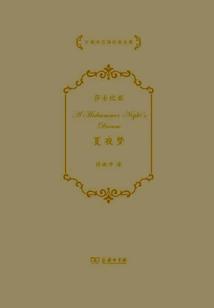
Summer Night Dream
Literature夏夜梦
H
"A Summer Night's Dream" (also translated as "A Midsummer Night's Dream") is one of the "Complete Chinese Translation Classics of Xu Yuanchong" and one of Shakespeare's famous comedies. The plot tells the story of several lovers who finally get married. The story takes place in Athens, ancient Greece. The love between Hemeiya and Lishande, Helena's love for Demetrius, the story of the Fairy Queen and the Fairy King, forest elves and love potions are added to make this comedy full of romance and fairy tale color. Although the story is full of suspense and misunderstandings, the final ending is that the lovers finally get married.
"A Summer Night's Dream" (also translated as "A Midsummer Night's Dream") is one of the "Complete Chinese Translation Classics of Xu Yuanchong" and one of Shakespeare's famous comedies. The plot tells the story of several lovers who finally get married. The story takes place in Athens, ancient Greece. The love between Hemeiya and Lishande, Helena's love for Demetrius, the story of the Fairy Queen and the Fairy King, forest elves and love potions are added to make this comedy full of romance and fairy tale color. Although the story is full of suspense and misunderstandings, the final ending is that the lovers finally get married.
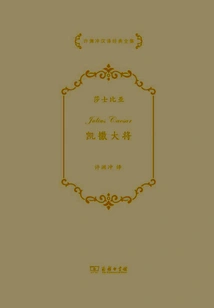
Caesar
Literature凯撒大将
H
"Julius Caesar" (also translated as "Julius Caesar") is one of the "Complete Chinese Translation Classics by Xu Yuanchong" and one of Shakespeare's masterpieces. The plot tells that in the play, Caesar is the representative of the dictatorship. He has high achievements and strives to expand his own power, so it is inevitable to wear the imperial robe; while the republicans headed by Cassius and others oppose personal dictatorship and attempt to eradicate Caesar's power, but they are weak, so they instigate the highly respected Bruda to participate in their actions. Led by Bruda, the Republicans assassinated Caesar. Afterwards, Caesar's confidant Antony incited the Roman people with passionate speeches, causing them to change their original intentions and turn against Bruda, and expelled Bruda and others from the city of Rome. Finally, under siege by the soldiers of Antony and others, Bruda committed suicide and the republic was destroyed.
"Julius Caesar" (also translated as "Julius Caesar") is one of the "Complete Chinese Translation Classics by Xu Yuanchong" and one of Shakespeare's masterpieces. The plot tells that in the play, Caesar is the representative of the dictatorship. He has high achievements and strives to expand his own power, so it is inevitable to wear the imperial robe; while the republicans headed by Cassius and others oppose personal dictatorship and attempt to eradicate Caesar's power, but they are weak, so they instigate the highly respected Bruda to participate in their actions. Led by Bruda, the Republicans assassinated Caesar. Afterwards, Caesar's confidant Antony incited the Roman people with passionate speeches, causing them to change their original intentions and turn against Bruda, and expelled Bruda and others from the city of Rome. Finally, under siege by the soldiers of Antony and others, Bruda committed suicide and the republic was destroyed.
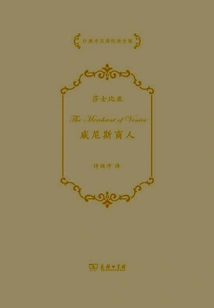
H
LiteratureH
H
"The Merchant of Venice" is one of the "Complete Chinese Translation Classics by Xu Yuanchong" and one of Shakespeare's famous comedies. The plot tells the story of the Venetian businessman Antonio, who borrows a usury loan from the Jewish businessman Shylock in order to help his friend Bassao propose to the beautiful girl Portia, and signs a contract: If Antonio cannot repay the loan when it expires, Shylock has the right to cut off a pound of flesh from Antonio. The weather was not good and Antonio's merchant ship disappeared at sea, so he had no choice but to fulfill the contract. At this critical moment, the smart and beautiful Pocia disguised herself as a man and staged a wise play, successfully saving Antonio and punishing Shylock. At the same time, several new couples also became lovers.
"The Merchant of Venice" is one of the "Complete Chinese Translation Classics by Xu Yuanchong" and one of Shakespeare's famous comedies. The plot tells the story of the Venetian businessman Antonio, who borrows a usury loan from the Jewish businessman Shylock in order to help his friend Bassao propose to the beautiful girl Portia, and signs a contract: If Antonio cannot repay the loan when it expires, Shylock has the right to cut off a pound of flesh from Antonio. The weather was not good and Antonio's merchant ship disappeared at sea, so he had no choice but to fulfill the contract. At this critical moment, the smart and beautiful Pocia disguised herself as a man and staged a wise play, successfully saving Antonio and punishing Shylock. At the same time, several new couples also became lovers.
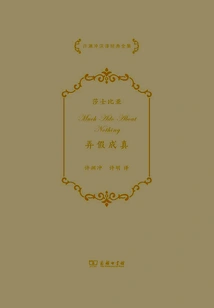
Make False Come True
Literature弄假成真
H
"Make Fake True" (also translated as "Much Ado About Nothing") is one of the "Complete Chinese Translation Classics of Xu Yuanchong" and one of Shakespeare's masterpieces. The plot tells two types of love stories of that era: one is Ciro and Croud, who follow social norms and family status concepts and represent a traditional union; the other is Benleti and Bellis, who mock each other and refuse to give in at first, but finally fall in love with each other and achieve a perfect union. In this comedy, Shakespeare explores issues such as self-awareness, sincerity and mutual respect between men and women, and social order.
"Make Fake True" (also translated as "Much Ado About Nothing") is one of the "Complete Chinese Translation Classics of Xu Yuanchong" and one of Shakespeare's masterpieces. The plot tells two types of love stories of that era: one is Ciro and Croud, who follow social norms and family status concepts and represent a traditional union; the other is Benleti and Bellis, who mock each other and refuse to give in at first, but finally fall in love with each other and achieve a perfect union. In this comedy, Shakespeare explores issues such as self-awareness, sincerity and mutual respect between men and women, and social order.

Insignificant Woman
Literature无足轻重的女人
G
"The Woman of No Importance" (1892) is one of Wilde's dramatic works in the "Complete Chinese Translation Classics by Xu Yuanchong". The plot tells the story of a young man named Gerald Yarbrough who was lucky enough to be favored by Lord Illingworth and wanted to use him as his secretary and support him. Gerald's mother, Mrs. Yarbrough, came to see Lord Illingworth to express her gratitude. When they met, they discovered that they were "old friends." It turns out that she was a lover with the Lord when she was young, but was abandoned after becoming pregnant. Gerald was actually the illegitimate son of Lord Illinwall. Mrs. Yarbrough had been humiliated and humiliated for her "mistakes" in her youth for half her life, and she had to bear a heavy moral cross. However, Lord Illingworth was not ashamed of what he had done, and regarded Mrs. Yarbrough as an "insignificant woman."
"The Woman of No Importance" (1892) is one of Wilde's dramatic works in the "Complete Chinese Translation Classics by Xu Yuanchong". The plot tells the story of a young man named Gerald Yarbrough who was lucky enough to be favored by Lord Illingworth and wanted to use him as his secretary and support him. Gerald's mother, Mrs. Yarbrough, came to see Lord Illingworth to express her gratitude. When they met, they discovered that they were "old friends." It turns out that she was a lover with the Lord when she was young, but was abandoned after becoming pregnant. Gerald was actually the illegitimate son of Lord Illinwall. Mrs. Yarbrough had been humiliated and humiliated for her "mistakes" in her youth for half her life, and she had to bear a heavy moral cross. However, Lord Illingworth was not ashamed of what he had done, and regarded Mrs. Yarbrough as an "insignificant woman."
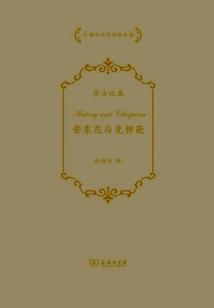
Antony and Cleopatra
Literature安东尼与克柳葩
H
"Antony and Cleopatra" (also translated as "Antony and Cleopatra") is one of the "Complete Chinese Translation Classics by Xu Yuanchong" and one of Shakespeare's famous tragedies. The plot tells the story of Antony, one of the three chiefs of Rome, who is obsessed with the beauty of Cleopatra and almost forgets national affairs. Later, Rome suffered from the rebellion of Thedas Pompeii, the invasion of pirates, the invasion of Parthians from the east, and the death of Antony's wife. Antony regained his strength, returned to Rome, and married Octavian's sister to consolidate political relations. When the wheel subsided, Antony returned to Clupa. Later, a confrontation between Antony and Octavian was formed in Rome. During the sea battle between the two, Antony escaped after Clupa's ship, resulting in the defeat. Antony committed suicide in grief, and Clupa also committed suicide.
"Antony and Cleopatra" (also translated as "Antony and Cleopatra") is one of the "Complete Chinese Translation Classics by Xu Yuanchong" and one of Shakespeare's famous tragedies. The plot tells the story of Antony, one of the three chiefs of Rome, who is obsessed with the beauty of Cleopatra and almost forgets national affairs. Later, Rome suffered from the rebellion of Thedas Pompeii, the invasion of pirates, the invasion of Parthians from the east, and the death of Antony's wife. Antony regained his strength, returned to Rome, and married Octavian's sister to consolidate political relations. When the wheel subsided, Antony returned to Clupa. Later, a confrontation between Antony and Octavian was formed in Rome. During the sea battle between the two, Antony escaped after Clupa's ship, resulting in the defeat. Antony committed suicide in grief, and Clupa also committed suicide.
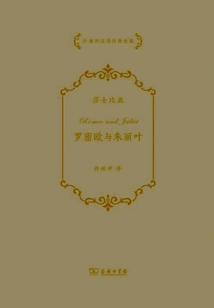
N
LiteratureN
H
"Romeo and Juliet" is one of the "Complete Chinese Translation Classics by Xu Yuanchong" and is also one of Shakespeare's famous tragedies. The story told is familiar to the majority of readers: the plot tells the story of Juliet, the daughter of the Kapler family, an Italian aristocratic family, and Montague, who have been enemies for generations. The son Romeo fell in love at first sight, fell in love persistently, and had a secret union. However, due to the conflict and mutual killing between the two families, Romeo was exiled. With the help of the priest, Juliet took medicine and faked her death to escape the marriage arranged by her father, and finally both died in love.
"Romeo and Juliet" is one of the "Complete Chinese Translation Classics by Xu Yuanchong" and is also one of Shakespeare's famous tragedies. The story told is familiar to the majority of readers: the plot tells the story of Juliet, the daughter of the Kapler family, an Italian aristocratic family, and Montague, who have been enemies for generations. The son Romeo fell in love at first sight, fell in love persistently, and had a secret union. However, due to the conflict and mutual killing between the two families, Romeo was exiled. With the help of the priest, Juliet took medicine and faked her death to escape the marriage arranged by her father, and finally both died in love.
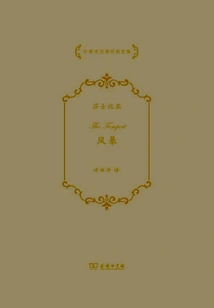
Storm
Literature风暴
H
"The Tempest" (also translated as "The Tempest") is one of the "Complete Chinese Translation Classics of Xu Yuanchong" and one of Shakespeare's masterpieces. The plot tells the story of Duke Probe of Milan, whose title was usurped by his younger brother Antonius. He fled to a desert island with his infant daughter Miranda and relied on magic to become the owner of the island. Later, he created a storm and brought the ships of the nearby King of Naples, Prince Ferdinand and accompanying Antonius to the desert island. He also used magic to facilitate the marriage between the prince and Miranda. The ending is that Probet restored his title, forgave his enemies, and returned home.
"The Tempest" (also translated as "The Tempest") is one of the "Complete Chinese Translation Classics of Xu Yuanchong" and one of Shakespeare's masterpieces. The plot tells the story of Duke Probe of Milan, whose title was usurped by his younger brother Antonius. He fled to a desert island with his infant daughter Miranda and relied on magic to become the owner of the island. Later, he created a storm and brought the ships of the nearby King of Naples, Prince Ferdinand and accompanying Antonius to the desert island. He also used magic to facilitate the marriage between the prince and Miranda. The ending is that Probet restored his title, forgave his enemies, and returned home.

Ac
Literatureac
H
"Twelfth Night" is one of the "Complete Chinese Translation Classics by Xu Yuanchong" and one of Shakespeare's famous comedies. Plot: Sebadian and Weihenna, twin brothers and sisters, were unfortunately killed during a sea voyage. They each escaped by chance and lived in Ilia. Weihenna disguises herself as a man and works as a page for Duke Orsino. She secretly loves the Duke, but the Duke loves a Countess Olivia. But Olivia didn't love him. Instead, she fell in love with Weihenna, who wooed her on the Duke's behalf. After some interesting twists and turns, Weihenna and Orsino, Olivia and Sebadian both formed a happy marriage. Although Olivia's original love was not Sebadian, his face was exactly the same as Weihena's, which fulfilled her wish.
"Twelfth Night" is one of the "Complete Chinese Translation Classics by Xu Yuanchong" and one of Shakespeare's famous comedies. Plot: Sebadian and Weihenna, twin brothers and sisters, were unfortunately killed during a sea voyage. They each escaped by chance and lived in Ilia. Weihenna disguises herself as a man and works as a page for Duke Orsino. She secretly loves the Duke, but the Duke loves a Countess Olivia. But Olivia didn't love him. Instead, she fell in love with Weihenna, who wooed her on the Duke's behalf. After some interesting twists and turns, Weihenna and Orsino, Olivia and Sebadian both formed a happy marriage. Although Olivia's original love was not Sebadian, his face was exactly the same as Weihena's, which fulfilled her wish.
Passionate and Ruthless
Literature有情无情
H
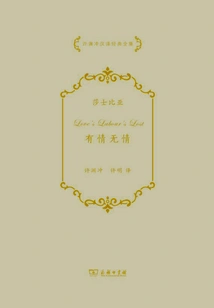
"Love Without Mercy" (also translated as "Love in vain") is one of the "Complete Chinese Translation Classics of Xu Yuanchong" and one of Shakespeare's masterpieces. The plot tells the story of the four kings and ministers of the Nava Kingdom who vowed to be pure in desire, reject all material enjoyment, stay away from women, and concentrate on studying for three years. But when the beautiful French princess and her maids came to the court, they forgot all about their vows and rushed to woo them. But because they lacked real feelings, the French princess scolded them and left them. In this play, Shakespeare satirizes the court aristocrats' views on love and rhetoric.
"Love Without Mercy" (also translated as "Love in vain") is one of the "Complete Chinese Translation Classics of Xu Yuanchong" and one of Shakespeare's masterpieces. The plot tells the story of the four kings and ministers of the Nava Kingdom who vowed to be pure in desire, reject all material enjoyment, stay away from women, and concentrate on studying for three years. But when the beautiful French princess and her maids came to the court, they forgot all about their vows and rushed to woo them. But because they lacked real feelings, the French princess scolded them and left them. In this play, Shakespeare satirizes the court aristocrats' views on love and rhetoric.

Crazy Nobel
General Fiction疯狂诺贝尔
K
"The grape season will be late, but Nordon is never absent." The first work of Belgian writer Amélie Nordon. Nobel Prize winner Pretexta Tasch had less than two months to live, and reporters were swarmed by exclusive reports before her death. "You haven't read my book at all." Tasch sneered at every reporter who came to interview. Tasch hated metaphors and never minced words. Tasch has an unknown secret. He has been frantically leaving secret clues in his works for many years, but no one has discovered it. He enjoyed the pleasure of fooling the world, but deep down he was always waiting for the secret to be discovered.
"The grape season will be late, but Nordon is never absent." The first work of Belgian writer Amélie Nordon. Nobel Prize winner Pretexta Tasch had less than two months to live, and reporters were swarmed by exclusive reports before her death. "You haven't read my book at all." Tasch sneered at every reporter who came to interview. Tasch hated metaphors and never minced words. Tasch has an unknown secret. He has been frantically leaving secret clues in his works for many years, but no one has discovered it. He enjoyed the pleasure of fooling the world, but deep down he was always waiting for the secret to be discovered.
Crab Walk
General Fiction蟹行
I
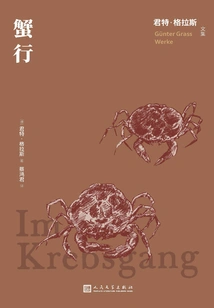
"The Crab Walk" is the late masterpiece of German writer Günter Grass. The novel is based on real history: In 1945, the German cruise ship "Gustloff" carrying more than 10,000 refugees and soldiers was sunk by the Soviet army, killing nearly 10,000 people, including about 4,000 children. The novel reveals the serious disasters brought by the war initiators to the people of the country. Tula, a pregnant woman on the ship, was rescued, and her son Paul was born on the night of the disaster. Mother and son fled to Germany. The elderly Tula told his grandson Conrad about the shipwreck and other experiences. Conrad developed extreme ideas, founded a neo-Nazi website, advocated racial hatred, and shot and killed netizens who pretended to be Jewish youths. The work explores the tragedy caused by the Nazis and the war, and analyzes the underlying reasons for the resurgence of right-wing racist ideas in Germany.
"The Crab Walk" is the late masterpiece of German writer Günter Grass. The novel is based on real history: In 1945, the German cruise ship "Gustloff" carrying more than 10,000 refugees and soldiers was sunk by the Soviet army, killing nearly 10,000 people, including about 4,000 children. The novel reveals the serious disasters brought by the war initiators to the people of the country. Tula, a pregnant woman on the ship, was rescued, and her son Paul was born on the night of the disaster. Mother and son fled to Germany. The elderly Tula told his grandson Conrad about the shipwreck and other experiences. Conrad developed extreme ideas, founded a neo-Nazi website, advocated racial hatred, and shot and killed netizens who pretended to be Jewish youths. The work explores the tragedy caused by the Nazis and the war, and analyzes the underlying reasons for the resurgence of right-wing racist ideas in Germany.
Money (2nd Edition)
General Fiction金钱(第2版)
(french) Zola
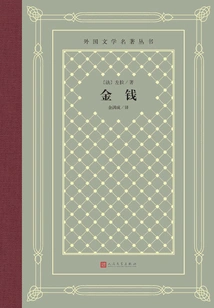
"Money" is the nineteenth novel in the French writer Zola's masterpiece "The Rougon-Macquart Family". Published in 1892, it occupies an important position in Zola's entire creation due to the significance of its subject matter and the success of its artistic depiction. It uses vivid and rich images to express a series of major social phenomena in the early days of modern capitalism: new problems in the financial market, the role of capital, social speculative psychology, and the human tragedies and comedies that occurred around these. "Money" expresses the role of money in social life from a sociological perspective, highlighting a special form of activity and role of money capital in social life under capitalism. That is, once money capital is formed, it will inevitably turn into financial speculation, and the exchanges that carry out such speculative activities have become the focus of "Money".
"Money" is the nineteenth novel in the French writer Zola's masterpiece "The Rougon-Macquart Family". Published in 1892, it occupies an important position in Zola's entire creation due to the significance of its subject matter and the success of its artistic depiction. It uses vivid and rich images to express a series of major social phenomena in the early days of modern capitalism: new problems in the financial market, the role of capital, social speculative psychology, and the human tragedies and comedies that occurred around these. "Money" expresses the role of money in social life from a sociological perspective, highlighting a special form of activity and role of money capital in social life under capitalism. That is, once money capital is formed, it will inevitably turn into financial speculation, and the exchanges that carry out such speculative activities have become the focus of "Money".
Selected Novels and Plays by Gogol
Literature果戈理小说戏剧选
(russian) Gogol
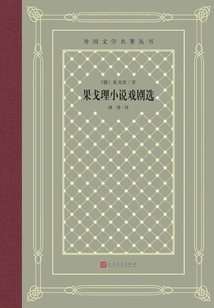
It includes Gogol's representative works, the novels "Taras Bulba", "Nevsky Prospekt", "Portrait", "The Overcoat" and the drama "The Imperial Envoy". Gogol uses ordinary daily life as the theme to describe the misfortunes of small people, which is permeated by the author's exposure and criticism of the social roots that cause the tragedies of small people. "The Imperial Envoy" is the representative work of the Russian satirist Gogol, which was published in 1836. The story describes a playboy named Khlestakov who lost everything in a bet and was at a loss. He was passing through a city in another province from Petersburg and was mistaken for an "imperial envoy". This caused panic among the local officials and made many jokes.
It includes Gogol's representative works, the novels "Taras Bulba", "Nevsky Prospekt", "Portrait", "The Overcoat" and the drama "The Imperial Envoy". Gogol uses ordinary daily life as the theme to describe the misfortunes of small people, which is permeated by the author's exposure and criticism of the social roots that cause the tragedies of small people. "The Imperial Envoy" is the representative work of the Russian satirist Gogol, which was published in 1836. The story describes a playboy named Khlestakov who lost everything in a bet and was at a loss. He was passing through a city in another province from Petersburg and was mistaken for an "imperial envoy". This caused panic among the local officials and made many jokes.

N
General Fictionn
G
"Pride and Prejudice" describes the love and marriage of middle-class men and women. The novel uses comedy techniques to express serious criticism of life and explores the heroine's psychological process of self-discovery from love to marriage. The marriage between the heroine and Darcy is a happy marriage that the author praises as "setting an example for all lovers in the world".
"Pride and Prejudice" describes the love and marriage of middle-class men and women. The novel uses comedy techniques to express serious criticism of life and explores the heroine's psychological process of self-discovery from love to marriage. The marriage between the heroine and Darcy is a happy marriage that the author praises as "setting an example for all lovers in the world".

Petersburg Story
General Fiction彼得堡故事
H
"Stories of Petersburg" is a series of seven works written by Gogol in the 1830s and 1840s. It is named because the stories all take place in Petersburg. Another main line of this series of works is that the protagonists of the stories are all minor characters. This collection of novels contains seven works: "Nevsky Prospekt", "The Nose", "Portrait", "Coat", "Carriage", "Diary of a Madman" and "Rome", which express the writer's more mature worldview and literary outlook. Chinese readers are more familiar with "The Jacket" and "Diary of a Madman". Reading under the two major theme frameworks of Petersburg and Little People is more helpful in grasping the writer's view of literary creation. Gogol's three novels form a set of readings, which is conducive to a centralized grasp of Gogol's literary concepts and creative characteristics.
"Stories of Petersburg" is a series of seven works written by Gogol in the 1830s and 1840s. It is named because the stories all take place in Petersburg. Another main line of this series of works is that the protagonists of the stories are all minor characters. This collection of novels contains seven works: "Nevsky Prospekt", "The Nose", "Portrait", "Coat", "Carriage", "Diary of a Madman" and "Rome", which express the writer's more mature worldview and literary outlook. Chinese readers are more familiar with "The Jacket" and "Diary of a Madman". Reading under the two major theme frameworks of Petersburg and Little People is more helpful in grasping the writer's view of literary creation. Gogol's three novels form a set of readings, which is conducive to a centralized grasp of Gogol's literary concepts and creative characteristics.
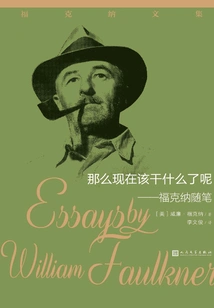
So What Now: Essays on Faulkner
Literature那么现在该干什么了呢:福克纳随笔
H
This book contains all of Faulkner's mature articles, speeches, book reviews, prefaces, and letters intended for publication, many of which reflect his increased sense of responsibility as a public figure after winning the Nobel Prize. From them, we can get a glimpse of all aspects of Faulkner as an artist and as a human being. These pages show us what this intensely passionate, extraordinarily complex, and intensely private writer was willing to reveal to the public during the last forty years of his career, while also allowing us to gain a closer understanding of both his person and his work.
This book contains all of Faulkner's mature articles, speeches, book reviews, prefaces, and letters intended for publication, many of which reflect his increased sense of responsibility as a public figure after winning the Nobel Prize. From them, we can get a glimpse of all aspects of Faulkner as an artist and as a human being. These pages show us what this intensely passionate, extraordinarily complex, and intensely private writer was willing to reveal to the public during the last forty years of his career, while also allowing us to gain a closer understanding of both his person and his work.
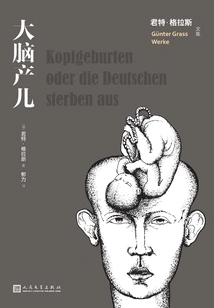
Brain Birth
Literature大脑产儿
I
In 1979, Günter Grass and his wife traveled to Asian countries. During and around the trip, the author conceived a movie script that had never been made into a film: Hamm and Dot, a middle school teacher couple from North Germany, embarked on a trip to Asia. However, whether in Bangkok, Mumbai, or Bali, although the images of the third world came one after another, the lingering German question lingered in their minds, and they were wavering on whether they should have children. Their worries are: What will the future look like? Will there be nuclear power plants? Will Strauss take the stage? Will people shoulder the burden of pensions? Will Germans die out due to declining birth rates? These issues are also of concern to the author himself and he joins the discussion from time to time. The work is a collection of essays, novels and movie scripts that have not been made into films, and the writing is humorous.
In 1979, Günter Grass and his wife traveled to Asian countries. During and around the trip, the author conceived a movie script that had never been made into a film: Hamm and Dot, a middle school teacher couple from North Germany, embarked on a trip to Asia. However, whether in Bangkok, Mumbai, or Bali, although the images of the third world came one after another, the lingering German question lingered in their minds, and they were wavering on whether they should have children. Their worries are: What will the future look like? Will there be nuclear power plants? Will Strauss take the stage? Will people shoulder the burden of pensions? Will Germans die out due to declining birth rates? These issues are also of concern to the author himself and he joins the discussion from time to time. The work is a collection of essays, novels and movie scripts that have not been made into films, and the writing is humorous.
S
General Fictions
I
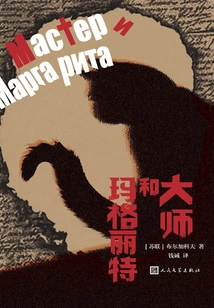
"The Master and Margarita" is a rare Russian novel with magical and grotesque colors. It was published twenty-five years after the author's death. The ingenious conception, bizarre plot, profound philosophy and perfect art form have attracted generations of readers. It is known in the West and Russia as "the peak of satire literature, fantasy literature and rigorous realism literature". Two narrative levels unfold alternately in "The Master and Marguerite". One is the level where reality and fantasy blend; the other is the level where history and legend blend. The novel describes the trial and execution of Joshua by Pilate, the Jewish governor of the Roman Empire.
"The Master and Margarita" is a rare Russian novel with magical and grotesque colors. It was published twenty-five years after the author's death. The ingenious conception, bizarre plot, profound philosophy and perfect art form have attracted generations of readers. It is known in the West and Russia as "the peak of satire literature, fantasy literature and rigorous realism literature". Two narrative levels unfold alternately in "The Master and Marguerite". One is the level where reality and fantasy blend; the other is the level where history and legend blend. The novel describes the trial and execution of Joshua by Pilate, the Jewish governor of the Roman Empire.
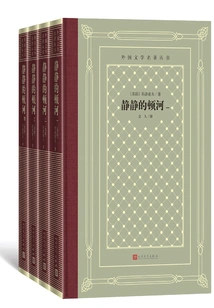
The Quiet Don River (four Volumes)
General Fiction静静的顿河(全四册)
As
"Quiet Don" is an outstanding work of socialist realism. The novel is set between World War I and the Soviet Civil War in 1922. It describes the turbulent life of the Cossacks in the Don River region during these ten years and reflects the customs, social changes and major historical events in this region. The protagonist Gregory has become a very dazzling figure in the gallery of world literary figures because of his bumpy and complicated experiences.
"Quiet Don" is an outstanding work of socialist realism. The novel is set between World War I and the Soviet Civil War in 1922. It describes the turbulent life of the Cossacks in the Don River region during these ten years and reflects the customs, social changes and major historical events in this region. The protagonist Gregory has become a very dazzling figure in the gallery of world literary figures because of his bumpy and complicated experiences.

Remember the Traveler
Fantasy忆念行者
Kotarou
Lingkong was shot by a faceless man in black, and when he woke up, he found himself lying on a hospital bed in a different world! "I'm... Jack Bond? What the hell? I've become a relative of Zero Zero Seven? "Jack Bond\
Lingkong was shot by a faceless man in black, and when he woke up, he found himself lying on a hospital bed in a different world! "I'm... Jack Bond? What the hell? I've become a relative of Zero Zero Seven? "Jack Bond\

Mirgrad
General Fiction密尔格拉得
H
"Mirgrad", first published in 1835, is Gogol's second anthology of novels and the sequel to "Nights in the Countryside". This novel collective includes four works in total: "Old-Style Landlord", "Taras Bulba", "Vi" and "The Story of the Quarrel between Ivan Ivanovich and Ivan Nikiforovich". These works are full of strong folklore flavor, describing the charming scenery and vivid life of Ukraine, and discovering truths that can shock the soul in daily life. Gogol's three novels form a set of readings, which is conducive to a centralized grasp of Gogol's literary concepts and creative characteristics.
"Mirgrad", first published in 1835, is Gogol's second anthology of novels and the sequel to "Nights in the Countryside". This novel collective includes four works in total: "Old-Style Landlord", "Taras Bulba", "Vi" and "The Story of the Quarrel between Ivan Ivanovich and Ivan Nikiforovich". These works are full of strong folklore flavor, describing the charming scenery and vivid life of Ukraine, and discovering truths that can shock the soul in daily life. Gogol's three novels form a set of readings, which is conducive to a centralized grasp of Gogol's literary concepts and creative characteristics.
Gora
General Fiction戈拉
(india) Rabindranath Tagore
The protagonist of this book, Gora, is a passionate patriotic young man and Indian nationalist. His only goal in life is to realize the liberation of his motherland. Whenever he hears someone making even the slightest criticism of India, he will get angry and unbearable. When he hears someone mocking or bullying his compatriots, he will stand up for injustice. He hopes to awaken the masses of people at the bottom, restore their faith in the motherland, and make them believe in their own strength. Therefore, he chooses to unconditionally defend all traditions and practices it himself. This conformity not only caused his own inner conflicts, but also affected his relationships with family and friends, and affected his judgment on relationships. It wasn't until he understood his life experience that he completely got rid of the shackles of tradition and dedicated himself to fighting for his goals.
The protagonist of this book, Gora, is a passionate patriotic young man and Indian nationalist. His only goal in life is to realize the liberation of his motherland. Whenever he hears someone making even the slightest criticism of India, he will get angry and unbearable. When he hears someone mocking or bullying his compatriots, he will stand up for injustice. He hopes to awaken the masses of people at the bottom, restore their faith in the motherland, and make them believe in their own strength. Therefore, he chooses to unconditionally defend all traditions and practices it himself. This conformity not only caused his own inner conflicts, but also affected his relationships with family and friends, and affected his judgment on relationships. It wasn't until he understood his life experience that he completely got rid of the shackles of tradition and dedicated himself to fighting for his goals.

Dekanka's Night Talk in the Countryside
General Fiction狄康卡近乡夜话
H
First published in 1829, "Dykonka Nights" is Gogol's first anthology of novels and the first collection of novels that established the writer's position in the history of Russian literature. It includes eight works: "Saudinsky Market", "St. John's Eve", "May Night", "The Lost Credentials", "Christmas Eve", "Terrible Revenge", "Ivan Fedorovich Shpanka and His Aunt" and "The Devil's Land". Most of these works are based on Ukrainian folklore, reflecting the people's lives and historical events in Ukraine, and revealing the thematic features and descriptive features that will appear in "Dead Souls" in the future. Gogol's three novels form a set of readings, which is conducive to a centralized grasp of Gogol's literary concepts and creative characteristics.
First published in 1829, "Dykonka Nights" is Gogol's first anthology of novels and the first collection of novels that established the writer's position in the history of Russian literature. It includes eight works: "Saudinsky Market", "St. John's Eve", "May Night", "The Lost Credentials", "Christmas Eve", "Terrible Revenge", "Ivan Fedorovich Shpanka and His Aunt" and "The Devil's Land". Most of these works are based on Ukrainian folklore, reflecting the people's lives and historical events in Ukraine, and revealing the thematic features and descriptive features that will appear in "Dead Souls" in the future. Gogol's three novels form a set of readings, which is conducive to a centralized grasp of Gogol's literary concepts and creative characteristics.
Break the Precept
General Fiction破戒
Y
The protagonist Segawa Umatsu is an elementary school teacher with a Burakumin background. In order not to be abandoned by society, he concealed his origin. Uchimatsu has progressive ideas, hates evil forces, sympathizes with the weak, and worships Inoko Rentaro, a thinker who was also a tribesman. He was inspired by Rentaro's writings and wanted to challenge society and bravely reveal his identity, but he was afraid of this ruthless society. As a result, I feel conflicted and full of annoyance and distress. His progressive tendencies and popularity among students aroused the suspicion and hatred of the principal, who attempted to squeeze Chou Song out using insidious means. After Rentaro was killed by a political enemy, Usomatsu made up his mind to reveal his origins and asked the students to forgive him for concealing his behavior. Although he broke the rules, he was not accepted by the society at that time. With the encouragement and comfort of his lover Shiho, Usomatsu is determined to start a new life in North America...
The protagonist Segawa Umatsu is an elementary school teacher with a Burakumin background. In order not to be abandoned by society, he concealed his origin. Uchimatsu has progressive ideas, hates evil forces, sympathizes with the weak, and worships Inoko Rentaro, a thinker who was also a tribesman. He was inspired by Rentaro's writings and wanted to challenge society and bravely reveal his identity, but he was afraid of this ruthless society. As a result, I feel conflicted and full of annoyance and distress. His progressive tendencies and popularity among students aroused the suspicion and hatred of the principal, who attempted to squeeze Chou Song out using insidious means. After Rentaro was killed by a political enemy, Usomatsu made up his mind to reveal his origins and asked the students to forgive him for concealing his behavior. Although he broke the rules, he was not accepted by the society at that time. With the encouragement and comfort of his lover Shiho, Usomatsu is determined to start a new life in North America...
C
General FictionC
H
This book is a complete translation of "Little Women" and consists of the first and second parts of "Little Women". The original "Little Women" published by our company only contained the content of the first part. However, most books of the same name on the market are a combined version of the first and second parts, and when the book was adapted into a movie, the content of both parts was also used. It should be said that "Little Women" composed of two parts is the complete version. Therefore, the original translator is now requested to revise the content of the first part, newly translate the content of the second part, and publish a new full translation. The first part of "Little Women" tells the story of the four March sisters. After its publication, it was well received by readers and critics and is called one of the best family novels in the United States.
This book is a complete translation of "Little Women" and consists of the first and second parts of "Little Women". The original "Little Women" published by our company only contained the content of the first part. However, most books of the same name on the market are a combined version of the first and second parts, and when the book was adapted into a movie, the content of both parts was also used. It should be said that "Little Women" composed of two parts is the complete version. Therefore, the original translator is now requested to revise the content of the first part, newly translate the content of the second part, and publish a new full translation. The first part of "Little Women" tells the story of the four March sisters. After its publication, it was well received by readers and critics and is called one of the best family novels in the United States.

X
Literaturex
I
A Room of One's Own: Mr. Bennett and Mrs. Brown and Others is based on two lectures. On October 20 and 26, 1928, Woolf came to the University of Cambridge twice from London, delivering lectures on the topic of women and novels at Newnham Women's College and Gorting Women's College respectively. Afterwards, in March 1929, she combined the two speeches into one article, entitled "Women and Novel", and published it in the American magazine "Forum". Later, she greatly revised and expanded "Women and Novel" and wrote the book "Room".
A Room of One's Own: Mr. Bennett and Mrs. Brown and Others is based on two lectures. On October 20 and 26, 1928, Woolf came to the University of Cambridge twice from London, delivering lectures on the topic of women and novels at Newnham Women's College and Gorting Women's College respectively. Afterwards, in March 1929, she combined the two speeches into one article, entitled "Women and Novel", and published it in the American magazine "Forum". Later, she greatly revised and expanded "Women and Novel" and wrote the book "Room".
Tin Drum
General Fiction铁皮鼓
U
"The Tin Drum" is a masterpiece of novels by German writer and Nobel Prize winner Günter Grass, and one of the "Danzig Trilogy". The protagonist Oscar's father is German, and his maternal grandmother is the Kashubian, an ancient resident of the Danzig area. When Oscar was three years old, he discovered that his mother was having an affair with his cousin and decided not to grow taller. From his perspective, society and the people around him are weird and crazy. He beats the tin drum and uses his superpower of singing about broken glass to vent his indignation against the deformed society. Later, the girl Maria fell in love with him. After becoming pregnant, she married her father and gave birth to Oscar's son Kurt. Oscar accompanied the dwarf acrobatic troupe to visit the German soldiers. Three years later, the Soviet army captured Danzig, and his father, a Nazi, was shot dead... The novel narrates the dark history of Germany with black humor and absurd writing.
"The Tin Drum" is a masterpiece of novels by German writer and Nobel Prize winner Günter Grass, and one of the "Danzig Trilogy". The protagonist Oscar's father is German, and his maternal grandmother is the Kashubian, an ancient resident of the Danzig area. When Oscar was three years old, he discovered that his mother was having an affair with his cousin and decided not to grow taller. From his perspective, society and the people around him are weird and crazy. He beats the tin drum and uses his superpower of singing about broken glass to vent his indignation against the deformed society. Later, the girl Maria fell in love with him. After becoming pregnant, she married her father and gave birth to Oscar's son Kurt. Oscar accompanied the dwarf acrobatic troupe to visit the German soldiers. Three years later, the Soviet army captured Danzig, and his father, a Nazi, was shot dead... The novel narrates the dark history of Germany with black humor and absurd writing.

Voyage
General Fiction远航
I
The work "Collected Works of Woolf: Voyages" took nearly nine years from conception to final publication, and went through several revisions. It was finally published in the UK for the first time in March 1915, and received a very good response at that time. In April of that year, the "Observer" published an article congratulating Woolf and making the following evaluation of the novel: "... The humor, irony, and occasionally spicy writing and creative talent shown in the book are impressive..."
The work "Collected Works of Woolf: Voyages" took nearly nine years from conception to final publication, and went through several revisions. It was finally published in the UK for the first time in March 1915, and received a very good response at that time. In April of that year, the "Observer" published an article congratulating Woolf and making the following evaluation of the novel: "... The humor, irony, and occasionally spicy writing and creative talent shown in the book are impressive..."
L
LiteratureL
D
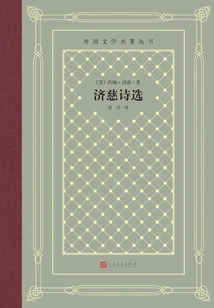
John Keats (1795-1821) was born in London in the late 18th century. He was one of the outstanding English poetry writers and a major member of the Romantic School. Keats loved literature since he was a child. Due to his poor family situation, he left school to study medicine when he was less than 16 years old. In 1816, he met famous poets such as Lee Hunter and Shelley and was influenced by them. In November, he abandoned medicine to pursue literature, embarked on the path of poetry creation, and finally became a dazzling star in the British literary world at that time. Keats was very talented, and he was famous for his work with Shelley. He is good at using descriptive techniques to create poems, perfectly combining various emotions with nature, and looking for the shadow of creation from life. His poems can bring people an immersive feeling. He was only 25 years old when he died, but the poems he left behind are well-known in the world. His poems are considered to perfectly embody the characteristics of Western Romantic poetry. Keats is praised as an outstanding representative of the European Romantic movement. Mr. Tu An's translation was filled with his endless appreciation and love for Keats. In 2001, he won the Translation Rainbow Award of the third "Lu Xun Literary Award".
John Keats (1795-1821) was born in London in the late 18th century. He was one of the outstanding English poetry writers and a major member of the Romantic School. Keats loved literature since he was a child. Due to his poor family situation, he left school to study medicine when he was less than 16 years old. In 1816, he met famous poets such as Lee Hunter and Shelley and was influenced by them. In November, he abandoned medicine to pursue literature, embarked on the path of poetry creation, and finally became a dazzling star in the British literary world at that time. Keats was very talented, and he was famous for his work with Shelley. He is good at using descriptive techniques to create poems, perfectly combining various emotions with nature, and looking for the shadow of creation from life. His poems can bring people an immersive feeling. He was only 25 years old when he died, but the poems he left behind are well-known in the world. His poems are considered to perfectly embody the characteristics of Western Romantic poetry. Keats is praised as an outstanding representative of the European Romantic movement. Mr. Tu An's translation was filled with his endless appreciation and love for Keats. In 2001, he won the Translation Rainbow Award of the third "Lu Xun Literary Award".

U
General Fictionu
I
"The Waves" is a novel written by British female writer Virginia Woolf in 1931. The author uses a very hazy and symbolic brushwork to describe the inner monologues of six characters: Bernard, Neville, Louise, Susan, Jenny and Rhoda from childhood to twilight. The six parallel streams of consciousness respectively express the six types of consciousness and the growth and experience of the "six eras of human beings".
"The Waves" is a novel written by British female writer Virginia Woolf in 1931. The author uses a very hazy and symbolic brushwork to describe the inner monologues of six characters: Bernard, Neville, Louise, Susan, Jenny and Rhoda from childhood to twilight. The six parallel streams of consciousness respectively express the six types of consciousness and the growth and experience of the "six eras of human beings".

Intermission
General Fiction幕间
(british) Virginia Woolf
"Interlude", written in 1942, was Virginia Woolf's last work before her death. When the novel progresses to about the first fifth of the novel, the writer tells Poyntz's maid who does menial work to take a breather by the cool water lily pond. Ten years ago, a noble lady drowned there. It was a patch of dark green water in which countless fish "swimmed in a self-centered world, shining brightly."
"Interlude", written in 1942, was Virginia Woolf's last work before her death. When the novel progresses to about the first fifth of the novel, the writer tells Poyntz's maid who does menial work to take a breather by the cool water lily pond. Ten years ago, a noble lady drowned there. It was a patch of dark green water in which countless fish "swimmed in a self-centered world, shining brightly."
S
General Fictions
I
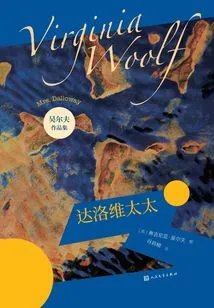
Mrs. Dalloway is a stream-of-consciousness novel published by Virginia Woolf in 1925. The protagonist's character traits may have come from a friend of the author, Ms. Ottoline Morel. The novel describes the details of one day in the life of the protagonist Clarissa Dalloway in Britain after World War I. As one of Woolf's masterpieces, the novel was named one of the 100 best English novels from 1923 to 2005 by Time magazine.
Mrs. Dalloway is a stream-of-consciousness novel published by Virginia Woolf in 1925. The protagonist's character traits may have come from a friend of the author, Ms. Ottoline Morel. The novel describes the details of one day in the life of the protagonist Clarissa Dalloway in Britain after World War I. As one of Woolf's masterpieces, the novel was named one of the 100 best English novels from 1923 to 2005 by Time magazine.

Years
General Fiction岁月
(british) Virginia Woolf
"The Years" is Woolf's eighth novel and her penultimate novel. In fact, she committed suicide by drowning before she had finished revising her last novel, Intermission. Therefore, "The Years", a work that she repeatedly revised, has an extraordinary status in her novel creation; it not only reflects Woolf's later maturity in novel concepts, but also one of her successful practices of continuous innovation and breakthrough in novel writing.
"The Years" is Woolf's eighth novel and her penultimate novel. In fact, she committed suicide by drowning before she had finished revising her last novel, Intermission. Therefore, "The Years", a work that she repeatedly revised, has an extraordinary status in her novel creation; it not only reflects Woolf's later maturity in novel concepts, but also one of her successful practices of continuous innovation and breakthrough in novel writing.
Main Street (album)
General Fiction大街(集册)
W
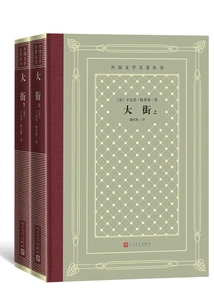
"Main Street" is the representative work of Nobel Prize winner Sinclair Lewis. The novel is set in a small town in the United States before and after World War I. It describes Carol, an urban female intellectual, who marries into a small town and becomes the wife of a country doctor. At first she was full of enthusiasm and tried to "transform" this small town bound by traditional conservative forces, but she encountered huge resistance. Her thoughts were so incompatible with the reality of the town that she was forced to leave the town and go to Washington to find a job, but in the end she had to return to the town and continue to face the old traditional forces that she could not change. This book is highly satirical and provides an in-depth discussion of social issues in the United States.
"Main Street" is the representative work of Nobel Prize winner Sinclair Lewis. The novel is set in a small town in the United States before and after World War I. It describes Carol, an urban female intellectual, who marries into a small town and becomes the wife of a country doctor. At first she was full of enthusiasm and tried to "transform" this small town bound by traditional conservative forces, but she encountered huge resistance. Her thoughts were so incompatible with the reality of the town that she was forced to leave the town and go to Washington to find a job, but in the end she had to return to the town and continue to face the old traditional forces that she could not change. This book is highly satirical and provides an in-depth discussion of social issues in the United States.
Pastoral Trilogy
General Fiction田园三部曲
I
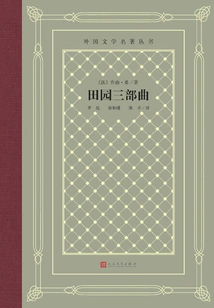
The "Pastoral Trilogy" contains three pastoral novels by the 19th-century French romantic novelist George Sand: "The Enchanted Marsh," "Little Fadette" and "The Outcast François." "The Enchanted Marsh" is the first pastoral novel written by George Sand when he secluded himself in his own manor in Nohant. It tells the story of farmer Germain and his neighbor little Marie walking together and falling in love with each other. This group of pastoral works based on rural life depicts simple and peaceful pastoral scenery, and eulogizes the innocent love between young men and women that transcends social class and the gap between rich and poor. With its bright and cheerful atmosphere, innocent and simple style, and the consistent awareness of social equality, it has won the love of many readers.
The "Pastoral Trilogy" contains three pastoral novels by the 19th-century French romantic novelist George Sand: "The Enchanted Marsh," "Little Fadette" and "The Outcast François." "The Enchanted Marsh" is the first pastoral novel written by George Sand when he secluded himself in his own manor in Nohant. It tells the story of farmer Germain and his neighbor little Marie walking together and falling in love with each other. This group of pastoral works based on rural life depicts simple and peaceful pastoral scenery, and eulogizes the innocent love between young men and women that transcends social class and the gap between rich and poor. With its bright and cheerful atmosphere, innocent and simple style, and the consistent awareness of social equality, it has won the love of many readers.
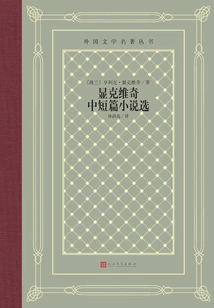
Selected Novels and Novels by Sienkiewicz
General Fiction显克维奇中短篇小说选
(wave)henryk Sienkiewicz
The creation of short stories and short stories runs through Sienkiewicz's entire literary career. "Selected Novels and Novels of Sienkiewicz" selects more than ten short stories and short stories from the more than sixty short stories he wrote throughout his life. They all take real life as the main content and are full of strong emotional color. These works are not only an important part of Sienkiewicz's creations, but also treasures in world literature. They are widely circulated in countries around the world and are loved by readers. "Yanko the Musical" and "Angel" reflect the tragic fate of Polish rural children, and the former was selected into Chinese textbooks. "Charcoal Sketch" and "Memories of a Tutor" reflect the darkness of Tsarist Russia's rule at that time and the tragic fate of the people. "The Lighthouse Keeper" tells the story of Polish exiles and was introduced to the country by Lu Xun in the early 20th century.
The creation of short stories and short stories runs through Sienkiewicz's entire literary career. "Selected Novels and Novels of Sienkiewicz" selects more than ten short stories and short stories from the more than sixty short stories he wrote throughout his life. They all take real life as the main content and are full of strong emotional color. These works are not only an important part of Sienkiewicz's creations, but also treasures in world literature. They are widely circulated in countries around the world and are loved by readers. "Yanko the Musical" and "Angel" reflect the tragic fate of Polish rural children, and the former was selected into Chinese textbooks. "Charcoal Sketch" and "Memories of a Tutor" reflect the darkness of Tsarist Russia's rule at that time and the tragic fate of the people. "The Lighthouse Keeper" tells the story of Polish exiles and was introduced to the country by Lu Xun in the early 20th century.

T
General Fictiont
H
"Dream" is the posthumous work of Zweig's novel. The heroine Christina is a female clerk from a poor family. The vacation opportunity provided by her wealthy relatives caused her unchanging life to undergo a "change". This change was actually only "short-lived" and "dream-like." After this short-lived, dream-like change came to an abrupt end, the heroine's real life did not change at all. It was still the hopeless, poor, and monotonous life that she could not get rid of no matter how hard she tried. This was the heroine's fate, which made her resentful, suffocated, and despairing. She complained repeatedly in her heart about this, but in the end she stopped complaining and decided to use real actions to change this fate without hesitation.
"Dream" is the posthumous work of Zweig's novel. The heroine Christina is a female clerk from a poor family. The vacation opportunity provided by her wealthy relatives caused her unchanging life to undergo a "change". This change was actually only "short-lived" and "dream-like." After this short-lived, dream-like change came to an abrupt end, the heroine's real life did not change at all. It was still the hopeless, poor, and monotonous life that she could not get rid of no matter how hard she tried. This was the heroine's fate, which made her resentful, suffocated, and despairing. She complained repeatedly in her heart about this, but in the end she stopped complaining and decided to use real actions to change this fate without hesitation.
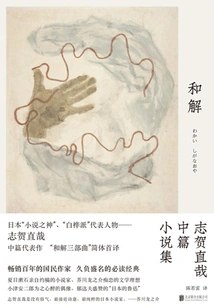
Reconciliation: a Collection of Novellas by Naoya Shiga
General Fiction和解:志贺直哉中篇小说集
J
This book includes the "Reconciliation Trilogy" - "Otsu Junkichi", "Reconciliation" and "The Death of a Man and His Sister", Naoya Shiga's autobiographical masterpiece. This book is a must-read for modern Japanese literature and is published in simplified Chinese for the first time.
This book includes the "Reconciliation Trilogy" - "Otsu Junkichi", "Reconciliation" and "The Death of a Man and His Sister", Naoya Shiga's autobiographical masterpiece. This book is a must-read for modern Japanese literature and is published in simplified Chinese for the first time.
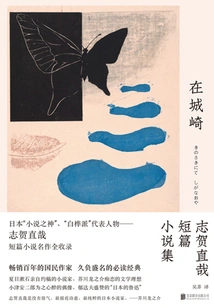
In Kinosaki: a Collection of Short Stories by Naoya Shiga
General Fiction在城崎:志贺直哉短篇小说集
K
This book is a carefully compiled collection of Naoya Shiga's short story masterpieces, including seventeen immortal masterpieces from different periods of his creative career, including "In Kinosaki", "Walking to the Net", "Van's Crime", "Seibei and the Gourd", "The God of the Apprentice", "Grey Moon", etc., Which comprehensively demonstrates the style of his short story creation.
This book is a carefully compiled collection of Naoya Shiga's short story masterpieces, including seventeen immortal masterpieces from different periods of his creative career, including "In Kinosaki", "Walking to the Net", "Van's Crime", "Seibei and the Gourd", "The God of the Apprentice", "Grey Moon", etc., Which comprehensively demonstrates the style of his short story creation.