Library
Browse and search books
513 novels found
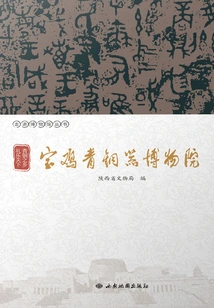
青铜之乡 礼乐天下:宝鸡青铜器博物院
Shaanxi Provincial Cultural Relics Bureau
This book is based on the existing display of the Baoji Bronze Museum. According to the order of time and space, the cultural relics are interspersed in the story. It uses history as evidence and objects to tell the history. It introduces the profound cultural connotation of Baoji as the hometown of bronzes, rituals and music with pictures and texts. It describes in detail the cultural relics such as bronzes, ancient bronze mirrors, jades from past dynasties, and prehistoric pottery in the courtyard, as well as the social background, ritual and music system, customs and customs of the era. Entering the Baoji Bronze Museum, you can take a time tunnel from modern people to ancient times, talk to the ancients, and feel the splendid civilization of the Bronze Age and the rich foundation of the world of ritual and music, which will inspire us to create new glory in the new era.
This book is based on the existing display of the Baoji Bronze Museum. According to the order of time and space, the cultural relics are interspersed in the story. It uses history as evidence and objects to tell the history. It introduces the profound cultural connotation of Baoji as the hometown of bronzes, rituals and music with pictures and texts. It describes in detail the cultural relics such as bronzes, ancient bronze mirrors, jades from past dynasties, and prehistoric pottery in the courtyard, as well as the social background, ritual and music system, customs and customs of the era. Entering the Baoji Bronze Museum, you can take a time tunnel from modern people to ancient times, talk to the ancients, and feel the splendid civilization of the Bronze Age and the rich foundation of the world of ritual and music, which will inspire us to create new glory in the new era.
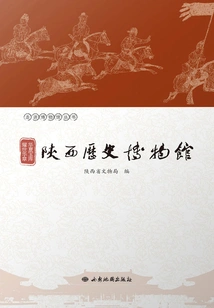
华夏宝库 耀世华章:陕西历史博物馆
Shaanxi Provincial Cultural Relics Bureau
This book selects more than 160 pictures, and introduces the development history and architectural features of the Shaanxi History Museum with pictures and texts, the ancient civilization of Shaanxi in prehistory, Western Zhou Dynasty, Qin, Han, Tang, Song, Yuan, Ming and Qing Dynasties, as well as a series of exquisite cultural relics such as bronzes, pottery figurines, gold and silverware of the Tang Dynasty and Tang tomb murals, showing the long and splendid Chinese history and the breadth and depth of ancient Chinese civilization. Entering the Shaanxi History Museum, you can feel the profound accumulation of Zhou rites and Qin systems, the millennium echoes of Han style and Tang rhyme, and the long cultural context of Song, Yuan, Ming and Qing Dynasties. I firmly believe that the long history of Chinese civilization will help you understand Xi'an, Shaanxi, and ancient China, and enhance your cultural confidence.
This book selects more than 160 pictures, and introduces the development history and architectural features of the Shaanxi History Museum with pictures and texts, the ancient civilization of Shaanxi in prehistory, Western Zhou Dynasty, Qin, Han, Tang, Song, Yuan, Ming and Qing Dynasties, as well as a series of exquisite cultural relics such as bronzes, pottery figurines, gold and silverware of the Tang Dynasty and Tang tomb murals, showing the long and splendid Chinese history and the breadth and depth of ancient Chinese civilization. Entering the Shaanxi History Museum, you can feel the profound accumulation of Zhou rites and Qin systems, the millennium echoes of Han style and Tang rhyme, and the long cultural context of Song, Yuan, Ming and Qing Dynasties. I firmly believe that the long history of Chinese civilization will help you understand Xi'an, Shaanxi, and ancient China, and enhance your cultural confidence.
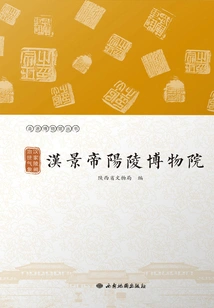
汉家陵阙 治世气象:汉景帝阳陵博物院
Shaanxi Provincial Cultural Relics Bureau
Han Dynasty Mausoleum State of the World: Yangling Museum of Emperor Jing of the Han Dynasty. This book uses the life and historical achievements of Emperor Jing of the Han Dynasty as historical facts. It introduces the layout of the cemetery, the Nanquemen and Dongquemen sites, the Houling Cemetery, the Ancestral Temple site and other Han Yangling sites, pottery figurines, and pottery sculptures in the form of pictures and texts. The cultural relics unearthed from the Hanyang Tomb such as animals, pottery utensils, building materials, seals and sealing mud, etc., And the protection and display of the Hanyang Tomb ruins such as the archaeological exhibition hall, the protection exhibition hall of the outer storage pit of the imperial mausoleum, the Nanquemen ruins protection exhibition hall, and the ancestral temple ruins protection exhibition shed.
Han Dynasty Mausoleum State of the World: Yangling Museum of Emperor Jing of the Han Dynasty. This book uses the life and historical achievements of Emperor Jing of the Han Dynasty as historical facts. It introduces the layout of the cemetery, the Nanquemen and Dongquemen sites, the Houling Cemetery, the Ancestral Temple site and other Han Yangling sites, pottery figurines, and pottery sculptures in the form of pictures and texts. The cultural relics unearthed from the Hanyang Tomb such as animals, pottery utensils, building materials, seals and sealing mud, etc., And the protection and display of the Hanyang Tomb ruins such as the archaeological exhibition hall, the protection exhibition hall of the outer storage pit of the imperial mausoleum, the Nanquemen ruins protection exhibition hall, and the ancestral temple ruins protection exhibition shed.
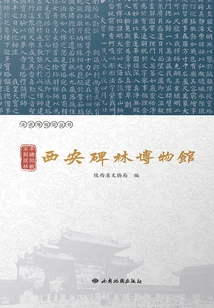
丰碑如薮 宝刻成林:西安碑林博物馆
Shaanxi Provincial Cultural Relics Bureau
Xi'an Forest of Steles Museum is the earliest museum established in Shaanxi. It mainly collects, displays and studies steles, epitaphs and stone carvings from past dynasties, making it a unique art museum in China. This book introduces the history, evolution, exhibition room tour, collection of cultural relics, etc. Of Xi'an Forest of Steles. It tells in detail the collection of cultural relics such as portrait stones, Yan Zhenqing's calligraphy inscriptions, Tang epitaphs, underground stone carvings, Dunhuang scriptures in the collection, as well as the historical stories behind the cultural relics and the life experiences of historical figures.
Xi'an Forest of Steles Museum is the earliest museum established in Shaanxi. It mainly collects, displays and studies steles, epitaphs and stone carvings from past dynasties, making it a unique art museum in China. This book introduces the history, evolution, exhibition room tour, collection of cultural relics, etc. Of Xi'an Forest of Steles. It tells in detail the collection of cultural relics such as portrait stones, Yan Zhenqing's calligraphy inscriptions, Tang epitaphs, underground stone carvings, Dunhuang scriptures in the collection, as well as the historical stories behind the cultural relics and the life experiences of historical figures.
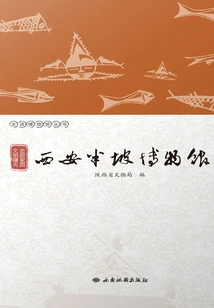
史前家园 文明曙光:西安半坡博物馆
Shaanxi Provincial Cultural Relics Bureau
This book includes the past and present of the Banpo site and Xi'an Banpo Museum, the Banpo people's homeland, production and life, spiritual world, folk customs, and the social education activities of Xi'an Banpo Museum. It shows the unique style of Banpo people and Banpo society with pictures and texts, describes the historical status and development of the Banpo site, depicts the life picture of the prehistoric Banpo people, and conveys the call for civilization from more than 6,000 years ago. Enter Banpo, start a journey of prehistoric civilization, rush towards the dawn of prehistoric civilization, and relive the long-standing stories about human childhood.
This book includes the past and present of the Banpo site and Xi'an Banpo Museum, the Banpo people's homeland, production and life, spiritual world, folk customs, and the social education activities of Xi'an Banpo Museum. It shows the unique style of Banpo people and Banpo society with pictures and texts, describes the historical status and development of the Banpo site, depicts the life picture of the prehistoric Banpo people, and conveys the call for civilization from more than 6,000 years ago. Enter Banpo, start a journey of prehistoric civilization, rush towards the dawn of prehistoric civilization, and relive the long-standing stories about human childhood.
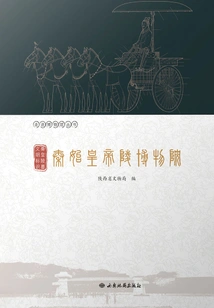
秦皇陵墓 文明标识:秦始皇帝陵博物院
Shaanxi Provincial Cultural Relics Bureau
Mausoleum of Emperor Qin Civilization Identity: Qin Shi Huang's Mausoleum Museum. This book takes the development of the Qin State and Qin Shi Huang's historical achievements as historical facts, focuses on new archaeological discoveries and new understandings in recent years, and introduces the construction process of Qin Shi Huang's Mausoleum in the form of pictures and texts. , Structural layout and military burials such as terracotta warriors and horses, stone armor, bronze chariots and horses, stable burial pits and other chariots and horses, entertainment burials such as rare birds and animals, various plays and miscellaneous entertainment, sacrificial relics such as the Yanxiang mausoleum, and the core of the mausoleum - the mystery of the underground palace.
Mausoleum of Emperor Qin Civilization Identity: Qin Shi Huang's Mausoleum Museum. This book takes the development of the Qin State and Qin Shi Huang's historical achievements as historical facts, focuses on new archaeological discoveries and new understandings in recent years, and introduces the construction process of Qin Shi Huang's Mausoleum in the form of pictures and texts. , Structural layout and military burials such as terracotta warriors and horses, stone armor, bronze chariots and horses, stable burial pits and other chariots and horses, entertainment burials such as rare birds and animals, various plays and miscellaneous entertainment, sacrificial relics such as the Yanxiang mausoleum, and the core of the mausoleum - the mystery of the underground palace.
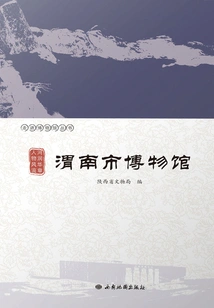
河润华章 人物风流:渭南市博物馆
Shaanxi Provincial Cultural Relics Bureau
He Runhua Chapter Characters: Weinan City Museum, this book is based on cultural relics and historical sites. It introduces the development and changes of Weinan from prehistory, Xia, Shang, Zhou, Qin and Han to modern times, and its contributions to the development of the country in different periods. It tells many typical stories and events of famous Weinan figures such as heroes, wise men, and cultural masters, making the cultural relics "alive". It uses pictures and descriptions to show the profound history and rich cultural connotation of Weinan.
He Runhua Chapter Characters: Weinan City Museum, this book is based on cultural relics and historical sites. It introduces the development and changes of Weinan from prehistory, Xia, Shang, Zhou, Qin and Han to modern times, and its contributions to the development of the country in different periods. It tells many typical stories and events of famous Weinan figures such as heroes, wise men, and cultural masters, making the cultural relics "alive". It uses pictures and descriptions to show the profound history and rich cultural connotation of Weinan.
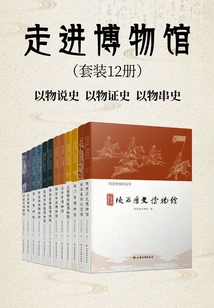
走进博物馆(套装12册):以物说史 以物证史 以物串史
Shaanxi Provincial Cultural Relics Bureau
The "Into the Museum Series" series includes "Weinan City Museum", "Xi'an Banpo Museum", "Qin Shi Huang Mausoleum Museum", "Shaanxi History Museum", "Hanzhong City Museum", "Han Jing Emperor Yangling Museum", "Baoji Bronze Museum", "Ankang Museum", "Xi'an Forest of Steles Museum", "Famen Temple Museum", "Xi'an Museum", and "Yan'an Revolution Memorial Hall" select a group of the most representative museums in Shaanxi, one museum and one volume, focusing on exploring the connotative value of cultural relic collections, using objects to tell history, using objects to evidence history, using objects to string history, presenting culture through cultural relics, telling Shaanxi cultural stories well, and showing cultural confidence
The "Into the Museum Series" series includes "Weinan City Museum", "Xi'an Banpo Museum", "Qin Shi Huang Mausoleum Museum", "Shaanxi History Museum", "Hanzhong City Museum", "Han Jing Emperor Yangling Museum", "Baoji Bronze Museum", "Ankang Museum", "Xi'an Forest of Steles Museum", "Famen Temple Museum", "Xi'an Museum", and "Yan'an Revolution Memorial Hall" select a group of the most representative museums in Shaanxi, one museum and one volume, focusing on exploring the connotative value of cultural relic collections, using objects to tell history, using objects to evidence history, using objects to string history, presenting culture through cultural relics, telling Shaanxi cultural stories well, and showing cultural confidence
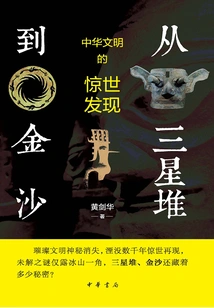
从三星堆到金沙:中华文明的惊世发现
Huang Jianhua
The Sanxingdui and Jinsha ruins are two ancient capital ruins with regional central status in southwest my country. According to documents such as "The Chronicles of Shu" and "The Chronicles of Huayang", there were Cancong, Baiguan, Yufu, Du Yu, Kaiming, etc. In the ancient Shu civilization. Were they legendary figures or real people? Is it a personal name or the name of a clan or tribe? How long did the various dynasties they represented last? What about the mutual ups and downs? Where did they come from and where did they go? These numerous questions have cast a strong mysterious color on the history and culture of ancient Shu, leaving various speculations for future generations. The Sanxingdui and Jinsha ruins are important representatives of the world's bronze civilization from the 16th century BC to the 7th century BC. They are the cultural accumulation left by the ancient ancestors who lived in the Chengdu Plain from the end of primitive society to the Xia, Shang and Zhou dynasties. Its discovery provides unique physical evidence for our understanding and study of the vanished ancient Shu civilization. This book uses easy-to-understand language and more than 600 exquisite pictures to describe the Sanxingdui and Jinsha ruins in detail, comprehensively and systematically exploring the mysterious ancient Shu civilization.
The Sanxingdui and Jinsha ruins are two ancient capital ruins with regional central status in southwest my country. According to documents such as "The Chronicles of Shu" and "The Chronicles of Huayang", there were Cancong, Baiguan, Yufu, Du Yu, Kaiming, etc. In the ancient Shu civilization. Were they legendary figures or real people? Is it a personal name or the name of a clan or tribe? How long did the various dynasties they represented last? What about the mutual ups and downs? Where did they come from and where did they go? These numerous questions have cast a strong mysterious color on the history and culture of ancient Shu, leaving various speculations for future generations. The Sanxingdui and Jinsha ruins are important representatives of the world's bronze civilization from the 16th century BC to the 7th century BC. They are the cultural accumulation left by the ancient ancestors who lived in the Chengdu Plain from the end of primitive society to the Xia, Shang and Zhou dynasties. Its discovery provides unique physical evidence for our understanding and study of the vanished ancient Shu civilization. This book uses easy-to-understand language and more than 600 exquisite pictures to describe the Sanxingdui and Jinsha ruins in detail, comprehensively and systematically exploring the mysterious ancient Shu civilization.
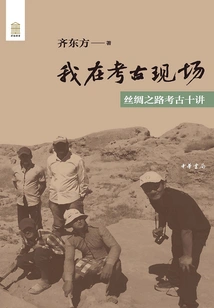
我在考古现场:丝绸之路考古十讲
Qi Dongfang
The Silk Road is a road of commerce and trade, a road of dialogue between the East and the West, a road of friendly exchanges, and a road of cultural exchange and integration. The author of this book leads everyone to re-walk the Silk Road and experience ancient civilizations from Xi'an, Suiye, Samarkand, Bukhara, and Istanbul; and through unforgettable experiences in his archaeological career, such as the excavation of the Tubo Tomb in Dulan, Qinghai, the exploration of the sunken ship "Black Stone", etc., He can see archaeological sites, read unearthed cultural relics, witness distant history with his own eyes, and explore unknown civilizations with his own hands. This book contains a large number of photos of archaeological sites and exquisite cultural relics, making it a rare archaeological visual feast.
The Silk Road is a road of commerce and trade, a road of dialogue between the East and the West, a road of friendly exchanges, and a road of cultural exchange and integration. The author of this book leads everyone to re-walk the Silk Road and experience ancient civilizations from Xi'an, Suiye, Samarkand, Bukhara, and Istanbul; and through unforgettable experiences in his archaeological career, such as the excavation of the Tubo Tomb in Dulan, Qinghai, the exploration of the sunken ship "Black Stone", etc., He can see archaeological sites, read unearthed cultural relics, witness distant history with his own eyes, and explore unknown civilizations with his own hands. This book contains a large number of photos of archaeological sites and exquisite cultural relics, making it a rare archaeological visual feast.
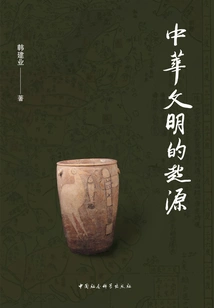
中华文明的起源
Han Jianye
This book contains 25 papers and articles by the author on the origin and early development of Chinese civilization in the past 10 years. It demonstrates the process of Chinese civilization, regional patterns, regional interactions, cultural genes, mechanism motivations, and the relationship with ancient historical legends. It proposes important concepts such as cultural "early China", the "Northern model", "Central Plains model" and "Oriental model" of the origin of Chinese civilization, and reveals five cultural genes of early China over the past 8,000 years. It has had an important influence in the academic world and has stimulated heated discussions on "early China" and civilization models in recent years. In particular, articles published in newspapers such as "People's Daily", "Guangming Daily", and "Xinhua Digest" have had a strong social impact. At the 23rd collective study meeting of the Political Bureau of the Central Committee on September 28, 2020, Xi Jinping pointed out that we must better understand the long-standing, extensive and profound Chinese civilization, strengthen cultural confidence, and put forward high requirements for archaeological research on the origin and development of Chinese civilization, Chinese cultural genes, the Three Sovereigns and Five Emperors, and the history of the Xia Dynasty. The publication of this book is a concrete action to implement the relevant instructions of General Secretary Xi Jinping, and will provide an important reference for readers who study and care about the origin of Chinese civilization.
This book contains 25 papers and articles by the author on the origin and early development of Chinese civilization in the past 10 years. It demonstrates the process of Chinese civilization, regional patterns, regional interactions, cultural genes, mechanism motivations, and the relationship with ancient historical legends. It proposes important concepts such as cultural "early China", the "Northern model", "Central Plains model" and "Oriental model" of the origin of Chinese civilization, and reveals five cultural genes of early China over the past 8,000 years. It has had an important influence in the academic world and has stimulated heated discussions on "early China" and civilization models in recent years. In particular, articles published in newspapers such as "People's Daily", "Guangming Daily", and "Xinhua Digest" have had a strong social impact. At the 23rd collective study meeting of the Political Bureau of the Central Committee on September 28, 2020, Xi Jinping pointed out that we must better understand the long-standing, extensive and profound Chinese civilization, strengthen cultural confidence, and put forward high requirements for archaeological research on the origin and development of Chinese civilization, Chinese cultural genes, the Three Sovereigns and Five Emperors, and the history of the Xia Dynasty. The publication of this book is a concrete action to implement the relevant instructions of General Secretary Xi Jinping, and will provide an important reference for readers who study and care about the origin of Chinese civilization.
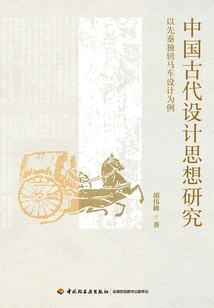
中国古代设计思想研究:以先秦独辀马车设计为例
Hu Weifeng
This book takes the attributes of man-made things as the main line and combines the theory of affairs. It first conducts a systematic study of the use and design situations of single-drawn carriages from the Shang to Qin Dynasties. Then it conducts in-depth and detailed literature research and cultural relic research on the single-drawn carriages from the Shang to Qin Dynasties. It also conducts on-site inspections of eight ancient Chinese chariot and horse pit sites and museums, analyzes case materials of hundreds of ancient vehicles, and outlines the development process and evolutionary logic of single-drawn carriages from the Shang to Qin Dynasties. On this basis, starting from the dual attributes of "physical structure" and "intentional function" of man-made things, a systematic study was conducted on the design and manufacturing paradigm and design ideas of independent carriages from the Shang to Qin Dynasties, and a modern interpretation of traditional design ideas was combined with modern design concepts and thinking logic.
This book takes the attributes of man-made things as the main line and combines the theory of affairs. It first conducts a systematic study of the use and design situations of single-drawn carriages from the Shang to Qin Dynasties. Then it conducts in-depth and detailed literature research and cultural relic research on the single-drawn carriages from the Shang to Qin Dynasties. It also conducts on-site inspections of eight ancient Chinese chariot and horse pit sites and museums, analyzes case materials of hundreds of ancient vehicles, and outlines the development process and evolutionary logic of single-drawn carriages from the Shang to Qin Dynasties. On this basis, starting from the dual attributes of "physical structure" and "intentional function" of man-made things, a systematic study was conducted on the design and manufacturing paradigm and design ideas of independent carriages from the Shang to Qin Dynasties, and a modern interpretation of traditional design ideas was combined with modern design concepts and thinking logic.
东亚青铜潮:前甲骨文时代的千年变局
Xu Hong
The ritual and music system is the essence of Chinese culture, and bronze ritual vessels are the carrier and symbol of Chinese ritual and music civilization, carrying rich spiritual connotations. In this book, Xu Hong combs through the archaeological discoveries in China from primitive copper alloys to red copper and bronze dating back more than 6,000 to 3,000 years ago, clarifies the development of bronze techniques for more than a thousand years before the discovery of oracle bone inscriptions, outlines the beginning of the bronze civilization picture of the East Asian continent, and traces the beginning of "Bronze China".
The ritual and music system is the essence of Chinese culture, and bronze ritual vessels are the carrier and symbol of Chinese ritual and music civilization, carrying rich spiritual connotations. In this book, Xu Hong combs through the archaeological discoveries in China from primitive copper alloys to red copper and bronze dating back more than 6,000 to 3,000 years ago, clarifies the development of bronze techniques for more than a thousand years before the discovery of oracle bone inscriptions, outlines the beginning of the bronze civilization picture of the East Asian continent, and traces the beginning of "Bronze China".
宿白讲稿·下
Su Bai
Su Bai's lecture notes (Part 2) include: "Archaeology of Ancient Chinese Architecture", "Archaeology of the Han, Tang, Song and Yuan Dynasties: Chinese Archeology (Part 2)", and "Zhang Yanyuan's "Records of Famous Paintings of the Past Dynasties"". The above three lecture notes were compiled by Mr. Su Bai in the late 1980s and early 21st century for the undergraduate and graduate courses of the Department of Archeology of Peking University, and were compiled into books and published in his later years. "Archaeology of Ancient Chinese Architecture" points out the core position of wooden structures in my country's ancient architecture and sorts out its major evolutionary stages, leading a new direction in the study of ancient Chinese architecture. "Archaeology of the Han, Tang, Song and Yuan Dynasties" focuses on city sites, tombs, agriculture, handicrafts, religion, ethnic minorities, overseas transportation and other relics, outlining and opening up the historical context of Chinese archeology from the Qin and Han Dynasties to the Song and Yuan Dynasties. Mastering and learning to use important ancient documents is the only way to engage in archaeological art history research. In "Zhang Yanyuanhe's "Records of Famous Paintings of the Past Dynasties"", Mr. Su Bai shows the rules.
Su Bai's lecture notes (Part 2) include: "Archaeology of Ancient Chinese Architecture", "Archaeology of the Han, Tang, Song and Yuan Dynasties: Chinese Archeology (Part 2)", and "Zhang Yanyuan's "Records of Famous Paintings of the Past Dynasties"". The above three lecture notes were compiled by Mr. Su Bai in the late 1980s and early 21st century for the undergraduate and graduate courses of the Department of Archeology of Peking University, and were compiled into books and published in his later years. "Archaeology of Ancient Chinese Architecture" points out the core position of wooden structures in my country's ancient architecture and sorts out its major evolutionary stages, leading a new direction in the study of ancient Chinese architecture. "Archaeology of the Han, Tang, Song and Yuan Dynasties" focuses on city sites, tombs, agriculture, handicrafts, religion, ethnic minorities, overseas transportation and other relics, outlining and opening up the historical context of Chinese archeology from the Qin and Han Dynasties to the Song and Yuan Dynasties. Mastering and learning to use important ancient documents is the only way to engage in archaeological art history research. In "Zhang Yanyuanhe's "Records of Famous Paintings of the Past Dynasties"", Mr. Su Bai shows the rules.
宿白讲稿·上
Su Bai
He is the "eternal teacher" in the field of cultural relics and archaeology. Su Bai's lecture notes (Part 1) include: "Catalog of Buddhist Books in Chinese", "Archaeological Discovery and Cultural Exchanges between China and the West", and "Remains of Chinese Buddhist Cave Temples: Chinese Buddhist Archeology from the 3rd to 8th Century", all of which were compiled by Mr. Su Bai in the early 1980s for the undergraduate and graduate courses of the Department of Archeology at Peking University. They were compiled into books and published in his later years. "A Catalog of Buddhist Books in Chinese" introduces the catalog, arrangement and development of historically important Chinese Buddhist books, which is nothing less than a key to the treasure house of Buddhism. "Archaeological Discovery and Cultural Exchanges between China and the West" provides a high-level overview of the characteristics and participants of Sino-foreign exchanges in different historical periods, and deeply explores the interactive influence of Chinese and foreign civilizations. "Buddhist Cave Temple Remains in China: Chinese Buddhist Archeology from the 3rd to 8th Centuries" takes the title of a brief history of research, the distribution of ruins, and key grottoes such as Yungang, Dunhuang, and Kizil, and briefly introduces the systematic knowledge of Chinese Buddhist archeology in the medieval period.
He is the "eternal teacher" in the field of cultural relics and archaeology. Su Bai's lecture notes (Part 1) include: "Catalog of Buddhist Books in Chinese", "Archaeological Discovery and Cultural Exchanges between China and the West", and "Remains of Chinese Buddhist Cave Temples: Chinese Buddhist Archeology from the 3rd to 8th Century", all of which were compiled by Mr. Su Bai in the early 1980s for the undergraduate and graduate courses of the Department of Archeology at Peking University. They were compiled into books and published in his later years. "A Catalog of Buddhist Books in Chinese" introduces the catalog, arrangement and development of historically important Chinese Buddhist books, which is nothing less than a key to the treasure house of Buddhism. "Archaeological Discovery and Cultural Exchanges between China and the West" provides a high-level overview of the characteristics and participants of Sino-foreign exchanges in different historical periods, and deeply explores the interactive influence of Chinese and foreign civilizations. "Buddhist Cave Temple Remains in China: Chinese Buddhist Archeology from the 3rd to 8th Centuries" takes the title of a brief history of research, the distribution of ruins, and key grottoes such as Yungang, Dunhuang, and Kizil, and briefly introduces the systematic knowledge of Chinese Buddhist archeology in the medieval period.
清代陶瓷文献学论纲
Chen Ning
This book mainly studies the ceramic documents of the Qing Dynasty and explores the construction of the interdisciplinary system of "ceramic philology". First of all, the meaning of ceramic literature and ceramic philology is clearly defined, the research content of ceramic philology is clarified, and for the first time, the basic conceptual problems that are encountered in the research of ceramic literature are answered relatively completely. This book takes the relatively representative Qianjia period of the Qing Dynasty as an example to discuss the classification of ancient Chinese ceramic documents, and summarizes the approximate number, content value and status of various ceramic documents during this period. This book makes up for the regret that there is no published work on current ceramic literature research, fills the gap, and has pioneering significance.
This book mainly studies the ceramic documents of the Qing Dynasty and explores the construction of the interdisciplinary system of "ceramic philology". First of all, the meaning of ceramic literature and ceramic philology is clearly defined, the research content of ceramic philology is clarified, and for the first time, the basic conceptual problems that are encountered in the research of ceramic literature are answered relatively completely. This book takes the relatively representative Qianjia period of the Qing Dynasty as an example to discuss the classification of ancient Chinese ceramic documents, and summarizes the approximate number, content value and status of various ceramic documents during this period. This book makes up for the regret that there is no published work on current ceramic literature research, fills the gap, and has pioneering significance.
中国考古探秘纪实丛书(全11册)
Yuenan
"Chinese Archaeological Exploration Documentary Series" is a collection of documentary works written by writer Yue Nan and others over the past twenty years to describe the major archaeological discoveries in China in recent years. The author uses documentary literature techniques to spread out the entire excavation process in layers, integrating a large number of relevant important historical backgrounds during the archaeological excavation process, switching between characters and events freely, and the plot is vivid and fascinating. It restores the archaeological truth, explores secrets and records, takes you into real ancient tombs, and shows readers a picture of the ever-changing history. There are 11 books in the series, namely: "Snowy Dingling - The Opening of the Underground Xuan Palace Cave in the Dingling Tomb of the Ming Dynasty", "The Resurrection of the Legion - The Discovery of the Terracotta Warriors and Horses in the Mausoleum of the First Emperor of Qin", "The Death of the Yue Kingdom - The Excavation of the Tomb of the Nanyue King in Guangzhou", "Eternal Dharma - The Reveal of Buddha Bones in the Underground Palace of Famen Temple" (written by Shang Chengyong and Yue Nan), "The God-given Kingdom - Sanxingdui and the Jinsha Ruins". "Historical Records", "Searching for Ancestors - The Lost Skull Fossils of "Peking Man"", "The Lost Souls of the Western Han Dynasty - The Excavation of the Mawangdui Han Tomb in Changsha", "The Tomb of the Rimu Emperor - The Stolen Treasures from the Underground Palace of the Eastern Tombs of the Qing Dynasty", "The Ancient Cases - The Decryption of the Xia, Shang and Zhou Dynasty Projects", "The Unparalleled Sound - The Excavation of the Tomb of Marquis Zeng Yi in Leigudun", "The Unparalleled Soldier Saint - The Decryption of Yinqueshan".
"Chinese Archaeological Exploration Documentary Series" is a collection of documentary works written by writer Yue Nan and others over the past twenty years to describe the major archaeological discoveries in China in recent years. The author uses documentary literature techniques to spread out the entire excavation process in layers, integrating a large number of relevant important historical backgrounds during the archaeological excavation process, switching between characters and events freely, and the plot is vivid and fascinating. It restores the archaeological truth, explores secrets and records, takes you into real ancient tombs, and shows readers a picture of the ever-changing history. There are 11 books in the series, namely: "Snowy Dingling - The Opening of the Underground Xuan Palace Cave in the Dingling Tomb of the Ming Dynasty", "The Resurrection of the Legion - The Discovery of the Terracotta Warriors and Horses in the Mausoleum of the First Emperor of Qin", "The Death of the Yue Kingdom - The Excavation of the Tomb of the Nanyue King in Guangzhou", "Eternal Dharma - The Reveal of Buddha Bones in the Underground Palace of Famen Temple" (written by Shang Chengyong and Yue Nan), "The God-given Kingdom - Sanxingdui and the Jinsha Ruins". "Historical Records", "Searching for Ancestors - The Lost Skull Fossils of "Peking Man"", "The Lost Souls of the Western Han Dynasty - The Excavation of the Mawangdui Han Tomb in Changsha", "The Tomb of the Rimu Emperor - The Stolen Treasures from the Underground Palace of the Eastern Tombs of the Qing Dynasty", "The Ancient Cases - The Decryption of the Xia, Shang and Zhou Dynasty Projects", "The Unparalleled Sound - The Excavation of the Tomb of Marquis Zeng Yi in Leigudun", "The Unparalleled Soldier Saint - The Decryption of Yinqueshan".
赏砚说铭
Liu Peng
The book is divided into six chapters. From the origin, content, and stylistic characteristics of inscriptions, inscriptions on different carriers such as bells, tripods, mirrors, and stele are introduced to explain the concepts and formal characteristics of inscriptions in different historical periods of the Pre-Qin and Han Dynasties, as well as their influence on later generations. In this context, the origin of inkstone inscriptions is explored based on ancient documents, literary works and archaeological excavations. Focusing on the performance content, influence of calligraphy and painting, and craft characteristics of ancient inkstone inscriptions, it details the inkstone inscription orientation and artistic characteristics of different classes of inkstone inscribers. The chapters involved highlight the classic works of literati inscriptions, taking into account the work of craftsmen, and analyze them from the aspects of calligraphy, painting, seal cutting, literature, history, etc. It is hoped that through a large number of appreciation examples and a comprehensive analysis perspective, the author's understanding of traditional inkstones will be presented.
The book is divided into six chapters. From the origin, content, and stylistic characteristics of inscriptions, inscriptions on different carriers such as bells, tripods, mirrors, and stele are introduced to explain the concepts and formal characteristics of inscriptions in different historical periods of the Pre-Qin and Han Dynasties, as well as their influence on later generations. In this context, the origin of inkstone inscriptions is explored based on ancient documents, literary works and archaeological excavations. Focusing on the performance content, influence of calligraphy and painting, and craft characteristics of ancient inkstone inscriptions, it details the inkstone inscription orientation and artistic characteristics of different classes of inkstone inscribers. The chapters involved highlight the classic works of literati inscriptions, taking into account the work of craftsmen, and analyze them from the aspects of calligraphy, painting, seal cutting, literature, history, etc. It is hoped that through a large number of appreciation examples and a comprehensive analysis perspective, the author's understanding of traditional inkstones will be presented.
元代白话碑集录(修订版)
Compiled By Cai Meibiao
This book was written by Mr. Cai Meibiao, a famous Chinese historian. It was published by Science Press in 1955. This is the 1955 revised edition. Most of the inscriptions on the vernacular tablets of the Yuan Dynasty are translated from official documents in Mongolian of the Yuan Dynasty, which are valuable original historical materials. The value of the vernacular monuments of the Yuan Dynasty can be explained from two aspects: linguistics and history. The first is the linguistic value. Most of the official documents of the Yuan Dynasty were first written in Mongolian and then translated into vernacular Chinese. Although this kind of vernacular is not completely consistent with the actual Chinese at that time due to limitations in translation level, it still reflects the spoken vernacular situation of the Yuan Dynasty to a certain extent and has become a good material for studying the history of Chinese in the Yuan Dynasty. This book is a relevant compilation of such information.
This book was written by Mr. Cai Meibiao, a famous Chinese historian. It was published by Science Press in 1955. This is the 1955 revised edition. Most of the inscriptions on the vernacular tablets of the Yuan Dynasty are translated from official documents in Mongolian of the Yuan Dynasty, which are valuable original historical materials. The value of the vernacular monuments of the Yuan Dynasty can be explained from two aspects: linguistics and history. The first is the linguistic value. Most of the official documents of the Yuan Dynasty were first written in Mongolian and then translated into vernacular Chinese. Although this kind of vernacular is not completely consistent with the actual Chinese at that time due to limitations in translation level, it still reflects the spoken vernacular situation of the Yuan Dynasty to a certain extent and has become a good material for studying the history of Chinese in the Yuan Dynasty. This book is a relevant compilation of such information.
给考古学家的统计学
(us) Zhou Nan Yu Mingyue
It is one of Professor Zhou Nan's masterpieces. This book is dedicated to explaining the application of statistical principles and techniques to archaeology. Its writing style is simple and easy to understand, making it a rare application of archaeological statistics. This book combines statistics and archaeological cases, starting from the most basic statistical principles and techniques. It is concise, easy to understand and easy to use. It changes the stereotype of archaeologists regarding statistics as difficult and obscure in the past. It is very suitable for archaeologists and students without mathematics background. Since the first edition of this book was published in 1996, it has become a required reading for graduate students majoring in archeology in many American universities. This book was reprinted in 2010 and was widely praised and used as a teaching material for the archaeological statistics course of Jilin University.
It is one of Professor Zhou Nan's masterpieces. This book is dedicated to explaining the application of statistical principles and techniques to archaeology. Its writing style is simple and easy to understand, making it a rare application of archaeological statistics. This book combines statistics and archaeological cases, starting from the most basic statistical principles and techniques. It is concise, easy to understand and easy to use. It changes the stereotype of archaeologists regarding statistics as difficult and obscure in the past. It is very suitable for archaeologists and students without mathematics background. Since the first edition of this book was published in 1996, it has become a required reading for graduate students majoring in archeology in many American universities. This book was reprinted in 2010 and was widely praised and used as a teaching material for the archaeological statistics course of Jilin University.
Archaeological Interests
History考古拾趣
Lai Fei
The articles in this book are of appropriate length, condensing the author's decades of field archeology, academic journey and life experience. Among them are stories of archaeological excavations of ancient tombs, experiences of searching for historical sites, the pain of archaeologists digging mud in the freezing cold, the joy of living together with colleagues when they were away on long business trips, and warm stories between myself and my family and friends, etc.
The articles in this book are of appropriate length, condensing the author's decades of field archeology, academic journey and life experience. Among them are stories of archaeological excavations of ancient tombs, experiences of searching for historical sites, the pain of archaeologists digging mud in the freezing cold, the joy of living together with colleagues when they were away on long business trips, and warm stories between myself and my family and friends, etc.
龙星初晖:清代宝星勋章图史
Chen Yue
The Double Dragon Star is the first national medal of modern significance in Chinese history. Its emergence and development are not only important events in the modern history of China and the history of medal culture, but also a microcosm of the history of China's modernization reform in the late Qing Dynasty. "The First Glow of the Dragon Star: The Illustrated History of the Treasure Star Medal of the Qing Dynasty" is a monograph on Chinese medals that Chen Yue has been preparing for many years. This book begins with the introduction of Western-style medals in China in the late Qing Dynasty. It combines a large number of documents, systems, illustrations, lists of recipients and other relevant historical materials as well as physical photos and drawings. The case painting presents the entire process of late Qing medals represented by the Double Dragon Star from their birth, changes, perfection and disappearance with the fall of the Qing Dynasty. It also introduces the design and system of late Qing medals in detail, filling the gap in the research on modern Chinese medals. The book is rich in text and rigorous in research. It completely collects the relevant historical materials of various medals in the Tongzhi, Guangxu and Xuantong periods. It is also equipped with 388 high-definition color pictures and rare old photos, and 78 paintings of medals in the late Qing Dynasty.
The Double Dragon Star is the first national medal of modern significance in Chinese history. Its emergence and development are not only important events in the modern history of China and the history of medal culture, but also a microcosm of the history of China's modernization reform in the late Qing Dynasty. "The First Glow of the Dragon Star: The Illustrated History of the Treasure Star Medal of the Qing Dynasty" is a monograph on Chinese medals that Chen Yue has been preparing for many years. This book begins with the introduction of Western-style medals in China in the late Qing Dynasty. It combines a large number of documents, systems, illustrations, lists of recipients and other relevant historical materials as well as physical photos and drawings. The case painting presents the entire process of late Qing medals represented by the Double Dragon Star from their birth, changes, perfection and disappearance with the fall of the Qing Dynasty. It also introduces the design and system of late Qing medals in detail, filling the gap in the research on modern Chinese medals. The book is rich in text and rigorous in research. It completely collects the relevant historical materials of various medals in the Tongzhi, Guangxu and Xuantong periods. It is also equipped with 388 high-definition color pictures and rare old photos, and 78 paintings of medals in the late Qing Dynasty.
跟着文物穿越历史:30件文物里的中国
Zhang Zhihao
Did you know? Children in the Qin Dynasty can memorize the multiplication tables. The "Han Xizai Night Banquet Picture" from the Five Dynasties and Ten Kingdoms is actually a "surveillance video" from thousands of years ago. The noble ladies of the Ming Dynasty also believed in the "cure for all diseases", and high-end bags made of gold were the fastest-selling modern luxury goods. From the Xia Dynasty to the Tang, Song, Ming and Qing Dynasties, the ancients left us countless precious cultural relics. Cultural relics are physical evidence of China's vast history of thousands of years. Through them, we can see the history, culture, humanities and customs of different periods, and experience the details of people's lives at that time up close. "Following Cultural Relics Through History" spans five thousand years and uses cultural relics to sort out civilization. By reading this book, you will embark on an adventure and secret journey across time and space tunnels, feel the splendid cultural origins of the Chinese nation, and engrave the memory of home and country deep in each of us.
Did you know? Children in the Qin Dynasty can memorize the multiplication tables. The "Han Xizai Night Banquet Picture" from the Five Dynasties and Ten Kingdoms is actually a "surveillance video" from thousands of years ago. The noble ladies of the Ming Dynasty also believed in the "cure for all diseases", and high-end bags made of gold were the fastest-selling modern luxury goods. From the Xia Dynasty to the Tang, Song, Ming and Qing Dynasties, the ancients left us countless precious cultural relics. Cultural relics are physical evidence of China's vast history of thousands of years. Through them, we can see the history, culture, humanities and customs of different periods, and experience the details of people's lives at that time up close. "Following Cultural Relics Through History" spans five thousand years and uses cultural relics to sort out civilization. By reading this book, you will embark on an adventure and secret journey across time and space tunnels, feel the splendid cultural origins of the Chinese nation, and engrave the memory of home and country deep in each of us.
中国文化史迹:西域考古图谱
(japan) Xiangchuan Tacit Knowledge
The author selected some representative cultural relics and documents obtained by the Otani expedition three times and divided them into: Buddhist scriptures, classics, historical materials, documents from the Western Regions, paintings, dyeing, weaving and embroidery, ancient coins, printed books, miscellaneous items, etc., Compiled this book, and selected more than 600 pictures, which was published in 1915. The Otani Expedition is the three Central Asian expeditions dispatched by Japan's Mitsui Otani. Count Mitsui Otani is the master of the Nishi Honganji Temple in Japan. Among the expeditions and expeditions from various countries mentioned, only the one in Japan, which is located in a narrow strip of water, has Buddhists. Their financial foundation is the charity of nearly 10 million Japanese believers. Therefore, the activities of the Otani expedition are similar to private nature, unlike other teams that are funded by government agencies. Otani Mitsui was the eldest son of the 21st Tani Mitsun of Kyoto's Nishi Honganji Temple. In 1900, he was sent to Europe to investigate religions, thus kicking off Japan's investigation of northwest China.
The author selected some representative cultural relics and documents obtained by the Otani expedition three times and divided them into: Buddhist scriptures, classics, historical materials, documents from the Western Regions, paintings, dyeing, weaving and embroidery, ancient coins, printed books, miscellaneous items, etc., Compiled this book, and selected more than 600 pictures, which was published in 1915. The Otani Expedition is the three Central Asian expeditions dispatched by Japan's Mitsui Otani. Count Mitsui Otani is the master of the Nishi Honganji Temple in Japan. Among the expeditions and expeditions from various countries mentioned, only the one in Japan, which is located in a narrow strip of water, has Buddhists. Their financial foundation is the charity of nearly 10 million Japanese believers. Therefore, the activities of the Otani expedition are similar to private nature, unlike other teams that are funded by government agencies. Otani Mitsui was the eldest son of the 21st Tani Mitsun of Kyoto's Nishi Honganji Temple. In 1900, he was sent to Europe to investigate religions, thus kicking off Japan's investigation of northwest China.
中国文化史迹:敦煌石窟(全二卷)
(france) Paul Pelliot
The book consists of six volumes, including more than 300 photos taken by Pelliot's expedition team from Xinjiang to Dunhuang in 1908: the exterior scenes of the Mogao Grottoes, cave sculptures, murals, etc. This set of French editions was published from 1920 to 1924. As far as the Dunhuang Grottoes are concerned, the early comprehensive and detailed inspection was undoubtedly the work of the inspection team led by Pelliot in 1908. On February 25, 1908, Pelliot's inspection team entered Dunhuang from Xinjiang. After they arrived at the Mogao Grottoes, they first concentrated on numbering, surveying, photography and written records of the caves. Pelliot was mainly responsible for the written records and transcribed a large number of Surveyor Wayan and photographer Nouart were responsible for surveying and mapping and photographing the caves respectively. They worked until May 27. During this period, in addition to inspecting and selecting sutras and Buddhist paintings in the Sutra Cave, they were engaged in various necessary tasks in the cave.
The book consists of six volumes, including more than 300 photos taken by Pelliot's expedition team from Xinjiang to Dunhuang in 1908: the exterior scenes of the Mogao Grottoes, cave sculptures, murals, etc. This set of French editions was published from 1920 to 1924. As far as the Dunhuang Grottoes are concerned, the early comprehensive and detailed inspection was undoubtedly the work of the inspection team led by Pelliot in 1908. On February 25, 1908, Pelliot's inspection team entered Dunhuang from Xinjiang. After they arrived at the Mogao Grottoes, they first concentrated on numbering, surveying, photography and written records of the caves. Pelliot was mainly responsible for the written records and transcribed a large number of Surveyor Wayan and photographer Nouart were responsible for surveying and mapping and photographing the caves respectively. They worked until May 27. During this period, in addition to inspecting and selecting sutras and Buddhist paintings in the Sutra Cave, they were engaged in various necessary tasks in the cave.
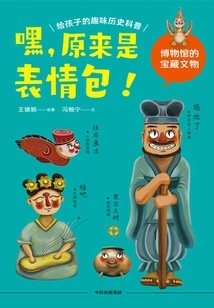
嘿,原来是表情包!博物馆的宝藏文物
Illustrated By Wang Congying And Written By Feng Hanning
Chitose cultural relics transformed into magical emoticons! 100+ Cultural relics, 30+ museums, a guide to explore museum treasures and cultural relics is here! "Mysterious smile", "Bring the red envelope", "Too poor to eat dirt", "Baby's heart is bitter", "I hold you in the palm of my hand"... When you mention these buzzwords, what do you think of? There is an imaginative sister, Congying, who actually associated these buzzwords from ancient cultural relics, and used her magical brush to create cultural relic emoticons with contrasting cuteness! For each cultural relic emoji, we also share some historical knowledge based on the prototype of the cultural relic: How did the figurines come into being? What types are there? Why do the figurines from different dynasties have so many different postures? When viewing cultural relics, what exactly are we looking at? In this collision between ancient and modern times, you will find that when we explore history from a different perspective, history is not boring at all, but full of vitality. There is an index of museum cultural relics at the end of the book. If you have the opportunity, parents may wish to take their children to the museum to explore in person, and maybe they will make new discoveries!
Chitose cultural relics transformed into magical emoticons! 100+ Cultural relics, 30+ museums, a guide to explore museum treasures and cultural relics is here! "Mysterious smile", "Bring the red envelope", "Too poor to eat dirt", "Baby's heart is bitter", "I hold you in the palm of my hand"... When you mention these buzzwords, what do you think of? There is an imaginative sister, Congying, who actually associated these buzzwords from ancient cultural relics, and used her magical brush to create cultural relic emoticons with contrasting cuteness! For each cultural relic emoji, we also share some historical knowledge based on the prototype of the cultural relic: How did the figurines come into being? What types are there? Why do the figurines from different dynasties have so many different postures? When viewing cultural relics, what exactly are we looking at? In this collision between ancient and modern times, you will find that when we explore history from a different perspective, history is not boring at all, but full of vitality. There is an index of museum cultural relics at the end of the book. If you have the opportunity, parents may wish to take their children to the museum to explore in person, and maybe they will make new discoveries!
考古有意思:秦始皇的兵与城
Xu Weihong
Xu Weihong, the leader of the third excavation of Pit No. 1 Of the Terracotta Warriors and Horses and the Qin Xianyang City Site, has spent 30 years in the archaeological "Looking for Qin". Based on the archaeological excavation results of the Qin Terracotta Warriors and Horses in the past 30 years and the Qin Xianyang City Site in the past 60 years, the real life scenes of the Qin craftsmen, military officers, civil servants, and nobles that were missing from the history books were pieced together, and the secrets of the rise of the Qin State were discovered, as well as the Qin people's meticulous romance, advanced thrift concepts, and eclectic approach to foreign civilizations. On the real frontline of archaeology, there are too many interesting things that novelists cannot imagine even after racking their brains. The coin minting machine of the "Central Bank" of the Qin Dynasty was actually found in the garbage dump of a brick factory; in order to preserve the paintings of the Terracotta Warriors and Horses, medical scalpels replaced archaeological hand shovels; archaeological experts drank with villagers, competed with tomb robbers for cultural relics, and competed with construction companies for work In the period, Qin bricks were rescued under the iron claws of the excavator, and Guan Zhong's urban construction concept was told to the real estate boss... National treasures are displayed under the soft lights of the museum, while the rotten soil, residual bricks, and stones that are not noticed are also engraved with the unique Qin code. Archeology is never about finding treasures, but about seeing people through things and having conversations with the ancients. Whether it is the exquisite cultural relics on display or the immovable ruins, archaeologists have touched and studied them with their own hands, awakening their inner vitality and vivid stories.
Xu Weihong, the leader of the third excavation of Pit No. 1 Of the Terracotta Warriors and Horses and the Qin Xianyang City Site, has spent 30 years in the archaeological "Looking for Qin". Based on the archaeological excavation results of the Qin Terracotta Warriors and Horses in the past 30 years and the Qin Xianyang City Site in the past 60 years, the real life scenes of the Qin craftsmen, military officers, civil servants, and nobles that were missing from the history books were pieced together, and the secrets of the rise of the Qin State were discovered, as well as the Qin people's meticulous romance, advanced thrift concepts, and eclectic approach to foreign civilizations. On the real frontline of archaeology, there are too many interesting things that novelists cannot imagine even after racking their brains. The coin minting machine of the "Central Bank" of the Qin Dynasty was actually found in the garbage dump of a brick factory; in order to preserve the paintings of the Terracotta Warriors and Horses, medical scalpels replaced archaeological hand shovels; archaeological experts drank with villagers, competed with tomb robbers for cultural relics, and competed with construction companies for work In the period, Qin bricks were rescued under the iron claws of the excavator, and Guan Zhong's urban construction concept was told to the real estate boss... National treasures are displayed under the soft lights of the museum, while the rotten soil, residual bricks, and stones that are not noticed are also engraved with the unique Qin code. Archeology is never about finding treasures, but about seeing people through things and having conversations with the ancients. Whether it is the exquisite cultural relics on display or the immovable ruins, archaeologists have touched and studied them with their own hands, awakening their inner vitality and vivid stories.
Traveling Through the Past and Present: Interviews with Overseas Archaeologists (two Volumes)
History穿越古今:海外考古大家访谈(全二册)
Editor-in-chief Li Shuicheng
This book contains a number of interviews with overseas archaeologists in the "Overseas Masters" interview column of "Southern Cultural Relics". Through the interviews, it introduces the growth experiences, academic contributions, and evaluation and understanding of the current situation and prospects of Chinese archaeology by famous foreign archaeologists.
This book contains a number of interviews with overseas archaeologists in the "Overseas Masters" interview column of "Southern Cultural Relics". Through the interviews, it introduces the growth experiences, academic contributions, and evaluation and understanding of the current situation and prospects of Chinese archaeology by famous foreign archaeologists.
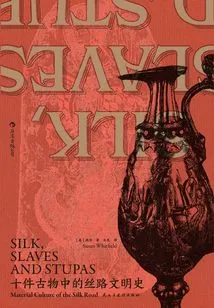
十件古物中的丝路文明史
(english) Wei Hong
The historical Silk Road spanned the three continents of Europe, Asia and Africa, passing through deserts, grasslands, mountains, rivers and lakes, where countless materials and cultures were born, forming the splendid Silk Road civilization. The author selected ten ancient objects and narrated their stories, which not only showed the craftsmanship and shape, theme and decoration of the material, but also told the intricate connection between people and objects: Who created the material? Who carries them across mountains and rivers? Who regards them as treasures and sacred objects? Who abandoned them, and who unearthed them from the layers of loess... Materials and the people and society behind them interact with each other, different cultures collide and blend with each other, and economies, systems, technologies, and ideas continue to develop and evolve in the process of communication. All of this is integrated into a vivid and tangible history of Silk Road civilization.
The historical Silk Road spanned the three continents of Europe, Asia and Africa, passing through deserts, grasslands, mountains, rivers and lakes, where countless materials and cultures were born, forming the splendid Silk Road civilization. The author selected ten ancient objects and narrated their stories, which not only showed the craftsmanship and shape, theme and decoration of the material, but also told the intricate connection between people and objects: Who created the material? Who carries them across mountains and rivers? Who regards them as treasures and sacred objects? Who abandoned them, and who unearthed them from the layers of loess... Materials and the people and society behind them interact with each other, different cultures collide and blend with each other, and economies, systems, technologies, and ideas continue to develop and evolve in the process of communication. All of this is integrated into a vivid and tangible history of Silk Road civilization.
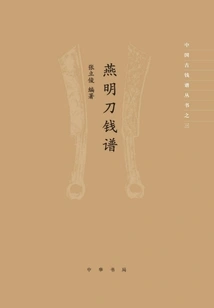
燕明刀钱谱:中国古钱谱丛书
Compiled By Zhang Lijun
The Yan Kingdom lasted for more than 800 years. Due to its unique geographical location, its economy and culture reflected the characteristics of the integration of the Central Plains and the North. It was an important representative of the pre-Qin regional culture. As a cultural relic with a history of more than 2,000 years, the Ming Dao of the Yan State is also a special-shaped currency of the Pre-Qin Dynasty. There are a large number of characters or symbols on the back that have not been interpreted, and a large amount of information has not been explained. It should be a strong variety for academic research and investment collection, but in the collection market, it is not even as valuable as Song Qing Qing Qian. This is an extremely abnormal phenomenon. After many years of physical analysis of knives and coins and collection of relevant data, the author has handled more than 100,000 Yanming knives, and has accumulated a certain number of physical Yanming knives and rich identification experience. This provides sufficient resources for the publication of this book, which can reflect academic research results and provide a reliable and detailed reference book for ancient coin enthusiasts.
The Yan Kingdom lasted for more than 800 years. Due to its unique geographical location, its economy and culture reflected the characteristics of the integration of the Central Plains and the North. It was an important representative of the pre-Qin regional culture. As a cultural relic with a history of more than 2,000 years, the Ming Dao of the Yan State is also a special-shaped currency of the Pre-Qin Dynasty. There are a large number of characters or symbols on the back that have not been interpreted, and a large amount of information has not been explained. It should be a strong variety for academic research and investment collection, but in the collection market, it is not even as valuable as Song Qing Qing Qian. This is an extremely abnormal phenomenon. After many years of physical analysis of knives and coins and collection of relevant data, the author has handled more than 100,000 Yanming knives, and has accumulated a certain number of physical Yanming knives and rich identification experience. This provides sufficient resources for the publication of this book, which can reflect academic research results and provide a reliable and detailed reference book for ancient coin enthusiasts.
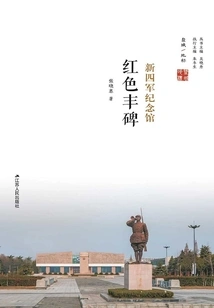
红色丰碑:新四军纪念馆
Zhang Xiaohui
"Red Monument: New Fourth Army Memorial Hall" is the first book in the first series of the "Yancheng Landmarks" series. The book is divided into five chapters: Tour of the New Fourth Army Memorial Hall, Bloody Memory Preserved for Eternity, Galloping across the Yangtze and Huaihe Rivers, Eternal Life in Fire, and We Are the New Fourth Army of the Glorious Revolution. It takes the history of the New Fourth Army's Anti-Japanese War as its warp and the construction of the Anti-Japanese Base Area in Central China as its latitude. Yancheng New Fourth Army Memorial Hall is a national AAAA-level tourist attraction, a national professional New Fourth Army Memorial Hall, one of the country's 100 classic red tourism scenic spots and 30 classic red tourism routes. It is the largest New Fourth Army memorial facility with the most complete information and the most distinctive features in the country. This book is based on the display contents of important New Fourth Army commemorative facilities such as the New Fourth Army Memorial Hall, the old site of the New Fourth Army Reconstructed Military Headquarters, and the New Fourth Army Reconstructed Military Headquarters Memorial Tower. The revolutionary deeds of the New Fourth Army soldiers and the New Fourth Army battle history described in the book are all from the literature and authoritative historical materials provided by the New Fourth Army Memorial Hall. It is well-founded in history, consistent with the facts, and correctly oriented. It is of great value to carry forward the red culture of Yancheng and the iron army spirit of the New Fourth Army.
"Red Monument: New Fourth Army Memorial Hall" is the first book in the first series of the "Yancheng Landmarks" series. The book is divided into five chapters: Tour of the New Fourth Army Memorial Hall, Bloody Memory Preserved for Eternity, Galloping across the Yangtze and Huaihe Rivers, Eternal Life in Fire, and We Are the New Fourth Army of the Glorious Revolution. It takes the history of the New Fourth Army's Anti-Japanese War as its warp and the construction of the Anti-Japanese Base Area in Central China as its latitude. Yancheng New Fourth Army Memorial Hall is a national AAAA-level tourist attraction, a national professional New Fourth Army Memorial Hall, one of the country's 100 classic red tourism scenic spots and 30 classic red tourism routes. It is the largest New Fourth Army memorial facility with the most complete information and the most distinctive features in the country. This book is based on the display contents of important New Fourth Army commemorative facilities such as the New Fourth Army Memorial Hall, the old site of the New Fourth Army Reconstructed Military Headquarters, and the New Fourth Army Reconstructed Military Headquarters Memorial Tower. The revolutionary deeds of the New Fourth Army soldiers and the New Fourth Army battle history described in the book are all from the literature and authoritative historical materials provided by the New Fourth Army Memorial Hall. It is well-founded in history, consistent with the facts, and correctly oriented. It is of great value to carry forward the red culture of Yancheng and the iron army spirit of the New Fourth Army.
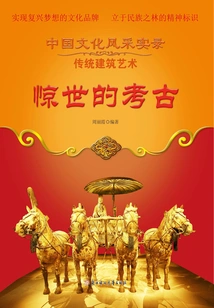
Amazing Archeology
History惊世的考古
Compiled By Zhou Lixia
Chinese culture is extensive and profound. It is the sum of the material civilization and spiritual civilization created and inherited by the Chinese people of all ethnic groups over more than 5,000 years. Its content is all-encompassing and vast, with a strong sense of cultural depth and rich treasures. Inheriting and carrying forward excellent national cultural traditions and protecting national cultural heritage have attracted attention from all walks of life. This is not only of far-reaching significance to the great cause of the rejuvenation of the Chinese nation, but also an important contribution to the protection of human cultural diversity. This set of works displays a panoramic view, vertically and horizontally, tells stories, has popular language, pictures and texts, intuitive images, ancient elegance, and warm style. It has strong readability, appreciation and knowledge. It can allow readers to fully touch and feel the connotation and charm of Chinese culture, and enhance the national Self-esteem and cultural pride, and the ability to well inherit and carry forward Chinese culture, create an advanced national culture with Chinese characteristics in the future, and lead the Chinese nation towards a great rejuvenation. On the stage of the future world, in the gorgeous dreamland of Chinese rejuvenation, it will show its unique charm of flying dragons and phoenixes.
Chinese culture is extensive and profound. It is the sum of the material civilization and spiritual civilization created and inherited by the Chinese people of all ethnic groups over more than 5,000 years. Its content is all-encompassing and vast, with a strong sense of cultural depth and rich treasures. Inheriting and carrying forward excellent national cultural traditions and protecting national cultural heritage have attracted attention from all walks of life. This is not only of far-reaching significance to the great cause of the rejuvenation of the Chinese nation, but also an important contribution to the protection of human cultural diversity. This set of works displays a panoramic view, vertically and horizontally, tells stories, has popular language, pictures and texts, intuitive images, ancient elegance, and warm style. It has strong readability, appreciation and knowledge. It can allow readers to fully touch and feel the connotation and charm of Chinese culture, and enhance the national Self-esteem and cultural pride, and the ability to well inherit and carry forward Chinese culture, create an advanced national culture with Chinese characteristics in the future, and lead the Chinese nation towards a great rejuvenation. On the stage of the future world, in the gorgeous dreamland of Chinese rejuvenation, it will show its unique charm of flying dragons and phoenixes.
E
HistoryE
F
From the 30,000-year-old Georgian plant fiber to the linen that wrapped Tutankhamun's mummy; from the Silk Road to the woolen sails that helped the Vikings reach America 700 years before Columbus; from the lace that angered the Puritans to the cotton and cotton that drove the Industrial Revolution - fabrics are everywhere in our lives. Whether artificial or natural, fabrics of all kinds are defining, changing, enhancing, and shaping the world we live in. The "cast" of "The Golden Thread" includes China's Lei Zu, Britain's "Richard the Lionheart" and Bing Crosby, the first Grammy Award-winning Lifetime Achievement Award. They will lead us to run with escaped slaves, climb the slopes of Mount Everest, and walk in space with astronauts. The golden thread runs through history, bringing us unforgettable adventures past, present and future.
From the 30,000-year-old Georgian plant fiber to the linen that wrapped Tutankhamun's mummy; from the Silk Road to the woolen sails that helped the Vikings reach America 700 years before Columbus; from the lace that angered the Puritans to the cotton and cotton that drove the Industrial Revolution - fabrics are everywhere in our lives. Whether artificial or natural, fabrics of all kinds are defining, changing, enhancing, and shaping the world we live in. The "cast" of "The Golden Thread" includes China's Lei Zu, Britain's "Richard the Lionheart" and Bing Crosby, the first Grammy Award-winning Lifetime Achievement Award. They will lead us to run with escaped slaves, climb the slopes of Mount Everest, and walk in space with astronauts. The golden thread runs through history, bringing us unforgettable adventures past, present and future.
看见5000年:良渚王国记事
Ma Li
The Liangzhu Civilization was the first regional civilization in China to enter the early states, and the ancient city of Liangzhu is a holy place that demonstrates the 5,000-year history of Chinese civilization. The 43rd World Heritage Committee included the Liangzhu Ancient City ruins in the World Heritage List. This is a popular book that records the Liangzhu civilization, its archaeology, and the process of applying for World Heritage. The author uses "archaeological excavation-style writing" to focus on all aspects of the Liangzhu civilization from three fragments: the city wall, low dam, and royal tombs: the complex ancient city of the kingdom, the largest water conservancy system in the world at that time, and ultra-fine sculptures with unified spiritual beliefs. It contains Liangzhu jades, the life and production of Liangzhu people; the more than 80 years of Liangzhu archeology: the initial discovery of Liangzhu, the discovery process of the Liangzhu King's tomb, the discovery of Liangzhu ancient city, the discovery of Liangzhu water conservancy system; the history of Liangzhu's application for World Heritage: the generation of Liangzhu's application for World Heritage, review of Liangzhu's application for World Heritage, witnessing the success of Liangzhu's application for World Heritage, etc.
The Liangzhu Civilization was the first regional civilization in China to enter the early states, and the ancient city of Liangzhu is a holy place that demonstrates the 5,000-year history of Chinese civilization. The 43rd World Heritage Committee included the Liangzhu Ancient City ruins in the World Heritage List. This is a popular book that records the Liangzhu civilization, its archaeology, and the process of applying for World Heritage. The author uses "archaeological excavation-style writing" to focus on all aspects of the Liangzhu civilization from three fragments: the city wall, low dam, and royal tombs: the complex ancient city of the kingdom, the largest water conservancy system in the world at that time, and ultra-fine sculptures with unified spiritual beliefs. It contains Liangzhu jades, the life and production of Liangzhu people; the more than 80 years of Liangzhu archeology: the initial discovery of Liangzhu, the discovery process of the Liangzhu King's tomb, the discovery of Liangzhu ancient city, the discovery of Liangzhu water conservancy system; the history of Liangzhu's application for World Heritage: the generation of Liangzhu's application for World Heritage, review of Liangzhu's application for World Heritage, witnessing the success of Liangzhu's application for World Heritage, etc.
出土文献与古籍新诠
Yuan Jinping
This book contains a total of twenty-nine academic papers written by the author. According to the research content, it can be roughly divided into several research types such as textual research and interpretation, ancient book reading, historical place name research, and word relationship analysis. The research materials basically cover the two weeks of bronze inscriptions, bamboo slips of the Warring States Period, and bamboo slips of the Qin and Han Dynasties. In terms of research interests, the author is committed to the mutual corroboration study of unearthed text materials and ancient books handed down from ancient times, striving to make some achievements, hoping to provide a reference for the academic community to study related issues.
This book contains a total of twenty-nine academic papers written by the author. According to the research content, it can be roughly divided into several research types such as textual research and interpretation, ancient book reading, historical place name research, and word relationship analysis. The research materials basically cover the two weeks of bronze inscriptions, bamboo slips of the Warring States Period, and bamboo slips of the Qin and Han Dynasties. In terms of research interests, the author is committed to the mutual corroboration study of unearthed text materials and ancient books handed down from ancient times, striving to make some achievements, hoping to provide a reference for the academic community to study related issues.
巴国佛踪:巴南区佛教遗址碑拓辑录(下)
Master Dao Jian
This book mainly introduces Buddhist ruins and rubbings of inscriptions in Banan District, Chongqing, which has historical value. The book introduces hundreds of Buddhist sites in Banan District, Chongqing, organizes and interprets rubbings of inscriptions, and attaches a large number of pictures. This book is one of the "Huayan Collection". The content in the book aims to promote Buddhism in the southwest region and support the cause of Buddhist culture and academic research in Chongqing.
This book mainly introduces Buddhist ruins and rubbings of inscriptions in Banan District, Chongqing, which has historical value. The book introduces hundreds of Buddhist sites in Banan District, Chongqing, organizes and interprets rubbings of inscriptions, and attaches a large number of pictures. This book is one of the "Huayan Collection". The content in the book aims to promote Buddhism in the southwest region and support the cause of Buddhist culture and academic research in Chongqing.
石窟宗教符号的“像教”研究:云冈石窟的宗教社会学解读
Xu Ting
This book takes the Buddhist symbols of the Yungang Grottoes as the research object, uses symbol analysis as the basic method, adopts social stratification, text analysis, structuralism and other methods. Based on the existing results of Buddhist history, social history and grotto art research, it makes a new attempt at the sociological study of grotto sculptures by interpreting the social significance of the "Image Religion" of the Northern Wei Dynasty. From the perspective of the sociology of religion, "image religion" is a way of religious dissemination, education and belief that uses images as a carrier. "Image" is born from "teaching", "teaching" is manifested by "image", and "image" plays a certain social function and reacts on "teaching".
This book takes the Buddhist symbols of the Yungang Grottoes as the research object, uses symbol analysis as the basic method, adopts social stratification, text analysis, structuralism and other methods. Based on the existing results of Buddhist history, social history and grotto art research, it makes a new attempt at the sociological study of grotto sculptures by interpreting the social significance of the "Image Religion" of the Northern Wei Dynasty. From the perspective of the sociology of religion, "image religion" is a way of religious dissemination, education and belief that uses images as a carrier. "Image" is born from "teaching", "teaching" is manifested by "image", and "image" plays a certain social function and reacts on "teaching".
故宫的气质
Zhang Peng
The author of this book provides readers with an in-depth explanation of the lesser-known stories of the guardians of the Forbidden City from the perspective of a reporter. They are the old dean who walked through the more than 9,000 rooms of the Forbidden City in old cloth shoes, the experts on Qing history who restored the "Golden Dragon Banquet", the "general stewards" of the Forbidden City, the "generals who stand in the palace" who guard the cultural relics, a group of restorers of ancient buildings who "go to the rooms and uncover the tiles", and the exotic flowers and plants that have been guarded inside and outside the walls of the imperial concubine's courtyard for many years. "Red Cat"... They only do one thing throughout their lives, guarding everything here with their love for the Forbidden City and their affection for cultural relics... In the deep palace, they always have an increasingly quiet heart and an increasingly focused emotion, just as the bronze restoration master Wang Youliang said: "The walls of the Forbidden City are too thick, and the outside wind cannot blow in. "
The author of this book provides readers with an in-depth explanation of the lesser-known stories of the guardians of the Forbidden City from the perspective of a reporter. They are the old dean who walked through the more than 9,000 rooms of the Forbidden City in old cloth shoes, the experts on Qing history who restored the "Golden Dragon Banquet", the "general stewards" of the Forbidden City, the "generals who stand in the palace" who guard the cultural relics, a group of restorers of ancient buildings who "go to the rooms and uncover the tiles", and the exotic flowers and plants that have been guarded inside and outside the walls of the imperial concubine's courtyard for many years. "Red Cat"... They only do one thing throughout their lives, guarding everything here with their love for the Forbidden City and their affection for cultural relics... In the deep palace, they always have an increasingly quiet heart and an increasingly focused emotion, just as the bronze restoration master Wang Youliang said: "The walls of the Forbidden City are too thick, and the outside wind cannot blow in. "
故宫六百年
Yan Chongnian
The unparalleled palace atmosphere of the Forbidden City is still shining brightly after six hundred years of wind and frost. The interaction and interpretation of the Forbidden City's architecture, collections, characters and other elements have become the 600-year history of the Forbidden City. This book has a total of 100 lectures, divided into 6 chapters, and more than 200 selected pictures. It uses time as a clue to detail the history of the Ming and Qing Dynasties for more than 600 years. It tells the history of the Forbidden City in the Ming Dynasty, the Forbidden City in the Qing Dynasty, the Forbidden City in the Republic of China and the Forbidden City in New China. From the 18th year of Yongle in the Ming Dynasty (1420) to 2020, it reproduces the changes of the Forbidden City in the entire 600 years.
The unparalleled palace atmosphere of the Forbidden City is still shining brightly after six hundred years of wind and frost. The interaction and interpretation of the Forbidden City's architecture, collections, characters and other elements have become the 600-year history of the Forbidden City. This book has a total of 100 lectures, divided into 6 chapters, and more than 200 selected pictures. It uses time as a clue to detail the history of the Ming and Qing Dynasties for more than 600 years. It tells the history of the Forbidden City in the Ming Dynasty, the Forbidden City in the Qing Dynasty, the Forbidden City in the Republic of China and the Forbidden City in New China. From the 18th year of Yongle in the Ming Dynasty (1420) to 2020, it reproduces the changes of the Forbidden City in the entire 600 years.
天地厚礼:中国的世界自然遗产
Ren Fangfang
This book mainly refers to China's world natural heritage. It includes the historical evolution, name origin, geographical climate, scenic spot distribution, etc. Of Jiuzhaigou, Sichuan Huanglong, Wulingyuan, etc. It has pictures and texts, illustrations and annotations. The image is intuitive, pleasing to the eye, colorful, colorful, exquisitely designed, and elegant in style. It is very suitable for readers to read and collect, and it is also very suitable for library equipment and display at all levels.
This book mainly refers to China's world natural heritage. It includes the historical evolution, name origin, geographical climate, scenic spot distribution, etc. Of Jiuzhaigou, Sichuan Huanglong, Wulingyuan, etc. It has pictures and texts, illustrations and annotations. The image is intuitive, pleasing to the eye, colorful, colorful, exquisitely designed, and elegant in style. It is very suitable for readers to read and collect, and it is also very suitable for library equipment and display at all levels.
千古要塞:南方的著名古代关隘
Xie Denghua
This book mainly focuses on the famous ancient passes in Guangzhou. Including the history, culture and military culture of Hangu Pass, Jiameng Pass, Jianmen Pass, Loushang Pass, Qutang Pass, Guimen Pass, Mei Pass, Xiongzhen Pass, Youyi Pass, Wusheng Pass, Hulao Pass, Zhaoguan, Xianxia Pass and Qingliu Pass, among which It is rich in pictures and texts, with illustrations and annotations. It is intuitive, pleasing to the eye, made in color, colorful, exquisitely designed, and elegant in style. It is very suitable for readers to read and collect, and it is also very suitable for the equipment and display of libraries at all levels.
This book mainly focuses on the famous ancient passes in Guangzhou. Including the history, culture and military culture of Hangu Pass, Jiameng Pass, Jianmen Pass, Loushang Pass, Qutang Pass, Guimen Pass, Mei Pass, Xiongzhen Pass, Youyi Pass, Wusheng Pass, Hulao Pass, Zhaoguan, Xianxia Pass and Qingliu Pass, among which It is rich in pictures and texts, with illustrations and annotations. It is intuitive, pleasing to the eye, made in color, colorful, exquisitely designed, and elegant in style. It is very suitable for readers to read and collect, and it is also very suitable for the equipment and display of libraries at all levels.
历史开关:千年古城墙与古城门
Zhou Guangshuang
This book mainly refers to the thousand-year-old city walls and ancient city gates. Including Ming and Qing city wall combinations Nanjing Ming and Qing City Wall, Xi'an Ming and Qing City Wall, Xiangyang Ming and Qing City Wall, Jingzhou Ming and Qing City Wall, Xingcheng Ming and Qing City Wall, Linhai Ming and Qing City Wall, Shouxian Ming and Qing City Wall, Fengyang Ming and Qing City Wall, Shangqiu Ancient city wall, Kaifeng ancient city wall, Beijing ancient city gate (nine inner gates: Zhengyang Gate, Chongwen Gate, Anding Gate, Xuanwu Gate, Desheng Gate, Dongzhimen, Xizhimen, Chaoyang Gate, Fucheng Gate; seven outer gates: Guangqumen, Guangqumen, Anmen, Zuo'anmen, You'anmen, Dongbianmen, Xibianmen and Yongdingmen are the four gates of the Imperial City: Tiananmen, Di'anmen, Dong'anmen, Xi'an Gate, Nanjing Ancient City Gate (Nanjing Xuanwu Gate, Nanjing Zhonghua Gate), Xi'an Ancient City. Gate (Xi'an Shangwu Gate, Xi'an Zhuque Gate), Hangzhou Ancient City Gate (Hangzhou Wulin Gate, Hangzhou Wangjiang Gate, Hangzhou Qiantang Gate), Luoyang Ancient City Gate (Luoyang Lijing Gate, Luoyang Dingding Gate), Kaifeng Daliang Gate, Jingzhou Nanji Gate, etc.
This book mainly refers to the thousand-year-old city walls and ancient city gates. Including Ming and Qing city wall combinations Nanjing Ming and Qing City Wall, Xi'an Ming and Qing City Wall, Xiangyang Ming and Qing City Wall, Jingzhou Ming and Qing City Wall, Xingcheng Ming and Qing City Wall, Linhai Ming and Qing City Wall, Shouxian Ming and Qing City Wall, Fengyang Ming and Qing City Wall, Shangqiu Ancient city wall, Kaifeng ancient city wall, Beijing ancient city gate (nine inner gates: Zhengyang Gate, Chongwen Gate, Anding Gate, Xuanwu Gate, Desheng Gate, Dongzhimen, Xizhimen, Chaoyang Gate, Fucheng Gate; seven outer gates: Guangqumen, Guangqumen, Anmen, Zuo'anmen, You'anmen, Dongbianmen, Xibianmen and Yongdingmen are the four gates of the Imperial City: Tiananmen, Di'anmen, Dong'anmen, Xi'an Gate, Nanjing Ancient City Gate (Nanjing Xuanwu Gate, Nanjing Zhonghua Gate), Xi'an Ancient City. Gate (Xi'an Shangwu Gate, Xi'an Zhuque Gate), Hangzhou Ancient City Gate (Hangzhou Wulin Gate, Hangzhou Wangjiang Gate, Hangzhou Qiantang Gate), Luoyang Ancient City Gate (Luoyang Lijing Gate, Luoyang Dingding Gate), Kaifeng Daliang Gate, Jingzhou Nanji Gate, etc.
三峡考古文化
Yang Hua
The manuscript collects all the archaeological data found in the Three Gorges area from the Paleolithic Age to the Yuan and Ming Dynasties. It combines the knowledge of related disciplines to analyze and study the archaeological culture of the Three Gorges area from multiple angles, clarifying the cultural connotation and evolution sequence of each historical period, and studying The relationship between the archaeological culture of the Three Gorges area and the archaeological culture of the surrounding areas was discussed. The development of ancient society, human living environment, agriculture, animal husbandry, fishing and hunting, salt industry, handicraft industry, etc. In the Three Gorges area was discussed. The cultural phenomena of various historical periods in the Three Gorges area were also expounded based on relevant literature.
The manuscript collects all the archaeological data found in the Three Gorges area from the Paleolithic Age to the Yuan and Ming Dynasties. It combines the knowledge of related disciplines to analyze and study the archaeological culture of the Three Gorges area from multiple angles, clarifying the cultural connotation and evolution sequence of each historical period, and studying The relationship between the archaeological culture of the Three Gorges area and the archaeological culture of the surrounding areas was discussed. The development of ancient society, human living environment, agriculture, animal husbandry, fishing and hunting, salt industry, handicraft industry, etc. In the Three Gorges area was discussed. The cultural phenomena of various historical periods in the Three Gorges area were also expounded based on relevant literature.
Oracle Has a Story
History甲骨文有故事
Xu Jinxiong
Mr. Xu Jinxiong, an authoritative international scholar of oracle bones, was a researcher at the Royal Ontario Museum in Canada and organized the collection of oracle bones. In his research work, he proposed the dating method of oracle bone drilling morphology, which had a great influence on the oracle bone inscriptions world and was praised as "one of the twenty-five scholars who have made the most contributions to oracle bone science". In this book, after rigorous research and textual research, Teacher Xu starts from the oracle bone inscriptions of the Shang Dynasty, illustrates the origin and evolution of each character with illustrations, uses a large number of illustrations to support the discovery of the oracle bone inscriptions, and uses the oracle bone inscriptions to explain the living customs, social systems, sacrificial inscriptions and other environments at that time. The book explains the development of oracle bone inscriptions and the creative analysis of characters in the form of thirteen lessons. It contains nearly a thousand oracle bone inscriptions and teaches readers how to gain insights into the secrets and thinking of ancient people from oracle bone inscriptions. Even readers who are not researchers of oracle bone literature can appreciate the fun. In addition, he writes about the process of cooperation with Canadian doctors, revealing how the mystery of divination through cracks in burned oracle bones can be explained by modern science.
Mr. Xu Jinxiong, an authoritative international scholar of oracle bones, was a researcher at the Royal Ontario Museum in Canada and organized the collection of oracle bones. In his research work, he proposed the dating method of oracle bone drilling morphology, which had a great influence on the oracle bone inscriptions world and was praised as "one of the twenty-five scholars who have made the most contributions to oracle bone science". In this book, after rigorous research and textual research, Teacher Xu starts from the oracle bone inscriptions of the Shang Dynasty, illustrates the origin and evolution of each character with illustrations, uses a large number of illustrations to support the discovery of the oracle bone inscriptions, and uses the oracle bone inscriptions to explain the living customs, social systems, sacrificial inscriptions and other environments at that time. The book explains the development of oracle bone inscriptions and the creative analysis of characters in the form of thirteen lessons. It contains nearly a thousand oracle bone inscriptions and teaches readers how to gain insights into the secrets and thinking of ancient people from oracle bone inscriptions. Even readers who are not researchers of oracle bone literature can appreciate the fun. In addition, he writes about the process of cooperation with Canadian doctors, revealing how the mystery of divination through cracks in burned oracle bones can be explained by modern science.
石上风华:徐州新见汉代画像石拓片选
Compiled By Zhu Hu
It selects newly discovered Han Dynasty portrait stones at the junction of Jiangsu, Shandong, Henan and Anhui in the past ten years, especially the classic rubbings that were copied during the folk circulation process. It is divided into six categories: gods, characters and stories, supernatural beings, life, travel and architecture, which can make up for the shortcomings of the "Complete Collection of Chinese Han Dynasty Portrait Stones".
It selects newly discovered Han Dynasty portrait stones at the junction of Jiangsu, Shandong, Henan and Anhui in the past ten years, especially the classic rubbings that were copied during the folk circulation process. It is divided into six categories: gods, characters and stories, supernatural beings, life, travel and architecture, which can make up for the shortcomings of the "Complete Collection of Chinese Han Dynasty Portrait Stones".
Antiquities Market Scam
History文物市场的骗局
Zeng Zhiquan
This book uses the internal transactions of the art markets in several key regions across the country as clues to systematically introduce the pitfalls of cultural relic collection. The content is mainly knowledge-based and market experience-based. Today, as the art market becomes more and more mature, many ordinary people have also joined the army of collectors. However, fraud in the art market is serious. This book will demystify the antique market.
This book uses the internal transactions of the art markets in several key regions across the country as clues to systematically introduce the pitfalls of cultural relic collection. The content is mainly knowledge-based and market experience-based. Today, as the art market becomes more and more mature, many ordinary people have also joined the army of collectors. However, fraud in the art market is serious. This book will demystify the antique market.
宋代石刻功能的多元透视与文学个案分析
King Star
Stone carvings in the Song Dynasty have become an important political, cultural and literary communication medium. The first part of this book starts from the perspective of communication studies and conducts an in-depth analysis of the political, cultural, literary creation and literary communication functions of stone carvings in the Song Dynasty. The stone carvings of the Song Dynasty influenced the general trend of the rise and fall of the literature of the Song Dynasty through politics. The stone carvings formed a powerful two-way interaction with the cultural spirit of the Song Dynasty. The stone carvings influenced the nature and style of the literature of the Song Dynasty through culture, and strengthened the essential characteristics of the literature of the Song Dynasty. The solemnity and durability of stone carvings are in line with the Song Dynasty's creative psychology of conveying the truth and establishing immortal words. Stone carvings are a powerful summons and promotion for creation. People set examples through stone carvings, guide writing styles, and promote creation. Stone carving communication is a dual-channel, multi-level comprehensive communication method. It combines some of the advantages of oral transmission, copying, collection and engraving, and is the most powerful method of communication for a single work. The second part of this book conducts case studies on the stone carvings of Su Shi, the brook stone carvings and the stone carvings of "The Drunkard's Pavilion". Through a detailed analysis of the relationship between stone carvings and the writers' works in the Song Dynasty, it explores effective methods for researching stone carvings and literature starting from stone carvings and stone carving activities.
Stone carvings in the Song Dynasty have become an important political, cultural and literary communication medium. The first part of this book starts from the perspective of communication studies and conducts an in-depth analysis of the political, cultural, literary creation and literary communication functions of stone carvings in the Song Dynasty. The stone carvings of the Song Dynasty influenced the general trend of the rise and fall of the literature of the Song Dynasty through politics. The stone carvings formed a powerful two-way interaction with the cultural spirit of the Song Dynasty. The stone carvings influenced the nature and style of the literature of the Song Dynasty through culture, and strengthened the essential characteristics of the literature of the Song Dynasty. The solemnity and durability of stone carvings are in line with the Song Dynasty's creative psychology of conveying the truth and establishing immortal words. Stone carvings are a powerful summons and promotion for creation. People set examples through stone carvings, guide writing styles, and promote creation. Stone carving communication is a dual-channel, multi-level comprehensive communication method. It combines some of the advantages of oral transmission, copying, collection and engraving, and is the most powerful method of communication for a single work. The second part of this book conducts case studies on the stone carvings of Su Shi, the brook stone carvings and the stone carvings of "The Drunkard's Pavilion". Through a detailed analysis of the relationship between stone carvings and the writers' works in the Song Dynasty, it explores effective methods for researching stone carvings and literature starting from stone carvings and stone carving activities.
Illustrated Illustrations of Material Cultural Materials of the Han Dynasty (revised Edition)
History汉代物质文化资料图说(修定本)
Sun Ji
The book "Illustrated Description of Material Cultural Materials of the Han Dynasty" is Mr. Sun Ji's representative work. In this revision, in addition to correcting the inaccuracies and errors in the original work, Mr. Sun Ji also personally redrawn more than a hundred pictures, making the book more rigorous in content and richer in pictures, forming the final version, hence the name "Revised Version". Combining unearthed cultural relics, this book introduces in detail the achievements of agriculture and handicrafts in the Han Dynasty, covering farming, fishing and hunting, kiln industry, smelting, textiles, coins, vehicles and ships, weapons, architecture, furniture, clothing, stationery, medicine, eating utensils, lamps, smokers, jade, gold and silverware, musical instruments, acrobatics, entertainment, ethnic minority cultural relics, etc. The book is accompanied by thousands of drawings of cultural relics from the Han Dynasty. When explaining these material remains, Mr. Sun Ji quoted a large number of relevant historical materials and contemporary research results. He gave a systematic and concise explanation of the origin, development and evolution of each item, sometimes with unique and insightful insights. This book is a must-read for understanding the material and cultural life of the Han Dynasty.
The book "Illustrated Description of Material Cultural Materials of the Han Dynasty" is Mr. Sun Ji's representative work. In this revision, in addition to correcting the inaccuracies and errors in the original work, Mr. Sun Ji also personally redrawn more than a hundred pictures, making the book more rigorous in content and richer in pictures, forming the final version, hence the name "Revised Version". Combining unearthed cultural relics, this book introduces in detail the achievements of agriculture and handicrafts in the Han Dynasty, covering farming, fishing and hunting, kiln industry, smelting, textiles, coins, vehicles and ships, weapons, architecture, furniture, clothing, stationery, medicine, eating utensils, lamps, smokers, jade, gold and silverware, musical instruments, acrobatics, entertainment, ethnic minority cultural relics, etc. The book is accompanied by thousands of drawings of cultural relics from the Han Dynasty. When explaining these material remains, Mr. Sun Ji quoted a large number of relevant historical materials and contemporary research results. He gave a systematic and concise explanation of the origin, development and evolution of each item, sometimes with unique and insightful insights. This book is a must-read for understanding the material and cultural life of the Han Dynasty.
Maijishan Sculpture Forum
History麦积山雕塑论坛
Maijishan Grottoes Art Research Institute
This book is compiled by the Maijishan Grottoes Art Research Institute and mainly introduces the historical development of the Maijishan Grottoes.
This book is compiled by the Maijishan Grottoes Art Research Institute and mainly introduces the historical development of the Maijishan Grottoes.