Library
Browse and search books
471 novels found
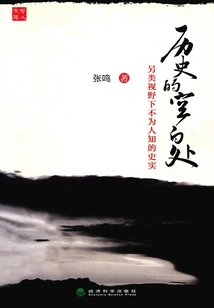
历史的空白处:另类视野下不为人知的史实
Zhang Ming
This book is a historical and cultural essay written by the famous scholar Zhang Ming. He vividly outlines and vividly presents the major and minor figures and various anecdotes in recent history with an alternative perspective and a gentle writing style. Zhang Ming strives to analyze the unknown deep truths in the blank spaces of history, leading readers to reflect on the impact of Chinese feudal civilization on Chinese history, the Chinese people, and even the current society. There is history that cannot be wrong, and words that cannot be wrong.
This book is a historical and cultural essay written by the famous scholar Zhang Ming. He vividly outlines and vividly presents the major and minor figures and various anecdotes in recent history with an alternative perspective and a gentle writing style. Zhang Ming strives to analyze the unknown deep truths in the blank spaces of history, leading readers to reflect on the impact of Chinese feudal civilization on Chinese history, the Chinese people, and even the current society. There is history that cannot be wrong, and words that cannot be wrong.
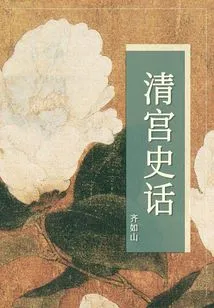
History of the Qing Palace
History清宫史话
Qi Rushan
The book "Memoirs of Qi Rushan: History of the Qing Palace" delicately and vividly restores the Qing court in Mr. Qi's memory. From food, clothing, housing and transportation to etiquette systems, some of the contents in the book are what Mr. Qi heard and saw with his own ears, and some are first-hand information he obtained after consulting the files of the Ministry of Internal Affairs, the Jingshi Room, and the Imperial Kitchen Room. Mr. Qi is like an excellent narrator, leading readers on a journey through the mysterious royal forbidden areas. Qi Rushan is a literary and artistic scholar, but he is by no means a simple scholar. He understands people, knows things, understands politics, is broad-minded, insightful, and knows how to live. He even specially studied the Three Hundred and Sixty Lines of Peking, talked with chefs in large and small restaurants, and wrote books on food such as "Summary of Cooking". He is known as a revolutionary, historian, artist, writer and folklorist. He is a good example of modern intellectuals, and his legendary life is fully presented in his memoirs.
The book "Memoirs of Qi Rushan: History of the Qing Palace" delicately and vividly restores the Qing court in Mr. Qi's memory. From food, clothing, housing and transportation to etiquette systems, some of the contents in the book are what Mr. Qi heard and saw with his own ears, and some are first-hand information he obtained after consulting the files of the Ministry of Internal Affairs, the Jingshi Room, and the Imperial Kitchen Room. Mr. Qi is like an excellent narrator, leading readers on a journey through the mysterious royal forbidden areas. Qi Rushan is a literary and artistic scholar, but he is by no means a simple scholar. He understands people, knows things, understands politics, is broad-minded, insightful, and knows how to live. He even specially studied the Three Hundred and Sixty Lines of Peking, talked with chefs in large and small restaurants, and wrote books on food such as "Summary of Cooking". He is known as a revolutionary, historian, artist, writer and folklorist. He is a good example of modern intellectuals, and his legendary life is fully presented in his memoirs.
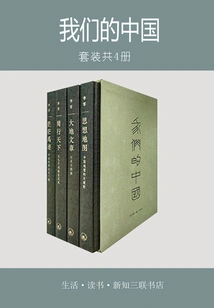
我们的中国(套装共四册)
Li Ling
The famous scholar Li Ling spent more than ten years studying and studying in various parts of China, exploring ancient history and thinking about current issues, and launched this collection of monographs.
The famous scholar Li Ling spent more than ten years studying and studying in various parts of China, exploring ancient history and thinking about current issues, and launched this collection of monographs.
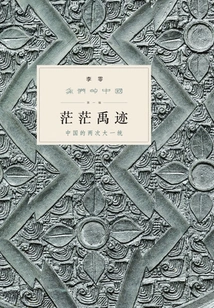
我们的中国(第一编):茫茫禹迹
Li Ling
This book tells the historical process of the formation of China's unified country. "Yu's Traces" is the ancients' initial expression of China. This book summarizes the overall picture of Chinese geography through Yu Gong Jiuzhou.
This book tells the historical process of the formation of China's unified country. "Yu's Traces" is the ancients' initial expression of China. This book summarizes the overall picture of Chinese geography through Yu Gong Jiuzhou.
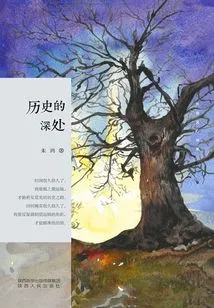
Deep in History
History历史的深处
Zhu Hong
Zhu Hong has published more than 20 collections of essays. Among them, "Western Mood" won the first Bingxin Prose Award, and was recommended reading by the China Youth Quality Development Forum Working Committee and designated reading book for the China Youth Literacy Competition; "History in the Cracks" was "Recommended book series by teachers and students of famous middle schools in Shanghai - a good book that influenced my high school years" was once listed at the top of the Shanghai Bookstore's bestseller list; "Guanzhong is the Courtyard of China" won the first Shaanxi Book Award; "Journey to the Great Virtue" won the second Lao She Prose Award. This book contains several of his latest historical essays, including "Ashes", "The Spirit of the Terracotta Warriors", "Poet's Difficulties", "Su Shi's Veil" and other works, which are worth looking forward to.
Zhu Hong has published more than 20 collections of essays. Among them, "Western Mood" won the first Bingxin Prose Award, and was recommended reading by the China Youth Quality Development Forum Working Committee and designated reading book for the China Youth Literacy Competition; "History in the Cracks" was "Recommended book series by teachers and students of famous middle schools in Shanghai - a good book that influenced my high school years" was once listed at the top of the Shanghai Bookstore's bestseller list; "Guanzhong is the Courtyard of China" won the first Shaanxi Book Award; "Journey to the Great Virtue" won the second Lao She Prose Award. This book contains several of his latest historical essays, including "Ashes", "The Spirit of the Terracotta Warriors", "Poet's Difficulties", "Su Shi's Veil" and other works, which are worth looking forward to.
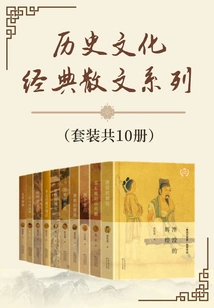
历史文化经典散文系列(套装共10册)
Xia Jianyong Xu Jia Wang Chonglu Xia Jianyong Et Al.
1. A set of historical and cultural prose with excellent writing style and high quality, including the masterpieces of contemporary cultural prose and "Lu Xun Literature Award" award-winning works, jointly recommended by famous writers Shu Ting, Zhang Wei, and famous cultural prose masters Wang Chonglu and Xia Jianyong; 2. Focusing on literati, emperors, political figures, and women, retelling the ups and downs of historical figures, analyzing the secret histories of historical figures, and The ancients come to have a spiritual dialogue that transcends time and space; 3. Tracing the origins of important historical archaeological events, exploring interesting historical phenomena, taking you back to the historical scene, imagining and searching for historical mysteries, and exploring the origin of traditional Chinese culture; 4. The writing style is simple and bright, the story has ups and downs, overlooking the smoke and dust of history, and evoking knowledge of the past and discussing the present. It is an important historical and cultural prose work.
1. A set of historical and cultural prose with excellent writing style and high quality, including the masterpieces of contemporary cultural prose and "Lu Xun Literature Award" award-winning works, jointly recommended by famous writers Shu Ting, Zhang Wei, and famous cultural prose masters Wang Chonglu and Xia Jianyong; 2. Focusing on literati, emperors, political figures, and women, retelling the ups and downs of historical figures, analyzing the secret histories of historical figures, and The ancients come to have a spiritual dialogue that transcends time and space; 3. Tracing the origins of important historical archaeological events, exploring interesting historical phenomena, taking you back to the historical scene, imagining and searching for historical mysteries, and exploring the origin of traditional Chinese culture; 4. The writing style is simple and bright, the story has ups and downs, overlooking the smoke and dust of history, and evoking knowledge of the past and discussing the present. It is an important historical and cultural prose work.
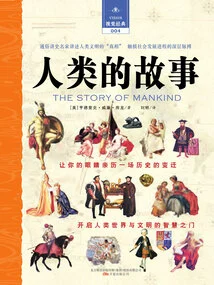
P
Historyp
H
When I was twelve or thirteen years old, my uncle, who introduced me to reading and painting, promised to take me to the top of the tower of the historic St. Lawrence Church in Rotterdam for an unforgettable adventure.
When I was twelve or thirteen years old, my uncle, who introduced me to reading and painting, promised to take me to the top of the tower of the historic St. Lawrence Church in Rotterdam for an unforgettable adventure.
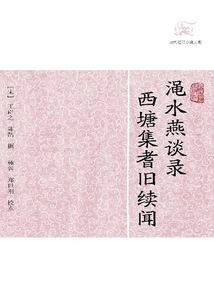
渑水燕谈录·西塘集耆旧续闻
(song Dynasty) Written By Wang Pizhi, Chen Hu, Han Gu, And Proofread By Zheng Shigang
"Mianshui Yan Tan Lu" was written by Wang Pizhi of the Song Dynasty and edited by Han Gu. The book consists of ten volumes, covering political affairs, officialdom, literary and Confucianism, and many anecdotes. All famous officials in the Northern Song Dynasty have recorded them, which is of great historical value. Taking the Hanfenlou edition as the base, the edition of "Sikuquanshu" was used for proofreading, and relevant notes and historical materials such as "Huangsong Shishileiyuan" were used for proofreading. "Xitang Collection of Continuing News from Elders" was written by Chen Hu in the Song Dynasty and edited by Zheng Shigang. The book has ten volumes, and nearly a quarter of it discusses the poetry works of more than 60 literary sages of the Tang and Song Dynasties, including Liu Zongyuan and Su Shi, among whom there are many insights. The recorded rules, regulations and customs of scholars are also of great historical value. Using the Zhiquzhai Congshu as the base, he collated it with the Sikuquanshu and the Minghong-style fragmentary notes. At the same time, he also collated the "Congshu Ji", "Old Novels" and other books as well as "History of the Song Dynasty".
"Mianshui Yan Tan Lu" was written by Wang Pizhi of the Song Dynasty and edited by Han Gu. The book consists of ten volumes, covering political affairs, officialdom, literary and Confucianism, and many anecdotes. All famous officials in the Northern Song Dynasty have recorded them, which is of great historical value. Taking the Hanfenlou edition as the base, the edition of "Sikuquanshu" was used for proofreading, and relevant notes and historical materials such as "Huangsong Shishileiyuan" were used for proofreading. "Xitang Collection of Continuing News from Elders" was written by Chen Hu in the Song Dynasty and edited by Zheng Shigang. The book has ten volumes, and nearly a quarter of it discusses the poetry works of more than 60 literary sages of the Tang and Song Dynasties, including Liu Zongyuan and Su Shi, among whom there are many insights. The recorded rules, regulations and customs of scholars are also of great historical value. Using the Zhiquzhai Congshu as the base, he collated it with the Sikuquanshu and the Minghong-style fragmentary notes. At the same time, he also collated the "Congshu Ji", "Old Novels" and other books as well as "History of the Song Dynasty".
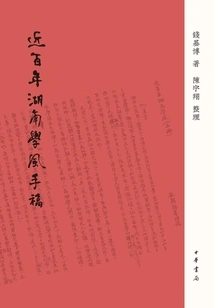
《近百年湖南学风》手稿
Written By Qian Jibo And Compiled By Chen Yuxiang
Qian Jibo, a master of Chinese studies, went to Hunan to teach during the Anti-Japanese War. He was impressed by the emergence of many outstanding figures in modern Hunan, so he wrote "Hunan Academic Style in the Past Hundred Years", a total of nine chapters, and selected Zeng Guofan, Zuo Zongtang, Guo Songtao, Wang Kaiyun, Wei Yuan and other 17 scholars use biographies to present the history of academic thought in Hunan over the past century, focusing on highlighting the independent and free thoughts, perseverance and great contributions of Hunan scholars to modern China. The manuscript of this book was donated to the National Central Library in 1944 and remained unknown for a long time. The full-color photocopy of the manuscript is published this time, with hundreds of collations and explanatory notes and collations with the popular typesetting version, which can make up for the many errors and omissions in the Republic of China edition.
Qian Jibo, a master of Chinese studies, went to Hunan to teach during the Anti-Japanese War. He was impressed by the emergence of many outstanding figures in modern Hunan, so he wrote "Hunan Academic Style in the Past Hundred Years", a total of nine chapters, and selected Zeng Guofan, Zuo Zongtang, Guo Songtao, Wang Kaiyun, Wei Yuan and other 17 scholars use biographies to present the history of academic thought in Hunan over the past century, focusing on highlighting the independent and free thoughts, perseverance and great contributions of Hunan scholars to modern China. The manuscript of this book was donated to the National Central Library in 1944 and remained unknown for a long time. The full-color photocopy of the manuscript is published this time, with hundreds of collations and explanatory notes and collations with the popular typesetting version, which can make up for the many errors and omissions in the Republic of China edition.
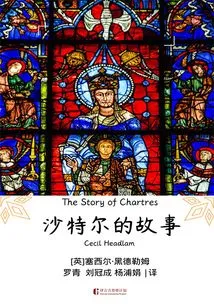
Chartres Story
History沙特尔的故事
(uk) Cecil Headham
Chartres is located in the Eure-Loire department at the junction of the Île-de-France region and the Center region. It is located on a hill, on the left bank of the Eure River, in the middle of the Beauce Plain. Chartres is located southwest of Paris, 71 kilometers apart. It is a quiet small city with a population of about 42,000. It is world-famous for its cathedral. It is designated as a World Cultural Heritage by UNESCO. It is also one of the nine famous churches in France and one of the four early cathedrals. On the top of the high hill is the Chartres Church. Below the church lies this quiet town. The river flows around the city and divides into three forks in the city center. Therefore, residents live by the river. The back gardens of the houses are close to the river, like a water garden. The rare thing about the small town is that it is very quiet. There is no sound in the city, as if no one is inhabited.
Chartres is located in the Eure-Loire department at the junction of the Île-de-France region and the Center region. It is located on a hill, on the left bank of the Eure River, in the middle of the Beauce Plain. Chartres is located southwest of Paris, 71 kilometers apart. It is a quiet small city with a population of about 42,000. It is world-famous for its cathedral. It is designated as a World Cultural Heritage by UNESCO. It is also one of the nine famous churches in France and one of the four early cathedrals. On the top of the high hill is the Chartres Church. Below the church lies this quiet town. The river flows around the city and divides into three forks in the city center. Therefore, residents live by the river. The back gardens of the houses are close to the river, like a water garden. The rare thing about the small town is that it is very quiet. There is no sound in the city, as if no one is inhabited.
中华小故事3:“观”绝古今
Qiao Zhongyan
There are 30 lessons on establishing a outlook on life. Each lesson tells a short, interesting and thought-provoking story about ancient and modern figures. In addition to understanding history, readers will also learn a little bit about how to be a good person.
There are 30 lessons on establishing a outlook on life. Each lesson tells a short, interesting and thought-provoking story about ancient and modern figures. In addition to understanding history, readers will also learn a little bit about how to be a good person.
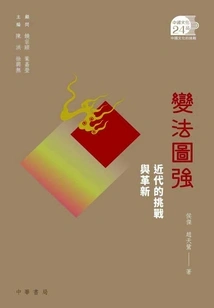
变法图强:近代的挑战与革新
Hou Jie Zhao Tianlu
The Chinese Empire has always claimed to be the "Great Kingdom of Heaven". Since the Ming and Qing Dynasties, it has been insular and arrogant, and has lost the opportunity to dialogue with Western civilization. At that time, the imperial court was corrupt and full of bad governance. In modern times, great powers came one after another and used force to open the door of China. Internal and external troubles caused the Chinese nation to be in grave danger. Sun Yat-sen said: "The world's trends are vast. Those who follow them prosper, and those who go against them perish." In the face of the tide of world modernization, countless people with lofty ideals and benevolence, for the sake of national self-improvement and cultural rejuvenation, consciously learn from Western culture and actively explore ways to strengthen a country and resist aggression. A series of reforms and revolutions have been carried out in the military, economy, politics, education, culture and diplomacy. Although this road to reform and strengthening is full of thorns and twists and turns, they still continue to trudge forward, pushing the wheel of history of China's modernization forward.
The Chinese Empire has always claimed to be the "Great Kingdom of Heaven". Since the Ming and Qing Dynasties, it has been insular and arrogant, and has lost the opportunity to dialogue with Western civilization. At that time, the imperial court was corrupt and full of bad governance. In modern times, great powers came one after another and used force to open the door of China. Internal and external troubles caused the Chinese nation to be in grave danger. Sun Yat-sen said: "The world's trends are vast. Those who follow them prosper, and those who go against them perish." In the face of the tide of world modernization, countless people with lofty ideals and benevolence, for the sake of national self-improvement and cultural rejuvenation, consciously learn from Western culture and actively explore ways to strengthen a country and resist aggression. A series of reforms and revolutions have been carried out in the military, economy, politics, education, culture and diplomacy. Although this road to reform and strengthening is full of thorns and twists and turns, they still continue to trudge forward, pushing the wheel of history of China's modernization forward.
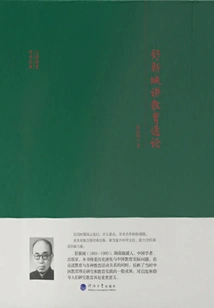
舒新城讲教育通论
Shu Xincheng
This book pays special attention to the historical evolution and practical issues of Chinese education. While discussing the relationship between education and various educational activities, it also reflects the general results of Chinese educational theoretical research and educational practice at that time, and is of great significance in inspiring and guiding people to study education.
This book pays special attention to the historical evolution and practical issues of Chinese education. While discussing the relationship between education and various educational activities, it also reflects the general results of Chinese educational theoretical research and educational practice at that time, and is of great significance in inspiring and guiding people to study education.
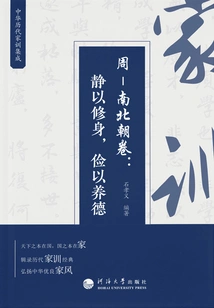
中华历代家训集成·周-南北朝卷:静以修身,俭以养德
Compiled By Shi Xiaoyi
This series of books is sorted by dynasty, starting from the Zhou Dynasty to the Qing Dynasty. It lasts for more than two thousand years. It is a collection of classic family mottos written by celebrities of all ages in China. This book is the beginning of this series of books, which collects various family motto works of many celebrities from the Zhou Dynasty to the Southern and Northern Dynasties. There are emperors and generals, as well as literati and humble scholars; there are famous generals on the battlefield and reclusive scholars; there are strict fathers who train their children, and there are loving mothers who teach their children. This book can be said to be a systematic review and in-depth interpretation of famous articles in traditional Chinese family mottos.
This series of books is sorted by dynasty, starting from the Zhou Dynasty to the Qing Dynasty. It lasts for more than two thousand years. It is a collection of classic family mottos written by celebrities of all ages in China. This book is the beginning of this series of books, which collects various family motto works of many celebrities from the Zhou Dynasty to the Southern and Northern Dynasties. There are emperors and generals, as well as literati and humble scholars; there are famous generals on the battlefield and reclusive scholars; there are strict fathers who train their children, and there are loving mothers who teach their children. This book can be said to be a systematic review and in-depth interpretation of famous articles in traditional Chinese family mottos.
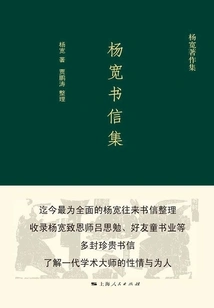
杨宽书信集
Written By Yang Kuan And Compiled By Jia Pengtao
This book collects more than 90 letters between Yang Kuan and dozens of scholars from 1940 to 2003. The correspondence recipients include Lu Simian, Lu Yiren, Tong Shuye, Jiang Dayi, Shen Yanguo, Hu Jueming, Wu Ze, Mitarashi Teng, Wang Xiaolian, Takagi Tomomi, Ma Yao, Hu Daojing, Li Shaokun, Jiang Weisong, etc., As well as institutions such as Shanghai Ancient Books Publishing House, Shanghai People's Publishing House, and Shanghai Library. This collection of letters was compiled from Mr. Yang Kuan's manuscripts collected in existing publications, archives, and the Shanghai Library. It is the most comprehensive compilation of Yang Kuan's letters to date. Many of the letters are publicly published for the first time, allowing readers to learn about Mr. Yang Kuan's academic exchanges through these letters, which has certain historical value. The appendix is five articles written by Yang Kuan in memory of Lu Simian, Gu Jiegang, Zhang Taiyan and Li Yanong.
This book collects more than 90 letters between Yang Kuan and dozens of scholars from 1940 to 2003. The correspondence recipients include Lu Simian, Lu Yiren, Tong Shuye, Jiang Dayi, Shen Yanguo, Hu Jueming, Wu Ze, Mitarashi Teng, Wang Xiaolian, Takagi Tomomi, Ma Yao, Hu Daojing, Li Shaokun, Jiang Weisong, etc., As well as institutions such as Shanghai Ancient Books Publishing House, Shanghai People's Publishing House, and Shanghai Library. This collection of letters was compiled from Mr. Yang Kuan's manuscripts collected in existing publications, archives, and the Shanghai Library. It is the most comprehensive compilation of Yang Kuan's letters to date. Many of the letters are publicly published for the first time, allowing readers to learn about Mr. Yang Kuan's academic exchanges through these letters, which has certain historical value. The appendix is five articles written by Yang Kuan in memory of Lu Simian, Gu Jiegang, Zhang Taiyan and Li Yanong.
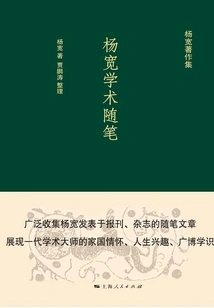
Yang Kuan's Academic Essays
History杨宽学术随笔
Written By Yang Kuan And Compiled By Jia Pengtao
This book is part of the second series of "Collection of Yang Kuan's Works". It mainly collects more than 100 articles of various kinds scattered by Mr. Yang Kuan in newspapers, periodicals and magazines. The articles included in this manuscript mainly include book reviews, Chinese and foreign ancient and modern comments, cultural essays, current articles, work articles, etc., Such as about the preparation for the establishment of the Shanghai Municipal Museum, the collection of exhibits, the planning of exhibitions, the cultivation of cultural and museum talents, and the Jianghu series serialized in newspapers and periodicals. Talk series, as well as Mr. Yang Kuan's comments and book reviews on current affairs in various newspapers and periodicals at that time, and also collected Mr. Yang Kuan's introduction to the democratic independence movement in neighboring countries and other related articles, which comprehensively reflects Mr. Yang Kuan's erudite knowledge and life scholarship.
This book is part of the second series of "Collection of Yang Kuan's Works". It mainly collects more than 100 articles of various kinds scattered by Mr. Yang Kuan in newspapers, periodicals and magazines. The articles included in this manuscript mainly include book reviews, Chinese and foreign ancient and modern comments, cultural essays, current articles, work articles, etc., Such as about the preparation for the establishment of the Shanghai Municipal Museum, the collection of exhibits, the planning of exhibitions, the cultivation of cultural and museum talents, and the Jianghu series serialized in newspapers and periodicals. Talk series, as well as Mr. Yang Kuan's comments and book reviews on current affairs in various newspapers and periodicals at that time, and also collected Mr. Yang Kuan's introduction to the democratic independence movement in neighboring countries and other related articles, which comprehensively reflects Mr. Yang Kuan's erudite knowledge and life scholarship.
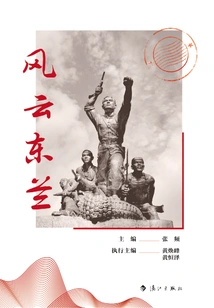
Fengyun Donglan
History风云东兰
Editor-in-chief Zhang Pin
"Fengyun Donglan" takes many revolutionary heroes and red relics everywhere as clues, creatively uses the style and tone of prose, creates associations, talks about the past and the present, traces the footsteps of heroes, tells the story of the iron-blooded Donglan, and praises Donglan's rich revolutionary history and the vicissitudes of reality. Focusing closely on the red theme of cherishing the achievements of the revolution, reliving the deeds of the revolution, remembering the revolutionary sages, inheriting the legacy of the martyrs, and praising the qualities of model Communists, it strives to connect history with reality for dialogue and exchange of ideas across historical time and space, and is intended to awaken and inspire people's original intention of "not forgetting the original intention and keeping the mission in mind."
"Fengyun Donglan" takes many revolutionary heroes and red relics everywhere as clues, creatively uses the style and tone of prose, creates associations, talks about the past and the present, traces the footsteps of heroes, tells the story of the iron-blooded Donglan, and praises Donglan's rich revolutionary history and the vicissitudes of reality. Focusing closely on the red theme of cherishing the achievements of the revolution, reliving the deeds of the revolution, remembering the revolutionary sages, inheriting the legacy of the martyrs, and praising the qualities of model Communists, it strives to connect history with reality for dialogue and exchange of ideas across historical time and space, and is intended to awaken and inspire people's original intention of "not forgetting the original intention and keeping the mission in mind."
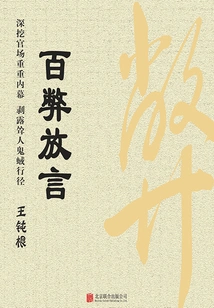
百弊放言(有间文库)
Wang Dugen
Based on the social historical facts of the early Republic of China, "Talking About All Evils" reveals all kinds of ugly behaviors of people of all kinds, from government offices to brothels and casinos, who are only interested in profit, engage in corruption for personal gain, and engage in evil deeds. Although the book aims to reveal the various shortcomings in all walks of life in old China under the shady cover, it also contains many scandals that may seem absurd and bizarre, but are actually real. The author uses sharp words and unique vision to reveal layer by layer and expose one by one, allowing today's readers to see clearly the ugly faces of cheaters, understand their shady behavior when cheating, and gain a deeper understanding of the society of the past.
Based on the social historical facts of the early Republic of China, "Talking About All Evils" reveals all kinds of ugly behaviors of people of all kinds, from government offices to brothels and casinos, who are only interested in profit, engage in corruption for personal gain, and engage in evil deeds. Although the book aims to reveal the various shortcomings in all walks of life in old China under the shady cover, it also contains many scandals that may seem absurd and bizarre, but are actually real. The author uses sharp words and unique vision to reveal layer by layer and expose one by one, allowing today's readers to see clearly the ugly faces of cheaters, understand their shady behavior when cheating, and gain a deeper understanding of the society of the past.
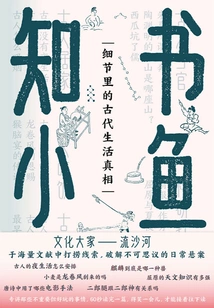
Shuyu Zhixiao
History书鱼知小
Liusha River
This book is a collection of historical and cultural short essays by Mr. Liu Shahe. It starts with clues from texts and ancient books. Each article answers or clarifies a small question in ancient life. Although it seems small, it may be an "eternal unsolved case" or a "thousand-year wrong case". Once solved, it will make people suddenly realize or laugh dumbly. The theme involves little-known details of all aspects of ancient people's lives, including personal aspects of clothing, food, housing, transportation, entertainment, and cultural activities, as well as details of officialdom, commerce, war, handicrafts, and science at the social level. The topic of the article is small and the length is short. It can be read in an instant, but it is full of information and interesting. It always gives people the pleasure of reading "that's it".
This book is a collection of historical and cultural short essays by Mr. Liu Shahe. It starts with clues from texts and ancient books. Each article answers or clarifies a small question in ancient life. Although it seems small, it may be an "eternal unsolved case" or a "thousand-year wrong case". Once solved, it will make people suddenly realize or laugh dumbly. The theme involves little-known details of all aspects of ancient people's lives, including personal aspects of clothing, food, housing, transportation, entertainment, and cultural activities, as well as details of officialdom, commerce, war, handicrafts, and science at the social level. The topic of the article is small and the length is short. It can be read in an instant, but it is full of information and interesting. It always gives people the pleasure of reading "that's it".
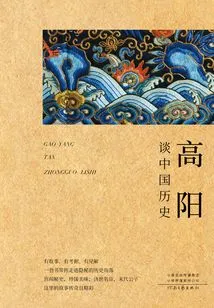
高阳谈中国历史系列(套装共6册)
Gaoyang
The "Gao Yang Talks about Chinese History" series has six works by Gao Yang: "The Secret of the Palace", "Food in Ancient and Modern Times", "The Four Young Masters in the Late Ming Dynasty", "The Four Young Masters in the Late Qing Dynasty", "Tongguang Elder" and "The Story of Baitai". Different from Gao Yang's historical novels, this set of books tells history in the form of prose, with extensive quotations and detailed analysis of the hidden history that has been covered up by official history. It also allows readers to learn about legendary figures and stories that they have not paid attention to when reading history.
The "Gao Yang Talks about Chinese History" series has six works by Gao Yang: "The Secret of the Palace", "Food in Ancient and Modern Times", "The Four Young Masters in the Late Ming Dynasty", "The Four Young Masters in the Late Qing Dynasty", "Tongguang Elder" and "The Story of Baitai". Different from Gao Yang's historical novels, this set of books tells history in the form of prose, with extensive quotations and detailed analysis of the hidden history that has been covered up by official history. It also allows readers to learn about legendary figures and stories that they have not paid attention to when reading history.
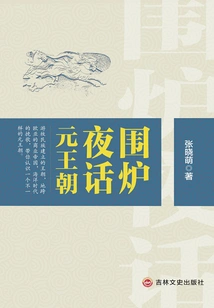
围炉夜话元王朝
Zhang Xiaomeng
The Yuan Dynasty was a short-lived dynasty that lasted less than a hundred years, but because its founders were ethnic minorities from the Mongolian grasslands, this dynasty had systems, policies, and economic structures that were different from other dynasties. These differences also profoundly affected later dynasties. The author hopes to use the perspectives of modern economics and psychology to interpret a different Yuan Dynasty and the imprint of this dynasty's system on our modern Chinese cultural genes.
The Yuan Dynasty was a short-lived dynasty that lasted less than a hundred years, but because its founders were ethnic minorities from the Mongolian grasslands, this dynasty had systems, policies, and economic structures that were different from other dynasties. These differences also profoundly affected later dynasties. The author hopes to use the perspectives of modern economics and psychology to interpret a different Yuan Dynasty and the imprint of this dynasty's system on our modern Chinese cultural genes.
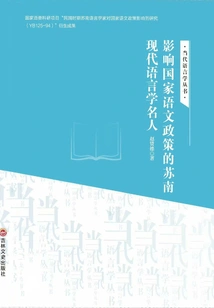
影响国家语文政策的苏南现代语言学名人
Zhao Xiande
The late Qing Dynasty and the Republic of my country were a period of transformation in all aspects of our country's society, and correspondingly comprehensive adjustments were made to language and writing policies. The formulation and promulgation of the "Mandarin Language Unification Act", the convening of the Pronunciation Unification Conference, the conversion from classical Chinese to vernacular, the conversion from Chinese to Mandarin, the conversion of old Chinese pronunciation to new Chinese pronunciation, the formulation and promotion of phonetic symbols, the determination of the four tones of Chinese, the formulation and promotion of Mandarin Roman characters, the formulation and promotion of new Latin characters, the formulation and promotion of Mandarin standards , the design and use of new punctuation marks, the change of traditional characters to simplified characters, the change of typesetting form from vertical to horizontal, and the formulation and promotion of Chinese pinyin programs have all been fully developed. These tasks were mainly completed by linguists from Changzhou, Wuxi, Suzhou, Shanghai, Nantong and other places and a small number of linguists from Zhejiang. This book introduces the academic achievements and other situations of 21 modern linguists in southern Jiangsu who had a great or small influence on the national language policy at that time. It is a highly readable biography of people related to linguistic research.
The late Qing Dynasty and the Republic of my country were a period of transformation in all aspects of our country's society, and correspondingly comprehensive adjustments were made to language and writing policies. The formulation and promulgation of the "Mandarin Language Unification Act", the convening of the Pronunciation Unification Conference, the conversion from classical Chinese to vernacular, the conversion from Chinese to Mandarin, the conversion of old Chinese pronunciation to new Chinese pronunciation, the formulation and promotion of phonetic symbols, the determination of the four tones of Chinese, the formulation and promotion of Mandarin Roman characters, the formulation and promotion of new Latin characters, the formulation and promotion of Mandarin standards , the design and use of new punctuation marks, the change of traditional characters to simplified characters, the change of typesetting form from vertical to horizontal, and the formulation and promotion of Chinese pinyin programs have all been fully developed. These tasks were mainly completed by linguists from Changzhou, Wuxi, Suzhou, Shanghai, Nantong and other places and a small number of linguists from Zhejiang. This book introduces the academic achievements and other situations of 21 modern linguists in southern Jiangsu who had a great or small influence on the national language policy at that time. It is a highly readable biography of people related to linguistic research.
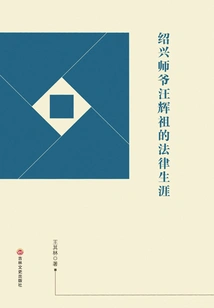
绍兴师爷汪辉祖的法律生涯
Wang Qilin
This book analyzes the basic overview of the judiciary in the Ming and Qing Dynasties by detailing the legal career of Wang Huizu, a famous criminal friend in the Qing Dynasty. In addition to understanding the ancient judicial situation and the management of judicial practitioners, I hope to give some thinking and inspiration to today's legal practitioners. As a "lawyer", the impression he gives us is by no means a legal practitioner who can only tease out rules and regulations, but a humble gentleman who is well-informed, loyal and fair, but also kind, enthusiastic and kind to others.
This book analyzes the basic overview of the judiciary in the Ming and Qing Dynasties by detailing the legal career of Wang Huizu, a famous criminal friend in the Qing Dynasty. In addition to understanding the ancient judicial situation and the management of judicial practitioners, I hope to give some thinking and inspiration to today's legal practitioners. As a "lawyer", the impression he gives us is by no means a legal practitioner who can only tease out rules and regulations, but a humble gentleman who is well-informed, loyal and fair, but also kind, enthusiastic and kind to others.
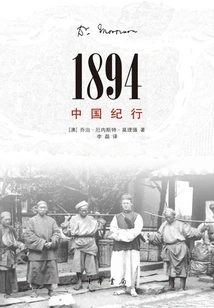
1894, Journey to China
History1894,中国纪行
(australia) George Ernest Morrison
1894 was an important year in Chinese history and even in world history. This year, Morrison, a medical graduate from the University of Edinburgh, could not speak Chinese, had no companions or translators, and relied on forty pounds sent by his mother to travel from Shanghai to Chongqing along the Yangtze River, and then walked to Yangon, Myanmar. I kept notes along the way and wrote this book. Shortly after Morrison's trip ended, the Sino-Japanese naval battle broke out. China suffered a disastrous defeat, and the fate of the ancient empire immediately hit rock bottom. At the moment before the turbulent historical wave arrives, what do the Chinese people described by Morrison-who and their descendants are about to face countless sufferings and challenges and finally gain national independence and liberation-show like? ? Those lively scenes of crossing the Xiajiang River, the dreamlike style of the post road inn, and the echoing caravan bells filling the mountains are constantly resurrected in Morrison's words, unfolding in front of the readers an ancient picture of China in the late Qing Dynasty without decoration. Through the eyes of a Scottish gentleman from a distant land, we return to China in 1894. Reading this book is more than just nostalgia.
1894 was an important year in Chinese history and even in world history. This year, Morrison, a medical graduate from the University of Edinburgh, could not speak Chinese, had no companions or translators, and relied on forty pounds sent by his mother to travel from Shanghai to Chongqing along the Yangtze River, and then walked to Yangon, Myanmar. I kept notes along the way and wrote this book. Shortly after Morrison's trip ended, the Sino-Japanese naval battle broke out. China suffered a disastrous defeat, and the fate of the ancient empire immediately hit rock bottom. At the moment before the turbulent historical wave arrives, what do the Chinese people described by Morrison-who and their descendants are about to face countless sufferings and challenges and finally gain national independence and liberation-show like? ? Those lively scenes of crossing the Xiajiang River, the dreamlike style of the post road inn, and the echoing caravan bells filling the mountains are constantly resurrected in Morrison's words, unfolding in front of the readers an ancient picture of China in the late Qing Dynasty without decoration. Through the eyes of a Scottish gentleman from a distant land, we return to China in 1894. Reading this book is more than just nostalgia.
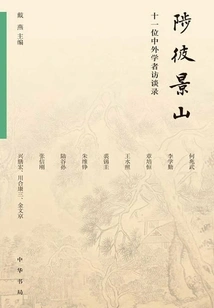
陟彼景山:十一位中外学者访谈录
Dai Yan Chief Editor
Each generation has its own academics and each generation has its own ideas. Through Professor Dai Yan's interviews with eleven Chinese and foreign scholars of the older generation from the Anti-Japanese War to the present, including He Zhaowu, Li Xueqin, Zhang Peiheng, Wang Shuizhao, and Qiu Xigui, we have learned about the history of that era that is about to pass, as well as the thinking and choices of scholars in that generation of history-what are their political concerns and academic ideals? How do they choose their own life path amid huge social changes? In their respective professional fields, how do they think about history and the future, and how do they connect the past and the future? Each scholar embodies the academic and ideological ethos of a generation. These scholars can be said to be the backbone of the spirit of this era and the soul of academic culture. Learning from the past and knowing the future, today's scholars only have a full understanding of the academics and thoughts of the previous generation of scholars, in order to build on the past and open up the future. In this sense, this book is also a history of the scholarly mind of previous scholars.
Each generation has its own academics and each generation has its own ideas. Through Professor Dai Yan's interviews with eleven Chinese and foreign scholars of the older generation from the Anti-Japanese War to the present, including He Zhaowu, Li Xueqin, Zhang Peiheng, Wang Shuizhao, and Qiu Xigui, we have learned about the history of that era that is about to pass, as well as the thinking and choices of scholars in that generation of history-what are their political concerns and academic ideals? How do they choose their own life path amid huge social changes? In their respective professional fields, how do they think about history and the future, and how do they connect the past and the future? Each scholar embodies the academic and ideological ethos of a generation. These scholars can be said to be the backbone of the spirit of this era and the soul of academic culture. Learning from the past and knowing the future, today's scholars only have a full understanding of the academics and thoughts of the previous generation of scholars, in order to build on the past and open up the future. In this sense, this book is also a history of the scholarly mind of previous scholars.
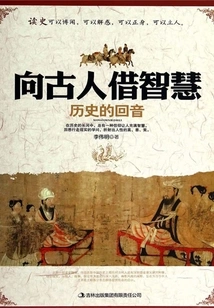
向古人借智慧历史的回音
Li Weiming
"Borrowing Wisdom from the Ancients (Echoes of History)" is an essay on reading history. The work selects those people and events in Chinese history that are of profound reference to contemporary people, combines them with reality, and provides a simple and humorous explanation from aspects of life and work, aiming to provide some useful enlightenment for today's office workers. The book is planned to contain 105 articles, each of which is similar in length, and pays special attention to the combination of ancient and modern times. It is more suitable for white-collar readers to read in their spare time.
"Borrowing Wisdom from the Ancients (Echoes of History)" is an essay on reading history. The work selects those people and events in Chinese history that are of profound reference to contemporary people, combines them with reality, and provides a simple and humorous explanation from aspects of life and work, aiming to provide some useful enlightenment for today's office workers. The book is planned to contain 105 articles, each of which is similar in length, and pays special attention to the combination of ancient and modern times. It is more suitable for white-collar readers to read in their spare time.
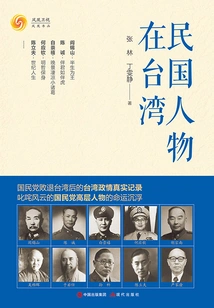
民国人物在台湾
Zhang Lin Ding Wenjing
"Characters of the Republic of China in Taiwan" tells the story of the life experiences of senior figures of the Kuomintang after their defeat in Taiwan. The author uses documentary techniques to describe in detail the fate of ten influential figures in modern Chinese history: Yan Xishan, Chen Cheng, Bai Chongxi, He Yingqin, Hu Zongnan, Wu Zhihui, Yu Youren, Sun Ke, Chen Lifu, and Yan Jiagan, especially their situations after following Chiang Kai-shek's defeat in Taiwan. In Taiwan, Chen Cheng, who is known as the "pocket version of Chiang Kai-shek," has an increasingly complicated and subtle relationship with the Chiangs and his sons; Chen Lifu, the "CC faction" who was extremely powerful in the mainland, left for the United States and became a "professional chicken farmer"; Bai Chongxi, who has killed countless enemies in the past, never expected that his life would always be between the nods and shakes of others, with just the slightest pull of the trigger...
"Characters of the Republic of China in Taiwan" tells the story of the life experiences of senior figures of the Kuomintang after their defeat in Taiwan. The author uses documentary techniques to describe in detail the fate of ten influential figures in modern Chinese history: Yan Xishan, Chen Cheng, Bai Chongxi, He Yingqin, Hu Zongnan, Wu Zhihui, Yu Youren, Sun Ke, Chen Lifu, and Yan Jiagan, especially their situations after following Chiang Kai-shek's defeat in Taiwan. In Taiwan, Chen Cheng, who is known as the "pocket version of Chiang Kai-shek," has an increasingly complicated and subtle relationship with the Chiangs and his sons; Chen Lifu, the "CC faction" who was extremely powerful in the mainland, left for the United States and became a "professional chicken farmer"; Bai Chongxi, who has killed countless enemies in the past, never expected that his life would always be between the nods and shakes of others, with just the slightest pull of the trigger...
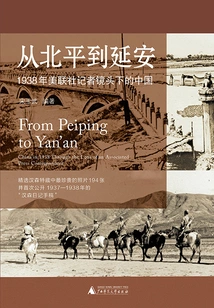
从北平到延安:1938年美联社记者镜头下的中国
Song Yuwu
This book covers Beiping, Jizhong Anti-Japanese Base Area, Southern Shanxi, Yan'an and other places; it is accompanied by Hansen's travel diary, press releases, and published articles. It shows many scenes and vigorous vitality in the guerrilla zones of the Anti-Japanese War in North China, presents clear historical details, shows the fate of some small figures in the great era, and provides historians with first-hand vivid visual documents for studying the Chinese Anti-Japanese War. Hansen's writing technique, which is similar to line drawing, also tells readers about an eye-catching change in China at that time, a unique anti-war team-the anti-Japanese force behind enemy lines led by the Communist Party of China.
This book covers Beiping, Jizhong Anti-Japanese Base Area, Southern Shanxi, Yan'an and other places; it is accompanied by Hansen's travel diary, press releases, and published articles. It shows many scenes and vigorous vitality in the guerrilla zones of the Anti-Japanese War in North China, presents clear historical details, shows the fate of some small figures in the great era, and provides historians with first-hand vivid visual documents for studying the Chinese Anti-Japanese War. Hansen's writing technique, which is similar to line drawing, also tells readers about an eye-catching change in China at that time, a unique anti-war team-the anti-Japanese force behind enemy lines led by the Communist Party of China.
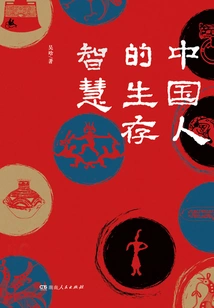
中国人的生存智慧
Wu Han
If people want to live in society, they will inevitably have to deal with all aspects of social life. In the past dynasties of China, the emperor had the survival wisdom of the emperor, the officials had the survival wisdom of officials, and the common people had the survival wisdom of the common people. Each class had its own secret of social survival. This book is a collection of selected articles by historian Wu Han, showing the valuable wisdom accumulated by ancient Chinese people in social life.
If people want to live in society, they will inevitably have to deal with all aspects of social life. In the past dynasties of China, the emperor had the survival wisdom of the emperor, the officials had the survival wisdom of officials, and the common people had the survival wisdom of the common people. Each class had its own secret of social survival. This book is a collection of selected articles by historian Wu Han, showing the valuable wisdom accumulated by ancient Chinese people in social life.
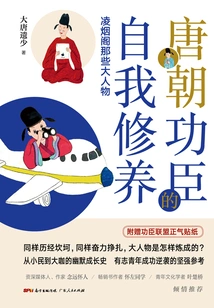
唐朝功臣的自我修养
The Young Man Left In The Tang Dynasty
This book is a historical essay. Next to the Sanqing Hall of the Tang Dynasty Palace, there is an inconspicuous small building called Lingyan Pavilion, which was built by Emperor Taizong of the Tang Dynasty in memory of his heroes. There are portraits of twenty-four civil servants and generals, including Changsun Wuji, Li Xiaogong, Du Ruhui, Wei Zheng, Fang Xuanling, Gao Shilian, Yuchi Jingde, Li Jing, Xiao Yu, Duan Zhihong, Liu Hongji, Qu Tutong, Yin Kaishan, Chai Shao, Changsun Shunde, Zhang Liang, Hou Junji, Zhang Gongjin, Cheng Yaojin, Yu Shinan, Liu Zhenghui, Tang Jian, Li Shiji, Qin Qiong. There are so many big men living in a small Lingyan Pavilion. Behind every big man, there is a series of small stories. This book narrates their stories and the history behind them. It is both solemn and humorous, interesting and thought-provoking. It is an excellent historical leisure reading.
This book is a historical essay. Next to the Sanqing Hall of the Tang Dynasty Palace, there is an inconspicuous small building called Lingyan Pavilion, which was built by Emperor Taizong of the Tang Dynasty in memory of his heroes. There are portraits of twenty-four civil servants and generals, including Changsun Wuji, Li Xiaogong, Du Ruhui, Wei Zheng, Fang Xuanling, Gao Shilian, Yuchi Jingde, Li Jing, Xiao Yu, Duan Zhihong, Liu Hongji, Qu Tutong, Yin Kaishan, Chai Shao, Changsun Shunde, Zhang Liang, Hou Junji, Zhang Gongjin, Cheng Yaojin, Yu Shinan, Liu Zhenghui, Tang Jian, Li Shiji, Qin Qiong. There are so many big men living in a small Lingyan Pavilion. Behind every big man, there is a series of small stories. This book narrates their stories and the history behind them. It is both solemn and humorous, interesting and thought-provoking. It is an excellent historical leisure reading.
Wukuzhai Recalls the Past
History五库斋忆旧
He Lingxiu
This book is mainly the reminiscences of Mr. He Lingxiu. There are memories of his family background and parents, as well as memories of his own studies and studies. There are also miscellaneous memories of his teachers and friends, including memories of Xie Guozhen, Gu Jiegang, Deng Guangming, Shang Hongkui, Yang Shangkui, Xiang Da and others. The words are affectionate. Although some of them are just over a thousand words long, they are very useful. From a certain perspective, it is also the growth history of a generation of scholars and is readable.
This book is mainly the reminiscences of Mr. He Lingxiu. There are memories of his family background and parents, as well as memories of his own studies and studies. There are also miscellaneous memories of his teachers and friends, including memories of Xie Guozhen, Gu Jiegang, Deng Guangming, Shang Hongkui, Yang Shangkui, Xiang Da and others. The words are affectionate. Although some of them are just over a thousand words long, they are very useful. From a certain perspective, it is also the growth history of a generation of scholars and is readable.
我所思之在海南
Zhong Yechang
"What I'm Thinking About in Hainan" is a collection of essays written by Comrade Zhong Yechang on Hainan's reform, opening up and development issues in the past 40 years. This book contains 49 articles, focusing on the historical process of Hainan's opening up, development and construction, and based on the economic development trends and experiences of the world and the Asia-Pacific region and the situation of my country's opening to the outside world. It studies and discusses Hainan's economic development and related issues from different angles and levels. The publication of this book will play an important role in enlightening people's understanding of the process of Hainan's opening up, development and construction, and increasing their understanding of the significance of building a free trade zone across the island of Hainan and exploring the construction of a free trade port with Chinese characteristics.
"What I'm Thinking About in Hainan" is a collection of essays written by Comrade Zhong Yechang on Hainan's reform, opening up and development issues in the past 40 years. This book contains 49 articles, focusing on the historical process of Hainan's opening up, development and construction, and based on the economic development trends and experiences of the world and the Asia-Pacific region and the situation of my country's opening to the outside world. It studies and discusses Hainan's economic development and related issues from different angles and levels. The publication of this book will play an important role in enlightening people's understanding of the process of Hainan's opening up, development and construction, and increasing their understanding of the significance of building a free trade zone across the island of Hainan and exploring the construction of a free trade port with Chinese characteristics.
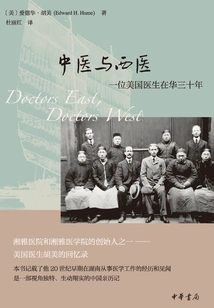
Traditional Chinese Medicine and Western Medicine: an American Doctor's Thirty Years in China
History中医与西医:一位美国医生在华三十年
(u. S.) Edward Hume
"Northern Union, Southern Xiangya", Xiangya Hospital has gone through a hundred years of history. This book is a memoir written in 1949 by Hu Mei, an American doctor who was one of the founders of Xiangya Medical College and Xiangya Hospital. The book records his various experiences in medical work in Hunan in the early 20th century. From the unique perspective of a Western medical worker, Dr. Hu Mei narrates to us the true situation of China's social medical culture and customs, society's views on diseases, China's attitude towards traditional Chinese and Western medicine, and the doctor-patient relationship at the beginning of the last century. It is a memoir with a unique perspective, detailed narrative, vivid and interesting.
"Northern Union, Southern Xiangya", Xiangya Hospital has gone through a hundred years of history. This book is a memoir written in 1949 by Hu Mei, an American doctor who was one of the founders of Xiangya Medical College and Xiangya Hospital. The book records his various experiences in medical work in Hunan in the early 20th century. From the unique perspective of a Western medical worker, Dr. Hu Mei narrates to us the true situation of China's social medical culture and customs, society's views on diseases, China's attitude towards traditional Chinese and Western medicine, and the doctor-patient relationship at the beginning of the last century. It is a memoir with a unique perspective, detailed narrative, vivid and interesting.
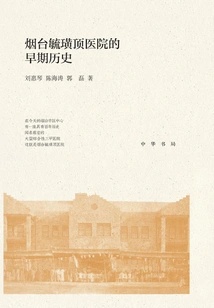
烟台毓璜顶医院的早期历史
Liu Huiqin Chen Haitao Guo Lei
Yantai Yuhuangding Hospital is a hospital with a history of more than 100 years. Its establishment and development are not only a process of exchange and collision of Chinese and Western medicine, but also a process of exchange and development of Chinese and Western ideas seeking common ground while reserving differences. As an important example of the study of the history of Yantai's opening of the port and the process of modernization, this book eliminates falsehoods and retains the true, enriches and refines the early history of Yantai Yuhuangding Hospital in detail, and shows an aspect of Yantai's modern history. It is of great significance not only to the modern history of Yantai, but also to the modern history of China.
Yantai Yuhuangding Hospital is a hospital with a history of more than 100 years. Its establishment and development are not only a process of exchange and collision of Chinese and Western medicine, but also a process of exchange and development of Chinese and Western ideas seeking common ground while reserving differences. As an important example of the study of the history of Yantai's opening of the port and the process of modernization, this book eliminates falsehoods and retains the true, enriches and refines the early history of Yantai Yuhuangding Hospital in detail, and shows an aspect of Yantai's modern history. It is of great significance not only to the modern history of Yantai, but also to the modern history of China.
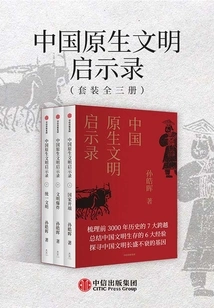
中国原生文明启示录(全三册)(2020全新修订版)
Sun Haohui
"Apocalypse of China's Native Civilization" is a historical work written by Sun Haohui, the author of the long epic "The Qin Empire", which attempts to clarify the history of Chinese civilization in the first 3,000 years. The author started from the awareness of the problem of why China has a pale consciousness of civilization and why it does not have its own right to speak about civilization. After more than ten years of research and thinking, while writing "The Qin Empire", he formed his own theoretical system and compiled it into the three-volume "Revelation of China's Native Civilization". "Revelation of China's Native Civilization" creatively puts forward the concept of China's native civilization, carefully sorts out the seven major historical leaps in Chinese history before the Qin Empire, and summarizes the six major survival experiences of the Chinese nation.
"Apocalypse of China's Native Civilization" is a historical work written by Sun Haohui, the author of the long epic "The Qin Empire", which attempts to clarify the history of Chinese civilization in the first 3,000 years. The author started from the awareness of the problem of why China has a pale consciousness of civilization and why it does not have its own right to speak about civilization. After more than ten years of research and thinking, while writing "The Qin Empire", he formed his own theoretical system and compiled it into the three-volume "Revelation of China's Native Civilization". "Revelation of China's Native Civilization" creatively puts forward the concept of China's native civilization, carefully sorts out the seven major historical leaps in Chinese history before the Qin Empire, and summarizes the six major survival experiences of the Chinese nation.
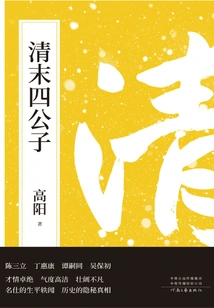
清末四公子
Gaoyang
There were many noble sons from aristocratic families in the late Qing Dynasty. Why were Chen Sanli, Tan Sitong, Ding Huikang, and Wu Baochu the most recognized by later generations and called the "Four Young Masters in the late Qing Dynasty"? How did Chen Sanli influence Chen Hengke and Chen Yinke to become famous figures of their generation? What is the truth about the "Horse Stabbing Case" among the four major mysteries of the Qing Dynasty? ... Corresponding to the four young masters in the late Ming Dynasty, there were also four young masters in the late Qing Dynasty, all of whom came from aristocratic families and had great talents. Living in an era of collision between the East and the West and the transition between the old and the new, the four people with great ambitions but unfortunate fates could not break free from the shackles of the times. In the end, their ambitions were difficult to achieve and they died in depression. However, their thoughts and deeds had a profound impact on later generations. In the book, Gao Yang narrates the life stories of four respected, loved and admired princes from aristocratic families in the late Qing Dynasty. Through various research and combined with a large number of historical documents, Gao Yang gave a unique interpretation of historical events.
There were many noble sons from aristocratic families in the late Qing Dynasty. Why were Chen Sanli, Tan Sitong, Ding Huikang, and Wu Baochu the most recognized by later generations and called the "Four Young Masters in the late Qing Dynasty"? How did Chen Sanli influence Chen Hengke and Chen Yinke to become famous figures of their generation? What is the truth about the "Horse Stabbing Case" among the four major mysteries of the Qing Dynasty? ... Corresponding to the four young masters in the late Ming Dynasty, there were also four young masters in the late Qing Dynasty, all of whom came from aristocratic families and had great talents. Living in an era of collision between the East and the West and the transition between the old and the new, the four people with great ambitions but unfortunate fates could not break free from the shackles of the times. In the end, their ambitions were difficult to achieve and they died in depression. However, their thoughts and deeds had a profound impact on later generations. In the book, Gao Yang narrates the life stories of four respected, loved and admired princes from aristocratic families in the late Qing Dynasty. Through various research and combined with a large number of historical documents, Gao Yang gave a unique interpretation of historical events.
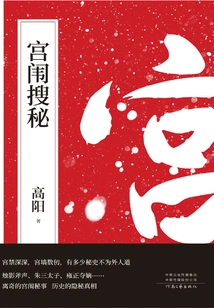
宫闱搜秘
Gaoyang
"The sound of the ax and the shadow of the candle": Did Song Taizong Zhao Guangyi kill his brother and seize the throne? "Secrets of the Ming Palace Bloodbath": Why did Zhu Di, the founder of the Ming Dynasty, bloodbath the harem in his later years? "The Third Prince Zhu": Is the "Prince Ming Dynasty" that has troubled the Qing emperors for many years real or fake? "Yongzheng seizes the direct descendant": Did Emperor Yongzheng really change the edict of succession? ... Official history often keeps these palace anecdotes secret, because they are often related to the reputation of the royal family; while folk sayings and unofficial records are mixed, making it difficult to distinguish the authenticity. Gao Yang grasped the passages in the official history and quoted from other sources, and finally restored the ins and outs of several famous palace secrets in history.
"The sound of the ax and the shadow of the candle": Did Song Taizong Zhao Guangyi kill his brother and seize the throne? "Secrets of the Ming Palace Bloodbath": Why did Zhu Di, the founder of the Ming Dynasty, bloodbath the harem in his later years? "The Third Prince Zhu": Is the "Prince Ming Dynasty" that has troubled the Qing emperors for many years real or fake? "Yongzheng seizes the direct descendant": Did Emperor Yongzheng really change the edict of succession? ... Official history often keeps these palace anecdotes secret, because they are often related to the reputation of the royal family; while folk sayings and unofficial records are mixed, making it difficult to distinguish the authenticity. Gao Yang grasped the passages in the official history and quoted from other sources, and finally restored the ins and outs of several famous palace secrets in history.
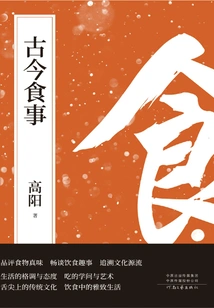
古今食事
Gaoyang
Why is the taste of puffer fish worth "eating to the death"? What was the ingenuity of the popular cook in the Song Dynasty? The numerous palace dishes are not as good as a plate of fried shredded pork among the people? ... Gao Yang, who both loves and knows how to eat, has transformed into a gourmet. Through personal tasting and practice, multiple research studies and extensive quotations, he comments on the long-standing delicacies and the history, culture, and anecdotes behind them. Follow Gao Yang's words and go to a feast of food and culture.
Why is the taste of puffer fish worth "eating to the death"? What was the ingenuity of the popular cook in the Song Dynasty? The numerous palace dishes are not as good as a plate of fried shredded pork among the people? ... Gao Yang, who both loves and knows how to eat, has transformed into a gourmet. Through personal tasting and practice, multiple research studies and extensive quotations, he comments on the long-standing delicacies and the history, culture, and anecdotes behind them. Follow Gao Yang's words and go to a feast of food and culture.
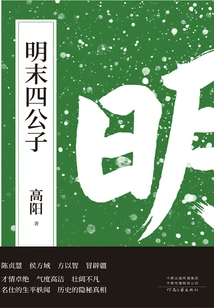
明末四公子
Gaoyang
Why did Chen Zhenhui, Hou Fangyu, Fang Yizhi, and Mao Bijiang refuse to become officials in the Qing court? Is Fang Yizhi falsely accused because his name is similar to others? Did Dong Xiaowan, who had a good relationship with Mao Pijiang, really enter the palace and become a concubine? ... In the last years of the Ming Dynasty, the court was corrupt, and internal and external troubles came one after another. There are four children from aristocratic families who are loyal, filial, righteous, literary and elegant, and have the world in mind. In the book, Gao Yang tells the life stories of four respected and admired princes, Chen Zhenhui, Hou Fangyu, Fang Yizhi, and Mao Bijiang, in the late Ming and early Qing dynasties. He also provides a unique interpretation of historical events through multi-faceted research and a large number of historical documents. It is also accompanied by Gao Yang's masterpiece "Working Exam", which examines the rotation system of the Military Aircraft Department in the Qing Dynasty and reveals the inside story of the operation of the political power center of the Qing Dynasty.
Why did Chen Zhenhui, Hou Fangyu, Fang Yizhi, and Mao Bijiang refuse to become officials in the Qing court? Is Fang Yizhi falsely accused because his name is similar to others? Did Dong Xiaowan, who had a good relationship with Mao Pijiang, really enter the palace and become a concubine? ... In the last years of the Ming Dynasty, the court was corrupt, and internal and external troubles came one after another. There are four children from aristocratic families who are loyal, filial, righteous, literary and elegant, and have the world in mind. In the book, Gao Yang tells the life stories of four respected and admired princes, Chen Zhenhui, Hou Fangyu, Fang Yizhi, and Mao Bijiang, in the late Ming and early Qing dynasties. He also provides a unique interpretation of historical events through multi-faceted research and a large number of historical documents. It is also accompanied by Gao Yang's masterpiece "Working Exam", which examines the rotation system of the Military Aircraft Department in the Qing Dynasty and reveals the inside story of the operation of the political power center of the Qing Dynasty.
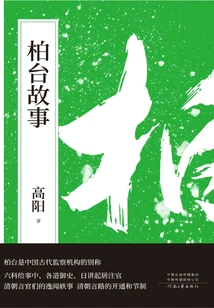
Baitai Story
History柏台故事
Gaoyang
The name of Baitai originated from the Han Dynasty. There were many cypress trees planted in the Censor's Mansion, but the imperial court banned the provinces, which were collectively called Tai Pavilion, so the Censor's Mansion was also called Bai Tai. In the Ming Dynasty, the imperial censor's station of the previous dynasty was renamed the Ducha Yuan, which was parallel to the six ministries and was collectively known as the "Seven Ministers". The Supervisory Censor under the Metropolitan Procuratorate and the Six Sections under the Six Ministries are collectively called "Taiyuan", and they are both officials responsible for supervision and admonishment. The supervisory system of the Qing Dynasty followed that of the Ming Dynasty, but with some changes. The six subjects were included in the procuratorate, and the imperial censors were divided into regions for supervision. The two were collectively called "kedao". This book mainly talks about anecdotes about science and education in the Qing Dynasty. It also talks about the "Richidou Daily Commentary Officials" who were known as the emperor's close ministers and were affiliated with the Hanlin Academy. They were able to give advice to the emperor. In the Qing Dynasty, the way of speech was opened up, and some of the speech officials were upright and awe-inspiring, while others were sinister and cunning, and there was a lot of talk among them.
The name of Baitai originated from the Han Dynasty. There were many cypress trees planted in the Censor's Mansion, but the imperial court banned the provinces, which were collectively called Tai Pavilion, so the Censor's Mansion was also called Bai Tai. In the Ming Dynasty, the imperial censor's station of the previous dynasty was renamed the Ducha Yuan, which was parallel to the six ministries and was collectively known as the "Seven Ministers". The Supervisory Censor under the Metropolitan Procuratorate and the Six Sections under the Six Ministries are collectively called "Taiyuan", and they are both officials responsible for supervision and admonishment. The supervisory system of the Qing Dynasty followed that of the Ming Dynasty, but with some changes. The six subjects were included in the procuratorate, and the imperial censors were divided into regions for supervision. The two were collectively called "kedao". This book mainly talks about anecdotes about science and education in the Qing Dynasty. It also talks about the "Richidou Daily Commentary Officials" who were known as the emperor's close ministers and were affiliated with the Hanlin Academy. They were able to give advice to the emperor. In the Qing Dynasty, the way of speech was opened up, and some of the speech officials were upright and awe-inspiring, while others were sinister and cunning, and there was a lot of talk among them.
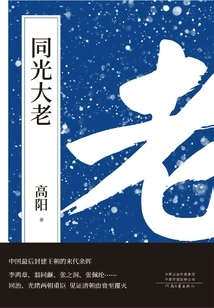
Tong Guang Da Lao
History同光大老
Gaoyang
After the heyday of Kangxi and Qianlong, the Qing Dynasty turned from prosperity to decline. After going through many hardships, it ushered in the last "Zhongxing" of China's feudal dynasty - "Tongguang Zhongxing". During the Tongzhi and Guangxu dynasties, the country was basically stable, the economy was restored, and the "Westernization Movement" was vigorous. Everything seemed to be prosperous and gradually revived. In fact, the ruling class within the Qing Dynasty was still rigid and conservative, and social conflicts remained unresolved. Starting from Li Hongzao, Li Hongzhang, Weng Tonghe, Zhang Zhidong and others who were important military ministers in the Tong and Guang dynasties, Gao Yang explores the operating mechanism of the late Qing Dynasty's political arena and the decision-making behind major historical events in many aspects, and shows readers the true situation of the "Tongguang ZTE" bit by bit.
After the heyday of Kangxi and Qianlong, the Qing Dynasty turned from prosperity to decline. After going through many hardships, it ushered in the last "Zhongxing" of China's feudal dynasty - "Tongguang Zhongxing". During the Tongzhi and Guangxu dynasties, the country was basically stable, the economy was restored, and the "Westernization Movement" was vigorous. Everything seemed to be prosperous and gradually revived. In fact, the ruling class within the Qing Dynasty was still rigid and conservative, and social conflicts remained unresolved. Starting from Li Hongzao, Li Hongzhang, Weng Tonghe, Zhang Zhidong and others who were important military ministers in the Tong and Guang dynasties, Gao Yang explores the operating mechanism of the late Qing Dynasty's political arena and the decision-making behind major historical events in many aspects, and shows readers the true situation of the "Tongguang ZTE" bit by bit.
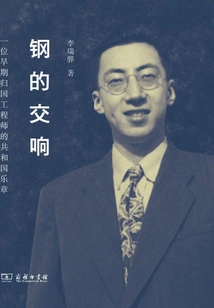
钢的交响:一位早期归国工程师的共和国乐章
Li Ruihua
This book is the memoirs of Mr. Li Ruihua, the founder of the steel structure industry in the Republic. Mr. Li Ruihua was born in a middle-class family in Shanghai in the 1920s. He studied at the Department of Civil Engineering at Shanghai Jiao Tong University, and then went to the University of Toronto to obtain a master's degree in engineering, majoring in steel structure design; he returned to China in 1952. Because of the war to resist U. S. Aggression and aid Korea, we had to take a detour through Europe and Asia, and it took more than a month to reach Shanghai. He serves as deputy chief engineer at East China Industrial Design Institute. In 1954, Li Ruihua was transferred to the Beijing Industrial Architecture Design Institute, and later to the Design Office of the General Administration of Metal Structure of the Ministry of Construction as chief engineer, responsible for key military and civilian projects among the 156 major projects in the country's first five-year plan. Under his leadership, thousands of structural design projects were undertaken. In the 1950s and 1960s, there were more than 1,000 tower and mast structures alone, such as transmission towers and television towers, laying the foundation for the great development of my country's radio and television industry.
This book is the memoirs of Mr. Li Ruihua, the founder of the steel structure industry in the Republic. Mr. Li Ruihua was born in a middle-class family in Shanghai in the 1920s. He studied at the Department of Civil Engineering at Shanghai Jiao Tong University, and then went to the University of Toronto to obtain a master's degree in engineering, majoring in steel structure design; he returned to China in 1952. Because of the war to resist U. S. Aggression and aid Korea, we had to take a detour through Europe and Asia, and it took more than a month to reach Shanghai. He serves as deputy chief engineer at East China Industrial Design Institute. In 1954, Li Ruihua was transferred to the Beijing Industrial Architecture Design Institute, and later to the Design Office of the General Administration of Metal Structure of the Ministry of Construction as chief engineer, responsible for key military and civilian projects among the 156 major projects in the country's first five-year plan. Under his leadership, thousands of structural design projects were undertaken. In the 1950s and 1960s, there were more than 1,000 tower and mast structures alone, such as transmission towers and television towers, laying the foundation for the great development of my country's radio and television industry.
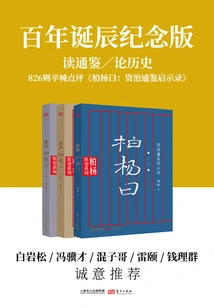
柏杨曰(套装共3册)
Bo Yang
"Bo Yang Yue" is compiled by Bo Yang himself from 72 volumes of "Bo Yang Vernacular Edition of Zizhi Tongjian", which took five years to compile. It can be called the essence of "Bo Yang Vernacular Edition". "Bo Yang Yue" can be said to be the most exciting story, the most exciting characters in "Zi Zhi Tong Jian" and Bo Yang's most exciting interpretation and analysis. When discussing history, Bo Yang always puts human nature first, despises power, yearns for freedom, coexists passion and rationality, and is both beautiful in thought and writing. "Bo Yang Yue" uses unique historical materials, discusses each incident, has a novel perspective, beautiful language, and is fascinating. It presents more historical truths than textbooks and contains more humanistic care than legendary novels. It is a "revelation of Chinese history from a modern perspective."
"Bo Yang Yue" is compiled by Bo Yang himself from 72 volumes of "Bo Yang Vernacular Edition of Zizhi Tongjian", which took five years to compile. It can be called the essence of "Bo Yang Vernacular Edition". "Bo Yang Yue" can be said to be the most exciting story, the most exciting characters in "Zi Zhi Tong Jian" and Bo Yang's most exciting interpretation and analysis. When discussing history, Bo Yang always puts human nature first, despises power, yearns for freedom, coexists passion and rationality, and is both beautiful in thought and writing. "Bo Yang Yue" uses unique historical materials, discusses each incident, has a novel perspective, beautiful language, and is fascinating. It presents more historical truths than textbooks and contains more humanistic care than legendary novels. It is a "revelation of Chinese history from a modern perspective."
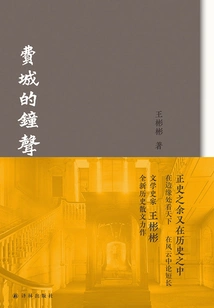
Bells of Philadelphia
History费城的钟声
Wang Binbin
This book is a new collection of new historical and humanistic prose works published in recent years by Wang Binbin, a contemporary literary historian, professor at the School of Liberal Arts of Nanjing University, and Yangtze Scholar Distinguished Professor of the Ministry of Education. It includes ten works including "Chen Baozhen's Throat Bone", "Chen Yinke's Views on Traditional Chinese Medicine", "How Was Hu Shi the American Ambassador?", "The Bells of Philadelphia", and "Chiang Kai-shek's Internal Worries During the Anti-Japanese War". The article dissects history from a diagonal angle, looks at the world from the edge, and discusses the pros and cons in the storm. Wang Binbin, ancient and modern, is omnipotent in heaven and earth, and is omnipotent that Taoists have not yet discovered. What he writes seems to be casual anecdotes or even street gossip, but it is about earth-shattering changes. He is astonishing with his general knowledge of literature and history, his skill in textual research and identification of materials, his sophisticated and wise Spring and Autumn style of writing and his unique style.
This book is a new collection of new historical and humanistic prose works published in recent years by Wang Binbin, a contemporary literary historian, professor at the School of Liberal Arts of Nanjing University, and Yangtze Scholar Distinguished Professor of the Ministry of Education. It includes ten works including "Chen Baozhen's Throat Bone", "Chen Yinke's Views on Traditional Chinese Medicine", "How Was Hu Shi the American Ambassador?", "The Bells of Philadelphia", and "Chiang Kai-shek's Internal Worries During the Anti-Japanese War". The article dissects history from a diagonal angle, looks at the world from the edge, and discusses the pros and cons in the storm. Wang Binbin, ancient and modern, is omnipotent in heaven and earth, and is omnipotent that Taoists have not yet discovered. What he writes seems to be casual anecdotes or even street gossip, but it is about earth-shattering changes. He is astonishing with his general knowledge of literature and history, his skill in textual research and identification of materials, his sophisticated and wise Spring and Autumn style of writing and his unique style.
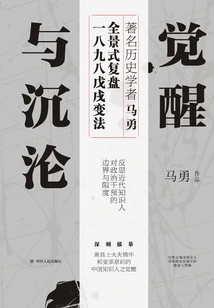
Awakening and Sinking
History觉醒与沉沦
Ma Yong
Through this short book, we explore the awakening of Chinese intellectuals after the Sino-Japanese War of 1884-1899 and their promotion of reform ideas and practices. Because the modern knowledge system had not yet been truly formed at this time, the 1898 literati still had a strong sense of undifferentiated scholar-bureaucrat sentiments. Therefore, on the one hand, they promoted the development and progress of Chinese society, but on the other hand, they had many problems, triggering a series of unnecessary conflicts and accidents, which in turn brought a revolution that changed the direction of Chinese history to an abrupt end.
Through this short book, we explore the awakening of Chinese intellectuals after the Sino-Japanese War of 1884-1899 and their promotion of reform ideas and practices. Because the modern knowledge system had not yet been truly formed at this time, the 1898 literati still had a strong sense of undifferentiated scholar-bureaucrat sentiments. Therefore, on the one hand, they promoted the development and progress of Chinese society, but on the other hand, they had many problems, triggering a series of unnecessary conflicts and accidents, which in turn brought a revolution that changed the direction of Chinese history to an abrupt end.
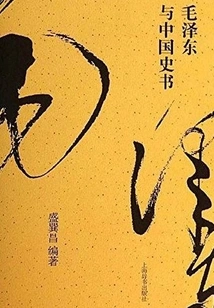
毛泽东与中国史书
Sheng Xunchang
Mao Zedong read history books, including the Twenty-Four Histories and other history books. The Twenty-Four Histories is the general name for the twenty-four historical books written by various dynasties in ancient China, and has been listed as the orthodox history book by all dynasties. Mao Zedong loved to read the Twenty-Four Histories and read them repeatedly, analyzing the characters in the history books and the war strategies involved. Mao Zedong carefully studied these strategies and applied them in practice: in war, in party building, and in socialist construction. From this, we can see Mao Zedong's wisdom in reading.
Mao Zedong read history books, including the Twenty-Four Histories and other history books. The Twenty-Four Histories is the general name for the twenty-four historical books written by various dynasties in ancient China, and has been listed as the orthodox history book by all dynasties. Mao Zedong loved to read the Twenty-Four Histories and read them repeatedly, analyzing the characters in the history books and the war strategies involved. Mao Zedong carefully studied these strategies and applied them in practice: in war, in party building, and in socialist construction. From this, we can see Mao Zedong's wisdom in reading.
没有英雄的时代,我只想做一个人
Take A Big Step
In an era without heroes, I just want to be a person - a work by Caixin Si Xiangjia, with a preface recommended by Chen Jiaying. Da Ta, as the leader of the "April 5th Movement", tells the story of the lives of little people at the end of the Cultural Revolution and its early days. The author's writing is sharp and humorous, teaching you how to find happiness in a cruel society.
In an era without heroes, I just want to be a person - a work by Caixin Si Xiangjia, with a preface recommended by Chen Jiaying. Da Ta, as the leader of the "April 5th Movement", tells the story of the lives of little people at the end of the Cultural Revolution and its early days. The author's writing is sharp and humorous, teaching you how to find happiness in a cruel society.
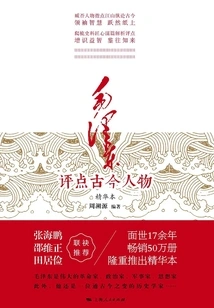
毛泽东评点古今人物(精华本)
Zhou Suyuan
Regarding China's thousands of years of traditional culture, Mao Zedong believed that "there are many precious things." His familiarity with Chinese history and his skillful use of it are rare in the world. This book compiles Mao Zedong's comments on ancient and modern figures scattered in articles, letters, speeches, and conversations. It also conducts in-depth exploration of Mao Zedong's comments, introduces the brief profiles of the people being evaluated, and interprets the original text of the comments. Read history with leaders, feel their wisdom, and learn from history.
Regarding China's thousands of years of traditional culture, Mao Zedong believed that "there are many precious things." His familiarity with Chinese history and his skillful use of it are rare in the world. This book compiles Mao Zedong's comments on ancient and modern figures scattered in articles, letters, speeches, and conversations. It also conducts in-depth exploration of Mao Zedong's comments, introduces the brief profiles of the people being evaluated, and interprets the original text of the comments. Read history with leaders, feel their wisdom, and learn from history.
易代:侯岐曾和他的亲友们
Zhou Xuanlong
This book starts from "Hou Qizeng's Diary" and tells the deeds of the Jiading literati group represented by the Hou Qizeng family during the Ming and Qing dynasties. This book contains a total of eight articles, each of which explores the life and death choices of Hou Tongzeng, Hou Qizeng, Lu Yuanfu and other scholars during the dynasty revolution, the mentality of the survivors, the experiences of female relatives, and the behavior of teachers, friends and servants under the influence of the torrent of the times. It restores the life experiences and value choices of small figures in the great changes.
This book starts from "Hou Qizeng's Diary" and tells the deeds of the Jiading literati group represented by the Hou Qizeng family during the Ming and Qing dynasties. This book contains a total of eight articles, each of which explores the life and death choices of Hou Tongzeng, Hou Qizeng, Lu Yuanfu and other scholars during the dynasty revolution, the mentality of the survivors, the experiences of female relatives, and the behavior of teachers, friends and servants under the influence of the torrent of the times. It restores the life experiences and value choices of small figures in the great changes.