Library
Browse and search books
255 novels found
解放战争时期第二条战线中的上海学生运动史料选编(谷臻小简·AI导读版)
Editor, Party History Research Office, Shanghai Municipal Committee Of The Communist Party Of China, Shanghai Underground Organization Struggle History Exhibition Hall Of The Communist Party Of China
This book provides readers with a panoramic view of the Shanghai student movement during the War of Liberation and the patriotic enthusiasm and sacrificial spirit of young students in Shanghai during the War of Liberation.
This book provides readers with a panoramic view of the Shanghai student movement during the War of Liberation and the patriotic enthusiasm and sacrificial spirit of young students in Shanghai during the War of Liberation.
Ship Zheng Zhi
History船政志
Fuzhou Local Chronicles Compilation Committee
Fuzhou Shipbuilding Bureau is the most representative modern enterprise born during the Westernization Movement of the Qing Dynasty. It practiced the concept of "learning from the foreigners to control the foreigners". It introduced Western science and technology and rapidly improved the scientific and technological levels of shipbuilding, navigation, aircraft, guns, torpedoes, mining and metallurgy, machinery, radio, astronomy, etc., And established the modern shipbuilding industry base in China at that time. In 1917, the Aircraft Manufacturing Engineering Office was also established, ushering in a new era for China's aviation industry. It pioneered modern education, established a shipbuilding school, introduced Western education models, established an education model and study abroad system that were compatible with industrialization and naval construction, and became a model for other places to follow. It became the cradle of scientific, technological and naval talents, and was hailed as the "ancestor" by Li Hongzhang. The Shipping School has cultivated a group of elites, forming a new generation of intellectuals with patriotic ideas, striving for self-improvement, keen vision, open thinking, and easy acceptance of new things. This book adopts narrative, record, chronicle, biography, diagram, table, record and other genres, focusing on ambition. Describe in standard style. Divide into categories horizontally and describe historical facts. The overview governs the overall situation and reflects the whole picture; the memorabilia chronicles the historical facts and figures related to shipping administration, mainly in chronological style. Each chapter describes the development of various shipbuilding undertakings, and is divided into eight chapters including institutions, product manufacturing, talent training, cultural relics, literature, art, characters, and special notes. There are also chapters such as appendix, name search, and preface and postscript.
Fuzhou Shipbuilding Bureau is the most representative modern enterprise born during the Westernization Movement of the Qing Dynasty. It practiced the concept of "learning from the foreigners to control the foreigners". It introduced Western science and technology and rapidly improved the scientific and technological levels of shipbuilding, navigation, aircraft, guns, torpedoes, mining and metallurgy, machinery, radio, astronomy, etc., And established the modern shipbuilding industry base in China at that time. In 1917, the Aircraft Manufacturing Engineering Office was also established, ushering in a new era for China's aviation industry. It pioneered modern education, established a shipbuilding school, introduced Western education models, established an education model and study abroad system that were compatible with industrialization and naval construction, and became a model for other places to follow. It became the cradle of scientific, technological and naval talents, and was hailed as the "ancestor" by Li Hongzhang. The Shipping School has cultivated a group of elites, forming a new generation of intellectuals with patriotic ideas, striving for self-improvement, keen vision, open thinking, and easy acceptance of new things. This book adopts narrative, record, chronicle, biography, diagram, table, record and other genres, focusing on ambition. Describe in standard style. Divide into categories horizontally and describe historical facts. The overview governs the overall situation and reflects the whole picture; the memorabilia chronicles the historical facts and figures related to shipping administration, mainly in chronological style. Each chapter describes the development of various shipbuilding undertakings, and is divided into eight chapters including institutions, product manufacturing, talent training, cultural relics, literature, art, characters, and special notes. There are also chapters such as appendix, name search, and preface and postscript.
阅古思今:资治通鉴事典评议
Yu Zhonghua
This is a historical work that comments on "Zi Zhi Tong Jian". "Zi Zhi Tong Jian" has two hundred and ninety-four volumes. This book excerpts the essence. In chronological order, it writes from the Warring States Period, the unification of the Qin Emperor, the Han Dynasty, the Three Kingdoms, the confrontation between the North and the South, the prosperous Tang Dynasty, all the way to the troubled times of the Five Dynasties, with a time span of more than a thousand years. "Zi Zhi Tong Jian" is rich in content, covering politics, military, economy, culture and other aspects. After translating the original text of "Zi Zhi Tong Jian" into vernacular, this book gives a systematic and clear interpretation, analysis, perception and reflection on the representative events and characters, combined with the causes and consequences of the epic, as well as the social reality of contemporary China. Examination, outlines and outlines the process of the rise and fall of dozens of regimes, guides readers to pay attention to the rules of success and failure of various dynasties in history described in the book, evaluate the merits and demerits of historical figures from the perspective of political gains and losses, and then use history as a mirror, draw lessons, serve reality, and enhance the ability to govern the country and govern for the people.
This is a historical work that comments on "Zi Zhi Tong Jian". "Zi Zhi Tong Jian" has two hundred and ninety-four volumes. This book excerpts the essence. In chronological order, it writes from the Warring States Period, the unification of the Qin Emperor, the Han Dynasty, the Three Kingdoms, the confrontation between the North and the South, the prosperous Tang Dynasty, all the way to the troubled times of the Five Dynasties, with a time span of more than a thousand years. "Zi Zhi Tong Jian" is rich in content, covering politics, military, economy, culture and other aspects. After translating the original text of "Zi Zhi Tong Jian" into vernacular, this book gives a systematic and clear interpretation, analysis, perception and reflection on the representative events and characters, combined with the causes and consequences of the epic, as well as the social reality of contemporary China. Examination, outlines and outlines the process of the rise and fall of dozens of regimes, guides readers to pay attention to the rules of success and failure of various dynasties in history described in the book, evaluate the merits and demerits of historical figures from the perspective of political gains and losses, and then use history as a mirror, draw lessons, serve reality, and enhance the ability to govern the country and govern for the people.
Wei Yujunyongji
History魏榆隽永集
Wang Han
This book is a collection of papers written by Wang Han, a research librarian of the National Library. "Weiyu" is the ancient name of the author's native place, Yuci, Shanxi. The book contains nearly 60 articles, covering the history of the Song and Yuan Dynasties, bibliography, characters and deeds, manuscripts and letters, document inscriptions, book reviews, travel notes, etc. It is a collection of essays with extensive coverage and rich content.
This book is a collection of papers written by Wang Han, a research librarian of the National Library. "Weiyu" is the ancient name of the author's native place, Yuci, Shanxi. The book contains nearly 60 articles, covering the history of the Song and Yuan Dynasties, bibliography, characters and deeds, manuscripts and letters, document inscriptions, book reviews, travel notes, etc. It is a collection of essays with extensive coverage and rich content.
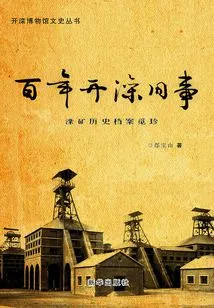
A Century of Old Events in Kailuan: Looking for Treasures from the Historical Archives of Luan Mine
History百年开滦旧事:滦矿历史档案觅珍
Xi Baoshan
The content of this book comes from the old files of the Kailuan Archives dating back a hundred years. It is a story that few people knew in the past. Although most of them are interesting and useful things in the operation process of "China's No. 1 Best Mine", there are also historical events, deeds of historical figures and secrets disclosed for the first time, including the deeds of the three German miners who were the first to "work" in Chinese coal mines, the situation of the Günter family of German friends who rescued refugees during the Nanjing Massacre in Tangshan, etc. This book not only uses text descriptions, but also uses original documents and pictures from old archives and old photos to assist in the explanation. Most of the pictures and old photos of these written materials are published for the first time and have been sleeping in archives for hundreds of years.
The content of this book comes from the old files of the Kailuan Archives dating back a hundred years. It is a story that few people knew in the past. Although most of them are interesting and useful things in the operation process of "China's No. 1 Best Mine", there are also historical events, deeds of historical figures and secrets disclosed for the first time, including the deeds of the three German miners who were the first to "work" in Chinese coal mines, the situation of the Günter family of German friends who rescued refugees during the Nanjing Massacre in Tangshan, etc. This book not only uses text descriptions, but also uses original documents and pictures from old archives and old photos to assist in the explanation. Most of the pictures and old photos of these written materials are published for the first time and have been sleeping in archives for hundreds of years.
曾国藩全集(第七卷·鸣原堂论文、诗集、文集、批牍)
Zeng Guofan
The "Mingyuantang Essay" in this volume is a collection of memorials by famous officials since the Han and Tang Dynasties compiled by Zeng Guofan, with a total of seventeen articles. Zeng Guofan felt that he had been "stranded among the soldiers for a long time", and his younger brothers came to help him in times of need, all because of "emergency." This kind of brotherly love is deep, especially like the situation when a wagtail bird strays from the flock and the rest sing. Therefore, the purpose of the two poems "Chang Di" and "Xiao Wan" in the "Book of Songs" is "wagtail", and the hall is named "Mingyuan Hall" to express the fraternal love of "fighting brothers", and the title of the memorial collection was drafted. Zeng Guofan gave "detailed criticism" and "discussing the meaning and method" of the selected memorials, hoping that his two brothers, Zeng Guohua and Zeng Guoquan, could understand and master the gist of writing the memorials. ; "Collected Poems" is Zeng Guofan's own collection of poems. It is divided into four volumes, and the beginning and end of the poetry creation are marked before each volume. Most of Zeng Guofan's poems are ancient style poems and rhythmic poems, with very few quatrains. The language is natural and simple, focusing on narrative. For example: "Lotus flowers are like the sea in summer, and thousands of willows are hanging down in spring." "There are few fallen sounds and broad books, and suspicious post messengers."; "Collected Works" is mainly the birthday preface or epitaph written by Zeng Guofan to his colleagues. Either the emotions are sincere or the writing is simple, there are many things that are worth mentioning.
The "Mingyuantang Essay" in this volume is a collection of memorials by famous officials since the Han and Tang Dynasties compiled by Zeng Guofan, with a total of seventeen articles. Zeng Guofan felt that he had been "stranded among the soldiers for a long time", and his younger brothers came to help him in times of need, all because of "emergency." This kind of brotherly love is deep, especially like the situation when a wagtail bird strays from the flock and the rest sing. Therefore, the purpose of the two poems "Chang Di" and "Xiao Wan" in the "Book of Songs" is "wagtail", and the hall is named "Mingyuan Hall" to express the fraternal love of "fighting brothers", and the title of the memorial collection was drafted. Zeng Guofan gave "detailed criticism" and "discussing the meaning and method" of the selected memorials, hoping that his two brothers, Zeng Guohua and Zeng Guoquan, could understand and master the gist of writing the memorials. ; "Collected Poems" is Zeng Guofan's own collection of poems. It is divided into four volumes, and the beginning and end of the poetry creation are marked before each volume. Most of Zeng Guofan's poems are ancient style poems and rhythmic poems, with very few quatrains. The language is natural and simple, focusing on narrative. For example: "Lotus flowers are like the sea in summer, and thousands of willows are hanging down in spring." "There are few fallen sounds and broad books, and suspicious post messengers."; "Collected Works" is mainly the birthday preface or epitaph written by Zeng Guofan to his colleagues. Either the emotions are sincere or the writing is simple, there are many things that are worth mentioning.
曾国藩全集(首卷·奏稿一)
Zeng Guofan
This volume includes the "Edict", "Edict and Sacrifice", "Imperial Inscription", "National History Biography", "Shinto Stele", "Epitaph", etc. In the "Edict", the Qing court concluded the coffin and commented that Zeng Guofan had "pure knowledge, profound knowledge, loyal character, and upright conduct." "The Biography of National History" details Zeng Guofan's achievements from his time as a Jinshi in Beijing in the 18th year of Daoguang (1838) to his death as governor of Liangjiang in the 11th year of Tongzhi (1872). It believes that he was "excellent in his knowledge of people and dedicated his life to serving the country" and "loyal and effective, and his merits are among the people." "The Complete Works of Zeng Wenzhenggong" includes one volume of "First Volume", thirty volumes of "Manuscripts", twenty-eight volumes of "Eighteen Schools of Poetry", twenty-six volumes of "Miscellaneous Notes of One Hundred Schools of Classics and History", two volumes of "Compendium of One Hundred Schools of Classics and History", and two volumes of "Mingyuantang Papers" There are four volumes of "Collected Poems", four volumes of "Collected Works", thirty-three volumes of "Books", six volumes of "Approvals", four volumes of "Miscellaneous Works", ten volumes of "Qiuquezhai Reading Record", two volumes of "Qiuquezhai Diary Notes", and twelve volumes of "Chronology".
This volume includes the "Edict", "Edict and Sacrifice", "Imperial Inscription", "National History Biography", "Shinto Stele", "Epitaph", etc. In the "Edict", the Qing court concluded the coffin and commented that Zeng Guofan had "pure knowledge, profound knowledge, loyal character, and upright conduct." "The Biography of National History" details Zeng Guofan's achievements from his time as a Jinshi in Beijing in the 18th year of Daoguang (1838) to his death as governor of Liangjiang in the 11th year of Tongzhi (1872). It believes that he was "excellent in his knowledge of people and dedicated his life to serving the country" and "loyal and effective, and his merits are among the people." "The Complete Works of Zeng Wenzhenggong" includes one volume of "First Volume", thirty volumes of "Manuscripts", twenty-eight volumes of "Eighteen Schools of Poetry", twenty-six volumes of "Miscellaneous Notes of One Hundred Schools of Classics and History", two volumes of "Compendium of One Hundred Schools of Classics and History", and two volumes of "Mingyuantang Papers" There are four volumes of "Collected Poems", four volumes of "Collected Works", thirty-three volumes of "Books", six volumes of "Approvals", four volumes of "Miscellaneous Works", ten volumes of "Qiuquezhai Reading Record", two volumes of "Qiuquezhai Diary Notes", and twelve volumes of "Chronology".
曾国藩全集(第十一卷·家书、家训)
Zeng Guofan
The "Family Letters" in this volume are based on the "Family Letters of Zeng Wenzhenggong" edited by Li Hanzhang and Li Hongzhang in the fifth year of Guangxu's reign and engraved by Chuanzhong Bookstore. It contains the letters Zeng Guofan wrote to his grandparents, parents, brothers and nephews from around the 20th year of Daoguang to the 10th year of Tongzhi. The content is extensive and the writing is natural and smooth. In his letters at home, Zeng Guofan not only taught his younger brothers how to read and write, how to cultivate themselves and make friends, etc., But also often talked about running the army and politics, and how to take imperial examinations. Family letters condense the essence of Zeng Guofan's wisdom in life and are also important documents for studying Zeng Guofan's life and modern Chinese history. They have extremely high literary and historical value. Modern people also regard it as a model for tutoring; "Family Instructions" mainly contains letters written by Zeng Guofan to his two sons, Zeng Jize and Zeng Jihong. In his family motto, Zeng Guofan was concerned about his children's daily lives, words and deeds, reading and writing, and he was like a loving and generous father. He often asked his children whether they adhered to the ancestral family tradition of "rising at dawn": "Mortal people hope that their descendants will become high officials. I hope that they will be gentlemen who are educated and sensible. They are thrifty, self-sustained, hardworking, able to enjoy themselves, and can make appointments. This is a gentleman." Under the diligent and thrifty family tradition and Zeng Guofan's words and deeds, his son Zeng Jize became a famous diplomat in the history of the late Qing Dynasty. He conducted diplomatic negotiations with Russia and single-handedly recovered the nine cities of Ili, Xinjiang, and Chinese territory.
The "Family Letters" in this volume are based on the "Family Letters of Zeng Wenzhenggong" edited by Li Hanzhang and Li Hongzhang in the fifth year of Guangxu's reign and engraved by Chuanzhong Bookstore. It contains the letters Zeng Guofan wrote to his grandparents, parents, brothers and nephews from around the 20th year of Daoguang to the 10th year of Tongzhi. The content is extensive and the writing is natural and smooth. In his letters at home, Zeng Guofan not only taught his younger brothers how to read and write, how to cultivate themselves and make friends, etc., But also often talked about running the army and politics, and how to take imperial examinations. Family letters condense the essence of Zeng Guofan's wisdom in life and are also important documents for studying Zeng Guofan's life and modern Chinese history. They have extremely high literary and historical value. Modern people also regard it as a model for tutoring; "Family Instructions" mainly contains letters written by Zeng Guofan to his two sons, Zeng Jize and Zeng Jihong. In his family motto, Zeng Guofan was concerned about his children's daily lives, words and deeds, reading and writing, and he was like a loving and generous father. He often asked his children whether they adhered to the ancestral family tradition of "rising at dawn": "Mortal people hope that their descendants will become high officials. I hope that they will be gentlemen who are educated and sensible. They are thrifty, self-sustained, hardworking, able to enjoy themselves, and can make appointments. This is a gentleman." Under the diligent and thrifty family tradition and Zeng Guofan's words and deeds, his son Zeng Jize became a famous diplomat in the history of the late Qing Dynasty. He conducted diplomatic negotiations with Russia and single-handedly recovered the nine cities of Ili, Xinjiang, and Chinese territory.
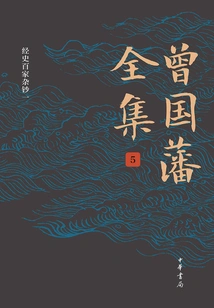
曾国藩全集(第五卷·经史百家杂钞一)
Zeng Guofan
This volume of "Miscellaneous Notes on Classics and History" is a collection of ancient Chinese classics compiled by Zeng Guofan. It is divided into eleven categories: treatises, poems, prefaces and postscripts, edicts, memorials, writings, memorials, biographies, narratives, classics, and miscellaneous notes. Compared with the "Gu Wen Guan Zhi" compiled by Wu Chucai and Wu Tiaohou's uncle and nephew, this anthology better reflects the academic opinions of the editors; compared with "Ancient Wen Ci Lei Tu" edited by Yao Nai, this anthology better reflects Zeng Guofan's emphasis on classical and historical articles. "Miscellaneous Notes on Classics and History" became popular throughout the country during the late Qing Dynasty and the Republic of China and had a great influence. It was called "the best introductory book on Chinese studies" by Mao Zedong.
This volume of "Miscellaneous Notes on Classics and History" is a collection of ancient Chinese classics compiled by Zeng Guofan. It is divided into eleven categories: treatises, poems, prefaces and postscripts, edicts, memorials, writings, memorials, biographies, narratives, classics, and miscellaneous notes. Compared with the "Gu Wen Guan Zhi" compiled by Wu Chucai and Wu Tiaohou's uncle and nephew, this anthology better reflects the academic opinions of the editors; compared with "Ancient Wen Ci Lei Tu" edited by Yao Nai, this anthology better reflects Zeng Guofan's emphasis on classical and historical articles. "Miscellaneous Notes on Classics and History" became popular throughout the country during the late Qing Dynasty and the Republic of China and had a great influence. It was called "the best introductory book on Chinese studies" by Mao Zedong.
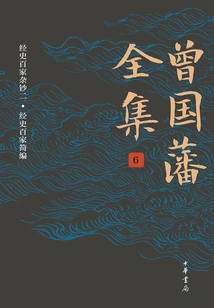
曾国藩全集(第六卷·经史百家杂钞二、经史百家简编)
Zeng Guofan
The "Compendium of One Hundred Schools of Classics and History" in this volume is a simplified version of the "Miscellaneous Notes of One Hundred Schools of Classics and History". Zeng Guofan said in the preface: "In the tenth year of Xianfeng, I selected hundreds of classics and historical texts into one volume, and selected forty-eight of them as simplified versions to commemorate Yuanfu." He also said: "I have selected only forty-eight poems from the simplified version, so that I can recite them day and night, and the appointment is easy to keep." This is a text selected by Zeng Guofan for the convenience of himself and his younger brothers to read and recite. The whole book continues to follow the classification method of "Hundred Classics and History", in which Han Yu's articles account for a quarter of the whole book, which shows that Zeng Guofan admired Han Yu's articles and "studied the poor scriptures, especially the articles of Han in Changli".
The "Compendium of One Hundred Schools of Classics and History" in this volume is a simplified version of the "Miscellaneous Notes of One Hundred Schools of Classics and History". Zeng Guofan said in the preface: "In the tenth year of Xianfeng, I selected hundreds of classics and historical texts into one volume, and selected forty-eight of them as simplified versions to commemorate Yuanfu." He also said: "I have selected only forty-eight poems from the simplified version, so that I can recite them day and night, and the appointment is easy to keep." This is a text selected by Zeng Guofan for the convenience of himself and his younger brothers to read and recite. The whole book continues to follow the classification method of "Hundred Classics and History", in which Han Yu's articles account for a quarter of the whole book, which shows that Zeng Guofan admired Han Yu's articles and "studied the poor scriptures, especially the articles of Han in Changli".
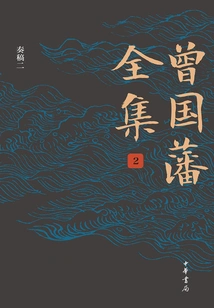
曾国藩全集(第二卷·奏稿二)
Zeng Guofan
The "Report" in this volume is an excerpt of Zeng Guofan's presentation to the emperor. Starting from the "Zunyi Dali Shu" in the first month of the 30th year of Daoguang (AD 1850) to the "Chu'an Salt Diversion and Huaichuan Boundary Marketing" in the first month of the 11th year of Tongzhi (AD 1872), the content covers the formation of the Hunan Army, the pacification of the Taiping Heavenly Kingdom, the northward campaign to suppress the Ninth Army, the handling of the Tianjin religious case incident, and various charter memorials, etc. The narrative presented in the memorial is detailed, the details are touching, and it has a sense of picture. "His best works are spread among the people, and many scholars and officials can cite his words."
The "Report" in this volume is an excerpt of Zeng Guofan's presentation to the emperor. Starting from the "Zunyi Dali Shu" in the first month of the 30th year of Daoguang (AD 1850) to the "Chu'an Salt Diversion and Huaichuan Boundary Marketing" in the first month of the 11th year of Tongzhi (AD 1872), the content covers the formation of the Hunan Army, the pacification of the Taiping Heavenly Kingdom, the northward campaign to suppress the Ninth Army, the handling of the Tianjin religious case incident, and various charter memorials, etc. The narrative presented in the memorial is detailed, the details are touching, and it has a sense of picture. "His best works are spread among the people, and many scholars and officials can cite his words."
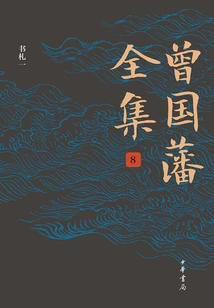
曾国藩全集(第八卷·书札一)
Zeng Guofan
The "Books" in this volume are personal letters written by Zeng Guofan to his superiors, colleagues and friends. In "Books and Notes" we see a more realistic Zeng Guofan, who would often complain and talk about his difficulties with his friends. "Shu Zha" writes in many places about the critical nature of the war situation, "every day is in the midst of turbulent waves", and also says that "the military is constantly changing, and every day when dangers, doubts and shocks arise, we must be clear-minded and determined, and not act too suddenly."
The "Books" in this volume are personal letters written by Zeng Guofan to his superiors, colleagues and friends. In "Books and Notes" we see a more realistic Zeng Guofan, who would often complain and talk about his difficulties with his friends. "Shu Zha" writes in many places about the critical nature of the war situation, "every day is in the midst of turbulent waves", and also says that "the military is constantly changing, and every day when dangers, doubts and shocks arise, we must be clear-minded and determined, and not act too suddenly."
曾国藩全集(第九卷·书札二)
Zeng Guofan
The "Books" in this volume are personal letters written by Zeng Guofan to his superiors, colleagues and friends. In "Books and Notes" we see a more realistic Zeng Guofan, who would often complain and talk about his difficulties with his friends. "Shu Zha" writes in many places about the critical nature of the war situation, "every day is in the midst of turbulent waves", and also says that "the military is constantly changing, and every day when dangers, doubts and shocks arise, we must be clear-minded and determined, and not act too suddenly."
The "Books" in this volume are personal letters written by Zeng Guofan to his superiors, colleagues and friends. In "Books and Notes" we see a more realistic Zeng Guofan, who would often complain and talk about his difficulties with his friends. "Shu Zha" writes in many places about the critical nature of the war situation, "every day is in the midst of turbulent waves", and also says that "the military is constantly changing, and every day when dangers, doubts and shocks arise, we must be clear-minded and determined, and not act too suddenly."
曾国藩全集(第十二卷·年谱、冰鉴、挺经)
Zeng Guofan
The "Chronology" in this volume was compiled and compiled by Li Shuchang, a student of Zeng Guofan. "In modern times, the collection of ancient sages must be published as a chronicle to examine the succession of poems and essays written by them. It is based on the Mencius, which means reciting poems and reading, and discussing the world and knowing people." The language of "Chronology" is concise and clear, the materials described are credible and the evaluation is appropriate, providing valuable first-hand materials for future generations to study Zeng Guofan.
The "Chronology" in this volume was compiled and compiled by Li Shuchang, a student of Zeng Guofan. "In modern times, the collection of ancient sages must be published as a chronicle to examine the succession of poems and essays written by them. It is based on the Mencius, which means reciting poems and reading, and discussing the world and knowing people." The language of "Chronology" is concise and clear, the materials described are credible and the evaluation is appropriate, providing valuable first-hand materials for future generations to study Zeng Guofan.
回忆陈光甫与上海银行
Cppcc National Committee On Culture, History And Study
Chen Guangfu (1881-1976) was a famous national financier during the Republic of China. He founded the Bank of Shanghai in 1915 and served successively as its general manager and chairman. The Bank of Shanghai was a famous private bank during the Republic of China. Its deposits once ranked first among commercial banks in the country. In 1951, it became a public-private partnership. This book contains the reminiscences of many old people in the industry, including Wu Jingyan and Zi Yaohua, describing Chen Guangfu's innovative business development and the growth of a "small bank" into a financial giant. It is an important material for studying the Bank of Shanghai and the financial history of the Republic of China.
Chen Guangfu (1881-1976) was a famous national financier during the Republic of China. He founded the Bank of Shanghai in 1915 and served successively as its general manager and chairman. The Bank of Shanghai was a famous private bank during the Republic of China. Its deposits once ranked first among commercial banks in the country. In 1951, it became a public-private partnership. This book contains the reminiscences of many old people in the industry, including Wu Jingyan and Zi Yaohua, describing Chen Guangfu's innovative business development and the growth of a "small bank" into a financial giant. It is an important material for studying the Bank of Shanghai and the financial history of the Republic of China.
回忆周作民与金城银行
Cppcc National Committee On Culture, History And Study
Zhou Zuomin (1884-1955) was a famous national financier during the Republic of China. In 1917, he initiated the establishment of Jincheng Bank and served successively as its general manager and chairman. Jincheng Bank was one of the important private banks during the Republic of China and a model of the national capital financial industry at that time. This book contains the reminiscences of many industry veterans such as Xu Jiajun and Xu Guomao. It describes Jincheng Bank's efforts to survive and develop under the oppression of bureaucratic capital and its strong support for national industry and commerce. It is an important material for studying Jincheng Bank and the financial history of the Republic of China.
Zhou Zuomin (1884-1955) was a famous national financier during the Republic of China. In 1917, he initiated the establishment of Jincheng Bank and served successively as its general manager and chairman. Jincheng Bank was one of the important private banks during the Republic of China and a model of the national capital financial industry at that time. This book contains the reminiscences of many industry veterans such as Xu Jiajun and Xu Guomao. It describes Jincheng Bank's efforts to survive and develop under the oppression of bureaucratic capital and its strong support for national industry and commerce. It is an important material for studying Jincheng Bank and the financial history of the Republic of China.
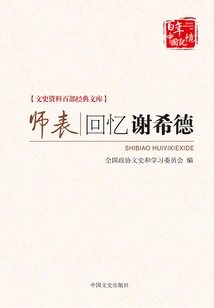
师表:回忆谢希德
Shanghai Cppcc Cultural And Historical Materials Committee
Xie Xide (1921-2000), a famous Chinese physicist, educator, social activist, and chairman of the 7th Shanghai CPPCC. She devoted her entire life to the research, development and talent cultivation of modern physics in our country. This book collects "three relatives" articles written by Comrade Xie Xide's students, colleagues, family, and friends, telling the touching story of Xie Xide's rich life, tenacious spirit, patriotism, and teaching and educating people.
Xie Xide (1921-2000), a famous Chinese physicist, educator, social activist, and chairman of the 7th Shanghai CPPCC. She devoted her entire life to the research, development and talent cultivation of modern physics in our country. This book collects "three relatives" articles written by Comrade Xie Xide's students, colleagues, family, and friends, telling the touching story of Xie Xide's rich life, tenacious spirit, patriotism, and teaching and educating people.
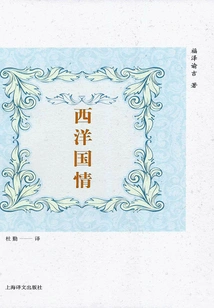
Western National Conditions
History西洋国情
L
This translation is based on the version published by Keio University Press. This version was compiled by Marion Saucier and Shunsaku Nishikawa based on the final version of "The Complete Works of Fukuzawa" written by Yukichi Fukuzawa during his lifetime, and with reference to various versions such as the reprint of "State of the West (Part 1)", the first edition of "The State of the West Part 2", and the first edition of "The State of the West Part 2". The first chapter first introduces the customs, social structure and technology of Western countries, such as politics, taxation laws, national debts, banknotes, merchant associations, foreign diplomacy, military systems, literature and technology, schools, newsprint, libraries, hospitals, poor homes, dumb homes, blind homes, lunatic homes, orphan homes, museums, exhibitions, steam engines, steam ships, steam trains, telephones, and gas lamps. The outer chapter and the second chapter provide a detailed and easy-to-understand summary of the history, politics, technology, military, economy, education, social systems, etc. Of Western countries. This knowledge was refreshing to the Japanese at that time. What is even more worth mentioning is that in the process of translating and introducing foreign books, Fukuzawa Yukichi painstakingly created many "Japanese Chinese characters". For example, he translated the word "Freedom" in the American Declaration of Independence as "freedom" and annotated it as "autonomous and arbitrary", which was his first creation.
This translation is based on the version published by Keio University Press. This version was compiled by Marion Saucier and Shunsaku Nishikawa based on the final version of "The Complete Works of Fukuzawa" written by Yukichi Fukuzawa during his lifetime, and with reference to various versions such as the reprint of "State of the West (Part 1)", the first edition of "The State of the West Part 2", and the first edition of "The State of the West Part 2". The first chapter first introduces the customs, social structure and technology of Western countries, such as politics, taxation laws, national debts, banknotes, merchant associations, foreign diplomacy, military systems, literature and technology, schools, newsprint, libraries, hospitals, poor homes, dumb homes, blind homes, lunatic homes, orphan homes, museums, exhibitions, steam engines, steam ships, steam trains, telephones, and gas lamps. The outer chapter and the second chapter provide a detailed and easy-to-understand summary of the history, politics, technology, military, economy, education, social systems, etc. Of Western countries. This knowledge was refreshing to the Japanese at that time. What is even more worth mentioning is that in the process of translating and introducing foreign books, Fukuzawa Yukichi painstakingly created many "Japanese Chinese characters". For example, he translated the word "Freedom" in the American Declaration of Independence as "freedom" and annotated it as "autonomous and arbitrary", which was his first creation.
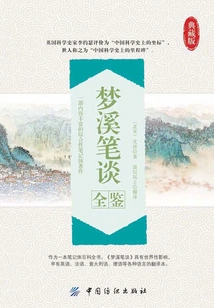
梦溪笔谈全鉴
Shen Kuo
"Mengxi Bi Tan" was written by Shen Kuo, a scientist and politician in the Northern Song Dynasty. It collects what Shen Kuo saw, heard and said throughout his life, with a total of 26 volumes, plus 3 volumes of "Supplementary Bi Tan" and 1 volume of "Continued Bi Tan". A total of 609 items are divided into 17 categories: stories, dialectics, music, imagery, personnel, government, power and wisdom, art, calligraphy and painting, skills, utensils, magic, strange things, fallacies, ridicule, magazines, and medicine. The content covers astronomy, mathematics, geography, physics, biology, medicine and pharmacy, military, literature, history, archeology and music. It can be said to be a glorious masterpiece that embodies the scientific achievements of previous generations. Therefore, it is highly praised and respected by Chinese and foreign scholars. Professor Joseph Needham, a famous British scientist, called Shen Kuo the most outstanding figure in the entire history of Chinese science and praised "Mengxi Bi Tan" as "the coordinate of the history of Chinese science." "Mengxi Bi Tan Quanjian" selects the essence and interprets it according to the original text, annotations and translations, striving to be accurate and convenient for readers to appreciate.
"Mengxi Bi Tan" was written by Shen Kuo, a scientist and politician in the Northern Song Dynasty. It collects what Shen Kuo saw, heard and said throughout his life, with a total of 26 volumes, plus 3 volumes of "Supplementary Bi Tan" and 1 volume of "Continued Bi Tan". A total of 609 items are divided into 17 categories: stories, dialectics, music, imagery, personnel, government, power and wisdom, art, calligraphy and painting, skills, utensils, magic, strange things, fallacies, ridicule, magazines, and medicine. The content covers astronomy, mathematics, geography, physics, biology, medicine and pharmacy, military, literature, history, archeology and music. It can be said to be a glorious masterpiece that embodies the scientific achievements of previous generations. Therefore, it is highly praised and respected by Chinese and foreign scholars. Professor Joseph Needham, a famous British scientist, called Shen Kuo the most outstanding figure in the entire history of Chinese science and praised "Mengxi Bi Tan" as "the coordinate of the history of Chinese science." "Mengxi Bi Tan Quanjian" selects the essence and interprets it according to the original text, annotations and translations, striving to be accurate and convenient for readers to appreciate.
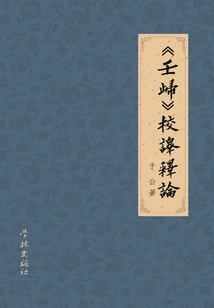
《壬归》校译释论
Yu Gong
This book is concise and profound, with beautiful writing and rigorous writing style. It summarizes the key points of the ancient Yixue - reason, Qi, category, image, number, as well as the method of transformation of the three talents into a complete set of methodology. It is meaningful to conduct academic research on it. This book uses as detailed historical materials as possible to systematically examine "Rengui" academically. At the same time, it analyzes, criticizes and introduces Renzhan's guiding ideology and methodology. This book comprehensively interprets "Rengui" through proofreading, translation, interpretation, and discussion.
This book is concise and profound, with beautiful writing and rigorous writing style. It summarizes the key points of the ancient Yixue - reason, Qi, category, image, number, as well as the method of transformation of the three talents into a complete set of methodology. It is meaningful to conduct academic research on it. This book uses as detailed historical materials as possible to systematically examine "Rengui" academically. At the same time, it analyzes, criticizes and introduces Renzhan's guiding ideology and methodology. This book comprehensively interprets "Rengui" through proofreading, translation, interpretation, and discussion.
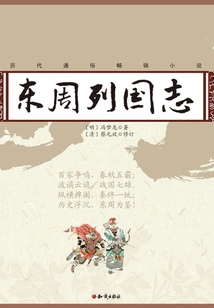
东周列国志
(ming Dynasty) Written By Feng Menglong (qing Dynasty) Revised By Cai Yuanfang
The Spring and Autumn Period and the Warring States Period were an important transition period in the development of ancient Chinese history. During this period, not only the production level and social economy have developed greatly, but the social structure has also undergone great changes. The decline of the nobility, the rise of the common people, the emergence of many schools of thought, the contention of a hundred schools of thought, political turmoil, and strategic struggles. At the same time, the "Five Hegemons of the Spring and Autumn Period" and the "Seven Hegemons of the Warring States Period" also emerged. In order to compete for hegemony, wars often broke out between countries, which made the art of vertical and horizontal manipulation flourish.
The Spring and Autumn Period and the Warring States Period were an important transition period in the development of ancient Chinese history. During this period, not only the production level and social economy have developed greatly, but the social structure has also undergone great changes. The decline of the nobility, the rise of the common people, the emergence of many schools of thought, the contention of a hundred schools of thought, political turmoil, and strategic struggles. At the same time, the "Five Hegemons of the Spring and Autumn Period" and the "Seven Hegemons of the Warring States Period" also emerged. In order to compete for hegemony, wars often broke out between countries, which made the art of vertical and horizontal manipulation flourish.
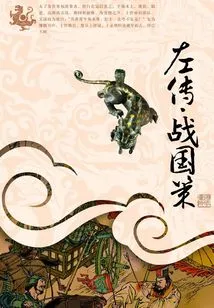
左传·战国策
Editorial Board Of "illustrations Of The World·chinese Studies Academy Series"
"Zuo Zhuan" and "Warring States Policy" are important classics recording the history of the Spring and Autumn Period and the Warring States Period. "Zuo Zhuan" explains the "Spring and Autumn" and is said to have been written by Zuo Qiu Ming in the late Spring and Autumn Period. It not only records the historical facts of the Spring and Autumn Period, but also cites many historical facts of the previous dynasties. It has very important historical material value and represents the highest achievement of pre-Qin historiography. It has a great influence on the historical research and development of later generations, especially in establishing the status of chronicle history books. It is also a very excellent literary work. It is good at describing wars and characters, and pays attention to recording the characters' diction. "Warring States Policy" mainly records the political opinions and diplomatic strategies of various countries' advisers and strategists during the Warring States Period, as well as their lobbying words. It is a country-specific history book that is divided into the Eastern Zhou Dynasty, the Western Zhou Dynasty, Qin, Qi, Chu, Zhao, Wei, Han, Yan, Song, Wei, and Zhongshan. It is compiled into 33 volumes in total. The history recorded in it starts from Zhibo's destruction of the Fan family in 490 BC, to Gao Jianli's attack on Qin Shihuang in 221 BC. "Warring States Policy" centers on the lobbying activities of strategists, reflects the political and diplomatic conditions of various countries during this period, and preserves a summary of the history of the Warring States Period for more than two hundred years, which has important historical value. At the same time, "Warring States Policy" is also a very good historical prose work, marking a new period in the development of ancient Chinese prose. The literary nature is very prominent, especially in the portrayal of characters, the use of language and rhetoric, and the description of fables. It has very distinctive artistic features.
"Zuo Zhuan" and "Warring States Policy" are important classics recording the history of the Spring and Autumn Period and the Warring States Period. "Zuo Zhuan" explains the "Spring and Autumn" and is said to have been written by Zuo Qiu Ming in the late Spring and Autumn Period. It not only records the historical facts of the Spring and Autumn Period, but also cites many historical facts of the previous dynasties. It has very important historical material value and represents the highest achievement of pre-Qin historiography. It has a great influence on the historical research and development of later generations, especially in establishing the status of chronicle history books. It is also a very excellent literary work. It is good at describing wars and characters, and pays attention to recording the characters' diction. "Warring States Policy" mainly records the political opinions and diplomatic strategies of various countries' advisers and strategists during the Warring States Period, as well as their lobbying words. It is a country-specific history book that is divided into the Eastern Zhou Dynasty, the Western Zhou Dynasty, Qin, Qi, Chu, Zhao, Wei, Han, Yan, Song, Wei, and Zhongshan. It is compiled into 33 volumes in total. The history recorded in it starts from Zhibo's destruction of the Fan family in 490 BC, to Gao Jianli's attack on Qin Shihuang in 221 BC. "Warring States Policy" centers on the lobbying activities of strategists, reflects the political and diplomatic conditions of various countries during this period, and preserves a summary of the history of the Warring States Period for more than two hundred years, which has important historical value. At the same time, "Warring States Policy" is also a very good historical prose work, marking a new period in the development of ancient Chinese prose. The literary nature is very prominent, especially in the portrayal of characters, the use of language and rhetoric, and the description of fables. It has very distinctive artistic features.
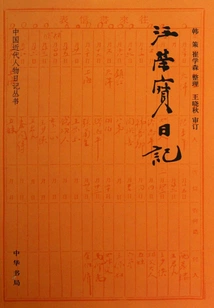
汪荣宝日记(中国近代人物日记丛书)
Compiled By Han Ce, Compiled By Cui Xuesen, Reviewed By Wang Xiaoqiu
Wang Rongbao (1878-1933), nicknamed Gunfu and Taixuan, was born in Wuxian County, Jiangsu Province. Famous scholar and diplomat in modern times. Wang Rongbao's diary starts from the first day of the first lunar month of the first year of Xuantong and ends on December 30th of the third year of Xuantong. There is no break in the three years. It reflects the social scene and important historical events in the last three years of the Qing Dynasty. During this period, Wang worked in the Ministry of Civil Affairs, and also worked part-time in many important institutions such as the Law Revision Office and the Zizhengyuan. He was a core member of the constitutional movement in the late Qing Dynasty. His contacts include Shanqi, Na Tong, Xu Shichang, Zhang Zongxiang, Cao Rulin, Lu Zongyu, Yang Du, etc., Who were all celebrities of the time. The diary contains a complete and authentic record of this period, which is extremely precious. Among them, the description of the co-compiled constitution is the first-hand material for studying the constitution in the late Qing Dynasty and has important reference value.
Wang Rongbao (1878-1933), nicknamed Gunfu and Taixuan, was born in Wuxian County, Jiangsu Province. Famous scholar and diplomat in modern times. Wang Rongbao's diary starts from the first day of the first lunar month of the first year of Xuantong and ends on December 30th of the third year of Xuantong. There is no break in the three years. It reflects the social scene and important historical events in the last three years of the Qing Dynasty. During this period, Wang worked in the Ministry of Civil Affairs, and also worked part-time in many important institutions such as the Law Revision Office and the Zizhengyuan. He was a core member of the constitutional movement in the late Qing Dynasty. His contacts include Shanqi, Na Tong, Xu Shichang, Zhang Zongxiang, Cao Rulin, Lu Zongyu, Yang Du, etc., Who were all celebrities of the time. The diary contains a complete and authentic record of this period, which is extremely precious. Among them, the description of the co-compiled constitution is the first-hand material for studying the constitution in the late Qing Dynasty and has important reference value.
黑水城宋代军政文书研究
Chen Ruiqing
This book takes "Military and Political Documents on the Northwestern Frontier of the Song Dynasty" as the research object, sorting out and studying the Song Dynasty's Song Dynasty Fuyan Road policy response to Huanqing Road documents, hunting down stragglers documents, warehouse litigation documents, Dejingzhai documents and military supplies documents, and also discusses the Song Dynasty's Tibetan soldier system and document system involved in the documents. This book uses "Military and Political Documents on the Northwest Frontier of the Song Dynasty" to respectively explore the drafting system, yellowing system, urging system, confidentiality system and inspection system of official documents in the Song Dynasty. It can be seen from the above that the document system of the Song Dynasty was extremely strict and played a connecting role in the history of China's document system.
This book takes "Military and Political Documents on the Northwestern Frontier of the Song Dynasty" as the research object, sorting out and studying the Song Dynasty's Song Dynasty Fuyan Road policy response to Huanqing Road documents, hunting down stragglers documents, warehouse litigation documents, Dejingzhai documents and military supplies documents, and also discusses the Song Dynasty's Tibetan soldier system and document system involved in the documents. This book uses "Military and Political Documents on the Northwest Frontier of the Song Dynasty" to respectively explore the drafting system, yellowing system, urging system, confidentiality system and inspection system of official documents in the Song Dynasty. It can be seen from the above that the document system of the Song Dynasty was extremely strict and played a connecting role in the history of China's document system.
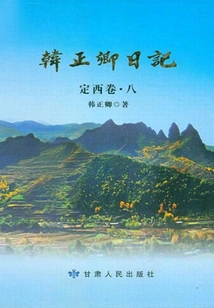
韩正卿日记:定西卷(第八卷)
Han Zhengqing
Han Zhengqing participated in revolutionary work in September 1949. After joining the work, he kept a diary for decades, truly recording his personal experiences in various aspects such as work, study and life, and accumulated them into precious historical materials.
Han Zhengqing participated in revolutionary work in September 1949. After joining the work, he kept a diary for decades, truly recording his personal experiences in various aspects such as work, study and life, and accumulated them into precious historical materials.
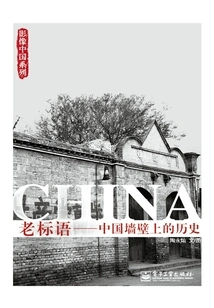
Old Slogan
History老标语
Tao Yongcan
As the wheel of time rolls forward, the old slogans on Chinese walls that have been preserved in the past few decades will gradually disappear. The author of this book spent three years traveling to more than 10 provinces and cities, photographing more than 300 slogans from various periods in the past 60 years from the founding of the Communist Party of China to the Third Plenary Session of the 11th Central Committee of the Communist Party of China, telling the background and historical details of the generation of the slogans. It is our mission to show history through vivid images, so that people who lived in those eras can remember the past, and people who have not experienced those eras can appreciate our unique history.
As the wheel of time rolls forward, the old slogans on Chinese walls that have been preserved in the past few decades will gradually disappear. The author of this book spent three years traveling to more than 10 provinces and cities, photographing more than 300 slogans from various periods in the past 60 years from the founding of the Communist Party of China to the Third Plenary Session of the 11th Central Committee of the Communist Party of China, telling the background and historical details of the generation of the slogans. It is our mission to show history through vivid images, so that people who lived in those eras can remember the past, and people who have not experienced those eras can appreciate our unique history.
百年大学讲演录
Shang Yuqing
This book selects lectures given by some famous scholars in Chinese universities from around 1990 to 2000, including Yan Fu's "The Function of Western Learning", Liang Qichao's "Confucian Thought", Cai Yuanpei's "War and Philosophy", Russell's "Social Structure", Lu Xun's "What Happened to Nora", etc. The content of these lectures involves history, philosophy, literature, etc. In addition, in view of the great influence Russell and Dowei had on Chinese intellectuals in the 1920s, this book also selects their speeches in China. The editor's intention is to provide readers with an abbreviated picture of human reason and wisdom over the past century, so that readers of our generation can have a preliminary understanding of the cultural and ideological context over the past century.
This book selects lectures given by some famous scholars in Chinese universities from around 1990 to 2000, including Yan Fu's "The Function of Western Learning", Liang Qichao's "Confucian Thought", Cai Yuanpei's "War and Philosophy", Russell's "Social Structure", Lu Xun's "What Happened to Nora", etc. The content of these lectures involves history, philosophy, literature, etc. In addition, in view of the great influence Russell and Dowei had on Chinese intellectuals in the 1920s, this book also selects their speeches in China. The editor's intention is to provide readers with an abbreviated picture of human reason and wisdom over the past century, so that readers of our generation can have a preliminary understanding of the cultural and ideological context over the past century.
Nongyinlu Notes
History农隐庐文钞
Wang Qingmu
This book is a collection of works by Wang Qingmu, a famous gentry in Chongming area of Shanghai. Wang Qingmu once founded a steamship company and served as the supervisor of the Taihu Water Conservancy Bureau. This book contains articles written by Wang Qingmu on industry, water conservancy, social customs and other aspects. It is Wang Qingmu's representative work. It reflects his thoughts and the folk customs and sentiments of Chongming County in the late Qing Dynasty and the Republic of China, and has certain historical value.
This book is a collection of works by Wang Qingmu, a famous gentry in Chongming area of Shanghai. Wang Qingmu once founded a steamship company and served as the supervisor of the Taihu Water Conservancy Bureau. This book contains articles written by Wang Qingmu on industry, water conservancy, social customs and other aspects. It is Wang Qingmu's representative work. It reflects his thoughts and the folk customs and sentiments of Chongming County in the late Qing Dynasty and the Republic of China, and has certain historical value.
Mahabharata (4)
History摩诃婆罗多(四)
(india) Vyasa
"Mahabharata" and "Ramayana" are known as the two major Indian epics. "Ramayana" was translated by Mr. Ji Xianlin and published in the 1980s. The Mahabharata is four times as long as the Ramayana. The book is divided into eighteen chapters. The core story is set against the background of Indian society in the era of strife among nations. It narrates the struggle between two descendants of the Bharata tribe, the Kolulu and Pandava tribes, for the right to inherit the throne. This so-called encyclopedic epic is large in scale and complex in content. So far, there are only a fine edition of the Mahabharata completed by Indian Sanskrit scholars in half a century and the previous English translation in the world, while translations by French, American and other scholars have all failed midway. In the late 1980s, under the support and leadership of Mr. Jin Kemu, the translation project of the Chinese version of the Mahabharata was launched. After the hard work of a group of scholars, it took 17 years to complete the project and handed it down to the world with the support of Mr. Huang Baosheng. It has become one of the only three texts in the world today.
"Mahabharata" and "Ramayana" are known as the two major Indian epics. "Ramayana" was translated by Mr. Ji Xianlin and published in the 1980s. The Mahabharata is four times as long as the Ramayana. The book is divided into eighteen chapters. The core story is set against the background of Indian society in the era of strife among nations. It narrates the struggle between two descendants of the Bharata tribe, the Kolulu and Pandava tribes, for the right to inherit the throne. This so-called encyclopedic epic is large in scale and complex in content. So far, there are only a fine edition of the Mahabharata completed by Indian Sanskrit scholars in half a century and the previous English translation in the world, while translations by French, American and other scholars have all failed midway. In the late 1980s, under the support and leadership of Mr. Jin Kemu, the translation project of the Chinese version of the Mahabharata was launched. After the hard work of a group of scholars, it took 17 years to complete the project and handed it down to the world with the support of Mr. Huang Baosheng. It has become one of the only three texts in the world today.
回忆法币、金圆券与黄金风潮
Cppcc National Committee On Culture, History And Study
Legal currency is the currency issued by the Kuomintang government on November 4, 1935. On August 18, 1948, due to hyperinflation, the legal currency depreciated sharply, and the Nationalist Government ordered currency reform to replace legal currency with gold yuan notes. Gold Yuan Notes were issued on August 19, 1948 and ceased circulation in July 1949, making them the shortest-lived currency in financial history. At the same time, there were two gold wave cases: the first was in Chongqing in March 1945, and the second was in Shanghai in February 1947, which triggered a political trend within the Chiang government and accelerated the complete collapse of the Chiang dynasty. This book contains retrospective articles written by representatives of the financial industry, general managers of banks, directors of the Department of Finance, directors of financial bureaus, and court prosecutors at the time, based on their personal experiences and what they saw and heard. They describe in detail the relevant events, background, causes and consequences of legal currency, gold yuan bonds, and the gold trend. They are of great reference value for studying the history of modern currency and finance in China.
Legal currency is the currency issued by the Kuomintang government on November 4, 1935. On August 18, 1948, due to hyperinflation, the legal currency depreciated sharply, and the Nationalist Government ordered currency reform to replace legal currency with gold yuan notes. Gold Yuan Notes were issued on August 19, 1948 and ceased circulation in July 1949, making them the shortest-lived currency in financial history. At the same time, there were two gold wave cases: the first was in Chongqing in March 1945, and the second was in Shanghai in February 1947, which triggered a political trend within the Chiang government and accelerated the complete collapse of the Chiang dynasty. This book contains retrospective articles written by representatives of the financial industry, general managers of banks, directors of the Department of Finance, directors of financial bureaus, and court prosecutors at the time, based on their personal experiences and what they saw and heard. They describe in detail the relevant events, background, causes and consequences of legal currency, gold yuan bonds, and the gold trend. They are of great reference value for studying the history of modern currency and finance in China.
一代枭雄韩复榘
Cppcc National Committee On Culture, History And Study
This book collects more than 40 articles from the recollections of Han Fuju's staff, relatives, and those who knew Han Fuju. From various angles of personal experience, seeing, and hearing, it truly and vividly describes Han Fuju's career after joining the military, including his rise to the top, betraying Feng and joining Chiang Kai-shek, leading Lu and ruling Lu, and being shot by Chiang Kai-shek after the Anti-Japanese War. This book provides readers with the prototype of Han Fuju, a flesh-and-blood feudal warlord.
This book collects more than 40 articles from the recollections of Han Fuju's staff, relatives, and those who knew Han Fuju. From various angles of personal experience, seeing, and hearing, it truly and vividly describes Han Fuju's career after joining the military, including his rise to the top, betraying Feng and joining Chiang Kai-shek, leading Lu and ruling Lu, and being shot by Chiang Kai-shek after the Anti-Japanese War. This book provides readers with the prototype of Han Fuju, a flesh-and-blood feudal warlord.
追忆商海往事前尘:胡西园回忆录
Cppcc National Committee On Culture, History And Study
This book tells the story of the difficulties and crises encountered by the protagonist Hu Xiyuan when he founded the "China Yapuer Light Bulb Factory". Especially during the Anti-Japanese War, in order to preserve a little bit of the national industry, Hu Xiyuan accompanied the "China Yapuer Light Bulb Factory" in evacuating the isolated island of Shanghai and heading south to Hunan. West, west to Sichuan, during this period, the company suffered huge losses and was almost on the verge of bankruptcy. However, it always stood on the stance of "advocating domestic products" and campaigned for the survival and development of China's national industry. It worked hard and eventually became one of the few leading benchmarks in modern China's industrial and commercial circles.
This book tells the story of the difficulties and crises encountered by the protagonist Hu Xiyuan when he founded the "China Yapuer Light Bulb Factory". Especially during the Anti-Japanese War, in order to preserve a little bit of the national industry, Hu Xiyuan accompanied the "China Yapuer Light Bulb Factory" in evacuating the isolated island of Shanghai and heading south to Hunan. West, west to Sichuan, during this period, the company suffered huge losses and was almost on the verge of bankruptcy. However, it always stood on the stance of "advocating domestic products" and campaigned for the survival and development of China's national industry. It worked hard and eventually became one of the few leading benchmarks in modern China's industrial and commercial circles.
文化灵苗播种人:回忆姜椿芳
Cppcc National Committee On Culture, History And Study
Mr. Jiang Chunfang is a senior figure in my country's contemporary cultural circles. This book contains the reminiscences of dozens of Jiang Chunfang's friends, students, and family members. From these articles, we can see Mr. Jiang Chunfang's spirit, responsibility, and conscience as a Chinese intellectual. His patriotism that has gone through many hardships but remains unswerving, his scholarly spirit that is both generous and humble, and his Confucian style of being a tireless teacher while being humble and a gentleman are still respected and remembered by people. As Mr. Ji Xianlin said: "A person can only have one life. In this case, a person should strive to do something that is beneficial to others and worthy of his own conscience in this short and only one life. In a literate word, it is to realize the value of his own life. I think Comrade Jiang Chunfang has truly achieved this, and he has truly realized the value of his life."
Mr. Jiang Chunfang is a senior figure in my country's contemporary cultural circles. This book contains the reminiscences of dozens of Jiang Chunfang's friends, students, and family members. From these articles, we can see Mr. Jiang Chunfang's spirit, responsibility, and conscience as a Chinese intellectual. His patriotism that has gone through many hardships but remains unswerving, his scholarly spirit that is both generous and humble, and his Confucian style of being a tireless teacher while being humble and a gentleman are still respected and remembered by people. As Mr. Ji Xianlin said: "A person can only have one life. In this case, a person should strive to do something that is beneficial to others and worthy of his own conscience in this short and only one life. In a literate word, it is to realize the value of his own life. I think Comrade Jiang Chunfang has truly achieved this, and he has truly realized the value of his life."
Memoirs of Yang Botao
History杨伯涛回忆录
Cppcc National Committee On Culture, History And Study
This book is a memoir written by Yang Botao. It records in detail that he joined the army, participated in the civil war, witnessed two "encirclement and suppression" campaigns, studied at Army University, participated in the Anti-Japanese War, participated in the Battle of Yichang, participated in the three battles of Western Hubei, Changde, and Xuefengshan, experienced the surrender of Xiangyin, witnessed the reorganization of the Kuomintang army, participated in the Huaihai Campaign, and his new life and later life after receiving amnesty. This book is rich in content and rich in writing. It is not only a record of Yang Botao's personal history, but also a very important material in the modern history of our country.
This book is a memoir written by Yang Botao. It records in detail that he joined the army, participated in the civil war, witnessed two "encirclement and suppression" campaigns, studied at Army University, participated in the Anti-Japanese War, participated in the Battle of Yichang, participated in the three battles of Western Hubei, Changde, and Xuefengshan, experienced the surrender of Xiangyin, witnessed the reorganization of the Kuomintang army, participated in the Huaihai Campaign, and his new life and later life after receiving amnesty. This book is rich in content and rich in writing. It is not only a record of Yang Botao's personal history, but also a very important material in the modern history of our country.
Memories of Zhu Yunshan
History回忆朱蕴山
Cppcc National Committee On Culture, History And Study
This book contains more than 20 commemorative articles organized by the Propaganda Department of the Central Committee of the Chinese Kuomintang Revolutionary Committee to commemorate the centenary of the birth of Comrade Zhu Yunshan, as well as several articles and poems by Zhu Yunshan, in order to commemorate Zhu Yunshan's contribution to the democratic revolution and the cause of socialism, and to learn from his patriotism spirit of continuous pursuit of progress. The repackaging, revision and reprinting of the "Hundred Classic Library of Literary and Historical Materials" added to our publisher this time is another tribute to Comrade Zhu Yunshan.
This book contains more than 20 commemorative articles organized by the Propaganda Department of the Central Committee of the Chinese Kuomintang Revolutionary Committee to commemorate the centenary of the birth of Comrade Zhu Yunshan, as well as several articles and poems by Zhu Yunshan, in order to commemorate Zhu Yunshan's contribution to the democratic revolution and the cause of socialism, and to learn from his patriotism spirit of continuous pursuit of progress. The repackaging, revision and reprinting of the "Hundred Classic Library of Literary and Historical Materials" added to our publisher this time is another tribute to Comrade Zhu Yunshan.
八十年来:黄炎培回忆录(片断)
Cppcc National Committee On Culture, History And Study
This book is mainly divided according to time periods, with a total of four periods: the first period (1978-1900), the second period (1901-1913), the third period (1914-1930), and the fourth period (1931-1949). It is followed by "Return from Yan'an", which records Huang Yanpei's eighty-year life from his birth, schooling, pursuit of saving the country and the people to the founding of New China. This book contains detailed information and vivid language, reflecting his determination to serve the country. This book was first published in 1982. It is published this time as one of the "Hundred Classics of Literary and Historical Materials" series launched by China Literature and History Publishing House, and the content has not been changed.
This book is mainly divided according to time periods, with a total of four periods: the first period (1978-1900), the second period (1901-1913), the third period (1914-1930), and the fourth period (1931-1949). It is followed by "Return from Yan'an", which records Huang Yanpei's eighty-year life from his birth, schooling, pursuit of saving the country and the people to the founding of New China. This book contains detailed information and vivid language, reflecting his determination to serve the country. This book was first published in 1982. It is published this time as one of the "Hundred Classics of Literary and Historical Materials" series launched by China Literature and History Publishing House, and the content has not been changed.
Prison Story
History狱中记
Cppcc National Committee On Culture, History And Study
Yu Xinqing (1898-1966) was a patriotic democratic fighter who had cooperated with the Communist Party of China since the democratic revolution. During the Anti-Japanese War and the War of Liberation, he did a lot of work beneficial to the revolution and the people. Later, he was arrested and imprisoned for instigating the uprising of the Kuomintang general Sun Lianzhong. He was unyielding. The book truly and touchingly describes Yu Xinqing's political activities before his arrest and his experiences in prison in Peking and Nanjing after his arrest.
Yu Xinqing (1898-1966) was a patriotic democratic fighter who had cooperated with the Communist Party of China since the democratic revolution. During the Anti-Japanese War and the War of Liberation, he did a lot of work beneficial to the revolution and the people. Later, he was arrested and imprisoned for instigating the uprising of the Kuomintang general Sun Lianzhong. He was unyielding. The book truly and touchingly describes Yu Xinqing's political activities before his arrest and his experiences in prison in Peking and Nanjing after his arrest.
Recalling the Xi'an Incident
History回忆西安事变
Cppcc National Committee On Culture, History And Study
The Xi'an Incident was a major historical event in my country's modern history that shocked both China and the rest of the world. The Literature, History and Study Committee of the National Committee of the Chinese People's Political Consultative Conference began to collect a batch of memoirs about personal experiences of the Xi'an Incident in 1961, and selected some of them to compile the book "Recalling the Xi'an Incident" as a commemoration and as a reference for historical research. This book is a reprint of "Revealing the Secret of the Xi'an Incident" published in 2006. In 2006, it was applied for and approved for publication as a major topic.
The Xi'an Incident was a major historical event in my country's modern history that shocked both China and the rest of the world. The Literature, History and Study Committee of the National Committee of the Chinese People's Political Consultative Conference began to collect a batch of memoirs about personal experiences of the Xi'an Incident in 1961, and selected some of them to compile the book "Recalling the Xi'an Incident" as a commemoration and as a reference for historical research. This book is a reprint of "Revealing the Secret of the Xi'an Incident" published in 2006. In 2006, it was applied for and approved for publication as a major topic.
回忆张学良和东北军
Cppcc National Committee On Culture, History And Study
This book is one of the "Hundred Classics of Literature and History Materials" formulated by the Literature, History and Study Committee of the National Committee of the Chinese People's Political Consultative Conference. It records the important events experienced by General Zhang Xueliang and the Northeast Army before the Xi'an Incident. The authors of the articles collected in the book are mostly Northeastern veterans, friends of Zhang Xueliang, main generals of the Northeastern Army, important officials in charge of diplomacy and finance, and Communists related to the Northeastern Army such as Pujie, He Zhuguo, Wang Jiazhen, Liu Yifei, Yan Baohang, Wei Yisan, etc.
This book is one of the "Hundred Classics of Literature and History Materials" formulated by the Literature, History and Study Committee of the National Committee of the Chinese People's Political Consultative Conference. It records the important events experienced by General Zhang Xueliang and the Northeast Army before the Xi'an Incident. The authors of the articles collected in the book are mostly Northeastern veterans, friends of Zhang Xueliang, main generals of the Northeastern Army, important officials in charge of diplomacy and finance, and Communists related to the Northeastern Army such as Pujie, He Zhuguo, Wang Jiazhen, Liu Yifei, Yan Baohang, Wei Yisan, etc.
回忆五四运动
Cppcc National Committee On Culture, History And Study
This book is one of the "Hundred Classics of Literature and History Materials" formulated by the Literature, History and Study Committee of the National Committee of the Chinese People's Political Consultative Conference. The May 4th Movement, which broke out in 1919, served as the watershed between the old democratic revolution and the new democratic revolution, opening a new page in Chinese history. This book describes the details of the May Fourth Movement from its inception and outbreak to its turmoil in various places. The authors of the articles included in the book, including Liang Shiqiu, Xu Deheng, Luo Jialun, Qu Wu, and Zhu Yunshan, were all witnesses of the May Fourth Movement.
This book is one of the "Hundred Classics of Literature and History Materials" formulated by the Literature, History and Study Committee of the National Committee of the Chinese People's Political Consultative Conference. The May 4th Movement, which broke out in 1919, served as the watershed between the old democratic revolution and the new democratic revolution, opening a new page in Chinese history. This book describes the details of the May Fourth Movement from its inception and outbreak to its turmoil in various places. The authors of the articles included in the book, including Liang Shiqiu, Xu Deheng, Luo Jialun, Qu Wu, and Zhu Yunshan, were all witnesses of the May Fourth Movement.
Kong Xiangxi and His Life
History孔祥熙其人其事
Cppcc National Committee On Culture, History And Study
This book is one of the "Hundred Classics of Literature and History Materials" formulated by the Literature, History and Study Committee of the National Committee of the Chinese People's Political Consultative Conference. Kong Xiangxi was one of the typical representatives of bureaucratic capital during the Kuomintang rule. He had long held fiscal and financial power, had a very wide reach, and had a certain influence on China's modern financial history. This book describes the life trajectory of Kong Xiangxi, and also narrates the history of Song Ailing and her children's close relationship with the Kong family. The authors of the articles included in the book, including Fan Shaozeng, Chen Gengya, Song Ziang, and Zhang Yuanshan, are all insiders or insiders who have a close relationship with Kong Xiangxi.
This book is one of the "Hundred Classics of Literature and History Materials" formulated by the Literature, History and Study Committee of the National Committee of the Chinese People's Political Consultative Conference. Kong Xiangxi was one of the typical representatives of bureaucratic capital during the Kuomintang rule. He had long held fiscal and financial power, had a very wide reach, and had a certain influence on China's modern financial history. This book describes the life trajectory of Kong Xiangxi, and also narrates the history of Song Ailing and her children's close relationship with the Kong family. The authors of the articles included in the book, including Fan Shaozeng, Chen Gengya, Song Ziang, and Zhang Yuanshan, are all insiders or insiders who have a close relationship with Kong Xiangxi.
从前的先生·盟史零札:1939—1950
Zhang Guansheng
The historical scene of China's "veteran idealists". A group of Chinese intellectuals who "worry first about the world's worries" are not interested in politics by nature. Most of them regard rejuvenating the country through education, cultural inheritance, rural transformation, and helping the weak as their peaceful livelihood. Unfortunately, the fate of the country is in danger, the people's livelihood is in chaos, and the war is raging, and there is no place to put a desk. They came out of their studies, formed a group and formed the "Comrades for the Unification and Founding of the Republic of China", which was later reorganized into the "China Democratic Political Alliance". They did not rely on arms, did not seek political power, and did not occupy territory. They participated in Chinese politics with only cultural and ideological power, and were active between the Kuomintang and the Communist Party, forming a remarkable political landscape. "Former Gentlemen: Notes on the History of the Alliance: 1939-1950" gradually gathers their thoughts and opinions from fragmentary historical materials, and presents the formation process of the overall political opinions of this Chinese intellectual group. The wonderful, profound, profound and kind gentlemen formed a gallery of brilliant characters.
The historical scene of China's "veteran idealists". A group of Chinese intellectuals who "worry first about the world's worries" are not interested in politics by nature. Most of them regard rejuvenating the country through education, cultural inheritance, rural transformation, and helping the weak as their peaceful livelihood. Unfortunately, the fate of the country is in danger, the people's livelihood is in chaos, and the war is raging, and there is no place to put a desk. They came out of their studies, formed a group and formed the "Comrades for the Unification and Founding of the Republic of China", which was later reorganized into the "China Democratic Political Alliance". They did not rely on arms, did not seek political power, and did not occupy territory. They participated in Chinese politics with only cultural and ideological power, and were active between the Kuomintang and the Communist Party, forming a remarkable political landscape. "Former Gentlemen: Notes on the History of the Alliance: 1939-1950" gradually gathers their thoughts and opinions from fragmentary historical materials, and presents the formation process of the overall political opinions of this Chinese intellectual group. The wonderful, profound, profound and kind gentlemen formed a gallery of brilliant characters.
寡人很孤独:资治通鉴里的权力游戏
He Bo
History flows through the long river of time, with hundreds of schools of thought, the warring states, government affairs at home and country, and the treacherousness of shopping malls. In that era of fighting for every inch of land, and of freedom of speech, all kinds of strange people appeared one after another, and all kinds of heroes and nobles showed their talents. He Bo, with his impeccable tongue and popular writing, shows the demeanor of a great country in "Zi Zhi Tong Jian"; with his simple language and humorous writing style, we can see the character of the characters in the conquest.
History flows through the long river of time, with hundreds of schools of thought, the warring states, government affairs at home and country, and the treacherousness of shopping malls. In that era of fighting for every inch of land, and of freedom of speech, all kinds of strange people appeared one after another, and all kinds of heroes and nobles showed their talents. He Bo, with his impeccable tongue and popular writing, shows the demeanor of a great country in "Zi Zhi Tong Jian"; with his simple language and humorous writing style, we can see the character of the characters in the conquest.
我认罪:日本侵华战犯口供实录
Zhang Lin Cheng Junchuan
In 1954, the Chinese government began to investigate and prosecute 1,109 Japanese war criminals detained in Fushun and Taiyuan. In 1956, it held public trials of 45 Japanese war criminals who had committed more serious crimes, and thus obtained a large number of oral and written confessions. This book selects the most exciting and readable parts from them and compiles them into a separate volume. It discloses the heinous crimes of Japanese militarist forces in pursuing aggressive policies, conducting espionage activities, manufacturing bacterial weapons, releasing poison gas, massacring, capturing, enslaving and poisoning the Chinese people.
In 1954, the Chinese government began to investigate and prosecute 1,109 Japanese war criminals detained in Fushun and Taiyuan. In 1956, it held public trials of 45 Japanese war criminals who had committed more serious crimes, and thus obtained a large number of oral and written confessions. This book selects the most exciting and readable parts from them and compiles them into a separate volume. It discloses the heinous crimes of Japanese militarist forces in pursuing aggressive policies, conducting espionage activities, manufacturing bacterial weapons, releasing poison gas, massacring, capturing, enslaving and poisoning the Chinese people.
中央政府赈济台湾文献(清代卷)
Yin Quanhai
This book is a selection of historical materials related to the Qing government's relief to Taiwan, including various documents such as daily notes archives, Ministry of War archives, household archives, memorials, etc. This book allows readers to see how the Taiwanese people, who were prone to disasters at that time, restored production and reconstructed their homes with the relief and help of the central government when faced with disasters. It made the central government's jurisdiction over Taiwan concrete, flesh-and-blood, and vivid. This also illustrates the effective jurisdiction and governance of Taiwan by the central government at that time, and the historical fact that Taiwan and the mainland were unified under one central government at that time.
This book is a selection of historical materials related to the Qing government's relief to Taiwan, including various documents such as daily notes archives, Ministry of War archives, household archives, memorials, etc. This book allows readers to see how the Taiwanese people, who were prone to disasters at that time, restored production and reconstructed their homes with the relief and help of the central government when faced with disasters. It made the central government's jurisdiction over Taiwan concrete, flesh-and-blood, and vivid. This also illustrates the effective jurisdiction and governance of Taiwan by the central government at that time, and the historical fact that Taiwan and the mainland were unified under one central government at that time.
战国策全鉴
(western Han Dynasty) Liu Xiang
It is a compilation of national historical masterpieces, edited and compiled into a book by Liu Xiang in the late Western Han Dynasty. The book is divided into twelve strategies, thirty-three volumes, and about 120,000 words. It mainly describes the political propositions and diplomatic strategies proposed by politicians during the Warring States Period for the countries they supported. It shows the historical characteristics and social features of the Warring States Period. It has extremely high historical value and is an important classic for studying the history of the Warring States Period. This book selects famous articles from "Warring States Policy", annotates the uncommon words in the articles, and translates them into modern vernacular to help readers better learn and understand this classic work.
It is a compilation of national historical masterpieces, edited and compiled into a book by Liu Xiang in the late Western Han Dynasty. The book is divided into twelve strategies, thirty-three volumes, and about 120,000 words. It mainly describes the political propositions and diplomatic strategies proposed by politicians during the Warring States Period for the countries they supported. It shows the historical characteristics and social features of the Warring States Period. It has extremely high historical value and is an important classic for studying the history of the Warring States Period. This book selects famous articles from "Warring States Policy", annotates the uncommon words in the articles, and translates them into modern vernacular to help readers better learn and understand this classic work.
二十五史一日一鉴
Compiled By Wei Haiyan And Yan Nan
Reading history makes people wise and sober. From the "Twenty-Five Histories", one can taste the vicissitudes of human affairs over thousands of years, gain a glimpse of the profound wisdom of family and country, learn the shrewd methods of think tanks, and gain profound social experience. Examine the content of wisdom in the annals of history, appreciate the formation of strategies, and discover the rules of history to guide today's life - I hope we can see history and the present clearly and never be confused. History and reality are always connected, and the profound "Twenty-Five Histories" contains infinite questions. The logic in history contains the general trend of the development of things; the origin and origin of historical facts have a causal connection. Those who are good at thinking will benefit greatly from "Twenty-Five Histories".
Reading history makes people wise and sober. From the "Twenty-Five Histories", one can taste the vicissitudes of human affairs over thousands of years, gain a glimpse of the profound wisdom of family and country, learn the shrewd methods of think tanks, and gain profound social experience. Examine the content of wisdom in the annals of history, appreciate the formation of strategies, and discover the rules of history to guide today's life - I hope we can see history and the present clearly and never be confused. History and reality are always connected, and the profound "Twenty-Five Histories" contains infinite questions. The logic in history contains the general trend of the development of things; the origin and origin of historical facts have a causal connection. Those who are good at thinking will benefit greatly from "Twenty-Five Histories".
战国策(中华国学经典)
Yuan Tangxin Editor-in-chief Xie Zhiqiang
This book mainly records the struggles of counselors and counselors during the Warring States Period. The book has beautiful diction, vivid language, full of eloquence and strategic wit. It describes the characters vividly and uses fables to explain the truth. It also occupies an important position in the history of Chinese classical literature.
This book mainly records the struggles of counselors and counselors during the Warring States Period. The book has beautiful diction, vivid language, full of eloquence and strategic wit. It describes the characters vividly and uses fables to explain the truth. It also occupies an important position in the history of Chinese classical literature.
滏阳河史料集
Shi Hongxia Dai Jianbing
Water is the arteries of the earth, water is the source of life. On the earth we live in, the endless rivers are the ecological chain on which human beings and many living things depend for their survival, and they are also the great cradle that nurtures human history and civilization.
Water is the arteries of the earth, water is the source of life. On the earth we live in, the endless rivers are the ecological chain on which human beings and many living things depend for their survival, and they are also the great cradle that nurtures human history and civilization.